
INTERNACIONAL
Schumer rips Senate Republicans for passing billions in ICE and Border Patrol funding in late-night vote

NEWYou can now listen to Fox News articles!
Senate Minority Leader Chuck Schumer, D-N.Y., slammed Senate Republicans after most of them voted to pass a bill to green light billions of dollars in funding for U.S. Immigration and Customs Enforcement (ICE) and U.S. Customs and Border Protection (CBP).
The measure passed 52-47, mostly along party lines, though one Republican, Sen. Lisa Murkowski of Alaska, joined Democrats in voting against passage.
«Tonight, Senate Republicans passed a rotten bill that makes their priorities painfully clear: more money for Donald Trump, more power for Donald Trump, and nothing to lower costs for working families. Republicans refused to permanently outlaw Trump’s $2 billion slush fund, leaving taxpayers to rely on nothing more than a promise from Donald Trump’s personal fixer. That is not accountability. That is a permission slip,» Schumer said in a statement.
TRUMP SCORES VICTORY DESPITE GROWING GOP DIVIDE AFTER SENATE PASSES $70B ICE, BORDER PATROL FUNDING PACKAGE
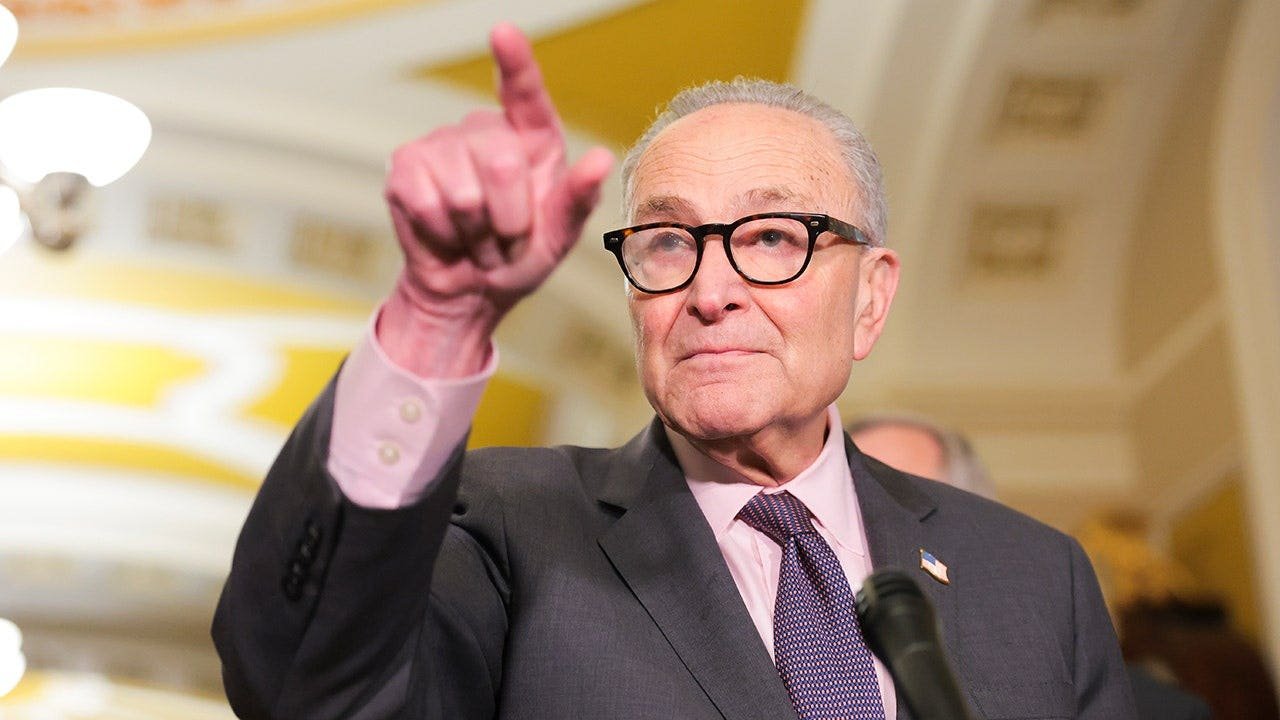
Senate Minority Chuck Schumer, D-N.Y., speaks during a news conference following a weekly policy luncheon with Senate Democrats at the U.S. Capitol on June 2, 2026, in Washington, D.C. (Anna Moneymaker/Getty Images)
«They pumped another $70 billion into Trump’s personal police force, defended Trump’s corrupt ballroom, and protected his slush fund for cop-beaters— all while voting against Senate Democrats’ efforts to lower the cost of housing, health care, gas, and childcare,» Schumer continued. «The Republican agenda is now written in black and white: a slush fund for Trump, tax dodges for Trump, a ballroom for Trump, and a private militia for Trump. For hard-working Americans? Nothing. Democrats are fighting to put money back in Americans’ pockets. Republicans are fighting to put more power, more money, and more weapons in Donald Trump’s hands.»
The Justice Department said in a statement last month «that as a part of the settlement agreement in President Donald J. Trump v. Internal Revenue Service, the Attorney General established ‘The Anti-Weaponization Fund’ to provide a systematic process to hear and redress claims of others who suffered weaponization and lawfare.»
The DOJ explained, «The Fund will receive $1.776 billion and will come from the judgment fund, which is a perpetual appropriation allowing DOJ to settle and pay cases.»
DOZEN GOP REBELS FAIL TO PERMANENTLY KILL TRUMP’S CONTROVERSIAL $2B FUND
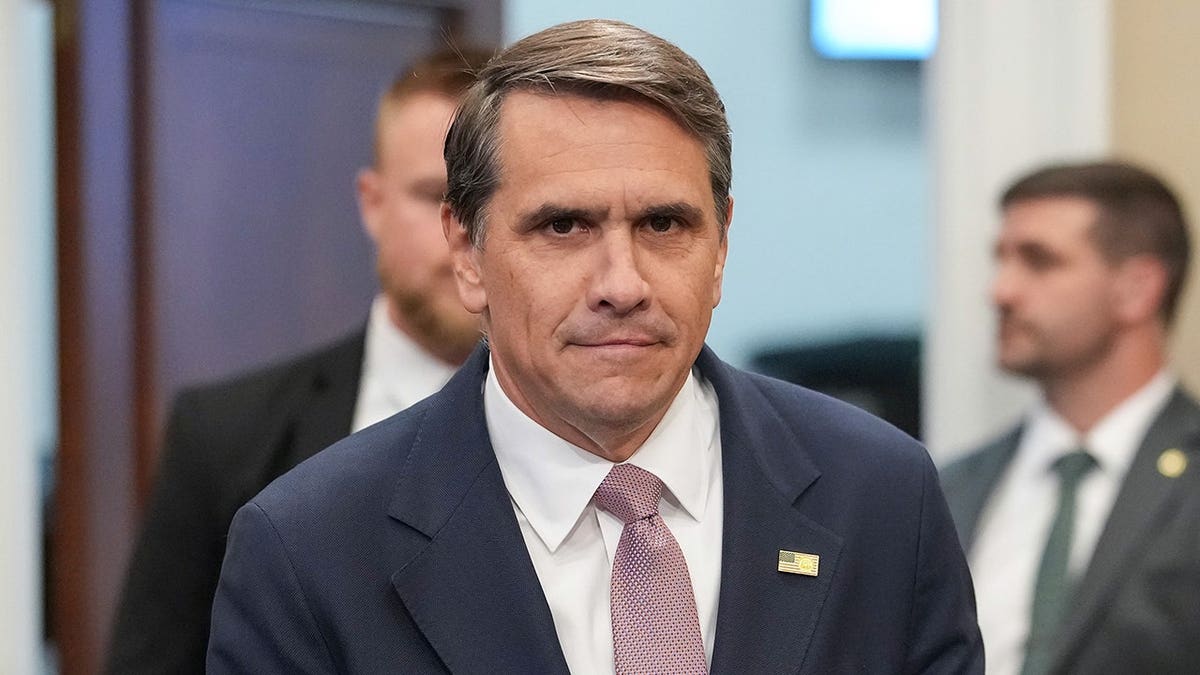
Acting U.S. Attorney General Todd Blanche arrives to a House Committee on Appropriations, Subcommittee on Commerce, Justice, Science, and Related Agencies hearing in the Rayburn House Office Building on June 2, 2026, in Washington, D.C. (Andrew Harnik/Getty Images)
During a congressional hearing on Tuesday, Acting Attorney General Todd Blanche said that the DOJ will never move forward with the plan for the anti-weaponization fund, which he said had not been «set up yet,» noting that no commissioners had been named and no claims had been made yet.
ACTING AG BLANCHE REVEALS FATE OF TRUMP’S ‘ANTI-WEAPONIZATION FUND’ UNDER PRESSURE FROM HOUSE LAWMAKERS
«After tonight’s vote, it’s clear to Americans that Republicans refused to outlaw Donald Trump’s $2 billion slush fund,» Schumer said in another statement released by Senate Democrats. «Now the whole country can see the truth: Republicans fought like hell to protect Donald Trump and his slush fund but didn’t lift a finger to help working Americans lower their costs.»
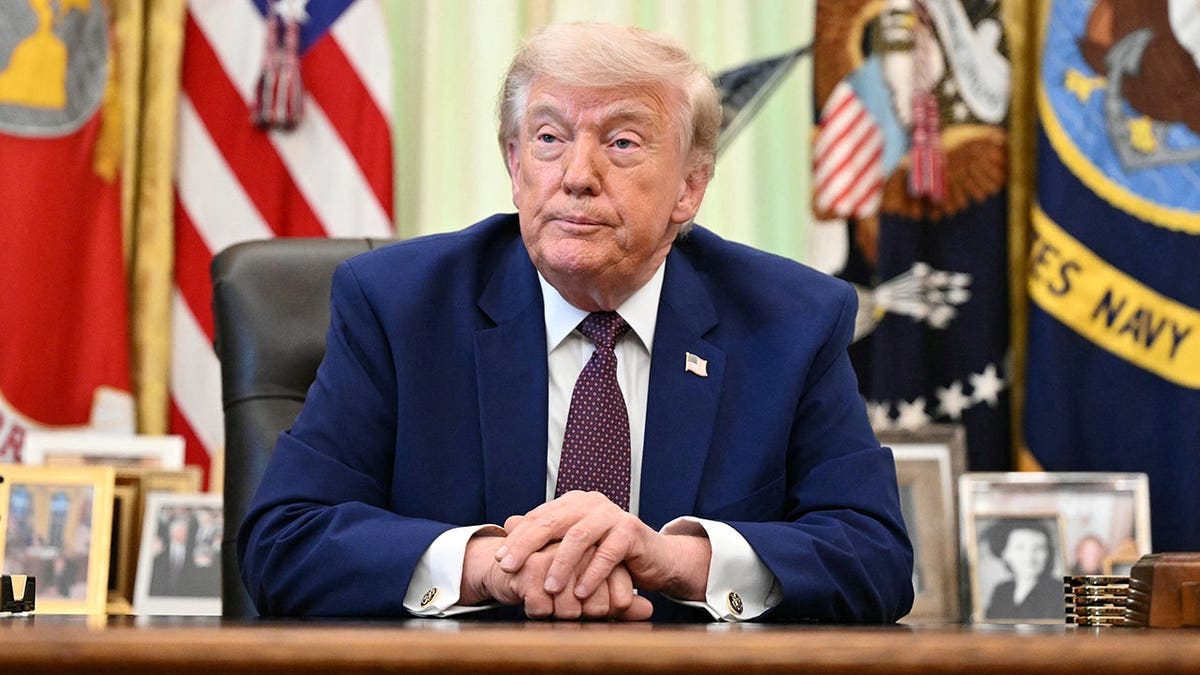
President Donald Trump speaks to the press in the Oval Office of the White House in Washington, D.C., on June 3, 2026. (Mandel NGAN / AFP via Getty Images)
«Senate Republicans tried to bury their radical agenda in the dead of night, but Democrats forced them to answer for it — amendment after amendment, vote after vote. Republicans voted against building 7 million new affordable homes, against lowering gas prices, against cracking down on health insurance companies that deny Americans coverage, against making childcare more affordable, and so much more. Again and again, Republicans chose Trump instead. While families are struggling to get ahead, Senate Republicans just voted to help Trump bleed them dry,» Schumer added.
Fox News Digital reached out to the White House for comment.
CLICK HERE TO DOWNLOAD THE FOX NEWS APP
The package would still need to clear the House of Representatives before heading to President Donald Trump.
politics, chuck schumer, immigration, republicans elections, senate elections











INTERNACIONAL
Federal judge acknowledges Supreme Court ruling clearing path for Trump to end Haiti TPS
NEWYou can now listen to Fox News articles!
President Donald Trump on Wednesday notched a major immigration victory after a federal judge acknowledged that the court order blocking the administration from ending temporary protected status (TPS) for hundreds of thousands of Haitians is no longer in effect after the Supreme Court’s ruling in Mullin v. Doe.
The ruling marks the culmination of a yearslong legal battle over the Biden administration’s expansion of Haiti’s TPS designation and delivers a significant immigration victory for Trump, who repeatedly campaigned on ending the Biden administration’s expanded TPS protections for Haitians.
The issue became a centerpiece of the 2024 election after Trump and running mate JD Vance blamed the Biden administration’s Haiti TPS policies for the influx of Haitian migrants into Springfield, Ohio, where residents raised concerns about traffic safety, strained public services and cultural clashes.
BLUE STATE LEADERS ERUPT AFTER SUPREME COURT’S DECISION ENDING TPS PROTECTIONS FOR HAITIANS, SYRIANS
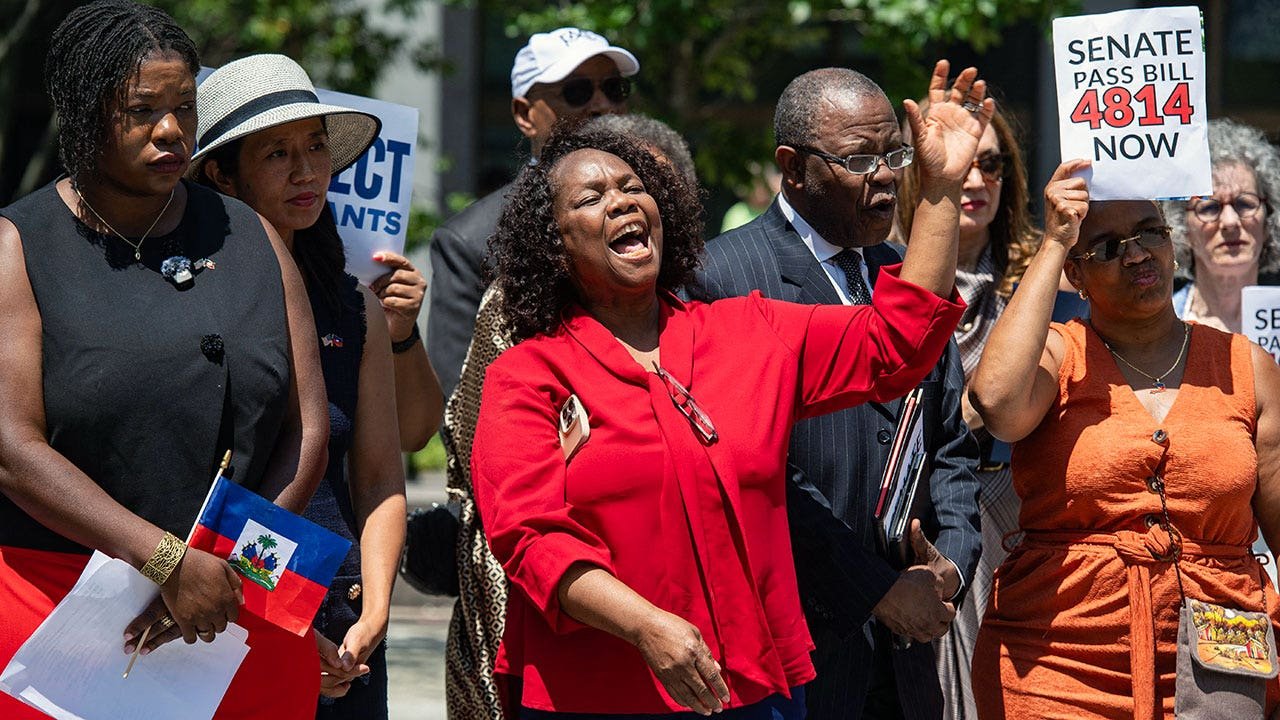
A federal judge acknowledged that the court order blocking the Trump administration from ending temporary protected status for hundreds of thousands of Haitians is no longer in effect. (Joseph Prezioso/AFP via Getty Images, File)
The controversy later exploded onto the national stage after Trump referenced residents’ claims that migrants were taking ducks and geese from parks and eating household pets.
The White House did not respond to Fox News Digital’s request for comment by publication time.
U.S. District Judge Ana Reyes wrote Wednesday that her earlier order staying the Department of Homeland Security’s (DHS) termination of Haiti’s TPS designation «is no longer in effect» after the Supreme Court’s decision and the D.C. Circuit’s subsequent mandate.
While the underlying lawsuit will continue, the administration is no longer barred by the injunction from moving forward with ending TPS protections for an estimated 330,000 to 350,000 Haitians living in the U.S.
The remaining litigation centers on whether the administration acted with unconstitutional racial animus in terminating the designation.
LIBERAL COURT STUNS WITH RULING THAT HANDS TRUMP MAJOR IMMIGRATION WIN
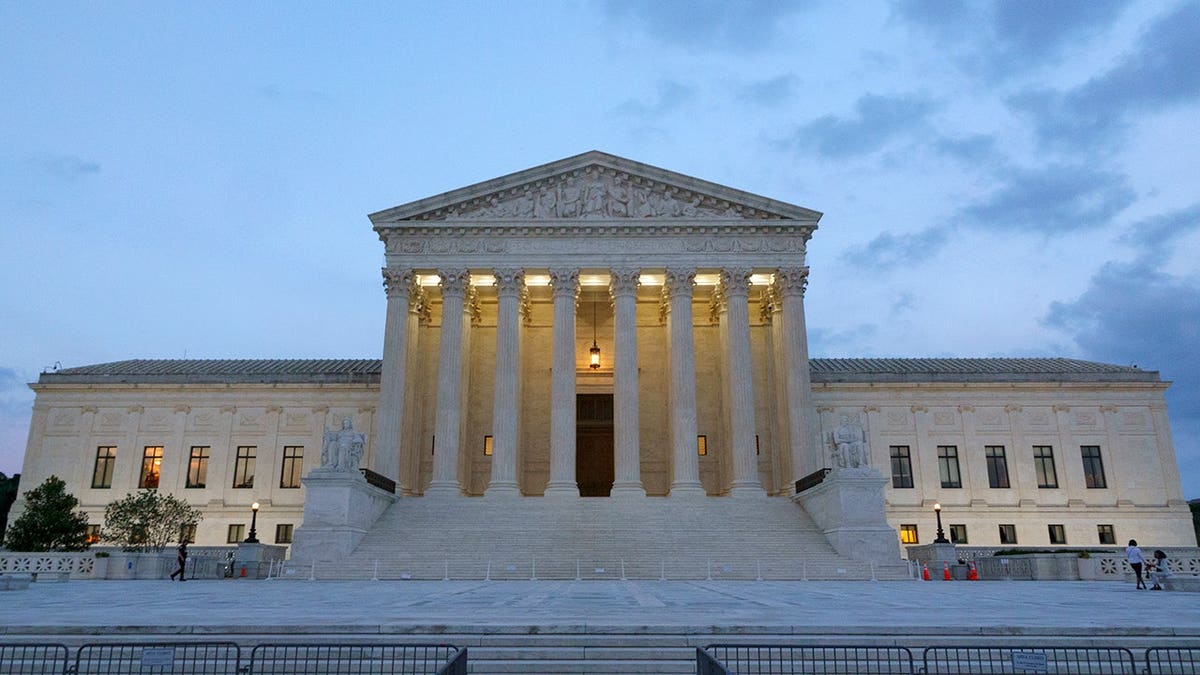
The Supreme Court ruling in Mullin v. Doe ended TPS for Haitian migrants. (Kevin Carter/Getty Images, File)
The Supreme Court ruled in June that the TPS statute bars judicial review of the administration’s non-constitutional decisions to terminate TPS designations and found the plaintiffs’ equal protection challenge was unlikely to succeed. The court reversed the lower courts and remanded the case for further proceedings.
DHS General Counsel James Percival pushed back on reports suggesting Wednesday’s order itself ended Haiti’s TPS designation, arguing the protections effectively expired when the Supreme Court’s mandate was issued July 27 and that Reyes’ order merely acknowledged that legal reality.
«Haiti TPS ended when the Supreme Court mandate issued on July 27,» Percival wrote on X. «I will give Judge Reyes kudos though for taking the L with grace and not doing something bonkers like many of her colleagues.»
Haiti first received TPS after the country’s devastating 2010 earthquake, but the designation remained in place for 16 years through multiple administrations. The Biden administration later expanded and extended protections for hundreds of thousands of Haitians already living in the U.S.
MORE THAN 100 HAITIAN IMMIGRANTS WITH VIOLENT OFFENSE AND SEX CRIME CONVICTIONS DEPORTED: DHS
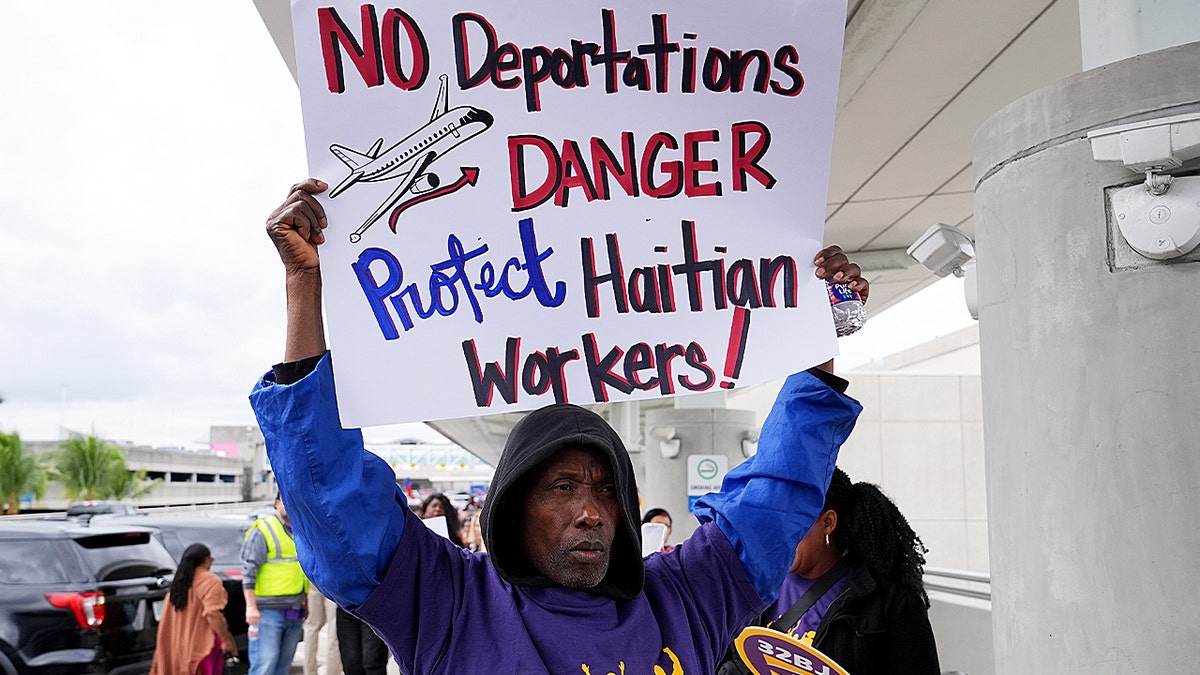
Temporary protected status for Haitian immigrants was lifted late last month. (Lynne Sladky/AP Photo, File)
After reviewing conditions in Haiti, former DHS Secretary Kristi Noem determined the country no longer met the statutory requirements for TPS and announced the administration’s decision to terminate the designation, arguing the humanitarian program had been extended well beyond its intended temporary purpose. The move triggered the legal challenge that ultimately reached the Supreme Court.
After the SCOTUS decision, the DHS announced Haiti’s TPS designation would be terminated, effective July 27, and that employment authorization documents issued under the designation were no longer valid. The department instructed employers to reverify the work authorization of affected employees.
The State Department maintains a Level 4 «Do Not Travel» advisory for Haiti because of widespread gang violence, kidnappings and civil unrest.
Fox News Digital’s Danielle Wallace and Michael Lee contributed to this report.
immigration, donald trump, homeland security, federal judges, federal courts, supreme court, politics
INTERNACIONAL
Rusia y Ucrania luchan ahora por el control del espacio aéreo: el futuro de la guerra se juega en el cielo


INTERNACIONAL
Crowded Russian beach descends into chaos after alleged Ukrainian drone incident kills 7, including 4 children

NEWYou can now listen to Fox News articles!
Vacationers were sent scrambling for safety Monday after a projectile struck a crowded beach in a Russian Black Sea resort town, killing seven people, including four children, and injuring dozens more, officials said.
Video footage captured the incident in the village of Arkhipo-Osipovka near Gelendzhik, where the beach was packed with visitors at the time of the strike.
The Russian Mission in Geneva said in a post on X that the «bloody attack» was carried out by a drone launched by Ukraine, accusing Kyiv of targeting civilians.
UKRAINE LAUNCHES WHAT APPEARS TO BE ONE OF ITS LARGEST DRONE ATTACKS AGAINST RUSSIA: REPORT
A projectile flies overhead near Arkhipo-Osipovka, Russia, on Monday. (Social media via Reuters)
«The attack targeted civilian infrastructure. Emergency and special services are working at the crash site,» regional Gov. Veniamin Kondratyev said in a post on Telegram.
«What happened today is a targeted attack by the Kyiv regime against civilians who have no connection to the military infrastructure. This cynical and inhumane terrorist attack against children cannot be justified.»
UKRAINE UNLEASHES MORE THAN 400 DRONES NEAR MOSCOW IN ONE OF WAR’S BIGGEST ATTACKS

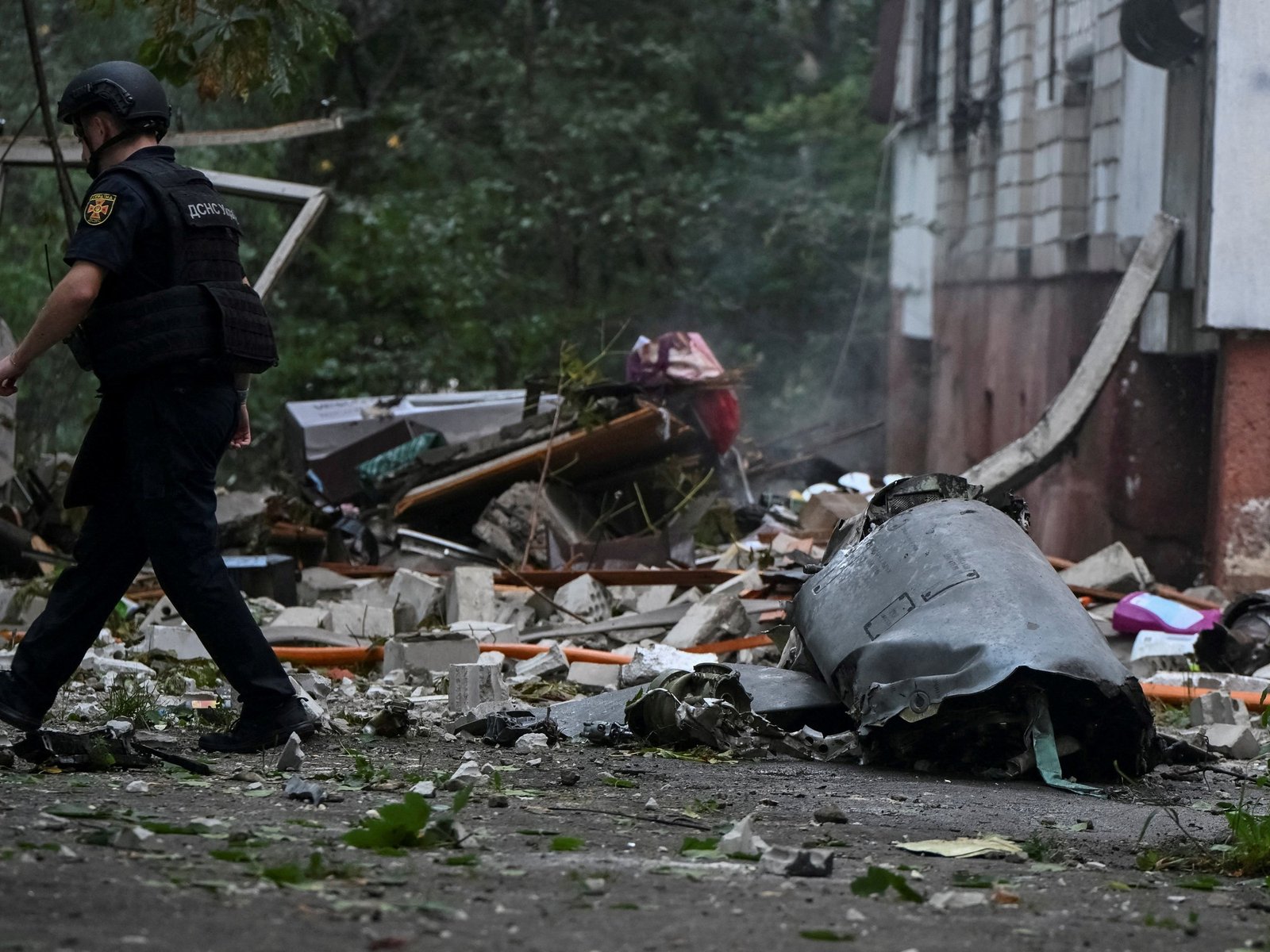
A fiery explosion rocks a Black Sea beach resort in Russia on Monday. (Social media via Reuters)
Andriy Kovalenko, an officer with Ukraine’s Defense Forces, disputed Russia’s account, saying the deaths were directly caused by Russian air defenses that intercepted a drone, sending debris onto the beach.
«Russian air defense shot down a drone over people lying on the beach,» Kovalenko said on Telegram.
In the video, sounds resembling gunfire were heard just seconds before a drone struck the beach, causing a fireball explosion that sent bystanders screaming. As the gunfire was heard, the drone appeared to veer sharply before diving toward the beach.
Preliminary Russian reports also found that several of the deaths were caused by «falling drone debris,» Kondratyev said.
ZELENSKYY SAYS PUTIN ‘LOST THE INITIATIVE’ AS UKRAINE’S TECH INDUSTRY RESHAPES THE WAR
In another Telegram post, Kovalenko indicated that Ukraine uses its weapons against Russian military-industrial infrastructure to affect Moscow’s ability to finance the war.
He further accused Russian President Vladimir Putin of creating an «illusion» that Russia would remain safe from the war by downplaying daily explosions as falling debris, limiting air raid warnings, and positioning air defenses near populated areas such as the Black Sea resort.
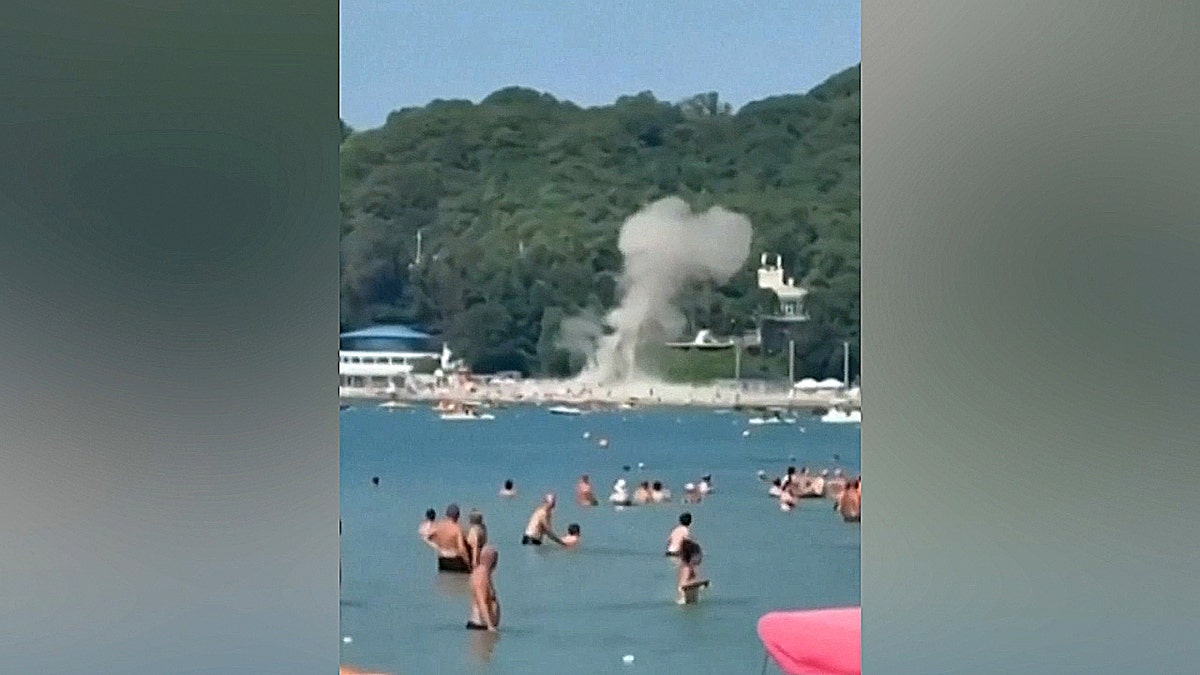
Smoke rises after a deadly blast along a Russian resort beach on Monday. (Social media via Reuters)
«Putin deliberately killed these people. Because if he had not started the war and struck Ukraine, they would be alive,» Kovalenko said.
«It was Putin, his air defense, who killed these Russians. His decisions in response to their decisions launched a chain of death for Russians.»
russia, conflicts, ukraine, wars

Qué participantes quedaron en la placa de nominados en Gran Hermano Generación Dorada: la jugada que lo cambió todo

La Anmat retiró del mercado un producto de una reconocida marca de crema antiinflamatoria tras un robo

YPF vendió dos bloques petroleros en Mendoza por USD 405 millones para financiar su expansión en Vaca Muerta

Los árbitros para la fecha 4 del Torneo Clausura de la Liga Profesional

Federal judge acknowledges Supreme Court ruling clearing path for Trump to end Haiti TPS

Los universitarios reclaman que no se cumplió con el financiamiento y anunciaron un nuevo paro nacional

“Vamos a acelerar con todo”: el objetivo del Gobierno por las reformas y la agenda electoral de cara al 2027

Javier Milei cruzó a Victoria Villarruel y elevó la tensión: “Es una opositora, replica los argumentos kirchneristas”

Reelecciones indefinidas: el oficialismo bonaerense niega que busque ampliar la Legislatura como parte de una reforma política para beneficiar a los intendentes

¡Chau Luck Ra! La salida de soltera de La Joaqui, muy bien acompañada, a días de su separación
-
 POLITICA2 días ago
Javier Milei cruzó a Victoria Villarruel y elevó la tensión: “Es una opositora, replica los argumentos kirchneristas”
-

 ECONOMIA15 horas ago
Dólar hoy en vivo: a cuánto se negocian todas las cotizaciones minuto a minuto este miércoles 5 de agosto
-

 POLITICA3 días ago
Inédito boicot a un decreto para bajar costos portuarios: el Gobierno envió intimaciones con Prefectura