
INTERNACIONAL
Trump scores major Republican primary victory as Cassidy ousted in Louisiana

NEWYou can now listen to Fox News articles!
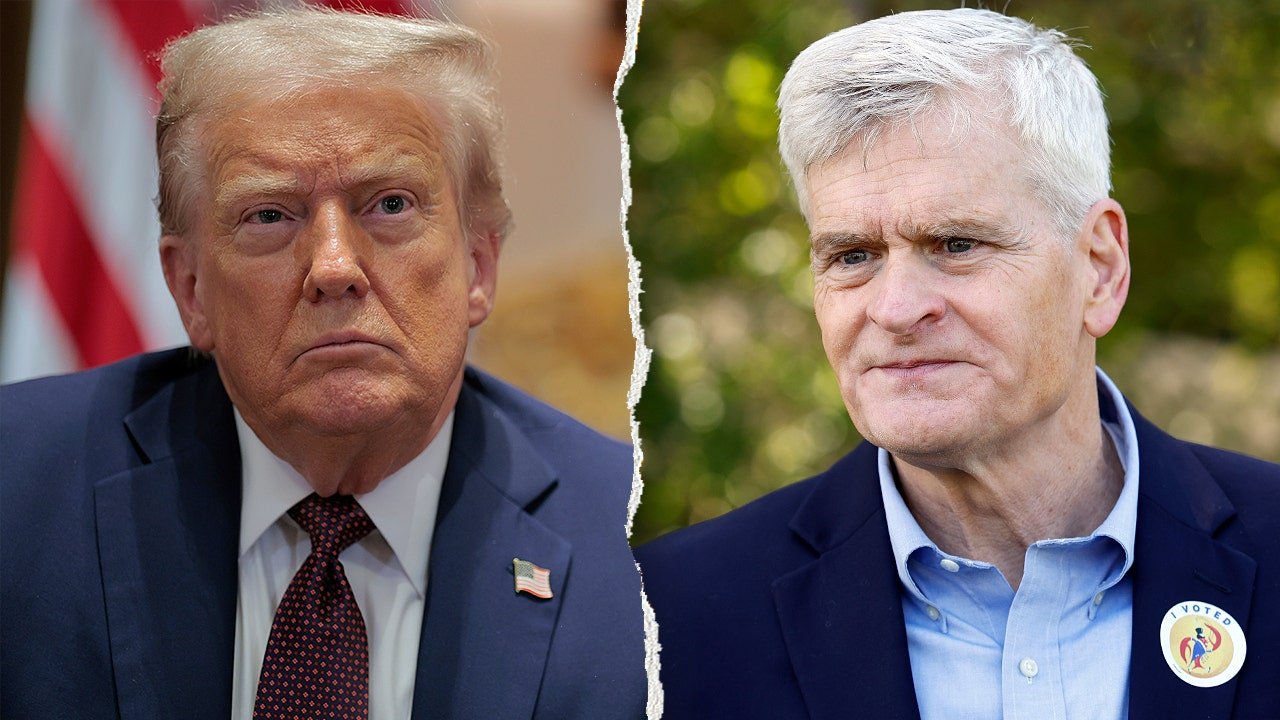
Five and a half years ago after he voted to convict President Donald Trump in his impeachment trial, GOP Sen. Bill Cassidy of Louisiana was sent packing by Republican voters as he ran for re-election.
Trump-backed Rep. Julia Letlow and Louisiana Treasurer John Fleming topped Cassidy in Saturday’s GOP primary, according to The Associated Press.
With most results tabulated late in the evening, Letlow stood at 45% of the vote, Fleming at roughly 28% and Cassidy at just under 25%, Since no candidate cracked 50% of the vote, Letlow and Fleming will advance to next month’s runoff for the Republican nomination. And Cassidy becomes the first elected Republican senator to lose renomination since Sen. Richard Lugar of Indiana in 2012
While he wasn’t on the ballot, Trump is a winner, as the primary in the solidly red state was the latest test of his endorsements in GOP nomination races and of the president’s immense grip over the Republican Party.
DEMOCRACY ’26: STAY UP TO DATE WITH THE FOX NEWS ELECTION HUB
Sen. Bill Cassidy of Louisiana fist bumps a supporter during a campaign stop at a gun retailer and firing range in Baton Rouge on May 15, 2026, the eve of the state’s Senate primary. (Paul Steinhauser/Fox News)
Trump on Saturday morning took aim at Cassidy, arguing the senator is «a disloyal disaster» and «a sleazebag, a terrible guy, who is BAD FOR LOUISIANA.»
And after Cassidy was defeated, Trump returned to social media to revel in the senator’s ouster, saying «it’s nice to see that his political career is OVER!»
Cassidy, in a speech to supporters after conceding, said «when you participate in democracy, sometimes it doesn’t turn out the way you want it to.»
«But you don’t pout, you don’t whine. You don’t claim the election was stolen… You don’t manufacture some excuse,» Cassidy said in an apparent jab at Trump. «You thank the voters for the privilege of representing the state or the country for as long as you’ve had that privilege. And that’s what I’m doing right now.»
The Louisiana primary was held a week and a half after Indiana’s primary, where Trump-backed challengers ousted five sitting Republican state senators who last December teamed up with Democrats to defeat the president’s push for congressional redistricting in the GOP-dominated Midwestern state.
Letlow, speaking to supporters at her primary night celebration, thanked Trump for his endorsement.
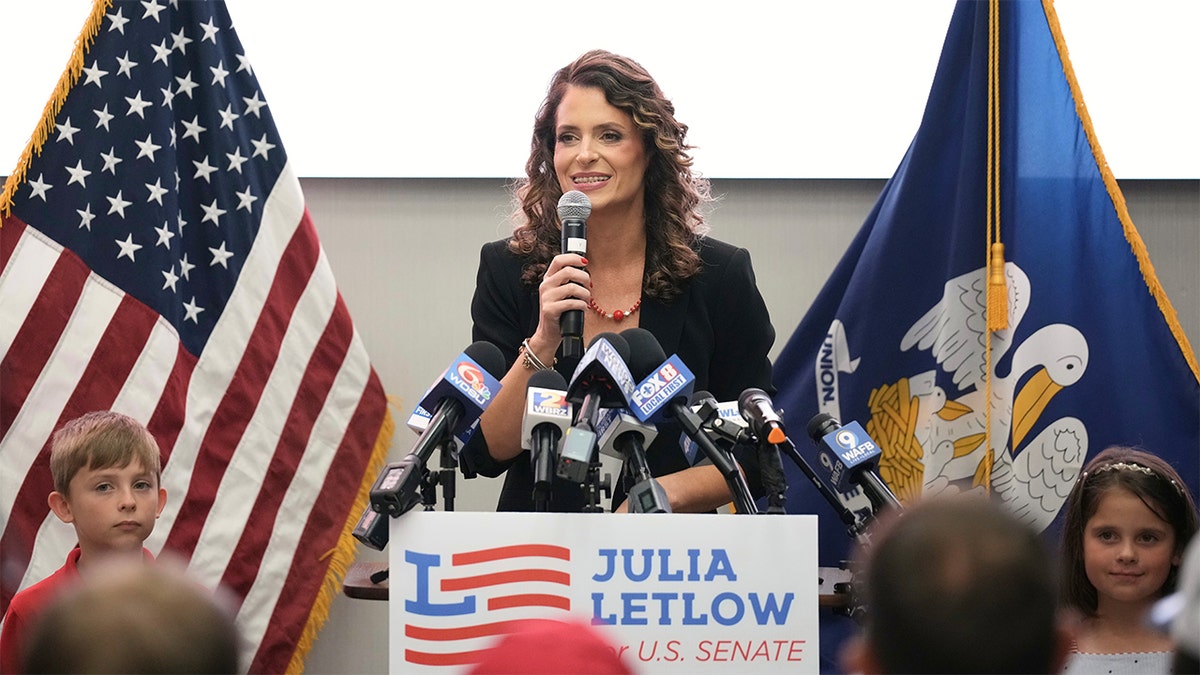
U.S. Senate candidate Rep. Julia Letlow, R-La., speaks to supporters during an election night watch party Saturday, May 16, 2026, in Baton Rouge, Louisiana. (Matthew Hinton/AP Photo)
«Louisiana made it clear tonight: we are ready for strong conservative leadership that will stand with President Trump and never waver,» she added in a post on X.
Letlow was backed by Trump even before she entered the race in January.
«Not only did he encourage me to get into this race, but also to have his complete and total endorsement has been, wow, the honor of a lifetime,» Letlow told Fox News Digital on the eve of the primary.
Trump’s endorsement in the nomination race weighed heavily in a state he carried by 22 points in his 2024 election victory.
«It’s the most powerful endorsement in the world,» Letlow said, adding that Louisiana Republicans «are huge fans of the president.»
Letlow was also backed by Republican Gov. Jeff Landry of Louisiana, a top Trump ally.
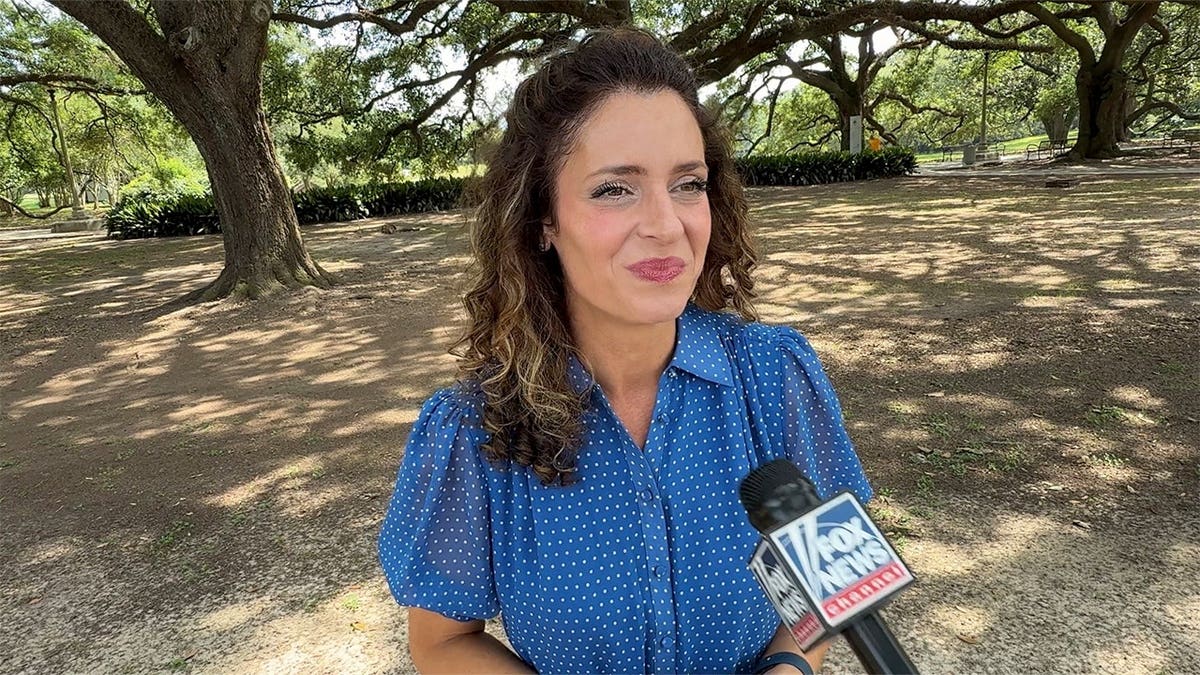
Republican Rep. Julia Letlow of Louisiana, a Republican Senate candidate, speaks with Fox News Digital on the eve of the state’s primary, in Baton Rouge, Louisiana on May 15, 2026. (Paul Steinhauser/Fox News)
After cruising to re-election six years ago, Cassidy was one of only seven Senate Republicans who voted in early 2021 to convict Trump after he was impeached by the House for his role in the violent Jan. 6 attack on the U.S. Capitol by supporters who aimed to upend congressional certification of former President Joe Biden’s 2020 election victory. Trump was acquitted by the Senate.
But since the start of Trump’s second term, Cassidy has been supportive of the president’s agenda and his nominees, including voting to approve Health Secretary Robert F. Kennedy Jr.
But Kennedy and his Make America Healthy Again movement were out for revenge.
That’s because Cassidy, a doctor, has been a skeptic of Kennedy’s push to reform the nation’s health policies, including Kennedy’s efforts to cut back on vaccine recommendations.
And Kennedy allies blamed Cassidy, chair of the Senate Health, Education, Labor, and Pensions Committee, for helping sink the surgeon general nomination of Casey Means, a close Kennedy ally and top MAHA advocate, after Cassidy did not bring it to a committee vote.
Meanwhile, Trump blasted the senator as a «very disloyal person» and on the eve of the primary, the president took to social media to praise Letlow as a «Highly Respected America First Congresswoman.»
Cassidy highlighted his record over two terms in the Senate in delivering for Louisiana, which is one of the nation’s poorest states. And he’s showcased his support for Louisiana’s large oil and gas industry, which accounts for roughly 15% of the state’s workforce.
«When people ask things such as, can you work with President Trump, I point out that he has signed into law four bills that I wrote or negotiated,» the senator said in a Fox News Digital interview on Friday. «We continue to work together, by the way.»
And Cassidy touted that he’s «a conservative senator who delivers.»
Cassidy and an allied super PAC dished out more than $20 million on ads, according to AdImpact, a national ad tracking firm. That total was more than Letlow and Fleming, combined, spent.
Some of those ads knocked Letlow over her past support for diversity, equity and inclusion (DEI) programs during her tenure at the University of Louisiana at Monroe.
Cassidy argued that Republican voters are «concerned about her shifting position on DEI. She was all in for DEI.»
Defending her record, Letlow told Fox News Digital that «back in 2020 whenever DEI was introduced to us, we had no idea what it was back then, and I quickly witnessed it. I was in higher education at the time. I quickly witnessed the left completely hijack it, turn it into this Marxist leftist indoctrination of our children. And so, when I got to Congress for the last five years, I’ve been fighting against it.
Letlow also faced scrutiny from her rivals over her failure to disclose over 200 personal stock and bond trades within the mandated 45-day reporting deadline for members of Congress.
She said it «was a reporting error on my financial advisor’s part. And once I realized that that had happened, I quickly remedied it. It has never happened since.»
And Letlow charged that the criticism of her from Cassidy and Fleming over DEI and stock trading was «all baseless attacks, desperate attacks.»
Letlow won her congressional seat in 2021, after her husband, Luke Letlow, died six days after being sworn into the U.S. House after his 2020 election victory for the seat she now holds.
Fleming, who served as a White House deputy chief of staff during Trump’s first term, argued that he was the most conservative candidate in the GOP Senate primary.
‘They see me clearly MAGA,» Fleming told Fox News Digital, as he referred to Louisiana Republicans. «I served in his entire first administration at various capacities. I was one of the first congressmen that endorsed him in 2016.»
CLICK HERE TO DOWNLOAD THE FOX NEWS APP
Meanwhile, Fleming claimed that Letlow was «not the prototype for a Trump endorsement. She’s much more like a Democrat.»
The winner of the Republican runoff will be considered the clear favorite in the general election to keep the Senate seat in Republican hands.
Fox News’ Luke Trevisan contributed to this story
republicans, donald trump, senate elections, louisiana, midterm elections, elections











INTERNACIONAL
Thousands of migrants remain in Spanish territory after border rush, death toll hits about 100: Ceuta official
NEWYou can now listen to Fox News articles!
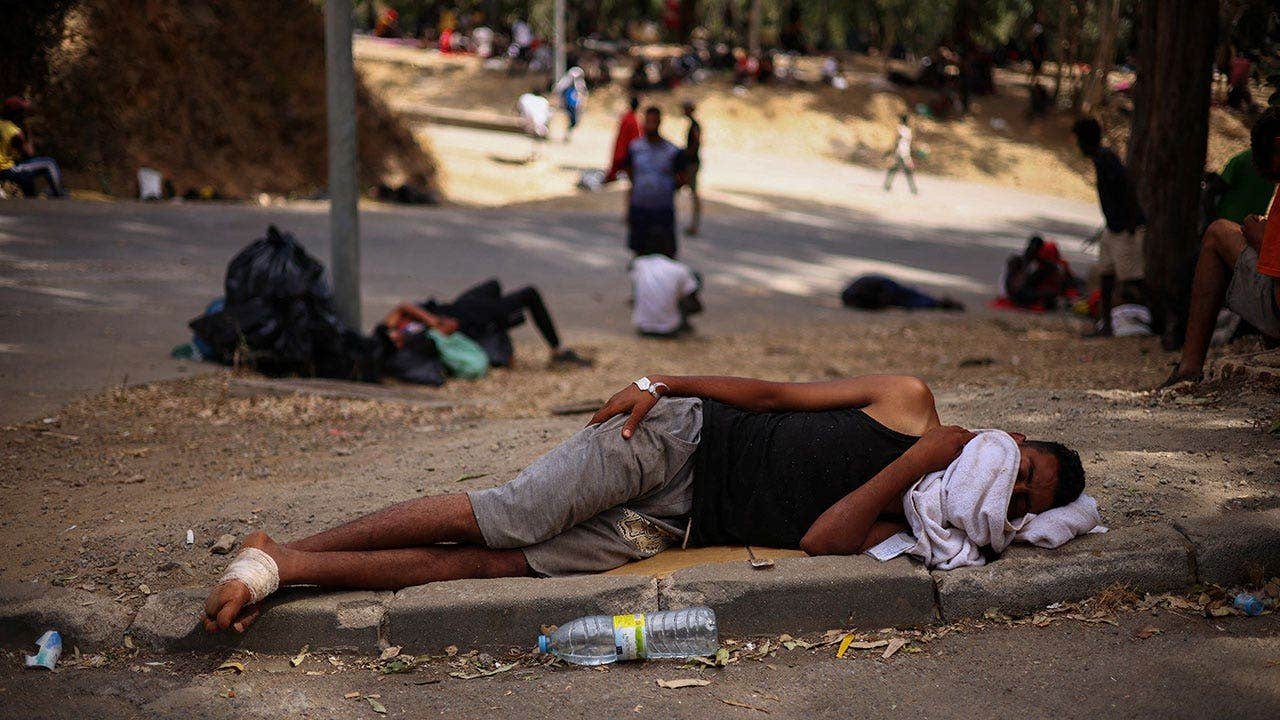
Between 3,000 and 5,000 migrants remain in Ceuta after hordes of mostly military-aged men rushed into the Spanish enclave from Morocco late last month, Ceuta’s president said Thursday.
While speaking from a video call during an extraordinary session of the European Parliament’s Committee on Civil Liberties, Justice and Home Affairs, Ceuta President Juan Jesus Vivas also revealed around 100 people died during the surge.
Authorities estimate roughly 80,000 migrants rushed into the territory within a 48-hour period in late July.
Vivas called the border crisis an «invasion» and «one of the most difficult moments in the recent history of our city.»
«According to the Dictionary of the Royal Spanish Academy, an ‘invasion’ should be understood in its second definition as the abnormal or irregular occupation of a specific place,» Vivas said, according to a Fox News Digital translation of his remarks, which he gave in Spanish.
AT LEAST 72 DEAD AMID MASS MIGRANT RUSH TO STORM SPANISH ENCLAVE OF CEUTA SPARKING BORDER CRISIS
Migrants run and cheer as they cross on foot into the North African enclave of Ceuta from Morocco, after swimming over from the Moroccan side and overwhelming police at the city’s breakwater, according to Spain’s Guardia Civil, in Ceuta, Spain, July 30, 2026. (FARO TV via Reuters)
«That is precisely what occurred on July 30 and 31, when approximately 80,000 people — equivalent to the entire population of Ceuta — stormed into our city. This characterization, moreover, aligns with the statement made by the President of the Government of Spain, who on Friday the 31st, during his visit to Ceuta, stated that we were facing an attack, a violation of Spain’s territorial integrity,» Vivas continued.
Echoing previous claims from Spain’s leftist President Pedro Sánchez and European Commission President Ursula von der Leyen, Vivas acknowledged roughly 75,000 of the migrants had returned to Morocco but added «under no circumstances does it allow us to claim that our city has returned to normal.»
«Ceuta has not returned to normal because between 3,000 and 5,000 people who entered during those fateful days of July 30 and 31 still remain,» Vivas said. «The reception centers for adult and minor migrants are in a state of collapse, turning the influx into a major humanitarian emergency.»
«Added to this are disruptions to public order and a high risk to public safety,» he continued. «Furthermore, the morale of Ceuta’s residents is severely affected. Our population feels sad, helpless, uneasy, fearful, and worried — and with good reason. It is inevitable to wonder whether this will happen again, and if that next time will be the definitive plunge into the abyss, causing us to cease being what we are: Spain and Europe. It has been exposed to the world that we are extraordinarily vulnerable, and that our security and integrity are in the hands of a third country, Morocco, which does not recognize our sovereignty.»
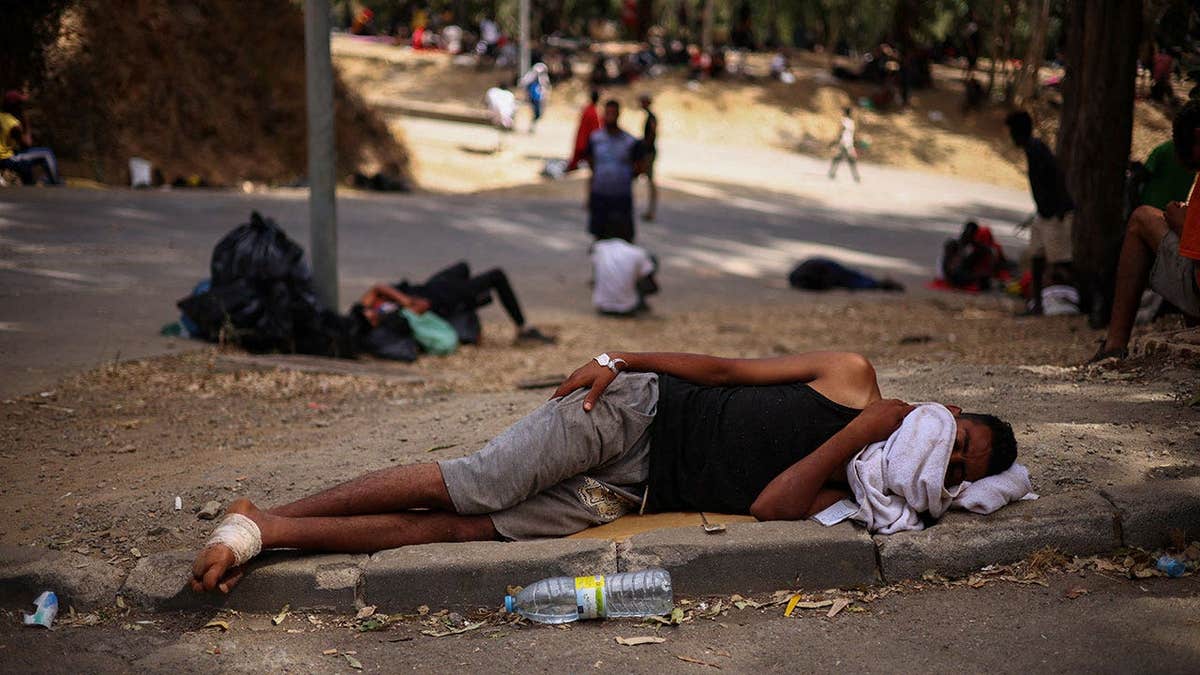
Migrants wait outside Ceuta’s temporary migrant center (CETI), which is currently at full capacity, following mass crossings of migrants on foot and by sea from Morocco into Spanish territory, in Ceuta, Spain, Aug. 3, 2026. (Pedro Nunes/Reuters)
He then proposed a set of actions authorities should take to return the city to normal. The proposals included expelling the remaining Moroccan migrants, provisioning more resources for the city’s migrant facilities, and the implementation of a new economic model which he called on to be «More Spain and More Europe.»
CEUTA MIGRANT SURGE EXPOSES SPAIN-MOROCCO TENSIONS AS ISLAMIST GROUPS REPORTEDLY SEEK TO EXPLOIT BORDER CRISIS
«We serve a society that has forged its character through courage to endure and the ability to overcome adversity. We are confident it will do so again, though I emphasize that the requested support from European authorities remains indispensable. Thank you very much,» Vivas concluded.
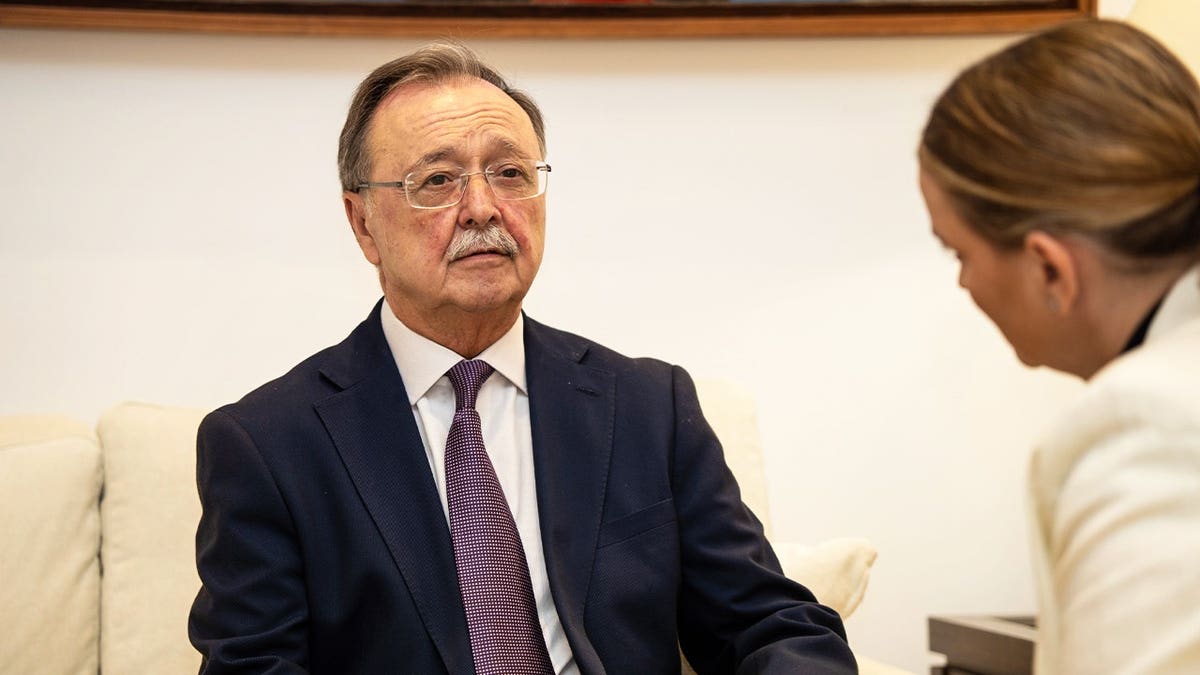
Ceuta President Juan Jesus Vivas seen during a meeting at the Consolat de Mar on Aug. 6, 2026, in Palma, Balearic Islands, Spain. The meeting takes place just one week after the unprecedented migration crisis at the border between Ceuta and Morocco. (Javier Fernandez/Europa Press via Getty Images)
Following the border rush between July 30-31, Sánchez called the incident «an attack, a violation of the territorial integrity of Spain.»
Fox News Digital contacted the governments of Spain and Ceuta for additional comment.
illegal immigrants, europe, border security, spain, world
INTERNACIONAL
House GOP launches probe into 5 major labor unions over Dem spending despite MAGA membership base
NEWYou can now listen to Fox News articles!
FIRST ON FOX: The Republican-led House Committee on Education and Workforce is demanding financial records from five of the nation’s largest labor unions over allegations that union leaders used funds to support Democratic candidates and progressive causes while spending millions on lavish perks.
In letters obtained by Fox News Digital and sent Thursday, the lawmakers on the committee requested financial records dating back to January 2023 from the United Auto Workers (UAW), United Steelworkers (USW), SMART Transportation Division (SMART-TD), Brotherhood of Locomotive Engineers and Trainmen (BLET), and Brotherhood of Maintenance of Way Employees Division (BMWED).
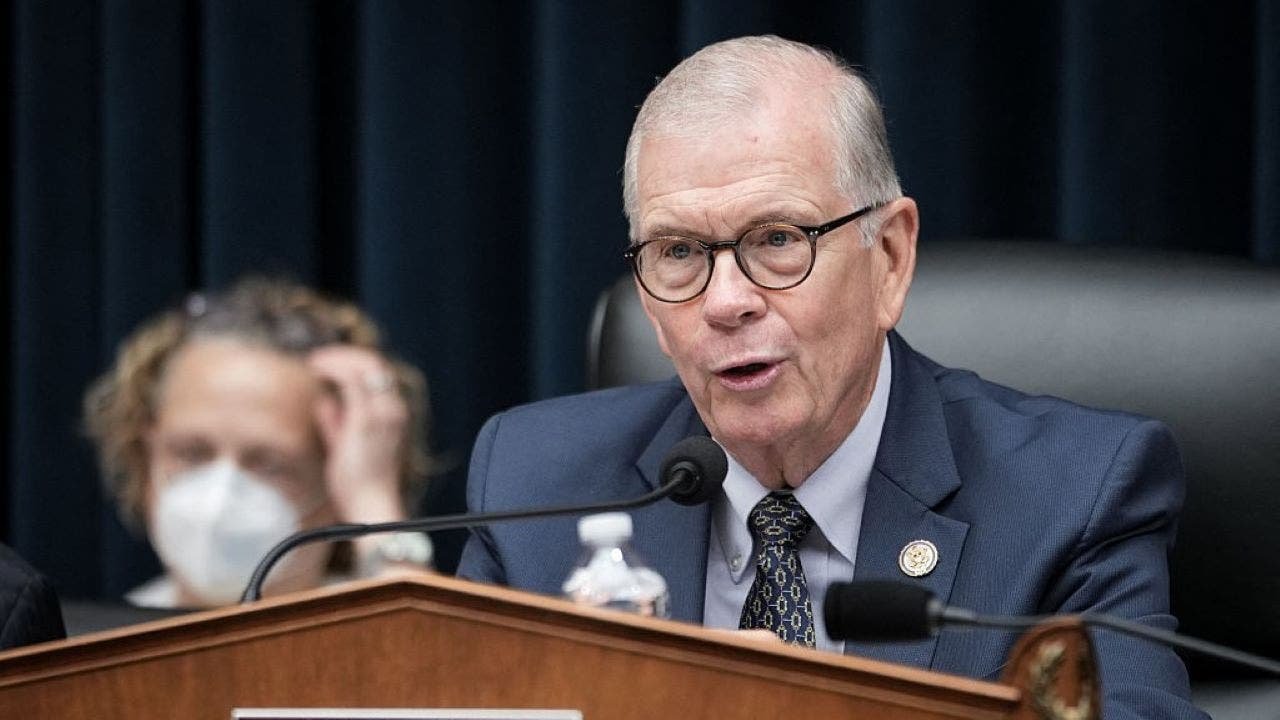
«Unions are supposed to be representing workers for their best interests on the job site, for their future goals that they have, and to work together in a commonality that speaks for, I think, in general, all of the workers combined and not just select portions of it,» Rep. Tim Walberg, R-Mich., who also serves as the chairman of the House Committee on Education and Workforce, told Fox News Digital.
«When we see funds that have been used by multiple unions for highly political purposes, and you begin to see that the rank and file aren’t following along with the same political funding purposes of union leadership, common sense says you ought to take a look at it.»
EXPLOSIVE REPORT UNEARTHS PROMINENT UNION MONEY TRAIL LABELED A ‘STUNNING BETRAYAL’ OF MAGA MEMBERS
President Donald Trump takes questions from the media during a bilateral meeting with President of Lebanon Joseph Aoun in the Oval Office of the White House on July 21, 2026, in Washington, D.C. (Kevin Dietsch/Getty Images)
Multiple reports cited in the letters, including previous Fox News Digital reporting on BMWED’s political spending, allege union leaders spent millions supporting Democratic candidates and progressive causes while also spending heavily on conferences, travel, entertainment and other expenses.
The UAW had the highest reported totals, with nearly $95 million in political spending and nearly $146 million spent on travel and entertainment.
The requests also seek records on lobbying, executive pay, travel, entertainment and conference expenses, along with member complaints, ethics and audit policies, transfers to larger labor organizations, and the use of union funds to cover expenses for spouses, family members, guests or political allies.
The lawmakers argue there is a growing disconnect between union leadership and members, saying many rank-and-file workers have «increasingly supported President Trump and other Republican candidates in recent election cycles.»
«I think it comes down to the leader’s own self-interest,» Walberg said. «That could be political interest, or that could be self-aggrandizement, or in certain cases looks like for monetary purposes, for their own personal benefit.»
In the letters, the lawmakers said that workers «deserve transparency regarding how their dues are spent, the extent to which union leadership consults members before endorsing candidates or engaging in political activities, and whether differing viewpoints within the union are being respected.»
FRUSTRATED BLUE-COLLAR UNION BOSSES RIP SOCIALIST POLITICIANS, WARN OF LABOR EXODUS FROM DEM PARTY
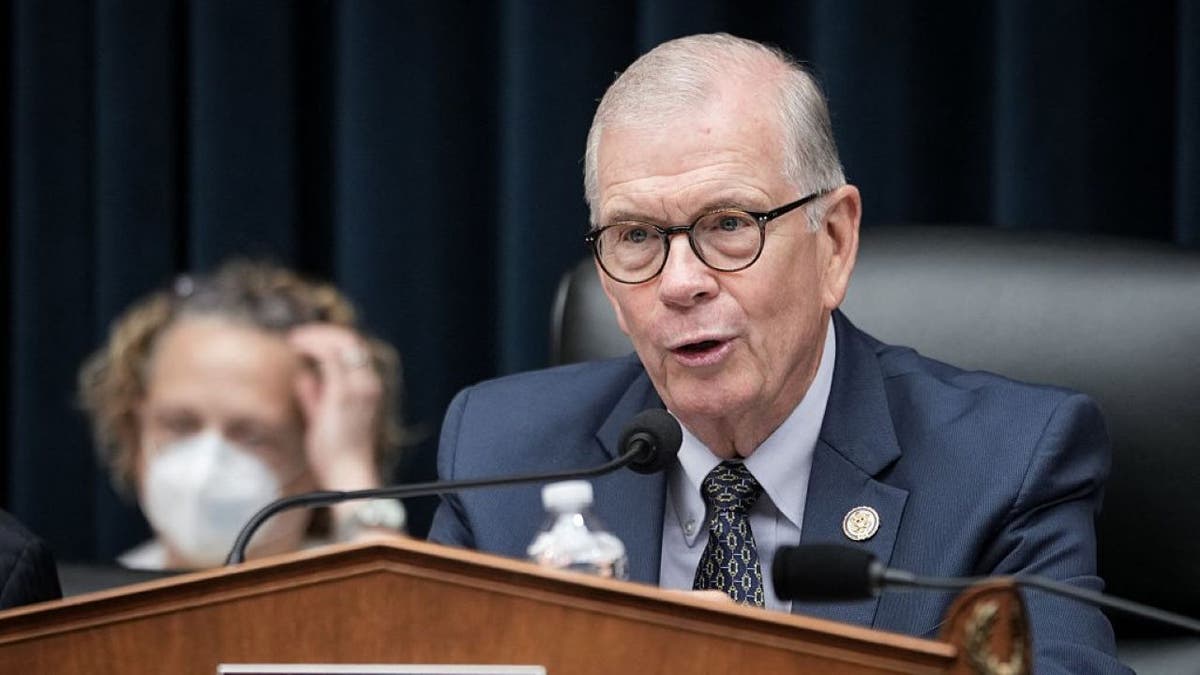
Rep. Tim Walberg of Michigan speaks during a House Workforce and Education Committee hearing on Capitol Hill in Washington, D.C., on June 5, 2025. (OLIVER CONTRERAS/AFP via Getty Images)
Walberg said the committee is examining how some unions spend dues collected under «mandatory membership policies.»
«We have responsibility in our committee for oversight on what goes on in the workplace, what goes in those that represent workers in the work place on both sides of the equation, whether it’s the employer or the union,» he said.
But Walberg said union leaders still face questions about serving workers’ best interests.
«There have been union leaders who have gone to jail and certainly been prosecuted over misuse of funds,» he said. «There seems to be indication that that still is going on in certain major unions.»
Insisting «this is not to be a partisan political motivated effort,» Walberg said the committee’s role is oversight and that evidence uncovered during the investigation could still be referred to the Justice Department.
«We do not have prosecutorial powers,» he said. «We can’t put anybody in jail. We can call for information, and ultimately call for union leadership to come before our committee and answer questions.»
SOURCES CORROBORATE WHISTLEBLOWER CLAIMS OF CORRUPTION, QUID PRO QUO CULTURE INSIDE POWERFUL NYC UNION

Supporters hold up signs during a campaign event for U.S. President Donald Trump at Xtreme Manufacturing on Sept. 13, 2020, in Henderson, Nevada. (Ethan Miller/Getty Images)
The unions were asked to respond by Aug. 17, with the UAW receiving a separate Aug. 18 deadline.
«The committee will continue examining whether current labor law adequately protects workers from political coercion and whether additional transparency requirements are warranted,» according to the letters.
The letters added that the unions’ responses will assist «in determining whether any legislative changes are warranted,» arguing unions have a legal duty to fairly represent members and that workers «should not be compelled to subsidize political advocacy fundamentally at odds with their beliefs or interests.»
Walberg said the investigation is «for a purpose,» one he hopes will hold union leaders accountable.
«I hope that will be very apparent and transparent that we are concerned about the rank-and-file union member who in most cases had no choice about their contributions but should have a clear understanding and the ability to react to that understanding about how their funds are being used for political, cultural, you name it, purposes and have their union leadership brought to light,» he said.
Fox News Digital reached out to the UAW, USW, SMART-TD, BLET and BMWED for comment. BMWED declined to comment, while the other unions did not respond by publication.
politics, lobbying, congress, democratic party, labor unions
INTERNACIONAL
Nicaragüenses son víctimas de emboscadas y ataques violentos en distintas zonas de Costa Rica

Una preocupante racha de violencia ha golpeado a la comunidad de migrantes nicaragüenses en Costa Rica durante los primeros días de agosto de 2026. Diversos ataques armados y agresiones con armas blancas ocurridos en distintas regiones del país centroamericano han dejado un saldo trágico de varios ciudadanos de origen nicaragüense muertos y gravemente heridos, hechos que se encuentran bajo una intensa investigación por parte del Organismo de Investigación Judicial (OIJ).
Uno de los sucesos más sangrientos se registró durante la madrugada del pasado domingo (2 de agosto), en la localidad turística de Tamarindo, en el cantón de Santa Cruz, provincia de Guanacaste.
Dos hombres de nacionalidad nicaragüense, identificados por las autoridades con los apellidos Espinoza, de 32 años, y Contreras, de 33, viajaban a bordo de un vehículo cuando fueron emboscados. De acuerdo con los informes preliminares brindados por el OIJ, otro automóvil interceptó a las víctimas y desde su interior desconocidos dispararon en múltiples ocasiones. La ráfaga de proyectiles causó la muerte instantánea de ambos ocupantes, mientras que los perpetradores se dieron a la fuga y continúan sin ser localizados por los cuerpos policiales.
Ese misma noche, en la provincia de Alajuela, un joven de nacionalidad nicaragüense, identificado como Yerling Antonio Hernández Martínez, de 24 años, perdió la vida tras ser atacado con un arma blanca en las afueras de un establecimiento nocturno en Santa Fe de Guatuso.
Informes judiciales detallan que el incidente se desencadenó a partir de una acalorada discusión dentro de un bar, en la que participaron tres hombres. La riña derivó en que dos de los sujetos atacaran a Hernández Martínez con un puñal, propinándole heridas mortales. Pese a la pronta llegada de la Cruz Roja, los socorristas determinaron que el joven ya no contaba con signos vitales. En un rápido operativo, la Fuerza Pública logró la detención de dos sospechosos de participar en el crimen, quienes quedaron a disposición de la Fiscalía.
Apenas unos días después, la violencia volvió a golpear la zona guanacasteca. En la madrugada de ayer, miércoles 5 de agosto, alrededor de la 1:00 a. m., se reportó un grave atentado directo en la comunidad de Corralillo de Filadelfia, en el cantón de Carrillo. Un hombre nicaragüense de apellido Ruiz resultó gravemente herido tras ser acribillado.
Según la reconstrucción de los hechos, el afectado se encontraba dentro de su vivienda cuando escuchó que alguien lo llamaba desde la parte exterior. Al salir a atender la llamada, fue atacado a balazos a quemarropa.
Ruiz sufrió cuatro impactos de bala distribuidos en el tórax, la clavícula y la mano izquierda. Socorristas de la Cruz Roja Costarricense se desplazarán para brindarle los primeros auxilios y trasladarlo de urgencia hacia un centro médico de la localidad, y posteriormente al hospital regional de Liberia debido a la gravedad de sus lesiones.
Esta preocupante seguidilla de hechos violentos pone de manifiesto la vulnerabilidad de una población que ha crecido exponencialmente en territorio costarricense durante los últimos años. El continuo deterioro socioeconómico, la represión política y la sistemática persecución de la disidencia impuesta por el régimen autoritario de Daniel Ortega y Rosario Murillo en Nicaragua han provocado uno de los éxodos migratorios más grandes en la historia reciente de Centroamérica.

Miles de ciudadanos nicaragüenses se ven forzados a abandonar su tierra natal ante el acoso estatal, la falta de libertades fundamentales y la escasez de oportunidades laborales. Costa Rica, por su proximidad geográfica y su histórica tradición de acogida, se ha convertido en el principal destino de refugio para las familias nicaragüenses que buscan salvaguardar sus vidas y construir un futuro digno.
Sin embargo, al llegar al país tico, los migrantes nicaragüenses no solo se enfrentan al reto de la integración laboral y social, sino que también quedan expuestos al alarmante incremento en los índices de criminalidad e inseguridad que enfrenta el país vecino.
Costa Rica,Nicaragua,automóvil,armas,detención,acuarela

Octopath Traveler 3 queda prácticamente confirmado con estas palabras de Tomoya Asano – Nintenderos

Siete prepagas fueron dadas de baja esta semana y ya suman 15 en 2026: cuáles son y por qué quedaron afuera del registro

La Corte Suprema aprobó su presupuesto para el 2027 y le reclamó al Gobierno más fondos

Thousands of migrants remain in Spanish territory after border rush, death toll hits about 100: Ceuta official

Por qué la llegada de Almada a River le abre las puertas del Atlético al Cuti Romero

En medio de la crisis con Lula, Sebastián Pareja reúne a dirigentes y legisladores de derecha de la región para definir una agenda común

Javier Milei cruzó a Victoria Villarruel y elevó la tensión: “Es una opositora, replica los argumentos kirchneristas”

Reelecciones indefinidas: el oficialismo bonaerense niega que busque ampliar la Legislatura como parte de una reforma política para beneficiar a los intendentes

Un muerto y tres heridos al chocar un colectivo de turismo y un auto en Mendoza

Zaira Nara realizó un topless en Formentera y un comentario de un seguidor generó debate: “¿Nunca vestida?»
-
 POLITICA3 días ago
Javier Milei cruzó a Victoria Villarruel y elevó la tensión: “Es una opositora, replica los argumentos kirchneristas”
-

 ECONOMIA1 día ago
Dólar hoy en vivo: a cuánto se negocian todas las cotizaciones minuto a minuto este miércoles 5 de agosto
-

 POLITICA1 día ago
Brasil retira a su embajador en la Argentina: qué consecuencias tiene la medida diplomática