
INTERNACIONAL
Vance takes lead selling Trump’s Iran gamble as Rubio, Hegseth and Ratcliffe cede spotlight on fragile deal


NEWYou can now listen to Fox News articles!
Vice President JD Vance arrived in Switzerland this week as the Trump administration’s most visible defender of a fragile Iran memorandum of understanding, even as officials moved to tamp down reports of internal concern over whether Tehran can be trusted to follow through on nuclear concessions.
«If it doesn’t happen, I’m blaming JD Vance. If it does happen, I’m taking full credit,» joked President Donald Trump this month of the Memorandum of Understanding (MOU) with Iran.
The MOU, signed last week, has not resolved the core dispute over Iran’s nuclear program, but instead opened a 60-day negotiating window aimed at turning broad commitments into enforceable terms — leaving Vance to defend a framework that supporters call a diplomatic opening for sustained stability in the region and skeptics fear could give Tehran room to stall.
While Secretary of State Marco Rubio, Secretary of War Pete Hegseth and CIA Director John Ratcliffe have been central to previous high-profile foreign policy missions, Vance spent last week as one of the administration’s chief public advocates for the Iran deal, repeatedly fielding questions about the negotiations during a media blitz for his new book.
JD VANCE REVEALS DETAILS OF US-IRAN DEAL, ADDRESSES WHETHER TAXPAYER MONEY WILL GO TO TEHRAN
Trump addresses the media alongside United States Trade Representative Jamieson Greer, US Commerce secretary Howard Lutnick , US Secretary of State Marco Rubio and US Secretary of Treasury Scott Bessent during a closing press conference at the G7 summit. (Mandel NGAN / AFP via Getty Images)
A senior U.S. official told Fox News Digital earlier this month that there was a «split» inside the administration on support of the Iran MOU but wouldn’t say which officials did not support the decision. The talks have been fragile for weeks, with the MOU serving less as a breakthrough than a temporary framework while U.S. officials continue to wrestle with whether Iran can be trusted to follow through on nuclear commitments.
CIA Director John Ratcliffe reportedly emerged as a key intelligence leader who expressed doubt about the intelligence behind the Iran deal to Trump and other senior officials, Axios reported. Rubio and Hegseth also reportedly held reservations, while Vance and other officials advocated for the MOU, according to the outlet.
The CIA did not comment when asked by Fox News Digital if Ratcliffe was skeptical about the deal.
A second senior U.S. official told Fox News Digital that Trump officials were all aligned in supporting the deal and viewed it as the appropriate path forward.
While a White House official added that Vance emerged as a lead negotiator because Trump tasked him with the role from the outset, arguing his position as vice president gives him the stature to bring key players from countries such as Qatar and Pakistan to the negotiating table.
When asked about the reports of an alleged «split,» the White House fired back that the MOU meets all the previous requirements expressed by the administration and the president would only sign a «good deal.»
«President Trump listens to all opinions on any given issue — but everyone understands he is the final decisionmaker,» a White House official told Fox News Digital.
RUBIO, RATCLIFFE TO DELIVER CLASSIFIED IRAN BRIEFING TO ‘GANG OF EIGHT’ AHEAD OF TRUMP’S STATE OF THE UNION
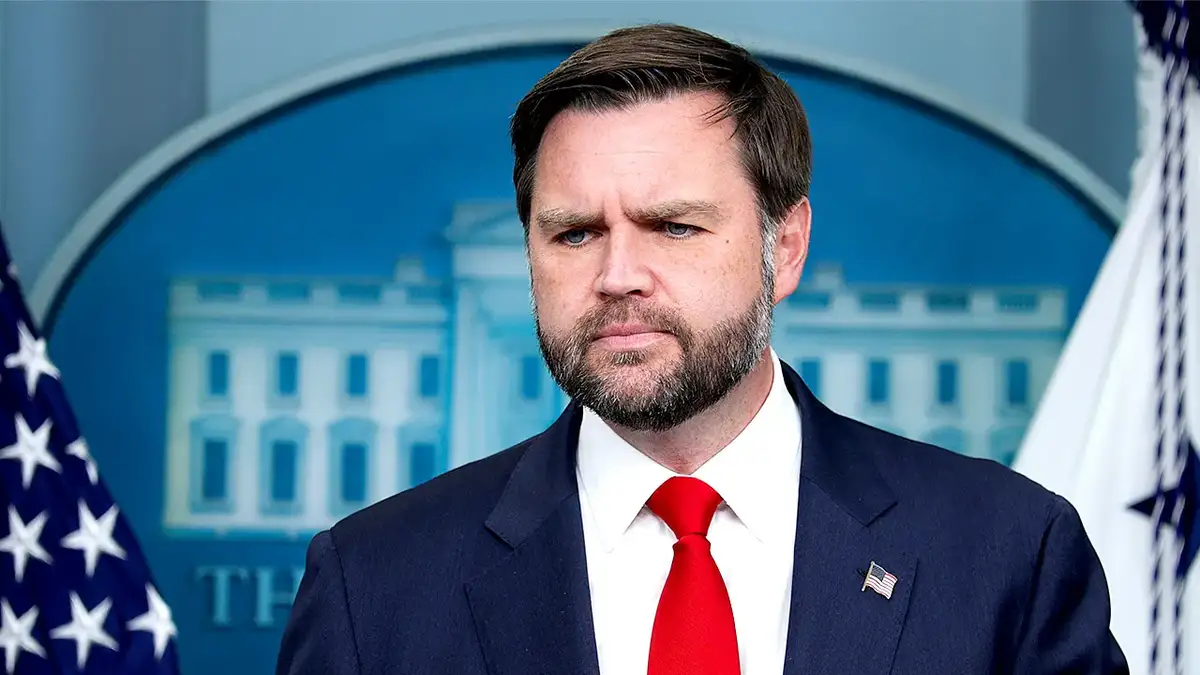
Vice President JD Vance took questions from reporters during the daily press briefing in the Brady Press Briefing Room at the White House on Oct. 1, 2025, in Washington, D.C. (Alex Wong/Getty Images)
While Ratcliffe has historically kept a more reserved role as CIA chief, Rubio and Hegseth have embraced the spotlight repeatedly during high-level missions, hosting press briefings and posting on social media – even sharing memes surrounding major policy wins.
Rubio has publicly backed the MOU, but his support has been noticeably more restrained than his advocacy for past foreign policy efforts. The secretary has reposted clips of the deal signing and Vance’s media appearance discussing Iran, but has not directly made a statement. His latest post on X was congratulating Colombian President-Elect Abelardo De La Espriella on his victory.
Rubio was also part of the president’s delegation in France at the G7, seen standing behind him during Trump’s sideline presser on the deal. Rubio did not make any comments during the press conference.
Hegseth also has remained active on social media during the NATO summit, posting updates on alliance-related meetings and highlighting various War Department initiatives, while notably refraining from commenting directly on the Iran agreement.
His last public remarks directly addressing U.S.-Iran relations came more than a month ago on May 5 during a Pentagon briefing alongside Caine. Hegseth discussed Project Freedom, which was a strike against Iran’s nuclear infrastructure – separate and distinct from Operation Epic Fury.
Since then, Hegseth’s public appearances have focused largely on NATO and defense diplomacy, including bilateral meetings with foreign counterparts and engagements with leaders from Italy, Singapore, South Korea and Ecuador.
READ IT: THE FULL TEXT OF THE US-IRAN MEMORANDUM OF UNDERSTANDING
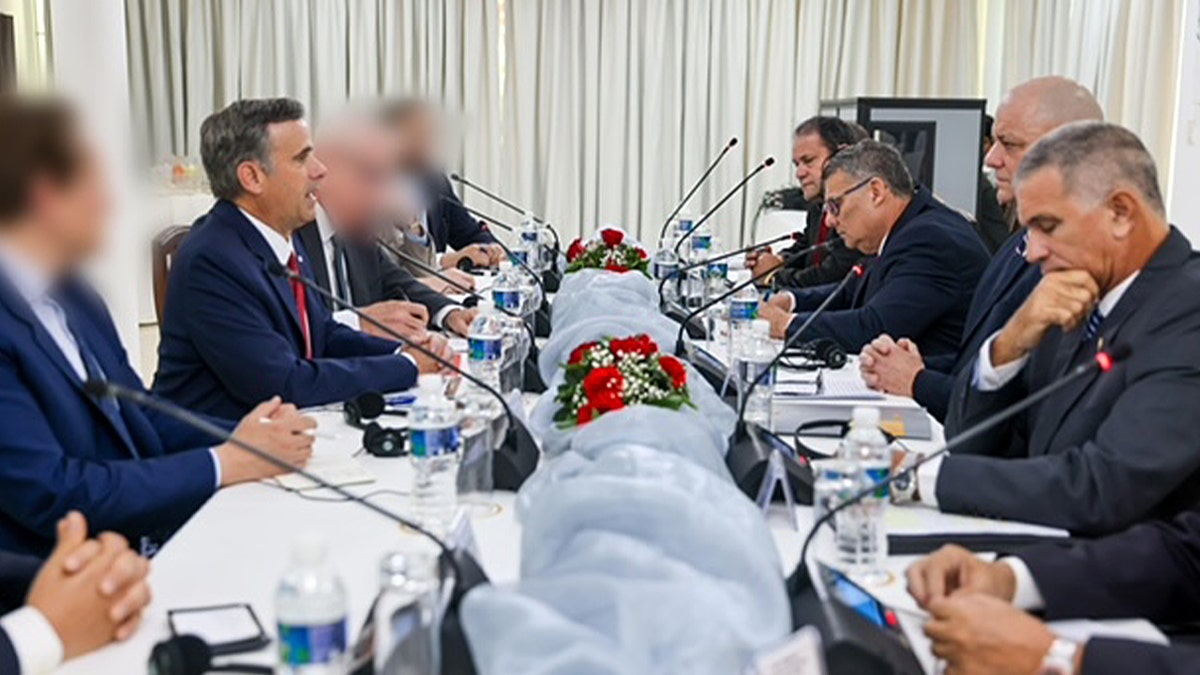
CIA Director John Ratcliffe meets with officials in Havana, Cuba, on May 14, 2026, to discuss intelligence matters. (CIA)
The framework has come under fire from conservatives and liberals alike who have drawn comparisons to former President Barack Obama’s JCPOA, a politically toxic benchmark for many Republicans that the president and Vance have rejected in public remarks.
During an appearance on Fox News’ «The Five» last week, Vance argued the JCPOA comparison stems from a misconception because the proverbial carrot-and-stick positions from the Obama-era deal have been reversed.
The Pentagon doubled down on their backing of the Iranian deal when asked by Fox News Digital if there were any doubts.
«Of course, Secretary Hegseth supports the Peace Deal with Iran and all of President Trump’s objectives,» Chief Pentagon Spokesperson Sean Parnell told Fox News Digital when asked if there was any friction about the Iran agreement.
State Department spokesperson Tommy Pigott offered Fox News Digital administration a similar statement backing the Iran deal.
«Secretary Rubio and the entire administration is 100% in lockstep behind President Trump. The President has taken unprecedented action to prevent the Iranian regime from obtaining a nuclear weapon, making the U.S. and the entire world safer,» Pigott said.
Rubio is heading to Geneva Monday after Vance has already been engaged in discussions with Iranians alongside Jared Kushner and Steve Witkoff since Sunday.
HEGSETH ONCE WARNED AGAINST ENDLESS WARS. NOW HE’S LEADING TRUMP’S STRIKE-FIRST DOCTRINE
Rubio, Hegseth and Ratcliffe have previously been at the center of some of the Trump administration’s most significant foreign policy engagements and achievements, from high-stakes talks with Vladimir Putin in Alaska to G7 summits and NATO conferences.
Vance’s absence from Trump’s January Mar-a-Lago announcement following the capture of former Venezuelan President Nicolás Maduro drew notice at the time, particularly as Rubio, Hegseth, Ratcliffe, Joint Chiefs Chairman Gen. Dan Caine and senior adviser Stephen Miller appeared alongside the president for the administration’s victory-lap moment.
CLICK HERE TO DOWNLOAD THE FOX NEWS APP
Fox News Digital reached out to the Office of the Vice President for comment.
Vance stayed late into the night Sunday evening to push the deal to the finish line in an attempt to get nuclear inspections to start as soon as possible.
«It’s funny, we were trying to call some of the inspectors last night around two in the morning. As you can expect, not many people are answering their phone at two in the morning,» said Vance Monday.
«I expect that will happen at the minimum this week, but we think even some of those conversations with the inspectors and with the IAEA could happen as soon as today,» Vance added.
Fox News Digital’s Charles Crietz contributed to this report.
pete hegseth, cia, iran, jd vance, marco rubio








INTERNACIONAL
Cuba sufrió el segundo apagón nacional en menos de 24 horas: el régimen culpó a “eventos meteorológicos”
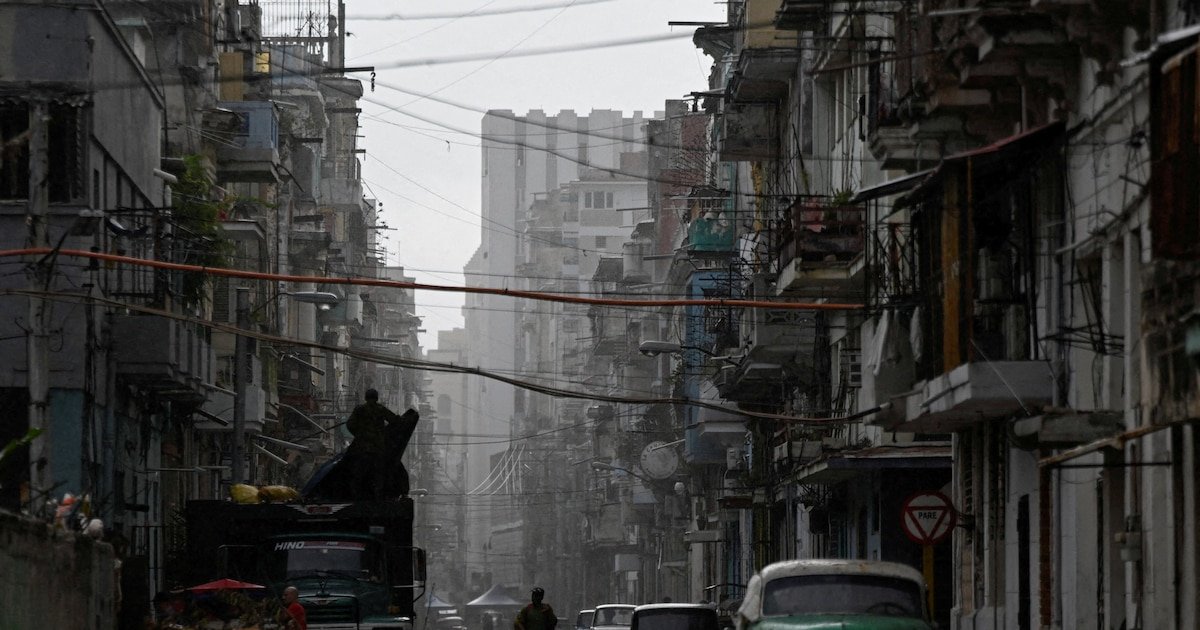
El Sistema Electroenergético Nacional (SEN) de Cuba experimentó este lunes un nuevo apagón a nivel nacional, el segundo en menos de 24 horas y el séptimo que afecta a la isla en lo que va de 2026, justo cuando había comenzado el proceso de recuperación del servicio.
La Unión Eléctrica (UNE), empresa estatal, comunicó en redes sociales que el nuevo incidente ocurrió durante el proceso de restablecimiento, debido a “eventos meteorológicos” que causaron daños a la red eléctrica y afectaron “directamente a las unidades generadoras que se encontraban en línea”, las cuales salieron de funcionamiento.
En su mensaje, la empresa, que depende del Ministerio de Energía y Minas (Minem), aseguró: “Continuamos trabajando intensamente para revertir esta situación y lograr el restablecimiento del sistema lo antes posible”.
La noche anterior, a las 22:43 hora local del domingo (2:43 GMT del lunes), se había producido una desconexión total del SEN, según informó la propia UNE, que señaló que ya se habían iniciado las labores de recuperación.
Al mediodía, la UNE reportó que en La Habana se restableció la electricidad en 29 circuitos de distribución, lo que benefició a 87.480 clientes, equivalente al 14,27% de la ciudad, y también a 19 hospitales y otros servicios fundamentales como el suministro de agua.

El director del despacho nacional de carga de la UNE, Félix Estrada, explicó en la televisión estatal que, en el momento de la última caída, varias centrales térmicas estaban a punto de sincronizarse con el SEN. Actualmente, se ha retomado el proceso gradual para restaurar el servicio.
Según experiencias previas, la recuperación del sistema suele ser un procedimiento lento, que puede superar las 24 horas, ya que implica iniciar la generación de energía con fuentes de arranque sencillo (solar, hidroeléctrica, motores), para abastecer pequeñas áreas que luego se interconectan.
El objetivo de este procedimiento es suministrar suficiente energía a las centrales termoeléctricas, que son la base de la generación eléctrica en Cuba, para que puedan volver a operar y cubrir la demanda.
El viernes pasado, se había registrado una caída parcial del SEN por una avería en las líneas de transmisión de 220 kilovatios desde la provincia de Pinar del Río hasta Matanzas y Cienfuegos, lo que dejó a casi la mitad de la isla sin electricidad y a unos 4,5 millones de cubanos sin suministro.
En marzo, la isla vivió dos apagones nacionales por una desconexión total del SEN en menos de una semana, y en julio se sumaron otros tres en solo ocho días.
Cada apagón nacional reciente ha dejado sin electricidad a la mayoría de los nueve millones de habitantes de la isla.

La crisis energética en Cuba responde a la limitada capacidad de producción eléctrica del país y a la presión de Estados Unidos, que impide la importación de crudo o derivados, mientras la isla necesita adquirir en el extranjero cerca de la mitad de su demanda energética.
El régimen cubano reconoce que la situación del Sistema Electroenergético Nacional (SEN) es “aguda”, “crítica” y “extremadamente tensa”, determinada tanto por el bloqueo petrolero estadounidense como por la obsolescencia del sistema energético.
Diversas fuentes estiman que Cuba requiere más de 100.000 barriles de petróleo diarios para cubrir sus necesidades energéticas, de los cuales solo obtiene unos 40.000 por producción nacional; el resto debe importarse.
El último petrolero que llegó a la isla con crudo extranjero fue el ruso Anatoli Kolodkin, un barco sancionado por Estados Unidos que entró en la bahía de Matanzas el 31 de marzo con unos 730.000 barriles, cantidad que solo cubrió la demanda durante dos semanas de abril.
La crisis energética ha provocado una paralización casi total de la economía estatal cubana, cuyo retroceso previsto para este año es de al menos un 6,5%, tras una caída acumulada superior al 15% en los últimos cinco años.
Corporate Events,South America / Central America,Government / Politics,Top Pictures
INTERNACIONAL
Holy Land battle: Solomon’s Pools become flashpoint in fight over Israel’s biblical heritage
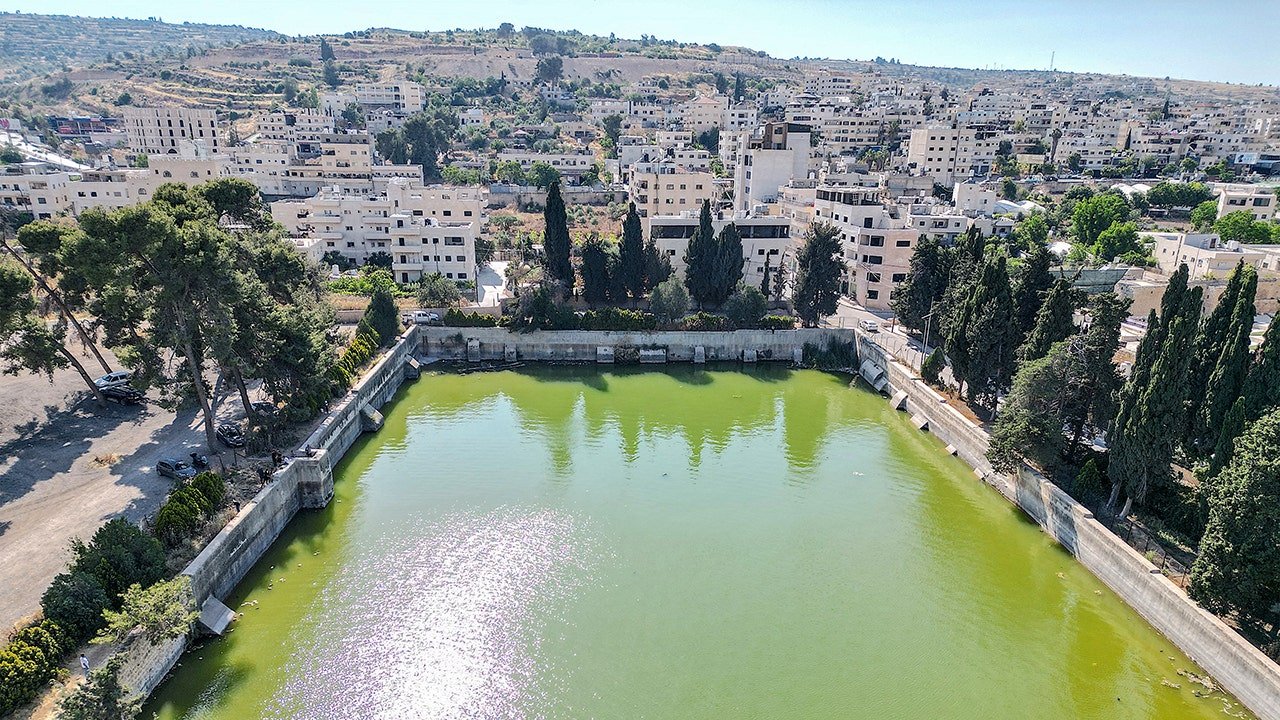
Drone footage showing Solomon’s pools
Aerial video captures the sprawling 2,000-year-old reservoirs that once supplied Jerusalem with water and are now at the center of a dispute over preservation, heritage and sovereignty. (Video by Yehoshua Sigala.)
NEWYou can now listen to Fox News articles!
Built more than 2,000 years ago to supply Jerusalem with water, Solomon’s Pools have become the center of a modern political dispute, with officials from the nearby Israeli town of Efrat accusing the Palestinian Authority of allowing the historic site to deteriorate after it was placed under Ramallah’s jurisdiction following the 1993 Oslo Accords.
Most archaeologists date the construction of Solomon’s Pools, three ancient reservoirs located between Efrat and Bethlehem, south of Israel’s capital, to the Hasmonean period in the second century B.C. The reservoirs were built to supply water to Jerusalem during the Second Temple period. Herod the Great (37–4 B.C.) later expanded the system to provide water to his palace-fortress at Herodium.
«Solomon’s Pools are not only the history of the Jewish people in the Land of Israel and the source of Jerusalem’s living water, but also the future of Efrat in our ability to exercise our sovereignty, preserve Efrat’s development space and sustain tourism for all religions in the area between Jerusalem and Hebron,» Dovi Shefler, mayor of Efrat, told Fox News Digital.
EXCLUSIVE: ISRAELI PRESIDENT HERZOG BLASTS MAMDANI, PRAISES TRUMP, SOUNDS ALARM ON IRAN
An aerial photograph shows a water reservoir at the historic site of Solomon’s Pools. (Hazem Bader/AFP Via Getty Images)
The three reservoirs collectively hold approximately 288,000 cubic meters of water, or more than 10 million cubic feet. They are fed by the Arrub and el-Biyar aqueducts, which, together with rainwater, historically supplied Jerusalem with water year-round. During the British Mandate, the pools underwent significant renovations and became known as «Jerusalem’s beach» until the Oslo Accords.
Under the agreements, the West Bank was divided into Areas A, B and C. Solomon’s Pools are located in Area A, which falls under Palestinian civil and security control.
Yonatan Marcus, chief of staff of the Efrat Municipality, told Fox News Digital that during the negotiations, then-Prime Minister Yitzhak Rabin maintained that the pools would remain under Israeli control, alongside other archaeological sites of major Judeo-Christian significance such as Rachel’s Tomb in Bethlehem.
However, during the mapping process, he said, the words «Solomon’s Pools» remained within Area C on zoomed-out maps, while the reservoirs themselves ultimately mistakenly fell inside Area A.
TRUMP’S MASSIVE GOP FAITH BLOC RAISES RED FLAG ON IRAN DEAL: TRUST HIM, NOT HIS TEAM
Marcus said under Palestinian Authority control, things changed for the worse. «When you visit today, you can see that the place is neglected. Much of it has been destroyed. There are signs everywhere in Arabic stating that swimming is not permitted because the pools are filled with sewage water,» he said.
He added that the sewage contamination was not natural, with wastewater deliberately diverted into the pools, replacing the fresh water that flowed there until the Oslo Accords. He said this occurred despite the PLO’s commitment under the agreement to protect historical sites in Area A.
«Our main goal is to protect these magnificent pools. It’s not just about Jewish history; it’s about Judeo-Christian history and whoever believes in the people of the Bible who walked here,» he said.
He described the reservoirs as the largest archaeological pools in Israel, saying they occupy a strategic location between the Western Wall and the Cave of the Patriarchs and Matriarchs along Route 60, known as the Biblical Highway.
Although the pools are located in Area A, Marcus said visits by Israelis take place only on coordinated tours secured by the IDF’s Judea and Samaria Division, as permitted under the Oslo Accords.
He noted that visits by Israeli officials, including Finance Minister Bezalel Smotrich, have prompted improvements, saying the Palestinian Authority removed about 200 bags of garbage from the site following years of neglect.
CHRISTIAN LEADERS HOLD EMERGENCY SUMMIT IN JERUSALEM TO CONFRONT GLOBAL RISE IN ANTISEMITISM
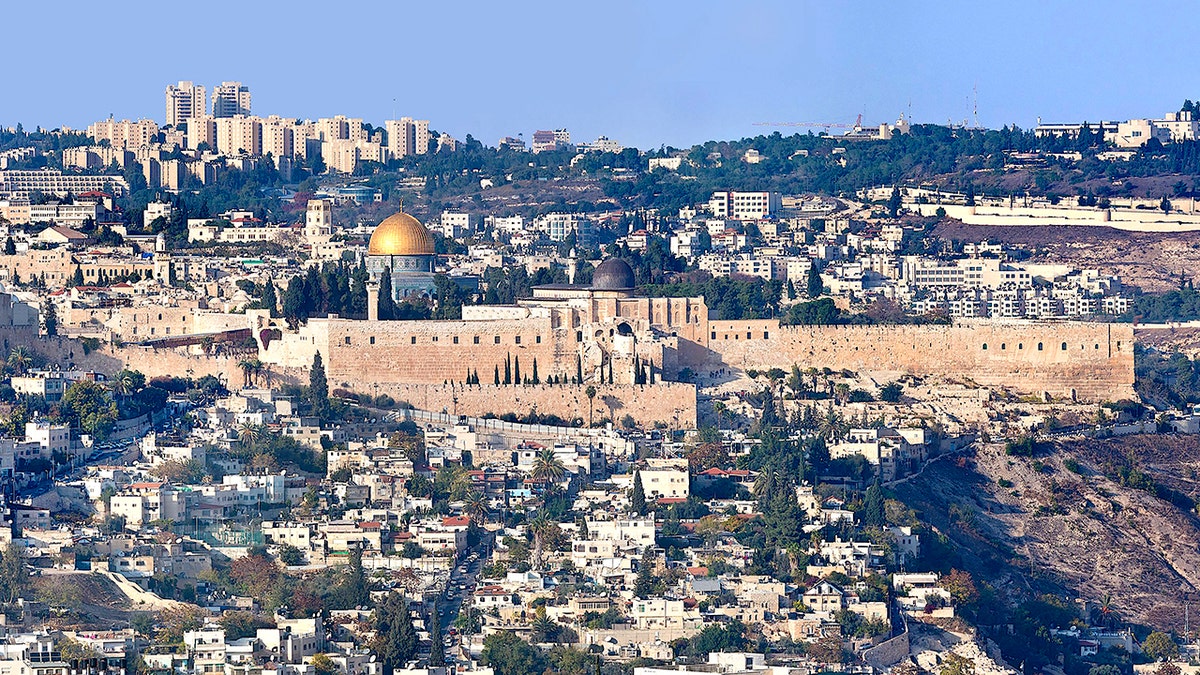
Panoramic view of the Old City of Jerusalem, Israel, viewed from Haas Avenue in late afternoon. (Planet One Images/UCG/Universal Images Group via Getty Images)
«If the pressure of our coming here is going to make them take care of the site, then wonderful. In the end, our goal is for it to be preserved,» he said.
Ahmad Fattouh, a spokesman for Palestinian Authority President Mahmoud Abbas’s Fatah faction, rejected the allegations.
«It’s absolutely audacious that the leadership of the colonial settlement of Efrat claims to be concerned about the condition of Burak Sulaymān’s pools when they are the very reason behind its declining water levels,» Fattouh told Fox News Digital. He said Israeli locals diverted the springs that feed the pools and argued that the Palestinian Authority has restored the site and developed it as a tourist destination.
Fattouh also accused Israeli officials of using the issue to justify taking control of the site, saying Smotrich’s visit showed that the pools were not completely dry, contrary to claims by Efrat officials.
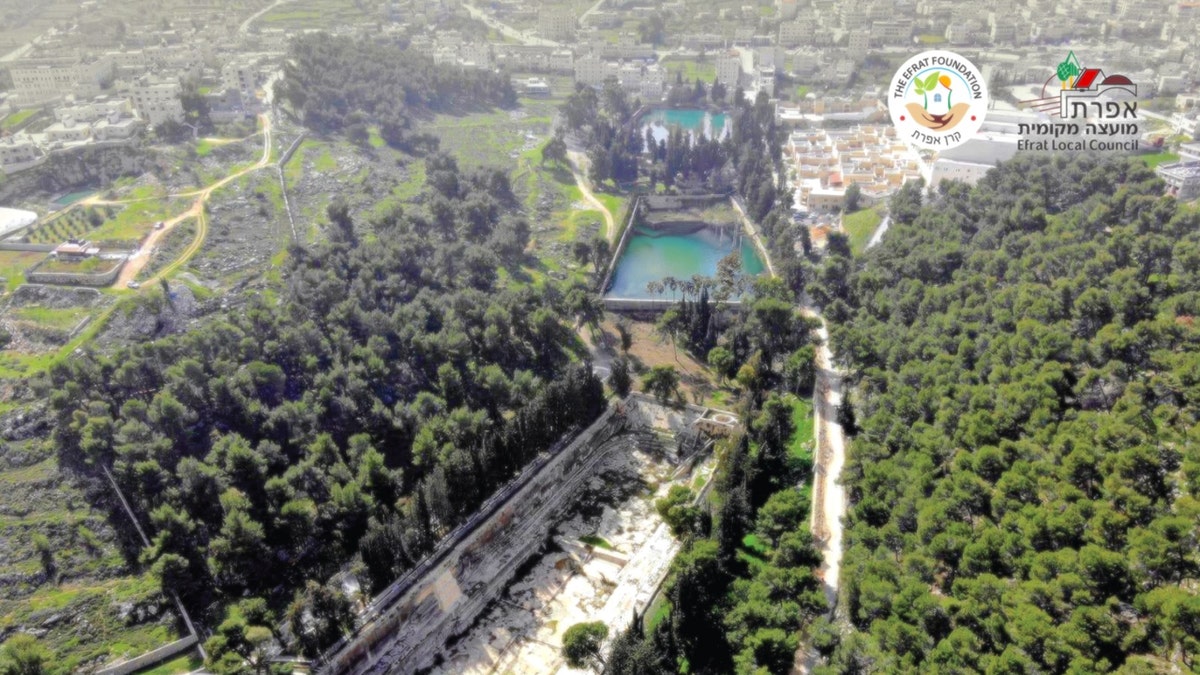
Solomon’s Pools, a series of ancient reservoirs south of Jerusalem near Bethlehem, have supplied water to Jerusalem for centuries and are at the center of an ongoing dispute over heritage, sovereignty and preservation. (Yonatan Marcus/Efrat municipality )
Yishai Fleisher, international spokesman for Hebron, said the pools are akin to rediscovering a lost part of the Jewish Temple, as they supplied Jerusalem with water for some 2,000 years.
He said preserving the site begins with attracting visitors, producing educational videos, improving access along the new road from northern Efrat, hosting senior Israeli officials and establishing a permanent presence with cameras, patrols and farms.
«Since the story started breaking, the P.A. is trying to build a mosque there. The goal of the P.A. is to stop Israeli presence in Judea and Samaria and the Land of Israel. They are not about developing anything for its own sake,» Fleisher claimed to Fox News Digital.
Fleisher, who is an influential voice among the Israeli right, called for a radical change in policy. «What we really have to do is dismantle the P.A. and assert sovereignty over Judea and Samaria. In the meantime, the line should be redrawn so that Solomon’s Pools, which are essentially archaeological sites, are placed under Israeli control in Area C,» he said.
israel, middle east, historic sites, anti semitism
INTERNACIONAL
Socialist insurgents eye Midwest gains as Dem civil war threatens must-hold Senate seat
NEWYou can now listen to Fox News articles!
DETROIT, MI – The high-stakes fight between the left-wing and the center-left establishment for the future of the Democratic Party is front-and-center on Tuesday in Michigan’s primary.
Boosted by a string of victories this spring in mostly blue congressional districts across the country, the Democrats’ ideological war moves to the Great Lakes battleground state, where progressive victories could reshape the party and endanger must-hold seats in the midterm elections.
Also at stake as Michigan joins Kansas, Missouri, Virginia and Washington State in holding mid-summer primaries is President Donald Trump’s immense clout over the GOP and the power of his endorsements in Republican nominating contests.
But taking top billing is Michigan’s divisive and expensive Democratic Senate primary, which is seen as the biggest stage to date in the fierce fight for the future of the Democratic Party.
THE MIDTERM SENATE RACES THAT COULD FLIP THE BALANCE OF POWER IN CONGRESS
«This is ground zero in the battle for the future of the Democratic Party pitting status quo corporate Democrats against shake up the system economic fighters, and we’ll see who wins,» Adam Green, co-founder of the Progressive Change Campaign Committee (PCCC), a leading group on the left, told Fox News Digital.
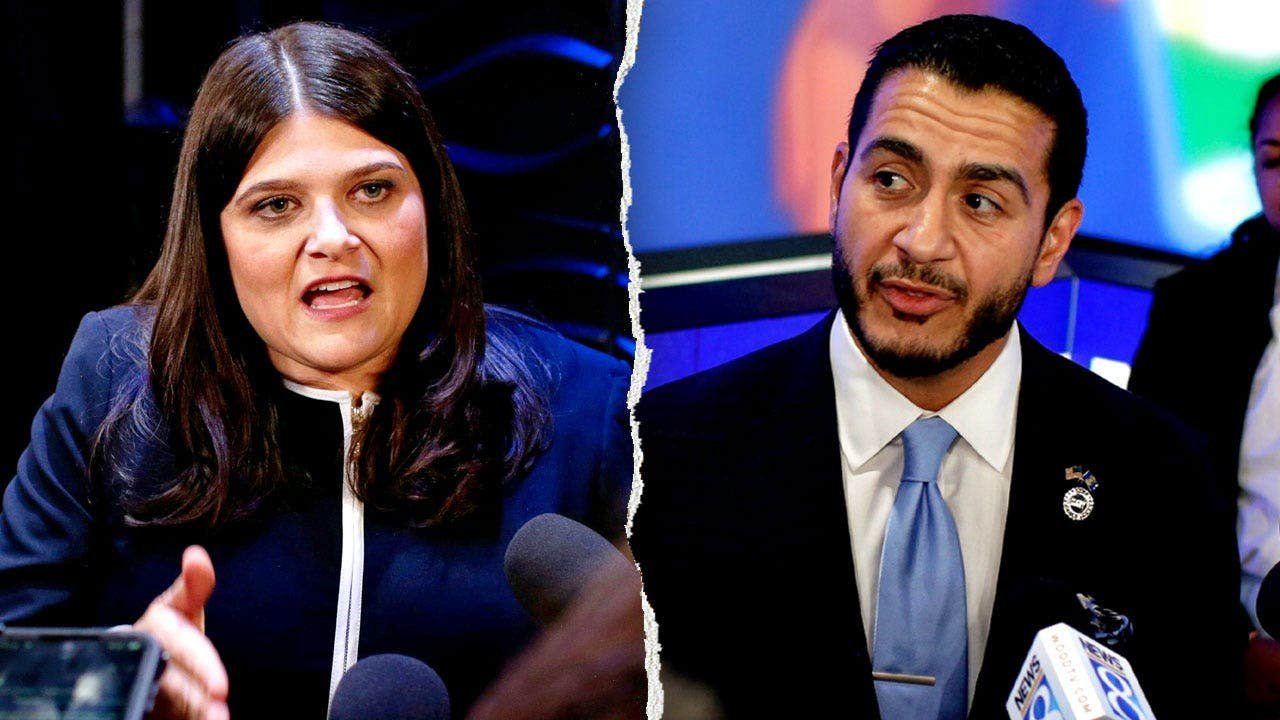
The primary face-off pits Abdul El-Sayed, a former Wayne County Health Department director, against Rep. Haley Stevens, a more moderate candidate backed by the establishment. The race to succeed retiring Democratic Sen. Gary Peters, who is backing Stevens, is a must-hold for the Democrats and one of roughly a dozen Senate races from coast to coast that will determine if Republicans hold onto their slim Senate majority.
Matt Bennett, one of the leaders at the Third Way, a leading center-left Democratic organization, told Fox News Digital the Michigan showdown is «the first time the left is competing for a swing seat» and warned, «the significance is it could really put this seat in jeopardy.»
El-Sayed, who, if elected, would make history as the nation’s first Muslim senator, is an epidemiologist who unsuccessfully ran for governor as an insurgent candidate in 2018. He has made support for «Medicare-for-all» a major component of his campaign.
The far-left candidate has also called for abolishing Immigration and Customs Enforcement (ICE), and is a vocal critic of Israel amid its war with Hamas — even characterizing Israel’s actions in Gaza as «genocide» against Palestinians.
MIKE ROGERS ARGUES ABDUL EL-SAYED IS ‘A SPECIAL SAUCE OF CRAZY’
And El-Sayed, who is backed by top far-left leaders and teamed with progressive champions Sen. Bernie Sanders of Vermont and Rep. Alexandria Ocasio-Cortez of New York on the Michigan campaign trail two weeks ago, and who served as a top surrogate on Sanders’ 2020 presidential campaign, has vowed not to accept PAC donations.
Stevens, who flipped a GOP-held district in her 2018 election to Congress, is backed by top national and Michigan Democrats, including Peters, term-limited Gov. Gretchen Whitmer, and longtime Senate Democratic Leader Sen. Chuck Schumer.
Schumer and the party establishment view Stevens as more electable than El-Sayed, who has sparked controversy with his past comments.
«I am the best Democrat to go forward. I am the only person in this race who has won tough primaries multiple times. You know, running with the Michigan grit, resilience and determination,» Stevens told Fox News Digital on Sunday, as she teamed up with Peters on the campaign trail.
DEMOCRACY ’26: STAY UP TO DATE WITH THE FOX NEWS ELECTION HUB
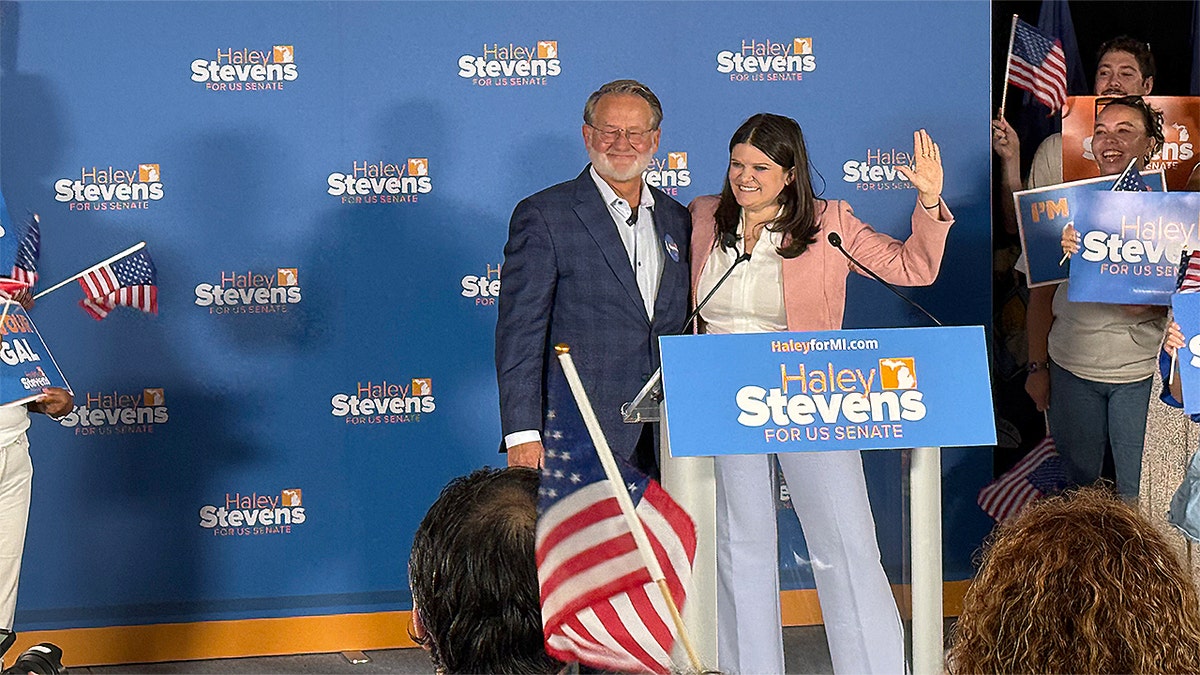
Over $80 million has been spent on the primary showdown, making it the most expensive Democratic Senate nomination race in history. Much of the money has been shelled out by outside groups in support of Stevens and against El-Sayed. The biggest spending comes from United Democracy Project, a political action committee aligned with the American Israel Public Affairs Committee (AIPAC).
El-Sayed, who has repeatedly attacked Stevens over the massive infusion of AIPAC-linked money, told reporters on Sunday, «If you need $70 million to come in here and help get you elected, then the question has to be, are you actually electable on your own terms.»
The winner will face off in the midterms against former Republican Rep. Mike Rogers, who is on a glidepath to win the GOP Senate nomination.
The Trump-backed Rogers, who lost the 2024 Senate election in Michigan by a razor-thin margin, said in a Fox News Digital interview that he doesn’t care whom he faces-off with in November.
«It doesn’t matter to us. We’ve looked at both candidates. We feel confident we’re going to beat either one of those candidates that come out of that race,» Rogers highlighted.
And Rogers claimed, «They are very radical, and they are way too extreme for Michigan. I mean, Abdul, he has his own special sauce of crazy.»
SIGN UP TO GET THE POLITICS NEWSLETTER
But Democrats are confident they can regroup after a combustible primary.
«Let’s make sure that anyone but Mike Rogers gets to the United States Senate,» Stevens told reporters on Sunday. «After the primary, you’re going to see a united Democratic Party. You are going to see us going full force, full fledged ahead.»
And El-Sayed told Fox News Digital, «I think we all understand the risk of Donald Trump. We all understand the risk of Mike Rogers.»
The left-wing versus establishment battle is also playing out in Michigan’s 7th Congressional District, a key Republican-controlled swing seat race that’s among roughly two-dozen that will impact whether the GOP holds onto its fragile House majority.
William Lawrence, a co-founder of the Sunrise Movement, which advocates for political action to tackle climate change, is on the rise against two more moderate Democrats. Lawrence is backed by Sanders and El-Sayed, as well as some top progressive groups. The primary winner will face GOP Rep. Tom Barrett in the general election.
The party civil war is also on display in Michigan’s deep blue 13th Congressional District.
MEET THE FAR LEFT INSURGENTS WAGING WAR ON THE DEMOCRATIC PARTY IN THE 2026 MIDTERMS
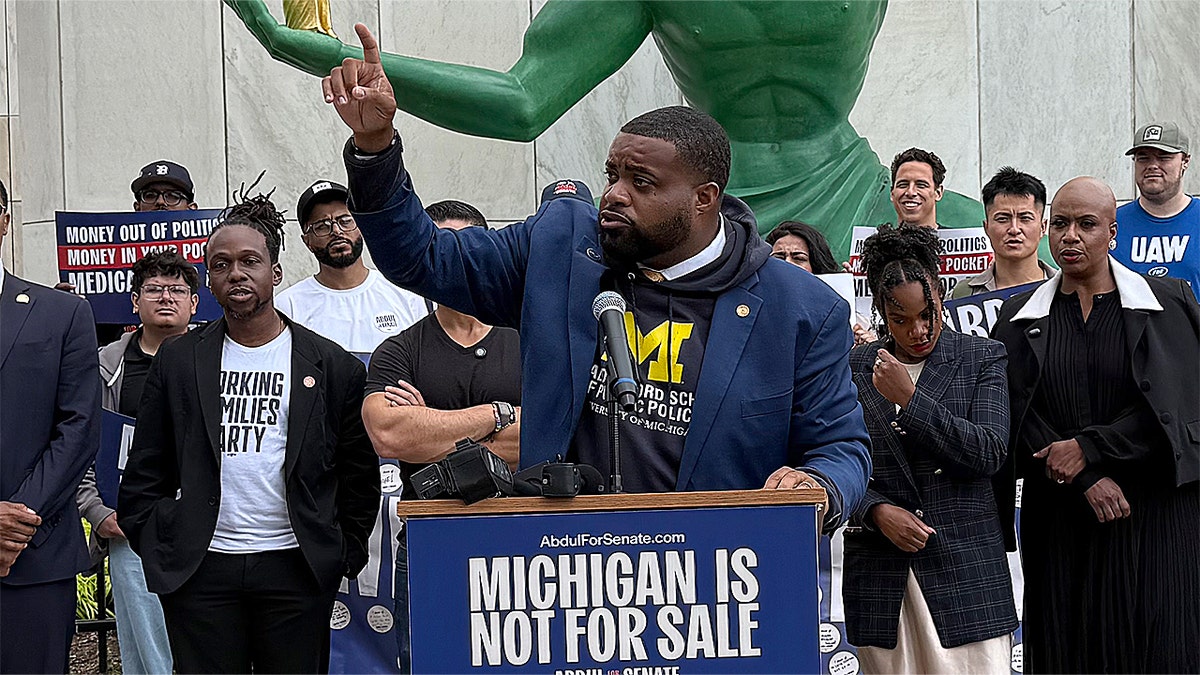
Rep. Shri Thanedar, who is supported by top House Democratic leaders, is being challenged by state Rep. Donovan McKinney, who is backed by Sanders, El-Sayed, and Squad members Reps. Ilhan Omar of Minnesota, Ayanna Pressley of Massachusetts, and Summer Lee of Pennsylvania.
And the ideological warfare is also front-and-center in Missouri, in the state’s St. Louis-based and heavily Democratic 1st Congressional District.
Rep. Wesley Bell is facing off in a rematch against former Rep. Cori Bush, a Squad member who Bell ousted in the 2024 primary.

TK (Michael B. Thomas/Getty Images)
Trump’s endorsements are getting tested in two statewide showdowns on Tuesday, in Michigan and Kansas.
The president is backing Rep. John James in Michigan’s GOP gubernatorial primary. James, a West Point graduate and one-time Republican rising star, is facing off against multi-millionaire businessman Perry Johnson, a former gubernatorial and presidential candidate.
The winner will take on likely Democratic nominee and current Secretary of State Jocelyn Benson, in the race to succeed Whitmer.
In Kansas, Trump is supporting state Senate President Ty Masterson in a crowded field of Republican gubernatorial contenders.
Democratic Gov. Laura Kelly is term-limited, which makes the race to succeed her a top flip opportunity for the GOP.
In Washington State, the marquee primary showdown is in the state’s 3rd Congressional District, where Democratic Rep. Marie Gluesenkamp Perez, a former auto shop co-owner, is facing a crowded field of challengers from both parties.
Washington state has a top-two primary system in which all candidates, regardless of party, compete on the same ballot and the two highest vote-getters move on to the general election.
The race is another crucial House showdown that may decide the chamber’s majority.
In Virginia, voters head to the polls to cast ballots in Senate primaries and in a handful of House primaries in extremely competitive districts that may impact the balance of power on Capitol Hill.
bernie sanders, state and local primaries, michigan, midterm elections, donald trump, democrats elections, republicans

Un delantero fue ofrecido a Boca Juniors en las últimas horas

Cuba sufrió el segundo apagón nacional en menos de 24 horas: el régimen culpó a “eventos meteorológicos”

Macri, Lacunza y la apuesta por un electorado vacante entre Milei y el kirchnerismo que tensa la interna del PRO

Revelaron cómo La Joaqui se habría enterado de la infidelidad de Luck Ra con Tuli Acosta: “Te está metiendo los cuernos”

Una nueva encuesta midió seis duelos políticos y hubo ganadores sorpresivos

Holy Land battle: Solomon’s Pools become flashpoint in fight over Israel’s biblical heritage

“Vamos a acelerar con todo”: el objetivo del Gobierno por las reformas y la agenda electoral de cara al 2027

Reelecciones indefinidas: el oficialismo bonaerense niega que busque ampliar la Legislatura como parte de una reforma política para beneficiar a los intendentes

¡Chau Luck Ra! La salida de soltera de La Joaqui, muy bien acompañada, a días de su separación

“Casta”, “parásito” y “sea democrático”: fuerte respuesta de Victoria Villarruel a Diego Santilli
-
 POLITICA2 días ago
“Vamos a acelerar con todo”: el objetivo del Gobierno por las reformas y la agenda electoral de cara al 2027
-
 POLITICA2 días ago
Reelecciones indefinidas: el oficialismo bonaerense niega que busque ampliar la Legislatura como parte de una reforma política para beneficiar a los intendentes
-
 CHIMENTOS2 días ago
¡Chau Luck Ra! La salida de soltera de La Joaqui, muy bien acompañada, a días de su separación