INTERNACIONAL
WATCH: CENTCOM chief unloads after Dem asks ‘how many more Americans’ must die in Iran war

NEWYou can now listen to Fox News articles!
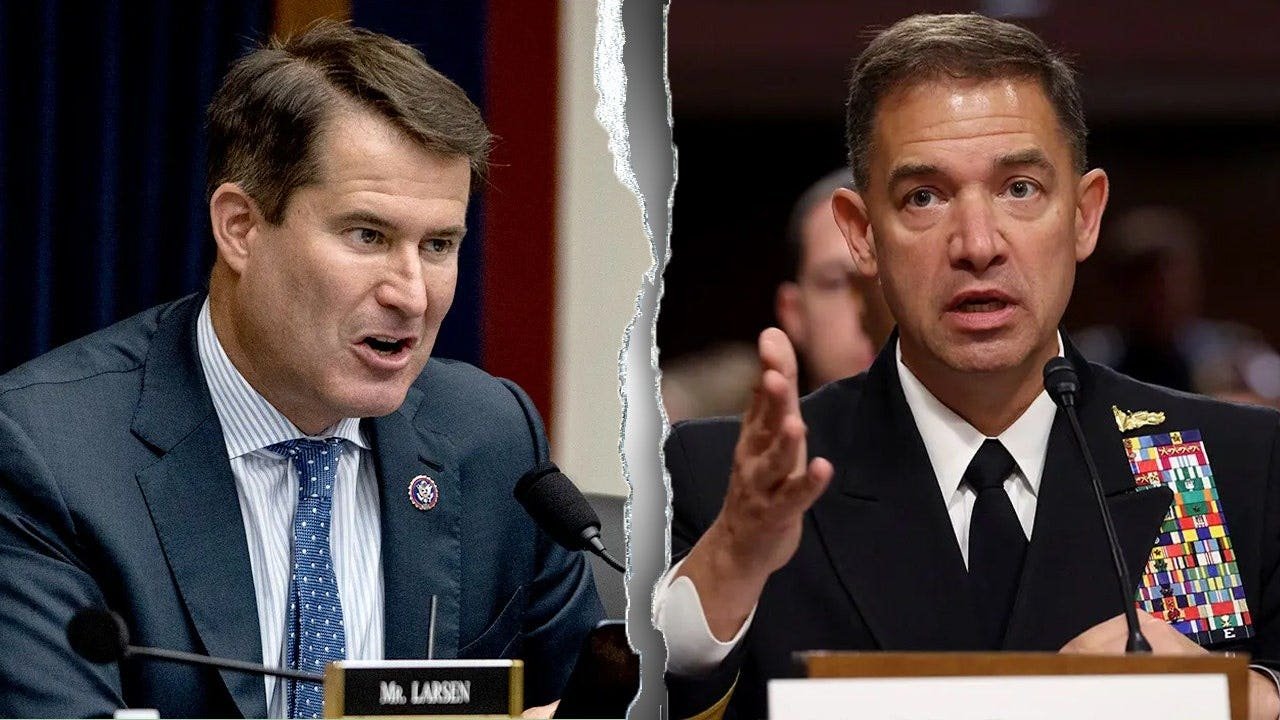
Central Command Commander Adm. Brad Cooper sharply rebuked Democratic Rep. Seth Moulton during a tense House Armed Services Committee hearing Tuesday after the Massachusetts Democrat questioned «how many more Americans» would die because of what he called a failed Iran strategy.
«It doesn’t seem to be going well,» Moulton, D-Mass., said of the Iran war. «And I would like to know how many more Americans we have to ask to die for this mistake.»
«I think it’s an entirely inappropriate statement from you, sir,» Cooper responded.
Moulton shot back: «It’s not a statement, it’s a question.»
TRUMP’S IRAN STRATEGY SHOWCASES ‘DOCTRINE OF UNPREDICTABILITY’ AMID STRIKE THREATS AND SUDDEN PAUSE
Fourteen U.S. service members have died in combat since the U.S. launched Operation Epic Fury Feb. 28.
«I think it’s an entirely inappropriate statement from you, sir,» Central Command Commander Adm. Brad Cooper responded. (Win McNamee/Getty Images)
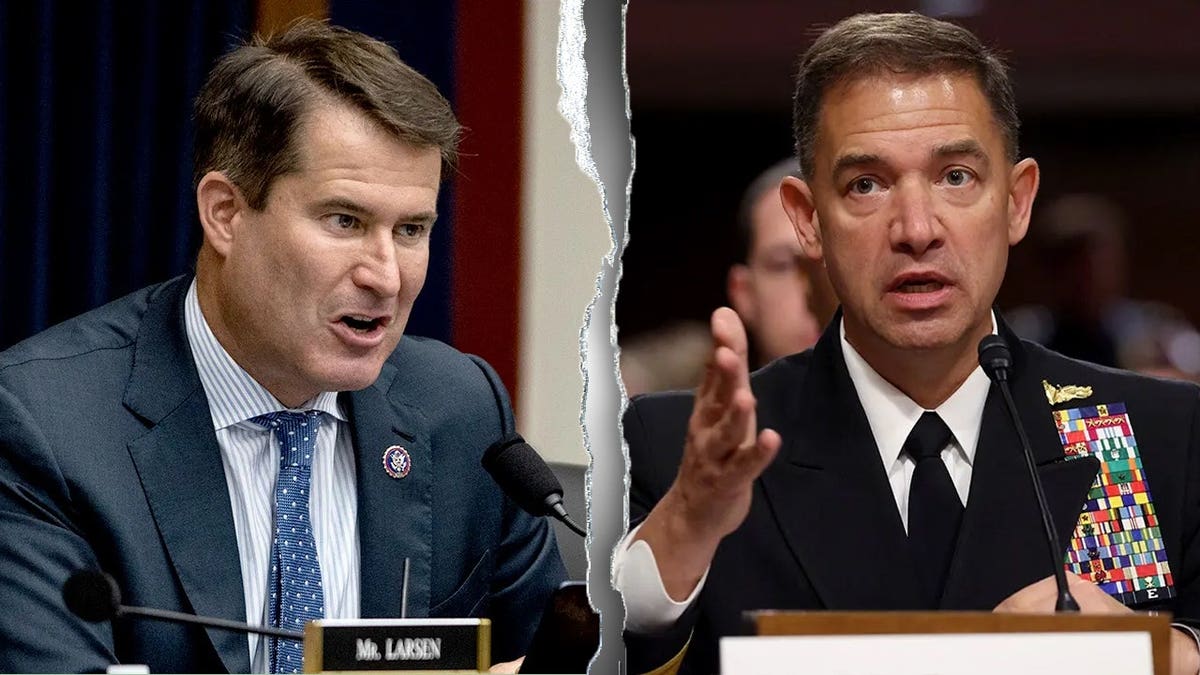
CENTCOM Commander Adm. Brad Cooper sharply rebuked Rep. Seth Moulton during a tense House Armed Services Committee hearing Tuesday after the Massachusetts Democrat questioned «how many more Americans» would die because of what he called a failed Iran strategy. (Win McNamee/Getty Images:Win McNamee/Getty Images)
Moulton, a Marine Corps Iraq War veteran and frequent critic of the Trump administration’s Iran strategy, pressed Cooper repeatedly on what he described as the widening consequences of the conflict, including instability in the Strait of Hormuz, rising oil prices and reports that Iran had rebuilt parts of its missile infrastructure.
Cooper pushed back on several of the claims, calling reports that Iran had reconstituted key missile sites «inaccurate» and repeatedly emphasizing that U.S. forces had achieved their assigned military objectives.
The hearing came just after Trump said he directed the military to pause planned operations against Iran for Tuesday at the request of Gulf allies who wanted negotiations with Tehran to continue. The U.S. has been adhering to a ceasefire since April 7.
Gulf leaders asked Trump to pause strikes because «serious negotiations are now taking place, and that, in their opinion, as Great Leaders and Allies, a Deal will be made, which will be very acceptable to the United States of America, as well as all Countries in the Middle East, and beyond,» he wrote on Truth Social Monday.
«This Deal will include, importantly, NO NUCLEAR WEAPONS FOR IRAN!» he said.
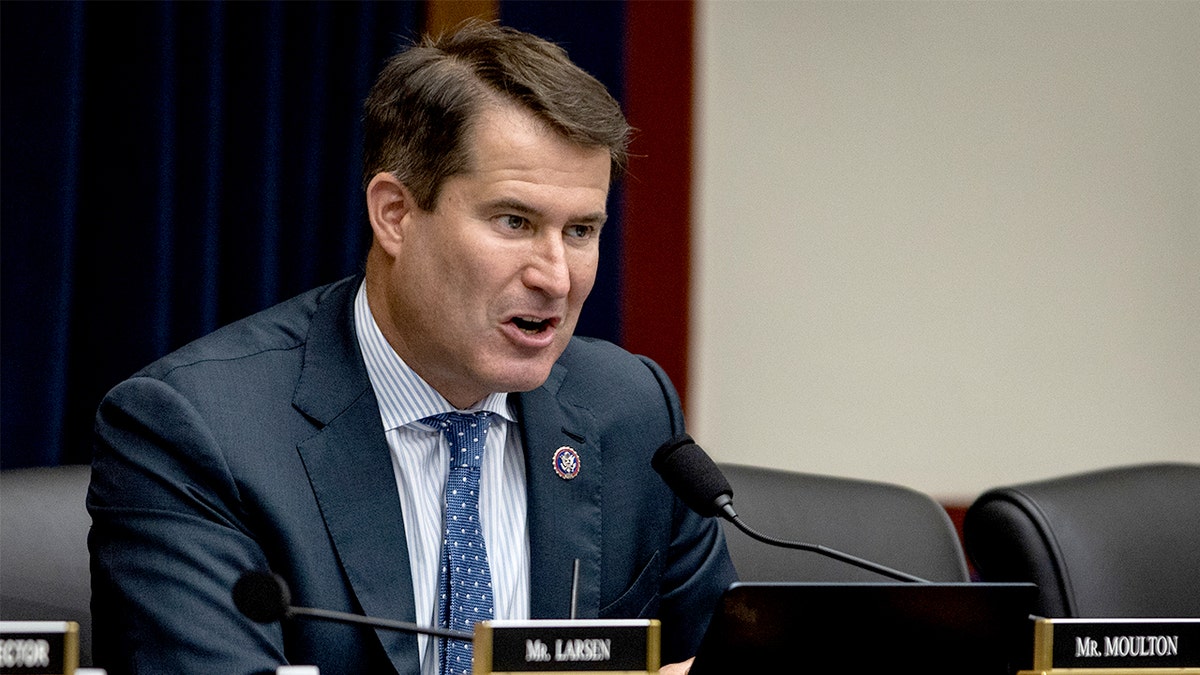
Rep. Seth Moulton, D-Mass., a Marine Corps Iraq War veteran and frequent critic of the Trump administration’s Iran strategy, pressed Cooper repeatedly on what he described as the widening consequences of the conflict. (Samuel Corum/Getty Images)
DEMS SIDESTEP PAST ‘REFUSE ILLEGAL ORDERS’ DEMANDS AS THEY CHALLENGE TRUMP’S IRAN WAR AUTHORITY
The confrontation capped hours of contentious exchanges in which Democrats repeatedly pressed Cooper and Pentagon officials on whether the administration had a viable strategy beyond military strikes, whether ongoing operations complied with the War Powers Resolution and whether the conflict was making the United States less secure despite major battlefield gains against Iran.
Democrats also repeatedly challenged the administration over whether ongoing operations complied with the War Powers Resolution, arguing the continued blockade of Iranian ports and military exchanges in the Strait of Hormuz amounted to active hostilities.
Rep. John Garamendi, D-Calif., pressed Cooper over continued military operations in the region, noting U.S. forces had fired on Iranian tankers and exchanged fire with Iranian forces even after the administration notified Congress that hostilities had ended.
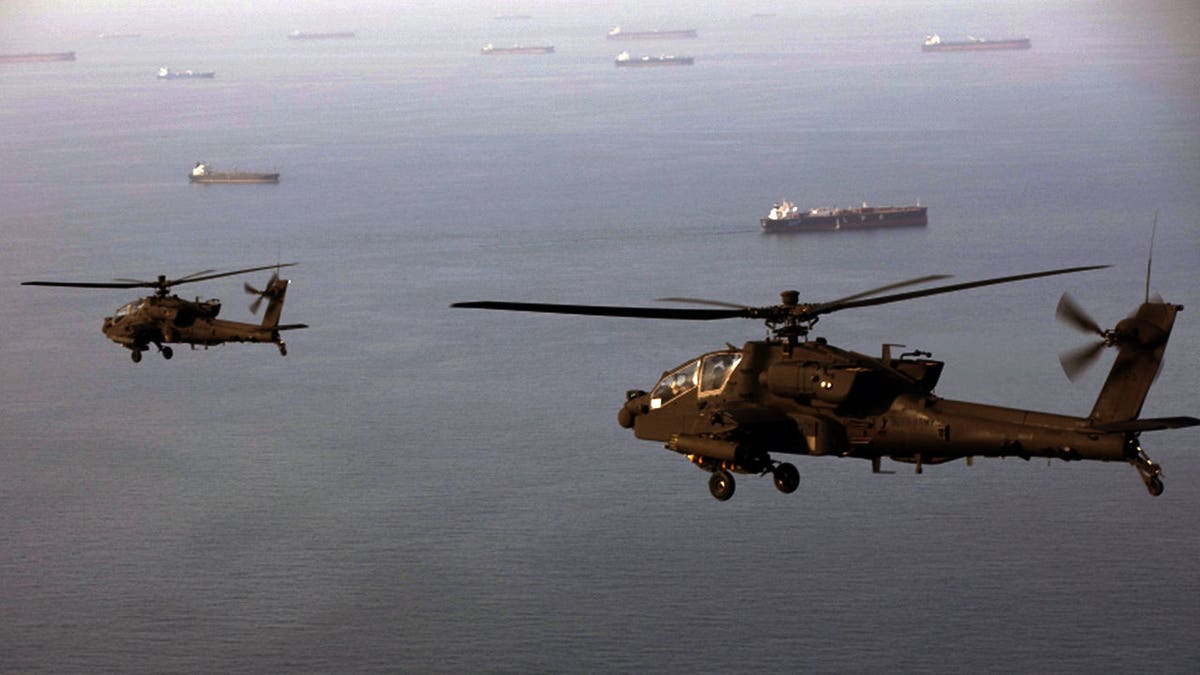
The U.S. military has been enforcing a naval blockade in the Strait of Hormuz, even during the ceasefire. (U.S. Central Command)
«The fact of the matter is that hostilities continue,» Garamendi said, accusing the administration of disregarding Congress and the Constitution.
CLICK HERE TO DOWNLOAD THE FOX NEWS APP
Rep. Joe Courtney, D-Conn., similarly argued that the blockade itself constituted «an act of war,» while several Democrats questioned whether the administration planned to seek congressional authorization for any future escalation.
Republicans on the panel, meanwhile, defended the campaign as a historic military success that dramatically weakened Iran’s ability to threaten the United States and its allies.
Chairman Mike Rogers, R-Ala., said U.S. operations had «rolled back 40 years of Iranian military investment» and argued the campaign had made both the United States and its allies safer.
Cooper later testified that Iran was «significantly less capable» than before the strikes and said U.S. military action had «derailed Iran’s strategy» across its nuclear, missile and proxy networks.
congress, democrats, pentagon, war with iran, republicans










INTERNACIONAL
Guerra en Medio Oriente EN VIVO: El régimen de Irán lanzó nuevos ataques contra bases estadounidenses en Jordania, Bahréin y Kuwait
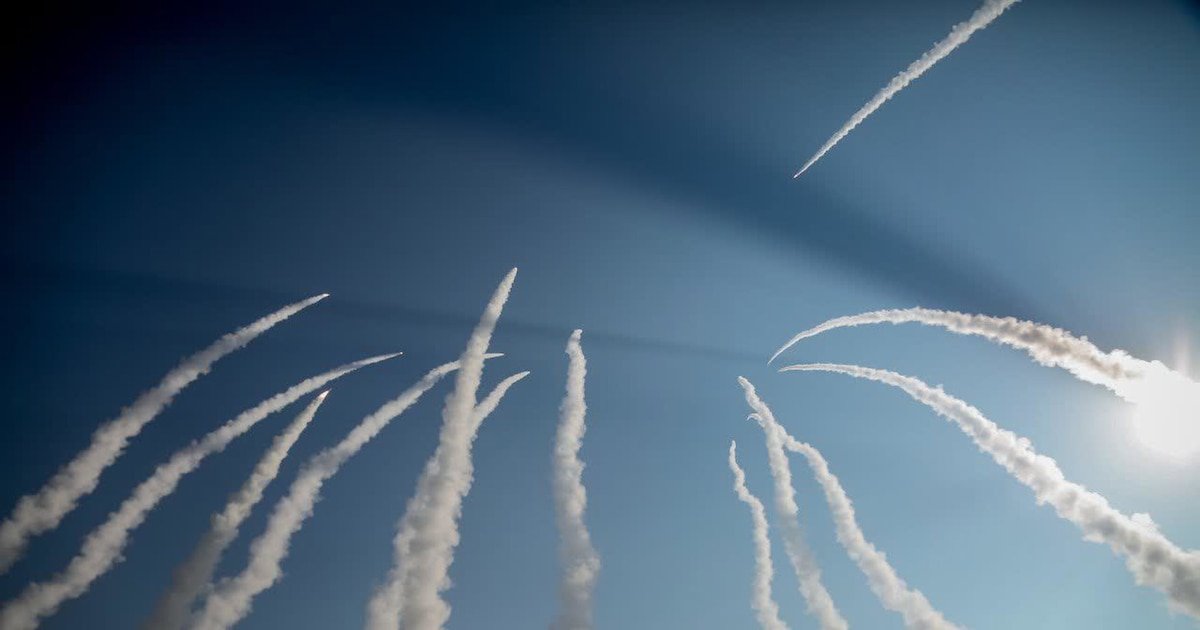
El Cuerpo de la Guardia Revolucionaria Islámica afirmó que bombardeó con misiles balísticos diversas instalaciones militares de Estados Unidos en la región, en respuesta a la última oleada de ataques de Washington
El presidente de Estados Unidos, Donald Trump, afirmó que Irán recibió un golpe “muy duro” después de que las fuerzas estadounidenses completaran su novena noche de ataques y se reportaran explosiones en distintos puntos del país durante la madrugada del lunes. La intensificación de las operaciones militares y el aumento de las bajas en los últimos días elevaron la preocupación por una posible expansión del conflicto en Medio Oriente.
El ejército estadounidense informó la muerte de otro soldado en el norte de Irak durante una detonación controlada de un dron iraní que las fuerzas de seguridad habían derribado. Además, el Comando Central de Estados Unidos (CENTCOM) localizó restos humanos sin identificar en Jordania, donde un ataque iraní distinto provocó la muerte de dos militares estadounidenses y dejó a otro desaparecido en combate.
La tensión también se trasladó al estrecho de Ormuz. La autoridad marítima británica reportó un buque en llamas frente a la costa de Omán durante la noche del domingo, mientras el secretario de Estado, Marco Rubio, acusó a Irán de atacar embarcaciones y obstaculizar el tránsito por esa ruta estratégica para el comercio mundial. A su vez, aliados de Estados Unidos de la región informaron una nueva oleada de ataques registrada durante la madrugada del lunes.
A continuación, la cobertura minuto a minuto:
EEUU acusó a Irán de usar Ormuz como herramienta de presión y pidió mayor apoyo internacional para proteger el transporte marítimo mundial
“Washington hará y seguirá haciendo lo que sea necesario para proteger el transporte marítimo mundial, pero otros países deben empezar a dar un paso al frente y contribuir, ya sea con recursos materiales o financieros, para ayudar a asumir esa carga”, afirmó el secretario de Estado, Marco Rubio


El secretario de Estado de Estados Unidos, Marco Rubio, acusó el domingo por la noche a Irán de utilizar el estrecho de Ormuz como una herramienta de presión en el conflicto en Medio Oriente y reclamó una mayor participación de otros países para proteger el transporte marítimo mundial. Además, sostuvo que Washington mantiene abierta la vía diplomática si Teherán acepta un acuerdo y lo cumple.
Suenan las sirenas antiaéreas en Bahréin
El Ministerio del Interior de Bahréin ha comunicado que se han activado las sirenas de alerta y ha instado a los ciudadanos y residentes a mantener la calma, dirigirse al lugar seguro más cercano y seguir las actualizaciones a través de los canales oficiales.
El régimen de Irán afirmó que “instalaciones militares estadounidenses” fueron atacadas en una base aérea de Kuwait
El Cuerpo de la Guardia Revolucionaria Islámica de Irán (CGRI) afirma haber atacado “instalaciones militares estadounidenses” en la base aérea de Ali Al Salem en Kuwait, en la última oleada de sus operaciones.
Según un comunicado difundido por la emisora IRIB, la Guardia Revolucionaria Islámica afirmó que un ataque con drones atacó un sistema de radar de alerta temprana y que otros ataques separados alcanzaron un almacén de equipos de aviación y un hangar que albergaba drones MQ-9 estadounidenses.
El petróleo superó los 90 dólares mientras el conflicto en el Golfo sacude los mercados

Los mercados asiáticos cayeron el lunes, ya que la escalada del conflicto en el Golfo elevó el precio del crudo Brent por encima de los 90 dólares por barril por primera vez en más de un mes y reavivó la preocupación por la inflación.
Esta medida se produjo cuando Estados Unidos lanzó su noveno día consecutivo de ataques contra Irán, que respondió con ataques en toda la región.
El tráfico marítimo a través del estrecho de Ormuz continuó gravemente interrumpido, con solo un puñado de barcos transitando por la vía fluvial el domingo y un buque que se incendió.
La Guardia Revolucionaria Islámica afirmó que atacó aviones estadounidenses en el aeropuerto de Aqaba, en Jordania
El Cuerpo de la Guardia Revolucionaria Islámica de Irán afirma haber lanzado misiles balísticos contra aviones de transporte estadounidenses C-17 y aeronaves P-8 en el aeropuerto de Aqaba, en Jordania, y asegura que varios de ellos resultaron gravemente dañados.
En un comunicado difundido por la Radiotelevisión de la República Islámica de Irán, la Guardia Revolucionaria también afirmó que 20 hangares que albergaban fuerzas estadounidenses en la base aérea de Muwaffaq Salti/Al-Azraq fueron destruidos.
Irán afirmó que dos petroleros explotaron en el estrecho de Ormuz
Según la agencia de noticias semioficial Tasnim, el Cuerpo de la Guardia Revolucionaria Islámica de Irán (CGRI) informó que dos petroleros explotaron y quedaron detenidos en el estrecho de Ormuz, al sur del país, a última hora de la noche de ayer.
La Guardia Revolucionaria Islámica declaró que los buques intentaban transitar por la vía marítima estratégica bajo lo que describió como coacción estadounidense.
“Este paso no es seguro para el transporte de fertilizantes químicos ni siquiera para una sola gota de petróleo o gas”, advirtió el grupo, añadiendo que el corredor seguirá siendo inseguro mientras continúen las operaciones militares estadounidenses en la región.
Trump confirmó que Estados Unidos atacó posiciones de Irán tras la muerte de tres militares: “Los golpeamos muy duro”
El presidente estadounidense afirmó que la ofensiva dejó a Teherán con una capacidad militar muy reducida y sostuvo que Washington mantiene el control del estrecho de Ormuz

El presidente de Estados Unidos, Donald Trump, aseguró el domingo que las fuerzas estadounidenses llevaron a cabo una nueva ofensiva contra Irán y afirmó que las capacidades militares de Teherán han quedado severamente debilitadas.
estados-unidos/2026/07/19/estados-unidos-ataco-objetivos-del-regimen-irani-por-novena-noche-consecutiva-para-reducir-sus-capacidades-militares/
Europe
INTERNACIONAL
Andy Burnham asume como primer ministro del Reino Unido con una economía debilitada y el avance de Reform UK como principal desafío
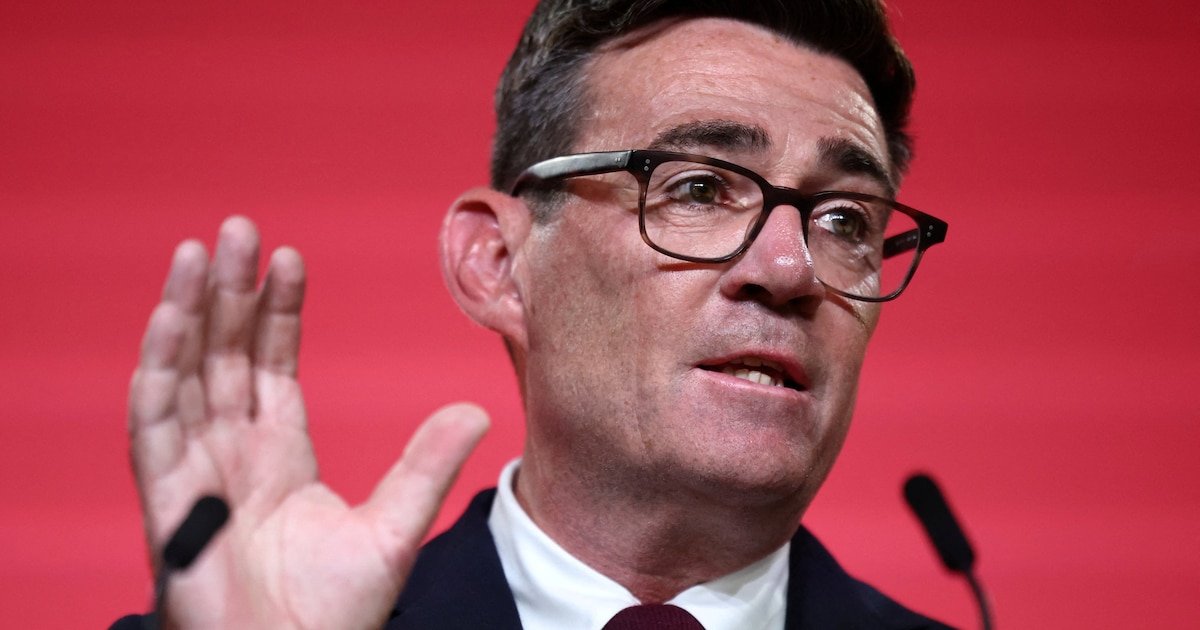
Andy Burnham asumirá este lunes como nuevo primer ministro del Reino Unido, tras recibir el encargo del rey Carlos III para formar Gobierno, en reemplazo de Keir Starmer, quien deja el cargo apenas dos años después de la amplia victoria electoral que devolvió al Partido Laborista al poder tras 14 años de gobiernos conservadores. El dirigente laborista llegará a Downing Street con una agenda marcada por el bajo crecimiento económico, el aumento del costo de vida, la inmigración irregular y el avance electoral del partido Reform UK, liderado por Nigel Farage.
La transición de poder comenzará con la visita de Starmer al Palacio de Buckingham, donde presentará formalmente su renuncia al monarca. Después de esa audiencia, ofrecerá un breve mensaje de despedida frente al número 10 de Downing Street. Más tarde, Burnham acudirá al palacio para recibir el mandato de formar Gobierno y pronunciará su primer discurso como primer ministro.
Su equipo anticipó que el nuevo jefe de Gobierno presentará las “prioridades para restaurar la confianza en el Gobierno y dar a Gran Bretaña un mayor margen de maniobra”, con especial atención sobre la crisis del costo de vida. También se espera que exponga iniciativas destinadas a impulsar el crecimiento económico y ampliar la descentralización del poder hacia las comunidades regionales.
Durante la jornada también se conocerán los principales nombramientos de su gabinete. Uno de los anuncios más esperados será la designación del nuevo ministro de Finanzas, en reemplazo de Rachel Reeves.
Burnham, de 56 años y exalcalde del Gran Manchester, recibió el respaldo del Partido Laborista después de la renuncia de Starmer el mes pasado. Los legisladores consideraron que era la figura con mayores posibilidades de contener el crecimiento de Reform UK, fuerza que ganó respaldo con un discurso centrado en la inmigración.

La vicepresidenta del Partido Laborista, Lucy Powell, sostuvo que la experiencia de Burnham fuera del centro político de Londres le permitió comprender la necesidad de aplicar medidas de mayor alcance para cumplir las promesas electorales del partido.
Según Powell, el nuevo líder pretende reformar de manera profunda el funcionamiento del Estado y modificar un sistema político que considera excesivamente centralizado. Además, afirmó que el objetivo consiste en ofrecer “seguridad para la gente común en el trabajo, seguridad en su hogar, una vivienda que puedan pagar y vivir en una comunidad de la que puedan sentirse orgullosos, con la certeza de que sus hijos tendrán oportunidades para el futuro”.
Entre los principales desafíos del nuevo Gobierno figuran una economía con escaso crecimiento, el elevado costo del endeudamiento público, el incremento del gasto en asistencia social y la llegada de migrantes irregulares en pequeñas embarcaciones a través del Canal de la Mancha, un fenómeno que impulsó el apoyo a Reform UK.
A ese escenario se suman factores internacionales, como la volatilidad de los precios de la energía por la guerra entre Estados Unidos e Irán, además de la incertidumbre derivada de la política exterior del presidente estadounidense, Donald Trump.
Burnham también afrontará restricciones fiscales que limitarán su margen de acción. El Reino Unido mantiene elevados niveles de deuda pública y reglas presupuestarias que obligan al Gobierno a equilibrar el gasto con la recaudación tributaria.

Antes de llegar a Downing Street, Burnham volvió al Parlamento hace apenas cuatro semanas. Entre 2001 y 2017 fue diputado y ocupó distintos cargos ministeriales durante los gobiernos laboristas de Tony Blair y Gordon Brown. Posteriormente construyó su perfil político como alcalde del Gran Manchester, donde adquirió notoriedad nacional.
El nuevo primer ministro dispondrá de un período relativamente corto para intentar revertir la situación del partido antes de las próximas elecciones generales, previstas para 2029. Las encuestas ubican actualmente a Reform UK como una fuerza con posibilidades de imponerse en esos comicios.
Durante un acto con simpatizantes el viernes pasado, Burnham calificó el cambio de liderazgo como la “última oportunidad” para que el Partido Laborista corrija su rumbo. También aseguró que cuenta con “un plan” para afrontar los problemas del país.
Su primera decisión política llegó incluso antes de asumir formalmente el cargo. El sábado anunció la cancelación del sistema nacional de identificación digital impulsado por Starmer, un programa cuyo costo estaba estimado en 1.800 millones de libras durante tres años.
Un portavoz del nuevo equipo de Gobierno explicó que esos recursos se destinarán “a donde más se necesitan, como ayudar con el costo de vida”, una de las prioridades que Burnham buscará instalar desde el inicio de su gestión.
(Con información de AFP)
Domestic,Politics,Europe,Government / Politics
INTERNACIONAL
Trump administration touts more than $1B in UN budget cuts as reform push gains momentum
NEWYou can now listen to Fox News articles!
UNITED NATIONS — The Trump administration says it has secured more than $1 billion in cuts to United Nations budgets in just six months, calling the reductions evidence that an institution long considered resistant to change is finally beginning to reform.
The latest milestone came June 30, when all 193 U.N. member states approved a peacekeeping budget of approximately $5.1 billion for the coming fiscal year — about $550 million, or 9.7%, less than the previous year.
Combined with a 15% reduction to the U.N.’s regular budget approved in December, U.S. officials say the agreements amount to more than $1 billion in cuts to assessed U.N. budgets, a level they describe as unprecedented.
INTERNATIONAL ‘DEEP STATE’ PRIME TARGET OF TRUMP-STYLE CANDIDATE FOR UN CHIEF
U.S. Representative for U.N. Ambassador Jeff Bartos addresses a meeting of the Security Council at U.N. headquarters in New York City, Nov. 25, 2025. (Eduardo Munoz/Reuters)
Assessed budgets are funded through mandatory contributions charged to member states under a formula based largely on the size of their economies.
«On June 30th, with U.S. leadership, all 193 countries came together again for the second time in six months,» U.S. Ambassador for U.N. Management and Reform Jeff Bartos told Fox News Digital. «We’ve achieved over a billion dollars of savings in six months, which is unprecedented. Any one cut would be unprecedented. The totality of the reforms is monumental.»
The agreement comes as the United Nations faces mounting financial pressure and prepares for a leadership transition in 2027, with Secretary-General António Guterres set to leave office at the end of his second term. At the same time, the Trump administration has made reform a central pillar of its U.N. strategy, arguing the organization has become overly bureaucratic and inefficient.
In response to questions from Fox News Digital, U.N. spokesman Stéphane Dujarric confirmed that the peacekeeping budget was reduced by roughly $550 million and the regular budget by 15%, describing both as «unprecedented reductions.»
US URGES DONORS TO ABANDON UNRWA FUNDING AS UN DEFENDS AGENCY’S MISSION
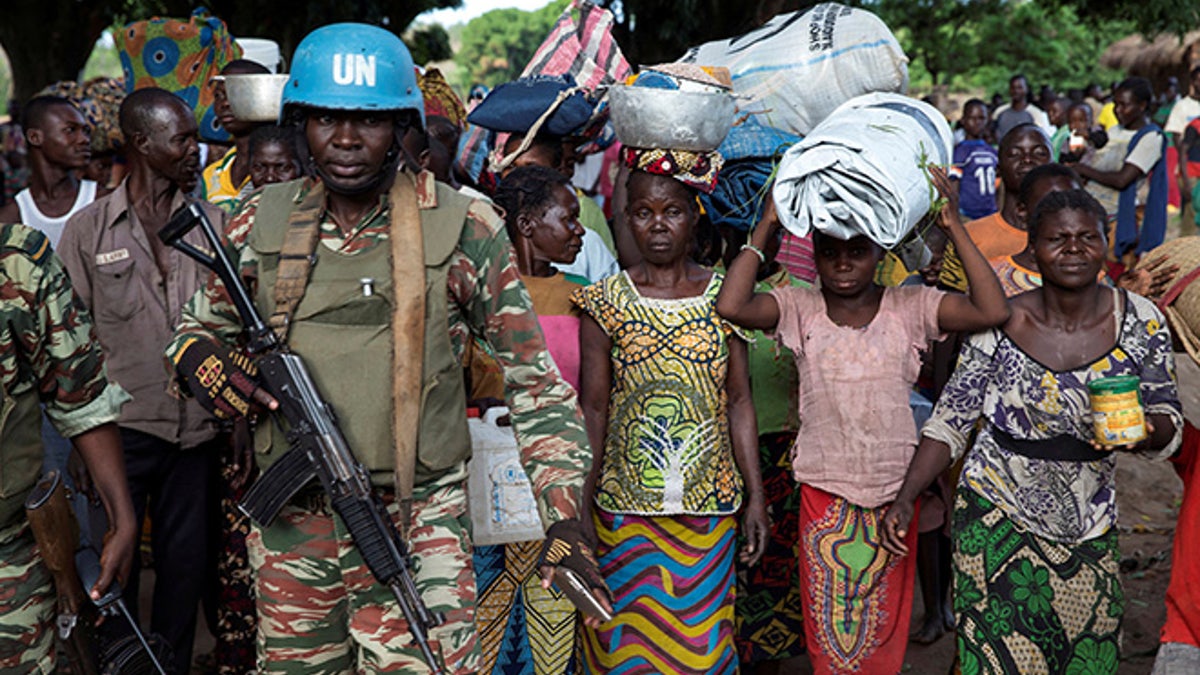
A Cameroonian United Nations peacekeeping soldier guards women as they arrive to the village of Bambara, Central African Republic, April 25, 2017. (Reuters/Baz Ratner)
Bartos argues the reforms reflect sustained pressure from the Trump administration and months of negotiations led by the U.S. Mission.
«The new budget, this reformed budget, the enhanced efficiency changes the culture of how the U.N. looks at peacekeeping,» Bartos said. «Every dollar has to achieve impact on the ground.»
He pointed to the U.N. Mission in South Sudan as an example, saying the United States worked to streamline the mission’s mandate before reducing its budget accordingly.
Another reform highlighted by the administration changes how the U.N. handles unused budget credits.
Until now, U.N. financial rules required the organization to return unspent funds to member states even if those contributions had never actually been paid, a practice critics said worsened the organization’s recurring liquidity crisis.
The General Assembly voted on June 30 to introduce, on a four-year trial basis, a new methodology under which unspent funds will be returned only when backed by cash actually received.
Bartos said the change could save the organization more than $1 billion over the next three years. That projected figure is separate from the more than $1 billion in budget reductions already approved over the past six months.
He called the change another example of «common-sense» reform and said it could save the organization more than $1 billion over the next three years.
The United Nations likewise welcomed the change, though officials noted it had been a long-standing priority of Guterres.
TRUMP CELEBRATES AFTER UN CLIMATE COMMITTEE MOVES AWAY FROM ITS MOST EXTREME GLOBAL WARMING SCENARIO
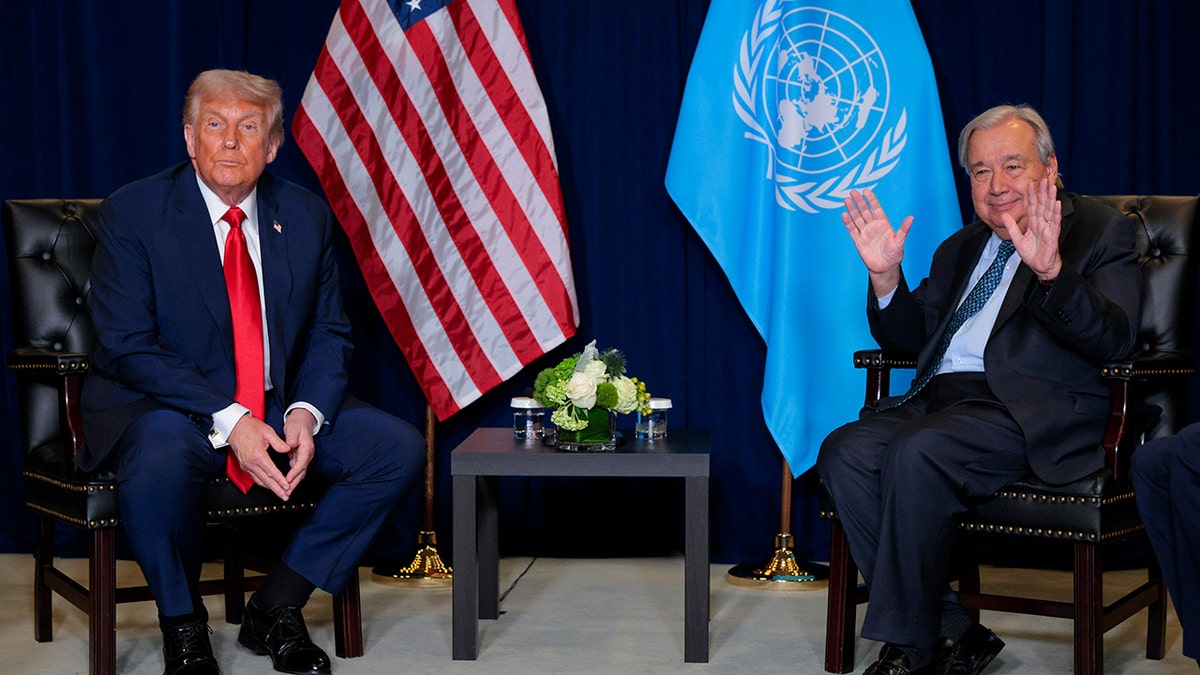
President Donald Trump meets with Secretary-General António Guterres during the 80th session of the General Assembly at the United Nations headquarters on Sept. 23, 2025, in New York City. (Chip Somodevilla/Getty Images)
«I have been pushing for this reform for almost a decade,» Guterres said after the vote. He described the previous system as a «Kafkaesque cycle» in which the organization was expected «to give back cash that did not exist.»
Dujarric said the reform would allow the U.N. to manage resources «in a more predictable and responsible way» while helping ensure operational continuity, particularly for peacekeeping missions.
Bartos insists the latest budget agreements are only the beginning.
Among the administration’s next priorities are reforms to staff compensation, employee benefits and the U.N. pension system, areas he argues consume resources that could otherwise support humanitarian operations and peacekeeping missions.
«We’re going to continue to see us push whether it’s on benefits, whether it’s on staff compensation, whether it’s on the pension system,» Bartos said. «There’s massive numbers of additional reforms that our team is working on right now.»
CLICK HERE TO DOWNLOAD THE FOX NEWS APP
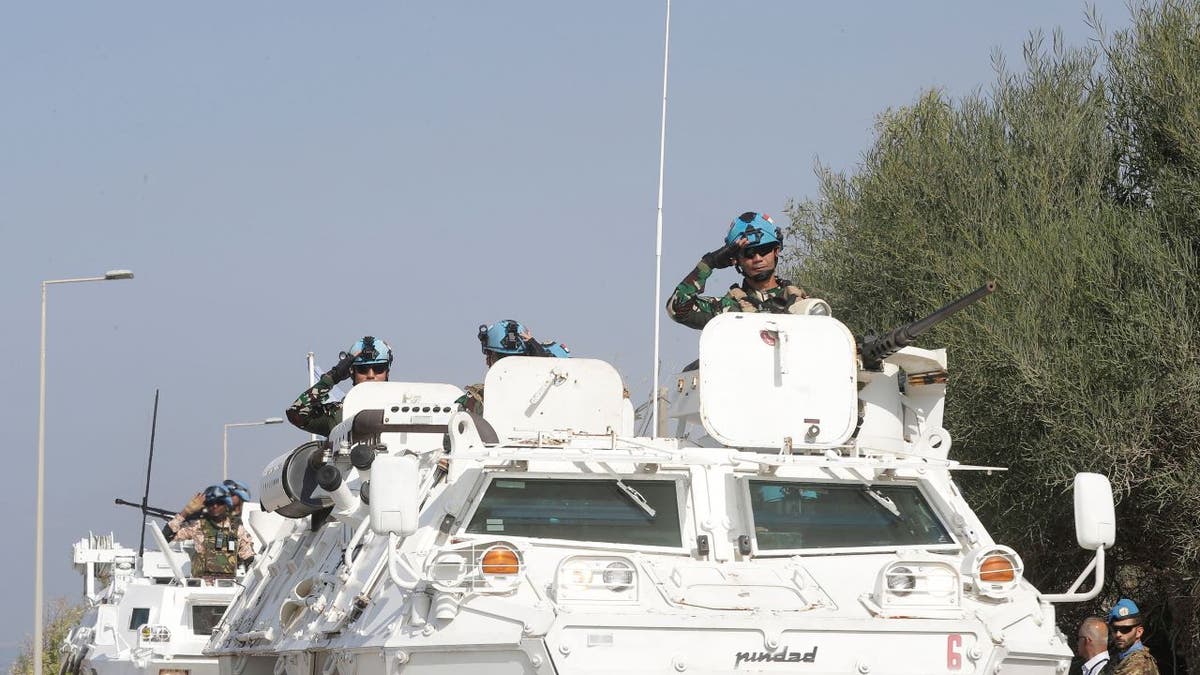
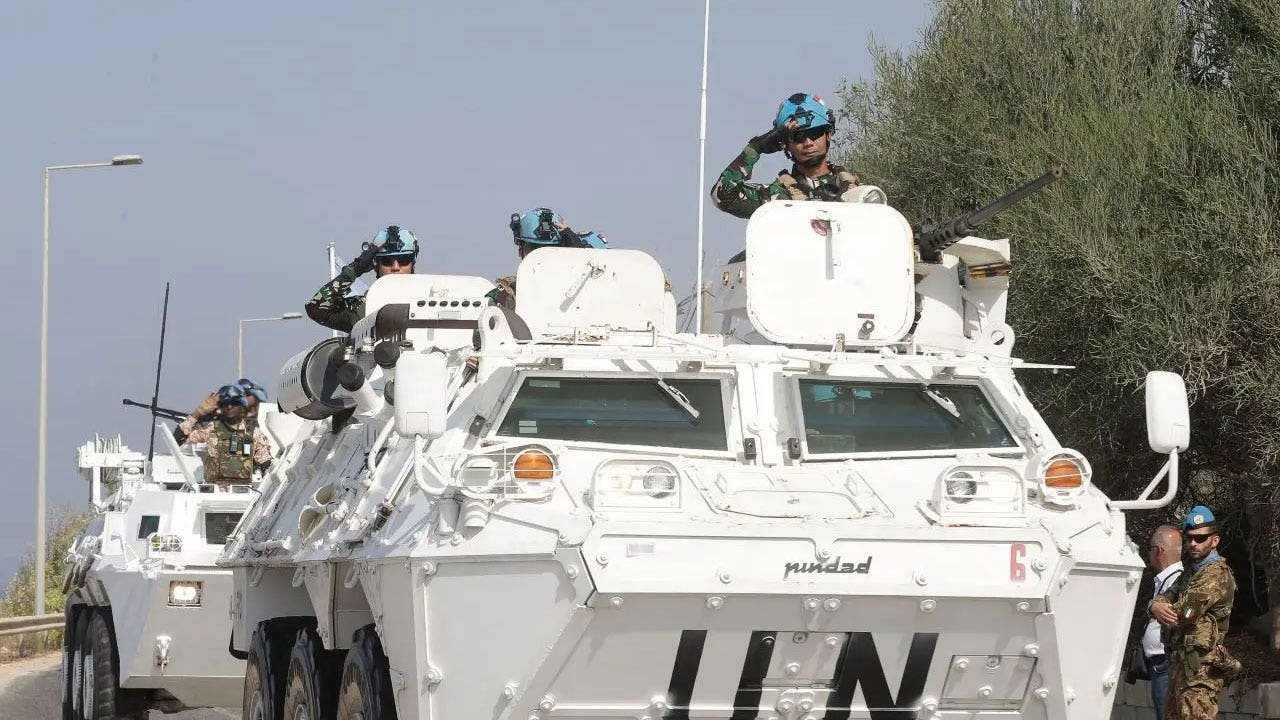
Vehicles with the U.N. peacekeeping force in Lebanon drive along the main road leading to Lebanon’s southern town of Naqura, close to the border with Israel, on Oct. 27, 2022. (Mahmoud Zayyat/AFP/Getty Images)
He also suggested reform will remain a central issue as member states begin selecting the next secretary-general.
«We’re going to select the next secretary-general,» Bartos said. «That reform momentum that has been growing over the last 15, 18 months… you’ll see that continuing in 2027 with the new secretary-general.»
united nations, peacekeeping, reform, state department

El incómodo momento de Messi con Donald Trump al tener que saludarlo: qué pasó con la Pulga y por qué tuvo ese gesto

Más de 10 millones de personas ganan menos de $1,5 millones al mes

La ofrenda que un fanático le hizo llegar a Lionel Scaloni después de la final entre Argentina y España

Como dice Abderaouf, no se puede ganar siempre

Guerra en Medio Oriente EN VIVO: El régimen de Irán lanzó nuevos ataques contra bases estadounidenses en Jordania, Bahréin y Kuwait

Cómo impactaron en AFA las dudas de Scaloni sobre su continuidad y el detrás de escena del vestuario de Argentina tras la derrota

El fuerte cruce público entre Victoria Villarruel y Patricia Bullrich tras los chats filtrados antes de la sesión del Senado

Adrián Ravier, vocero de Milei: “No coincidimos en el Gobierno con esto de que la gente no llega a fin de mes”

Rubio’s call to combat global funders of far-left terrorism could put Singham in crosshairs

Sismo de 7.4 sacude a Guatemala: Autoridades declaran alerta anaranjada por daños y descartan tsunami

 INTERNACIONAL2 días ago
Rubio’s call to combat global funders of far-left terrorism could put Singham in crosshairs
- INTERNACIONAL3 días ago
Sismo de 7.4 sacude a Guatemala: Autoridades declaran alerta anaranjada por daños y descartan tsunami
- DEPORTE3 días ago
Canales para ver EN VIVO el San Lorenzo vs. Deportivo Riestra por la Copa Argentina