
INTERNACIONAL
What Xi wants from Trump as Beijing seeks leverage in high-stakes summit

NEWYou can now listen to Fox News articles!
President Donald Trump arrived in Beijing for a high-stakes summit with Chinese President Xi Jinping at a moment when both Washington and Beijing are trying to stabilize one of the world’s most consequential rivalries without giving ground on deeper strategic disputes.
The two-day visit marks Trump’s first trip to China since 2017 and comes amid mounting tensions over trade, artificial intelligence, Taiwan and the fallout from the war with Iran. While the White House is framing the summit as an opportunity for new economic agreements and «rebalancing» the U.S.–China relationship, analysts say Beijing’s priorities are far broader and more long-term.
«Trump arrives seeking headline deals and visible momentum ahead of the midterms,» wrote Zongyuan Zoe Liu, senior fellow for China studies at the Council on Foreign Relations. «Xi is playing a longer game, focused on strategic patience rather than substantive compromise.»
TRUMP HEADS TO BEIJING FOR HIGH-STAKES XI TALKS AS TAIWAN TENSIONS, TRADE DISPUTES TEST US STRENGTH
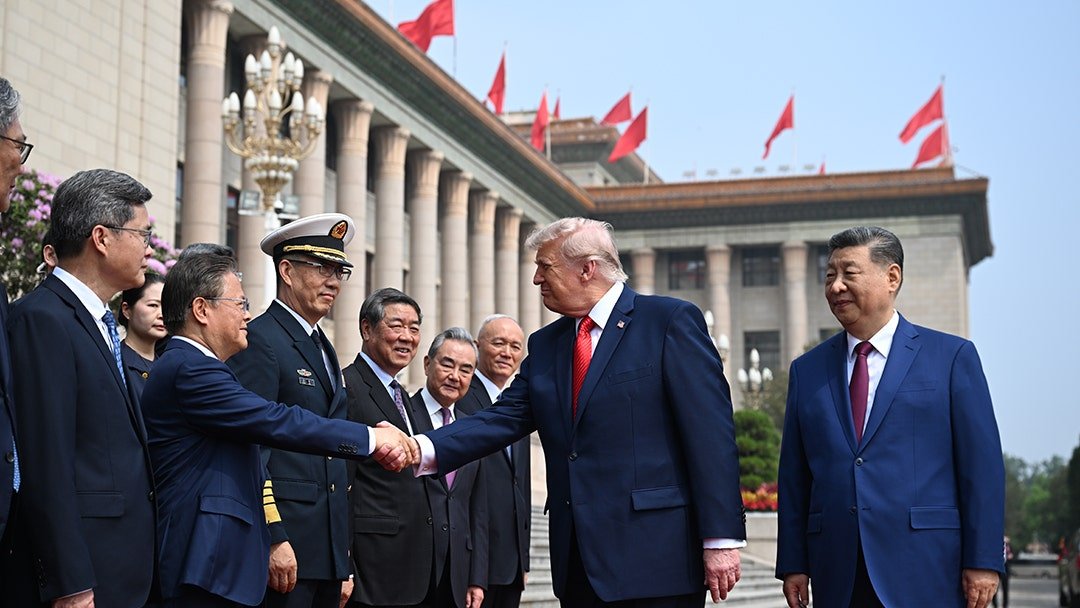
President Donald Trump is expected to press Chinese President Xi Jinping on China’s economic and strategic support for both Iran and Russia, including oil revenue, dual-use components and potential weapons transfers, according to senior administration officials. (Andrew Caballero-Reynolds/AFP via Getty Images)
Topics expected to be discussed during the summit include trade, aerospace, agriculture and energy agreements, and the creation of a U.S.–China Board of Trade and Board of Investment, according to the White House.
White House spokeswoman Anna Kelly said Trump’s goal is to «deliver more good deals on behalf of our country» while safeguarding U.S. national security.
Trump participated in a welcome ceremony and bilateral meeting with Xi Thursday morning local time in Beijing, followed by a tour of the Temple of Heaven alongside the Chinese leader and a state banquet later.
Chinese Embassy spokesperson Liu Pengyu said Beijing views the summit as an opportunity to stabilize ties between the world’s two largest economies.
«Heads-of-state diplomacy plays an irreplaceable role in providing strategic guidance for China–U.S. relations,» Liu said in a statement to Fox News Digital. «We welcome President Trump’s state visit to China. China stands ready to work with the U.S. to expand cooperation and manage differences in the spirit of equality, respect and mutual benefit, and provide more stability and certainty for a transforming and volatile world.»
For Xi, analysts say, the top priority likely is avoiding further escalation with Washington while buying time for China’s slowing economy, as it continues to struggle with weak domestic demand, deflationary pressure and industrial overcapacity.
A recent report by the U.S.–China Economic and Security Review Commission warned that Beijing is doubling down on state-led industrial policy despite mounting structural weaknesses in the Chinese economy.
The commission said China is increasingly operating a «two-speed» economy, where much of the broader economy stagnates while sectors prioritized by the Chinese Communist Party receive massive state support and continue expanding beyond market demand.
The report also warned of a new «China Shock 2.0,» arguing Beijing’s excess industrial capacity and record trade surplus are disrupting global markets while increasing foreign dependence on Chinese-controlled supply chains in sectors ranging from batteries and pharmaceuticals to semiconductors and artificial intelligence.
«Chinese policy seeks simultaneously to reduce China’s reliance on foreign technology while increasing the world’s dependence on China,» the commission noted in its findings.
TRUMP TO CONFRONT XI AT HIGH-STAKES SUMMIT OVER CHINA BACKING FOR IRAN, RUSSIA
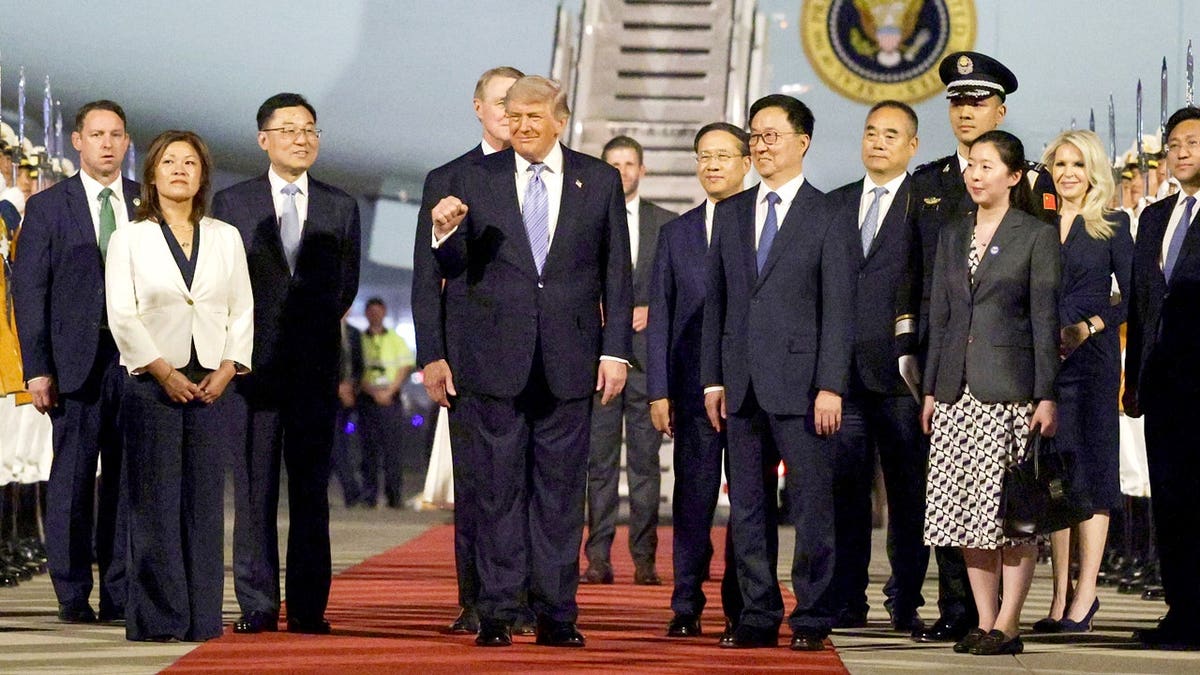
President Trump was greeted by a formal state welcome when he touched down in Beijing ahead of high-stakes talks with Chinese President Xi Jinping. (Alex Wong/Getty Images)
At the same time, Xi is entering the talks with leverage stemming from the ongoing Iran crisis and global energy disruptions.
Trump has faced growing domestic pressure over rising energy prices tied to instability in the Middle East and shipping threats near the Strait of Hormuz. Beijing, meanwhile, remains one of Iran’s largest oil customers and maintains political ties with Tehran.
Susan Thornton, former acting assistant secretary of state for East Asian and Pacific affairs during Trump’s first term, said during a recent Stanford University Asia-Pacific Research Center interview that expectations for major breakthroughs should remain low despite the summit’s symbolism.
«The primary value lies in the act of meeting itself,» Thornton said.
She suggested Beijing may see a strategic advantage in America’s renewed focus on the Middle East. While China has made nominal peace proposals, it has not stepped up as a mediator.
«It seems like they are kind of hanging back and waiting to see what will happen,» Thornton said, arguing that from Beijing’s perspective, a U.S. entanglement in the Middle East may serve as a useful distraction, diverting Washington’s attention and pressure away from China.
One area where the two sides could announce tangible progress is agriculture.
The White House is pushing Beijing for expanded purchases of U.S. farm products ahead of the summit, according to a Reuters report published Tuesday, particularly soybeans and grains.
But traders and analysts told Reuters that China’s appetite for major new soybean commitments may be limited due to weak domestic demand and cheaper alternatives from Brazil. Instead, markets are watching for potential agreements involving corn, sorghum, wheat, beef and poultry, sectors viewed as less politically contentious in the broader U.S.–China relationship.
More than a dozen U.S. business executives, including leaders from agricultural giant Cargill, are accompanying Trump during the visit.
PRESIDENT TRUMP MUST PUT AMERICAN HOSTAGES FIRST IN HIGH-STAKES BEIJING SUMMIT
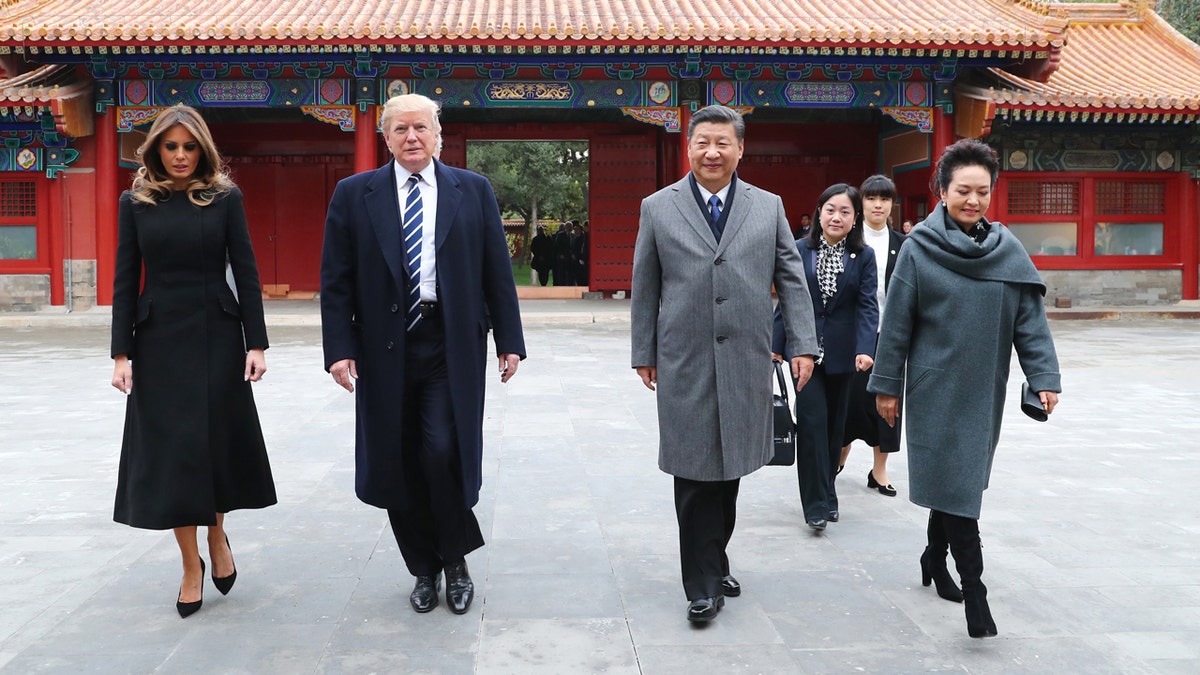
Chinese President Xi Jinping and his wife Peng Liyuan welcome U.S. President Donald Trump and his wife Melania Trump at the Palace Museum, also known as the Forbidden City, in Beijing, Nov. 8, 2017. (Xinhua/Xie Huanchi via Getty Images)
Despite the focus on trade and geopolitical tensions, survivors of China’s religious persecution are urging the administration not to sideline Beijing’s crackdown on religious groups and dissidents.
Ahead of the summit, Trump publicly pledged to raise the case of imprisoned Chinese pastor Ezra Jin following advocacy efforts by his daughter, Grace Jin Drexel, who has accused Beijing of persecuting Christians.
Former U.S. officials told Fox News Digital they are skeptical human rights concerns will play a central role during a summit primarily focused on lowering tensions and stabilizing economic ties between the two powers.
Taiwan and technology restrictions are also expected to loom over the talks. Beijing continues to oppose U.S. arms sales and support for Taiwan, while Washington has tightened export controls targeting China’s advanced semiconductor and AI sectors.
CLICK HERE TO DOWNLOAD THE FOX NEWS APP
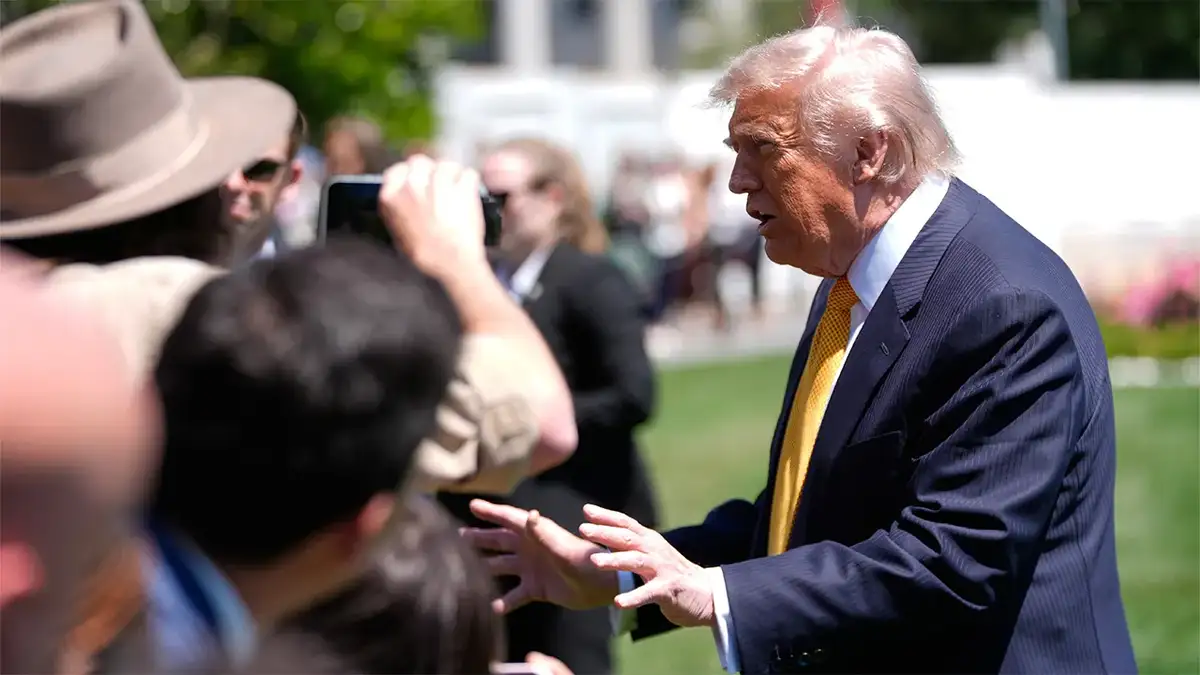
For President Donald Trump, the summit offers an opportunity to showcase economic wins and diplomatic engagement ahead of the 2026 midterms (Manuel Balce Ceneta/AP Photo)
Still, despite the escalating rivalry, neither Washington nor Beijing appears eager for a direct confrontation.
For Trump, the summit offers an opportunity to showcase economic wins and diplomatic engagement ahead of the 2026 midterms.
For Xi, analysts say, the goal is far more measured: preserve stability, avoid confrontation and continue positioning China for a prolonged strategic competition with the United States.
china, donald trump, taiwan, xi jinping, trade










INTERNACIONAL
Honduras cuestiona audiencia de la CIDH sobre denuncias relacionadas con el juicio político
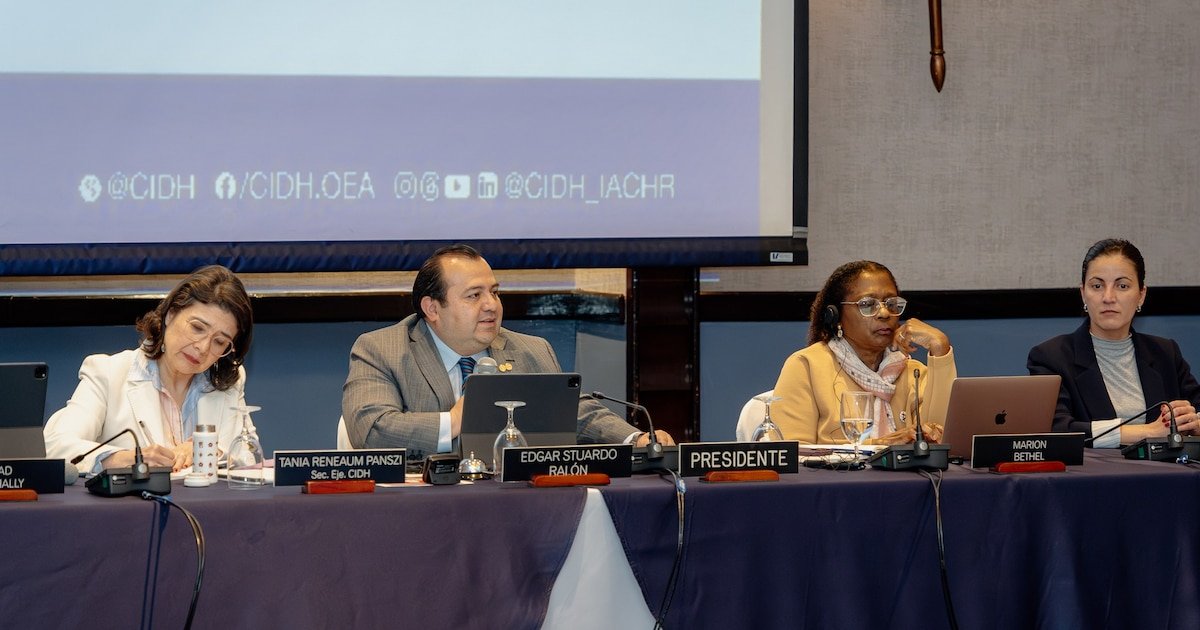
La representante del Estado de Honduras, Marlen Talbott reiteró durante la audiencia que el país mantiene su compromiso con la promoción y protección de los derechos humanos y aseguró que continuará cooperando con la Comisión Interamericana de Derechos Humanos (CIDH) dentro de las competencias establecidas por el Sistema Interamericano.
Sin embargo, explicó que, tras analizar la solicitud presentada, el Estado concluyó que esta excede la finalidad prevista en los artículos 66 al 70 del Reglamento de la CIDH. Informó que Honduras presentó formalmente su inconformidad ante la Comisión y que los argumentos oficiales serán remitidos a la Secretaría de Relaciones Exteriores para su respuesta por los canales diplomáticos correspondientes.
Talbott sostuvo que las modalidades de audiencia contempladas en el artículo 62 del Reglamento de la CIDH tienen objetivos específicos, entre ellos el seguimiento de recomendaciones y la recepción de información general sobre la situación de los derechos humanos en un Estado. Desde esa perspectiva, señaló que este mecanismo no debería utilizarse para debatir controversias individuales o procesos judiciales concretos.
La representación del Estado argumentó además que utilizar una audiencia pública para analizar sentencias de la Corte Interamericana de Derechos Humanos, emitir valoraciones sobre actuaciones estatales o referirse a procesos de supervisión en curso no corresponde a la naturaleza de este mecanismo. Según la postura oficial, ello resulta incompatible con el artículo 66 del reglamento de la Comisión y podría interferir con los procedimientos institucionales del Sistema Interamericano.
Honduras expresó que el uso de una audiencia de monitoreo para abordar controversias individuales, contraviene el principio de subsidiariedad, que establece que los mecanismos internacionales actúan de forma complementaria a las instituciones nacionales. El Gobierno también sostuvo que la CIDH debió examinar previamente la compatibilidad de la solicitud con su reglamento antes de admitir la audiencia.

En esa línea, el procurador general de la República, Dagoberto Aspra, declaró a Infobae que Honduras mantiene una posición de respeto hacia la CIDH, aunque manifestó que el Estado no comparte el enfoque adoptado para la convocatoria y considera que la actuación del organismo debe ajustarse a las disposiciones de su reglamento y a la jurisprudencia del Sistema Interamericano.
En contraste, el abogado y analista en derechos humanos Joaquín Mejía cuestionó la postura del Gobierno y defendió las atribuciones de la Comisión Interamericana. A su juicio, el Estado hondureño debería actuar con mayor cuidado al designar a sus representantes en este tipo de audiencias internacionales.

Mejía calificó como “un ridículo” la estrategia del Estado de intentar, según su criterio, deslegitimar la audiencia y poner en duda las facultades de la CIDH. El analista sostuvo que la Comisión tiene la potestad de convocar este tipo de espacios para conocer información sobre posibles afectaciones a los derechos humanos y afirmó que el debate debería centrarse en responder al contenido de las denuncias presentadas y no en cuestionar la competencia del organismo.
El procurador Aspra, reiteró a Infobae , que “Honduras no contempla desligarse de la Comisión Interamericana de Derechos Humanos y reiteró que el Estado mantiene una posición de respeto hacia el organismo”. A su vez señala que, la postura presentada responde a una diferencia sobre el enfoque de la audiencia y no a un desconocimiento de las funciones de la CIDH,
Corresponsal:Desde Tegucigalpa, Honduras
INTERNACIONAL
SEE IT: Michigan Dem predicts far-left El-Sayed will win Senate race after backing his primary rival
NEWYou can now listen to Fox News articles!
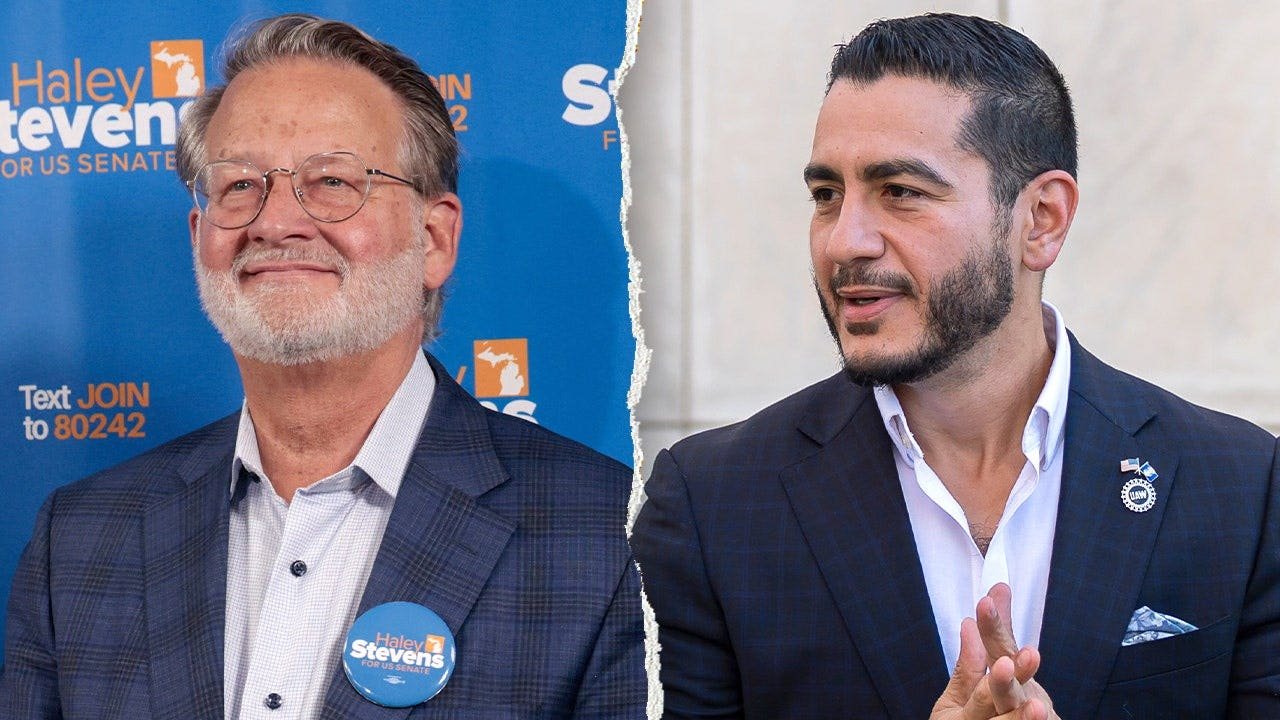
Sen. Gary Peters, D-Mich., is confident that far-left Democratic Senate nominee Abdul El-Sayed will defeat Republican nominee Mike Rogers in the race to replace him in the Senate, despite having endorsed El-Sayed’s primary rival, Rep. Haley Stevens.
El-Sayed, known as a progressive insurgent, will go head-to-head with Michigan’s Republican Senate nominee Mike Rogers in the upcoming midterm elections. El-Sayed’s victory marks yet another win for the left-wing Democrats in this year’s primaries that have been battling to defeat the current Democratic establishment.
«I think if you look at the issues broadly, the differences between Abdul El-Sayed and Rogers when it comes to fighting for families in Michigan, it’s pretty broad,» Peters said to Fox News Digital when asked if his far-left positions could give Republicans a boost in Michigan.
2026 MIDTERMS STATE OF PLAY: KEY RACES UNFOLD AS STEVENS, EL-SAYED BATTLE IN MICHIGAN
Abdul El-Sayed, a progressive candidate in the Democratic primary for U.S. Senate in Michigan, films a social media video at a pool party for content creators supporting his campaign, Monday, Aug. 3, 2026, in Detroit. (AP Photo/Julia Demaree Nikhinson)
He continued, «And in the end, that’s why he will prevail.»
Peters’ endorsement of Stevens over El-Sayed was part of a broader effort by mainstream Democrats to beat out another progressive candidate, as Republicans largely viewed El-Sayed winning as a boost for their party’s chances to flip Michigan’s Senate seat. Rogers told Fox News Digital in an interview prior to the primary results that he would «beat either one of those candidates,» but that El-Sayed has «his own special sauce of crazy.»
The race between Stevens and El-Sayed was strenuous as it became a determining factor of whether Democrats could win the majority back in the Senate. More than $80 million was poured into this primary, qualifying it as the most expensive Democratic Senate nomination race in history.
DEMS’ LEFTWARD LURCH GETS LEGS AS EL-SAYED’S MICHIGAN SENATE VICTORY SPARKS PARTY DEBATE
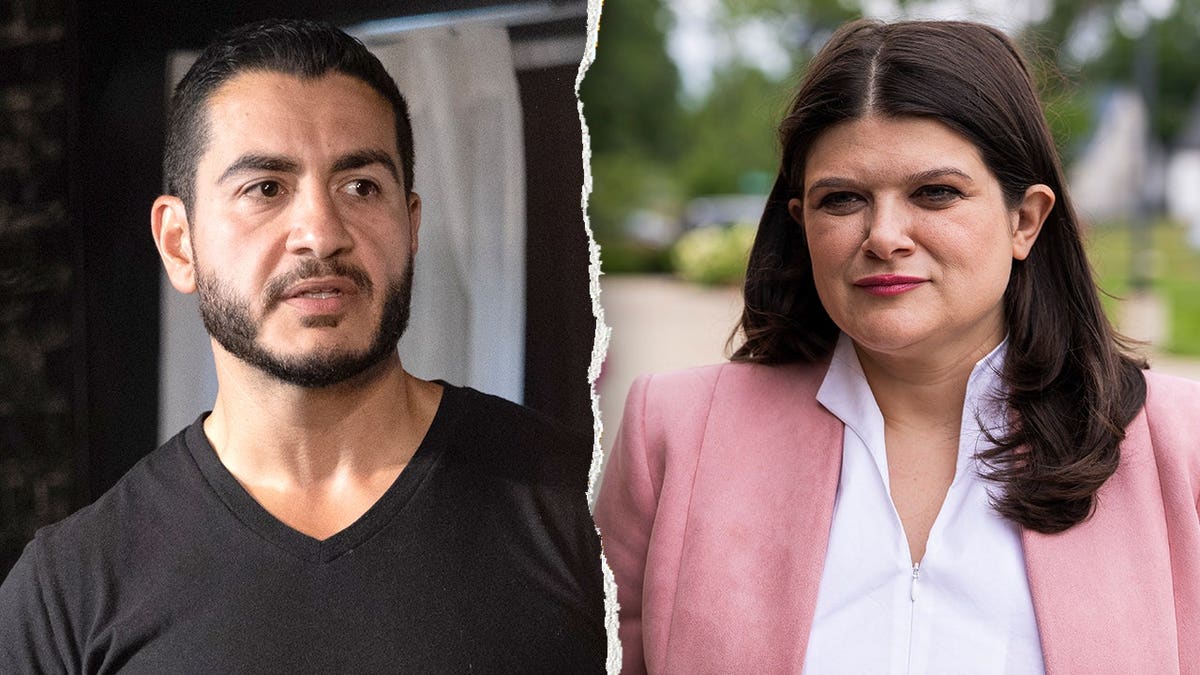
Rep. Haley Stevens and former public health official Abdul El-Sayed are vying for the Democratic nomination for U.S. Senate in Michigan. (Scott Olson/Getty Images; Finn Gomez/Getty Images)
Republicans have speculated that the turn to nominating Democratic socialist candidates indicates that the current Democratic establishment is losing its grip in these congressional races.
Peters pushed back on this claim, arguing that the results aren’t reflective of the entire party as this is «nothing new» for the state.
«Michigan is a very diverse state, and if you recall, Bernie Sanders beat Hillary Clinton many years ago in a primary in Michigan, so this is nothing new,» Peters said.
Peters argued the result was consistent with Michigan’s political history, pointing to Bernie Sanders’ upset over Hillary Clinton in the state’s 2016 Democratic presidential primary. Sanders endorsed El-Sayed in his Senate primary to defeat Stevens.
HASAN PIKER UNLOADS ON ‘ISLAMOPHOBIC PIECES OF S—‘ DEMOCRATS AS EL-SAYED FACES PARTY UNITY TEST

U.S. Rep. Alexandria Ocasio-Cortez, D-N.Y., Michigan Democratic U.S. Senate primary candidate Abdul El-Sayed and U.S. Sen. Bernie Sanders, I-Vt, greet the crowd after El-Sayed spoke at The People V. The Powerful rally at the Detroit Opera House on July 18, 2026 in Detroit, Mich. (Sarah Rice/Getty Images)
El-Sayed, a former Wayne County Health Department Director, would be the first Muslim senator. He has has previously called for defunding the police and Immigration and Customs Enforcement (ICE). He is also a strong critic of Israel, labeling the country’s actions as genocide against Palestinians in Gaza.
Peters declined to weigh in on where he falls on El-Sayed’s policy positions — like defunding the police — despite expressing confidence the Democratic nominee will defeat Rogers.
«I’m not on the ballot, so I don’t have to make those kinds of statements,» Peters said.
El-Sayed and Rogers, who ran uncontested in his primary, will compete for the swing state’s Senate seat on Nov. 3 in midterm elections.
Fox News Digital’s Paul Steinhauser contributed to this report.
midterm elections, democrats senate, bernie sanders, michigan, democrats elections
Una primaria ajustada en Michigan
Un triunfo con señales ambiguas

Michigan, uno de los territorios más disputados del país

Analistas descartan que Milei atenúe sus insultos por el viaje de León XIV, salvo por un paréntesis durante la visita

El dólar registró una leve suba y se mantiene cerca de su récord nominal

El duro dardo desde un país que organizó el Mundial para Infantino: «A partir de ahora no le tengo confianza» :: Olé

Ley de propiedad privada: en el Gobierno reconocen que la oposición se impuso al frenar la venta de tierras a extranjeros

Honduras cuestiona audiencia de la CIDH sobre denuncias relacionadas con el juicio político

SEE IT: Michigan Dem predicts far-left El-Sayed will win Senate race after backing his primary rival

“Vamos a acelerar con todo”: el objetivo del Gobierno por las reformas y la agenda electoral de cara al 2027

Javier Milei cruzó a Victoria Villarruel y elevó la tensión: “Es una opositora, replica los argumentos kirchneristas”

Reelecciones indefinidas: el oficialismo bonaerense niega que busque ampliar la Legislatura como parte de una reforma política para beneficiar a los intendentes

¡Chau Luck Ra! La salida de soltera de La Joaqui, muy bien acompañada, a días de su separación
-
 POLITICA2 días ago
Javier Milei cruzó a Victoria Villarruel y elevó la tensión: “Es una opositora, replica los argumentos kirchneristas”
-
 POLITICA3 días ago
Reelecciones indefinidas: el oficialismo bonaerense niega que busque ampliar la Legislatura como parte de una reforma política para beneficiar a los intendentes
-

 CHIMENTOS3 días ago
Zaira Nara realizó un topless en Formentera y un comentario de un seguidor generó debate: “¿Nunca vestida?»