
INTERNACIONAL
Who is Darline Graham Nordone? Lindsey Graham’s sister emerges as Trump’s Senate pick


Trump backs Lindsey Graham’s sister for Senate seat
‘Outnumbered’ discusses the passing of Sen. Lindsey Graham at 71 due to aortic dissection as tributes from around Washington pour in. The panel also discusses President Donald Trump suggesting Graham’s sister fill his Senate seat.
NEWYou can now listen to Fox News articles!
Tragedy built a strong bond between Darline Graham Nordone and her brother, Sen. Lindsey Graham, R-S.C.
Tragedy is once again striking its bell, this time with the sudden passing of her brother and father figure. And now, she’s being considered to replace him in the Senate, just over 24 hours after his death.
President Donald Trump and Sen. Tim Scott, R-S.C., both want her in the role, and sources have told Fox News that Scott has been speaking with her about filling in for the remainder of Graham’s term.
TRUMP MAKES SURPRISE PICK TO FILL GRAHAM’S SENATE SEAT
Sen. Lindsey Graham, R-S.C., waves to attendees while riding in a golf cart to a television interview with his sister, Darline Graham Nordone, during the Iowa State Fair in Des Moines, Iowa, on Monday, Aug. 17, 2015. (Daniel Acker/Bloomberg via Getty Images)
Trump is pushing South Carolina Gov. Henry McMaster to appoint her, announcing that he recommended the governor tap Graham’s «wonderful sister» to serve out his term as a caretaker.
«This would be a fabulous tribute to Lindsey, who loved her dearly,» Trump said on Truth Social.
McMaster is slated to announce his pick Monday afternoon in a news conference that Scott is also expected to attend.
If he does tap Nordone, it would be a temporary selection. In the background, private jockeying is already happening to succeed Graham as the GOP nominee in the Palmetto State.
The filing deadline to succeed Graham and run for a full six-year Senate term opens July 21 and a special election primary is scheduled for Aug. 11. Many South Carolina politicians have expressed interest in the job, seeing the vacant Senate seat as a once-in-a-generation opportunity to serve in the upper chamber.
Meanwhile, Nordone has never held public office, unlike her brother, who served in Congress for three decades in both the House and Senate. Nordone is a mother of two and worked in a vocational rehabilitation role that specifically helped people with disabilities find employment in South Carolina.
GRAHAM’S DEATH IGNITES GOP SCRAMBLE FOR SENATE SEAT AS TRUMP HINTS HE ALREADY HAS A FAVORITE
And whether she’s ready to accept the position remains unclear.
«Actually, I’m just kind of like devastated right now,» Nordone told the New York Post shortly after Trump’s announcement.
Nordone and Graham shared a unique bond, too. Graham was in his early 20s when both their parents died within less than a year of one another. That tragedy pushed him to become her primary legal guardian and caretaker, thrusting him into the role of father and brother to his younger sister.
«Of all the things that have happened in my life, her turning out so well is the highlight of it by far,» Graham told C-SPAN in 2015.
FROM ‘DISGRACE’ TO ‘FAMILY’: TRUMP’S REMARKABLE JOURNEY WITH LINDSEY GRAHAM
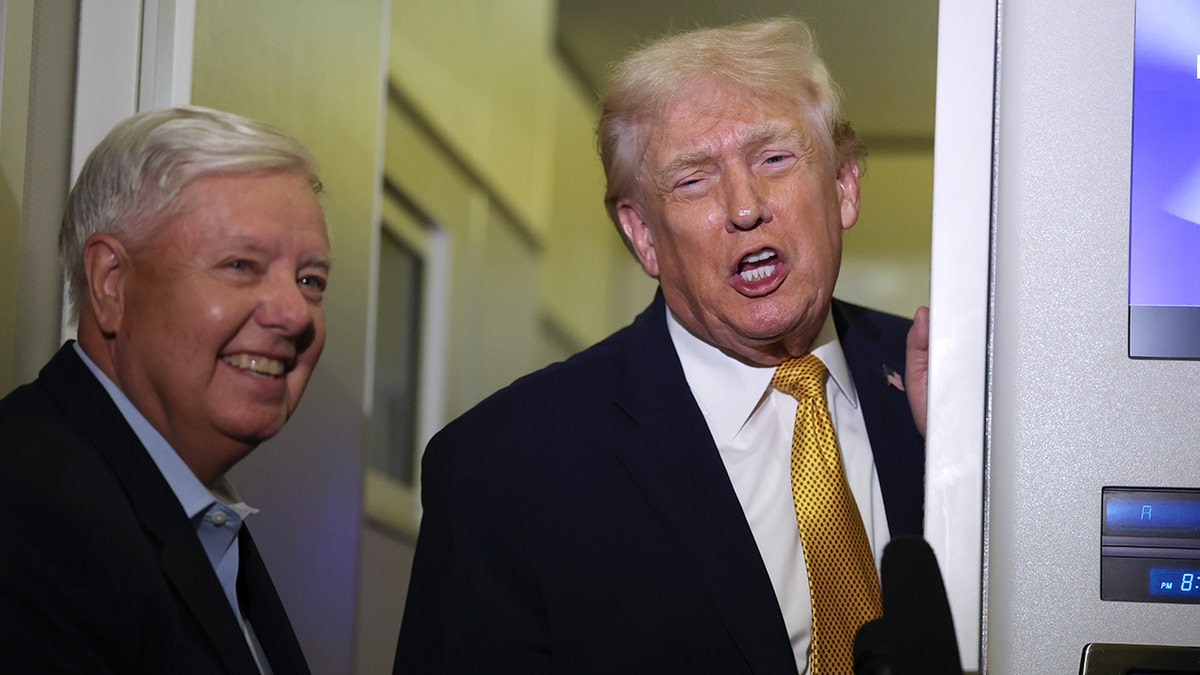
President Donald Trump and Sen. Lindsey Graham speak to the media aboard Air Force One en route to Washington, D.C., on Jan. 4, 2026. (Joe Raedle/Getty Images)
Nordone highlighted the outsized role Graham played in raising her after the death of their parents. After becoming her legal guardian, he enlisted in the Air Force to allow her to qualify for his military benefits. She later credited him with ensuring that she completed high school and college.
«He’s kind of like a brother, a father and a mother rolled into one,» she told The New York Times in an interview in 2015.
Nordone was a frequent presence in Graham’s campaigns during his decades-long career.
CLICK HERE TO DOWNLOAD THE FOX NEWS APP
«My parents, they were loving people and cared about us, but Lindsey was always the one that took care of me and helped me with my homework,» she said in a campaign spot titled «Darline.» «If I was sick, he gave me my medicine. He taught me how to ride a bicycle.»
«He never let me down,» she continued. «To take on that responsibility of raising a little sister — that came from within for Lindsey.»
politics, lindsey graham, senate elections, donald trump, midterm elections











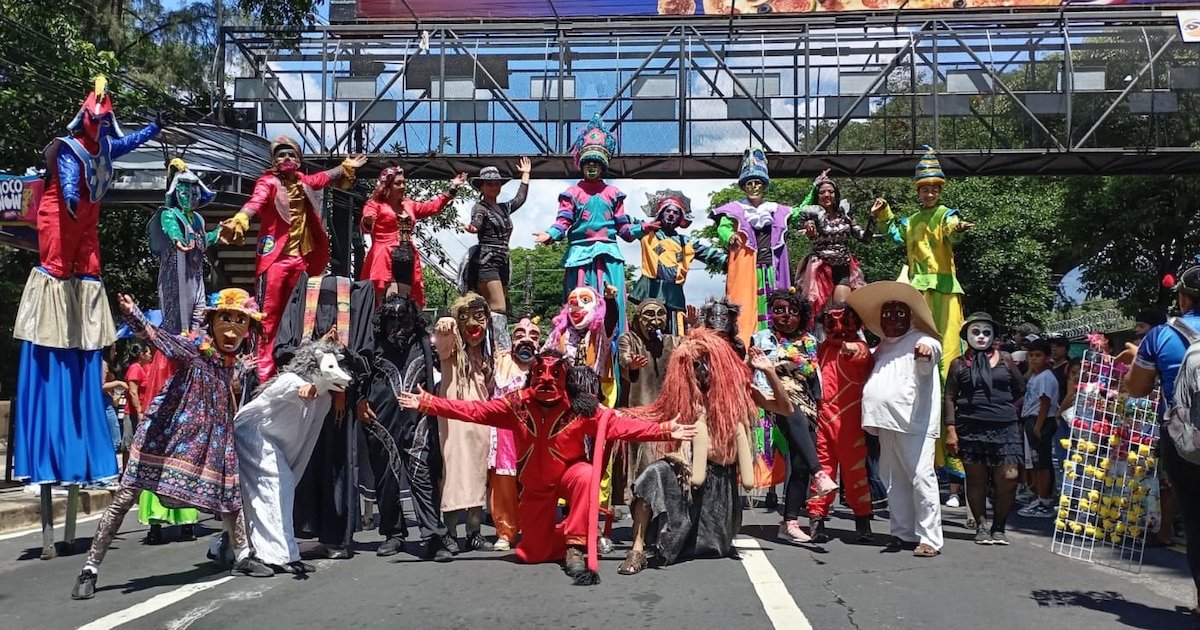
Las fiestas agostinas de San Salvador reúnen cada año a miles de personas en torno a una de sus expresiones culturales más emblemáticas: los Viejos de Agosto. Esta tradición, con más de 200 años de historia, destaca por la presencia de personajes bufos y figuras mitológicas que recorren las calles durante los desfiles patronales, manteniendo viva una parte fundamental del patrimonio salvadoreño.
Según explicó Yelter Herrera, integrante de la Compañía Artística Teopantli, los Viejos de Agosto surgieron como parte esencial de las celebraciones patronales en diferentes municipios y cantones del país. Herrera relató a Infobae que la compañía fue fundada el 14 de septiembre de 1989 por su padre, Edgar Barrera, quien es el director y creador del grupo.
Desde entonces, la agrupación ha trabajado en la representación de mitos, leyendas y personajes icónicos de la cultura local. “Esta es una tradición salvadoreña que lleva más de doscientos años de realizarse en el país. Siempre se sacan personajes bufos, que en algunos lugares se les conoce también como comparsas, para acompañar a los desfiles de las fiestas patronales en los diferentes pueblos”, afirmó Herrera.
Entre los personajes más reconocidos se encuentran la Siguanaba, el Cipitío, el Cadejo Blanco, el Cadejo Negro y el Padre sin Cabeza. Cada uno cuenta con su propia historia y mitología, y forman parte de lo que en El Salvador se conoce como “espantos” o figuras sobrenaturales transmitidas entre generaciones.

La participación en los Viejos de Agosto suele estar marcada por la herencia familiar y el valor de la creatividad. Herrera, quien comenzó a integrarse a la compañía a los diez años, explicó a Infobae: “La principal razón es que mi papá, Edgar Barrera, es el director y creador de la compañía. Él siempre ha estado ligado a temas de danza folclórica y costumbres del país, y así mismo incorporó a estos personajes”.
Con el tiempo, la compañía ha visto pasar a decenas de jóvenes y adultos, llegando a contar con ochenta integrantes antes de la pandemia y manteniendo actualmente un promedio de cincuenta miembros.
Los disfraces, que en algunos casos han permanecido casi inalterables por décadas, se adaptan a los materiales disponibles y las exigencias de cada presentación.
El vestuario del Cipitío, por ejemplo, conserva el tradicional traje de manta blanca y sombrero artesanal de palma, mientras que las máscaras han evolucionado desde modelos de aserrín y pegamento hasta versiones en papel maché y réplicas para cubrir distintas actividades.
Durante las fiestas agostinas, los Viejos de Agosto aportan alegría, color y un sentido lúdico que conecta con el público local y los turistas. “En mi caso, yo represento al personaje del Cipitío, que es un personaje gordito, utiliza un sombrero y regularmente se le aparece a las señoritas en los ríos y quebradas. Es la imagen de un niño que nunca creció”, detalló Herrera.
El contacto con la audiencia, especialmente con los niños, es un aspecto clave: “Lo que hago personalmente muchas veces es darle la mano a los niños antes de interactuar con ellos, para que entiendan que no deben de tenerme miedo, sino que es parte de la diversión”, agregó.

La tradición también ha cruzado fronteras. Las máscaras de los Viejos de Agosto han sido exhibidas en Suiza hace aproximadamente veinte años, y la compañía participó en el Desfile de las Rosas en Pasadena, Estados Unidos, en 2020. “Ser el primer grupo de este tipo que se presenta en el desfile más importante de bandas de paz del mundo es una marca que tenemos gracias a Dios”, señaló Herrera.
El grupo ha recorrido los catorce departamentos de El Salvador, y en su historia ha visitado la isla de Meanguera del Golfo, además de presentarse en países vecinos como Guatemala y Nicaragua.
El elenco de los Viejos de Agosto incluye figuras como el Diablo Rojo, el Diablo Negro, la Siguanaba, el Cipitío, el Historiante, el Padre sin Cabeza, el Monje, el Cadejo Blanco, el Cadejo Negro, la Embarazada, el Sacerdote, el Árbitro y el Enfermero, entre otros. La incorporación de algunos personajes responde a contextos actuales, enriqueciendo la propuesta artística del grupo.
El valor de esta manifestación cultural se refleja en el compromiso de transmitirla a las nuevas generaciones. “Siempre es importante que un pueblo, un país, conserve estas cosas, porque son situaciones autóctonas que nos definen y nos diferencian con otros países de la región”, subrayó Herrera.
Las actividades no solo permiten conocer el territorio, sino que también representan una oportunidad para que niños y jóvenes se involucren y valoren su identidad cultural.
Como mensaje final, Herrera invitó a los jóvenes a integrarse: “Siempre las puertas están abiertas para todos estos jóvenes, chicos y señoritas que le guste la cultura salvadoreña. Es una forma sana y cultural de lograr sobrellevar, y que, pues respeten la cultura salvadoreña, que conozcan de ella y la sigan difundiendo por el paso de las generaciones”.
corresponsal:Desde San Salvador, El Salvador
INTERNACIONAL
Trump v. Smithsonian: A timeline of how the White House fight over ‘woke’ history unfolded
NEWYou can now listen to Fox News articles!
President Donald Trump’s effort to root out what his administration calls «woke» ideology at the Smithsonian has grown into one of the most extensive White House reviews of the institution in decades.
The Smithsonian oversees 21 museums, the National Zoo and nearly 157 million objects and specimens while receiving more than $1 billion annually in federal funding outside of private-side dollars.
The administration’s campaign has placed the taxpayer-supported institution at the center of a broader debate over patriotism, historical interpretation and the role of federally funded cultural institutions amid a growing divide over how people view and retell America’s story.
GOP LAWMAKER DEMANDS ANSWERS AFTER SMITHSONIAN CHIEF URGED MOVING BEYOND ‘AMERICA FIRST MENTALITY’
President Donald Trump has made reshaping the Smithsonian a priority of his broader campaign to eliminate what his administration calls «woke» ideology from federally supported institutions. (Bloomberg via Getty Images)
Over the past 16 months, the administration has examined museum exhibits, educational programming, internal records and leadership statements, issued multiple document requests, interviewed curators and conducted on-site museum walkthroughs.
The effort culminated in a 162-page White House report recommending sweeping reforms and announcing new executive actions aimed at implementing those recommendations.
Here’s a timeline of the major developments.
March 27, 2025: Trump launches effort to root out ‘woke’ ideology at the Smithsonian
Trump signed an executive order titled «Restoring Truth and Sanity to American History» two months into his second term. The order argues that federal cultural institutions, including the Smithsonian, have promoted «divisive» ideological narratives.
The executive action directs the Trump administration to restore what it describes as a more patriotic presentation of American history. And it tasks the White House Domestic Policy Council and Vice President JD Vance, in his role as a Smithsonian Regent, with reviewing Smithsonian exhibits and programs.
Spring–Summer 2025: White House launches Smithsonian investigation
Following Trump’s executive order, the White House Domestic Policy Council kicked-off an investigation of the Smithsonian, focusing primarily on the National Museum of American History.
Officials reviewed exhibits, educational materials, strategic plans, leadership speeches, museum programming and public statements. During that review, the council documented examples they argue prioritize divisive ideological narratives over a so-called patriotic telling of American history.
Aug. 12, 2025: White House formally puts Smithsonian on notice
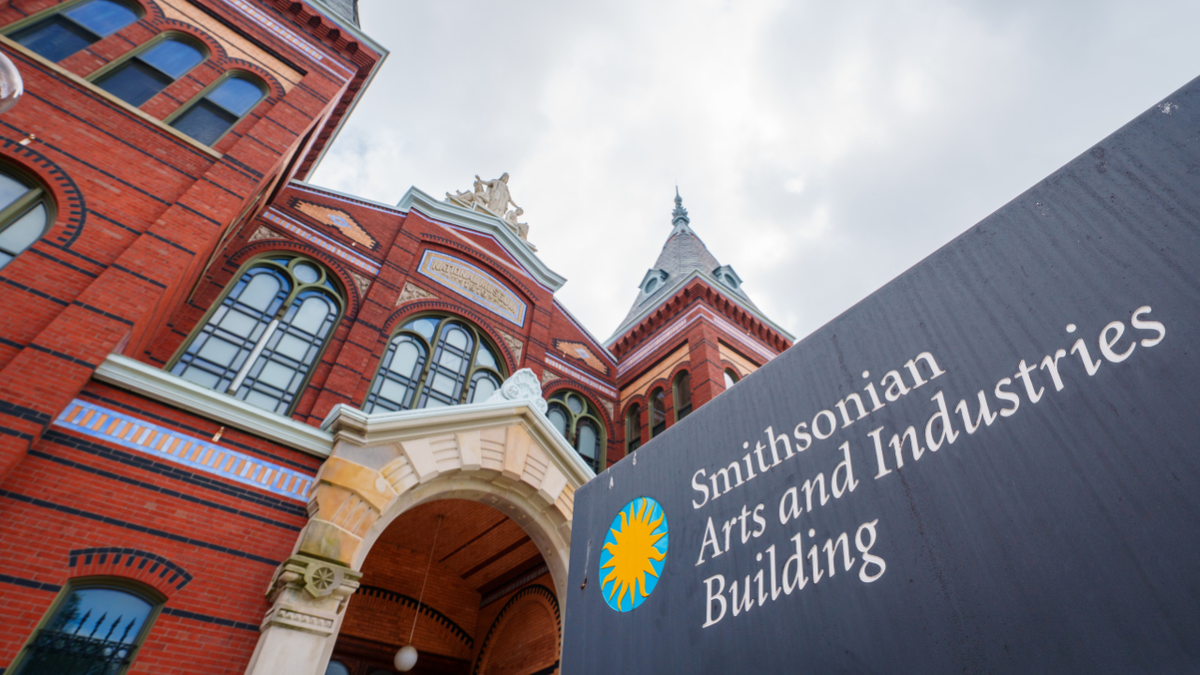
The Smithsonian, the nation’s largest museum and research complex, is at the center of a White House campaign to overhaul its presentation of American history. (J. David Ake/Getty Images)
White House officials sent Smithsonian Secretary Lonnie Bunch a letter formally launching the review ordered by Trump.
The letter directs the institution to turn over exhibition plans, educational materials, internal policies and other records while outlining a review of eight Smithsonian museums to ensure exhibits «celebrate American exceptionalism» and remove what the administration calls divisive narratives.
It also sets deadlines for document production, curator interviews and on-site reviews, with museums instructed to begin revising public-facing content within 120 days.
Late 2025: White House says Smithsonian isn’t adequately celebrating America’s founding

The Trump administration has repeatedly pressed Smithsonian Secretary Lonnie Bunch for records and changes as part of its review of the institution. (Al Drago/The Washington Post/Getty Images)
The White House criticizes the museum for holding no special Independence Day programming in 2025 despite being open on July 4, discontinuing its traditional Flag Day ceremonies, and planning 250th anniversary exhibits and events.
According to the administration, those 250 installations emphasize flaws of the United States while giving insufficient attention to the Founders, the Declaration of Independence and the American Revolution.
Dec. 18, 2025: White House says Smithsonian isn’t cooperating with its review
The White House tells Smithsonian Secretary Bunch in a letter that the institution has failed to provide most of the records requested during its review.
Among other things, the review requested exhibition plans, curatorial documents and governance materials be turned over.
At this time, the administration gives the Smithsonian until Jan. 13, 2026, to produce the requested records. It also reminds the institution that federal funding must be used in a manner consistent with Trump’s «Restoring Truth and Sanity to American History» executive order.
Early 2026: White House conducts on-site Smithsonian investigation
For Trump, the battle over the Smithsonian is part of a broader push to restore what he calls a more patriotic telling of American history across federally funded cultural institutions. (Kevin Dietsch/Getty Images)
White House investigators complete on-site walkthroughs of Smithsonian museums. During the visits, they reviewed exhibits, educational materials, digital content and internal planning documents as well as interviewed museum staff as part of the administration’s review.
SMITHSONIAN’S NATIONAL MUSEUM OF AMERICAN HISTORY PROMOTES ‘EXTREME POLITICAL ACTIVISM,’ WH REPORT ALLEGES
Investigators found during those visits exhibits that they argue emphasized restorative history, decolonization, immigration activism, DEI initiatives and social justice. Meanwhile, it claimed that the institution was downplaying America’s Founders, the nation’s achievements and patriotic themes.
The report ultimately concludes the Smithsonian project has undergone a significant shift away from its original mission, arguing exhibits increasingly emphasize social justice activism and ideological narratives rather than focus on America’s founding principles and national achievements.
May 14, 2026: White House says Smithsonian’s flagship America 250 exhibit misses the mark
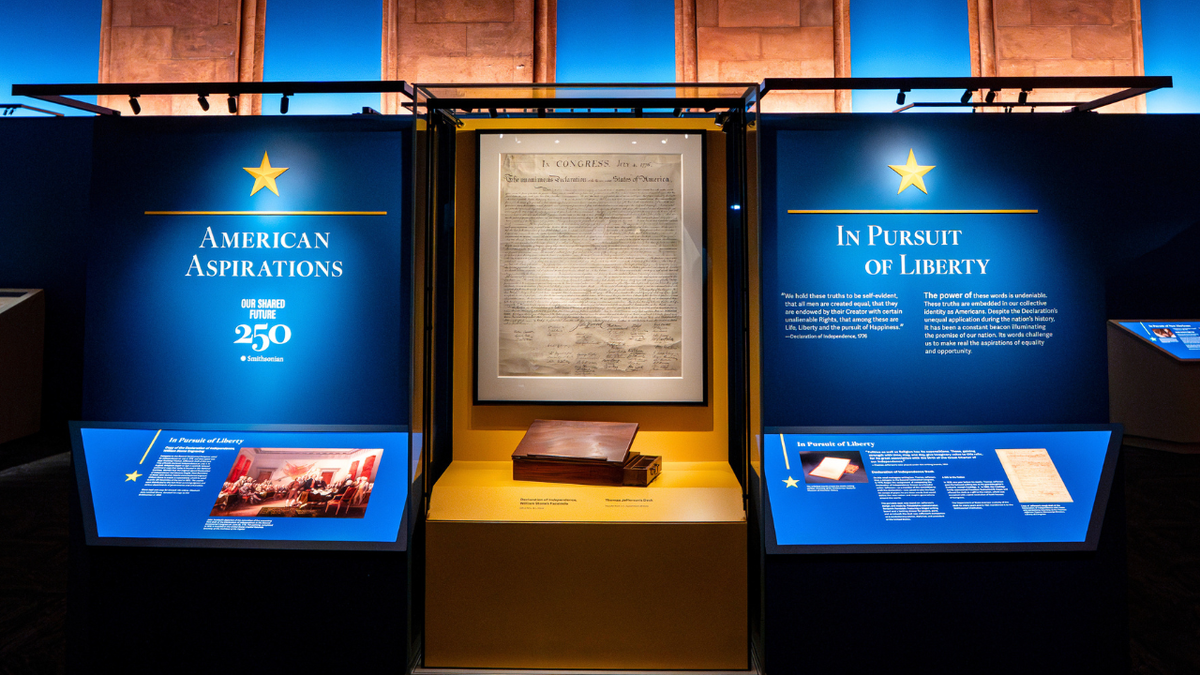
The White House argued the Smithsonian’s flagship America 250 exhibit did not adequately celebrate the nation’s Founders or the American Revolution. (Al Drago/The Washington Post/Getty Images)
The museum debuts its signature exhibition commemorating America’s 250th anniversary, featuring 250 objects from its collection, including Thomas Jefferson’s writing desk, George Washington’s uniform and the Star-Spangled Banner.
The White House said just two months before the country’s 250th celebration that the exhibition repackages existing displays rather than creating a new founding-era exhibit. It also criticized the installation for failing to meaningfully celebrate America’s Founders, the Declaration of Independence or the American Revolution during the nation’s 250th birthday.
The Trump administration also said the exhibit’s promotional materials and programming downplayed patriotic themes and national symbols.
July 2026: White House delivers verdict on Smithsonian review
The White House Domestic Policy Council releases its 162-page «Saving America’s Story» report, concluding that the National Museum of American History has undergone «ideological capture.»
The report recommends removing what it describes as political activism from museum exhibits and restoring displays that emphasize America’s founding principles, national achievements and patriotic history. It says the findings stem from the Smithsonian review ordered by Trump’s March 2025 executive order.
The expansive report included images of exhibits, images of exhibits and placards, as well as curators and leaders of the museum.
It spent much of the report focusing on how the museum classified and portrayed illegal migration in its exhibits.
July 24, 2026: Trump orders federal agencies to carry out Smithsonian reforms
Hours after the report’s release, Trump signs the «Restoring Trust in the Smithsonian Institution» executive order, directing the Interior Department, Office of Management and Budget (OMB), General Services Administrator (GSA) and the White House Domestic Policy Council to use available authorities to encourage the Smithsonian to address the report’s findings.
TRUMP ORDERS SIGNS OUTSIDE SMITHSONIAN MUSEUM AMID ROW OVER ITS DEPICTION OF AMERICAN HISTORY
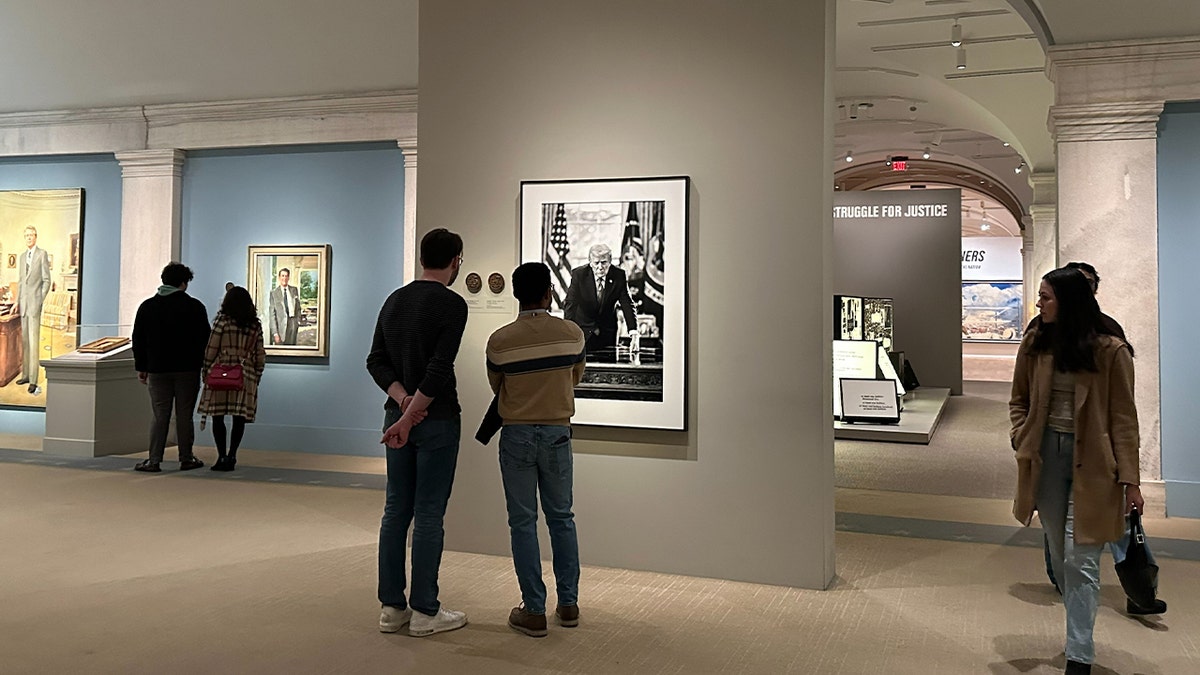
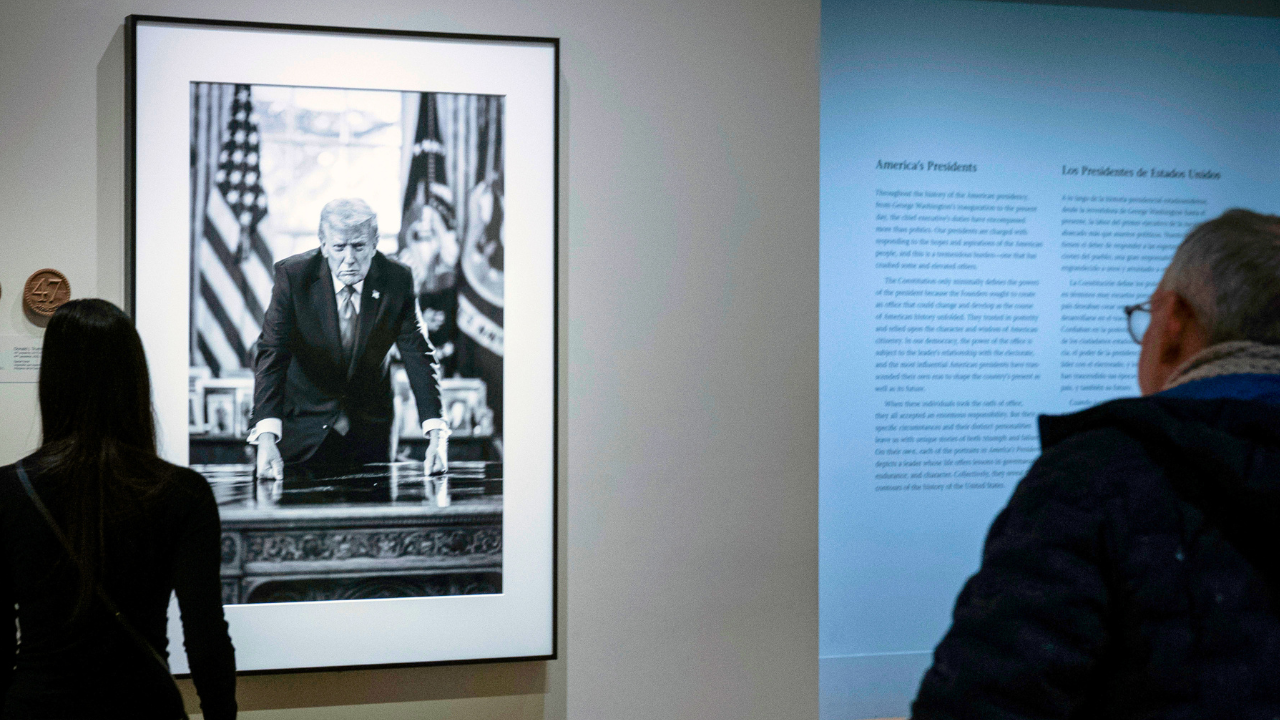
A photograph of President Donald Trump and a short plaque next to it are on display at the Smithsonian’s National Portrait Gallery’s «American Presidents» exhibit on Sunday, Jan. 11, 2026 in Washington. (AP Photo/Anna Johnson)
Trump’s order also instructs the National Park Service (NPS) to install temporary signs outside the National Museum of American History directing visitors to the report and describing the administration’s concerns with the museum’s presentation of American history.
The administration says its effort is intended to restore a more patriotic presentation of American history at the Smithsonian. The institution, meanwhile, has long said its mission is to preserve and present the nation’s history through scholarship, research and public education, setting the stage for continued debate over how America’s story should be told.
The Smithsonian did not immediately respond to Fox News Digital’s request for comment.
politics, white house, donald trump, executive policy, woke, museums exhibits, smithsonian
INTERNACIONAL
Tartessos, la civilización de España que selló sus templos antes de desaparecer sin dejar rastro
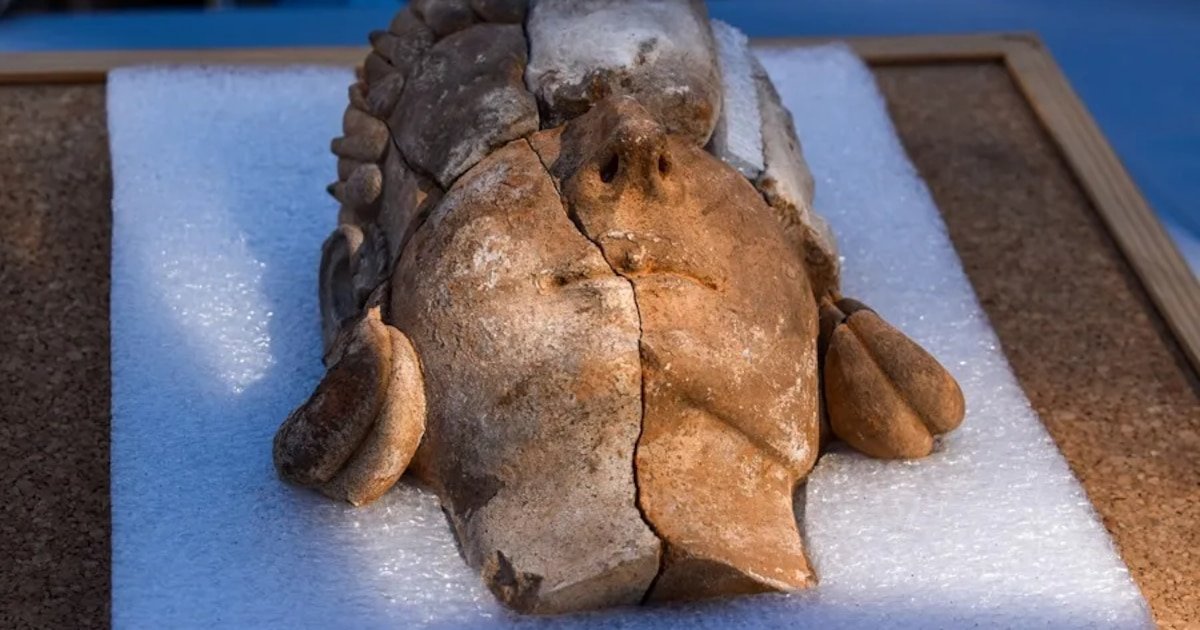
El valle del Guadiana, en la árida llanura del suroeste de España, guarda bajo su suelo un secreto que nunca se logró borrar. Templos sellados, joyas de oro y cenizas de rituales sin explicación: lo que hoy parece tierra fue, hace más de 2.500 años, el corazón de Tartessos, una civilización que comerció con medio Mediterráneo y dejó su huella en la costa atlántica y en la ciencia.
Los historiadores griegos y romanos la conocían, o creían conocerla. Heródoto, geógrafo, escribió sobre una ciudad portuaria más allá de las Columnas de Hércules, ese límite del mundo conocido que hoy se conoce como estrecho de Gibraltar. El Antiguo Testamento menciona un lugar llamado Tarsis, desde donde las naves del rey Salomón regresaban cargadas de oro, plata y marfil.
Cada fuente describía a Tartessos de forma distinta: un río, un puerto, un reino, una isla, pero nadie coincidía.
Sin embargo, las excavaciones del último siglo fueron sumando piezas a un rompecabezas enorme y generando respuestas a historiadores. Pero recién en las últimas décadas la tecnología permitió empezar a ver la imagen completa de un mundo que fue protagonista del mercado miles de años atrás.

Tartessos floreció entre los siglos IX y V a. C. en el sur de la península ibérica, y surgió de la fusión entre poblaciones indígenas y colonizadores fenicios y griegos. No fue una cultura aislada: su ubicación geográfica, próxima al estrecho de Gibraltar, la convirtió en un punto de conexión e intercambio entre el Atlántico y el Mediterráneo, dos mundos que hasta entonces habían operado con escaso contacto directo.
Su base económica descansaba en los metales. El subsuelo del sur peninsular era extraordinariamente rico en oro, plata, cobre y estaño, y los tartesios lo explotaron con una organización que impresionó a los viajeros de la Antigüedad. Según recoge History National Geographic, Eforo, historiador del siglo IV a. C., los describió como “un mercado muy próspero, regado por un río que lleva gran cantidad de estaño, oro y cobre».

El rey Argantonio se convirtió en la figura por antonomasia de la civilización. De acuerdo con History National Geographic, las fuentes antiguas lo presentan como un gobernante longevo y opulento, símbolo de la abundancia que caracterizó a esta sociedad durante su apogeo. Su figura condensó, con el tiempo, todo el aura de prosperidad que rodeaba al mundo tartesio.
Además del comercio y la metalurgia, registraron el primer sistema de escritura conocido de la península ibérica. La escritura tartésica, que data de alrededor del siglo VIII a. C., deriva del alfabeto fenicio y presenta una particularidad: es palindrómica, puede leerse de derecha a izquierda o de izquierda a derecha. Según informó la BBC, los sonidos exactos que representan sus símbolos aún están bajo estudio.
Una estela con inscripciones de este sistema se conserva en el Museo Arqueológico de Badajoz, dentro de la Alcazaba.

La relación con los fenicios es uno de los debates más activos en la arqueología actual. La postura tradicional sostuvo durante décadas que ambas culturas, pese a la cercanía geográfica, se mantuvieron sustancialmente separadas. Pero investigaciones más recientes plantean que entre ellas se produjo una fusión cultural tan profunda que en muchos yacimientos resulta difícil distinguir qué elementos son de cada uno.
Lo que sí permanece fuera de discusión es la extensión geográfica de la civilización. Los primeros hallazgos apuntaban al valle del Guadalquivir, en Andalucía, como el núcleo tartesio. Pero descubrimientos posteriores en el valle del Guadiana, más al oeste, ampliaron ese mapa considerablemente.
Hasta la fecha, según relevó la BBC, se han identificado más de 20 yacimientos tartesios en toda España, que incluyen sitios en las provincias de Huelva, Sevilla, Córdoba, Badajoz e incluso en Portugal.
La desaparición hacia el siglo V a. C. continúa siendo uno de los enigmas sin resolver de la arqueología ibérica. La civilización no se apagó de forma gradual: los registros materiales indican una ruptura abrupta, sin señales claras de una transición hacia otra cultura o una retirada ordenada.

Una de las teorías con mayor respaldo reciente apunta a un desastre natural. Según informó el investigador científico del Instituto de Arqueología de Mérida, Sebastián Celestino Pérez, “parece que pudo haber habido un terremoto a mediados del siglo VI antes de Cristo, seguido de un tsunami que podría haber afectado a los principales puertos”, reveló en diálogo con la BBC.

Pero los factores económicos y políticos también pesan en el análisis. De acuerdo con History National Geographic, Eduardo Ferrer-Albelda, catedrático de arqueología de la Universidad de Sevilla, señaló que la riqueza metálica era tanto su mayor fortaleza como su punto más vulnerable.
“También se documenta una crisis minera, pero la violencia debió desempeñar un papel importante”, afirmó. El investigador también planteó que “la connivencia entre las aristocracias fenicia e indígena podría haber terminado abruptamente, de modo que cabe suponer un movimiento entre las poblaciones de la zona tartésica”.
Lo que sí documentan con precisión los yacimientos es el ritual con el que los tartesios cerraron sus espacios sagrados antes de abandonarlos. Según relevó la BBC, en todos los sitios excavados se repitió el mismo patrón: los habitantes vaciaban los recipientes y ánforas, quemaban el edificio y lo sellaban con arcilla, dejando en su interior herramientas de hierro, joyas de oro y restos de animales sacrificados.
Ana Belén Gallardo Delgado, historiadora y guía del yacimiento de La Mata, resumió esa conducta para la BBC: “Lo que más me sorprende es la peculiar costumbre de destruir sus viviendas; en todos los yacimientos encontrados se ha seguido el mismo comportamiento“.
Tartessos,bronce,orfebrería,colgante,figura alada,aves acuáticas

Conmovedor momento en Gran Hermano: entre lágrimas, Sol saludó a su hija por su cumpleaños desde la casa

Javier Milei: “No somos Suiza, pero estamos mejor; si hay gente que no llega a fin de mes, es menos que cuando iniciamos”

Su pase valió 90 millones de euros, fue campeón de Europa y ahora se entrena en un club de 10° división tras quedar libre

Los Viejos de Agosto: Tradición y cultura en las fiestas agostinas de San Salvador

Milei defendió la situación económica y relativizó las encuestas: “No somos Suiza, pero estamos mejor”

Javier Milei redobló la apuesta: “Lula es un ladrón, es corrupto, y lo liberaron por una falla en el procedimiento”

“Vamos a acelerar con todo”: el objetivo del Gobierno por las reformas y la agenda electoral de cara al 2027

Reelecciones indefinidas: el oficialismo bonaerense niega que busque ampliar la Legislatura como parte de una reforma política para beneficiar a los intendentes

“Casta”, “parásito” y “sea democrático”: fuerte respuesta de Victoria Villarruel a Diego Santilli

Dem senator swipes credit for bill he opposed amid heated reelection bid: ‘Disturbing pattern’
-
 POLITICA1 día ago
“Vamos a acelerar con todo”: el objetivo del Gobierno por las reformas y la agenda electoral de cara al 2027
-
 POLITICA14 horas ago
Reelecciones indefinidas: el oficialismo bonaerense niega que busque ampliar la Legislatura como parte de una reforma política para beneficiar a los intendentes
-
 POLITICA3 días ago
“Casta”, “parásito” y “sea democrático”: fuerte respuesta de Victoria Villarruel a Diego Santilli