INTERNACIONAL
Cuáles son las “líneas rojas” que separan a EEUU e Irán hacia un acuerdo de paz


Las negociaciones de paz entre Estados Unidos e Irán han fracasado tras 21 horas de diálogo directo en la capital de Pakistán. El encuentro cara a cara, el primero de más alto nivel en 47 años, terminó esta mañana sin un pacto para poner fin a la guerra.
Pese a que se lograron “entendimientos” en varios puntos, la divergencia en temas clave como el programa nuclear y el control del estrecho de Ormuz han bloqueado cualquier esbozo de acuerdo.
El portavoz de la cancillería iraní, Ismail Bagaei, matizó que las diferencias de opinión se limitan ahora a “dos o tres cuestiones importantes” y que “nadie esperaba un acuerdo en una sola reunión”.
Ambas delegaciones han abandonado ya la capital paquistaní sin aclarar si habrá un nuevo encuentro. El vicepresidente JD Vance partió en el Air Force Two con una “oferta final” bajo el brazo y el presidente del Parlamento iraní, Mohammad Baqer Qalibaf, lo hizo poco después sin dar más detalles.

Estas son las tres líneas rojas que frenaron el consenso:
1. El “Cero Nuclear” frente al Derecho Civil
La delegación liderada por Vance, siguiendo la doctrina de Donald Trump, llegó con una exigencia innegociable: un compromiso firme de que Irán no buscará armas nucleares ni ahora ni en el futuro.
– La postura de EE.UU: Exige el desmantelamiento de las herramientas que permitan a Irán fabricar una bomba rápidamente. “Necesitamos ver un compromiso de voluntad, y no lo hemos visto”, afirmó Vance en una rueda de prensa tras el diálogo.
– La postura de Irán: Bagaei aclaró en X que el “asunto nuclear” fue uno de los temas centrales discutidos. El portavoz, sin dar detalles directos, insistió en que el éxito del proceso depende de que la contraparte se abstenga de “demandas excesivas y peticiones ilegales” y acepte los “derechos e intereses legítimos de Irán”.
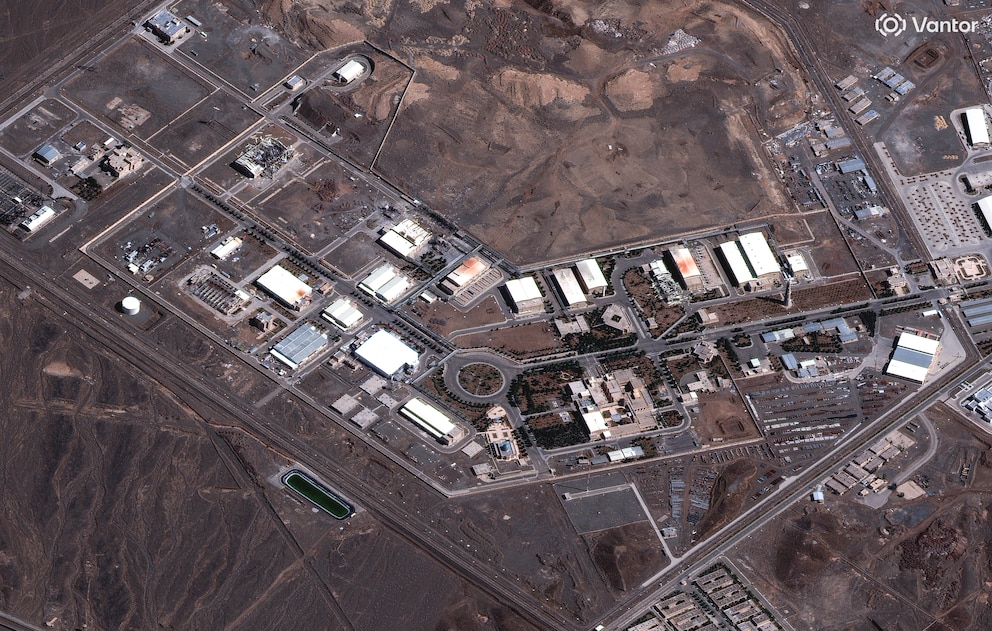
2. La llave del estrecho de Ormuz
Lo que sobre el papel era una condición técnica para la tregua anunciada el miércoles por Sharif se convirtió en el principal escollo militar en la mesa.
– La postura de EE.UU.: Washington busca una reapertura inmediata, comercial y sin restricciones, anunciando incluso procesos de limpieza de minas de forma unilateral y una apertura de la vía “pronto”.
– La postura de Irán: Para Teherán, Ormuz es su mayor baza de presión. “No habrá cambios en el estrecho a menos que EE.UU. acepte un acuerdo razonable”, afirmó una fuente iraní recogida por la agencia Mehr. Irán exige que cualquier paso de buques sea coordinado directamente con sus Fuerzas Armadas.
3. El factor Líbano: negociar mientras continúan los ataques israelíes
Mientras las delegaciones se sentaban en Islamabad, Israel ha mantenido sus incursiones y bombardeos en el Líbano, que dejaron el mismo día del anuncio de la tregua al menos 357 muertos y más de 1.200 heridos en diez minutos.

Irán exige el compromiso de EE.UU. para frenar la agresión israelí en todos los frentes, especialmente en el sur del Líbano y Beirut. Washington sostiene que el alto el fuego de dos semanas pactado con Irán se limita al conflicto directo entre ambos países y no vincula las acciones militares de Israel contra los terroristas de Hezbollah, aliados del régimen islámico.
4. Reparaciones y activos congelados
Otra de las fracturas es que Irán reclama una factura económica por la guerra iniciada el 28 de febrero.
– La petición de Irán: Levantamiento total de sanciones y devolución inmediata de fondos congelados como condición previa.
– La respuesta de EE.UU.: Cualquier alivio financiero está supeditado a la firma del acuerdo nuclear bajo los términos de Vance.

5. Pakistán pide salvar la tregua
La mediación paquistaní dio por concluidas las conversaciones este domingo y pidió a las partes que sigan cumpliendo con el alto el fuego alcanzado el pasado miércoles.
“Es imperativo que las partes sigan cumpliendo su compromiso con el alto el fuego”, dijo en un comunicado el ministro de Exteriores paquistaní, Ishaq Dar.
¿Habrá mas negociaciones?
La gran incógnita tras el despegue de las delegaciones es si el diálogo ha muerto o si ha entrado en una fase de “presión remota”.
– La “oferta final” de EE.UU: Vance fue explícito al señalar que la delegación estadounidense no se va con las manos vacías, sino que ha dejado sobre la mesa una propuesta formal y definitiva. “Nos vamos de aquí con una propuesta muy simple, un método de entendimiento, que es nuestra oferta final y mejor”, sentenció.
– La “diplomacia continua”, según Irán: El régimen persa ha afirmado que “la diplomacia nunca termina” y que las consultas con “países amigos y vecinos” (como Pakistán) seguirán adelante.
(con información de EFE)
Defence,International Relations,Asia / Pacific,Defense,Diplomacy / Foreign Policy













NEWYou can now listen to Fox News articles!
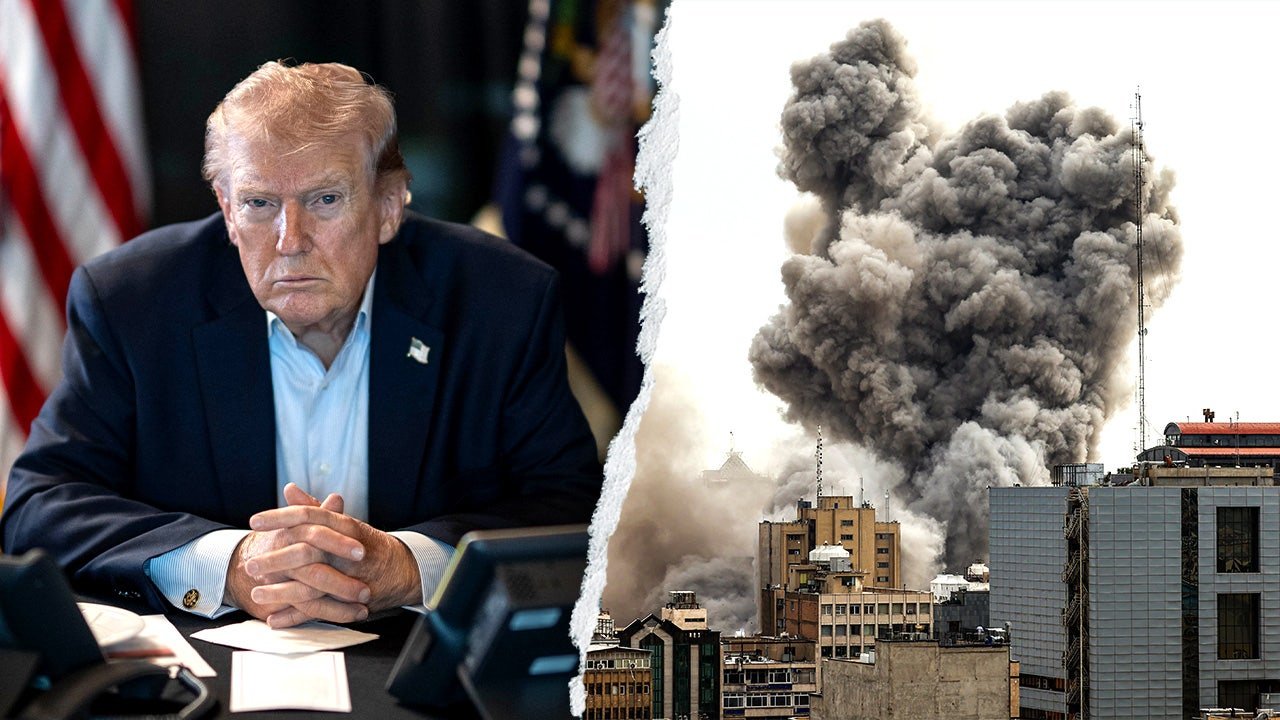
The United States resumed airstrikes inside Iran Wednesday night in retaliation for Tehran’s attempted surprise ballistic-missile attack on American forces, as an Iran expert warned that the regime has become increasingly willing to test Washington despite its weakened military capabilities.
«The strikes are a powerful response to yesterday’s attempted Iranian attack on U.S. forces based in the Middle East,» U.S. Central Command said as the new operation began, according to The Associated Press.
The renewed strikes marked the first U.S. attacks inside Iran since President Donald Trump paused the bombing campaign Friday after 13 consecutive nights to allow diplomacy another chance. Iran’s missile launch shattered that brief pause and returned the conflict to direct exchanges between Washington and Tehran.
Trump had signaled the retaliation earlier Wednesday, saying the United States would hit Iran «very hard.»
ARMY IDS 2 VICTIMS KILLED IN JORDAN AIR BASE ATTACK; TRUMP: IRAN WILL PAY ‘MANY TIMES OVER’
Map shows U.S. bases and assets in the Mideast. (Fox News)
Behnam Ben Taleblu, senior director of the Iran program at the Foundation for Defense of Democracies, said the surprise nature of Iran’s attack reflected a significant shift in Tehran’s strategy.
«What makes this attack different is that it’s basically a surprise attack,» Taleblu told Fox News Digital. «This is the Islamic Republic matching its deeds with its words,» he said. «That means a more risk-tolerant, more confident, perhaps less capable, but more dangerous Iran in the Middle East.»
U.S. Central Command said the Islamic Revolutionary Guard Corps launched multiple ballistic missiles from Iran at U.S. forces in the region at approximately 5:45 p.m. Eastern Time Tuesday. All were intercepted, and no casualties or damage were immediately reported.
Trump later vowed a forceful response, telling Fox News chief foreign correspondent Trey Yingst that the United States would be «hitting them hard» and that Iran was «going to get a beating.» «We’re going to beat the f—ing s— out of them,» Trump said.
US CLAWS BACK KEY CONCESSION TO IRAN AFTER FRESH ATTACKS ON COMMERCIAL SHIPS IN STRAIT OF HORMUZ
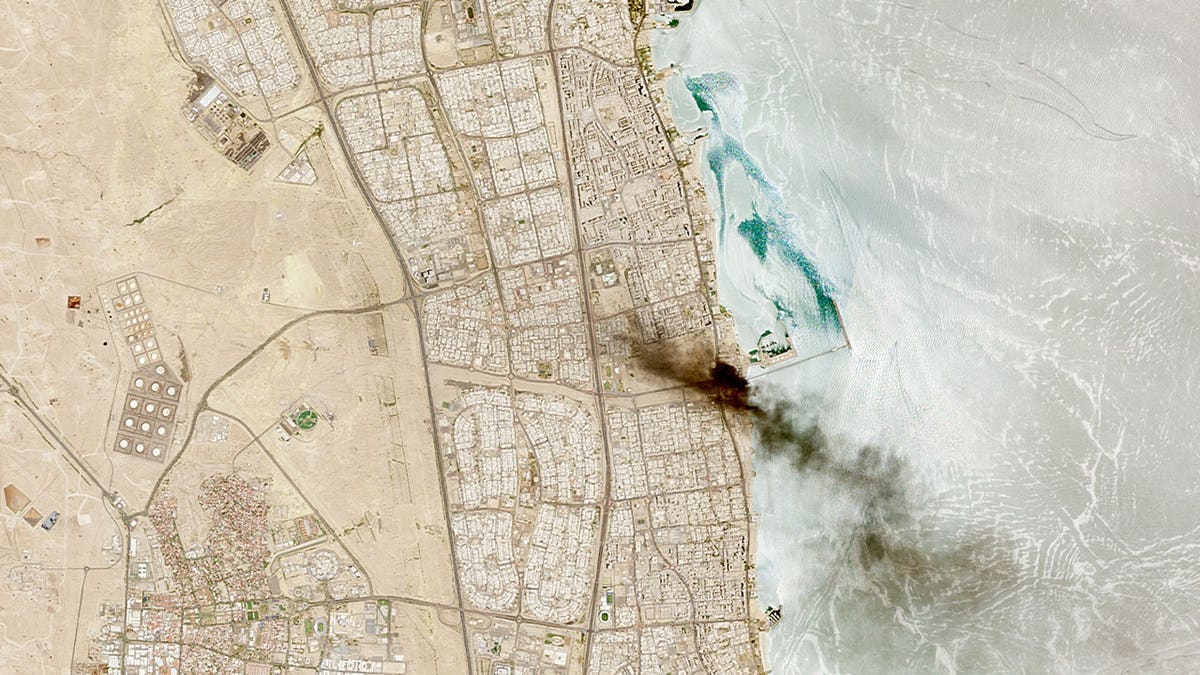
Based on the latest targets, Iran has been signaling that it is prepared to damage water, energy and transport infrastructure elsewhere in the region, a senior UN official explained. (European Union/Copernicus Sentinel-2/Handout via Reuters )
But Ben Taleblu warned that successful interceptions alone may not restore deterrence. He argued that Tehran has repeatedly learned that it can fire on American forces, absorb a U.S. response and then attempt to dictate when the exchange ends.
«The dangerous lesson for America here is that you have to treat every single Iranian missile attack, whether it was successful or not, as being successful,» he said. «You can’t over-rely on technology because ultimately this is not a technological problem. This is a political problem.»
The attack came as the nearly five-month conflict threatened to widen across the region.
Iran said it also targeted commercial tankers in the Strait of Hormuz, while the United States and Saudi Arabia jointly struck Iran-backed armed groups in Iraq following drone attacks on Saudi oil facilities. The operation marked the first time Riyadh publicly acknowledged participating in strikes alongside Washington, potentially opening a new front in the confrontation, Reuters reported.
TWO US SERVICE MEMBERS KILLED IN IRANIAN STRIKES ON JORDAN, CENTCOM SAYS

President Donald Trump monitors U.S. military operations in Iran following an Israeli strike in Tehran Feb. 28, 2026. (@WhiteHouse/X)
The renewed fighting also threatens already-fragile negotiations over the Strait of Hormuz. Iran rejected an Omani proposal for joint regional management of the waterway, insisting on broader control over shipping routes through the strait.
The attack followed a far deadlier Iranian attack on U.S. forces in Jordan earlier in July. That strike hit housing used by American troops at Muwaffaq Salti Air Base, killing two U.S. service members and wounding several others.
The United States subsequently struck Iranian targets, but Ben Taleblu argued that Tehran continues to believe it can absorb retaliation, fire back and dictate when each cycle of fighting ends.
He said the United States must respond while preparing for another Iranian counterattack, warning that allowing Tehran to claim it had «closed the round» after retaliating would reinforce the regime’s belief that it can dictate the pace of the conflict.
CLICK HERE TO DOWNLOAD THE FOX NEWS APP
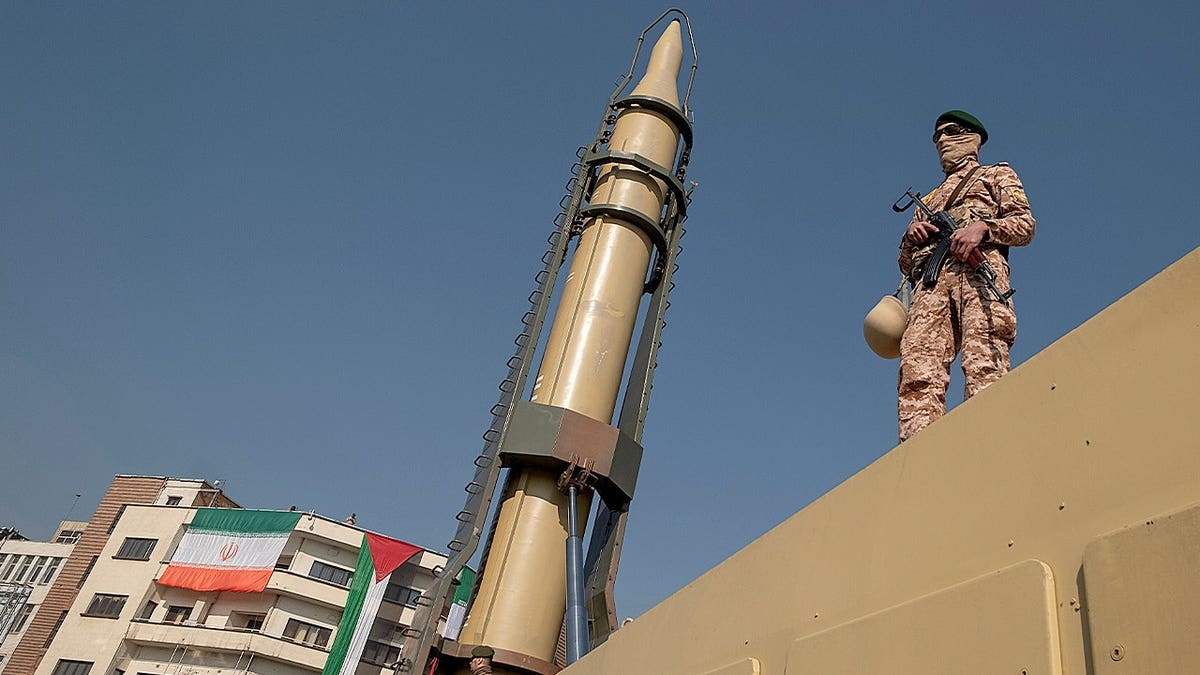
Marandi claimed that the IRCG introduced a new missile to the war. (Morteza Nikoubazl/NurPhoto via Getty Images)
«The U.S. certainly does need to respond, and President Trump indeed has promised to respond with some very colorful language, but it has to be prepared for the Iranian response,» he said.
war with iran, military, world, middle east, iran
INTERNACIONAL
Polonia denunció que un misil de crucero ruso violó su espacio aéreo durante un ataque de Moscú contra Ucrania
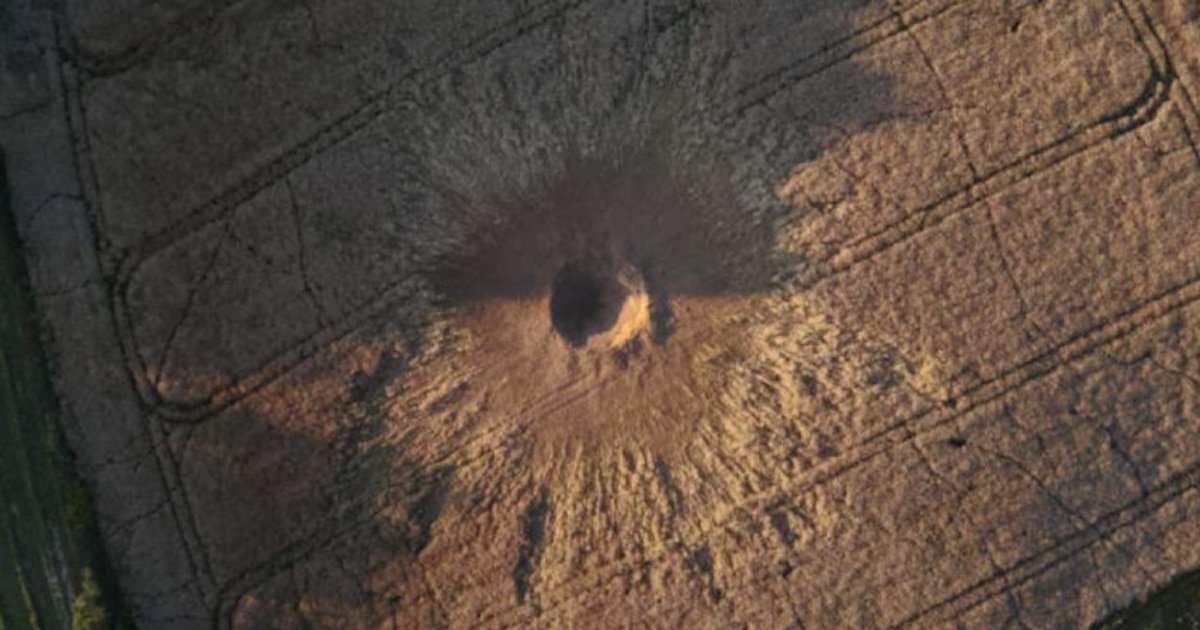
Un misil de crucero ruso penetró el espacio aéreo de Polonia en la madrugada de este jueves durante un ataque a gran escala contra Ucrania, e impactó en un campo en la provincia de Lublin, a unos 90 kilómetros de la frontera ucraniana, en lo que el primer ministro Donald Tusk calificó como “una violación del espacio aéreo polaco” y un “incidente grave”.
El objeto, detectado por radares militares a las 3:40 de la madrugada en dirección oeste, desapareció de las pantallas seis minutos después, antes de que un caza F-16 enviado a identificarlo pudiera establecer contacto visual.
Un helicóptero Mi-24 fue desplegado posteriormente y localizó el probable punto de impacto en una zona sin urbanizar entre las aldeas de Tarnawa Kolonia y Tokary.
La policía confirmó el hallazgo de un cráter de 10 metros de ancho y restos dispersos de un objeto no identificado a unos dos kilómetros de las viviendas más cercanas. No se registraron víctimas ni daños en edificios.
El canciller ucraniano, Andrii Sybiha, fue el primero en señalar públicamente la naturaleza del objeto. “Durante la noche, un misil de crucero ruso Kh-101 cruzó al espacio aéreo polaco como parte del ataque masivo de Rusia contra Ucrania, violando el espacio aéreo de la Organización del Tratado del Atlántico Norte (OTAN)“, escribió en X.

Tusk, más cauteloso, indicó que “todo apunta” a que se trata de ese tipo de misil, pero aclaró que esperará los resultados de la investigación antes de hacer una confirmación oficial. Polonia no ha atribuido formalmente el objeto al arsenal ruso.
El ataque nocturno contra Ucrania fue uno de los más intensos del conflicto: según el Ejército ucraniano, Rusia lanzó 74 misiles —nueve de ellos balísticos— y 284 drones. Seis misiles balísticos, dos de crucero y 17 drones no fueron interceptados e impactaron en distintos objetivos. Las regiones de Leópolis, limítrofe con Polonia, y Dnipropetrovsk fueron las más afectadas. En esta última, un misil balístico destruyó una vivienda y mató a al menos ocho personas, entre ellas tres menores y sus padres, según informaron las autoridades ucranianas y recogió la agencia AP.
Tusk convocó de urgencia una reunión de seguridad con altos mandos del Ministerio de Defensa y se trasladó personalmente al lugar del impacto junto con el ministro de Defensa, Wladyslaw Kosiniak-Kamysz.
“Son solo metros lo que nos separa de esa guerra. Esta noche una vez más nos recuerda a todos que la situación es muy grave y representa una amenaza”, declaró Kosiniak-Kamysz.
El primer ministro subrayó que las fuerzas polacas estaban en condiciones de derribar el proyectil si este hubiera continuado su trayectoria hacia el interior del territorio nacional, y precisó que el Ejército, la Policía y los servicios de inteligencia actuaron “rápida y eficazmente”.

El presidente del Consejo Europeo, Antonio Costa, confirmó también la violación del espacio aéreo polaco, según informaron Reuters y AP. Tusk señaló que mantuvo contacto con líderes europeos, todos los cuales expresaron “plena solidaridad” con Varsovia. La fiscalía militar polaca abrió una investigación para determinar con exactitud qué tipo de objeto cayó en la provincia de Lublin.
Sybiha aprovechó el incidente para reclamar un refuerzo urgente de la defensa aérea de Ucrania y para pedir una distensión en las relaciones con Polonia, tensas por los homenajes ucranianos a figuras históricas vinculadas a matanzas de polacos durante la Segunda Guerra Mundial. “Reforzar la defensa aérea de Ucrania ahora es urgente y sirve como garantía de protección para toda la comunidad euroatlántica”, sostuvo el canciller ucraniano en declaraciones recogidas por Reuters.
El incidente en territorio polaco se produjo días después de que Rumania derribara por primera vez drones rusos sobre su propio suelo, un episodio que también encendió las alarmas entre los miembros orientales de la OTAN sobre la extensión del conflicto más allá de las fronteras ucranianas.
agresja rosji,atak rakietowy,atak rosji,defence,dron,drony,eksplozja,krater,lej,miejsce eksplozji,naruszenie polskiej przestrzeni powietrznej,policja,policjanci,policjant,praca sluzb,przestrzen powietrzna,radiowoz,radiowoz policyjny,rakieta,rosja,rosyjska rakieta,sluzby,sluzby mundurowe,tarnawa kolonia,ukraina,upadek rakiety,wojna,wojna w ukrainie,wybuch,zmasowany atak rosji
INTERNACIONAL
LA real estate vet comes at Mayor Bass with receipts over damning homelessness report: ‘She doesn’t get it’

NEWYou can now listen to Fox News articles!
LOS ANGELES, CA – As new data show homelessness rising in Los Angeles, local activist John Alle said Mayor Karen Bass has neglected her responsibility to address the issue and witness firsthand the crime, drug use and deteriorating conditions in some of the city’s hardest-hit neighborhoods.
The Los Angeles Homeless Services Authority released its 2026 annual homeless count Friday, finding overall homelessness increased 3.4% in LA and 1.2% across the Los Angeles Continuum of Care following two consecutive years of declines, though LAHSA said «neither change is considered statistically significant.»
The count estimated 45,194 people were experiencing homelessness in LA and 73,040 across the Continuum of Care, which excludes Long Beach, Pasadena and Glendale.
«She doesn’t get it. She doesn’t see it,» John Alle, a Santa Monica business owner and co-founder of the Santa Monica Coalition who owns properties across Los Angeles, told Fox News Digital in an interview last month.
KAREN BASS GRILLED OVER BROKEN HOMELESSNESS PROMISE, BLAMES BUREAUCRACY FOR SLOWED PROGRESS
John Alle, a Santa Monica business owner and co-founder of the Santa Monica Coalition, blasted Mayor Karen Bass’ response to homelessness as new data show the crisis is worsening in Los Angeles. (Allen J. Schaben / Los Angeles Times via Getty Images ; Eric Thayer / Los Angeles Times via Getty Images)
«We’ve invited her numerous times to ride along with us through Alvarado, Third Street, Park View, MacArthur Park and Westlake. Come drive with us. Have a police officer follow behind for security. And she refused.»
The report also found street homelessness rose 7.9% in Los Angeles and 3.3% countywide, with an estimated 29,115 people living on the streets in the city. LAHSA said funding cuts affecting Time-Limited Subsidies and other economic factors reduced the number of people permanently housed by about 5,100 from the «record high of 28,625 people housed permanently in 2024.»
In a press release Thursday responding to the data, Bass argued funding cuts «at the federal and state levels» contributed to the rise, adding the Trump administration had «driven up the cost of gas, groceries, and rent — pushing more families to the edge — and slashed critical safety net funding.»
«For two years straight, we drove down homelessness by historic margins — but as expected, last year our efforts ultimately couldn’t keep up with policies and funding cuts at the federal and state levels that pushed more people onto the streets,» she said.
Bass also admitted in a May interview with CNN’s Elex Michaelson that she did not fulfill her promise to end street homelessness in the city by 2026 because she «didn’t anticipate some of the bureaucratic barriers» her administration would face.
Alle said crime has «gotten so bad» in neighborhoods including Little Bangladesh, which Bass has previously described as one of «LA’s most vibrant communities.»
«In Little Bangladesh, the crime is so bad that we’re finding people on the streets unconscious,» he said. «We’re having handymen pick up needles and dispose of them.»
SPENCER PRATT SAYS HIS POLICY WILL FORCE HOMELESS OUT OF LA AND INTO CITIES LIKE SEATTLE
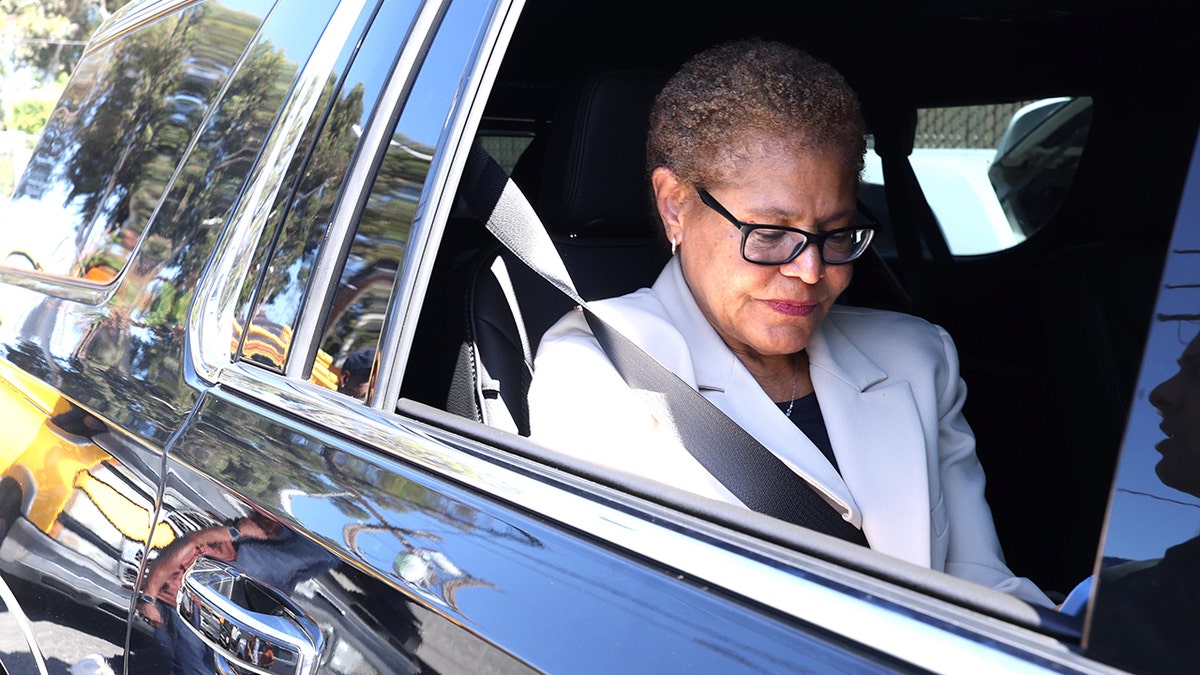
Los Angeles Mayor Karen Bass prepares to leave the scene where city workers clear a large homeless encampment behind a public storage facility along the San Diego (405) Freeway at the end of Oxnard Street in Van Nuys on July 31, 2025 (Genaro Molina/Los Angeles Times via Getty Images)
Pointing to his tenants’ experiences, Alle said he sees the impact of the crisis every day on the «mom-and-pop» renters who live in his apartment buildings and pay thousands of dollars a month, saying «it doesn’t sit well with me.»
«From people overdosing outside the gated apartment buildings I own, to people attacking each other, murders, and calling 911 only to be put on hold for sometimes an hour, and then being told, ‘Well, you’re lucky. Sometimes it’s two hours,’» he said.
Alle accused Bass of ignoring neighborhood conditions despite living nearby at Getty House, the mayor’s official residence in Windsor Square.
«The streetlights are out,» he said. «The rubbish isn’t collected. The streets are dirty. It’s one thing to complain about copper wire theft, but we’re just talking about normal streetlights and replacing the bulbs.»
But it’s not just residents who are affected, according to Alle, who said small businesses are being forced to close early to avoid crime and making it harder to stay in the city.
«When I see them having to leave work at four o’clock, I see them having to close their businesses at four o’clock during the winter and at dusk during the summer,» he said. «That’s not good. I want them to succeed. If they don’t succeed, they can’t afford to stay in LA I feel for them, and their problems are my problems.»
HOUSING FIRST IS A DISASTER. I SAW SACRAMENTO’S HOMELESS CHAOS FIRSTHAND
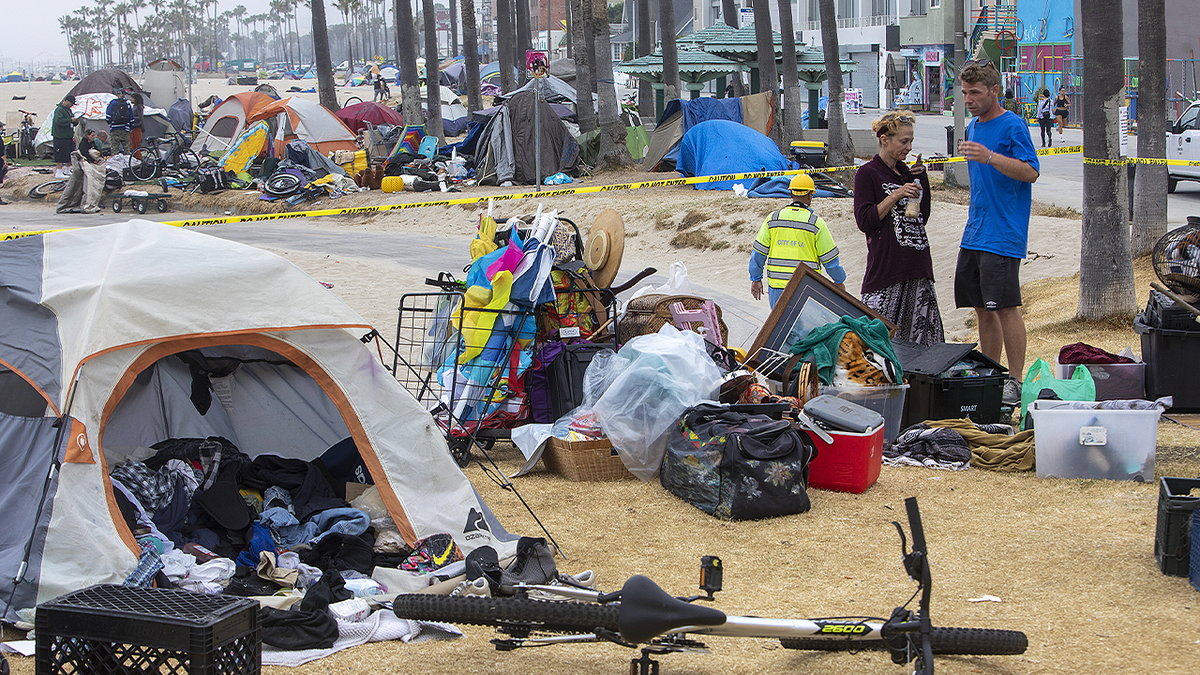
A homeless encampment near Venice Beach in Los Angeles. Residents have called for stronger oversight of nearby supportive housing programs and improved public safety. (Jill Connelly/Bloomberg via Getty Images)
Multiple studies have found that a large portion of homeless individuals in Los Angeles County aren’t originally from there and Alle has been vocal about how his coalition partnered with an artificial intelligence company to create an AI-powered hotline that has helped more than 40 homeless people return to their home states over the past year.
«They’ve called us from shelters,» he said. «They’ve called us from parks. The people calling aren’t entrenched with the drugs or the gangs. They came here for noble reasons.»
Additionally, Alle said his coalition collaborates with local law enforcement, paying for bus, plane or train tickets to help homeless people voluntarily return home, where they can reunite with family or enter treatment programs.
«We’re not gonna put them behind the slammer,» he said.
Alle said the most «heartbreaking» part is watching families embrace loved ones returning home, with many looking «completely different» after recovery.
«It’s a long road ahead, but they’re trying because they’ve seen hell in LA,» he said.
While acknowledging the program won’t end all homelessness, Alle said helping even a small number of people rebuild their lives is a victory.
CLICK HERE TO DOWNLOAD THE FOX NEWS APP
«One person saved is great. Fifteen percent, and the 40 people we’ve saved, is tremendous,» he said.
Bass will face off against progressive city councilwoman Nithya Raman, who has her own ties to the homeless crisis as chair of the Los Angeles City Council’s Housing and Homelessness Committee, in her bid to win another term as mayor in November.
homeless crisis, los angeles, housing, blue city crime, politics

Tres móviles plegables para tres personalidades diferentes

Pese al efecto del RIGI, la inversión bruta interna cayó más de 7% en el primer semestre del año

Las claves del accidente del helicóptero en San Juan: qué se sabe hasta ahora

Ignacio Pussetto deja Independiente para ser nuevo futbolista de Huracán

Yanina Latorre se metió en la separación de la pareja del momento y contó lo que todos querían saber: «Ella está devastada, se mudó por él y la dejó»

Cristina Kirchner sostiene su objetivo central: disputa por el liderazgo en el PJ y ser candidata a presidente

Crisis entre Milei y Lula: la trama política, personal y geopolítica detrás del mayor choque diplomático entre Argentina y Brasil

San Isidro: la ballena que quedó varada en un banco de arena murió pese al operativo de rescate

La pelea con Lula y el verdadero desafío que enfrenta Milei

Cómo manejar en el hielo y la nieve: técnicas y precauciones para usar el auto en la montaña en vacaciones de invierno

 POLITICA2 días ago
La pelea con Lula y el verdadero desafío que enfrenta Milei
- ECONOMIA2 días ago
Cómo manejar en el hielo y la nieve: técnicas y precauciones para usar el auto en la montaña en vacaciones de invierno
- ECONOMIA2 días ago
El BCRA cortó la racha de compra y en el mercado vuelan rumores de maniobras para frenar al dólar