
INTERNACIONAL
Greenland talks on ‘good trajectory,’ White House says amid Trump takeover push

NEWYou can now listen to Fox News articles!
Talks between the U.S., Denmark and Greenland are on a «good trajectory,» a White House official said, despite a public dispute over President Donald Trump’s insistence that the United States should take control of the island.
Technical talks are ongoing, the official told Fox News Digital Wednesday, «to address United States’ national security interests in Greenland.»
«We are not going to participate in a back and forth through the media, but we are very optimistic that we’re on a good trajectory,» the official said.
WATCH: EX-NATO CHIEF DRAWS RED LINE AS TRUMP FUMES ALLIANCE ABANDONED US DURING IRAN WAR
The optimism comes after Trump said recently that Denmark and Greenland have resisted his proposal.
«We want Greenland. They don’t want to give it to us,» he said.
The dispute centers on Greenland’s growing strategic importance, as the island sits along the shortest route between North America and Europe and plays a key role in U.S. missile warning systems and Arctic defense. Trump has argued greater U.S. control is necessary to counter Russia and China’s expanding presence in the region.
The United States already maintains a military presence in Greenland under a 1951 defense agreement with Denmark, which allows U.S. forces to operate bases on the island as part of NATO’s collective defense framework.
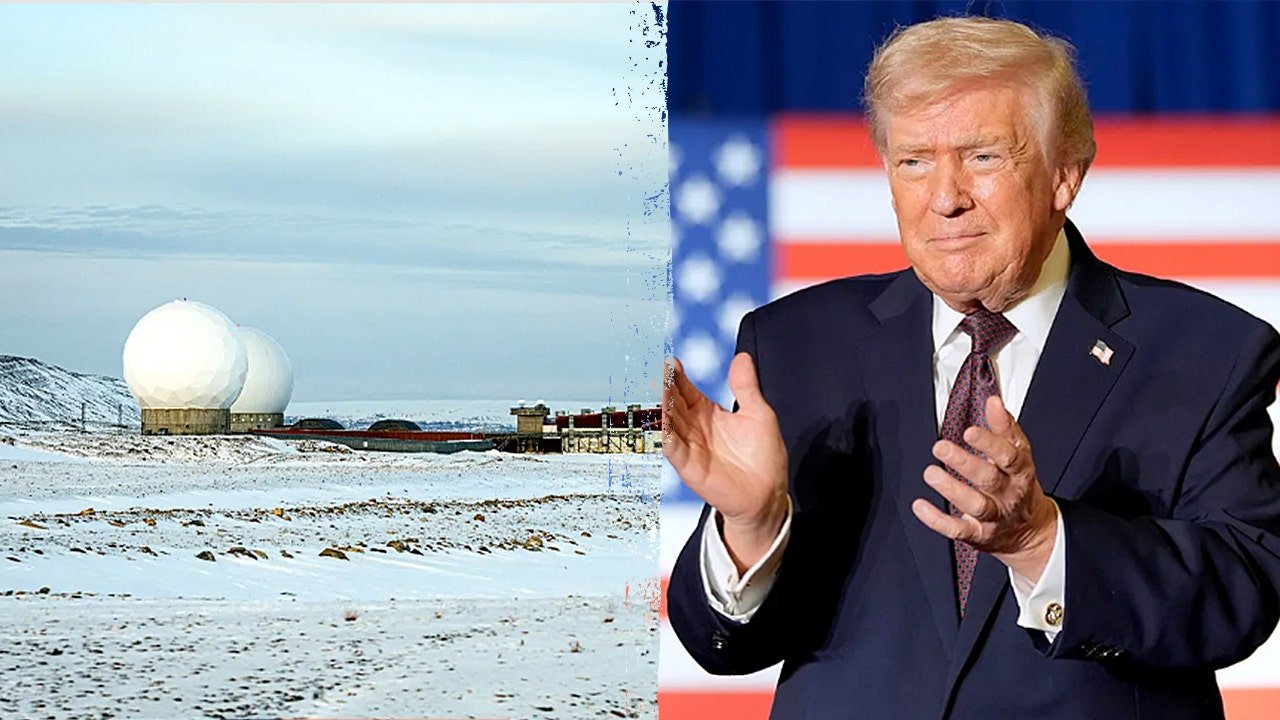
The U.S. operates Pituffik Space Base in Greenland — a key installation for missile warning and space surveillance — and retains broad rights to expand its military footprint in coordination with Danish authorities.
U.S. officials have recently explored expanding that presence further, including seeking access to additional sites and increasing operational capabilities in the Arctic, with discussions underway as tensions over Greenland have grown.
The Pituffik Space Base (formerly Thule Air Base) is pictured in northern Greenland in 2023. (Thomas Traasdahl/Ritzau Scanpix/AFP)
Representatives for Denmark’s and Greenland’s governments did not immediately respond to a request for comment.
Greenland is a self-governing territory within the Kingdom of Denmark, which retains responsibility for defense and foreign policy — exposing a rift within the NATO alliance.
European leaders have rejected any change to Greenland’s status, emphasizing that the island’s sovereignty is not up for negotiation and backing Denmark’s authority over the territory.
Greenland Prime Minister Jens-Frederik Nielsen told NBC News in an interview published Wednesday the island’s residents «don’t feel safe» amid Trump’s repeated push for ownership.
The dispute already has moved beyond rhetoric. Denmark has expanded its military presence in Greenland, while European allies have stepped up Arctic exercises and coordination following the president’s push to take control of the island.
«Greenland belongs to the Greenlanders and the U.S. shall not take over Greenland,» Danish and Greenlandic leaders said in a joint statement in December 2025.
Former NATO Secretary-General Jens Stoltenberg said the alliance remains prepared to defend Greenland under its collective defense framework.
NATO HEAVYWEIGHTS BALK AT HORMUZ MISSION AS TRUMP WARNS ALLIANCE AT RISK
«NATO is there to protect all allied territory, including Greenland,» Stoltenberg, now Norway’s finance minister, told Fox News Digital.
Trump has justified his push by pointing to growing activity in the Arctic, arguing the United States needs greater control over Greenland to counter Russia and China.
Russia has expanded its military footprint across the region, reopening and modernizing Cold War-era bases along its northern coast and increasing air and naval patrols. China, which has declared itself a «near-Arctic state,» has expanded its presence through research stations, icebreaker fleets and joint projects with Moscow, including cooperation on energy and shipping routes.
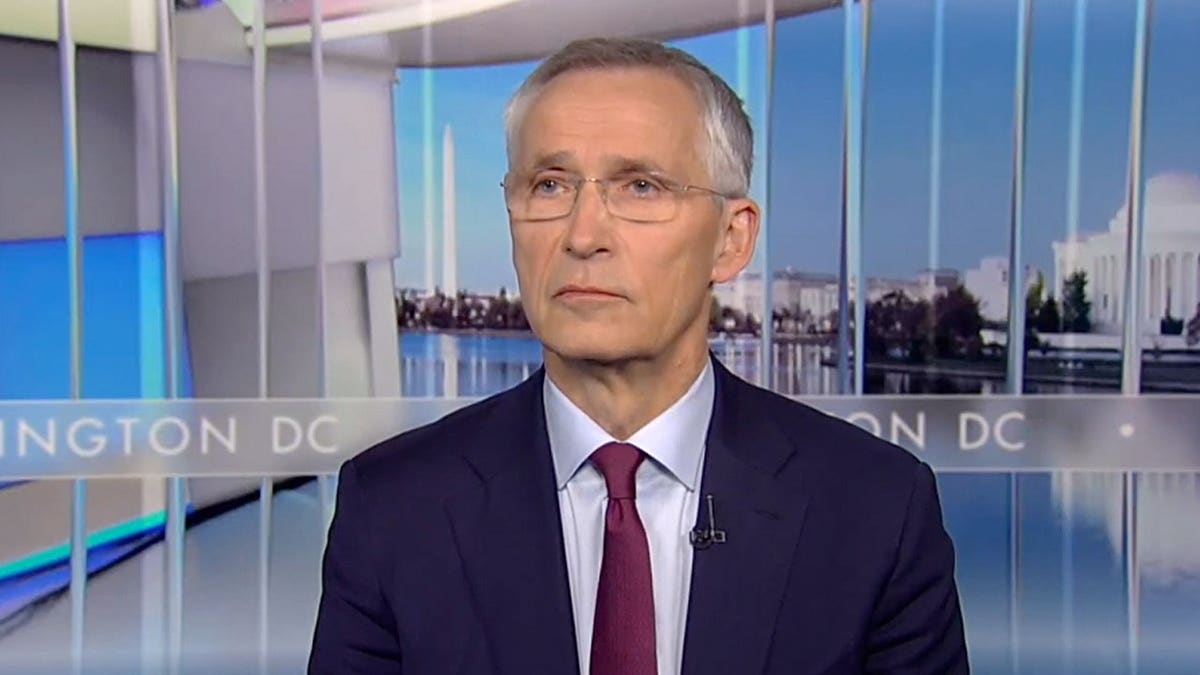
«NATO is there to protect all allied territory, including Greenland,» Stoltenberg, now Norway’s finance minister, told Fox News Digital. (Fox News Digital)
The two countries also have deepened coordination in the region, including joint military exercises and broader cooperation in Arctic development and infrastructure.
Stoltenberg pushed back on suggestions that the West is losing its strategic edge in the Arctic to Russia and China.
«We are scaling up our presence and our capabilities in the Arctic to make sure there is no room for misunderstanding,» he said.
The broader challenge for NATO is responding to growing Russian and Chinese activity in the Arctic while also managing a rift within the alliance itself over Greenland’s sovereignty.
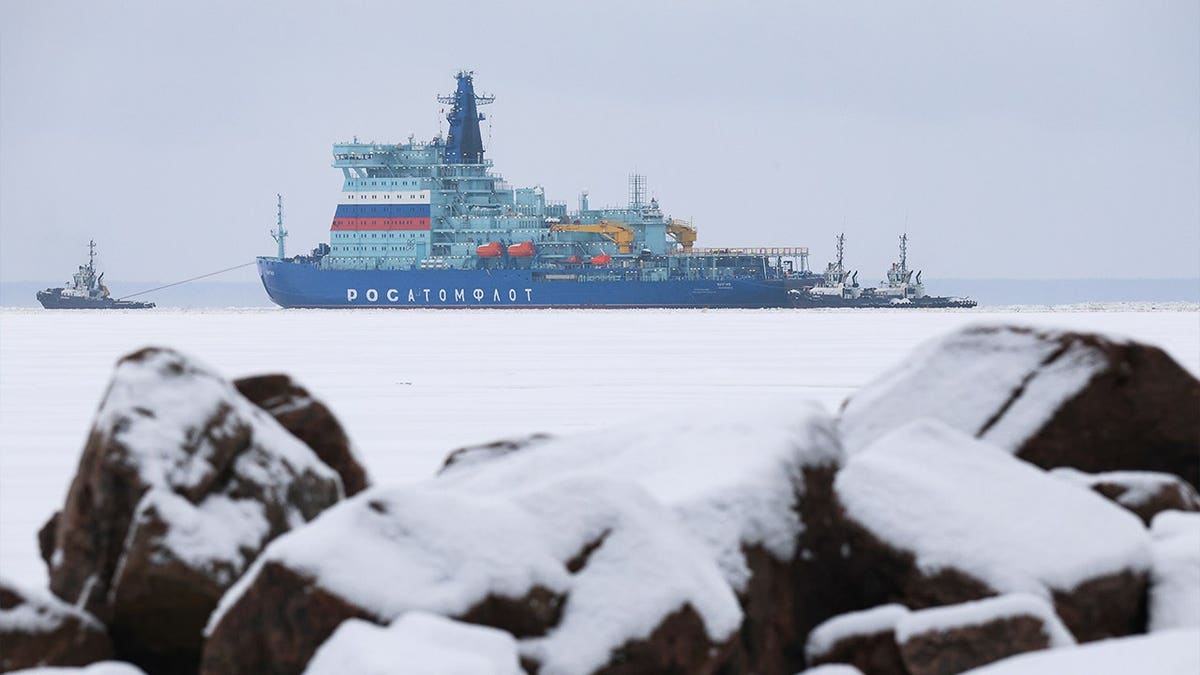
Melting Arctic ice is opening new shipping lanes and access to natural resources, increasing the region’s economic and strategic value and drawing greater attention from both Russia and China. (Artem Priakhin/SOPA Images/LightRocket via Getty Images)
Greenland’s location along the shortest path between North America and Europe makes it central to U.S. and NATO missile defense systems, with early-warning radar installations helping detect incoming ballistic missiles traveling over the Arctic.
At the same time, melting Arctic ice is opening new shipping lanes and access to natural resources, increasing the region’s economic and strategic value and drawing greater attention from both Russia and China.
The tensions over Greenland come as broader strains within NATO have been exposed by the Iran conflict, where Trump accused European allies of failing to support U.S. operations.
CLICK HERE TO DOWNLOAD THE FOX NEWS APP
«NATO wasn’t there for us, and they won’t be there for us in the future!» Trump wrote on Truth Social Tuesday.
greenland, nato, defense, national security, geopolitics, donald trump








INTERNACIONAL
Preocupación por un petrolero sancionado por transportar crudo ruso: el derrame de petróleo creció de 20 a 150 kilómetros cuadrados y amenaza a una reserva natural
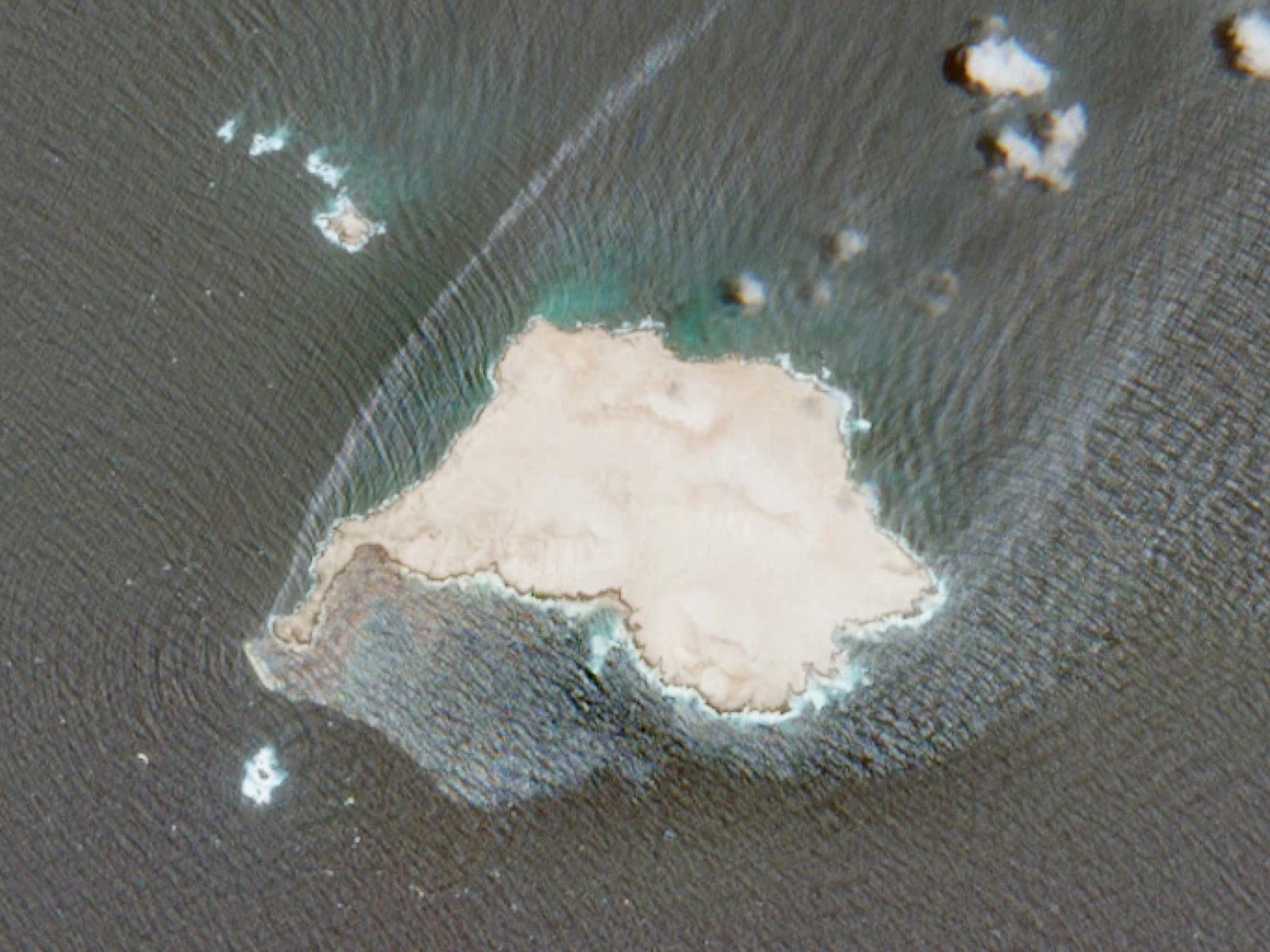
Un derrame de petróleo gigante causado por una fuga en un buque sancionado por el Reino Unido y varado durante semanas frente al puerto de Omán, parece estar expandiéndose de forma drástica, alcanzando costas y extendiéndose mar adentro, según expertos e imágenes satelitales revisadas por la agencia de noticias Associated Press.
También la organización Greenpeace Alemania señaló en un comunicado que, en varias imágenes satelitales el lunes, se observa que el derrame ahora cubre unos 150 kilómetros cuadrados y afecta grandes tramos de la isla Qibliyah, frente a Dhofar, la mayor provincia de Omán.
En comparación con las imágenes satelitales obtenidas una semana antes, “se trata de un aumento drástico”, manifestó Nina Noelle, de Greenpeace Alemania, quien indicó que claramente se está derramando una gran cantidad de crudo. La semana pasada, se calculó que la superficie del derrame era de 20 kilómetros cuadrados. No se sabe cuál es la causa del aumento de la fuga.
Las imágenes del domingo mostraron una mancha de petróleo extendiéndose hacia el noreste, proveniente del petrolero Suezmax Caroline Bezengi, de 274 metros, sancionado por Reino Unido por transportar petróleo originario de Rusia.
La zona afectada forma parte de la reserva del mar Arábigo, un área marina protegida que alberga fauna silvestre, incluidos petreles en peligro de extinción y la rara ballena jorobada del mar Arábigo.
Wim Zwijnenburg, experto ambiental de PAX, una organización neerlandesa centrada en los conflictos y el medio ambiente, explicó que la mancha es una capa delgada de petróleo que a menudo se evapora dependiendo del tipo de crudo y de las condiciones meteorológicas. Añadió que varios parches negros y espesos de petróleo llegaron a las costas sur y oeste de la isla.
Zwijnenburg indicó que la mancha de petróleo parece tener unos 90 kilómetros de longitud, casi el doble que hace una semana. Calculó que el petrolero transportaba más de 800.000 barriles de crudo.
«Las manchas de petróleo más oscuras indican que al menos uno de los cascos del buque de almacenamiento de petróleo crudo parece estar ahora perforado, y que el buque está derramando petróleo crudo», le dijo Zwijnenburg a Reuters, en base a imágenes satélitales.
Agregó que la temporada de monzones en la zona, que suele alcanzar su punto máximo en julio y agosto, puede traer condiciones climáticas severas que podrían propagar rápidamente el petróleo crudo.
El petrolero está varado desde junio, según dos medios especializados en noticias marítimas y de transporte, que informaron que la tripulación reportó una explosión a bordo en ese momento. El buque reportó por primera vez dificultades el 8 de junio frente al puerto de Mukalla, en el sur de Yemen, según le dijeron dos fuentes de seguridad marítima a Reuters.
El gobierno de Reino Unido afirmó, en su decisión de sancionar al buque, que “ha estado o es probable que esté involucrado en una actividad cuyo objetivo o efecto es desestabilizar a Ucrania” o apoyar al gobierno ruso.
Rusia ha usado su «flota en la sombra» para seguir transportando su petróleo, esquivando las sanciones económicas de Occidente. Recientemente, S&P estimó que la flota cuenta con 978 buques, muchos de ellos antiguos o en mal estado. El petrolero, con bandera de Camerún, también está sancionado por la Unión Europea, Canadá y Suiza.
El buque partió de Novorossiysk (Rusia), el 18 de abril y se esperaba que llegue a su destino, el puerto de Sikka (India), el 11 de junio, según información del sitio Marine Traffic.
El dato coincide con la información de SynMax Maritime, una empresa de seguimiento de datos geoespaciales, que obtuvo imágenes en mayo que mostraban al petrolero en el puerto ruso de Novorossiysk, en el mar Negro, antes de su viaje más reciente.
“Esta dramática expansión (del derrame de petróleo) subraya la grave y continua amenaza ambiental que representa el buque varado y ejemplifica los peligros asociados con las prácticas de la flota fantasma de Rusia”, afirmó Greenpeace Alemania en su comunicado.
El Ministerio de Transporte, Comunicaciones y Tecnología de la Información de Omán había ordenado a los propietarios del barco que lo retiraran, junto con su carga, a más tardar el 23 de julio, según el medio omaní Muscat Daily. Se ignora si los propietarios respondieron.
INTERNACIONAL
El-Sayed pals around with far-left streamer Hasan Piker the day before crucial Michigan Senate election
NEWYou can now listen to Fox News articles!
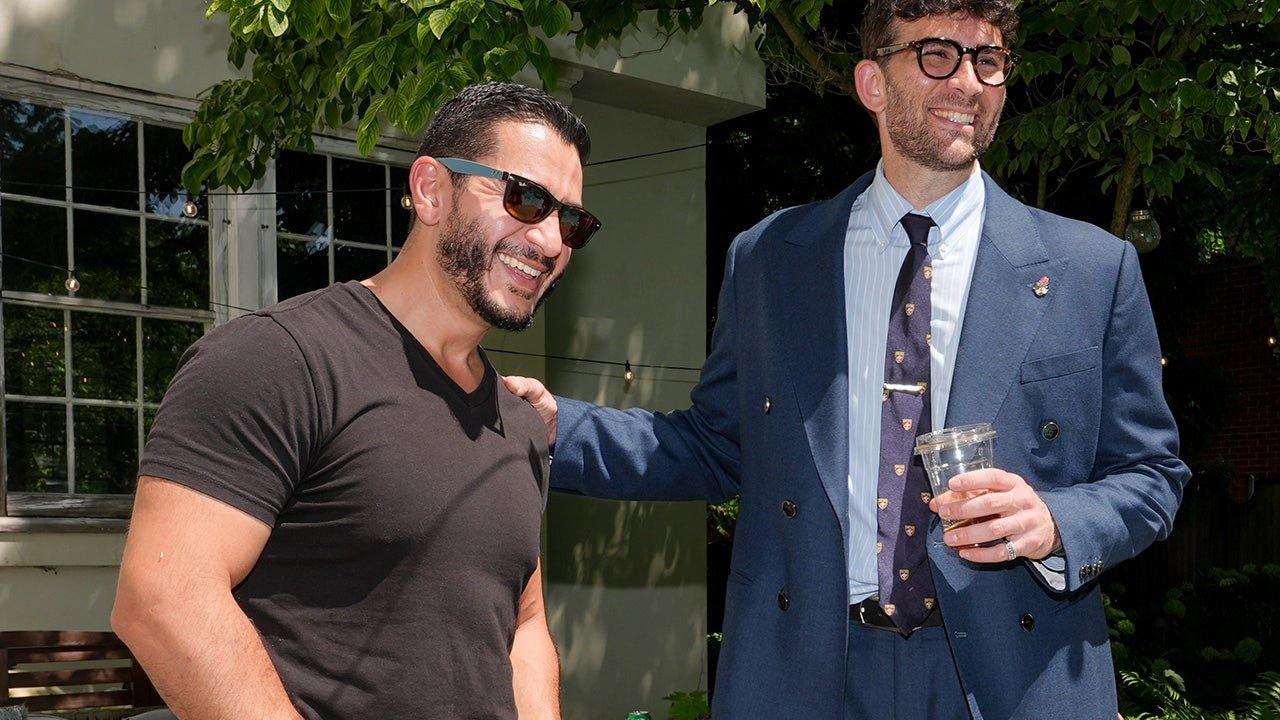
Michigan Democratic Senate candidate Abdul El-Sayed spent the night before Election Day at a pool party with far-left streamer Hasan Piker, sparking pushback both from his primary opponent and his Republican opposition.
The event was hosted by a content creator in Detroit, Michigan, and also attended by progressive House candidates Melat Kiros and Chris Rabb, both members of the Democratic Socialists of America (DSA), The Associated Press reported.
Michigan Democratic state Rep. Donavan McKinney was also reportedly in attendance.
Piker, who has roughly 10 million followers across multiple social media platforms, has made multiple appearances on the campaign trail with El-Sayed, raising questions about the ideological similarities between the two. Last month, Piker drew backlash after addressing a group of college students while wearing an outfit resembling that of former communist dictator Mao Zedong.
HASAN PIKER’S DEFENSE OF HAMAS HAVING ‘RIGHT TO RESIST MILITARILY’ DRAWS CONDEMNATION FROM HUMAN RIGHTS GROUPS
Abdul El-Sayed, a progressive candidate in the Democratic primary for U.S. Senate in Michigan, talks poolside with streamer Hasan Piker at a party for content creators supporting his campaign, Monday, Aug. 3, 2026, in Detroit. (AP Photo/Julia Demaree Nikhinson)
«I never would and never will criticize Mao Zedong,» Piker said earlier this year in a clip that recently resurfaced on social media. «One of the great leaders of this world.»
Piker has also said in the past that «America deserved 9/11» and has made controversial comments about Hamas and the killing of UnitedHealthcare CEO Brian Thompson.
While El-Sayed has said he doesn’t agree with all of Piker’s positions, he has faced criticism for not distancing himself from the controversial streamer.

Abdul El-Sayed, a progressive candidate in the Democratic primary for U.S. Senate in Michigan, films a social media video at a pool party for content creators supporting his campaign, Monday, Aug. 3, 2026, in Detroit. (AP Photo/Julia Demaree Nikhinson)
Democratic Rep. Haley Stevens (D-MI), running against El-Sayed in Tuesday night’s Senate primary, was asked about the relationship between El-Sayed and Piker in a press gaggle hours before polls closed.
«I don’t believe Mr. Piker lives here in our state. I do think his rhetoric should be denounced. I do think that my opponent should distance himself from him. I don’t know what they were doing last night at this pool party that was going on, but I was with Congresswoman Hillary Scholten and Debbie Stabenow,» Stevens told Fox News.

Abdul El-Sayed, a progressive candidate in the Democratic primary for U.S. Senate in Michigan, center left, talks poolside with streamer Hasan Piker, center right, at a party for content creators supporting his campaign, Monday, Aug. 3, 2026, in Detroit. (AP Photo/Julia Demaree Nikhinson)
Referring to Piker, Stevens said «some of this stuff makes people uncomfortable. Frankly, it makes me uncomfortable. You know, we don’t need these demagogues or people citing allegiance to Mao coming into Michigan.»
And pointing to El-Sayed, Stevens added, «Maybe instead of being with Mr. Piker, you know, if he ends up winning the nomination, maybe he’ll come with me and hear from some of the small businesses who don’t want this extreme politics coming into our state.»
ABDUL EL-SAYED SAYS RALLYING WITH HASAN PIKER DOESN’T MEAN HE ENDORSES ‘AMERICA DESERVED 9/11’ REMARK

Abdul El-Sayed, a progressive candidate in the Democratic primary for U.S. Senate in Michigan, talks poolside with streamer Hasan Piker at a party for content creators supporting his campaign, Monday, Aug. 3, 2026, in Detroit. (AP Photo/Julia Demaree Nikhinson)
«Instead of spending his final hours campaigning with Michiganders, Abdul El-Sayed spent it poolside with an antisemite and terrorist sympathizer who believes America deserved 9/11,» NRSC Regional Press Secretary Samantha Cantrell told Fox News Digital in a statement on Tuesday.
The campaign of presumptive GOP nominee Mike Rogers also weighed in as voters headed to the polls on Tuesday.

Abdul El-Sayed, a progressive candidate in the Democratic primary for U.S. Senate in Michigan, talks poolside with streamer Hasan Piker at a party for content creators supporting his campaign, Monday, Aug. 3, 2026, in Detroit. (AP Photo/Julia Demaree Nikhinson)
«We’re getting ready to prosecute the case against Abdul, but it looks he’s already giving us a head start,» Alyssa Brouillet, Rogers’ campaign communications director, said in a statement to Fox News Digital. «This is giving fraud, not serious. And Michiganders are battling serious issues they need a senator to deal with—not someone who dances around with LA and NYC influencers who think ‘America deserved 9/11.’»
Hours before the pool party, Piker was at a campaign event with El-Sayed where a reporter asked him if he plans to campaign with the progressive Senate candidate after Tuesday night’s primary.
JAMES CARVILLE VOWS TO ABANDON DEMOCRATIC PARTY IF FAR-LEFT HASAN PIKER BECOMES LEADING VOICE

Streamer Hasan Piker attends a pool party for content creators supporting Abdul El-Sayed, a progressive candidate in the Democratic primary for U.S. Senate in Michigan, Monday, Aug. 3, 2026, in Detroit. (AP Photo/Julia Demaree Nikhinson)
«Are you crazy?» Piker responded. «Of course.»
Fox News Digital reached out to the El-Sayed campaign and Piker’s team for comment.
El-Sayed is set to square off against Stevens in the Michigan Democratic Senate primary Tuesday night, where polls close at 8 p.m. local time. El-Sayed, according to recent polling, is expected to advance to the general election in November to face Rogers in a race that could determine the balance of power in the U.S. Senate.
The El-Sayed campaign did not respond to Fox News Digital’s request for comment by the time of publication.
politics, hasan piker, michigan, senate
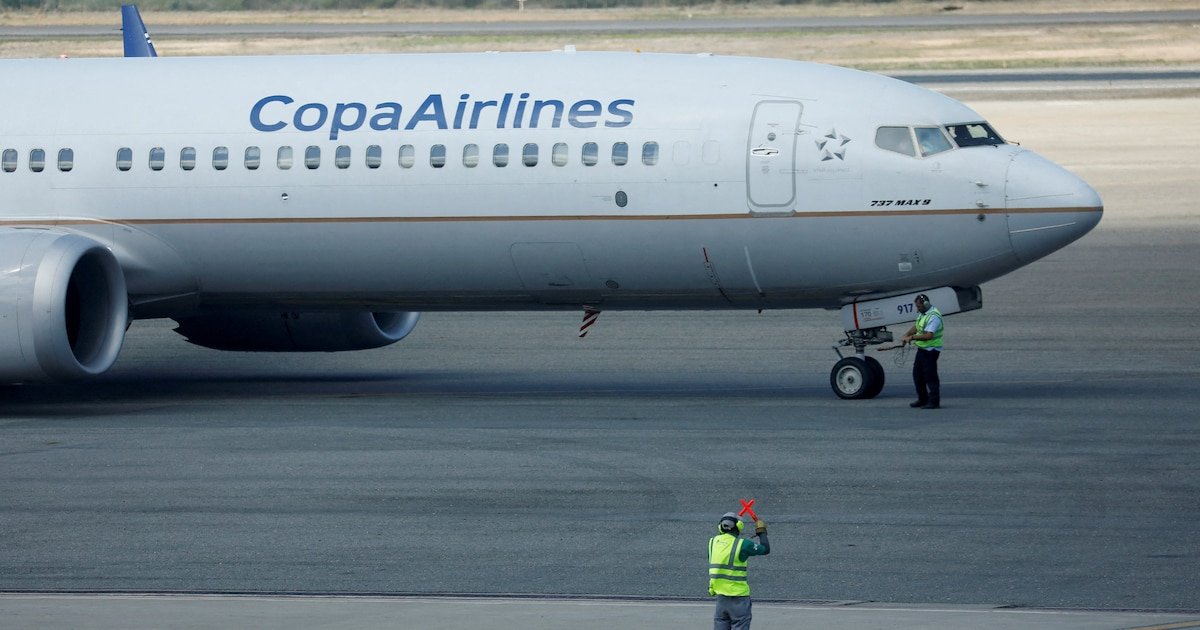
Copa Airlines continúa expandiendo su red de destinos en América Latina con la incorporación de Porlamar, en la Isla de Margarita, Venezuela, y una reorganización de las operaciones de su Hub de las Américas, en el Aeropuerto Internacional de Tocumen, que permitirá ofrecer más opciones de conexión a partir de 2027.
La nueva ruta entre Ciudad de Panamá y Porlamar comenzará a operar el 26 de noviembre de 2026 con tres frecuencias semanales, los martes, jueves y domingos.
El vuelo CM651 despegará desde el Aeropuerto Internacional de Tocumen a las 9:50 a.m. y aterrizará en el Aeropuerto Internacional General en Jefe Santiago Mariño a la 1:36 p.m. El servicio de regreso, identificado como CM652, partirá de Porlamar a las 2:46 p.m. y llegará a Panamá a las 4:30 p.m., según informó la compañía.
La incorporación de Porlamar permitirá a los viajeros conectar con Isla de Margarita, ubicada en el estado venezolano de Nueva Esparta, una región con cerca de 500,000 habitantes cuya economía depende en gran medida del turismo y el comercio.

La isla es conocida por destinos como Playa El Agua, Playa Parguito, Playa El Yaque, además del Castillo de San Carlos de Borromeo y la Basílica de Nuestra Señora del Valle.
Desde ese punto también es posible acceder a las islas de Coche y Cubagua, donde se encuentran las ruinas de Nueva Cádiz, considerado uno de los primeros asentamientos españoles establecidos en Sudamérica.
La expansión no se limita a la incorporación de nuevos destinos. De acuerdo con información publicada por el portal especializado Informe Aéreo, Copa Airlines reorganizará a partir de marzo de 2027 la operación de su Hub de las Américas, ampliando de seis a ocho las franjas horarias de conexión en Tocumen.
El objetivo es distribuir de forma más eficiente los vuelos durante la jornada, incrementar las posibilidades de conexión y ofrecer una mayor variedad de itinerarios para los pasajeros que utilizan a Panamá como punto de enlace entre Norteamérica, Centroamérica, Sudamérica y el Caribe.
La reorganización permitirá conexiones más competitivas hacia ciudades como Buenos Aires, Mendoza, Córdoba, Salta, Rosario y Tucumán, además de mejorar las alternativas de viaje entre México, Estados Unidos, Canadá y el sur del continente.

Voceros de la empresa indicaron que la redistribución de los horarios busca ofrecer una experiencia de viaje más flexible y adaptarse al crecimiento sostenido de la demanda en la región. La compañía también prevé ampliar la disponibilidad de su Dreams Business Class en más rutas.
El crecimiento de la red también comienza a reflejarse en mercados específicos. El Gobierno de Mendoza, a través del Ente Mendoza Turismo (Emetur), informó que Copa Airlines incrementará desde octubre de 2026 sus operaciones entre esa provincia argentina y Ciudad de Panamá, pasando de siete a nueve vuelos semanales, un aumento del 28 % en la capacidad.
Las autoridades locales consideran que la medida facilitará la llegada de visitantes desde más de 80 destinos del continente y fortalecerá tanto la actividad turística como los viajes de negocios y la realización de congresos y eventos internacionales.
La presidenta del Emetur, Gabriela Testa, sostuvo que cada nueva frecuencia internacional representa una oportunidad para atraer más visitantes y mejorar la competitividad del destino, mientras que Lorena Gasser, gerente de Ventas Interior de Argentina de Copa Airlines, señaló que Mendoza es una plaza estratégica dentro de la red de la compañía y que el aumento de frecuencias responde tanto al desempeño del mercado como al interés de seguir impulsando el turismo y el comercio en esa región.

Estas decisiones coinciden con el proceso de expansión que atraviesa la aerolínea panameña. Actualmente Copa Airlines opera 113 aeronaves y prevé cerrar 2026 con una flota de 121 aviones. Además, recientemente anunció una inversión superior a los 10 mil millones de dólares para adquirir 60 Boeing 737 MAX adicionales.
Sumadas a las 40 aeronaves previamente encargadas, la empresa proyecta incorporar más de 100 aviones durante los próximos ocho años y superar las 200 aeronaves en servicio para 2034, una capacidad con la que busca sostener el crecimiento de su red y fortalecer el papel de Panamá como uno de los principales centros de conexiones aéreas del continente.
Business,International Relations,Tourism,Travel,Corporate Events,Diplomacy / Foreign Policy,South America / Central America,Tourism / Travel

Infantino convoca a los altos cargos de la FIFA a una reunión en Rabat

En medio del escándalo de su hermano, Pablo Moyano se mostró en una reunión con el Gringo Castro

Carla Villa, mujer de 101 años: “Me levanto entre las 7:30 y las 8:00 de la mañana y desayuno café con galletitas, me salto el almuerzo y ceno pollo con verduras o pescado, y a veces tomo helado de café”

Laura Ubfal confirmó el gravísimo estado de Denisse González en su internación de urgencia: «No hay…»

El dólar mayorista volvió a acercarse a los $1.500 con un sostenido volumen de operaciones

Ley de Tierras: Villarruel habilitó a Fernández Sagasti a participar de la sesión, pero lo deberá ratificar el recinto

“Vamos a acelerar con todo”: el objetivo del Gobierno por las reformas y la agenda electoral de cara al 2027

Reelecciones indefinidas: el oficialismo bonaerense niega que busque ampliar la Legislatura como parte de una reforma política para beneficiar a los intendentes

Javier Milei cruzó a Victoria Villarruel y elevó la tensión: “Es una opositora, replica los argumentos kirchneristas”

¡Chau Luck Ra! La salida de soltera de La Joaqui, muy bien acompañada, a días de su separación
-
 POLITICA2 días ago
“Vamos a acelerar con todo”: el objetivo del Gobierno por las reformas y la agenda electoral de cara al 2027
-
 POLITICA2 días ago
Reelecciones indefinidas: el oficialismo bonaerense niega que busque ampliar la Legislatura como parte de una reforma política para beneficiar a los intendentes
-
 POLITICA1 día ago
Javier Milei cruzó a Victoria Villarruel y elevó la tensión: “Es una opositora, replica los argumentos kirchneristas”