INTERNACIONAL
El rey Carlos III viaja a Estados Unidos en medio de la tensión con Trump por la nueva controversia sobre las Malvinas

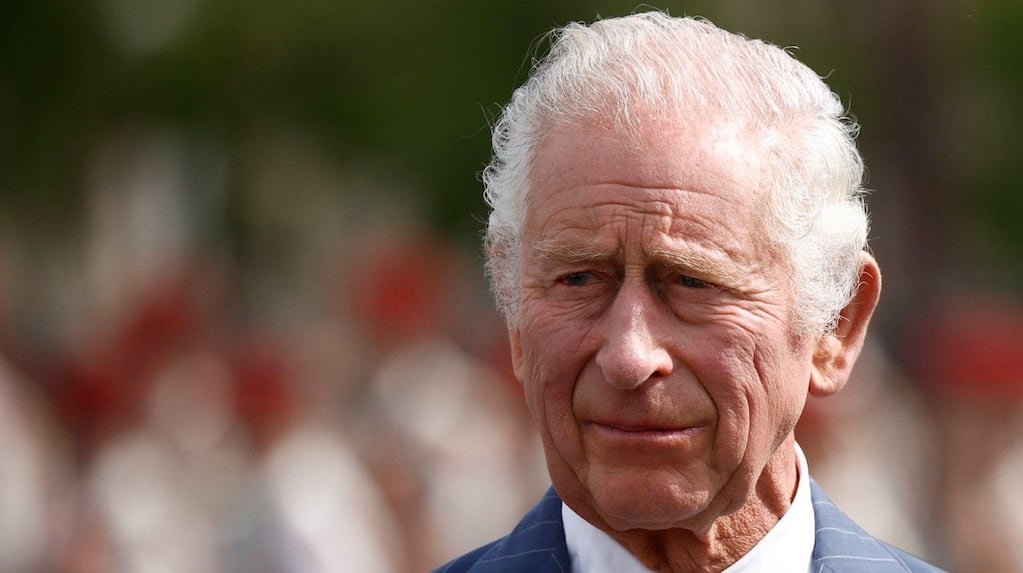
El rey Carlos III iniciará este lunes una visita oficial a Estados Unidos que, lejos de ser un simple gesto protocolar, estará atravesada por un delicado escenario político y diplomático.
El viaje, que se extenderá durante cuatro días, coincide con una creciente controversia internacional tras la filtración de un documento interno del Pentágono que menciona la posibilidad de retirar el respaldo estadounidense al Reino Unido en su disputa con la Argentina por las Islas Malvinas.
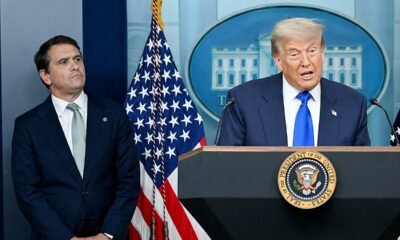
La gira, organizada a pedido del gobierno británico, tiene como objetivo formal conmemorar los 250 años de la independencia estadounidense y reforzar los históricos lazos entre ambos países. Sin embargo, el contexto actual amenaza con eclipsar ese propósito. En particular, el vínculo entre el presidente Donald Trump y el primer ministro Keir Starmer atraviesa uno de sus momentos más tensos desde que ambos coinciden en el poder. El vínculo entre el presidente Donald Trump y el primer ministro Keir Starmer atraviesa uno de sus momentos más tensos. (Foto: The New York Times)
Una reciente publicación de la agencia Reuters encendió las alarmas en Londres. Según el informe, un correo electrónico del Departamento de Defensa estadounidense analiza posibles represalias contra aliados de la OTAN que no respaldaron plenamente las operaciones militares de Washington en su conflicto con Irán. Entre esas medidas, se menciona la eventual suspensión del apoyo a Reino Unido en el conflicto por Malvinas.
Desde el gobierno británico buscaron bajar el tono de la controversia. Un portavoz oficial afirmó que la postura sobre la soberanía de las islas “no ha cambiado” y subrayó el principio de autodeterminación de los habitantes del archipiélago. Aun así, la filtración generó incomodidad en un momento especialmente sensible.
El trasfondo de este episodio se vincula con la guerra iniciada el 28 de febrero contra Irán, en la que algunos aliados occidentales mostraron reticencias a conceder facilidades logísticas a Estados Unidos. Esa falta de alineamiento habría motivado el análisis de sanciones, según fuentes citadas en el informe.
Leé también: Fuerte respuesta de la canciller del Reino Unido a EE.UU.: “Las Islas Malvinas son británicas”
Las diferencias entre Washington y Londres no son nuevas, pero se profundizaron en los últimos meses. Trump criticó duramente al gobierno laborista británico por sus reservas frente a los bombardeos sobre Irán y llegó a cuestionar el liderazgo de Starmer con comparaciones poco diplomáticas.
En ese contexto, la visita de Carlos III aparece como un intento de recomponer la llamada “relación especial” entre ambos países. El propio Trump sugirió que el viaje podría contribuir a limar asperezas, mientras que el monarca se prepara para pronunciar un discurso ante el Congreso estadounidense, un hecho poco frecuente: será el primero de un rey británico desde la intervención de Isabel II en 1991.
Pero la agenda del viaje no se limita a la política internacional. Otro foco de atención será el escándalo vinculado a Jeffrey Epstein, que vuelve a salpicar a la familia real británica. El caso involucra al hermano del rey, Andrés Mountbatten-Windsor, quien enfrenta investigaciones judiciales por su presunta relación con el fallecido financista acusado de tráfico sexual.

Andrew Mountbatten-Windsor, hermano menor del rey Carlos III, se retira de una comisaría de Aylsham tras ser arrestado bajo sospecha de mala conducta en la función pública, luego de que el Departamento de Justicia de Estados Unidos difundiera nuevos documentos vinculados a financista Jeffrey Epstein. (Foto: Reuters)
En los últimos meses, la situación se agravó con la difusión de nuevos documentos y fotografías comprometedoras. Carlos III ya tomó distancia institucional al retirarle a Andrés sus títulos reales y permitir que avance la investigación judicial. Sin embargo, el tema sigue generando presión política, especialmente en Estados Unidos, donde algunos legisladores han pedido que el duque declare ante el Congreso.
Incluso, el congresista demócrata Ro Khanna solicitó al monarca que se reúna con víctimas del caso Epstein durante su visita. El Palacio de Buckingham rechazó esa posibilidad, argumentando que podría interferir con los procesos judiciales en curso.
Rey Carlos III, Donald Trump, Estados Unidos

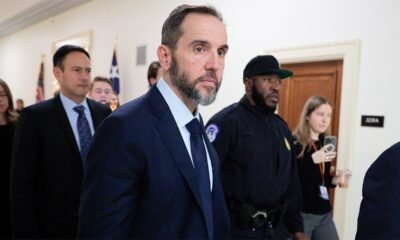







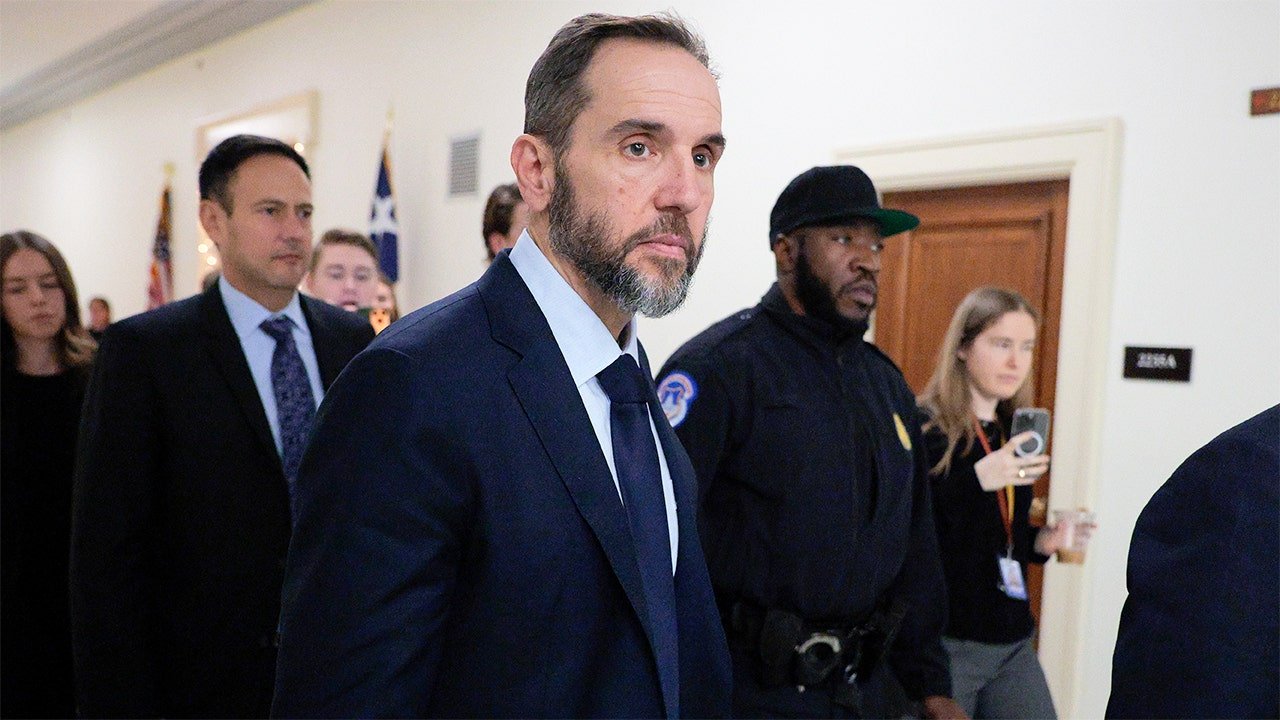
Sen Marsha Blackburn slams Jack Smith over alleged text message spying
Sen. Marsha Blackburn, R-Tenn., strongly condemns former Special Counsel Jack Smith for allegedly illegally obtaining text messages from 44 members of Congress. Blackburn accuses Smith of breaking the law and abusing power, citing past denials by Smith regarding phone record acquisition. She demands a thorough investigation into the ‘Arctic Frost’ probe, highlighting concerns over privacy and due process.
NEWYou can now listen to Fox News articles!
EXCLUSIVE: The Senate investigation into former Special Counsel Jack Smith’s «Arctic Frost» probe is widening, as Republican lawmakers question Verizon’s handling of subpoenas for senators’ phone records after the telecom giant failed to disclose one during an earlier congressional records search.
As part of Operation Arctic Frost — the codename for the FBI’s Trump-election-interference probe with Smith placed at the helm — prosecutors subpoenaed Verizon and other phone carriers for toll records tied to members of Congress and other Republican figures. Several conservative entities were swept up in the probe, including the late Charlie Kirk.
Verizon later acknowledged omitting Smith’s subpoena from its congressional record search.
The dispute centers less on Verizon’s compliance with the subpoena than on what the company knew afterward, whether it should have notified Congress and why it failed to disclose the subpoena during an earlier records search.
BIDEN SPECIAL COUNSEL’S ‘RUNAWAY TRAIN’ SCOOPED UP SENSITIVE LAWMAKER INFO: ‘ABUSE OF POWER’
The Senate investigation into former Special Counsel Jack Smith’s «Arctic Frost» probe is widening. (Getty Images)
Smith’s investigation has faced increased scrutiny in recent months, and now Senate Judiciary Chairman Charles Grassley, R-Iowa — whose records were among those obtained — and a slew of his colleagues want to know what Verizon knew, when it knew it and whether the company should have notified affected members of Congress after turning over their phone records to Smith’s team.
«Jack Smith oversaw a sweeping and unprecedented investigation that swept-up records from hundreds of Republican entities, including the phone toll records and text messages from myself and dozens of my colleagues,» Grassley told Fox News Digital Friday.
Toll records are essentially the metadata of a telephone call — and exclude the contents of the conversation. They often include the phone numbers involved, date, time, duration and often the operative cell-tower location.
MAJOR PHONE CARRIERS REVEAL JACK SMITH’S SUBPOENAS FOR REPUBLICAN SENATORS’ RECORDS
«Congress deserves to know the full picture of how Smith carried out Arctic Frost so it never happens again.»
«As part of our investigation, we need to fully understand what Verizon knew about Smith’s subpoenas, when they became aware members were impacted and why the company didn’t inform members like they were supposed to,» he said.
In a Thursday letter to Verizon CEO Daniel Schulman, Grassley, Senate Investigations Subcommittee chairman Ron Johnson, R-Wis., and more than a dozen senators said they remain concerned not only by the alleged «abuse of power by federal government actors… but also with Verizon’s disclosures of (m)embers’ phone records pursuant to a May 25, 2023, subpoena (and) its failure to disclose this information to affected Members.»
JACK SMITH THRUST BACK INTO SPOTLIGHT AT BLANCHE HEARING OVER EXPOSED SENATORS’ MESSAGES’

In its original October 2023 response to Grassley, Verizon wrote that it often limits retention of legal processes received to a period of four years, and attested it had no records to produce prior to October 2019. (Gabby Jones/Bloomberg via Getty Images)
Of the signatories, Sens. Bill Hagerty IV and Marsha Blackburn, R-Tenn., Rick Scott, R-Fla., Tommy Tuberville, R-Ala., Mike Lee, R-Utah, Ted Cruz, R-Texas, Josh Hawley, R-Mo., John Cornyn, R-Texas, and Cindy Hyde-Smith, R-Miss., also had their phone toll records or text messages swept up by Smith.
Their inquiry noted he asked Verizon in October 2023 to identify Justice Department or other federal law enforcement requests involving Senate devices used by his staff dating back to 2016.
The senator wrote that the subpoena was not disclosed in Verizon’s initial response, and Grassley said Congress did not learn of it until Verizon acknowledged in 2025 that «human error» had caused its omission.
In its original October 2023 response to Grassley, Verizon wrote that it often limits retention of legal processes received to a period of four years, and attested it had no records to produce prior to October 2019.
«This raises questions as to whether Verizon discovered legal process from DOJ for Senate devices and lines, including the May 2023 Arctic Frost subpoena, in its search from October 1, 2019, to October 27, 2023, for responsive records to Chairman Grassley’s request,» Grassley wrote in his new letter.
Therefore, Grassley and 15 other senators are demanding Verizon brass explain when they first learned Smith’s subpoena sought phone records that included members of Congress and when they discovered it had provided «tolling data» connected to those members and transmitted it to Smith.
Fox News Digital reached out to Verizon for comment.
Grassley’s new letter suggests the October 2023 exchange may be the key to determining whether Verizon merely missed the subpoena or discovered it and failed to disclose it.
«On what date were Daniel Schulman, Vandana Venkatesh, Hans Vestberg, and Craig Silliman first informed about the May 25, 2023, subpoena?» they asked of Verizon’s front office.
The senators also asked that Verizon explain its «human error» revelation in more specificity and produce internal records from May 2023 to October 2025 that discuss whether the company believed it was obligated to notify the implicated members of Congress or the Senate Sergeant-at-Arms (SAA).
The «human error» explanation also left unanswered why Smith’s May 25, 2023, «Arctic Frost» subpoena was omitted from Verizon’s review of legal process involving SAA phone lines, even though the company acknowledged that two SAA numbers were included in the subpoena.
In 2025, documents provided to Grassley revealed Verizon complied with Smith while AT&T resisted the requests.
SIGN UP TO GET THE POLITICS NEWSLETTER
However, both subpoenas were accompanied by gag orders signed by Obama-appointed District of Columbia federal Judge James Boasberg, a frequent foil of President Donald Trump’s. Boasberg directed Verizon and AT&T not to disclose the subpoenas to lawmakers for a period of one year.
The DOJ has issued subpoenas for lawmakers’ information in the past, but former inspector general Michael Horowitz cautioned against it except in limited circumstances in a report published in 2025, saying that doing so «risks chilling Congress’s ability to conduct oversight of the executive branch.»
Grassley’s letter gives Verizon until Aug. 13 to explain when it knew senators’ records were involved, who inside the company was informed and why the May 2023 subpoena did not surface in its earlier response to Congress.
Senate Judiciary Committee Republicans have branded Smith’s «Arctic Frost» as «worse than Watergate.»
Fox News Digital reached out to counsel for Smith for comment.
senate elections, verizon, justice department, congress, chuck grassley, joe biden, donald trump, republicans
INTERNACIONAL
El Ejército de Kuwait anunció que sus defensas respondieron a un ataque de Irán con drones
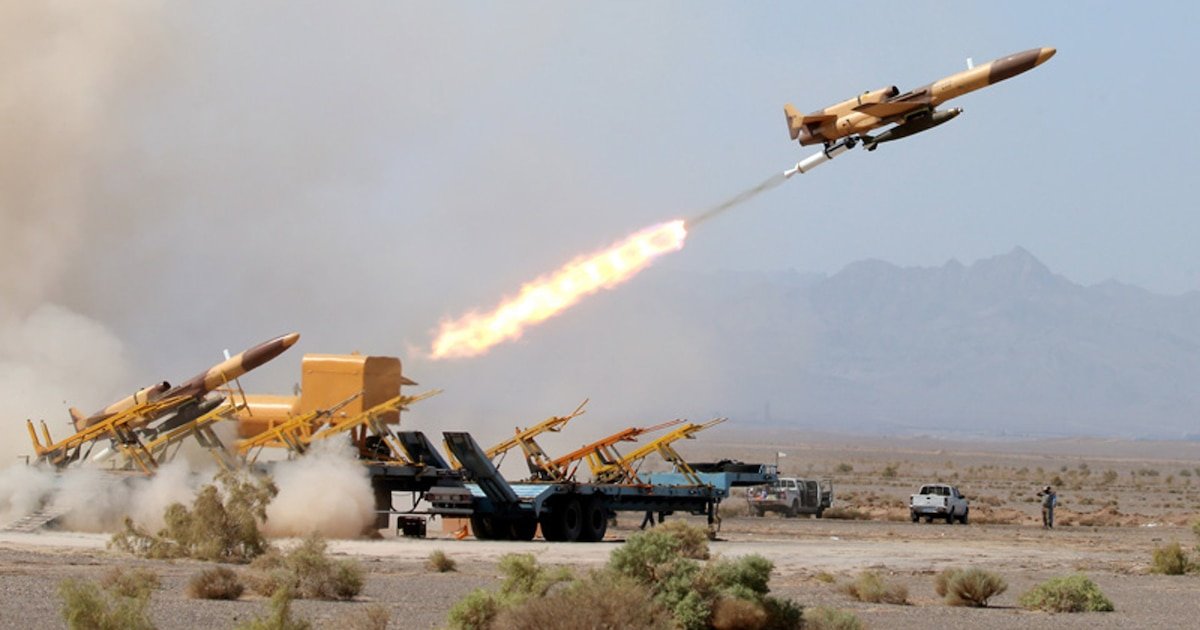
Las defensas aéreas de Kuwait respondieron a ataques con drones tras una reciente agresión por parte de Irán este sábado contra su territorio, según informó el Estado Mayor del Ejército. En ese sentido, la institución señaló que cualquier explosión que fuera escuchada correspondía a la interceptación de estos ataques por parte de los sistemas de defensa aérea.
Las autoridades instaron la población, vía redes sociales, a seguir las instrucciones de seguridad emitidas por los organismos competentes.
El viernes, la agencia de noticias Fars, vinculada a la Guardia Revolucionaria Islámica de Irán, incluyó importantes instalaciones energéticas de la región del Golfo Pérsico e Israel en una lista de posibles objetivos de represalia iraní, en medio del aumento de tensiones con Estados Unidos.
El informe menciona como potenciales blancos el yacimiento petrolífero de Ghawar en Arabia Saudita, las instalaciones de Abqaiq y Khurais, la refinería de Ruwais y el yacimiento petrolífero de Zakum en Emiratos Árabes Unidos, el yacimiento de GNL de North Field y Ras Laffan en Qatar, el yacimiento petrolífero de Burgan en Kuwait, la refinería de Sitra en Bahréin y los yacimientos de gas Leviathan y Tamar en Israel.

El medio recordó también ataques anteriores durante el conflicto, señalando que, tras la ofensiva contra las instalaciones de gas de South Pars en Irán, Teherán respondió con un ataque contra las instalaciones de gas de Ras Laffan en Qatar. El régimen también suele bombardear la base aérea Ahmed Al Jaber en Kuwait, ya que alberga fuerzas militares estadounidenses.
Respecto a la campaña militar de EEUU en Medio Oriente, el Comando Central de Estados Unidos (CENTCOM) informó el viernes que las fuerzas estadounidenses desviaron 30 buques mercantes, inutilizado dos y abordado otros dos como parte de los esfuerzos para hacer cumplir el bloqueo naval contra Irán. Además, se permitió el paso de casi 30 barcos que transportaban ayuda humanitaria.
“Un helicóptero MH-60R Sea Hawk de la Armada de EEUU se prepara para volar a bordo del USS Michael Murphy (DDG 112), mientras el buque de guerra apoya el bloqueo estadounidense contra Irán navegando en aguas regionales. Al 31 de julio, el CENTCOM había desviado 30 buques comerciales, inmovilizado 2 y abordado 2 para garantizar el pleno cumplimiento. Las fuerzas armadas estadounidenses también han permitido que casi 30 barcos atraviesen el bloqueo para brindar ayuda humanitaria”, publicó el CENTCOM en X.
En paralelo, los dos primeros aviones militares de Estados Unidos destinados a brindar apoyo a las operaciones en Medio Oriente arribaron el viernes a una base aérea en el sureste de Bulgaria, lo que provocó una queja de Irán y protestas de residentes búlgaros.

La administración del presidente Donald Trump ha enfrentado resistencia de algunos aliados europeos por el uso de bases aéreas en respaldo a la guerra con Irán. Bulgaria, miembro de la OTAN y la Unión Europea, aprobó a principios de julio el despliegue de hasta ocho aviones cisterna KC-135 estadounidenses, junto a 250 efectivos con armas personales, municiones y equipos para el aeródromo en la Base Aérea de Bezmer.
De acuerdo con un tratado de defensa bilateral firmado en 2006, la instalación de Bezmer —ubicada a unos 260 kilómetros al sureste de Sofía— es de uso conjunto, y cualquier nuevo uso requiere aprobación parlamentaria. El despliegue, solicitado por la embajada estadounidense en Bulgaria, está autorizado hasta el 1 de octubre de 2026.
El inquilino de la Casa Blanca agradeció al primer ministro búlgaro Rumen Radev en una publicación en Truth Social por permitir el despliegue “a pesar de las amenazas de Irán”.
Middle East
INTERNACIONAL
Qatar pidió al grupo terrorista Hamas que el acuerdo de desarme ponga fin al “sufrimiento” en la Franja de Gaza
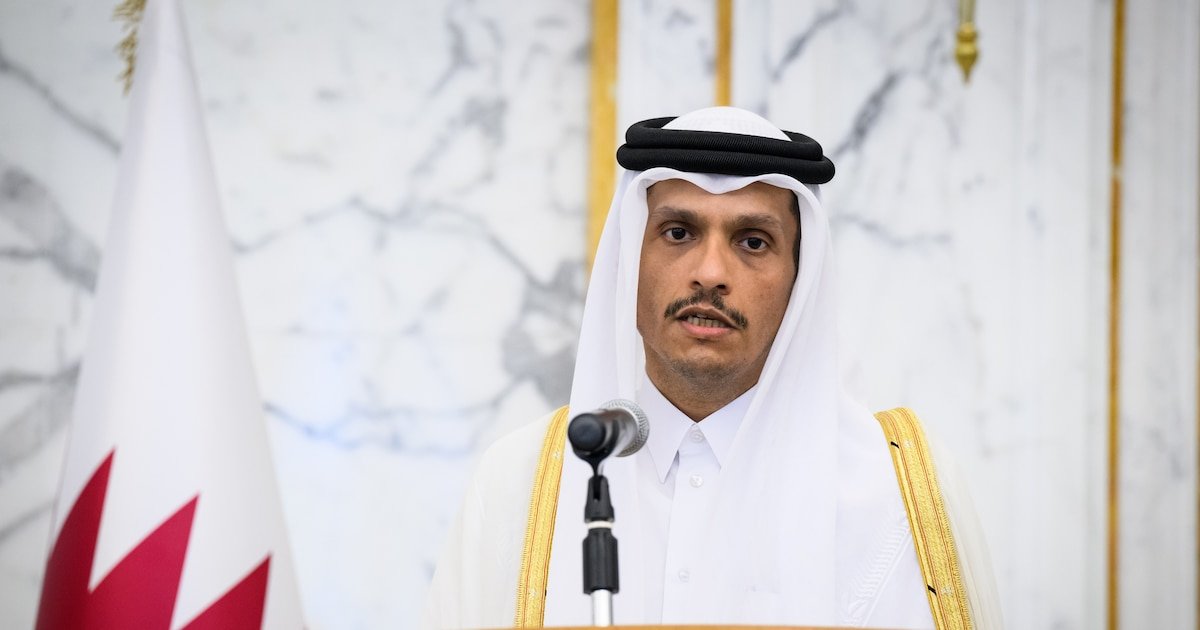
El primer ministro y titular de Exteriores de Qatar, Mohamed bin Abdulrahman, expresó el viernes en una conversación telefónica al líder del grupo terrorista Hamas, Khalil Al-Hayya, su esperanza de que el acuerdo sobre el desarme del movimiento ponga fin al sufrimiento en la Franja de Gaza.
Bin Abdulrahman celebró la decisión de Hamas de “aceptar la hoja de ruta para completar la implementación de la segunda fase del acuerdo de alto el fuego en la Franja de Gaza”, según informó la cartera de Exteriores en un comunicado. El jefe de la diplomacia qatarí manifestó su deseo de que este paso contribuya “a poner fin al sufrimiento del pueblo palestino y a lograr sus aspiraciones de seguridad y estabilidad».
El ministro subrayó la necesidad de que la comunidad internacional asuma sus responsabilidades y pida a Israel que cumpla con sus obligaciones en virtud del acuerdo, lo que llevaría a garantizar la culminación de la hoja de ruta y el logro de la paz y la estabilidad en Gaza.
Qatar actúa como uno de los principales mediadores en el conflicto entre Israel y el grupo terrorista, especialmente en la guerra de Gaza, en coordinación con Egipto, Estados Unidos y Turquía.
Por su parte, el ministerio de Exteriores de Arabia Saudita expresó su satisfacción por el anuncio del presidente estadounidense Donald Trump sobre el “histórico acuerdo relativo a la desmilitarización de la Franja de Gaza”. Arabia Saudita agradeció a Egipto, Qatar, Turquía, Estados Unidos, a la Junta de Paz y a todos los socios involucrados en los esfuerzos que permitieron avanzar hacia este acuerdo.

Riad recalcó “la importancia de la retirada completa de las fuerzas israelíes de la Franja de Gaza, el despliegue de una fuerza internacional de estabilización y la garantía del flujo continuo e ininterrumpido de ayuda humanitaria y apoyo a la reconstrucción para el pueblo palestino”.
Además, secretario general de la ONU, António Guterres, calificó la confirmación del acuerdo como “la única buena noticia en días recientes” en una región marcada por la guerra. “El acuerdo anunciado por el presidente de Estados Unidos para que Hamas entregue sus armas y para que Israel retire sus fuerzas de Gaza es la única buena noticia en días recientes”, afirmó Guterres.
El titular de Naciones Unidas advirtió que “lo que había comenzado como un conflicto regional hace seis meses se convirtió en un motivo de inestabilidad global”. Guterres subrayó ante la prensa la necesidad de poner fin a los combates “en todos los frentes” de la región.
El presidente de Estados Unidos, Donald Trump, anunció el viernes que la Junta de Paz creada para resolver conflictos, comenzando por el de Gaza, alcanzó un acuerdo para el “desarme total” de Hamás y otros grupos armados palestinos en el enclave, calificándolo como un paso “histórico” hacia la creación de un nuevo gobierno en la Franja.

A su vez, declaró que Israel está “muy contento” con el acuerdo. “Tenemos un entendimiento con Israel. Israel está muy contento con esto. Israel nos ayudó y se ha portado muy bien”, afirmó Trump a periodistas en la residencia presidencial de Camp David.
Sin embargo, más temprano, el ministro de Seguridad Nacional israelí, Itamar Ben Gvir, calificó como “inaceptable” el acuerdo, que prevé una retirada progresiva de Israel del territorio palestino. “Detener los combates contra el movimiento islamista palestino equivale a aceptar que Hamas prepare la próxima masacre”, escribió Ben Gvir en Telegram, aludiendo a los ataques del 7 de octubre de 2023, en los que murieron 1.221 personas. “Israel debe ganar”, añadió.
Por su parte, Hamas confirmó el acuerdo para su desarme y aseguró que incluye “la obligación de Israel de retirarse de la Franja de Gaza”, luego del anuncio realizado por Trump. El negociador de Hamas, Ghazi Hamad, explicó a medios árabes que el pacto contempla “la obligación de la ocupación de retirarse de la Franja de Gaza, abrir los cruces fronterizos y cesar los asesinatos”. Hamad advirtió: “Si Israel no cumple el acuerdo, nosotros tampoco lo cumpliremos”.
(Con información de EFE)
climate,conflict,diplomacy,energy,government,politics

Milei profundiza su plan económico, pero la sociedad cambió las prioridades y la tolerancia reaparece como clave

Alejandra Perlusky, una vida atravesada por la danza, el teatro y los grandes musicales: “El arte puede salvar el alma”

La próxima ventaja competitiva será saber gobernar la inteligencia artificial

La probable formación de Racing Club para recibir a Tigre

Milei entró en modo electoral: endureció su discurso, retoma viejos proyectos y se muestra como líder de la derecha

Jack Smith’s Senate phone records probe turns to Verizon’s handling of subpoenas

La pelea con Lula y el verdadero desafío que enfrenta Milei

Cómo manejar en el hielo y la nieve: técnicas y precauciones para usar el auto en la montaña en vacaciones de invierno

El BCRA cortó la racha de compra y en el mercado vuelan rumores de maniobras para frenar al dólar

World-famous Catholic shrine torched, ‘Devil in a skirt’ scrawled on Virgin Mary statue

 INTERNACIONAL2 días ago
Trump admin invokes 30-year dormant terror court as it seeks to deport Afghan woman tied to Election Day plot
- ECONOMIA3 días ago
Creció la oferta de frutas importadas en las verdulerías: cuáles son las que más llegan y por qué
- INTERNACIONAL3 días ago
Antisemitic violence reaches deadliest level since 1994, new global report finds