
INTERNACIONAL
Costa Rica acumula más de 25 mil denuncias por estafa en 15 meses


Costa Rica registró un total de 25,498 denuncias por el delito de estafa durante el período comprendido entre el 1 de enero de 2025 y el 30 de marzo de 2026, una cifra que evidencia la magnitud de este fenómeno delictivo en el país y su impacto sostenido en la población, según datos del Organismo de Investigación Judicial (OIJ).
El informe, elaborado por la Unidad de Análisis Criminal del OIJ, confirma que las estafas continúan posicionándose como uno de los delitos patrimoniales de mayor incidencia en el territorio nacional. Dentro de esta categoría, el timo destaca como la modalidad más frecuente, consolidándose como el principal mecanismo utilizado por los delincuentes para engañar a sus víctimas.
De acuerdo con el documento oficial, el comportamiento de estos delitos ha mostrado variaciones en los primeros meses del año. Mientras las estafas registraron una disminución desde enero, los timos evidenciaron un leve incremento durante el mes de marzo, lo que sugiere una adaptación constante de las estrategias utilizadas por los estafadores.
Las autoridades advierten que este tipo de delitos suele evolucionar rápidamente, especialmente con el uso de herramientas tecnológicas y plataformas digitales, lo que dificulta su detección y prevención. En muchos casos, las víctimas son engañadas mediante ofertas falsas, suplantación de identidad o promesas de beneficios económicos inexistentes.

El informe también pone en evidencia diferencias territoriales en la incidencia del delito. En este sentido, la provincia de Guanacaste se mantiene como la zona con menor cantidad de denuncias por estafa en el país, lo que contrasta con el comportamiento observado en otras regiones con mayor densidad poblacional.
Expertos en seguridad señalan que factores como el acceso a tecnología, la concentración urbana y la actividad comercial influyen directamente en la incidencia de este tipo de delitos.
El crecimiento sostenido de las estafas ha generado preocupación entre las autoridades judiciales y policiales, que han reiterado la necesidad de fortalecer los mecanismos de prevención y educación ciudadana. En particular, hacen un llamado a la población para extremar precauciones al realizar transacciones electrónicas, verificar la autenticidad de las ofertas y evitar compartir información personal o bancaria con terceros.
Asimismo, el OIJ enfatiza la importancia de la denuncia como herramienta clave para combatir este fenómeno. Cada caso reportado permite a las autoridades identificar patrones delictivos, ubicar a los responsables y desarrollar estrategias más efectivas para enfrentar estas prácticas.
En los últimos años, el delito de estafa ha experimentado una transformación significativa, impulsada por el auge de la digitalización. Modalidades como fraudes en redes sociales, falsas inversiones, phishing y ventas inexistentes han ganado terreno, ampliando el alcance de los delincuentes y aumentando el número de víctimas potenciales.
Este panorama plantea nuevos retos para las autoridades, que deben adaptar sus capacidades investigativas a un entorno cada vez más complejo. El uso de tecnología avanzada, el análisis de datos y la cooperación interinstitucional se han convertido en herramientas fundamentales para hacer frente a estas amenazas.

A pesar de los esfuerzos institucionales, las cifras reflejan que las estafas continúan siendo un problema persistente en Costa Rica. La combinación de factores como la sofisticación de los métodos delictivos y la vulnerabilidad de ciertos sectores de la población contribuye a mantener altos niveles de incidencia.
El llamado de las autoridades es claro: la prevención y la información siguen siendo las principales defensas frente a este tipo de delitos. En un contexto donde los estafadores perfeccionan constantemente sus estrategias, la vigilancia ciudadana y la denuncia oportuna se convierten en elementos esenciales para reducir el impacto de estas prácticas en la sociedad.
ciberseguridad,ciberdelincuencia,estafa,phishing,hacking,seguridad digital,fraude,banca en línea,malware,peligro













INTERNACIONAL
Is this Trump’s last ‘last chance’? Ceaseless string of broken ceasefires fuels doubt over Iran deal
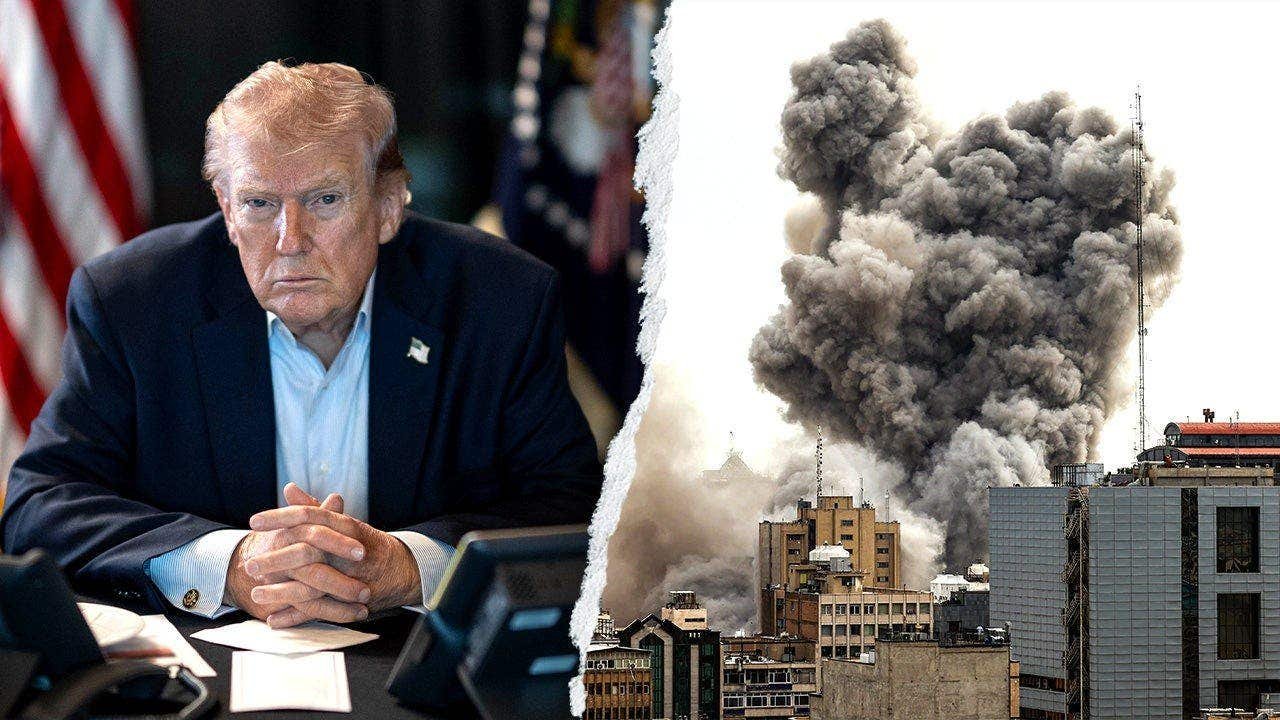
Trump warns Iran talks are ‘last chance’ to reach deal
President Donald Trump declares that negotiations with Iran represent their ‘last chance’ to secure a deal before facing total surrender. Reporting from Tel Aviv, Trey Yingst details how U.S. forces are prepared to strictly enforce blockades in the Strait of Hormuz. Bipartisan lawmakers watch closely as military tensions escalate in the region.
NEWYou can now listen to Fox News articles!
President Donald Trump is warning Iran that it has one last chance to make a deal, even as Tehran denies the negotiations Trump says persuaded him to hold off on a major U.S. attack.
The clash has left the status of the diplomatic effort unclear. Trump says indirect talks could reopen the Strait of Hormuz and eventually address Iran’s nuclear program, while Tehran acknowledges only limited discussions with Oman and has not publicly embraced the broader deal Trump has described.
«There’s certainly an element of posturing involved,» Ali Vaez, deputy program director for the Middle East at International Crisis Group, told Fox News Digital. «While there are no ‘talks’ in the sense of U.S. and Iranian officials sitting at the same venue exchanging proposals and counter-offers, engagement appears ongoing.»
Trump said diplomacy persuaded him to call off a planned attack on Iran that he described as the biggest since World War II. Over the weekend, he said Iran and several Middle Eastern countries had asked for more time to finalize an agreement reopening Hormuz and addressing Tehran’s nuclear program.
TRUMP WARNS IRAN FIGHTING ISN’T OVER AS HE VOWS US WILL ‘WIN’ AS TALKS FADE
President Donald Trump speaks during a meeting about military families, in the Oval Office of the White House, Monday, Aug. 3, 2026, in Washington. (AP Photo/Alex Brandon)
Iranian Foreign Ministry spokesman Esmail Baghaei said, however, that Tehran was neither holding talks with the United States nor expecting an American delegation. He described the Oman discussions as a bilateral effort to establish a temporary shipping corridor through the Strait.
Trump, in response, accused Iran’s leadership of being «unbelievably duplicitous.»
«They ask for a meeting, some would say ‘beg,’ talks begin, with more scheduled in the immediate future, and they say, openly and proudly, that they’re not having any discussions,» Trump wrote Monday on Truth Social.
Later that afternoon, Trump called the talks Iran’s «last chance» to avoid an escalation in U.S. strikes. He said negotiators would first seek to reopen the Strait, then turn to Tehran’s nuclear program.
«The first phase is the opening of the straits. The second phase will be the denuclearization,» Trump said in the Oval Office. «And that will take a little while.»
Trump said reporters could learn more about the negotiations «today or tomorrow.» Iran has not publicly endorsed either phase of his plan.
Saudi Arabia and other Gulf allies have urged Trump to hold off on the planned attack, fearing more Iranian reprisals against their territory. Jonathan Schanzer, executive director of the Foundation for Defense of Democracies, said those concerns have complicated Trump’s next move.
«He’d like to be able to walk away with a win. The Iranians are not allowing him to do that,» Schanzer told Fox News Digital. «There is not a clear path ahead for him at this moment.»
US OFFICIAL SAYS JD VANCE MADE ‘GREAT PROGRESS’ IN IRAN TALKS, CALLS SNUB REPORTS ‘FOREIGN PROPAGANDA’
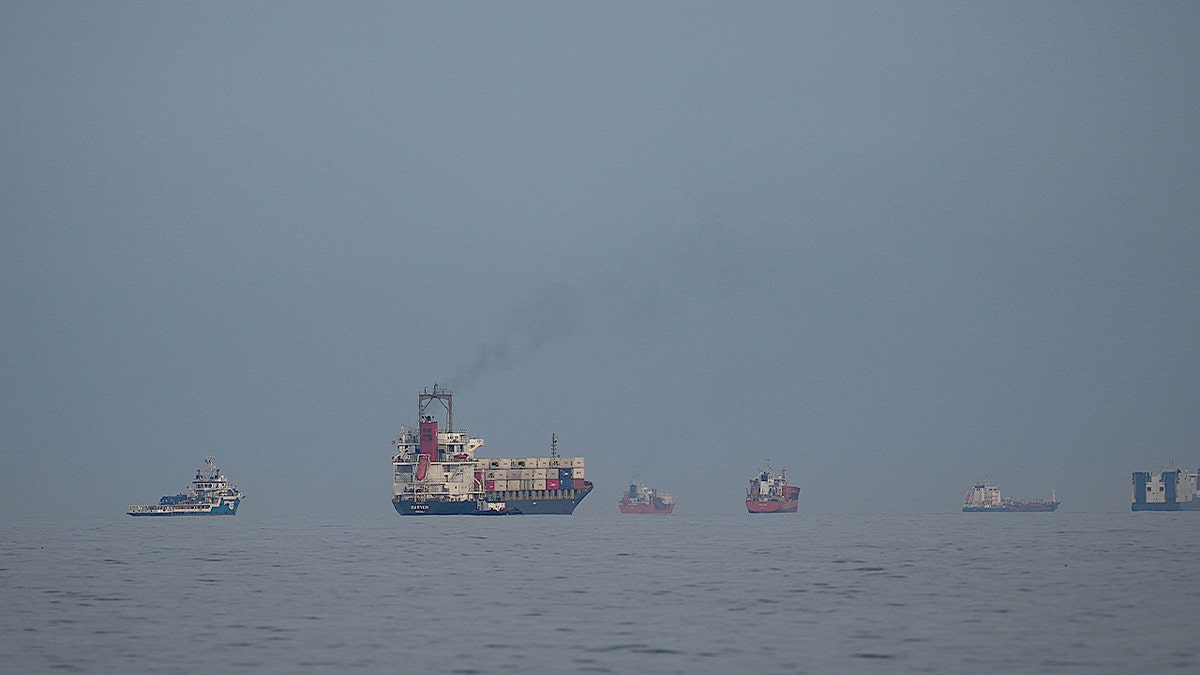
Oil tankers and cargo ships line up in the Strait of Hormuz as seen from Khor Fakkan, United Arab Emirates, Wednesday, March 11, 2026. (AP Photo/Altaf Qadri)
A June memorandum also opened with promises of a broader settlement. The United States and Iran signed it to halt fighting, lift the U.S. blockade and reopen the Strait.
Shipping became the first test of the June memorandum, and it quickly exposed how far apart Washington and Tehran remained. Each side had its own plan for restoring commercial traffic through the Strait. When U.S. officials accused Iran of firing on commercial vessels days later, American strikes followed. Tehran said Washington had tried to force through a new shipping arrangement without its consent.
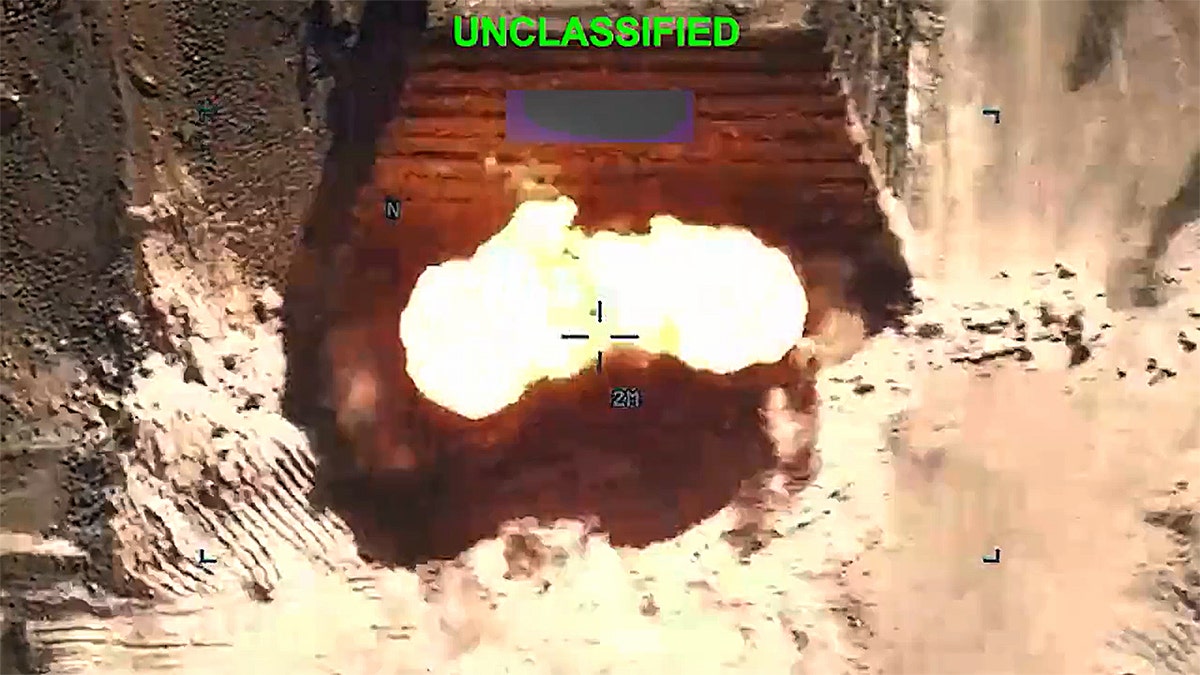
Image shows a US strike on Iran. (US Central Command)
Negotiators never bridged that divide. Trump declared the ceasefire over in early July and expanded the U.S. air campaign. Iran answered with missile and drone attacks on American positions and regional partners.
That fighting set up another, shorter pause at the end of the month. Trump said mediators had asked the U.S. to hold fire, an arrangement Iran said it would match. Within days, Iranian missiles targeted U.S. forces in Jordan and the conflict spread again.
Brief breaks have become a feature of the conflict, which Schanzer described as a «ceasefire war.»
«It is a war that is punctuated by short bouts of calm, only to see conflict return,» Schanzer said.
Even if Oman succeeds in opening a temporary route, it would settle only the immediate question of how ships move through the Strait. Trump wants that step to lead into negotiations over Iran’s nuclear program, a sequence Tehran has yet to publicly embrace. As long as Iran can still threaten traffic and Washington can maintain its blockade and prepare further strikes, each side may decide it can wait the other out rather than make the concessions needed to end the war.
«Fundamentally, both sides know that the status quo is a recipe for continued military and economic attrition without a clear endgame,» Vaez said.
war with iran, donald trump, middle east, geopolitics, iran, national security
INTERNACIONAL
Investigan suicidios en el palacio de Matignon: tres muertes y denuncias de abuso en la sede del primer ministro francés

Cuando Francia se encuentra de vacaciones, una investigación sobre suicidios se ha abierto en el palacio de Matignon, la oficina y residencia del primer ministro francés, Sébastien Lecornu.
Se ha iniciado una investigación tras registrarse tres muertes y un intento de suicidio, mientras los funcionarios denuncian «un ambiente laboral cada vez más deteriorado y tóxico», en medio de una crisis política.
Sébastien Lecornu es el quinto primer ministro de Francia desde enero de 2024. Canceló sus vacaciones a causa de los incendios.
Tres muertes y un intento de suicidio han llevado a la fiscalía a investigar presuntos casos de acoso en la administración del primer ministro francés.
La Fiscalía de París confirmó la apertura de una investigación penal por «acoso psicológico», tras la denuncia de una empleada que afirmó haber intentado quitarse la vida. Esta acción se produjo después de dos suicidios registrados este año, así como de una muerte sospechosa en un baño de las oficinas.
Unos 3.500 funcionarios integran la administración, con sede en el Hôtel de Matignon —la residencia oficial del primer ministro en la margen izquierda de París— y en otras oficinas de la capital. Dependen jerárquicamente de Sébastien Lecornu, un político de centro, exministro de las Fuerzas Armadas, nombrado por el presidente Macron en septiembre como quinto primer ministro de Francia desde enero de 2024.
El Hôtel de Matignon es la residencia oficial del primer ministro francés. Allí vive y trabaja.
«Laura», empleada del departamento de correspondencia de Matignon, declaró a los fiscales que había intentado quitarse la vida debido al estrés provocado por un entorno laboral tóxico. En primavera, un viajero logró retenerla justo cuando estaba a punto de arrojarse a las vías del tren, según explicó su abogada, Christelle Mazza.
La denuncia penal presentada por Laura, que alude a una «situación de presunto acoso psicológico institucional», se produjo tras la muerte de un compañero en una estación de las afueras y el fallecimiento de otro en su domicilio, señaló Mazza.
La funcionaria afirmó que el ambiente laboral se había deteriorado con la sucesión de nuevos equipos del primer ministro, desde que Macron perdió su mayoría de centroderecha tras convocar elecciones anticipadas en 2024.
«Las pruebas que figuran en el expediente dejan claro que los servicios del primer ministro se han visto profundamente desestabilizados, especialmente desde la disolución de la Asamblea Nacional», escribió la abogada a los fiscales.
El personal es objeto de humillaciones, comentarios denigrantes y un aislamiento creciente, que incluye el traslado a una oficina en el sótano, señaló.
Laura fue «hecha sentir invisible», excluida de reuniones y objeto de «burlas y vilipendio, como en el acoso escolar», declaró Mazza a la emisora de radio France Inter.
«Tenemos que adaptarnos a las nuevas exigencias del nuevo jefe», comentó a la cadena de radio —equivalente francés a la BBC Radio 4— un miembro del personal de Matignon.
«Estamos presenciando comportamientos inaceptables, con una competencia feroz entre empleados«, dijo Mazza. «Hay que pisotear a los demás para progresar. Los puestos son muy codiciados, sobre todo en un entorno laboral político. Para los funcionarios, esto conduce a una pérdida total de referencias».
La administración de Matignon está llevando a cabo una investigación interna sobre los fallecimientos de miembros del personal. Su directora, Laure Marion, se ha reunido con representantes sindicales para abordar las condiciones laborales. «La prevención de los riesgos psicosociales es nuestra máxima prioridad», declaró su oficina de prensa.
En su reportaje, France Inter señaló que la denuncia presentada ante la fiscalía resultaba «muy inusual, si no inédita, en un departamento donde la discreción es primordial».
En las últimas dos décadas, los gobiernos han reconocido que ciertos sectores del Estado, en particular la policía civil y la gendarmería militar, se han visto afectados por elevadas tasas de suicidio. Esta situación ha dado lugar a numerosas investigaciones parlamentarias y a la creación de planes institucionales de prevención.
NEWYou can now listen to Fox News articles!
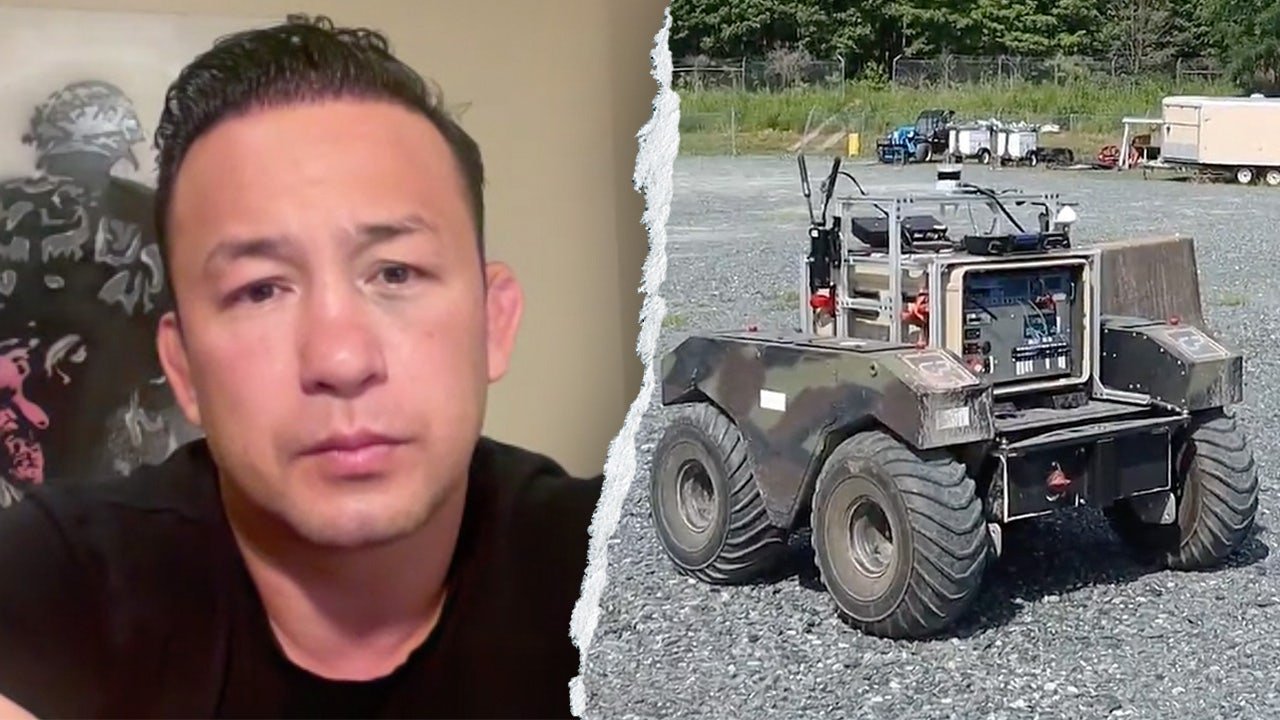
FIRST ON FOX: The U.S. Army is teaming up with an artificial intelligence (AI) company to build an AI «brain» for military robots that can think, understand their surroundings and continue missions even after losing contact with human operators as the race for AI dominance intensifies.
Working with the Army Research Laboratory, defense AI company EdgeRunner AI has developed an onboard AI system that allows military robots to function in the battlefield without relying on cloud computing or an internet connection in environments where connectivity is lost.
«We like to think of robots as the next frontier of AI,» EdgeRunner AI founder and CEO Tyler Saltsman told Fox News Digital.
«Think of them as a very far-out edge device, kind of like a cell phone, a tablet or a laptop. But now what we can do is we can put a brain, or a neural network, right on that robot so that robots can have context when they’re on a mission helping the warfighter.»
CHINA IS BUILDING AN AI WAR MACHINE. WASHINGTON MUST WAKE UP BEFORE IT’S TOO LATE
EdgeRunner AI founder and CEO Tyler Saltsman told Fox News Digital about the company’s work with the U.S. Army to develop an AI «brain» for the next generation of military robots. (Fox News Digital/EdgeRunner AI)
The partnership comes as the U.S. and China race to integrate AI into their militaries, with both countries viewing AI as critical to maintaining a technological edge in future conflicts.
Saltsman said it’s important for the U.S. to stay ahead in the global AI race, calling China’s dominance in drone manufacturing «problematic.»
«Whether or not China’s ahead of us is debatable, but if China is, it’s not by much,» he said.
Saltsman said today’s AI is «too generalized,» which is why his company is developing technology built for specific military missions.
«Warfighters don’t need 19th-century poetry,» he said. «They need specific intelligence to his or her occupation in order to make better decisions in the heat of battle and that can increase the probability of winning the fight.»
Working alongside aerial drones, the AI is designed to help robots «problem solve through different routes» while detecting explosives, carrying ammunition, scouting routes and reporting enemy activity.
UKRAINE’S BATTLEFIELD IS TRANSFORMING THE FUTURE OF NATO
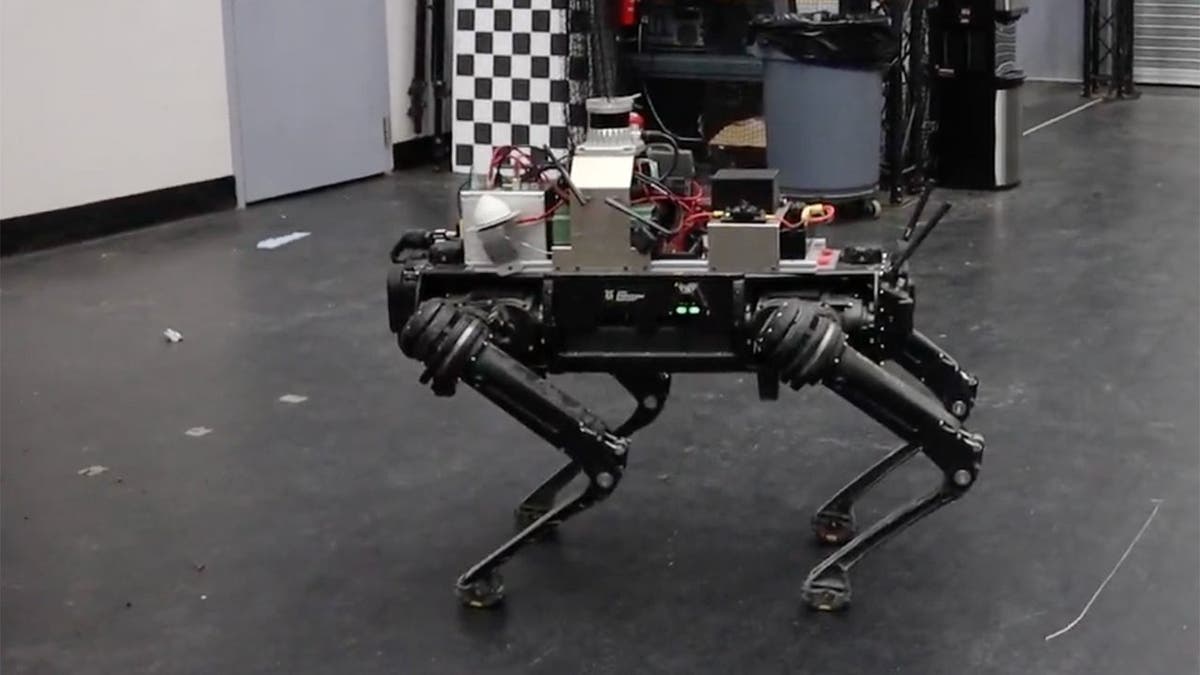
Saltsman said the technology remains in the «development phase» and gives military robots the ability to understand what they see, not just detect it. (EdgeRunner AI)
«As you combine them together, you get a much better clarity of the battlefield and increased situational awareness,» he said.
When communications are cut off, Saltsman said the military will need autonomous systems that can continue making decisions on their own.
«You can have a human pilot that controls the ground robot or the drone in the air,» he said. «But then if they were to be jammed by a radar jammer and lose connectivity, then the neural network on that robot can still continue the mission and still aid the warfighter.»
Saltsman argued the military «can’t rely on internet access in war,» warning that depending on systems like SpaceX’s Starlink could add a «risk» to missions.
«The problem with Starlink is if you use it, you’re effectively showing the enemy where you are, so you might as well be wearing a beacon on you saying, ‘Hey, here’s where I’m located,’» he said.
INSIDE CHINA’S AI ‘WOLF PACK’ DRONES BUILT WITH TAIWAN CONFLICT IN MIND
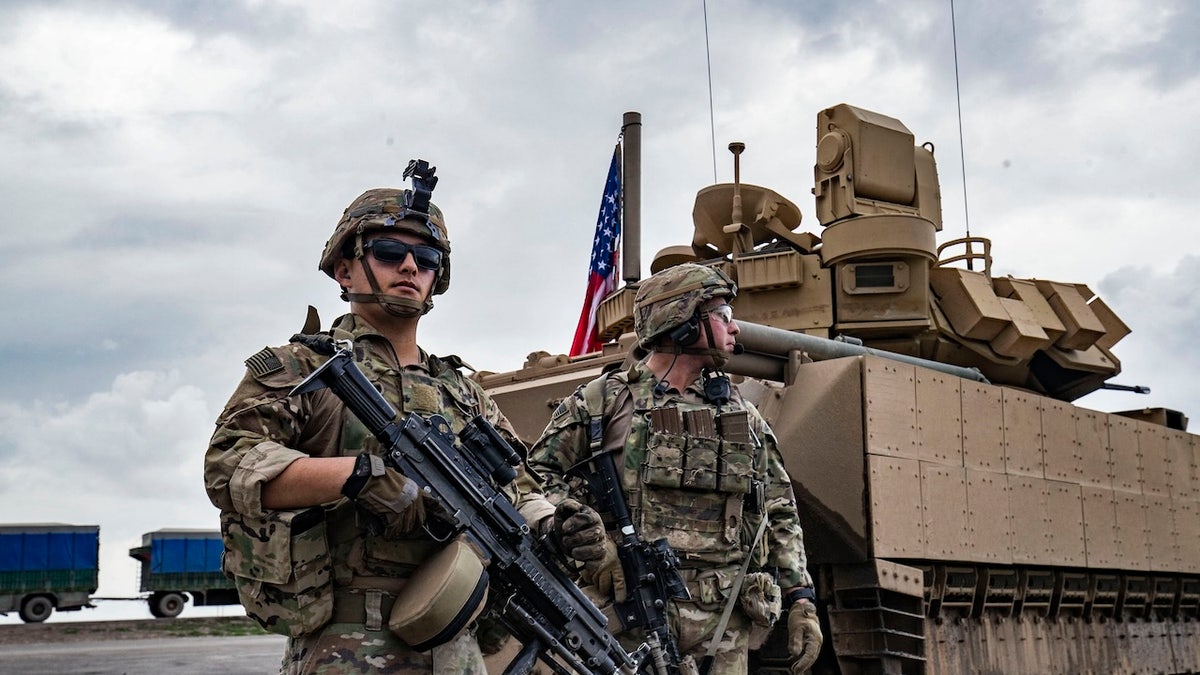
U.S. Army soldiers stand near an armored military vehicle on the outskirts of Rumaylan in Syria’s northeastern Hasakeh province, bordering Turkey, on March 27, 2023. (Delil Souleiman/AFP via Getty Images)
Pointing to the Russia-Ukraine war, Saltsman said the success of drones has sparked a new push for autonomous ground robots.
«As drones have become ubiquitous, now ground robots are like the next thing and then eventually humanoid robots so robots that move and look like humans,» he said.
Despite the push to advance military AI, Saltsman said safety can’t take a back seat and that the technology is built using «transparent» datasets to «understand the biases» of the AI.
«That’s another thing that differentiates us,» he said. «One of the problems is how to use AI safely, how to put guardrails around it and how to understand it.»
While the technology remains in the «development phase,» Saltsman said the breakthrough gives robots the ability to understand what they see, not just detect it.
«You can put computer vision models on robots so they can see, but if they don’t understand the context of what they’re seeing, they’re not useful and that’s what we’re solving for.»
politics, us army, artificial intelligence, robots, tech

Así fue detenido Facundo Moyano luego de que una mujer saliera corriendo semidesnuda de su departamento

Por qué hay más de 140 barcos detenidos en los puertos argentinos y qué consecuencias puede tener para la economía

Javier Milei volvió a enviarle gestos de acercamiento a Mauricio Macri: “No tengo problemas en comer con él”

Is this Trump’s last ‘last chance’? Ceaseless string of broken ceasefires fuels doubt over Iran deal

Milei reconoció la suba de la pobreza y defendió la política de ajuste: “La foto es horrible pero la tendencia es maravillosa”

Pokémon Showdown VS Pokémon Champions: El futuro del VGC y el competitivo en juego – Nintenderos

“Vamos a acelerar con todo”: el objetivo del Gobierno por las reformas y la agenda electoral de cara al 2027

Reelecciones indefinidas: el oficialismo bonaerense niega que busque ampliar la Legislatura como parte de una reforma política para beneficiar a los intendentes

Javier Milei cruzó a Victoria Villarruel y elevó la tensión: “Es una opositora, replica los argumentos kirchneristas”

¡Chau Luck Ra! La salida de soltera de La Joaqui, muy bien acompañada, a días de su separación
-
 POLITICA2 días ago
“Vamos a acelerar con todo”: el objetivo del Gobierno por las reformas y la agenda electoral de cara al 2027
-
 POLITICA2 días ago
Reelecciones indefinidas: el oficialismo bonaerense niega que busque ampliar la Legislatura como parte de una reforma política para beneficiar a los intendentes
-
 POLITICA19 horas ago
Javier Milei cruzó a Victoria Villarruel y elevó la tensión: “Es una opositora, replica los argumentos kirchneristas”