INTERNACIONAL
Mike Waltz pushes UN resolution to stop Iran mining key global shipping route

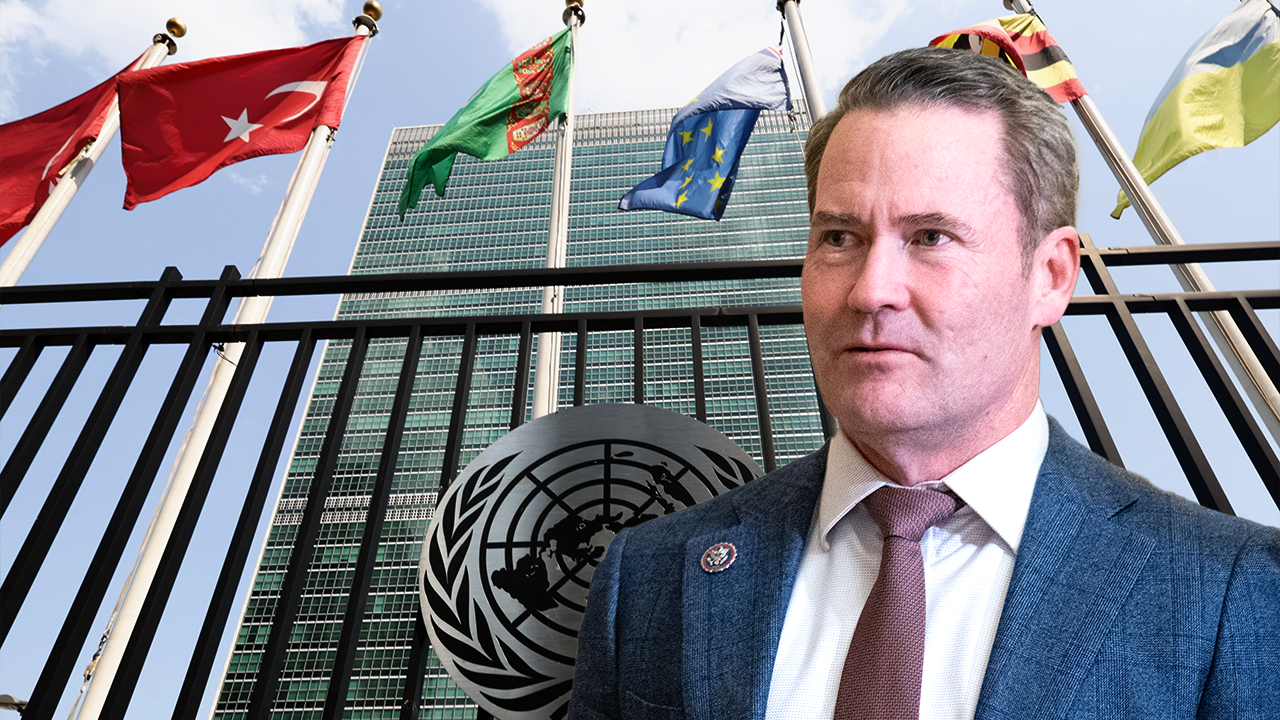
Waltz says Trump stripped Iran of ‘leverage’ with Strait of Hormuz blockade
U.S. Ambassador to the U.N. Mike Waltz details the U.S. strategy regarding Iran, asserting President Donald Trump has removed Iran’s economic leverage through the Strait of Hormuz blockade. Waltz emphasizes Iran must cease supporting terror and abandon its nuclear ambitions for normalcy. He notes the strong U.S. military presence, compelling Iran to engage in direct peace negotiations.
NEWYou can now listen to Fox News articles!
The United States is advancing a new United Nations Security Council resolution targeting Iran’s actions in the Strait of Hormuz as the administration seeks to reinforce its ongoing maritime operation with international backing.
U.S. Ambassador to the United Nations Mike Waltz said Monday the effort is designed to hold Iran accountable for mining international waters, threatening global shipping and attempting to disrupt one of the world’s most critical trade routes.
«The president and Secretary Rubio have instructed us to come to the Security Council in full cooperation and craft a resolution with Bahrain and the GCC countries,» Waltz said during a press briefing. «We’re working on a parallel effort at the Security Council that is separate and distinct from Project Freedom, but obviously related.»
«The resolution will involve holding Iran to account for its blatant violations of international law,» he added, including requiring Tehran to stop laying sea mines, disclose their locations and work with the United Nations to establish humanitarian corridors used by dozens of U.N. agencies to deliver aid globally.
RUSSIA, CHINA VETO UN RESOLUTION AIMED AT REOPENING STRAIT OF HORMUZ, HOURS BEFORE TRUMP DEADLINE
U.S. Ambassador to the United Nations Mike Waltz speaks during a United Nations Security Council meeting at U.N. headquarters in New York City on Feb. 28, 2026, following U.S. and Israeli strikes on Iran. (Heather Khalifa/Reuters)
The diplomatic push comes as U.S. forces moved Monday to secure commercial shipping through the strait under President Donald Trump’s Project Freedom. U.S. Central Command confirmed American forces sank six Iranian small boats threatening vessels, underscoring the fragility of the ceasefire and the ongoing risks to global energy flows.
Waltz framed the effort as part of a broader push to set a global precedent.
«We can’t set a standard that if two countries have a conflict … you can then embark on collective punishment for the economies of the rest of the world,» he said.
When asked by Fox News Digital about the broader implications of Iran’s actions, Waltz said the U.S. is working to ensure that international waterways cannot be weaponized.
IRAN SEIZES SHIPS IN HORMUZ AS US TALKS FALTER AFTER CEASEFIRE EXTENSION
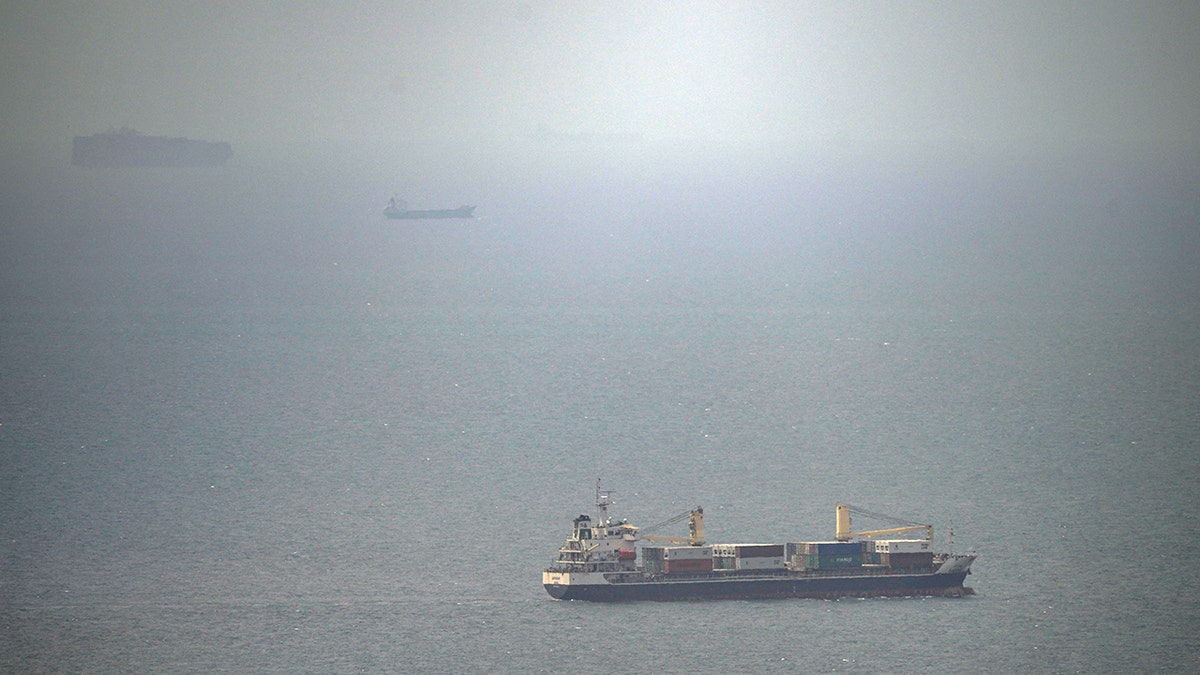
The United States is advancing a new United Nations Security Council resolution targeting Iran’s actions in the Strait of Hormuz. (AP Photo)
«You can’t start indiscriminately just throwing sea mines out into the ocean to sow doubt and fear into the international maritime community,» he said. «And you certainly can’t see it as a revenue source … no country has a right to punish the rest of the world as part of a conflict.»
He also pointed to the human toll of the crisis, noting that thousands of civilian mariners have been caught in the escalating tensions.
«These are captains, engineers, cooks, deckhands … they had no part in this conflict. They shouldn’t be forced to suffer,» Waltz said, adding that the administration is emphasizing the humanitarian aspect of ensuring safe passage and aid delivery.
Fox News Digital also asked whether the U.S. and its partners should look beyond securing the strait and consider long-term structural solutions to bypass it altogether.
«I know our Gulf partners and allies are seriously thinking through that,» Waltz said, referencing existing infrastructure such as Saudi Arabia’s East-West pipeline and export routes through the Gulf of Oman.
«I know they’re looking at additional alternatives to frankly diversify their pathways and diversify their economies,» he added.
CLICK HERE TO DOWNLOAD THE FOX NEWS APP
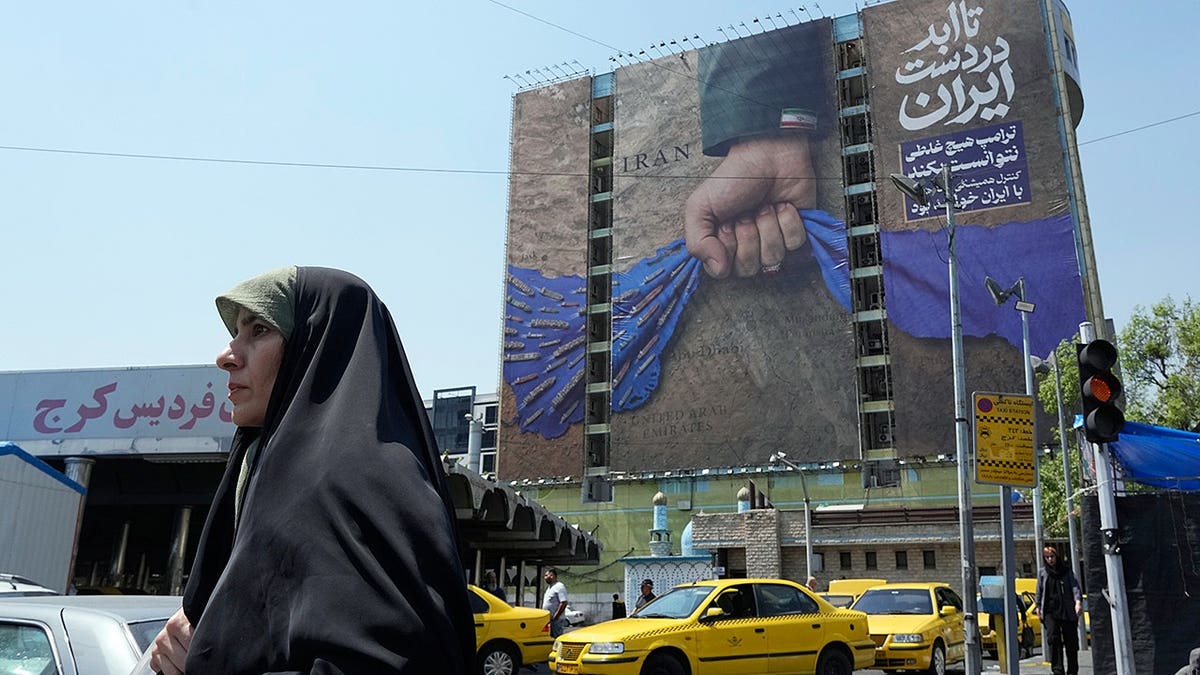
A woman walks past a billboard showing a military hand holding the Strait of Hormuz with Farsi text which reads, «In Iran’s hands forever,» «Trump couldn’t do a damn thing,» «The control of Strait of Hormuz will be Iran’s forever,» in Vanak Square, in northern Tehran, Iran, on April 16, 2026. (Vahid Salemi/AP)
While the U.S. military effort is focused on immediate stabilization, including guiding vessels and deterring Iranian harassment, Waltz stressed that the U.N. resolution is intended to address the broader international implications and prevent similar crises in the future.
Despite the push, questions remain about whether Russia and China will support the measure after a previous attempt in April failed to pass.
Waltz said the current proposal is narrower in scope and focused specifically on clear violations of international law, which he argued should make opposition less likely.
Fox News Digital reached out to the Iranian mission to the U.N. fo comment.
war with iran, united nations, security council, us navy, middle east, iran









INTERNACIONAL
Trump shares news of ‘crytal clear’ Reflecting Pool, calls for vandalism suspect’s arrest
Secretary Burgum condemns vandalism targeting National Mall amid new threats
Interior Secretary Doug Burgum reacts to a disturbing pattern of vandalism targeting the National Mall, including the Lincoln Memorial Reflecting Pool, which suffered significant damage. Burgum details the restoration efforts, the deployment of security and the arrest of seven individuals involved. He stresses that such acts are an attack on the country and will be prosecuted to the full extent of the law.
NEWYou can now listen to Fox News articles!
President Donald Trump and his Interior Department are declaring an America 250 victory over algae in the Lincoln Reflecting Pool.
Trump shared photos on Truth Social on Sunday showing the pool and the reflection of the Washington Monument appearing clear and blue, and made a call out with a «Wanted» poster for vandals.
«The U.S. Park Police is seeking the public’s assistance in identifying the individual in the notice below in connection with a Destruction of Government Property investigation related to the Reflecting Pool,» Trump wrote Sunday on Truth Social.
Trump also shared an Interior Department statement crediting «advanced nanobubbler technology» and National Park Service cleanup work.
FORMER US OLYMPIAN DAVID HEARN INDICTED IN ALLEGED REFLECTING POOL VANDALISM
President Donald Trump is touting the algae cleanup and the prosecution of vandals from the Lincoln Reflecting pool with the water proving clear and refective in this July 3 photo. (Finn Gomez/Getty Images)
«The advanced nanobubbler technology very effectively killed the algae that has plagued every Lincoln Reflecting Pool reopening — most infamously Obama’s reopening — since 1922,» Dei Gratia Minerals founder Greg Wischer, Interior’s deputy assistant secretary for land and minerals management, wrote in a letter shared with Interior Secretary Doug Burgum and Trump.
«The Reflecting Pool water is crystal clear, and our National Park Service team is now vacuuming up the dead algae resting on the bottom of some parts of the Reflecting Pool — just like the destroyed Iranian Navy resting on the bottom of the Persian Gulf.»
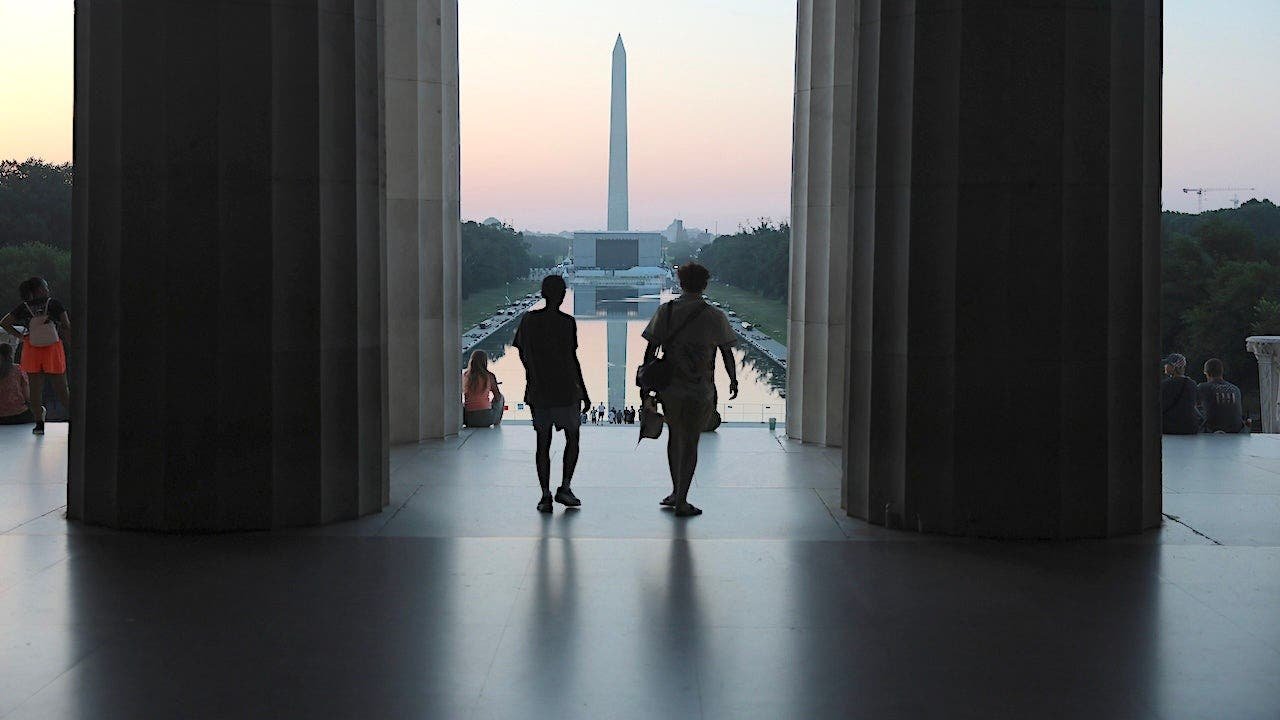
The photos shared by Trump show the Reflecting Pool stretching toward the Washington Monument under blue skies. One image appears to show the pool from the Lincoln Memorial end, while a second closer view shows the Washington Monument reflected in the water.
Trump also shared a U.S. Interior Press social media post hailing the technological success, quoting that Wischer memo.
YOSEMITE, GRAND CANYON LEAD NOTABLE LIST OF NATIONAL PARK CAMPGROUNDS FOR AMERICA’S 250TH
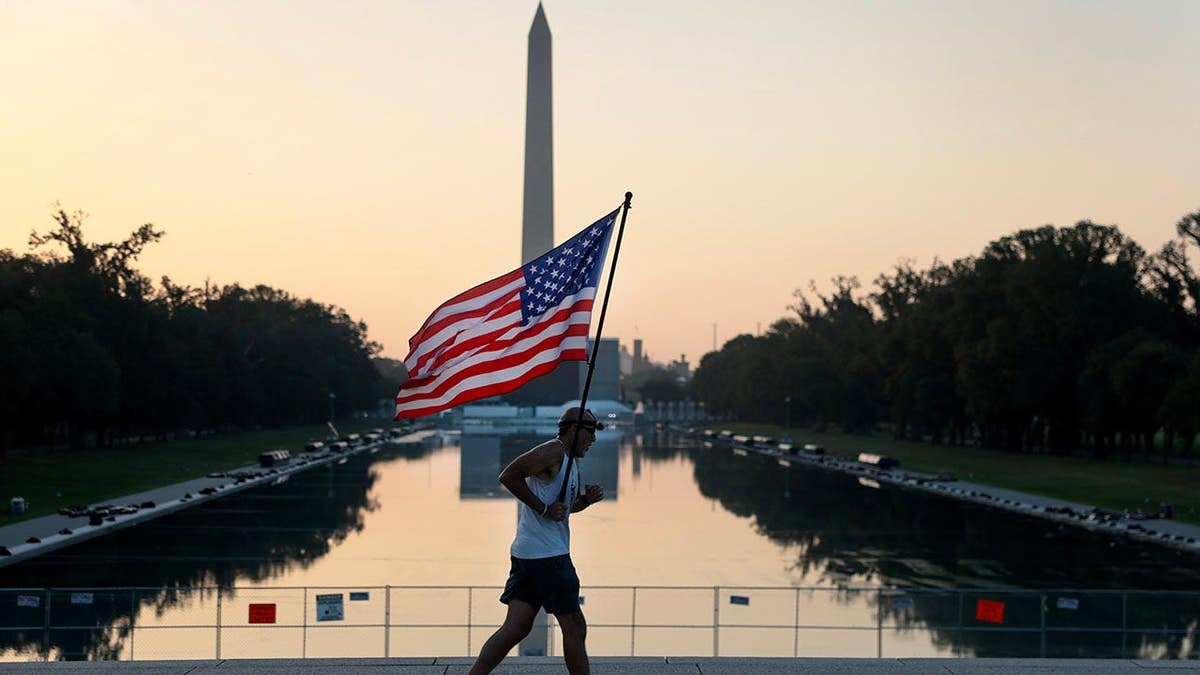
WASHINGTON, DC – JULY 03: Pete Folch carries an American flag during a morning run past the Reflecting Pool as the city prepares for July 4th festivities on July 03, 2026, in Washington, DC. A fireworks show will begin around 10:30 p.m on July 4th as the city deals with extreme heat warnings. (Photo by Joe Raedle/Getty Images) (Getty Images)
«The vacuuming is the final maintenance step after refilling the pool, and it will be complete in a few days,» his memo continued. «Already, the section of the Reflecting Pool closest to the Lincoln Memorial has been vacuumed up, and the beautiful American Flag Blue coating on the bottom of the pool can be seen clearly.»
Trump’s Interior Department has praised the technology for overcoming past challenges on keeping the pool clear, including dunking on former President Barack Obama.
«Previous administrations — most notably under Obama — failed to maintain the Reflecting Pool, and after refilling the pool, the water would quickly become murky and thick with massive clumps of algae floating on the surface,» the memo concluded.
INTERNAL EMAILS EXPOSE HOW JULY 4TH BASH IS BEING DERAILED BY DEM-RUN COUNTY: ‘OFFENSIVE’
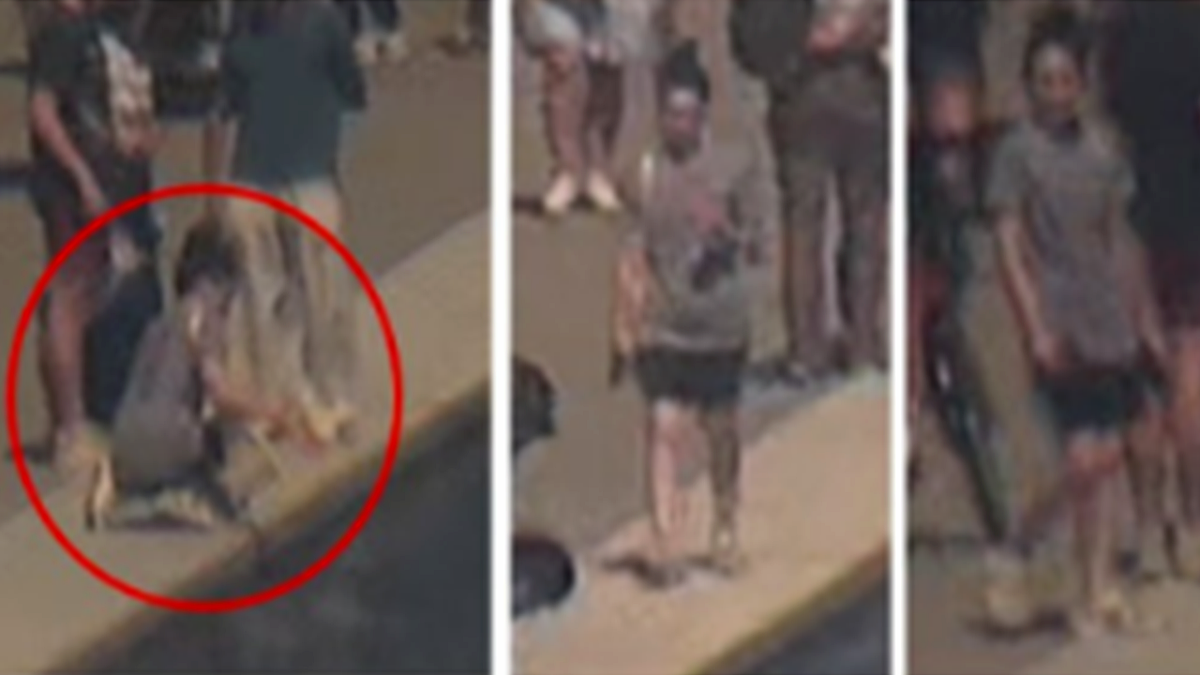
Police said the incident happened on Friday at around 3:36 p.m. at the Reflecting Pool on the grounds of the Lincoln Memorial in the nation’s capital. (U.S. Park Police)
«The photos below show how the nanobubbler technology and vacuuming have been incredibly effective, making the water crystal clear with the American Flag Blue coating shining brightly on the bottom of the pool.
«As our National Park Service team noted, the Reflecting Pool is now so ‘blue’ that the Fake News Media, which has been staked out at the Reflecting Pool for weeks, has fled!»
The 6.75 million-gallon pool has been targeted by Trump critics and leftist anti-Trump activists for attacks both verbally and physical, Burgum discussed with ABC’s «This Week» on Sunday.
«The Reflecting Pool has been a big success,» he said. «And we’ve got 340 million people in this country that are celebrating 250. We did have a few vandals, but all that’s going to be repairable, and that’ll all be fixed in the coming weeks as we go forward.»
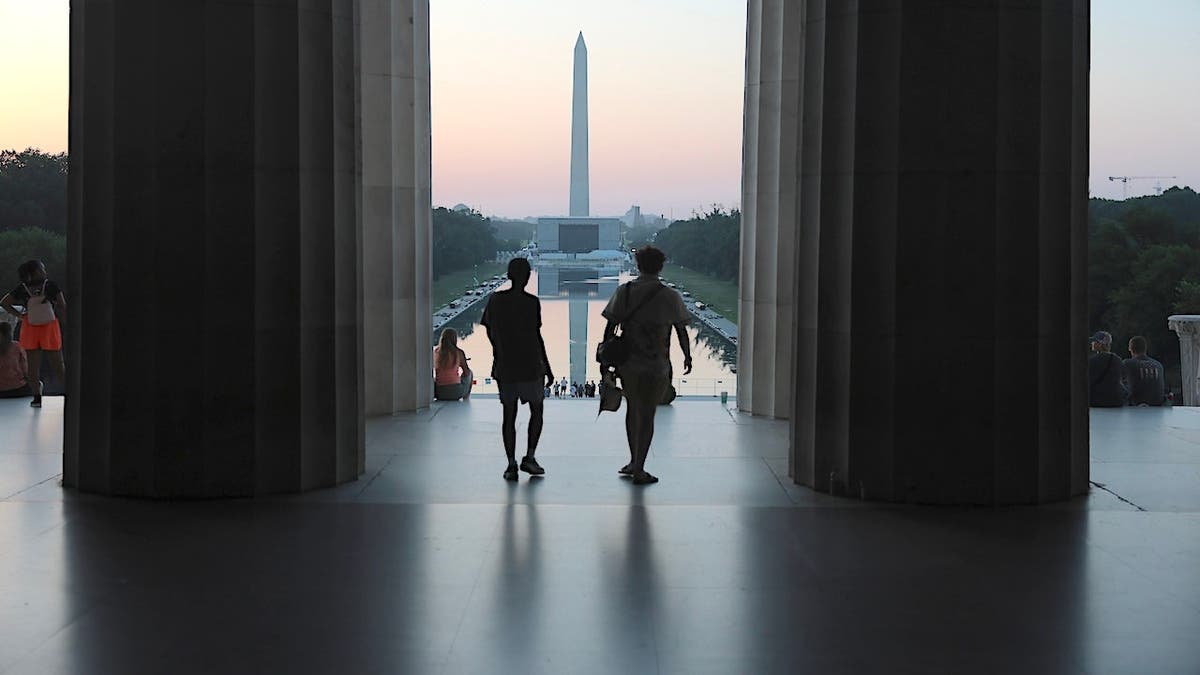
People look out at the Reflecting Pool and Washington Monument from the steps of the Lincoln Memorial ahead of July 4 festivities on July 03, 2026, in Washington, D.C. (Joe Raedle/Getty Images)
Burgum now believes that the pool might not require a full draining after its «multiple gashes that add up to 350 feet,» he added.
«We don’t know if we need to drain the whole thing or not because, you know, the cutting happened on the edge, and, of course, it slopes from the edge,» according to Burgum.
«We may be able to partially drain it and do the repair. To be able to fix it, we may not have to drain the whole thing, but it could go very quickly.»
CLICK HERE TO DOWNLOAD THE FOX NEWS APP
While the media and Trump critics are pointing to added costs of the reflecting pool refurbishment, Burgum pointed to the vandalism causing that.
«We weren’t expecting that we were going to have a small group of people that wanted to try to destroy effectively what is part of the Lincoln Memorial,» Burgum told ABC. «There’s plenty of cameras around the Lincoln statue and around the memorial, but the Reflecting Pool had gone for, you know, decades without vandalism.»
washington dc, donald trump, white house, lincoln, cabinet
INTERNACIONAL
Ola de calor en Europa: el fuego destruyó miles de hectáreas de bosque y advierten que la temporada de incendios «va a ser larga»

Los incendios en España: hay un detenido

Cientos de bomberos movilizados en Francia

Un desastre natural en Portugal

También hay focos en Grecia

Alertas por calor extremo en la región
«La temporada va a ser larga»

INTERNACIONAL
Newsom blames Trump for DOJ probe, but reports say investigation predates his administration
NEWYou can now listen to Fox News articles!
California Gov. Gavin Newsom’s claims that President Donald Trump’s Justice Department launched a politically motivated «fishing expedition» against him are facing new scrutiny after multiple reports indicated key federal investigations predate Trump’s second administration.
The timeline has emerged as a central point in the dispute. While Newsom argues the current Justice Department is weaponizing the investigations against a political rival, multiple news organizations, citing sources familiar with the matter, have reported that at least some of the investigative activity began before Trump returned to the White House.
According to CalMatters, at least two criminal investigations involving Newsom’s orbit have been underway for about a year in the U.S. Attorney’s Office for the Eastern District of California. The outlet, citing a Justice Department source familiar with the matter, reported the investigations originated from whistleblowers and local complaints in Sacramento, while one inquiry involving former Newsom chief of staff Dana Williamson was opened during the Biden administration. CBS News, Axios, the Financial Times and The Guardian have also reported similar timelines, citing sources familiar with the investigations.
Newsom has maintained that the current Justice Department has expanded or politicized the investigations, even as the reported chronology has fueled questions over whether the inquiries themselves originated under Trump’s administration.
WHAT TO KNOW ABOUT THE NEWSOM-LINKED CHARITIES REPORTEDLY CAUGHT IN DOJ’S SIGHTS
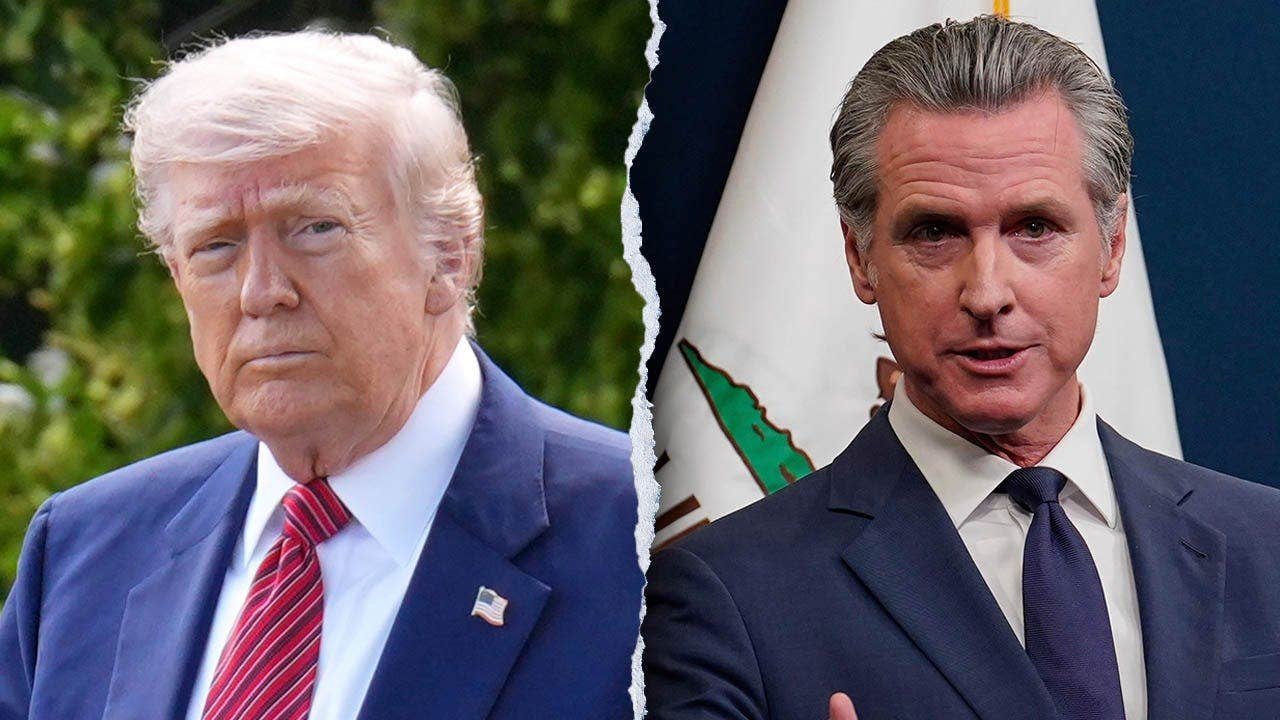
President Donald Trump and Gov. Gavin Newsom, D-Calif., have feuded throughout Trump’s second term so far. (AP Newsroom)
The outlet also reported that one investigation involving former Newsom chief of staff Dana Williamson was opened during the Biden administration. Williamson pleaded guilty earlier this year to corruption charges in a case that did not implicate Newsom. CBS News, Axios, the Financial Times and The Guardian have also reported, citing sources familiar with the investigations, that at least one federal inquiry began roughly a year ago and originated in California rather than at Justice Department headquarters in Washington.
Despite that reported timeline, Newsom has maintained that the current Justice Department is weaponizing the investigations in retaliation for his criticism of Trump and his national political profile, describing the inquiry as a politically motivated «fishing expedition.» His administration has also sought records through the Freedom of Information Act in an effort to determine who ordered or directed the current investigation.
ACTING AG TODD BLANCHE SAYS NEWSOM’S DOJ CLAIMS ARE NOT ‘GROUNDED IN FACT’
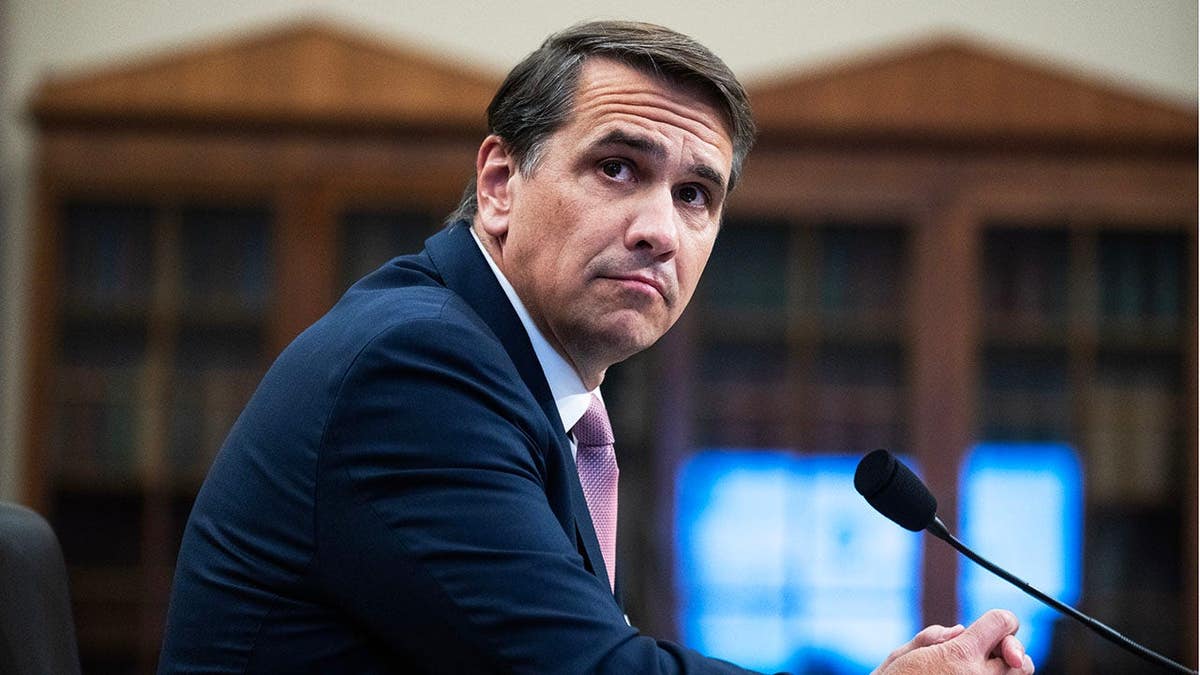
Acting Attorney General Todd Blanche has pushed back on Newsom’s claims that the DOJ’s investigations are politically motivated. (Tom Williams/CQ-Roll Call, Inc)
Acting Attorney General Todd Blanche pushed back on that characterization this week. While declining to comment on any ongoing investigations, Blanche told reporters he was «not sure [Newsom’s] words are in any way grounded in fact,» adding that the California governor «would have to address that.» Blanche did not confirm or deny whether any investigation exists.
Newsom’s office responded by mocking Blanche on social media, posting a meme captioned, «Why you always lyin,» while the governor’s press office said, «Trump goons know that it’s not a crime to lie to a reporter.»
SIGN UP TO GET THE POLITICS NEWSLETTER
According to CalMatters, Newsom’s office contends federal prosecutors expanded their inquiries after failing to build a case from the Williamson investigation, broadening their scrutiny to include Jennifer Siebel Newsom, the couple’s finances and their associates.
The outlet reported investigators have examined the first partner’s tax filings, nonprofit organizations and certain behested payments, though it did not allege those payments were unlawful.
CLICK HERE TO DOWNLOAD THE FOX NEWS APP
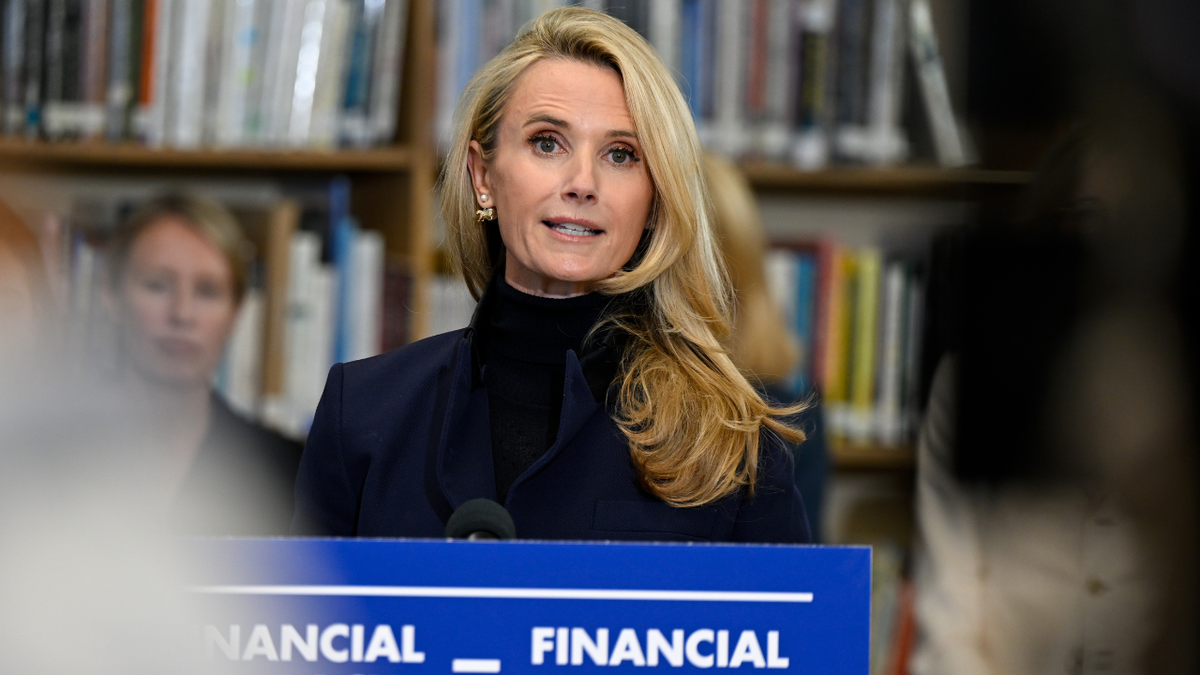
First partner Jennifer Siebel Newsom is among those whose finances and nonprofit organizations have reportedly been scrutinized in a federal investigation, according to CalMatters. (Getty Images)
Fox News Digital previously reported, citing federal sources, that investigators have opened inquiries involving Jennifer Siebel Newsom, but that Fox News had not learned of any federal investigation directly targeting Gov. Newsom himself.
The Department of Justice, the White House and Newsom’s office did not immediately respond to Fox News Digital’s request for comment.
politics, justice department, gavin newsom, donald trump

“Juntos de nuevo”: Antonela Rocuzzo compartió las imágenes del reencuentro de la familia con Messi en pleno Mundial

Trump shares news of ‘crytal clear’ Reflecting Pool, calls for vandalism suspect’s arrest

Qué acciones del Merval se preparan para un rally alcista: el pronóstico de reconocido broker

De las pistas al centro del Wandagate: quién es Franco Deambrosi, el piloto vinculado a la China Suárez

La figura que no llegaría a Boca Juniors en este mercado de pases

Economía a dos velocidades: el cambio estructural del modelo de Javier Milei, ventajas y riesgos

En medio de su separación, Magui Bravi contó por primera vez su traumático embarazo: «El parto fue de emergencia y…»

¿Se recupera el mercado de los autos?: qué muestran los números de las cinco marcas que más 0 km venden en el país

Construir los cimientos de la Inteligencia Artificial: los desafíos de la infraestructura del futuro