INTERNACIONAL
Bipartisan lawmakers want to strip Big Tech’s legal immunity that can shield social media companies

NEWYou can now listen to Fox News articles!
It was the mid-1990s. And the world was online.
No doomscrolling for hours through Instagram and X.
But people were plowing through GeoCities. There were Hotbot searches – before the days of Google and AI. There was even Ask Jeeves, long before Grok.
The U.S. Capitol building is shown in Washington, D.C. A Romanian man admitted to participating in a series of «swatting» calls that targeted members of Congress, as well as other government officials. (Heather Diehl/Getty Images)
Congress was on the precipice of adopting a landmark telecommunications law which would dictate the digital landscape for decades.
When signing the Telecommunications Act of 1996 into law, former President Clinton declared how the measure would plow «a superhighway to serve both the private sector and the public interest.»
RAND PAUL SAYS PERSONAL EXPERIENCE WITH YOUTUBE AND GOOGLE CHANGED HIS MIND ABOUT PLATFORM LIABILITY
Yup. Back then, some still referred to the internet as «The Information Superhighway.»
The 1990s were heady. Full of optimism and possibility. The. U.S. won the Cold War. The economy boomed and was «new.» The internet linked the world.
But there was a serious debate about free speech. Who should regulate what was online? Should the Federal Communications Commission (FCC) address what was proper to post, the same way it oversaw the TV and radio airwaves?
In the early ‘90s, the National Security Agency (NSA) used a cryptographic backdoor to intercept phone calls called the «clipper chip.» That raised questions about government surveillance. Would that carry over to what the government «watched» when people posted content online?
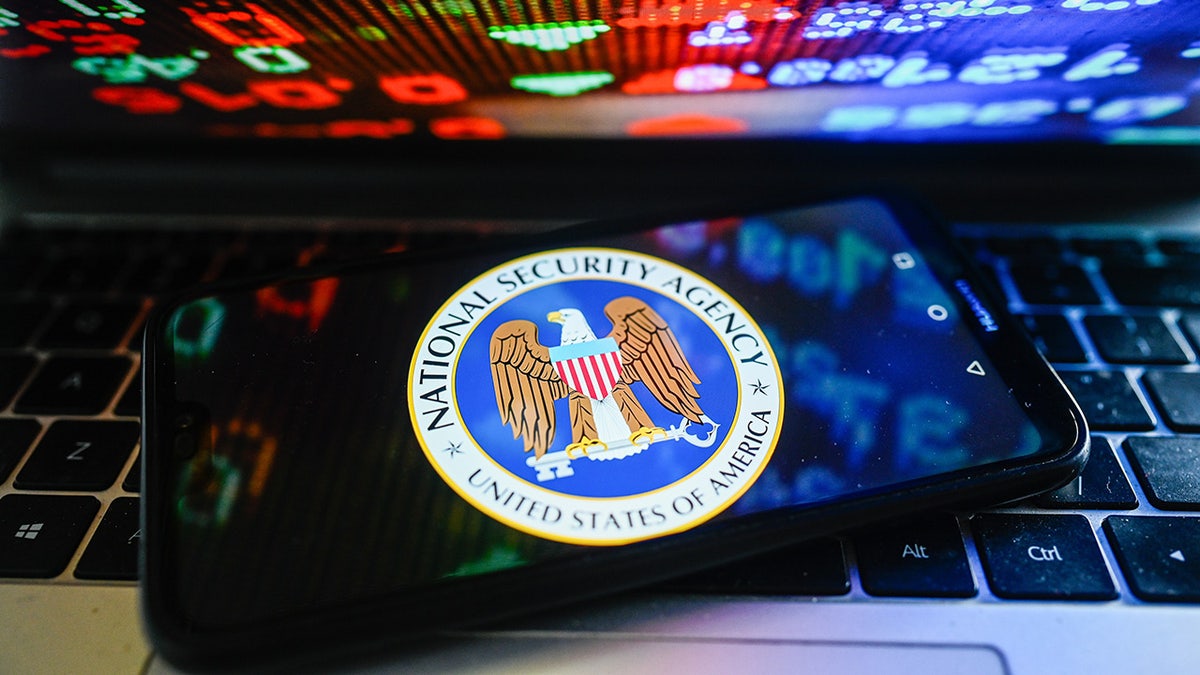
A U.S. National Security Agency logo is displayed on a smartphone screen with stock market percentages in the background in this photo illustration on Jan. 30, 2024, in Poland. (Omar Marques/SOPA Images/LightRocket/Getty Images)
Congress ultimately decided to give the internet a lot of leeway – in the interest of free speech. Telecommunications firms persuaded lawmakers to grant them a legal shelter. «Carriers» weren’t responsible if «customers» posted questionable or offensive material.
«We said that the FCC would not regulate either the content or the character of the internet,» said then- Rep. Chris Cox (R-Calif.) during a 1995 floor debate. «We can’t have the government in the interest of uniformity coming up with standards to regulate this industry.»
Cox was a key player behind shaping policy in that 1996 telecommunications law. So was then-Rep. and now Sen. Ron Wyden (D-Ore.).
«The internet is the shining star of the information age,» proclaimed Wyden in 1996.
RULING AGAINST META AND GOOGLE COULD SET THE STAGE FOR CHANGES IN HANDLING HATE CONTENT
But the Oregon Democrat fretted about some of the filth which was already permeating the internet in its earliest renditions.
«My wife and I have seen our kids find their way into these chat rooms which make their middle age parents cringe,» said Wyden.
But like Cox, Wyden feared that «censorship could really spoil much of its promise.»
So they fought to keep some government regulation out of the telecommunications law. And they inoculated internet providers with something called «Section 230» of that law. Section 230 shielded telecom firms with immunity from lawsuits and criminal charges based on what customers posted on their forums.
Rep. Jay Obernolte (R-Calif.) described the logic behind Section 230 and the role of service providers:
«If you, as a public service, put up a billboard in a hall and someone puts something on the billboard that says, ‘Congressman Obernolte beats his wife,’ the owner of the billboard is not responsible for the content of that message,» said the California Republican.
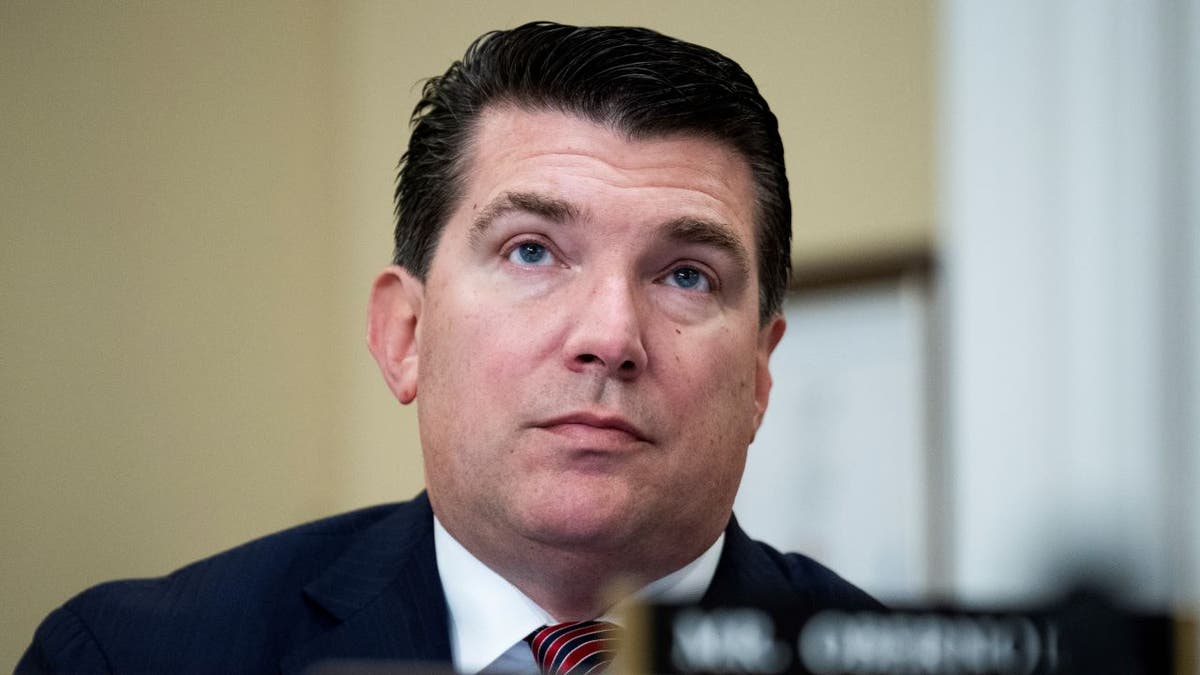
Rep. Jay Obernolte, R-Calif., attends a House Natural Resources Subcommittee on National Parks, Forests, and Public Lands hearing on the 9/11 Memorial and Museum Act and other legislation in the Longworth Building on Dec. 7, 2021. (Tom Williams/CQ-Roll Call, Inc/Getty Images)
But lots of people and entities post all sorts of things on today’s worldwide «billboard.» That’s why some lawmakers want to fundamentally alter social media as we know it by paring back Section 230.
«Section 230 is absolute liability protection, immunity for the largest social media companies in the world. It’s driving people to suicide. It is ruining our society,» said Sen. Lindsey Graham (R-S.C.), one of the most ardent advocates for changing the law. «If you buy a bad car, you can sue. Every product you buy, the company has to stand behind it. This is the only area of the law I know where the largest companies in the world have absolute legal immunity.»
Graham went as far to suggest that what is available online – and how people use social media – is «as dangerous as drinking.»
WHY META AND GOOGLE ARE LOSING COURT BATTLES FOR DAMAGING KIDS BY TRYING TO GET THEM ADDICTED
«It’s putting profits over people,» chimed in Sen. Richard Blumenthal (D-Conn.). «(Social media) should not have this absolute shield when it is destroying the lives of young people by driving toxic content at them through its algorithms.»
Bipartisan lawmakers are boiling about what social media firms allow users to post without legal consequences – even though Congress is partially responsible for creating this problem three decades ago.
«As long as these companies believe they’re immune from liability, they’re going to tell all of us to go to hell,» said Graham.
UNDER OATH, META’S ZUCKERBERG SHOWED WHY BIG TECH CAN’T POLICE ITSELF
Some lawmakers want to strip legal immunity from Big Tech for what winds up on their platforms.
«What we ought to do is start by allowing victims of child porn and other child abuse material and sexual abuse material to sue these companies,» said Sen. Josh Hawley (R-Mo.)
Lawmakers believed that enhanced opportunities for voices and speech would enable the internet to flourish. They argued that the free market would create a rich environment online. So they sidelined their instincts to overregulate.
«Government is going to get out of the way and let parents and individuals control it rather than government doing that job for us,» said Cox in 1995.
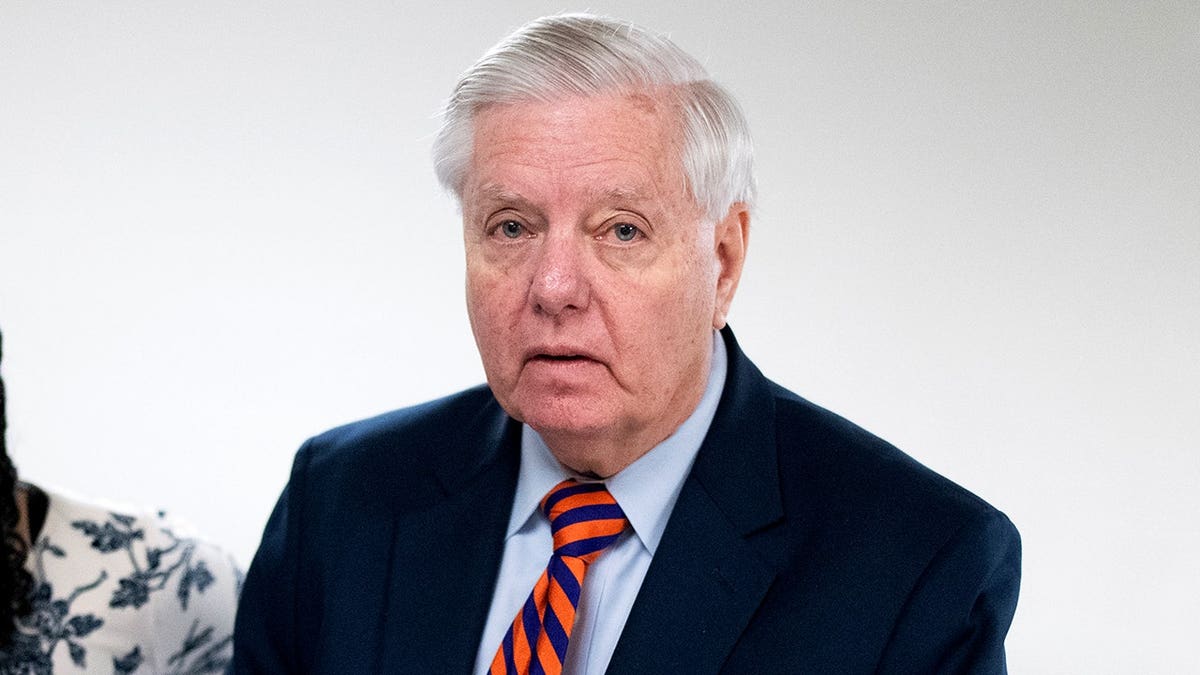
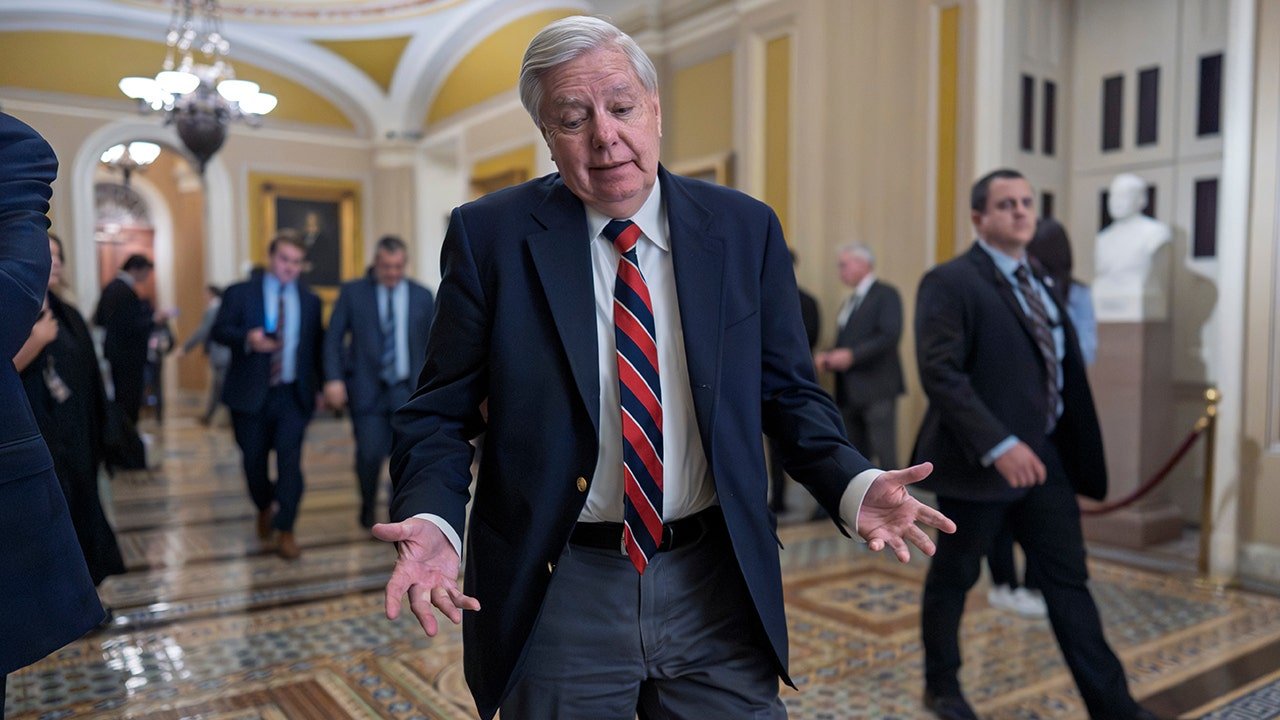
Sen. Lindsey Graham, R-S.C., talks with reporters in the U.S. Capitol during votes on Tuesday, March 10, 2026. (Tom Williams/CQ-Roll Call, Inc via Getty Images)
But lofty hopes for a lush «marketplace of ideas» online are dashed by some of the digital slop – and addictive nature of «phones» today.
«You talk to people and they’re scared to death of social media. They’re scared to death of AI,» said
Sen. Rick Scott (R-Fla.).
That’s why lawmakers demand changes to Section 230.
One lawmaker says free speech safeguards are crucial for the people deciding what users see online. But not the technology behind it. Today, the technology makes many of those decisions about what we see and hear on our phones.
«If you just have an algorithm spewing all this information..» sighed Rep. Ro Khanna (D-Calif.). «The First Amendment doesn’t protect an algorithm.»
In 1996, Ron Wyden told C-SPAN during an interview that «censorship could really spoil much of (the internet’s) promise.»
And in 2026, Wyden is still leery of infringing on free speech through regulation. He says the hands-off approach helped the development of Wikipedia and the social media platform Bluesky. A more aggressive posture could stifle development.
«To get rid of (Section) 230, you’re going to have to roll over me,» said Wyden this year.
CLICK HERE TO DOWNLOAD THE FOX NEWS APP
In 2026, people are struggling to harness the technology. Trying to ween themselves off addiction to phones. Figuring out ways to keep kids from phones in order to build reading and vocabulary skills.
The digital optimism of the mid-1990s is gone. And those who were there are nostalgic for the sound of an old, staticky modem and the delightful proclamation that «you’ve got mail.»
first amendment, big tech backlash, technology, fcc, regulation, politics












INTERNACIONAL
Tragedia en España: turistas calcinados en sus autos, desaparecidos y evacuados en el peor incendio en Andalucía
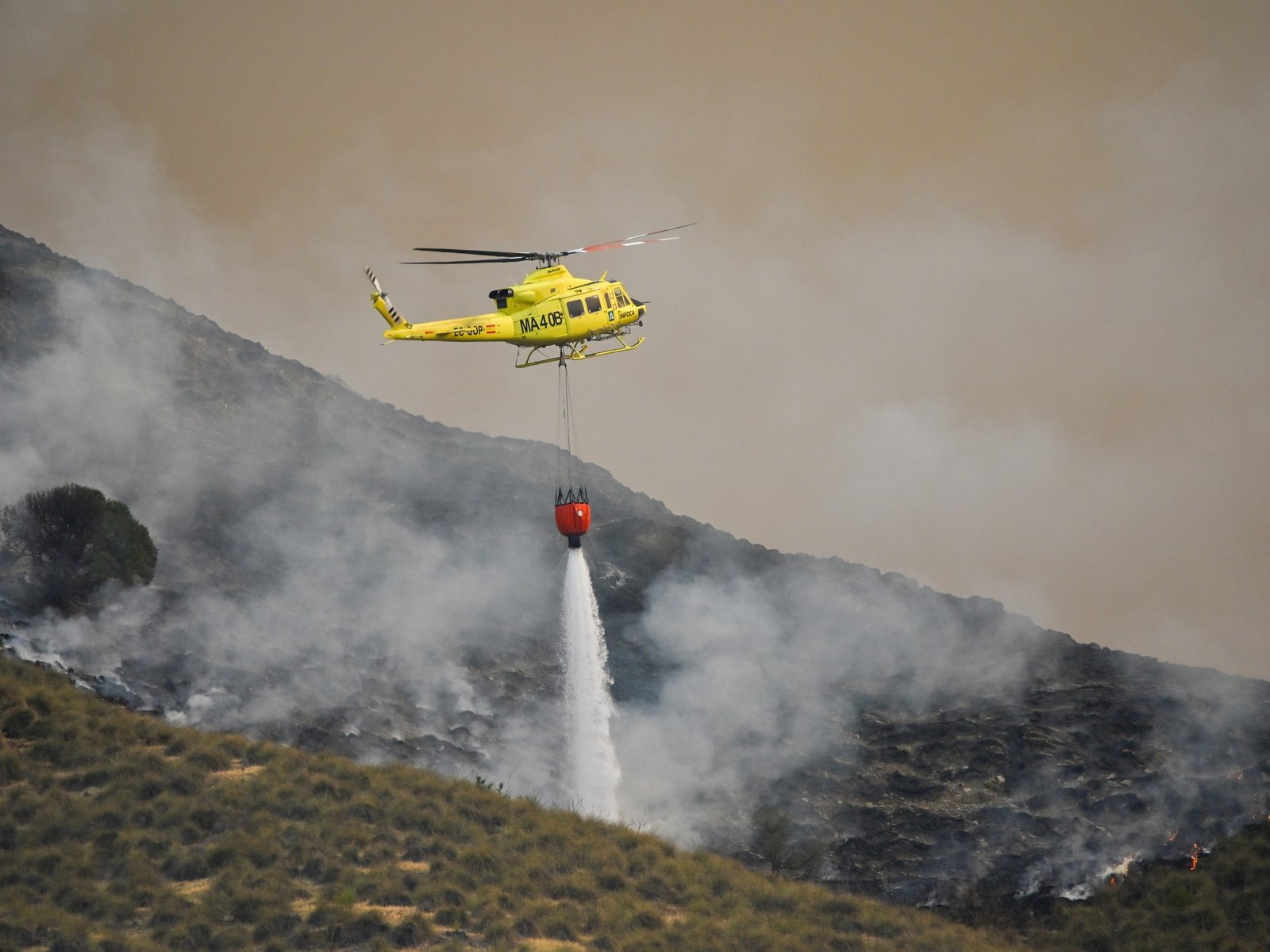
Cómo se desató el fuego
Destino favorito de los británicos
¿Por qué no se envió una alerta a los celulares?
INTERNACIONAL
Mamdani’s wife co-hosts luxe Muslim retreat casting Virgin Mary as ‘Palestinian woman’ under occupation

NEWYou can now listen to Fox News articles!
The wife of New York City Mayor Zohran Mamdani, Rama Duwaji, is reportedly co-hosting an Islamic Women’s «spiritual wellness» retreat on the swank French island of Corsica that frames the Virgin Mary as a «Palestinian woman» under occupation.
«She is the only woman mentioned by name in the Qur’an — mentioned 34 times — and the only one to have an entire chapter revealed in her name,» reads The Women Sanctuary website referring to Mary. «Surah Maryam. Her story is not only one of divine motherhood, but of unwavering faith, sacred retreat, and total devotion to Allah.»
The Virgin Mary is the most revered woman in Christianity, venerated as the Mother of Jesus, and is also revered in Islam as Maryam.
Mamdani drew national attention for running as a Democratic socialist in New York City, while also facing backlash over his pro-Palestinian positions and far-left immigration views. When he took office in January 2026, Mamdani became the first New York City mayor to be sworn in on a Quran. His wife, a Syrian American artist, has also faced scrutiny over her outspoken pro-Palestinian activism.
ZOHRAN MAMDANI’S WIFE SKIPS AMERICA 250 FOR ISLAMIC ‘SPIRITUAL WELLNESS’ RETREAT IN SPAIN
Democrat Mayor Zohran Mamdani becomes the first Muslim mayor of New York City, with the inauguration ceremony at City Hall, Manhattan, New York City, United States on Jan. 1, 2026. (Selcuk Acar/Anadolu via Getty Images)
The New York Post reported that Duwaji previously traveled to Mallorca, Spain, for The Women’s Sanctuary’s sold-out «Plants of the Quran» retreat over the Fourth of July holiday, where she was described as the group’s «artist in residence» and one of the gathering’s hosts.
«Nothing says ‘America 250’ quite like skipping the celebration for a Mediterranean vacation, but I am not surprised because she has made her hatred for America very evident,» Councilwoman Joann Ariola, R-Queens, told The Post in response to that event.
The Women Sanctuary describes itself as a women’s retreat organization rooted in Islamic tradition and spiritual renewal, offering retreats in Mediterranean destinations.
The Women’s Sanctuary website does not explicitly list Duwaji as a co-host for the current event in France. The New York Post reported she would co-host the «Mary In The Quran» retreat from Thursday to July 14 in a sold-out event. The cost of the retreat starts at just over $4,000 per attendee, according to its website.
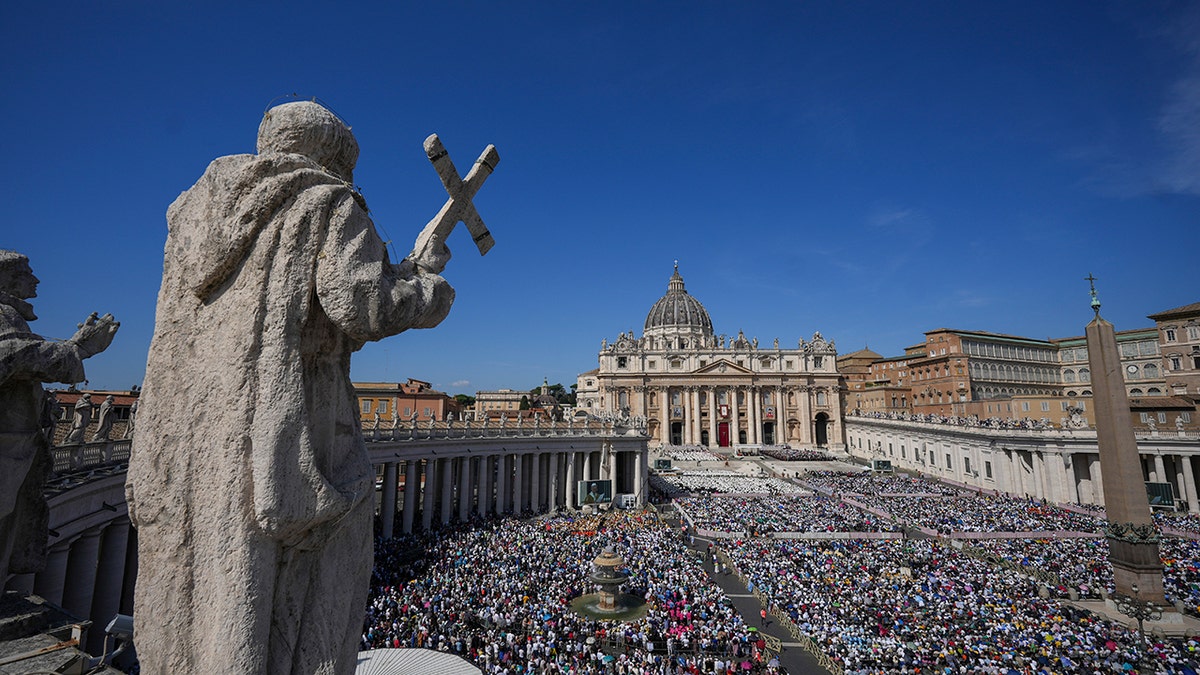
The Vatican announced it will not participate in President Trump’s Gaza recovery board. (AP Photo/Andrew Medichini)
The New York Post first reported Duwaji’s participation in the pair of retreats when she was seen at Newark International Airport in New Jersey boarding a flight to Mallorca’s capital city over the patriotic holiday weekend. Photos of Duwaji at the airport were posted by conservative commentator and comedian Arynne Wexler.
The retreat in France includes daily organic meals made with locally sourced ingredients, communal prayers, devotional practices, lectures, and workshops centered on spiritual renewal and mindful reflection. Participants also receive and have free time to pray, meditate, journal, relax by the pool, or explore the island, blending «guided learning» with «personal reflection,» according to the website.
MAMDANI’S WIFE ‘TRULY SORRY’ FOR CONTROVERSIAL ANTI-ISRAEL SOCIAL MEDIA POSTS

Mayor Zohran Mamdani, left, stands with his wife, Rama Duwaji, during his inauguration ceremony, Thursday, Jan. 1, 2026, in New York. (Andres Kudacki/AP Photo)
Duwaji publicly apologized in April for offensive posts she made as a teenager, saying she was «truly sorry» for the hurt they caused, though she did not specify which posts she was addressing. The Washington Free Beacon previously reported that Duwaji had shared anti-Israel posts on Tumblr, including a September 2017 post featuring a photo of Palestinian militant Leila Khaled.
MAMDANI BLASTS ICE AGENTS, ELON MUSK AND ‘SUPREMACY’ IN AMERICA 250 SPEECH AHEAD OF JULY 4 WEEKEND
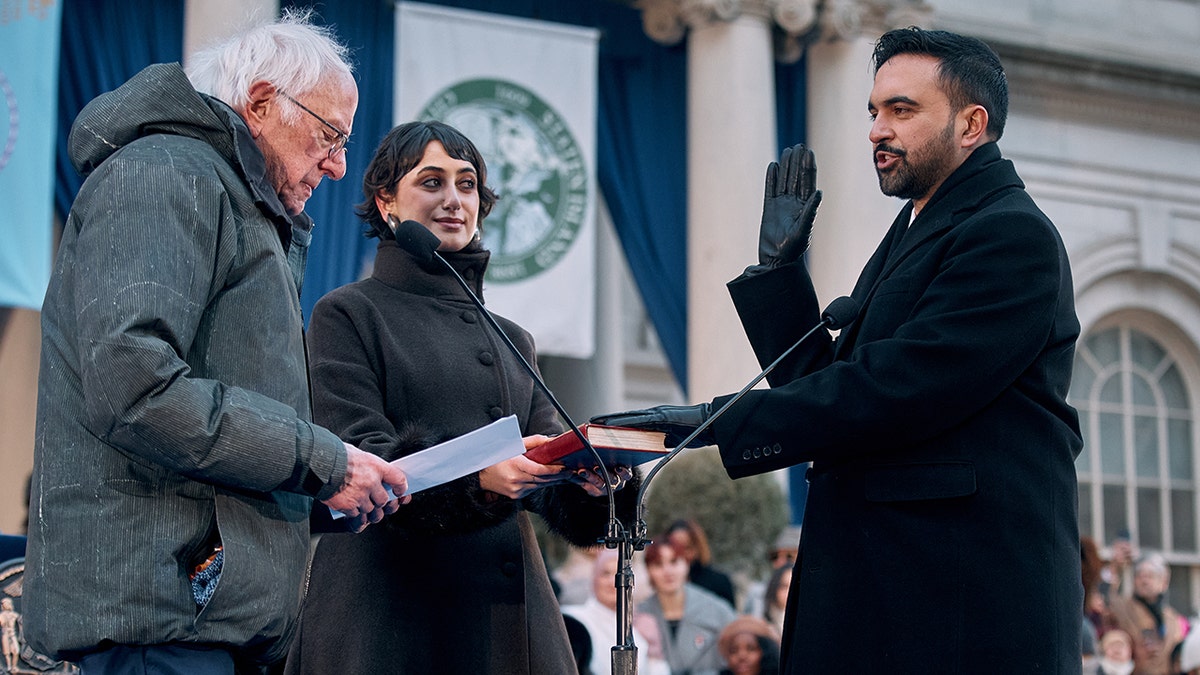
U.S. Sen. Bernie Sanders, I-Vt., left, administers the oath of office to Mayor Zohran Mamdani, right, as Rama Duwaji, center, holds the Quran during Mamdani’s inauguration ceremony, Thursday, Jan. 1, 2026, in New York. (Andres Kudacki/AP Photo)
CLICK HERE TO DOWNLOAD THE FOX NEWS APP
Fox News Digital reached out to Mayor Mamdani’s office and The Women Sanctuary for comment.
zohran mamdani, islam, religion us, politics, new york city
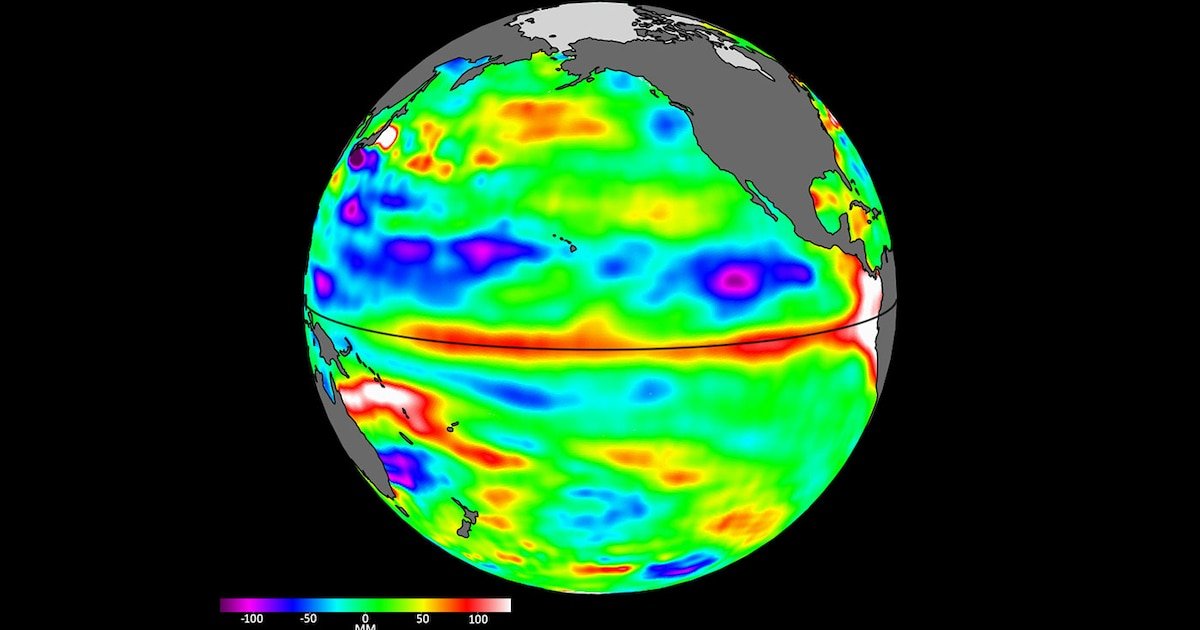
La Organización Meteorológica Mundial (OMM), cuya secretaria general es la científica argentina Celeste Saulo, advirtió que el fenómeno de El Niño ya está presente y se intensificará hacia un episodio fuerte entre julio y septiembre, con riesgo de olas de calor, sequías y lluvias intensas en todo el mundo.
Una nueva investigación publicada en la revista Science Advances llegó con una propuesta que abre un debate científico y ético sin precedentes: las simulaciones sugieren que aclarar artificialmente las nubes sobre el Pacífico sur podría debilitar ese mismo fenómeno antes de que cause sus peores estragos.

La técnica propuesta se llama aclaramiento de nubes marinas y consiste en inyectar aerosoles, partículas muy pequeñas, en la atmósfera baja para que las nubes reflejen más luz solar y enfríen el océano.
El estudio fue liderado por Jessica Wan, de la Institución Scripps de Oceanografía de la Universidad de California en San Diego, junto con John Fasullo, Nan Rosenbloom y Chih-Chieh Chen, del Centro Nacional de Investigación Atmosférica de Estados Unidos, y Katharine Ricke, de la Escuela de Política Global y Estrategia de la Universidad de California en San Diego.

El Niño-Oscilación del Sur (ENSO, por sus siglas en inglés) ocurre cuando los vientos alisios se debilitan y las aguas del Pacífico oriental se calientan por encima de lo normal.
Eso desata efectos a distancia llamados teleconexiones: alteraciones del clima que golpean regiones muy alejadas, desde sequías en Australia hasta inundaciones en América del Sur. Un solo episodio puede costar billones de dólares a la economía global.
El Centro Nacional de Predicción del Clima de los Estados Unidos alertó el jueves 9 de julio que “existe un 81% de probabilidad de que se presente un El Niño muy fuerte durante el período de octubre a diciembre de 2026″.
Podría ubicarse entre los eventos de El Niño más grandes en el registro histórico que data desde el año 1950.

Ningún estudio anterior había evaluado si la geoingeniería solar podía usarse para intervenir directamente sobre El Niño en escala estacional.
Los investigadores partieron de una pista concreta: los aerosoles de los incendios de Australia de 2019-2020 aclararon las nubes del Pacífico sur y contribuyeron a desencadenar una La Niña —el fenómeno opuesto, con enfriamiento de las aguas ecuatoriales— que duró varios años. Si el fuego lo hizo, la pregunta fue si podría hacerse a propósito.

Los investigadores simularon seis estrategias sobre los El Niños de 1997-1998 y 2015-2016, al variar cuándo empezaba y cuánto duraba la intervención.
La más intensa —de junio a febrero— redujo la temperatura del mar en 1,88 grados durante el El Niño de 2015-2016, “prácticamente restaurando condiciones neutras del ENSO al final del pico del evento”, según el equipo científico.
En las simulaciones, el aclaramiento de nubes marinas redujo el calor y las lluvias excesivas en la mayoría de las regiones que El Niño suele golpear.
La caída en el índice que mide los daños económicos sugirió “el potencial de grandes beneficios económicos globales”.

El debate científico surge porque la técnica funcionó mejor para combatir el calor y la lluvia que para revertir el frío y la sequía, así que sus beneficios no llegan a todos por igual.
Los riesgos climáticos son tan reales como los beneficios.
El estudio detectó un calentamiento sobre Europa y Asia en zonas que El Niño normalmente no toca, lo que significa que la técnica crearía un problema nuevo donde antes no había ninguno.
Las estrategias más largas también adelantaron y amplificaron La Niña posterior, con potencial de generar daños propios en otras regiones.

El debate ético es el más difícil. Si el aclaramiento de nubes marinas se aplica cuando El Niño no llega a desarrollarse, se podrían generar consecuencias climáticas no deseadas sin ningún beneficio que las justifique.
Los investigadores advirtieron que esos casos “presentan riesgos éticos que deben considerarse con cuidado antes de cualquier implementación futura” y propusieron repetir las simulaciones con distintos modelos y extenderlas a eventos más moderados, que son los más frecuentes y difíciles de predecir.
océano Pacífico,nubes estratocúmulos,albedo,reflexión solar,vista aérea

Oficial: Jorge Jesús, nuevo seleccionador de Portugal

Nueva etapa de Milei y la elección del 2027, bajo la lupa de 45 fondos de inversión

Javier Milei defendió su proyecto para limitar el gasto del Estado y desafió a la oposición

La diputada De la Sota denunció al ministro de Salud ante la justicia federal por incumplir un fallo

Cómo el cerebro anticipa y responde a los saques más veloces del tenis

El novio de Cinzia asumió su error que provocó la sanción de Gran Hermano: “Quiero dar la cara porque me la mandé”

Ojo con las multas de tránsito: las más caras llegan a $3.8 millones

Mora récord: Caputo aseguró que bancos privados están rescatando a sus clientes con préstamos al 25% anual

Portugal vs España: formaciones, hora y dónde ver por tv

¿Conviene un plazo fijo? Esto ganás con $1 millón y las tasas de cada banco

 ECONOMIA3 días ago
Mora récord: Caputo aseguró que bancos privados están rescatando a sus clientes con préstamos al 25% anual
- ECONOMIA3 días ago
Inédito: la billetera de una petrolera rinde más que usar Mercado Pago o invertir en plazo fijo
- ECONOMIA3 días ago
El fabricante de Nike y Adidas cierra su última planta en la Argentina y despide a sus 150 trabajadores