INTERNACIONAL
Trump responds to reports FDA chief Mark Makary could be fired: ‘Know nothing about it’

NEWYou can now listen to Fox News articles!
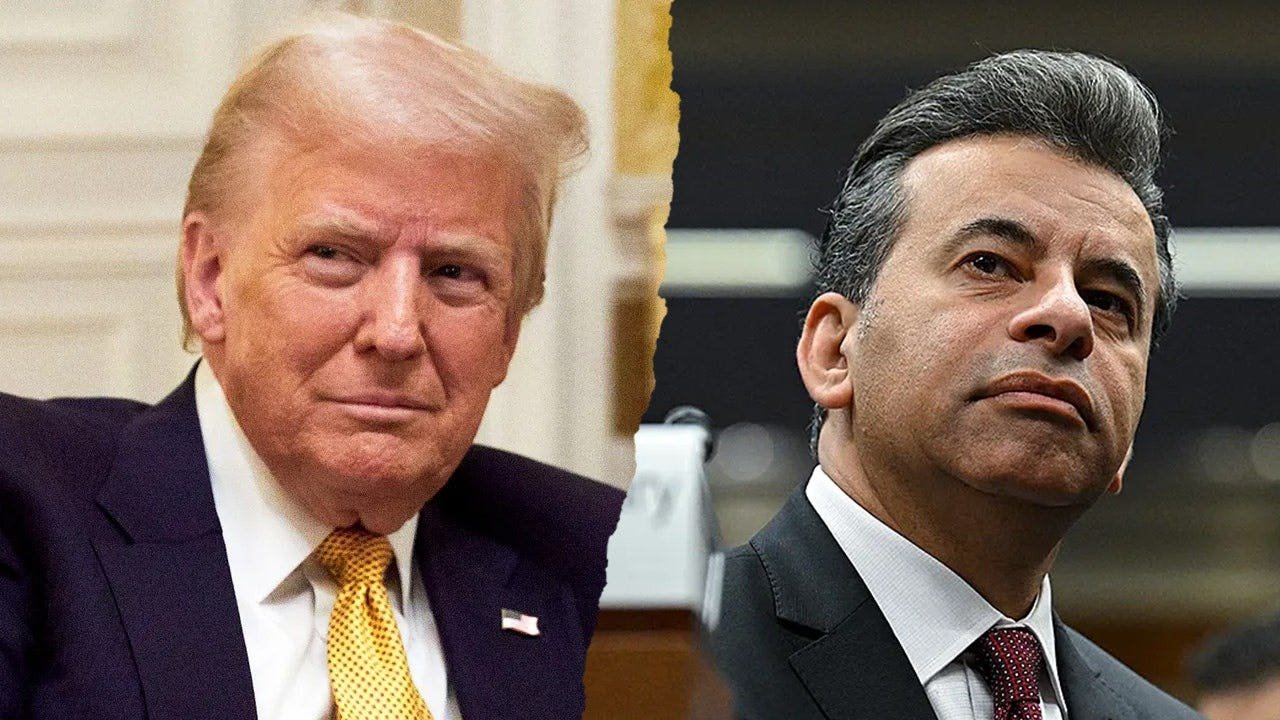
President Donald Trump downplayed reports that he was getting ready to fire Food and Drug Administration (FDA) Commissioner Marty Makary while speaking to reporters Friday.
«I’ve been reading about it, but I know nothing about it,» Trump said in response to a question about Makary’s potential firing. When asked what’s going on with Makary, Trump responded «nothing much.»
Initial buzz about a possible Makary ouster started circulating when The Wall Street Journal reported Tuesday that Trump had pressured Makary to fast track approval for flavored nicotine vapes.
Makary, according to WSJ, pushed back on the request, drawing Trump’s ire.
The friction pushed Trump to sign off on a plan to fire Makary, WSJ reported Friday.
TRUMP FDA NOMINEE TURNS VACCINE QUESTION ON DEM, RECALLING CONTROVERSIAL BIDEN DECISION
President Donald Trump and Health and Human Services Secretary Robert F. Kennedy Jr. look on as Food and Drug Administration Commissioner Dr. Marty Makary delivers remarks during an announcement on significant medical and scientific findings for America’s children in the Roosevelt Room of the White House in Washington, D.C., on Sept. 22, 2025. (Andrew Harnik/Getty Images)
Trump did not confirm the WSJ reporting, instead telling reporters «no, no» when asked if he was bringing in a new FDA head.
Makary has been embroiled in a number of controversies since being confirmed as the FDA head in March 2025.
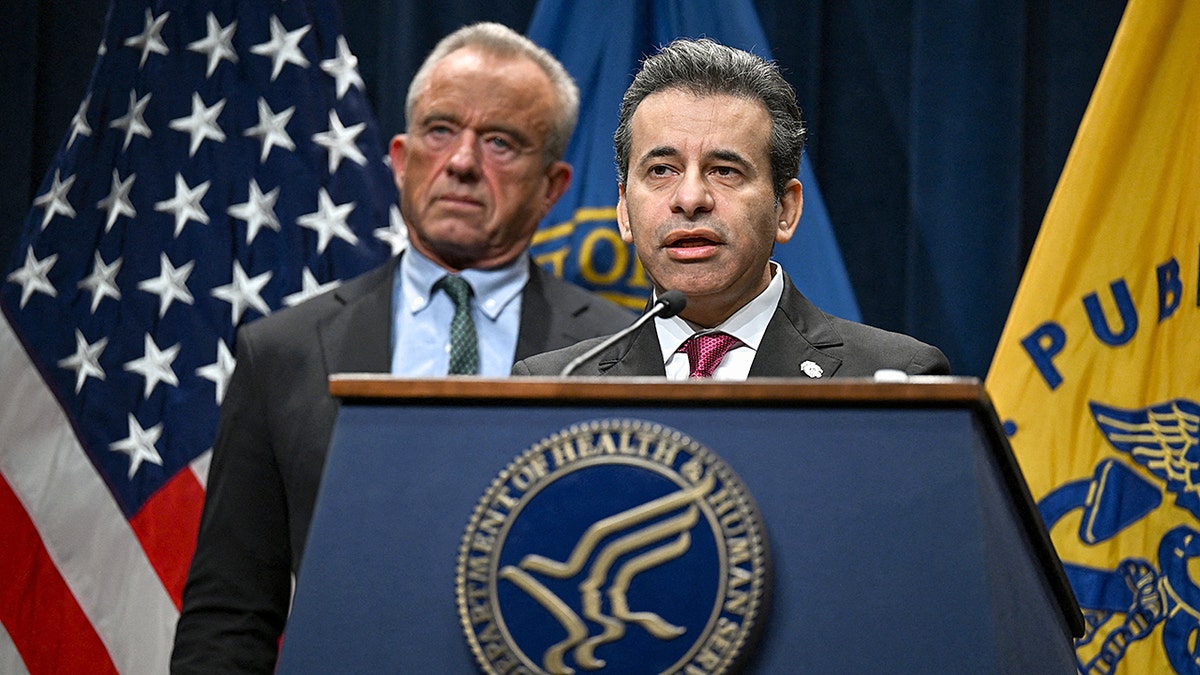
Food and Drug Administration Commissioner Marty Makary speaks during a press conference with Secretary of Health and Human Services Robert F. Kennedy Jr. at the Department of Health and Human Services in Washington, D.C., on Oct. 29, 2025, discussing administration’s plans to lower drug costs. (Annabelle Gordon/REUTERS)
Pro-life activists have accused the former oncology surgeon of slow-walking a safety review for abortion pill mifepristone.
PRO-LIFE GROUP FINDS BIDEN-ERA FDA POLICY IS DRIVING 500 ABORTIONS PER DAY, SAYS TRUMP HAS POWER TO END IT
«This is a five-alarm crisis for the pro-life movement and for the GOP,» SBA Pro-Life America president Marjorie Dannenfelser said in a statement calling for Makary’s firing.
«The GOP cannot win without its base and simply will not get the enthusiasm that drives turnout without leadership from the top,» she wrote.
Pharmaceutical and biotech firms have also opposed Makary. John Crowley, the head of the biotech trade group, Biotechnology Innovation Organization (BIO), condemned some of Makary’s personnel cuts in a recent op-ed.
«Some of the administration’s recent efforts to reform the federal government through aggressive and often indiscriminate personnel cuts have lacked the strategic insights necessary to modernize and reform our nation’s health care agencies, especially the FDA,» Crowley wrote.
‘FOOD BABE’ VANI HARI: DON’T BOO THE MAHA MOVEMENT. OUR HEALTH AND SAFETY ARE BIGGER THAN BUREAUCRATS’ EGOS
But others, particularly those in Robert F. Kennedy Jr.’s Make America Healthy Again (MAHA) camp, have come to Makary’s defense, arguing calls for his firing are corporate-funded attacks.
«Dr. Makary is an ally in the MAHA movement,» Kelly Ryerson, an author and popular advocate also known as Glyphosate Girl, told Fox News Digital.
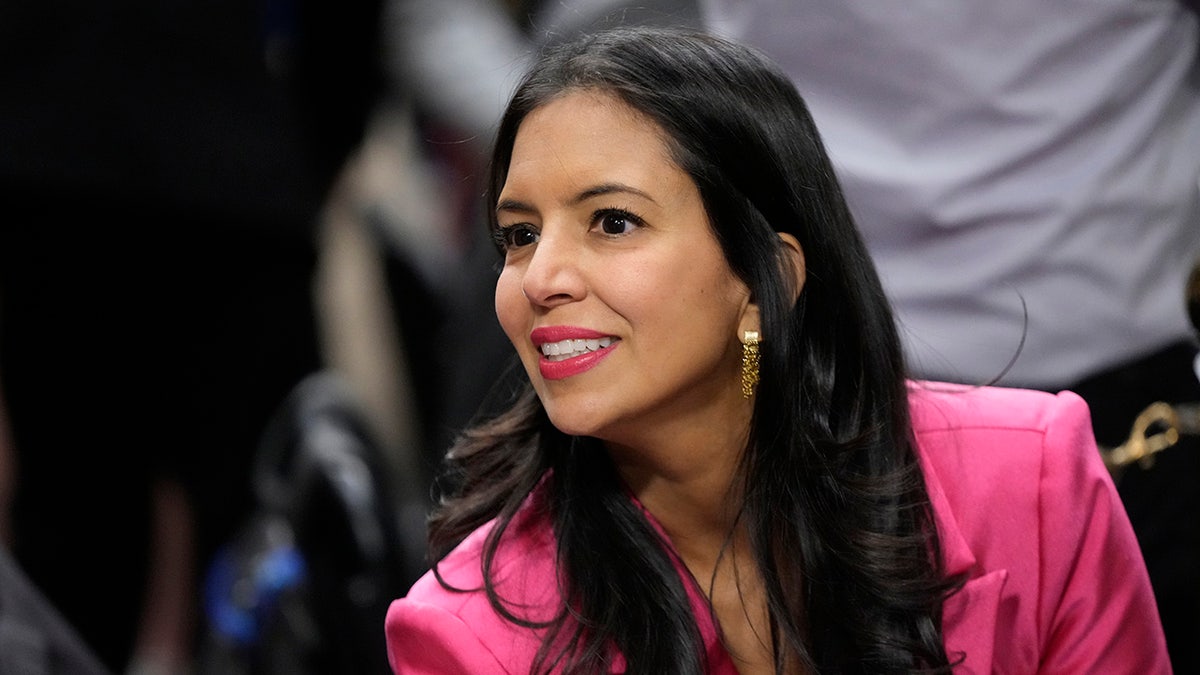
Food activist Vani Hari attends the Senate Finance Committee confirmation hearing for Robert F. Kennedy Jr., President Donald Trump’s nominee for Secretary of Health and Human Services, at the Capitol in Washington on Jan. 29, 2025. (Ben Curtis/AP)
«It is not surprising that his uncaptured approach to protecting human health has been met with the swamp calling for his firing,» she continued.
«The criticism is that he didn’t approve flavored vapes quickly enough. The mothers who don’t want their kids smoking find that reasoning alarming,» Ryerson concluded.
«The attacks against FDA Commissioner Marty Makary are coming from Big Pharma and the media outlets financially dependent on pharmaceutical advertising for survival,» Turning Point USA-affiliated podcaster Alex Clark wrote in a Friday post on X.
CLICK HERE TO DOWNLOAD THE FOX NEWS APP
«Washington SWAMP CREATURES hate Makary because he brings actual scientific scrutiny, independent thinking, and puts Americans’ health FIRST. President Trump has consistently said he wants to Make America Healthy Again. Replacing Makary with a pharma puppet would move us backward, not forward. DO NOT FIRE MAKARY. He is one of the strongest representatives of the MAHA movement inside the federal government. SCREW OFF BIG PHARMA,» Clark wrote.
Vani Hari, a popular food blogger and prominent media figure among the MAHA movement, also wrote that a Makary ouster «would be a horrible move.»
Fox News Digital contacted the White House, HHS, the FDA, BIO and SBA Pro-Life America for additional comment.
health care, robert f kennedy jr, white house, maha








INTERNACIONAL
El régimen de Irán dijo que varios proyectiles impactaron objetivos militares en la isla de Qeshm, cerca del estrecho de Ormuz

La agencia estatal iraní IRNA informó este domingo que varios proyectiles lanzados por lo que describió como el “enemigo” impactaron en la isla de Qeshm, un enclave estratégico situado en el estrecho de Ormuz, en medio del recrudecimiento del enfrentamiento entre Irán y Estados Unidos. Según el régimen de Teherán, los ataques alcanzaron exclusivamente objetivos militares y no dejaron víctimas.
El gobernador del distrito de Qeshm, Hossein Amir Teymouri, declaró a IRNA que “entre 10 y 11 proyectiles enemigos impactaron la isla de Qeshm desde la tarde del domingo”. El funcionario agregó que “todos los objetivos eran militares” y aseguró que “no hubo víctimas”.
Horas antes, la propia agencia estatal había comunicado que varios misiles fueron disparados contra la isla durante la tarde, precisando igualmente que no existían reportes de fallecidos o heridos como consecuencia de los impactos.
La isla de Qeshm ocupa una posición clave en el estrecho de Ormuz, uno de los corredores marítimos más importantes para el comercio internacional de petróleo y gas. Su ubicación la convierte en un punto de alto valor estratégico dentro de la infraestructura militar y naval iraní en el golfo Pérsico.
Los impactos se produjeron en una jornada marcada por una nueva escalada militar entre Washington y Teherán. Durante este domingo, Estados Unidos lanzó nuevos bombardeos contra territorio iraní tras responsabilizar a la República Islámica de un ataque previo contra un buque que navegaba por el estrecho de Ormuz.

Después de esas operaciones, medios oficiales iraníes informaron de explosiones en distintos puntos del sur del país, entre ellos Bandar Abás, Sirik y la propia isla de Qeshm, además de reportes de ataques en la provincia de Juzestán, fronteriza con Irak.
El régimen iraní también informó de la muerte de un soldado en la ciudad costera de Jask y, posteriormente, reportó el fallecimiento de un trabajador del sector de telecomunicaciones en la provincia de Hormozgán, ubicada sobre la costa norte del estrecho de Ormuz.
En respuesta a los bombardeos estadounidenses, la Guardia Revolucionaria anunció el cierre del estrecho de Ormuz. En un comunicado afirmó que “el estrecho de Ormuz permanecerá cerrado hasta nuevo aviso y hasta el fin de las intervenciones estadounidenses en esta región”.
Además, el cuerpo militar sostuvo que había realizado disparos de advertencia contra una embarcación que, según su versión, intentó navegar por “una ruta no autorizada”. Teherán mantiene que únicamente reconoce un corredor marítimo específico para el tránsito de buques por esa vía.
La decisión iraní fue rechazada por el Mando Central de Estados Unidos (CENTCOM), que aseguró posteriormente que el tráfico marítimo continuaba desarrollándose con normalidad. El comando estadounidense sostuvo además que “Irán no controla el estrecho de Ormuz” y afirmó que las embarcaciones comerciales seguían transitando por la zona.
Una enorme columna de humo negro se eleva desde la isla de Qeshm cerca del Estrecho de Ormuz tras intensos bombardeos aéreos de EE.UU. en la última hora.
La nueva escalada se produjo semanas después de que Washington y Teherán firmaran un memorando destinado a abrir un período de negociaciones para buscar un acuerdo permanente que pusiera fin al conflicto iniciado el 28 de febrero tras la ofensiva militar de Estados Unidos e Israel contra territorio iraní.
En los últimos días, sin embargo, ambas partes intercambiaron nuevos ataques. Estados Unidos aseguró haber ejecutado alrededor de 140 bombardeos contra instalaciones iraníes, mientras el presidente Donald Trump afirmó que las fuerzas estadounidenses habían golpeado “muy duro” a Irán.
Tras los ataques estadounidenses, varios países del Golfo denunciaron incidentes relacionados con la ofensiva iraní. Kuwait informó daños en puestos fronterizos y en una plataforma petrolera; Qatar confirmó la interceptación de misiles y reportó tres personas heridas; Jordania indicó que tres proyectiles impactaron en su territorio sin causar víctimas, mientras Omán convocó al embajador iraní para expresar su protesta por los ataques.
En paralelo, el secretario general de Naciones Unidas, António Guterres, pidió que se “reanuden urgentemente las negociaciones” para intentar frenar la escalada militar, mientras el ministro de Exteriores de Pakistán, Ishaq Dar, instó públicamente a todas las partes a avanzar hacia una “desescalada” del conflicto.
Irán,Estados Unidos,ataque,humo,embarcaciones,conflicto
NEWYou can now listen to Fox News articles!
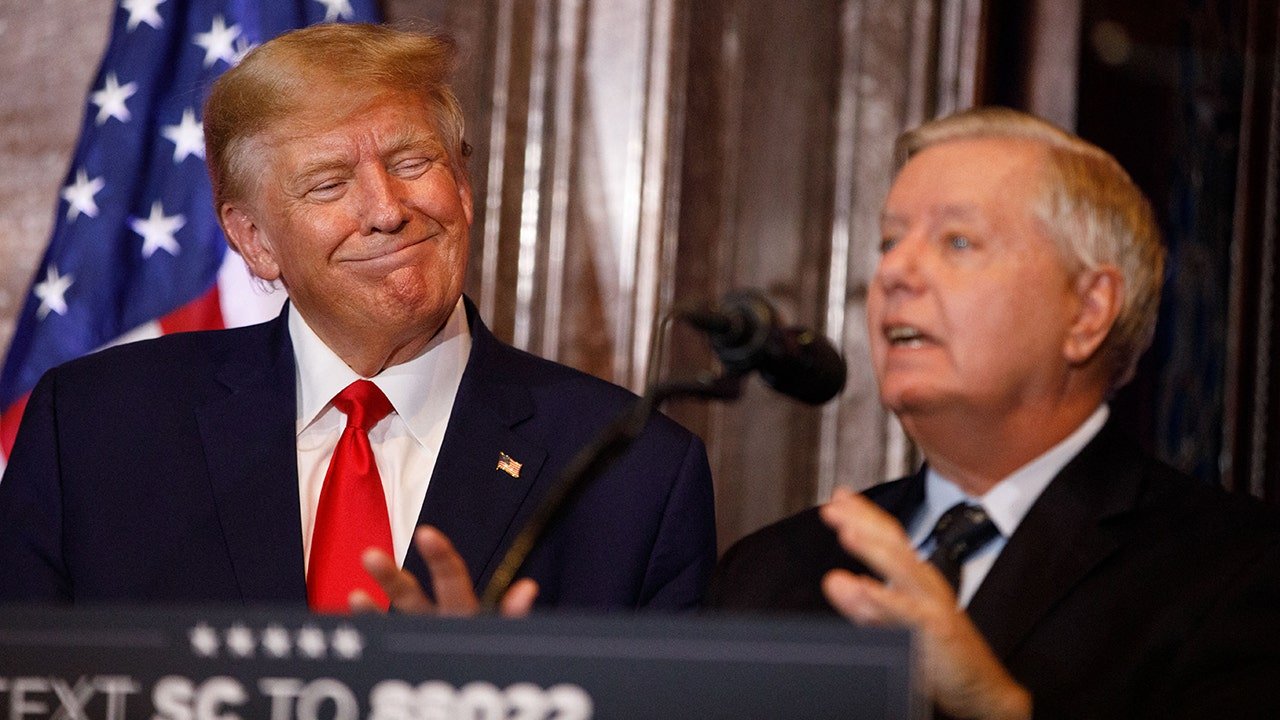
Sen. Lindsey Graham, R-S.C., never wanted President Donald Trump to be nominated, let alone win the presidency in 2016.
«If we nominate Trump, we will get destroyed…….and we will deserve it,» Graham said on X at the time.
Graham had run on the same ticket as Trump, and like many other Republicans on the debate stage, challenged Trump’s candidacy as preposterous — he once likened his candidacy to ‘being shot in the head.’»
LINDSEY GRAHAM, SOUTH CAROLINA SENATOR WHO ROSE FROM SMALL-TOWN ROOTS TO GOP POWER BROKER, DIES AT 71
President Donald Trump gestures as Sen. Lindsey Graham, R-S.C., addresses the crowd during a 2024 election campaign event in Columbia, S.C., on Jan. 28, 2023. (Logan Cyrus/AFP via Getty Images)
But Trump ultimately clinched the nomination, took the White House and eventually won over Graham.
Now, in the fast-moving hours after Graham’s sudden death at 71 years old, and as private jockeying to fill his empty seat takes place behind the scenes, Trump has lost a once-fierce political enemy turned friend.
Trump told NBC’s «Meet the Press» that he had just spoken with Graham the night before and believed «It could have been his last call.»
«I don’t know exactly, but I got a message about 1:00 in the morning from one of the people in his office that he had passed away. I said, ‘I just can’t believe it,’» Trump said. «He was like a member of the family to me. It’s very tough, actually.»
It wasn’t always that way for Trump. He once told a crowd in South Carolina nine years ago that Graham was a «disgrace,» and «one of the dumbest human beings I’ve ever seen.»
TRUMP REVEALS DETAILS OF FINAL PHONE CALL WITH GRAHAM AFTER SENATOR’S DEATH, CALLS LOSS ‘BIG BLOW’ TO SAVE ACT
«I don’t think he could run for dogcatcher in this state and win again,» Trump said at the time. «I really don’t. Other than that, I think he’s wonderful.»
Still, their relationship evolved from potshots online and on the debate stage into steadfast friends who weren’t shy about hitting the golf course.
Graham transformed into one of Trump’s most vocal allies in the Senate and a key bridge from the upper chamber to the White House during Trump’s second term — even after Graham believed Trump should never step foot in the White House.
After winning his primary for the GOP nomination in June, Trump was almost top of mind for Graham.
«I want to thank the big guy, God,» Graham said during a speech last month. «Trump comes later. Mr. President, you’re not far behind God, but we’re going to start with him.»
GRAHAM’S DEATH IGNITES GOP SCRAMBLE FOR SENATE SEAT AS TRUMP HINTS HE ALREADY HAS A FAVORITE
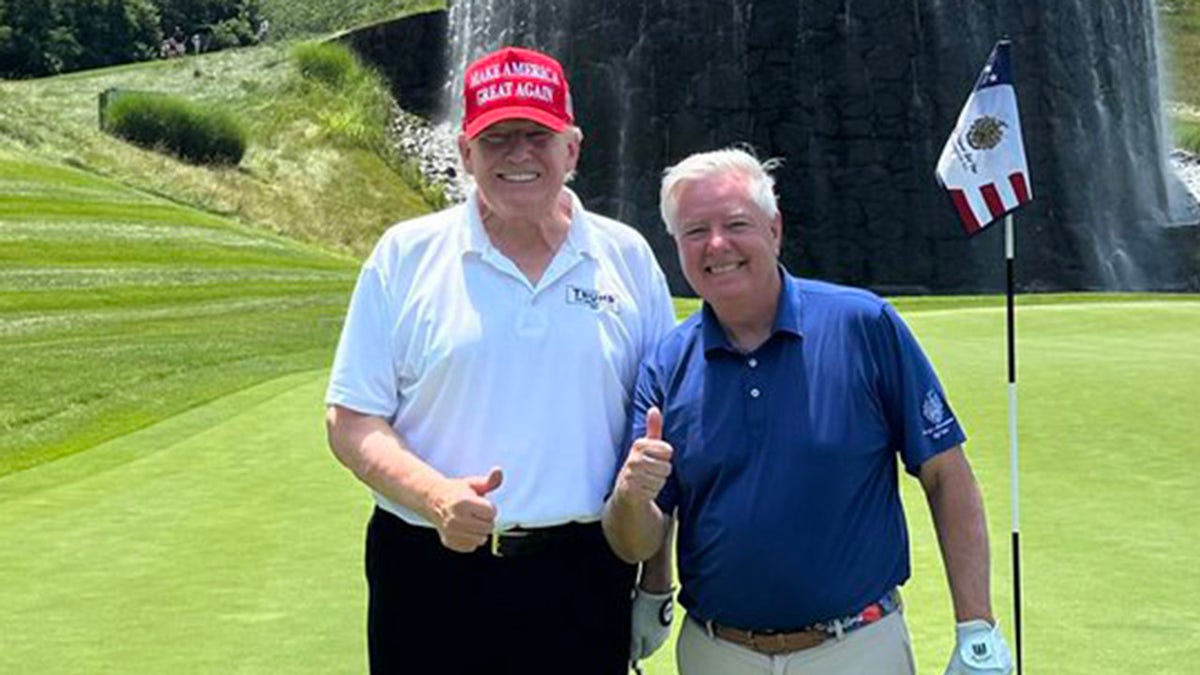
Donald Trump and Lindsey Graham pose for a picture on a golf course on June 28, 2025. (Sen. Lindsey Graham via X)
But that reverence, be it political or sincere, took time. Years ago, Trump at one point grew so angry at Graham that he leaked the lawmaker’s phone number online, which prompted Graham to make a show of destroying several of his phones.
And after the Jan. 6, 2021, riots on Capitol Hill, Graham turned his back on Trump.
«Trump and I, we’ve had a hell of a journey. I hate it to end this way. Oh my God, I hate it. From my point of view, he’s been a consequential president,» Graham said on the Senate floor as the vote to certify the election neared. «All I can say is count me out. Enough is enough.»
CLICK HERE TO DOWNLOAD THE FOX NEWS APP
In the run-up to and during Trump’s second term, Graham became a fierce ally of Trump’s.
He led the vanguard for the «one, big beautiful bill,» as Senate Budget Committee chair and has championed Trump’s flagship election integrity legislation, the SAVE America Act.
And in the hallways of the Senate during the last year and a half, you’d often hear Graham say he’d just spoken with Trump or was headed to the White House to hammer out a legislative dispute — be it with Democrats standing in the way or Republicans.
Now, after a rocky, explosive and tight-knit journey together, the road has run out.
«I said, ‘We’ll see you soon,’» Trump recalled of his last call with Graham. «Come over anytime you want. He came into the White House, because I liked him. Can’t do that with everybody.»
politics, donald trump, lindsey graham, midterm elections, senate elections
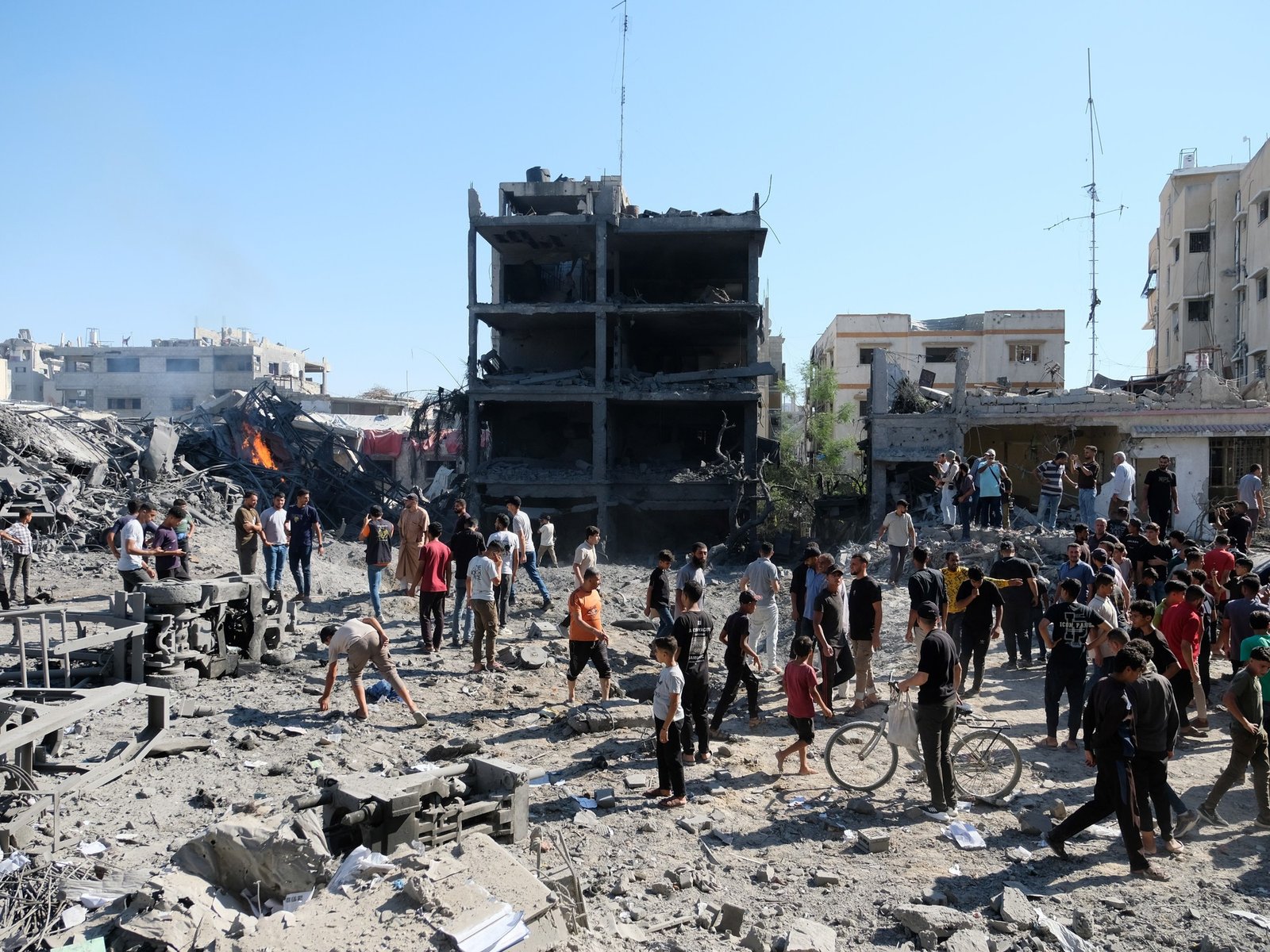
Ni el genocidio en Gaza y la muerte de decenas de miles de palestinos (fue la respuesta militar a los atentados de Hamás en Palestina), ni el juicio contra la dirigencia israelí en la Corte Penal Internacional sirvieron para que la Unión Europea reaccionara rápido contra Israel. Pero el barco europeo, lento y complejo de virar, debe aprobar este lunes, en una reunión de cancilleres, sus primeras sanciones directas contra Israel. Hasta ahora se había sancionado personalmente a los dirigentes más violentos de los colonos en tierras ocupadas a Palestina, pero ahora ya se ataca a la economía.
Los ministros tienen varias opciones sobre la mesa. La más probable, la que según fuentes diplomáticas es prácticamente imposible de frenar ya porque debe salir por mayoría cualificada, no por unanimidad, es la prohibición de exportar a Europa cualquier producto que tenga como origen la Palestina ocupada por Israel.
Los cancilleres también tratarán de los últimos acontecimientos en Ucrania y de la situación en Líbano y en el Estrecho de Ormuz, pero sin decisiones previstas.
La Comisión Europea, presidida por una Úrsula von der Leyen que como miembro de la CDU alemana se ha negado repetidamente a sancionar a Israel, terminó por verse forzada por los gobiernos a preparar un documento con opciones para los cancilleres. La ‘canciller’ Kaja Kallas también empujó a favor de las sanciones.
Más allá de esas restricciones al comercio desde los territorios ocupados, que es la opción que más apoyo recaba y difícilmente será bloqueada, los cancilleres tienen otras opciones que políticamente serían más difíciles de aprobar. Algunas porque recaen en competencias de política exterior para las que se necesita unanimidad. Y Alemania aplicaría su veto.
Los ministros también tendrán sobre la mesa la posibilidad de aprobar sanciones personales contra el ministro ultraderechista israelí Itamar Ben-Gvir. En algunos documentos aparece también su colega Bezalel Smotrich, aunque el foco sigue sobre Ben-Gvir, sobre todo después de haber aparecido videos suyos amenazando y humillando a ciudadanos europeos de una flotilla de solidaridad con Palestina que fue abordada por Israel en el Mediterráneo y sus miembros trasladados a Israel.
De sancionarse a Ben-Gvir se buscaría congelar todos sus activos en Europa, se cortaría cualquier relación con su Ministerio y se le prohibiría la entrada en la Unión Europea. Tampoco es muy probable que Ben-Gvir fuera a pisar Europa porque ya hay varios sistemas judiciales europeos que lo tienen en el punto de mira por el acontecimiento de aquella flotilla.
Una opción que sigue sobre la mesa pero que difícilmente se aprobaría porque Alemania aplicaría su veto sería la suspensión parcial del Acuerdo de Asociación UE-Israel. A Israel le da derecho a mantener relaciones comerciales preferenciales (la UE es su primer socio comercial) y a participar en proyectos de cooperación científica como si fuera prácticamente un Estado miembro de la UE.
Varios gobiernos, como el español, el irlandés o el belga defienden que se suspenda ese acuerdo alegando que Israel estaría incumpliendo la cláusula de derechos humanos del mismo. España, Irlanda, Bélgica, Francia y Suecia son, salvo matices, los países que más se están moviendo para que este lunes los portavoces europeos puedan ya decir que “la Unión Europea aprueba sus primeras sanciones contra Israel”.
El papel de Kaja Kallas ha ido virando. Si en los primeros meses tras los atentados de Hamas se puso, con Von der Leyen, del lado del Gobierno de Netanyahu a pesar de que este ya había empezado los bombardeos masivos sobre Gaza, con los meses, y sobre en el último año, fue virando hasta ponerse a favor de las sanciones.
A mediados de junio, en una conversación en un foro privado que terminó por filtrarse, Kallas dijo que Israel se comporta como la Suráfrica del apartheid. El Gobierno israelí exigió una rectificación que nunca se produjo y decidió entonces romper cualquier relación con la canciller europea. Kallas dijo lo que todos piensan en Europa.
La Comisión Europea, que suele ser quien presione y prepare todo para que se aprueben paquetes de sanciones, por ejemplo contra Rusia desde 2022, arrastra los pies. Si por el brazo ejecutivo de la Unión Europea fuera, no habría sanciones contra Israel.

El verano parisino de Wanda Nara y sus cuatro hijos: paseos, reencuentros entre hermanos y compras de lujo

Veterinarios coinciden: el hábito que muchos tienen al saludar a su perro y que puede aumentar su ansiedad

Bombazo en Uruguay: Forlán reemplaza a Bielsa y es el nuevo DT de la selección

Javier Milei y sus medidas, EN VIVO: el Presidente persuade a gobernadores y legisladores para avanzar con la reforma electoral y los cambios en el Banco Central

La carrera de los dirigentes provinciales de LLA queda en pausa a la espera de los acuerdos que se sellen a nivel nacional

Harinas, pan y ultraprocesados: los productos que los argentinos buscan sacar del changuito

“Hablame bien”: el tenso cruce de Lionel Messi con el árbitro en la victoria de Argentina ante Suiza en el Mundial

Contundente respaldo de la FIFA tras las críticas a los árbitros de Argentina-Egipto: “Las acusaciones infundadas no tienen cabida”

Plazo fijo Banco Galicia ahora paga más: cuánto se gana invirtiendo $2 millones

Hackearon a la AFA y enviaron correos con falsas denuncias sobre el arbitraje ante Egipto

 DEPORTE16 horas ago
“Hablame bien”: el tenso cruce de Lionel Messi con el árbitro en la victoria de Argentina ante Suiza en el Mundial
- POLITICA2 días ago
Hackearon a la AFA y enviaron correos con falsas denuncias sobre el arbitraje ante Egipto
- ECONOMIA3 días ago
Shutdown en Argentina: la razón detrás de la idea de Milei de avanzar con un «apagón» del Estado