INTERNACIONAL
Abortion pill fight heads to Supreme Court as manufacturer warns of ‘chaos’ after ruling


NEWYou can now listen to Fox News articles!
The legal battle over abortion pills escalated to the Supreme Court on Saturday, as the manufacturer of mifepristone filed an emergency request warning a lower court ruling is already causing «immediate confusion and upheaval» across the country.
Danco Laboratories is asking the high court to quickly block a 5th U.S. Circuit Court of Appeals decision that blocked mail-order access and reinstated in-person requirements for the drug, arguing the ruling is disrupting access and creating nationwide uncertainty about legality.
The ruling directly affects the distribution of mifepristone, Danco’s primary product.
Mifepristone is one of two drugs commonly used in medication abortions.
The application was directed to Justice Samuel Alito, who handles emergency matters from the 5th Circuit and can either act on his own or refer the request to the full court. The Supreme Court could act at any time.
ABORTION PILL MIFEPRISTONE SPARKS NEW PRO-LIFE DEBATE AS SOME DOCTORS STRESS SAFETY CONCERNS
Boxes of mifepristone, a pill used for medical abortions. (Evelyn Hockstein/Reuters, File)
In its filing, Danco warned the appeals court’s order is already creating «chaos» in real-world medical settings.
«The panel’s ruling injects immediate confusion and upheaval into highly time-sensitive medical decisions,» the company wrote, adding it is forcing «providers, patients, and pharmacies all to guess at what is allowed and what is not.»
The filing raises immediate questions, including what happens to existing abortion pill prescriptions, pharmacy dispensing and access to in-person visits.
PRO-LIFE GROUP FINDS BIDEN-ERA FDA POLICY IS DRIVING 500 ABORTIONS PER DAY, SAYS TRUMP HAS POWER TO END IT
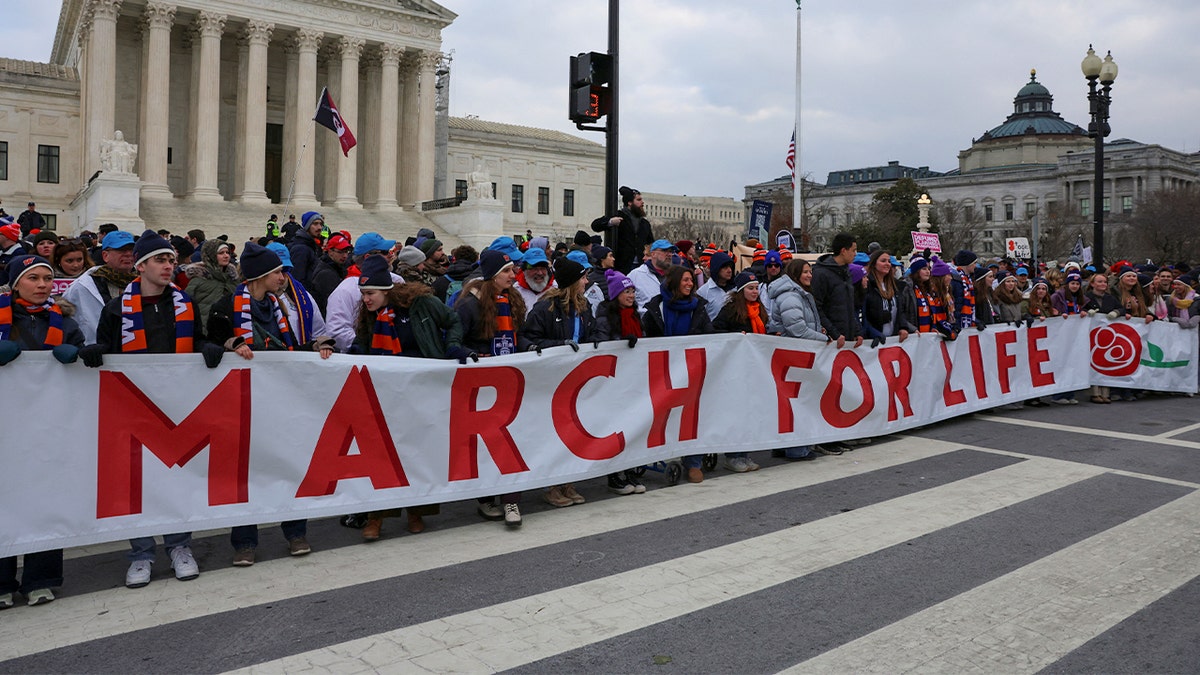
Pro-life demonstrators hold a banner in front of the U.S. Supreme Court building during the annual March for Life rally in Washington, D.C. (Evelyn Hockstein/Reuters, File)
«What happens when patients arrive for scheduled appointments this weekend… or walk into pharmacies… to obtain [the drug] that was prescribed… yesterday?» the filing states.
Danco is asking the court to immediately pause the ruling through an administrative stay, then block it longer term while litigation continues. The company also suggested the justices could take up the case on an expedited schedule before the end of the term, a move that could reshape the court’s already packed 2026 docket.
The emergency appeal comes just one day after the 5th Circuit issued its ruling, which blocked the mailing of mifepristone and effectively barred pharmacy distribution under the challenged FDA rules, requiring women to obtain the drug in-person from a medical provider.
PRO-LIFE MOVEMENT CONFRONTS HIGH ABORTION RATES THREE YEARS AFTER DOBBS
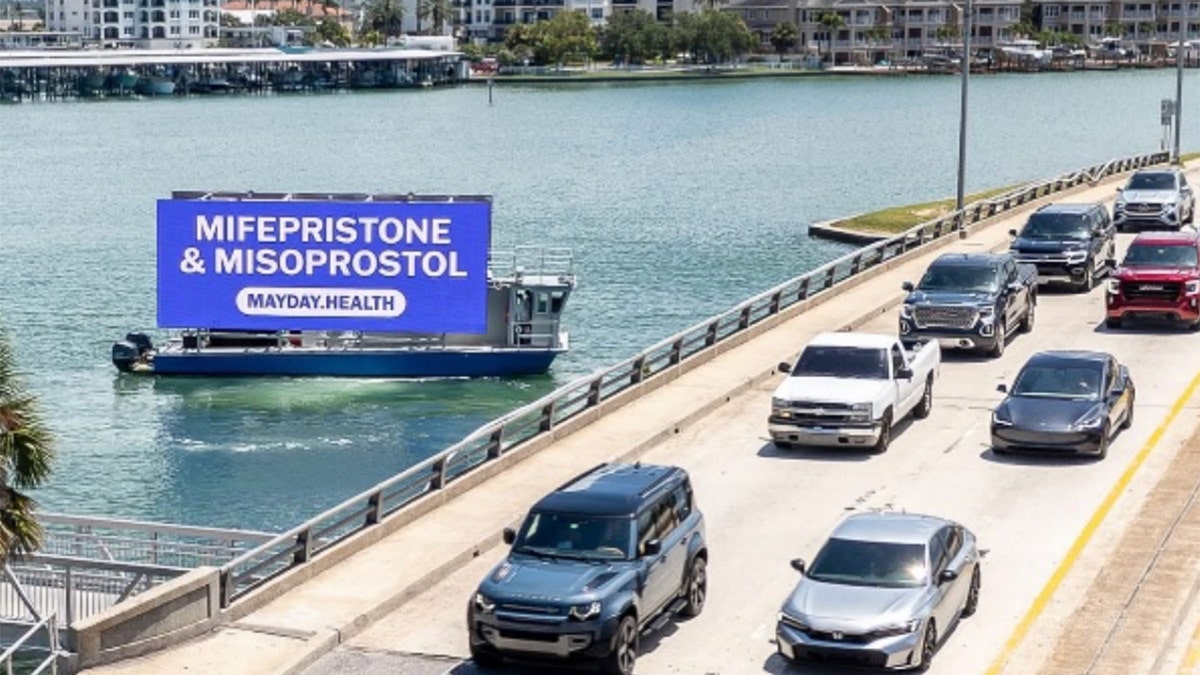
An advertisement promoting the abortion pills mifepristone and misoprostol in Florida. (40 Days for Life)
«Of course they filed an emergency petition. Big Pharma has gotten extremely rich after the unprecedented and radical deregulation of these dangerous abortion pills,» 40 Days for Life President Shawn Carney told Fox News Digital.
«No abortion advocate or anyone from Big Pharma was pushing to send these drugs through the mail just a few years ago, and now they act as if they’re entitled to do so with zero regulation and zero oversight,» Carney added. «This is more evidence the FDA needs to reevaluate how these drugs were approved after years of ER visits from women who take them.»
Abortion-rights advocates said the ruling has «upended» access to care nationwide, particularly for patients relying on telemedicine, while legal groups warned it is creating confusion for providers trying to comply with rapidly changing rules.
New York Attorney General Letitia James said the decision is «yet another cruel attack on abortion access,» adding that «mifepristone is safe, effective, and essential.»
CLICK HERE TO DOWNLOAD THE FOX NEWS APP
The underlying case is still ongoing in lower courts, but the emergency filing now places the dispute squarely before the Supreme Court in what could become the next major legal showdown over abortion policy.
The justices could choose to pause the ruling immediately, allowing the current system to remain in place while the case proceeds, or let the restrictions take effect nationwide.
Danco Laboratories did not immediately respond to Fox News Digital’s request for comment.
supreme court, abortion, health care, medications, federal courts, politics












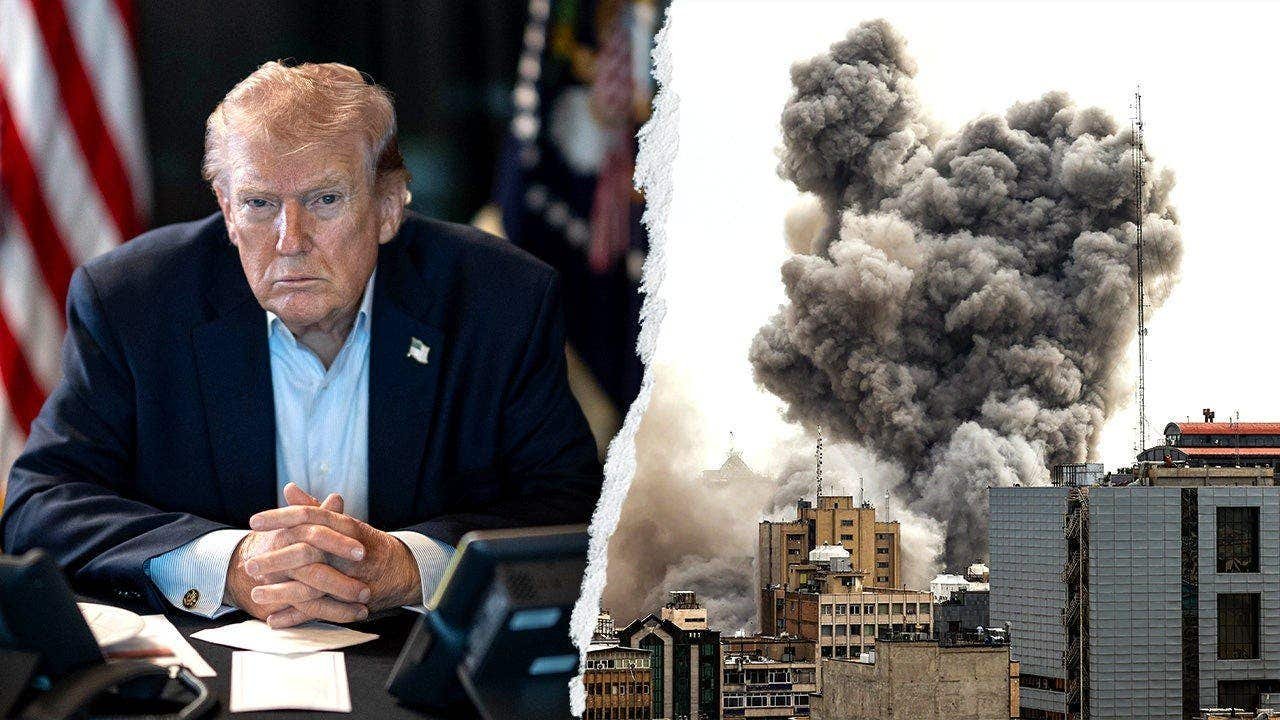
Trump warns Iran of US retaliation
President Donald Trump delivers a strong warning to Iran, stating the U.S. will bomb bridges or power plants if Iranian forces attack ships in the Strait of Hormuz. This follows ongoing U.S. strikes on Iranian military sites.
NEWYou can now listen to Fox News articles!
Nearly five months after launching a sweeping campaign against Iran’s nuclear, missile, naval and proxy capabilities, the Trump administration is now fighting to reopen the Strait of Hormuz while negotiations have yet to produce a permanent settlement.
The administration says its renewed strikes have a clear immediate objective: «making Iran pay.» Less clear is what Iran must do to end the strikes — or what conditions would allow the U.S. to step back from a growing military commitment in the region.
President Donald Trump has threatened to expand the campaign to Iran’s nuclear sites, bridges, power plants and other infrastructure.
ARMY IDS 2 VICTIMS KILLED IN JORDAN AIR BASE ATTACK; TRUMP: IRAN WILL PAY ‘MANY TIMES OVER’
In response to questioning on the end goals in Iran, a U.S. official said: «Right now, the President is focused on making Iran pay for their violations of the MOU and their continued acts of terrorism in the Strait of Hormuz,» referring to the memorandum of understanding between Iran and the United States.
«In addition, the President will make Iran pay for the recent deaths of U.S. soldiers,» the official said.
The Trump administration says its renewed strikes have a clear immediate objective: «making Iran pay.» (Morteza Akhoundi via Getty Image)
«These devastating blows will continue until the President deems otherwise, but talks between our countries are continuing,» the official said. «President Trump has all of the cards and all options at his disposal, and Iran can never possess a nuclear weapon.»
The response defined the immediate campaign as punishment for Iran’s actions but did not identify any condition Tehran could meet to halt the strikes beyond Trump deciding that the punishment had been sufficient. Follow-up questioning by Fox News Digital went unanswered.
STEVE FORBES URGES TRUMP TO KEEP THE STRAIT OF HORMUZ OPEN AT ALL COSTS
When Trump launched its military Operation Epic Fury mission Feb. 28, the White House laid out four sweeping objectives: preventing Iran from obtaining a nuclear weapon, destroying its ballistic missiles and production capacity, annihilating its navy and severing its support for terrorist proxies.
The administration declared those military objectives achieved in April. But Iran retained enough capability to close the Strait of Hormuz, attack commercial shipping and target U.S. forces and allies across the region.
The administration’s immediate focus is now the strait. U.S. Central Command said Thursday that its latest strikes targeted Iranian maritime capabilities, coastal surveillance sites, air defenses and missile and drone facilities to degrade Tehran’s ability to attack commercial vessels.
TRUMP SEEKS $672M TO STOP IRANIAN NUKES AS NEGOTIATORS WEIGH FATE OF URANIUM STOCKPILE
Secretary of State Marco Rubio has framed the current campaign as an effort to prevent Iran from establishing a «dangerous precedent» by controlling an international waterway, while maintaining that Washington remains open to diplomacy. He said Iran must stop attacking commercial ships and reopen the strait before the United States changes its behavior.

Mourners gather around a vehicle transporting the coffin of Iran’s late Supreme Leader Ayatollah Ali Khamenei, who was killed on February 28 in Israeli and U.S. airstrikes, and coffins of his family members, on the day of his burial, in a culmination of a mass funeral, in Mashhad, Iran, July 9, 2026. (Majid Asgaripour/West Asia News Agency, via REUTERS)
«Their behavior has to change in order for ours to change,» Rubio said Sunday.
Yet recent strikes have expanded beyond Iran’s maritime capabilities to include bridges and other infrastructure as Trump continues threatening nuclear facilities, raising new questions about how the widening target set fits into the administration’s broader strategy.
Meanwhile, the final nuclear agreement envisioned under the June memorandum of understanding has not materialized, even as the White House says talks between Washington and Iran are continuing. The memorandum had envisioned an agreement within 60 days, but renewed fighting has left its timing and prospects uncertain.
Trump has continued threatening Iran’s nuclear infrastructure, including the deeply buried Pickaxe Mountain facility. But he has also appeared to soften one of the administration’s original demands, saying in June that Iran could retain some ballistic missiles in proportion to neighboring countries.
The administration has not clarified whether the original missile objective was achieved, relaxed as part of negotiations or remains part of a future settlement, nor whether ending Iran’s support for proxies remains a condition for victory.
Publicly, the renewed campaign has a clear immediate military task — protecting shipping and preventing Iran from asserting control over Hormuz — but the connection between that mission, the stalled nuclear process and Trump’s threats to widen the war remains unexplained.
Eighteen U.S. service members have been killed since the war began, while Secretary of War Pete Hegseth told lawmakers Tuesday that the campaign has cost an estimated $37.5 billion.
Retired Air Force Brig. Gen. Robert Spalding, a senior fellow at the Hudson Institute, a conservative think tank, who served as a senior strategy official in the first Trump White House, argued that the campaign can still be understood around one overriding objective.
«I think the end goal is to prevent them from having a nuclear weapon,» Spalding told Fox News Digital. «The goal is very clear. It is: How do you want to go about getting to those goals, and then what are you willing to pay to achieve them? That’s the decision that has to be made.»
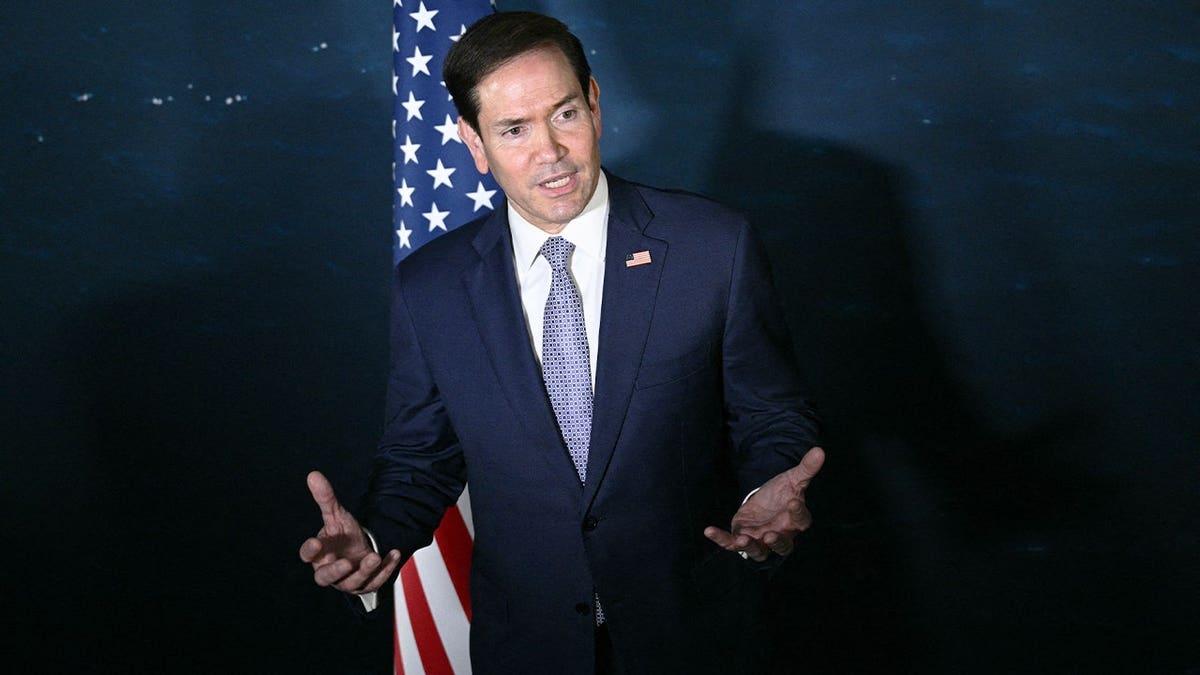
Secretary of State Marco Rubio has framed the current campaign as an effort to prevent Iran from establishing a «dangerous precedent» by controlling an international waterway, while maintaining that Washington remains open to diplomacy. (Brendan SMIALOWSKI / POOL / AFP via Getty Images)
On Hormuz, Spalding predicted that protecting commercial shipping could require prolonged U.S. presence, comparing it to Operations Northern and Southern Watch, the yearslong U.S.-led enforcement of no-fly zones over Iraq.
«I don’t think that we’re leaving the area anytime soon,» Spalding said.
He described that potential mission as «almost an airborne and seaborne occupation of the strait and the Gulf» intended to preserve the free flow of international shipping.
Such a mission could give the current strikes a defined military purpose, but it would not necessarily resolve the nuclear negotiations, eliminate Iran’s remaining leverage or produce a political settlement. It could instead leave American forces enforcing access to Hormuz for an extended period while the broader conflict remains unresolved.
Ali Vaez, Iran project director at the International Crisis Group, said the administration’s changing public emphasis reflects the absence of a coherent strategy connecting its military actions to an achievable end state.
«The administration does not seem to have a clear strategy,» Vaez told Fox News Digital. «It’s been a moving goalpost.»
Vaez also argued that the conflict has given Iran a potent new form of leverage: the demonstrated ability to choke shipping through Hormuz and impose economic pain on the United States. He described Iran’s control over the strait as a «weapon of mass destruction.»
«For more than four decades, the United States has been able to coerce the Iranian regime economically,» Vaez said. «The Iranians never had the possibility of retaliating in kind, of putting pressure on the pocketbook of every American citizen.»
The U.S. is now trying to inflict enough pain on Iran that it abandons its insistence on controlling the strait, according to Vaez. But Iran views that control as its most valuable remaining source of leverage and one it cannot surrender without weakening its position in any future negotiations, he argued.
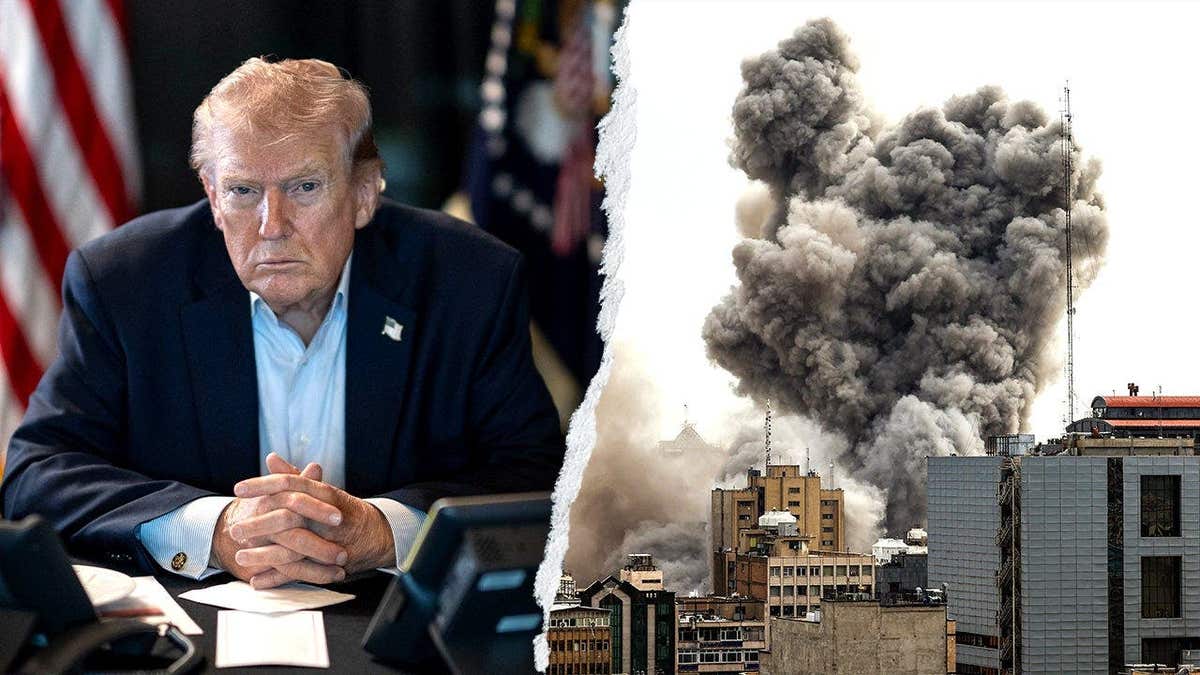
President Donald Trump confirmed the U.S. launched strikes on Iran on Saturday, Feb. 28, 2026. (The White House via X Account/Anadolu via Getty Images/Contributor/Getty Images)
«We are in a zero-sum situation,» Vaez said. «The U.S. is trying to remove a tool of leverage from the hands of the Iranians that they believe is essential to their survival.»
CLICK HERE TO DOWNLOAD THE FOX NEWS APP
Although the United States retains overwhelming military superiority, Vaez argued that neither side has been able to deliver a decisive blow. Washington can continue inflicting damage, he said, while Tehran has a greater willingness to absorb it because it views the conflict as a struggle for the regime’s survival.
«There is no military solution to resolving the problem in the strait,» Vaez said. «After much more death and destruction, I think both sides would return to the same logic that led them to agree to the MOU in the first place—which is that neither side is really able to deliver a knockout blow to the other.»
iran, war with iran, donald trump, middle east
INTERNACIONAL
Los dos mayores embalses de Estados Unidos caen a un mínimo histórico: ¿puede “El Niño” traer el agua que necesitan?
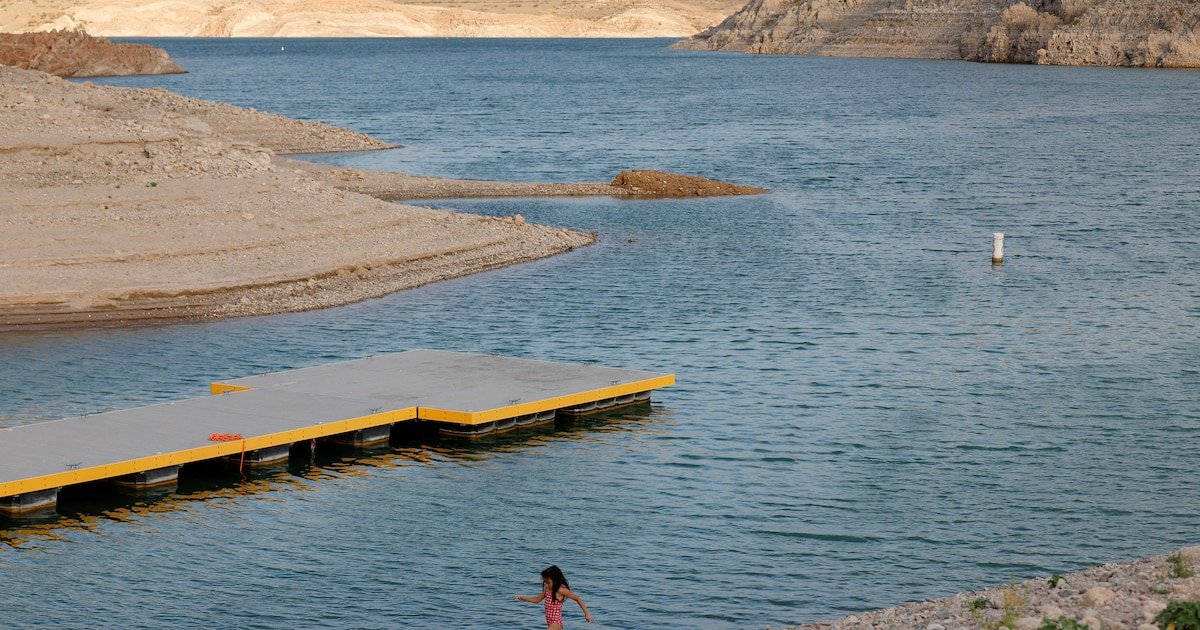
Lake Mead y Lake Powell, los principales embalses de Estados Unidos, descendieron en julio de 2026 a niveles de almacenamiento sin precedentes, impactando a cerca de 40 millones de personas en siete estados del oeste y profundizando la crisis hídrica que afecta a la región. El descenso se atribuye a la escasez de nevadas en las Montañas Rocosas y a una demanda creciente, según las autoridades del sector hídrico federal.
De acuerdo con la Oficina de Reclamación de Estados Unidos (USBR) y el Centro para Estudios del Río Colorado de la Universidad de Colorado, el 12 de julio la suma de reservas de ambos embalses cayó a 12,7 millones de acres-pie, superando el récord anterior de marzo de 2023. La USBR informó que Lake Powell descendió a 3.523 pies sobre el nivel del mar el 22 de julio, mientras que Lake Mead se ubicó justo por debajo de 1.043 pies. Estas cifras representan los valores más bajos desde 1957, cuando la represa Glen Canyon todavía no permitía la acumulación de agua en Lake Powell, según análisis recogidos por CNN y FOX Weather.
El retroceso de los embalses responde a una combinación de factores climáticos y de gestión. La cuenca del río Colorado depende en gran medida del deshielo de las Montañas Rocosas y de las precipitaciones invernales. La USBR atribuye la crisis actual a un invierno 2025-2026 con acumulación de nieve muy por debajo del promedio, lo que redujo el caudal de entrada a Lake Powell y, en consecuencia, a Lake Mead, acentuando el estrés hídrico en una zona históricamente vulnerable.
Según datos de la USBR actualizados al 19 de julio de 2026, Lake Powell se encuentra al 22% de su capacidad total, mientras que Lake Mead está al 27%. La suma de almacenamiento en el sistema del río Colorado alcanza el 33%, en comparación con el 39% registrado en la misma fecha del año anterior. Esta situación marca la menor reserva combinada desde la década de 1950.
La Universidad de Colorado precisa que la última vez que se registró un nivel similar fue en mayo de 1957, cuando toda el agua almacenada estaba en Lake Mead, ya que la represa Glen Canyon aún no comenzaba a llenar Lake Powell. De acuerdo con ABC News, “hay menos agua en los dos embalses de la que ha habido en cualquier momento desde que existe Lake Powell”, según el director del Centro para Estudios del Río Colorado de la Universidad Estatal de Utah, Jack Schmidt.

Lake Mead y Lake Powell son los pilares del sistema hídrico del oeste de Estados Unidos. Juntos abastecen de agua potable a cerca de 40 millones de personas en Arizona, California, Colorado, Nevada, Nuevo México, Utah y Wyoming, además de comunidades indígenas y regiones del norte de México, según la USBR.
El sistema del río Colorado también proporciona agua para riego agrícola y para la generación de electricidad en represas hidroeléctricas. De acuerdo con la CNN, estos embalses representan el eje de la infraestructura hídrica de la región, con una capacidad conjunta que históricamente ha permitido enfrentar sequías prolongadas.
El descenso de los niveles en Lake Mead y Lake Powell durante 2026 responde principalmente a la baja acumulación de nieve en las Montañas Rocosas y a condiciones de sequía persistente. El análisis de la USBR indica que el invierno 2025-2026 presentó precipitaciones muy por debajo de la media, lo que repercutió en la escasez de escurrimientos hacia la cuenca del río Colorado.
A este escenario se suma el incremento en la demanda de agua por el crecimiento poblacional y agrícola, así como la evaporación asociada a temperaturas elevadas. El fenómeno El Niño, aunque podría traer lluvias adicionales en el próximo invierno, no compensa la falta de precipitaciones acumuladas en los últimos años. Según la Administración Nacional Oceánica y Atmosférica (NOAA), “ni siquiera un invierno extremadamente húmedo revertiría el descenso acumulado durante los últimos 26 años en los embalses”.

El fenómeno El Niño incrementa la probabilidad de precipitaciones por encima del promedio en el oeste de Estados Unidos durante el otoño e invierno. Según el Centro de Predicción Climática de la NOAA, “California enfrentará mayores probabilidades de lluvias por una corriente en chorro del Pacífico más ancha y ondulada, capaz de impulsar más tormentas hacia la región”.
De acuerdo con FOX Weather, esto podría incrementar la acumulación de nieve en las Montañas Rocosas y, en consecuencia, el caudal de entrada a Lake Powell y Lake Mead durante la primavera de 2027. Sin embargo, tanto la USBR como la Universidad de Colorado coinciden en que se necesitarían varios inviernos excepcionales para revertir la tendencia a la baja observada desde finales de la década de 1990.
¿Qué medidas están adoptando las autoridades para enfrentar la crisis del agua?
El descenso de los niveles en Lake Powell y Lake Mead ha obligado a las autoridades federales y estatales a intensificar las políticas de conservación y reducción del consumo de agua. La USBR anunció una asignación adicional de 100 millones de dólares para programas de ahorro hídrico en los estados de la cuenca alta del Colorado, dirigidos a agricultores y ganaderos que accedan a reducir su uso de agua, según información publicada por criverwatch.org.
El informe de la USBR advierte que, de mantenerse la tendencia actual, Lake Powell podría alcanzar el umbral de “mínima reserva para generación eléctrica” durante la primavera de 2027, lo que impediría la producción hidroeléctrica en la represa de Glen Canyon. El documento también resalta la urgencia de alcanzar acuerdos interestatales para gestionar la escasez y evitar restricciones drásticas a usuarios urbanos y agrícolas.

Las autoridades de la USBR enfatizan la necesidad de cooperación entre los estados de la cuenca para asegurar el abastecimiento futuro y la sostenibilidad del sistema. El organismo federal sostiene que “la situación actual exige medidas coordinadas entre estados y usuarios para garantizar la sostenibilidad del suministro en el futuro inmediato”.
El Centro para Estudios del Río Colorado de la Universidad de Utah estima que “cada día, hasta que comience el deshielo en la primavera de 2027, es probable que se registre un nuevo mínimo histórico en la reserva total”. Las proyecciones oficiales anticipan que, salvo un cambio climático significativo, los bajos niveles persistirán hasta la primavera próxima, cuando el deshielo de las Montañas Rocosas incremente los caudales hacia los embalses.
La reducción del agua disponible en Lake Mead y Lake Powell tiene consecuencias para el abastecimiento urbano, la agricultura, la producción de energía y los ecosistemas del suroeste de Estados Unidos. El descenso de los embalses puede provocar restricciones en el suministro, incremento de costos para los usuarios y ajustes en los volúmenes de entrega a los estados y a México, de acuerdo con la información oficial de la USBR y la NOAA.
Entre los principales efectos se encuentran:
- Restricciones al uso del agua para riego agrícola.
- Reducción en la generación hidroeléctrica en las represas.
- Ajustes en los volúmenes de agua entregados a las ciudades y comunidades indígenas.
- Impacto en ecosistemas acuáticos y en la biodiversidad de la región.
La gestión coordinada de los recursos y la adaptación a escenarios de escasez prolongada serán claves para mitigar los efectos sobre la población, la economía y el medio ambiente.

Con las reservas de Lake Mead y Lake Powell en mínimos históricos, el horizonte inmediato está marcado por la incertidumbre respecto a la recuperación de los embalses. Las autoridades prevén que los niveles seguirán descendiendo hasta la primavera de 2027, cuando el deshielo de las Montañas Rocosas pueda aportar nuevos caudales. La cooperación interestatal y la adaptación de los sectores productivos y urbanos serán determinantes para afrontar la crisis del agua en el oeste de Estados Unidos, según la USBR y la Universidad de Colorado.
Domestic Politics,Environment,Natural World,Environment,North America,Government / Politics
INTERNACIONAL
Could this African nation become Trump’s next terror target as jihadists close in on power?

NEWYou can now listen to Fox News articles!
JOHANNESBURG: The U.S. is reportedly considering airstrikes against al Qaeda-linked terrorists in Mali, according to regional analysts and recent media reports.
The military junta that has been running this West African country in the Sahel region since coups in both 2020 and 2021 turned away from France and the U.S. to get military protection from Russia and its Africa Corps mercenaries against jihadist groups.
But now the largest of these groups, Jama’at Nusrat al-Islam wal-Muslimin (JNIM), which has Mali’s capital under siege, is credited, along with another group, for killing 50 Malian soldiers this month, for the death of the country’s defense minister earlier this year and has reportedly sent battalions of Russian soldiers retreating on at least two occasions this year.
ISIS POISED TO EXPLOIT HISTORIC US IRAQ EXIT, TERROR GROUP ‘ACTIVELY WAITING IN THE GAPS,’ EXPERT WARNS
Malian troops parade during the country’s 65th anniversary of the African nation’s independence. (Habib Kouyate/Xinhua via Getty Images)
JNIM is said to want to change the country into an Islamist Jihadist state. If they succeed, Mali would be the first country in the world to be run by a jihadist group. The organization was designated officially as a Foreign Terrorist Organization during the first Trump administration in 2018.
Islamic State (ISIS) jihadist groups are also operating freely in Mali, and are linked to terror groups in neighboring Nigeria.
A State Department official didn’t respond to a Washington Post report that the U.S. is considering strikes against JNIM in Mali, but used strong language Thursday when talking to Fox News Digital, leading analysts to suggest the time for talking may be over.
«The United States unequivocally condemns the terrorist activity in Mali,» the official said, adding, «in the Sahel, the United States is committed to promoting regional ownership and cooperation against terrorist threats, and monitoring indicators and warnings of threats to our homeland.»

This undated photograph handed out by French military shows three Russian mercenaries, right, in northern Mali. Russia has engaged in under-the-radar military operations in at least half a dozen countries in Africa in the last five years using a shadowy mercenary force analysts say is loyal to President Vladimir Putin. The analysts say the Wagner Group of mercenaries is also key to Putin’s ambitions to re-impose Russian influence on a global scale. (French Army via AP)
Edmund Fitton-Brown, a former British and United Nations diplomat, said the U.S. could order military action, to primarily try and stop jihadists becoming entrenched in Mali. Fitton-Brown, a senior fellow at the Foundation for Defense of Democracies, told Fox News Digital, «Mali is mainly important to the U.S. because, as a failed state becoming a safe haven for al Qaeda and ISIS, it looks like the first of several African dominoes likely to fall.»
Retired U.S. Air Force Maj. Gen. Kenneth P. Ekman, who until last year, served as the Department of War’s West Africa Coordination Element lead, said that with strike action the administration may be able to persuade Mali’s rulers to turn away from Russia, and towards the U.S. for protection – and purchases of military equipment.
RESOURCE-RICH NATION PRAISES US TIES AMID WASHINGTON-BEIJING CRITICAL MINERALS RACE
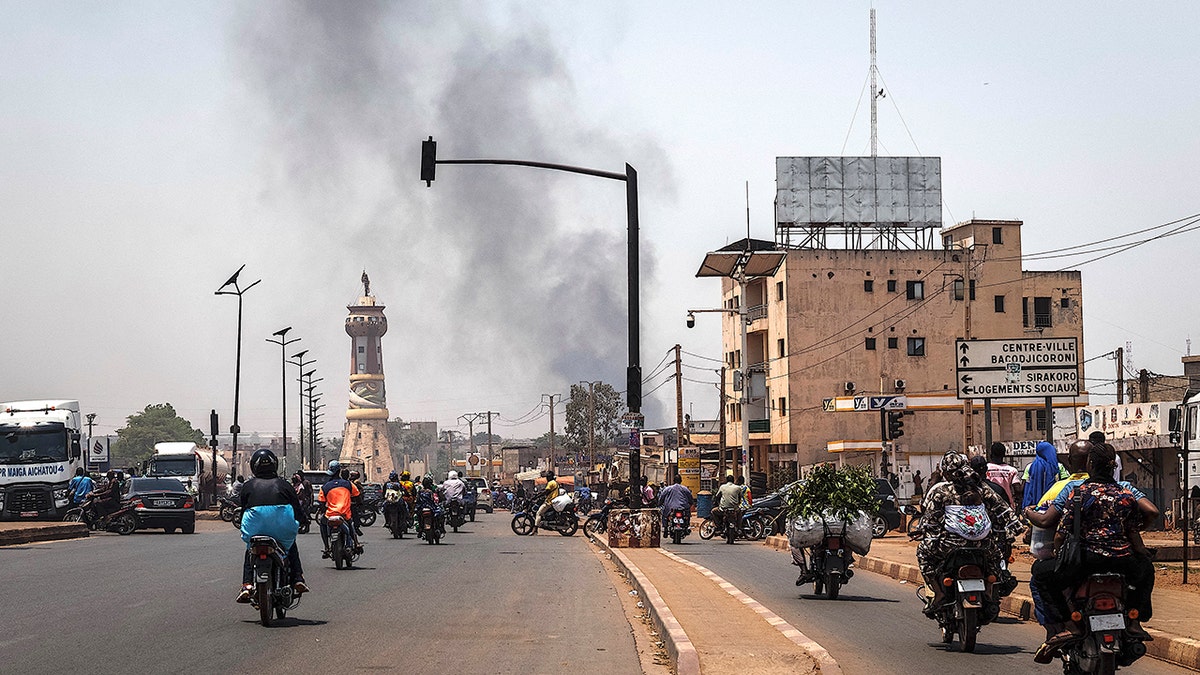
A column of black smoke rises above buildings as traffic passes the Africa Tower monument in Bamako on April 26, 2026. April 25, 2026’s shock attacks, synchronized by Tuareg rebels of the Azawad Liberation Front (FLA) coalition and the jihadist Group for the Support of Islam and Muslims (JNIM), targeted several areas in the vast arid country. Fighting resumed on April 26 in several areas, including Kita near Bamako, Kidal, Gao and Severe.Tuareg rebels meanwhile announced an agreement allowing Russian forces backing Mali’s army to withdraw from the northern city of Kidal, which they claimed was «totally» under their control. (AFP via Getty Images)
Ekman told Fox News Digital, «JNIM has a stranglehold on the government and much of the population. The Russians are woefully ineffective and extractive. Cooperation with U.S. forces offers a disproportionate and positive impact.»
Ekman said that U.S. forces have supported partner-led operations against JNIM before, as recently as 2022, adding «recent proposals amount to returning to similar cooperation against a mutual threat.»
The administration may also be in a minerals frame of mind. Mali is one of Africa’s largest gold-producing nations. It also has substantial deposits of lithium, used extensively in rechargeable batteries.
Fitton-Brown said that «President Trump may be less reluctant than his predecessor to work with the juntas in Mali, Burkina Faso and Niger, if they are losing faith in their Russian friends.»
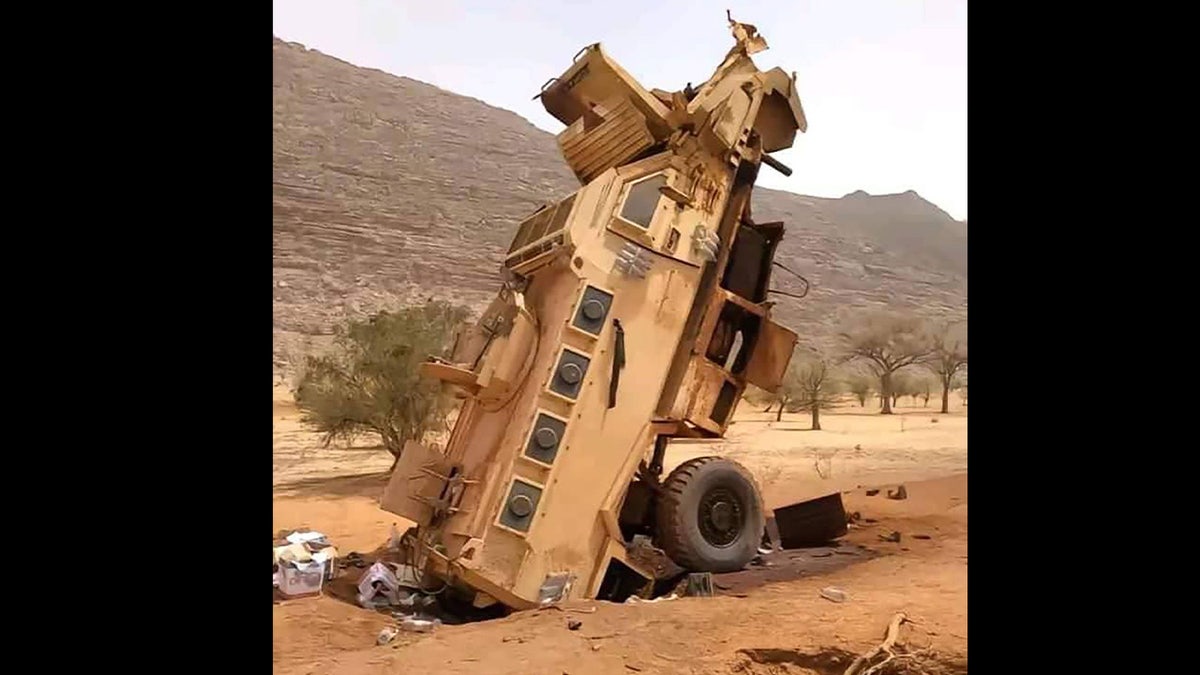
Vehicle turned up following brutal ambush on Russian Wagner fighters in Mali on July 27, 2024. (East2West)
He continued, «The U.S. is certainly a more capable partner. France has already been displaced so all three countries might accept U.S. help if it comes only with strings attached that don’t offend or disadvantage them. Whether even the U.S. is capable of stopping the political decline of these countries, and the rise of militant Islam, is another matter. That cannot be achieved by military force alone.»
The FDD’s Fitton-Brown said U.S. assets such as aircraft may not be directly involved if there is a strike, «The U.S. might work with French and other intelligence services to develop local intelligence for strikes on JNIM leadership, but this is unlikely to achieve much. The organization is resilient and will be able to replace those killed.»
CLICK HERE TO DOWNLOAD THE FOX NEWS APP
A former senior Department of War official told Fox News Digital the U.S. has at its disposal cruise missiles and long-range bombers. Attack drones would probably not come into play, and the U.S. Naval Institute’s Fleet Tracker shows no American aircraft carriers anywhere near African waters, effectively ruling out carrier operations.
However, Ekman believes airstrikes are under consideration, noting «JNIM and ISIS are a threat to U.S. interests, and are ascendant in West Africa.»
africa, counter terrorism, mali, terrorism, national security, al qaeda

Ley de Inocencia Fiscal limita controles de ARCA y levanta sospechas de blanqueo encubierto

Cristina Kirchner contrató al abogado de Lula da Silva para reforzar la estrategia internacional contra su condena por la causa Vialidad

Griezmann disfruta de su nueva vida mientras el Atlético sigue buscando a su sustituto

Crece el malestar en el Gobierno por los traspiés de Ravier como vocero, pero Milei no le pedirá la renuncia

Mario Boskis, gurú en longevidad: “El estrés crónico activa la liberación de cortisol y ese proceso tiene múltiples efectos negativos”

Trump says Iran will pay — what it takes to end the war remains unclear

Escándalo Mundial: Las presiones secretas, la amenaza de la FIFA por Malvinas y la verdad detrás del partido contra España

Samuel L. Jackson llamó a Argentina “el país más racista del mundo”: la contundente respuesta que le dejó Bárbara Lombardo

Le ganan a la inflación: los senadores pasarán a cobrar $12 millones brutos a partir de agosto

Jorge Berredo, general retirado de las FFAA, asumió como Secretario de Seguridad en San Isidro

 DEPORTE3 días ago
Escándalo Mundial: Las presiones secretas, la amenaza de la FIFA por Malvinas y la verdad detrás del partido contra España
- POLITICA2 días ago
Jorge Berredo, general retirado de las FFAA, asumió como Secretario de Seguridad en San Isidro
- POLITICA1 día ago
Sin la anestesia mundialista, aflora la crisis del conurbano y Milei necesita reconectar con lo popular