INTERNACIONAL
Trump pledges to raise detained pastor’s case with Xi Jinping during Beijing visit as family pleads for help

NEWYou can now listen to Fox News articles!
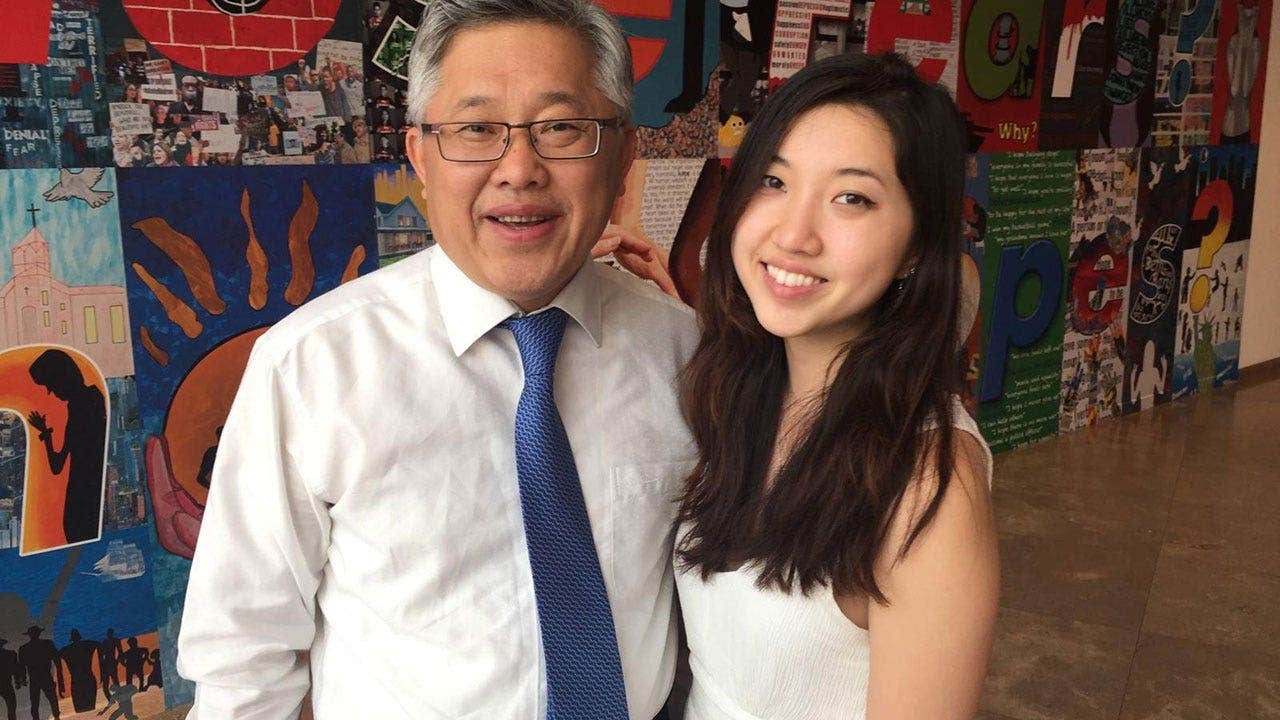
Five weeks before the birth of her third child, Grace Drexel sat in Washington speaking about her father, the grandfather her children barely know, and the hope that President Donald Trump might help bring him home.
Her father, Pastor Ezra Jin, has spent the past seven months detained in China alongside dozens of other Christian leaders in what advocates describe as one of the largest crackdowns on an underground Protestant church in recent years.
Now, as Trump visits Beijing for meetings with Chinese leader Xi Jinping, Drexel says her family is clinging to a rare moment of hope after Trump publicly pledged to raise Pastor Jin’s imprisonment directly with Xi.
PRESIDENT TRUMP MUST PUT AMERICAN HOSTAGES FIRST IN HIGH-STAKES BEIJING SUMMIT
Ezra Jin Mingri, head pastor of the Zion Church, poses in Beijing on Sept. 12, 2018, days after officials shut down one of China’s largest underground Protestant churches. (Fred Dufour/AFP via Getty Images)
«I’ll bring it up,» Trump told a reporter when asked whether he planned to discuss the detained pastor during the trip.
«It’s such a tremendous honor,» Drexel told Fox News Digital. «To have one of the most powerful men in the world know my father by name and mention his case to General Secretary Xi Jinping.»
White House spokesperson Olivia Wales told Fox News Digital, «There is no greater champion for religious freedom around the world than President Trump.»
For Drexel, this could end years of suffering. Her family has been separated for almost a decade — her mother and younger brothers fled China in 2018 after authorities shut down Zion Church’s physical sanctuary in Beijing, fearing they could become collateral targets in the growing crackdown on Christians.
Pastor Jin chose to stay behind with his community.
«My father actually had many opportunities to apply for a green card,» Drexel said. «He felt the calling for China.»
Drexel herself has not seen her father in person since 2020.
CHINA FORMALLY ARRESTS 18 LEADERS OF UNDERGROUND ZION CHURCH AMID RELIGIOUS CRACKDOWN
Ezra Jin with his daughter, Grace Drexel, before Chinese authorities detained the pastor during a crackdown on independent Christian churches. (Family photo) (Fox News)
Now pregnant with her third child, she says all she wants is for her father to finally reunite with his family.
«We would really, really love for our children to also experience and learn from their Grandpa,» she said.
Drexel described her father not as a political dissident, but as a pastor whose only mission was to remain faithful to Christianity outside Communist Party control.
«My father is a pastor in China and like Christians everywhere, he believed that the church should only have one God and serve one God,» she told Fox News Digital.
She described Zion Church as independent from government oversight and deeply rooted in Scripture and community service.
REPORT DETAILS RISING PRESSURE ON UNDERGROUND CATHOLICS AS CHINA DENIES CRACKDOWN
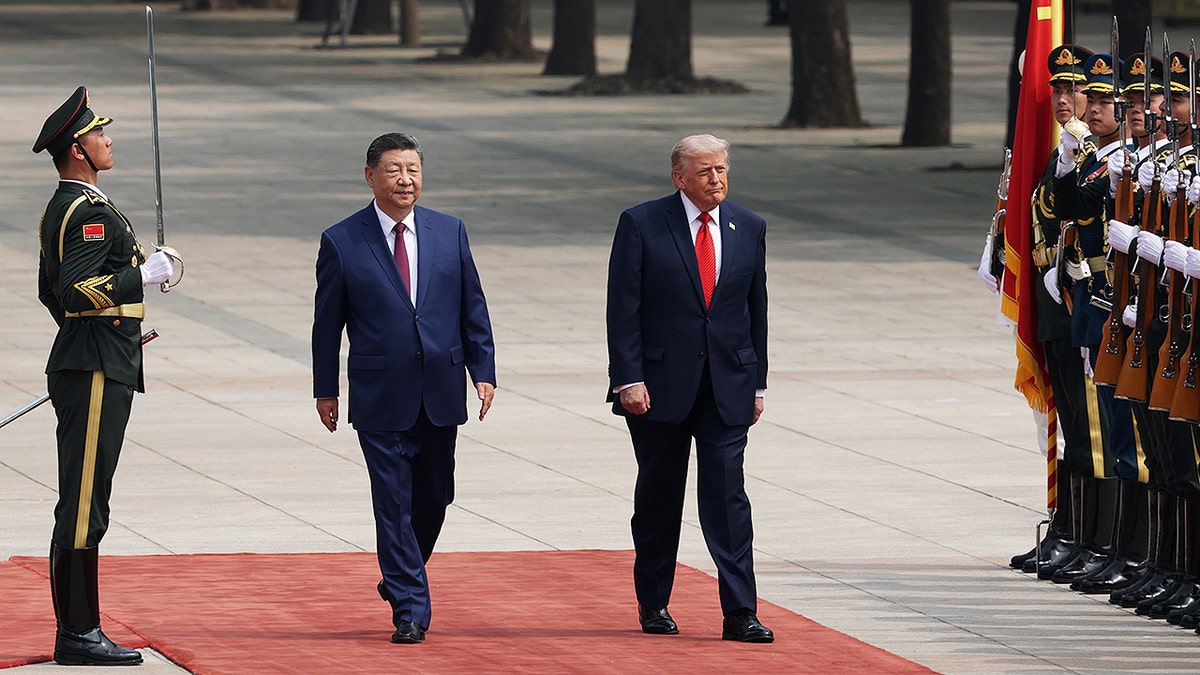
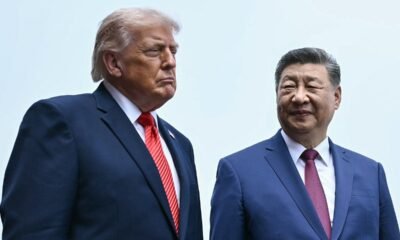
U.S. President Donald Trump reviews an honor guard with Chinese President Xi Jinping during a welcome ceremony at the Great Hall of the People on May 14, 2026 in Beijing, China. President Trump is meeting with President Xi Jinping in Beijing to address the Iran conflict, trade imbalances, and the Taiwan situation while establishing new bilateral boards for economic and AI oversight. (Alex Wong/Getty Images)
«We helped with the society and the community around us, love our neighbors, and to love God,» she said.
But beyond the role of pastor, Drexel says she simply knew her father as a gentle man devoted to those around him.
«Ultimately, I know my father as just a very gentle and kind man,» she said. «He is not very confrontational generally. He just loved everyone around him.»
«He never even criticized anyone, including his children, much as we were growing up,» she added.
Drexel tearfully said that relatives learned that her father had been handcuffed, his head shaved, and that he was struggling to receive medication while in detention.
«And this kind and gentle man is now in prison,» she said. «All because he was just leading a church.»
The crackdown against Zion Church began years before Pastor Jin’s arrest.
According to Drexel, the pressure intensified around 2016 and 2017 after Xi Jinping rewrote China’s religious regulations and formally advanced the policy known as the «Sinicization» of religion, an effort critics say forces religious groups to align with Communist Party ideology.
Around that time, Zion Church became one of many churches targeted by the authorities.
Initially, Drexel says government officials demanded the church install facial-recognition cameras inside the sanctuary to monitor worshipers.
TRUMP CHAMPIONS JESUS’ ‘MIRACULOUS RESURRECTION’ IN PALM SUNDAY MESSAGE VOWING TO ‘DEFEND THE CHRISTIAN FAITH’
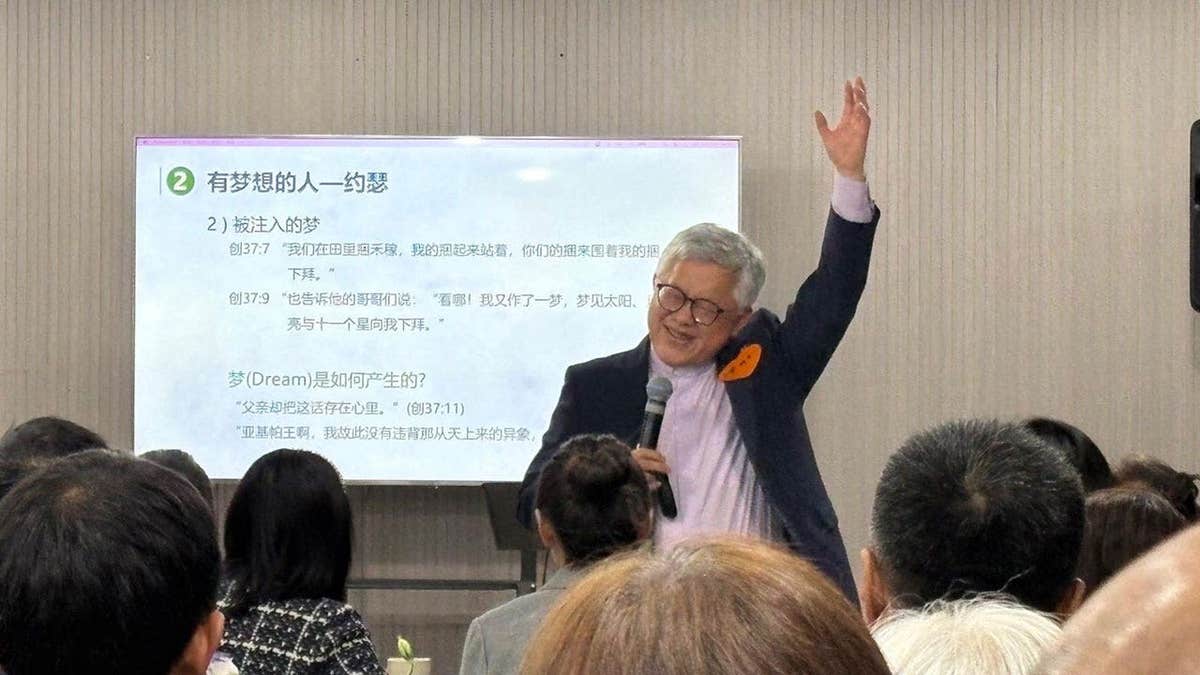
Ezra Jin leads a service at Zion Church in China before authorities shut down the independent congregation amid a broader crackdown on Christian churches. (Family photo)
«We told them all our services are public. You can come and view anytime,» she said. «But we didn’t feel that we wanted to put an extra amount of surveillance or control on our congregation.»
After the church refused, Drexel says authorities installed surveillance cameras in the building’s lobby instead and began systematically targeting church members.
«Each and every member who came on Sunday [was] being harassed,» she said. Some worshipers lost jobs, others were forced out of apartments, while some families were threatened through their children’s education and even their parents’ retirement benefits.
«It was all possible under the Chinese Communist Party if they wanted you to stop doing something,» she said.
Authorities eventually confiscated the church’s property and shut down its physical worship space. Pastor Jin then moved services online and into smaller home gatherings, which led authorities to later accuse church leaders of the «illegal use of information networks» because of those online and decentralized worship activities.
But she says her father’s case is only one piece of a much larger crackdown unfolding across China.
CRUZ LEADS SENATE PUSH TO HOLD CHINA ACCOUNTABLE FOR BEIJING CHURCH CRACKDOWN

The family of Ezra Jin, whose daughter Grace Drexel says they have been separated from him for years amid China’s crackdown on independent Christian churches. (Family photo)
«There are so many pastors and church leaders and churches being persecuted in China actively today,» she added. «We know that there are hundreds of pastors that are currently in prison or are in detention.»
«This is a very critical period in China,» Drexel said. «And it’s very disheartening and very scary for many Christians in China.»
The broader persecution campaign against Christians, Uyghur Muslims, Tibetan Buddhists, and Falun Gong practitioners is also documented in «China’s War on Faith,» the recently released book by former Ambassador-at-Large for International Religious Freedom Sam Brownback.
Brownback profiles believers imprisoned, tortured, and surveilled for practicing religion outside state-approved institutions and argues that the Chinese Communist Party increasingly sees independent faith itself as a threat to Party authority.
For Drexel, Trump’s decision to publicly mention her father’s name represents more than diplomacy.
«We hope that as the two leaders are meeting together that they will both have a softening of the hearts and will release my father and allow him to come to the U.S.,» she said.
CLICK HERE TO DOWNLOAD THE FOX NEWS APP
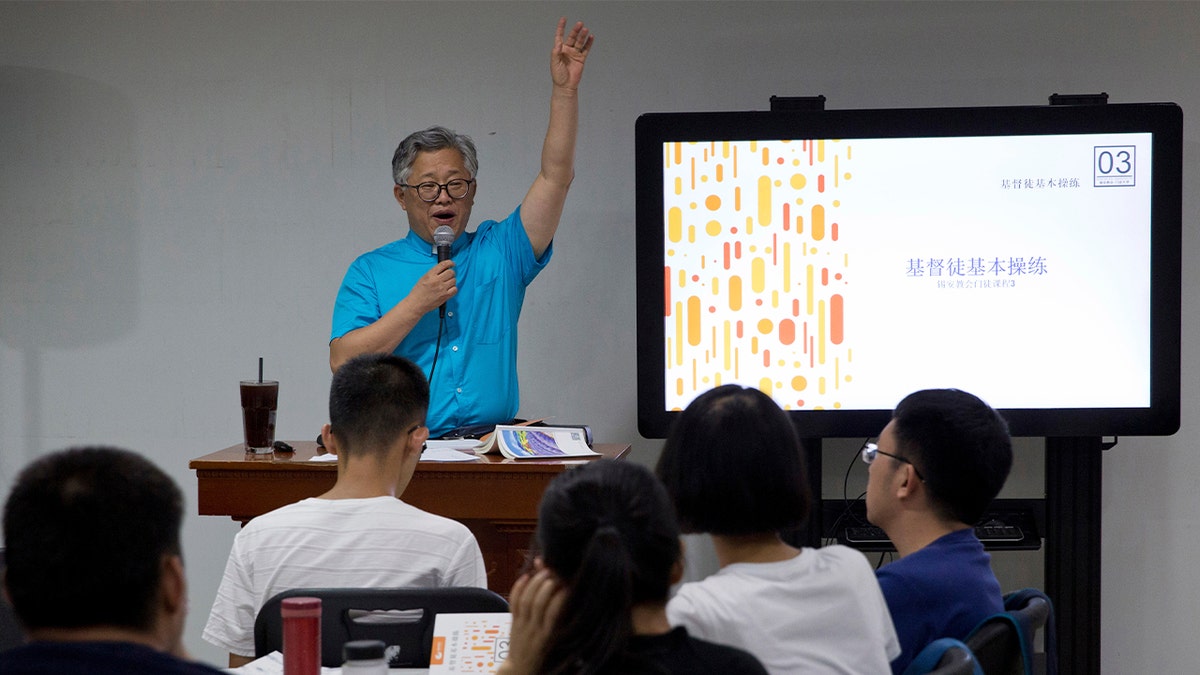
In this photo taken Aug. 4, 2018, Pastor Ezra Jin Mingri leads a class on the basics of Christian beliefs at the Zion Church in Beijing, China. (Ng Han Guan/AP Photo)
In a statement to Fox News Digital, Chinese Embassy spokesperson Liu Pengyu said the Chinese government protects «freedom of religious belief in accordance with the law» and argued that people of all ethnic groups in China enjoy religious freedom. Liu pointed to official figures showing nearly 200 million religious believers in China, along with more than 380,000 clerical personnel, approximately 5,500 religious groups and more than 140,000 registered places of worship.
Liu said Beijing regulates religious affairs involving «national interests and the public interest» while opposing what it describes as illegal or criminal activities carried out under the guise of religion. He also accused foreign countries and media outlets of interfering in China’s internal affairs under the pretext of religious freedom and urged journalists to «respect the facts» and stop what he described as «attacking and smearing» China’s religious policies and religious freedom record.
donald trump, xi jinping, christianity religion, persecutions, china








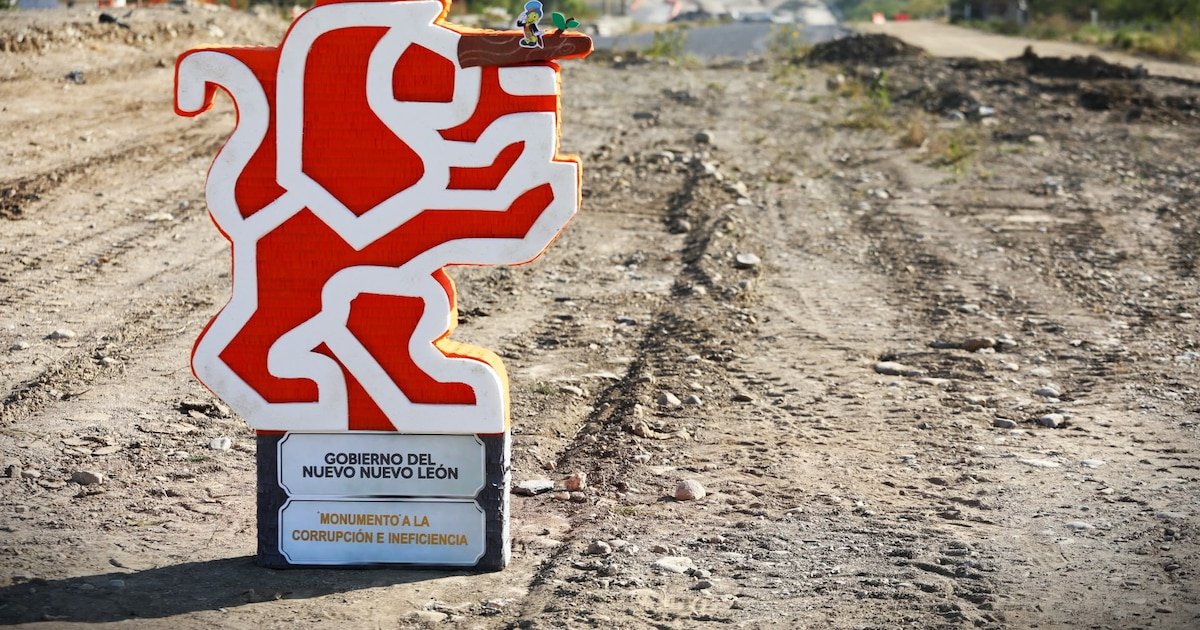
Podríamos proponer que la corrupción es únicamente el soborno, el desvío de recursos o el enriquecimiento ilícito. Lo es, claro que sí; pero esa definición no alcanza para explicar el enorme daño que puede causar un mal gobierno sin brújula moral en Nuevo León. Existe otra forma de corrupción, menos evidente pero igual de costosa: gobernar sin capacidad y sin fraternidad con la comunidad.
Precisamente por eso, el Plan México de la Presidenta, la Dra. Claudia Sheinbaum Pardo, pone tanto énfasis en la planeación, la infraestructura estratégica y la certidumbre y el diálogo para guiar para la inversión: gobernar con honestidad y fraternidad social significa gobernar con método.
Prometer obras sin planeación. Arrancar proyectos sin estudios suficientes. Comprometer miles de millones de pesos sin tener certeza de cómo se financiarán hasta el final. Anunciar calendarios imposibles. Ignorar a especialistas, universidades, empresarios y comunidades. Despreciar la participación ciudadana. Confundir ocurrencias con políticas públicas. Todo eso también corrompe.
Porque la corrupción claro que se puede definir como el desperdiciar y dilapidar el patrimonio colectivo por negligencia, improvisación o vanidad. La gran economista social Elinor Ostrom demostró que los bienes y el esfuerzo públicos solo funcionan cuando existen reglas claras, confianza y participación de quienes serán afectados por las decisiones. Cuando el poder actúa unilateralmente, destruye precisamente ese capital institucional que hace posible el desarrollo y lo corrompe todo. Un gobierno que en Nuevo León cambia de rumbo, o de modo, cada semana o anuncia proyectos sin bases técnicas termina debilitando las instituciones que debería fortalecer.
No es casualidad que los países con mejores gobiernos sean también aquellos donde la palabra del Estado tiene valor. En el norte de México esa idea, la idea de la palabra del gobernante, tiene todavía un significado más profundo, casi sagrado.
Aquí la palabra siempre ha sido patrimonio moral. Sí moral. Antes de cualquier contrato estaba el apretón de manos. Antes de cualquier discurso estaba el compromiso entregado frente a frente. La confianza mutua nacida de la seriedad permitió construir empresas, industrias, comunidades agrícolas y cadenas productivas que hicieron de Nuevo León una referencia nacional.
Por eso, en nuestra cultura, no cumplir la palabra, no cumplir, constituye una forma de corrupción, la más grave de todas, la que traiciona nuestra identidad.
Cuando un gobierno promete agua y deja comunidades esperando durante años. Cuando anuncia carreteras sin recursos para concluirlas. Cuando inicia líneas de Metro sin tener resueltos sus aspectos financieros, técnicos o urbanos. Cuando las prioridades reales, tales como hospitales, movilidad, agua, seguridad o mantenimiento básico del drenaje, quedan subordinadas al impacto mediático del gasto en redes sociales, se corrompe el tejido de la comunidad.
En Nuevo León no estamos únicamente frente a graves errores administrativos y una opacidad rampante, más grave aún, estamos frente a una ruptura del pacto de confianza entre gobernantes y ciudadanos. Presenciamos la erosión del Pacto Social.
Como advirtió Max Weber, la ética de la responsabilidad exige que quien gobierna responda no solamente por sus intenciones, sino por las consecuencias previsibles de sus decisiones. Gobernar no consiste en anunciar; consiste en hacerse responsable de aquello que se promete.
Por eso Nuevo León necesita recuperar algo más profundo que la eficiencia administrativa. Necesita que su gobierno estatal recupere el carácter original de nuestros valores. Necesita volver a ser un estado donde la palabra empeñada pese, donde las obras empiecen porque pueden terminarse, donde cada peso público responda a prioridades sociales claramente definidas y donde las decisiones importantes nazcan del diálogo con la sociedad y no de la improvisación.
Ese es, precisamente, el Modo Transformación que urge. La transformación como una nueva cultura de gobierno: planear antes de anunciar; escuchar antes de decidir; construir acuerdos antes que espectáculos; terminar las obras; gobernar con humildad y con capacidad.
Frente al Modo Samuel, que convirtió la política en distracción permanente, improvisación y culto a la imagen, el Modo Transformación propone regresar a los principios que hicieron grande a Nuevo León, y no me cansaré de señalarlos: trabajo serio, instituciones fuertes, respeto por la inteligencia de la sociedad y, sobre todo, una convicción sencilla, pero irrenunciable, en el Norte, la palabra vale. Y cuando un gobierno pierde el valor de su palabra, comienza también a perder todo rastro de honestidad y legitimidad.
*El autor es Alcalde, con licencia, del Municipio de General Escobedo y aspirante a Coordinador de la Defensa de la Transformación y la Soberanía Nacional en Nuevo León, México.
INTERNACIONAL
Choque entre un camión de volteo y una camioneta agrícola deja cuatro muertos en Guatemala
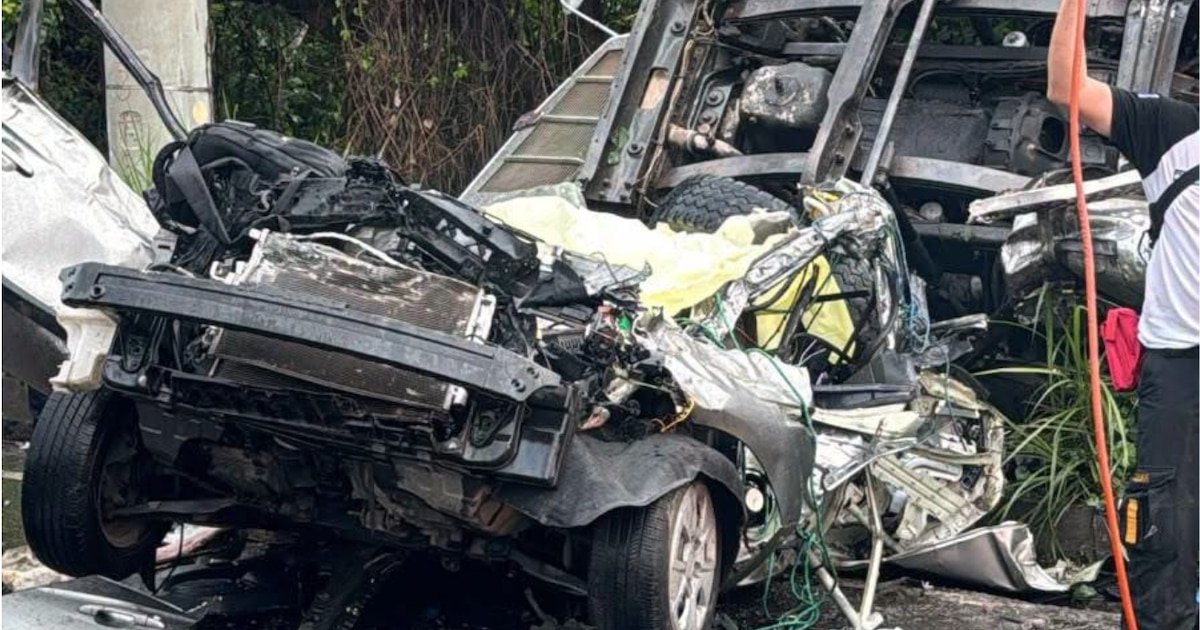
Un choque entre un camión de volteo y un vehículo particular provocó la muerte de cuatro personas en el kilómetro 89 de la autopista que conecta Santa Lucía Cotzumalguapa y Siquinalá, en el departamento de Escuintla, Guatemala, durante la tarde del domingo 26 de julio de 2026. Según reportaron los Bomberos Municipales Departamentales, el impacto dejó atrapados a los fallecidos entre los hierros retorcidos de los automóviles.
El vocero de los Bomberos Municipales Departamentales, Cecilio Chacaj, explicó que el personal de rescate localizó a tres de las víctimas dentro de la unidad más pequeña, donde fue necesario el uso de herramientas especializadas para recuperar los cuerpos. Una cuarta persona fue hallada sobre la cinta asfáltica, junto a los vehículos involucrados.

En imágenes difundidas por medios locales, se observa una camioneta tipo agrícola completamente destruida y el camión de volteo volcado sobre la vía. Debido a la magnitud del siniestro, Bomberos Voluntarios y municipales coordinaron el cierre parcial de la carretera para atender la emergencia, mientras el asfalto permanecía mojado por las lluvias recientes en la región.
De acuerdo con información oficial, las autoridades lograron identificar a los cuatro fallecidos como:
- Francisca Rosales Díaz de Cortave
- Mario Giovanni García Rivera
- Elmer Nehemías Cortave
- Edvin Orlando Atz Moxó, este último conducía la camioneta agrícola y había sido contratado por la familia para el trayecto.
Un hijo del matrimonio sobrevivió, aunque resultó herido y fue trasladado primero al Instituto Guatemalteco de Seguridad Social (IGSS) de Santa Lucía Cotzumalguapa, antes de ser referido al Hospital Regional de Escuintla.
La familia residía en San Miguel Petapa y se había desplazado hasta la comunidad Las Cruces, en Santa Lucía Cotzumalguapa, para realizar una visita familiar.

Antes de regresar, Francisca Rosales envió un mensaje de voz a su hermano, Cosme Rosales, en el que expresó: “Ahí te encargo a mi papá, se quedó llorando. Te cuidas mucho tú también”. Estas palabras resultaron ser su despedida final.
Tras el choque, agentes de la Policía Nacional Civil (PNC) resguardaron el área a la espera del Ministerio Público, encargado de iniciar las investigaciones para esclarecer las circunstancias del accidente. La Dirección de Protección y Seguridad Vial (Provial) desplegó a varios agentes para coordinar el tránsito y garantizar la seguridad en el sector, donde se mantuvo el cierre de uno de los carriles.
Las primeras indagaciones apuntan a que el conductor del camión de volteo abandonó el lugar tras la colisión. Las autoridades continúan trabajando para establecer las causas precisas del siniestro y localizar al responsable.
El impacto del accidente se hizo sentir en la comunidad de Bomberos Voluntarios, que manifestó solidaridad con uno de sus miembros tras la pérdida de tres familiares directos en el hecho. Medios locales difundieron imágenes que evidencian la gravedad de la colisión, confirmando la presencia de una mujer fallecida sobre la carretera y un ocupante de la camioneta vestido con camiseta de fútbol blanca y celeste.
El incidente subraya los riesgos de transitar bajo condiciones climáticas adversas y la importancia de la seguridad vial en rutas altamente transitadas. Las investigaciones oficiales siguen en curso para determinar responsabilidades y evitar hechos similares.
Guatemala,Accidente de tránsito,fallecidos,Santa Lucía Cotzumalguapa,Escuintla
INTERNACIONAL
Un descontrolado incendio forestal en Francia obliga a evacuar a 250.000 personas y avanza hacia Burdeos
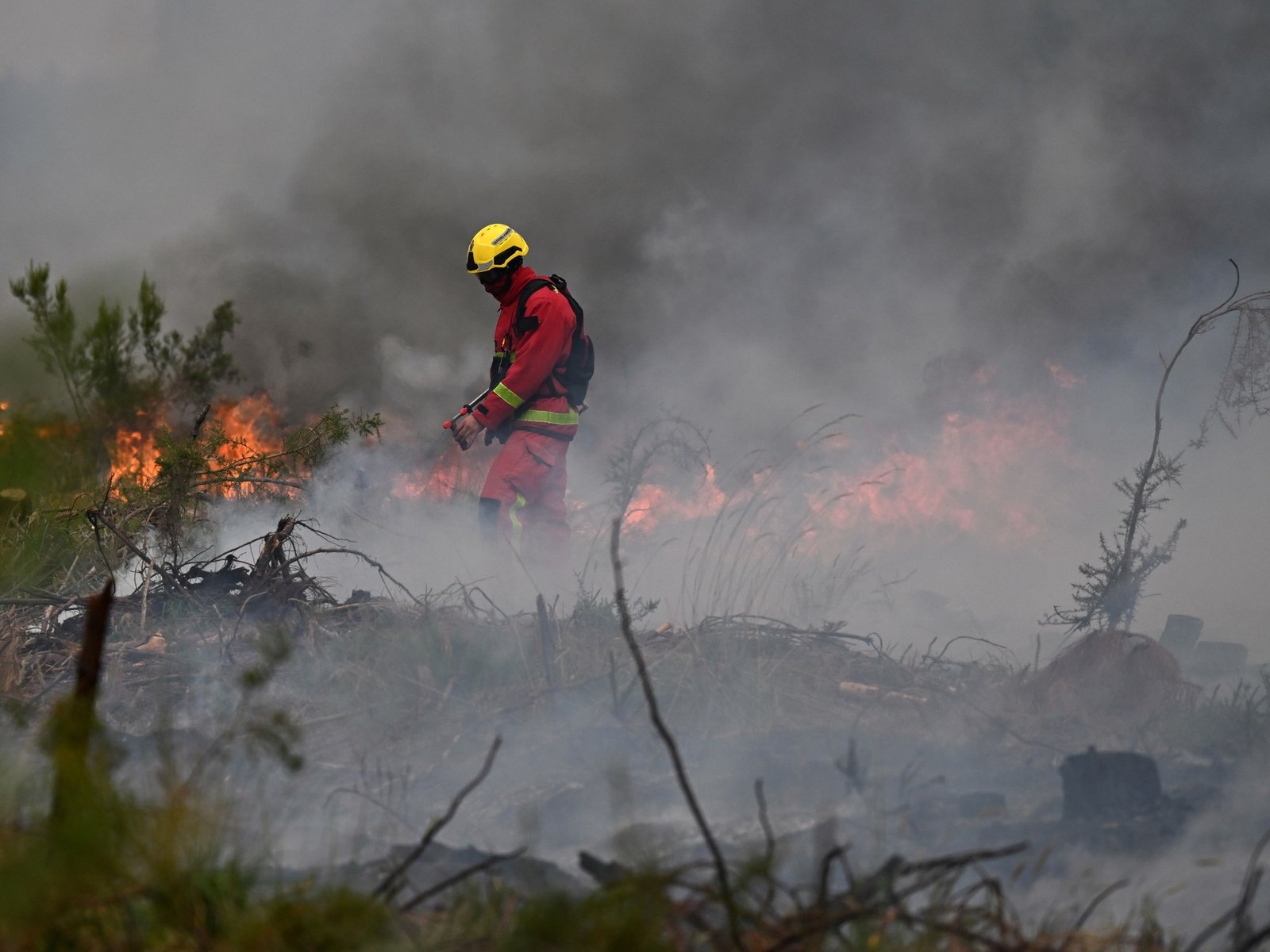
En una noche 55.000 evacuados
Fábricas de pólvora y misiles a salvar
Los refugiados del fuego

Pueblos vacíos y abandonados en la evacuación
Aire enrarecido y cuidados

El avance de la transparencia fiscal arrincona la privacidad patrimonial en todo el mundo

Crisis entre Milei y Lula: la trama política, personal y geopolítica detrás del mayor choque diplomático entre Argentina y Brasil

Se retiró el árbitro que dirigió la final entre Argentina y España en el Mundial 2026

The Washington Post dedicó un editorial a los resultados del gobierno de Milei

Cómo es y cuánto cuesta la máquina de altísima tecnología vibratoria que Jimena Barón se trajo de Estados Unidos para tener el mejor cuerpo del mundo

El canciller de Brasil calificó de “graves e inaceptables” los dichos de Javier Milei sobre Lula da Silva y escaló la tensión diplomática

Senado: Bullrich y Sturzenegger cierran filas para tratar de avanzar con la extranjerización de tierras
Marc Stanley destacó el potencial de Vaca Muerta para “estabilizar la economía” y evitó hablar de política interna

Mujeres libertarias: se declaran antifeministas, defienden con pasión las ideas de Milei y buscan pisar más fuerte

Recuperaron ADN de un tenedor plástico y acusaron a una mujer de haber apuñalado 100 veces a su mejor amiga hace 14 años

 ECONOMIA3 días ago
Vocero de Milei dijo que un dólar a $1.800 es «posible» y la City alerta por fin de la paz cambiaria
- ECONOMIA3 días ago
Polémica por el proyecto que busca desregular los planes de ahorro de autos 0 km: qué podría cambiar
- POLITICA3 días ago
Convivencia pacífica o tensión administrada: el PRO define cómo pararse frente al gobierno de Milei rumbo a 2027