INTERNACIONAL
Exiled Muslim scholar warns far-left–Islamist alliance behind anti-Israel protests echoes Iran’s rise

NEWYou can now listen to Fox News articles!
A Muslim scholar who was forced to flee Egypt after criticizing Hamas’ Oct. 7 attacks is warning America’s far left that its alliance with Islamist extremism could end the same way Iran’s did in 1979 — with an Islamic regime seizing power after partnering with leftist factions.
Dalia Ziada, a Middle East scholar and Washington, D.C.-based coordinator at the Institute for the Study of Global Antisemitism and Policy, later relocated to the United States and said she is now seeing similar and troubling dynamics take shape here.
Her warning comes as a global network of anti-Israel activist groups is mobilizing coordinated «Nakba 78» protests across the United States and around the world this weekend, with organizers using the anniversary of Israel’s founding to stage demonstrations that critics say challenge the Jewish state’s legitimacy, and, in some cases, call for its dismantling
«For five or seven years now, we have been seeing some kind of a ‘sinful marriage’ between the radical left and the radical Islamism, the groups that hate Western liberal democracies and desire to destroy them,» she told Fox News Digital.
SCATHING REPORT CALLS ON US TO LABEL ISLAMIST GROUP INFILTRATING ALL ASPECTS OF AMERICAN LIFE AS TERRORIST ORG
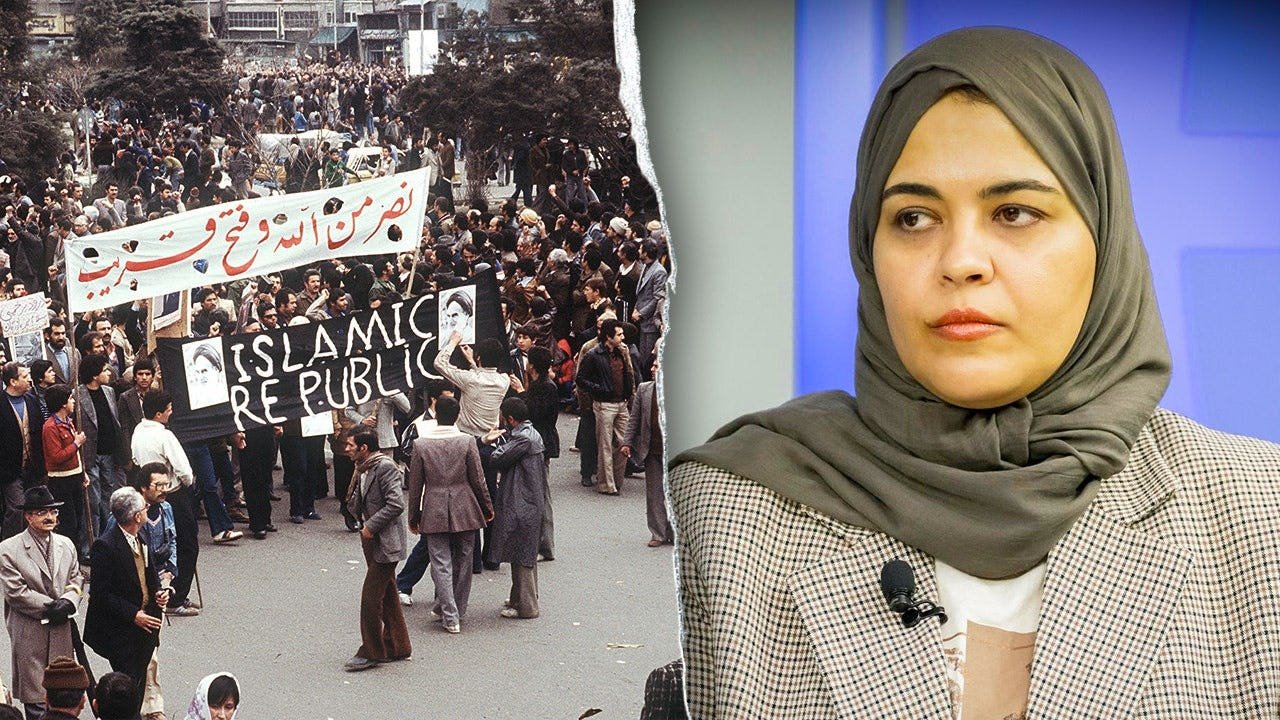
Left: Protesters gather in Tehran in February 1979 during the Iranian Revolution, carrying banners calling for an Islamic Republic. Right: Dalia Ziada, a Middle East scholar and Washington, D.C.-based coordinator at the Institute for the Study of Global Antisemitism and Policy, speaks during an interview. (Gabriel Duval/AFP via Getty Images; Provided by Dalia Ziada)
Ziada said Islamist movements, including groups tied to the Muslim Brotherhood, have for years sought to use the Palestinian cause as a way to mobilize support and build alliances with other activist movements in the West, a phenomenon some analysts have described as a «red–green alliance.
She also argued that Islamist movements have increasingly targeted Jewish communities in the West, which she described as a «pillar» supporting liberal democratic systems.
«They agree on one thing, that they need to destroy the West as we know it today and replace it with something else. For the radicalists, they want to replace it with the Marxist system. For the Islamists, they want to replace it with an Islamist system, which they think is the ideal system,» she said.
Global protest network
A Fox News Digital investigation found that approximately 425 organizations — including communist groups, Muslim advocacy organizations and anti-Israel activist coalitions — are operating within a coordinated transnational protest network with a combined funding footprint of roughly $1 billion in annual revenues.
The groups have organized an estimated 736 events across 39 countries this weekend.
Ziada said the alliance reflects what she described as a shared hostility toward Western liberal democracies and has intensified in the wake of the Oct. 7 Hamas attacks.
She argued the war in Gaza has provided what she described as a «moral umbrella» for the movement.
«They used that to give themselves some moral legitimacy to go on and accelerate the process of destroying the West,» she said.
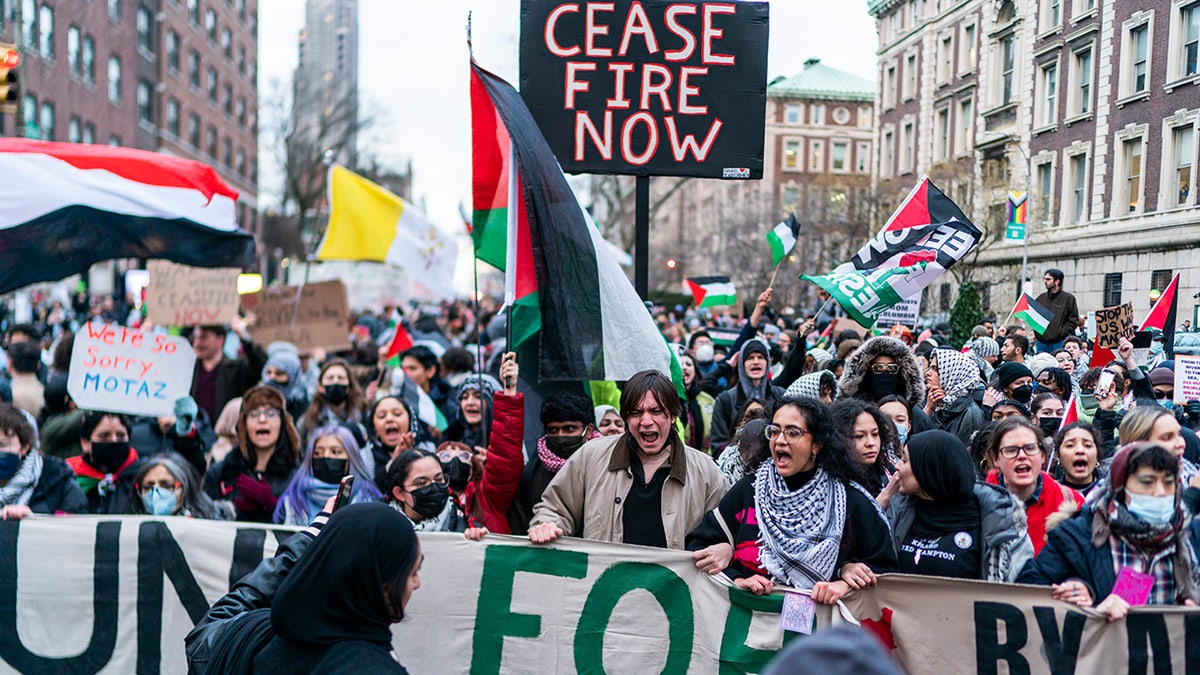
Pro-Palestinian demonstrators protest outside Columbia University in New York City on Feb. 2, 2024. (Eduardo Munoz Alvarez/VIEWpress)
Lessons from Iran
Ziada pointed to the 1979 Iranian Revolution as a cautionary example.
«We saw this exactly happening in Iran in the 1970s. The Islamists used the left because the legitimacy of the left is stronger, because they don’t come from a religious background,» she said. «They allied the communists there, made them believe that we all are going to change Iran and make it a better place. And how it ended in 1979, the Islamic Revolution happened. The Islamists took over the country and the first group they sacrificed … was the communists, the leftists in Iran.»
Ziada warned that similar dynamics could emerge in the United States if ideological alliances continue to deepen, arguing that movements built around shared opposition can fracture once power shifts.
She said that while the groups involved may appear aligned in the short term, their long-term goals are fundamentally incompatible — a pattern she said has played out repeatedly in the Middle East.
She said such alliances are often temporary, warning that once power is secured, more extreme factions tend to dominate.
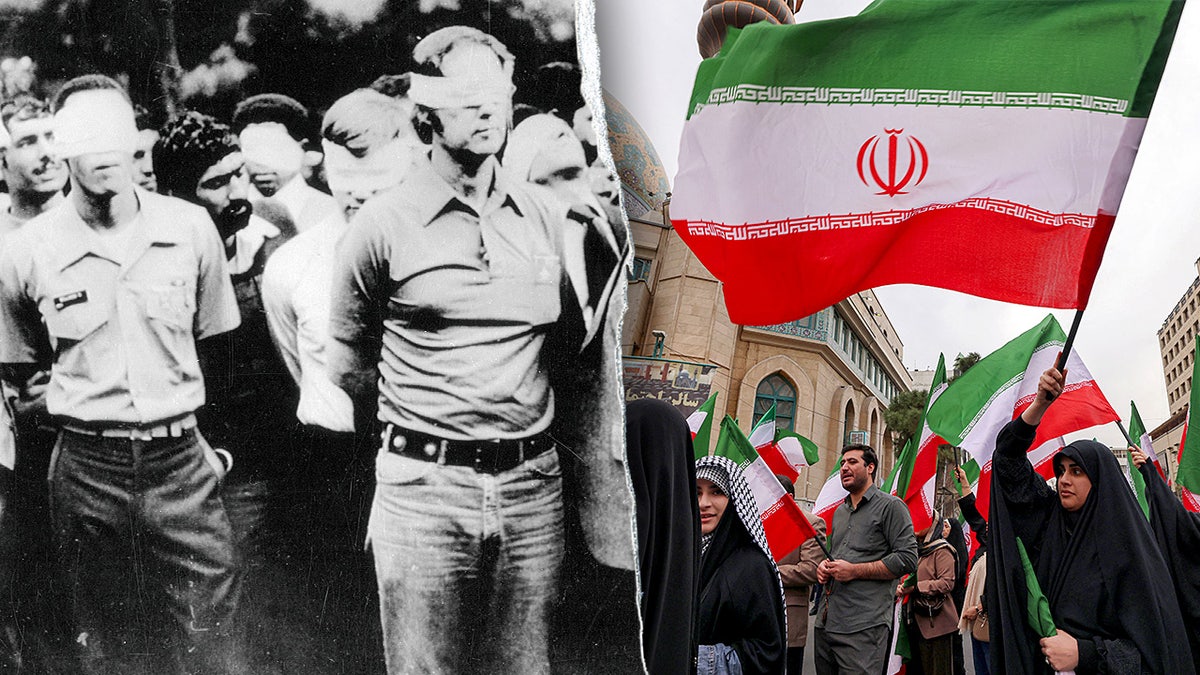
A split image shows Americans held hostage during the 1979 seizure of the U.S. Embassy in Tehran alongside modern-day protests in Iran. (Bettmann/Getty Images; Atta Kenare/AFP via Getty Images)
ASRA NOMANI: I WATCHED HATE CONSUME DEMOCRATS’ ‘NON-VIOLENT’ #NOKINGS RALLIES
She said the protests themselves are expected to follow a familiar pattern of anti-Israel demonstrations that she described as «very well organized worldwide.»
«I don’t think this time it would be any different in the general sense of demonizing Israel, trying to blame Israel for everything,» she said.
Ziada said protesters are likely to frame Israel using terms such as «apartheid» and «genocide,» language she argued points to a broader, coordinated alignment of groups operating with similar messaging and goals.
Ziada said the term «Nakba,» meaning «catastrophe,» has been reframed over time, arguing it was originally used in part to criticize Arab leaders for rejecting a proposed Palestinian state — a context she said is largely absent from modern protests.
«I wouldn’t say it’s kind of a bureau… but they all agree on one thing, which is destroying the United States or weakening the Western world,» she said.

A demonstrator holds a picture of Iran’s former Supreme Leader Ayatollah Ali Khamenei during a rally in Tehran on June 14, 2025, showing solidarity with the government against Israel’s attacks and marking Eid al-Ghadir. (Atta Kenare/AFP)
CLICK HERE TO DOWNLOAD THE FOX NEWS APP
Ziada said she has already seen the consequences of such alliances firsthand in the Middle East.
«I have seen my native Egypt being destroyed by these groups, by these people, and I’ve seen the entire Middle East actually falling under this. And I don’t want to see the United States, the country that has given me my education, has given my career, has given me a refuge when these radicals tried to kill me — I don’t want to see being destroyed by the same bad guys.»
iran, middle east, anti semitism, islam, israel, hamas, us protests, wars












INTERNACIONAL
WATCH: GOP senators tear into former Biden pardon attorney over push to spare ‘mass murderers’ from death row
NEWYou can now listen to Fox News articles!
Several Republican senators challenged the credibility of the testimony of a former Biden Justice Department official during the second day of the Todd Blanche confirmation hearing, pointing to the part she played in the clemency granted to 37 death row inmates.
Democrats called Elizabeth Oyer, the former U.S. pardon attorney at the Department of Justice, a nonpolitical position she served from April 2022 until March 2025 when then-Deputy Attorney General Blanche fired her, which she argued was politically motivated.
While Democrats cast the former pardon attorney as evidence Blanche had politicized the Justice Department, Republicans argued her recommendations to commute the sentences of federal death row inmates undermined her credibility.
Blanche, who has served as acting attorney general since April 2, did not publicly disclose the reasoning for Oyer’s firing, but she claimed it was because she refused to recommend that actor Mel Gibson, who serves as a special envoy to Hollywood for President Donald Trump, have his gun rights restored. The Justice Department denied this as the cause for her firing.
TRUMP’S AG NOMINEE RACKS UP MASSIVE SUPPORT AHEAD OF CONFIRMATION HEARING: ‘REAL RESULTS’
In her opening testimony before the Senate Judiciary Committee Thursday, Oyer mentioned Blanche’s handling of the Epstein files and Ghislaine Maxwell’s reassignment to a lower security prison as among the main reasons Blanche should not become attorney general.
«At the end of the day, the priority of this DOJ is protecting powerful men, even when it comes at the expense of vulnerable women,» Oyer testified Thursday.
But Sens. Josh Hawley, R-Mo.; Eric Schmitt, R-Mo.; and Senate Judiciary Chair Chuck Grassley, R-Iowa, hammered Oyer over an internal memo from Nov. 4, 2024, in which she recommended that Attorney General Merrick Garland advise President Joe Biden to consider commuting the 40 remaining federal death sentences. Biden went on to commute the death sentences of 37 of those recommended.
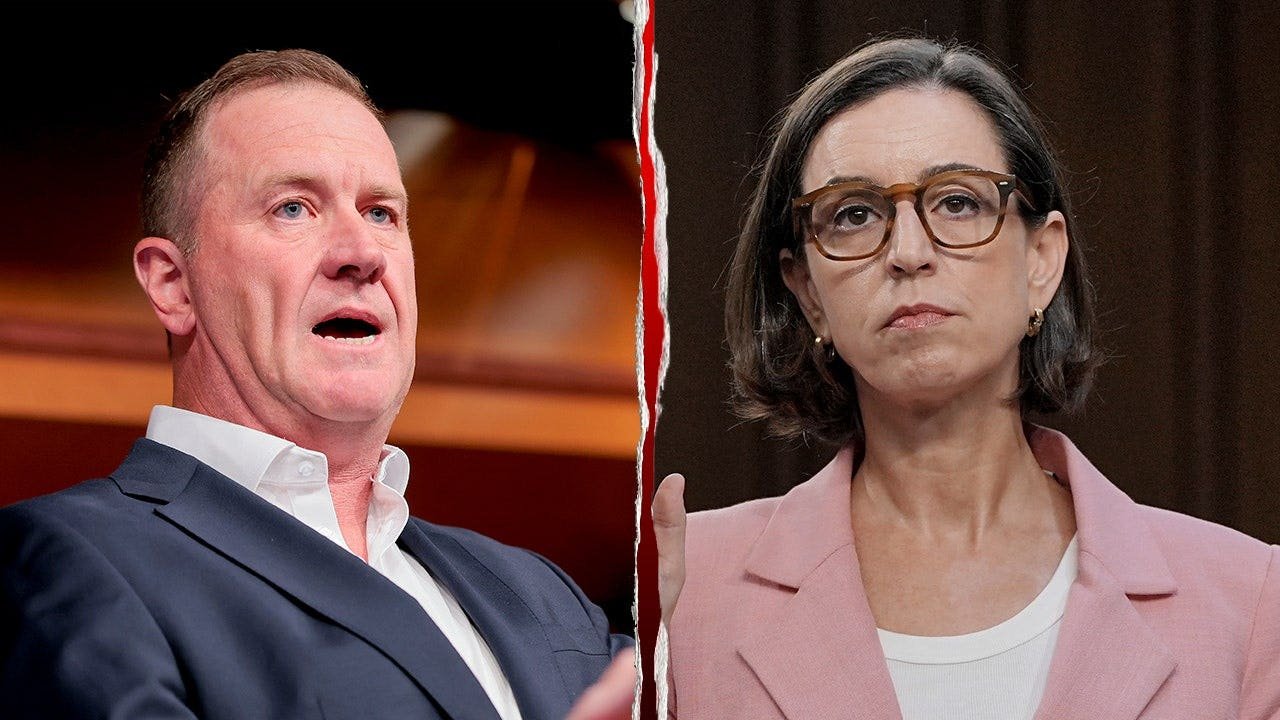
Sen. Eric Schmitt, R-Mo., and former Department of Justice pardon attorney Liz Oyer (Ken Cedeno/AFP via Getty Images; Heather Diehl/Getty Images)
«You have no credibility to talk about Todd Blanche. You have none,» Schmitt said. «You’ve come here, you deny basic facts. You recommended the commutation of murderers. You gave no quarter at all or any time to the victims of these brutal murders. So, again, I can’t believe you’ve been called here by the other side. But I’m glad we’ve had an opportunity to expose your hypocrisy.»
A report from the Justice Department found that Oyer’s 73-page memorandum only dedicated three paragraphs to address the grievances of the victims’ families.
JUSTICE DEPARTMENT ANNOUNCES IT’S READOPTING THE FIRING SQUAD AS A MEANS OF EXECUTION
Earlier in the hearing, Hawley pointed out some of the notorious federal death row inmates whose death sentences Oyer recommended be commuted to life in prison. Among them was Dylan Roof, who was convicted in the June 17, 2015, mass shooting at Emanuel African Methodist Episcopal (AME) Church in Charleston, South Carolina, where he killed nine Black parishioners during a Bible study. Biden ultimately declined to pardon him.
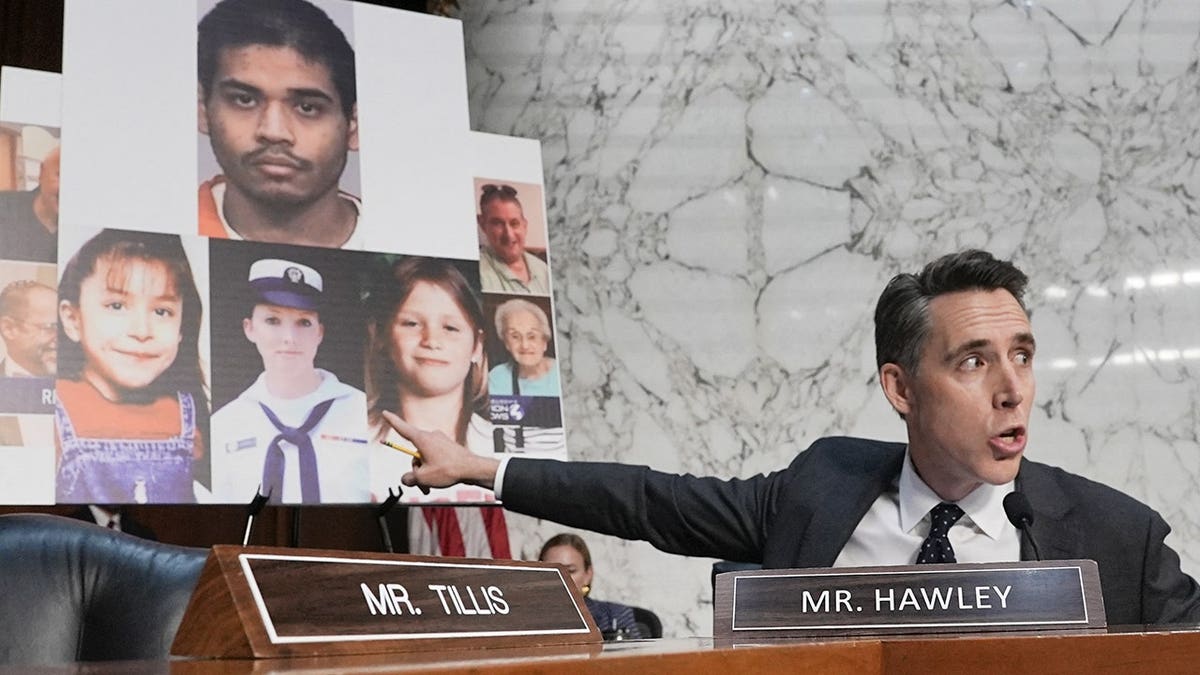
Sen. Josh Hawley, R-Mo., speaks while pointing to a sign during the second day of acting U.S. Attorney General Todd Blanche’s Senate Judiciary Committee confirmation hearing on his nomination to be attorney general on Capitol Hill in Washington July 16, 2026. (Ken Cedeno/AFP via Getty Images)
«You said that actually Roof is not a compelling candidate for clemency, but you recommended it anyway,» Hawley said, referring to Oyer’s memorandum. «Why? Because he suffered from anxiety. You said, ‘Right, he suffered from anxiety’. Did it ever occur to you that maybe the family of his victims might suffer a little bit of anxiety because he marched into their church and murdered them in cold blood, because he was an incredible racist and he wanted to get on TV?»
Hawley then turned to Oyer’s recommendation to commute the death sentence of Robert Bowers, who was convicted of 63 federal charges stemming from the 2018 Tree of Life synagogue shooting, which killed 11 Jewish worshipers. Biden also did not commute Bowers’ sentence.
«This guy killed people just because they’re Jews,» Hawley said. «A jury recommended that he be sentenced to death, and you substituted your judgment for theirs, and now he’s going to live. Are you proud of that?»
«Sir, what I am proud of is the fact that I took my job as pardon attorney extremely seriously,» Oyer said in response.
«I think your judgment is astoundingly terrible. I’m amazed that this side of the aisle has called you.» Hawley responded.
SENATOR TIM SHEEHY: SOFT-ON-CRIME JUDGES NEED CONSEQUENCES. THE JAIL ACT DELIVERS
But Grassley pointed out that Oyer also recommended commuting the death sentence of Jorge Avila-Torrez. Torrez was on federal death row for convictions for the stabbing deaths of two young girls in Illinois, the murder of Navy Petty Officer Amanda Snell at a Virginia military base and the abduction and rape of a University of Maryland graduate student.
He pressed Oyer on the pardon recommendations she made. Oyer refused to answer, invoking the president’s executive privilege.
«You can’t even tell me if you contacted the victim’s family?» Grassley asked. «You can’t say yes or no to that?»
Oyer said that all the death row inmates who received clemency will spend the rest of their lives behind bars.
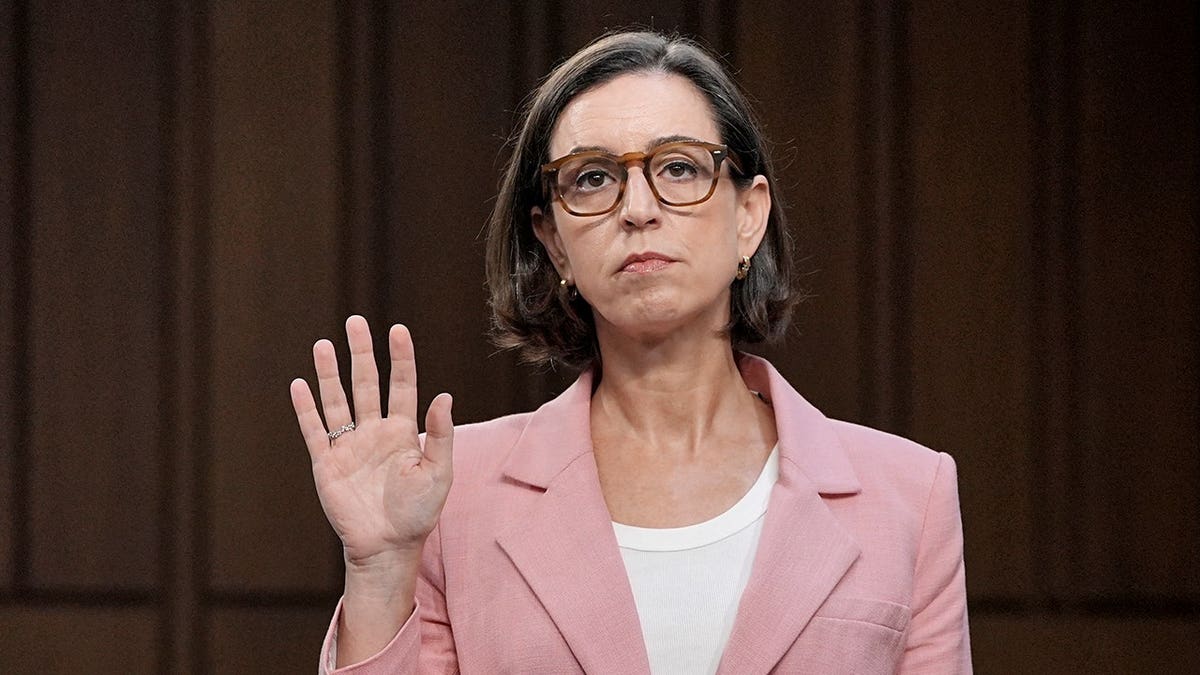
Former Department of Justice Pardon Attorney Liz Oyer is sworn in during the second day of acting U.S. Attorney General Todd Blanche’s Senate Judiciary Committee confirmation hearing on his nomination to be attorney general on Capitol Hill in Washington, D.C., July 16, 2026. (Ken Cedeno/AFP via Getty Images)
«These are absolutely horrific cases,» Oyer said. «And every one of the individuals you mentioned will remain incarcerated for the rest of their lives, most likely in a maximum security prison facility.»
Sen. Cory Booker, D-N.J., condemned his Republican colleagues’ line of questioning with Oyer later in the hearing.
CLICK HERE TO DOWNLOAD THE FOX NEWS APP
«I just want to start off by saying, Miss Oyer, I hold you in the highest esteem and respect, especially what you’re doing now as a private citizen,» Booker said. «You use a platform to educate people about the law.
«It is technical, but yet accessible. And the badgering you just endured, it should be completely unacceptable. You were asked to comment on things you didn’t have before you. The treatment here, to me, is just outrageous. And I apologize on behalf of the United States Senate.»
Fox News Digital reached out to Biden’s office and Oyer for comment.
todd blanche, justice department, cory booker, senate elections, attorney general
INTERNACIONAL
A menos de tres meses de las elecciones entre Lula y Bolsonaro, Trump anunció nuevos aranceles sobre importaciones brasileñas
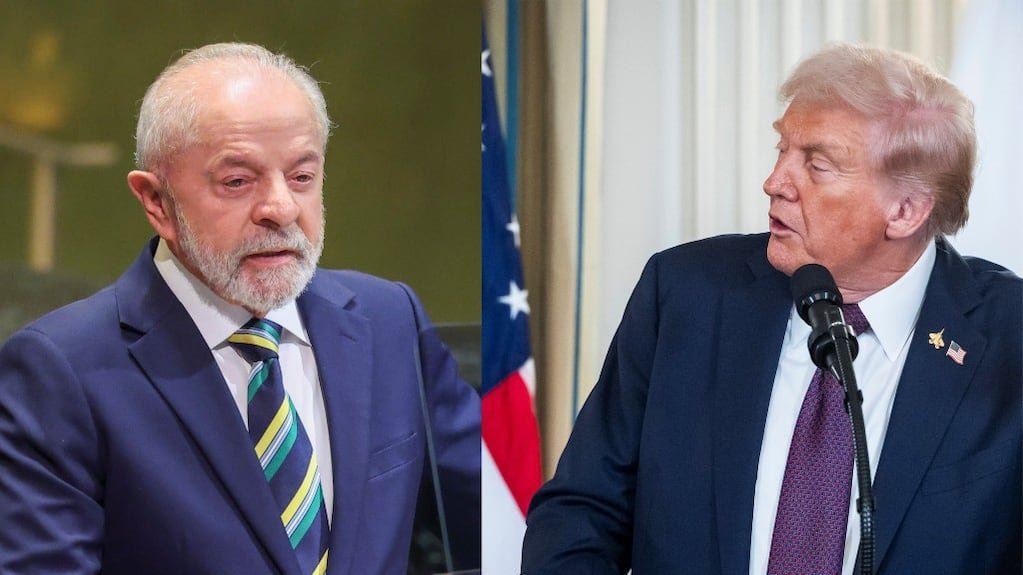
Estados Unidos anunció un nuevo arancel del 25% sobre ciertas importaciones procedentes de Brasil, cuyo gobierno condenó la medida y anunció la activación de una ley de reciprocidad aprobada el año pasado.
Este gravamen, que entrará en vigor el 22 de julio, responde a una investigación de un año de la Oficina del Representante Comercial de Estados Unidos (USTR) sobre las políticas comerciales brasileñas, informó un funcionario estadounidense.
Este arancel adicional afectará a exportaciones brasileñas por cerca de 11.200 millones de dólares, según cálculos de la Cámara Americana de Comercio para Brasil (Amcham Brasil).
El valor represente cerca del 29,7% de los 37.700 millones de dólares en exportaciones brasileñas a Estados Unidos el año pasado.
La medida se conoce a menos de tres meses de las elecciones presidenciales del 4 de octubre en Brasil, en las que el mandatario Lula da Silva buscará su reelección. Su colega estadounidense, Donald Trump, respalda a su rival de derecha, Flávio Bolsonaro.
Qué productos brasileños estarán afectados por los aranceles estadounidenses
Una serie de productos, entre ellos la carne vacuna, el café y ciertas piezas de aeronaves, quedarán exentos, además de otros bienes que Estados Unidos no produce, añadió esa fuente.
“Las prácticas comerciales desleales de Brasil han impedido que los trabajadores y productores estadounidenses accedan a este importante mercado”, justificó luego en un comunicado el representante comercial estadounidense, Jamieson Greer. El presidente Donald Trump habla en una academia militar en Carlisle, Pensilvania, el 15 de julio del 2026. (AP foto/Julia Demaree Nikhinson)
“Seguimos abiertos a continuar las negociaciones con Brasil para lograr los cambios necesarios”, añadió.
Condena del gobierno brasileño
El gobierno del presidente brasileño, Luiz Inácio Lula da Silva, repudió el nuevo arancel y dijo que “no reconoce la legitimidad de investigaciones sin respaldo en las reglas multilaterales de comercio”, en referencia al proceso adelantado por la USTR.
“No hay justificación para medidas unilaterales contra nuestro país. Según estadísticas del propio gobierno norteamericano, Estados Unidos acumuló en los últimos 15 años 424.500 millones de dólares en superávit de bienes y servicios con Brasil”, se lee en un comunicado compartido por el mandatario en la red social X.
Leé también: “Lindo día para ahogar penas”: el rey Carlos III tomó cerveza y bromeó sobre la derrota de Inglaterra contra Argentina
El texto también precisa que Brasilia “iniciará de inmediato los trámites para activar los instrumentos previstos en la Ley de Reciprocidad”, aprobada por unanimidad en abril de 2025 por el Congreso en medio de la ofensiva arancelaria que el gobierno de Donald Trump inició ese año contra decenas de países.
La presidencia brasileña anunció, igualmente, que “retomará el tema en el marco del mecanismo de solución de controversias de la OMC (Organización Mundial del Comercio)”, sin dar más detalles.
“El precio que se debe pagar”
Las pesquisas estadounidenses ya habían determinado que ciertas prácticas de Brasil eran “irrazonables o discriminatorias y suponían una carga o restricción al comercio estadounidense”.
Poco después de conocerse el nuevo gravamen, el secretario de Estado estadounidense, Marco Rubio, afirmó que Lula y su gobierno “no han negociado con Estados Unidos de buena fe”.
“Lula ha antepuesto su propio ego a llegar a un acuerdo por el bienestar del pueblo brasileño, y estos aranceles son el precio que debe pagar por ello”, señaló el jefe de la diplomacia en una publicación en la red social X.
Este nuevo arancel llega cuando el presidente Trump impulsa una reforma de su agenda económica, después de que la Corte Suprema de Estados Unidos anulara en febrero gran parte de sus aranceles globales.
Funcionarios estadounidenses han propuesto nuevos gravámenes dirigidos a decenas de sus socios comerciales por sus supuestos incumplimientos a la hora de actuar contra el trabajo forzoso, según investigaciones del USTR.
(Con información de EFE y AFP)
Brasil, Lula Da Silva

Los secretos de Messi para brillar en el Mundial 2026 a los 39 años: cómo le ganó al tiempo

El juez Lijo pidió quedarse con todas las causas donde se investiga el “rulo financiero”

Del tractor al buey: el campo de Cuba se adapta a la falta de combustible

Argentina participó de la cumbre contra el Resurgimiento del Terrorismo Político organizada por Estados Unidos

Importación, tecnología eléctrica y nuevos mercados: cómo está cambiando el negocio de las fábricas y marcas de autos en Argentina

Lamine Yamal y Pedro Porro se entrenaron diferenciado a tres días de la final del Mundial 2026

Operativo Reelección 2027: Los 8 Cambios Urgentes que Javier Milei Debe Implementar para Asegurar su Continuidad

El machete del arquero inglés en una botella que sorprendió a Messi tras el triunfo: el dardo de un ayudante de Scaloni a Inglaterra

Quiénes se quedan con las esquinas más cotizadas de la Ciudad tras el cierre de sucursales bancarias

Aumentó 900% la cantidad de repartidores de plataforma en los últimos 6 años

 DEPORTE1 día ago
El machete del arquero inglés en una botella que sorprendió a Messi tras el triunfo: el dardo de un ayudante de Scaloni a Inglaterra
- ECONOMIA2 días ago
Vaca Muerta promete renta anual del 15% y desata una fiebre inmobiliaria sin precedentes
- INTERNACIONAL3 días ago
Democratic socialists erupt over 2028 endorsement as AOC speculation grows: ‘Dangerous path’