INTERNACIONAL
Putin using Africa as ‘purse’ for Ukraine war while US faces ‘intelligence black hole’: commander

NEWYou can now listen to Fox News articles!
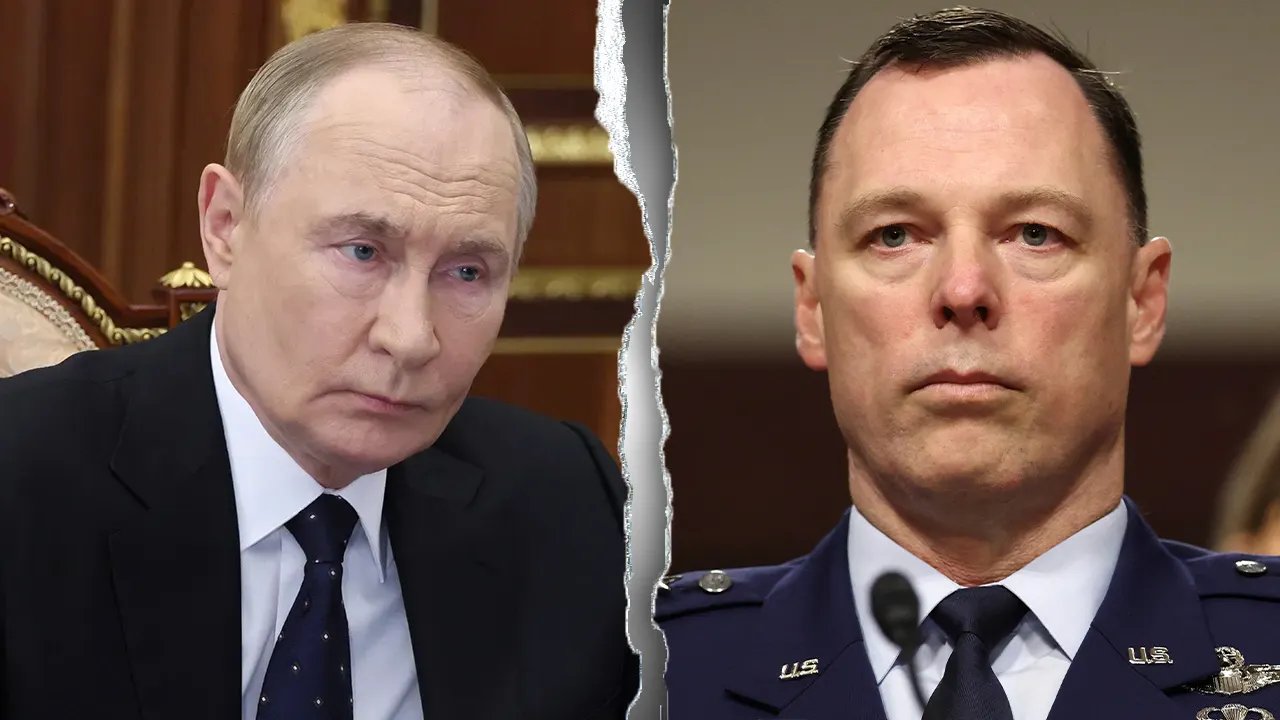
The commander of U.S. Africa Command warned lawmakers that Africa has become Russian President Vladimir Putin’s «purse» for fueling the war in Ukraine, as a shrinking American military footprint leaves the U.S. facing an «intelligence black hole» across the continent.
Gen. Dagvin Anderson told the House Armed Services Committee Tuesday that Russia, China and terrorist groups are rapidly expanding their influence in Africa while the U.S. and allied drawdowns have weakened America’s ability to monitor emerging threats.
Anderson warned that Africa has become the «epicenter of global terrorism,» with ISIS leadership now concentrated on the continent and al Qaeda affiliates threatening to seize territory and destabilize governments.
«With a 75% reduction in our regional posture over the past decade, compounded by the drawdown of our allies, we struggle with an intelligence black hole,» Anderson said.
The Kremlin agreed to extend a deal allowing for the global export of Ukrainian grain, but threatened to void it if the nation doesn’t meet Moscow’s demands. (Vladimir Astapkovich, Sputnik, Kremlin Pool Photo via AP)
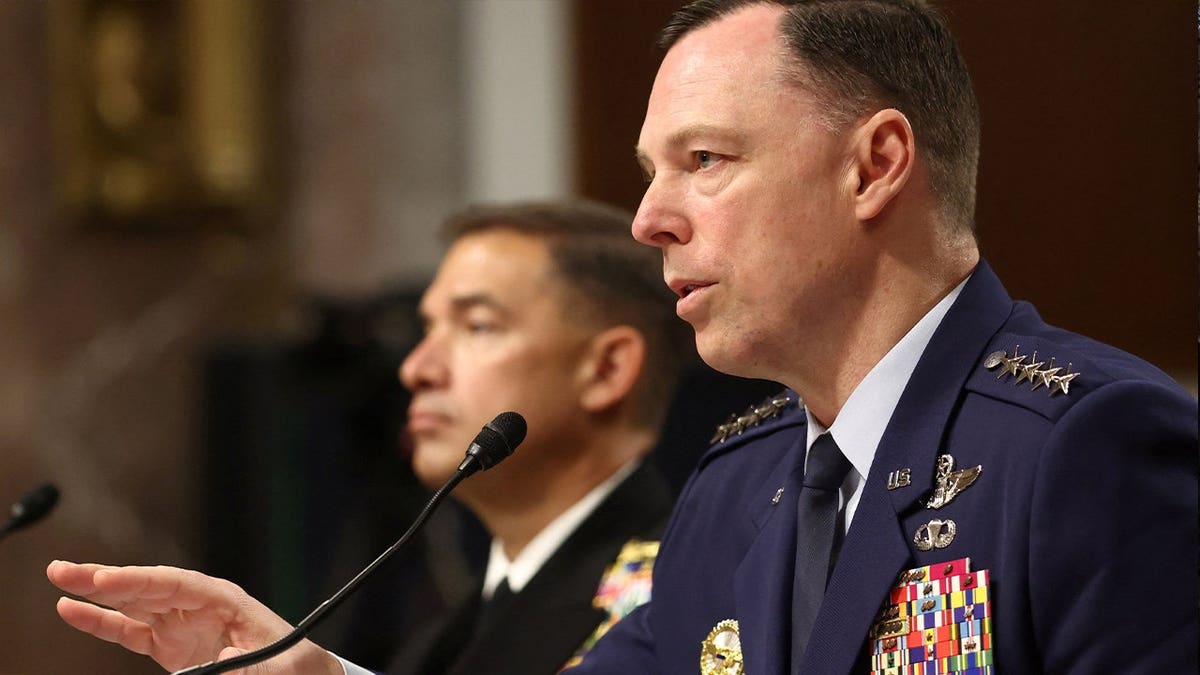
The commander of U.S. Africa Command warned lawmakers Tuesday that Africa has become Russian President Vladimir Putin’s «purse» for fueling the war in Ukraine. (Kevin Lamarque/Reuters)
«You cannot surge trust,» he added, arguing that reduced U.S. presence has damaged long-term relationships and crisis response capabilities across the continent.
NIGER FALLOUT UNDER BIDEN LEAVES US TROOPS ‘BLIND’ IN BATTLE WITH TERROR GROUPS
Anderson’s testimony painted a picture of adversarial powers and extremist groups exploiting the same instability and governance vacuums across parts of the continent.
«Africa also serves as Putin’s purse, where Russia exploits instability to extract resources, including human lives, to fuel its war machine,» Anderson said.
Russia has framed its growing presence in Africa as a security and anti-terrorism partnership with regional governments, particularly in countries where Western and French forces have withdrawn. Moscow’s Africa Corps, the Kremlin-controlled successor to the Wagner Group, a Russian mercenary organization that expanded Moscow’s influence across Africa through military operations and security partnerships, has increasingly filled security vacuums left after Western and French drawdowns in countries including Mali and Niger.
The Russian embassy in the U.S. could not immediately be reached for comment.
KENYA DEMANDS ANSWERS FROM RUSSIA OVER RECRUITMENT OF CITIZENS TO FIGHT IN UKRAINE WAR
Lawmakers also pressed Anderson on reports that Russia has recruited African nationals through networks promising jobs and economic opportunities before transporting some recruits to fight in Ukraine.
Rep. Mike Turner, R-Ohio, cited reports that as many as 1,000 Kenyans had been recruited and transported to the front lines in Ukraine through Russian-linked recruitment pipelines.
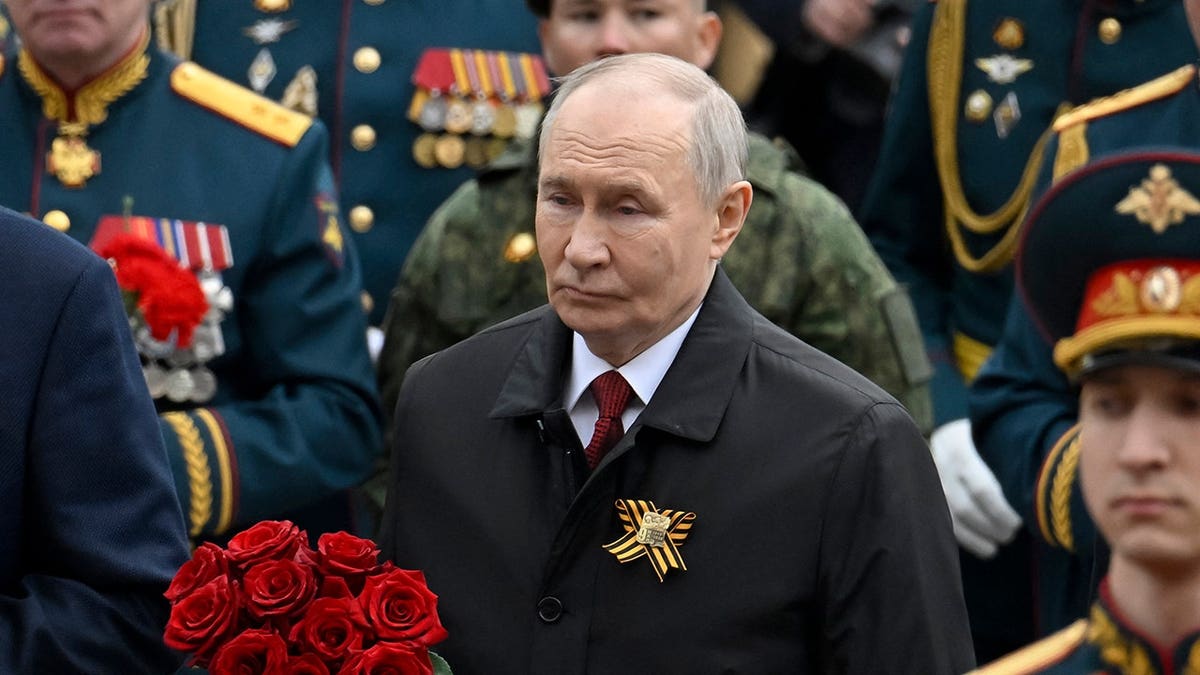
Russian President Vladimir Putin on Saturday said he thinks the war with Ukraine could end soon. (Alexander Nemenov/AFP)
«It is disturbing how many Africans from across the continent are being recruited by Russia to fight in Ukraine,» Anderson said.
RISING ISIS THREATS TO US HOMELAND DRIVE AFRICOM AIRSTRIKES AGAINST TERRORISTS IN SOMALIA
Anderson warned that terrorist organizations are capitalizing on weakened governance and shrinking Western presence across parts of Africa, particularly in the Sahel region.
«Today, the epicenter of global terrorism is in Africa,» Anderson told lawmakers. «ISIS leadership is African. Al Qaeda’s economic engine is in Africa.»
«Both groups share the will and intent to strike our homeland,» he went on.
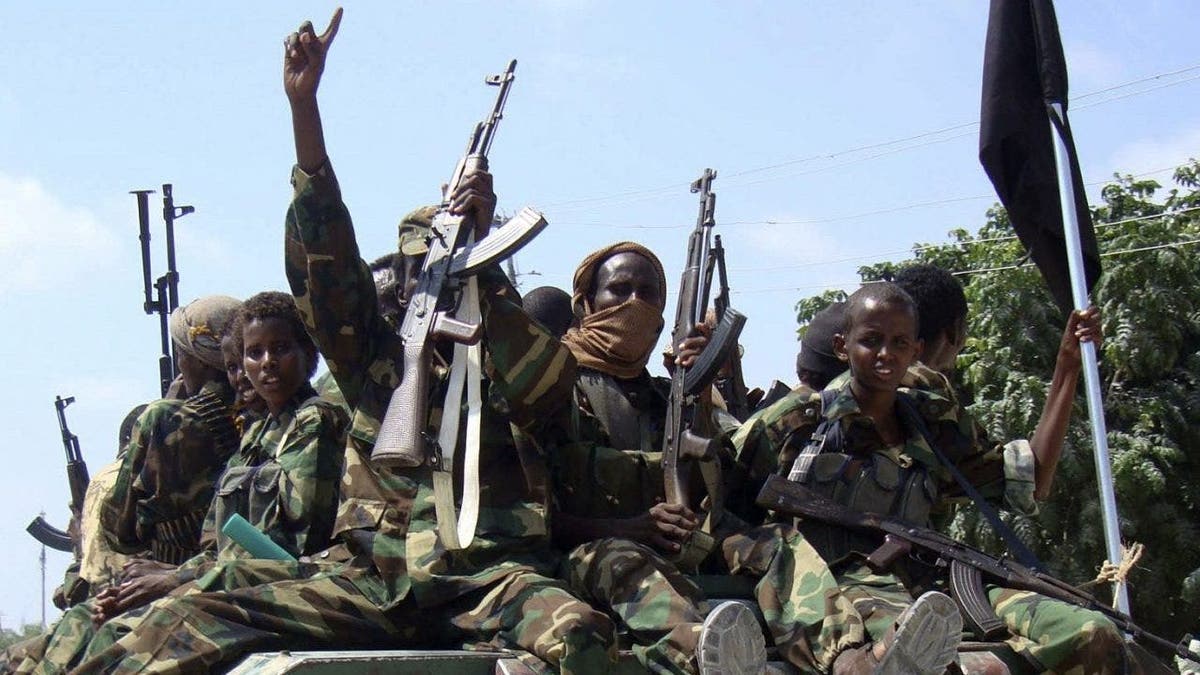
Members of the al Shabaab Islamist rebel group parade through the streets of Mogadishu, Somalia, on Jan. 1, 2010. Gen. Michael Langley, commander of U.S. Africa Command, warned that terror groups in Africa are increasing their capability to conduct attacks in the U.S. (Feisal Omar/Reuters)
Anderson also warned that al Qaeda affiliates are increasingly capable of controlling territory and disrupting governments in the region.
«The capture of a capital city would provide al Qaeda with all the trappings of a nation state,» he said.
CLICK HERE TO DOWNLOAD THE FOX NEWS APP
Anderson also warned that China views Africa as a «second continent,» pointing to Beijing’s growing efforts to secure critical minerals and infrastructure across the region.
He said China is aggressively expanding its influence across Africa through investments tied to critical minerals, infrastructure and transportation networks. Beijing has spent years securing access to cobalt, lithium, copper and rare earth minerals used in advanced defense systems, batteries and other strategic technologies.
al qaeda, ukraine, vladimir putin, africa, terrorism












INTERNACIONAL
Mamdani dodges on ‘political theater’ of empty Netanyahu arrest threat, calls for US action and NYC protests
NEWYou can now listen to Fox News articles!
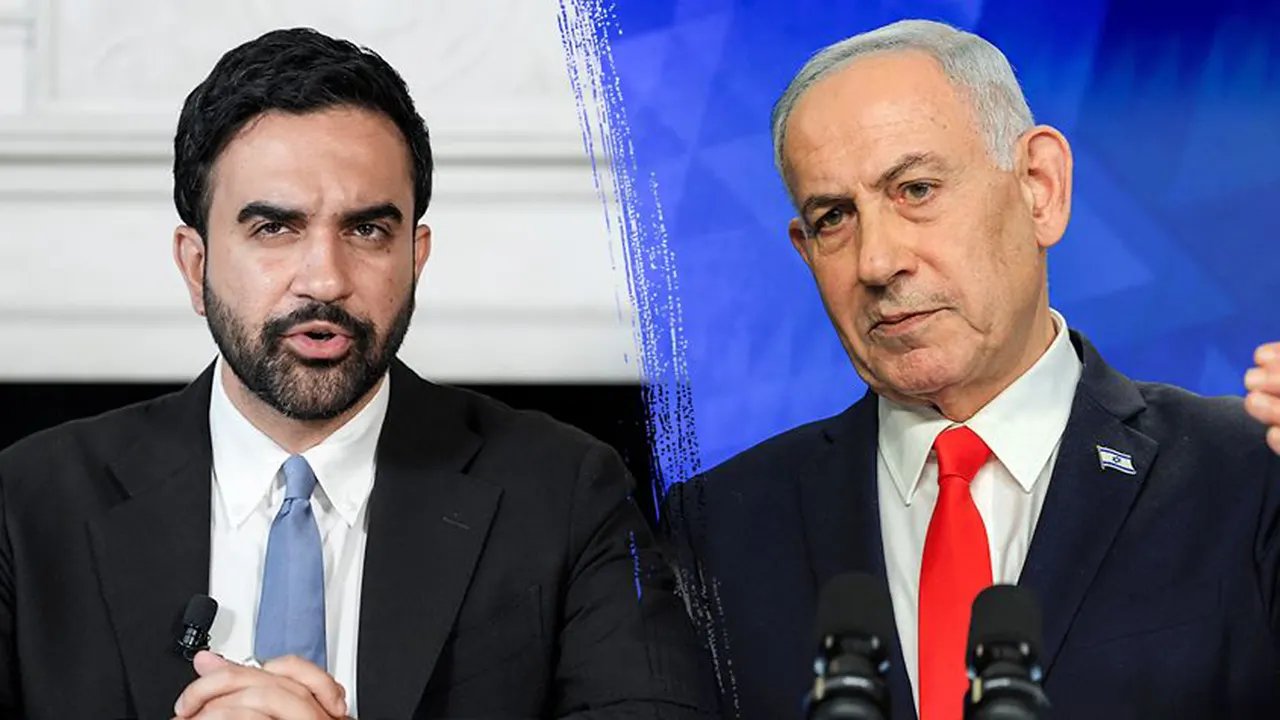
New York City Mayor Zohran Mamdani declined Wednesday to say when he learned the city had no authority to arrest Israeli Prime Minister Benjamin Netanyahu, after repeatedly campaigning on a promise to detain the Israeli leader if he came to New York.
Pressed over whether the now-abandoned arrest threat amounted to «political theater,» Mamdani said his administration had reviewed the applicable laws and concluded that only the federal government could execute the International Criminal Court warrant.
«It’s clear that the city does not have the authority to execute this warrant,» Mamdani admitted at a New York City Hall news conference Wednesday, urging the federal government to act on the ICC warrant even though the U.S. is not a member of the ICC and does not recognize the court’s jurisdiction in the U.S. or over Israel, which is also not a member.
With the Trump administration already fully rejecting his call to arrest Netanyahu for being a «war criminal,» Mamdani called for New Yorkers to take to protest «if anyone feels a level of frustration or opposition.»
MAMDANI GOES BACK ON CAMPAIGN PROMISE, SAYS NYC CAN’T ARREST NETANYAHU
New York City Mayor Zohran Mamdani has been forced to admit his threat to arrest Israeli Prime Minister Benjamin Netanyahu has no force or measure in the law. (Getty Images)
«I believe that this is an arrest warrant that should be executed, and also that I would follow the laws that we had, and I would be respectful of those laws,» he added. «And that is why I asked my administration to review of all applicable laws. And I believe, however, in that same finding, that the United States government does have the ability to both joining the International Criminal Court and executing that work, and that is something that I want to see happen.»
Short of that, Mamdani suggested that people protest when the Israeli leader visits for the United Nations General Assembly, potentially in September.
«This is a city where, if anyone feels a level of frustration or opposition, protest is something that we will always respect,» Mamdani told reporters. «I leave it to New Yorkers themselves to make that decision.»
The mayor was repeatedly asked why he did not resolve the legal question before taking office, given that experts had challenged the legality of his arrest pledge during the campaign.
HAMAS, HEZBOLLAH FLAGS FLY AT ANTI-ISRAEL PROTEST MINUTES AFTER MAMDANI CONDEMNS TERROR PLOT AGAINST JEWS
Mamdani would not provide a date for when his administration informed him that the city lacked the power to carry out the ICC warrant.
«That’s a review that I asked them to do,» he said. «They made it clear that this is not possible through applicable law.»
Mamdani said Palestinian New Yorkers disappointed that he cannot fulfill his arrest promise had reason to be frustrated, declaring that Netanyahu would no longer be welcomed by City Hall.
«I understand it because we are talking about someone who has been charged with crimes against humanity, someone who has visited the city on many an occasion and who has been welcomed by previous mayors,» Mamdani said.
«I want to make it very clear that that welcome ends with me,» he continued. «I will not be welcoming Benjamin Netanyahu or any other war criminals when they come to this city.»
NYC REPUBLICAN LAWMAKER SLAMS MAMDANI ANTISEMITISM OFFICE AS A ‘BLACK HOLE’ LACKING PUBLIC-FACING RESOURCES
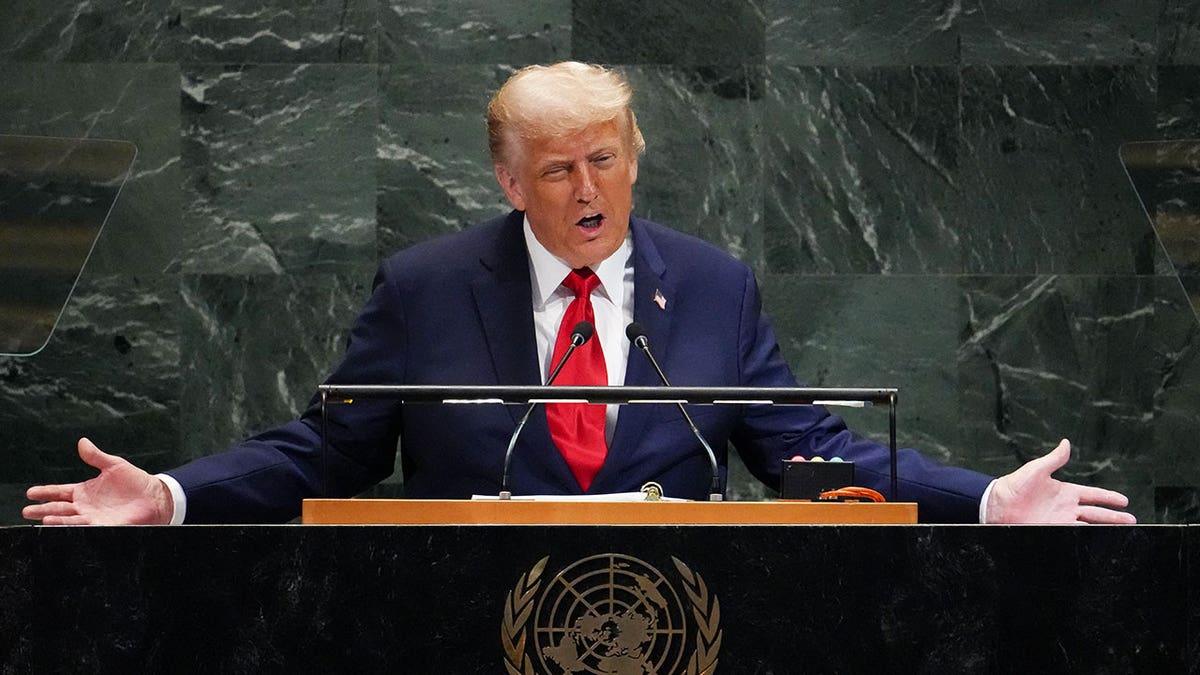
President Donald Trump has forcefully rejected New York City Mayor Zohran Mamdani’s threats to arrest Israeli Prime Minister Benjamin Netanyahu under an unenforceable International Criminal Court arrest warrant that the U.S. nor Israel are a party to. (Timothy A. Clary/AFP via Getty Images)
Mamdani also faced questions over criticism that his focus on Netanyahu created a one-sided account of the Israel-Hamas war.
Asked directly whether he considered Hamas’ Oct. 7, 2023, terrorist attack to be genocide, Mamdani did not use that term.
«I consider Oct. 7 to be a horrific war crime,» he said. «I’ve considered it to be something that should be deeply opposed with every single fiber of our being.»
Mamdani said his approach was rooted in what he called the «universality of humanity,» arguing that officials should not «pick and choose which crimes against humanity we oppose.»
The mayor also said he would support honoring ICC warrants against Hamas leaders as well as Netanyahu.
«My interest in executing that warrant is not specific to Benjamin Netanyahu, but to anyone who they put a warrant towards for war crimes and crimes against humanity,» Mamdani said.
He accused Netanyahu of having «orchestrated this genocide» in Gaza and described the Israeli prime minister as a «war criminal.» Israel has repeatedly rejected genocide allegations and condemned the ICC case as illegitimate.
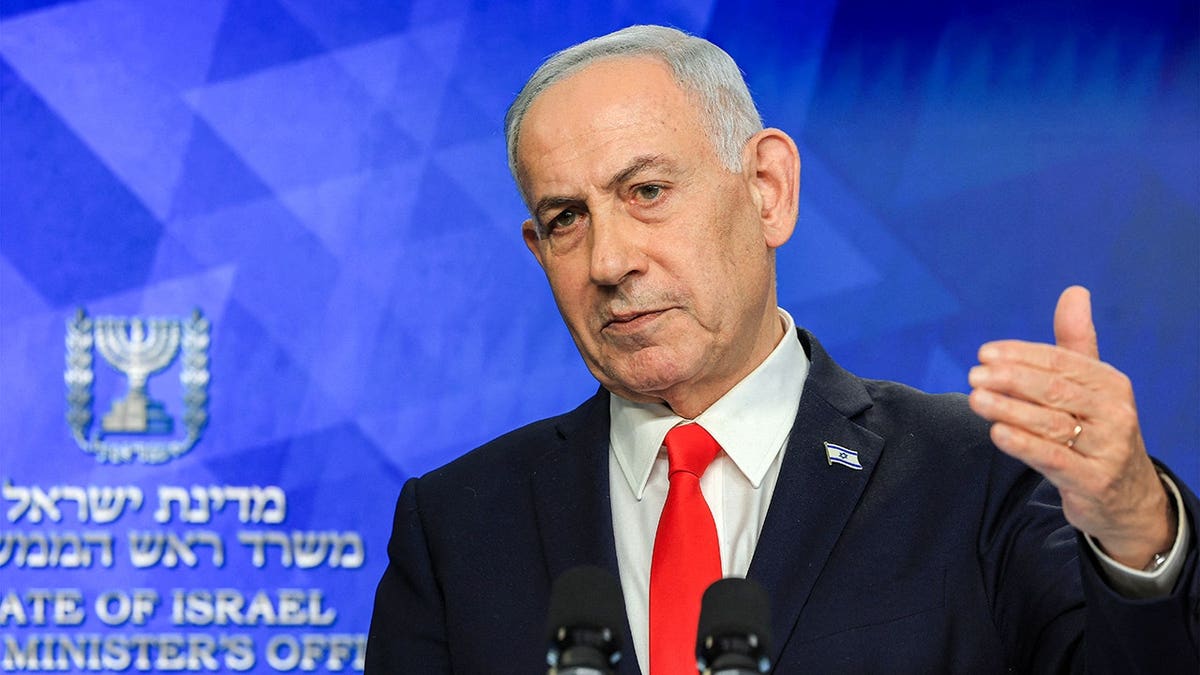
New York City Mayor Zohran Mamdani said his administration is exploring whether the city has legal authority to arrest Netanyahu if he visits for the U.N. General Assembly. (Ronen Zvulun/Pool/AFP via Getty Images)
CLICK HERE TO DOWNLOAD THE FOX NEWS APP
Mamdani said he remained committed to protecting Jewish New Yorkers, including those who disagree with his position.
«My responsibility to them is to ensure that they are cherished, they are celebrated and they are safe in their city,» he said, «and that never are they made to feel as if their opinions on any one issue is the precondition for that safety.»
zohran mamdani, benjamin netanyahu, new york city, international law, politics
INTERNACIONAL
El avión Pan Am Clipper Endeavor fue encontrado tras haber estado perdido en el fondo del mar por más de 70 años
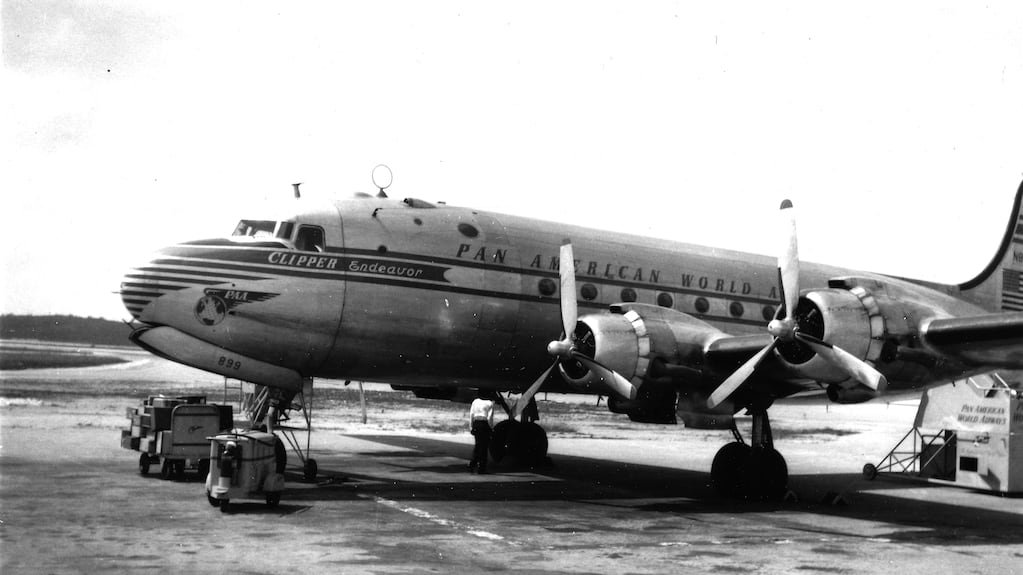
El vuelo duró menos de nueve minutos; los dos motores del lado derecho perdieron potencia en rápida sucesión mientras el Douglas DC-4 realizaba su ascenso inicial desde San Juan, Puerto Rico, en ruta a Nueva York.
El piloto del Pan American Clipper Endeavor no tuvo otra opción que amerizar el avión. Los 69 pasajeros y miembros de la tripulación sobrevivieron al choque inicial el 11 de abril de 1952, pero el pánico y la confusión se desataron en los pocos y preciosos minutos posteriores al amerizaje.
La sección de la cola del avión se desprendió y el fuselaje se hundió, un accidente que cobró 52 vidas y se convirtió en un catalizador para las instrucciones y procedimientos de seguridad de las aerolíneas para las generaciones venideras.
Durante casi tres cuartos de siglo, los restos del avión, de un tamaño similar al de un Boeing 737, permanecieron perdidos en el abismo del océano Atlántico.
Pero el 2 de junio, tras rastrear una vasta y oscura extensión del fondo marino con un vehículo submarino autónomo con forma de torpedo, equipado con sonar y cámaras sofisticadas, llegó el hallazgo, según un equipo de exploración.
Ahí, a 600 metros bajo la superficie y a unos 8 kilómetros de la costa, unas letras blancas formaban las siglas PAA sobre un fondo azul con el logotipo del globo alado de Pan American World Airways, el mismo que, según los exploradores, había aparecido en la parte delantera del avión.
También pudieron distinguir las letras VOR de “Endeavor”. El resto de la palabra estaba cubierto por sedimentos acumulados con el paso del tiempo y la exposición a los elementos.
“Cuando llegaron esas primeras fotos, fue una conmoción”, dijo en una entrevista Josh Gates, el presentador de Expedition Unknown en el canal Discovery, quien participó en el proyecto. “Me dejó sin aliento porque de verdad superó lo que imaginaba que podríamos encontrar. La aeronave está tan intacta, y ver ese aluminio, que no se corroe, brillando hacia nosotros desde el fondo, fue simplemente asombroso”.
El vuelo 526A de Pan Am, apodado el Easter Special, se dirigía al aeropuerto Idlewild de Nueva York (hoy el Internacional Kennedy) el Viernes Santo cuando dos de sus cuatro motores fallaron, según el testimonio del piloto ante una junta de aeronáutica civil. El piloto, John C. Burn, dio la vuelta hacia San Juan, pero el avión perdía altitud con rapidez sobre el océano, lo que obligó a la tripulación a vaciar el combustible e intentar un amerizaje de emergencia.
Muchos de los pasajeros se negaron a seguir las órdenes del capitán de abandonar la aeronave una vez que amerizó, y permanecieron abrochados a sus asientos, dijo el piloto ante la junta, quien agregó que tuvo que arrojar a la fuerza a algunas personas al agua.
Una barrera del idioma también dificultó la evacuación del avión, según los relatos históricos de los sobrevivientes, quienes dijeron que el mar embravecido y la amenaza de tiburones en el agua llevaron a que algunos pasajeros permanecieran dentro de la cabina. Muchas de las víctimas murieron ahogadas.
Las instrucciones de seguridad antes del despegue y el aterrizaje aún no eran obligatorias en el momento del accidente, que impulsó la creación de nuevas indicaciones sobre qué deben hacer los pasajeros en caso de emergencia.
“Es un accidente que transformó fundamentalmente la aviación tal como la conocemos”, dijo Gates.
Diana Lachatanere, de 80 años, dijo el lunes que tenía 5 años cuando su padre, Romulo Lachatanere, un farmacéutico de hospital y fotógrafo, murió en el accidente. Él regresaba a su casa en Washington Heights, dijo.
“Todavía es un tema sensible”, dijo Lachatanere, una archivista jubilada y exsubdirectora del Centro Schomburg de Investigación de la Cultura Negra en la Biblioteca Pública de Nueva York.
Dijo que no estaba al tanto de que hubiera habido una búsqueda de los restos.
“No hay un cuerpo”, dijo. “Simplemente me entristece porque estoy pensando en él”.
El capitán del vuelo había estado involucrado en otro desastre aéreo de alto perfil en 1943, cuando era tripulante del Yankee Clipper, un hidroavión de Pan Am que se estrelló cerca de Lisboa. Tras ese accidente, ayudó a salvar a la actriz y cantante Jane Froman, quien resultó gravemente herida en el choque y viajaba a Europa para entretener a las tropas con una gira de la USO. Terminaron casándose.
Encontrar los restos del Clipper Endeavor se había convertido en una preocupación durante los últimos siete años para Russ Matthews, presidente y cofundador de la organización sin fines de lucro Air/Sea Heritage Foundation, quien desempeñó un papel central en el proyecto.
En una entrevista, Matthews dijo que el agua donde se hundió el avión era demasiado profunda para que los buzos pudieran llegar a los restos.
Las inclemencias del tiempo se sumaron al desafío, según Matthews, quien dijo que la pandemia de coronavirus había retrasado la búsqueda.
“Tuvimos que esperar un par de años para tener nuestra oportunidad”, dijo.
A finales de la primavera, Matthews se enteró de que el Fugro Brasilis, un buque de reconocimiento, pasaría por la zona de 26 kilómetros cuadrados que era el foco de la búsqueda del Clipper Endeavor.
A bordo del buque iba un vehículo submarino autónomo llamado Miss Millie, cuyo costo oscila entre 10 y 12 millones de dólares. La sonda en forma de torpedo puede alcanzar profundidades de 6096 metros.
Matthews se apresuró al barco, junto con Gates, quien observó cómo la sonda era bajada al agua desde un trineo en la popa del barco. Los discos duros están alojados dentro de un contenedor a prueba de aplastamientos en el interior del vehículo, el cual realizó una serie de casi 30 pasadas sobre el área de búsqueda.
“Pasamos directamente sobre un naufragio del que nadie sabía”, dijo Matthews. “Y fue como: bueno, eso es interesante, pero estamos buscando un avión, así que sigamos adelante”.
En la decimotercera pasada, algo más captó su atención: se parecía a la sección de la cola de un avión. A unos cuantos metros de distancia apareció lo que parecía ser un fuselaje, lo que motivó una revisión más detallada de fotografías de alta resolución de los restos.
El tren de aterrizaje era visible. También lo eran las ventanillas de la cabina principal.
“Es una manera de conectar el presente con el pasado”, dijo Matthews. “Es lo más cerca que estaré de viajar en el tiempo”.
El grupo a bordo del buque llamó a Tony Romeo, director ejecutivo de Eco Minerals, la empresa de exploración involucrada en el proyecto, para reportar el hallazgo.
“Estaba eufórico”, dijo Romeo, para quien la conexión con Pan Am tenía un significado especial. “Mi padre fue piloto de Pan Am”.
Se tomaron más de 350.000 fotografías de los restos, que no fueron alterados, según el equipo de exploración, el cual dijo que no había planes de recuperar ningún resto del lugar. (Señalaron que 39 cuerpos nunca fueron recuperados).
“Esa es probablemente la única lápida que tendrán”, dijo Matthews.
—-
Alain Delaquérière y Michael Levenson colaboraron con la investigación.
Neil Vigdor es un reportero de noticias de última hora en el Times, con énfasis en temas de política.
Alain Delaquérière y Michael Levenson colaboraron con la investigación.
The New York Times, data-cc, data-cc-nyt
INTERNACIONAL
Iran regime change talk resurfaces as Trump says Tehran ‘wants to meet’ amid US strikes
NEWYou can now listen to Fox News articles!
Elements of the Trump administration are again debating whether the United States should support the downfall of Iran’s government as the war intensifies again, according to a recent analysis.
The analysis, published Monday by Financial Times columnist Gideon Rachman, says the discussion reportedly includes efforts to encourage an internal uprising and the possible revival of proposals to support armed Iranian opposition groups, including Kurdish factions that have fought Iran for decades.
The question has gained urgency as the United States resumes strikes against Iranian military targets and officials debate whether continued pressure should remain narrowly focused on maritime security or evolve into a broader effort to weaken the Islamic Republic from within.
Such a shift would present President Donald Trump with a consequential choice: continue using military and economic pressure to force Iranian concessions, or adopt the far more ambitious objective of helping Iranians remove the Islamic Republic from power.
IRAN REQUESTS TALKS WITH US AS WHITE HOUSE WARNS ‘VIOLENCE WILL BE MET WITH VIOLENCE’
U.S. Central Command said it carried out another wave of airstrikes against Iran on Friday, July 17, 2026. (CENTCOM)
Trump, however, signaled Tuesday that he has not closed the door on diplomacy, saying Iran is seeking talks behind the scenes.
«They want to meet desperately to try and end it because they’re getting decimated,» Trump told reporters during a Tuesday press conference.
Asked what talks were possible, Trump said: «They want to desperately meet. And until they’re ready to meet in a meaningful way, we have no interest…»
«Honestly, they haven’t seen anything yet. We’ve been nice,» the president added.
US OFFICIAL SAYS JD VANCE MADE ‘GREAT PROGRESS’ IN IRAN TALKS, CALLS SNUB REPORTS ‘FOREIGN PROPAGANDA’
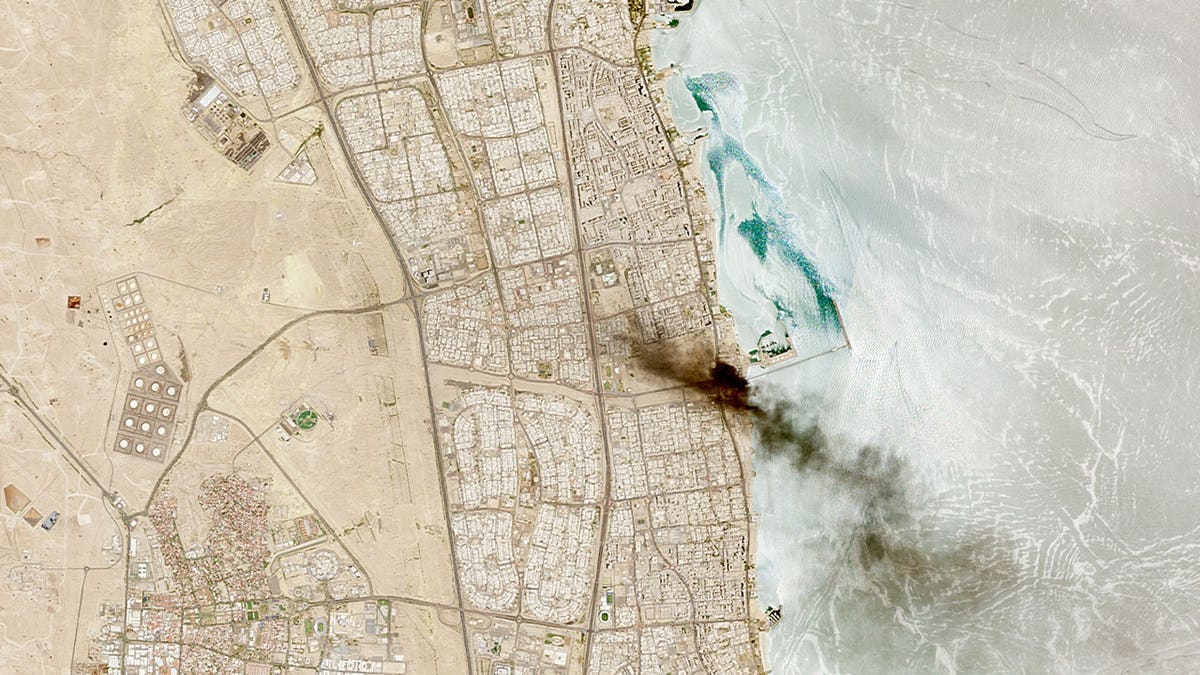
Based on the latest targets, Iran has been signaling that it is prepared to damage water, energy and transport infrastructure elsewhere in the region, a senior UN official explained. (European Union/Copernicus Sentinel-2/Handout via REUTERS)
Trump’s comments suggest that military pressure and diplomacy remain intertwined, even as questions grow over whether some administration officials favor a broader strategy aimed at weakening or ultimately replacing Iran’s leadership.
U.S. Central Command (CENTCOM), the military command responsible for American operations across the Middle East, said Monday that it struck Iranian military command centers, maritime capabilities, missile and drone launch sites and air-defense systems as part of an effort to reduce Iran’s ability to threaten shipping through the Strait of Hormuz.
The current military mission remains focused on protecting global shipping, Secretary of State Marco Rubio similarly said Sunday.
«The only reason why the U.S. is conducting strikes is against assets of Iran that are being used to attack global commercial shipping,» Rubio told reporters Sunday at Joint Base Andrews in Maryland. «That’s what the objective of this mission is. That’s what it continues to be.»
Experts say the distinction between weakening the regime and making its collapse a formal military objective is critical.
«Collapsing the regime remains a long-term goal using all forms of national power, but it doesn’t appear to be a military objective right now,» Richard Goldberg, a senior advisor at the Foundation for Defense of Democracies think tank, told Fox News Digital. «This is Project Freedom — it’s focused on securing the Strait of Hormuz, and any escalation is likely tied to that mission.»
Goldberg said some high-value targets, including nuclear facilities such as Pickaxe Mountain, could be treated as exceptions because of their strategic importance. Pickaxe Mountain is a deeply buried and largely uninspected complex near Iran’s Natanz nuclear facility that U.S. and Israeli officials suspect could be connected to Iran’s nuclear program.
But he argued that most current U.S. operations are designed to advance maritime security rather than trigger a broader campaign to topple the government.
STEVE FORBES URGES TRUMP TO KEEP THE STRAIT OF HORMUZ OPEN AT ALL COSTS
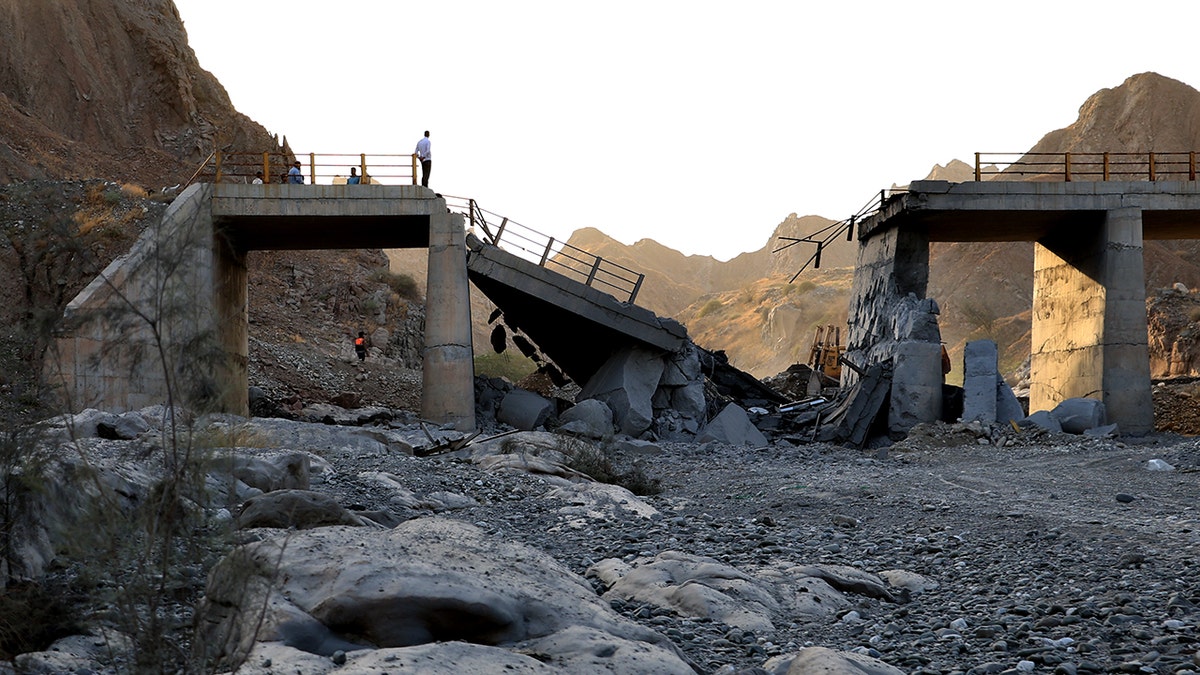
People stand on a bridge destroyed after a strike in Hormozgan province, southern Iran, Saturday, July 18, 2026. (Amirhosein Khorgooi/Iranian Students’ News Agency via AP)
«Where this gets confusing is when Central Command targets assets that are necessary for the Hormuz mission but could still provoke wider escalation, like dual-use infrastructure or certain leadership figures,» Goldberg said. «That doesn’t mean the U.S. wouldn’t welcome the regime’s collapse, but that outcome is more likely to come through economic pressure, covert action and targeted decapitations over time.»
Any move toward regime change would immediately raise questions about who could replace Iran’s rulers and whether Washington could support a political transition without becoming responsible for another prolonged Middle Eastern conflict.
One proposal reportedly discussed earlier in the war involved assisting Iranian Kurdish groups operating near the Iraqi border. Trump was open to supporting armed factions willing to fight Iran’s government, U.S. officials told The Wall Street Journal in March.
The administration had contacted Kurdish leaders about possible assistance, The Washington Post separately reported.
Such groups could provide Washington with partners on the ground without the deployment of U.S. forces. But they remain divided, militarily constrained and vulnerable to retaliation against their bases and supporters in neighboring Iraq.
The central question is whether those groups are now positioned to exploit perceived weakness inside Iran or whether increased fighting amounts to another round of limited clashes.
Majeed Gly, president of the American Kurdish Committee, said recent clashes involving Kurdish groups indicate a change in how some opposition forces perceive the regime’s strength. He cautioned that the violence should not be mistaken for a full-scale uprising, but said it should not be dismissed as routine border fighting.
«What I’m hearing is, this is not business as usual,» Gly told Fox News Digital earlier in July. «This is not like periodic clashes on the border. This is operations, and it seems to be deep inside.»
«What has changed is the perception of weakness of Iran,» Gly added. «They are less afraid of the regime.»
The broader Iranian opposition remains fragmented among monarchists, ethnic movements, secular activists, left-wing organizations and other groups that disagree over leadership and the structure of a future government.
CLICK HERE TO DOWNLOAD THE FOX NEWS APP
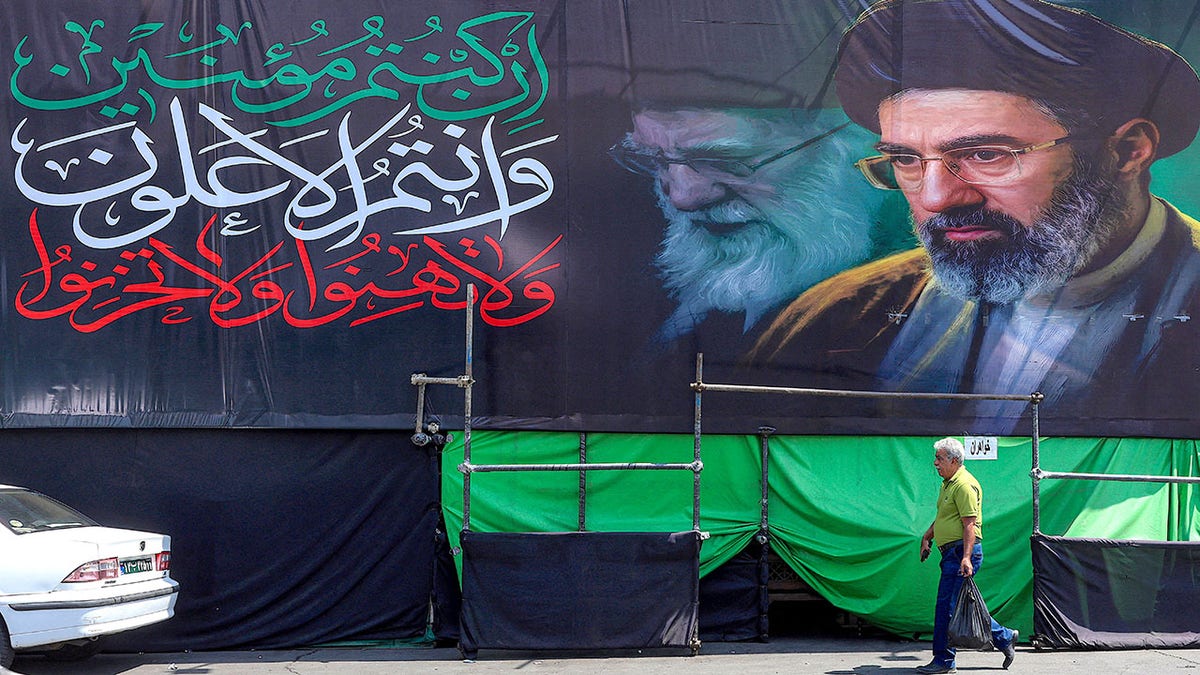
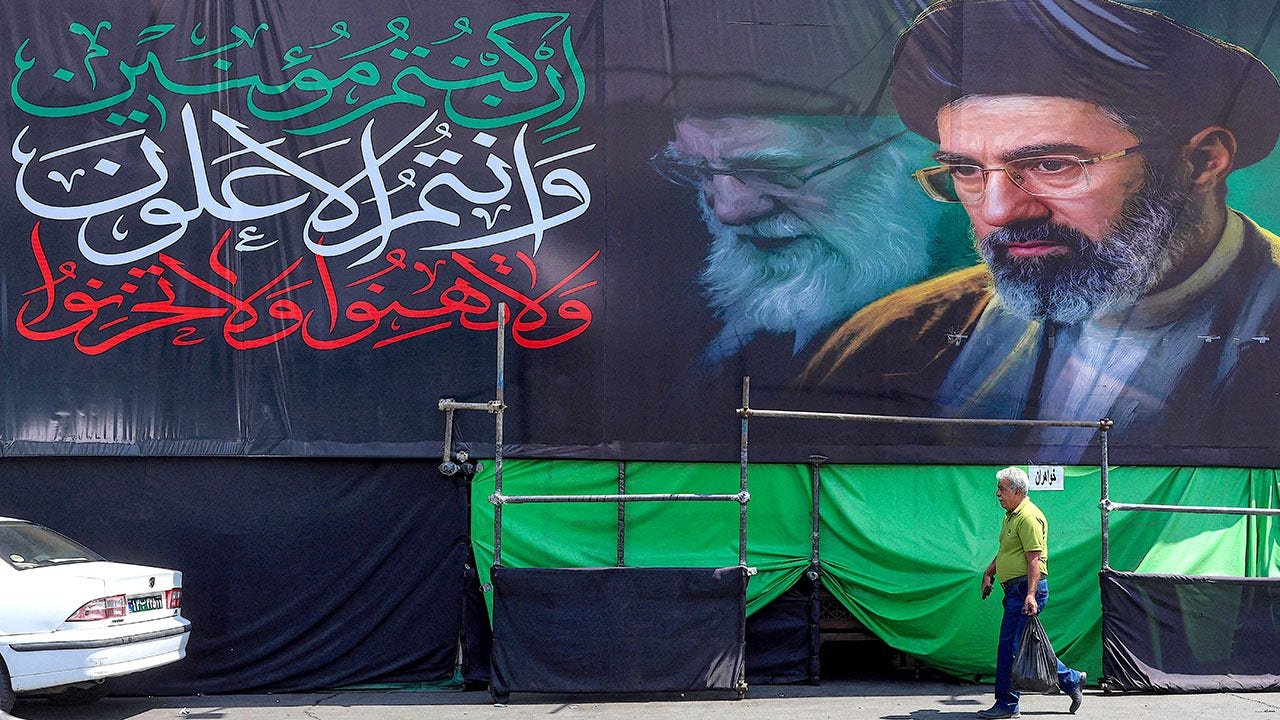
A man walks past a huge mourning banner depicting Iran’s current supreme leader Mojtaba Khamenei and his late father Ali Khamenei, who was killed in a strike on the first day of the U.S.-Israeli war against Iran on February 28, set up along a road in Tehran on June 30, 2026, ahead of Ali Khamenei’s funeral. (AFP )
That leaves the administration confronting the same problem that has complicated previous attempts to encourage political change in Iran: widespread opposition to the Islamic Republic does not necessarily translate into a unified movement capable of replacing it.
war with iran, middle east, world, foreign policy

Neymar redobla la apuesta con una llamativa frase: «No te tomes la vida tan en serio»

La Justicia de Estados Unidos avanza con la investigación contra dirigentes de la AFA y hay citaciones

Duro golpe para Steam Deck. La portátil de Valve habría sufrido una estrepitosa caída en ventas y los resultados son alarmantes

Qué ver en Netflix: la miniserie de 8 episodios que está en el top mundial de las más elegidas

Cambios para farmacias, inmobiliarias, navegación y otros sectores: qué dice el borrador del proyecto de Ley de Desregulación

Mamdani dodges on ‘political theater’ of empty Netanyahu arrest threat, calls for US action and NYC protests

Sin la Copa y sin Messi en el avión, vuelve Tapia y deberá enfrentar tres frentes de tormenta tras la pausa del Mundial

Le ganan a la inflación: los senadores pasarán a cobrar $12 millones brutos a partir de agosto

Escándalo Mundial: Las presiones secretas, la amenaza de la FIFA por Malvinas y la verdad detrás del partido contra España

Samuel L. Jackson llamó a Argentina “el país más racista del mundo”: la contundente respuesta que le dejó Bárbara Lombardo

 POLITICA2 días ago
Sin la Copa y sin Messi en el avión, vuelve Tapia y deberá enfrentar tres frentes de tormenta tras la pausa del Mundial
- DEPORTE17 horas ago
Escándalo Mundial: Las presiones secretas, la amenaza de la FIFA por Malvinas y la verdad detrás del partido contra España
- POLITICA2 días ago
Le ganan a la inflación: los senadores pasarán a cobrar $12 millones brutos a partir de agosto