INTERNACIONAL
Army cuts helicopters, pushes ‘Amazon for war’ as drone combat reshapes military


NEWYou can now listen to Fox News articles!
Army leaders signaled Wednesday that drone-heavy warfare and recent conflicts in Ukraine and the Middle East are reshaping the service’s aviation and missile defense strategy, driving new scrutiny of helicopter programs and costly Patriot interceptor systems.
The comments come as the Army’s fiscal year 2027 budget request sharply cuts the funding request for helicopter procurement, including reducing Apache funding from roughly $361.7 million to about $1.5 million, Black Hawk funding from about $913 million to roughly $39.3 million and Chinook procurement from roughly $629 million to about $210 million, while increasing investment in drones, autonomy and low-cost battlefield technologies.
The transformation push is already extending beyond procurement. The Army previously announced plans to cut roughly 6,500 active-duty aviation positions over fiscal years 2026 and 2027 — including pilots, flight crews and maintainers — as leaders shift resources toward unmanned systems and drone warfare.
It remains unclear whether the procurement reductions ultimately will shrink aviation fleet sizes, extend the service life of aging aircraft or delay planned replacement cycles.
Army leaders suggested the battlefield lessons driving the changes are already shaping budget decisions, as the service redirects money away from some traditional aviation programs toward drones, autonomy and low-cost mass systems.
«Absolutely, as we look across the aviation portfolio … we’re re-looking that,» Assistant Army Secretary Brent Ingraham said during a Pentagon media roundtable Wednesday.
Ingraham said the Army is reassessing how traditional manned aircraft fit alongside larger unmanned systems increasingly capable of missions once handled by helicopters.
The proposed aviation cuts already have drawn concern on Capitol Hill.
During a recent Senate Armed Services Committee hearing May 12, Sen. Mark Kelly, D-Ariz., warned that the Army’s budget request included «zero H-64 Apaches, zero Chinook Block IIs and one UH-60 Black Hawk,» arguing the service was divesting critical capabilities before validating replacements.
«Your department’s budget request cuts over $5 billion from the industrial base in the aviation sector alone, effectively shutting down all current Army aviation platforms,» Rep. Rosa DeLauro, D-Conn., top Democrat on the Appropriations Committee, pressed War Secretary Pete Hegseth during a May 12 House Appropriations hearing. «How did the department arrive at the conclusion that reducing procurement for these Army aviation platforms strengthens rather than weakens the aviation industrial base?»
Hegseth acknowledged the Pentagon was reconsidering parts of the plan.
«There are some very good things in the Army Transformation Initiative, and there are some things that we’ve needed to get another look at,» Hegseth told lawmakers during a House hearing after facing questions about the scale of the aviation cuts.
Hegseth said Pentagon leaders were focused on ensuring the Army does not create «aviation capability gaps» as it transitions toward more unmanned systems and next-generation technologies.
Army leaders signaled Wednesday that drone-heavy warfare and recent conflicts in Ukraine and the Middle East are reshaping the service’s aviation and missile defense strategy, driving new scrutiny of helicopter programs and costly Patriot interceptor systems. (Al Drago/Reuters:Stephen Wormuth/Reuters)
‘EYES IN THE SKY’: ARMY DRONE EXPERT EXPLAINS US STRATEGY ON INNOVATION AS GLOBAL CONFLICT LOOMS
Army leaders said the rapid spread of cheap drones is forcing the Army to rethink how it buys and fields aircraft, missile defenses and battlefield technology.
«We know we don’t want to continue to use a Patriot missile to shoot down a cheap drone,» Ingraham said. «You’ve got to get on the right side of the cost curve.»
The concern has become increasingly urgent after the U.S. and its allies burned through large numbers of expensive missile defense interceptors during the Israel-Iran conflict and broader Middle East operations, fueling Pentagon concerns about stockpile depletion and the long-term sustainability of relying on multimillion-dollar defensive systems against cheap drones and missiles.

The Colombian army activated its first unmanned aircraft battalion at the military base in Tolemaida, Colombia, on Oct. 10, 2025, to counter illegal armed groups using drones in conflict. (Raul Arboleda/AFP)
Officials also described a new allied drone and counter-drone procurement marketplace designed to speed foreign military sales and standardize interoperable systems across partner nations. Driscoll compared the effort to «an Amazon for war.»
Officials said the marketplace is expected to become available to roughly 25 U.S. allies and partners worldwide, initially focused on drone and counter-drone systems before potentially expanding to additional capabilities and countries.
The platform will for now only allow allies to buy U.S. capabilities.
US DRAINS CRITICAL MISSILE STOCKPILES IN IRAN WAR AS YEARSLONG REBUILD LOOMS
The Army also is launching a rapid competition to develop low-cost interceptors designed to counter drones and cruise missiles without exhausting multimillion-dollar Patriot missile stocks.
Ingraham said companies will have roughly 120 days after an upcoming industry event to demonstrate technologies ranging from rocket motors and seekers to fully integrated interceptor concepts.
«Even if you don’t have it all on the ground … bring it,» he said.
The transformation effort reflects growing concern inside the Pentagon that cheap drones, autonomous systems and mass-produced weapons are rapidly changing the economics and survivability assumptions of modern warfare, particularly after conflicts in Ukraine and the Middle East exposed vulnerabilities in traditional armored and aviation-heavy battlefield concepts.

Army leaders signaled that drone-heavy warfare and recent conflicts in Ukraine and the Middle East are reshaping the service’s aviation and missile defense strategy, driving new scrutiny of helicopter programs and costly Patriot interceptor systems. (Anthony Bailey/Handout via Reuters)
Army leaders increasingly suggest future wars will rely less on small numbers of expensive manned platforms and more on large quantities of cheaper, networked and rapidly replaceable systems capable of surviving in drone-saturated battlefields.
Army Secretary Daniel Driscoll said at the roundtable that the service is attempting to overhaul what leaders view as decades of broken acquisition practices that left the Army too slow to adapt to rapidly changing battlefield conditions.
«How do we dig down deep into the system to change the broken processes that have led to so many bad outcomes over the last 30 years?» Driscoll said.
Driscoll said the Army had lost Congress’s trust after decades of acquisition failures and budget overruns.
«The United States Army had in some ways lost Congress’s trust over the last 30 years that we could do big new projects, keep them on time, keep them on budget,» he said.
He later referenced the Army’s now-canceled M10 Booker armored vehicle program as an example of the type of procurement failure leaders are trying to avoid.
«When we go to Congress and say, ‘Hey, trust us to develop a new platform. This one will not turn out like the Booker tank,’» Driscoll said.
Driscoll argued the Army already is trying to field new capabilities on dramatically accelerated timelines more similar to wartime adaptation cycles seen in Ukraine than traditional Pentagon acquisition schedules.
«When Operation Epic Fury kicked off, we were able to on day five go start the process to purchase 13,000 Merops counter-drone interceptors,» Driscoll said.
«By day 10, we had contracted for something we had never purchased before,» he added. «They were starting to flow into theater in the thousands by day 20.»
Army officials also said the service is trying to rapidly improve how weapons systems, sensors and battlefield networks communicate with one another after studying Ukraine’s ability to quickly integrate commercial and military technologies during the war.
«The Ukrainians were highlighting to us how their open architecture system allowed information to pass between nearly all of their sensors and radars,» Driscoll said. «That empowered so many things that they could do that we just can’t do yet.»
CLICK HERE TO DOWNLOAD THE FOX NEWS APP
«At this exact moment at Fort Carson, there are 450 developers and programmers jailbreaking all of our equipment,» he added.
«I’m cautiously optimistic within a month from now we will have jailbroken literally hundreds of pieces of equipment.»
conflicts defense, pentagon, drones, us army, spending












INTERNACIONAL
Khanna demands answers from CCP-linked company accused of undercutting US manufacturers
NEWYou can now listen to Fox News articles!
FIRST ON FOX – Rep. Ro Khanna, D-Calif., sent a letter to the Chinese Communist Party (CCP)-linked Fuyao Glass Industry Group Co., one of the world’s leading automotive glass manufacturers with U.S. headquarters in Ohio, demanding information on the company’s operations and finances amid allegations of labor violations.
The letter, first obtained by Fox News Digital, asks for extensive documentation of Fuyao’s business operations in the U.S., its labor practices, its ties to the CCP and more.
Khanna, the top Democrat on the House Select Committee on the Strategic Competition Between the U.S. and the Chinese Communist Party, cited allegations that Fuyao has been violating U.S. labor laws by, among other things, importing foreign workers to undercut American labor.
«They have serious allegations against them of suppressing prices because they’re being subsidized by the Chinese Communist Party, allegedly, of bringing people into this country who are undocumented and violating our immigration laws, and then exploiting those workers and having them work long hours with little pay,» Khanna told Fox News Digital.
CHINA IS BUILDING A MASSIVE SHIP THAT SHOULD SCARE AMERICANS ABOUT THE FUTURE
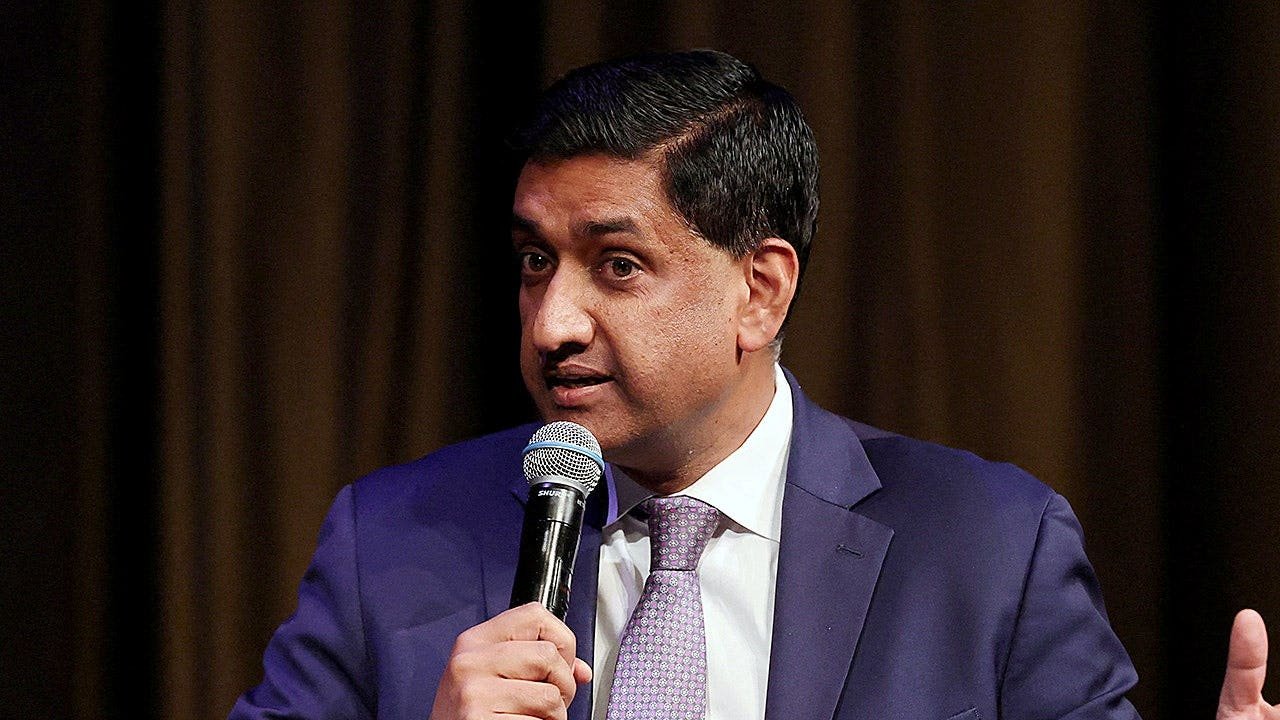
Rep. Ro Khanna speaks during the National Action Network National Convention in New York City on April 8, 2026. (Brendan McDermid/Reuters)
A 2024 federal raid on Fuyao’s Ohio properties resulted in a civil asset forfeiture of $126 million that included the seizure of luxury goods, vehicles, and 12 commercial and residential properties, including what the U.S. Department of Justice (DOJ) described as «boarding houses» to accommodate migrant workers.
«It is alleged that many of the workers were illegally smuggled into the United States, primarily through Mexico, and encouraged to travel to the Dayton area to be employed by one of the target entities and serve as a workforce at the various factories. Most of the workers are of Chinese or Hispanic nationality. Workers allegedly lived at ‘family style hotels’ (boarding houses) owned by the target entities and were driven to and from work in transportation provided by the target entities,» the DOJ said in a press release.
CHILL COMING FROM TRUMP’S SUMMIT WITH XI IS PROOF OF A NEW COLD WAR WITH CHINA
Among the many pieces of information Khanna requested from Fuyao was data on whether the company was being subsidized by the CCP, allowing them to undercut U.S. competitors, who he argued were being negatively affected by Fuyao’s practices.
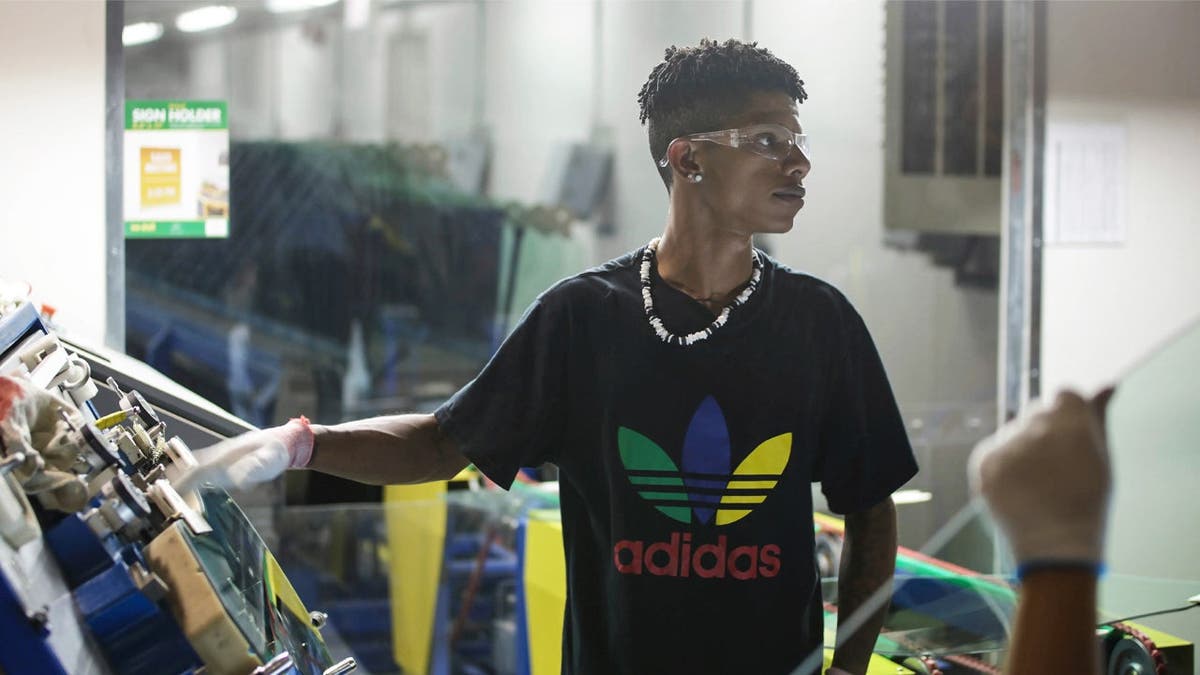
This image released by Netflix shows Zach Ray at work at the Fuyao Glass America factory in Dayton, Ohio, in a scene from the Oscar-nominated documentary «American Factory.» (Netflix via AP)
«They are hurting. American glass manufacturers, one of them that we met on our Heartland tour in Western Pennsylvania. And they are putting American workers out of business,» Khanna told Fox News Digital. «And at the same time, they are exploiting our laws. Now we have requested the findings from the Justice Department that undertook an investigation. And they still have not released the findings. And so I am going to take on myself, with the China Committee, to investigate Fuyao.»
In the 2025 press release, the DOJ said a criminal investigation into Fuyao is ongoing.
Khanna also asked the company to reveal the degree to which the CCP is involved in the company’s operation.
«We need to understand a lot more. I want to understand whether they’re getting subsidies from the CCP. I want to understand whether any CCP government official is on their board or on their executive team,» he said. «I want to understand if they’re providing reports to the CCP, I want to understand if the CCP is helping them to lower prices where they can undercut American competition. And I certainly want to know if the CCP is helping them smuggle in people who are undocumented. So these are unanswered questions that we need to answer.»
Like all Chinese companies, Fuyao is required to have a CCP representative in their company ranks. The company’s vice president, He Shimeng, is also a CCP secretary, according to the Made In China Journal.
HOUSE REPUBLICANS MOVE TO MAKE TRUMP’S BORDER POLICIES PERMANENT
When asked if the U.S.’s southern border’s porousness under former President Joe Biden relative to the border under President Donald Trump’s administration contributed to Fuyao’s ability to import foreign workers, Khanna said that a strong border is necessary. Notably, migrant encounters at the southern border are at a 50-year low under the second Trump administration, according to the Pew Research Center.

Cao Dewang, chairman of Fuyao Glass Group, attends the annual black-tie dinner hosted by the National Committee on U.S.-China Relations at the Ziegfeld Ballroom on Oct. 24, 2023, in New York City. (Liao Pan/China News Service/VCG via Getty Images)
«I’ve said that we need border security, and I’ve also been candid that we allow too many people to come in without the proper vetting in 2024,» Khanna told Fox News Digital.
«I disagree with the ICE raids that are taking place very strongly, but I believe we need a secure border,» he said, adding, «as an American, we should be outraged that you have a Chinese-funded company that is undercutting American jobs, potentially exploiting workers, and potentially breaking our immigration laws. So with that. That is wrong. And so I am going to make sure that we stand up for American workers and for our laws.»
Fuyao was the subject of the 2019 Netflix documentary «American Factory,» which captured the company’s takeover of a former General Motors plant in Moraine, Ohio, a suburb of Dayton. One of the film’s major themes was Fuyao’s million-dollar effort to crush the area’s local unions.
«Once the focus begins to shift… to the fight over an upcoming vote on unionization — with [Fuyao founder] Cao [Dewang] paying ‘consultants’ over a million dollars to lecture workers at length on the horrors of unions and then telling them that ‘you have a voice’ — the film begins to toughen considerably as it shows how corporate manipulation works,» Roger Ebert critic Peter Sobczynski wrote in 2019.
The alleged union-busting is a major focus of Khanna’s inquiry.
«What is Fuyao’s reasoning for its opposition to unionization efforts at facilities in the United States?» Khanna’s letter asked.
Side view of a white colored Ford F-150 pickup truck. (Smith Collection/Gado/Getty Images)
«Has Fuyao retaliated against any whistleblower (without regard to whether the subject matter of the whistleblower allegation related to collective bargaining), including but not limited to through actions impacting employment, hours, pay, employment records, or other workplace decisions?» Khanna also queried.
In addition to requesting the comprehensive information packet from Fuyao, Khanna is also requesting an onsite visit to the company’s flagship Ohio plant before Nov. 1, «so I can go in and see for myself who the workers are,» he told Fox News Digital.
«Are they undocumented? Are they being exploited, what the pricing is?» he asked.
«What we have heard is they’ve engaged in anti-union activity,» Khanna told Fox News Digital. «What we’ve heard is that they are working their employees long hours well beyond the 40-hour work week. What we heard is, that they’re not paying overtime. What we’re heard is wage theft, that they’re not paying their workers an appropriate wage. So all of this is exploitive. And of course, if these are undocumented workers in certain cases, they’re most vulnerable. They’re totally dependent on Fuyao for their staying in America and their living.»
Fuyao is one of the largest automotive glass manufacturers and suppliers in the world. The company claims to have 35% of global market share in the automotive glass trade, a number corroborated by trade publications like Bamboo Works, which pegs the number even higher at 40%. Fuyao supplies glass to global and U.S. automakers such as BMW, Volkswagen, General Motors and Ford.
Khanna said that if Fuyao did not comply with his request for information, he would be willing to subpoena the information from them as ranking member of his committee.
«We can subpoena them, if not, and I fully expect to have this as a priority when I become chair, if we win the election, but we wanna do this in a bipartisan way,» he said. «They need to allow us onto the site and they need to provide this information.»
He explained that he has a good relationship with committee Chairman Rep. John Moolenaar, R-Mich., and said other colleagues across the aisle have supported his efforts.
«I fully anticipate it will be bipartisan. I have a very good relationship with John Moolenaar, our chair. We share a commitment to an American industrial policy. We understand that there needs to be more investment in our communities, and we share a concern about Chinese companies coming into the auto industry or Chinese companies coming in. If they’re not playing fair, I don’t want Ohio to be taken over by Chinese companies that are violating our trade laws and our labor laws and our immigration laws,» he said.
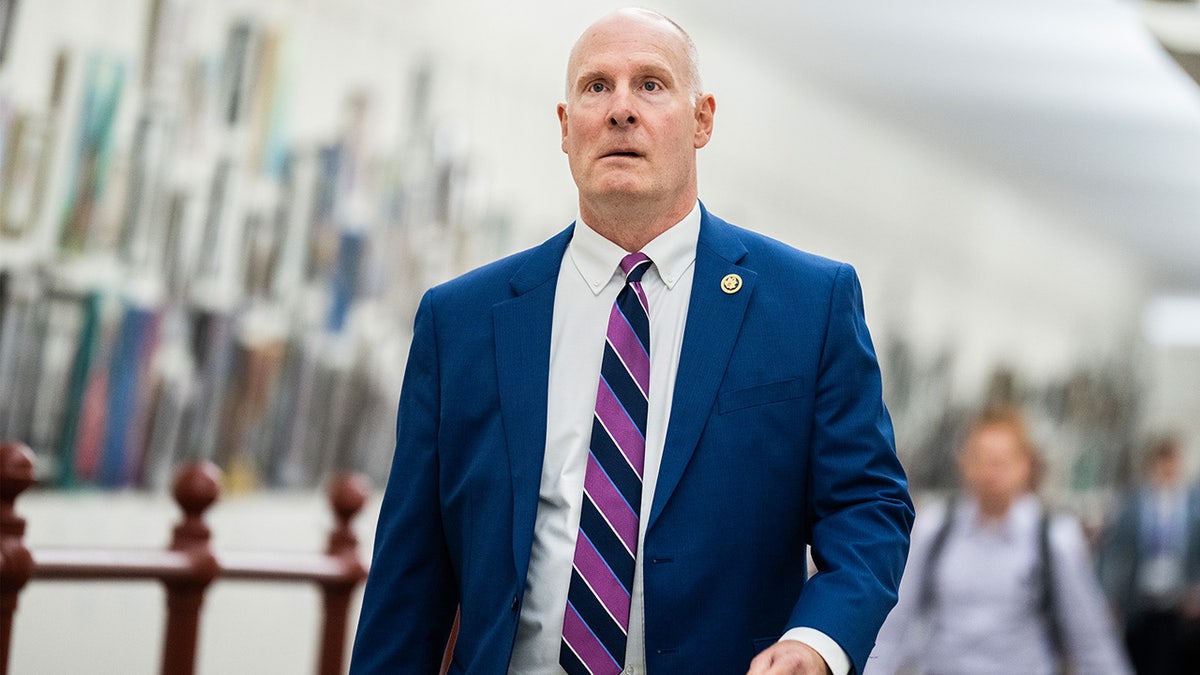
Rep. John Moolenaar, R-Mich., in the Cannon Tunnel on April 30, 2024. (Tom Williams/CQ-Roll Call, Inc via Getty Images)
Khanna conceded that Trump was one of the first to raise the issue of China’s unbalanced relationship with the U.S., but still criticized the president’s overall policy on China, giving it a «C» when asked to grade it.
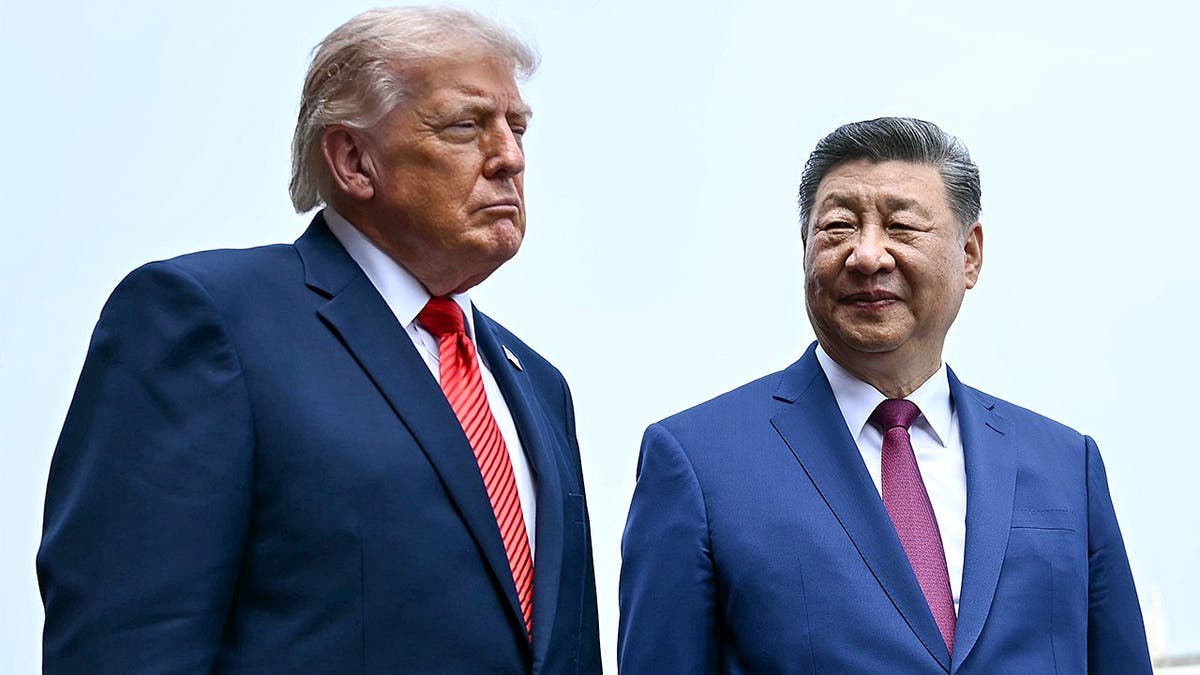
Chinese President Xi Jinping and President Donald Trump visit the Temple of Heaven on May 14, 2026, in Beijing, China, during a high-level summit between the two leaders. (Brendan Smialowski – Pool/Getty Images)
CLICK HERE TO DOWNLOAD THE FOX NEWS APP
«I’d give it a ‘C’ because I think he was the first to sound the alarm on China, eating our lunch and taking our jobs. And he was right to sound the alarm. And so I give him credit for sounding the alarm, but he hasn’t followed through. Why are we begging them for foreign investment? Why aren’t we having an industrial investment bank for our people here? Why aren’t we investing in our industry and ships and steel and robotics here? And in building up our manufacturing base? And then why aren’t we going after companies like Fuyao, where they’re clearly violating the law?» Khanna said.
Fox News Digital contacted Moolenaar, Fuyao and the DOJ for comment.
china, labor unions, politics, socialism, xi jinping, news, illegal immigrants, immigration
INTERNACIONAL
Recuperaron ADN de un tenedor plástico y acusaron a una mujer de haber apuñalado 100 veces a su mejor amiga hace 14 años
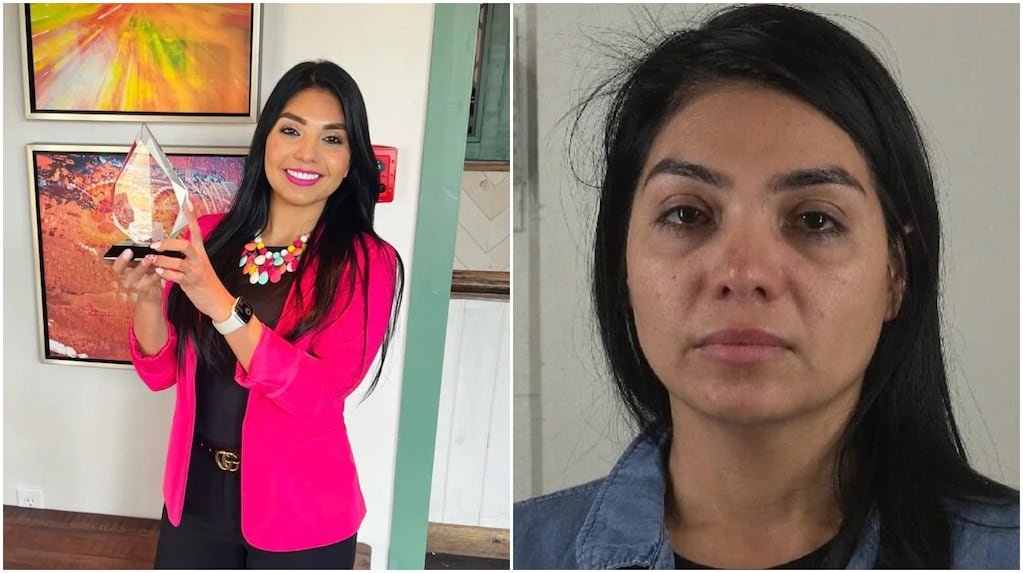
Una mujer de Texas fue detenida por el asesinato en 2012 de una mujer que fue apuñalada aproximadamente 100 veces en su departamento de la ciudad de Arlington.
La investigación, que se mantuvo abierta durante 14 años, dio un giro clave cuando los detectives recurrieron a la genealogía genética y a un análisis de ADN extraído de un residuo para identificar a la presunta autora.
El crimen ocurrió el 20 de enero de 2012, cuando Irasema Chávez, de 32 años, fue encontrada muerta en su departamento de Aspenwood Apartments, en South Collins Street. La víctima presentaba cerca de 100 heridas de arma blanca. No había señales de ingreso forzado, lo que llevó a los investigadores a sospechar que conocía a su atacante. Irasema Chávez fue apuñalada unas 100 veces por su amiga (Foto: Arlington Police Department).
Durante años, la causa avanzó sin sospechosos claros. El ADN hallado en una manchita de sangre encontrada en la escena del crimen no coincidía con ninguna persona registrada en las bases de datos, y los testigos aportaron pocos datos.
La investigación se estancó hasta que, en 2016, la policía recurrió a Parabon NanoLabs para obtener un perfil genético a partir de la sangre encontrada en el lugar. Con ese material, la empresa elaboró una predicción del aspecto físico del posible agresor.
El aporte de la genealogía genética y el trabajo conjunto con el FBI
En noviembre de 2024, la unidad de homicidios de Arlington pidió colaboración al FBI de Dallas para aplicar técnicas de genealogía genética en el caso. El programa de IGG (Investigative Genetic Genealogy) del FBI aceptó intervenir. El perfil de la sospechosa que había elaborado un laboratorio especializado en genética. (Foto: gentileza CBS).
El avance decisivo llegó en abril de 2026, cuando el trabajo de IGG permitió a los detectives obtener una pista concreta. Aunque la policía no detalló la naturaleza exacta de la evidencia, fue suficiente para solicitar una orden de arresto contra Mayra Velásquez, de 42 años, quien «había sido amiga íntima de la víctima» y vivía a pocos kilómetros del lugar del crimen, según indicó la policía en un comunicado.
El ADN de la basura, la clave para cerrar el caso
En mayo de 2026, los investigadores recolectaron una muestra de ADN de Velásquez a partir de un tenedor plástico recuperado por agentes en la basura. El análisis en laboratorio confirmó que el perfil genético coincidía con la gota de sangre hallada en el dormitorio de Chávez, específicamente sobre el soporte del televisor. Chávez fue asesinada en su casa y una cámara solo había registrado la llegada de una persona sin poder identificarla. (Foto: gentileza The New York Post).
Según la policía, es habitual que en ataques con arma blanca el agresor se lesione accidentalmente, lo que explicaría la presencia de sangre de Velásquez en la escena.
Tras una conferencia de prensa, las autoridades informaron que la acusada permanece detenida en la cárcel del condado de Tarrant, imputada por homicidio.
Un caso que marcó a la comunidad y el avance de la ciencia forense
El motivo detrás del brutal ataque aún no fue esclarecido. Velásquez, que en el pasado trabajó como agente inmobiliaria y más recientemente como vendedora en una empresa de limusinas, sorprendió a quienes la conocían con la noticia de su detención.
La detective Tracey Dixon, encargada de casos sin resolver del Departamento de Policía de Arlingtonanunció que compartió la noticia del arresto de Velásquez con la familia de Chávez.
“Estaban muy agradecidos. Fue muy emotivo”, dijo durante una conferencia de prensa, según WFAA. “Todos los que se ven involucrados en un caso como este sienten esa euforia cuando se resuelve, y sienten el dolor de la familia. Es la razón por la que hacemos este trabajo”, agregó.
“Estoy sumamente orgulloso del trabajo que realizaron nuestros oficiales e investigadores forenses en este caso. Demostraron tenacidad y dedicación, y nunca se rindieron”, declaró el jefe de policía de Arlington, Al Jones, según ABC News .
Añadió que, en el último año y medio se solucionaron unos 14 casos sin resolver gracias a las nuevas tecnologías de ADN.
Joe Rothrock, agente especial a cargo de la oficina del FBI en Dallas, elogió la genealogía genética forense como “una de las herramientas más valiosas con las que cuentan las fuerzas del orden en la actualidad”. Desde 2018, el FBI la ha utilizado para resolver más de 250 casos en 30 estados, afirmó.
Estados Unidos
INTERNACIONAL
Turs, el primer agente turístico digital impulsado por Inteligencia Artificial en El Salvador
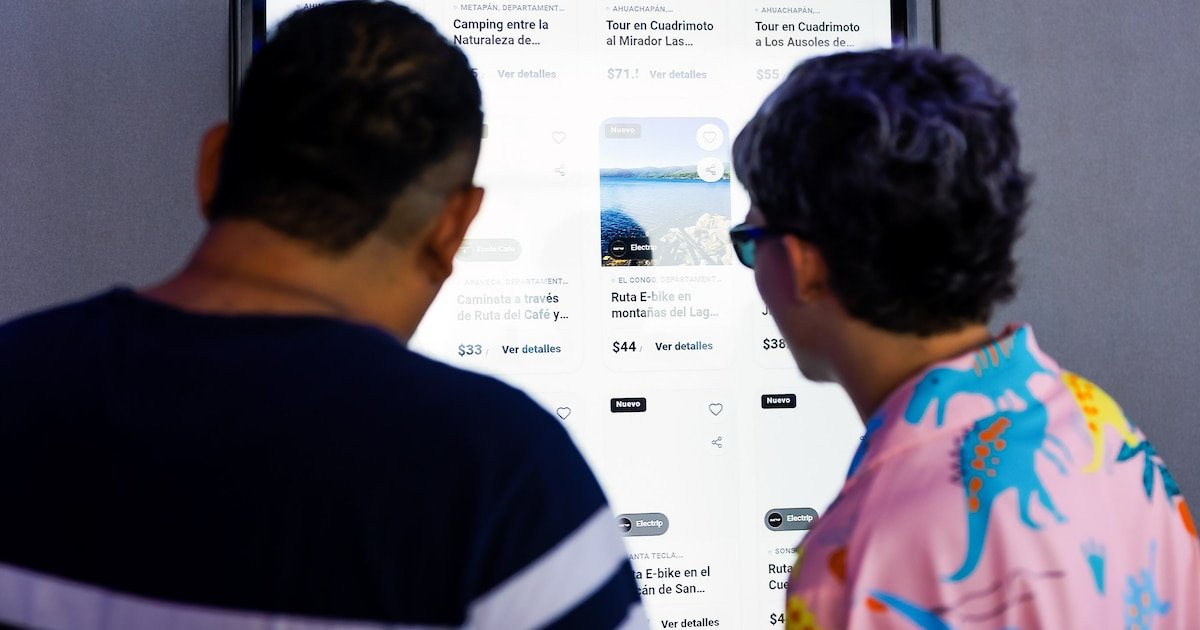
La industria turística de El Salvador incorpora una nueva herramienta digital con el lanzamiento de Turs, el primer super agente turístico impulsado por Inteligencia Artificial en el país.
La plataforma, presentada oficialmente el miércoles, busca transformar la forma en que los viajeros descubren y experimentan los destinos nacionales a través de la integración de tecnología avanzada y ofertas personalizadas.
Turs ofrece un sistema que conecta a turistas con una amplia variedad de opciones, desde rutas y atractivos hasta experiencias culturales y gastronómicas. El proyecto pone un énfasis especial en la interacción directa entre visitantes y anfitriones locales, con el propósito de destacar las historias y el valor humano detrás de cada recorrido.
El objetivo central, según los responsables de la plataforma, consiste en “mostrarle al mundo lo mejor de nuestro país” y fortalecer la reputación de El Salvador como destino turístico.
El lanzamiento de Turs representa un avance relevante para el sector turismo en un contexto de creciente digitalización global.

La plataforma se describe como una oportunidad para que millones de viajeros accedan a información actualizada, asesoría personalizada y una visión auténtica de la cultura salvadoreña. Los creadores del proyecto subrayan que cada experiencia promovida por el sistema lleva el sello de quienes hacen posible la hospitalidad local.
El sitio oficial de la plataforma, www.turslatam.com, ya se encuentra disponible para usuarios interesados en planificar su próxima visita a El Salvador.
Con esta iniciativa, el país busca posicionarse en el mapa internacional de innovación turística y responder a las nuevas tendencias de viaje que privilegian el acceso digital y las experiencias personalizadas.
El evento contó con la presencia de altos funcionarios y representantes del sector turístico, quienes destacaron el avance en políticas de seguridad y la apuesta por la innovación tecnológica para fomentar el turismo nacional e internacional.
La ministra de Turismo, Morena Valdez, y la viceministra de Relaciones Exteriores, Adriana Mira, participaron activamente en la presentación de la plataforma. Ambas funcionarias destacaron la importancia de la colaboración interinstitucional para fortalecer el sector y destacaron el respaldo del gobierno a la transformación digital como motor de desarrollo económico. “Esta nueva plataforma, Turs, está dando un valor agregado, que es que te ofrece una experiencia con los operadores turísticos locales en cada reservación”, expresó Valdez, citada por la Presidencia a través de su Secretaría

Por su parte, durante el evento, Raymond Villalta, fundador y presidente de Turs, resaltó el impacto positivo de las políticas de seguridad implementadas por el gobierno en la percepción internacional del país.
“El Salvador ahora lo podemos recorrer libremente, gracias a Dios, con seguridad, hacia todos lados. Gracias por todo ese apoyo, pero pasa algo; yo creo que le pasa mucho más al extranjero, que no conocemos todas las experiencias que se pueden vivir en El Salvador; conocemos las pupusas, la playa El Tunco, El Zonte y otros lugares preciosos; el lago de Coatepeque, lago de Ilopango y cada vez más cosas que hacer en el país”, afirmó Villalta, de acuerdo con la comunicación oficial de la Secretaría de Prensa de la Presidencia.

En el marco del acto, Villalta entregó un reconocimiento a la ministra de Turismo, Morena Valdez, por el reciente nombramiento de El Salvador como sede del Día Mundial del Turismo 2026.
Este logro fue celebrado como un hito sin precedentes para el país, ya que por primera vez será anfitrión de este evento internacional.
“Vamos a ser sede del Día Mundial del Turismo 2026 por primera vez en la historia de El Salvador; la verdad, me alegra ver a muchísimos actores del sector turístico de todas partes del territorio nacional”, señaló Valdez.
El Salvador,Turs,Turismo de El Salvador,Morena Valdez

El mercado vuelve a cubrirse ante dudas sobre la inflación | Panorama Financiero

Khanna demands answers from CCP-linked company accused of undercutting US manufacturers

Tras la firma del traspaso en la Casa Rosada, Maximiliano Pullaro puso en marcha las obras sobre la Ruta Nacional A012

Revelaron el dato más explosivo de la separación de Franco Colapinto y Maia Reficco y estalló el escándalo: “Él está en otra y ella…”

Conmoción en el fútbol uruguayo por la muerte de Bruno Betancor a los 22 años

Jorge Macri: “No hay que descartar un acuerdo con LLA en la ciudad; el gran desafío es no volver al pasado”

Escándalo Mundial: Las presiones secretas, la amenaza de la FIFA por Malvinas y la verdad detrás del partido contra España

Sin la Copa y sin Messi en el avión, vuelve Tapia y deberá enfrentar tres frentes de tormenta tras la pausa del Mundial

Samuel L. Jackson llamó a Argentina “el país más racista del mundo”: la contundente respuesta que le dejó Bárbara Lombardo

Le ganan a la inflación: los senadores pasarán a cobrar $12 millones brutos a partir de agosto

 DEPORTE2 días ago
Escándalo Mundial: Las presiones secretas, la amenaza de la FIFA por Malvinas y la verdad detrás del partido contra España
- CHIMENTOS3 días ago
Samuel L. Jackson llamó a Argentina “el país más racista del mundo”: la contundente respuesta que le dejó Bárbara Lombardo
- POLITICA3 días ago
Le ganan a la inflación: los senadores pasarán a cobrar $12 millones brutos a partir de agosto