INTERNACIONAL
Intervención en Cuba: ¿indeseable, preferible o imprescindible?

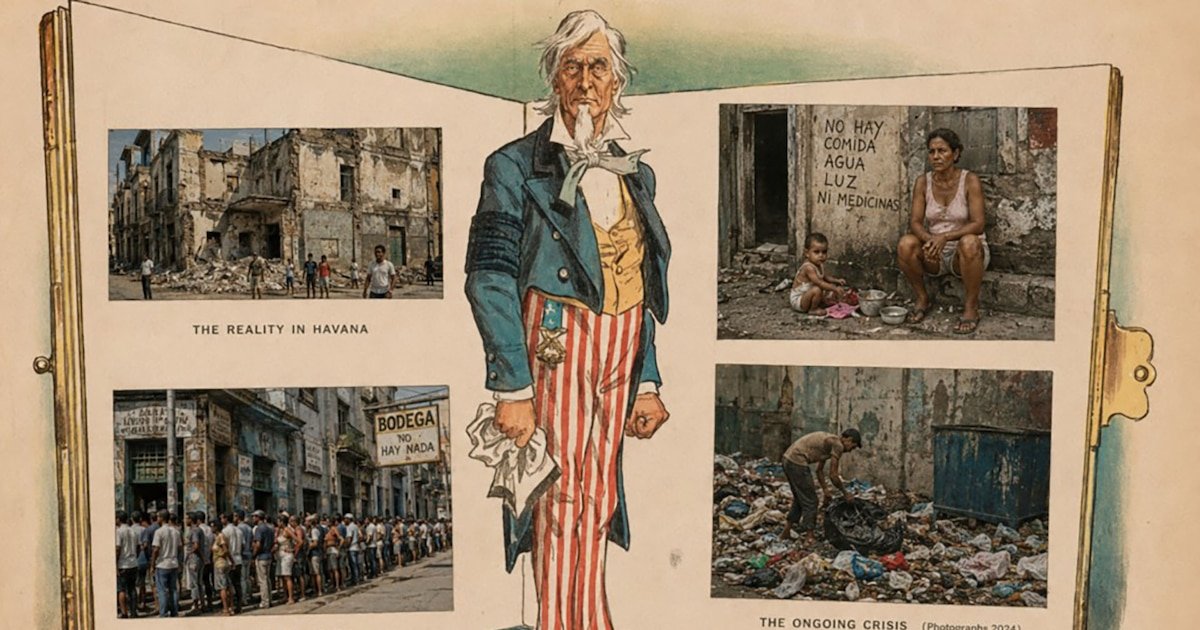
El debate sobre la posible intervención de Estados Unidos en un proceso de cambio sistémico en Cuba se sitúa en un marco histórico que vincula la coyuntura actual con la crisis vivida a finales del siglo XIX. El eje central de esta reflexión es la comparación de la crisis existencial que enfrenta Cuba hoy en día, considerada por algunos incluso más aguda que la de 1898. Bajo esta perspectiva, se argumenta que el decisivo apoyo y/o intervención decisiva por parte de Estados Unidos es la única variable con probabilidades reales de conducir a una Cuba libre y próspera.
El análisis parte de un paralelismo con la situación cubana de finales del siglo XIX. En aquel entonces, Cuba atravesaba una fase de devastación económica, hambruna, epidemias y un conflicto militar cuyo desenlace era todavía incierto si bien no para todos, para muchos de sus protagonistas. El movimiento independentista, debilitado y falto de apoyo internacional, debía enfrentarse a una potencia colonial mucho más fuerte en términos militares.
En ese contexto, varios líderes independentistas comprendieron que la victoria solo con recursos propios era cuando menos incierta y comenzaron a buscar activamente la implicación estadounidense. La intervención norteamericana no fue un hecho espontáneo ni impuesto, sino el resultado de una estrategia política deliberada, diseñada por el Partido Revolucionario Cubano y figuras mambisas que buscaban salvar la causa independentista y evitar el total colapso nacional.
El documento -publicado por el autor para Cuba Siglo 21- sostiene que la Cuba actual vive una situación similar a la de entonces. El régimen surgido en 1959 ha evolucionado de un sistema comunista totalitario a lo que se califica como un “estado mafioso”, controlado por una élite cleptocrática que, a través del conglomerado GAESA, domina los recursos económicos y financieros del país, reprimiendo cualquier disidencia u oposición. La población cubana, desarmada, fragmentada, empobrecida y enfrentando crisis de alimentos, energía, salud y conectividad, carece de capacidad organizativa suficiente para desplazar al poder establecido por sí sola. Se concluye que insistir únicamente en fórmulas tradicionales de oposición –como protestas cívicas, denuncias internacionales o llamamientos al diálogo– difícilmente generaría un cambio real en un plazo compatible con la gravedad de la crisis humanitaria actual.

Uno de los argumentos fundamentales del texto es que la intervención o respaldo decisivo de Estados Unidos es la única variable con probabilidades significativas de éxito. El autor distingue entre lo “preferible” y lo “imprescindible”: lo preferible sería una solución interna, pacífica y exclusivamente cubana, pero la historia y las condiciones actuales demuestran que esto no siempre es viable. Así como los mambises hubieran querido derrotar a España solos, terminaron concluyendo que necesitaban ayuda exterior para evitar el fracaso y acortar el sufrimiento de la población. Del mismo modo, se argumenta que la Cuba actual ha llegado al punto en el que la ayuda externa deja de ser una opción para convertirse en una necesidad estratégica.
El texto presta especial atención a los líderes independentistas, planteando una analogía provocadora: según la lógica del discurso oficial del gobierno cubano actual, figuras históricas como Máximo Gómez y Antonio Maceo serían considerados “traidores” o “anexionistas”. Ambos, especialmente desde finales de 1896, consideraron imprescindible la intervención estadounidense para asegurar el triunfo sobre España. Se recuerda que Maceo transmitió expectativas favorables a sus tropas en caso de intervención norteamericana y que Gómez y Estrada Palma promovieron gestiones diplomáticas encaminadas a involucrar de manera activa a Washington. El discurso oficial contemporáneo suele ocultar o minimizar estos hechos porque contradicen la narrativa que presenta cualquier colaboración con Estados Unidos como antipatriótica.
Otro argumento clave es que la Ley Helms-Burton no debe interpretarse como una amenaza a la soberanía cubana, sino como un mecanismo para su protección. Se establece un paralelismo entre la Enmienda Teller de 1898 y el Capítulo II de la Ley Helms-Burton: así como la Enmienda Teller condicionó la intervención estadounidense al compromiso de no anexar Cuba y transferir el poder a un gobierno elegido por los cubanos, la Helms-Burton prevé una fase transitoria seguida de elecciones libres y la restauración del control soberano por parte del pueblo cubano. Según esta lectura, la ley actuaría como una hoja de ruta hacia la democratización y no como un instrumento anexionista.

El documento dedica un apartado a desmontar lo que denomina “la manipulación del temor” ejercida por el gobierno cubano y sus defensores ante la posibilidad de una intervención estadounidense. La propaganda oficial ha construido una serie de miedos para desalentar cualquier respaldo popular a esa opción: pérdida de soberanía, anexión, masacres indiscriminadas, saqueo económico o resistencia nacional generalizada. Estos temores ignoran tanto la evolución tecnológica de los conflictos actuales como el desgaste político y moral del régimen. Además, el uso del calificativo “anexionista” funciona como herramienta propagandística para deslegitimar a quienes reclaman cambios democráticos y alianzas externas.
- Soberanía: el régimen alega que se violaría la soberanía, pero el documento sostiene que dicha soberanía fue eliminada por el propio Estado en 1959 al suprimir las elecciones libres; no se puede violar lo que no existe.
- Masacres: ante el temor a bombardeos indiscriminados, se argumenta que la tecnología actual permite ataques quirúrgicos y precisos contra las fuerzas represivas, evitando así masacres de civiles.
- Anexión: se fundamenta que anexar a 11 millones de personas empobrecidas sería una carga fiscal inasumible para Estados Unidos y no contaría con el apoyo de la clase política estadounidense actual.
- Hipocresía histórica: se recuerda que quienes hoy denuncian el “anexionismo” yanqui fueron en el pasado “anexionistas prosoviéticos”, cediendo territorio para bases militares de la URSS e incluyendo una cláusula constitucional que ataba la isla al país soviético.
En este contexto, el ensayo plantea que, a pesar de las campañas de miedo, la intervención estadounidense ya no es una idea marginal entre los cubanos, sino una posibilidad cada vez más “normalizada”. Encuestas recientes, tanto dentro como fuera de Cuba, indican que amplios sectores sociales contemplan de forma favorable alguna participación decisiva de Estados Unidos en la resolución de la crisis cubana. Esto ha ampliado la llamada “Ventana de Overton”, haciendo que el debate sobre la intervención deje de ser un tabú.
El documento ofrece una visión esperanzadora sobre la recuperación de Cuba tras un cambio de régimen. A diferencia de los más de 60 años de dependencia de la URSS o Venezuela, se sostiene que Cuba no requeriría un “Plan Marshall” ni una economía subsidiada por potencias extranjeras. La prosperidad futura del país descansaría sobre tres pilares:
- Población transnacional: una diáspora con capital financiero y humano lista para invertir en el país.
- Cultura emprendedora: un espíritu empresarial que ha sobrevivido a pesar de décadas de represión.
- Proximidad geográfica: la cercanía al mayor mercado mundial, permitiendo la integración en cadenas productivas modernas.
En conclusión, lo que sería preferible –una solución no violenta y puramente cubana– se ha vuelto imposible ante la intransigencia de la élite en el poder, convirtiendo la intervención externa en algo imprescindible para evitar la desaparición física de la nación. Se argumenta que el mantenimiento del statu quo es inviable y que la crisis humanitaria exige respuestas urgentes. Entre los escenarios posibles, el de protestas masivas protegidas por apoyo coercitivo estadounidense aparece como el más legítimo y con mayores probabilidades de éxito. Aunque Estados Unidos tiene intereses propios, se sugiere que estos pueden coincidir con los del pueblo cubano, como ocurrió a finales del siglo XIX. El mensaje final es que la disyuntiva cubana no está entre soberanía y ayuda externa, sino entre prolongar la crisis o asumir riesgos calculados para rescatar la libertad y reconstruir la nación.
*Juan Antonio Blanco Gil es historiador, diplomático y académico. Experto en negociación y manejo de conflictos. Con más de 30 años de experiencia, es considerado uno de los mejores expertos en el tema de las relaciones Cuba – Estados Unidos.
Tío Sam,Cuba,Guerra Hispanoamericana,USS Maine,propaganda,historia,Siglo XIX,caricatura,Informe Cuba Siglo 21,Estados Unidos









INTERNACIONAL
Brote de infecciones respiratorias cobra la vida de seis personas en la comarca indígena Ngäbe Buglé, en Panamá
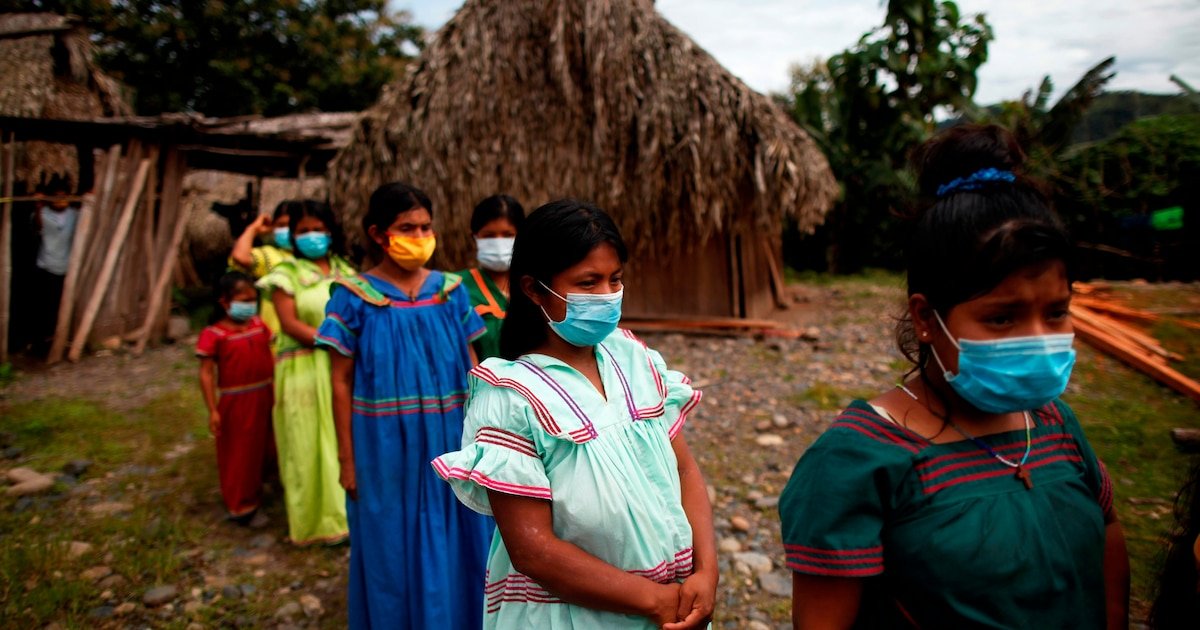
Seis personas, entre niños y adultos, fallecieron recientemente en la comarca Ngäbe Buglé a raíz de un brote de infecciones respiratorias bajas graves.
Las autoridades sanitarias movilizaron un equipo de respuesta rápida para investigar la situación y reforzar las acciones de atención médica en las comunidades afectadas.
Desde el sábado pasado, el Ministerio de Salud desplegó personal especializado en las zonas de Valle Bonito, Palmira y Guayacán.
El equipo permanecerá en el área hasta el viernes, realizando investigaciones de campo y vigilando de cerca la evolución de los casos.
El objetivo principal es identificar el origen del brote y contener su propagación, mientras se mantienen medidas de respuesta sanitaria.

La intervención permitió ofrecer atención médica a 178 personas, administrar 391 dosis de vacunas —incluidas 184 contra la influenza— y distribuir 394 medicamentos en las comunidades afectadas. Las acciones forman parte de un plan integral que busca limitar los riesgos asociados a la enfermedad respiratoria.
El Ministerio de Salud señaló que tres de los fallecidos no buscaron atención médica o recurrieron únicamente a medicina botánica.
Los contactos cercanos de estos casos permanecen asintomáticos, según los reportes iniciales de la investigación epidemiológica.
Hasta el momento, la vigilancia epidemiológica continúa activa en la comarca. Las autoridades insisten en que toda persona con fiebre, dificultad para respirar o tos persistente debe acudir al centro de salud más cercano y evitar la automedicación.
El llamado busca garantizar el diagnóstico y tratamiento oportunos, y así prevenir nuevas complicaciones en la población.

Por otra parte, el ministerio informó que más de 14 mil pacientes han recibido atención médica en todo el país gracias a la iniciativa “Juntos por la Salud”, que opera en 27 instalaciones de salud y busca reforzar la atención especializada en diferentes regiones de Panamá.
El programa se ha desplegado en hospitales como San Miguel Arcángel, Santo Tomás y Nicolás A. Solano, donde profesionales panameños y estadounidenses colaboran en la atención a la población.
Durante la última semana, cerca de 100 pacientes de cardiología y fonoaudiología en Panamá Oeste recibieron atención como parte de este esfuerzo conjunto.
El ministro de Salud, Fernando Boyd Galindo, y el embajador de Estados Unidos en Panamá, Kevin Marino Cabrera, recorrieron el Hospital Nicolás A. Solano para supervisar la labor de los nueve especialistas del Comando Sur que actualmente prestan servicios en el lugar.
El ministro Boyd Galindo subrayó el respaldo del personal médico militar, quienes aportan experiencia en áreas como cardiología, fisioterapia, pediatría y ginecología.

Destacó que el apoyo llega en un momento clave, ya que el Estado se encuentra en proceso de licitación para construir el nuevo Hospital Nicolás A. Solano, proyecto que contempla una inversión de $78 millones. Posteriormente, se prevé la construcción de un hospital materno infantil, infraestructura considerada necesaria para la zona.
La iniciativa nació con el objetivo de fortalecer la respuesta sanitaria nacional. Para ello, el Comando Sur de Estados Unidos aporta servicios médicos especializados y entrega insumos, equipos y medicamentos valorados en decenas de miles de dólares, según la información oficial.
Las misiones de “Juntos por la Salud” se desarrollan de manera simultánea en 27 centros de atención, cubriendo las diez provincias del país y la comarca Ngäbe Buglé. Esta estrategia busca ampliar el acceso a servicios médicos de calidad en comunidades que requieren apoyo adicional, reforzando la cooperación internacional en materia de salud pública.
“Estamos muy contentos con los resultados de la iniciativa ‘Juntos por la Salud’, que iniciamos este año con la meta de beneficiar a más de 10 mil panameños”, dijo el embajador estadounidense Kevin Marino Cabrera.
INTERNACIONAL
Summer School: Republicans’ crusade to teach voters the ‘New Math’ on the ‘commie caucus’
NEWYou can now listen to Fox News articles!
The House is gone. But the campaign is on.
«We’re going to have a lot to talk about during this break,» said House Majority Leader Steve Scalise, R-La. «The contrast on the ballot this November between communism and freedom.»
School is out for the summer in the House until August 31. But Republicans envision a version of summer school for the voters. They intend to educate people about Democratic candidates who are veering to the left.
«The reality is that the communist caucus, the commie caucus is coming to Congress,» claimed Rep. Nicole Malliotakis, R-N.Y.
REPORTER’S NOTEBOOK: HOUSE’S FINAL SPRINT PUTS SAVE AMERICA ACT AND IRAN FUNDING IN PLAY
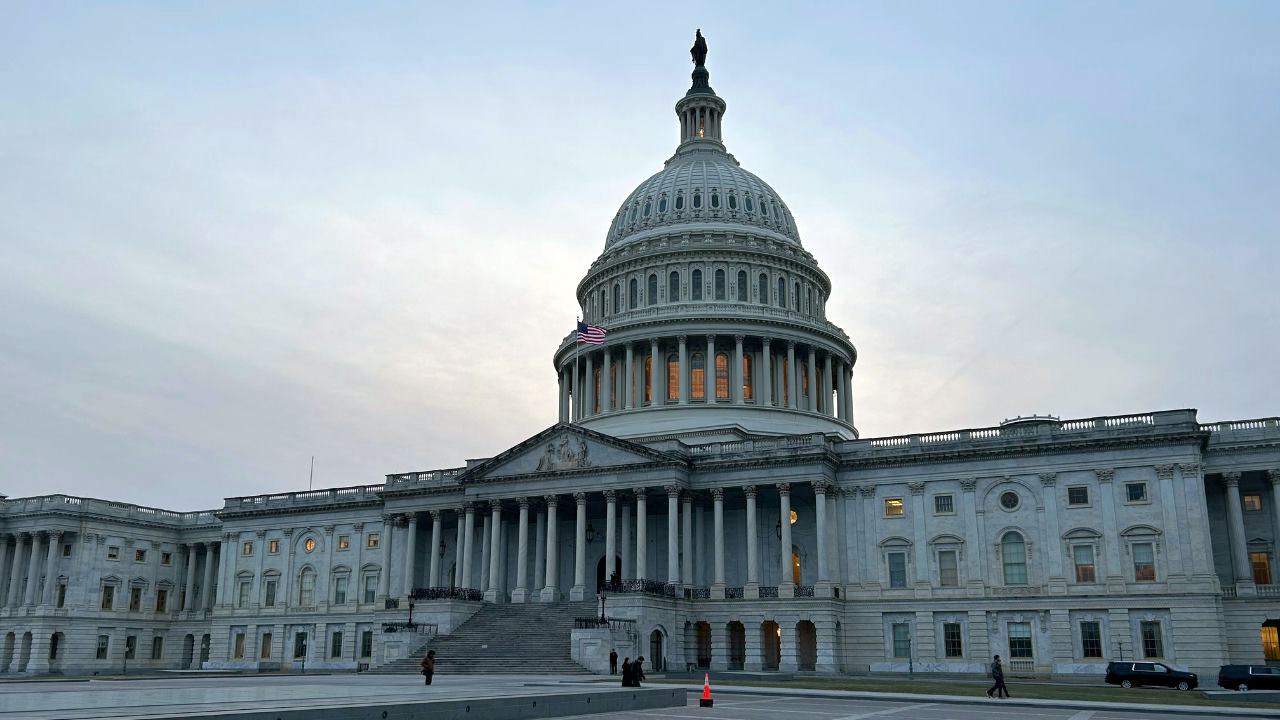
The House might be a lost cause for Republicans, but their summer campaign to educate voters on the Democrats’ insurgent left flank has just begun. (Emma Woodhead/Fox News Digital)
Republicans hope to cling to their narrow House majority by distinguishing themselves from Democrats – and noting how Democrats tapped far-left candidates in New York City and even Colorado. These «Democratic Socialists of America» candidates will undoubtedly prevail in their districts. But Republicans believe that left-wing Democrats freak out independents and mainstream Democrats. The GOP is banking on that as an insurance policy to maintain control of the House.
House Republicans also enjoyed some relative success last week for the first time in months. The GOP advanced a host of bills important to them. And, simultaneously got Democrats on the record about bills which Republicans think they can boomerang against their adversaries this fall.
«They have to answer for why they voted against funding our troops, against funding the government, against common sense policies like voter ID and proof of citizenship,» said House Speaker Mike Johnson, R-La.
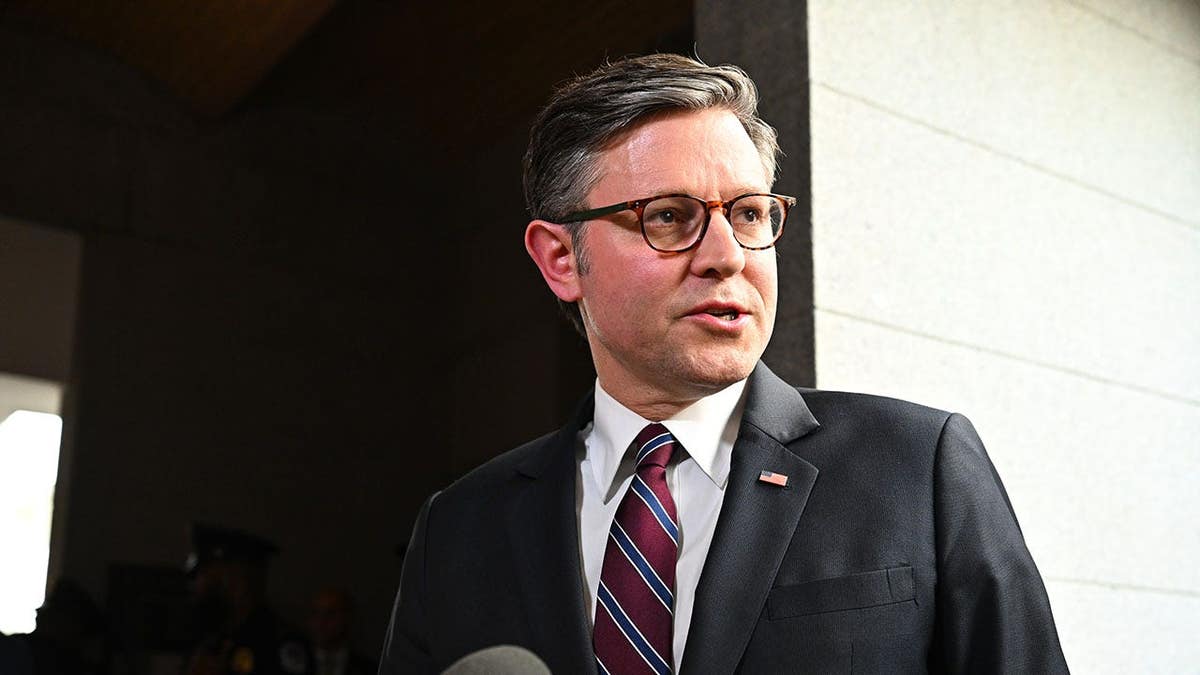
«They have to answer for why they voted against funding our troops, against funding the government, against common sense policies like voter ID and proof of citizenship,» House Speaker Mike Johnson, R-La., said of the opposition. (Graeme Sloan/Bloomberg via Getty Images)
The House approved a plan barring stock trades by Members, 232-198. Only 13 Democrats voted yes compared to all Republicans. But the GOP tacked on a voter ID mandate. Democrats argue that provision transformed a once bipartisan issue into a GOP political wedge.
«I proudly voted no because we are not going to sabotage mail-in voting in this country. And we’re not going to fall for that kind of bait-and-switch tactic here,» fumed Rep. Alexandria Ocasio-Cortez, D-N.Y.
Democrats have long campaigned on affordability.
«Today, prices are up over 25 cents a gallon above $4 a gallon in my region,» said Rep. Mary Gay Scanlon, D-Pa.
SUCCESSION: WHY CONGRESS HAS NO CLEAR PLAN WHEN LAWMAKERS CAN’T SERVE
President Donald Trump has now paused the air campaign against Iran after two weeks of consecutive bombing. But the war in Iran presents Democrats with a political opening.
«Will Democrats recalibrate their message on Iran? Will we see ads on Iran going into the midterms?» yours truly asked House Minority Leader Jeffries, D-N.Y.
«We don’t have to recalibrate our message. We’ve been opposed to Donald Trump’s reckless and costly war of choice in the Middle East from the very beginning,» replied Jeffries.
There was a split decision on Capitol Hill last week. The House voted to shackle the president on Iran war powers. Four Republicans defected and sided with Democrats.
«He ran on no new wars,» said Rep. Becca Balint, D-Vt. «He’s making the case for us. He hit voters over and over and over with this promise. And then he did the exact opposite.»
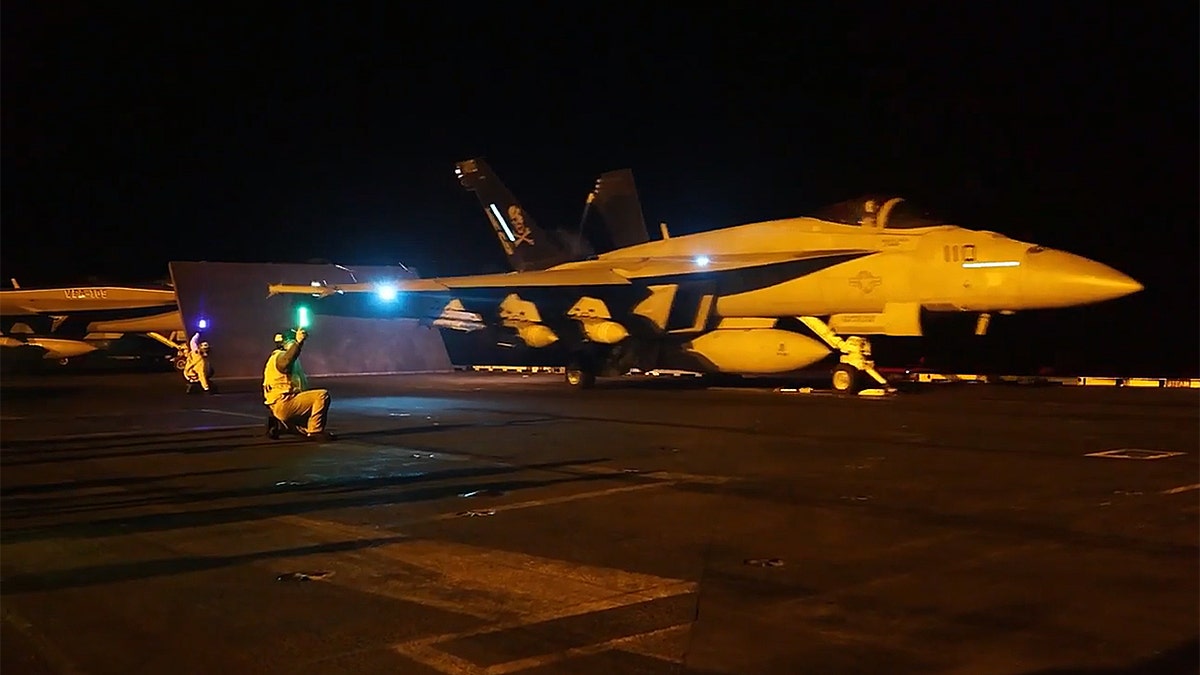
President Trump has paused the air campaign against Iran after weeks of regular bombing. (CENTCOM)
Still, the president’s allies claimed that the vote undercuts American forces in harm’s way.
«To belittle this mission is to belittle and demean the very service these members who gave their lives,» said House Foreign Affairs Committee Chairman Brian Mast, R-Fla.
A couple of hours later, the Senate rejected the House’s rebuke of the President.
«I think Democrats have taken that tack from the start,» said Sen. John Hoeven, R-N.D., of the Democrats hoping to cut off the Iran operation.
«It wouldn’t have passed if it wasn’t for Republicans in the House,» yours truly pointed out.
«A few Republicans,» conceded Hoeven. «But I think there’s strong support in our party (for the President).»
That’s ultimately why the Senate defeated its Iran measure. Some GOPers argued that the U.S. has Iran on the ropes.
«Last time I checked, we’ve wiped these b——s out. An occasional missile strike and boats in the Strait (of Hormuz). That’s not military strength. Those are the flailings of a failing empire,» declared Sen. Tim Sheehy, R-Mont.
HOUSE GOP VOTES TO PUNT GOVERNMENT SHUTDOWN BATTLE TO AFTER NOVEMBER MIDTERMS
But Senate Democrats chided Republicans for not intervening in the conflict.
«Every time Republicans oppose our war powers resolution and vote against ending this war, they lose the faith of the American people,» said Senate Minority Leader Chuck Schumer, D-N.Y. «Senate Republicans need to wake up. Not next week. Not next month. Now.»
Top Congressional GOP leaders say it’s not necessary for Congress to flex its war powers muscles.
«I don’t think an AUMF (authorization for use of military force) is in order right now. I think we need to bring this to a resolution,» said Johnson.
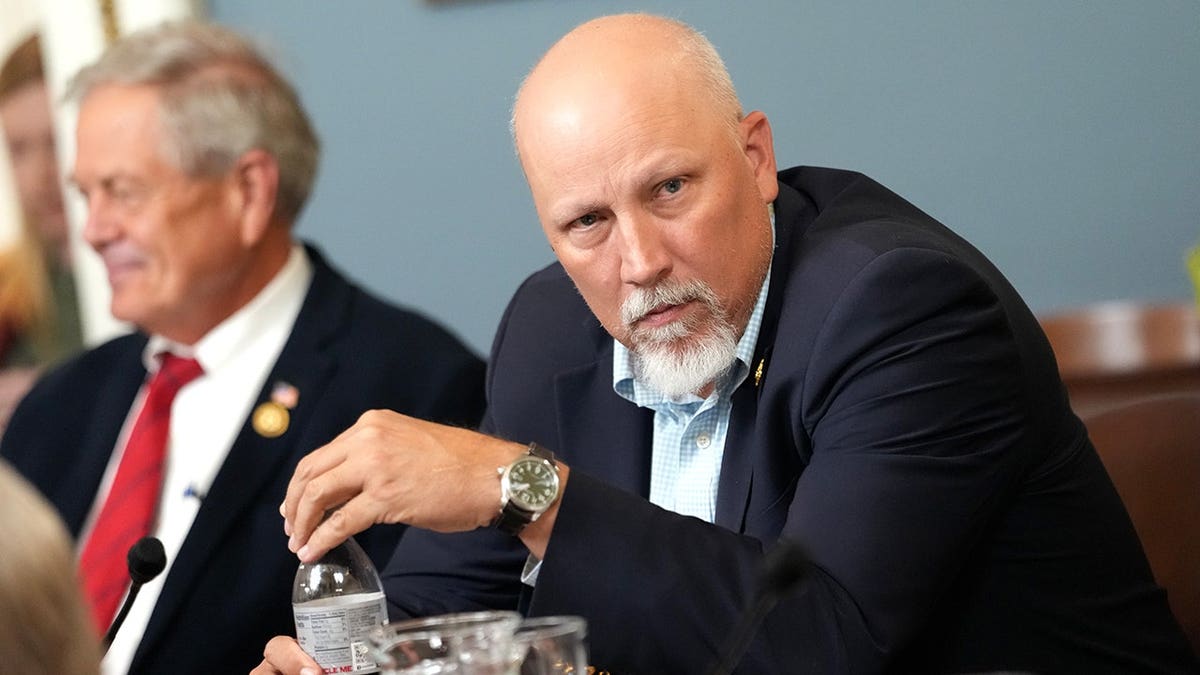
Rep. Chip Roy, R-Texas, is calling for «greater clarity» on the Iran conflict. (Kevin Dietsch/Getty Images)
However, some Republicans demand answers about the endgame.
«I think we need greater clarity there. I think Congress needs to exercise more of its powers here,» said Rep. Chip Roy, R-Texas.
Democrats may believe they have an advantage on Iran. But like Roy, they demand a plan.
«This whiplash policy in Iran is not good,» said Rep. Bennie Thompson, D-Miss., the top Democrat on the Homeland Security Committee. «You can’t run a war at 2:00 in the morning on Twitter.»
JOHNSON HAS THREE-WORD ANSWER ON WHETHER HOUSE WILL LEAVE EARLY
Despite their criticism, Democrats are vague about how they’d go about ending the war.
«We’ve got to figure that out. But Donald Trump got us into this mess,» said Jeffries.
«But won’t voters demand you guys to have a plan if you’re going to win the majority, Mr. Leader?» I asked as Jeffries walked away.
I posed a similar question to Sen. Chris Coons, D-Del., one of the most thoughtful Democrats on foreign policy and national security issues.
«We didn’t start it,» replied Coons.
«But don’t you have to have a plan if you’re going to criticize the president on this?» I asked.
«I wouldn’t have gotten into this war,» said Coons.
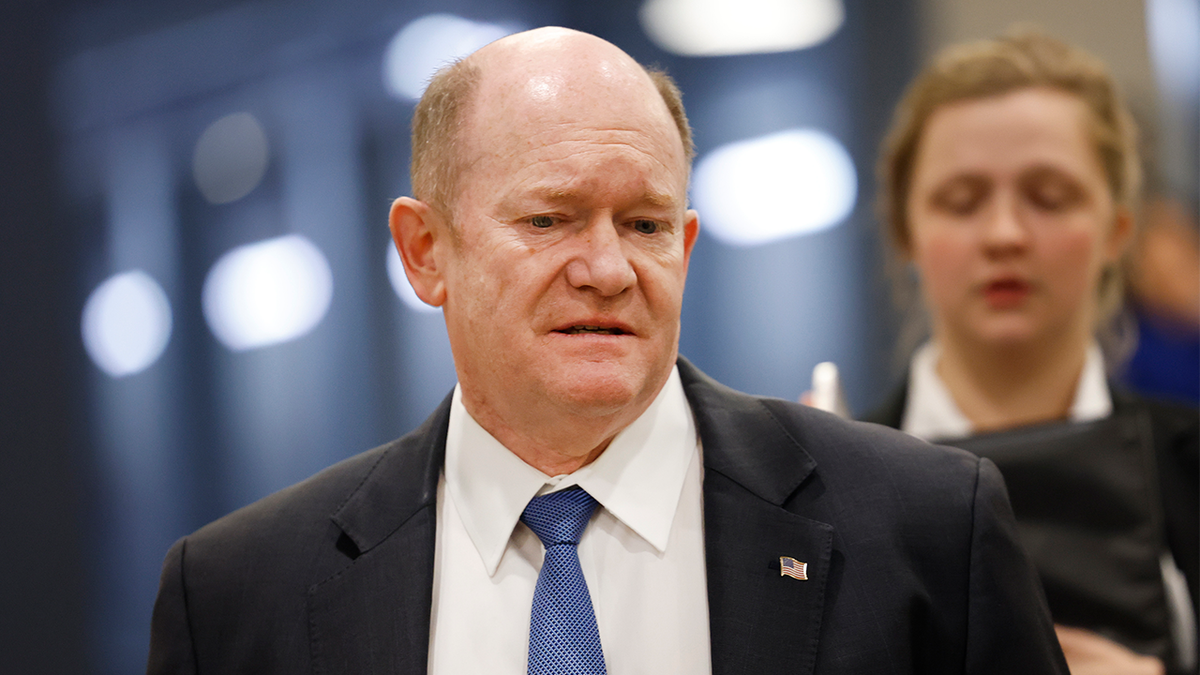
Sen. Chris Coons, D-Del., was more blunt – saying outright that he «wouldn’t have gotten into this war.» (Photo by Anna Moneymaker/Getty Images)
The Pentagon is now running short on cash since the defense policy bill is stalled. That’s to say nothing of the budget resolution which could provide $95 billion to the Pentagon. Congressional approval to pay for the war could take months. Perhaps until December. That’s after the election. Democrats may want to see how they fare in the midterms before coughing up money for the military.
Midterm elections are often a referendum on the president.
CLICK HERE TO DOWNLOAD THE FOX NEWS APP
In 2006, Democrats flipped the House and Senate by campaigning on ending the unpopular war in Iraq. They had a plan to wind down the conflict. Eighteen years later, Democrats want to run on Iran in this fall’s midterms. But unlike 2006, they don’t seem to have a clear plan on how to end the conflict.
But they know who to blame: President Trump.
congress, house of representatives politics, midterm elections, democratic party
INTERNACIONAL
Confirmaron la identidad: una mujer que figuraba como desaparecida por la dictadura en Chile está viva y reside en Argentina
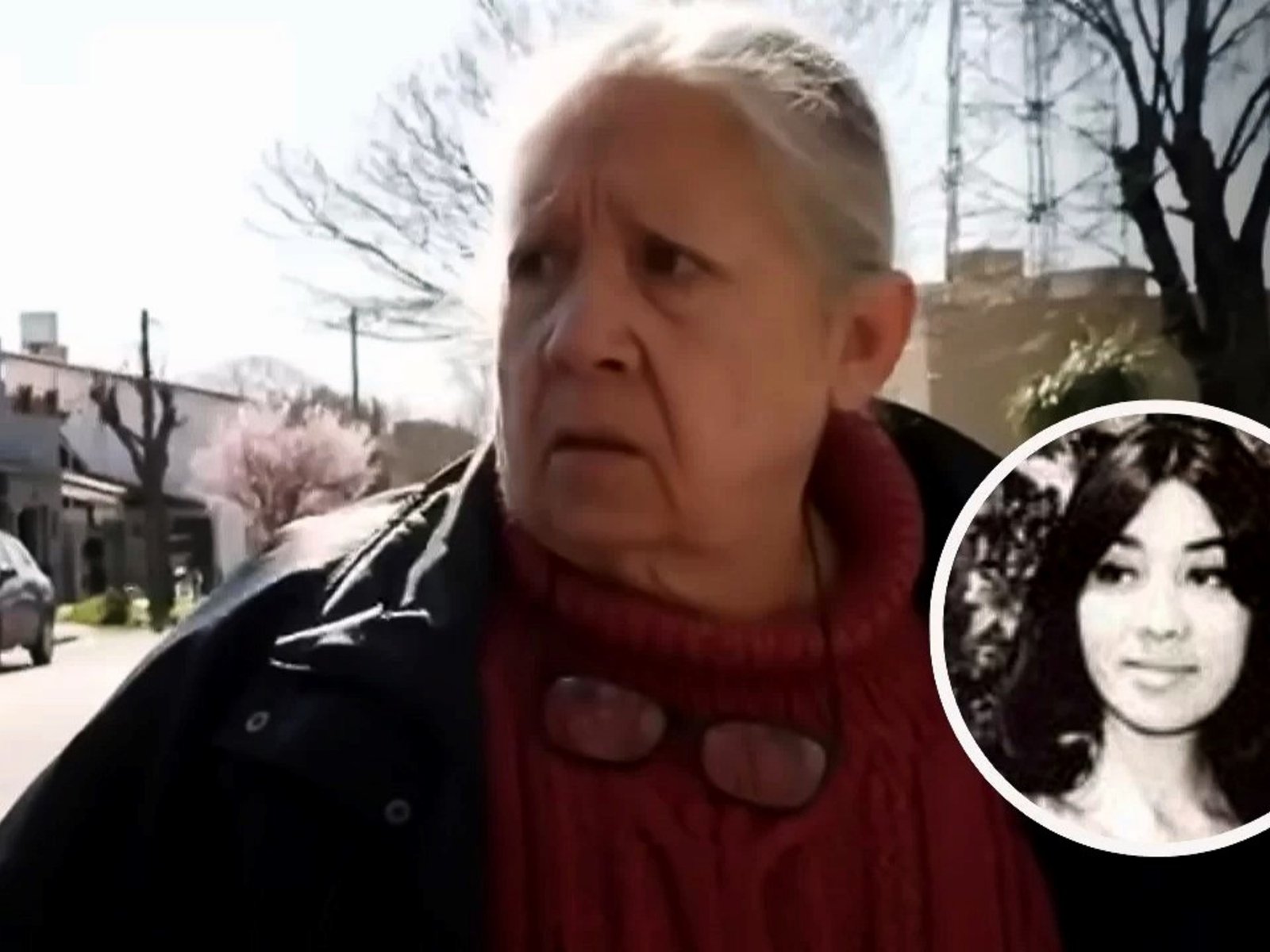
Después de casi diez meses de investigación, un estudio de ADN confirmó la identidad de Bernarda Vera, una mujer que figuraba como desaparecida en el listado oficial de víctimas de la dictadura militar de Augusto Pinochet en Chile. Se trata de la mujer que una investigación periodística de TV descubrió el año pasado en Miramar.
A través de un comunicado, el Poder Judicial chileno indicó que, tras varios meses, las pruebas confirmaron que «el perfil genético de la mujer encontrada corresponde a Bernarda Vera Contardo».
Ante la novedad, el ministro en visita para causas de Derechos Humanos, Álvaro Mesa Latorre, se reunió con los familiares de la presunta desaparecida y les compartió «los resultados del informe pericial correspondiente al perfil genético y las muestras de sus familiares disponibles en el Banco Genético de Familiares de Detenidos y Ejecutados Políticos del Servicio Médico Legal».
“En la diligencia se informó que los antecedentes científicos acreditaron una probabilidad de identificación de la señora Bernarda Rosalba Vera Contardo superior al 99,9999%”, indicó la institución en la nota.
El funcionario remarcó que la causa está «bajo estricto secreto de investigación» y estableció que “el informe pericial genético de ADN es de carácter reservado y se entrega con el único y exclusivo fin para conocimiento del grupo familiar directo y su ámbito interno”, según declaraciones que recogió La Tercera.
El caso salió a la luz en septiembre del año pasado, cuando la cadena local Chilevisión dio a conocer un informe en el que mostraba que habría encontrado a Vera viviendo en la localidad balnearia boanerense.
La polémica estalló porque la protagonista del reportaje era una profesora que, con 27 años y una hija de 5, fue detenida por militares el 10 de octubre de 1973 y que, aparentemente, había sido ejecutada en el puente de Villarrica, en la región de La Araucania.
La joven era militante del Movimiento de Izquierda Revolucionaria (MIR) y su nombre figura entre las 1.162 personas incluidas en el Informe de la Comisión Verdad y Reconciliación (Rettig), el registro elaborado en 1991 sobre las víctimas de violaciones a los derechos humanos durante la dictadura pinochetista
Luego de que trascendiera el informe televisivo, el gobierno de Gabriel Boric reconoció que había recibido avisos sobre posibles «incongruencias” en algunos testimonios que fueron reportadas por el Plan Nacional de Búsqueda (PNB) y dispuso la apertura de una nueva investigación.
Ante el escándalo generado, fue el por entonces ministro de Seguridad, Luis Cordero, quien señaló que la tarea de «corroborar científicamente la identidad de la mujer que vive en Argentina y que sería Bernarda Vera» le correspondía a la Justicia. La causa quedó radicada en el Primer Juzgado del Crimen de Temuco, también en la región de la Araucanía.
El funcionario estaba al frente del Ministerio de Justicia y Derechos Humanos cuando se puso en marcha el PNB y fue la persona señalada por la oposición a la administración de Boric como el responsable de la eventual «inexactitud respecto al caso».
Conocida como «Anita» en sus tiempos de militancia en el MIR, Bernarda Vera figura en el Informe Rettig. Testimonios que quedaron fuera de la causa y algunos detalles del boletín que cada mes publicaba el PNB dieron indicios de que la mujer podría haber escapado de ese destino.
El reporte que se difundió en septiembre del año pasado mencionó que «en algunos casos, muy excepcionales, este proceso ha revelado incongruencias con las conclusiones de las Comisiones de Verdad. Un primer caso refiere a una persona, condenada a muerte por un Consejo de Guerra en 1973, que fue calificada por la Comisión Rettig, con los antecedentes disponibles en la época como víctima de desaparición forzada”.
“Posteriormente, el PNB recogió testimonios de personas que dijeron haberla visto fuera de Chile después de la fecha en la que la CNVR estableció su desaparición. A raíz de ello, se abrió una investigación administrativa respecto de su trayectoria», dealló el documento oficial.
Esos datos fueron parte de la investigación periodística de Chilevisión, que condujo a una de sus cronistas a la ciudad de la costa bonaerense, donde dio con el paradero de quien ahora se confirma en un «99,9999%» que es Bernarda Vera Contardo, quien detrás de la puerta de su casa en ese momento se negó a hablar con la periodista.

Jornada financiera: el desplome del precio del petróleo marcó el pulso de las bolsas y subió el riesgo país

Brote de infecciones respiratorias cobra la vida de seis personas en la comarca indígena Ngäbe Buglé, en Panamá

Banfield vs. Sarmiento formaciones, hora y dónde ver por tv

Proverbio chino del día: “Si voy con 2 hombres, cada uno de ellos será mi maestro; tomaré las virtudes de 1 y las imitaré, y los defectos del otro y los corregiré en mí”

Los cuatro signos del horóscopo chino que podrían reencontrarse con alguien especial antes de agosto, según Ludovica Squirru

Entre el «riesgo kuka» y el factor Trump, a Caputo le conviene pedir dólares en el mercado local

Vocero de Milei dijo que un dólar a $1.800 es «posible» y la City alerta por fin de la paz cambiaria

Polémica por el proyecto que busca desregular los planes de ahorro de autos 0 km: qué podría cambiar

Panorama internacional: Brasil, una batalla electoral no solo de los brasileños

Convivencia pacífica o tensión administrada: el PRO define cómo pararse frente al gobierno de Milei rumbo a 2027

 POLITICA16 horas ago
Crisis entre Milei y Lula: la trama política, personal y geopolítica detrás del mayor choque diplomático entre Argentina y Brasil
- POLITICA2 días ago
Cuentapropismo emocional en lo profundo del conurbano
- SOCIEDAD1 día ago
San Isidro: la ballena que quedó varada en un banco de arena murió pese al operativo de rescate