INTERNACIONAL
Why NATO’s defense spending imbalance lasted for decades

NEWYou can now listen to Fox News articles!
This is part five of a series examining the challenges confronting the NATO alliance.
For more than three decades, the U.S. carried the largest share of NATO’s military burden while many European allies spent far less on defense than Washington wanted.
The imbalance survived the Cold War, multiple U.S. administrations and repeated debates over burden sharing. Only in recent years — following Russia’s 2022 invasion of Ukraine and renewed pressure from President Donald Trump — have many NATO members begun significantly increasing defense spending.
So why did the gap persist for so long?
Defense analysts say the answer lies in a combination of post-Cold War optimism, domestic political priorities and an American defense umbrella that convinced much of Europe it could safely spend less on defense without sacrificing its security.
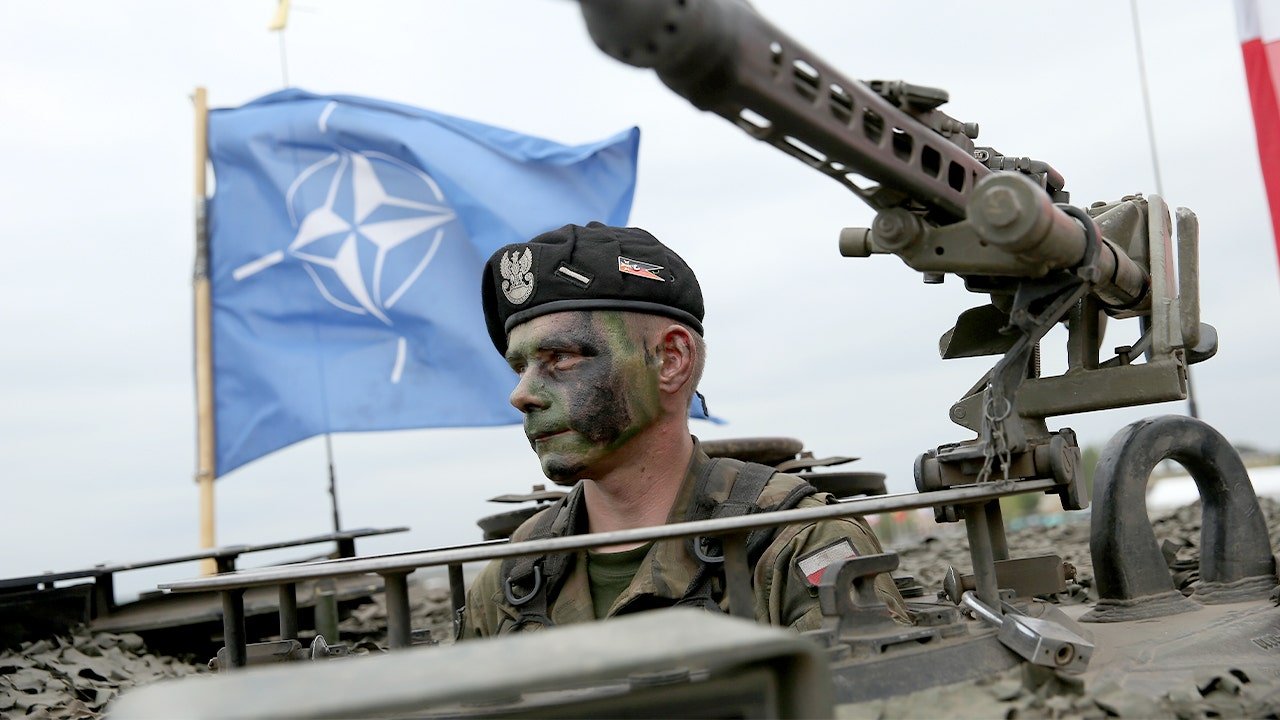
For more than three decades, the U.S. carried the largest share of NATO’s military burden while many European allies spent far less on defense than Washington wanted. (Handout / Latin America News Agency via Reuters Connect)
GLOBAL SYSTEM TOOK ADVANTAGE OF AMERICA ON TRADE AND DEFENSE. THAT FREE RIDE IS OVER
«For much of the post–Cold War period, it is fair to say that Europeans underinvested in defense, partly because threats were low, and partly because a series of U.S. presidents did everything they could to convince Europeans that we would stay there forever,» Barry Posen, a professor of political science at the Massachusetts Institute of Technology, told Fox News Digital.
The collapse of the Soviet Union reinforced that mindset.
With the primary threat NATO had been created to deter suddenly gone, governments across Europe moved to collect a so-called «peace dividend,» redirecting resources toward domestic priorities and away from their militaries.
Between 1992 and 1999, defense spending among European NATO members fell 22%, helping establish a pattern of underinvestment that would persist for decades even as the United States maintained troops in Europe and continued serving as NATO’s ultimate security backstop.
GERMANY UNVEILS NEW INCENTIVES TO BOOST MILITARY RECRUITMENT AMID GROWING RUSSIA THREAT
As defense spending declined, many European governments expanded or maintained social welfare systems that consumed a growing share of public budgets. Programs such as healthcare, pensions and higher education became deeply embedded in domestic politics, often making them harder to cut than military spending.
With the U.S. continuing to provide the bulk of NATO’s military power, many governments faced little immediate pressure to reverse course. Critics of the alliance’s spending imbalance argued that American taxpayers were effectively subsidizing Europe’s security, allowing allies to devote a larger share of public resources to domestic priorities.
The result was what some defense analysts describe as a «moral hazard» problem: because the U.S. commitment to NATO was viewed as ironclad, allies could spend less on their own militaries without facing the full consequences of those decisions.

«For much of the post–Cold War period, it is fair to say that Europeans underinvested in defense, partly because threats were low, and partly because a series of U.S. presidents did everything they could to convince Europeans that we would stay there forever,» Barry Posen, a professor of political science at MIT, told Fox News Digital. (AP Photo/Darko Vojinovic, File)
NATO CHIEF WARNS EUROPE CAN’T DEFEND ITSELF WITHOUT US AS TENSIONS RISE OVER GREENLAND
Over time, that dynamic became self-reinforcing. As European militaries shrank, many allies grew increasingly dependent on American capabilities ranging from logistics and intelligence to missile defense, strategic airlift and nuclear deterrence.
«We are still having a strong, conventional U.S. presence in Europe,» NATO Secretary-General Mark Rutte said earlier in 2026, «and, of course, the nuclear umbrella as our ultimate guarantor.»
American frustration over burden sharing is nearly as old as NATO itself.
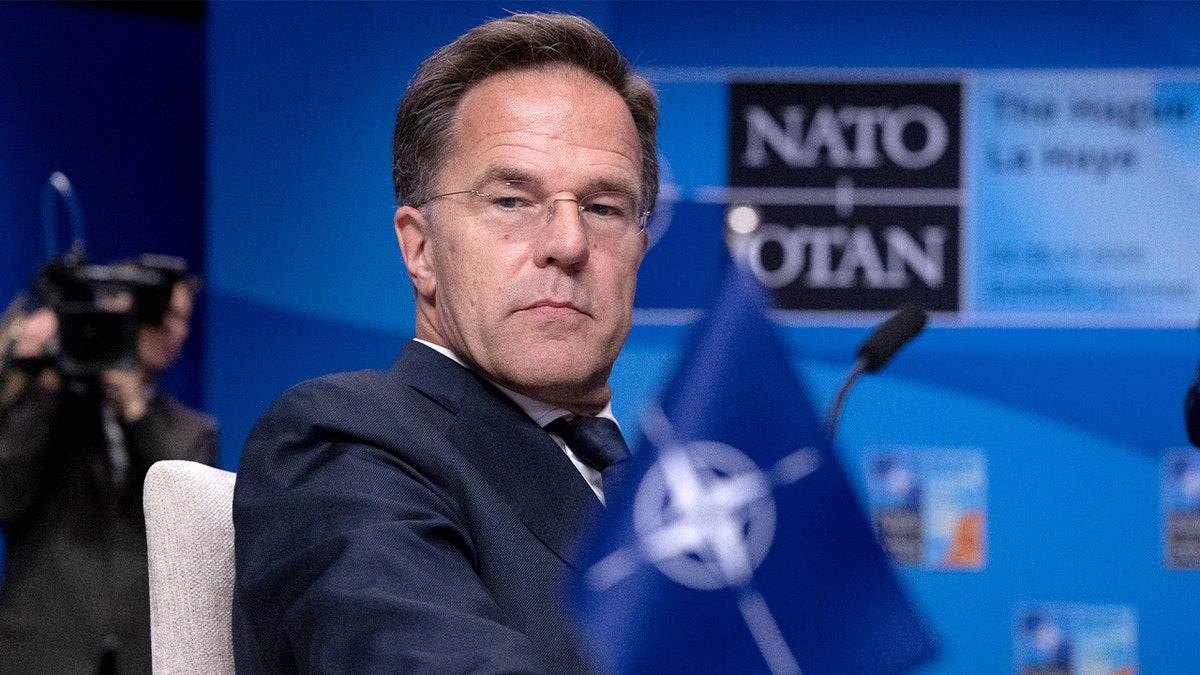
«We are still having a strong, conventional U.S. presence in Europe,» NATO Secretary-General Mark Rutte said earlier this year, «and, of course, the nuclear umbrella as our ultimate guarantor.» (Omar Havana/Getty Images)
In 1953, President Dwight D. Eisenhower warned European allies that «the American well can run dry» and pressed them to assume a larger share of the alliance’s defense burden. The issue resurfaced repeatedly over the following decades as successive administrations sought greater European contributions to collective defense.
The concern persisted long after the Cold War. In a blunt 2011 farewell speech in Brussels, then-War Secretary Robert Gates warned of a «dim if not dismal future» for NATO if European governments continued underinvesting in their militaries. Gates cautioned that there would be «dwindling appetite and patience» among American lawmakers and taxpayers to bear a disproportionate share of the alliance’s defense costs.
Yet despite decades of warnings, the underlying incentives changed little.
Washington repeatedly reaffirmed its commitment to NATO and maintained a large military presence on the continent, reducing pressure on allies to rapidly increase defense spending.
«Every administration has been pushing allies to spend more money on their own defense,» former Deputy Assistant Secretary of Defense for Europe and NATO Jim Townsend told Fox News Digital.
The issue gained renewed urgency after Russia’s annexation of Crimea in 2014, when NATO established a benchmark for members to spend at least 2% of GDP on defense. While spending gradually increased, progress remained uneven across the alliance.
«Nations slowly began going to that. But it’s been slow,» Townsend said.
For years, burden-sharing disputes followed a familiar pattern: American officials urged allies to spend more, European leaders promised improvements and NATO continued to rely heavily on American military power. What finally broke that cycle, Townsend said, was the combination of Russia’s growing aggression and Trump’s willingness to challenge assumptions that had shaped the alliance for decades.
«What really woke everyone up were two things,» Townsend said. «One was the 2022 invasion by Putin the second time. And then the second was Trump.»
Unlike previous presidents, Trump openly questioned whether the United States should defend allies that failed to meet defense spending commitments. During his first term and again during his return to office, Trump argued that NATO members were taking advantage of American taxpayers and suggested U.S. protection should not be unconditional.
Whether European leaders viewed Trump’s approach as pressure, a warning or a negotiating tactic, it altered assumptions that had shaped the alliance since the end of the Cold War and accelerated a debate that had simmered for decades.
The shift culminated at NATO’s summit in The Hague, where allies agreed to a new goal of spending 5% of GDP on defense and defense-related investments by 2035. The agreement marked a dramatic leap from NATO’s long-standing 2% benchmark and reflected a growing consensus that the alliance faced a far more dangerous security environment than the one that emerged after the Soviet Union’s collapse.
The agreement also signaled that many allies had come to the same conclusion American presidents had voiced for decades: the post-Cold War era of reduced military spending was over.
TRUMP PUSHED NATO TO SPEND BIG — NOW COMES THE HARDER QUESTION: CAN EUROPE ACTUALLY FIGHT?
But analysts caution that rebuilding military power is far more complicated than increasing budgets.
Europe remains dependent on the U.S. for capabilities ranging from air defense and logistics to intelligence and defense industrial capacity, Townsend said. Even as governments commit more money to defense, translating those investments into military readiness will take years.
John Byrne of Concerned Veterans for America said the challenge extends beyond equipment and spending levels.
«They don’t have the experience,» Byrne told Fox News Digital, referring to the decades in which large multinational military commands were overwhelmingly led by American officers.
CLICK HERE TO DOWNLOAD THE FOX NEWS APP
Running large coalition military operations requires years of institutional knowledge and leadership experience, he said — something that cannot be rebuilt overnight.
«You can buy equipment,» Byrne said. «You can’t instantly buy command experience.»
nato, defense, alliances, spending, russia












Gov Ron DeSantis: Dr. Fauci should be held in contempt
Florida Gov. Ron DeSantis discusses Dr. Anthony Fauci’s Senate hearing, reacting to the key moments from the testimony and sharing his perspective on Fauci’s handling of the COVID-19 pandemic on ‘Jesse Watters Primetime.’
NEWYou can now listen to Fox News articles!
Former National Institute of Allergy and Infectious Diseases Director Dr. Anthony Fauci may be spending more time in the Deep South than he envisioned after officials in Alabama and Florida announced plans to investigate whether he can be held accountable under state law for maladministration of the COVID-19 response.
Fauci invoked his Fifth Amendment right against self-incrimination 111 times during a Senate hearing Wednesday.
Sen. Josh Hawley, R-Mo., argued that former President Joe Biden’s blanket pardon eliminated Fauci’s federal criminal exposure for covered conduct and undercut his basis for refusing to answer.
Sen. Tommy Tuberville, R-Ala., alluded to that detail and told Fox News Digital that same pardon cannot prevent prosecution at the state level under the Constitution — which says presidential pardons cover «offences (sic) against the United States.»
CAN FAUCI HIDE BEHIND THE FIFTH? GAME-CHANGING BIDEN PARDON MAY NOT PROVIDE COMPLETE COVER, EXPERTS SAY
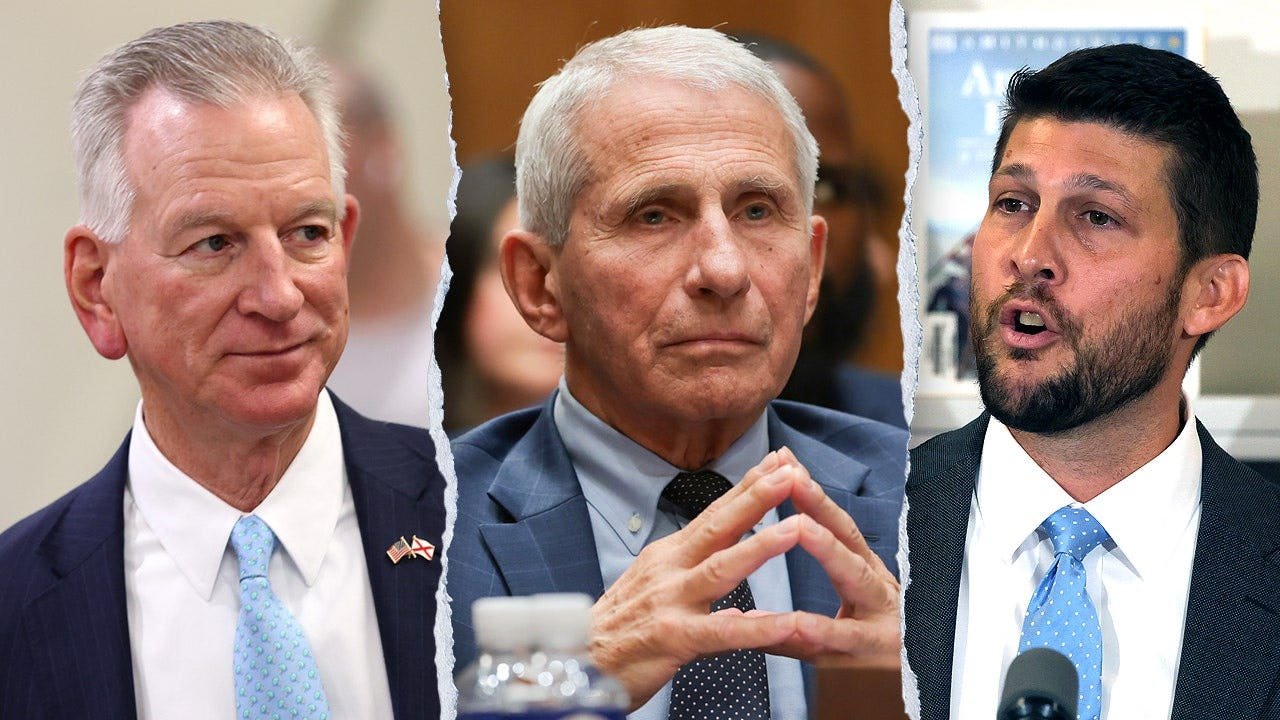
Sen. Tommy Tuberville, R-Ala., left; Anthony Fauci, center; Florida AG James Uthmeier, right. (Kevin Dietsch/Getty Images; Anna Moneymaker/Getty Images; Joe Burbank/Getty Images)
«Anthony Fauci is responsible for the deaths of millions of Americans and tens of thousands of Alabamians,» Tuberville told Fox News Digital. «The ‘pardon’ signed by Joe Biden’s autopen doesn’t apply to state-level crimes.»
«When I’m governor of Alabama, I will look into ways we can hold Fauci accountable for all of the Alabamians who died under his watch,» the former Auburn football icon said.
TOP 5 MOMENTS FROM FAUCI’S HEARING: PAUL BOOTS LAWYER, MORENO ERUPTS AS CONTEMPT VOTE LOOMS
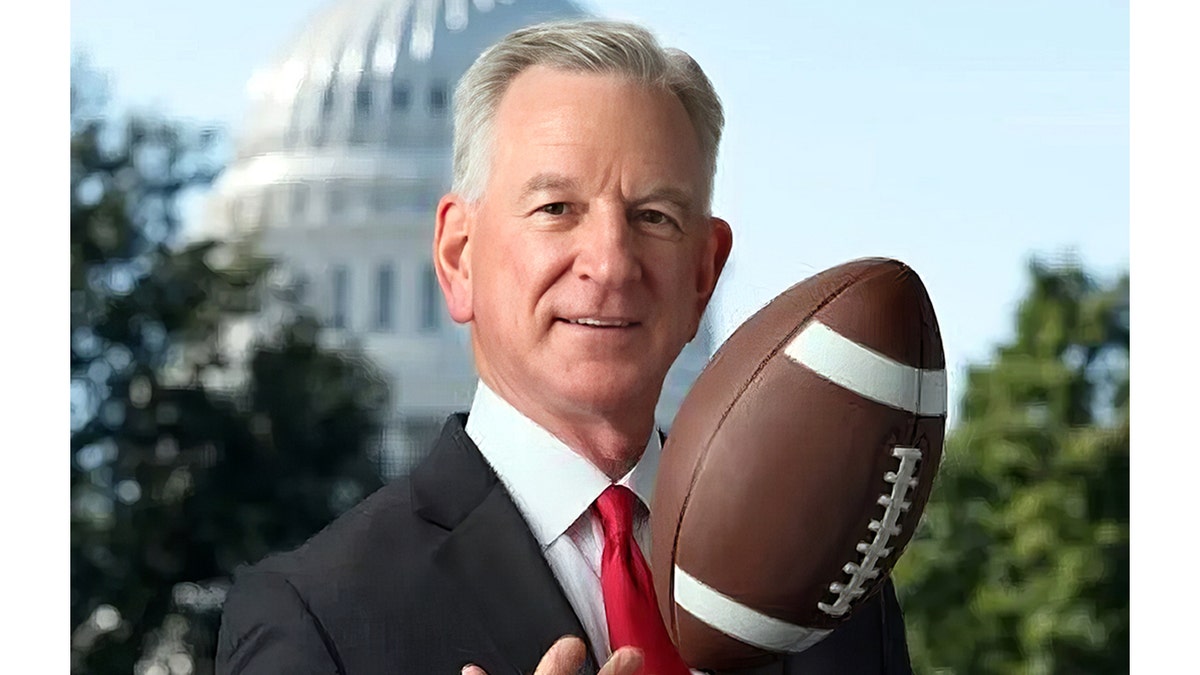
Republican Alabama Senator and former college football coach Tommy Tuberville. (Office of Senator Tommy Tuberville)
Tuberville — who is favored to succeed term-limited Republican Gov. Kay Ivey in November — indicated he would order Fauci to Montgomery, Alabama, as many times as he could to face state charges, and encouraged Alabamians to bring their own civil claims against the 85-year-old immunologist.
Speaking to Newsmax from the Capitol, Tuberville separately fumed that Fauci «should be locked up before he leaves this building today.»
FAUCI PRIVATELY TOOK CREDIT FOR COVID-19 LOCKDOWNS DESPITE PUBLIC DENIAL, NEWLY EXPOSED DIARY ENTRIES REVEAL
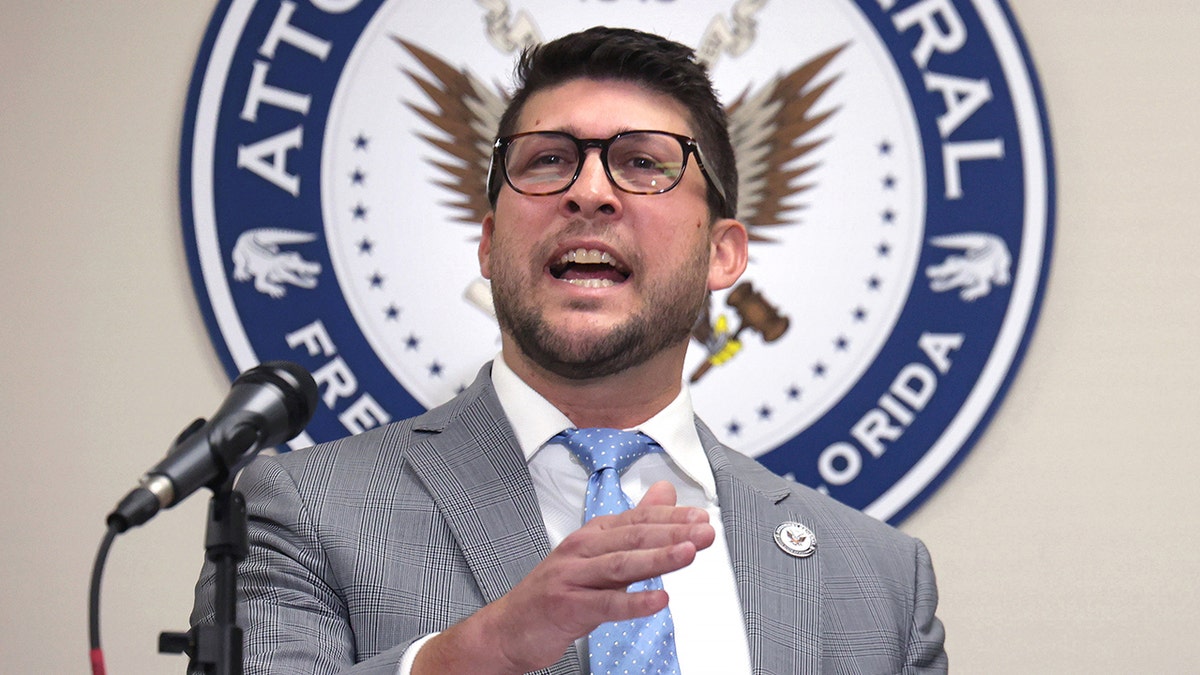
Florida Attorney General James Uthmeier announces during a press conference that his office is offering to send a team of additional prosecutors to the Ninth Circuit to assist Orange/Osceola State Attorney Monique Worrell with a backlog of cases, Monday, April 14, 2025. (Joe Burbank/Orlando Sentinel/Tribune News Service via Getty Images)
«We lost 20-30,000 (people) in Alabama alone and I hope every damn one of them sues Fauci.»
Tuberville said that if state prosecutors can’t imprison Fauci, he would support voluminous litigation to «put him in court for the rest of his life where he can listen to the death he caused.
He told Fox Business that when he regularly heard from Fauci during COVID on the HELP Committee, and now believes he «lied … and knew he was lying» due in part to revelations in the doctor’s diary.
«He’s going to court every day of his life for the rest of his life. And he’s going (to) have to look these people in the face, these families, because the pardon does not cover state government.»
Fox News Digital reached out to Ivey for comment on whether she would pursue similar action in the final months of her administration.
Florida is also investigating Fauci’s COVID-era tenure. Attorney General James Uthmeier confirmed to Fox News Digital that «any and all potential violations of Florida law» are on the table.
«Our inquiry will focus on what Fauci knew, when he knew it, and how he misled the American people. We will examine the physical and monetary harms to Floridians that may have resulted from his deceptions and determine whether his conduct exposes him to liability under state law,» said Uthmeier press secretary Jae Williams.
Lt. Gov. Jay Collins — who is running for governor to succeed boss Gov. Ron DeSantis — fully backed Uthmeier’s probe in an interview Thursday with Fox News Digital.
«There has to be accountability … between families getting threatened and our kids not being able to potentially go to school because of the risks coming from Fauci,» he said.
Collins noted he is a 100%-disabled retired amputee veteran, and said he couldn’t get care from Veterans Affairs unless he had a COVID-19 shot.
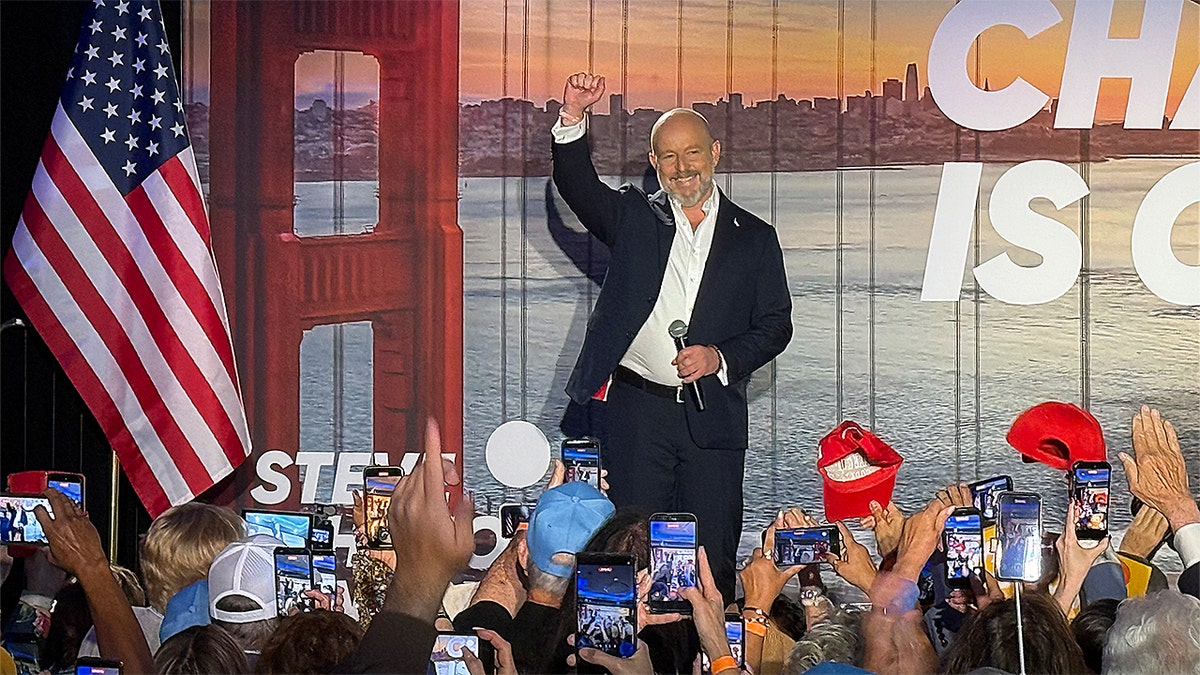
Republican gubernatorial candidate Steve Hilton speaks to supporters at his primary night watch party, in Huntington Beach, California on June 2, 2026 (Paul Steinhauser/Fox News)
«I had to make a choice of getting my prosthetic care and having a leg to walk on versus taking an immunization that I didn’t want or believe in,» he said, blaming Fauci’s prescriptions for «generational loss» of businesses nationwide.
Asked about Fauci criticizing DeSantis in his diary, Collins said it was a badge of honor to be the state on the receiving end of «pejoratives.»
DeSantis «became America’s governor. Greatest governor in our state’s history, largely because of what he did in COVID. When our president, our federal government, other world leaders were attacking him, he stood there and took it over and over and over.»
«We protected America,» he said of Tallahassee’s government. «We pushed back on the Fauci-Ouchie and all the nonsense that came from it … I’m glad (Fauci) was offended.»
DeSantis similarly called Fauci the «most destructive bureaucrat in the history of the United States of America,» when asked on Fox News to respond to the diary entries that called him a «jerk» and more.
While California’s current leadership complied with and welcomed Fauci’s prescriptions, the state’s Republican gubernatorial nominee said after watching Fauci plead the Fifth, he drafted a plan similar to his Deep South compatriots to bring the bureaucrat to justice.
SIGN UP TO GET THE POLITICS NEWSLETTER
«What an absolute disgrace — when will there be any accountability for this guy,» Hilton said in a statement.
«I tell you, when I’m governor of California we will have a COVID Accountability Commission,» he said on Facebook, Hilton said the panel would examine Fauci and California officials over policies «who caused so much pain and suffering and cruelty in this absolute disaster of public policy.»
Fox News Digital reached out to Fauci via counsel for comment. DeSantis’ office directed Fox News Digital to his quoted comments.
anthony fauci, ron desantis, alabama, gubernatorial, state, florida, republicans, republicans elections, california, gavin newsom, hearings, auburn tigers
INTERNACIONAL
Un camión con explosivos estalló en Colombia a días de la investidura presidencial: De la Espriella condenó la escalada terrorista

Un camión con explosivos estalló el sábado junto a una estación de policía en la ciudad colombiana de Cúcuta, cerca de la frontera con Venezuela, seis días antes de la investidura del presidente electo Abelardo de la Espriella. El diario El Tiempo, de ese país, habla de una escalada terrorista en la zona.
En la madrugada del sábado un vehículo se detonó en inmediaciones del comando del Departamento de Policía de Norte de Santander dejando al menos 11 heridos y fachadas de viviendas destruidas en la previa de la asunción del nuevo presidente, figura de la extrema derecha, quien tomará el poder formalmente el 7 de agosto en la ciudad de Cali en reemplazo de Gustavo Petro, el primer presidente izquierdista en la historia del país.
La zona donde se produjo el atentado está cerca del mercado público Cenabastos, punto al que llegan de madrugada camiones cargados con productos del campo, y por esa razón el vehículo que transportaba los explosivos no llamó la atención de las autoridades.
Después de esta detonación, fueron lanzados varios artefactos explosivos en el mismo sector y una de las personas que resultó herida es una mujer que vendía café en un puesto callejero.
El ataque a Norte de Santader, en Cúcuta, fue leído por muchos como un mensaje directo al flamante Presidente. Es que De La Espriella alcanzó un 76% de los votos en las urnas de ese el departamento, que se convirtió en una región clave para su triunfo en la segunda vuelta electoral..
El hecho fue repudiado por el presidente electo. «Condeno con absoluta firmeza el cobarde atentado terrorista perpetrado en Cúcuta contra nuestra Policía Nacional. Mi solidaridad con los uniformados heridos, sus familias y con todos los ciudadanos que hoy viven momentos de angustia», afirmó De La Espriella en su cuenta de X.
El presidente electo fue categórico: «El terrorismo no intimidará a Colombia ni doblegará la voluntad de los colombianos de vivir en paz y con seguridad. Los responsables deberán ser identificados, capturados y llevados ante la justicia con todo el peso de la ley. A nuestros héroes de la Fuerza Pública: no están solos. Colombia y el tigre los respalda. ¡Firme por la Patria! (A.D.L.E) 🇨🇴🐅», escribió.
Con el apoyo del gobierno de Donald Trump, este abogado millonario prometió intensificar la lucha contra las guerrillas y otras organizaciones narcotraficantes que avivan la peor ola de violencia en la última década en el país, principal productor de cocaína del mundo.
Condeno con absoluta firmeza el cobarde atentado terrorista perpetrado en Cúcuta contra nuestra Policía Nacional. Mi solidaridad con los uniformados heridos, sus familias y con todos los ciudadanos que hoy viven momentos de angustia.
El terrorismo no intimidará a Colombia ni… https://t.co/awvUm1WaLf
— Abelardo De La Espriella (@ABDELAESPRIELLA) August 1, 2026
Para lograr sus objetivos, De la Espriella planea forjar una alianza militar con Estados Unidos y también con Israel.
La investidura de De la Espriella contará con uno de los mayores despliegues de seguridad previstos para esta ceremonia, con un dispositivo de unos 11.000 soldados y policías que realizarán operaciones terrestres, aéreas y marítimas.
La posesión presidencial se realiza tradicionalmente en la sede del Congreso en Bogotá, pero el mandatario electo solicitó trasladar la ceremonia a Cali, en el suroeste del país, una región golpeada por los choques entre bandas narcotraficantes y guerrilleros.
Las guerrillas han lanzado advertencias al presidente electo, que prevé romper con las negociaciones de paz que sostenía Petro con diferentes organizaciones armadas.
De la Espriella ha denunciado en diversas ocasiones la existencia de un plan para matarlo.
Las pasadas elecciones estuvieron marcadas por la violencia política y un recrudecimiento del conflicto armado con bombas, drones explosivos y numerosos atentados contra la fuerza pública. En 2025, el precandidato presidencial y senador de derecha Miguel Uribe Turbay fue baleado en un acto en Bogotá y posteriormente falleció.
De la Espriella buscaba inicialmente posesionarse en una guarnición militar en el conflictivo departamento del Cauca, pero Petro no autorizó la iniciativa.
Fuente: El Tiempo, AFP, EFE.
INTERNACIONAL
Unearthed posts show Heartland Dem candidate rallying in favor of child gender surgery: ‘Radical as it gets’
NEWYou can now listen to Fox News articles!
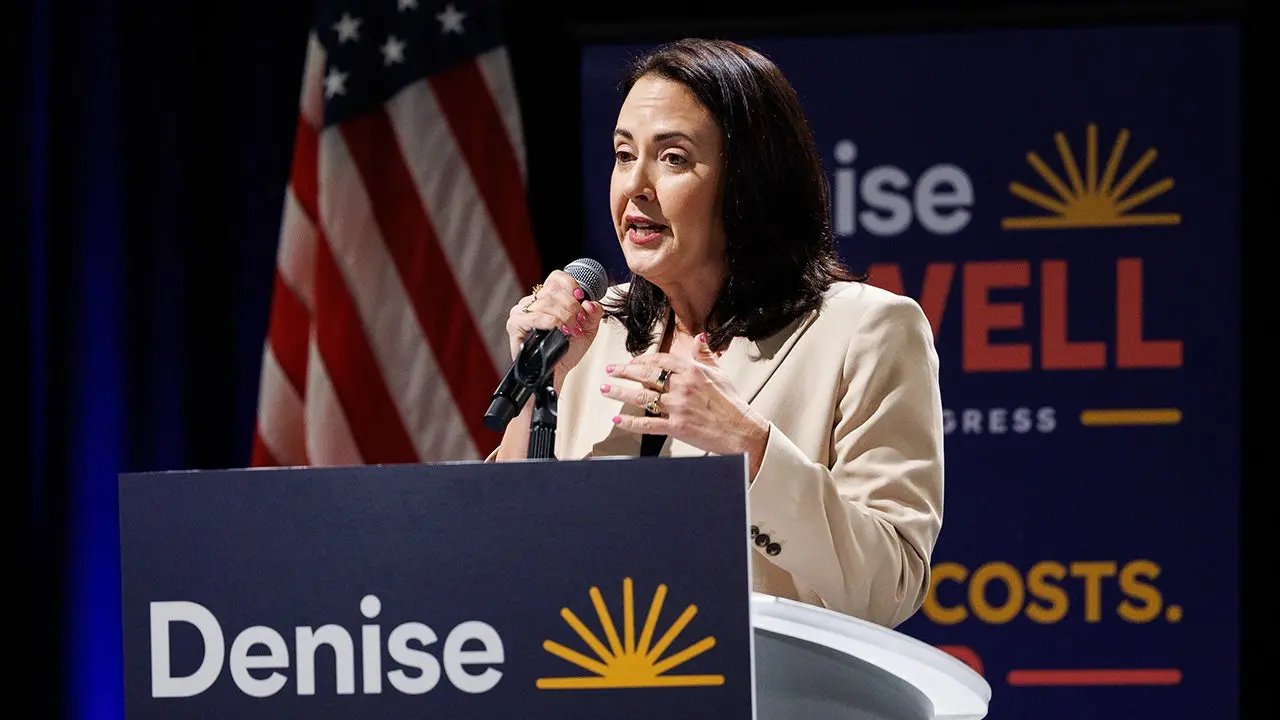
FIRST ON FOX: Nebraska Democratic congressional nominee Denise Powell publicly opposed Nebraska’s 2023 law restricting gender transition procedures for minors, calling it «discriminatory and hateful» and urging supporters to contact lawmakers, according to unearthed social media posts that are generating pushback from critics.
Before becoming her party’s nominee, Powell made multiple Facebook and TikTok posts opposing LB 574, Nebraska’s «Let Them Grow Act,» which prohibits gender transition procedures for minors and regulates the use of puberty blockers and hormone treatments for those under 19.
In a March 2023 Facebook post, Powell, listed as an administrator on The Bellwether Initiative Nebraska page, urged Nebraskans to contact their state senators and join her at the Capitol on the final day of the first round of floor debate over the bill while wearing a shirt that read «PROTECT TRANS KIDS.»
«Today is the final day of the first round of floor debate on LB 574, a bill that would prohibit and punish healthcare providers from providing gender affirming care to children under the age of 19,» she wrote.
WATCH: BATTLEGROUND DEMOCRAT CALLED IOWA A ‘BACKWATER’ OVER TRANSGENDER ATHLETES BAN
Denise Powell, Democratic candidate for Nebraska’s second congressional district, speaks during a campaign event at Metro Community College’s Center for Advanced Manufacturing in Omaha, Neb., on Tuesday, July 14, 2026. Powell was joined by former U.S. Transportation Secretary Pete Buttigieg. (Nikos Frazier/Omaha World-Herald via Getty Images)
«Laws like this one are passing all over the country — Iowa, Kentucky, Tennessee, to name a few. Nebraska has the opportunity to set an example; to show trans kids and families around the country that we won’t stand for this discriminatory and hateful behavior.»
Powell also praised lawmakers «fighting this on the front line» and urged supporters to «call or tweet at your senators TODAY.»
«Trans people belong in Nebraska and everywhere and we will never ever stop fighting for their right to exist and thrive,» she wrote.
SEN HAWLEY WARNS IT WOULD BE ‘UNCONSCIONABLE’ IF BILLIONS OF TAXPAYER FUNDS FLOW TO TRANS KIDS’ SEX CHANGES
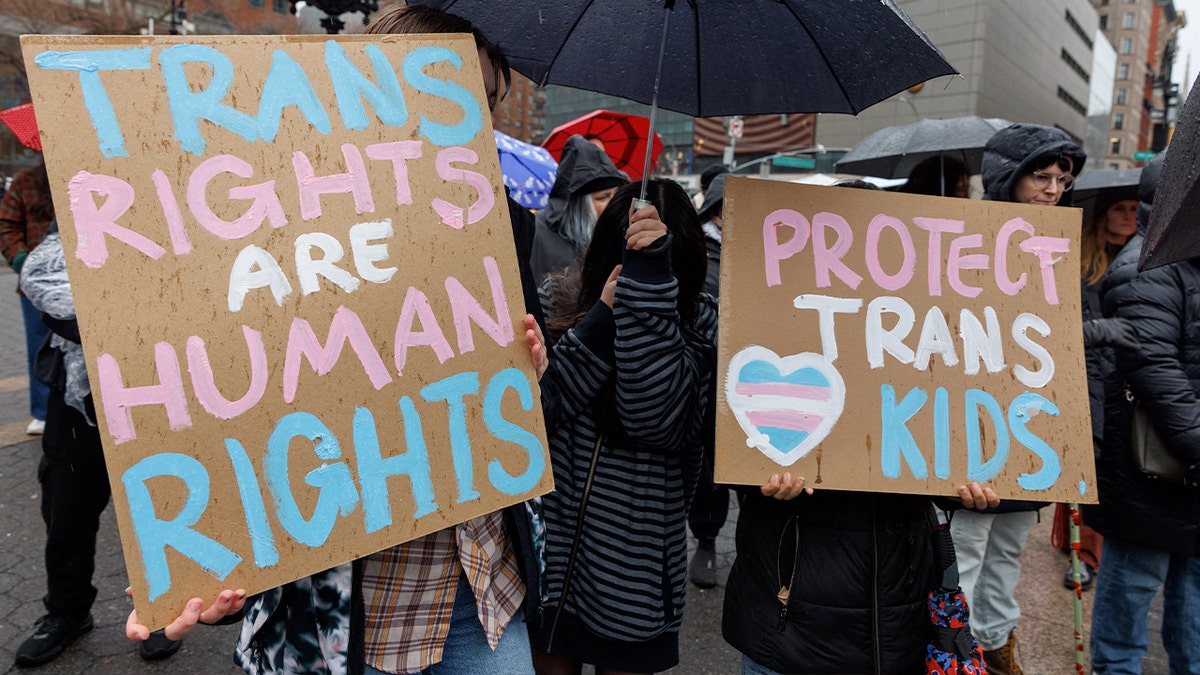
People gather in Union Square for the Together We Win rally in support of transgender youth held in New York City, N.Y., on Jan. 10, 2026. (Jason Alpert-Wisnia / Hans Lucas / AFP via Getty Images)
Powell also took to TikTok under the username «dbpinomaha» to oppose the legislation.
In a video posted Feb. 8, 2023, Powell wrote, «Aaaaand we’re back, this time to oppose LB 574, a bill that would make it illegal for kids to access gender-affirming care,» before the video showed her sipping from a mug beneath the words, «Lord it’s too early for the garbage.»
The video then showed a photo of the Nebraska State Capitol exterior with the words, «Democracy happens here. Sometimes,» before cutting to footage of protesters holding signs reading, «Trans Nebraskans Belong.»
The video also included photos appearing to show Powell in her car holding one of the protest signs herself.
DEMOCRATS STAY QUIET ON NEXT STEPS AFTER SUPREME COURT TRANSGENDER SPORTS RULING
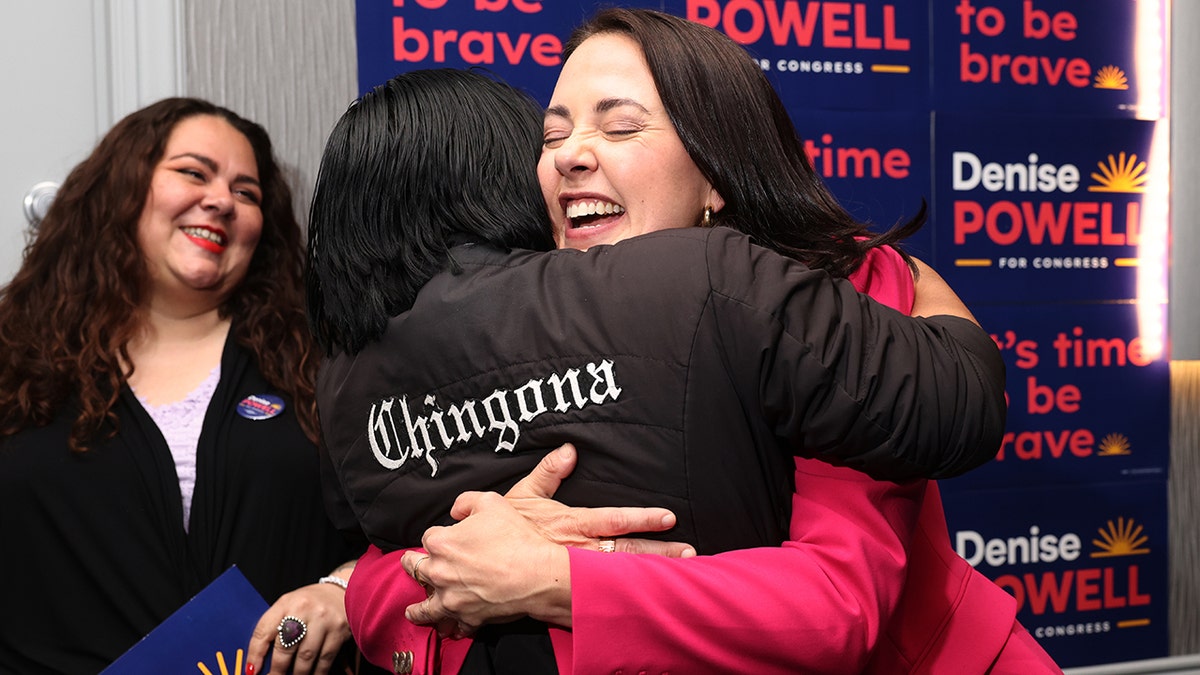
Denise Powell, candidate for the Democratic nomination to the House of Representatives in Nebraska’s second district, right, hugs Jennifer Reyna, chair of Latino Caucus for the Democratic Party of Nebraska, during an election night watch party Wednesday, May 13, 2026, in Omaha, Neb. (Rebecca S. Gratz/AP Photo)
«LB 574 hurt kids,» she wrote in the caption. «Call your senator and tell them TRANS NEBRASKANS BELONG.»
In a separate TikTok posted on March 31, 2023, Powell shared a video of student walkouts at high schools around Omaha and Lincoln, writing that students had walked out in support of transgender youth and adding, «we are here for it!»
The Nebraska Legislature passed LB 574 by a 33-15 vote, and Gov. Jim Pillen later signed it into law.
That same year, Nebraska First PAC poll found that 61% of likely Nebraska voters supported prohibiting «gender altering procedures like surgeries, puberty blockers, or hormone therapies» for those under 19, while 78% agreed children should wait until adulthood before undergoing «irreversible, sex-change surgeries.»
In April, a bill from Republican state Sen. Kathleen Kauth to expand LB 574 by banning puberty blockers and cross-sex hormones for those under 19 failed to advance, according to the Nebraska Examiner .
«NE-2 is a swing district known for electing moderates, but Denise Powell is about as radical as it gets,» Jon Schweppe, former Trump official at the FTC and senior advisor at American Principles Project, told Fox News Digital.
«Not only has she been an advocate for transgender sex changes for kids, but she served on the board of an organization which opposes parental rights in education and promotes an ‘LGBTQ liberation’ curriculum for fifth graders. These are the issues she clearly cares about the most.»
Zach Bannon, a spokesperson for the National Republican Congressional Committee (NRCC) told Fox News Digital that Powell is a «rubber stamp for the radical far-left, supporting their most extreme policies, including sex change surgeries for kids.»
«Denise Powell continues to prove that she rejects common sense and is completely out of touch with Nebraska values,» Bannon added.
Powell is challenging Republican Omaha City Councilman Brinker Harding for Nebraska’s open 2nd Congressional District, a seat Democrats are seeking to flip as Republicans try to hold on to their razor-thin majority in the House of Representatives.
According to her campaign website, Powell says her priorities are lowering costs, protecting healthcare access and abortion rights, supporting workers, and opposing President Donald Trump’s «abuse of power and attacks on our democracy.»
Fox News Digital reached out to Powell’s campaign multiple times for comment.
state and local, nebraska, politics, house of representatives, midterm elections

Fauci’s Fifth fuels vow to haul him into court ‘every day’ despite Biden pardon

Así le fue a Boca Juniors cuando enfrentó a rivales chilenos por competencias internacionales

La crítica de Larreta al gobierno de la Ciudad tras las inundaciones por el temporal

Uno por uno, los gremios que cobrarán aumento de sueldo en agosto 2026

Internaron a Denisse González, ex Gran Hermano: “Fueron días de mucho susto y de valorar la salud más que nunca”

Echeverri volvió a jugar en el City: picó su penal en la derrota amistosa contra Inter

El BCRA cortó la racha de compra y en el mercado vuelan rumores de maniobras para frenar al dólar

World-famous Catholic shrine torched, ‘Devil in a skirt’ scrawled on Virgin Mary statue

La aprobación del Gobierno cayó en julio según distintas encuestas, en sintonía con el índice de la universidad Di Tella

SUTEP cerró paritaria y ya se sabe cuánto ganará un empleado de parque de diversiones durante 2026

 INTERNACIONAL2 días ago
Trump admin invokes 30-year dormant terror court as it seeks to deport Afghan woman tied to Election Day plot
- CHIMENTOS3 días ago
El romántico mensaje de Nico Vázquez a Dai Fernández: “Me encanta compartir con vos arriba y abajo del escenario”
- ECONOMIA3 días ago
Le pedimos a ChatGPT, Gemini y Claude que dijeran en qué acciones argentinas invertir y así nos fue