INTERNACIONAL
Pope Leo XIV jokes young Spaniards would pick Bad Bunny over him during Madrid visit this weekend

NEWYou can now listen to Fox News articles!
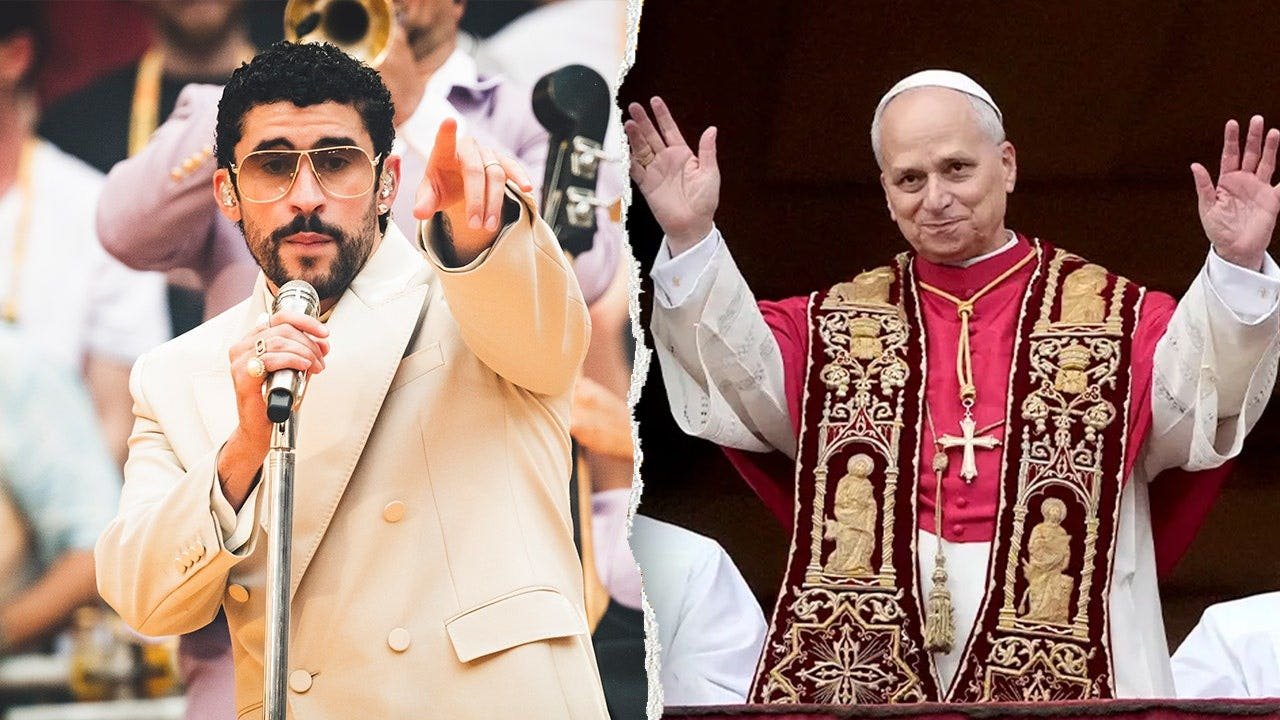
Pope Leo XIV joked Saturday that he knows who would win if young people had to choose between seeing him or Latin pop singer Bad Bunny this weekend.
The Pope, who began a weeklong visit to Spain on Saturday, acknowledged that he is competing for attention with the Puerto Rican superstar while in Madrid. Many young Spaniards, he suggested, would likely choose the Grammy-winning artist over the pontiff.
«If they are confronted with the question ‘Do you want to go see Bad Bunny or do you want to go to see the pope?’ I think many will see Bad Bunny,» Leo told reporters aboard the papal plane before his arrival.
«But I think there will also be a few here to see the pope,» he added. «And that says something, you know.»
WHY BAD BUNNY’S ‘GOD BLESS AMERICA’ MOMENT AT THE SUPER BOWL SPARKED CONTROVERSY
Pope Leo XIV told reporters that many young people would likely choose to see Bad Bunny over the pontiff if given the choice. (Mariano Regidor/Getty Images; Gregorio Borgia/AP)
Bad Bunny, whose real name is Benito Antonio Martínez Ocasio, is currently performing a 10-show run in Madrid as part of his Spanish tour.
Leo raised the comparison while discussing what he described as signs of a spiritual awakening among some young people in Spain.
The pope said many young adults appear to be searching for meaning and expressed hope that his visit could help «awaken» something within them.
POPE LEO XIV GIVES 1ST HOMILY AS AMERICAN PONTIFF, SAYS LOSS IN FAITH HAS LED TO CRISIS IN HUMANITY
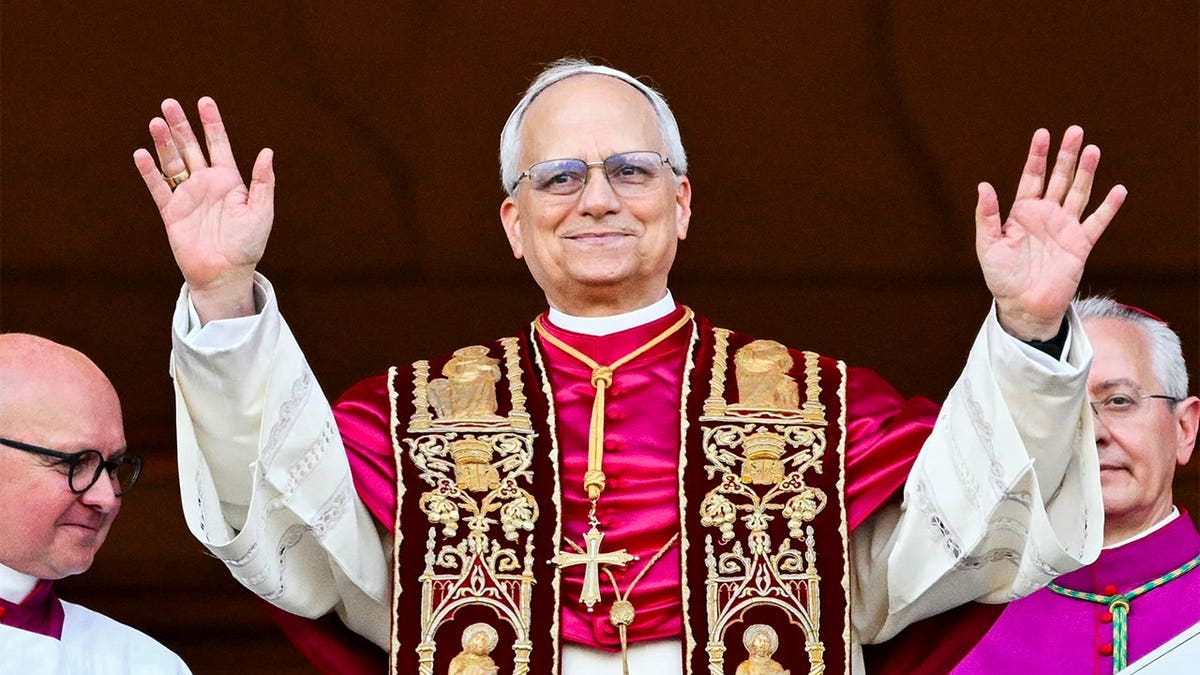
Pope Leo XIV was first brought to the Vatican by Francis to serve as prefect of the Dicastery for Bishops in January 2023, which is one of the most important positions in the Catholic Church as it vets bishop nominations issued globally. (Alberto Pizzoli/AFP)
Despite his remarks, thousands of young Catholics turned out to greet the pope.
An estimated 500,000 people gathered in a Madrid plaza Saturday evening for a prayer vigil, chanting, «This is the youth of the pope!»
Leo later rode through the crowd in his popemobile while a Spanish rendition of the 1970s musical «Godspell» played.
POPE LEO XIV’S SPORTS FANDOM COMING TO LIGHT WITH WHITE SOX WORLD SERIES APPEARANCE, VILLANOVA-KNICKS TIES
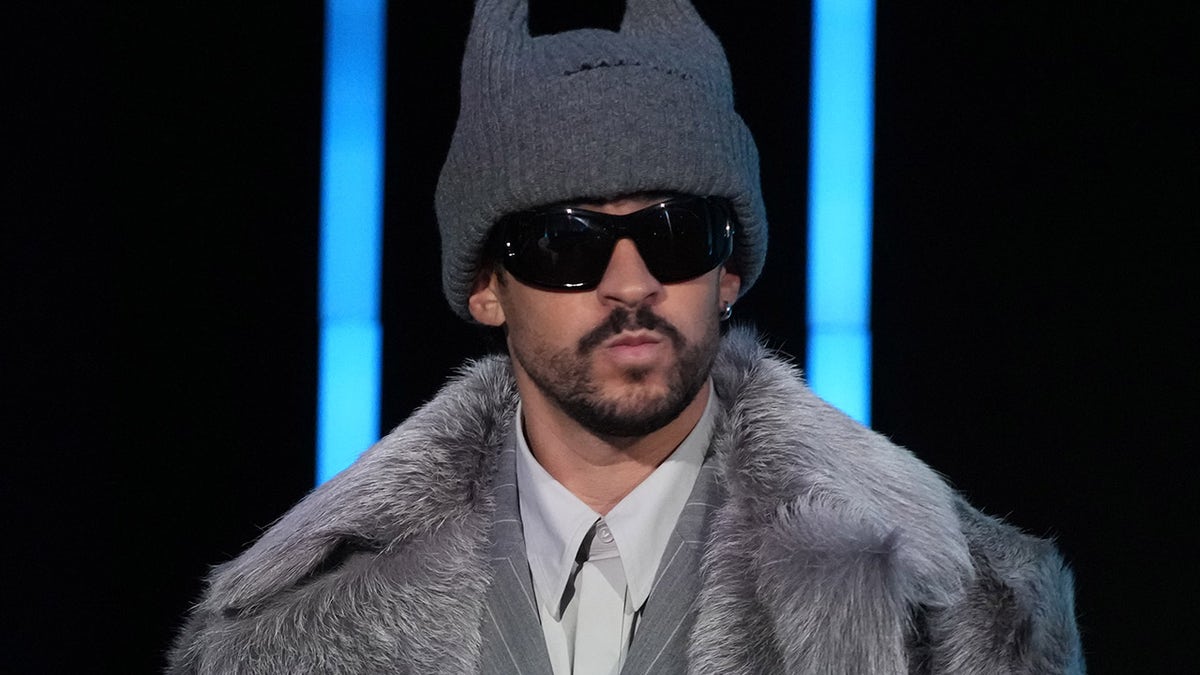
Bad Bunny speaks during the Super Bowl LX halftime show press conference at Moscone Center on Feb. 5, 2026. (Kirby Lee/Imagn Images)
The Chicago-born pope was also asked about reports that the Chicago Bears could soon move out of Illinois.
The team’s board of directors voted Thursday to advance a proposed stadium development project in Hammond, Indiana.
CLICK HERE TO DOWNLOAD THE FOX NEWS APP
«That’s out of my pay (scale),» Leo quipped when asked about the potential relocation.
The Associated Press contributed to this report.
puerto rico, latino, pope leo xiv, grammys, vatican









INTERNACIONAL
Trump orders signs outside Smithsonian museum amid row over its depiction of American history
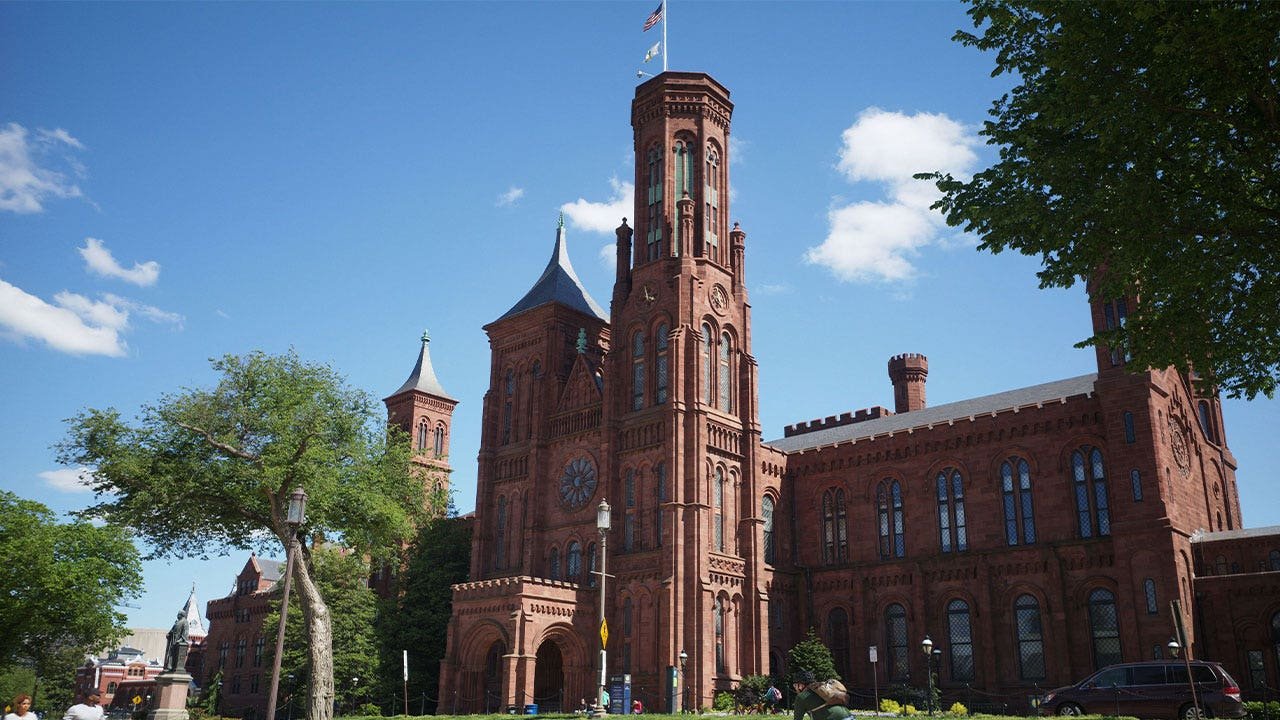
House to hold hearing on Smithsonian Museum’s alleged attempts to rewrite American history
Fox News’ Alex Hogan reports on a House Oversight Committee hearing regarding claims that the Smithsonian Institution’s exhibits are politically biased and attempt to rewrite American history. A White House report alleges the National Museum of American History disparages the nation’s past, prompting congressional scrutiny over its governance and stewardship of federal funds.
NEWYou can now listen to Fox News articles!
President Donald Trump on Friday ordered his administration to install signs outside the Smithsonian’s National Museum of American History directing visitors to what the White House describes as «accurate» information about the nation’s past.
The executive order instructs the National Park Service, which maintains the sidewalks outside the museum, to place signs informing visitors about a White House report released July 4 that criticized the Smithsonian’s portrayal of American history. Trump also directed the creation of a temporary exhibit intended to correct what his administration considers inaccurate historical information.
TRUMP WHITE HOUSE CALLS OUT SMITHSONIAN FOR PUSHING ‘ONE-SIDED, DIVISIVE POLITICAL NARRATIVES’
The move follows a report from Trump’s Domestic Policy Council that accused the Smithsonian and the National Museum of American History of failing to present history «in a way that is inspiring, unifying, and worthy of our great republic.»
President Donald Trump holds up an executive order after signing it during an indoor inauguration parade at Capital One Arena on Jan. 20, 2025 in Washington, DC. (Anna Moneymaker/Getty Images)
Because the Smithsonian operates independently of the executive branch, Trump cannot directly remove museum leadership or unilaterally change exhibits. Instead, the order targets federal property outside the museum that falls under National Park Service jurisdiction.
National Museum of American History Director Anthea M. Hartig defended the museum during congressional testimony this week.
«As we continue to fact check the report, we unwaveringly attest that it does not fairly or accurately characterize the full body of work at the museum,» Hartig told lawmakers. «There is always room for improvement. But I also know the beauty and the inspiration and the expertise that lies in our collections, our exhibits, and our programming.»
MED SCHOOL DEANS COME UP EMPTY IN TENSE HEARING WHEN ASKED POINT BLANK IF MEN CAN HAVE BABIES: ‘RIDICULOUS’
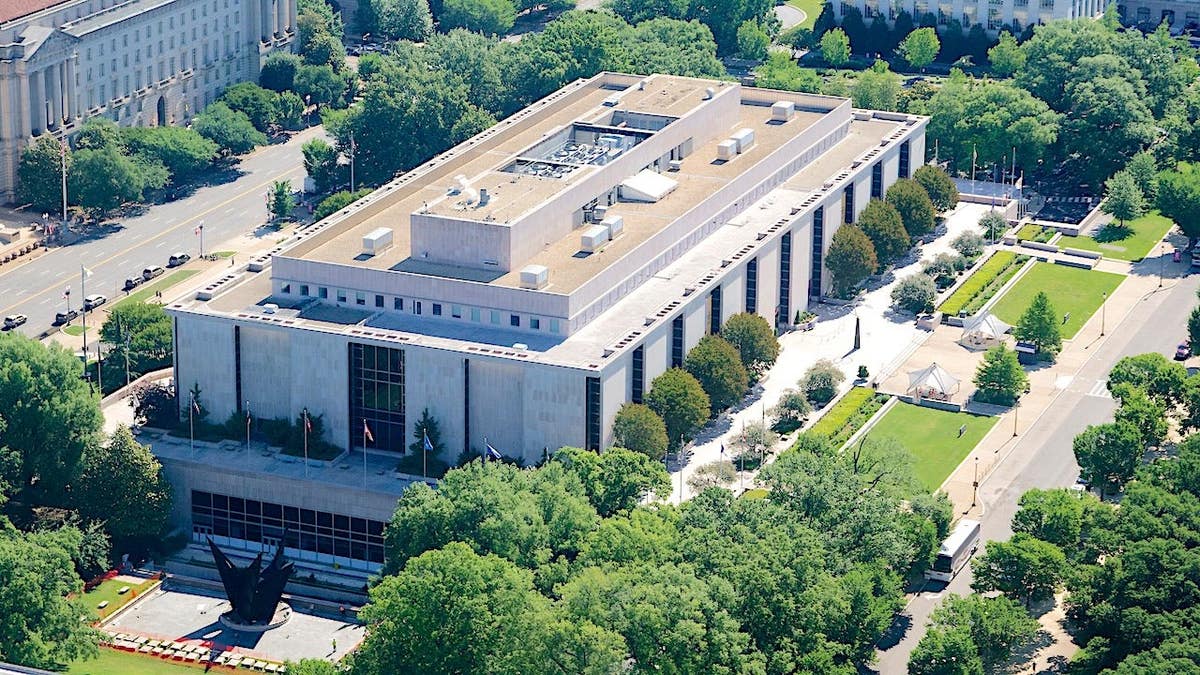
The Smithsonian’s National Museum of American History is being called out for being ‘ideologically captured’ and presenting woke revisionist history on the weekend of America’s 250th birthday. (Kevin Carter)
Friday’s order builds on Trump’s broader effort to reshape the Smithsonian’s exhibits.
In March, Trump signed an executive order directing the Smithsonian’s Board of Regents to eliminate what the administration described as «improper, divisive or anti-American ideology» from the institution’s museums.
The White House later criticized the National Museum of American History’s «Entertainment Nation» exhibit, arguing displays about American pop culture framed the nation’s history through an ideological lens rather than celebrating its achievements. White House official Lindsey Halligan previously told Fox News Digital that «American taxpayers should not be funding institutions that undermine our country or promote one-sided, divisive political narratives.»
OBAMA JUDGE RULES ON EFFORT TO BLOCK AMERICA 250 EVENTS AT WH AND LINCOLN MEMORIAL
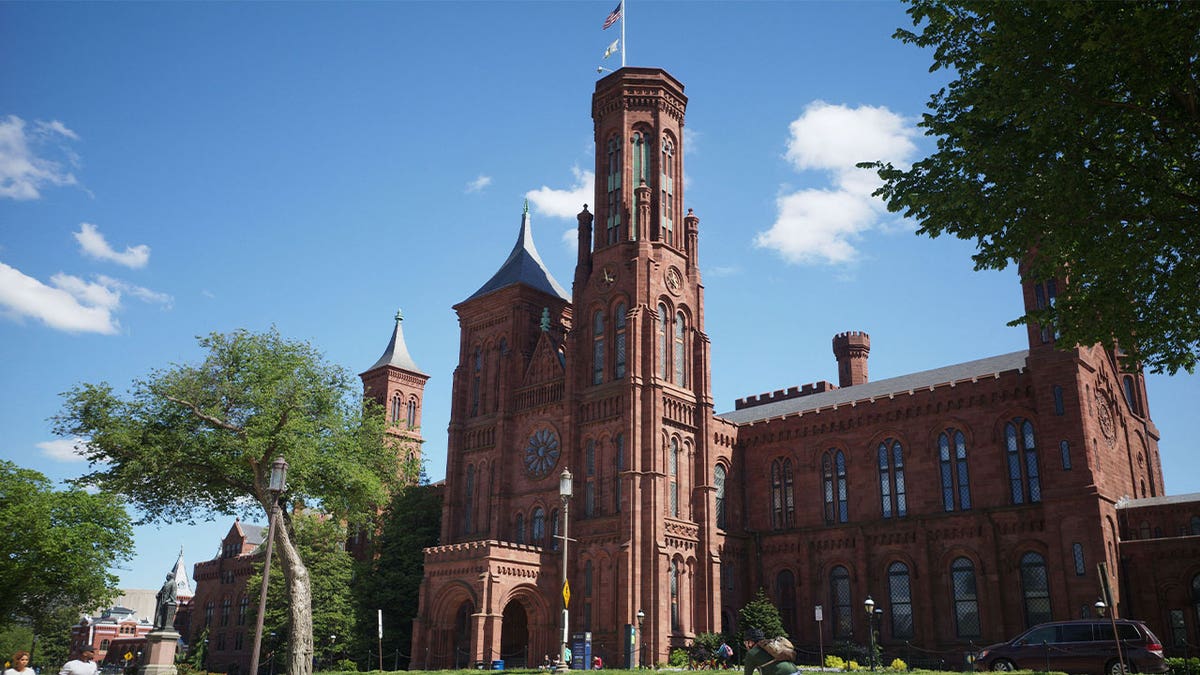
People walk on the National Mall near the Smithsonian Castle in Washington, D.C., on May 10, 2021. President Donald Trump has ordered signs installed outside the Smithsonian’s National Museum of American History directing visitors to a White House report criticizing the museum’s portrayal of American history. (MANDEL NGAN/AFP via Getty Images)
CLICK HERE TO DOWNLOAD THE FOX NEWS APP
At the time, the Smithsonian said it was conducting a review of museum content and remained committed to «continuous and rigorous scholarship and research and unbiased presentation of facts and history.»
The Smithsonian is overseen by a Board of Regents that includes Vice President JD Vance, Chief Justice John Roberts, members of Congress and citizen regents. The institution receives roughly two-thirds of its approximately $1 billion annual budget through federal appropriations.
Fox News Digital’s Jasmine Baehr contributed to this report.
donald trump, politics, museums exhibits, white house, washington dc
INTERNACIONAL
Destituyeron al fiscal general de la Corte Penal Internacional tras una denuncia de agresión sexual
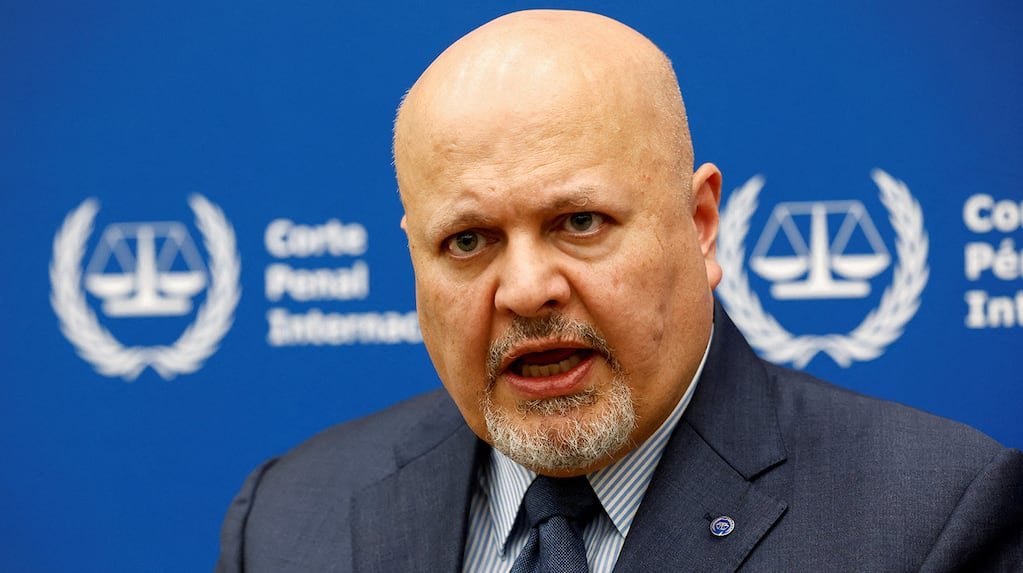
La Asamblea de los Estados Partes de la Corte Penal Internacional (CPI) decidió este viernes destituir al fiscal general Karim Khan, acusado de agresión sexual por una integrante de su equipo de trabajo, en una votación secreta realizada durante una reunión extraordinaria celebrada en la sede de las Naciones Unidas en Nueva York.
Según confirmaron fuentes diplomáticas a la agencia de noticias AFP, 82 de los 125 Estados miembros de la CPI votaron a favor de remover al jurista británico de 56 años, superando ampliamente el mínimo de 63 votos requerido para aprobar la medida.
Khan rechaza las acusaciones y anunció que impugnará la decisión por las vías legales disponibles.
“El señor Khan impugnará la legalidad y la justicia de la decisión mediante todos los mecanismos legales disponibles”, escribió en la red social X su abogado, Tayab Ali. El letrado reiteró que su cliente niega los hechos que se le atribuyen.
Khan había dejado sus funciones en mayo de 2025 para concentrarse en su defensa, luego de que se abriera una investigación por una denuncia presentada por una compañera de trabajo. El mes pasado, además, fue suspendido por la Mesa de la Asamblea de los Estados Partes, un órgano directivo de la CPI integrado por 21 miembros que convocó la reunión en la que finalmente se resolvió su destitución.
La denunciante, identificada públicamente como Sarah, una abogada de origen malasio, brindó recientemente una entrevista a CNN en la que relató detalles de los presuntos hechos. La mujer aseguró haber sido víctima de una “escalada de intentos” de agresión y afirmó que la relación jerárquica con Khan impedía cualquier posibilidad de consentimiento.
“Es imposible que exista consentimiento cuando hay un desequilibrio de poder de tal magnitud. Lo que mucha gente no entiende es que el señor Khan no era sólo mi jefe, sino el jefe de todo el mundo”, declaró.
Leé también: La administración Trump aseguró que la Corte Penal Internacional representa “una amenaza intolerable” contra los Estados Unidos
Antes de la votación, la defensa del fiscal había pedido a los Estados miembros que se abstuvieran de avanzar con la destitución. En una carta abierta difundida esta semana, sus abogados sostuvieron que los procedimientos seguidos no habían garantizado adecuadamente su derecho a la defensa y cuestionaron los informes que sustentan la investigación, cuyos detalles aún no fueron divulgados públicamente. El fiscal jefe de la Corte Penal Internacional (CPI), Karim Khan, y la fiscal general de Ucrania, Iryna Venediktova, investigaron una fosa común en la localidad de Bucha, en las afueras de Kiev, el 13 de abril de 2022. (Foto: REUTERS/Volodymyr Petrov/Archivo)
El equipo legal también advirtió que una eventual remoción podría afectar la independencia de futuros fiscales de la Corte. “La independencia conlleva un precio y la maquinaria de la Corte puede volverse contra sus propios responsables cuando dicha independencia se torna incómoda”, señalaron.
La figura de Khan había cobrado relevancia internacional en los últimos años por investigaciones de alto perfil. Entre ellas, el pedido de órdenes de arresto contra el primer ministro israelí, Benjamin Netanyahu, y el entonces ministro de Defensa Yoav Gallant por presuntos crímenes vinculados a la guerra en Gaza. También impulsó acciones judiciales contra dirigentes de Hamas. Como respuesta a esas iniciativas, Estados Unidos le impuso sanciones económicas y restricciones de ingreso al país.
La destitución generó reacciones inmediatas. El ministro de Asuntos Exteriores de Israel, Gideon Sa’ar, celebró en X la salida de Khan y la calificó como un relevo “largamente esperado”. Además, acusó al exfiscal de haber promovido órdenes de arresto “escandalosas” contra funcionarios israelíes para desviar la atención de las denuncias en su contra.
Por su parte, Stephen Rapp, exembajador estadounidense especializado en crímenes de guerra, había afirmado antes de la votación que existían pruebas suficientes para justificar la remoción. A su juicio, no actuar habría perjudicado seriamente la credibilidad de la Corte y la habría dejado más expuesta a cuestionamientos externos.
(Con información de AFP)
Corte Penal Internacional, agresión sexual
INTERNACIONAL
Estudiantes de la Usac denuncian ante el Ministerio Público de Guatemala la desaparición de sus registros académicos
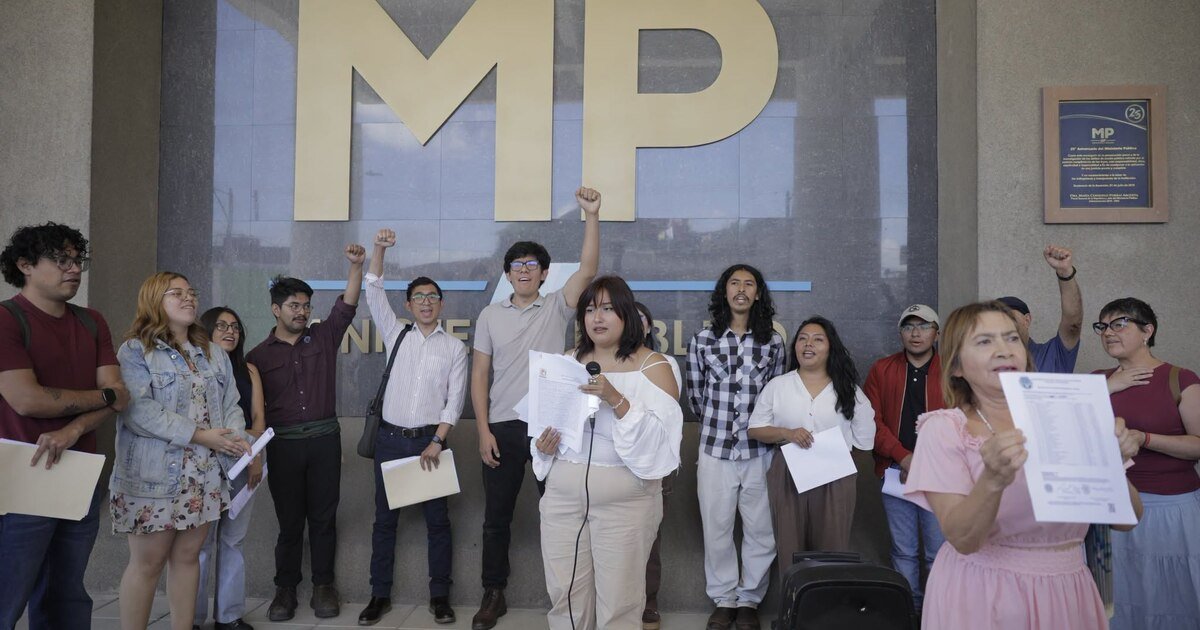
Entre 40 y 50 estudiantes de la Universidad de San Carlos de Guatemala denunciaron este 24 de julio ante el Ministerio Público la desaparición de sus registros académicos del sistema de Registro y Estadística, un hecho que describen como una “muerte académica” porque afecta trámites de graduación, becas, procesos de investigación y el cierre de carreras, pese a que varios conservan constancias de inscripción para 2026.
Los casos no se concentran en una sola unidad académica. Hay afectados en la Facultad de Derecho, la Escuela de Ciencias de la Comunicación, la Facultad de Ingeniería, la Escuela de Ciencia Política y el Centro Universitario de Noroccidente, mientras los estudiantes sostienen que cada día aparecen nuevos expedientes borrados.
La exigencia inmediata apunta en dos direcciones. Al Consejo Superior Universitario le reclaman una respuesta pública con un plan para restituir los registros, y a la Unidad de Registro y Estadística le piden recuperar la información académica y administrativa, además de garantizar que no vuelva a ocurrir contra estudiantes señalados o criminalizados.

Hasta ahora, la Usac respondió en redes sociales que la desaparición de expedientes se originó en 2022 y 2023, durante la toma de instalaciones por estudiantes. Los denunciantes sostienen que esa versión no explica varios de los casos, porque algunos tienen carné 2024 y carné 2025, y otros ingresaron después del período mencionado por las autoridades universitarias.
Un estudiante de la Escuela de Ciencias de la Comunicación dijo que esa explicación es “totalmente ilógica”, porque hay compañeros que ingresaron después de 2023 y aun así hoy figuran sin papelería. También afirmó que la responsabilidad de custodiar esos documentos era de Registro y Estadística y no de los propios alumnos.
En su caso, explicó que ya cursó los 10 semestres de su carrera, cerró pénsum en Locución Profesional y está en proceso de Ejercicio Profesional Supervisado para completar la licenciatura y luego realizar su tesis. Según relató, la eliminación de sus datos compromete años de estudio y el esfuerzo económico de su familia.
Gabriela Ochoa, estudiante de Trabajo Social en CUNOROC, afirmó que estaba a la espera de fecha de graduación en agosto. Contó que dedicó dos años y medio a una investigación y sostuvo que, si su expediente desaparece, también queda bloqueada una tesis vinculada con mujeres exautoridades y asambleas comunales de los 48 Cantones, el espacio donde realizó su trabajo.
Idekel Chitup, también de CUNOROC, señaló que estaba por cursar el décimo semestre de Ingeniería Agronómica con énfasis en fruticultura. Aseguró que la situación afecta su trayectoria académica, proyectos de investigación ya planificados y un proceso de beca que ahora le obliga a asumir más gastos.

Varios estudiantes vincularon la desaparición de registros con una persecución selectiva. Una de las voceras afirmó que no se trata de datos borrados al azar, sino de una afectación concentrada en personas que ya habían sido señaladas o acosadas física y digitalmente.
Roberto Andrés Luna Ríes, estudiante de la Facultad de Ingeniería, dijo que ganó hace alrededor de un año y medio la elección para asumir como representante estudiantil ante el Consejo Superior Universitario, pero todavía no ha tomado posesión. Señaló que, si su expediente realmente hubiera desaparecido en los años invocados por las autoridades, ni siquiera habría podido participar en un proceso electoral convocado por el propio CSU.
Para Luna Ríes, el daño no se limita al avance universitario. Afirmó que impacta proyectos de vida, planes profesionales y metas personales de estudiantes que están en la etapa final de sus carreras, y pidió al jefe de Registro y Estadística, el ingeniero Bryan Fuentes, una atención inmediata para resolver la situación.
Carlos Barrios, estudiante de la Facultad de Ciencias Jurídicas y Sociales, amplió la denuncia hacia las autoridades universitarias y de facultades. Sostuvo que la persecución obedece a que los estudiantes alzaron la voz frente a un proceso que, a su juicio, debió ser legítimo y democrático en la elección de rectoría.
En la conferencia, estudiantes, docentes y egresados también denunciaron una “ola de criminalización” que ya alcanzó a centros universitarios fuera de la capital. Desde la Escuela de Ciencia Política, José Chihuichón, representante de la asociación estudiantil, afirmó que varios compañeros han sufrido amenazas y que él mismo fue borrado del sistema de Registro y Estadística.
Ministerio Público,reunión pública,oradora,sociedad civil,comunicación pública

El mal clima internacional golpeó a los activos argentinos y empujó a la suba del riesgo país

Estudiantes (RC) vs. Tigre: formaciones, hora y dónde ver por tv

Trump orders signs outside Smithsonian museum amid row over its depiction of American history

El Gobierno post Mundial: cambio de jugadores con la misma estrategia

Destituyeron al fiscal general de la Corte Penal Internacional tras una denuncia de agresión sexual

Video: el insólito gol que falló Pablo Vegetti para Cerro Porteño

Escándalo Mundial: Las presiones secretas, la amenaza de la FIFA por Malvinas y la verdad detrás del partido contra España

Jorge Berredo, general retirado de las FFAA, asumió como Secretario de Seguridad en San Isidro

Sin la anestesia mundialista, aflora la crisis del conurbano y Milei necesita reconectar con lo popular

Paro de transporte. El universo de los sindicalistas que pueden frenar los vuelos en el país

 POLITICA2 días ago
Jorge Berredo, general retirado de las FFAA, asumió como Secretario de Seguridad en San Isidro
- POLITICA2 días ago
Sin la anestesia mundialista, aflora la crisis del conurbano y Milei necesita reconectar con lo popular
- POLITICA2 días ago
Marc Stanley destacó el potencial de Vaca Muerta para “estabilizar la economía” y evitó hablar de política interna