INTERNACIONAL
Reporter’s Notebook: Tlaib forces rare House procedure after Republican accuses her of defending terrorists

NEWYou can now listen to Fox News articles!
«Words taken down.»
That term of art may not mean much off Capitol Hill. But it’s a phrase which usually signals there’s a ruckus in the House of Representatives.
The House witnessed one such melee recently. Lawmakers debated a war powers resolution for Lebanon. Rep. Rashida Tlaib, D-Mich., pushed the measure, hoping to restrict President Donald Trump’s conflict in Iran. Especially as other places in the region emerge as flashpoints.
Tlaib, a Palestinian-America, is one of only two Muslim women in Congress. She is one of the most controversial members of Congress. And she often speaks out against Israel.
«We must end U.S. participation in the Israeli apartheid regime’s invasion of Lebanon. The Israeli military continues to target journalists like Amal Khalil and use our tax dollars to commit war crimes,» said Tlaib.
RASHIDA TLAIB HIT WITH HOUSE CENSURE THREAT, ACCUSED OF ‘CELEBRATING TERRORISM’ IN PRO-PALESTINIAN SPEECH
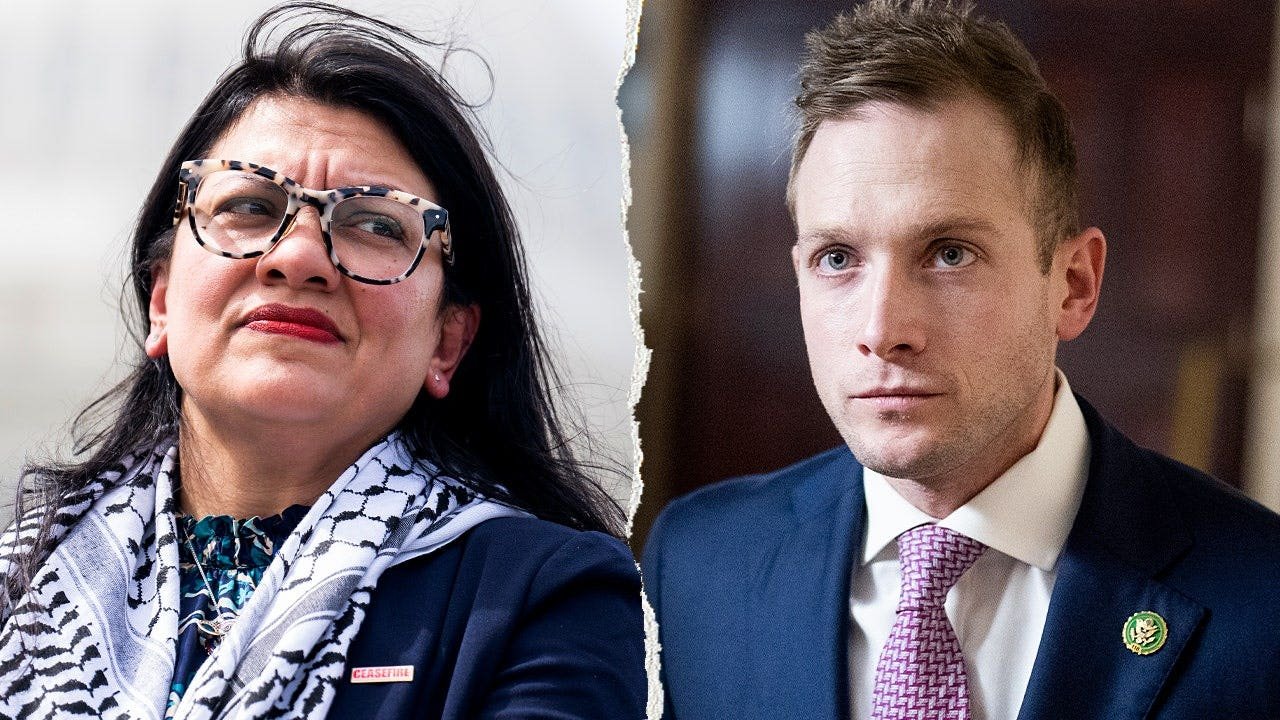
Rep. Rashida Tlaib, D-Mich., is pushing the federal government to recognize and enforce numerous rights for the homeless population, including the right of «freedom from harassment» from law enforcement and property owners. (AP Photo/J. Scott Applewhite)
But the House floor devolved into a verbal fracas when Rep. Max Miller, R-Ohio, tore into Tlaib, attacking her personally and mentioning Hezbollah during the floor debate.
«Its members are butchers that you like to hang out with to a certain extent,» charged Miller, who is Jewish. «Yes, you advocate for terrorists on a daily basis. You advocate for a terrorist regime every single day.»
Tlaib hollered at Miller from across the chamber, but it wasn’t clear what she said since the Michigan Democrat wasn’t on mic.
«Oh, I’m sorry. Are we getting a little emotional?» chided Miller.
Tlaib erupted, at that, shouting even more loudly at Miller.
Rep. Jay Obernolte, R-Calif., presided over the debate from the dais. Obernolte had enough of the verbal judo and slammed down the gavel.
«Colleagues, this is a serious topic. We will debate it respectfully and deliberately,» admonished Obernolte. «Is the gentlewoman from Michigan making a motion?»
NANCY MACE CHALLENGES DEM REP TO ‘TAKE IT OUTSIDE’ AFTER ‘CHILD, LISTEN’ COMMENT SPARKS CHAOS
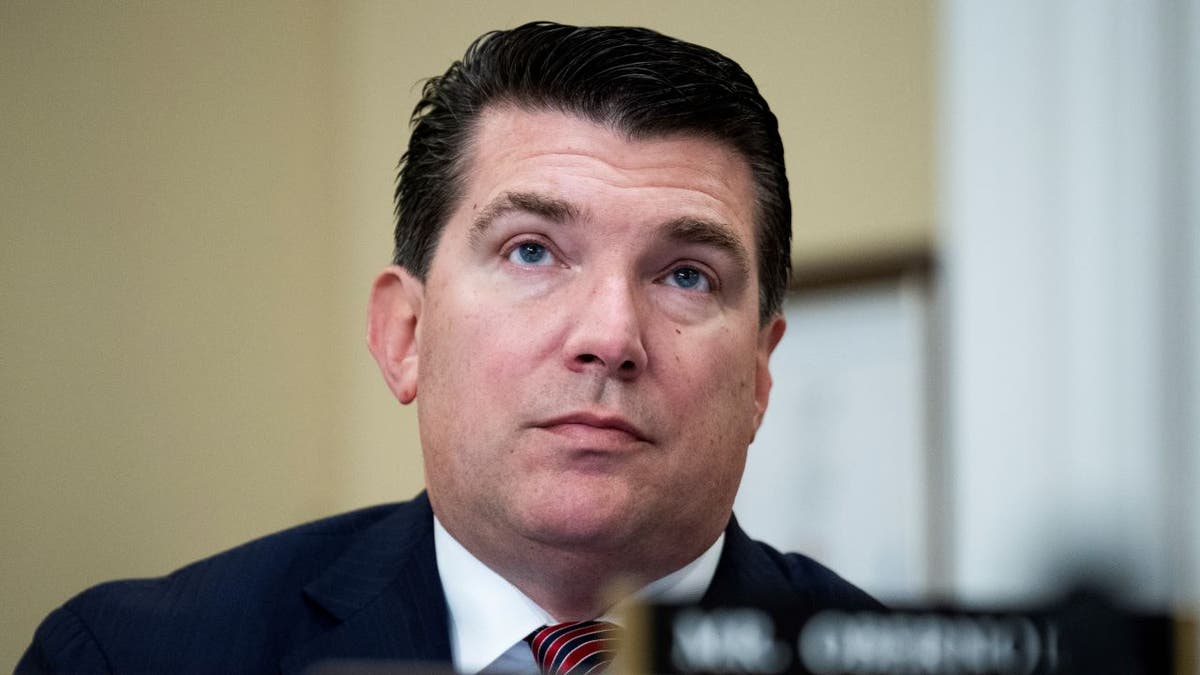
Rep. Jay Obernolte, R-Calif., attends a House Natural Resources Subcommittee on National Parks, Forests, and Public Lands hearing on the 9/11 Memorial and Museum Act and other legislation in the Longworth Building on Dec. 7, 2021. (Tom Williams/CQ-Roll Call, Inc/Getty Images)
Tlaib had made it to one of the mics in the chamber by this point.
«Yes, Mr. Speaker, I am. That is a direct attack on my character. I please request to strike the words down,» said Tlaib.
And there it was. «Words taken down.»
Tlaib may have garbled the precise verbiage of the parliamentary request. But her motion brought debate on the war powers resolution and all other business before the House to a screeching halt.
«The gentleman from Ohio will be seated,» Obernolte instructed Miller.
In effect, Tlaib’s motion is the parliamentary equivalent of pulling someone over for speeding. You might get a ticket. Maybe not. Especially if you’re cooperative with the officer. But the authorities will first investigate. And that’s what unfolded on the House floor.
During this stasis, the House conducts no business. The House suspends speeches. Amendments. Votes. Nothing happens on the floor until they figure out if someone broke the rules.
The phrase «words taken down» refers to the process of the House’s institutional staff and stenographers to document or «take down» language uttered by a member that may violate House rules. The House prohibits members from personal attacks on fellow lawmakers, impugning the motives of their colleagues or «engaging in personalities.» One member can’t disparage another personally.
Tlaib clearly believed that Miller broke House rules by saying she would «like to hang out» and «advocate for terrorists.» Tlaib also believed the line about her «getting a little emotional» may have crossed the line, too.
‘SQUAD’ MEMBER DELIVERS REAL-TIME WHITEBOARD RESPONSES TO TRUMP: ‘NO KING!’
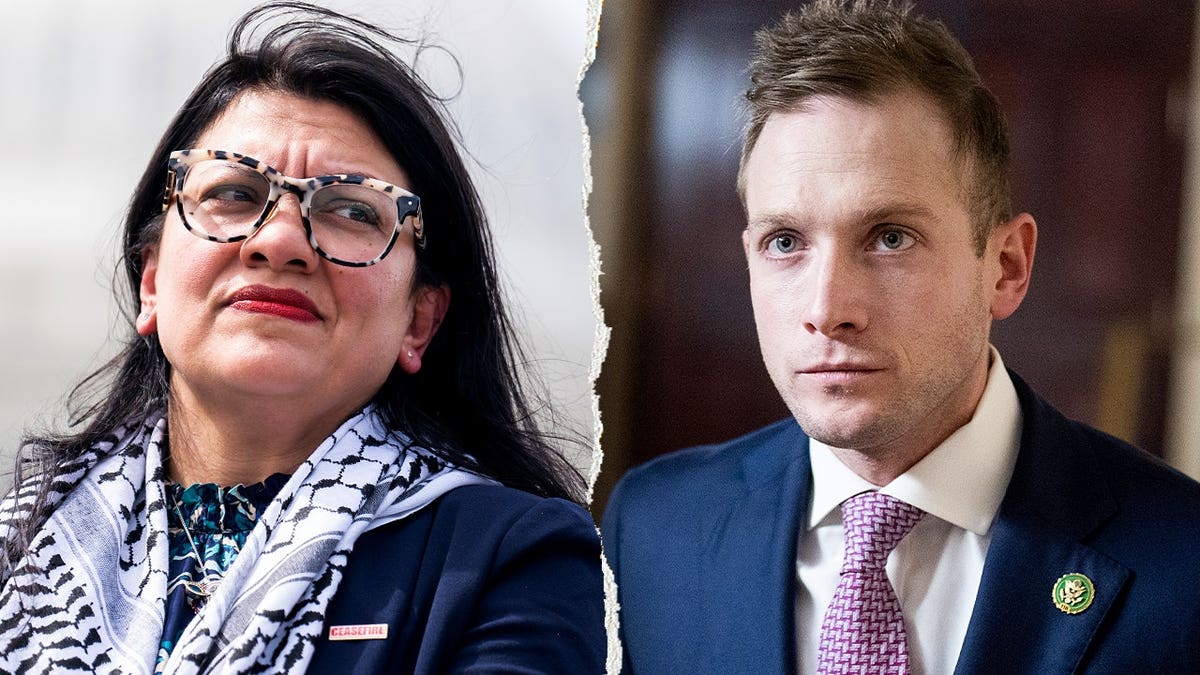
Rep. Max Miller, R-Ohio, said he stood by his remarks associating Rep. Rashida Tlaib, D-Mich., with Hezbollah «butchers.» (Tom Williams/CQ-Roll Call, Inc via Getty Images; Tom Williams/CQ-Roll Call, Inc via Getty Images)
If it’s pretty clear that a member broke the rules of decorum, someone from leadership or key staff may ask offending lawmaker to withdraw the language in question and apologize. But if the member resists, the House has no alternative but to rule that member out of order. The House then expunges the speech and he or she is suspended from speaking on the House floor the rest of the day.
If the chair rules that member violated the rules, it’s possible that someone could appeal the ruling of the chair. That would entail a roll call vote, where the entire House votes yes or no on whether they believe their colleague broke the rules. Or, another member might move to «table the appeal of the ruling of the chair.» In that scenario, the House votes on whether to kill or set aside the appeal. Thus, the vote is a step removed from actually voting on appealing the chair’s ruling.
After an hour of delay, it was clear that Miller wouldn’t apologize or withdraw his statement.
«The words of the gentleman from Ohio contain an allegation that the gentlewoman from Michigan is a ‘butcher’ and affiliated with a terrorist organization,» said Obernolte. «Such remarks impugn the patriotism and loyalty of the member of the House.»
Obernolte added that «the remarks contain personalities and are not in order. Without objection, the offending words are stricken from the record.»
So the House sanctioned Miller for breaking the rules and benched him for the remainder of the day.
House Foreign Affairs Committee Chairman Brian Mast, R-Fla., managed the Lebanon war powers debate on the floor for the GOP. Since the House muted Miller, Mast spoke on his behalf.
«I’m going to deliver a message from Rep. Miller of Ohio,» said Mast, who quoted this Republican colleague. «‘Yes, I said it. I own it. And I stand by it.’»
CHAOS ERUPTS DURING IMMIGRATION HEARING AS DEMOCRAT LUNGES AT CHAIRMAN’S GAVEL: ‘I’M TIRED OF YOU’ ‘
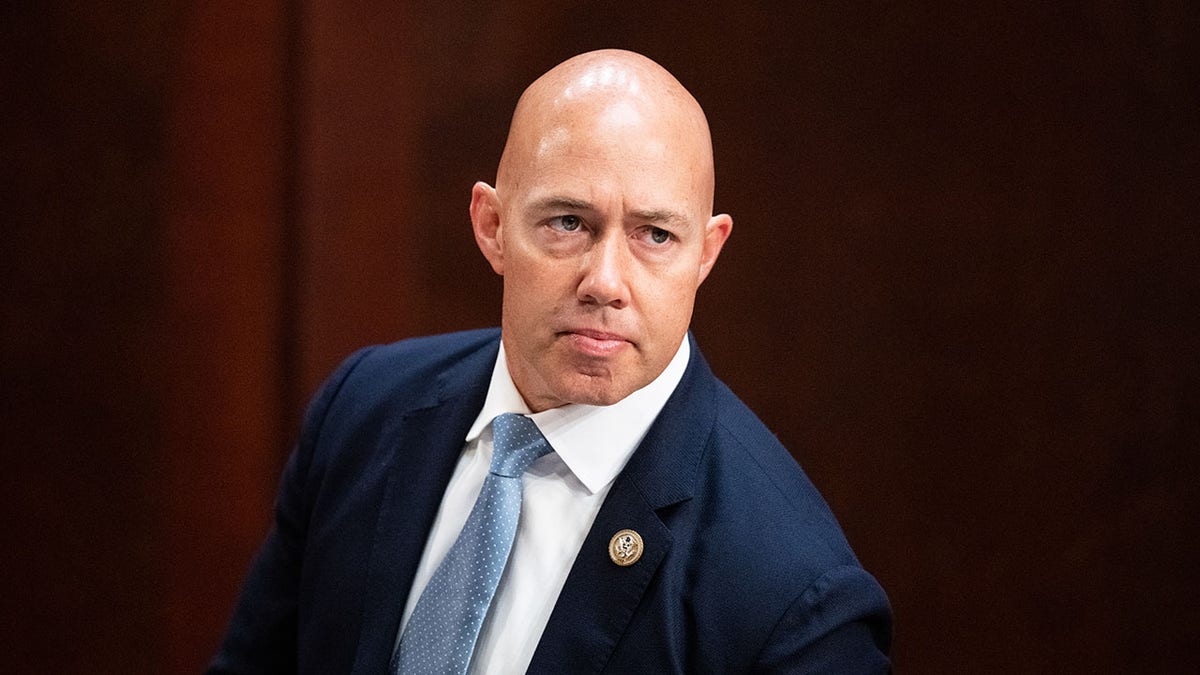
Rep. Brian Mast, R-Fla., said supporters of the Lebanon war powers resolution are acting as «proxies for Hezbollah.» (Bill Clark/CQ-Roll Call, Inc)
The Florida Republican then asked the House if he could submit for the record an article entitled ‘Rashida Talib, member of secret Facebook Group where Hamas Terrorists glorified.’»
Tlaib objected.
Mast then tried to submit into the record a transcript about Tlaib allegedly speaking about genocide.
Tlaib objected to that as well.
Yours truly first encountered a parliamentary donnybrook like this in 1994 while working at C-SPAN. Rep. Maxine Waters, D-Calif., tangled with then-Rep. Pete King, R-N.Y. The House ruled Waters out of order. Then-House Speaker Tom Foley, D-Wash., came to the floor to mete out the punishment, not leaving the umpiring to a more junior lawmaker.
The day after the Tlaib/Miller brouhaha, Obernolte released a bipartisan framework to help establish guardrails for AI.
I pressed Obernolte on how an AI chatbot might handle the dust-up if it were presiding over the House.
«AI is actually very good at this. You give it a rules manual and then you give it a specific instance and say ‘Is this in compliance with rules or is this a violation of the rules?’» said Obernolte. «I think last night was obviously someone engaging in personalities. And, I think I made the correct ruling. I think AI would have also made the correct ruling.»
It wasn’t that long ago that the actual Speaker of the House came to the floor to sort out a kerfuffle between two members. Could the House ever delegate such refereeing to AI?
CLICK HERE TO DOWNLOAD THE FOX NEWS APP
Taking down words? Ruling members out of order? Suspending members for additional speeches that day if they get out of line?
One can imagine that members will say a lot of words worthy of being taken down if AI ever becomes the parliamentary umpire in the House of Representatives.
congress, politics, wars, foreign policy senate, house of representatives politics, rashida tlaib












INTERNACIONAL
Keiko Fujimori asumió la presidencia del Perú con el desafío prioritario de lograr gobernabilidad y combatir la inseguridad
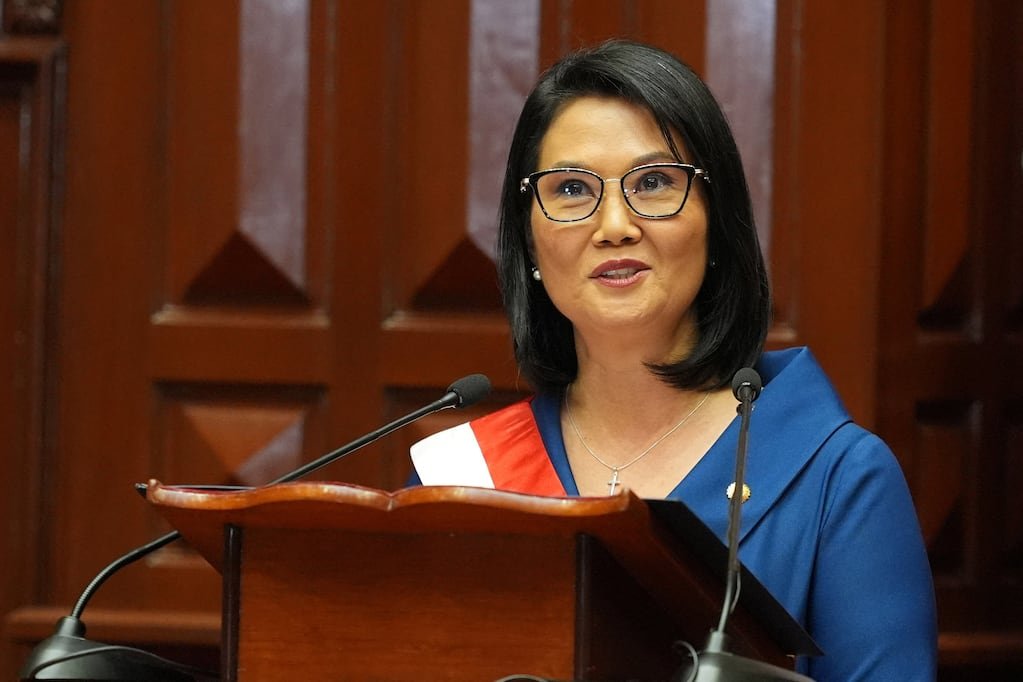
Keiko Fujimori juró este martes como la novena presidenta del Perú en la última década. Se trata de la primera mujer que asume la presidencia por voto popular en el país.
Lo hizo en una ceremonia celebrada en el Congreso peruano, a la que asistió Javier Milei, entre otros presidentes latinoamericanos. Allí precisamente es dónde se jugará el futuro de su gestión.
“Juro que cumpliré y haré cumplir la Constitución política y las leyes de Perú. Velaré por la integridad física y moral de todos los peruanos, en especial de quienes han sido históricamente postergados. Trabajaré por un país seguro, próspero y unido”, afirmó.
La dirigente derechista, hija del expresidente devenido en dictador Alberto Fujimori, asumió en su cuarto intento de llegar al poder y 36 años después de la asunción de su padre, el 28 de julio de 1990.
Keiko Fujimori, de 51 años, tendrá ahora el enorme desafío de lograr gobernabilidad en un país que tuvo ocho presidentes en los últimos 10 años y combatir la creciente violencia ciudadana.
“Desde que su papá salió del gobierno (en el año 2000), es la presidenta con mayor poder” en el Perú, resumió a TN el analista peruano David Rivera.
Cuáles son los principales desafíos del nuevo gobierno
Keiko Fujimori, hederera del viejo y cuestionado “fujimorismo”, tiene por delante cinco años de gobierno, en un país donde los presidentes duran poco más de un año en promedio.
En la última década ocho mandatarios fueron derrocados por el Congreso, en un régimen de inestabilidad política que genera una gran descreimiento ciudadano en las instituciones y en especial en los partidos políticos.
Así llegó Keiko Fujimori al Congreso antes de su toma de posesión en Lima, Perú, este martes. (Foto: Miguel Paredes/AP)
Pero Keiko Fujimori tendrá algo a favor. Llega al poder con una fuerte influencia en el Congreso, que pasa desde ahora a ser bicameral.
“Estamos pasando a un sistema bicameral. Ella tiene la mayoria en el Senado. Además, se ha encargado de capturar en los últmos años los órganos de justicia, como el Tribunal Constitucional, la Junta Nacional de Justicia y el Ministerio Público, y ahora tiene el poder ejecutivo”, dijo Rivera.
Para Rivera, el único punto débil que tendrá el nuevo gobierno estará en la Cámara de Diputados, donde la oposición tendrá mayoría.
“Ese es el único mecanismo de negociacion que tendrá la oposición para tratar de contener al gobierno”, indicó el analista.
Pero más allá de esto, Keiko Fujimori tendrá una ventaja política que no tuvieron ninguno de los presidentes que llegaron tras la renuncia de su padre, a pesar de que su victoria en el balotaje sobre el izquierdista Roberto Sánchez fue de menos de 50.000 votos.
Leé también: Un sismo de magnitud 7,1 sacudió a Japón: hay heridos, edificios colapsados y alerta de tsunami
¿Cuál es esa ventaja? Cuenta con los números suficientes en el Parlamento para frenar cualquier intento de destitución.
“Definitivamente Keiko Fujimori asume el gobierno con mayor poder que cuaquier presidente en la ultima década. No hay ningun posibilidad de que se ejerza contra ella la figura de la vacancia”, dijo a TN el analista Fernando Tuesta.
Además, afirmó: “Asume el poder sin las limitaciones que tuvieron sus antecesores. Tiene todo a su favor y el apoyo del empresariado y las Fuerzas Armadas. Empieza un quinquenio con cambios a nivel de las instituciones y de los poderes del Estado”.
Inseguridad y economía
Además de la gobernabilidad, el mayor desafío del nuevo gobierno será el de combatir la inseguridad ciudadana, considerada la mayor preocupación de los peruanos ante el creciente poder del crimen organizado y su estela de violencia, extorsión y amenazas.
Solo en el transporte público, las extorsiones a choferes causaron 152 asesinatos en Lima y en la vecina provincia del Callao entre agosto de 2024 y mayo de 2026.
La nueva presidenta prometió “mano dura” para “ordenar el Perú”. Entre sus planes figuran la construcción de al menos cinco cárceles, una de ellas de máxima seguridad, al estilo de su par salvadoreño, Nayib Bukele.
En su discurso de asunción, Fujimori anunció que los militares recuperarán el control del “orden interno” en las zonas asediadas por bandas criminales, el narcotráfico y la minería ilegal.
“Durante los estados de emergencia, las Fuerzas Armadas asumirán temporalmente el liderazgo de las operaciones de seguridad y del control del orden interno”, indicó.
También en el orden económico, Fujimori deberá poner énfasis en ordenar las cuentas fiscales ante un elevado y creciente gasto público y atraer inversiones extranjeras, a pesar de la estabilidad macroeconómica que goza el país.
Pero además deberá afrontar el peligro del fenómeno de El Niño que amenaza elevar las temperaturas del mar con sus secuelas de lluvias e inundaciones en las áreas costeras. Los expertos advierten que este fenómeno meteorológico tendrá efectos nunca vistos a fin de año.
Perú, Keiko Fujimori
INTERNACIONAL
Japan mall rebuilt after deadly 2016 earthquake destroyed in major temblor weeks after ‘fresh start’ reopening

NEWYou can now listen to Fox News articles!
A shopping mall in southern Japan that had just reopened after years of reconstruction following a devastating 2016 earthquake was destroyed Tuesday after a powerful earthquake struck the region and was followed by a massive explosion, leaving dozens of workers unaccounted for.
The Aeon Mall in Kumamoto Prefecture celebrated its grand reopening on June 13 after years of rebuilding meant to mark the region’s recovery from the 2016 disaster.
Just weeks later, a magnitude 6.8 earthquake struck near Kumamoto, according to FOX Weather, citing the U.S. Geological Survey. Japan’s Meteorological Agency measured the same quake at magnitude 7.1 using its own seismic scale.
EARTHQUAKE SHAKES PERU’S ANDES REGION, KILLING AT LEAST 5, DISPLACING HUNDREDS
An aerial view shows a collapsed chimney at Nippon Paper Industries’ Yatsushiro Mill after an earthquake with a preliminary magnitude of 7.1 struck Japan’s southern Kumamoto prefecture, in Yatsushiro, Kumamoto Prefecture, Japan, July 28, 2026. (yodo/via REUTERS ATTENTION EDITORS – THIS IMAGE HAS BEEN SUPPLIED BY A THIRD PARTY. MANDATORY CREDIT. JAPAN OUT. NO COMMERCIAL OR EDITORIAL SALES IN JAPAN. TPX IMAGES OF THE DAY)
About 200 shoppers were safely evacuated after the earthquake, officials said. Roughly an hour later, a powerful explosion ripped through the building, blowing off exterior walls and exposing its steel framework. NHK reported that about 20 to 30 mall employees remained unaccounted for, while police said rescuers could not immediately enter because of the risk of aftershocks.
The mall had become one of the most visible symbols of Kumamoto’s recovery after the magnitude 7.3 earthquake that devastated the region in April 2016. Aeon said the redevelopment included seismic reinforcements and other safety improvements designed to make the complex more resilient.
Witnesses reported smelling gas before the explosion, according to Reuters. An Aeon spokesperson said employees immediately helped evacuate visitors after the quake, while prefectural officials confirmed about 200 people were guided safely outside before the blast.
EXCLUSIVE: FRANKLIN GRAHAM VISITS EMERGENCY HOSPITAL TREATING VENEZUELA EARTHQUAKE VICTIMS
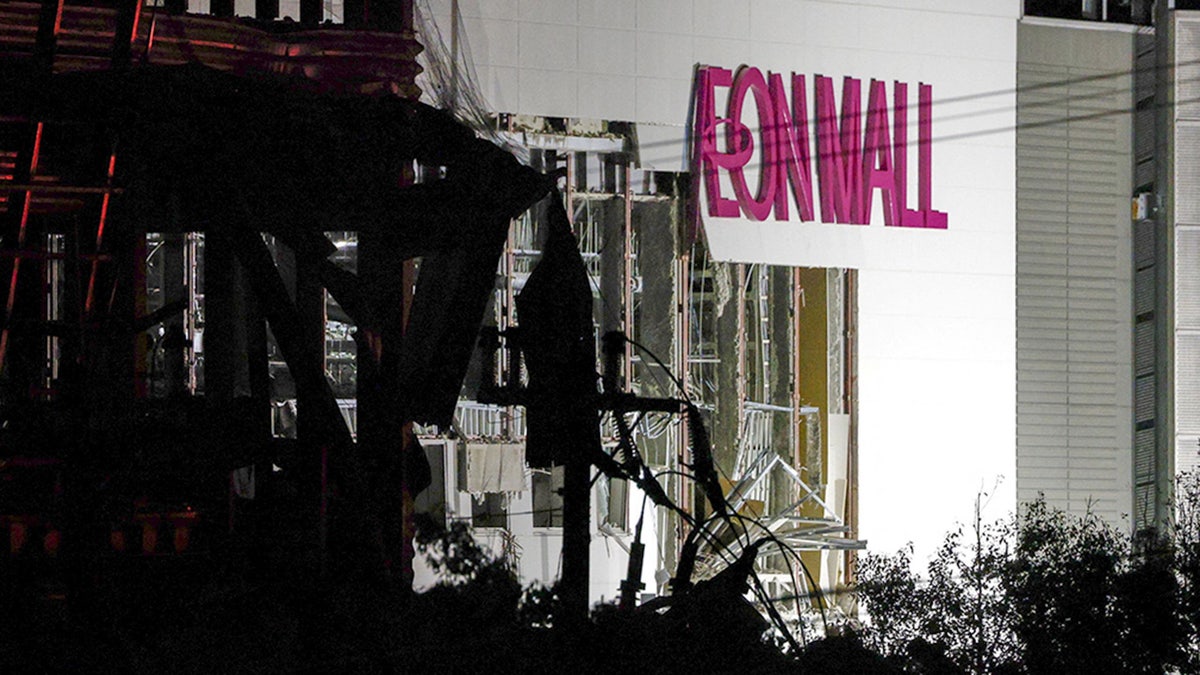
The damaged Aeon Mall shopping centre, where, according to local media, an explosion occurred after an earthquake with a preliminary magnitude of 7.1 struck Japan’s southern Kumamoto prefecture, in Kashima Town, Kumamoto Prefecture, Japan, July 28, 2026. (Kyodo/via REUTERS ATTENTION EDITORS – THIS IMAGE HAS BEEN SUPPLIED BY A THIRD PARTY. MANDATORY CREDIT. JAPAN OUT. NO COMMERCIAL OR EDITORIAL SALES IN JAPAN.)
According to FOX Weather, the earthquake struck just before 4:30 p.m. local time about 9 miles north of Kumamoto at a depth of roughly 6 miles. Japan’s Meteorological Agency briefly issued and later lifted a tsunami advisory for parts of Kyushu. NHK reported at least 50 people were injured, while Japan’s Fire and Disaster Management Agency said the quake sparked at least eight fires. Kumamoto Airport also temporarily closed.
Reuters reported the mall welcomed more than 8 million visitors annually after Taiwan Semiconductor Manufacturing Co. opened a factory nearby in 2024.
The complex housed about 200 stores, a movie theater and parking for roughly 5,000 vehicles. It also became known locally after a supermarket inside sold 10-yen onigiri to help survivors following the 2016 earthquake.
CLICK HERE TO DOWNLOAD THE FOX NEWS APP
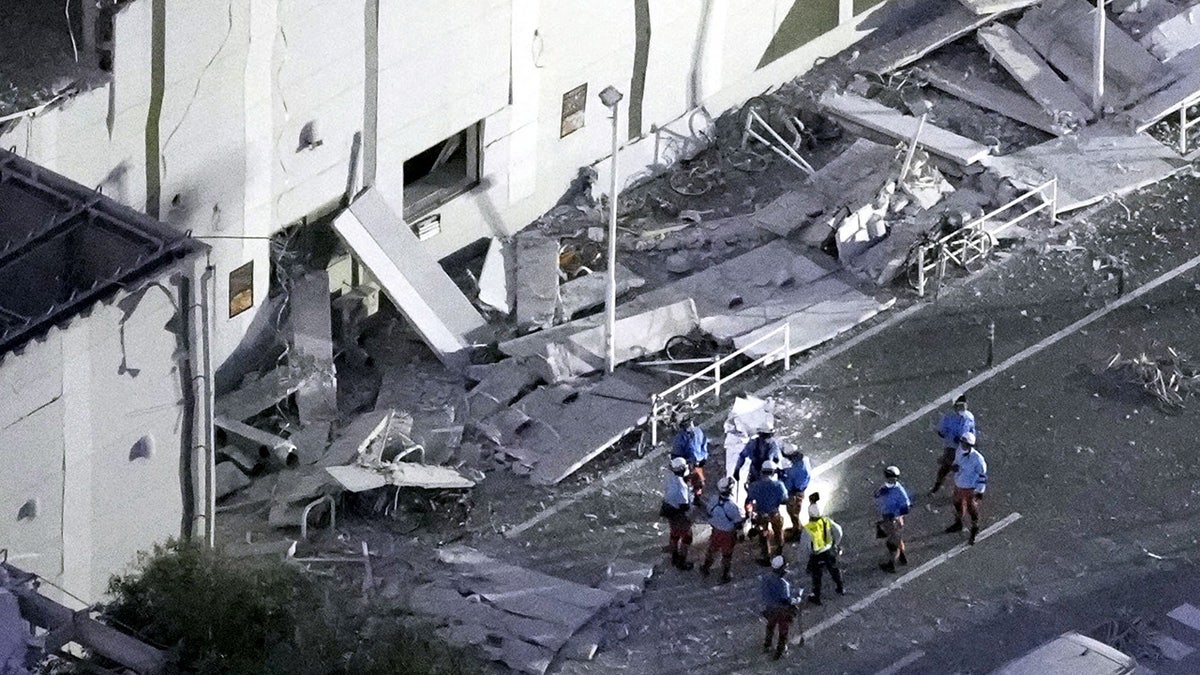
An aerial view shows rescue workers conducting a search and rescue operation at the damaged Aeon Mall shopping centre, where, according to local media, an explosion occurred after an earthquake with a preliminary magnitude of 7.1 struck Japan’s southern Kumamoto prefecture, in Kashima Town, Kumamoto Prefecture, Japan, July 28, 2026. (Credit: Japan Out via Reuters)
When the mall reopened in June, Aeon described the project as a «‘re-start’ initiative» marking both the shopping center’s 21st anniversary and the region’s recovery from the 2016 earthquake.
As night fell Tuesday, rescue operations remained on hold because of continuing aftershocks as families awaited word on the employees still believed to be inside.
natural disasters, world, japan, disasters, earthquakes
INTERNACIONAL
Panamá y Perú buscan dar un nuevo impulso a su relación comercial tras la llegada de Keiko Fujimori
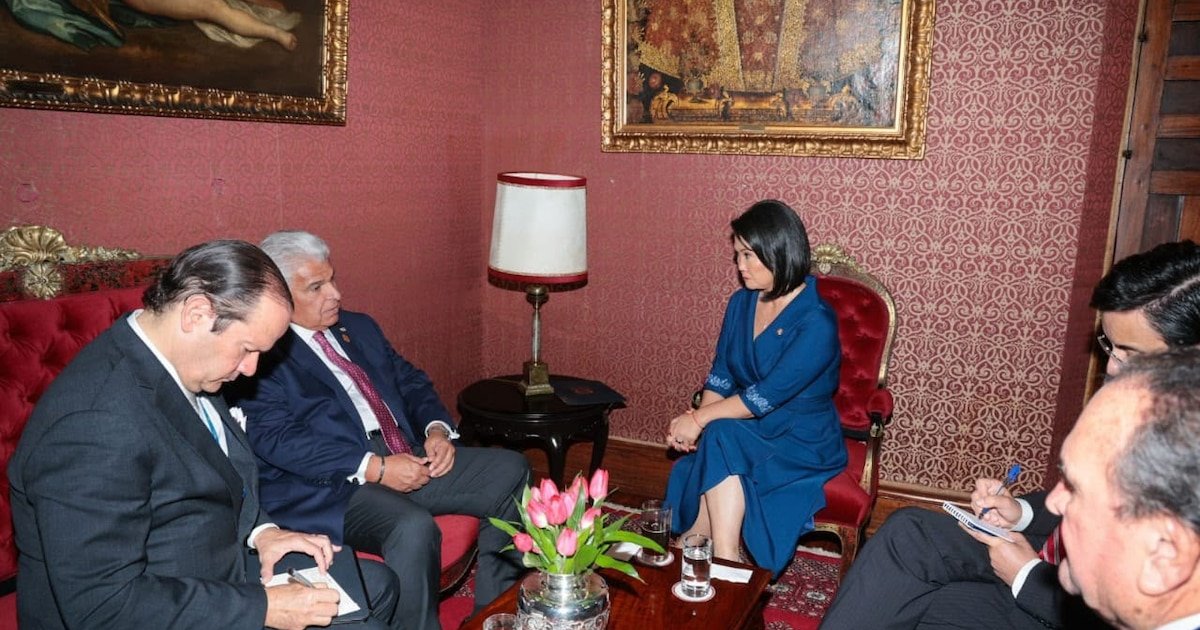
El relanzamiento de la relación comercial entre Panamá y Perú fue el principal resultado de la primera reunión entre el presidente panameño, José Raúl Mulino, y la nueva mandataria peruana, Keiko Fujimori.
Ambos gobiernos acordaron revisar el Tratado de Libre Comercio (TLC), impulsar un acuerdo de cielos abiertos, fortalecer la cooperación portuaria y avanzar en la adhesión de Perú al Tratado de Neutralidad del Canal, con el objetivo de dinamizar el intercambio económico entre dos países que buscan estrechar sus vínculos comerciales y de inversión.
Durante el encuentro, celebrado horas después de la juramentación de Fujimori para el período 2026-2031, ambos mandatarios coincidieron en que Panamá y Perú son economías complementarias y expresaron su interés en dar un nuevo impulso al acuerdo comercial vigente desde 2012.
Mulino también planteó la necesidad de que Panamá salga de la lista fiscal en la que permanece incluido por Perú e invitó oficialmente a la presidenta peruana a participar en el Foro Económico CAF 2027, que se realizará en Panamá.
“Tenemos la disposición de seguir avanzando en nuestra agenda, desempolvar un poco nuestro tratado de libre comercio; yo me voy muy optimista de este nuevo impulso de la relación Perú-Panamá”, afirmó el mandatario panameño.

El acercamiento ocurre en un momento en que el intercambio comercial entre ambos países mantiene un amplio margen para crecer. Las exportaciones panameñas hacia Perú alcanzaron apenas $2,6 millones entre enero y mayo de 2026, de acuerdo con cifras oficiales.
En los últimos años, los envíos mostraron una evolución irregular: pasaron de $500.000 en 2021 a $2,2 millones en 2022, aumentaron a $8,7 millones en 2023 y alcanzaron $10,2 millones en 2024. En 2025, sin embargo, descendieron a $9 millones, reflejando la necesidad de fortalecer el intercambio bilateral.
Las cifras acumuladas entre 2021 y mayo de 2026 muestran que Panamá exportó a Perú $33,2 millones. Los medicamentos lideraron los envíos con $15,1 millones, equivalentes al 45,6% del total.
Les siguieron las preparaciones y conservas de carne con $4,4 millones; la leche y nata concentradas, con $3,6 millones; el ron y otras bebidas espirituosas, con $2,6 millones; el pescado congelado, con $2,1 millones; y las preparaciones de extracto de malta, con $1,4 millones.

También figuran cacao, desperdicios de plástico, estructuras metálicas, tomates preparados y productos de iluminación, lo que refleja una mayor diversificación de la oferta exportable panameña.
Perú, por su parte, mantiene una presencia mucho más sólida en el mercado panameño. Entre los principales productos que exporta al país destacan las uvas frescas, libros e impresos, cítricos, productos de panadería, conservas de pescado, láminas de plástico, alimentos para animales, pastas alimenticias, medicamentos y baldosas cerámicas, según la ficha comercial del Ministerio de Comercio e Industrias.
Solo en 2024, Panamá importó desde Perú mercancías por $118,1 millones, mientras sus exportaciones alcanzaron $10,6 millones, una diferencia que evidencia el desafío de equilibrar el intercambio comercial.
La relación económica entre ambos países también se apoya en la actividad de la Zona Libre de Colón, desde donde las reexportaciones hacia Perú alcanzaron $396,7 millones en 2024.
Los principales productos enviados fueron teléfonos celulares, cables eléctricos, medicamentos, perfumes, equipos de impresión y computadoras, consolidando a Panamá como una plataforma logística para el comercio regional.

Antes de reunirse con Fujimori, Mulino sostuvo encuentros con los presidentes de Chile, José Antonio Kast, y de Bolivia, Rodrigo Paz, con quienes abordó temas relacionados con la geopolítica regional, los efectos del fenómeno de El Niño y la situación política boliviana.
Con Paz conversó sobre la iniciativa panameña de convocar una reunión de la Organización de Estados Americanos (OEA) para respaldar la estabilidad institucional de Bolivia, mientras que con Kast reafirmó el interés de fortalecer la cooperación bilateral.
La visita oficial marca el inicio de una nueva etapa en la relación entre Panamá y Perú. Más allá de los anuncios diplomáticos, el reto será convertir los acuerdos alcanzados en Lima en un mayor flujo de inversiones, una mejor conectividad y un incremento de las exportaciones panameñas hacia uno de los mercados más importantes de Sudamérica.
Panamá,exportación,logística,comercio,productos,Hecho en Panamá,trabajadores,contenedor,carga,envío

Keiko Fujimori asumió la presidencia del Perú con el desafío prioritario de lograr gobernabilidad y combatir la inseguridad

Javier Milei se reunió con Keiko Fujimori en Perú y hablaron de fortalecer los vínculos económicos y la seguridad

¿Dónde ver EN VIVO el Vélez Sarsfield vs Instituto de Córdoba por el Torneo Clausura 2026?

Fátima Flórez fue a la asunción de Keiko Fujimori y acrecentó rumores de reconciliación con Milei: su explicación

Así llegaron Mauro Icardi y la China Suárez a la Argentina: apuro y silencio

Ciudadanía italiana: un nuevo fallo sobre una discusión clave podría favorecer a generaciones completas de descendientes

Convivencia pacífica o tensión administrada: el PRO define cómo pararse frente al gobierno de Milei rumbo a 2027

Crisis entre Milei y Lula: la trama política, personal y geopolítica detrás del mayor choque diplomático entre Argentina y Brasil

Cuentapropismo emocional en lo profundo del conurbano

San Isidro: la ballena que quedó varada en un banco de arena murió pese al operativo de rescate

 POLITICA1 día ago
Crisis entre Milei y Lula: la trama política, personal y geopolítica detrás del mayor choque diplomático entre Argentina y Brasil
- POLITICA3 días ago
Cuentapropismo emocional en lo profundo del conurbano
- SOCIEDAD2 días ago
San Isidro: la ballena que quedó varada en un banco de arena murió pese al operativo de rescate