INTERNACIONAL
Christian leaders hold emergency summit in Jerusalem to confront global rise in antisemitism

NEWYou can now listen to Fox News articles!
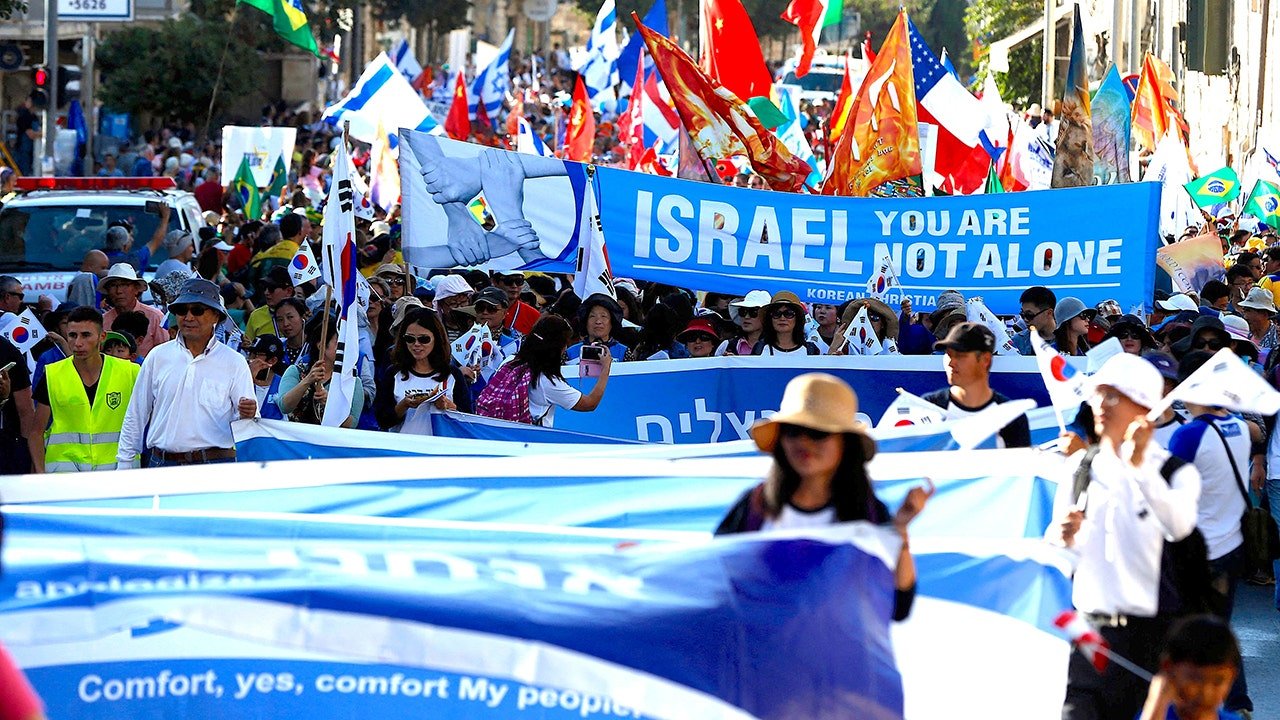
JERUSALEM: The International Christian Embassy Jerusalem (ICEJ) convened an emergency summit this week amid growing concern over the global rise in antisemitism following the Hamas-led Oct. 7, 2023.
The three-day conference in the Israeli capital comes at a time when social media influencers are consistently pushing antisemitic hate to their millions of followers.
«Attacking the Jews means attacking the very roots of one’s own faith. It means fighting against the people who gave us the Bible. Jesus was Jewish,» ICEJ President Dr. Jürgen Bühler told Fox News Digital.
CANADA’S CARNEY PLEDGES ACTION ON ANTISEMITISM AMID BACKLASH OVER NEW ANTI-HATE COUNCIL MEMBERS
Christian leaders attend the ICEJ’s emergency summit on antisemitism on Wednesday, June 10th, 2026 at the Vert hotel in Jerusalem, Israel. (Amelie Botbol for Fox News Digital)
«If you don’t fight antisemitism, you are sawing off the branch you sit on. For the church to survive, we need to connect to our roots, fighting antisemitism needs to be at the forefront of every pastor and every leader around the world,» he added.
One of the central themes of the conference is Replacement Theology, a doctrine that holds the Church has replaced the Jewish people in God’s plan.
«The Bible is full of God’s eternal plan which includes the Jewish people. Paul’s statement in Romans 11 that ‘the gifts and the calling of God are irrevocable’ relates to Israel. This is a doctrine that goes contrary to what the New and Old Testament are teaching and that’s why we need to have this conference,» Bühler said.
«One cannot deny the Jewishness of the Bible. The most frequent word in the Bible is the name of God and the second most used name is Israel. Jesus was born in Bethlehem, he died in Jerusalem, resurrected in Jerusalem, rose to heaven from Jerusalem and he is coming back to Jerusalem. If you read the Bible it is so easy to see the connection to Israel,» he added.
HUCKABEE CONDEMNS EFFORTS TO ERASE JEWISH HISTORY TO THE HOLY LAND AS ‘ABSURD’
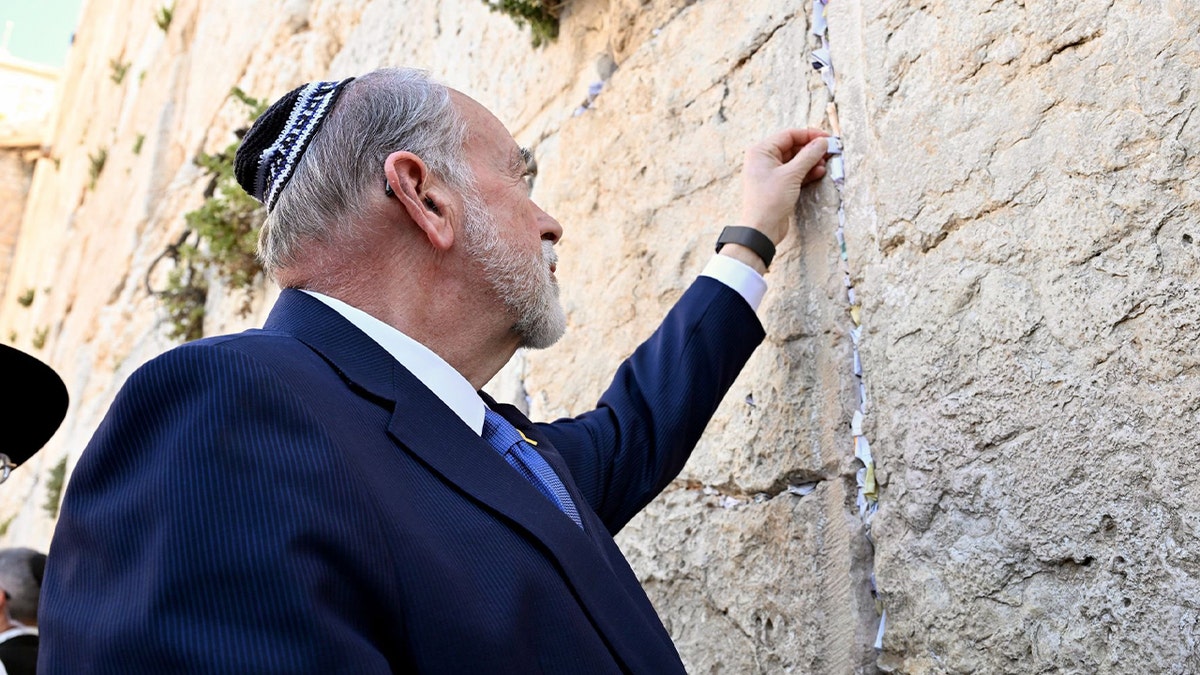
U.S. Ambassador to Israel Mike Huckabee places a note in the Western Wall as Holy Week and Passover come to a close. (@USAmbIsrael/X)
Israel’s newly appointed Special Envoy to the Christian world, George Deek, addressed the meeting on Wednesday, while Foreign Minister Gideon Sa’ar and U.S. Ambassador to Israel Mike Huckabee are scheduled to attend the summit’s closing event on Thursday at the foreign ministry as keynote speakers.
In a recorded message broadcast at the summit, Israeli President Isaac Herzog thanked Christian leaders for mobilizing against antisemitism.
«We are witnessing a very disturbing surge of antisemitism all over the world. This is a major challenge for humanity. This is the age-old, perhaps the oldest plague in humanity, and we have to stand up together — thought leaders and religious leaders — and say, ‘No more,’ and teach people about the sources of this evil and how to counter antisemitism,» Herzog said.
«I believe that countering antisemitism requires a combination of three major elements: law enforcement, adjudication and education,» he said.
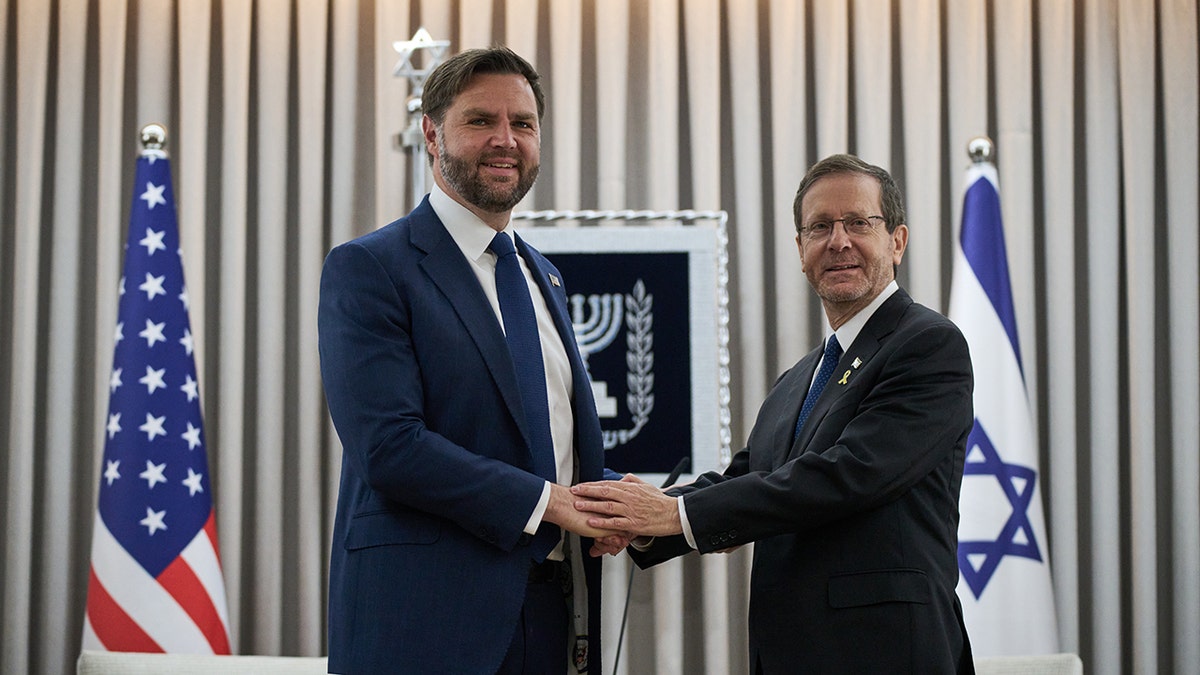
Vice President JD Vance, left, and Israeli President Isaac Herzog shake hands during a meeting at the presidential residence, in Jerusalem, on Wednesday, Oct. 22, 2025. (Leo Correa/AP)
«You, dear leaders, have a huge capability of fighting back, and I bless you. Truly, I bless you as the president of Israel for coming here and fighting back, for coming here and discussing how to fight back,» Herzog concluded.
Dr. Andrew J. Nolte, who launched Regent University’s Israel Institute in 2024, said students often repeat antisemitic claims, including the accusation that Jews killed Jesus.
«The answer from a Christian theological perspective is that we all killed Jesus, he died for our sins. There is a theological understanding of the guilt we bear for Jesus’s blood,» Nolte told Fox News Digital.
ISRAEL LOOKING FOR ‘SOLUTIONS’ TO OPEN CHRISTIAN SITES AFTER BARRING CHURCH LEADER ON PALM SUNDAY DUE TO WAR
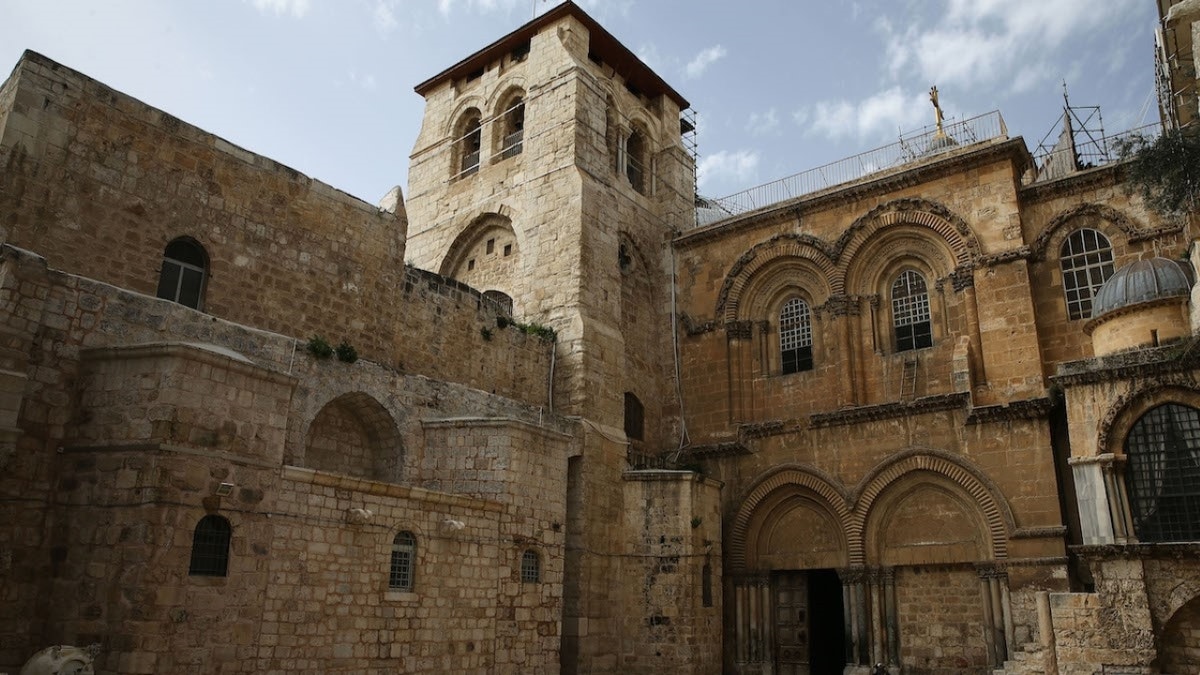
The Church of the Holy Sepulchre dates back to the fourth century. (Archivio Università di Roma Sapienza)
While Israel has faced recent criticism over treatment of Christians – mostly at the hands of a few extremists – the country is seen as a beacon of freedom of religion in the Middle East.
As of December 2025, Israel’s Christian population stood at approximately 184,200 people, representing 1.9% of the country’s total population. The community grew by 0.7% over the previous year.
Arab Christians account for 78.7% of Israel’s Christian population and comprise 6.8% of the country’s overall Arab population.
Most Arab Christians reside in northern Israel. Among non-Arab Christians, 42% live in the Tel Aviv and Central districts, compared to 33.9% in the Northern and Haifa districts.
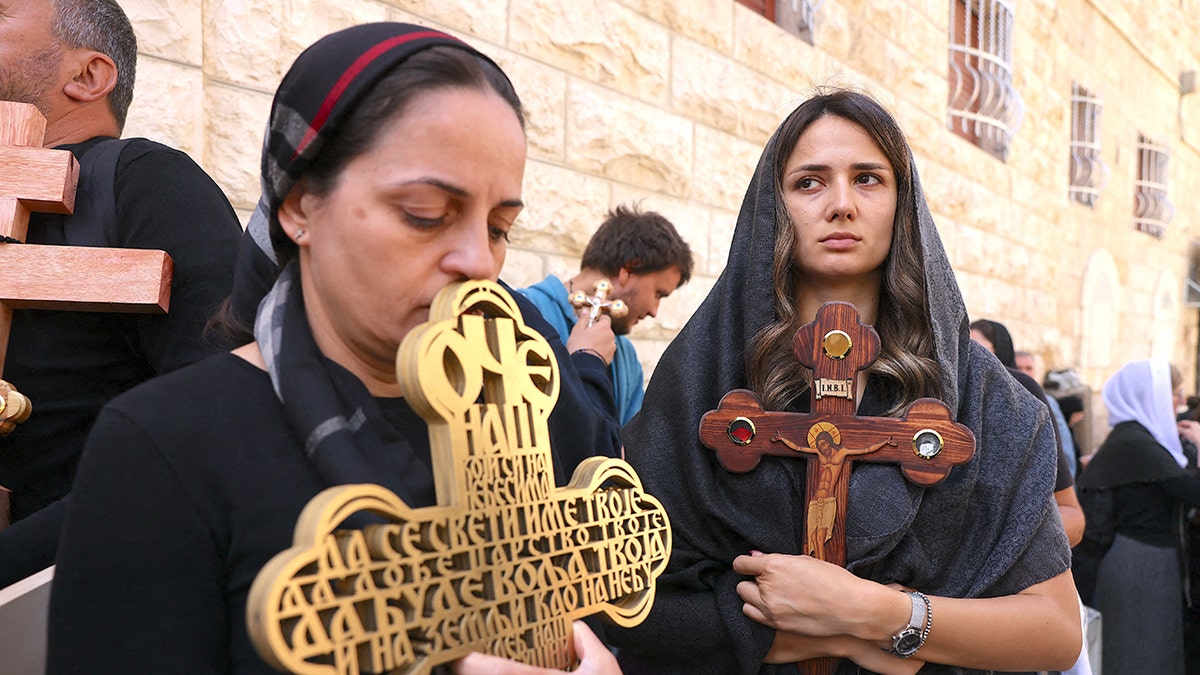
Christian pilgrims carrying wooden crosses walk through Jerusalem’s Old City towards the Holy Sepulcre church during the Orthodox Good Friday procession on May 3, 2024. (Photo by AHMAD GHARABLI/AFP via Getty Images)
Nolte said that Christians in Israel hold prominent positions, noting that the provost of the University of Haifa is a Maronite Christian and that Christian communities in the country report relatively high income levels. He also said that, in most cases involving civil rights and religious freedom brought by Christians in Israel, the outcomes have been decided in their favor.
«If you are comparing Israel to any Muslim country in the Middle East, the status of Christians is much higher. As a Christian, you are better off here than anywhere else in the region,» he added.
CHRISTOPHER RUFO: THE POLITICAL RIGHT AND THE ANTISEMITIC INFLUENCER PROBLEM

Israeli Christians in Nazareth hold a Christmas parade on Dec. 24, 2025. (Eitan Elhadez-Barak/TPS-IL)
Christopher Kuehl, founder of Present Witness and co-host of the One New Man podcast, emphasized that biblical illiteracy among younger generations is fueling confusion about Israel.
He opened his remarks at the conference by citing a recent U.S. study on Gen Z’s alignment with biblical teachings and how closely their worldview corresponds with scripture, noting that only about 5% demonstrated strong adherence.
«Israel gets thrown into that ignorance, that biblical ignorance. Social media is what teaches children and Gen Z; they spend eight hours a day on it and go to church once a week for 20 minutes. How does one create a message in 20 minutes that will overcome spending eight hours on social media every day?» Kuehl told Fox News Digital.
FAITH UNDER FIRE: NETANYAHU CALLS OUT EFFORTS TO DIVIDE CHRISTIANS AND ISRAEL IN US
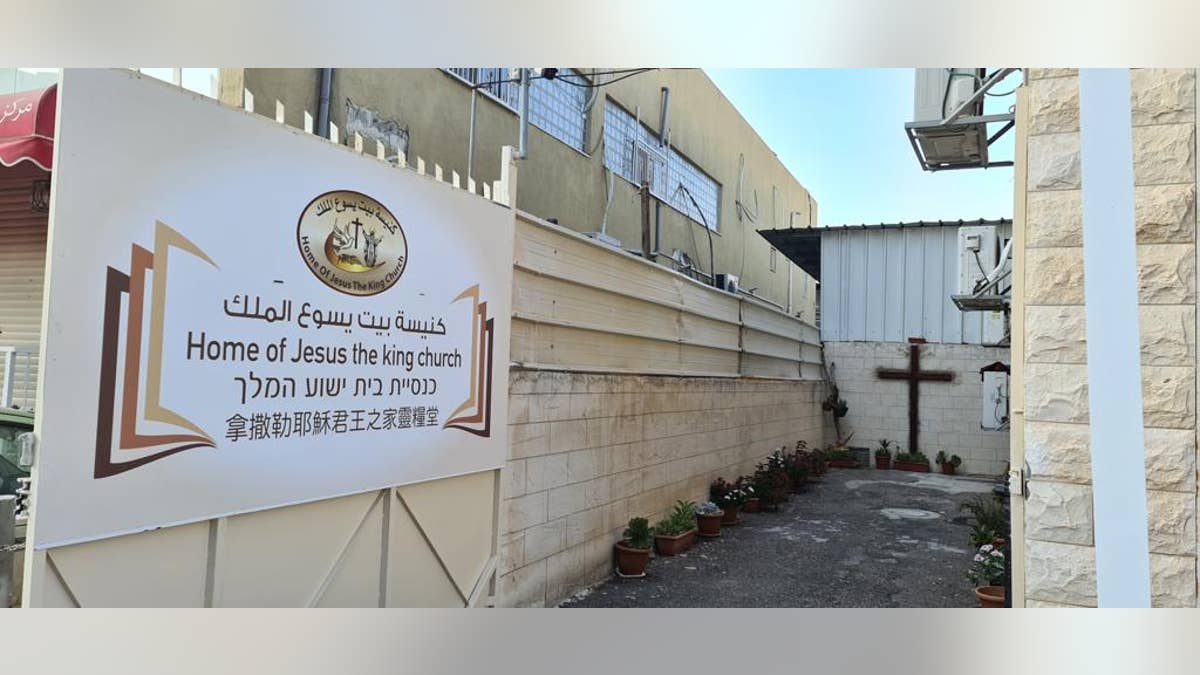
One Israeli pastor says one of the biggest challenges facing Israel’s Christian community is a low birth rate. Jesus King Church in Nazareth, Israel. (Photo: Pastor Saleem Shalash)
Pastor Matthew Earls joined the summit as part of Eagles’ Wings Ministries’ Israel Christian Nexus program, which focuses on young Christian leaders and gives them the opportunity to experience Israel early in their careers and build a well-rounded perspective.
«We want to teach biblical truth so that the church does not look completely different in the next generation,» Earls told Fox News Digital. «The greater mission is one of solidarity with the people of Israel, and of equipping people with talking points in the hope that dialogue can take place and lead to greater understanding, or at least mutual respect for one another’s positions,» he said.
Sacha Roytman, CEO of the Combat Antisemitism Movement, told Fox News Digital that Christians and Jews face many of the same challenges in defending their faith, history, and future, adding that those who reject Jews and Zionism also reject the Christian worldview because the two are aligned.
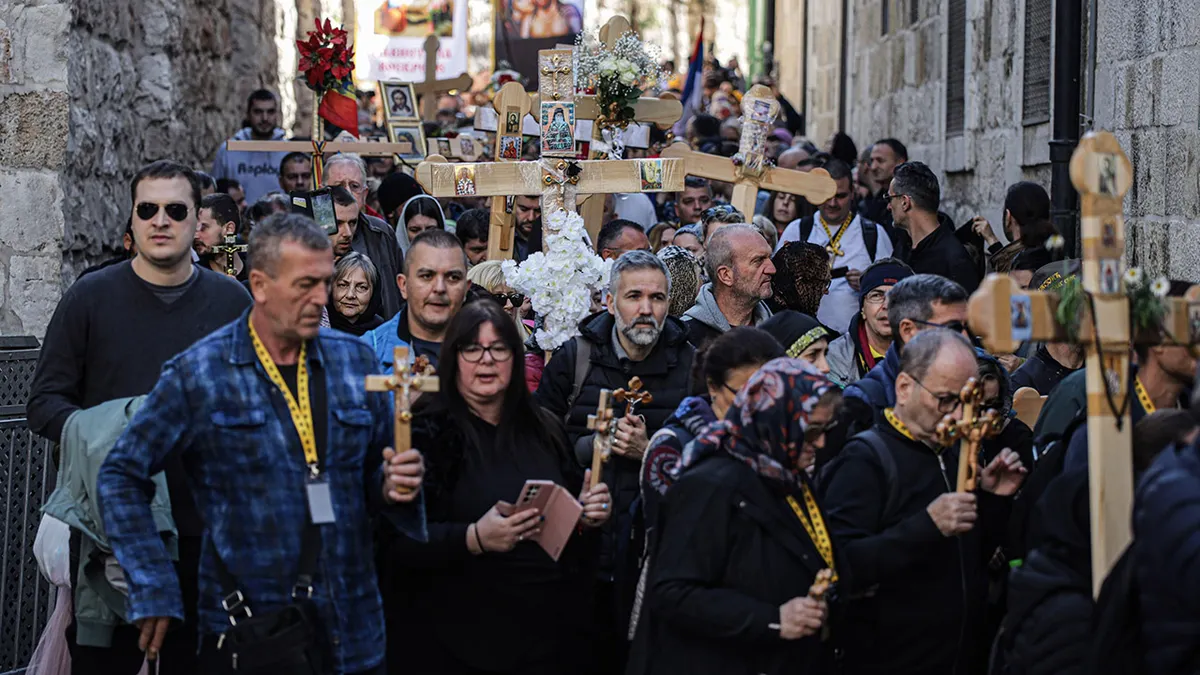
Orthodox Christians carry wooden crosses along the Via Dolorosa (Way of Suffering) in the Old City of Jerusalem during the Orthodox Good Friday procession before Holy Saturday. (Saeed Qaq/SOPA Images/LightRocket via Getty Images)
«I’m here to share this message with Christian leaders who go back to their communities empowered with more knowledge, more energy, and different tools to fight this battle,» Roytman said.
CLICK HERE TO DOWNLOAD THE FOX NEWS APP
As part of its research, CAM has examined how social media algorithms amplify antisemitic content and conspiracy theories. «We discovered that the algorithms are trained to deliver engaging content that upsets people and keeps them hooked. Often, it is anti-establishment content and conspiracy theories that fuel antisemitism,» Roytman said.
More than 200 theologians, pastors and ministry leaders from over 30 countries are attending in person, alongside approximately 3,000 online participants.
anti semitism, christianity religion, gen z, israel











INTERNACIONAL
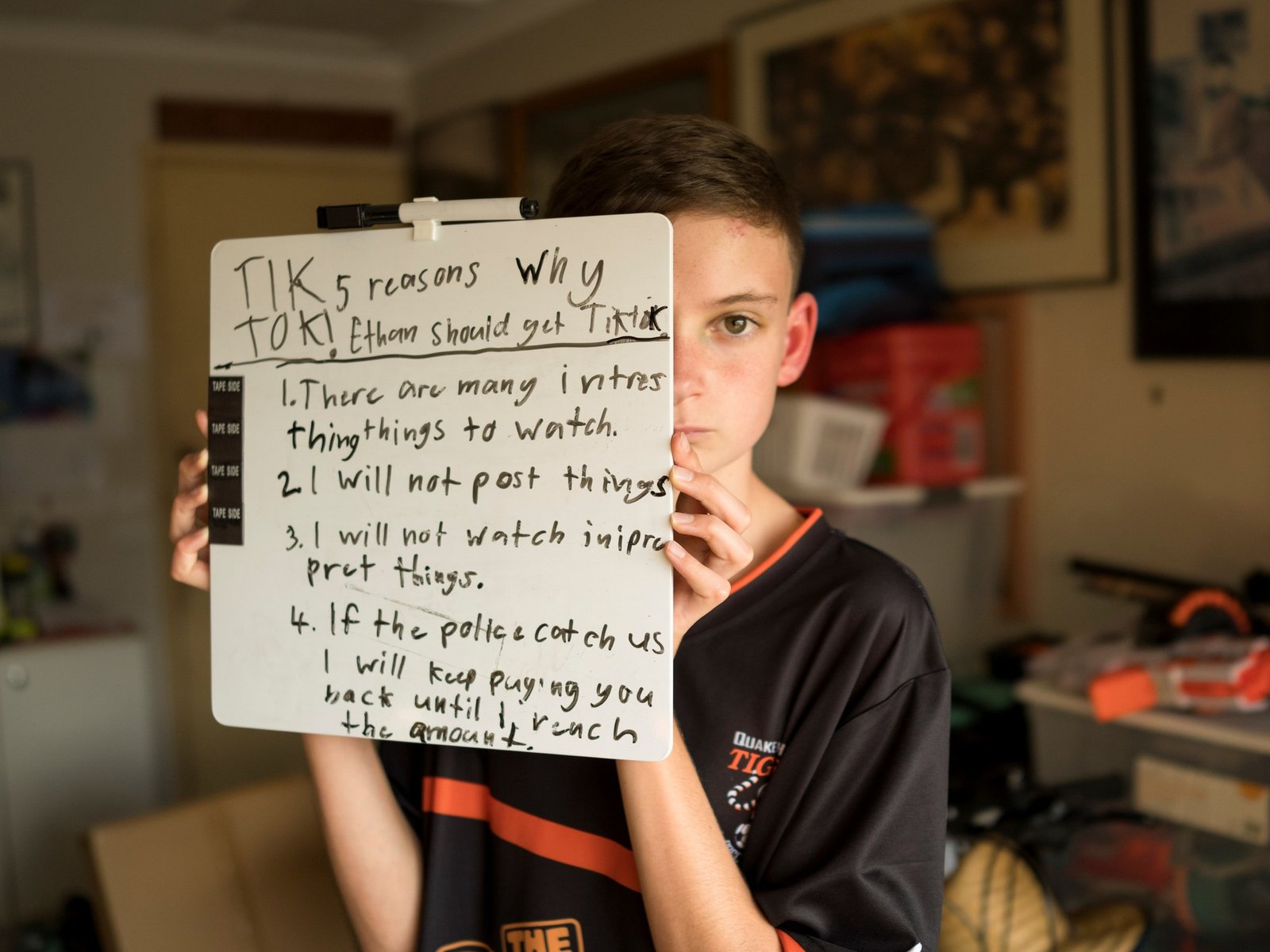
La prohibición de las redes sociales en Australia está fracasando. ¿Aún puede ayudar a los niños más pequeños?


INTERNACIONAL
EE.UU. atacó Irán por segundo día consecutivo y Teherán anunció otro cierre del estrecho de Ormuz

La crisis en Medio Oriente sumó un nuevo capítulo de máxima tensión: Estados Unidos lanzó una segunda ronda de ataques aéreos contra Irán en la madrugada del jueves, mientras el presidente Donald Trump advirtió que Teherán “pagará el precio” por el estancamiento de las negociaciones de paz. La respuesta iraní no tardó: misiles impactaron en Baréin, Kuwait y Jordania, dejando heridos y daños materiales. Además, la autoridades marítimas iraníes anunciaron un cierre total del estrecho de Ormuz hasta nuevo aviso.
“Estábamos realmente cerca de un acuerdo, pero siguen dándonos largas, siguen tomándonos por imbéciles”, lanzó Trump el miércoles ante la prensa, visiblemente molesto por la falta de avances.
El secretario de Defensa, Pete Hegseth, fue aún más directo: “Si tenemos que negociar a base de bombas, negociaremos con bombas, y somos muy buenos en eso”, advirtió, dejando en claro el endurecimiento de la postura estadounidense. Barcos aparecen fondeados en el estrecho de Ormuz. (Foto: REUTERS).
El escenario es cada vez más incierto. Los bombardeos estadounidenses golpearon múltiples ciudades iraníes, incluyendo la capital Teherán y la estratégica Bandar Abbas, cerca del estrecho de Ormuz.
Según el Comando Central de Estados Unidos, los objetivos fueron “capacidades de vigilancia militar, sistemas de comunicación y emplazamientos de defensa aérea” de Irán. La operación involucró a la Fuerza Aérea, los Marines y la Marina, aunque no se difundieron detalles sobre el alcance de los daños.
Por su parte, la Guardia Revolucionaria iraní confirmó que los ataques destruyeron un complejo fabril, un cuartel militar y una base local en las afueras de Teherán.
Irán respondió con una nueva andanada de misiles sobre países del Golfo Pérsico. En Baréin, una nena de 11 años resultó herida y varias casas y autos sufrieron daños por la caída de escombros tras la interceptación de los proyectiles. Kuwait cerró su espacio aéreo durante horas y Jordania emitió alertas a través de la embajada de Estados Unidos en Amán y anuncipio haber interceptado 20 misiles.
“La intercepción provocó la caída de escombros, sin causar víctimas ni daños materiales”, puntualizó el ejército jordano.
El conflicto sacude la economía global y pone en jaque la seguridad marítima
El tercer intercambio de fuego en menos de una semana puso al límite un frágil alto el fuego que apenas llevaba dos meses.
“Los ataques ilegales y criminales perpetrados por Estados Unidos en las últimas horas no sólo constituyen una violación palmaria de la Carta de Naciones Unidas (…), sino que además convierten la tregua en algo prácticamente irrelevante”, comentó la cancillería en un comunicado.
Irán advirtió que atacará cualquier barco que intente cruzar el estrecho de Ormuz, una vía clave por donde pasa cerca del 20% del comercio mundial de petróleo y gas natural licuado. Un clérigo mira su celular en el escenario ante una pantalla con retratos del fallecido fundador de la Revolución Islámica, el ayatolá Jomeini, a la izquierda; el fallecido líder supremo Alí Jamenei y el actual líder supremo Moytabá Jamenei, durante un acto progobierno en Teherán, Irán (Foto: AP /Vahid Salemi).
“Tras las repetidas violaciones del alto el fuego por parte del enemigo estadounidense, el estrecho de Ormuz permanecerá cerrado hasta nuevo aviso”, informaron los Guardianes de la Revolución, citados por la televisión estatal.
“Ningún barco debe abandonar su fondeadero en el golfo Pérsico y el mar de Omán. Cualquier aproximación al estrecho de Ormuz se considerará una colaboración con el enemigo”, advirtieron.
La Armada iraní aseguró que “dos buques que intentaban cruzar ilegalmente” esa vía ya fueron atacados. El comandante de la aviación de los Guardianes, Sardar Musavi, fue tajante: “¿Están poniendo en peligro el sagrado estrecho de Ormuz? Haremos de esta región un infierno para ustedes”.
Washington, que por su parte impone un bloqueo a los puertos iraníes, desmintió cualquier bloqueo de Ormuz.
“REALIDAD: Los buques comerciales continúan transitando por el estrecho esta noche”, escribió en la red social X el Comando Militar de Estados Unidos para Oriente Medio (Centcom).
Mientras tanto, la Organización Marítima Internacional denunció que ya se registraron 43 ataques contra barcos comerciales en la zona desde que estalló el conflicto.
Las negociaciones, en punto muerto: exigencias cruzadas y amenazas de más violencia
En medio de la escalada, Trump presiona por un acuerdo rápido para frenar la guerra, preocupado por el impacto de los precios de la nafta en las elecciones de noviembre.
Pero las condiciones parecen difíciles de conciliar: Estados Unidos exige que Irán entregue su uranio altamente enriquecido, mientras que Teherán reclama el levantamiento de sanciones y la liberación de activos congelados antes de firmar cualquier pacto.
Irán también exige que cualquier acuerdo incluya el fin de los combates entre su aliado Hezbollah e Israel, algo que Washington rechaza. Por su parte, el primer ministro israelí, Benjamin Netanyahu, mantiene una postura dura: busca el colapso del gobierno teocrático iraní, la eliminación de su programa nuclear y la destrucción de Hezbollah en Líbano.
El riesgo de una guerra total y el impacto en la región
La situación es cada vez más volátil. El cruce de ataques entre Estados Unidos e Irán ya dejó víctimas civiles y amenaza con desbordar a toda la región. Israel, por su parte, advirtió a los habitantes del norte que busquen refugio ante la posibilidad de nuevos bombardeos desde Líbano.
Estados Unidos, Irán, Medio Oriente
INTERNACIONAL
Trump admin axes ties to dozens of progressive groups in ‘direct opposition’ to mission: ‘Decisive action’
NEWYou can now listen to Fox News articles!
FIRST ON FOX: The Department of the Interior is cutting 43 partnerships with outside groups it says no longer align with the Trump administration’s priorities, eliminating more than $4 million in planned funding for programs tied to DEI, environmental justice and support services for illegal immigrants.
Led by Secretary Doug Burgum, the department determined the agreements were «operating in direct opposition» to its mission, according to a press release obtained exclusively by Fox News Digital.
«Under Secretary Burgum, the Department of the Interior is ending partnerships with groups that no longer represent the priorities of the American people,» the department said. In response, DOI said it is terminating all agreements with the identified groups and removing references to them from its websites.
The terminated agreements supported internship programs, conservation initiatives, research projects and cooperative partnerships.
BURGUM SAYS INTERIOR DEPARTMENT ‘COMPLETELY EMBRACING THE DOGE EFFORT’
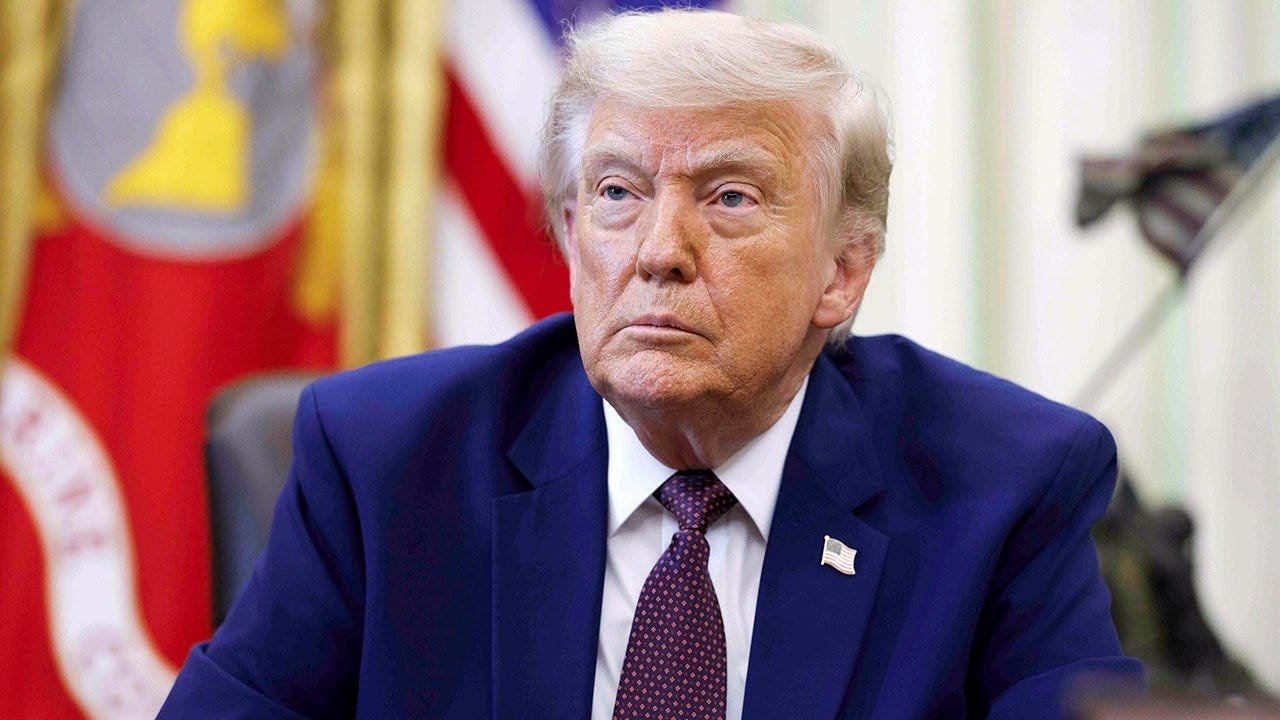
U.S. President Donald Trump during an executive order signing in the Oval Office of the White House in Washington, D.C., on Wednesday, June 3, 2026. (Shawn Thew/EPA/Bloomberg via Getty Images)
A department-wide review launched in March uncovered nearly 3,000 active agreements with about 2,000 outside groups, ranging from NGOs and nonprofits to private entities and educational institutions.
The review later found multiple groups «did not appear to provide a clear benefit» or «did not align with the department’s mission,» according to the department.
ICE SHUTS DOWN PROGRAMS OFFERING SERVICES TO ILLEGAL IMMIGRANTS, CITING ‘IMMENSE’ COSTS

Federal ICE police officers patrol a suburban street in Chicago. (Christopher Dilts/Getty Images)
Among the groups targeted were the Hispanic Access Foundation, which offers scholarships for illegal immigrant Latino students, and Latino Outdoors, which the department said provided instructions on avoiding detention by U.S. Immigration and Customs Enforcement. Latino Outdoors has advocated against oil and gas development, while the Hispanic Access Foundation has worked with the National Park Service «to conduct a variety of educational and cultural support activities,» according to the department.
The department cited the American Alliance of Museums, which it said had a contract with the NPS to build DEI programs across national parks as part of the agency’s Community Engagement initiative. The department pointed to the group’s previous Facing Change initiative, which promoted DEI efforts at museums.
EXCLUSIVE: TRUMP HUD SECRETARY CANCELS $4M IN DEI CONTRACTS AFTER LAUNCHING DOGE TASK FORCE

Hundreds of demonstrators protest outside a rally held by President Donald Trump at Macomb County Community College in Warren, Mich., on April 29, 2025. (Getty Images/Dominic Gwinn)
Conservation International, an environmental group that the department said advocates for a «total phase out of fossil fuels,» was also flagged. The department noted the organization’s statements describing fossil fuels as the «leading culprit» of planet-warming carbon emissions, as well as its support for environmental justice and equity-focused climate policies.
Another group on the department’s list was The Cultural Landscape Foundation, which it said has a master cooperative agreement with the NPS «to conduct a variety of educational and cultural support activities.» The organization has opposed several administration initiatives, including suing over changes at the Kennedy Center, criticizing plans for a White House ballroom and highlighting cultural landscapes and historic sites it says are threatened by administration actions through its Landslide 2026: Erasing American History initiative.
CLICK HERE TO DOWNLOAD THE FOX NEWS APP
«Under President Trump and Secretary Burgum, the Department of the Interior is taking decisive action to ensure its partnerships and resources support the priorities of this administration and the interests of the American people,» Matthew Middleton, principal deputy communications director and director of research, told Fox News Digital.
«As part of that commitment, the Department is ending relationships with organizations whose advocacy for phasing out baseload energy, defunding law enforcement services, and promoting racially preferential programs directly conflicts with this administration’s priorities. Interior will continue to invest in partnerships that expand access to public lands, promote responsible stewardship, and deliver tangible benefits to the American people.»
Fox News Digital reached out to the Hispanic Access Foundation, Latino Outdoors, the American Alliance of Museums, Conservation International and the Cultural Landscape Foundation for comment.
Other groups the DOI is cutting ties with include: The Green Schools Alliance, Doris Duke Foundation, Hispanic Access Foundation, National Wildlife Federation, California Native Plant Society, American Alliance of Museums, Clean Ocean Action and the National Geographic Society.
The move is the latest in a series of administration actions, including efforts to roll back DEI initiatives, strengthen immigration enforcement and expand energy development. The department said it will ensure future partnerships align with the agency’s mission.
administration, immigration, illegal immigrants, dei, environment, politics, donald trump, environment regulation

La organización social que fundó Grabois protestó contra el gobierno de Kicillof por la política alimentaria

Adorni encabezará una reunión de la mesa política después de haber anunciado que presentó su declaración jurada

ARCA reglamentó el régimen de la reforma laboral que permite regularizar trabajadores en negro: cómo funciona

Colapinto es Mundial: gol con la celeste y blanca y predicción sobre la Copa

La estrategia de Camila Morrone para conocer a Lionel Messi: “Estoy tratando de localizarlo”

La prohibición de las redes sociales en Australia está fracasando. ¿Aún puede ayudar a los niños más pequeños?

Victoria Villarruel envió una corona de flores al funeral del Indio Solari y buscó diferenciarse del Gobierno

Reforma laboral: qué cambia para los trabajadores con la revisión de más de 100 convenios colectivos vencidos

La advertencia del economista más escuchado por Milei: «Si Argentina tiene éxito, va a ser cara»

El salario mínimo vale menos que en 2001 y debería triplicarse para recuperar su poder de compra original

 POLITICA3 días ago
Victoria Villarruel envió una corona de flores al funeral del Indio Solari y buscó diferenciarse del Gobierno
- POLITICA3 días ago
Reforma laboral: qué cambia para los trabajadores con la revisión de más de 100 convenios colectivos vencidos
- ECONOMIA1 día ago
La advertencia del economista más escuchado por Milei: «Si Argentina tiene éxito, va a ser cara»