INTERNACIONAL
Donald Trump pidió frenar los ataques en Medio Oriente y aseguró que el acuerdo con Irán está “muy cerca”

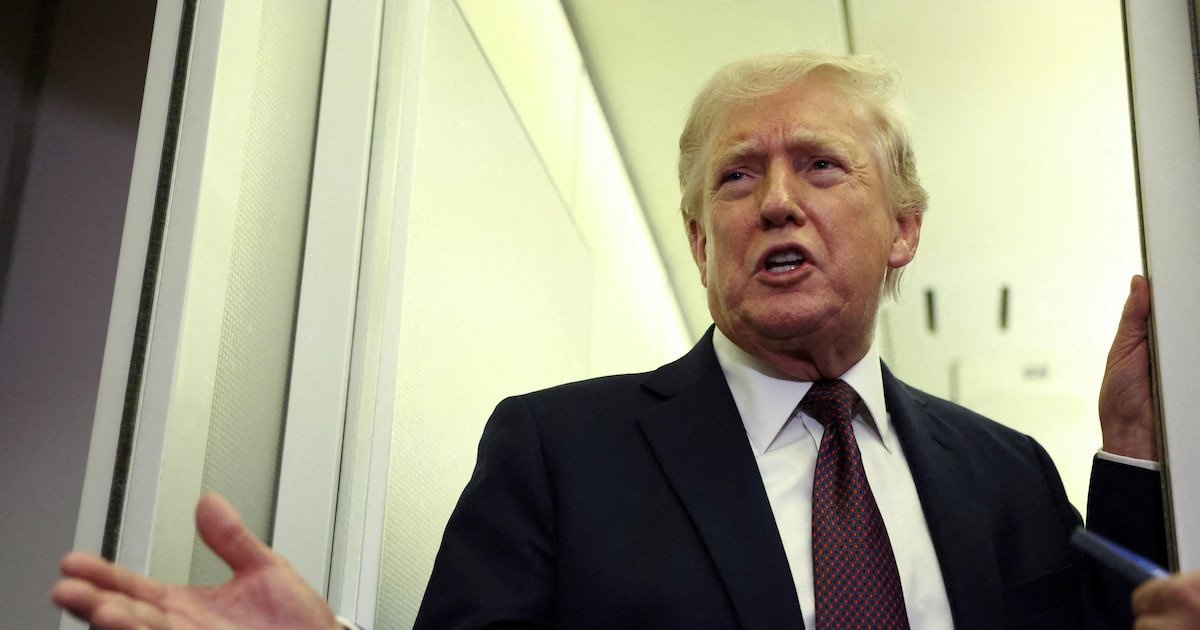
Donald Trump instó a todas las partes involucradas en el conflicto de Medio Oriente a evitar una nueva escalada de violencia, en un mensaje enfocado en la inminente posibilidad de firmar el tan ansiado acuerdo de paz con el régimen de Irán.
En un mensaje publicado en Truth Social, el presidente norteamericano subrayó que el reciente ataque israelí contra un bastión de Hezbollah en Beirut no debió ocurrir, especialmente cuando las negociaciones para un acuerdo parecen encontrarse en una etapa decisiva. Sin embargo, reconoció el derecho de Israel de defenderse de los ataques del grupo terrorista.
“El ataque de esta mañana contra Beirut no debería haber ocurrido, sobre todo en un día tan especial en el que estamos tan cerca de alcanzar un acuerdo de paz con Irán. Israel tiene derecho a defenderse de las amenazas, pero el ataque al que respondía fue muy leve e insignificante; nadie resultó herido ni murió, y no debería entorpecer este importante proceso”, apuntó.
El mensaje de Trump llegó después del bombardeo israelí contra un edificio de apartamentos en el vecindario de Dahiya, en Beirut, que dejó al menos tres muertos y quince heridos, de acuerdo con la agencia oficial de noticias libanesa NNA. El ataque, que empleó misiles guiados por láser, causó daños importantes en inmuebles y comercios cercanos. Israel argumentó que actuó en represalia por ataques previos de Hezbollah contra su territorio.

“Estamos muy cerca de un acuerdo que traerá la paz a la región, incluido el Líbano, y todas las partes deberían mantener la calma. No debería haber más ataques por parte de Israel en ningún lugar del Líbano, pero tampoco debería haber más ataques por parte de ninguna otra parte, incluido Hezbolá, contra Israel. Este podría ser el comienzo de una paz larga y hermosa: ¡no lo echemos a perder!», completó el jefe de Estado, quien este domingo cumple 80 años.
El ataque en Beirut se produjo en un contexto de negociaciones delicadas entre Estados Unidos e Irán. Por parte del gobierno iraní, la reacción fue inmediata. El presidente del Parlamento y jefe del equipo negociador, Mohamed Baqer Qalifab, advirtió que el ataque israelí podría poner fin al diálogo abierto con Washington. Qalifab expresó su desconfianza en la capacidad de Estados Unidos para cumplir sus compromisos, señalando que los hechos demuestran que el gobierno estadounidense “o no tiene la voluntad de cumplir con sus compromisos o no tiene la capacidad para ello”. Añadió que, mientras Estados Unidos “dé luz verde” a las operaciones israelíes, el proceso negociador no podrá avanzar.
El jefe negociador iraní también subrayó que la firma de cualquier acuerdo depende del cese inmediato de los ataques israelíes en territorio libanés, particularmente en Dahiya, un área de alta densidad poblacional y centro de operaciones de Hezbollah, aliado estratégico de Teherán. Qalifab declaró en redes sociales: “El juego del ‘poli bueno’ y el ‘poli malo’ está pasado de moda. Si no tienen la voluntad ni la capacidad de cumplir con sus compromisos, no es posible continuar por este camino”.
El Ejército iraní, a través de su portavoz Sardar Asadi del centro de mando conjunto Jatam al Anbiya, prometió que los “crímenes contra los suburbios del sur no quedarán impunes”. Recordó que un episodio similar ocurrido el fin de semana anterior ya había desencadenado una respuesta militar iraní contra posiciones israelíes y estadounidenses en el golfo Pérsico.

La cancillería israelí respondió directamente en X a una publicación de Qalibaf, quien había cuestionado la voluntad y la capacidad de Washington para cumplir sus compromisos y advertido que, sin garantías concretas, no tenía sentido continuar las conversaciones. “El régimen iraní, como siempre, está mintiendo. El proxy de Irán, Hezbollah, es quien atacó a Israel nuevamente esta mañana, completamente sin provocación», respondió el Ministerio de Relaciones Exteriores israelí a través de su cuenta en X.
El desarrollo de los acontecimientos ha complicado la agenda diplomática prevista para este domingo. Según lo informado por la agencia semioficial de noticias Fars, los negociadores iraníes estaban reunidos en Teherán con una delegación de Qatar para revisar el borrador del acuerdo, aunque veían poco probable que se llegara a una firma en la fecha anunciada por Trump. Un portavoz de la delegación iraní indicó que “el examen de los aspectos políticos, legales y técnicos, a nivel de expertos, todavía continúa”.
Por su parte, el propio Trump había anticipado que la jornada de hoy sería clave para la firma de un memorándum de entendimiento con Irán. El documento contempla la reapertura inmediata del estrecho de Ormuz y el inicio de 60 días de negociaciones sobre el programa nuclear iraní y otros focos de tensión, bajo la premisa de un cese consolidado de hostilidades, con especial atención a la situación en Líbano.
El mensaje del presidente de Estados Unidos busca contener una nueva escalada militar y preservar la posibilidad de un entendimiento histórico con Irán. Las próximas horas serán decisivas para determinar si el proceso diplomático sobrevive al nuevo episodio de violencia o si se impone una nueva fase de confrontación en la región.
North America












NEWYou can now listen to Fox News articles!
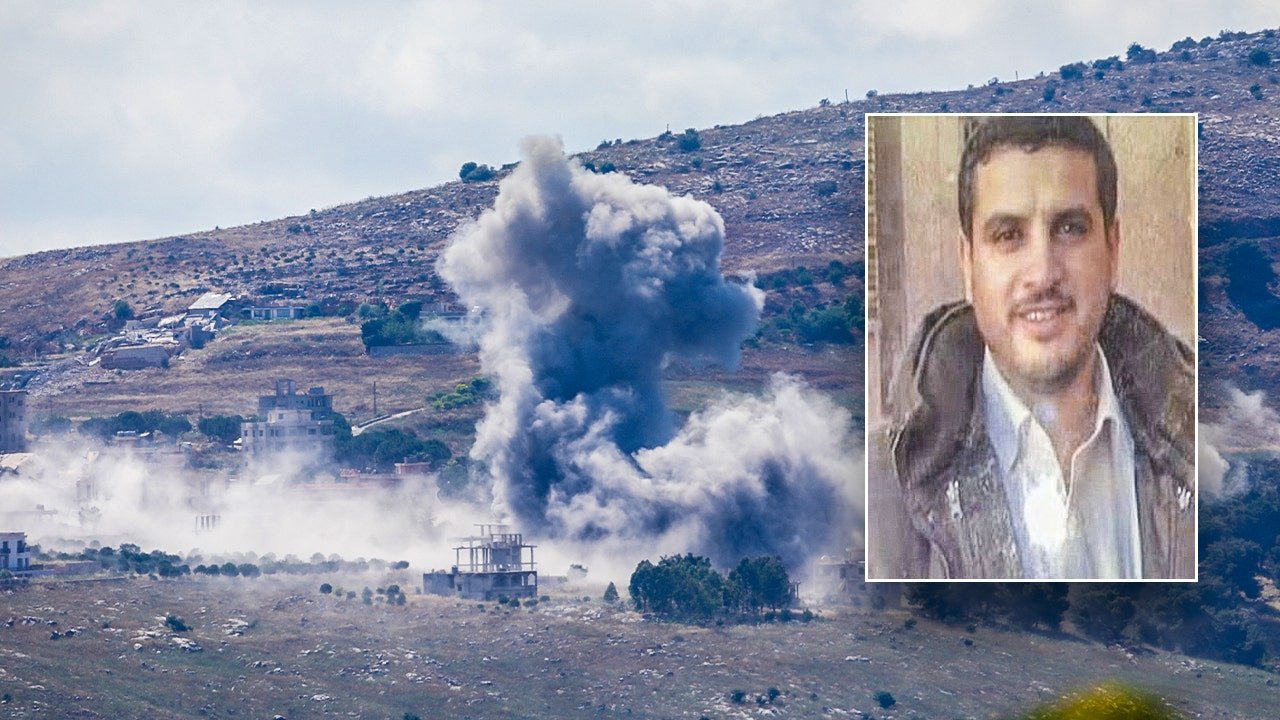
The Israel Defense Forces announced the elimination of a senior Hezbollah commander who was accused of orchestrating the 2007 kidnapping and murder of five American soldiers.
The IDF said they killed Hezbollah terrorist Ali Musa Daqduq was killed Friday in a precise strike in southern Lebanon, south of the Litani River.
«ELIMINATED: Ali Musa Daqduq, a senior Hezbollah commander who held a series of 5 senior positions within Hezbollah,» the IDF hailed on X. «Daqduq played a central role in advancing terrorist attacks and combat operations against Israel and IDF soldiers. In 2007, he orchestrated the kidnapping and murder of 5 American soldiers.»
Israeli officials targeted the veteran Hezbollah operative who held multiple senior roles in the terror organization.
ISRAEL KILLS 2 HEZBOLLAH COMMANDERS RESPONSIBLE FOR 400 STRIKES AGAINST THEM IN OCTOBER: IDF
«His elimination constitutes another significant blow to Hezbollah’s senior chain of command by eliminating one of the most prominent operatives responsible for terrorist activity against Israeli civilians, IDF soldiers, and American servicemembers,» the IDF wrote in a statement.
«The IDF will continue to operate against commanders of the Hezbollah terrorist organization.»
ISRAEL ELIMINATES HEZBOLLAH’S TOP MILITARY COMMANDER HAYTHAM ALI TABATABAI IN TARGETED BEIRUT STRIKE
The Israeli Defense Forces announced the elimination of terrorist Ali Musa Daqduq, a senior Hezbollah commander who held a series of five senior positions, having advanced terrorist attacks and combat operations against Israel and IDF soldiers. In 2007, he orchestrated the kidnapping and murder of five American soldiers. (Israel Defense Forces/X)
Daqduq’s roles included commander of the security unit for eliminated Hezbollah leader Hassan Nasrallah, commander in the Radwan Force, commander in the Operations Department of the Nasser Unit, head of Hezbollah’s Infantry Unit and commander of Hezbollah’s «Golan Terrorist Network,» according to the IDF.
The Golan network was responsible for Hezbollah’s entrenchment in Syria and the establishment of military infrastructure near Israel’s border. The unit’s activities were exposed by Israel in 2019.
«In recent years, he played a central role in advancing terrorist attacks and combat operations against the State of Israel and IDF soldiers,» the IDF said.
IDF FINDS HEZBOLLAH WEAPONS CACHE IN UNDERGROUND TUNNEL: VIDEO
Daqduq also led much of Hezbollah’s operational planning against Israeli troops along the Lebanon border over the past several years, the IDF added.
Daqduq was captured by U.S. forces in Iraq in 2007, but was transferred to Iraqi custody during the U.S. withdrawal in 2011 under former President Barack Obama. Iraqi courts later dismissed charges against him, and Baghdad released him in 2012.
«His elimination constitutes another significant blow to Hezbollah’s senior chain of command by eliminating one of the most prominent operatives responsible for terrorist activity against Israeli civilians, IDF soldiers, and American servicemembers,» the IDF said.
ISRAEL STRIKES BEIRUT FOR THE FIRST TIME SINCE A CEASEFIRE ENDED THE LATEST ISRAEL-HEZBOLLAH WAR
The announcement came as Israel also carried out strikes Sunday in the Dahieh district of Beirut, targeting what the IDF described as Hezbollah infrastructure.
Prime Minister Benjamin Netanyahu and Defense Minister Israel Katz said in a joint statement that the Beirut strikes were ordered in response to Hezbollah fire toward Israeli territory.
«Israel will not tolerate fire into its territory,» they said.
The latest strikes come at a sensitive diplomatic moment, as U.S.-backed efforts continue to finalize a broader regional deal with Iran and President Donald Trump.
ISRAELI OFFICIAL REJECTS TRUMP’S CALL FOR IRAN DEAL: ‘OUTRAGEOUS’ TO NEGOTIATE WITH ‘EVIL, JIHADIST REGIME’
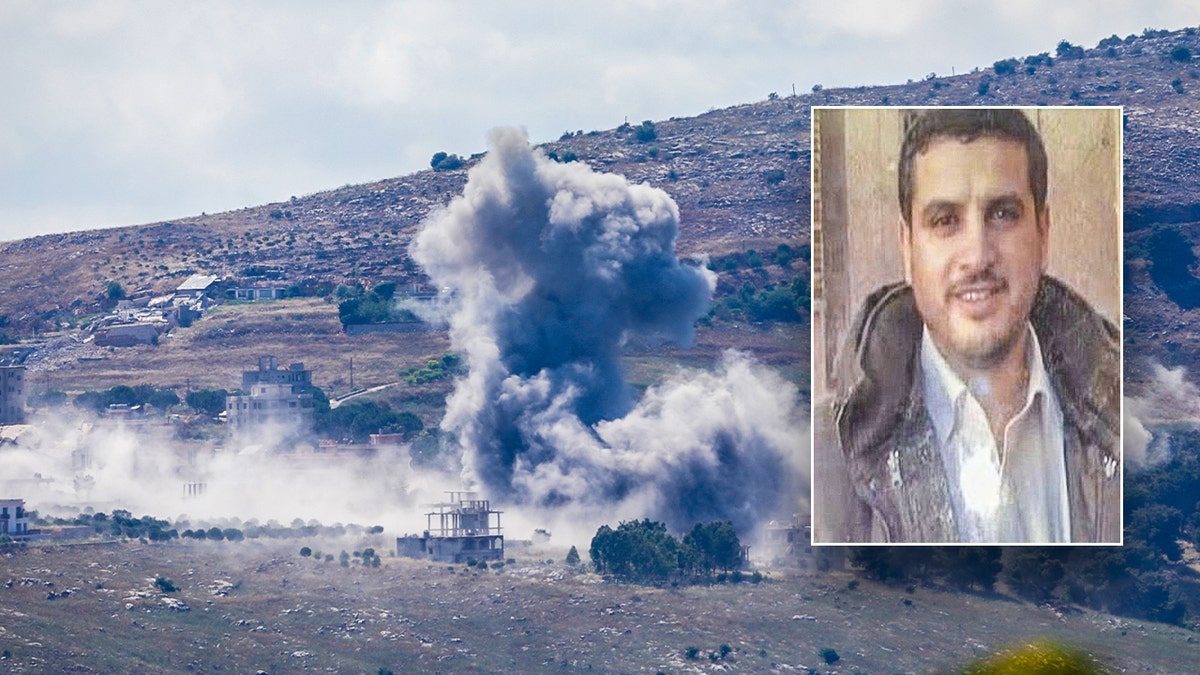
Ali Musa Daqduq, a longtime Hezbollah commander, was killed after years of involvement in the group’s military and terrorist operations, according to Israeli officials. (Israeli Defense Forces; Photo by Ramiz Dallah/Anadolu via Getty Images)
«Bibi should not have done what he did,» Trump told Fox News’ Middle East correspondent Trey Yingst.
He said to Netanyahu: «What the f–k are you doing?»
Trump told Yingst he hopes the deal with Iran will be signed before the night. He will remove the blockade of Iranian ports immediately once it is signed.
TRUMP CONFIRMS ‘CRAZY’ NETANYAHU CLASH AS QUESTIONS MOUNT OVER PUSH TO HOLD FIRE ON HEZBOLLAH TERRORISTS
Trump will ask Iran not to respond with missiles toward Israel.
A diplomat involved in the talks told Fox News the Beirut strikes were complicating those efforts.
«The strikes today in Beirut are creating issues with finalizing the deal,» the diplomat said. «This is a clear attempt by Israel to sabotage the president’s deal and drag the United States back into war.»
A senior Israeli official rejected that characterization, telling Fox News that Israel was responding to Hezbollah attacks.
CLICK HERE TO DOWNLOAD THE FOX NEWS APP
«We reject the notion that Israel is to blame for the exchange of fire,» the official said. «Hezbollah attacks have targeted Israeli civilians the past three days.»
Fox News’ Trey Yingst contributed to this report.
terrorism, donald trump, israel, benjamin netanyahu, iraq, lebanon
INTERNACIONAL
Suiza: rechazan en las urnas una propuesta de la derecha para limitar la población y poner un tope a la inmigración

El modo de vida suizo está «en peligro» por el crecimiento demográfico
La migración es un tema polémico en toda Europa
INTERNACIONAL
Gabbard says declassified biolab records validate concerns previously dismissed as misinformation
NEWYou can now listen to Fox News articles!
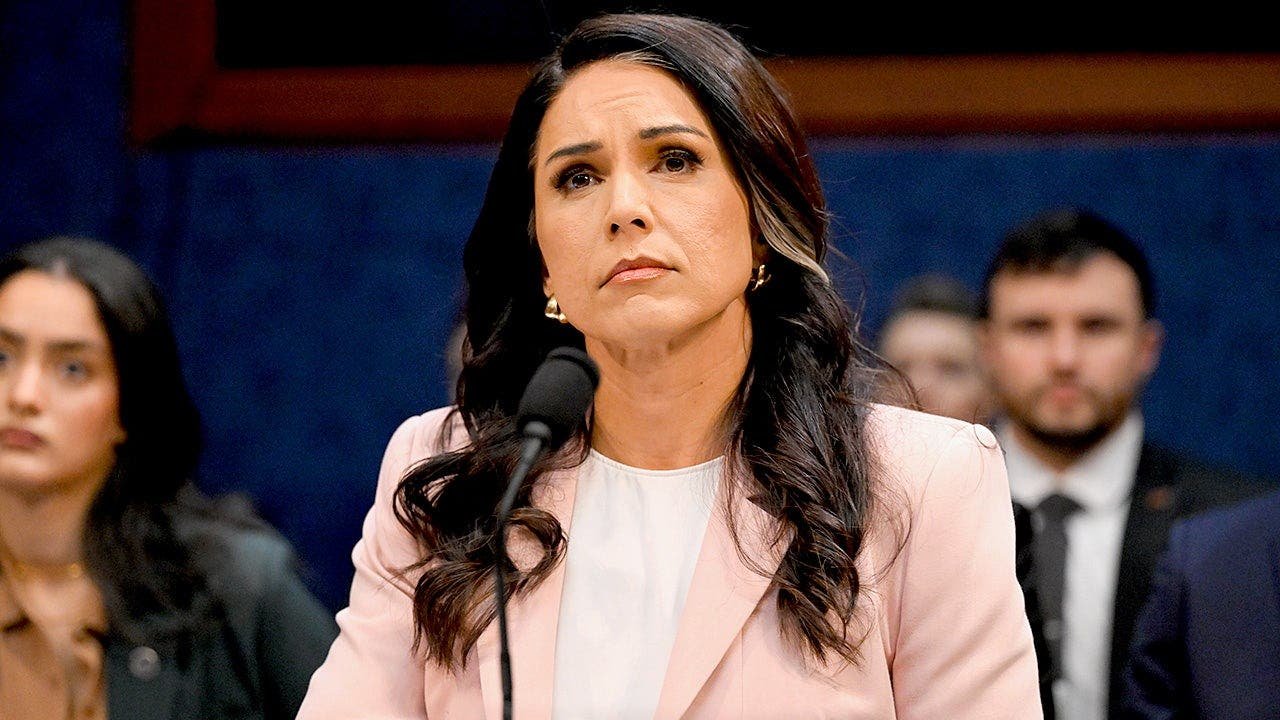
Director of National Intelligence Tulsi Gabbard released a trove of declassified records detailing U.S. funding of more than 120 biological laboratories across more than 30 countries, arguing the documents validate concerns that were previously dismissed as misinformation.
The release comes years after Gabbard drew criticism for raising concerns about U.S.-funded biolabs in Ukraine following Russia’s 2022 invasion. Critics accused her of echoing Russian narratives, while supporters argued legitimate questions about the labs’ activities and oversight were being unfairly dismissed.
The newly released records include ODNI briefing slides detailing the scope of U.S. involvement in Ukraine’s laboratory network.
DNI TULSI GABBARD PROBES U.S. FUNDING TO MORE THAN 120 BIOLABS AROUND THE WORLD
A bio safety lab where SARS-CoV-2 infectious samples are inactivated is shown at the Penn Center for Research on Coronavirus and Other Emerging Pathogens at the University of Pennsylvania’s Perelman School of Medicine in Philadelphia, Pa., on Dec. 16, 2021.
One document states that more than 40 laboratories in Ukraine received U.S. funding and housed collections of dangerous bacteria and viruses, some dating back to the Soviet era. The records also show Ukrainian scientists received U.S.-funded training to work with hazardous pathogens and participated in a program focused on handling especially dangerous diseases.
The documents list pathogens studied or stored within the laboratory network, including anthrax, tuberculosis, plague, Ebola virus, Marburg virus, MERS and SARS.
Additional records detail U.S.-funded construction and upgrades at laboratories across Ukraine, including facilities in Kherson, Odesa and western Ukraine. The documents identify engineering firm Black & Veatch as a major contractor and show U.S. taxpayers spent between roughly $1.7 million and $3.5 million on individual laboratory projects.
LAWMAKERS DEMAND ANSWERS AFTER SUSPECTED BIOLAB DISCOVERED IN CHINESE NATIONAL’S LAS VEGAS HOME

Newly declassified records released by DNI Tulsi Gabbard reveal details about U.S.-funded biological laboratories around the world, reigniting debate over overseas bioresearch programs. (iStock)
One declassified assessment focuses on a veterinary research laboratory in Kharkiv that received Pentagon funding through the Defense Department’s Biological Threat Reduction Program.
According to the assessment, the facility housed hundreds of samples of dangerous pathogens, including Brucella bacteria, which can cause a disease known as brucellosis. The document warned the lab could become a target of Russian propaganda efforts or be damaged, captured or otherwise compromised during the war.
Another ODNI slide outlines what it describes as a «web of connections» linking Ukrainian laboratories with U.S. government agencies, universities, research organizations and private contractors. The document says U.S. funding supported research on bird flu and other highly infectious viruses in high-security laboratories.
CLICK HERE TO DOWNLOAD THE FOX NEWS APP
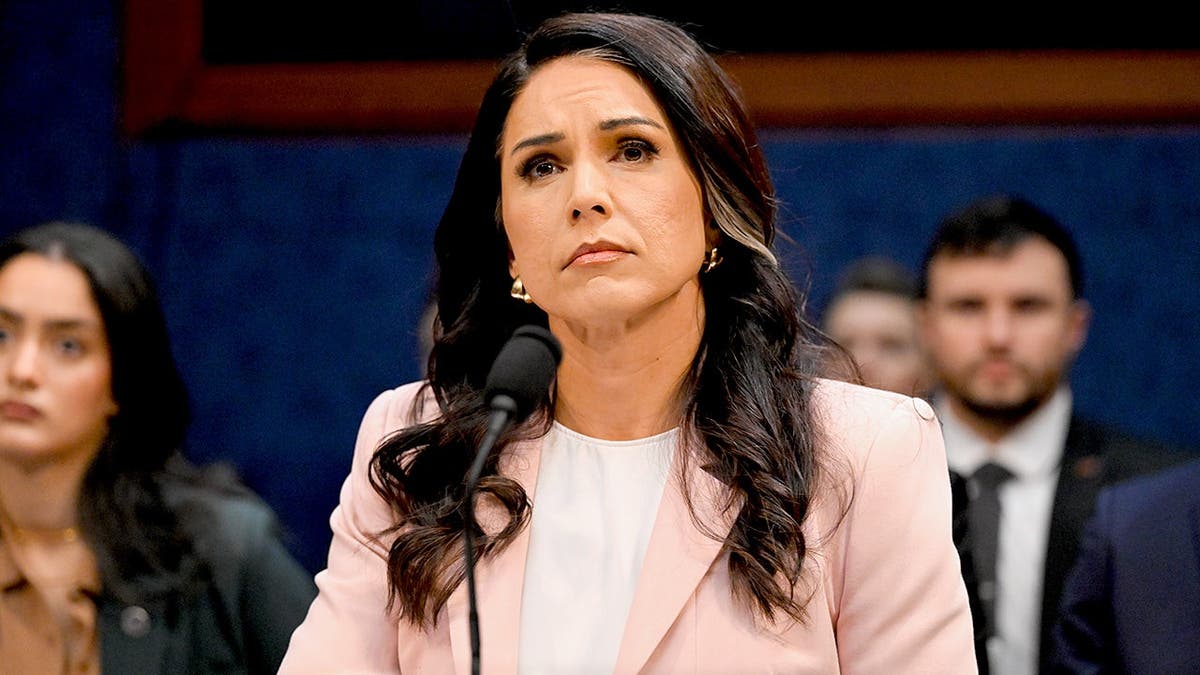
Director of National Intelligence Tulsi Gabbard appeared during a House Intelligence Committee hearing on worldwide threats on March 19, 2026, in Washington, D.C. (Daniel Heuer/Bloomberg via Getty Images)
Gabbard said the documents demonstrate that the public was not given a full picture of U.S.-backed biological research programs overseas. Critics, however, maintain the facilities were part of long-running public health and threat-reduction efforts designed to secure dangerous pathogens and prevent biological proliferation rather than operate as biological weapons programs.
The declassification is likely to reignite debate over government transparency, gain-of-function research and the scope of U.S.-funded biological research overseas.
tulsi gabbard, medical research, ukraine, cia, viruses

El peronismo volvió a reclamar en el Senado la libertad de Cristina Fernández de Kirchner

Brutal asalto en Córdoba: lo maniataron, le robaron las llaves de la casa y se la desvalijaron

Hasta cuándo sigue el frío intenso en Buenos Aires, según el Servicio Meteorológico Nacional

Un ex candidato a concejal fue detenido tras el hallazgo de casi media tonelada de cocaína en Tucumán

The Adventures of Elliot: Tamaño de descarga y precio en Nintendo Switch 2 – Nintenderos

Habían ido a pasar el fin de semana: murió una niña de 5 años atacada por un perro en un complejo de playa en Chubut

Se viralizó un tuit en el que Adorni contaba que en 2018 le habían cortado la luz por falta de pago

“Me parece una vergüenza”: la dura crítica de Victoria Villarruel a la declaración jurada de Manuel Adorni

Diputados de la Coalición Cívica denunciaron penalmente a Manuel Adorni por presuntas irregularidades en sus declaraciones juradas

Jan De Nul defendió el proceso de licitación de la Hidrovía con una carta a las principales entidades vinculadas a la vía navegable

 POLITICA3 días ago
Se viralizó un tuit en el que Adorni contaba que en 2018 le habían cortado la luz por falta de pago
- POLITICA2 días ago
Diputados de la Coalición Cívica denunciaron penalmente a Manuel Adorni por presuntas irregularidades en sus declaraciones juradas
- ECONOMIA2 días ago
Jan De Nul defendió el proceso de licitación de la Hidrovía con una carta a las principales entidades vinculadas a la vía navegable