INTERNACIONAL
Trump’s Iran agreement raises a basic question: Is it actually a deal?

NEWYou can now listen to Fox News articles!
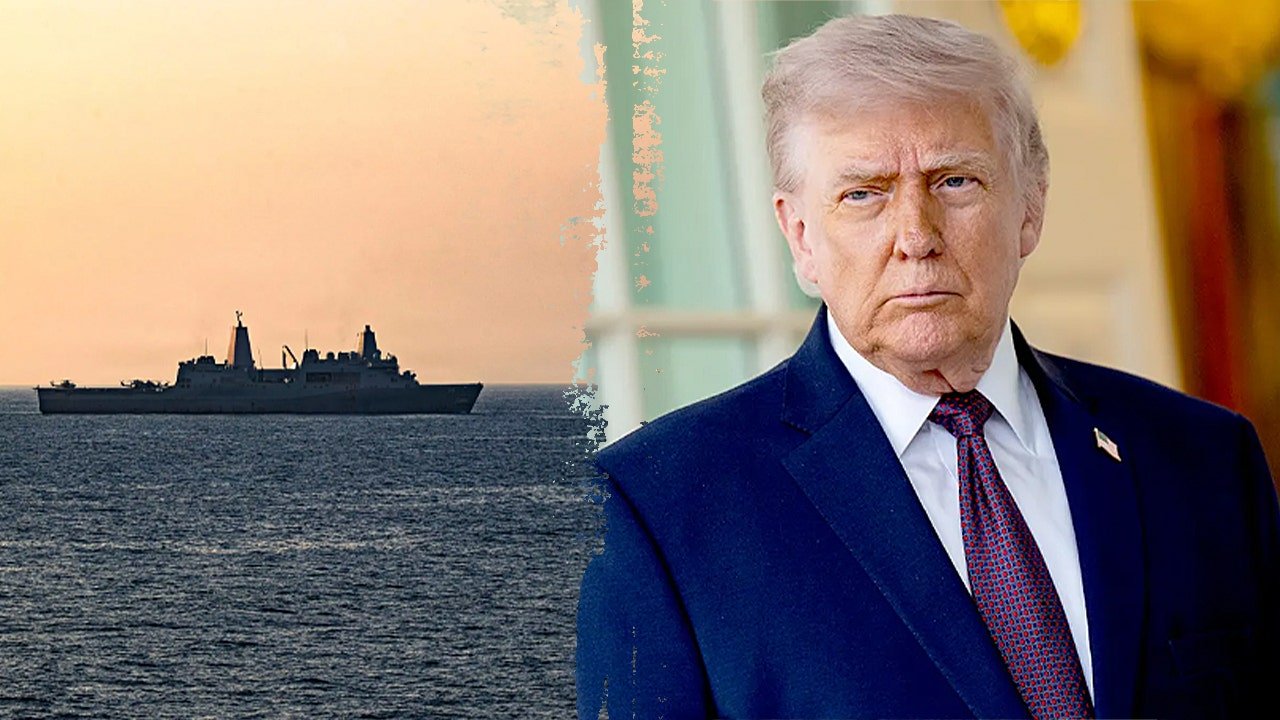
President Donald Trump has hailed the newly signed Iran memorandum of understanding (MOU) as a breakthrough that normalizes relations between the two countries after months of fighting.
But by the White House’s own account, the agreement settles few of the issues that dominated months of negotiations, leaving sanctions relief, frozen assets and Iran’s nuclear program for a new round of talks.
«This is really just the first MOU and then we’re going to launch into the real technical discussions later this week,» a senior administration official told reporters Monday.
The memorandum, signed digitally by Trump and Vice President JD Vance Sunday, kicks off a 60-day period for technical talks aimed at a final agreement. A formal signing ceremony with U.S. and Iranian officials, along with Pakistani and Qatari mediators, is planned for Friday. Yet even administration officials acknowledge that the memorandum leaves many of the most contentious issues unresolved.
«We’ll know over the next two to three weeks whether those understandings will turn into an actual agreement,» a senior administration official said.
TRUMP MAY HAVE WON A STRATEGIC PAUSE IN IRAN. NOW COMES THE HARD PART
Nate Swanson, a former senior advisor on Iran policy to successive administrations and now a senior fellow at the Atlantic Council, said the memorandum appears to postpone rather than resolve disputes over sanctions relief, Iran’s nuclear program and the future of the Strait of Hormuz.
«It does not appear to resolve the core issues surrounding the mechanics of the Strait of Hormuz, Iranian nuclear concessions, or Iranian financial incentives and sanctions relief,» Swanson wrote in an analysis published by the Atlantic Council.
The memorandum of understanding signed digitally by Trump and Vice President JD Vance Sunday, kicks off a 60-day period for technical talks aimed at a final agreement. A formal signing ceremony is planned for Friday. (Kent NISHIMURA / AFP via Getty Images)
The remark was striking given that U.S. and Iranian officials have been negotiating since the April ceasefire and already had announced a signed memorandum and upcoming signing ceremony.
The president expressed optimism for a final deal.
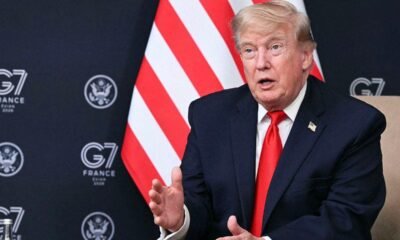
«I think it’s going to happen, fairly on time, but we’ve been both involved. I think they’re going to want to get it done. Iran wants to get it done. They have to get back to business. And the relationship is now normalized,» Trump said during the G7 Summit in Évian-les-Bains, France.
JD VANCE REVEALS DETAILS OF US-IRAN DEAL, ADDRESSES WHETHER TAXPAYER MONEY WILL GO TO TEHRAN
The administration has yet to publicly release the text of the memorandum, but officials indicated that many of the issues that have dominated months of negotiations remain subject to future talks, including sanctions relief, frozen Iranian assets and the disposition of Iran’s remaining enriched uranium stockpiles.
«Here’s what it says: Iran will never have a nuclear weapon. That’s what it says. It won’t have one to buy, to develop. They will not have a nuclear weapon,» Trump told reporters Tuesday.
Administration officials said Monday the text of the deal would be released Tuesday or Wednesday.
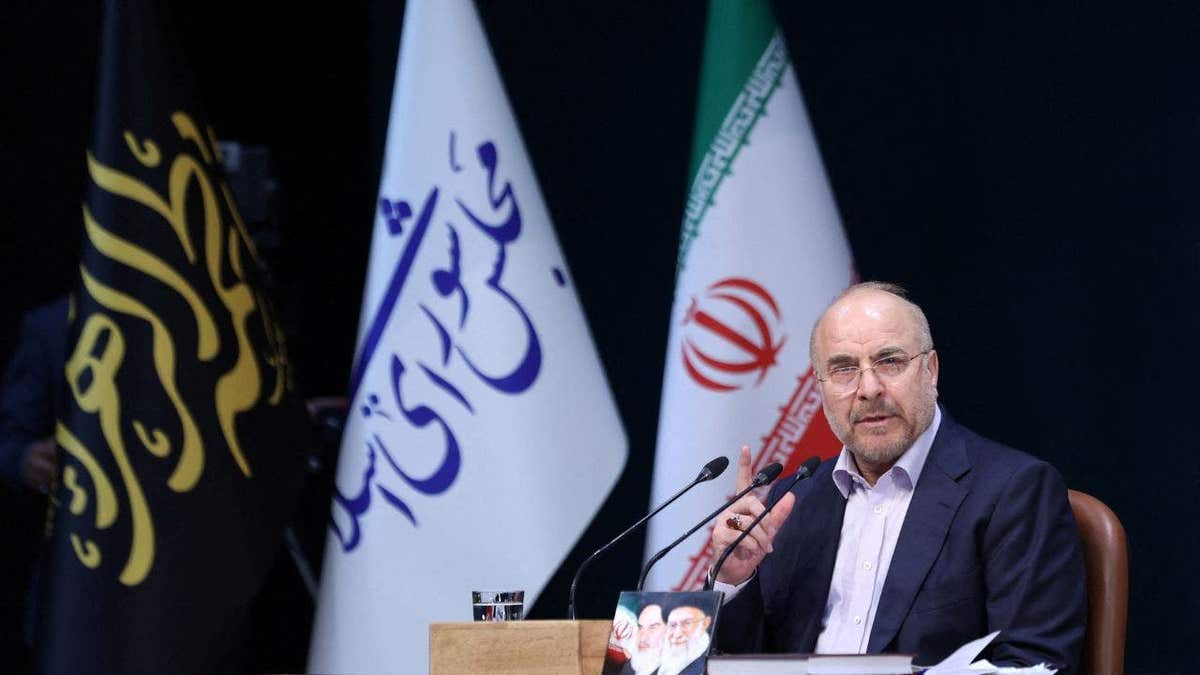
Iranian Parliament Speaker Mohammad Bagher Ghalibaf signed the deal along with the U.S. (Majid Asgaripour/WANA (West Asia News Agency) via Reuters)
On perhaps the most disputed issue, White House officials insisted Monday that no frozen Iranian assets have been released, despite reports in Iranian state-linked media that Iran could gain access to roughly $24 billion in blocked funds during the negotiation period.
«The very simple fact is, $0 of unfrozen assets have been released by the United States or any other country.»
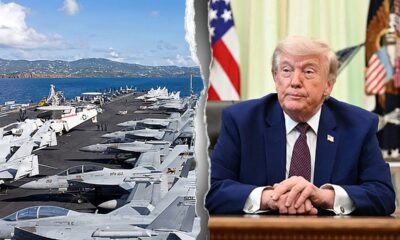
The administration also said it will maintain its current military posture in the region during the negotiations, despite Iranian accounts suggesting the framework contemplates a future reduction in U.S. forces around Iran.
«The plan is to keep the current force posture during the 60-day negotiations.»
Officials repeatedly stressed that any concessions would be tied to verification rather than promises.
«We’re still at the early phases where we’re building trust.»
«This memorandum does not mean trusting the enemy; it has been written with active distrust,» Iranian deputy foreign minister Kazem Gharibabadi said, according to Iranian state-linked Mehr News. «We will monitor the implementation of US commitments.»
The clearest immediate effect appears to be the reopening of the Strait of Hormuz, the strategic waterway through which roughly one-fifth of the world’s oil and liquefied natural gas shipments normally pass, and a commitment by both sides to preserve the ceasefire while negotiations continue. Oil prices fell to their lowest levels in three months on the agreement to lift the blockade and open the strait.
Administration officials repeatedly described the memorandum as a framework that could eventually lead to sanctions relief, economic normalization and a broader settlement of Iran’s nuclear program — if negotiators can reach a final agreement in the coming weeks.
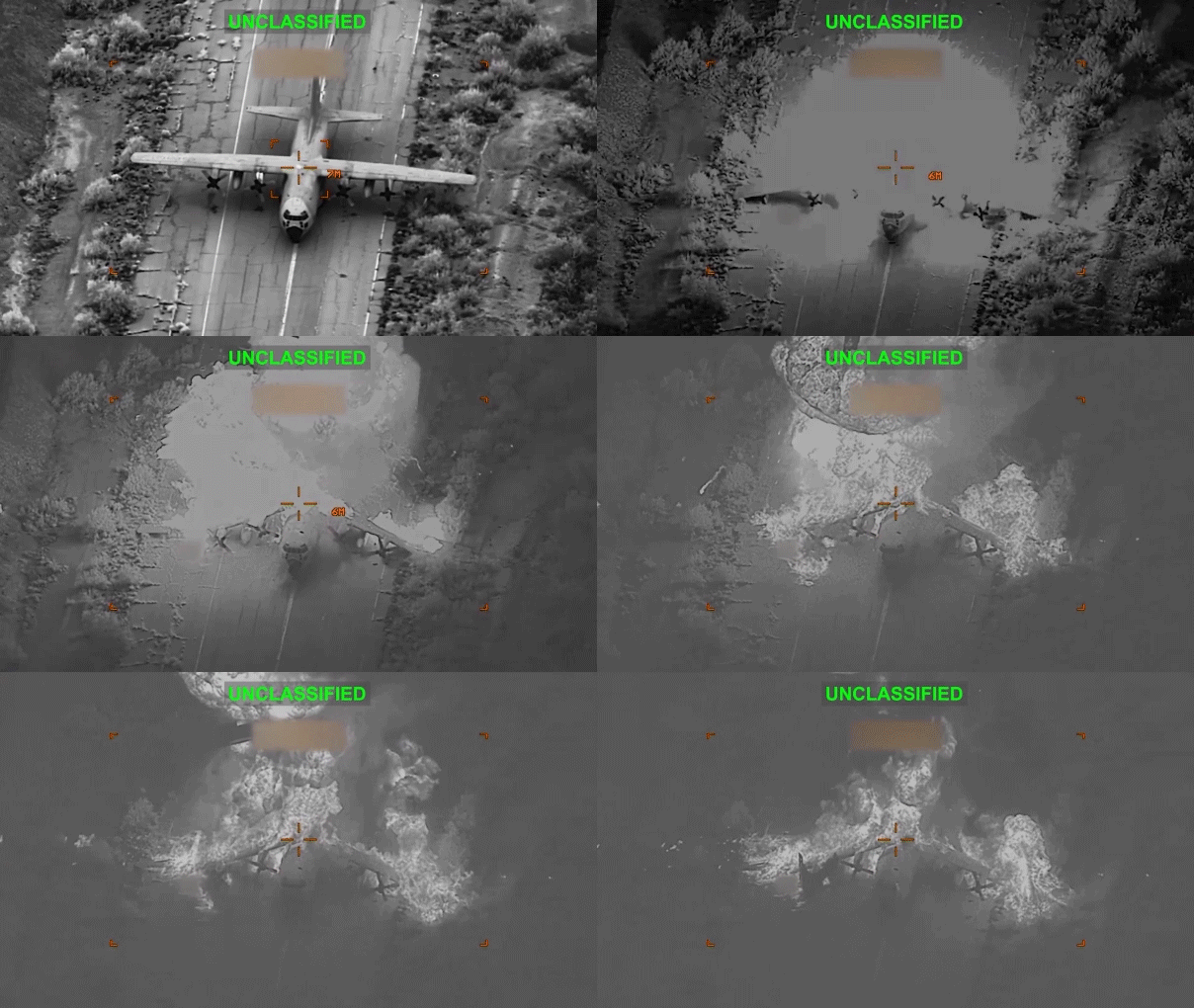
U.S. Central Command shared footage of strikes targeting airplanes amid the Iran conflict. (US Central Command)
«Nothing is on the table if it doesn’t come along with real performance.»
Iranian state-linked media have described the framework as already containing commitments on sanctions relief, access to roughly $24 billion in frozen assets, future reductions in U.S. military forces in the region and a $300 billion reconstruction program. The White House has disputed key elements of that characterization.
CLICK HERE TO DOWNLOAD THE FOX NEWS APP
«We don’t pay them — there was some statement. We’re going to spend $300 billion. No, we’re allowed to go and invest if we wanted to. Someday, in the future. We have no obligation whatsoever,» Trump said during the G7 Summit.
The competing descriptions underscore how much remains unsettled.
«There will likely be a significant delta between the aspirations outlined in the MOU and what emerges in a final deal,» Swanson said.
Some congressional Republicans already are questioning whether Washington and Iran are describing the same agreement.
«I think we’d all like to see the terms of the memorandum and hopefully end up with a real deal,» Sen. Rick Scott, R-Fla., told reporters at the Capitol Tuesday.
«I don’t think there’s anybody in Congress that’s ever gonna support giving money to them,» he went on.
«They ought pay for what it cost us to do this to bring them to their senses to stop killing us … I want to get reimbursed for the money we’ve had to spend to bring them to their senses. They’ve got plenty of oil, they can rebuild their own country.»
«I am pleased to hear the memorandum of understanding with Iran to allow the Strait of Hormuz to open has been agreed to. I will be watching closely the ensuing negotiations regarding Iran’s nuclear program and other matters. I am somewhat concerned that Iran’s view of the agreement seems different than what the American negotiating team is claiming.»
nuclear proliferation, treaties, white house, iran, sanctions







INTERNACIONAL
Paula Klein, Premio Lumen de Novela: “¿Hasta qué punto conocemos a la persona con la que compartimos nuestra vida?”

El amor inventado es el título de la obra ganadora del Premio Lumen de Novela. Su autora es argentina y se llama Paula Klein. Su nombre se develó hace apenas unas horas. El jurado leyó en esta novela una indagación sobre la mentira en la vida íntima y en el periodismo, dos territorios que la autora decidió poner en fricción desde una misma pregunta: “¿Hasta qué punto conocemos a la persona con la que compartimos nuestra vida?”, dijo en diálogo con la prensa, como un interrogante abierto e interpelador.
La novela ganadora obtuvo una dotación de 30 mil euros y su publicación en todo el ámbito hispanohablante. Entre 683 manuscritos, una cifra récord para el premio, la obra fue elegida por mayoría y la organización informó además que la recepción de originales se duplicó en países como España, Argentina y Uruguay. Klein, que reside en Francia, viajó a España para conversar con los integrantes del jurado y la prensa.
Klein reveló que investigó casos reales de periodistas que falsificaron reportajes y también redes de mujeres estafadas para construir la novela. La tensión central del libro, según sus propias palabras, está en pensar la mentira en la prensa, porque en el periodismo “hay un pacto de confianza con el lector que no puedes romper” y, si eso ocurre, “hay una construcción democrática que se derrumba”.
Klein afirmó que el personaje masculino nació de una investigación sobre “periodistas que habían falseado, ficcionalizado incluso reportajes enteros”. Mencionó durante la rueda de prensa nombres como Jayson Blair, Janet Cooke, Oriana Fallaci y el “falso Tom Kummer” como parte del material que la ayudó a pensar cómo se construyen trayectorias públicas sostenidas durante años sobre una identidad adulterada. Aun así, marcó un límite: “Es una novela que no está basada en hechos reales”.

El centro de su interés no fue reproducir un caso puntual, sino explorar a personas enamoradas que “no paran de mentirse”, tanto entre sí como frente a su hija, sus padres, su entorno y la sociedad. “En la prensa no podés mentir”, dijo ante la pregunta por las fake news. Añadió que la no ficción y la ficción no pueden confundirse porque, si esa división se vuelve borrosa, “ya no sabemos dónde estamos parados”.
La autora sostuvo además que eligió a un periodista como figura central porque trabaja como académica sobre periodismo de investigación y le interesaba pensar un mundo de “hechos alternativos”. En ese marco, describió un tipo de personaje al que vinculó con figuras de poder contemporáneas: “el contador de mierda profesional”, alguien que mezcla medias verdades hasta volver indistinguible lo verdadero de lo falso.
“La mentira en el periodismo es algo grave. Deberíamos tener ese consenso”, sostuvo. “Que pase lo que pase con los casos particulares, cómo se consume nos dice mucho de cómo somos como sociedad, qué relación tenemos nosotros con los relatos que nos contamos”, dijo agregó: “Me fascinan los casos en los que no solo no hay castigo, sino que además parecen ser premiadas esas personas que mienten. Pasa mucho con los impostores: lograron darle la vuelta al sistema. Y nuestra sociedad pareciera aplaudir”.
“En ningún momento quise hacer ni una crítica ni un elogio de la mentira, sino realmente meterme en el fondo de estas cuestiones. Me parece que es una novela que no da respuestas, pero sí confronta un montón de situaciones posibles y a un montón de tratamientos que la mentira genera, tanto en mujeres engañadas, en víctimas, en bullshitters. Pero no me interesa plantear un juicio moral, porque la ficción está ahí justamente para sacudirnos. La ficción también es oxígeno”, aseguró.

La otra mitad del libro, según la propia escritora, está en el matrimonio. “El amor verdadero puede convivir con el desconocimiento total de la persona que tenemos enfrente”, dijo al resumir la sospecha que organiza la novela. “Tengo la íntima convicción de que los matrimonios que duran o esas parejas que mejor resisten en el tiempo son los que se vuelven muy hábiles en el secreto, en la omisión, en la mentira noble, como decía Voltaire, esas mentiras que decimos para no lastimar al otro”, arremetió.
“Me parece muy interesante que todas esas relaciones afectivas estén atravesadas por la mentira, pero la mentira como algo incluso hasta noble, positivo, virtuoso, que siempre va a terminar haciendo mal a la larga. Partí de esa íntima convicción: que las parejas que duran están atravesadas por el secreto, que son quienes saben mantener y omitir, los prestidigitadores del secreto”, dijo. “Los escritores y los artistas parecemos ser los únicos que tenemos la mentira autorizada por la vía de la ficción”, agregó.
“Con ese storytelling y esa invención estás ficcionalizando y embelleciendo, pero también le damos otra paleta al mundo que nos rodea: nos permitimos ver las cosas de otra manera. La mentira, al menos como la exploro dentro de las relaciones sociales, es como un ámbito de libertad. También es un estadio en la evolución de los niños”, dijo y concluyó: “Los que trabajamos con la ficción tenemos ese placer suplementario: todavía podemos seguir jugando por la vía de la ficción”.

Paula Klein es una escritora, investigadora y docente universitaria argentina nacida en Buenos Aires en 1986. Es licenciada en Letras por la Universidad de Buenos Aires (UBA), magíster por la École des Hautes Études en Sciences Sociales (París) y doctora en Literatura Comparada por la Universidad de Poitiers.
Vive en Francia desde el año 2012. Escribió La luz de una estrella muerta (2021, su primera novela, centrada en el artista plástico argentino Alberto Greco) y Las brujas de Monte Verità (2023, novela histórica en la Suiza a comienzos del siglo XX).
El Premio Lumen de Novela es otorgado por la editorial española Lumen, perteneciente al grupo Penguin Random House, a una novela inédita escrita en idioma español por una autora mujer. Existió entre 1994 y 1999 y se reactivó en 2023, cuando lo ganó Leticia Martin. Siguieron Natalia Litvinova en 2024 y Inma Pelegrín en 2025. En esta edición, se incluyó una mención finalista para Estado de distancia de Belén López Peiró.
NEWYou can now listen to Fox News articles!
Senate Republicans narrowly halted another attempt to handcuff President Donald Trump’s war authority in Iran as a peace deal begins to take shape.
The latest failed war-powers resolution, this time from Sen. Raphael Warnock, D-Ga., comes after Trump signed a memorandum of understanding with the Iranian government that could lead to an end to the war. While Congress is still in the dark on the details of the deal, Republicans still stood behind the president Tuesday.
Sen. Tim Kaine, D-Va., who has led the Democrats’ war powers efforts for the last several months, argued that while a possible deal was a good thing, it appeared the U.S. and Iran would be headed to an «intermission» in fighting as both sides hammered out the final details of a longer peace deal.
TRUMP’S IRAN DEAL SPARKS GOP DEMANDS FOR VOTE AS CONGRESS REMAINS IN THE DARK
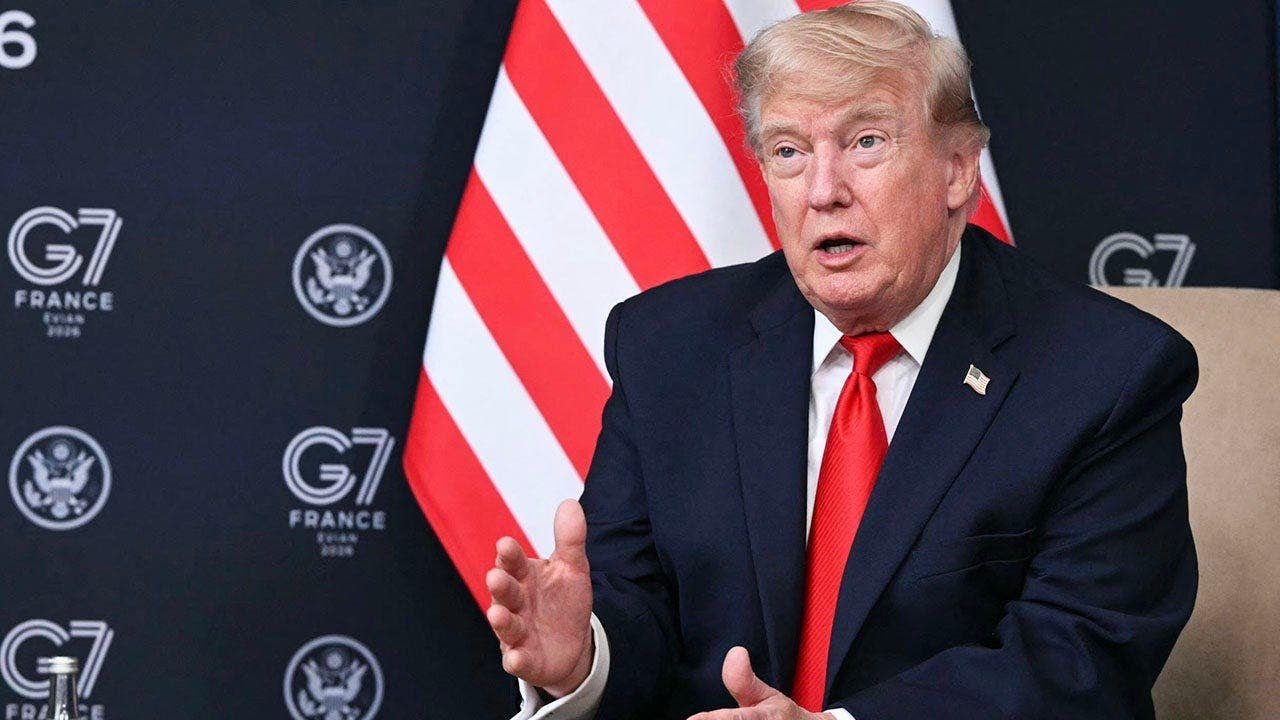
President Donald Trump delivers remarks during a bilateral meeting with the United Arab Emirates’ president at the G7 summit in Evian, France, on June 16, 2026. (Mandel Ngan/AFP via Getty Images)
«An intermission is a great time to do what we should have done before this war, which is have the consultation with Congress that the Constitution requires,» Kaine said. «Why restart a war if we haven’t done our job?»
Still, Warnock’s resolution failed despite a previous effort advancing in the Senate last month when a cohort of Senate Republicans joined nearly all Senate Democrats to rebuke the war. That same group, Sens. Susan Collins, R-Maine, Bill Cassidy, R-La., Lisa Murkowski, R-Alaska, and Rand Paul, R-Ky., joined all Democrats to vote for the resolution.
But absences on both sides of the aisle helped the GOP in their effort to give Trump more runway to hammer out a deal to end the war.
TRUMP’S PUSH FOR $350 BILLION ‘ARSENAL OF FREEDOM’ HITS GOP SKEPTICISM
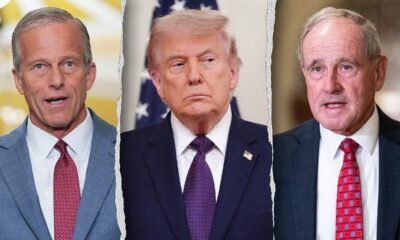
Senate Foreign Relations Chair James Risch, R-Idaho, argued that Democrats were effectively trying to «help Iran» with Democrats’ war powers efforts, and he countered that if the resolution passed, Iran would back out of any forthcoming peace deal.
«If a miracle happened, a miracle happened, and this passed, got through the Senate, got through the House, and the president signed it — if that miracle happened, do you think Iran would sign the deal that has been negotiated? Of course not,» Risch said.
DEMS SCORE WIN AS GOP SENATOR HELPS ADVANCE IRAN WAR POWERS RESOLUTION
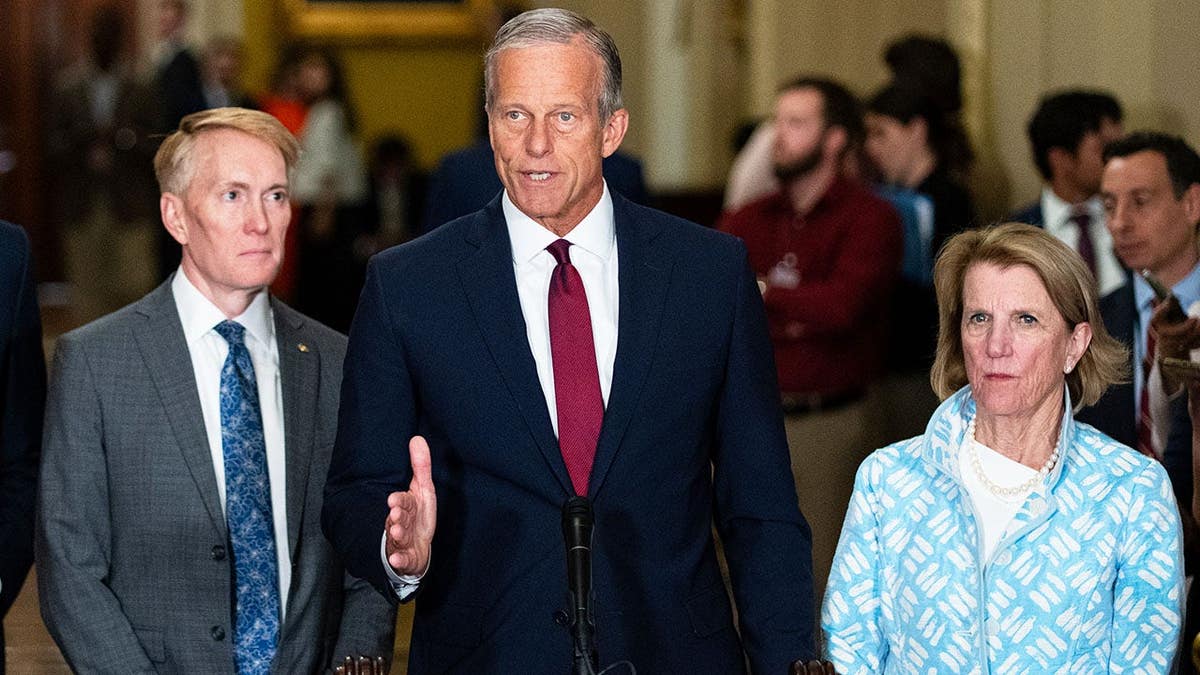
Senate Majority Leader John Thune, R-S.D., speaks during a Senate Republicans press conference at the U.S. Capitol on June 2, 2026, flanked by Sen. James Lankford, R-Okla., and Sen. Shelley Moore Capito, R-W. Va. (Bill Clark/CQ-Roll Call, Inc.)
Meanwhile, Congress is still waiting for details of the deal, which as of Tuesday, had yet to materialize publicly or behind closed doors in the upper chamber.
Senate Majority Leader John Thune, R-S.D., said he still had not been briefed on the matter. When asked if it was normal for Thune and others to request these kinds of briefings from the administration, Thune said, «Since I’ve been in this job, we haven’t had this issue, so I don’t know the answer to that.»
«My assumption is that it’s a function of, at some point, they understand they’re going to have to, I think they’ve intimated as much, that they’ve got to get this in front of us,» he said. «And hopefully, that’ll happen sooner rather than later. But you know, obviously it sounds like they’re not going public with it until later in the week, so we’ll see.»
Some Democrats, on the other hand, are contending that early reports of the deal appear to favor Iran more than the U.S.
CLICK HERE TO DOWNLOAD THE FOX NEWS APP
Sen. Chris Murphy, D-Conn., said, «It’s essentially a surrender.»
«But I think that’s the only play we can make at this point. We have to end this war, stop wasting money, stop killing Americans and civilians, stop driving a crisis,» Murphy said. »So, it’s a bad deal, but he’s not gonna get a better deal. So, we just have to accept the humiliation.»
politics, war with iran, republicans, iran, democrats senate, donald trump

La imbatible racha que estiró Francia con su triunfo ante Senegal

Los empleados bancarios recibirán otro aumento en mayo: a cuánto llegará el monto récord del salario inicial

SEGA anuncia nuevo evento del 35º aniversario de Sonic – Nintenderos

La Iglesia insistió en sus reclamos por el proyecto de ley de inviolabilidad de la propiedad privada

Argelia, el rival de Argentina en el Mundial 2026: sus antecedentes y quiénes son sus figuras

La foto que Pablito Lescano y Cecilia Calafell subieron y borraron: ¿reconciliación a un mes de la separación?

Jan De Nul defendió el proceso de licitación de la Hidrovía con una carta a las principales entidades vinculadas a la vía navegable

La polémica por las criptomonedas de Adorni: cómo funciona la trazabilidad y qué puede revelar una billetera

Tras las explicaciones de Adorni, el PRO y la UCR se distancian del oficialismo y cruje el apoyo legislativo

Gaspi, reconocido streamer argentino, falleció en un accidente aéreo en Brasil

 POLITICA3 días ago
La polémica por las criptomonedas de Adorni: cómo funciona la trazabilidad y qué puede revelar una billetera
- DEPORTE2 días ago
Gaspi, reconocido streamer argentino, falleció en un accidente aéreo en Brasil
- CHIMENTOS24 horas ago
La China Suárez envuelta en un escándalo con un ex novio muy famoso: “Me enteré que llamó para…”