INTERNACIONAL
WATCH: Fights break out at Russian gas stations as Putin admits fuel shortages


NEWYou can now listen to Fox News articles!
Russian President Vladimir Putin has publicly acknowledged that Ukrainian long-range strikes are creating fuel supply problems inside Russia, as videos obtained by Fox News Digital show long lines, angry motorists and fights erupting at filling stations across several Russian regions.
Speaking at a meeting with government ministers and other officials after a wave of Ukrainian attacks on Russian oil infrastructure, Putin said on Sunday that strikes on «critical infrastructure» and energy facilities were creating «problems,» including shortages affecting motorists, businesses and agricultural producers, but said Russia was dealing with them, according to Reuters.
The remarks marked a rare admission from the Kremlin that Ukraine’s long-range campaign is having an impact beyond the battlefield.
UKRAINE LAUNCHES WHAT APPEARS TO BE ONE OF ITS LARGEST DRONE ATTACKS AGAINST RUSSIA: REPORT
For Ukraine, the fuel crisis is evidence that its long-range strike campaign is doing more than damaging individual facilities. The attacks are forcing Moscow to manage visible problems at home, exposing a vulnerability in a country whose global power has long rested on its energy sector.
Smoke and flames rise over Moscow on June 18, 2026, following a Ukrainian drone attack that hit the Kapotnya oil refinery and other targets in the Russian capital. (East2West)
Ukraine increasingly has used long-range drones to target Russian oil refineries, depots and supply routes hundreds of miles from its border. Ukraine hit two Russian oil refineries overnight, Reuters reported Sunday, including one in Krasnodar, Russia, and another in Yaroslavl, Russia, as Kyiv continues targeting infrastructure linked to Moscow’s war effort.
Fuel shortages have spread across Russia, including occupied Crimea, southern Russia, Siberia and Moscow. Moscow also is weighing emergency measures, including temporarily allowing the production and import of lower-quality fuel, according to a draft government document reported by the Kommersant daily newspaper.
Maxim Katz, a Russian opposition figure and former Moscow municipal deputy, told Fox News Digital that the fuel shortages are real and increasingly difficult for Russians to ignore.
«There are fuel problems in Russia right now — real ones,» Katz told Fox News Digital. «I’m getting a lot of reports, and I can see it too: It’s hard. You can’t find fuel, or you have to stand in line. In some cities, you have to spend half a day looking for fuel, and then they give you only a little, and you have to get back in line again.»

Fights are erupting in filling station queues across Russia after Ukrainian drone strikes triggered chronic fuel shortages. (East2West)
Katz said the shortages appear tied directly to Ukraine’s attacks on Russian refining capacity.
«They are bombing the refineries very effectively,» he said. «Putin doesn’t have a way to defend them. Right now, it looks like there is no way to defend them, and that is a major pressure point on Putin.»
Videos obtained by Fox News Digital from East2West news agency show scenes of frustration at Russian filling stations, where drivers are seen waiting in long queues and arguing as shortages bite. In one video, two women appear to argue over a place in line, with one insisting, «I was in the queue,» before the confrontation escalates into shouting and threats.
‘PURE HELL’ IN MOSCOW AS UKRAINIAN DRONES STRIKE MAJOR REFINERY SUPPLYING CAPITAL’S FUEL MARKET
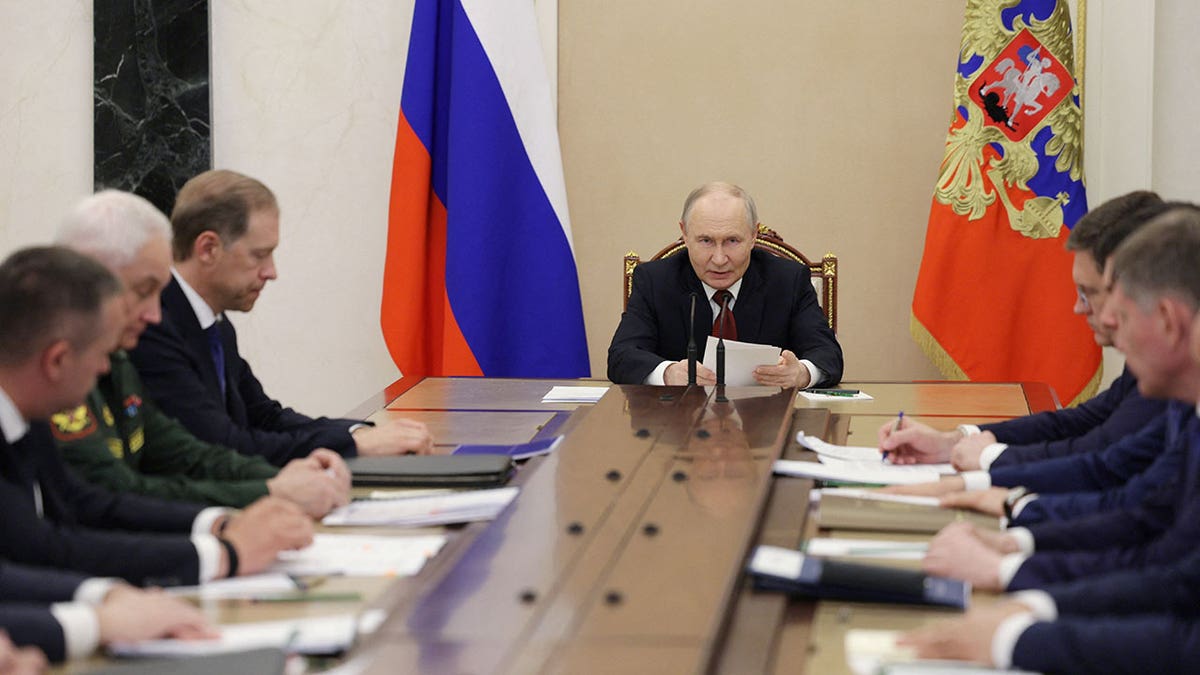
Russian President Vladimir Putin chairs a meeting on securing fuel supplies for the domestic market in Moscow, June 28, 2026. (Sputnik/Gavriil Grigorov/Pool via Reuters)
In Serov, Russia, police were called after a male driver was seen shouting obscenities at several women before punching one of them, according to a video.
In Ryazan, Russia, video shows a fight breaking out near a forecourt as drivers waited for fuel. In Irkutsk, Russia, a man is seen leaning into the open window of a hatchback and repeatedly hitting another motorist.
One woman, identified only as Tanya, 29, told east2west she waited 13 hours in Siberia to get half a tank of fuel and blamed Putin’s war for the chaos.
«He should stop this senseless conflict and let us live normally,» she told the outlet.
‘PURE HELL’ IN MOSCOW AS UKRAINIAN DRONES STRIKE MAJOR REFINERY SUPPLYING CAPITAL’S FUEL MARKET
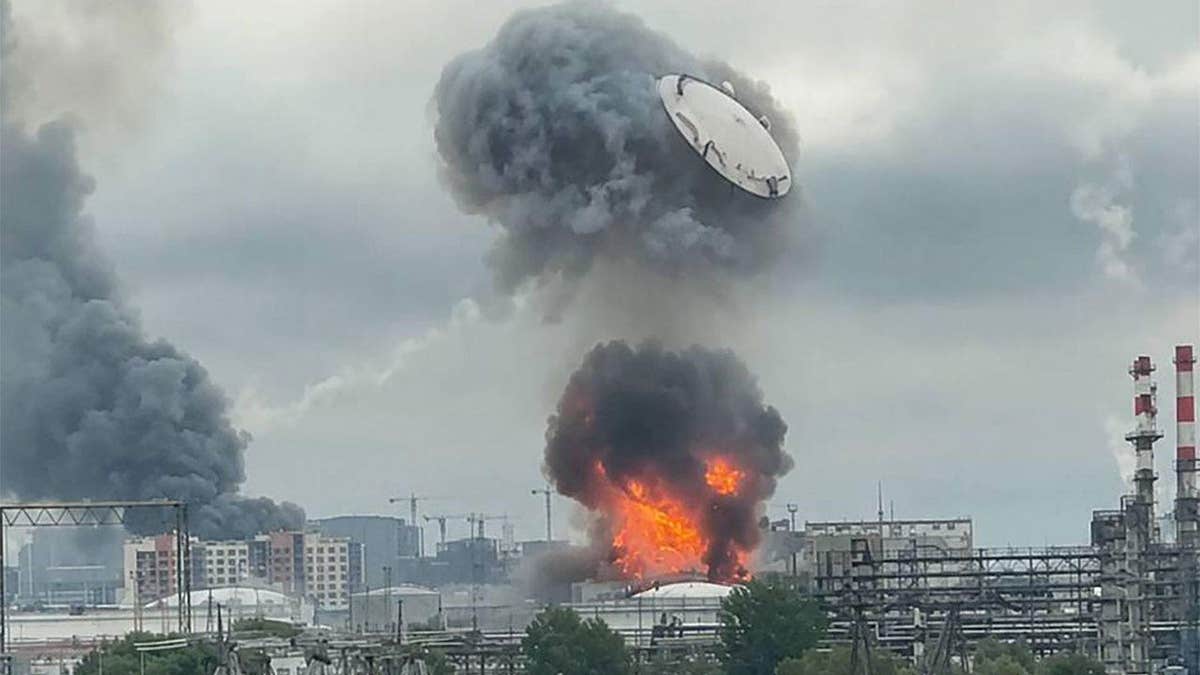
The Moscow Oil Refinery in Kapotnya burns after being hit during Ukraine’s June 18, 2026, drone attack on the Russian capital. (East2West)
Katz said the fuel disruption comes alongside deeper economic pressure caused by the Russia–Ukraine war, including high domestic borrowing, steep interest rates and a budget increasingly built around military spending.
«The whole economy is now built on war,» Katz said. «War does not produce anything. Nothing comes back from it. So what remains is a big hole.»
He said Russia is not yet on the verge of collapse, but the strain is «growing and growing,» with economic officials warning that spending may need to be cut as the budget deficit becomes harder to close.
This assessment was also confirmed to Fox News Digital by a European intelligence source, who said the economic pressure is effectively working.
CLICK HERE TO DOWNLOAD THE FOX NEWS APP
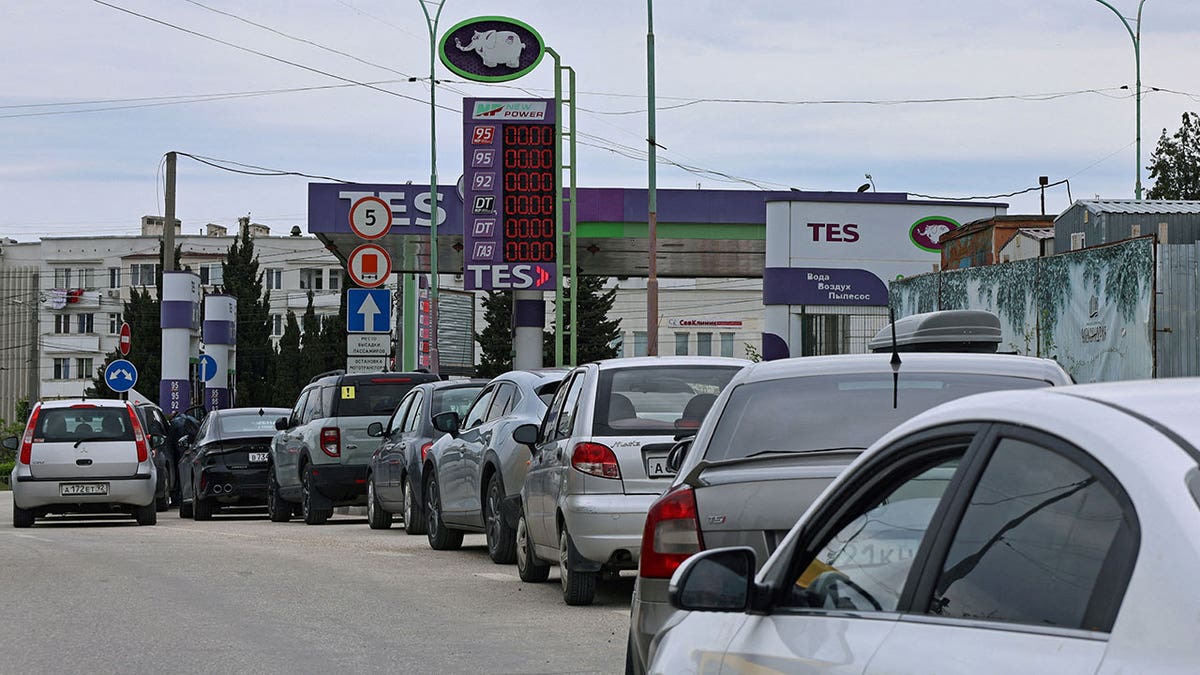
Cars queue for fuel at a gas station after the authorities restricted fuel sales amid a supply shortage following Ukrainian attacks on logistics routes in the course of Russia-Ukraine conflict, in Sevastopol, Crimea June 1, 2026. (Reuters)
Fox News Digital reached out to Russian and Ukrainian spokespeople for comment.
Reuters contributed to this story.
russia, vladimir putin, ukraine, wars










INTERNACIONAL
Trump admin backs Bolivia state of emergency as leftist ex-leader’s loyalists fracture nation
NEWYou can now listen to Fox News articles!
The conservative, pro-U.S. government of President Rogrigo Paz is being challenged in the streets by radical elements led by a former socialist president recently forcing the new Bolivian government to introduce a state of emergency.
The landlocked mineral-rich nation is facing one of its deepest political crises in decades as economic turmoil, nationwide protests and a battle over the country’s future threaten to reshape the balance of power in South America.
The unrest comes after years of political divisions following the tenure of socialist President Evo Morales, whose Movement Toward Socialism (MAS) dominated Bolivian politics for nearly two decades. Internal fractures, economic decline and public frustration have weakened the movement and opened a new chapter of uncertainty.
US, SHIELD OF THE AMERICAS CONDEMN ‘ONGOING EFFORTS’ TO OVERTHROW BOLIVIA’S ELECTED PRESIDENT AMID UNREST
Bolivia’s President Rodrigo Paz delivers a speech in La Paz on June 3, 2026, after naming Ernesto Justiniano as defense minister following the resignation of Marcelo Salinas amid protests. (Claudia Morales/Reuters)
The Trump administration recently signaled strong backing for the Paz government while condemning efforts to destabilize the country.
Secretary of State Marco Rubio said the United States «Will not allow criminals and drug traffickers to overthrow democratically elected leaders in our hemisphere» and reaffirmed Washington’s commitment to Bolivia’s «stability, security, and a better future for all Bolivians.»
Speaking on background, a State Department spokesperson told Fox News Digital that, «The United States strongly supports President Rodrigo Paz’s decision on June 20 to declare a State of Exception to restore order and ensure the free flow of food, medicine, and essential supplies to the Bolivian people. We are glad that the blockades in Bolivia have ended and the government has restored order.»
Bolivia’s crisis has been driven by Morales and his supporters furious at the Paz reforms. Protests and road blockades have disrupted transportation, caused shortages and increased pressure on the Paz government.
José Luis Lupo, chief of staff and minister of the presidency of Bolivia told Fox News Digital: «After more than 50 days of blockades that severely disrupted the supply of food, fuel, and medicines, paralyzing much of the country’s economic activity and straining its democratic stability, I am convinced that Bolivia now faces a unique opportunity to transform a deep crisis into the starting point for a new phase of national reconstruction.»
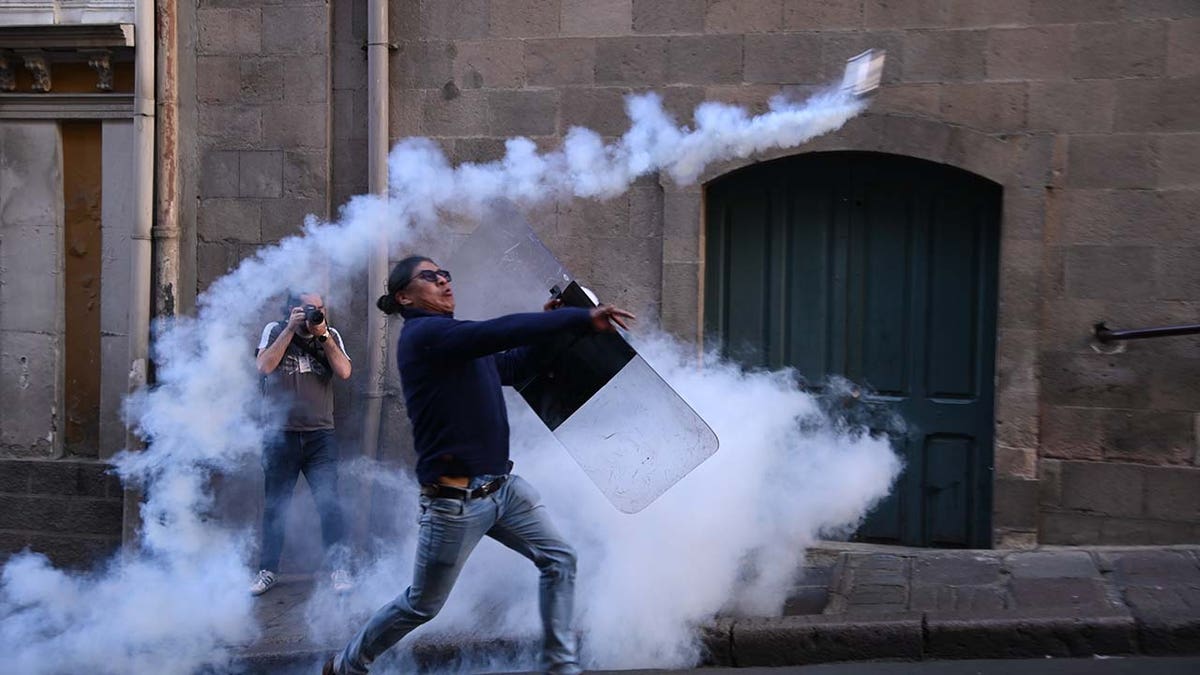
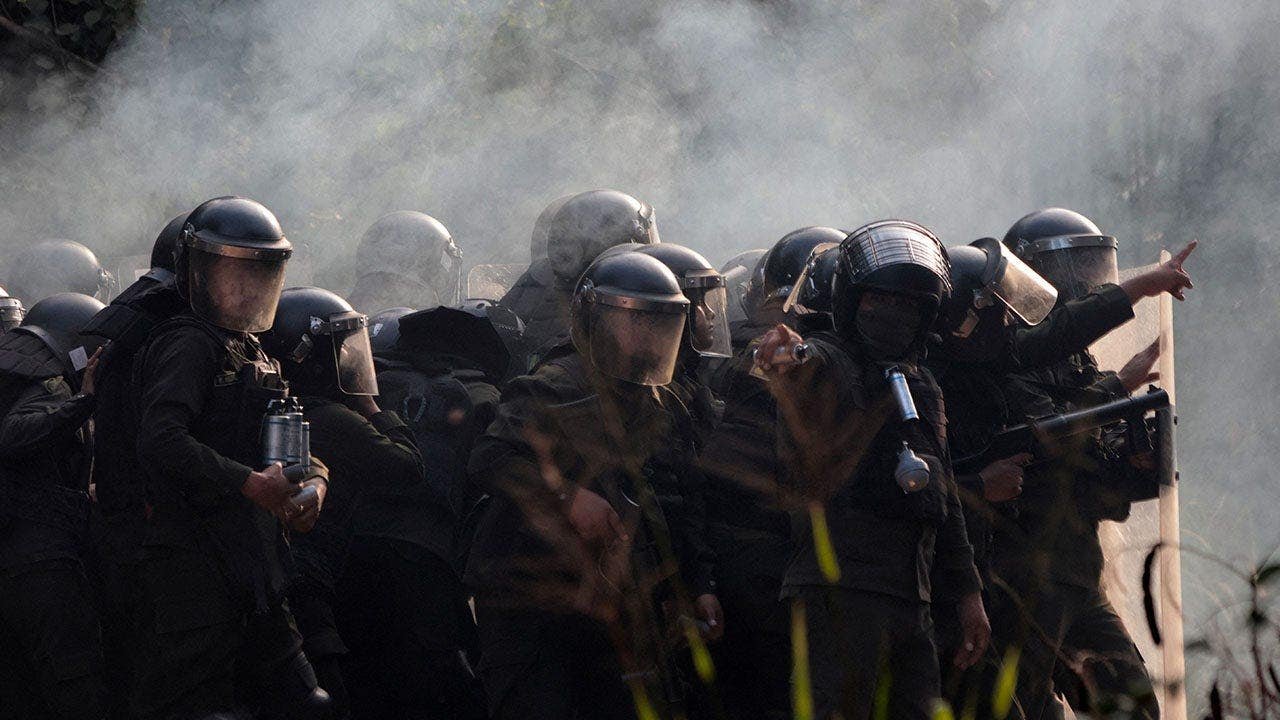
26 June 2024, Bolivia, La Paz: Military police stand amid tear gas fired in front of the presidential palace on Plaza Murillo. (Photo by Radoslaw Czajkowski/picture alliance via Getty Images)
He noted that «for weeks, we sought agreements with various sectors because we believe that, in a democracy, every avenue for mutual understanding must be exhausted before resorting to extraordinary measures.»
He said the state of emergency [state of exception] «was the constitutional last resort to restore freedom of movement, protect critical infrastructure and ensure that Bolivians could once again access essential goods. It was not a measure intended to restrict rights, but rather to protect lives, preserve democracy and restore freedom of movement to millions of citizens.»
PETE HEGSETH WARNS NARCO-TERRORISTS AS US BACKS BOLIVIA’S GOVERNMENT AMID COUP WARNINGS
The turmoil has also had consequences beyond Bolivia’s borders. The country holds some of the world’s largest lithium resources, a key mineral for electric vehicles, batteries and advanced technology supply chains. Competition for influence in resource-rich Latin America has become increasingly important for Washington as China and other global powers expand their presence in the region.
Bolivia’s political crisis reflects a broader trend across Latin America, where voters in the last few election cycles have elected conservatives who challenged the left’s business-as-usual politics and in doing so have taken the continent in a rightward direction.
The socialist Morales remains an influential figure and continues to command support among rural and indigenous groups, keeping Bolivia’s political divisions alive even as the country searches for a path out of the crisis.
Mauricio Ríos García, manager of Crusoe Research and editor of FRACTAL Index in Bolivia, told Fox News Digital, «The 50-day blockades have caused estimated losses of $2.5 billion and the closure of around 13,000 companies. Once the blockades end, a rebound in demand combined with excess liquidity is expected to drive inflation higher.»
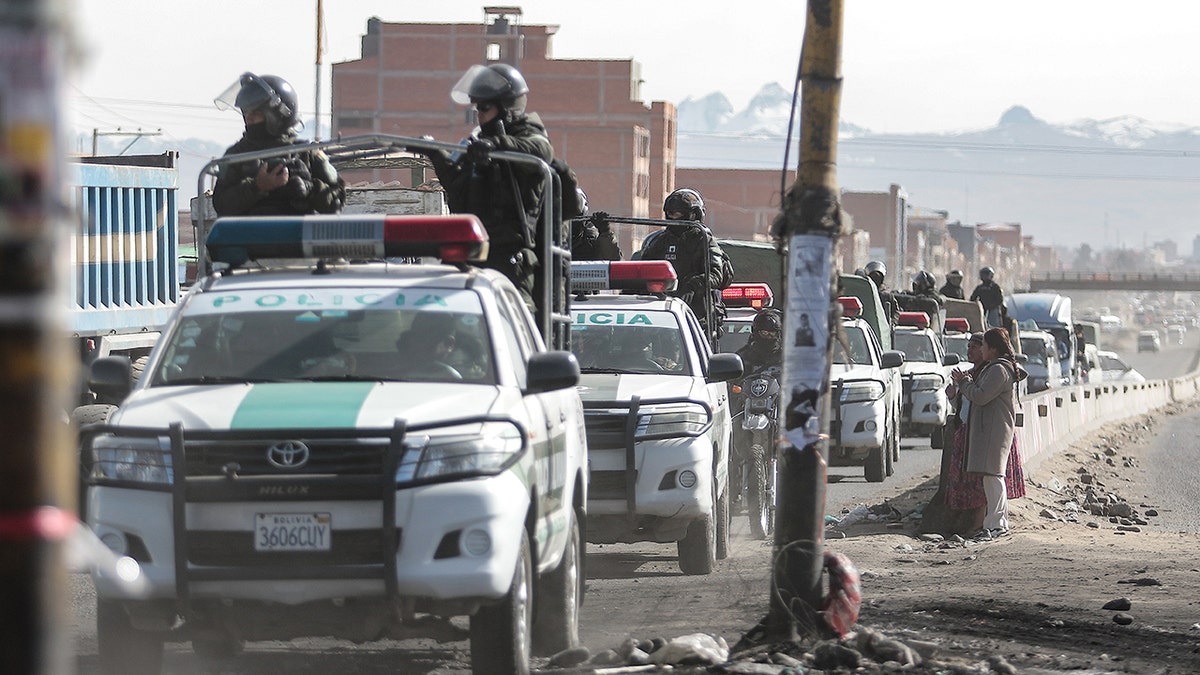
A police convoy clears one of the main highways after Bolivian President Rodrigo Paz declared a state of emergency following 50 days of blockades, in El Alto, Bolivia, on June 20, 2026. (Jorge Mateo Romay Salinas/Anadolu via Getty Images)
Ríos said, «The government is nearing an IMF agreement that would likely include a new devaluation (exchange rate unification) and other adjustments in exchange for financing of around $3.3–5 billion. This marks growing dependence on the IMF and the United States, while the gradualist approach has left the economy with very little room for maneuver and risks further instability.
«Expectations for Bolivia’s economy in the second half of the year have been revised downward. Blockades and deeper structural problems rooted in the government’s gradualist fiscal and monetary policies have worsened the difficult inheritance from the previous administration,» he concluded.
COLOMBIA’S ‘EL TIGRE’ SECURES PRESIDENCY AS LEFTIST RIVAL FINALLY CONCEDES DEFEAT
For Washington, Bolivia’s future represents more than a domestic political dispute. The outcome could influence America’s strategic position in the Western Hemisphere, the future of critical minerals, and whether Latin America’s recent political shift continues moving away from the left-wing movements that dominated parts of the region during the last two decades.
«I am convinced that stability will only endure if it is accompanied by inclusion. There can be no peace where neglect and inequality persist. That is why we are driving a development agenda for historically marginalized regions, particularly the provinces of La Paz, focused on infrastructure, basic services, productive development and the participation of the communities themselves,» Lupo said.
And as the barricades have lessened, Lupo, chief of staff and minister of the presidency of Bolivia, says, «A different phase is now beginning. I believe the country needs a broad political and social agreement involving the government, parliamentary forces, the regions, the productive sector, and civil society. Bolivia needs to pass reforms that provide legal certainty, promote investment, and modernize strategic sectors such as hydrocarbons, mining, lithium, renewable energy and the justice system. Such consensus is essential to restoring confidence, stabilizing the economy and generating sustainable growth.
«I hope to see Bolivia definitively replace confrontation with dialogue, strengthen its institutions, and build a more robust economy characterized by clear rules, democratic stability and greater opportunities for all,» Lupo concluded.
CLICK HERE TO DOWNLOAD THE FOX NEWS APP
The Trump administration had increased emergency humanitarian assistance to help address food and medical shortages caused by weeks of unrest, underscoring U.S. concerns that prolonged instability could have broader implications for regional security and democracy.
latin america, south america, state department, socialism, world protests
INTERNACIONAL
Vuelve el Festival Internacional de Buenos Aires: figuras internacionales, grandes nombres y hasta archivos de la dictadura

“Y esto es toooodoooo”, dice, como un suspiro, Federico Irazábal, semisentado en un escenario junto a Gabriela Ricardes, ministra de Cultura de la Ciudad de Buenos Aires. Esto es toodooo: acaban de anunciar la extensa programación del Festival Internacional de Buenos Aires 2026, que se hará del 9 al 20 septiembre.
La ministra y el Director Artístico del FIBA se dieron algunos gustos en el anuncio: contaron, por ejemplo, que habrá una obra de Bob Wilson, el director teatral vanguardista que en Buenos Aires, vimos, por ejemplo, con Michail Baryshnikov. También danza con el coreógrafo francés Rachid Ouramdane; Dorian, la compañia surcoreana Liquid Sound; más danza con NO/MAS/SACRE, del español Reinaldo Ribeiro; y La Luna en el Amazonas, una obra producida por los colombianos de Mapa Teatro a partir del hallazgo de una comunidad aislada en la gran selva americana. » Es una pieza de teatro documental, una de esas grandes muestras de teatro político contemporáneo», dice Irazábal.
Estrenos mundiales, cooperación entre el Teatro Colón y el San Martín en el marco del festival, circo y, como siempre, muchas producciones nacionales. Una puesta completa después de que, en 2025, se suspendiera el Festival y, en cambio se hicieran charlas de reflexión. “Era momento de sentarnos a discutir. Había cambiado la coyuntura, había cambiado la escena, habían cambiado las lógicas de los viajes, los intercambios culturales y era necesario sentarnos a conversar entre todos”, dice Irázabal.
El Festival abrirá, justamente, con la obra de Bob Wilson -que murió en julio del año pasado- en el Teatro Coliseo. La obra entrelaza la novela El retrato de Dorian Gray, de Oscar Wilde, con las vidas del pintor Francis Bacon y el propio Wilde. “Hay varias obras de Wilson dando vueltas y esta producción lituana tiene mucho, más allá de la sonoridad del idioma, que siempre es una de las grandes perlas del FIBA”, dice Irázabal.
Y el FIBA cerrará, contó Ricardes, con un espectáculo de danza en el Teatro San Martín. Se trata de Contre-nature, del coreógrafo francés Rachid Ouramdane. “Rachid desarrolla una una propuesta absolutamente física ligada entre las artes visuales, la danza profunda y la acrobacia”, dice la ministra. “Es una pieza conmovedora y entre los intérpretes hay argentinos que vuelven después de muchos años, que han sido formados acá”. La obra se trata de la infancia y del envejecimiento. “Necesitamos gente con orígenes ligeramente híbridos, es decir, gente que se sienta igual de a gusto en el aire que en el suelo, todas estas formas de bailar, moverse, proyectarse, que se compartan”, contó hace tiempo el coreógrafo.

Otro de los hitos del festival -es estreno mundial- será Letters, de Diego Aramburo, un artista boliviano que se unió a la suiza Beatrice Fleischlin. “Trabajan sobre el universo de las cartas, de las cartas manuscritas, de las cartas en papel”, dice Irázabal. “Y básicamente lo que hacen es reconstruir el universo de un artista que vive en una gran ciudad y que le escribe cartas a su madre, que cría cerdos en la montaña. Y el de Diego Aramburo, que le escribe a su madre y que le escribe a su hija para tratar de recuperarla porque transicionó. Y la familia de su hija, la madre y los abuelos, no dejan tener contacto a la familia de Diego”.
Tambén estará el acróbata argentino Juan Ignacio Tula con su espectáculo Instante. Tula vive en Francia y los responsables del festival destacan la posibilidad de ver a compatriotas que están fuera del país. “La compañía lo difunde como un espectáculo hipnótico y les aseguro que es un espectáculo hipnótico, francamente uno queda metido dentro de ese disco que no para nunca de girar gracias a las dotes acrobáticas de este maravilloso artista”, dice Irázabal.
Así, con entusiasmo, transcurre la charla. La programación internacional -que estará completa en las páginas del festival- se extiende y en un rato explicarán que se podrán adquirir entradas de manera individual o en abonos. No están decididos los precios pero en el gobierno dejaron saber a Infobae que los espectáculos mayores tendrán tickets “por abajo y por arriba de los 50.000 pesos”, de acuerdo con la ublicación.
La programación, por supuesto, tiene muchísimas obras nacionales. Esta vez, anuncia la ministra, la entrada a ellas no será gratuita. Con esto intentan evitar que se saquen entradas que luego nadie usa y, a la vez, quede gente afuera o haciendo largas colas. No se anunció oficialmente cuánto costarán, pero se estimaba, segun pudo saber Infobae que rondarán los 8.000 pesos.

Entre los puntos destacados de este tramo del festival está la Ópera de los tres centavos (sí, tres) de Gabriel Calderón, una coproducción del Teatro Colón y el Complejo Teatral de Buenos Aires.
También se dará La lluvia de fuego, de Marilú Marini, que ya es un mito del teatro argentino. Y el Teatro Colón presentará Principio de éxtasis de Goyo Montero, inspirado en El Aleph de Jorge Luis Borges.
El Ballet Contemporáneo del Teatro San Martín se hará presente con Rossini Cards, de Bigonzetti. Y se verán Una sombra voraz de Mariano Pensotti, El trabajo, de Federico León y En mitad de tanto fuego de Alejandro Tantanian, entre muchas otras obras.
“Esto es lo que hace a la programación nacional una programación muy variada, muy variada en sus búsquedas, en sus lenguajes, en las edades de los artistas, en las prácticas, en el modo de concebir el teatro, en lo independiente, en lo oficial, en gran formato, pequeño formato, indoor, outdoor. O sea, hay francamente para todos los gustos”, celebra el director del festival.
Finalmente, en el subsuelo de la Casa de la Cultura, habrá una muestra titulada La isla. El Teatro San Martín en Dictaduras, curada por la artista Débora Staiff, que es la hija de Kive Staiff, un histórico director de ese teatro: estuvo al frente de él durante 30 años.

La muestra, contaron se baja justamente en el archivo de Staiff, al que en el ambiente conocían -y conocen- simplemente como “Kive”. Con eso, y los archivos del Teatro, se arma “esta muestra con la posibilidad de entender qué fue lo que pasó en las entrañas del Teatro San Martín durante esos años oscuros, cómo funcionaba la censura, cómo la censura operaba sobre los textos”.
Irázabal adelantó que “vamos a encontrarnos con textos marcados, con textos tachados, por supuesto, con las listas negras de esos artistas que tenían prohibido trabajar. Vamos a encontrarnos con información que fue confidencial hasta hace muy poquito tiempo y que ahora la vamos a poder tener, la vamos a poder ver. Vamos a poder comprender una parte de nuestra historia, de nuestra historia de las artes escénicas. Con muchísimo dolor, por supuesto, pero siempre viene bien mirarlo de frente y entender cómo operó esa zona tan oscura de nuestro país, que no abarca únicamente a la última dictadura, sino que arranca con Onganía y recorre todo ese largo periodo y triste periodo”.
Las entradas a las obras internacionales estarán a la venta en la web del Festival desde este 15 de julio. Y, para las nacionales, desde el 23.
NEWYou can now listen to Fox News articles!
It’s been nearly four decades since a Democrat won a U.S. Senate election in reliably red Texas.
But a new poll suggests that Democrats have a good shot this year of breaking their long losing streak.
Democratic Senate nominee James Talarico and Republican nominee Ken Paxton, the longtime state attorney general, are tied at 47% support among likely voters in Texas, according to a New York Times/Siena survey released on Tuesday.
Paxton, who defeated longtime GOP incumbent Sen. John Cornyn in last month’s Republican nomination runoff election just days after landing the backing of President Donald Trump, is facing off against Talarico, a state representative considered a rising star in the Democratic Party, in a midterm race that is among a handful that will likely determine if the Republicans hold their slim Senate majority.
MAGA TRIUMPH: PAXTON TOPS CORNYN IN BATTLE FOR GOP SENATE NOMINATION
Texas Attorney General Ken Paxton, Republicans’ Senate nominee, speaks during a runoff election night event in Plano, Texas, on May 26, 2026. (Antranik Tavitian/Bloomberg via Getty Images)
The poll points to some troubling signs for Paxton, who has faced a slew of scandals and legal problems that have battered him over the past decade. In 2023, the Texas House of Representatives voted to impeach Paxton, but he was eventually acquitted of all charges by the state Senate. And Paxton is dealing with a messy divorce, with his wife Angela, a state senator, citing «biblical grounds» based on «recent discoveries» in filing last year to end their marriage.
According to the poll, fewer than four in 10 respondents said Paxton has good character or the right kind of moral values. And half said Paxton, a MAGA firebrand and one of the leaders of the legal effort to overturn Trump’s 2020 presidential election loss, is too extreme.
Also problematic for Paxton is that his support, at 47%, is below the 50% of respondents who said they preferred Republicans to control the Senate next year.
The poll also shows Talarico winning the support of 61% of Hispanic — voters less than two years after Trump carried the Hispanic vote in Texas in the last presidential election — and leading the 63-year-old Paxton by 27 points among independents.
THE TEN RACES THAT WILL DETERMINE THE SENATE’S MAJORITY
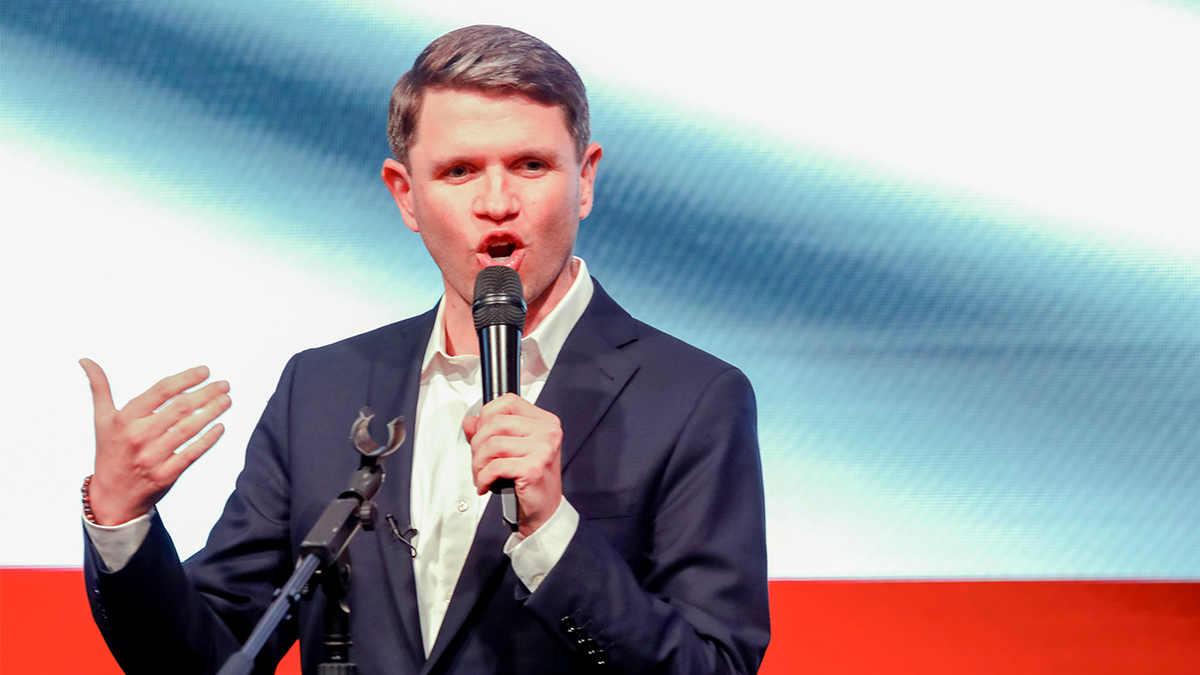
Democratic Senate candidate James Talarico addresses supporters at a rally in Houston. (F. Carter Smith/Bloomberg via Getty Images)
And the survey spotlights a massive gender gap, with Talarico winning female votes by 18 points and Paxton ahead among male voters by the same margin.
Talarico, a 37-year-old former middle school teacher and Presbyterian seminarian who topped progressive firebrand and vocal Trump critic Rep. Jasmine Crockett in the March Democratic Senate primary, has emerged as the top Democratic fundraiser in Senate races, hauling in a massive $27 million in the first three months of this year.
But Republicans have repeatedly targeted Talarico, spotlighting his past controversial comments, including suggesting that «God is nonbinary» or that there are six biological sexes.
TRUMP ROASTS DEM CANDIDATE AS UNELECTABLE FOR CARDINAL SIN IN TEXAS
In his victory speech last month, Paxton mocked the Democratic nominee as «tofu Talarico,» «six-gender Jimmy,» «James Talafreako» and «low-T Talarico.»
And he said in a Fox News Digital interview after winning the nomination: «James Talarico doesn’t belong in Texas. We cannot let him be the center of the state of Texas. He fits in California. He does not fit here.»
The poll suggests the Democratic Party brand may impede Talarico, with a majority of respondents seeing Democrats as too far to the left.
DEMOCRACY ’26: STAY UP TO DATE WITH THE FOX NEWS ELECTION HUB
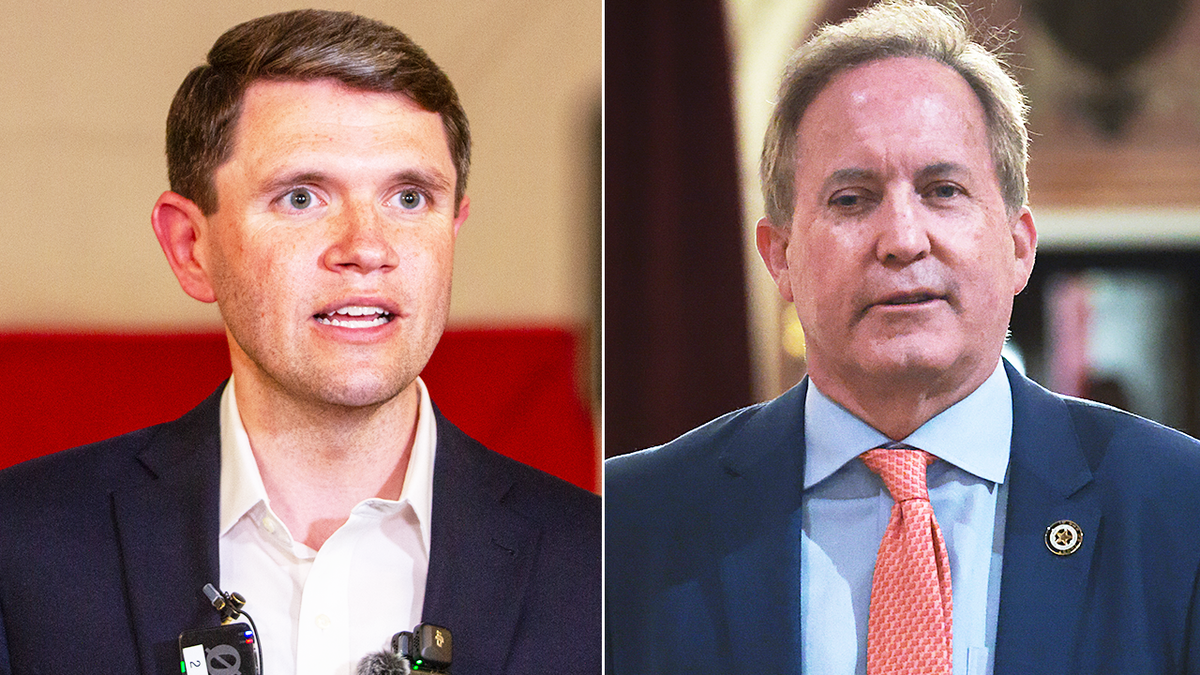
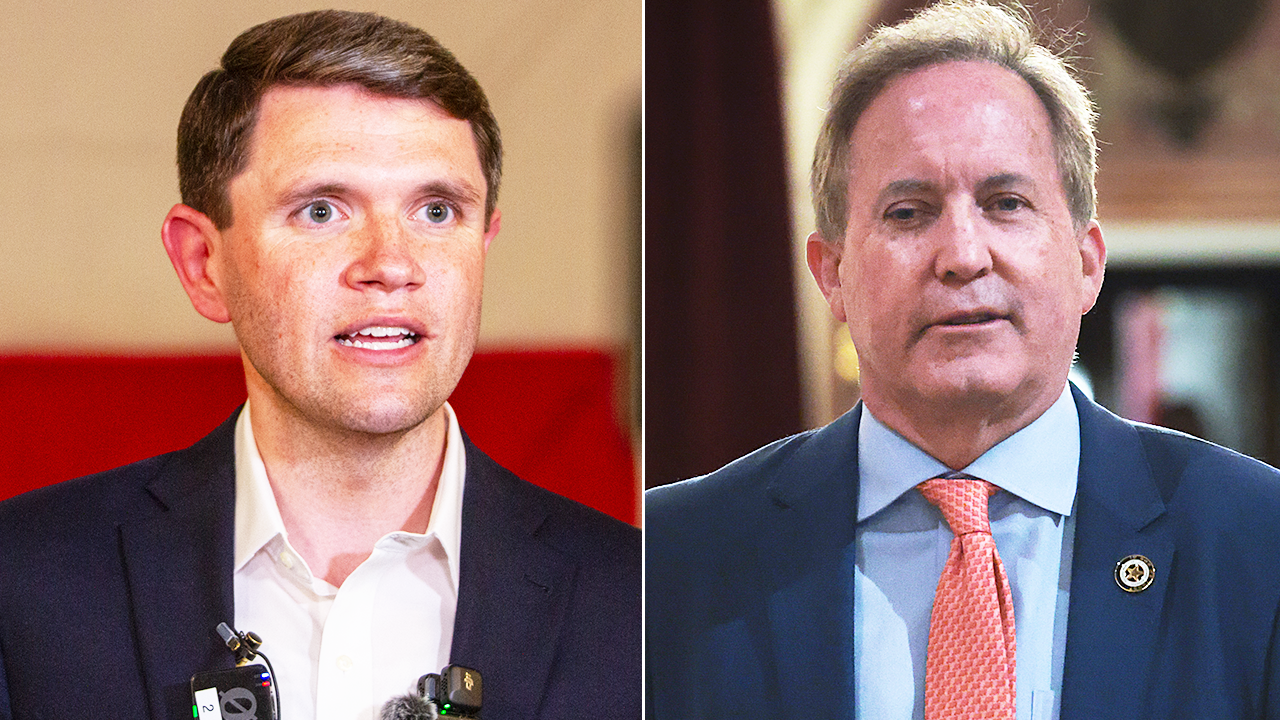
Democratic Texas State Rep. James Talarico, left, and longtime Attorney General Ken Paxton are facing off this year in a crucial Midterm Election showdown in the race to succeed GOP Sen. John Cornyn. (Alberto Silva Fernandez/Anna Moneymaker/Getty Images)
And following a divisive primary with Crockett, who is Black, the poll indicates that 12% of Black voters have a negative opinion of Talarico, who is White.
CLICK HERE TO DOWNLOAD THE FOX NEWS APP
But likely helping Talarico is the economy.
Sixty percent of those questioned gave a thumbs down to how Trump was handling cost-of-living issues, which will do Paxton no favors.
It’s no surprise: Talarico is highlighting economic concerns over soaring prices, saying in a new ad as he walks out of a grocery store that «too many Texans feel like they’re drowning.»
democrats elections, republicans elections, senate, polls, texas, elections

El dólar subió 5% en junio y le ganó a la inflación por primera vez desde octubre de 2025

Bianco anticipó que la provincia de Buenos Aires reclamará a Santilli las “deudas” de la Nación: “Nos borraron del mapa”

Jesica Cirio pidió que el video de los dólares en el vestidor no sea usado como prueba

Un grupo de hinchas paraguayos sufrieron el apagón de la transmisión durante el Paraguay vs Alemania

La funcionaria que le prestó su tarjeta a Adorni declaró que él también habría intentado comprarse un Smart TV

Río Negro: La Libertad Avanza gana músculo partidario y suma a un ex Pro al armado patagónico

El punto de quiebre que sentó la suerte de Manuel Adorni y los preparativos que hace el Gobierno ante su inminente salida

La bomba de Nico Occhiato tras el escándalo de Florencia Peña con Messi: “Lo más groso que pudimos haber logrado”

Cómo ganar $20 millones con Mercado Pago: el paso a paso para quienes cobran ANSES

Una escena estremecedora: el dato más doloroso de los minutos posteriores a la muerte de Ernestina Pais

 CHIMENTOS3 días ago
La bomba de Nico Occhiato tras el escándalo de Florencia Peña con Messi: “Lo más groso que pudimos haber logrado”
- POLITICA3 días ago
Manuel Adorni renunció después de tres meses de escándalo por su patrimonio
- POLITICA2 días ago
Exigen que Adorni renuncie a su cargo en el directorio de YPF