INTERNACIONAL
Who is Turkey’s Erdoğan? How NATO’s most unpredictable leader keeps reinventing himself

NEWYou can now listen to Fox News articles!
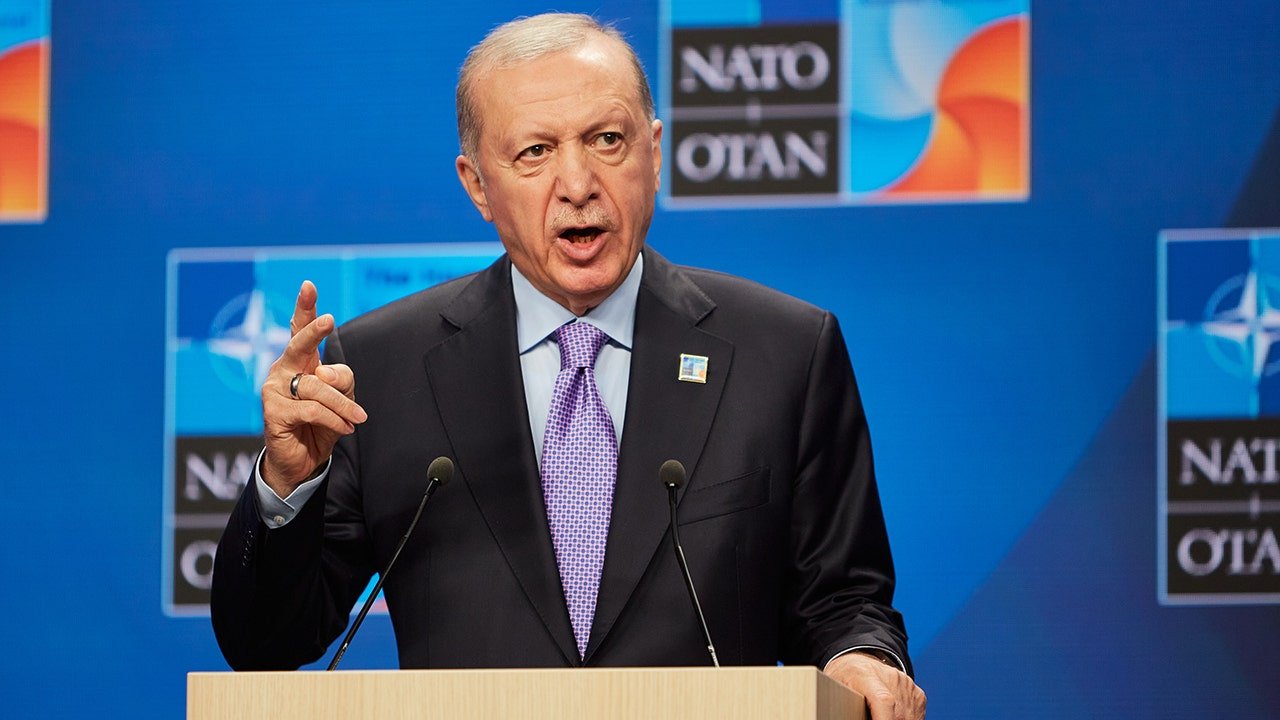
As President Donald Trump heads to Ankara, Turkey, for the upcoming NATO summit, Turkish President Recep Tayyip Erdoğan is again at the center of alliance politics.
Trump has praised Erdoğan as «a friend» and «a respected leader,» underscoring a relationship that could shape defense talks between Washington and Turkey, including Turkey’s long-running effort to restore deeper military cooperation.
The moment highlights the remarkable position Erdoğan occupies today: Once regarded as one of NATO’s most troublesome allies after taking delivery of the Russian S-400 missile defense system in 2019, Turkey has become increasingly difficult for the alliance to sideline as the war in Ukraine drags on, instability grips the Middle East and the Black Sea grows more strategic.
For many, however, Erdoğan remains an enigma. Rather than being driven by a fixed worldview, experts argue, Erdoğan repeatedly has reinvented himself politically, adopting whichever ideology best serves his overriding objective: remaining in power.
TURKEY DETAINS OVER 200 SUSPECTS, INCLUDING ALLEGED ISIS MILITANTS, IN SWEEPING RAID AHEAD OF NATO SUMMIT
As President Donald Trump heads to Ankara, Turkey, for the upcoming NATO summit, Turkish President Recep Tayyip Erdoğan is again at the center of alliance politics. (Pierre Crom/Getty Images)
Erdoğan has ruled Turkey for more than two decades, evolving from an Istanbul mayor with Islamist roots into a pro-European reformer, then a nationalist strongman, and now a pivotal NATO power broker courted by Trump.
To supporters, he restored Turkey’s global stature. To critics, he hollowed out its democracy while jailing rivals, journalists and activists. But Erdoğan’s most defining trait, experts say, may be less ideology than survival.
Is he an Islamist? A nationalist? A Western ally? A Russian partner? An authoritarian?
Perhaps the most important thing to understand about Erdoğan is that he has been all of those things — at different moments, according to Gönül Tol, founding director of the Middle East Institute’s Turkey Program and author of «Erdoğan’s War: A Strongman’s Struggle at Home and in Syria.»
«He’s not an ideological man,» Tol told Fox News Digital. «He’s very pragmatic, first and foremost a populist.»
SIX KURDISH FIGHTERS KILLED IN IRGC AMBUSH AS CLASHES SPREAD ACROSS WESTERN IRAN
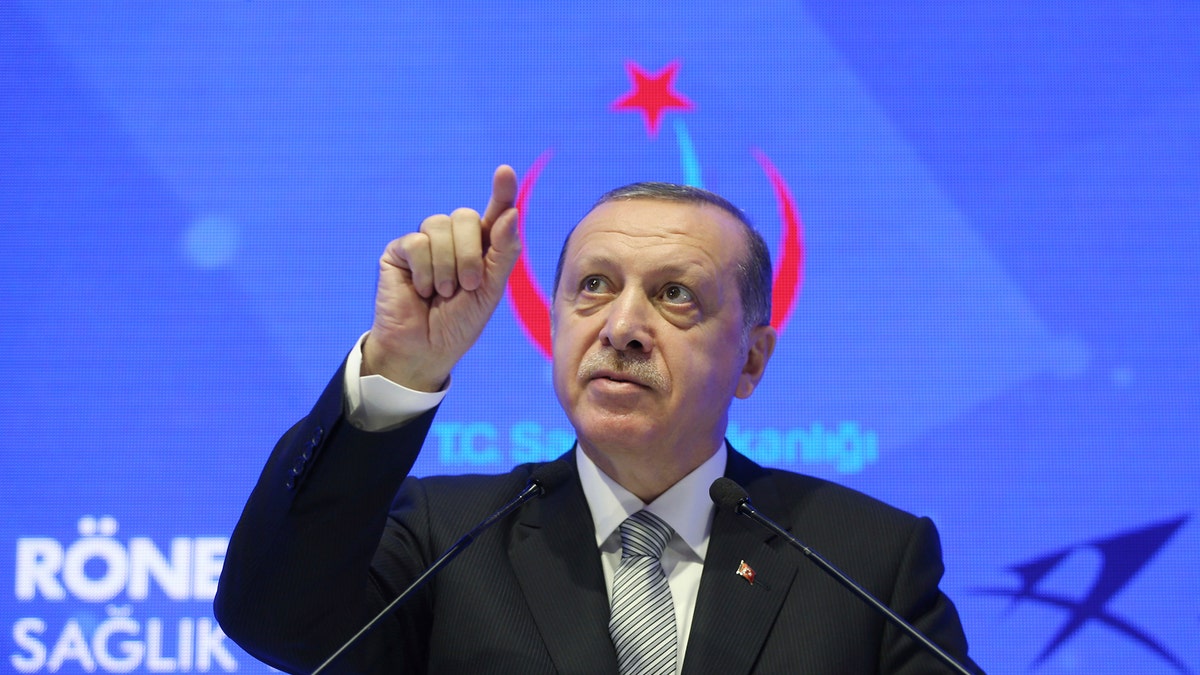
Turkish President Recep Tayyip Erdoğan remains an enigma for many. (AP)
The Conservative Democrat
Erdoğan’s roots lie in Turkey’s Islamist political movement. Educated at an Imam Hatip religious school, he entered politics through National Outlook, a right-wing Islamist movement founded by Necmettin Erbakan, and eventually became mayor of Istanbul as a member of Erbakan’s Welfare Party.
But after founding the AKP, or Justice and Development Party, in 2001, Erdoğan abandoned the Islamist label, presenting himself instead as a «conservative democrat» committed to economic reform and closer ties with Europe — a shift that experts say marked the first of several political reinventions.
When Erdoğan and his Justice and Development Party first swept to power in 2002, Turkey was seeking membership in the European Union, military influence over politics was shrinking, and Erdoğan promised democratic reforms, economic modernization and closer ties with the West.
Many liberals and centrists initially supported him.
«He often said, ‘I’m not an Islamist anymore. I’m a conservative democrat,’» Tol said. «And that brand really served him well.»
Those early years transformed both Turkey’s economy and Erdoğan’s popularity.
TRUMP BETS ON FORMER NATO TROUBLEMAKER AS TURKEY’S STRATEGIC VALUE SURGES
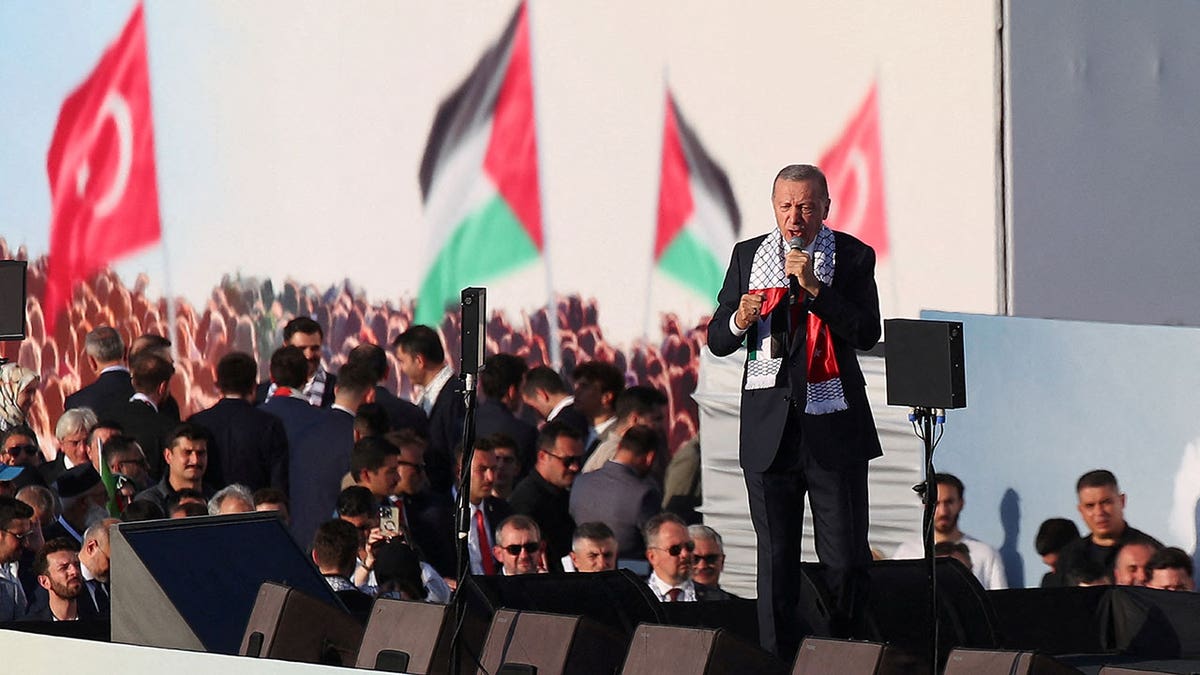
Many liberals and centrists initially supported Turkish President Tayyip Erdoğan. (Dilara Senkaya/Reuters)
The Islamist
After consolidating power, Erdoğan began another political transformation.
Following the Arab Spring in 2011, he increasingly portrayed himself as a champion of political Islam, backing Islamist movements across the Middle East while presenting himself domestically as the defender of Turkey’s conservative religious majority.
«He wanted to inject more Islam into public life, into education,» Tol said. «He was using this more Islamist narrative… the goal was always to acquire more power.»
That anti-Western turn went beyond rhetoric.
In 2016, Erdoğan accused the U.S.-led coalition of supporting terrorist groups in Syria, including ISIS and Kurdish militias that Turkey considers terrorist organizations— an allegation the State Department dismissed as «ludicrous,» according to Reuters.
His increasingly vocal support for Hamas and sharp criticism of Israel became defining features of his foreign policy.
«The perpetrators of the massacre and the destruction taking place in Gaza are those providing unlimited support for Israel,» Erdoğan said in 2023, adding that Israel’s attacks and those backing them amounted to «murder and mental illness,» according to Reuters.
Tol cautions against viewing those positions alone as evidence that Erdoğan remains primarily motivated by Islamism.
«Anti-Israel sentiment cuts across ideological lines in Turkey,» she said, arguing that Erdoğan’s foreign policy has consistently reflected political calculation more than religious doctrine.
TRUMP’S TURKEY ARMS SALE PROPOSAL SPARKS CONGRESSIONAL QUESTIONS BEFORE NATO SUMMIT
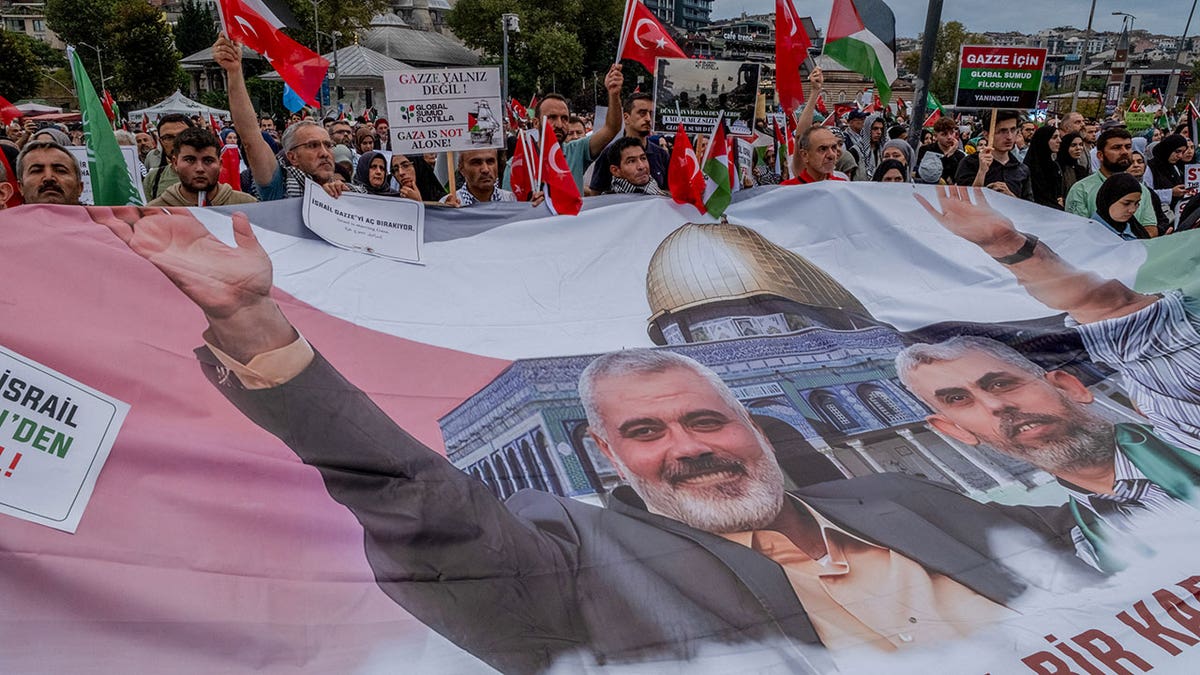
Protesters carry a banner with pictures of the slain Hamas leaders Ismail Haniyeh and Yahya Sinwar. (Murat Kocabas/SOPA Images/LightRocket via Getty Images)
The nationalist strongman
As Turkey’s economy slowed and regional ambitions faltered, Erdoğan pivoted once again.
He embraced Turkish nationalism, built alliances with hardline nationalist parties and cultivated the image of an indispensable strongman capable of restoring Turkey’s historical influence.
Supporters credit him with transforming Turkey into a regional power.
«He does have genuine support,» Tol said, estimating his support at roughly 35%.
Some supporters depend on government assistance and patronage networks built under his rule. Others believe Erdoğan restored dignity to conservative religious Turks who long felt marginalized by the country’s secular establishment.
Still others view his increasingly assertive foreign policy as proof Turkey has reclaimed its place on the world stage.
«They think, ‘We have become a world-class nation,’» Tol said. «‘Everyone is praising our president. Turkey is a big player.’»
While Erdoğan continues to command a loyal political base, critics say the price has been Turkey’s democratic institutions.
Authorities increasingly have used courts and criminal investigations to sideline political opponents, including Istanbul Mayor Ekrem İmamoğlu, whose arrest earlier in 2026 triggered nationwide demonstrations, according to Human Rights Watch.
The organization says the government has intensified efforts to weaken Turkey’s main opposition party despite its strong performance in the 2024 municipal elections.
TRUMP’S PERSONAL FEUDS WITH ALLIES FROM ITALY TO ISRAEL REVEAL HOW PERSONALITY DRIVES HIS FOREIGN POLICY
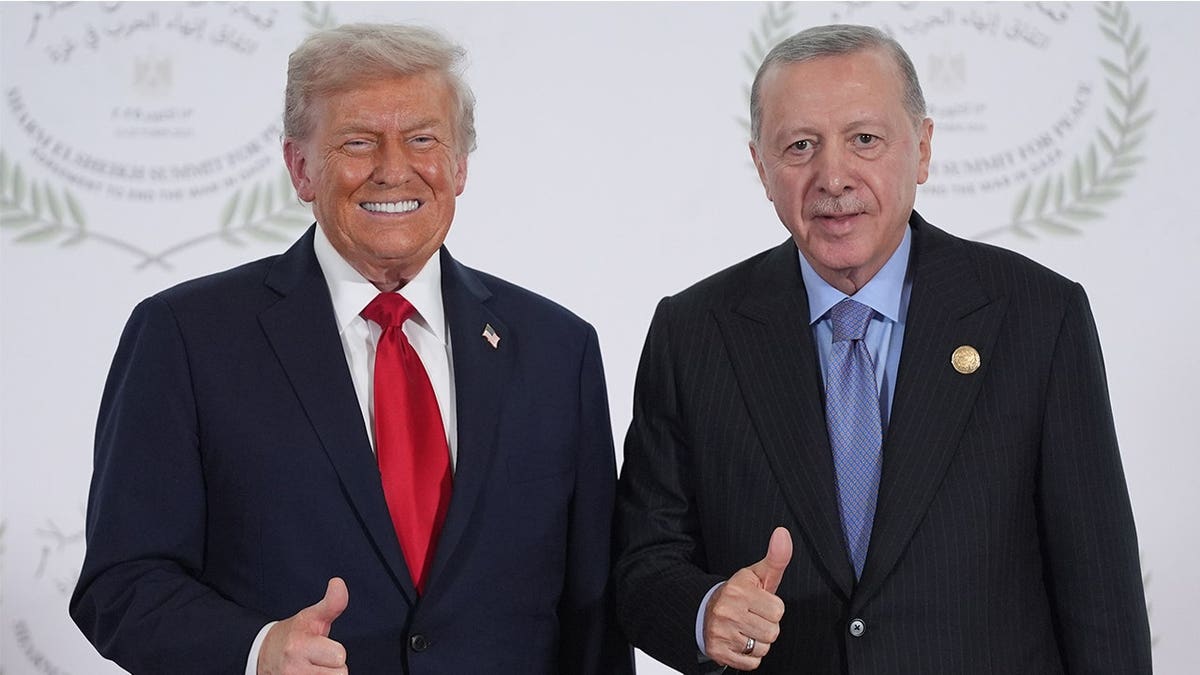
President Donald Trump greets Turkey’s President Recep Tayyip Erdogan during a summit to support ending the war in Gaza, Oct. 13, 2025, in Sharm El Sheikh, Egypt. (Evan Vucci AP Photo/ Pool)
The NATO dealmaker
Today, Erdoğan finds himself in another political transformation.
After years of anti-Western rhetoric and disputes with Washington, Turkey has worked to repair relations with the United States and Europe.
That rhetoric was once central to Erdoğan’s posture.
He accused the U.S.-led coalition in Syria of supporting terrorist groups, blasted Washington’s sanctions over Turkey’s purchase of the Russian S-400 missile defense system, calling them a «hostile attack» on Turkey’s sovereign rights and defense industry, and repeatedly accused Western governments of enabling Israel’s war in Gaza.
The shift comes as Turkey’s strategic importance has grown dramatically.
The S-400 purchase remains at the center of one of the biggest unresolved disputes between Washington and Ankara. After Turkey took delivery of the Russian system in 2019, the U.S. expelled Turkey from the F-35 fighter jet program and later imposed sanctions on Turkey’s defense procurement agency.
Former U.S. Ambassador to Turkey James Jeffrey recently told Fox News Digital that restoring Turkey to the F-35 program remains far more complicated than other defense deals because operating the Russian-made S-400 alongside America’s most advanced stealth fighter could expose sensitive U.S. technology.
«The F-35 is a different issue,» Jeffrey said, arguing that the problem is technical, not merely political.
Turkey controls the Bosporus and Dardanelles, fields NATO’s second-largest military and plays a critical role in the Black Sea following Russia’s invasion of Ukraine.
Jeffrey said that Turkey has been «essential to Ukraine staying in the fight,» pointing to Turkey’s enforcement of the Montreux Convention, a 1936 treaty that gives Turkey control over naval passage through the Bosporus and Dardanelles straits, its early delivery of Bayraktar drones to Ukraine, and its role as a mediator between Kyiv and Moscow.
«You can’t contain Russia in the Black Sea without Turkey,» Jeffrey said.
For Tol, however, Erdoğan’s latest embrace of NATO is simply another example of his political flexibility.
«There was a time when he was very anti-Western, very critical of NATO, very critical of the United States,» she said.
«And now look at him.»
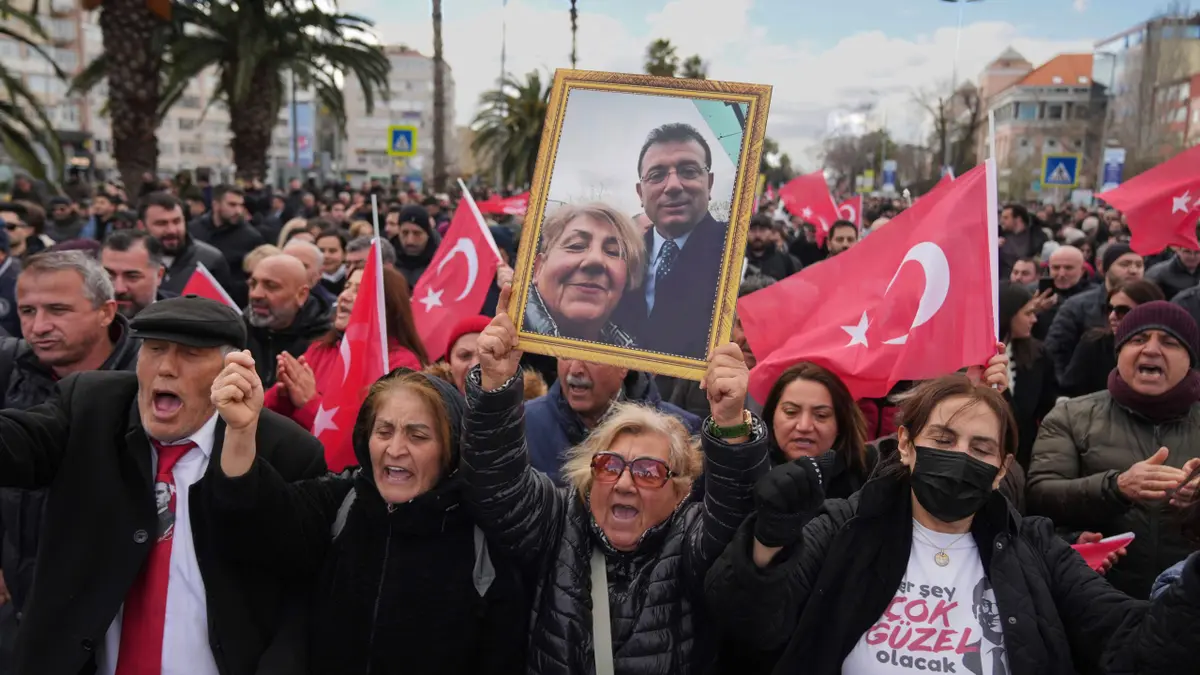
People chant slogans as they protest the arrest of Mayor Ekrem Imamoglu in Istanbul, Turkey, March 19, 2025. (Francisco Seco/The Associated Press )
Growing criticism
Human Rights Watch argues Erdoğan has used Turkey’s growing importance to NATO as political cover while expanding pressure on journalists, activists and opposition figures.
Freedom House says Erdoğan has become «increasingly authoritarian» over the past decade, consolidating power through constitutional changes and the imprisonment of political opponents, independent journalists and civil society figures.
Turkey’s prisons held more than 420,000 inmates — far exceeding their official capacity of roughly 304,000, according to a June 2026 report citing Turkish Justice Ministry figures.
NATO allies have grown quieter on Turkey’s rights record as Ankara’s strategic value has risen, Reuters reported ahead of the summit, with former U.S. Ambassador David Satterfield saying it remains important for the West to speak publicly about the «degradation of democratic institutions in Turkey.»
Tol believes Erdoğan’s domestic agenda can be understood through a single principle.
CLICK HERE TO DOWNLOAD THE FOX NEWS APP
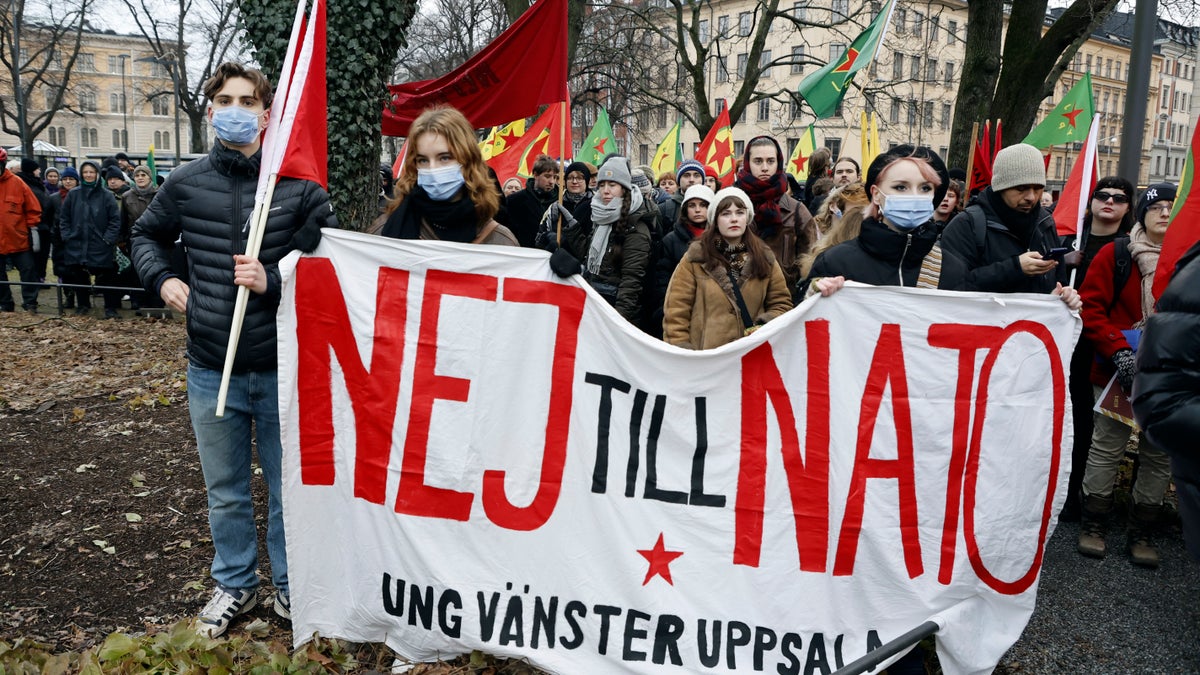
People take part in a demonstration against Turkish President Recep Tayyip Erdogan and Sweden’s NATO bid arranged by The Kurdish Democratic Society Center in Sweden, in Stockholm, Jan. 21. 2023. (Christine Olsson/TT via AP)
«Everything is designed to keep him in power,» she said. «Beyond that, I don’t see a binding ideology that brings together all his policies.»
As Trump heads to Turkey, that may be the key to understanding one of NATO’s most consequential — and unpredictable — leaders.
Fox News Digital reached out to the Turkish government for comment.
Fox News Digital’s Morgan Phillips and Reuters contributed to this report.
turkey, nato, donald trump









INTERNACIONAL
Tras fallo sobre el TPS, Defensoría llama a hondureños a fortalecer trámites consulares
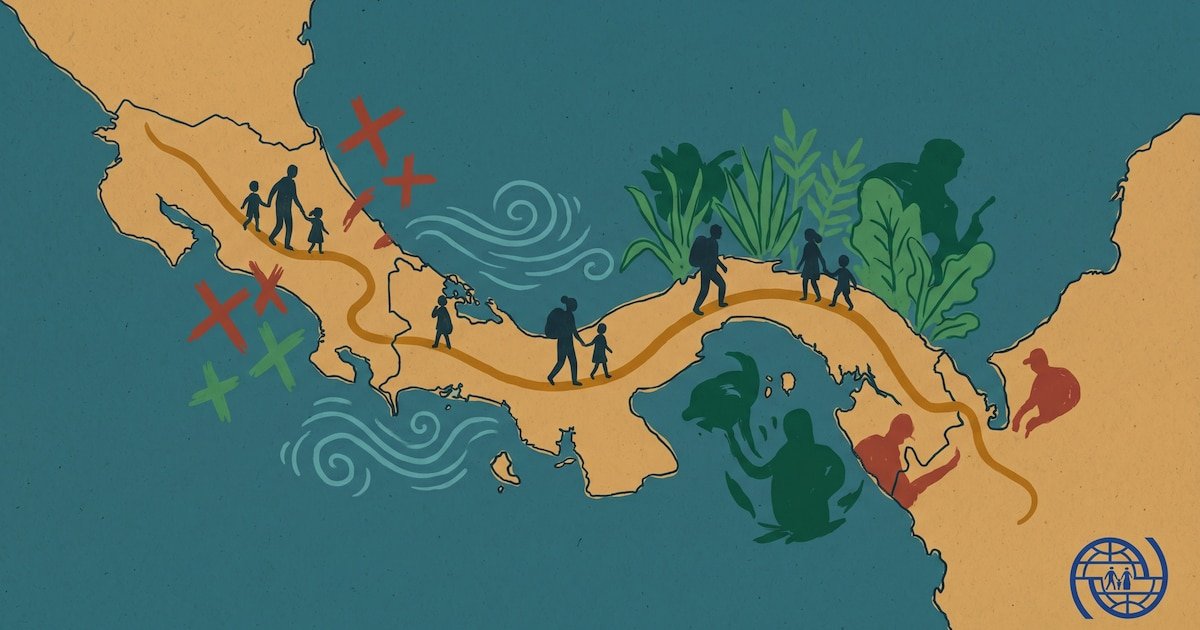
La doble nacionalidad de hijos de hondureños nacidos en Estados Unidos puede facilitar trámites si las familias deben regresar a Honduras.
La coordinadora de la Defensoría de Movilidad Humana del CONADEH, Elsy Reyes, pidió acudir a los consulados para hacer el registro correspondiente y obtener ese reconocimiento.
Según explicó, este procedimiento puede facilitar diversos trámites en caso de que las familias deban regresar al país y evitar complicaciones legales relacionadas con la documentación de los niños.
La funcionaria señaló que ya se han conocido casos de padres que enfrentan dificultades durante procesos de retorno porque sus hijos no cuentan con la documentación necesaria para viajar o establecerse en Honduras.
El llamado surgió después de que la Corte Suprema de Estados Unidos determinara que las decisiones del Departamento de Seguridad Nacional relacionadas con la terminación del TPS no pueden ser revisadas por tribunales federales.
Aunque el caso analizado correspondía a ciudadanos de Haití y Siria, el criterio adoptado por el máximo tribunal también alcanza a las demás designaciones vigentes del programa, incluida la de Honduras.

Para el CONADEH, este escenario reduce las alternativas legales disponibles para quienes buscan mantener esa protección migratoria.
Ante este panorama, la institución nacional de derechos humanos solicitó al Gobierno hondureño reforzar la atención que brindan los consulados en Estados Unidos.
Entre las acciones planteadas figuran agilizar la emisión de pasaportes, facilitar el registro civil de menores nacidos en territorio estadounidense y ampliar la orientación legal para las familias que enfrentan procesos migratorios.
El organismo considera que una respuesta oportuna permitirá reducir el impacto que podrían enfrentar miles de connacionales en caso de cambios en su estatus migratorio.
Además de fortalecer la red consular, el CONADEH recomendó que el Estado prepare estrategias de reintegración para los hondureños que eventualmente retornen al país.
La institución señaló que estas personas podrían requerir oportunidades de empleo, acceso a programas sociales, acompañamiento comunitario y atención psicológica para enfrentar las consecuencias derivadas de la migración y la separación familiar.
Dicha organización indicó que no todos los hondureños beneficiarios del TPS tienen previsto regresar a Honduras; sin embargo, considera necesario que el país cuente con mecanismos de respuesta ante cualquier eventualidad.

También advirtió que la incertidumbre migratoria no solo tiene implicaciones legales, sino también emocionales y económicas para miles de familias que durante años han construido su vida en Estados Unidos.
Así mismo, el acompañamiento consular cobra especial relevancia en momentos de cambios en las políticas migratorias, ya que las oficinas diplomáticas pueden orientar a los connacionales sobre la renovación de documentos, asistencia legal básica y protección de sus derechos.
La institución asegura que todos los connacionales deben mantenerse informado a través de canales oficiales es fundamental para evitar fraudes o desinformación relacionada con el TPS y otros procesos migratorios.
No obstante, el registro de doble nacionalidad también facilita el acceso de los menores a derechos como la identidad, la educación y los servicios públicos en Honduras, en caso de que la familia decida establecerse en el país. Además, permite realizar trámites migratorios y administrativos con mayor agilidad, reduciendo obstáculos legales durante procesos de reunificación familiar o retorno.
viaje internacional,menores de edad,autorización de viaje,aeropuerto,Perú,migraciones
NEWYou can now listen to Fox News articles!
An island-wide blackout plunged Cuba into darkness Monday as the country’s deepening energy crisis continues to strain its fragile power system.
The outage affected roughly 10 million people before limited electricity service was restored in some areas.
«A total disconnection of the National Electric Power System is occurring,» Cuba’s state-run Electric Union said Monday morning. «The causes are being investigated.»
Cuba has faced increasingly frequent power outages in recent years as the country struggles with chronic fuel shortages and deteriorating electrical grids. The crisis worsened when President Donald Trump imposed additional sanctions in January and threatened tariffs on countries that provide oil to the island.
MILLIONS LOSE POWER ACROSS CUBA AS TRUMP SANCTIONS CONTINUE TO FUEL ONGOING ENERGY CRISIS
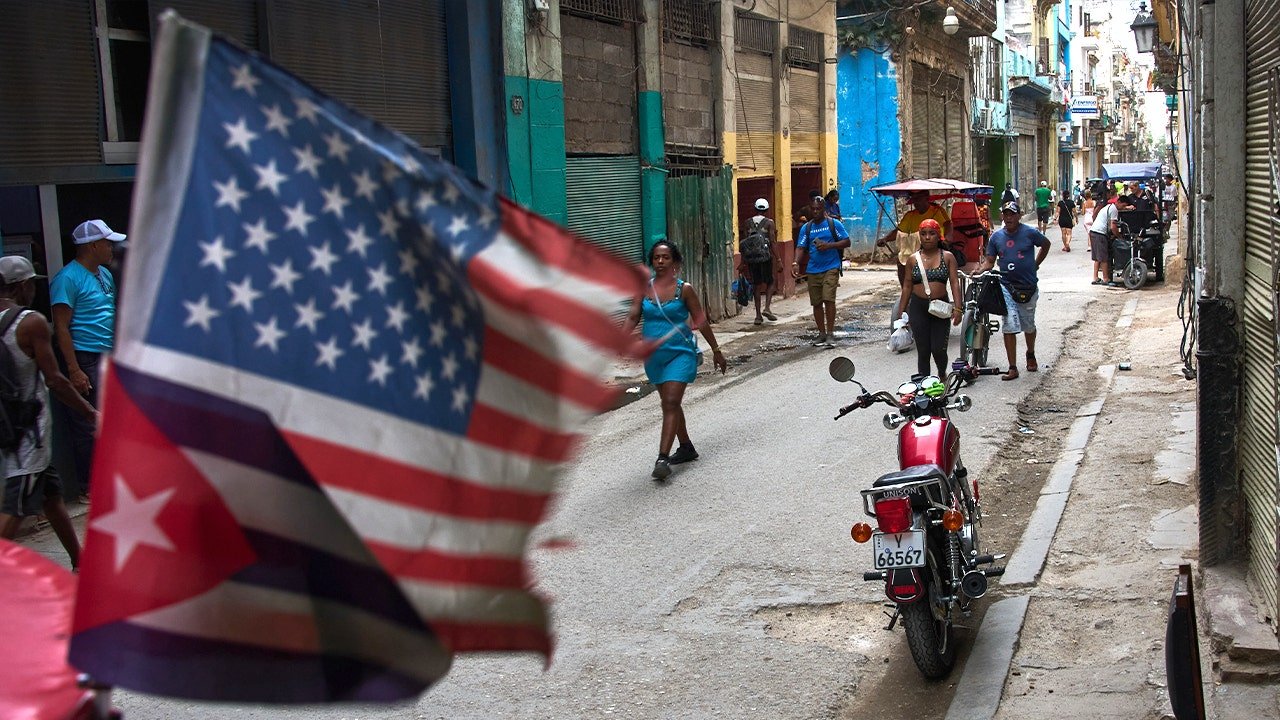
People walk on the street during a blackout in Havana, Cuba, Monday, July 6, 2026. (Ramon Espinosa)
During Monday’s blackout, public transportation was largely halted, and officials said tens of thousands of surgeries were canceled nationwide, according to The Associated Press (AP).
Authorities later said one generating unit had resumed operations roughly two hours after the collapse.
«Microsystems are already operational throughout the country, to ensure protection for vital services,» the Electric Union said.
RUSSIAN ‘DARK FLEET’ TANKER BELIEVED TO BE DELIVERING OIL TO CUBA, DETECTED OFF US COAST AMID TRUMP BAN
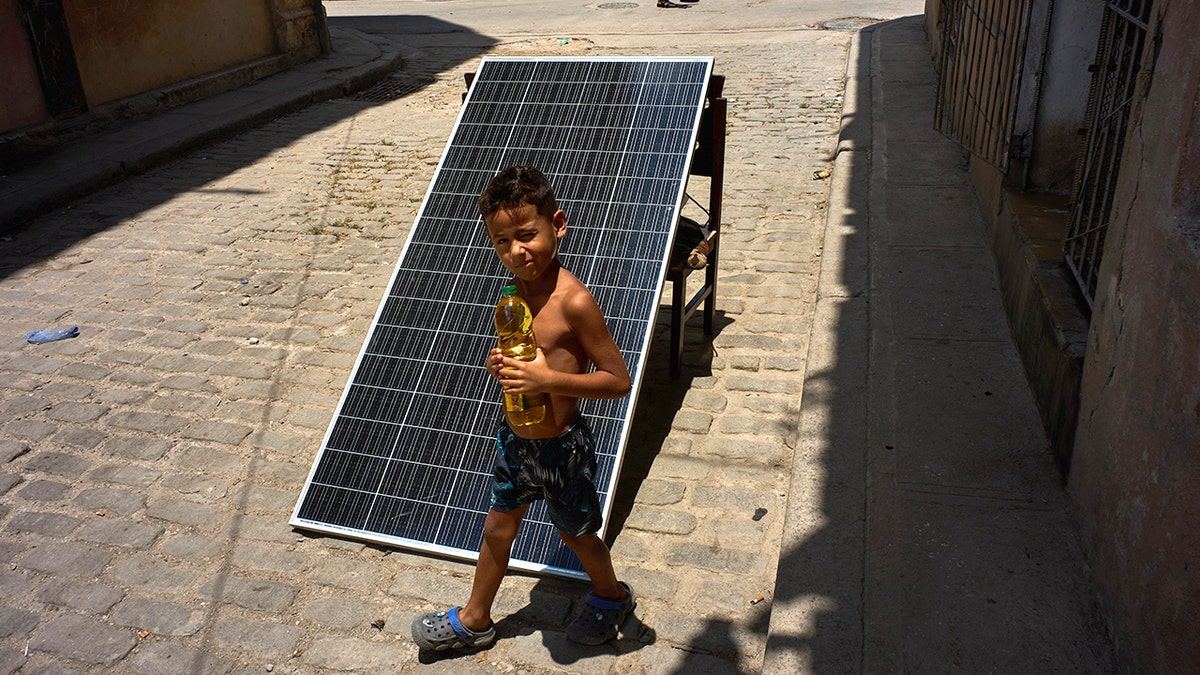
A child walks with a bottle of oil past a solar panel set up on the street to charge batteries during a blackout in Havana, Cuba, Monday, July 6, 2026. (Ramon Espinosa)
The energy minister said officials were working to restore power while accusing the U.S. of contributing to Cuba’s energy struggles.
«Vital services continue to be protected, amidst this complex situation exacerbated by the energy blockade we face,» Vicente de la O Levy said.
Cuban President Miguel Díaz-Canel also blamed U.S. policies, describing the energy blockade as a «genocidal» measure imposed by Washington.
«While the U.S. tries to induce a social explosion through asphyxiation by blocking fuel access to #Cuba, the UNE mobilizes to reverse the SEN outage,» Díaz-Canel said, referring to Cuba’s National Electric Power System.
«What the electrical workers are doing in the midst of a genocidal energy blockade is heroic.»
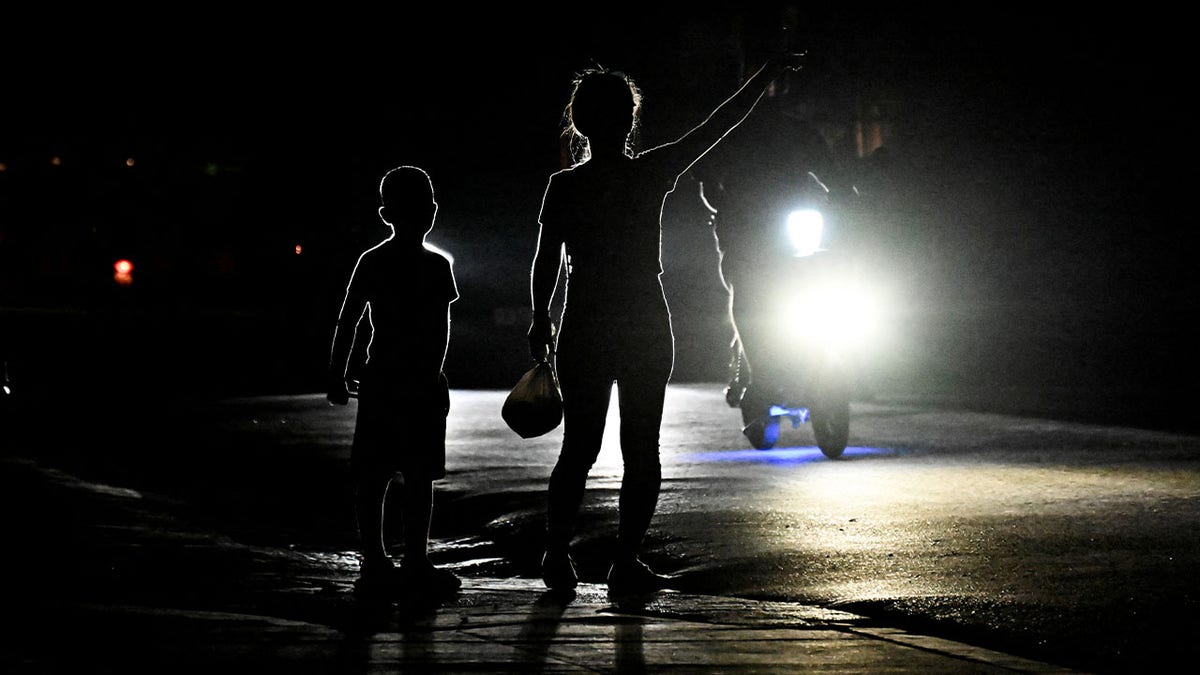
A woman with her son signals a car on a dark street during a blackout in Bauta municipality, Artemisa province, Cuba, on March 18, 2024. (YAMIL LAGE/AFP via Getty Images)
CLICK HERE TO DOWNLOAD THE FOX NEWS APP
Cuba’s energy crisis intensified earlier this year after a U.S. military operation captured Venezuelan President Nicolás Maduro and halted Venezuelan oil exports, cutting off a key source of fuel for the island.
While Cuba produces only about 40% of the fuel it needs, a Russian tanker delivered roughly 730,000 barrels of oil to the country in March, supplies that were depleted by the end of April, according to The AP.
To conserve fuel, the Cuban government has imposed scheduled power outages that have lasted more than 24 consecutive hours in some areas, the outlet said.
A blackout in early March affected Cuba’s western provinces, while a separate outage in mid-March plunged the entire island into darkness.
cuba, energy, sanctions
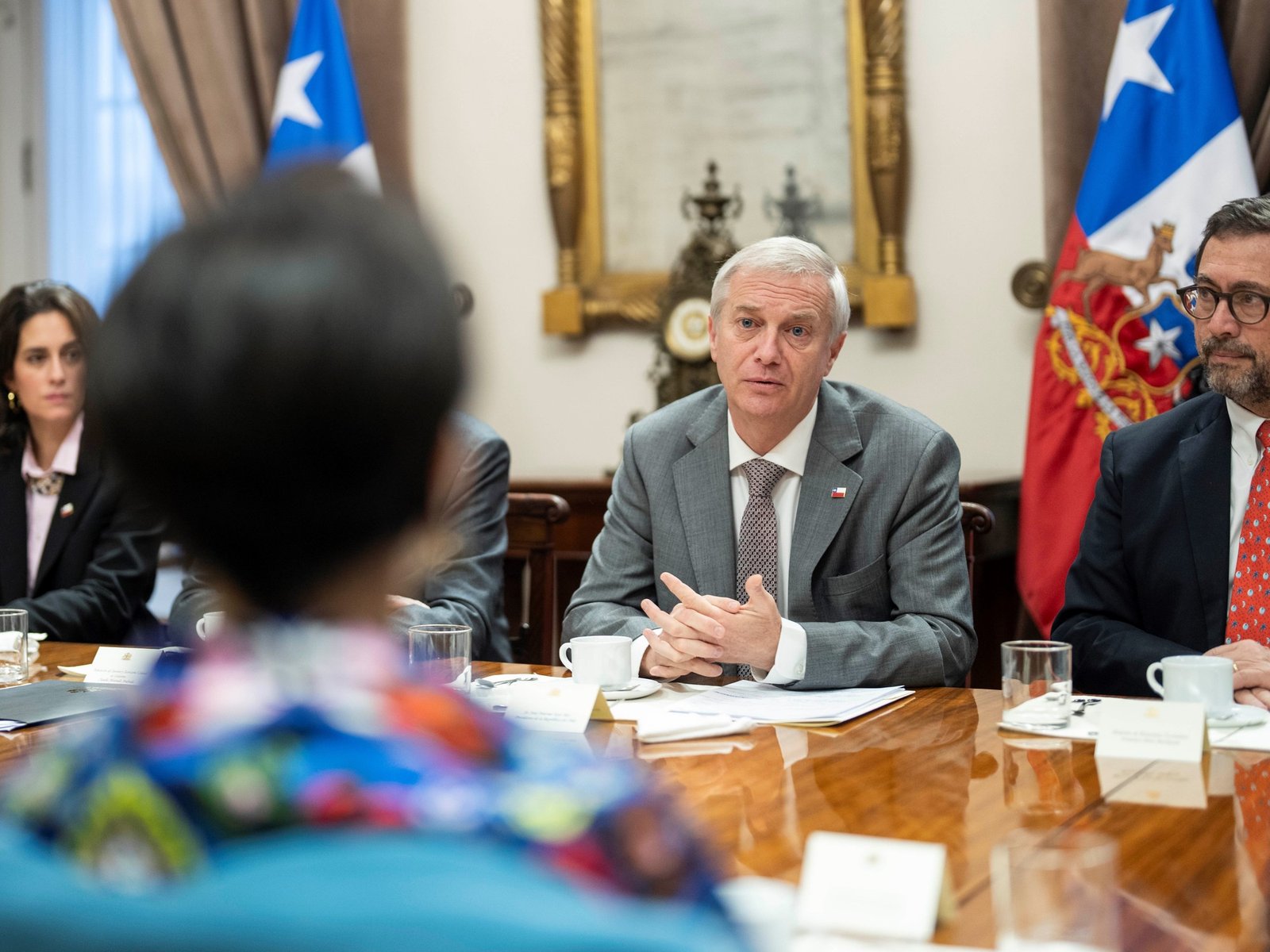
Inversionistas extranjeros están comprando deuda pública chilena a un ritmo récord, impulsados por un peso más débil, la perspectiva de recortes de las tasas de interés y el regreso de un gobierno de derecha más favorable al mercado.
Las tenencias de bonos soberanos denominados en pesos en manos de no residentes aumentaron un récord de US$ 2.930 millones, hasta US$ 20.200 millones en mayo, el último mes para el que el Banco Central dispone de cifras. Con ello, el incremento acumulado desde comienzos de año alcanzó el 36%, muy por encima del registrado en cualquier otro país de América Latina.
La demanda comenzó a repuntar a principios del año pasado, cuando el hoy presidente, el conservador José Antonio Kast, empezó a subir en las encuestas, y ganó aún más impulso tras su victoria en la segunda vuelta de diciembre, que dio paso al gobierno más derechista desde el retorno de Chile a la democracia en 1990. La última vez que la inversión extranjera aumentó a un ritmo comparable fue tras la elección del también conservador Sebastián Piñera a fines de 2017. Si a eso se suman un peso debilitado y las crecientes expectativas de un recorte de tasas, resulta fácil entender por qué Chile volvió a atraer a los inversionistas.
“Un gobierno favorable al mercado y las persistentes expectativas de consolidación fiscal hacen que Chile vuelva a ser un mercado atractivo para los inversionistas extranjeros”, dijo Christopher Mejia, analista de deuda soberana de mercados emergentes en T. Rowe Price. “Los mercados esperan reformas orientadas al crecimiento”.
El gobierno de Kast presentó un proyecto de ley destinado a impulsar el crecimiento que incluye reducciones de impuestos corporativos, invariabilidad tributaria para grandes proyectos de inversión y subsidios al empleo. Kast espera que el Congreso apruebe la ley este mes, con una meta de crecimiento del 4% para el final de su mandato. Sin embargo, su imagen pública no deja de caer (Ver aparte).
El peso chileno se debilitó hasta un 7 por ciento después de que EE.UU. comenzó sus ataques aéreos contra Irán a fines de febrero. Aunque ha recuperado parte de las pérdidas desde entonces, aún cotiza cerca de 920 por dólar, muy por encima de los 852 pesos por dólar registrado en febrero, su mejor nivel en tres años.
Además, es poco probable que el peso se fortalezca en el corto plazo. Mientras persiste la presión para que la Reserva Federal eleve las tasas en EE.UU., las menores expectativas de inflación y los débiles datos de crecimiento en Chile refuerzan apuestas por un recorte de tasas dentro de un año.
Todo ello hace que Chile se destaque en la región. Las tenencias extranjeras de deuda soberana de Colombia cayeron un 8,5% en los primeros cinco meses del año, después de que el gobierno desmantelara un programa de swaps en francos suizos que había dejado a algunos bancos extranjeros con bonos soberanos como garantía. En Brasil, donde la inflación se ha acelerado, las tenencias de no residentes aumentaron apenas un 2,5% en el mismo período. En México, retrocedieron alrededor de un 3,5%.
Entre finales de 2019 y finales de 2024, los inversionistas extranjeros redujeron en un 43% sus tenencias de deuda soberana local chilena, pese a que el gobierno aumentó las emisiones. La deuda chilena perdió atractivo tras el estallido social de 2019, que dio lugar a dos intentos fallidos de reescribir la Constitución y a sucesivos retiros de fondos de pensiones que redujeron la profundidad del mercado de capitales del país.
En el cuarto trimestre de 2024, los inversionistas extranjeros poseían apenas el 8% de la deuda pública denominada en pesos en circulación, la menor participación desde que existen registros, según datos del Ministerio de Hacienda.
Ahora, el presidente Kast llegó al poder con la promesa de reducir el gasto público, eliminar trabas burocráticas, bajar los impuestos corporativos e impulsar la inversión en infraestructura. También prometió endurecer la lucha contra la inmigración ilegal y la delincuencia. Esas políticas ayudaron a que el diferencial de los bonos chilenos en dólares frente a los bonos del Tesoro de EE.UU. cayera por debajo de 80 puntos básicos en mayo por primera vez desde 2007.

Con España-Bélgica confirmado, así quedó el cuadro de cuartos de final del Mundial: la agenda completa

Gianina Maradona explotó contra la hermana de Morla: «Romperte la cabeza»

Tras fallo sobre el TPS, Defensoría llama a hondureños a fortalecer trámites consulares

Más de 2 años de prisión para estos ladrones que han confesado haber robado 95.000$ en productos del JCC Pokémon – Nintenderos

Ulrich Sante, sobre la deuda con el FMI: “Sin esfuerzos serios de la Argentina, nuestra buena voluntad ya no se podrá justificar”

Causa de los fajos de dólares: se conocieron las imágenes del departamento de Jesica Cirio que la Justicia allanó en las Cañitas

Russia unleashes nearly 600 missiles and drones on Kyiv in deadliest strike since May

Nuevos CEDEARs de bonos y lo «positivo» de no ser mercado Emergente: definiciones del CEO de BYMA

Colombia vs Ghana: formaciones, hora y dónde ver por tv

The Democratic socialists are no longer on the fringe

 POLITICA3 días ago
Javier Milei felicitó a Keiko Fujimori y anunció una nueva etapa en la relación bilateral con Perú
- POLITICA3 días ago
La posible implementación de las colectoras en 2027 genera rechazo en la oposición y dudas entre los aliados
- ECONOMIA3 días ago
Peter Thiel y el nuevo ideario libertario: el análisis de Martín Lousteau sobre un cambio de paradigma