INTERNACIONAL
Trump won’t rule out Kharg Island takeover: What a US assault could look like

NEWYou can now listen to Fox News articles!
Hundreds of U.S. Marines storm ashore as helicopters thunder overhead, Navy warships and fighter jets establish overwhelming air and sea superiority, and commanders issue one final warning to Iranian forces: surrender or be overrun.
That is how military experts envision the opening hours of a potential U.S. operation to seize Iran’s Kharg Island—the tiny but strategically vital island that handles roughly 90% of the Islamic Republic’s crude oil exports and has become the centerpiece of Washington’s economic pressure campaign against Tehran.
The scenario was thrust back into the spotlight Tuesday after President Donald Trump declined to rule out taking the island. «I can’t say that to you because if I did, it would be foolish,» Trump told Fox News chief foreign correspondent Trey Yingst during an exclusive interview on ‘Special Report’ when asked directly whether he planned to seize Kharg island. He added that previous U.S. strikes intentionally avoided the island’s oil facilities because they are «a chunk of the world economy.»
TRUMP HAS 3 CHOICES TO DEFINE VICTORY IF HE WANTS TO BEAT IRAN. NONE OF THEM ARE EASY
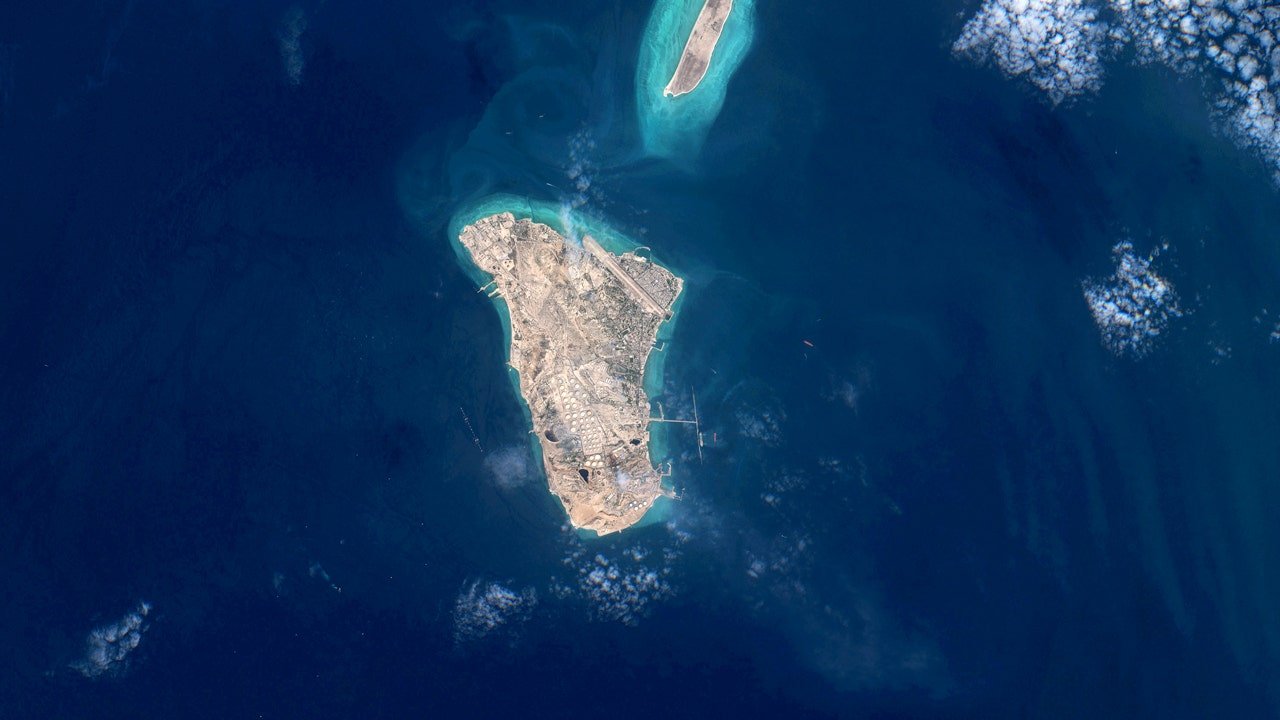
Satellite view of Kharg Island, located in the Persian Gulf off the coast of Iran. (Gallo Images/Orbital Horizon/Copernicus Sentinel Data 2024)
«There are a lot of ways to skin this cat,» Vice Adm. (Ret.) Robert Harward, former deputy commander of U.S. Central Command, told Fox News Digital in an interview.
Harward explained a Marine Expeditionary Unit could conduct an amphibious assault while U.S. naval and air forces establish complete control over the battlespace, giving Iranian defenders an opportunity to surrender before major fighting begins. The goal, he said, would not simply be to capture the island but to preserve the oil infrastructure that could one day serve a post-Islamic Republic government.
«The real objective at the end of the day is to minimize risk,» said Harward. «Not only to your own forces, but to the people you’re coming in contact with,» while also limiting damage to facilities that could eventually be handed over to «a government of Iran that is focused on supporting its people, as opposed to proliferating the Islamic Revolution.»
Trump’s remarks echoed Harward’s assessment that preserving Kharg’s oil facilities would likely be a key military objective. Trump said he had instructed U.S. forces during previous strikes to «hit everything, but the oil,» explaining that damaging the export terminal could have significant consequences for the global economy.
HOW IRAN ATTACKS ARE FORCING THE PENTAGON TO RETHINK ITS DECADES-OLD MIDDLE EAST BASE STRATEGY
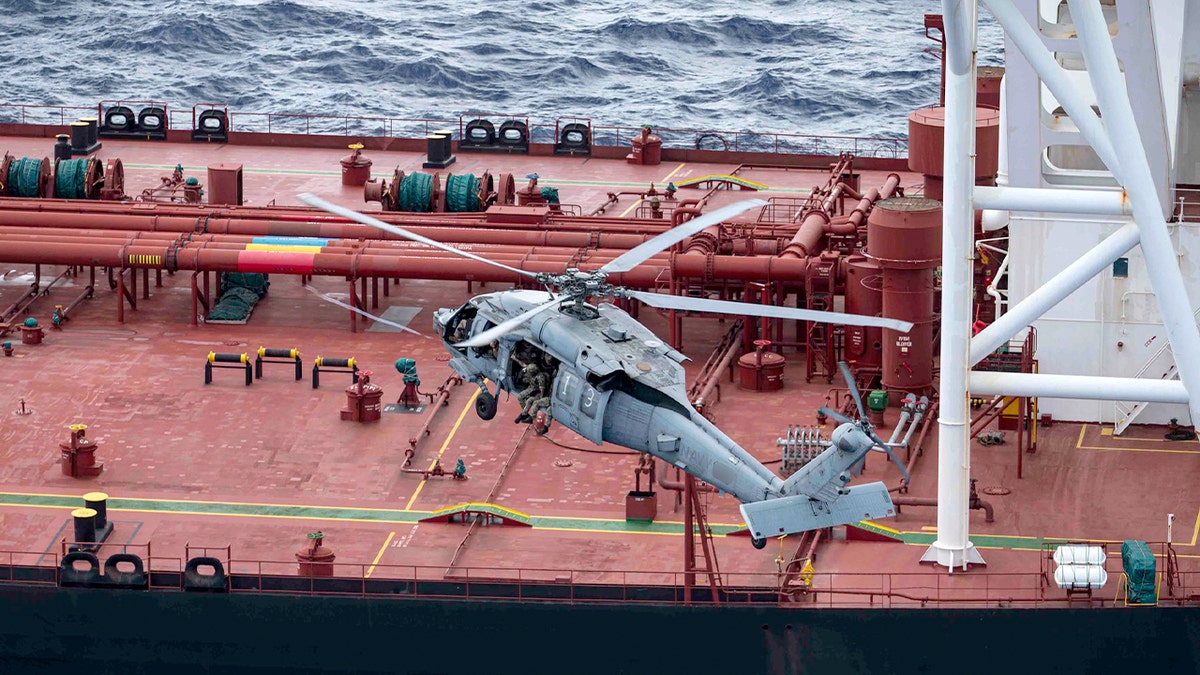
U.S. forces conduct a right-of-visit, maritime interdiction and boarding of the Veronica III without incident in the INDOPACOM area of responsibility after the vessel allegedly tried to defy President Trump’s quarantine, Feb. 15, 2026. (X/@DeptofWar)
But military experts say capturing Kharg may be the easiest part of the mission.
Located just 16 miles off Iran’s Gulf coast, the eight-square-mile island sits well within range of Iranian missiles, drones and shore-based anti-ship weapons. While analysts believe U.S. forces could likely seize the island within hours, holding it against sustained retaliation from the nearby mainland could require a far larger and longer military commitment—raising the risk of direct war with Iran itself.
Kharg’s strategic importance predates Iran’s modern oil industry. British forces briefly occupied the island during confrontations with Persia over Herat in 1838 and again during the Anglo-Persian War in 1856, using its location near the Iranian coast to apply pressure on Tehran. Nearly a century later, Iran selected Kharg as a deep-water oil terminal because its sheltered waters could accommodate large tankers. Construction began in the late 1950s, and the terminal entered service in 1960, transforming the island into the principal outlet for Iranian crude.
«Everybody talks about seizing Kharg,» Nicholas Carl, assistant director of the Critical Threats Project at the American Enterprise Institute, told Fox News Digital. «Iran has spent decades investing in denial capabilities designed specifically to keep U.S. forces away from its shores.» Those capabilities include anti-ship cruise missiles, drones, naval mines and hundreds of fast attack craft designed to overwhelm superior naval forces.
IRAN’S BIGGEST WEAPON AGAINST THE US MAY BE SLIPPING AWAY, EXPERTS SAY
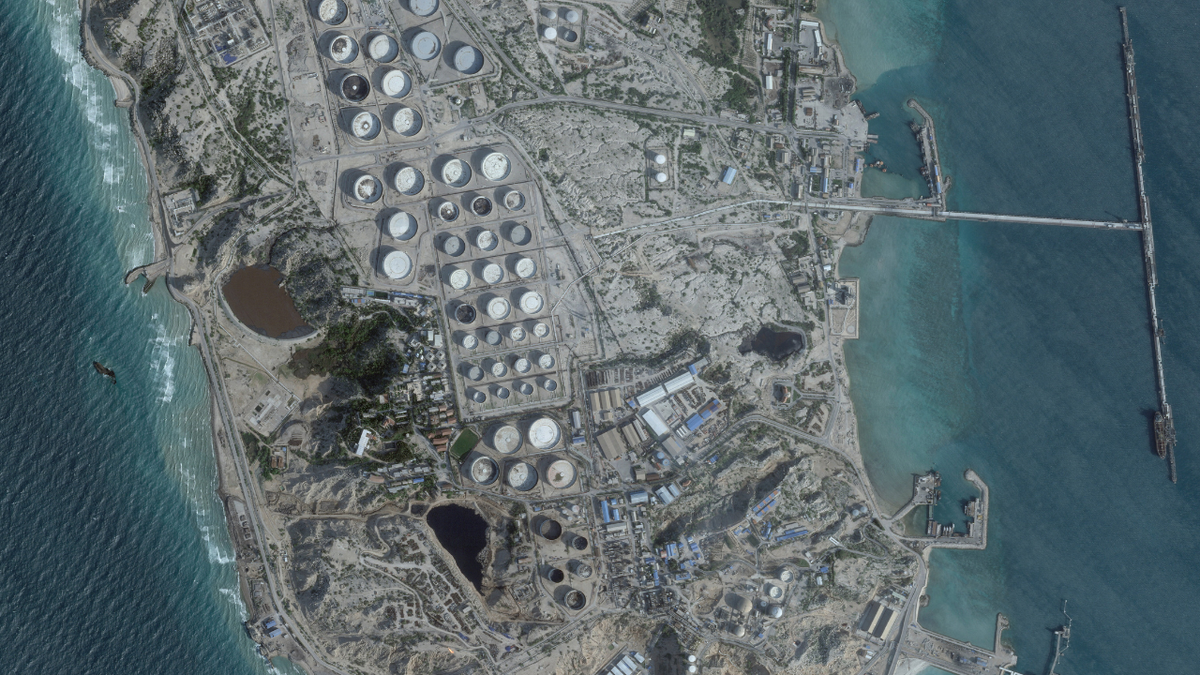
A satellite image shows an oil terminal at Kharg Island, Iran, February 25, 2026. (2026 Planet Labs PBC/Handout via Reuters)
Military planners have long viewed Iran’s anti-access strategy as one of the most sophisticated in the Middle East. Rather than matching the U.S. Navy ship for ship, Tehran has invested heavily in asymmetric weapons intended to make any amphibious assault costly.
Harward, a former member of the National Security Council and current member of the Jewish Institute for National Security of America’s Iran Policy Project, acknowledged that once American forces were on Kharg, the primary danger would shift from conventional naval combat to missile and drone attacks launched from the nearby mainland.
«Iran doesn’t really have air power,» Harward said. «The concern is whether they launch missiles and drones at the island with U.S. forces on the ground. That’s the biggest risk.»
Harward said the viability of the operation would ultimately depend on intelligence about the number and disposition of Iranian forces, whether they had prepared booby traps or improvised explosive devices, and how Tehran might respond once American troops were ashore.
Still, he argued, such retaliation would come at a price for Tehran.
«If they start striking Kharg itself, they become accountable for damaging their own economic lifeline,» he said.
The challenge illustrates the distinction between tactical success and strategic success. Seizing an eight-square-mile island is one military problem. Defending it against sustained attacks only a short distance from Iranian territory is another.
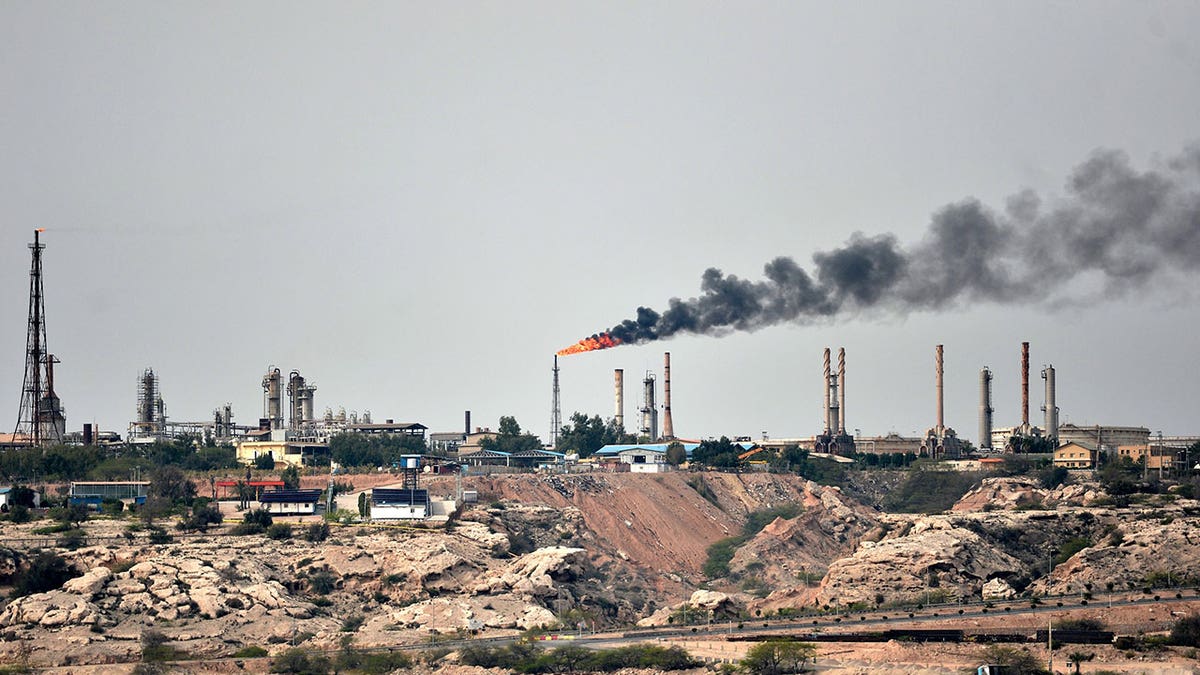
A general view of the Port of Kharg Island Oil Terminal, 25 km from the Iranian coast in the Persian Gulf and 483 km northwest of the Strait of Hormuz, in Iran on March 12, 2017. (Fatemeh Bahrami/Anadolu Agency/Getty Images)
Harward suggested Washington still has several options short of launching an amphibious assault.
With the U.S.-led blockade, reinforced Tuesday, already constraining Iran’s oil exports, he argued that additional economic pressure could target overland transportation routes, border crossings and air traffic instead of committing ground troops.
«There is still a lot you could do to enhance the economic challenges to Iran,» Harward said. «Synchronizing military, economic and political pressure is really the strategy.»
Some strategists have also questioned whether Kharg is the most valuable military objective.
Mark Fox, a retired Vice Admiral and a former commander of the 5th Fleet, previously told Fox News Digital that Kharg is fundamentally an oil terminal rather than a military fortress. Instead, he argued, smaller islands such as Greater Tunb, Lesser Tunb and Abu Musa—disputed islands near the Strait of Hormuz—could present more manageable military objectives while creating a significant strategic dilemma for Tehran because of their location along one of the world’s most important shipping lanes.
For Harward, however, the larger question extends beyond any single island.
CLICK HERE TO DOWNLOAD THE FOX NEWS APP
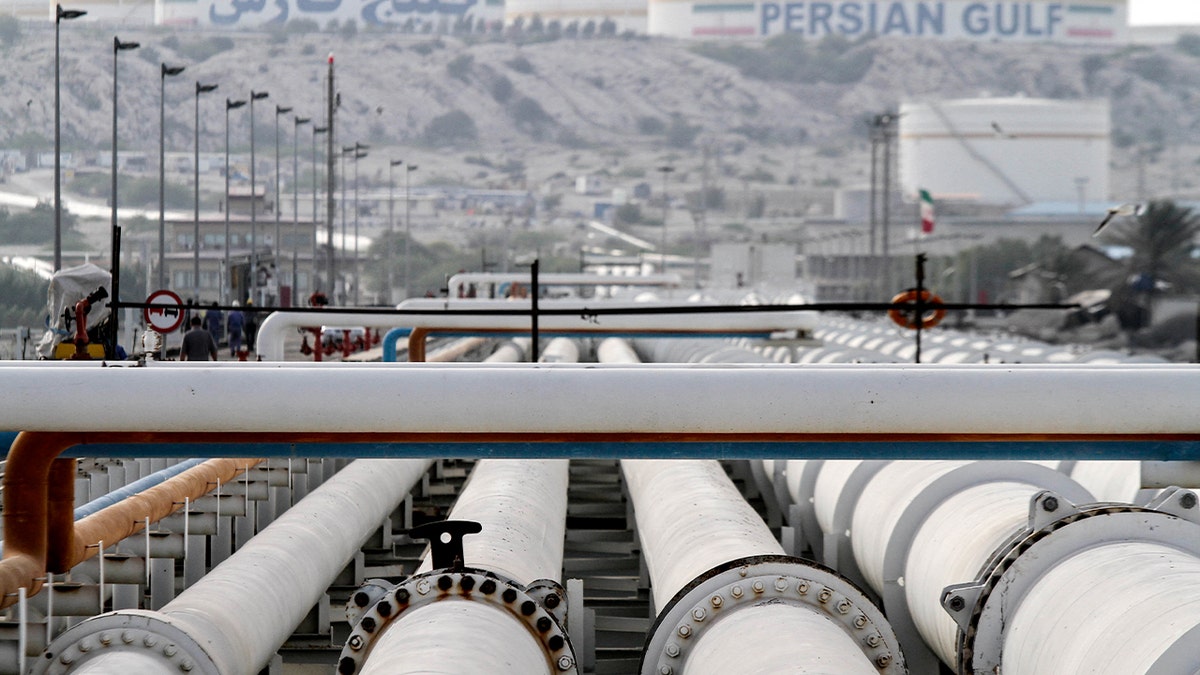
Export oil pipelines are seen at an oil facility on Kharg Island, on the shore of the Gulf, Feb. 23, 2016. (Str/AFP Via Getty Images)
«I think the only real end state to ensure long-term stability and security in the region is a government of Iran that renounces the Islamic Revolution and focuses on the Iranian people,» he said. That would require ending Tehran’s nuclear ambitions, halting support for proxy groups, protecting freedom of navigation through the Strait of Hormuz and ending the regime’s domestic repression.
Whether Washington ever decides to seize Kharg, military planners agree on one point: Capturing Iran’s economic lifeline would likely be measured in hours, but successfully holding it—and managing the regional escalation that could follow — would be a far longer and more complex campaign.
war with iran, military, us air force, us navy








Is «Trade Over Aid» replacing USAID?
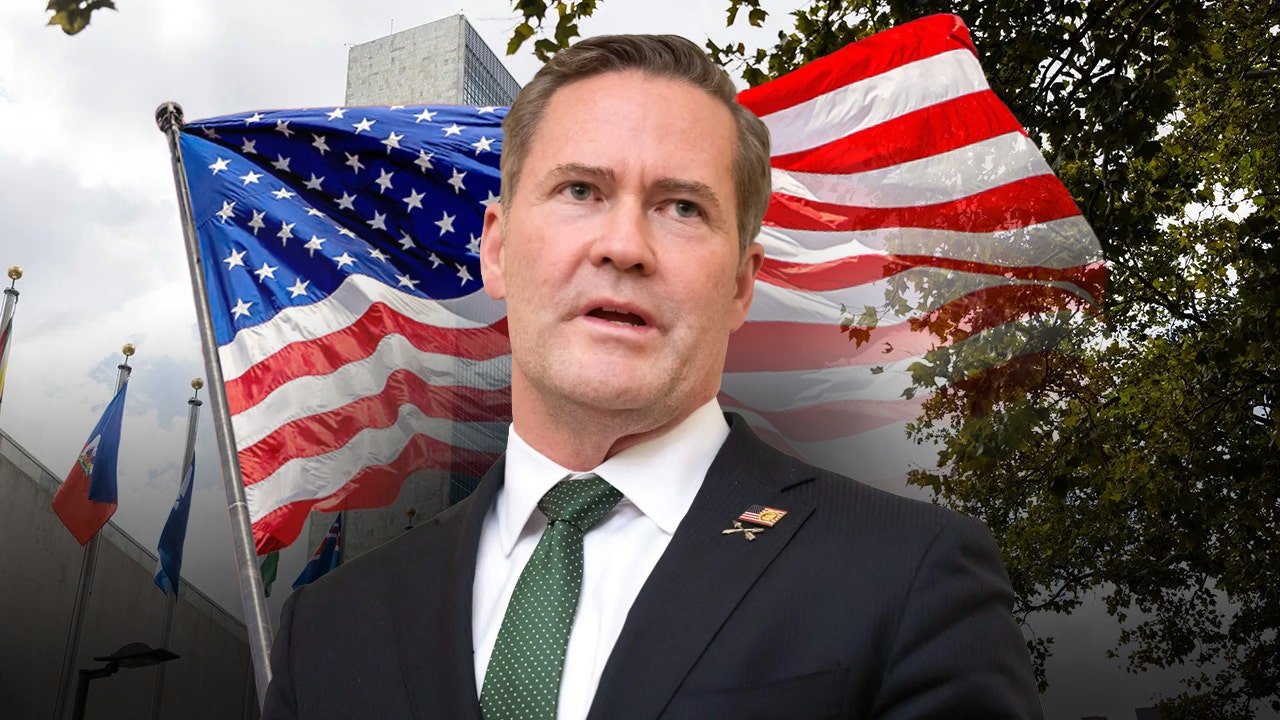
Fox News Digital gets exclusive access to the U.S. Mission’s «Trade Over Aid» forum in New York as Trump officials, including U.S. Ambassador to the U.N. Mike Waltz, push private investment over traditional foreign aid.
NEWYou can now listen to Fox News articles!
EXCLUSIVE: The Trump administration is laying out its clearest blueprint yet for what comes after decades of traditional U.S. foreign aid, arguing that private investment, trade and American business — not taxpayer-funded assistance — should become America’s primary engine for development abroad.
At a U.S. Mission to the United Nations «Trade Over Aid» forum in New York Monday, Ambassador Mike Waltz, the U.S. permanent representative to the United Nations, told Fox News Digital in an exclusive interview that the administration is «completely reforming how we do aid» by moving away from taxpayer-funded programs and toward private-sector-led development.
«For too many years, the United States and other countries have poured billions and billions of dollars into these aid programs and got very little in return,» Waltz said. «You go to these forums at the United Nations and at development agencies around the world, and you never find the private sector. You find NGOs and academics and governments, but you don’t find the creators of growth and the creators of jobs.»
U.S. URGES DONORS TO ABANDON U.N.R.W.A. FUNDING AS U.N. DEFENDS AGENCY’S MISSION
Ambassador Mike Waltz speaks at the U.S. Mission to the United Nations’ «Trade Over Aid» forum in New York, where Trump administration officials pitched private investment as a new engine of global development. July 14, 2026. (Donald Conahan/ U.S. mission to the U.N.)
Waltz said the new model is designed to «create jobs, to create business for American companies in line with America First,» while also raising living standards abroad and reducing instability that can fuel terrorism and poverty.
The administration moved to dismantle USAID in 2025, arguing the agency was inefficient and too often disconnected from U.S. foreign policy. Asked directly whether «Trade Over Aid» is replacing USAID, Waltz said USAID’s functions had been folded into the State Department as part of a broader efficiency effort, but insisted the initiative is about something larger than one agency.
«What we’re doing, this isn’t about USAID or what replaces it,» Waltz said. «That was an efficient effort to get our aid to serve our foreign policy, not the other way around. But what I think is more important is how do we help American businesses and how do (we) help create jobs around the world and reduce dependency.»
The stakes are immediate: with USAID reorganized under the State Department and aid budgets under pressure, the Trump administration is trying to show that it has a replacement model for how the U.S. helps poorer and fragile countries. The answer it is pitching is not more traditional aid, but more private capital, more trade, more deals for American companies and fewer open-ended taxpayer commitments.
EXCLUSIVE: SERBIAN PRESIDENT VUČIĆ SAYS SUPPORT FOR US ‘SURGED’ UNDER TRUMP, INVITES HIM TO VISIT BELGRADE
The forum brought together representatives from dozens of countries, U.N. agencies, international financial institutions and major private-sector players, including Microsoft, Google, JPMorgan, Goldman Sachs, Boeing, Walmart, Mastercard, Meta and others.
Czech Environment Minister Igor Cerveny, who attended the forum, said the idea resonated with his country’s own post-communist experience.
After communism, he said, the Czech Republic had to rebuild through work, business, industry and innovation rather than dependency.
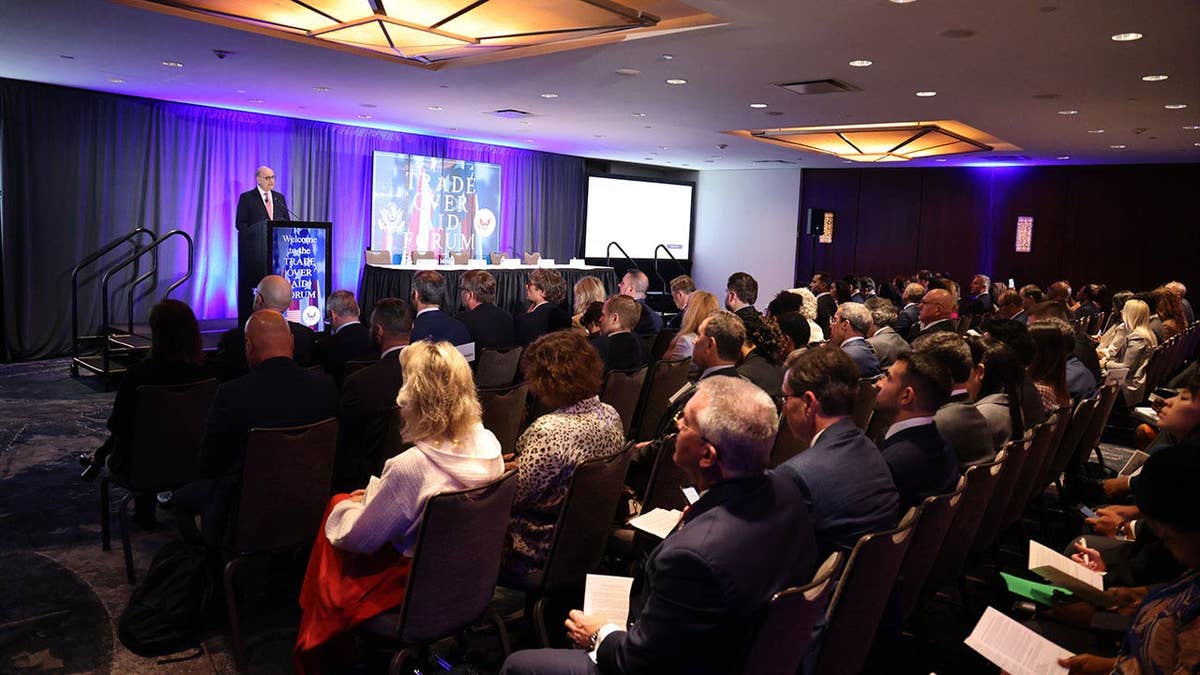
Ambassador Dan Negrea addresses the U.S. Mission to the United Nations’ «Trade Over Aid» forum in New York, July 13, 2026. (Donald Conahan/ U.S. mission to the U.N.)
«If you work on your economy, on your industry, on your society, on nature as well, probably two, three, five years later, (you will) be in a better position,» Cerveny told Fox News Digital. «You have your own money. You are not now the slave of (asking). You are now the master of your destiny.»
Cerveny said trade gives countries an «opportunity to cooperate» rather than forcing them to return again and again with the same request: «Please give me some money.»
Ambassador Dan Negrea, who is spearheading the initiative in the U.S. Mission, told Fox News Digital that shrinking aid budgets around the world make a new model necessary.
«We need to think differently about how we help developing countries in an environment in which, in the United States, we are indebted and we cannot continue to spend money on helping other countries the way we used to,» Negrea said. «Development aid is going down not only in the U.S., but in countries around the world.»
Negrea said the initiative has received less resistance from developing countries than from traditional donor nations.
«Interestingly, there is less pushback from countries receiving aid than from some donor countries that like to continue in this attitude of charity, being magnanimous to other countries,» he told Fox News Digital. «For years and years and for decades, many developing countries are saying that they want to end this status of recipient of charity and move to a much more dignified relationship of partners and development.»
But some leaders from developing countries also warn that trade cannot replace aid overnight, especially in emergency settings. The Democratic Republic of Congo’s Minister of State for Foreign Affairs, International Cooperation, and Francophonie, Thérèse Kayikwamba Wagner, told Fox News Digital that aid remains critical in crises such as the Ebola outbreak in eastern DRC.
«Aid sometimes can transform dramatically a situation,» she said. «This is not something you can change overnight with trade. But yes, over a long term, trade is the pathway to create greater growth, greater economic prosperity, and therefore also more equal relationships between countries.»
Kayikwamba Wagner added that the shift must be «adapted to circumstances» and not be «too abrupt.»
The initiative already has drawn 46 countries, and launched a digital library with 63 capacity-building offers from private companies, governments, NGOs, philanthropies, academic institutions and international organizations.
But when pressed on what those offers have produced so far, Negrea acknowledged the initiative is still in its early stages. The library was inaugurated last week, he said, and the goal now is to turn offers into concrete outcomes.
«We want to see more deliverables,» Negrea said. «We want to see actual transactions that were done. We want to see countries using the digital library to see usable capacity building offers coming from around the world. So we want to help without the cost to the U.S. taxpayers, but at the same time creating opportunities for American companies.»
The central challenge facing the effort is whether private capital will go where aid has traditionally been most needed: fragile countries with weak institutions, unreliable infrastructure, corruption, conflict or markets too risky for major investors.
WALTZ CALLS U.N. A ‘CESSPOOL FOR ANTISEMITISM’ AS TRUMP ADMINISTRATION PUSHES MAJOR REFORMS
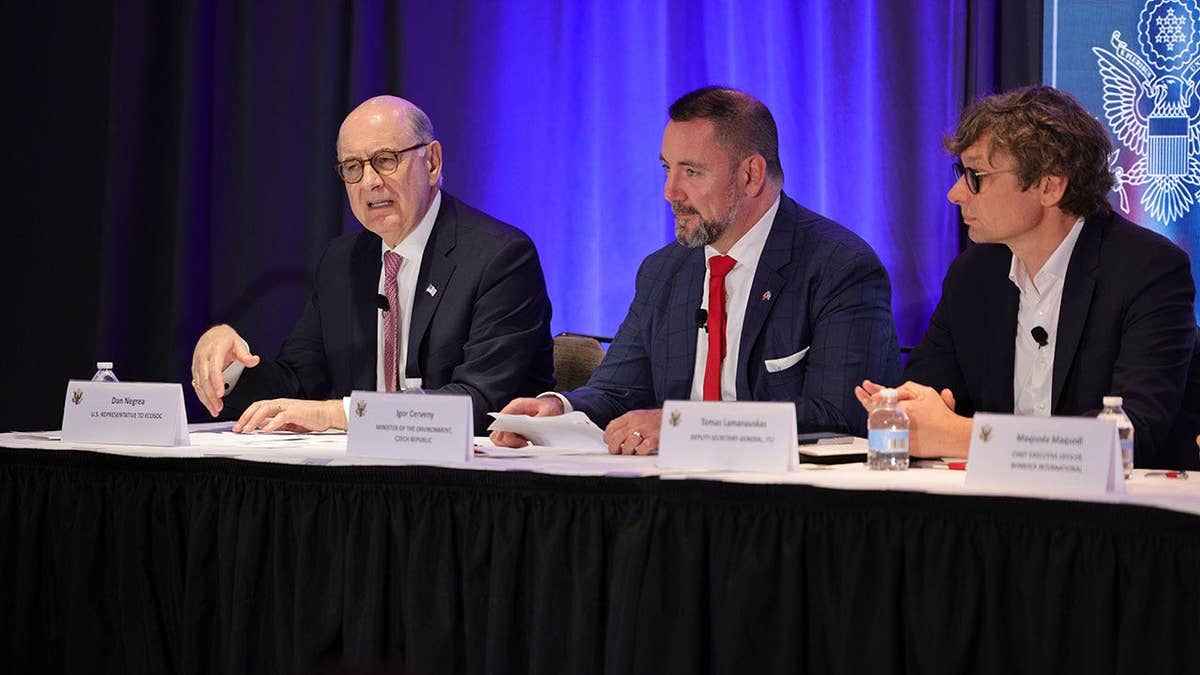
Ambassador Dan Negrea moderates a panel at the U.S. Mission to the United Nations’ «Trade Over Aid» forum in New York, joined by Czech Environment Minister Igor Cerveny and other participants. (Donald Conahan/ U.S. mission to the U.N.)
Waltz argued that is exactly where institutions such as the U.N. Development Program, the World Bank and the U.S. International Development Finance Corporation can play a role.
«When we talk to organizations like J.P. Morgan, Goldman Sachs and others, they’re saying, we want to invest hundreds of millions into these industries abroad, but they need better laws, they need better arbitration,» Waltz said. «We need to know that we can get our money out for our investors here in the United States.»
He said the U.S. International Development Finance Corporation (DFC) and U.S. contributions to the World Bank can provide «risk insurance and guarantees» for investments in riskier markets, including critical minerals projects needed by the U.S. technology sector.
«It is incredibly risky,» Waltz said. «Sometimes these capital providers like on Wall Street and in New York are only going to go to the safest place. Sometimes it makes sense, for example, as we’re looking for critical minerals for our tech industry, to go into risky places, but they need a little help.»
The strongest note of caution came not from critics outside the room, but from inside the forum itself.
Alexander De Croo, the former Belgian prime minister who now leads United Nations Development Programme (UNDP), said trade and aid should not be treated as enemies.
«Trade is a destination, but development is how we get to that destination,» De Croo said. «Markets do not build themselves. They have to be built.»
De Croo said investment flows when rules are predictable, institutions are trusted and workers have the skills to seize opportunity. He described UNDP’s role as helping countries build those foundations. «There is no country over the past decades that has successfully developed without a strong private sector and without trade being a big part of that,» he said.
Christopher Sharrock, Microsoft’s vice president for United Nations and international organizations, also warned that aid still has a role that markets cannot fully replace.
«Aid does do an essential job and it does a job that possibly nothing else can do,» Sharrock said, pointing to vaccination campaigns, famine response and natural disasters as areas where assistance remains critical.
CLICK HERE TO DOWNLOAD THE FOX NEWS APP
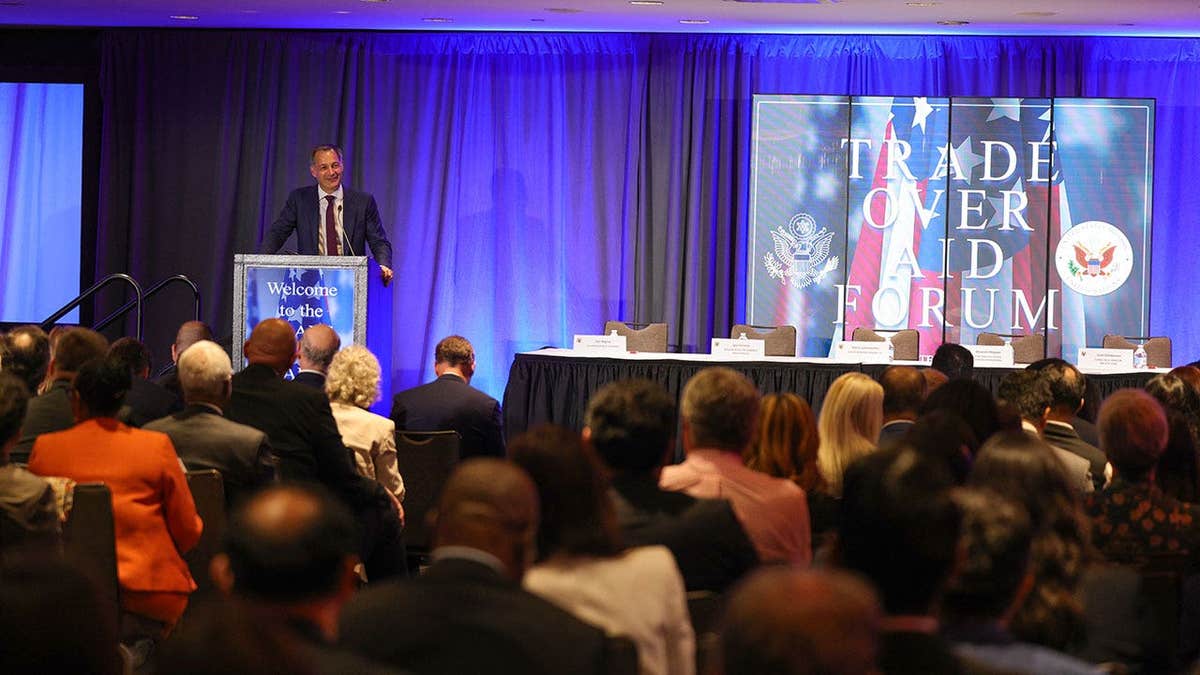
Alexander De Croo, UNDP administrator and former Belgian prime minister, speaks at the U.S. Mission to the United Nations’ «Trade Over Aid» forum in New York, July 13, 2026. (Donald Conahan/ U.S. mission to the U.N.)
For the Trump administration, «Trade Over Aid» is being pitched as a more disciplined, America First answer to development: fewer handouts, more deals, less dependency, more jobs for American companies and foreign partners alike.
But the test will be whether it can deliver not only in countries already ready for investment, but in the hardest places — the places where aid has long filled the gap because markets would not.
united nations, aid, trade, world
INTERNACIONAL
Estados Unidos realizó operaciones diurnas contra Irán para evitar nuevos ataques a barcos comerciales en el estrecho de Ormuz
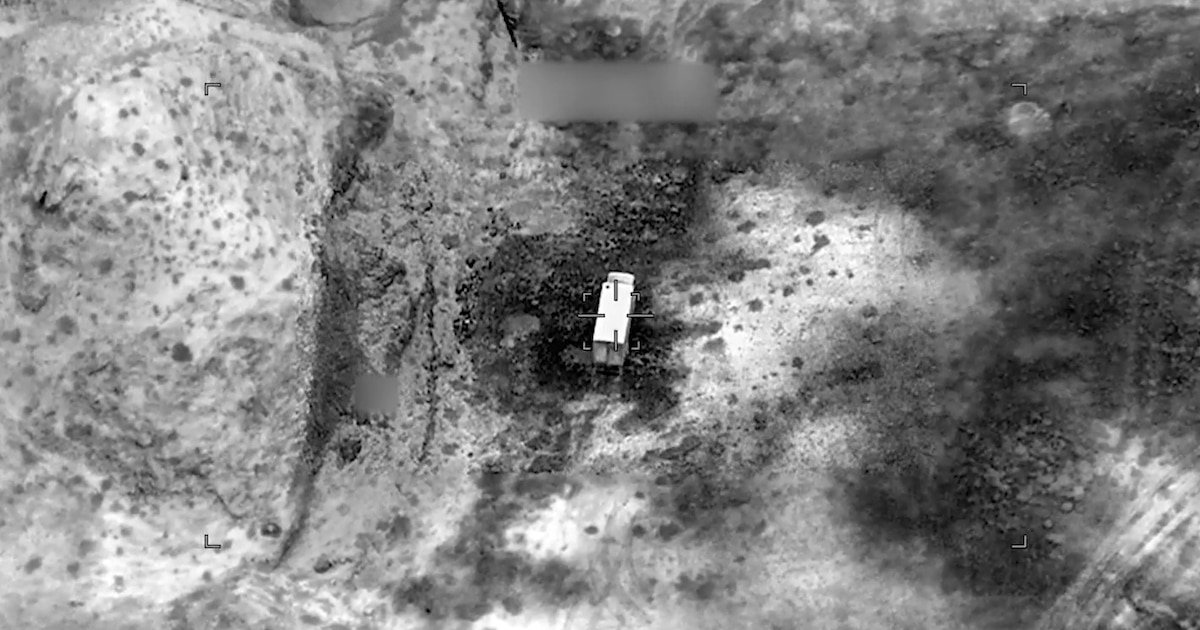
Estados Unidos completó el miércoles una nueva oleada de ataques contra Irán, informó el Comando Central de sus fuerzas armadas (CENTCOM), horas después de que Washington reimpusiera el bloqueo naval sobre los puertos iraníes en un marcado retorno a la guerra abierta entre ambos países.
CENTCOM señaló en la red social X que la ofensiva “degradó aún más la capacidad de Irán para atacar el tráfico comercial en el estrecho de Ormuz”. Durante una oleada de 90 minutos, las fuerzas estadounidenses “lanzaron municiones de precisión contra sistemas de defensa costera y sitios de almacenamiento y lanzamiento de misiles crucero” en la isla de Gran Tunb, agregó el comando militar junto a un video que muestra un bombardeo contra objetivos iraníes.
La ofensiva se suma a otra ronda de bombardeos llevada a cabo horas antes, cuando aviones de combate, drones y buques estadounidenses dispararon municiones de precisión durante una operación nocturna de siete horas contra decenas de objetivos militares iraníes. Uno de los ataques alcanzó un cuartel de la 388ª Brigada de Infantería Mecanizada del ejército iraní, en la provincia de Sistán y Baluchistán, matando al menos a siete soldados y dejando más de 260 heridos en todo el país, según funcionarios iraníes. Washington también reanudó los ataques diurnos, un movimiento inusual que evidencia el ritmo creciente de la escalada.
Estados Unidos había impuesto por primera vez el bloqueo en abril y lo levantó el mes pasado tras la firma de un acuerdo provisional que pausó los combates y abrió un plazo de 60 días para negociar temas como el programa nuclear iraní. Esas conversaciones se estancaron a medida que se intensificó la disputa por el estrecho de Ormuz, y el retorno del bloqueo esta semana marcó el colapso de facto de la tregua.
En respuesta, la Guardia Revolucionaria de Irán amenazó con detener todas las exportaciones energéticas de Oriente Medio. “La exportación de petróleo y gas de la región será o para todos o para nadie”, advirtió la fuerza paramilitar.
Irán, por su parte, se atribuyó ataques con misiles y drones contra Bahrein, Kuwait y Jordania, todos países que albergan fuerzas estadounidenses. Bahrein y Kuwait emitieron alertas por fuego entrante la madrugada del miércoles, mientras que Jordania informó haber derribado tres misiles iraníes.
El presidente estadounidense, Donald Trump, había anticipado el martes por la noche, en una entrevista con Fox News, que los ataques contra Irán continuarían en los próximos dos días y que puentes y plantas eléctricas podrían convertirse en próximos objetivos si no se reanudan las negociaciones. Estados Unidos ya había atacado al menos un puente.
“Más vale que lleguen a un acuerdo, o no les va a quedar nada”, dijo Trump.
El barril de crudo Brent, referencia internacional, cotizaba el miércoles por encima de los 85 dólares, más de 15% por encima del nivel previo a la guerra, aunque todavía lejos de los casi 120 dólares alcanzados en el punto más álgido del conflicto.
Trump había anunciado el lunes, junto con la reimposición del bloqueo, un arancel del 20% a los barcos que cruzaran el estrecho, pero abandonó luego ese plan citando pedidos de aliados del golfo Pérsico interesados en invertir miles de millones de dólares en Estados Unidos.
El estrecho de Ormuz, por el que en tiempos de paz circula una quinta parte del petróleo y el gas natural comercializados en el mundo, sigue siendo el epicentro del conflicto. Durante el acuerdo provisional, algunos barcos habían retomado el paso por una ruta cercana a Omán, supervisada por militares estadounidenses y fuera del control de Teherán, pero los ataques recíprocos de los últimos días volvieron a interrumpir ese tránsito.
Washington ha amenazado con reabrir el estrecho por la fuerza, aunque analistas sostienen que eso demandaría una armada mucho mayor y posiblemente decenas de miles de tropas terrestres. Mediadores regionales continúan intentando que Estados Unidos e Irán retomen las negociaciones.
INTERNACIONAL
Montana Dem running as blue-collar smokejumper spent years lobbying for far-left groups

NEWYou can now listen to Fox News articles!
A Democrat running in a key Montana House race as a «smokejumper» and working-class outsider previously worked as a registered lobbyist opposing state-level bills that would have restricted drag performances in public schools and libraries, banned gender-transition procedures for minors and cracked down on sanctuary policies, records reviewed by Fox News Digital show.
Sam Forstag, the Democratic nominee in Montana’s 1st Congressional District, has leaned into a blue-collar campaign message, saying constituents like him «know how to work» and «know how to swing a tool.»
His campaign has focused on affordability, corruption and working-class frustrations, but his lobbying record puts him on the record on several hot-button issues that could undercut his effort to appeal to more centrist voters in a heavily Republican state.
Between 2021 and 2023, Forstag was listed as a registered lobbyist for groups and entities such as the American Civil Liberties Union, Planned Parenthood, the Montana Library Association and the City of Missoula. During that time, he testified against or was tied through lobbying records to opposition against bills involving drag performances in schools and libraries, transgender-related medical treatments for minors, boys competing in girls’ sports, voter ID and local cooperation with federal immigration authorities.
FOUR MONTHS TO MIDTERMS: 12 RACES THAT WILL DETERMINE THE SENATE MAJORITY
Sam Forstag, who is running for Congress on a working-class image in one of Montana’s two House districts, has a lobbying career steeped in left-wing culture war issues. (Sam for Montana)
«This bill is the latest of a series that I expect you’ll see that are intended to stir up fear and distrust of our fellow citizens,» Forstag told Montana lawmakers in 2023 as Republicans considered a bill restricting minors from attending drag performances in public schools and libraries. Forstag argued the measure was overly broad and could affect people who are transgender or nonbinary participating in library programming, saying he hoped lawmakers did not intend to «prohibit an entire class of people» from serving in public libraries.
Forstag also opposed SB 99, a bill banning certain gender-transition procedures and medications for minors. In testimony on the bill, Forstag urged lawmakers to «leave personal and medical decisions to families and their chosen health care providers.»
While representing the ACLU of Montana, Forstag was tied to opposition against HB 112, which required student athletes to compete based on biological sex, and SB 169, a measure to increase scrutiny around voter ID protocols.
TRUMP HOLDS WASHINGTON HOSTAGE OVER SAVE ACT AS MIDTERM CLOCK TICKS ON GOP CONTROL
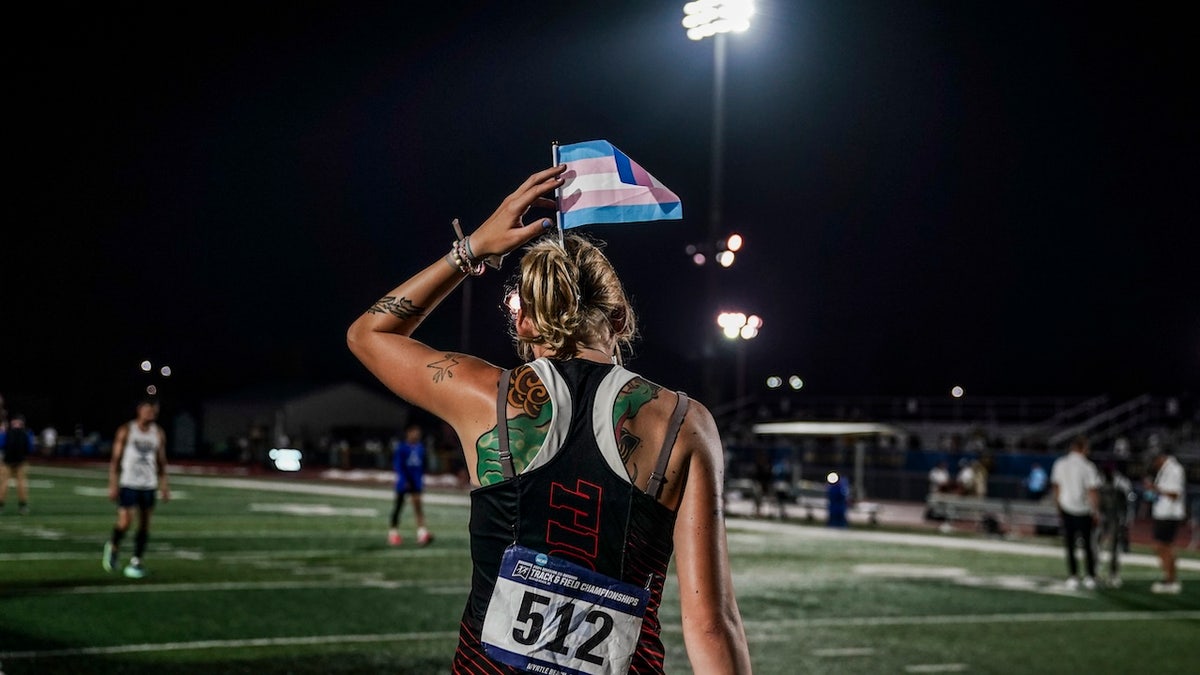
While representing the ACLU of Montana, Forstag was tied to opposition against HB 112, which required student athletes to compete based on biological sex. (Jahi Chikwendiu/The Washington Post via Getty Images)
Forstag also opposed bills involving sanctuary policies and local law enforcement cooperation with federal immigration authorities, including measures aimed at requiring local officials to comply with immigration detainers.
Forstag did not directly dispute the lobbying record when asked by Fox News Digital, instead defending his work in the state capital as a fight for working people and individual freedom.
«Between fire seasons, I fought for working people in a state capital that too often ignores us,» Forstag told Fox News Digital. «Instead of accepting a system where the extremes and the rich have the loudest voice, I worked my tail off to defend Montanans’ constitutional rights and freedoms and fight for policies that actually improve our lives.»
Forstag framed his opposition to bills involving transgender medical procedures as part of a broader belief that government should stay out of personal decisions.
UNEARTHED RECORDS REVEAL DEM MAYOR SOUGHT TAX HIKE TO FUND DEI ROLE AHEAD OF KEY HOUSE RACE
«I believe the government’s got no place getting involved in peoples’ private, personal decisions,» he said. «Politicians have no place coming for our guns, and no place inserting themselves into medical decisions that should be up to patients, parents, and doctors.»

Forstag framed his opposition to bills involving transgender medical procedures as part of a broader belief that government should stay out of personal decisions. (istock)
On immigration, Forstag, who is backed by Rep. Alexandria Ocasio-Cortez, D-N.Y., and Sen. Bernie Sanders, I-Vt., said local police should not be forced to carry out federal immigration responsibilities.
«Laws that force local law enforcement to do the federal government’s bidding make our communities less safe and put police in a bad spot,» he said. «Immigration enforcement should be left to federal officials so our local police can keep Montanans safe.»

Forstag said local police should not be forced to carry out federal immigration responsibilities. (Victor J. Blue/Bloomberg via Getty Images)
Jake Eaton, a longtime Montana Republican strategist whose clients have included Gov. Greg Gianforte and Attorney General Austin Knudsen, told Fox News Digital that Forstag’s lobbying record could undercut his effort to appeal to blue-collar and swing voters in the district, noting that issues involving transgender policies, schools and immigration «cut across» demographics.
RED-STATE SENATOR DROPS HAMMER ON DEM MAYOR OVER NEW ‘WOKE’ DEI ORDINANCE WHILE VIOLENT CRIME SURGES
Meanwhile, Eaton described Forstag as emblematic of the leftward shift of Montana Democrats.
«There aren’t a lot of moderate Democrats, if any, left,» Eaton said. «The days of Brian Schweitzer, when you had Democrats that were pro-gun and pro-coal, they don’t really exist anymore.»
But Eric Koch, a longtime Democratic consultant, rejected that criticism, arguing that Forstag’s record fits his broader message about keeping government out of personal decisions.
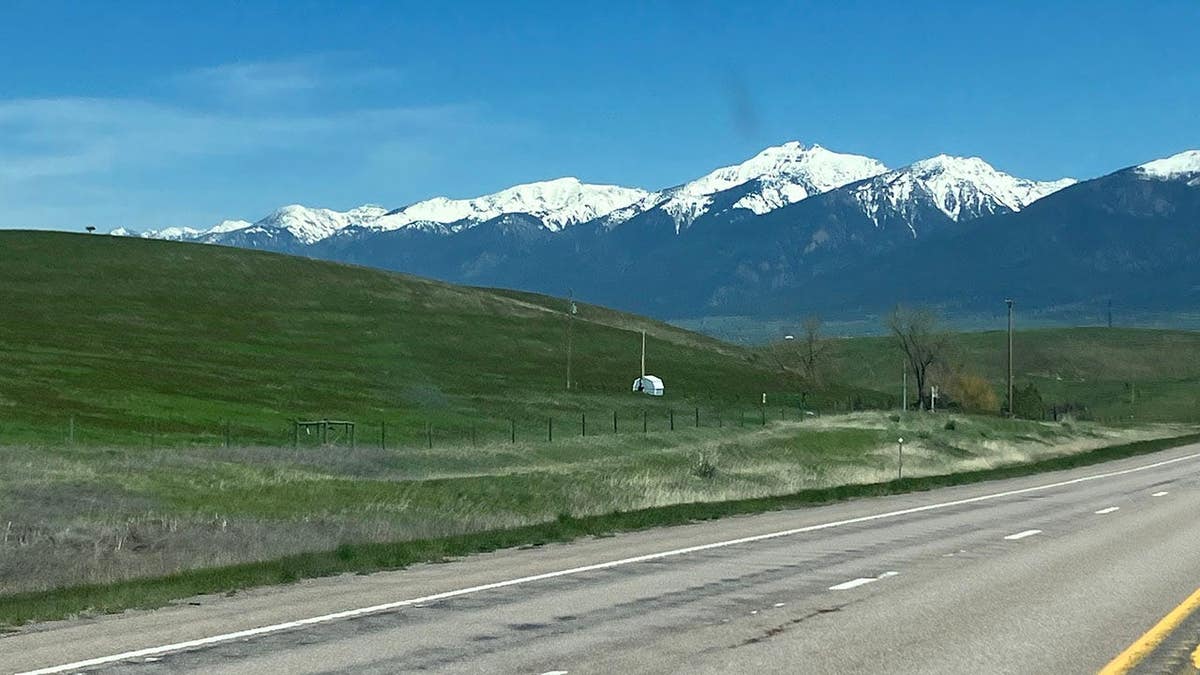
Forstag will face Flint, an Army veteran and conservative radio host, in the Nov. 3 general election for the open western Montana seat. (OutKick/Screencaps/Montana Tim)
«Sam’s record is about keeping government out of your business,» Koch told Fox News Digital. «No amount of divide-and-distract will change that.» The consultant argued Republicans would rather focus on culture-war issues than Forstag’s economic contrast with his Republican opponent Aaron Flint.
CLICK HERE TO DOWNLOAD THE FOX NEWS APP
Forstag will face Flint, an Army veteran and conservative radio host, in the Nov. 3 general election for the open western Montana seat currently held by GOP Rep. Ryan Zinke, who announced earlier this year he would not seek re-election.
Forstag won the Democratic primary after defeating former 2024 gubernatorial nominee Ryan Busse, Russell Cleveland and Matt Rains, while Flint emerged from a Republican primary field that included Montana Secretary of State Christi Jacobsen, former state Sen. Al Olszewski and educator Ray Curtis.
midterm elections, house of representatives, montana, elections, house of representatives politics

Trump officials unveil private sector blueprint for life after USAID

Por qué la Selección Argentina jugará con la camiseta azul en el partido contra Inglaterra y cuáles fueron las que usó en enfrentamientos previos

Cautela y preocupación en el Gobierno por la lenta negociación para suspender las PASO

La frase de Manuel sobre las mujeres que descolocó a Santiago del Moro en Gran Hermano: “¿Qué dijiste?“

Granja Tres Arroyos frena otra planta clave, paga sueldos en cuotas y suma 5.100 cheques sin fondos

El Gobierno oficializó el ascenso judicial de Ana Juan, la esposa del juez del caso $LIBRA

El álbum de las vacaciones soñadas de Darío Barassi con su familia: “Ibiza, nos vas enamorando”

“Hablame bien”: el tenso cruce de Lionel Messi con el árbitro en la victoria de Argentina ante Suiza en el Mundial

El petróleo sube más de 3% tras la reanudación de los ataques de EEUU contra Irán y la amenaza de cierre del estrecho de Ormuz

Cámara de Comercio panameña cierra filas y llama a fortalecer la Zona Libre de Colón

 CHIMENTOS3 días ago
El álbum de las vacaciones soñadas de Darío Barassi con su familia: “Ibiza, nos vas enamorando”
- ECONOMIA3 días ago
El petróleo sube más de 3% tras la reanudación de los ataques de EEUU contra Irán y la amenaza de cierre del estrecho de Ormuz
- INTERNACIONAL3 días ago
Cámara de Comercio panameña cierra filas y llama a fortalecer la Zona Libre de Colón