INTERNACIONAL
Kennedy Center disputes Dem whistleblower allegations over Trump renovations, defends $8M flooring contract

NEWYou can now listen to Fox News articles!
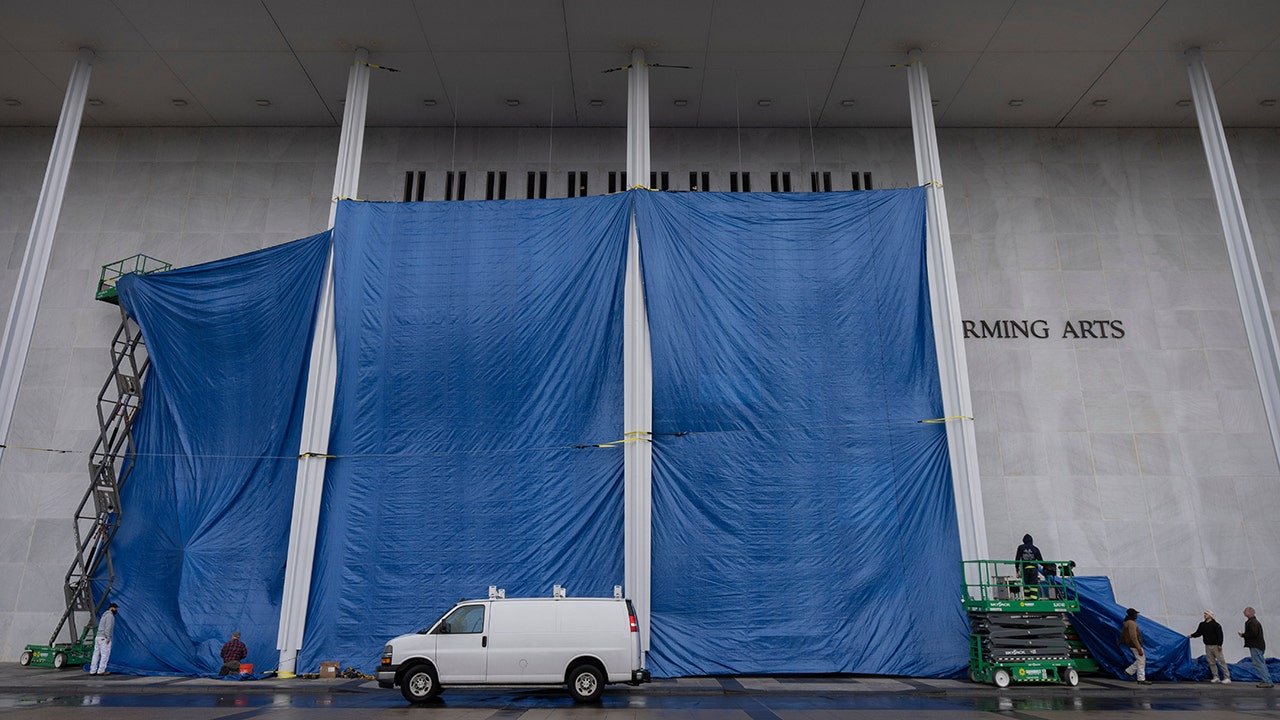
The John F. Kennedy Center for the Performing Arts is disputing whistleblower allegations from Sen. Sheldon Whitehouse, D-R.I., arguing that critics have mischaracterized Trump-era renovation projects and procurement practices.
In a statement to Fox News Digital, Kennedy Center officials say the senator’s allegations get key facts wrong, including that an «$8 million flooring contract» has been misrepresented, the Center isn’t subject to the federal contracting rules cited by critics, and that the renovation work complied with the law.
According to Kennedy Center officials, the renovations are part of a long-term infrastructure renewal addressing decades of deferred maintenance rather than politically motivated cosmetic projects.
Officials said the work was made possible through new funding secured under Kennedy Center board chairman President Donald Trump.
COMEDIANS DIG AT TRUMP AS BILL MAHER ACCEPTS MARK TWAIN PRIZE AT KENNEDY CENTER
FILE – A disclosure alleges renovations were rushed to satisfy President Trump’s preferences. (Anna Moneymaker/Getty Images)
Whitehouse alleges that whistleblowers described a renovation effort that prioritized political optics over sound construction practices.
Whitehouse’s disclosure alleges renovations were rushed to satisfy Trump’s preferences, resulting in wasteful spending and improper contracting.
Among the claims are that a newly installed bathroom floor was torn out because Trump disliked the tile color; steel columns were painted despite alleged rust beneath the surface; an $8 million flooring contract was awarded to a company with no concert hall experience; and renovations began before receiving congressional authorization.
Whitehouse argued the allegations demonstrate «waste» that treated the Kennedy Center «as if it were a private renovation project.»
‘CONFLICT OF INTEREST’: JUDGE WHO AXED TRUMP NAME FROM DC LANDMARK TIED TO ANTI-TRUMP CONSPIRACY THEORY
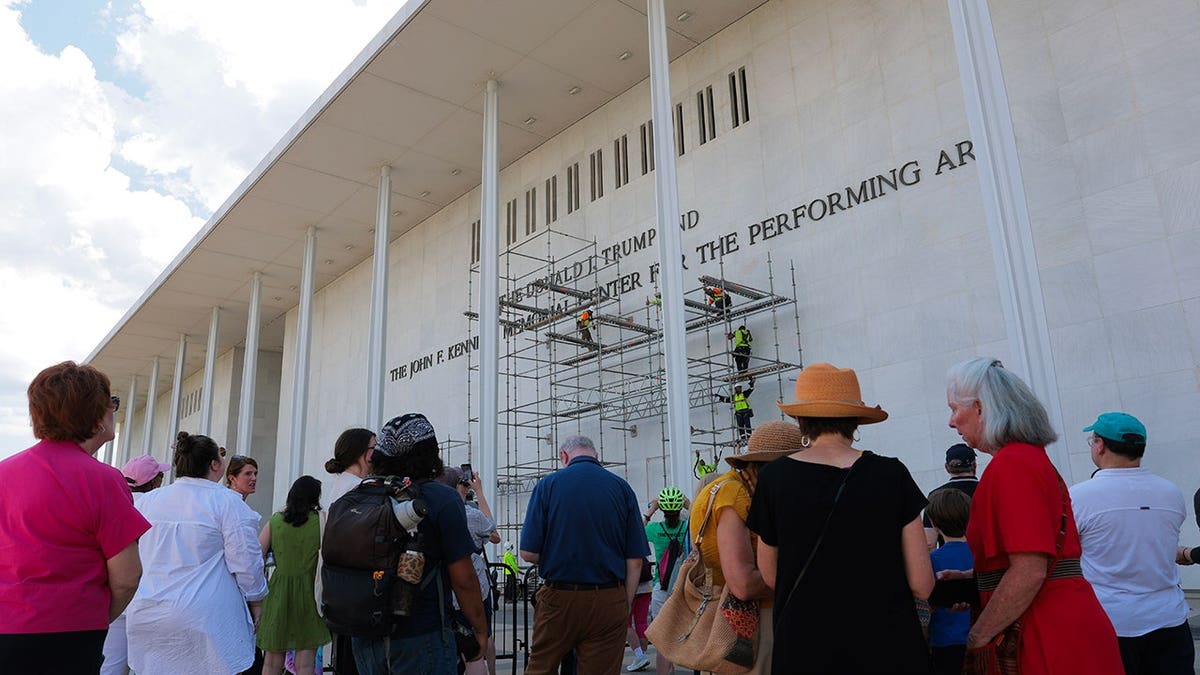
People watch construction workers build scaffolding near the Kennedy Center for the Performing Arts, June 12, in Washington, D.C. (Anna Moneymaker/Getty Images)
Kennedy Center officials disputed those allegations, arguing they rely on incomplete or misleading descriptions of renovation projects while misunderstanding both the institution’s legal authority and procurement process.
«The Center has taken measures to responsibly and transparently stabilize the facility while preparing for the comprehensive infrastructure renewal that decades of deferred maintenance have made unavoidable, a project now made possible by our Chairman’s [President Trump’s] vision, which has institutional support and new funding secured,» Roma Daravi, the Kennedy Center’s vice president of public relations, told Fox News Digital.
«As America’s cultural center, the institution makes every decision guided by responsible stewardship and an unwavering commitment to its patrons and the nation it proudly serves,» Daravi said. «We remain fully committed to transparency and to delivering the critical improvements that will preserve this institution for generations to come.»
TRUMP SAYS VANDALS USED CHEMICALS TO DAMAGE NEWLY RENOVATED REFLECTING POOL NEAR LINCOLN MEMORIAL
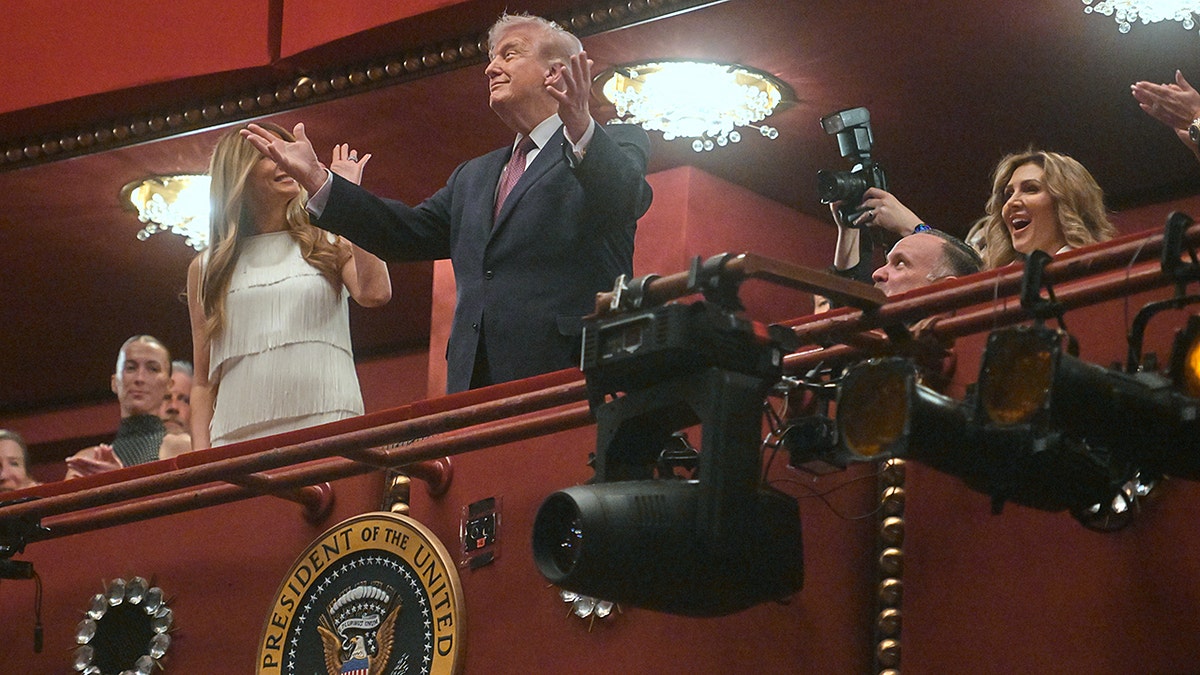
FILE – President Donald Trump and first lady Melania Trump arrive to attend the opening night of the musical «Chicago» at the John F. Kennedy Center for the Performing Arts in Washington, D.C. (Rod Lamkey, Jr./AP Photo)
The Center also cited a recent federal court ruling that it says supports the legal framework governing its renovation efforts.
According to the Kennedy Center, a May 29 opinion from the U.S. District Court for the District of Columbia reaffirmed the institution’s legal status outside the executive branch. The Center argues that distinction is significant because Whitehouse’s allegations repeatedly suggest it violated federal procurement rules.
Specifically, Kennedy Center officials dispute Whitehouse’s contention that the institution was required to follow the Federal Acquisition Regulation (FAR).
Officials said the FAR governs executive agencies, while the Kennedy Center is overseen by a bipartisan Board of Trustees established by Congress.
According to the Center, it consulted with the Office of Management and Budget and confirmed the FAR «does not apply, and has never applied» to Kennedy Center procurements.
The institution nevertheless said it recently adopted updated procurement policies to eliminate lingering administrative confusion and strengthen public confidence in its contracting process.
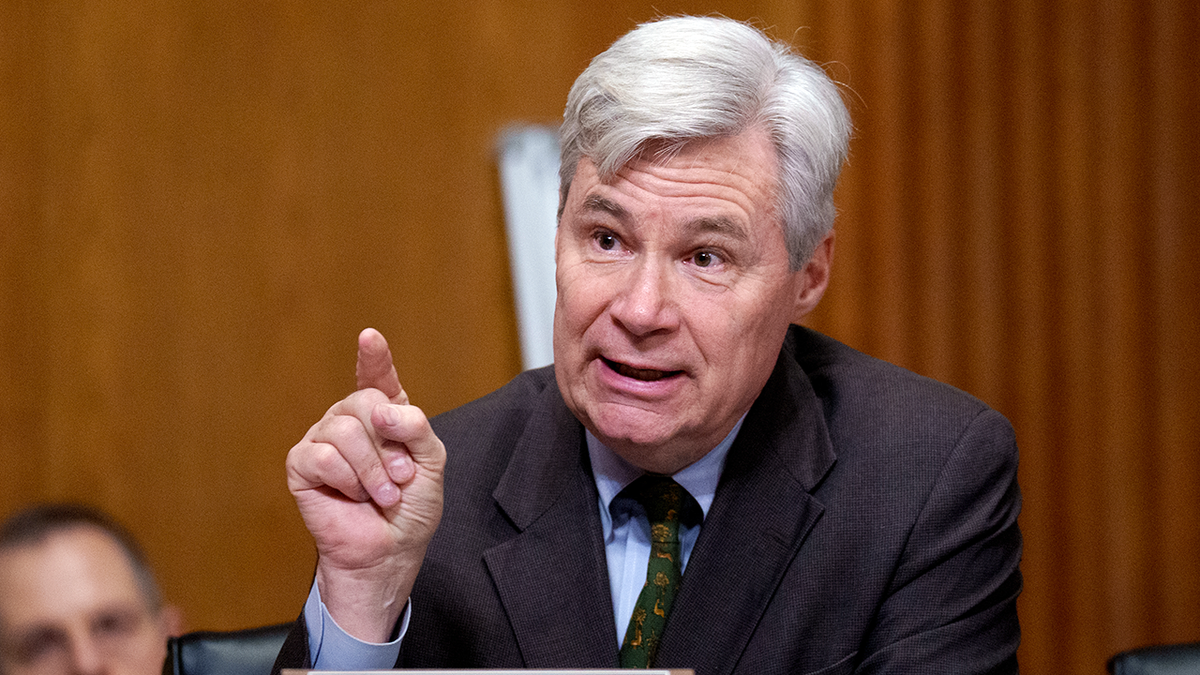
FILE – Sen. Sheldon Whitehouse, D-R.I., alleges whistleblowers described a renovation effort at the Kennedy Center that prioritized political optics. (Andrew Harnik/Getty Images)
Perhaps the biggest dispute centers on Whitehouse’s criticism of an $8 million flooring contract.
Kennedy Center officials said the oft-cited $8 million figure has been presented without important context.
Rather than an $8 million payment, officials said the agreement is a five-year blanket purchase agreement establishing only a maximum spending ceiling, with money obligated through individual call orders only when work is needed.
The Center also defended selecting Low Country Flooring, saying the company was the only vertically integrated contractor in the Mid-Atlantic capable of sourcing wood directly from timber mills while maintaining the grain consistency and acoustic performance required inside the concert hall.
Whitehouse also questioned work involving decorative columns.
The Kennedy Center said the contract complied with federal small business requirements because it was awarded to a certified SBA 8a contractor, which legally used subcontractors to perform portions of the work.
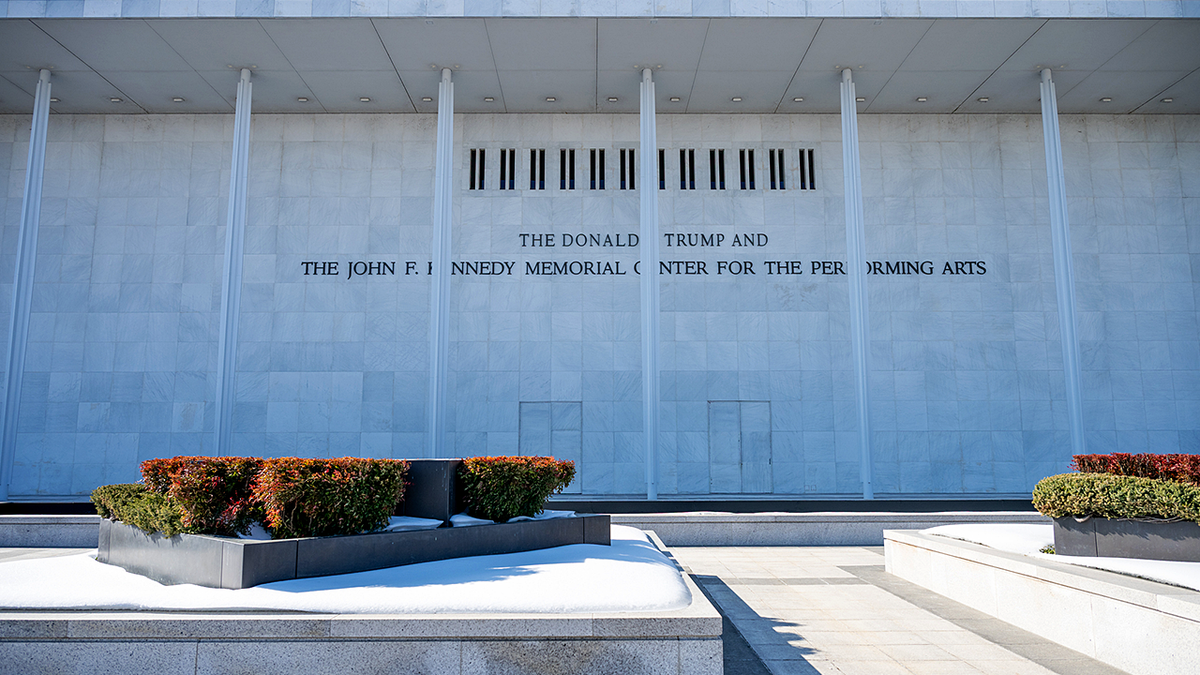
FILE – Perhaps the biggest dispute centers on alleged criticism of an $8 million flooring contract for the Kennedy Center. (Getty Images)
Officials added that any workmanship concerns remain covered by standard commercial warranties requiring corrective work if necessary.
The Center also disputed allegations involving reflecting pool repairs, saying the work was intended to stabilize structural deterioration, not restore the water feature to operation, and defended routine design decisions involving the Center’s historic presidential boxes as standard preservation work that did not create unnecessary costs for taxpayers.
CLICK HERE TO DOWNLOAD THE FOX NEWS APP
Whitehouse’s office, however, maintained that the Kennedy Center has not substantively engaged with the senator’s oversight requests.
«We have received no response from the Kennedy Center to the most recent letter, and no substantive response to any information requests dating back to November,» Whitehouse communications director Meaghan McCabe told Fox News Digital.
The White House did not immediately respond to Fox News Digital’s request for comment.
kennedy center, democrats senate, donald trump, washington dc, congress, politics








INTERNACIONAL
Insurance companies put on notice for stranding trans patients who want to reverse surgeries
Detransitioner Chloe Cole: I Was Their Experiment | The Riley Gaines Show
Riley Gaines sits down with Chloe Cole, one of the most prominent detransition advocates in the country, to discuss her experience with puberty blockers, testosterone, surgery as a minor, and her decision to detransition. Chloe shares why she believes children cannot give informed consent to life-altering medical interventions, what happened when she sought help from the doctors who treated her, and why she is now pursuing legal action against Kaiser Permanente. Riley and Chloe also discuss Planned Parenthood’s role in gender medicine, the state of campus free speech, the backlash faced by women who speak about biological reality, and Chloe’s evolving Christian faith. This conversation covers detransition, gender ideology, medical ethics, parental rights, faith, and the cultural fight over truth, childhood, and womanhood.
NEWYou can now listen to Fox News articles!
Rep. Diana Harshbarger, R-Tenn., a lawmaker with a background in pharmacy, is introducing a bill that would require health insurance companies that provide transgender procedures to also pay for detransitions and adverse effects.
Harshbarger fears that under many current plans, transitioners who consider reversing their sex-reassignment procedures are stuck with what is effectively a financial one-way door.
«It’s outrageous that a health plan can cover sex-rejecting procedures but refuse to cover the restorative care patients need to address the harm they cause. That’s not a fair deal for patients who want to restore healthy bodily function,» Harshbarger said.
MED SCHOOL DEANS COME UP EMPTY IN TENSE HEARING WHEN ASKED POINT BLANK IF MEN CAN HAVE BABIES: ‘RIDICULOUS’
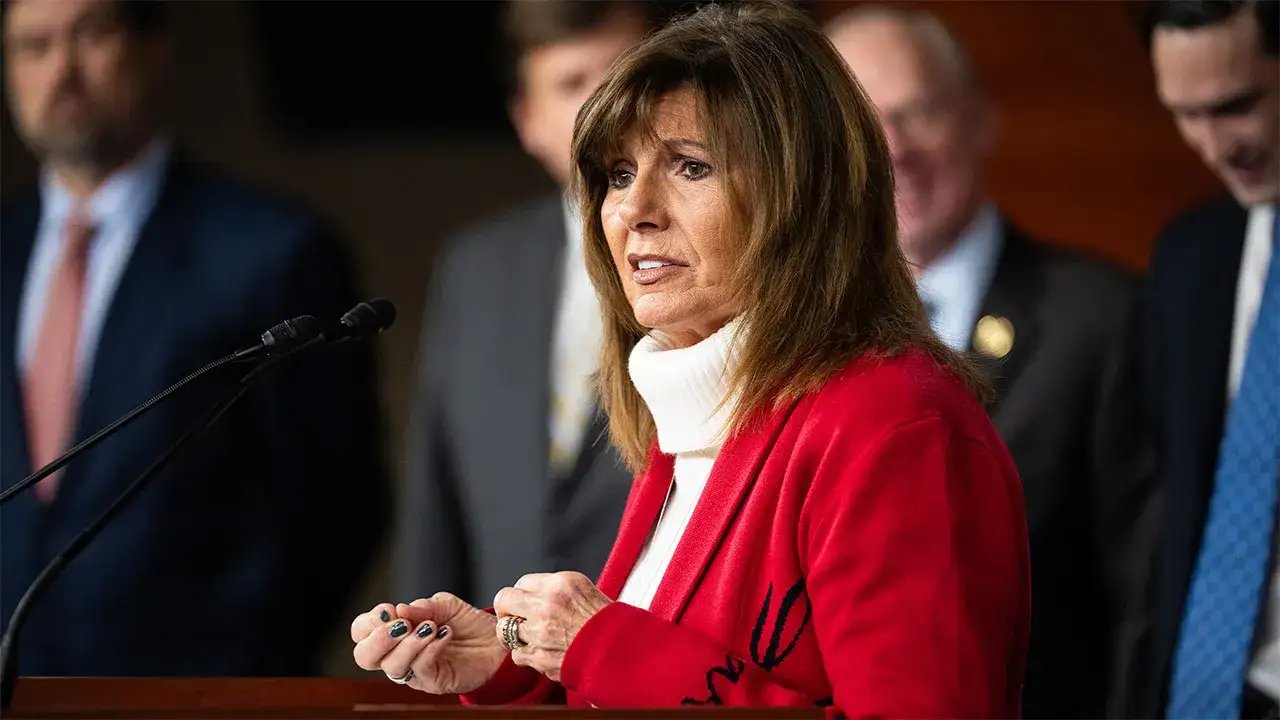
UNITED STATES – MAY 19: Rep. Diana Harshbarger, R-Tenn., speaks during the Republican Study Committee news conference to introduce a «Women’s Bill of Rights» outside the Capitol on Thursday, May 19, 2022. (Bill Clark/CQ-Roll Call, Inc via Getty Images)
Although unlikely to become law over Democratic opposition in the Senate, the bill, titled the TRUTH in Coverage Act, draws attention to a growing number of patients who have regretted sex-reassignment procedures and lawmaker concern over barriers to addressing their fallout.
It would require insurers that cover «sex-rejecting procedures» to also cover items and services needed to address the complications or adverse effects resulting from them. The bill would enact the requirement regardless of state or local laws that mandate such procedures.
If passed, the bill would go into effect Jan. 1, 2027. It has 12 cosponsors, including Rep. Buddy Carter, R-Ga., the former chairman of the Energy and Commerce Subcommittee on Health.
In its current form, Harshbarger’s bill would amend three federal statutes governing private health insurance coverage to create a uniform federal coverage requirement: the Public Health Service Act, employer-sponsored health plans and group health plans. The bill would also prevent insurers from adjusting copays, deductibles or implementing treatment limitations.
Texas Gov. Greg Abbott signed a similar bill into law last year, addressing a similar concern at the local level.
WATCH: DR. OZ SAYS NEWSOM, OTHER BLUE STATES HAVE TURNED MEDICAID FRAUD INTO A ‘FEATURE’
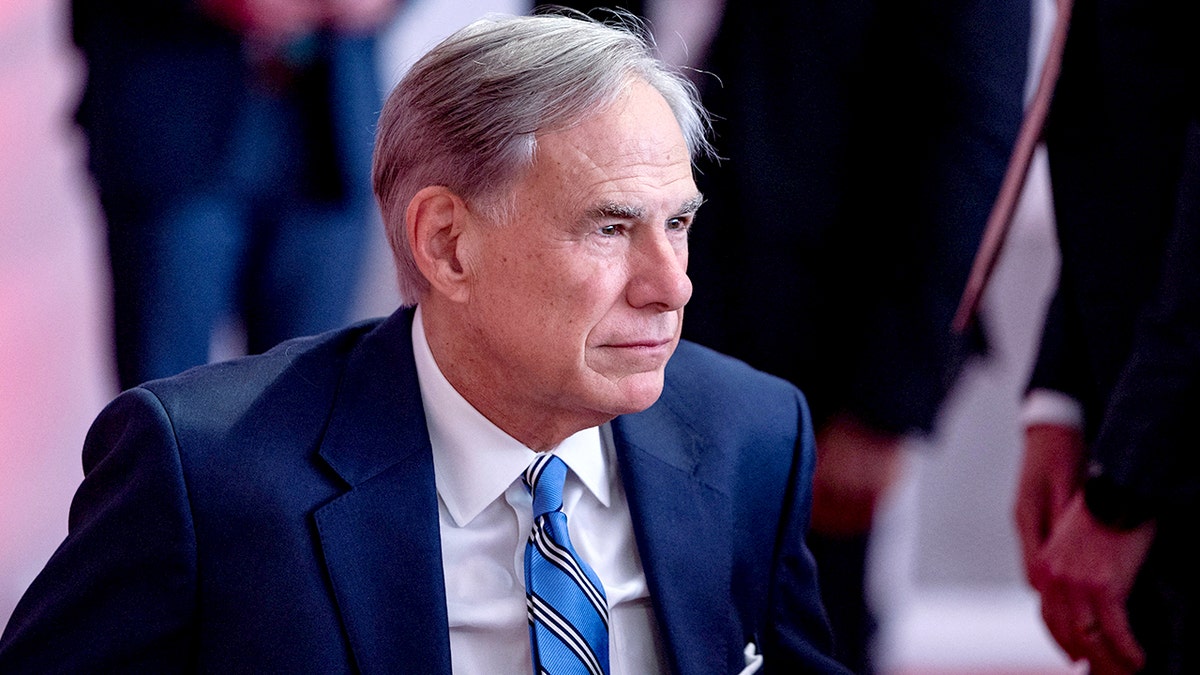
Texas Gov. Greg Abbott arrives during a press conference for Eli Lilly and Company in Houston, Texas, on Sept. 23, 2025. (Antranik Tavitian/Reuters)
Senate Bill 1257, sponsored by Texas Sen. Bryan Hughes, published a statement with the Texas Senate Research Senate, arguing the need for his bill.
«Many of these individuals require extensive medical care to manage or reverse the effects of previous treatments, yet they are frequently denied insurance coverage, leading to insurmountable out-of-pocket expenses. Without this coverage, patients face significant health risks, including hormone imbalances, surgical complications, and psychological distress,» Hughes wrote.
According to the National Library of Medicine, it’s difficult to determine exactly how many detransitions there are or at what point someone would be considered a detransitioner. Researchers noted that stopping hormones, reversing surgeries or changing legal documents could all be triggers for what it means to begin the detransition process.
By casting a wide net and including adverse effects, Harshbarger’s bill would circumvent those technicalities.
«Patients should never be abandoned after undergoing life-altering, harmful medical interventions once reality sets in,» Harshbarger said.
TALARICO CAMPAIGNS WITH SURGEON WHO OPERATED ON TRANSGENDER MINORS: ‘WOLF IN SHEEP’S CLOTHING’
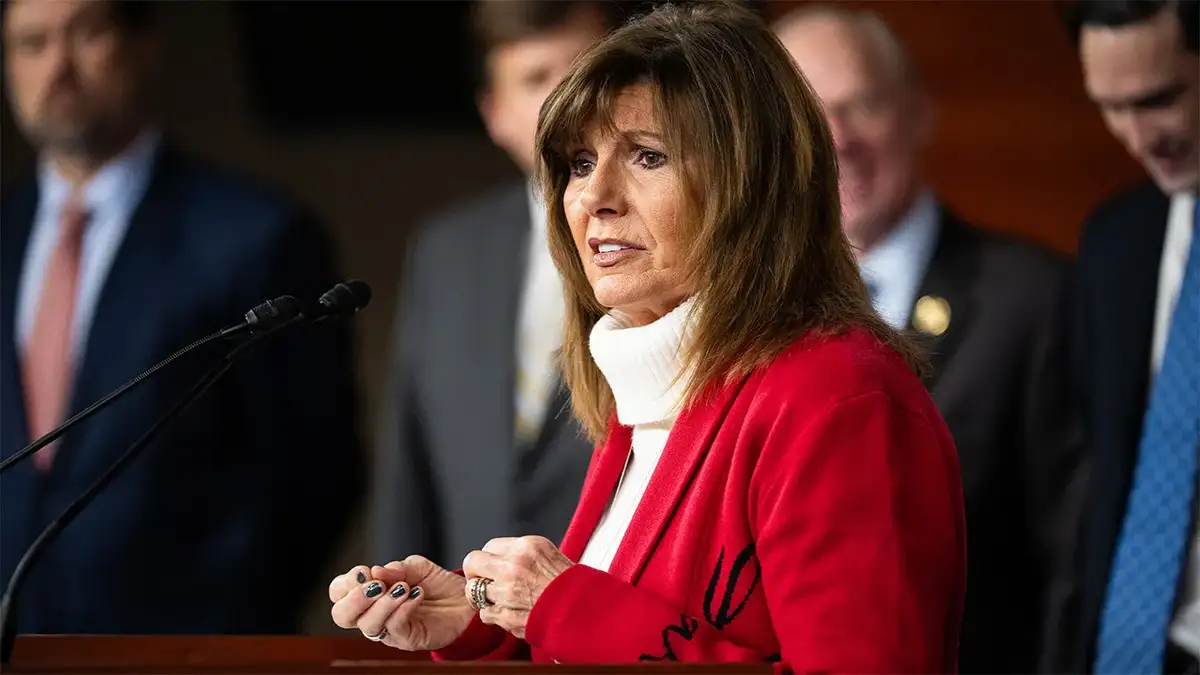
Rep. Diana Harshbarger, R-Tenn., speaks during the news conference on Thursday, Jan. 23, 2025. (Bill Clark/CQ-Roll Call, Inc via Getty Images)
CLICK HERE TO DOWNLOAD THE FOX NEWS APP
«As a pharmacist, I’ve seen insurance companies find every excuse in the book to avoid paying for the care patients actually need. My TRUTH in Coverage Act restores fairness, promotes transparency and ensures patients aren’t left paying the price for care their insurance should cover.»
It’s unclear when and if Harshbarger’s bill would reach the House floor for a vote.
health, health care, health care healthy living, congress, politics
INTERNACIONAL
Iran calls on Houthis to prepare to cut off Red Sea gateway — can the terror group do it?
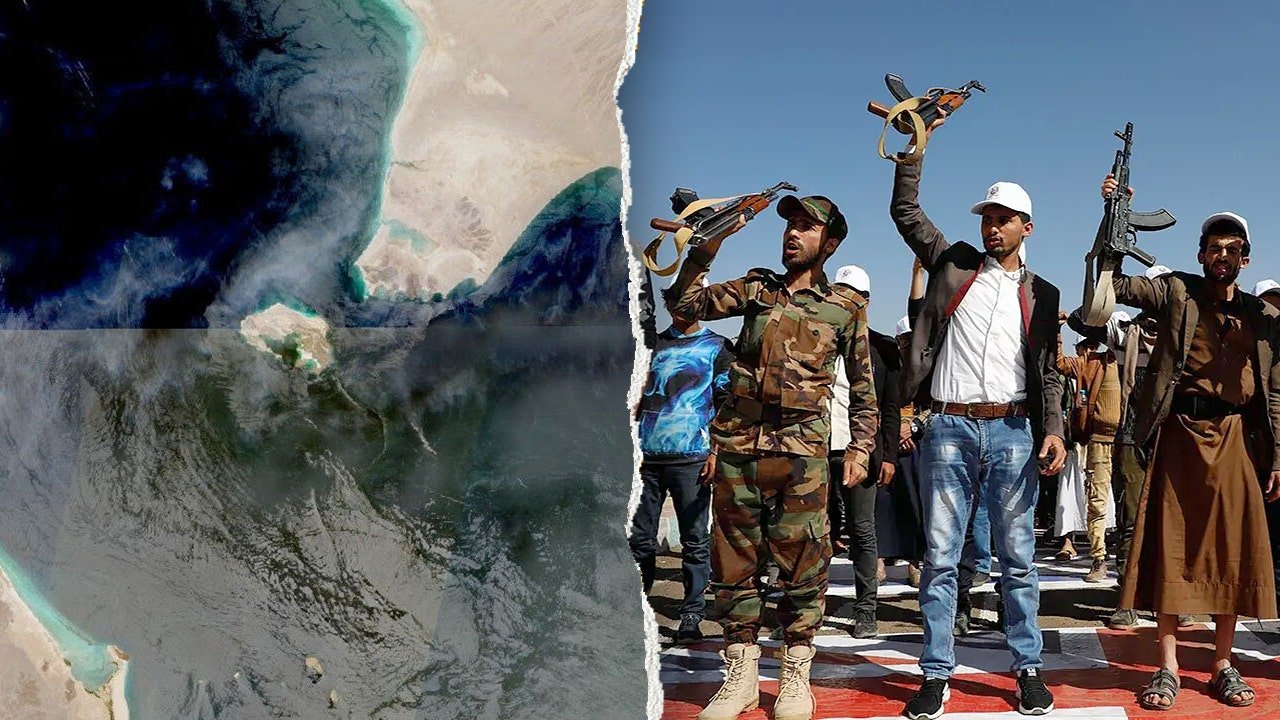
Iran threatens to close Strait of Hormuz, impacts global oil prices
FOX Business’ Lauren Simonetti details escalating tensions in the Strait of Hormuz as Iran threatens to block shipping lanes and impose new conditions. This move follows reports of vessels being struck by Iranian drones since March. The uncertainty surrounding the vital waterway has led to a 2% drop in crude oil prices, affecting the global market.
NEWYou can now listen to Fox News articles!
Iran has reportedly instructed Yemen’s Houthi terrorists to prepare to close a critical Red Sea gateway if the United States attacks Iranian power infrastructure, Reuters reported, a threat experts warn could sharply disrupt global shipping even if the group cannot completely seal the waterway.
«This threat should be taken seriously,» Nadwa Al-Dawsari of the Middle East Institute told Fox News Digital. «With recent escalation and U.S. strikes on Iran, Tehran has already signaled that the Bab al-Mandab could become part of its response.»
Three sources told Reuters on Thursday that Iran’s leadership had discussed using the Houthis to shut the Bab el-Mandeb Strait and recently conveyed the request to the group. A source close to the Houthis said missiles and drones had been deployed near the waterway and that the group was awaiting an order to begin attacking shipping.
IRAN-BACKED TERROR PROXY HOUTHIS THREATEN FRESH ATTACKS AFTER YEMEN AIRPORT STRIKE
A Houthi follower during a pro-Iran demonstration, in Sanaa, Yemen, April 6, 2026. (Khaled Abdullah/Reuters)
Edmund Fitton-Brown, a former British ambassador to Yemen and senior fellow at the Foundation for Defense of Democracies, warned in a recent Fox News Digital report that a full resumption of the Houthi maritime campaign could trigger wider fighting.
«It will be interesting if the Houthis do go all in, and resume their campaign against Red Sea shipping with full intensity,» Fitton-Brown said. «This will draw international anger and likely result in Israeli and U.S. strikes on Sana’a and Hodeida.»
«There is potential for a general escalation if this happens, albeit one in which the allies have a clear military advantage,» he added.
Al-Dawsari said the Houthis have continued developing the weapons needed to threaten the narrow shipping corridor despite largely refraining from maritime attacks over the past year.
«While the Houthis have largely refrained from attacking shipping for about a year, they have continued to advance their maritime capabilities, including missiles, drones and sea mines,» she said. «They may not be able to fully close the strait, but they could significantly disrupt shipping and raise costs and risks for commercial traffic.»
US CLAWS BACK KEY CONCESSION TO IRAN AFTER FRESH ATTACKS ON COMMERCIAL SHIPS IN STRAIT OF HORMUZ

This photo released by the Houthi Media Center shows Houthi forces boarding the cargo ship Galaxy Leader on Nov. 19, 2023. (Houthi Media Center via AP)
But the group would not necessarily need to physically control the waterway. Its previous missile and drone campaign demonstrated that repeated attacks — or even a credible threat of them — can push major shipping companies to reroute vessels around Africa, driving up insurance, fuel and freight costs.
The Bab el-Mandeb connects the Gulf of Aden to the Red Sea and Suez Canal, making it one of the world’s most important maritime choke points. The consequences of renewed attacks would be especially severe because Iran has already disrupted shipping through the Strait of Hormuz, historically the principal route for roughly one-fifth of global energy supplies.
A substantial volume of Gulf oil has consequently been redirected through Saudi Arabia to the Red Sea port of Yanbu. Reuters reported that the Bab el-Mandeb route now carries approximately 7% of global energy supplies and that Saudi Arabia has shifted about 70% of its energy exports through Yanbu.
The reported instructions also raise new questions about how much control Tehran exercises over major Houthi military decisions.

In this image provided by the U.S. Navy, the amphibious dock landing ship USS Carter Hall and amphibious assault ship USS Bataan transit the Bab al-Mandeb strait on Aug. 9, 2023. (Mass Communications Spc. 2nd Class Moises Sandoval/U.S. Navy via AP)
«Any decision to escalate in the Bab al-Mandab would be strategic and tied more to the interests of Iran and the Axis of Resistance than to Houthi interests alone,» Al-Dawsari said. «Decisions of this magnitude are likely coordinated through the Axis’ joint operations room under IRGC oversight.»
A source close to the Houthis claimed representatives of Iran’s Islamic Revolutionary Guard Corps in Yemen would control the timing of any move against the strait, Reuters reported.
The latest warning follows earlier Houthi threats against maritime traffic. In the June 12 report, Fox News Digital reported that the group had announced a complete ban on Israeli-owned ships in the Red Sea and declared them «legitimate targets.»
EXPERT WARNS OF ‘GENERAL ESCALATION’ OF FIGHTING IF HOUTHIS RESUME RED SEA CAMPAIGN
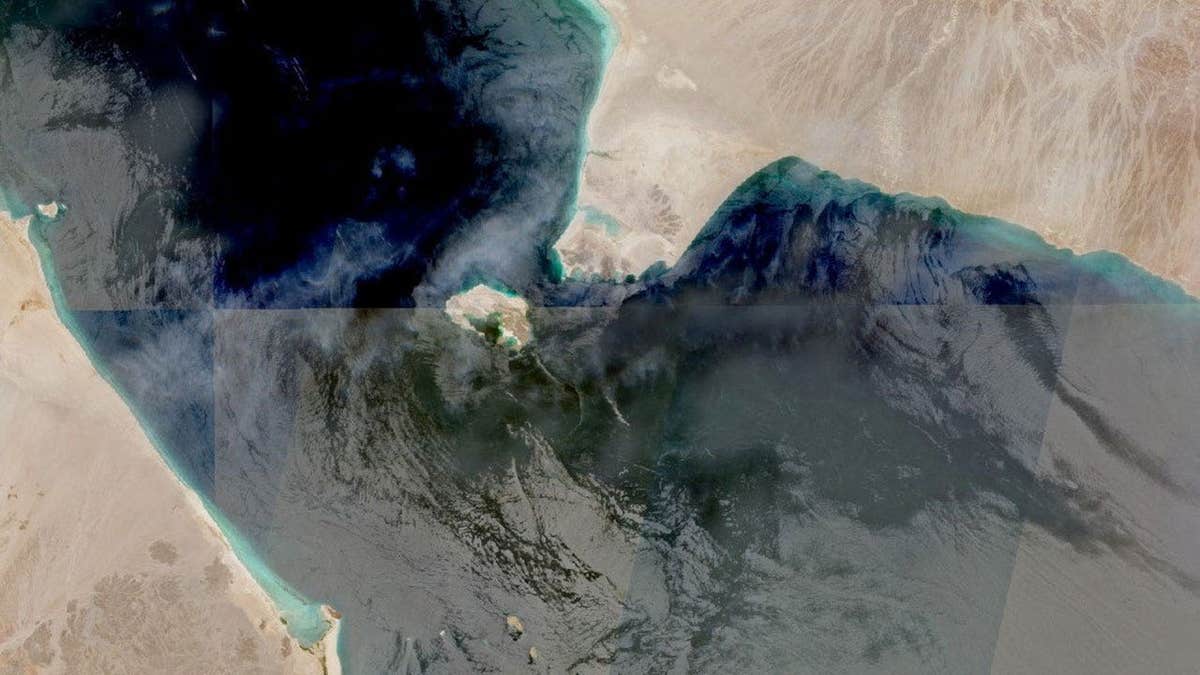
A satellite imagery shows Bab el Mandeb Strait, a key shipping waterway and the gateway to the Red Sea, in this handout picture dated July 12, 2026. (Nasa Worldview/Handout via Reuters)
A State Department spokesperson told Fox News Digital at the time that the actions of Iran and the Houthis were «unacceptable» and «dangerous,» warning that they could inflame regional tensions and further disrupt global supply chains.
U.N. Secretary-General António Guterres has «repeatedly condemned» Houthis attacks against ships in the Red Sea and called on all parties Thursday to avoid further escalation, his spokesperson, Stéphane Dujarric, told Fox News Digital.
«Any disruptions or attacks would endanger the safety and security of seafarers, freedom of navigation and the stability of global supply chains and have a negative impact on the economic and humanitarian situation in Yemen and beyond,» Dujarric said. «The Secretary-General underscores that U.N. Security Council Resolution 2722 (2024) must be fully respected in its entirety,» he said on the resolution condemning at least two dozen Houthis attacks on commercial vessels since November 2023 and demanding an immediate end to the attacks.
The emerging threat has also renewed scrutiny of the Iranian weapons networks that helped build the Houthis’ missile and drone arsenal.
Amr Al-Bidh, foreign affairs chief of the Southern Arabian Transitional Council, said that the reported threat also exposed broader failures in the handling of Yemen’s security crisis. «The fact that individuals convicted of trafficking Iranian weapons to the Houthis and leading terrorist operations are now being released under a U.N.-brokered deal only underscores how poorly the Yemen crisis is being managed,» he said, «the main beneficiary of this vacuum is Iran, as seen in its credible threat to close the Bab al-Mandab Strait.»
In a July 15 letter obtained by Fox News Digital, the Southern Arabian Transitional Council formerly known as the Southern Transitional Council, a southern Yemeni separatist movement that seeks greater autonomy or independence for the territory of the former South Yemen, warned U.N. Special Envoy for Yemen Hans Grundberg that a U.N.-facilitated detainee agreement may include people the council says were convicted of assisting Iranian weapons transfers to the Houthis.

A missile is launched from a warship during the U.S.-led coalition operation against military targets in Yemen, aimed at the Iran-backed Houthi militia that has been targeting international shipping in the Red Sea, in this handout picture released on Jan. 12, 2024. (US Central Command via X/Handout via REUTERS/ File Photo)
CLICK HERE TO DOWNLOAD THE FOX NEWS APP
An annex identifies individuals the council alleges were members of a cell that smuggled drones, aviation fuel and heavy and medium weapons from Iran to Sanaa.
The Office of the U.N. Special Envoy for Yemen said it received the letter only after the agreement had already been signed and stressed that it does not determine which detainees are released.
«We have received the letter after the agreement was signed,» spokesperson Ismini Palla told Fox News Digital. «The United Nations – as well as the International Committee of the Red Cross (ICRC) – do not decide who is released and who remains in detention. Our role is limited to mediating the negotiations and ICRC leads on the implementation of the release operation.»
Palla added that «the names of those released are proposed and agreed between the parties under the framework of the Stockholm Agreement on prisoners’ exchange of 2018.»
Fox News Digital reached out to the State Department and the Iranian Mission to the United Nations on the latest developments.
Fox News’ Paul Tilsley and Reuters contributed to this report.
war with iran, terrorism, national security, conflicts

Hay que esperar horas en las filas de seguridad bajo el sol abrasador frente a Penn Station antes de viajar apretado entre extraños en el transporte público en dirección a Meadowlands.
Mientras la gente se empuja alrededor de la estación durante la tarde, una escena mucho más refinada se desarrolla bajo la entrada del edificio Solow, la famosa y costosa torre de oficinas cerca de la Quinta Avenida.
Cuatro hombres de traje, sombreros y zapatos están parados en la vereda, resguardando un par de camionetas Mercedes-Benz Sprinter. El objetivo de ellos se ve plasmado en un tenue texto bordado en el pecho, “FIFA World Cup 2026″ y una misteriosa “Q” pegada en los parabrisas de los vehículos.
Según información verificada por The New York Times, esos hombres eran guardias de seguridad privados autorizados por la FIFA para trasladar al estadio a los altos ejecutivos y clientes del fondo soberano de riqueza de Qatar, valuado en 600.000 millones de dólares, para ver el partido entre Ecuador y Alemania.
Los hombres trasladaron al grupo más allá de los controles de seguridad en los sinuosos caminos alrededor del estadio hasta una suite privada, y luego recorrieron la misma ruta para el regreso, con una comodidad discreta y aire acondicionado.
La Copa del Mundo invirtió $1 billón en sistemas de seguridad. (Foto: The New York Times)
Los socialistas demócratas están ganando elecciones en todo el país, los multimillonarios se enfrentan al primer posible impuesto estatal a la riqueza y, al parecer, cada magnate de la tecnología con algo de imaginación está construyendo un búnker privado para el fin del mundo.
Pero en el Mundial, los multimillonarios pueden volver a ser ellos mismos. El torneo de este verano es un respiro para el millonario, un lugar donde el dinero todavía puede comprar un buen rato, aunque quizás no un trofeo.
No busques más allá de la selección de Estados Unidos, cuyo salario del entrenador fue subsidiado con varios millones de dólares por Kenneth Griffin, el multimillonario gestor de fondos de cobertura. Su firma de corretaje, Citadel Securities, tiene una suite en Nueva Jersey y él personalmente ha gastado una suma desconocida, por separado, en entradas en otros estadios para sus empleados. Griffin asistió el lunes pasado en Seattle, justo a tiempo para ver a su inversión ser aplastada por Bélgica en los octavos de final. Jets privados, helicópteros y vuelos exclusivos forman parte de la logística de empresarios y ejectuvios. (Foto: New York Times)
“Es el Superbowl para los ultraprivilegiados”, definió Hans D. Rearick, un inversionista privado que adquirió el gusto por el fútbol después de que una familia real de Medio Oriente le regaló un asiento en una suite para la final del Mundial pasado. Esta vez, estuvo volando entre Estados Unidos y México para asistir a los partidos. “La desigualdad está recibiendo un golpe directo en la cara ahora mismo”.
En entrevistas, más de una decena de entusiastas del Mundial en Wall Street, que en su mayoría hablaron de forma anónima debido al clima cultural en torno a la riqueza extrema, describieron un juego detrás de escena para conseguir los mejores asientos y el transporte más conveniente posible por aire, tierra o mar.
Gran parte de la acción se centra en Teterboro, el aeropuerto privado en el norte de Nueva Jersey que es uno de los favoritos del sector financiero y que se encuentra a solo 10 kilómetros del estadio. Por un total de 6000 dólares, la aerolínea Blade Air transportará a seis personas allí en un vuelo en helicóptero de cuatro minutos desde Manhattan.
Esa fue una de las rutas favoritas para los fanáticos del fútbol en Bank of America y Goldman Sachs que van a los partidos directamente desde el piso de operaciones, según dijeron dos empleados.
Por desgracia, aún se necesitaría un auto privado —con etiquetas de la FIFA, que cuestan desde miles de dólares— para completar la segunda mitad del trayecto con estilo y que te dejen al lado del estadio. Uber y otros servicios de autos no pueden acercarse a menos de un kilómetro y medio.

El Mundial transformó calles, comercios y espacios públicos con intervenciones artísticas. (Foto: New York Times)
Por 10.000 dólares, se puede conseguir un helicóptero más grande para volar a Teterboro desde los Hamptons, un viaje que se ha agotado en los días de partido, según Blade Air.
“Esos precios son el triple del costo habitual fuera del Mundial”, dijo Rob Wiesenthal, director ejecutivo de Blade Air, quien los atribuyó a las tarifas más altas que cobran los operadores de las terminales durante el torneo.
Una portavoz de Teterboro dijo que el aeropuerto no fija las tarifas, que son establecidas por los operadores de terminales independientes.
Un destacado abogado de fusiones y adquisiciones aprovechó el momento y estuvo cobrando 10.000 dólares por alquilar su propio hangar en Teterboro a los clientes de su firma que vuelan para asistir a los partidos. El abogado, que habló de manera anónima para no incomodar a su empleador por hablar públicamente de sus negocios personales, estacionó su avión en Massachusetts durante todo el mes.
A pesar de todo eso, todavía hay que conseguir entradas para el partido.
La suite más cara en el estadio de Nueva Jersey, en el segundo nivel a mitad de cancha, cuesta 8 millones de dólares. Si se ocupara cada asiento de la suite para los ocho partidos, se terminaría pagando unos 19.230 dólares por cada uno.
Leé también: Final del Mundial 2026: cuánto cuesta viajar a Nueva York para ver el partido de la Selección argentina contra España
Hemant Taneja, un multimillonario capitalista de riesgo, pagó más de 50.000 dólares por 26 entradas para un partido en Santa Clara, California. Su compra fue una especie de caridad, en cierto modo, escribió en un correo electrónico.
“Se las regalamos a muchas personas que trabajan para nosotros y aman el fútbol, pero que no habrían podido ir por su cuenta; para ellos es una experiencia de vida”, afirmó.

Mientras miles de hinchas hacen largas filas para ingresar al estadio, los invitados VIP acceden por circuitos exclusivos. (Foto: New York Times)
Sus invitados pudieron observar la acción desde la novena fila. Pero tuvieron que comprar sus cervezas a 24 dólares cada una.
Para la final del Mundial en Nueva Jersey, donde los mejores asientos se acercan a los 100.000 dólares cada uno en las plataformas secundarias de boletos, Taneja solo compró dos para llevar a su esposa.
Tal es la competencia entre los empleados de las altas finanzas por los asientos que una banquera de inversión tuvo que redactar un extenso memorando para convencer a sus jefes de que le permitieran usar algunas de las entradas de la empresa para un partido de las primeras rondas.
Al final, se quedó con una entrada de sobra después de que el departamento de cumplimiento normativo de un cliente internacional concluyera que los asientos —a 11 filas de la cancha— eran tan caros que podrían infringir las reglas extranjeras contra sobornos de su organización. Además de las estrellas del fútbol, el Mundial reunió a referentes de la política. (Foto: New York Times)
Paul Weiss, el prestigioso bufete de abogados de Nueva York, recibió numerosas entradas gratuitas por hacer trabajo pro bono para los comités organizadores locales del torneo, dijeron dos personas con conocimiento del funcionamiento interno de la firma. Una portavoz del bufete no respondió a las solicitudes de comentarios sobre las entradas.
El trabajo pro bono ha sido un tema espinoso para Paul Weiss, que fue criticado en algunos círculos jurídicos el año pasado por “llegar a un acuerdo” con el gobierno de Donald Trump que obligaba a la firma a realizar trabajo legal gratuito para causas afines al presidente estadounidense.
La asignación pro bono para el Mundial, al menos, resultó en lo que un socio de Paul Weiss calificó como asientos “realmente buenos”.
—-
*Rob Copeland es un periodista financiero del Times, y escribe sobre Wall Street y la industria bancaria.
The New York Times, data-cc, data-cc-nyt, mundial

Insurance companies put on notice for stranding trans patients who want to reverse surgeries

El Consejo de la Magistratura citó a declarar a la jueza de Corrientes que investigó la desaparición de Loan Peña

El Gobierno tuvo déficit fiscal en junio por el aguinaldo, pero cerró el semestre con superávit

El Senado pospuso la ley de propiedad privada: habrá cuarto intermedio hasta el 6 de agosto

El gesto de Messi con una figura de Inglaterra que debió ser expulsada en pleno partido

Axel Kicillof busca impulsar un sucesor de su riñón frente a la amenaza del kirchnerismo

El álbum de las vacaciones soñadas de Darío Barassi con su familia: “Ibiza, nos vas enamorando”

El petróleo sube más de 3% tras la reanudación de los ataques de EEUU contra Irán y la amenaza de cierre del estrecho de Ormuz

Operativo Reelección 2027: Los 8 Cambios Urgentes que Javier Milei Debe Implementar para Asegurar su Continuidad

Mitch McConnell breaks silence on mystery hospitalization after Graham’s death

 ECONOMIA3 días ago
Aumentó 900% la cantidad de repartidores de plataforma en los últimos 6 años
- DEPORTE3 días ago
El mensaje de Messi tras la última práctica de Argentina en Kansas antes de la semi contra Inglaterra: las cuatro fotos que eligió
- ECONOMIA3 días ago
Esta inversión rápida y sencilla le gana por varios puntos al plazo fijo de grandes bancos