INTERNACIONAL
Iran regime change talk resurfaces as Trump says Tehran ‘wants to meet’ amid US strikes

NEWYou can now listen to Fox News articles!
Elements of the Trump administration are again debating whether the United States should support the downfall of Iran’s government as the war intensifies again, according to a recent analysis.
The analysis, published Monday by Financial Times columnist Gideon Rachman, says the discussion reportedly includes efforts to encourage an internal uprising and the possible revival of proposals to support armed Iranian opposition groups, including Kurdish factions that have fought Iran for decades.
The question has gained urgency as the United States resumes strikes against Iranian military targets and officials debate whether continued pressure should remain narrowly focused on maritime security or evolve into a broader effort to weaken the Islamic Republic from within.
Such a shift would present President Donald Trump with a consequential choice: continue using military and economic pressure to force Iranian concessions, or adopt the far more ambitious objective of helping Iranians remove the Islamic Republic from power.
IRAN REQUESTS TALKS WITH US AS WHITE HOUSE WARNS ‘VIOLENCE WILL BE MET WITH VIOLENCE’
U.S. Central Command said it carried out another wave of airstrikes against Iran on Friday, July 17, 2026. (CENTCOM)
Trump, however, signaled Tuesday that he has not closed the door on diplomacy, saying Iran is seeking talks behind the scenes.
«They want to meet desperately to try and end it because they’re getting decimated,» Trump told reporters during a Tuesday press conference.
Asked what talks were possible, Trump said: «They want to desperately meet. And until they’re ready to meet in a meaningful way, we have no interest…»
«Honestly, they haven’t seen anything yet. We’ve been nice,» the president added.
US OFFICIAL SAYS JD VANCE MADE ‘GREAT PROGRESS’ IN IRAN TALKS, CALLS SNUB REPORTS ‘FOREIGN PROPAGANDA’
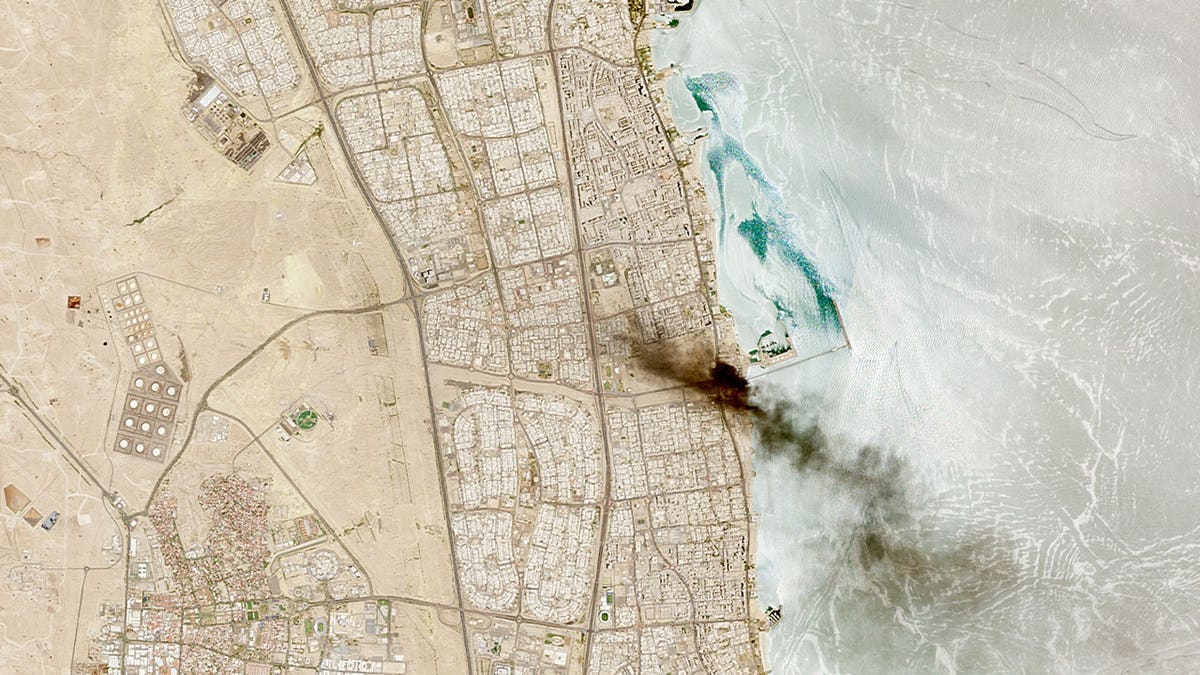
Based on the latest targets, Iran has been signaling that it is prepared to damage water, energy and transport infrastructure elsewhere in the region, a senior UN official explained. (European Union/Copernicus Sentinel-2/Handout via REUTERS)
Trump’s comments suggest that military pressure and diplomacy remain intertwined, even as questions grow over whether some administration officials favor a broader strategy aimed at weakening or ultimately replacing Iran’s leadership.
U.S. Central Command (CENTCOM), the military command responsible for American operations across the Middle East, said Monday that it struck Iranian military command centers, maritime capabilities, missile and drone launch sites and air-defense systems as part of an effort to reduce Iran’s ability to threaten shipping through the Strait of Hormuz.
The current military mission remains focused on protecting global shipping, Secretary of State Marco Rubio similarly said Sunday.
«The only reason why the U.S. is conducting strikes is against assets of Iran that are being used to attack global commercial shipping,» Rubio told reporters Sunday at Joint Base Andrews in Maryland. «That’s what the objective of this mission is. That’s what it continues to be.»
Experts say the distinction between weakening the regime and making its collapse a formal military objective is critical.
«Collapsing the regime remains a long-term goal using all forms of national power, but it doesn’t appear to be a military objective right now,» Richard Goldberg, a senior advisor at the Foundation for Defense of Democracies think tank, told Fox News Digital. «This is Project Freedom — it’s focused on securing the Strait of Hormuz, and any escalation is likely tied to that mission.»
Goldberg said some high-value targets, including nuclear facilities such as Pickaxe Mountain, could be treated as exceptions because of their strategic importance. Pickaxe Mountain is a deeply buried and largely uninspected complex near Iran’s Natanz nuclear facility that U.S. and Israeli officials suspect could be connected to Iran’s nuclear program.
But he argued that most current U.S. operations are designed to advance maritime security rather than trigger a broader campaign to topple the government.
STEVE FORBES URGES TRUMP TO KEEP THE STRAIT OF HORMUZ OPEN AT ALL COSTS
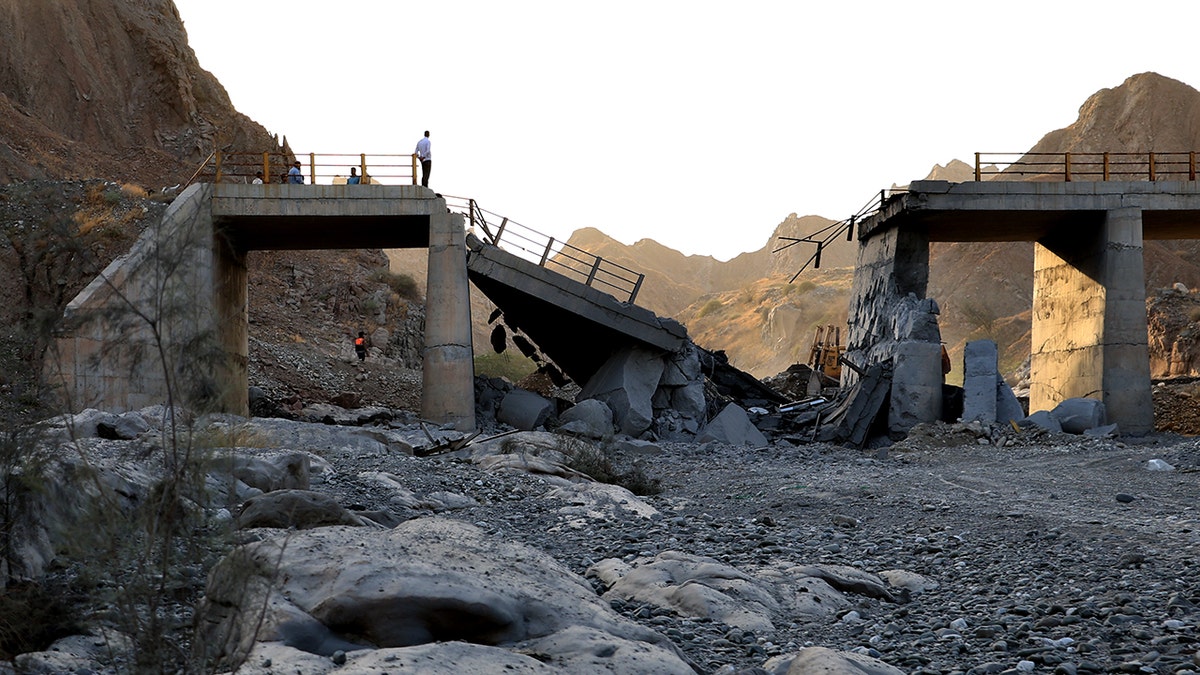
People stand on a bridge destroyed after a strike in Hormozgan province, southern Iran, Saturday, July 18, 2026. (Amirhosein Khorgooi/Iranian Students’ News Agency via AP)
«Where this gets confusing is when Central Command targets assets that are necessary for the Hormuz mission but could still provoke wider escalation, like dual-use infrastructure or certain leadership figures,» Goldberg said. «That doesn’t mean the U.S. wouldn’t welcome the regime’s collapse, but that outcome is more likely to come through economic pressure, covert action and targeted decapitations over time.»
Any move toward regime change would immediately raise questions about who could replace Iran’s rulers and whether Washington could support a political transition without becoming responsible for another prolonged Middle Eastern conflict.
One proposal reportedly discussed earlier in the war involved assisting Iranian Kurdish groups operating near the Iraqi border. Trump was open to supporting armed factions willing to fight Iran’s government, U.S. officials told The Wall Street Journal in March.
The administration had contacted Kurdish leaders about possible assistance, The Washington Post separately reported.
Such groups could provide Washington with partners on the ground without the deployment of U.S. forces. But they remain divided, militarily constrained and vulnerable to retaliation against their bases and supporters in neighboring Iraq.
The central question is whether those groups are now positioned to exploit perceived weakness inside Iran or whether increased fighting amounts to another round of limited clashes.
Majeed Gly, president of the American Kurdish Committee, said recent clashes involving Kurdish groups indicate a change in how some opposition forces perceive the regime’s strength. He cautioned that the violence should not be mistaken for a full-scale uprising, but said it should not be dismissed as routine border fighting.
«What I’m hearing is, this is not business as usual,» Gly told Fox News Digital earlier in July. «This is not like periodic clashes on the border. This is operations, and it seems to be deep inside.»
«What has changed is the perception of weakness of Iran,» Gly added. «They are less afraid of the regime.»
The broader Iranian opposition remains fragmented among monarchists, ethnic movements, secular activists, left-wing organizations and other groups that disagree over leadership and the structure of a future government.
CLICK HERE TO DOWNLOAD THE FOX NEWS APP
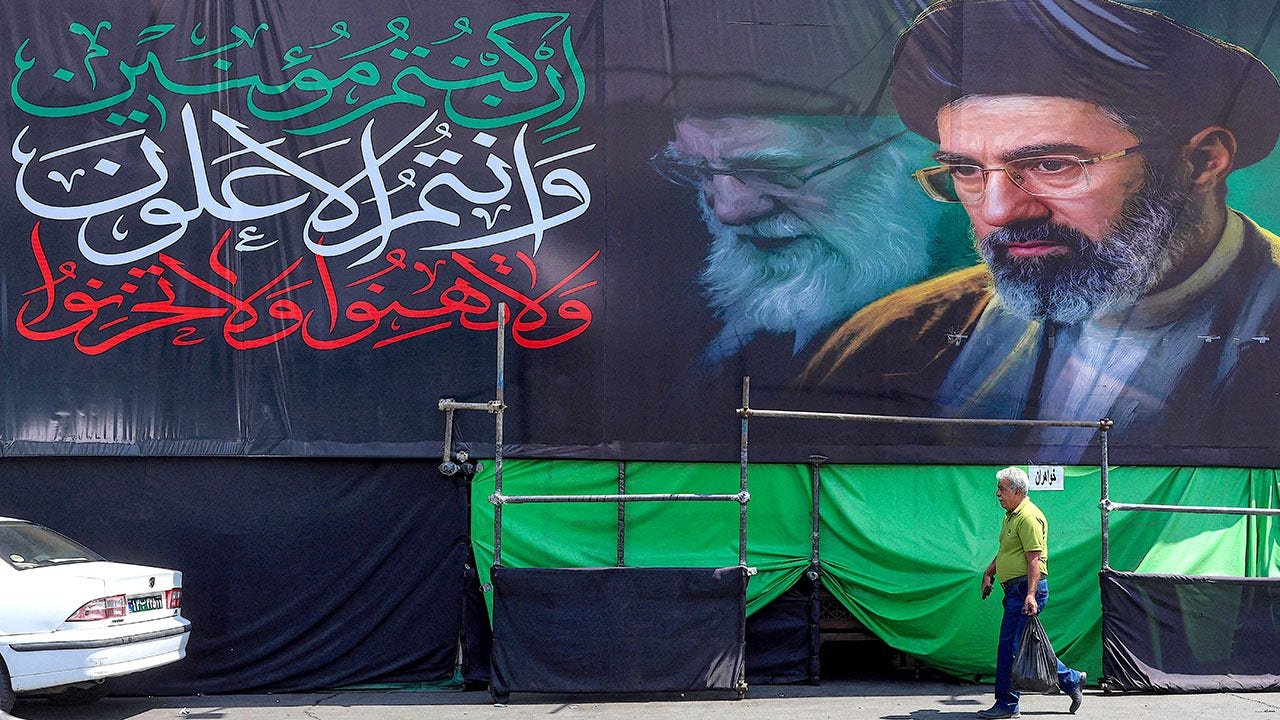
A man walks past a huge mourning banner depicting Iran’s current supreme leader Mojtaba Khamenei and his late father Ali Khamenei, who was killed in a strike on the first day of the U.S.-Israeli war against Iran on February 28, set up along a road in Tehran on June 30, 2026, ahead of Ali Khamenei’s funeral. (AFP )
That leaves the administration confronting the same problem that has complicated previous attempts to encourage political change in Iran: widespread opposition to the Islamic Republic does not necessarily translate into a unified movement capable of replacing it.
war with iran, middle east, world, foreign policy










Dem, GOP lawmakers trade jabs as midterms approach
Republican strategist Collin Reed and Fox News contributor Richard Fowler weigh in on the escalating midterm election battles as ‘America’s Newsroom’ anchor Bill Hemmer breaks down the power rankings for the House and Senate.
NEWYou can now listen to Fox News articles!
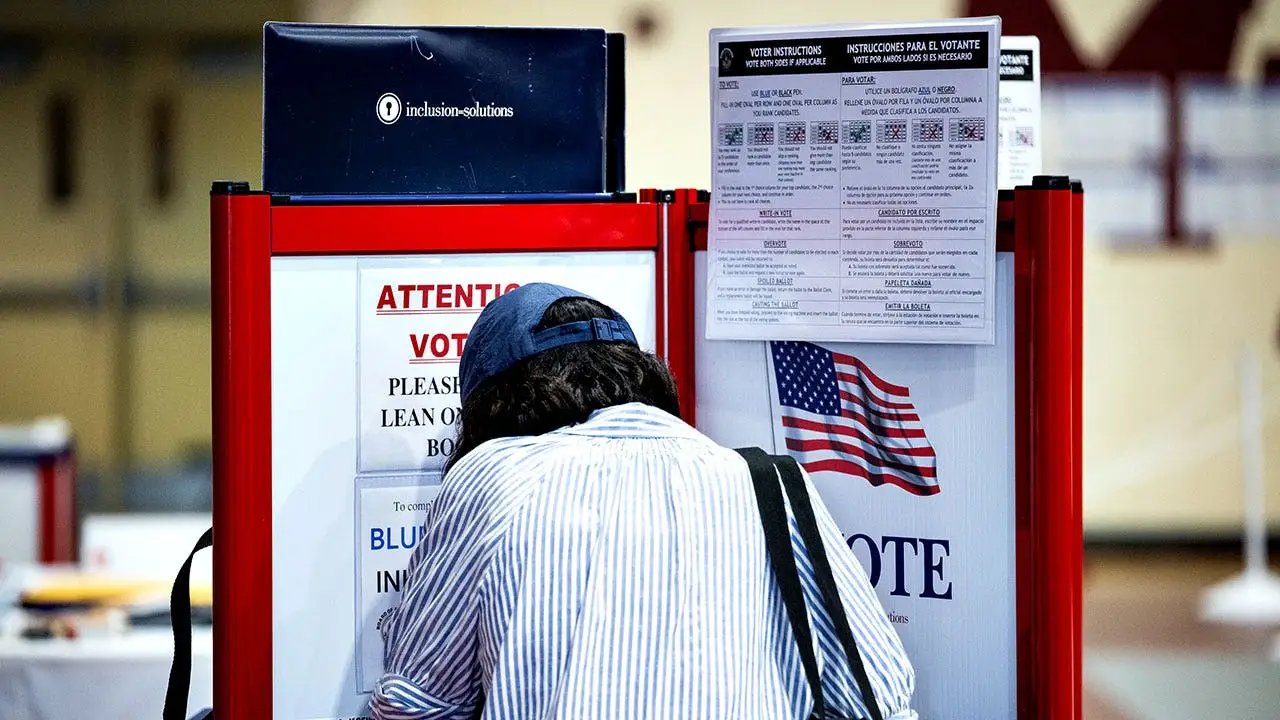
Several findings in the latest Fox News Poll show voters are unhappy and want major change, which bodes well for Democrats in November: President Donald Trump’s job approval remains near a record low, more Democrats are motivated to vote, Republicans join Democrats and independents in rating the economy negatively, and 4 in 10 voters want «dramatic» or «revolutionary» change. Plus, more view the GOP as tied to elites than the Democratic Party.
Voters say Democrats can better handle income inequality (+22 points), healthcare (+21), inflation (+10), the economy (+9), and foreign policy (+7). Republicans hold the advantage on crime (+7 points), while government spending (Democrats +3) and national security (R +2) are more evenly divided. On immigration, the GOP had an 8-point edge in April. Now, Democrats are preferred by one point.
FOX NEWS POLL: AN EARLY LOOK AT THE GEORGIA SENATE RACE
More Democrats (68%) say they are extremely motivated to vote in November than Republicans (57%) by an 11-point margin. By a 25-point spread, more MAGA Republicans (66%) are extremely motivated than non-MAGA Republicans (41%).
FOX NEWS POLL: A CLOSE SENATE CONTEST IS BREWING IN IOWA
If the election were today, 53% of voters would back the Democratic candidate in their House district and 46% the Republican. That 7-point edge is just outside the poll’s margin of error. Democrats were up by 5 points in April. Notably, 53% is the highest percentage either party has received on the generic House ballot in Fox News polling since 1996.
When looking only at counties where the 2024 presidential vote was close — Trump and former Vice President Kamala Harris within 10 points — the Democratic candidate leads by 59-41%.
«Although these data look promising for the Democrats, some of their support is in less-contested districts, padding their national totals without adding House seats,» says Republican pollster Daron Shaw, who conducts Fox News polls with Democrat Chris Anderson. «The best estimates I’ve seen suggest the GOP could retain the House even if the Democrats win the national vote by 2-3 points, but if Democrats win by 6-7 points, they probably take the House.»
The Democratic advantage comes amid weak ratings for Trump and continued economic pessimism. Trump’s job approval stands at 39%, unchanged for the third month in a row and one point above his low of 38% in October 2017. Approval of Trump is a touch lower than former President Barack Obama’s at the same point in his second term (42% in July 2014).
Trump received net-negative ratings for handling immigration (42% approve, 57% disapprove), Iran (34-66%), the economy (33-67%), and inflation (27-73%).
Three-quarters rate the economy negatively, about the same for the past six months.
Another three quarters say inflation has caused them financial hardship, including 34% who say «serious» hardship, up from 26% last year.
Fifty-four percent expect the economy to worsen in the coming year; only Republicans express optimism (71%), while Democrats (75%) and independents (64%) expect it to worsen.
Dissatisfaction extends beyond individual figures to both political parties and the broader economic system.
«Democrats and Republicans have a surprisingly broad array of shared beliefs about politics today,» says Shaw. «Both think elected officials answer to the elites, both think the system is rigged, both want to see new blood in office, both feel betrayed by their party, both disapprove of their members in Congress, and both want a mandatory retirement age for Congress.»
Some 70% say the Republican Party is closely tied to elite interests, while 55% say the same about the Democratic Party. The 15-point gap reflects more Democrats and independents saying the GOP is tied to elites, yet even Republicans are equally likely to describe both parties as close to elites.
There’s disillusionment in both parties. Many Democrats (48%) and Republicans (41%) say they feel betrayed by their party, and for both it is primarily for selling out to special interests.
Perceptions that the political system favors elites are reshaping views of the economy as well. The number who accept income inequality because «that’s how our economy works» has fallen 16 points compared to 2014 (from 62% to 46%), while the share who want government action has more than doubled (from 13% to 30%).
At the same time, an increasing number, 65%, think the country’s system is rigged in favor of the wealthy (up 9 points compared to 2019).
By 2-to-1, voters say it is more important to elect new people than keep those with experience.
Overall, 19% say they want revolutionary change in the nation’s government, while many others want substantial (38%) or dramatic (23%) change.
Almost twice as many Democrats (52%) as Republicans (28%) want dramatic or revolutionary change.
Nearly 7 in 10 voters disapprove of both Democrats and Republicans in Congress.
Some 32% of Republicans disapprove of their party’s lawmakers, while 39% of Democrats disapprove of theirs. More than 8 in 10 independents disapprove of both.
Fully 85% support a mandatory retirement age for members of Congress, up 20 points since 2002.
Of those in favor of setting a cap, 80% think it should be before age 75, with 61% selecting a cutoff between 65 and 74 — a boundary supported by more than half of every generation.
Poll-pourri
Just 50% of voters have a positive view of capitalism, down from a high of 57% in 2019. For socialism, it’s 30% favorable, up from 27% last year but below the 32% who said the same in 2021. The Democratic Socialists of America are viewed positively by 31%.
By an 11-point margin, more Democrats have a favorable opinion of socialism (52%) than capitalism (41%), while by a 50-point margin, more Republicans have a positive view of capitalism (61%) than socialism (11%).
Forty-five percent of voters have a favorable view of Vermont Sen. Bernie Sanders, I-Vt., That makes him more popular than Vice President JD Vance (41% favorable), Trump (38%), and Rep. Alexandria Ocasio-Cortez, D-N.Y., (35%). Each is viewed more unfavorably than favorably. Voters under 30 and those ages 65+ are equally likely to view Sanders positively (48% and 46% respectively). For AOC, more voters 65+ (41%) have a favorable view than young voters (33%), and three times as many of those under 30 say they’ve never heard of her (30% vs. 9%).
Overall, 44% have a favorable view of Israel, down from 58% a decade ago. Positive ratings are lower today among Democrats (by 14 points), Republicans (-12), and independents (-21). Voters ages 65 and over (56%) are twice as likely to view Israel favorably as those under 30 (27%).
Conducted July 17–20, 2026, under the direction of Beacon Research (D) and Shaw & Company Research (R), this Fox News survey includes interviews with a sample of 1,003 registered voters randomly selected from a national voter file. Respondents spoke with live interviewers on landlines (70) and cellphones (681) or completed the survey online after receiving a text (252). Results based on the full sample have a margin of sampling error of ±3 percentage points. The survey includes an oversample of 200 voters aged 18–29, bringing the sample size for that subgroup to 350 (±5). Sampling error for results among subgroups is higher. In addition to sampling errors, question wording and order can influence results. Weights are generally applied to age, race, education, and area variables to ensure the demographics are representative of the registered voter population. Sources for developing weight targets include the most recent American Community Survey, Fox News Voter Analysis, and voter file data.
Fox News’ Victoria Balara contributed to this report.
fox news poll, politics, economy, elections, voting, democratic party, republicans, donald trump
INTERNACIONAL
EE.UU. y Arabia Saudita firmaron un acuerdo nuclear que incluiría el enriquecimiento de uranio: crece la preocupación en Israel
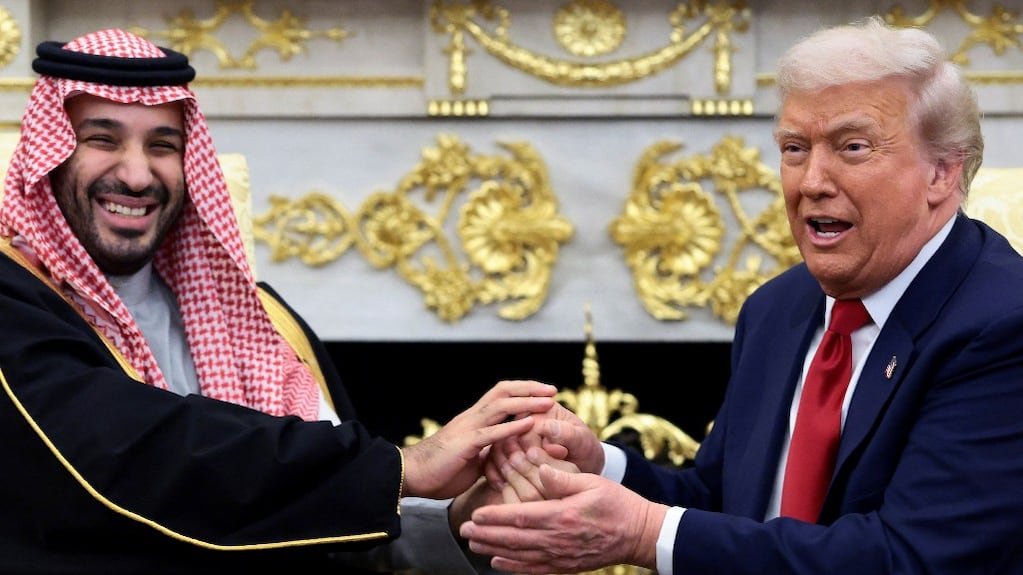
Estados Unidos y Arabia Saudita firmaron este miércoles un acuerdo que permitirá al reino árabe desarrollar un programa nuclear civil y que, según algunos medios, le abriría al reino la puerta al enriquecimiento de uranio.
Este plan desató preocupación en Israel, informó la prensa local.
El acuerdo, que debe ser ratificado por el Congreso estadounidense, se produce en un contexto de tensión con Irán, rival de Arabia Saudita en Oriente Medio, y bajo los esfuerzos de Washington por limitar las capacidades nucleares de Teherán, que niega buscar desarrollar armas nucleares.
El documento, conocido como “Acuerdo 123”, fue firmado por el secretario de Energía de Estados Unidos, Chris Wright, y su homólogo saudita, Abdulaziz bin Salman, según informó en un comunicado el Gobierno estadounidense.
Arabia Saudita no mantiene vínculos diplomáticos con Israel.
“Fines pacíficos”
El comunicado no incluyó el texto íntegro del acuerdo, pero asegura que el programa tiene “fines pacíficos” y que está comprometido con la “no proliferación nuclear”.
Asimismo, indicó que el acuerdo dará a las empresas estadounidenses acceso preferente al sector de la energía nuclear producida en Arabia Saudita.
“Pueden tener la certeza de que estos acuerdos cumplen con los más altos estándares de seguridad y no proliferación nuclear, al tiempo que se apoyan en la mejor tecnología nuclear y en los mejores científicos del mundo, desarrollados aquí mismo en Estados Unidos”, afirmó Wright.
Donald Trump firma un acuerdo nuclear con Arabia Saudita (Foto: REUTERS/Evelyn Hockstein)
Medios como The New York Times adelantaron el acuerdo, que, según esas informaciones, permitiría a Riad el enriquecimiento de uranio, yendo más allá de los pactos nucleares convencionales que Washington ha suscrito con otros aliados, como Emiratos Árabes Unidos.
Desde que se filtraron los detalles el martes por la noche, algunos legisladores demócratas criticaron el acuerdo y pidieron que el Congreso lo rechace, aunque los republicanos tienen mayoría en ambas cámaras.
Leé también: Mientras aumenta el precio del petróleo, Trump amenaza con destruir puentes y centrales eléctricas de Irán
Desde que regresó al poder en 2025, el presidente de Estados Unidos, Donald Trump, impulsó un acercamiento a Arabia Saudita y al príncipe heredero, Mohamed bin Salman, pese a que este fue acusado por la inteligencia estadounidense de estar detrás del asesinato en 2018 del periodista Jamal Khashoggi de The Washington Post.
Enriquecimiento de uranio
Una cláusula del pacto, que tendría una duración de 30 años, prevé que empresas estadounidenses construyan una instalación de enriquecimiento de uranio en Arabia Saudita si un estudio conjunto determina que está justificado, informó The Wall Street Journal.
Pero algunos legisladores estadounidenses de ambos partidos y funcionarios israelíes expresaron su oposición a un proyecto atómico civil para Arabia Saudita, por temor a que pueda convertirse eventualmente en un programa para desarrollar armas nucleares. El presidente estadounidense, Donald Trump (REUTERS/Evelyn Hockstein)
El reino sunnita es uno de los principales aliados de Washington en Oriente Medio y ha sido afectado por ataques iraníes en respuesta a la ofensiva estadounidense contra Irán. Además, los rebeldes hutíes de Yemen han anunciado un bloqueo marítimo en el mar Rojo contra buques saudíes.
Arabia Saudita y los hutíes intercambiaron ataques la semana pasada por primera vez en años, lo que puso en peligro una tregua de 2022. Los rebeldes, en gran medida, se mantuvieron al margen desde que Israel y Estados Unidos atacaron a Irán a finales de febrero.
El asunto es de larga data. Arabia Saudita ha defendido durante mucho tiempo su derecho a desarrollar un programa nuclear civil.
En los últimos años, Washington ha tratado de integrar cualquier acuerdo relativo a la cuestión nuclear en una estrategia más amplia que incluiría la normalización de las relaciones de Arabia Saudita con Israel, junto con la firma de un pacto de defensa con Estados Unidos.
Washington firmó un acuerdo nuclear en 2009 con el vecino Emiratos Árabes Unidos, aunque este país no enriquece su propio uranio.
(Con información de EFE y AFP)
Donald Trump, arabia saudita
NEWYou can now listen to Fox News articles!
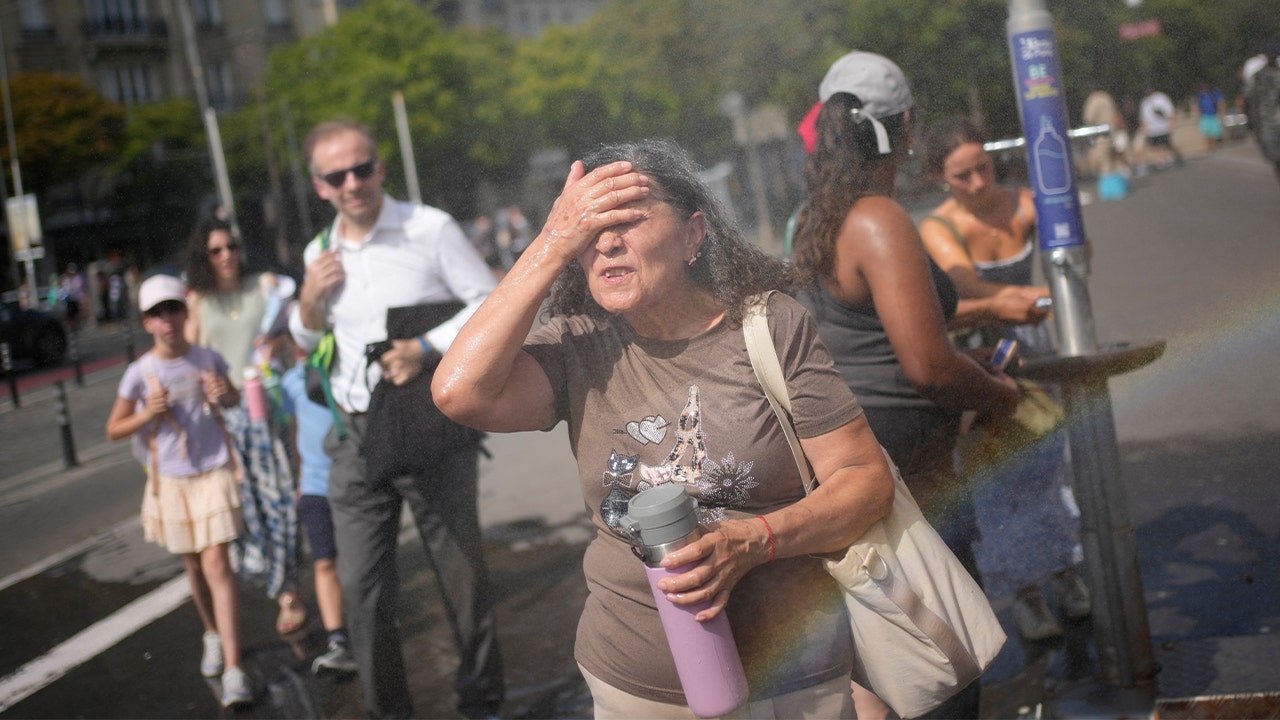
France has recorded more than 5,700 excess deaths during its historic summer heat wave, marking the country’s deadliest heat-related toll in more than two decades, Public Health France announced Wednesday.
Between June 17 and July 2, the agency expected 15,910 deaths but instead recorded 21,674. The difference — 5,764 excess deaths — was 36% higher than what would have been expected.
During the heat wave, temperatures climbed well above 104 degrees Fahrenheit in many parts of the country, Public Health France said.
«This unprecedented event, characterized by its early onset, intensity, and duration, exposed almost the entire population to extreme heat during a period that was still largely dedicated to school and work activities,» the agency said.
EUROPE’S FIRES REVEAL DEADLY MIX OF RECORD HEAT, HUMAN ERROR, ARSON AND LAND MISMANAGEMENT
Tourists enjoy cooling off at a public water fountain in Paris, Friday, June 26, 2026. (Christophe Ena)
Deaths from all causes increased across hospitals, private homes and nursing homes during the heat wave.
The agency’s analysis included people ages 15 and older, with mortality increasing beginning at age 45. Adults 75 and older accounted for roughly two-thirds of the provisional death toll, representing at least 3,719 excess deaths.
SCIENTIST CALLS FOR AMERICANS TO CUT OFF AIR CONDITIONING IN SUMMER, CLAIMING IT CAUSES GLOBAL WARMING
The Paris region was hit hardest, recording 1,999 excess deaths — more than 80% above what would have been expected without the heat wave, according to the agency.
Public Health France said 2026 recorded the country’s highest excess mortality linked to a heat wave since 2003. The National Institute of Health and Medical Research estimated that roughly 15,000 more people died compared to the usual mortality for that time of year.
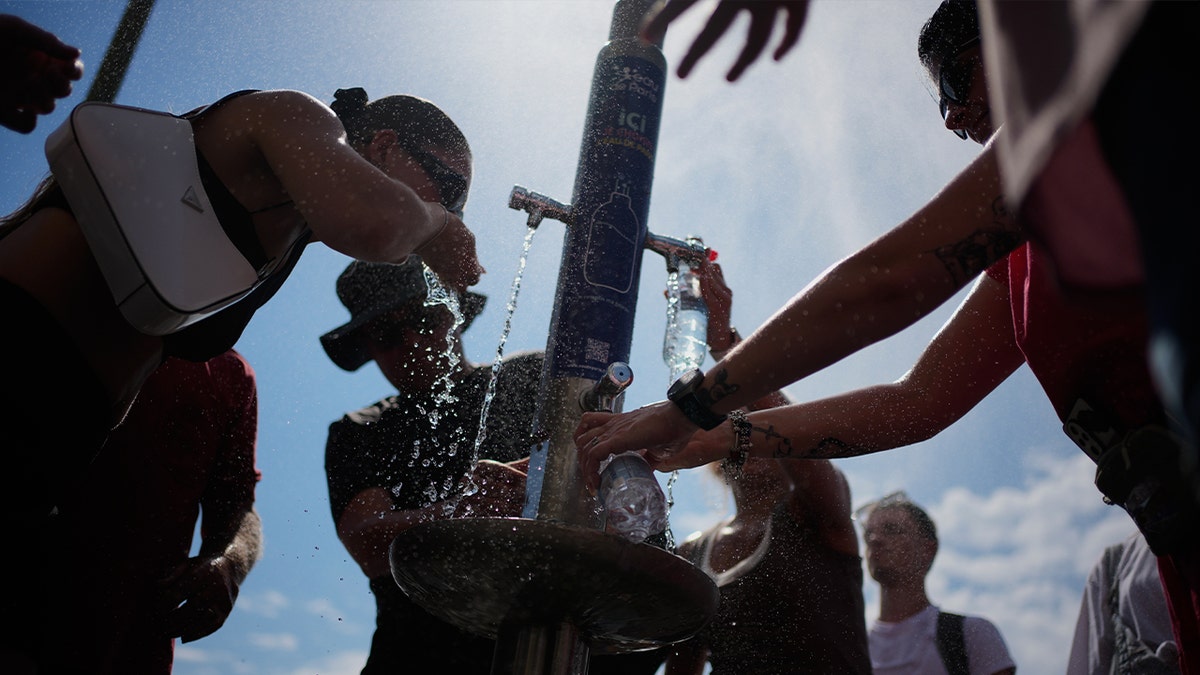
Tourists cool off at a public water fountain in Paris, Friday, June 26, 2026. (Christophe Ena)
PARIS DEPUTY MAYOR BLAMES UNITED STATES’ CARBON EMISSIONS FOR DEADLY HEAT WAVE
This year, the hottest days occurred on June 24 and June 25, when the national average temperature reached 86 degrees Fahrenheit. Peak temperatures also climbed above 104 degrees in many areas.
More than half of the excess deaths — about 56% — occurred during or immediately after the most intense stretch of the heat wave between June 25 and June 27.
Officials also said more than 10,000 excess deaths were reported across Europe during the peak of the heat wave, though the preliminary figures are expected to be updated in the coming weeks.

People cool off in a fountain in Paris during a major heat wave. (Abdul Saboor/Reuters)
CLICK HERE TO DOWNLOAD THE FOX NEWS APP
According to The Associated Press, funeral directors in Paris said they were inundated by the surge in bodies awaiting burial or cremation, with some mortuaries reaching capacity and turning down new arrivals.
Health officials noted that the excess mortality estimate includes deaths from all causes that occurred during the heat wave. The figures remain provisional and will continue to be refined in the coming weeks.
The Associated Press contributed to this report.
france, heat wave, weather, europe

El peronismo buscará introducir cambios a la Ley de Inocencia Fiscal y se anticipa un largo debate en el Congreso

Fox News Poll: Voters want major change amid economic and political discontent

Estos 9 juegos han concretado sus debuts en Nintendo Switch / Nintendo Switch 2 recientemente – Nintenderos

Todavía no vuelve a los bancos: Gustavo Costas rechazó dirigir a un equipo que está en octavos de la Copa Libertadores

La sentida confesión de un intendente bonaerense en un encuentro sobre adicciones: “Llevo 308 días sin consumir”

Cuáles son las diferencias entre un blanqueo y el plan de Inocencia Fiscal para captar dólares

Sin la Copa y sin Messi en el avión, vuelve Tapia y deberá enfrentar tres frentes de tormenta tras la pausa del Mundial

Escándalo Mundial: Las presiones secretas, la amenaza de la FIFA por Malvinas y la verdad detrás del partido contra España

Samuel L. Jackson llamó a Argentina “el país más racista del mundo”: la contundente respuesta que le dejó Bárbara Lombardo

Le ganan a la inflación: los senadores pasarán a cobrar $12 millones brutos a partir de agosto

 POLITICA2 días ago
Sin la Copa y sin Messi en el avión, vuelve Tapia y deberá enfrentar tres frentes de tormenta tras la pausa del Mundial
- DEPORTE20 horas ago
Escándalo Mundial: Las presiones secretas, la amenaza de la FIFA por Malvinas y la verdad detrás del partido contra España
- CHIMENTOS2 días ago
Samuel L. Jackson llamó a Argentina “el país más racista del mundo”: la contundente respuesta que le dejó Bárbara Lombardo