INTERNACIONAL
En Washington, Netanyahu se enfrenta a un delicado equilibrio



INTERNACIONAL
Russia exposes NATO weapons gap as top commander warns ‘the math is not in favor of the West’
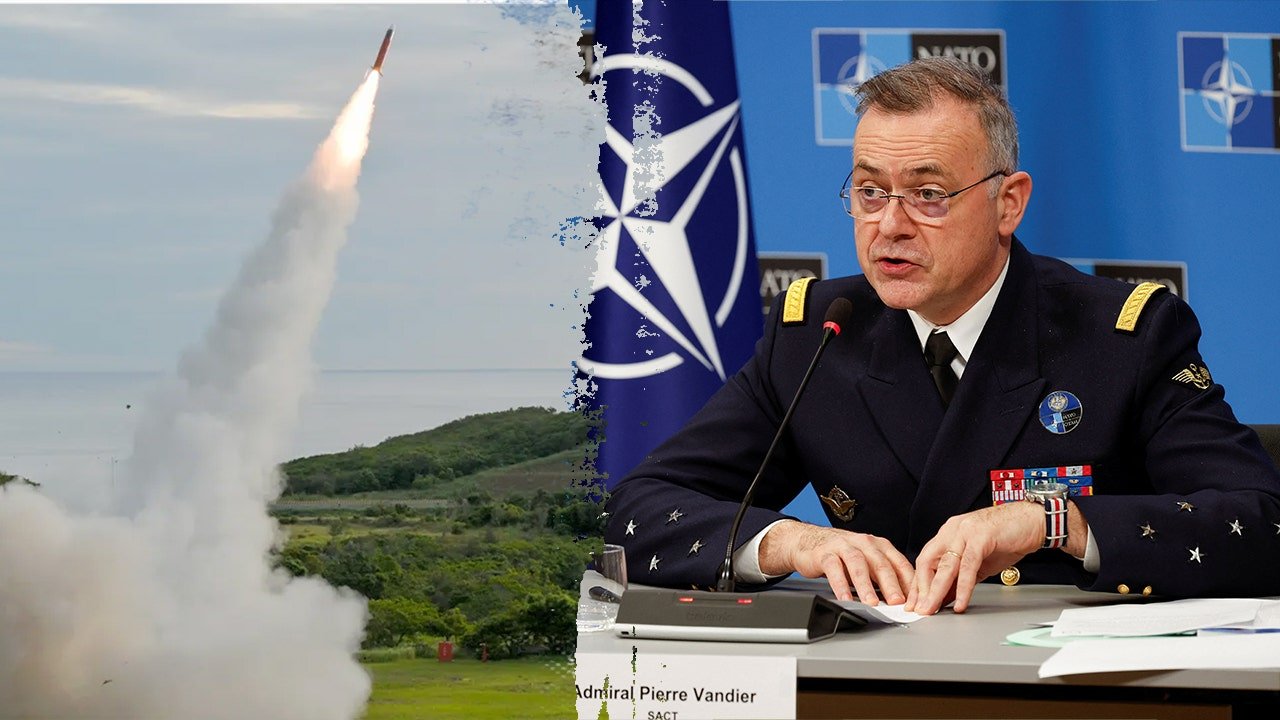
NEWYou can now listen to Fox News articles!
Days after NATO allies committed tens of billions of dollars to new air and missile defenses, the alliance’s top transformation commander warned that the West must fundamentally redesign its weapons and industrial base to withstand attacks at the scale now being demonstrated in Ukraine and the Middle East.
«Today, the math is not in favor of the West,» Adm. Pierre Vandier, NATO’s supreme allied commander for transformation, told Fox News Digital in an exclusive interview following the alliance’s summit in Ankara, Turkey, in early July.
A U.S.-made MIM-104 Patriot surface-to-air missile is launched during a live-fire exercise at the Chiupeng missile base in Pingtung County on Aug. 20, 2024, Adm. Pierre Vandier ( )
The summit produced commitments to acquire 900 Patriot missiles and invest more than $40 billion in counter-drone capabilities throughout five years.
But Vandier argued that simply buying more of the West’s existing weapons will not solve the underlying problem.
TRUMP ENTERS FINAL NATO SUMMIT DAY AS UKRAINE, DEFENSE SPENDING TAKE CENTER STAGE
Russia’s nightly barrages against Ukraine have exposed an air-defense model designed for smaller numbers of incoming threats. The U.S.-Iran conflict has simultaneously intensified demand for the high-end interceptors needed to defeat ballistic missiles, including Patriots and Terminal High Altitude Area Defense (THAAD) that cannot quickly be replaced.
«There is no way to produce 50,000 Patriots a year,» Vandier said. «We don’t have the supply chain, and it’s not worth doing that given the cost of the weapon.»
Instead, Vandier said NATO needs a layered mix of defenses: cheaper weapons that can be mass-produced to counter waves of drones, while preserving advanced interceptors for ballistic missiles and other sophisticated threats.
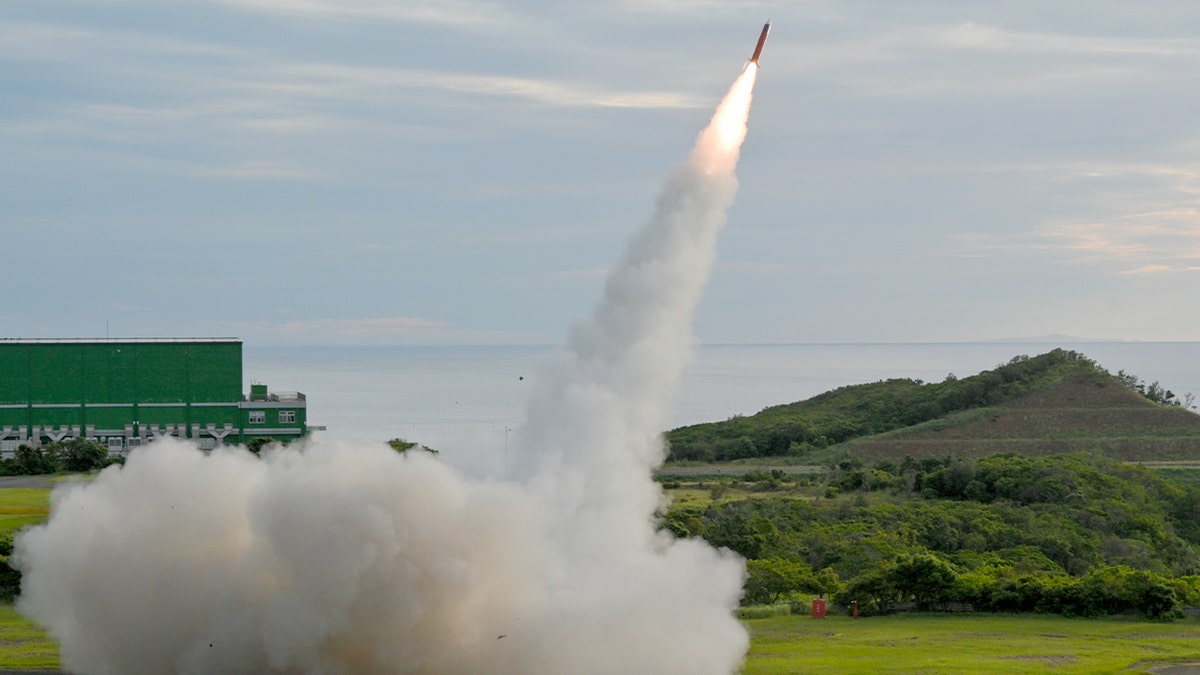
A U.S.-made MIM-104 Patriot surface-to-air missile is launched during a live-fire exercise at the Chiupeng missile base in Pingtung County Aug. 20, 2024. (Sam Yeh/AFP via Getty Images)
THE TWO MOST IMPORTANT AMERICAN WEAPONS SYSTEMS NATO IS EAGER TO HAVE
«You need to have attritable, low-cost, mass-produced weapons to just kill the low-cost weapons that are coming by big waves,» Vandier said. «And then you need still the exquisite, complex weapons to kill the most complex weapons, as ballistic missiles.»
Trump announced at the summit that the United States would grant Ukraine a license to manufacture Patriot interceptors, potentially allowing Kyiv to build more of the weapons it urgently needs to defend against Russian ballistic missiles.
But asked whether the announcement changed his assessment that Patriots alone could not protect Europe throughout the next five years, Vandier pointed to a deeper obstacle: Western weapons were designed around an industrial base that no longer exists.
UKRAINE’S BATTLEFIELD IS TRANSFORMING THE FUTURE OF NATO
«The design needs to change,» Vandier said. «We are at a moment where some stuff will be redesigned under pressure to be mass-produced.»
NATO also is attempting to transform against a threat that is changing in real time. Asked about a recent Russian live-fire exercise on Lake Peipus, between Estonia and Russia, which Estonia’s defense minister assessed was likely practice against Ukrainian-style naval drones, Vandier said Russia has demonstrated an ability to absorb battlefield lessons and adjust «on a weekly basis.»
«War — if you do not adapt, you die,» Vandier said. «All your brain is about how you outmatch, outpace, outrun the enemy. And so Russia is not that bad at that.»
«For NATO now, it’s a question of speed of adaptation,» Vandier said. «It’s a mind game.»
Ukraine’s defense industry, meanwhile, is increasingly setting the pace for the larger Western manufacturers that once supplied most of its weapons, Vandier said. Ukrainian companies have been able to develop, field and modify systems quickly in response to changes on the battlefield.
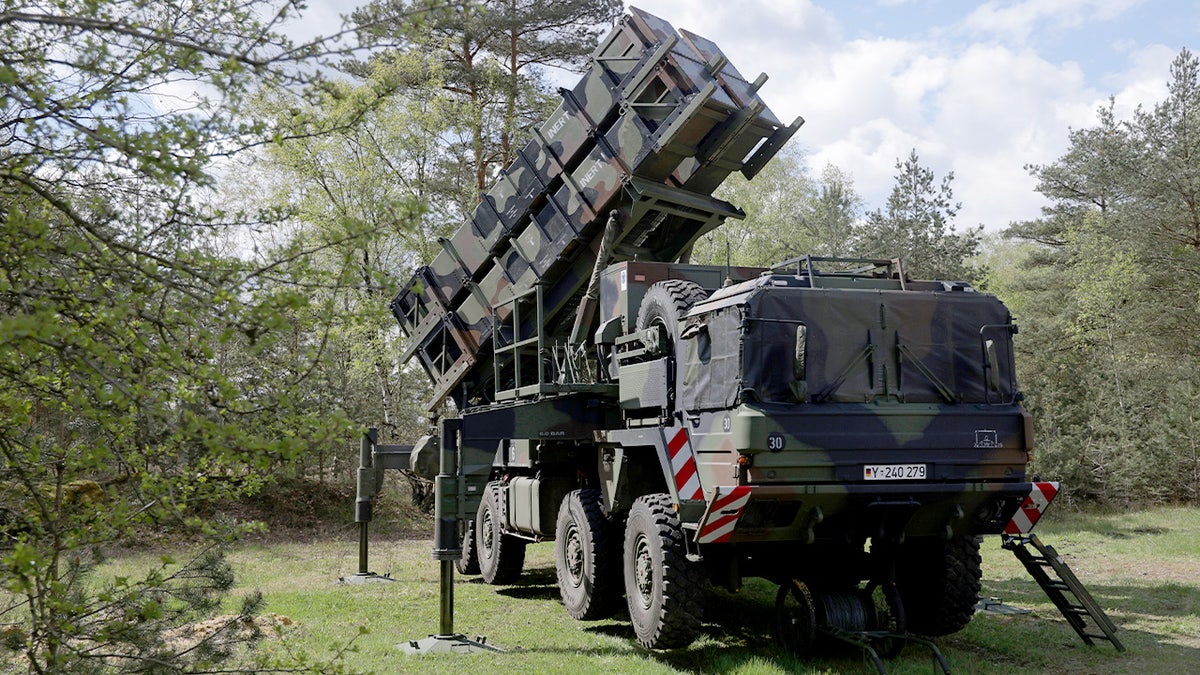
President Donald Trump said the United States would send more Patriot missiles to Ukraine during a meeting with NATO Secretary General Mark Rutte in the Oval Office on July 14, 2025. (Sean Gallup/Getty Images)
«The very agile and fast-evolving industrial base in Ukraine is now giving the pace to the European and Western industry,» Vandier said.
But the technological competition is not confined to drones and air defenses. Vandier warned that the collapse of the Intermediate-Range Nuclear Forces Treaty has reopened a broader race over long-range missiles in Europe, as Russia and NATO allies seek weapons capable of holding targets farther behind enemy lines at risk.
The 1987 treaty prohibited the United States and Russia from possessing ground-launched missiles with ranges between 500 and 5,500 kilometers. The first Trump administration withdrew from the agreement in 2019 after accusing Moscow of violating it, an allegation Russia denied.
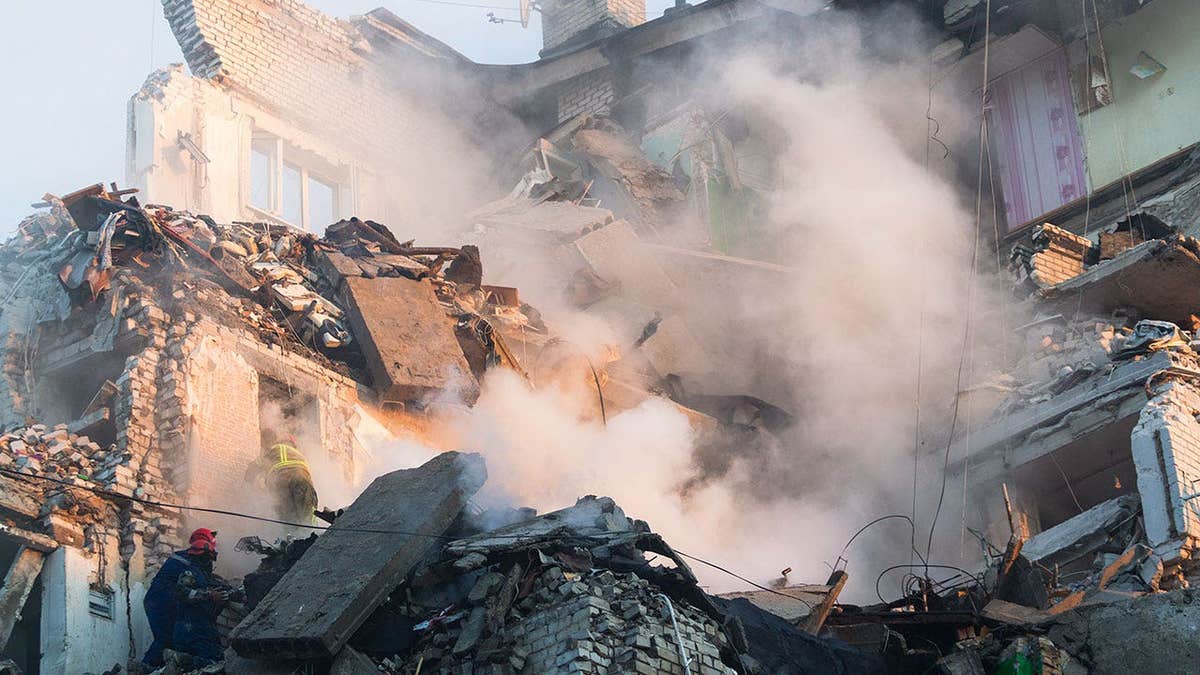
Rescuers conduct search and rescue operations at a multi-storey residential building damaged in a massive Russian missile and drone attack in the Darnytskyi district of Kyiv, Ukraine, on July 2, 2026. Russian forces launched a large-scale attack on the city using strike drones and various types of missiles. Private homes, apartment buildings, an emergency medical substation, and a hotel building were damaged (Kyrylo Chubotin/Ukrinform)
CLICK HERE TO DOWNLOAD THE FOX NEWS APP
Vandier said the disappearance of those limits has produced a period of «complete strategic instability,» with both sides under pressure to develop new capabilities to preserve deterrence.
«The Pandora’s box is open again,» Vandier said, «and we’ll try to close it down one day.»
nato, ukraine, conflicts defense, russia, the european union
INTERNACIONAL
Costa Rica confirmó nueve nidos activos de jabirú y el nacimiento de 19 pichones en 2026
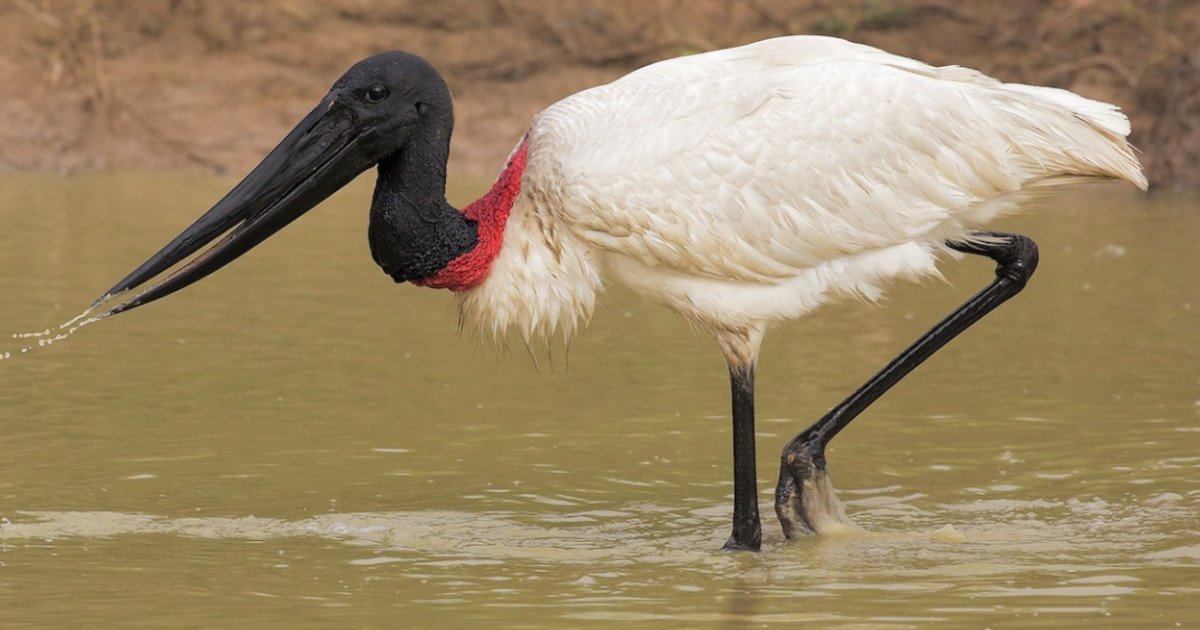
La población del jabirú, considerada una de las aves más emblemáticas y amenazadas de los humedales costarricenses, mostró señales alentadoras durante la temporada reproductiva de 2026. El más reciente monitoreo nacional realizado por la Universidad Estatal a Distancia (UNED) confirmó la existencia de nueve nidos activos y el nacimiento de 19 pichones, datos que permiten evaluar el estado de conservación de la especie y orientar futuras acciones de protección.
El estudio también estimó una población mínima de 148 jabirúes (Jabiru mycteria) durante el periodo reproductivo, cifra obtenida a partir de la revisión de los sitios históricos de anidación y de conteos simultáneos efectuados en las principales zonas donde habita la especie, específicamente en las cuencas de los ríos Tempisque y Frío.
Los resultados forman parte del proyecto de investigación “Ecología y conservación del jabirú en Costa Rica”, iniciativa que la UNED desarrolla desde hace más de tres décadas y que se ha convertido en el seguimiento científico más prolongado sobre esta especie en el país.
De acuerdo con el investigador y profesor de la UNED, Johnny Villarreal Orias, cada temporada reproductiva aporta información clave para conocer el estado de la población y medir el éxito de las parejas reproductoras.
“La presencia de nueve nidos activos y el nacimiento de 19 pichones son indicadores que nos permiten evaluar el éxito reproductivo de la especie y comprender mejor su comportamiento en los humedales costarricenses”, explicó el especialista.

El monitoreo anual combina dos estrategias complementarias. La primera corresponde a la denominada Expedición Jabirú, que consiste en recorrer durante febrero todos los nidos registrados históricamente para verificar cuáles permanecen activos durante la temporada reproductiva.
La segunda metodología se basa en conteos simultáneos realizados el primer sábado de marzo y abril en lagunas y puntos estratégicos de observación ubicados en las cuencas de los ríos Tempisque y Frío.
Según Villarreal, la combinación de ambos métodos permite conocer no solo cuántas parejas lograron reproducirse exitosamente, sino también estimar el tamaño de la población presente en Costa Rica durante cada temporada.
Este seguimiento científico ha permitido construir una base de datos de gran valor para comprender la dinámica poblacional del jabirú, una especie cuya presencia está estrechamente ligada a la salud de los humedales.
Además de la población reproductora, los investigadores identificaron un fenómeno que evidencia la importancia regional de los humedales costarricenses.
Durante el mes de mayo registraron la llegada temporal de cerca de 100 jabirúes no reproductores que utilizaron la Laguna Jicote, en la cuenca del río Tempisque, como sitio de alimentación y descanso durante la época seca.
Las aves permanecieron únicamente algunos días antes de abandonar nuevamente el territorio nacional, comportamiento que, según los especialistas, confirma que Costa Rica funciona como un refugio temporal para ejemplares provenientes de otras regiones.
“La llegada de estos individuos demuestra que los humedales costarricenses tienen un valor ecológico que trasciende nuestras fronteras. No solo albergan a la población reproductora, sino que también funcionan como refugio temporal para jabirúes provenientes de otras regiones”, indicó Villarreal.
Para los investigadores, este movimiento temporal resalta la importancia de mantener en buen estado los ecosistemas acuáticos del norte del país, ya que cumplen un papel fundamental dentro de las rutas utilizadas por la especie.

El proyecto de monitoreo del jabirú supera ya los 30 años de trabajo continuo, convirtiéndose en una referencia para la conservación de esta ave en Costa Rica.
Gracias a este seguimiento, los científicos han determinado que más del 75 % de los nidos se encuentran dentro de propiedades privadas, una realidad que convierte a los propietarios de fincas en actores fundamentales para garantizar la supervivencia de la especie.
La colaboración entre instituciones, comunidades y dueños de terrenos ha permitido proteger árboles utilizados para la anidación y reducir algunas amenazas que enfrentan estas aves.
Sin embargo, los especialistas advierten que todavía existen riesgos importantes para la conservación del jabirú. Entre ellos destacan la pérdida y degradación de humedales, la tala de árboles donde construyen sus nidos, los incendios forestales, el turismo irresponsable en zonas de reproducción y los efectos asociados al cambio climático.
Los investigadores enfatizan que el jabirú funciona como un indicador del estado de salud de los humedales, por lo que proteger sus sitios de reproducción también significa conservar ecosistemas esenciales para cientos de especies de flora y fauna.
Los resultados del monitoreo de 2026 refuerzan la necesidad de mantener programas científicos de largo plazo y fortalecer las acciones de conservación en los humedales costarricenses, considerados uno de los patrimonios naturales más importantes del país. La continuidad de estos esfuerzos permitirá conocer la evolución de la población del jabirú y generar información clave para la toma de decisiones orientadas a proteger una especie emblemática cuya supervivencia depende, en gran medida, de la conservación de los ecosistemas donde habita.
corresponsal:Desde San José, Costa Rica
INTERNACIONAL
Fauci privately took credit for COVID-19 lockdowns despite public denial, newly exposed diary entries reveal
NEWYou can now listen to Fox News articles!
Despite denying on multiple occasions during and after the COVID-19 pandemic that he personally recommended lockdowns, excerpts revealed from Dr. Anthony Fauci’s private diary prove a clear contradiction.
In a March 15, 2020, entry in the diary, which begins with «BIG DAY!» written in red letters, Fauci, then the director of the National Institute of Allergy and Infectious Disease (NIAID) recalled a striking conversation he had with then-New York City Mayor Bill de Blasio.
«I spoke with Bill de Blasio (Mayor – NYC) and convinced him based on what I was saying publicly and my conversation tonight to close the NYC schools (he had already decided based on what I was saying on TV),» Fauci revealed in his private notes.
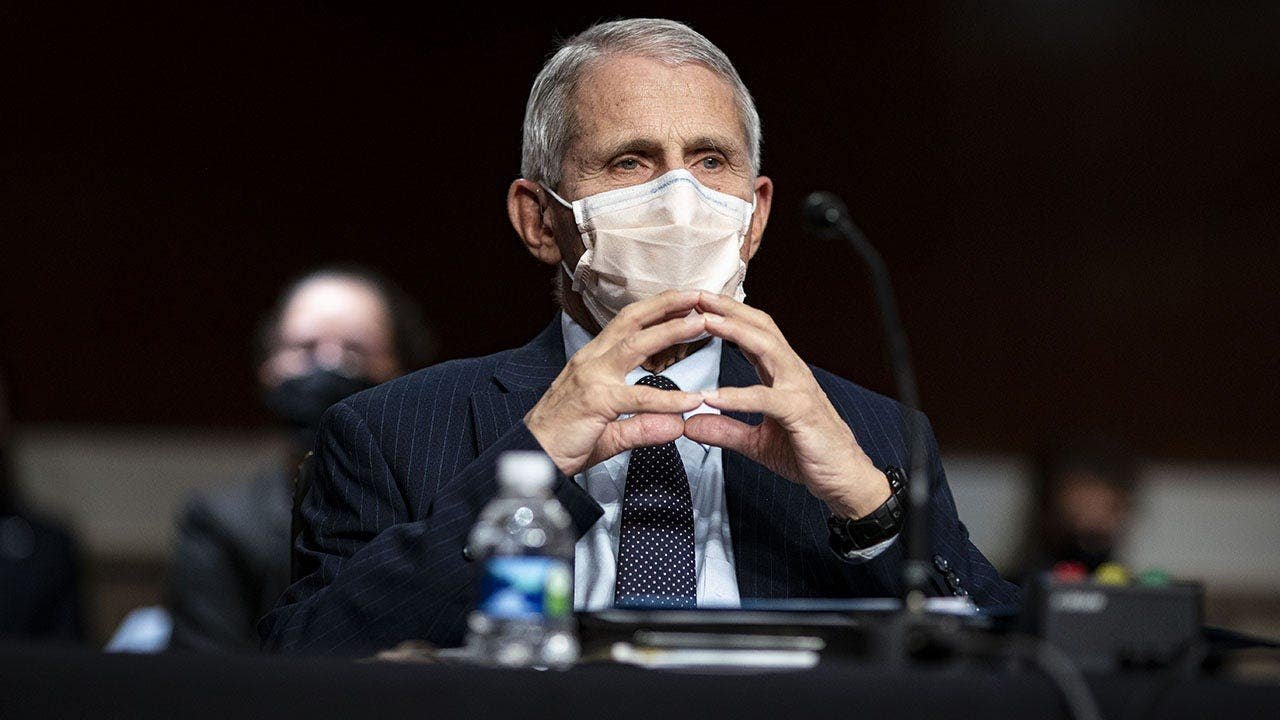
National Institute of Allergy and Infectious Diseases Director Anthony Fauci testifies before the Senate Health, Education, Labor and Pensions Committee about the COVID-19 response in Washington, D.C., on Nov. 4, 2021. (Chip Somodevilla/Getty Images)
FAUCI’S NEWLY RELEASED COVID DIARIES REVEAL BIZARRE FIXATION ON FAME AS PANDEMIC DEATHS MOUNTED
«I had a similar call with Ann O’Leary, the [Chief of Staff] of Gov. Gavin Newsom of California,» this particular entry went on. «Ann said that based on my TV appearances today and yesterday, the Governor has decided to close the schools in California as well as the bars and restaurants.»
But seven months later, on an Oct. 16, 2022 interview with ABC News’ Jonathan Karl, Fauci denied any involvement in inspiring lockdowns.
«Let’s go back and look at the transcript. We said we should try as best as we possibly can to keep the children in school,» Fauci said. «Nobody plays that clip.»
«They always come back and say, ‘Fauci was responsible for shutting schools down.’ I had nothing to do [with it]!» he insisted at the time.
EXPOSED FAUCI DIARY SHOWS HE ESTIMATED COVID-19 DEATH RATE TO BE MUCH LOWER THAN WHAT HE TOLD CONGRESS
In 2022 he told The Hill that he «didn’t recommend locking anything down,» clearly going against his own privately recorded entries.
In January 9, 2024, years after the end of lockdowns ended, Fauci testified the same thing before the House Oversight Committee.
«I did not close the schools,» he said, according to the hearing transcript. And it became the widespread situation where I became a political target.»

Dr. Anthony Fauci, director of the National Institute of Allergy and Infectious Diseases, throws out the ceremonial first pitch prior to the game between the New York Yankees and the Washington Nationals at Nationals Park on July 23, 2020, in Washington, D.C. (Getty Images)
Fauci recommended to government leaders lockdown measures besides just closing schools, which he would also later deny.
INSIDE FAUCI’S PRIVATE DIARY: WHAT HE WROTE ABOUT TRUMP, TV PERSONALITIES AND CELEBRITIES
In the March 15, 2020, diary entry, Fauci, once the nation’s leading infectious disease expert, said he directed de Blasio to close the city’s bars.
«I went on to tell him he should close the bars and restaurants in NYC. He said that he would base this on my recommendation,» Fauci wrote.
Five days later, he said he told the mayor to close all of New York City.
«Also, had phone call with Major de Blasio who wants to go to ‘shelter in place for the entire city.[‘] He is asking my advice since Gov. Cuomo is pushing back. I advised DeBlasio [sic] to go ahead and do it. I will try to speak with Cuomo,» the entry said.
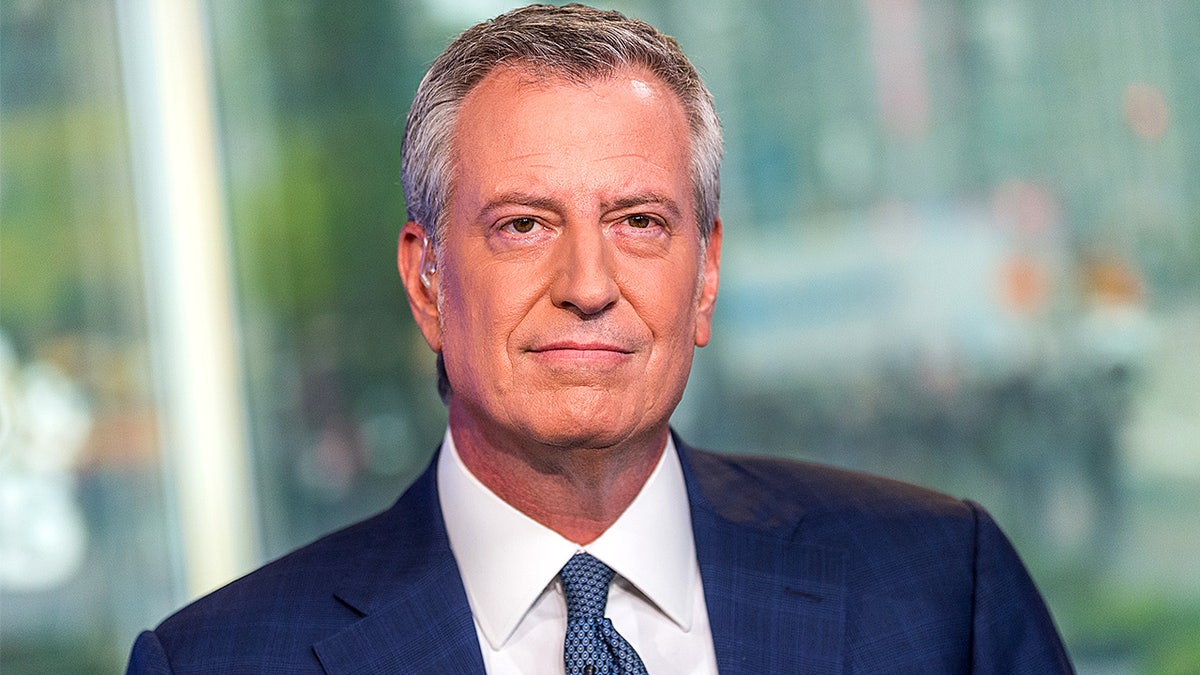
2020 Democratic presidential candidate and New York City Mayor Bill de Blasio visits FOX Business Network’s «Bulls & Bears» in New York City on Aug. 13, 2019. (Steven Ferdman/Getty Images)
On March 29, 2020, Fauci recounted a tense meeting with President Donald Trump, who he described as «incorrigible.»
The goal of the meeting was to get the president to extend lockdowns after the initial «15 days to stop the spread» period, which began on March 16 of 2020 — about a month after the first case of COVID-19 was recorded in the U.S.
«At the end of the day it was a good outcome since we convinced him to go with 30 day (sic) instead of ending the mitigation prematurely, which I feel would be a disaster,» Fauci said.
In a November 28, 2020, diary entry, he recalled lending support to a Los Angeles County health official who wanted to lock the county down.
«Got call last night from Mark Ghaly (Deputy Director for Community Health for the LA County Dept of Health Services). He has called me several times for advice,» the diary says. «Frantic call saying that they are surging in LA County and very soon hospital beds will be overrun. He wants to do a 3 weeks shutdown of the city to ‘stop the surge’ and wants my support since there is a large pushback to locking down. I agreed to support him.»

A signboard reminds people of the face covering requirement as pedestrians wear facemasks due to the coronavirus in Los Angeles, California on November 12, 2020. – European and world leaders on November 12, 2020 insisted that when Covid-19 vaccines are launched they should be made a available to everyone, under an international project which still needs $28 billion of funding. (Photo by Frederic J. BROWN / AFP) ((Photo by FREDERIC J. BROWN/AFP via Getty Images))
But again in 2022, when he joined The Hill’s «Rising» podcast, Fauci denied responsibility for lockdowns.
«Well, you know, again, first of all, I didn’t recommend locking anything down,» he claimed. «You’re asking me questions. You’re talking about the CDC is the public health agency that uses their epidemiologists and their science-based approach to make recommendations…»
CLICK HERE TO DOWNLOAD THE FOX NEWS APP
Despite his own denials, Fauci himself told CBS news in the midst of the 2020 chaos that he was behind the lockdowns.
«When it became clear that we had community spread in the country, with a few cases of community spread — this was way before there was a major explosion like we saw in the northeastern corridor driven by New York City metropolitan area — I recommended to the president that we shut the country down,» he said on Oct. 7, 2020.
anthony fauci, bill de blasio, politics, new york city, los angeles, coronavirus

En Washington, Netanyahu se enfrenta a un delicado equilibrio

El presidente Javier Milei explicará por cadena nacional la reforma de la Carta Orgánica del Banco Central

Canales para ver el Estudiantes vs. Independiente por el Torneo Clausura

Sin reconciliarse, los Rodríguez Saá buscan volver a competir para gobernar San Luis

Russia exposes NATO weapons gap as top commander warns ‘the math is not in favor of the West’

El miedo a la luz mala: por qué cada evolución tecnológica empieza con un susto

Vocero de Milei dijo que un dólar a $1.800 es «posible» y la City alerta por fin de la paz cambiaria

Polémica por el proyecto que busca desregular los planes de ahorro de autos 0 km: qué podría cambiar

Convivencia pacífica o tensión administrada: el PRO define cómo pararse frente al gobierno de Milei rumbo a 2027

Crisis entre Milei y Lula: la trama política, personal y geopolítica detrás del mayor choque diplomático entre Argentina y Brasil

 POLITICA1 día ago
Crisis entre Milei y Lula: la trama política, personal y geopolítica detrás del mayor choque diplomático entre Argentina y Brasil
- POLITICA2 días ago
Cuentapropismo emocional en lo profundo del conurbano
- SOCIEDAD2 días ago
San Isidro: la ballena que quedó varada en un banco de arena murió pese al operativo de rescate