INTERNACIONAL
El Comando Sur de EEUU destruyó otra embarcación narco de Los Choneros en el Pacífico Oriental


El Comando Sur de Estados Unidos (SOUTHCOM) informó que la Fuerza de Tarea Conjunta del Hemisferio Occidental (JTF-WHEM) interceptó una estación flotante de reabastecimiento vinculada a operaciones de narcotráfico en el Pacífico Oriental y hundió la embarcación después de evacuar a su tripulación.
SOUTHCOM señaló que la inteligencia estadounidense vinculó al buque con Los Choneros, organización a la que calificó como “narcoterrorista violenta”. Las personas retiradas de la nave fueron transferidas a autoridades de Ecuador. La operación ocurrió el 15 de septiembre, según la publicación oficial del cuerpo militar vía X. Tras asegurar la embarcación y desembarcar a los tripulantes, las fuerzas estadounidenses la hundieron.
El comunicado fue acompañado de un video donde se vio a los tripulantes de la embarcación descender de la misma y ser escoltados por uniformados del SOUTHCOM. La explosión del buque fue capturada y difundida en el mismo posteo en la red social.
El comandante del cuerpo militar, el general Francis L. Donovan, afirmó que la misión forma parte de las acciones contra las redes de apoyo al narcotráfico en el hemisferio occidental. “Estamos ejerciendo una presión implacable sobre estos narcoterroristas y golpeándolos donde más les duele: desmantelando sus complejas redes, interrumpiendo su sofisticada logística y asestando un golpe a sus finanzas”, expresó. La JTF-WHEM mantiene operaciones dirigidas contra las estructuras logísticas y financieras que, según el Comando Sur, sostienen el tráfico de drogas en la región.
Desde el 28 de agosto, las fuerzas estadounidenses destruyeron al menos siete embarcaciones ecuatorianas que Washington vinculó con la red logística de Los Choneros en el Pacífico Oriental. La primera fue Los Tres Hermanos, el 28 de agosto. Luego fueron atacados Conquista 2, el 2 de septiembre, y OM2, un día después. El 5 de septiembre fue destruido el pesquero María Candelaria; el 8, el Don Rufo; y el 10, mientras el secretario de Estado estadounidense Marco Rubio visitaba Quito, el Montecristi. El martes fue hundido el Siempre Don Carlos, de acuerdo con la secuencia de operaciones difundida por autoridades estadounidenses y ecuatorianas.
Estados Unidos sostiene que la inteligencia recopilada vincula a esas embarcaciones con Los Choneros y que cumplían tareas de reabastecimiento de combustible para lanchas utilizadas en el traslado de cocaína hacia Norteamérica. Las fuerzas estadounidenses afirman que las naves funcionaban como estaciones flotantes de suministro, una función que permitía sostener las rutas marítimas del narcotráfico. Las operaciones incluyeron el abordaje de las embarcaciones, el retiro de sus tripulantes y el posterior hundimiento de los buques.
El presidente de Ecuador, Daniel Noboa, respaldó la posibilidad de que Estados Unidos realice operaciones militares en territorio ecuatoriano contra las bandas criminales que su Gobierno declaró organizaciones terroristas. Noboa mantiene desde inicios de 2024 una estrategia de seguridad que define como una “guerra” contra esos grupos, en respuesta a la escalada de violencia criminal en el país.

El Departamento de Guerra de Estados Unidos defendió los resultados de la operación Lanza del Sur, la campaña militar contra embarcaciones sospechosas de narcotráfico en el Caribe y el Pacífico oriental, al cumplirse un año de su inicio. El último informe trimestral remitido al Congreso atribuyó a la ofensiva una reducción del 65% de la actividad marítima ilícita en el Caribe occidental, del 60% en el Caribe oriental y de cerca del 50% en zonas del Pacífico oriental.
El Departamento de Guerra y la Coalición de las Américas contra los Cárteles (A3C) afirmaron que la misión contra los grupos calificados como narcoterroristas continuará en el hemisferio occidental. La campaña comenzó el 2 de septiembre de 2025, cuando el presidente Donald Trump anunció desde la Casa Blanca que el Pentágono había “neutralizado” una embarcación que transportaba drogas en el Caribe.
International,Relations,Asia / Pacific,Diplomacy / Foreign Policy










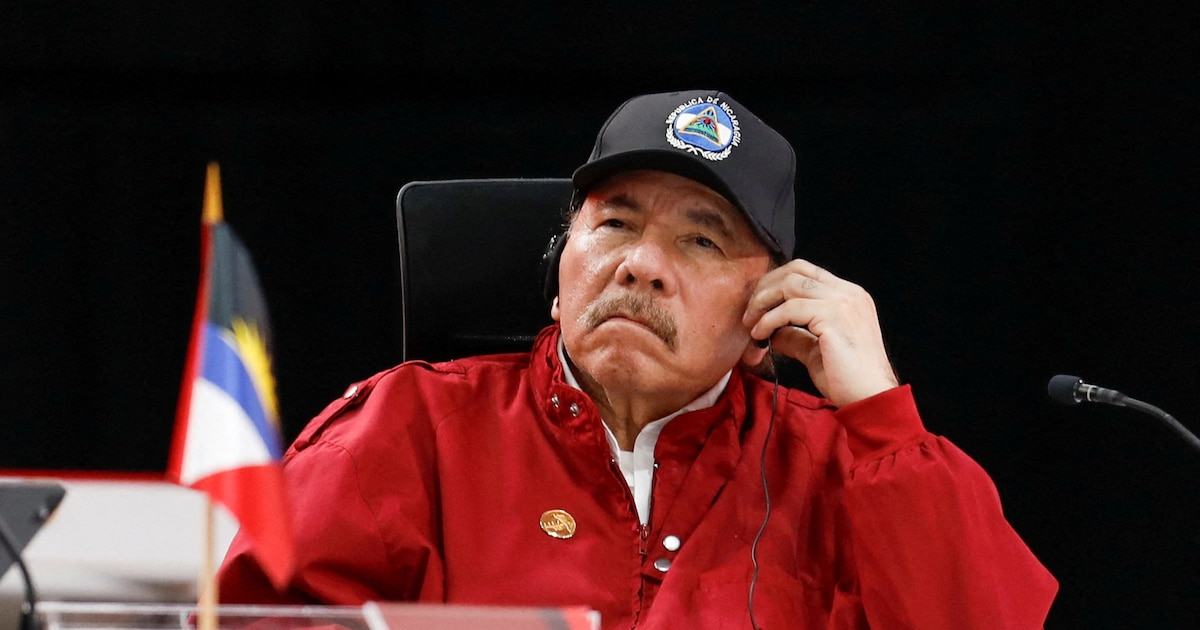
En qué momento de su larga trayectoría, el mítico héroe de la izquierda internacional que lideró la guerrilla sandinista contra la brutal dictadura de Somoza, se convirtió él mismo en el déspota de Nicaragua? ¿Cuando transmutó Daniel Ortega en Anastasio Somoza?
Los síntomas fueron claros desde principios de los 2000, cuando no tuvo ningún complejo en aliarse con el corrupto presidente Arnoldo Alemán, para reformar la ley electoral que rebajaba el porcentaje en la primera vuelta, y asegurarse el retorno al poder, después de haber perdido las elecciones ante Violeta Chamorro. Y con el retorno a la presidencia en 2006, maniobró para eliminar de la Constitución la prohibición de poder reelegirse. Pero fue la matanza de 2018 la que rubricó con sangre su sello político. En aquellas revueltas populares contra la reforma de las pensiones que quería perpetrar el gobierno, Ortega dejó un reguero de 300 manifestantes asesinados por la policía y los paramilitares, y a partir de ese momento la violencia y la represión arreciaron hasta alcanzar la situación actual, convertiendo a Nicaragua en una de las dictaduras más impunes y atroces de Latinoamérica.
La rúbrica final la dio el pasado 19 de julio cuando en su discurso oficial en Managua para commemorar el 47 aniversario de la Revolución Sandinista, directamente eliminó a la democracia: “Que se olviden, aquí no volverá a haber elecciones para que por ahí intenten ellos atrapar el Gobierno, atrapar el poder.” (…) “Se acabó la historia de que los partidos puestos por los yanquis, puestos por los somocistas, volverán a llegar al Gobierno. Jamás, jamás, jamás”. Y dicho y hecho, el 24 de agosto el Parlamento canceló las elecciones municipales y el 1 de septiembre hizo lo propio con las generales, además de ampliar ad eternum el mandato de Ortega, y declarar Nicaragua totalmente ajena a las resoluciones internacionales, entre ella las que emita la OEA.
De un plumazo, pues, Ortega ha eliminado definitivamente los resquicios de apariencia democrática que ya eran, de facto, una absoluta falacia. Cabe recordar la persecución previa al proceso electoral, cuando ordenó detener a decenas de personas, desde políticos, hasta periodistas, empresarios y líderes cívicos. Entre ellos 7 precandidatos a la presidencia con opciones de éxito, como Cristiana Chamorro y Félix Maradiaga. La mayoría fueron detenidos por “traición a la patria” y recluídos en situación de aislamiento en la temible cárcel El Chipote. Desde entonces, ha ilegalizado a todos los partidos y organizaciones opositores, ha clausurado a decenas de ONGs y medios de comunicación, ha expulsado del país y privado de nacionalidad a 452 nicaraguenses, a los que se les han confiscado los bienes, y ha dejado Nicaragua completamente vacía de oposición organizada. Al tiempo, arrecian las desapariciones forzosas y las muertes bajo custodia policial, además de estar documentados asesinatos contra opositores y militares críticos en otros países. El caso más impactante, el Roberto Samcam Ruíz, ex mayor del ejército de Nicaragua, asesinado con nuevo balazos a quemarropa en su residencia en San José, en Costa Rica, a manos de un sicario de Ortega.
En este contexto de régimen del terror, es especialmente significativa la persecución contra la Iglesia Católica, la única institución independiente con autoridad moral del país. Desde la matanza de 2018 han sido expulsados 309 religiosos, de los cuales 8 obispos, entre ellos el caso emblemático de Monseñor Rolando Alvarez, condenado sin juicio a 26 años de cárcel por “traición a la patria” y finalmente desterrado al Vaticano. También ha expulsado a decenas de congregaciones dedicadas a la ayuda social, como las Misioneras de la Caridad de la Madre Teresa de Calcuta. Todas las cuentas bancarias de las diócesis de Nicaragua han sido congeladas, y agentes de la polícia armados se presentan y graban los oficios religiosos. Para no dejar ningún resquicio, incluso han sido prohibidas las procesiones religosas.
El listado represivo es tan inconmensurable como ilimitada su impunidad, con un binomio de poder Ortega-Murillo que amenaza en convertirse en una dinastia dictatorial, como lo fue en su momento la de Somoza. En este contexto de destrucción sistemática de los derechos fundamentales en Nicaragua, resulta muy estridente la posición de Brasil y de México, los dos únicos salvavidas que le quedan al dictador Ortega. Como señaló Andrés Oppeheimer en un artículo reciente, ambos países han demostrado una hiriente hipocresía al abstenerse a la propuesta de la OEA, que exigía una reunión de cancilleres para tomar medidas respecto a la situación de Nicaragua. Brasil, excudándose en el “diálogo”, a pesar de que la OEA ha aprobado 20 resoluciones desde 2018 para exigir precisamente dialogo, y Nicaragua las ha ignorado todas. Y en el caso de México, justificandose para “no interferir en los asuntos internos de Nicaragua”, en línea con las excusas que ponía Sheinbaum respecto a las sanciones contra el régimen cubano. Lo cual, traducido, significa una evidente complicidad con la dictadura nicaragüense.
El régimen totalitario dinástico de Daniel Ortega y Rosario Murillo no es peor del que fundó la dinastía Somoza, que estuvo 42 años en el poder. Pero camina en la misma dirección y con la misma filosofía: mantener a la población bajo la bota de una tiranía corrupta, represiva y asesina. Es evidente que Ortega se ha convertido en su némesis, y ambos protagonizan la historia más oscura de Nicaragua. La cuestión es si los países del entorno están dispuestos a permitir la consolidación de otra Cuba y otra Venezuela en el continente. De momento, Sheinbaum y Lula se lo piensan, quizás porque sus planteamientos ideológicos cada vez están más solos en el continente, perdida Venezuela y Colombia, y con Cuba a las puertas. Tanto hablar de derechos humanos y acaban siendo cómplices de un decrépito totalitario con aspiraciones de reyezuelo dinástico. Es lo que tiene la superioridad moral de algunos, que a veces quedan al descubierto.
X: @RaholaOficial
Web: https://pilarrahola.com
Instagram: pilar_rahola/
INTERNACIONAL
Skid Row forgeries, illegal votes and a mayoral candidate: Election fraud cases pile up nationwide
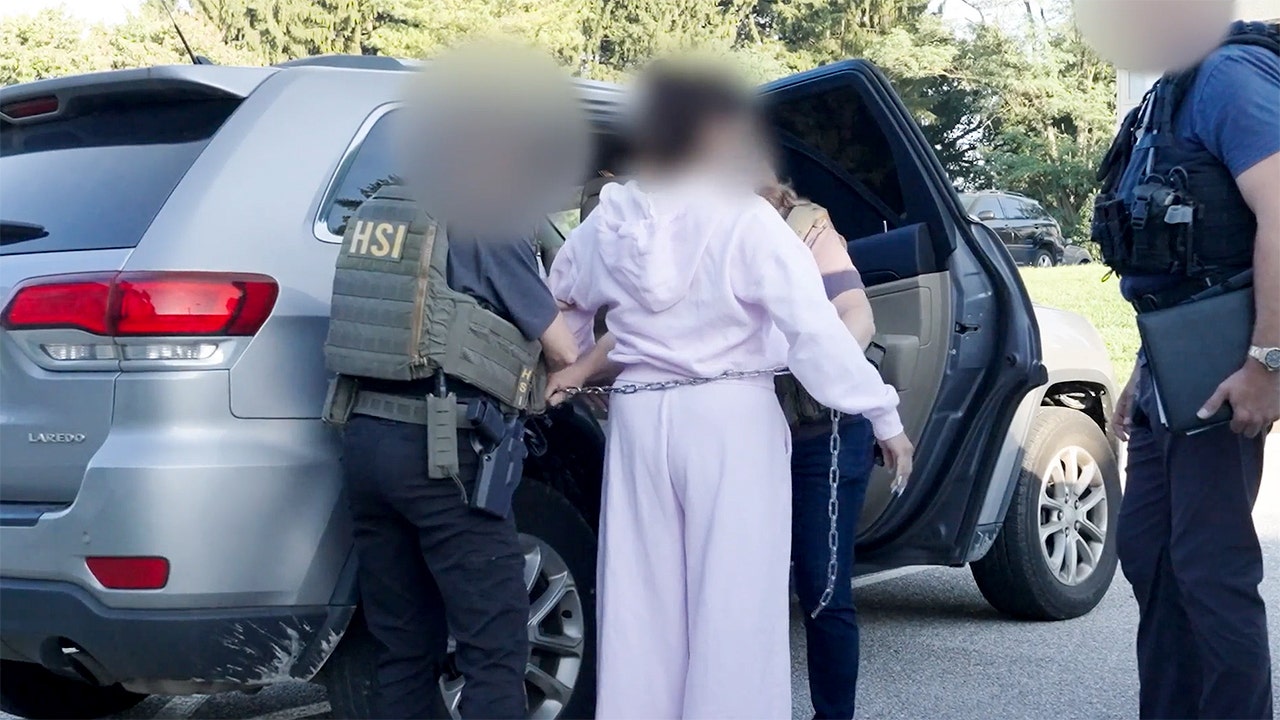
The Trump administration continues to crack down on voter fraud cases, including a noncitizen who allegedly voted in a mayoral race he was fraudulently registered for and a noncitizen arrested for allegedly lying about her citizenship to vote in federal elections.
These allegations span a slate of federal election-related cases highlighted by the Justice Department in recent days, adding to a series of prosecutions targeting noncitizen voting, fraudulent voter registrations and other alleged election-related crimes.
The DOJ’s latest announcements involve California, Kansas, Louisiana, Texas and Massachusetts, while federal prosecutors have brought a number of other cases across the country in recent weeks amid the Trump administration’s broader efforts to bolster election security ahead of the midterms.
The White House pointed to the new cases that continue to pile up as evidence supporting the administration’s crackdown.
DEMOCRAT NEW JERSEY GOVERNOR SAYS THOUSANDS OF NONCITIZENS DISCOVERED ON VOTER ROLLS, PURGED
«Despite extreme Democrats and the media claiming it never happens, the evidence of noncitizens registering and voting in our elections continues to pile up,» White House spokeswoman Lauren Bis told Digital. «Any noncitizens found registering and voting in our elections will be arrested and held accountable. Only Americans should be electing American leaders.»
The more than a dozen defendants charged in cases announced this week face allegations ranging from illegal voting and false claims of U.S. citizenship to fraudulent voter registration and identity fraud. U.S. Attorney General Todd Blanche warned that individuals «gaming the election system, voting illegally or committing voter fraud» will face prosecution, while federal prosecutors in Texas said their seven cases «send a clear message» that laws barring noncitizens from voting will be enforced.
Among the defendants were Louisiana mayoral candidate Bridget Johnson, who prosecutors allege fraudulently registered Jamaican noncitizen Michael Wedderburn before he voted in the 2024 federal election and the same mayoral race in which Johnson was a candidate. Johnson allegedly electronically submitted a Louisiana voter registration application in Wedderburn’s name on July 14, 2024, falsely stating that he was a U.S. citizen, according to court documents.
ILLEGAL IMMIGRANT LEARNS FATE AFTER USING STOLEN IDENTITY TO VOTE IN US ELECTIONS FOR DECADES
Johnson was charged with fraudulent voter registration and voting by an alien, while Wedderburn was charged with voting by an alien. If convicted, Johnson faces up to five years in prison, while Wedderburn faces up to one year, along with potential financial penalties, according to federal prosecutors.
Other cases announced this week included allegations against three people in California accused in an alleged scheme that used stolen identities of registered voters to manufacture signatures on ballot initiative petitions.
California frequently uses ballot initiatives to put major policy questions directly before voters, with citizen-backed measures capable of changing state law or amending the state constitution. Recent initiatives have included Proposition 36, which increased penalties for certain drug and theft crimes, and measures dealing with the minimum wage and rent control.
Prosecutors allege James Brass and Courtney Price went to Los Angeles’ Skid Row, where they handed people stolen identities belonging to registered California voters and paid them to copy those voters’ personal information onto ballot petitions and forge their signatures.
Brass and a third defendant, Jateisha Herron, then allegedly falsely certified that they had personally witnessed the registered voters sign the petitions. Brass allegedly received about $41,600 from coordinators working with a petition-management company helping collect signatures, according to prosecutors.
EX-NEW JERSEY MAYOR, HER HUSBAND CHARGED FOR USING FAKE BALLOT SIGNATURES AFTER SHE PLEADED GUILTY TO DUI
The case is the second election-related federal prosecution announced this year involving alleged payments to people on Skid Row. In May, federal prosecutors charged a longtime ballot initiative signature collector with paying individuals, including homeless people living on Skid Row, to register to vote.
In Kansas, prosecutors charged 24-year-old Peruvian national and U.S. permanent resident Mariana Alexandra Dewey with falsely claiming U.S. citizenship, fraudulent election conduct and voting as an alien in a federal election after arresting her earlier this month.
In Massachusetts, federal prosecutors announced a case this week against Nigerian national Gladys Adaeze Okafor, who allegedly claimed to be a U.S. citizen while registering to vote before casting ballots in multiple federal elections.
A handful of cases were announced by federal prosecutors in Texas this week as well, including multiple cases where individuals registered to vote illegally when applying for a Texas driver’s license. On the same day those defendants were indicted, a Mexican national was also sentenced to 36 months in federal prison for aggravated identity theft, false statements of citizenship, and illegal voting by an alien, according to federal officials.
INSIDE HOUSE REPUBLICANS’ PLAN TO END RUN DEM OPPOSITION AND PASS TRUMP-BACKED VOTER ID
The cases add to the growing list of federal election-related cases brought in the past few weeks on top of other prosecutions earlier this year involving noncitizens accused of illegally registering or voting in U.S. elections. Less than two weeks ago, the Justice Department charged five people in Pennsylvania, New Jersey and Wisconsin in cases involving alleged illegal voting or fraudulent registration tied to the 2022 or 2024 elections.
The DOJ separately charged an Indian national in Minnesota last week with falsely claiming U.S. citizenship in order to vote in the 2024 general election.
Despite the mounting prosecutions, the Trump administration also faced a setback this week in its efforts to boost election security.
The Supreme Court ruled Monday that the U.S. Postal Service (USPS) could not implement the president’s stricter mail ballot requirements for the 2026 elections, leaving a lower court’s nationwide injunction in place. The blocked rules would have required states to use specially designed mail ballot envelopes with unique voter barcodes, submit envelope designs to USPS for review and provide it with information about intended ballot recipients.
The ruling, however, did not block a separate part of Trump’s March executive order directing the federal government to create citizenship lists for states to use in checking their voter rolls.
Conservative Justice Brett Kavanaugh, who was appointed by Trump, agreed the rules should not take effect for this year’s elections, writing that state and local officials did not have sufficient time to reasonably implement them.
Nonetheless, Kavanaugh said there was «at least a fair prospect» that the Postal Service ultimately has the statutory authority to impose the requirements. Justices Samuel Alito and Clarence Thomas dissented.
Trump blasted the decision Tuesday as another «bad decision» from the Supreme Court and praised Alito and Thomas as «legends,» while arguing the ruling would make cheating through mail ballots easier.
voter fraud concerns, voting, midterm elections, elections disputes, elections, donald trump
INTERNACIONAL
20 states sue to block Trump admin rule that would make it harder for immigrants to obtain visas, green cards
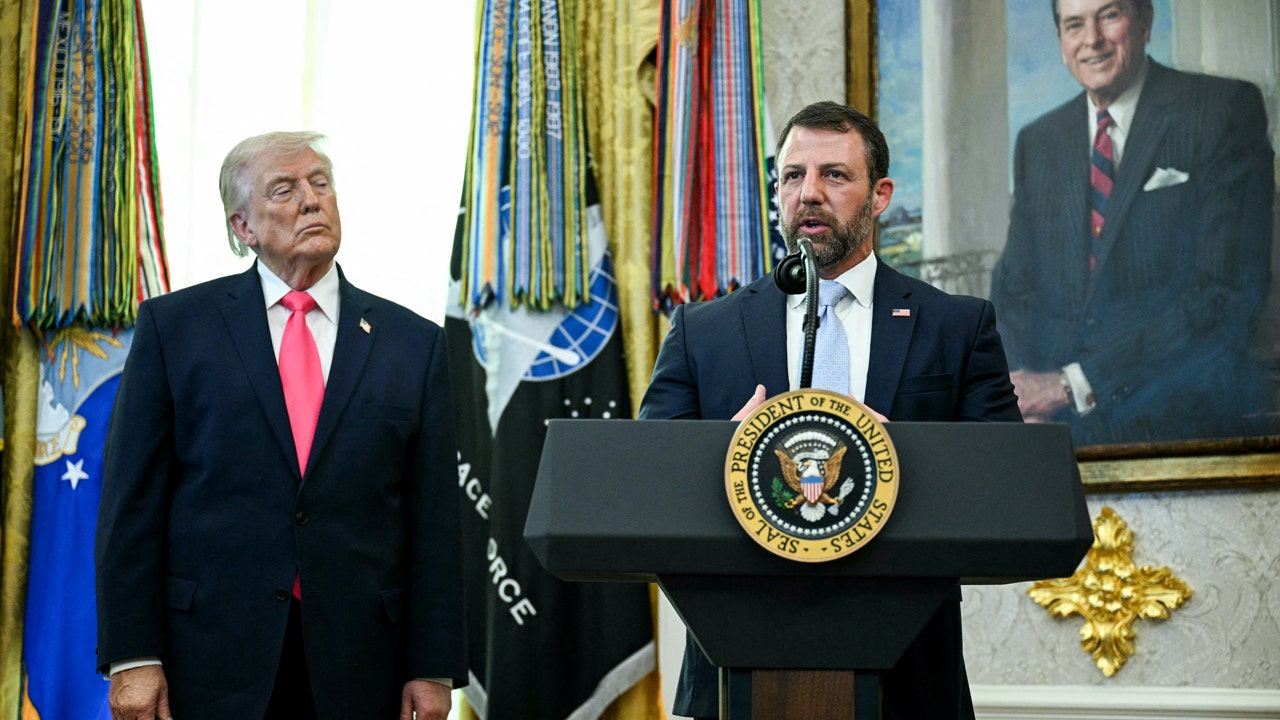
More than 20 states are suing the Trump administration over a new Department of Homeland Security rule that would give immigration officials wider discretion in determining what constitutes a public charge, a statute that allows the government to deny visas or green cards to applicants it determines are likely to become dependent on government assistance.
The rule, which is set to take effect on Friday, would expand the list of possible government aid that officials could point to when deciding to disqualify an applicant.
New York State Attorney General Letitia James led a coalition of 21 states and Washington, D.C., in suing the administration over what they describe as punishment for immigrants’ law use of public assistance. New York City Mayor Zohran Mamdani led a separate lawsuit filed by a coalition of cities challenging DHS’ rule.
James said the rule would allow immigration officials to consider an immigrant’s use of benefits like Medicaid, the Supplemental Nutrition Assistance Program (SNAP) and participation in school meal programs when determining whether they could become dependent on government aid. She also said it could lead to more fear of interacting with the government for people who are part of an immigrant family.
TRUMP ADMIN PAUSES VISA APPOINTMENTS WORLDWIDE AMID HEIGHTENED SCREENING FOR APPLICANTS
«Hardworking families should not be forced to go without the support they need because they fear asking for assistance will get them deported,» James said in a statement. «This rule preys on that fear and counts on families forfeiting the food assistance, health care coverage, and other public benefits to which they are legally entitled. My office fought this exact policy once before and won, and we are leading the nation to ensure the Trump administration cannot inflict this harm on families again.»
The public charge ground applies to certain immigrants seeking admission or adjustment of status. Most undocumented immigrants are ineligible for federal means-tested public benefits, although limited exceptions exist under federal and state law.
The states argue they would lose billions of dollars in federal funding if immigrants pull from programs over fears about the public charge rule.
Immigration officials under the Biden administration’s 2022 public charge rule generally considered only cash assistance for income maintenance, such as Temporary Assistance for Needy Families (TANF) or Supplemental Security Income (SSI), along with government-funded long-term institutionalization, when determining a public charge.
The rule does not specify a fixed list of public benefits that immigration officials may consider. Instead, it states that officers may consider the receipt of any means-tested public benefits as part of a public charge determination, giving them broader discretion in evaluating applicants.
The states’ and cities’ lawsuits asked the courts to declare the rule unlawful and prevent DHS from using it.
«It’s very hard to predict how courts will look at this issue. It is very unusual regulation though,» Cato Institute Director of Immigration Studies David Bier told Digital. «I think from that standpoint the states have a good argument that we had a well defined public charge rule and the administration didn’t replace it with some other well defined rule, it replaced it with nothing. So now there’s just discretion to the officers to do whatever they want with the underlying statute. There’s no regulation that clearly says this is what it means to be a public charge in the United States.»
«The rule as it was before this new regulation was you had to be primarily dependent on certain government benefit programs. This rule removes that definition and doesn’t replace it with anything. So now people and applicants, lawyers who are applying to the government on behalf of applicants, they don’t know really what the law is,» he continued.
The states’ lawsuit argues that DHS is exceeding its authority because Congress did not approve a broader interpretation of what it means to be a public charge. The states say the new rule is arbitrary and that the agency ignored the harmful consequences of the change.
DOJ THREATENS TO CUT BILLIONS IN WELFARE FUNDING FROM STATES FOR FAILING TO REPORT ILLEGAL MIGRANTS
«Cruelty is the point,» James said at a press conference on Monday. «Having a chilling effect on immigrants is the point. Letting individuals know that they are not welcome here is the point. Immigration animus is the point. The fact that you’re going to deny individuals who are sick and hungry and homeless benefits just is beyond the pale.»
DHS did not respond to Digital’s request for comment in time for publication.
Bier said the rule does not prohibit immigrants from receiving welfare and is only used as an officer’s projection about someone’s likelihood of future welfare use in the U.S., warning that it could lead to self-sufficient applicants being denied.
«Whether someone is currently using benefits or not doesn’t matter under this evaluation. It’s this probabilistic determination of the future that they’re using in order to deny people legal status and legal permanent resident status in the United States. That’s a much more difficult assessment to make. That’s going to result in arbitrary denials. It’s just not possible to do this type of assessment and not result in people who would be self-sufficient being denied status,» he said.
This comes as President Donald Trump pursues a broader immigration crackdown that has extended beyond illegal immigration to legal immigration pathways. While Trump campaigned in 2024 on curbing illegal immigration, his administration has also imposed additional restrictions on legal immigration, including higher fees for certain work visas and new limits on how long some foreign students and journalists can remain in the U.S.
The administration has also pursued visa revocations and removal proceedings in cases involving political activity and speech, including some anti-Israel activists. Those efforts have prompted court challenges in which plaintiffs allege violations of First Amendment free speech and Fifth Amendment due process protections.
«It’s very clear that this administration wants to restrict both illegal immigration, which obviously it’s done at the border, and through deportations, but also legal immigration,» Bier said.
Last month, the administration directed U.S. embassies and consulates around the world to postpone immigrant visa interviews while consular officers complete training on new public charge guidance, temporarily stalling applications that had reached the interview stage.
«The primary population that’s going to be affected by this public charge rule are spouses of U.S. citizens and their kids who are trying to receive green cards so they can live with their American spouse or parent here in the United States. That’s the overwhelming majority of the people who are going to be affected by the rule. It’s going to result in many of those immigrant families being separated from their American spouse or parent,» Bier said.
MAMDANI BLASTS FEDS FOR WAGING ‘CAMPAIGN OF VIOLENCE AND TERROR’ AGAINST NYC’S IMMIGRANTS
The public charge provision stems from the Immigration Act of 1882, when federal lawmakers sought to ensure that immigrants would be able to take care of themselves and not become a public burden.
After years of only considering cash benefits, the first Trump administration widened the categories of benefit programs that could be considered a public charge, including Medicaid, food stamps and housing vouchers. But the Biden administration in 2022 published a rule that returned to the previous guidance. The rule set to take effect this week would rescind the Biden administration’s rule.
The new rule is more broad than the one from the first Trump administration, as it does not specify which safety nets should be considered and only states that DHS «will consider the receipt of any means tested public benefits.»
«One of the most important things to understand is that during the first Trump administration, they had a public charge rule that was well defined that really did explain exactly what you were supposed to do in order to not be deemed a public charge or who was a public charge. This is completely different from that. It’s essentially the Wild West. No one knows what’s going on, no one knows what the law is now,» Bier said.
immigration, politics, homeland security, donald trump, us

Escándalo en la Armada: la Justicia investiga maniobras fraudulentas por $1600 millones en el pago de haberes del personal naval

“¡No concedan nada!”: Milei se radicaliza como nunca y hay cortocircuitos entre el equipo económico y el político

Ángel de Brito celebró los 2.500 programas de LAM junto a todo su equipo: “Un éxito increíble”

La impunidad del reyezuelo Ortega

El Gobierno eliminó artículos clave de la emergencia en Discapacidad en la ley de presupuesto y tensiona el vínculo con los aliados

Contrabandeaban celulares ocultos dentro de peluches y fueron descubiertos por Gendarmería en Formosa

Entre arroyos y countries: vecinos intentan salvar el último pulmón rural del conurbano antes de que cambie para siempre

El polémico video de Tiago PZK con La Joaqui cuando ella aún estaba de novia con Luck Ra que desató un escándalo

Más allá de la música, el nuevo negocio de Pablito Lescano, el líder de Damas Gratis

Trump habló de una posible guerra por Malvinas y dijo que podría intervenir para resolverla

 POLITICA3 días ago
Javier Milei recibirá a los legisladores de LLA para anticiparles los detalles del Presupuesto 2027
- ECONOMIA2 días ago
El BCRA equipara reglas y exige más requisitos a fintech para competir con bancos
- ECONOMIA2 días ago
Autos eléctricos e híbridos: cuánto cuesta cargarlos en casa, cuánto demora y qué se necesita para instalar el equipo