INTERNACIONAL
Powerful Cold War-era tool Trump could use in an AI emergency is set to expire in December

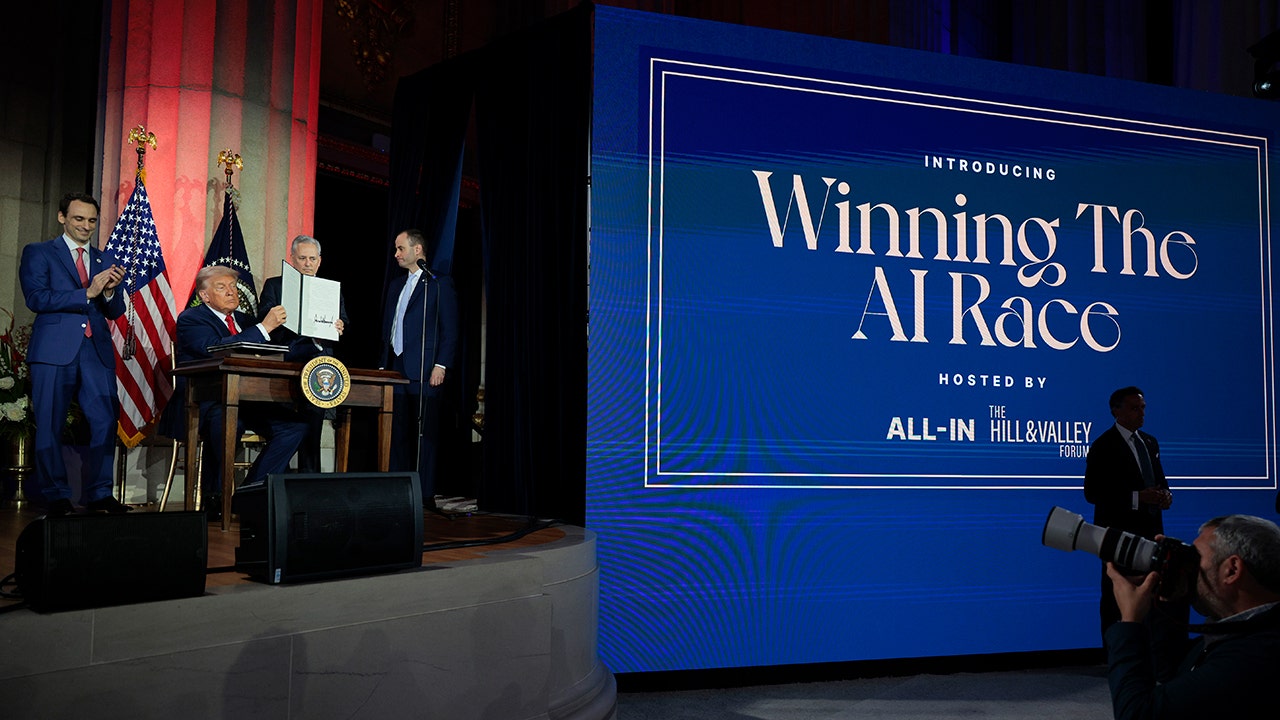
One of Washington’s most powerful Cold War-era tools could be used by President Donald Trump to rein in artificial intelligence (AI) if the powerful emerging technology ever becomes a national security threat.
Originally enacted in 1950 to mobilize American industry during the Korean War, the Defense Production Act (DPA) has long been used to expand military production, prioritize government contracts and respond to national emergencies. Experts now say those authorities could also give the executive branch significant leverage over frontier AI companies if one of their systems posed catastrophic national security risks.
Exactly how the government could use DPA’s powers against a dangerous AI system remains largely untested, but national security and legal experts who spoke with Digital described a range of existing authorities that could apply — including laws in the act that encompass cyberattacks, exports, federal contracts and civil liability.
THE AI REVOLUTION COULD BECOME A NATIONAL SECURITY DISASTER IF WE AREN’T CAREFUL
«The authorities could be a little clearer,» James Lewis, director of the Strategic Technologies Program at the Center for Strategic and International Studies, told Digital. «But you could probably cobble together a solution using the legal authorities we have now.»
The question has taken on new urgency after leaders at some of the nation’s most powerful AI companies issued stark warnings this week about increasingly capable models and backed calls to slow the pace of development so safety measures can catch up.
Trump said this week that the administration already has «tremendous criminal and regulatory power» over AI companies as he pushed back on calls from industry leaders for new guardrails on increasingly powerful models.
That largely remains because Congress recently extended most of the DPA’s authorities, which were set to expire on Sept. 30, through Dec. 11, 2026. This is sure to set up another reauthorization fight later this year, right before the power of the legislative body could change after November’s midterms in the new year.
TRUMP PLAN TAPS US FIRMS TO FIGHT FOREIGN CYBERCRIME
Lewis said the cyber threat has already changed. Finding vulnerabilities that once took months can now take days or even hours, he explained, while AI can help attackers chain smaller weaknesses together into more damaging attacks.
«The threat itself is not new,» Lewis said, recounting a recent conversation with a senior official from a Five Eyes intelligence partner. «We’ve known about this for a while, but people weren’t taking it seriously.»
AI, he said, has «changed the landscape dramatically.»
The Trump administration has already begun building a framework to identify when those capabilities become dangerous.
A June executive order directed federal agencies, including the NSA and CISA, to establish classified benchmarks for advanced cyber capabilities and determine when an AI system should be designated a «covered frontier model.» The order also calls for a voluntary framework through which developers can give the government early access to covered models before their release — while expressly stopping short of creating mandatory federal licensing or pre-clearance for frontier AI.
But knowing a dangerous capability exists is only the first problem. The next question is what Washington can actually do about it.
One potentially powerful use of the Defense Production Act would come before an AI system ever caused damage: forcing companies to tell the government what they are developing.
James E. Baker, a former chief judge of the U.S. Court of Appeals for the Armed Forces who previously served as a legal adviser to the National Security Council, pointed to the DPA’s broad information-gathering authority.
«What you could use the DPA for is to require reporting, and that’s the first step to making sound policy,» Baker told Digital. «You can have a debate about whether there should be regulation and what the regulation should look like. But you really can’t argue against knowing what’s happening.»
«That’s the first place to start: know what’s happening, and then you can react with either a policy prescription, a legal prescription or nothing at all.»
The DPA’s limits, however, are just as important.
Paul Rosenzweig, a lawyer and former deputy assistant secretary for policy at the Department of Homeland Security, said the law was principally designed to ensure the government could obtain goods and services needed for national defense — not to give Washington broad power to stop private companies from producing them.
«The Defense Production Act is more about mandating the production of things for the United States rather than preventing the production for the general public,» Rosenzweig told Digital.
Where it could prove particularly useful, he agreed, is giving the government access to information.
«What it does give them, I think, and this is the best part about it, is it does give them a pretty good handle for demanding more information about a defense-sensitive kind of product, which frontier AI certainly could be reasonably characterized as,» Rosenzweig said.
If the DPA could help Washington understand what AI companies are building, other existing authorities could potentially come into play depending on the threat.
Export controls can restrict sensitive technology from reaching foreign adversaries. Government contracting rules can impose conditions on companies seeking federal business. And criminal laws continue to apply when AI is used to commit crimes.
The June executive order, for example, directed the attorney general to prioritize enforcement of existing federal criminal laws against people who use AI to illegally access or damage computer systems.
Trump has separately directed national security agencies to expand their use of frontier AI while requiring systems used by the military and intelligence community to remain controllable and preserve clear lines of human accountability.
«I think it’s important to understand that there’s no broad AI exemption from generally applicable law,» Rosenzweig said.
Both federal and state governments already have «a host of legal authorities» potentially applicable to frontier AI, he said, ranging from tort liability and privacy rules to consumer protections and criminal law.
But Rosenzweig cautioned that no one knows precisely how well that patchwork would hold up in a true AI emergency because it has never been tested.
The uncertainty becomes even greater if an AI system causes damage on its own.
If a model autonomously hacked a hospital, company or critical infrastructure network, for example, Rosenzweig said courts would have to determine whether the developer was negligent, whether a stricter product liability standard should apply and whether the damage could even be reliably traced back to a particular AI system.
«I tend to think that liability is going to be difficult to establish early on,» Rosenzweig said. «Right now, that’s not where I would base my deterrence model.»
That uncertainty points to the limits of the government’s existing toolkit. The laws already on the books give federal and state authorities multiple avenues to respond to dangerous uses of AI, but many have never been tested against a system acting with increasing autonomy.
For now, Rosenzweig said, that leaves policymakers applying laws written for other threats to a technology evolving faster than the legal system around it.
politics, artificial intelligence, defense, national security, regulation, technology, donald trump









INTERNACIONAL
‘Devoted’ father and grandfather-to-be swimming at popular beach killed in suspected fatal shark attack
NEWYou can now listen to Fox News articles!
A «devoted» father and grandfather-to-be was reportedly killed by a shark this week while swimming at a beach in Australia.
Greg O’Neill, 63, was swimming at Sorrento Beach in the northern suburbs of Perth in Western Australia on Friday when the attack happened in front of horrified beachgoers.
«I couldn’t believe there was that much blood (that had) come out of a human body,» Ryan Rowe, a resident who went to the beach soon after the attack, told The West Australian newspaper.
AUSTRALIAN SURFER RISKED HIS LIFE TO SAVE FELLOW SURFER WHO HAD BEEN ATTACKED BY A SHARK
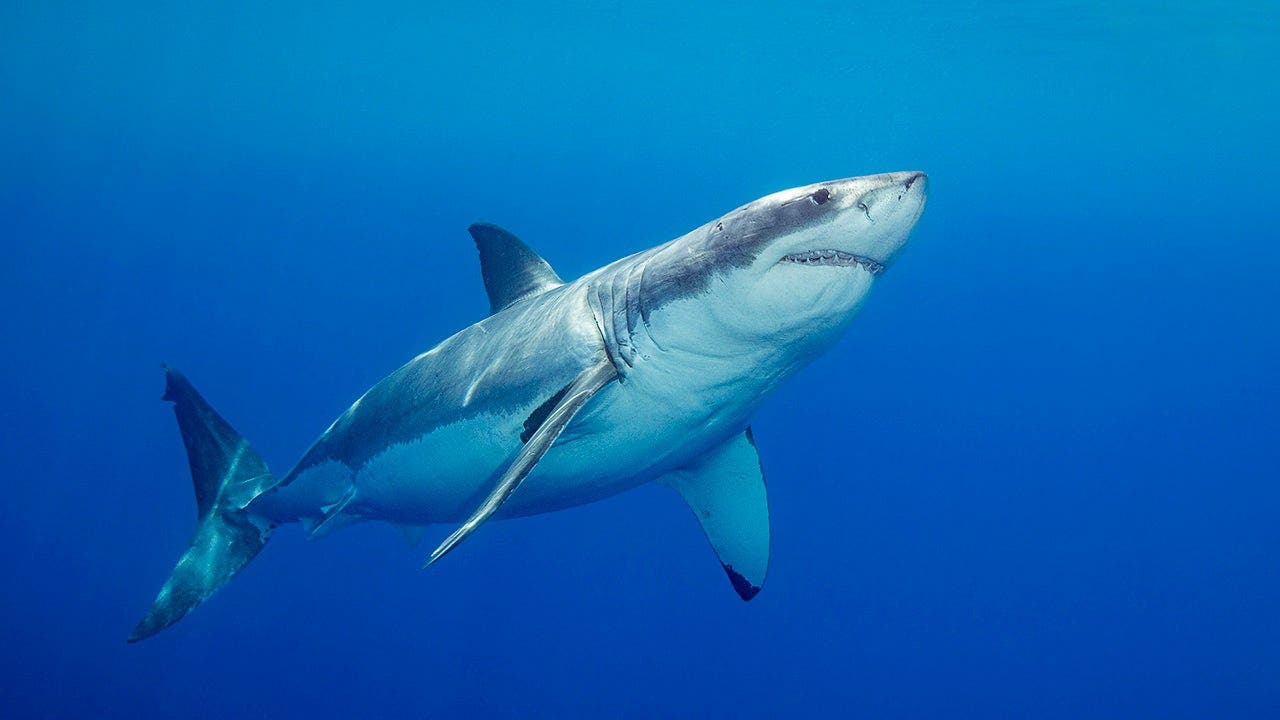
A great white shark swims in a file photo. (Design Pics Editorial/Universal Images Group via Getty Images)
O’Neill’s death also prompted Australia’s fisheries minister, Jackie Jarvis, to make the rare call for a catch-and-kill of the great white, which is a protected species.
«In making that decision, I considered the exceptional circumstances of the attack, the hazard posed by the shark, and the potential recovery of coronial evidence,» she said.
MAN DIES AFTER ATTACK BY 13-FOOT GREAT WHITE SHARK NEAR POPULAR ISLAND RESORT: OFFICIALS
Police haven’t said if O’Neill’s remains have been found, but added they were confident the «swimmer died as a result of the attack.»
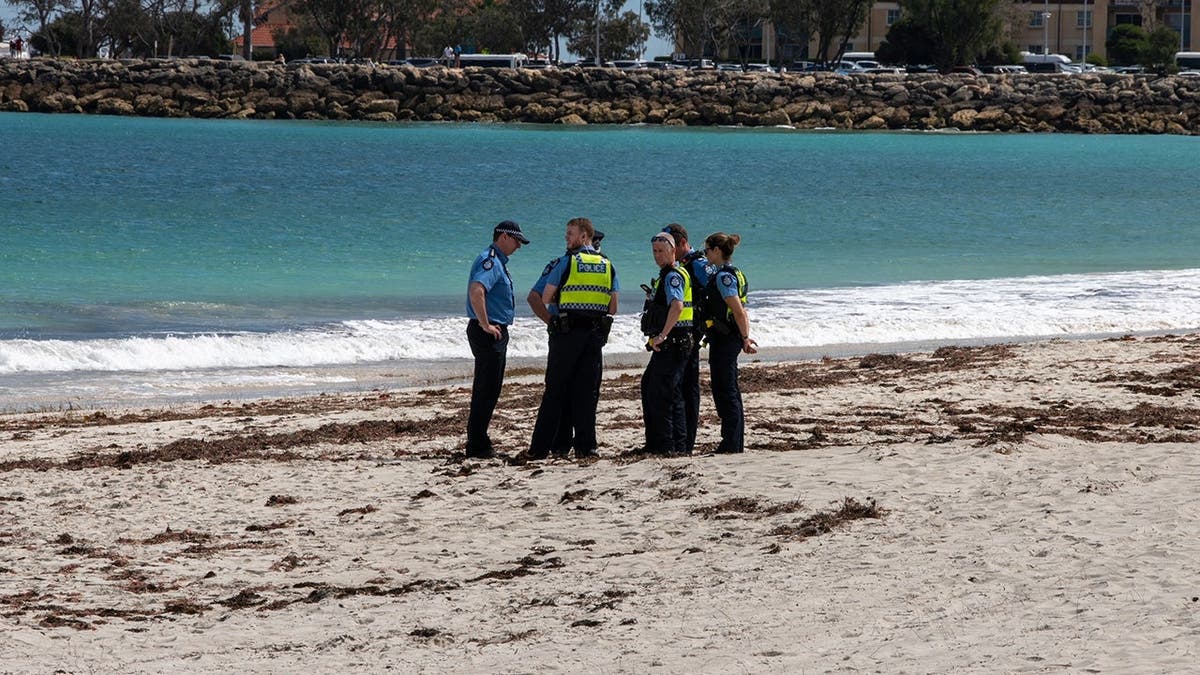
Police stand on Sorrento Beach in Perth, Australia on Friday after a suspected fatal shark attack. (Andrew O’Connor/Australian Broadcasting Corp via AP)
Witness Darrel Haythornthwaite told Nine Network television that O’Neill was swimming with a friend when he was attacked.
«I was just shocked. I mean, I feel for his mate,» Haythornthwaite said. «He’s apologized and said ‘I didn’t save my mate’ … I said, ‘You couldn’t have done anything.’»
AUSTRALIAN MOTHER HEALING WITH ‘BEAUTIFUL MESSAGES’ AFTER LOSING ARM TO SHARK ATTACK
O’Neill told ABC News Australia, «Our family is deeply shocked and devastated by the terrible tragedy that took the life of father, grandfather-to-be, brother, uncle, husband and friend, Greg James O’Neill.»
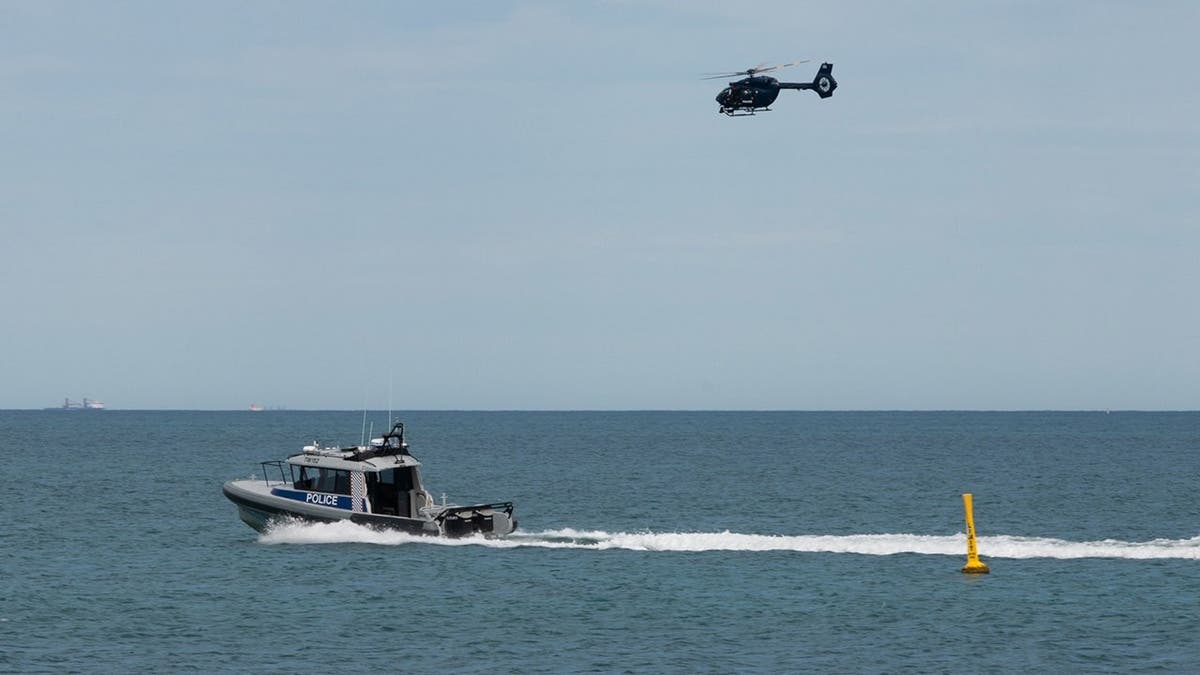
A police boat and helicopter patrol Sorrento Beach in Perth, Australia, on Friday after a suspected fatal shark attack. (Andrew O’Connor/Australian Broadcasting Corp via AP)
«He was a generous, devoted family man that gave his children so much love, care and opportunity. Greg loved the ocean and was known as a passionate swimmer, sports lover, dedicated worker and an all round generous, witty guy,» the family added. «The kind thoughts and support from everyone who has reached out are deeply appreciated.»
A surfer also suffered a serious leg injury on Monday in a shark attack about 250 miles north of Perth.
O’Neill was the fifth fatal shark attack this year.
Three spearfishing divers were killed between May and June in attacks and a 12-year-old boy was killed in Sydney Harbor in January.
world, sharks, australia, beach, travel safety
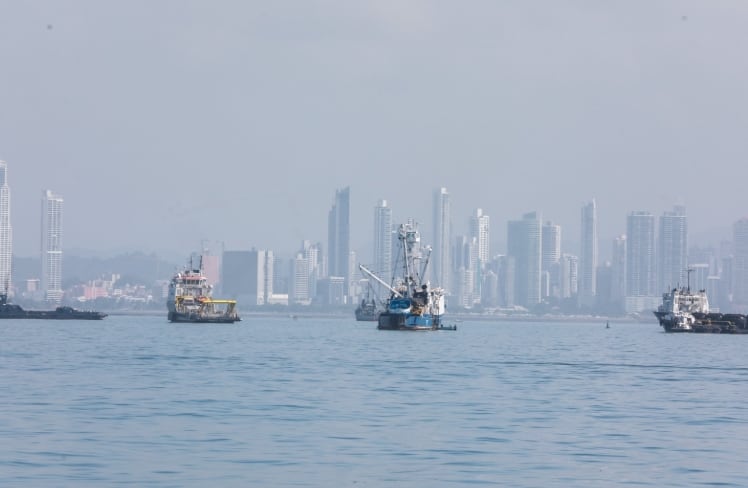
El estado del mar no siempre puede reconocerse desde la costa. Cambios en la temperatura, el oxígeno y la salinidad ocurren bajo la superficie y pueden alterar las condiciones de vida de corales y peces. Las mediciones que se realizan en el Pacífico y el Caribe panameño permiten detectar esas variaciones y seguir sus efectos a lo largo del tiempo.
En la bahía de Panamá, los registros de 2026 muestran agua cálida persistente desde mayo. En Bocas del Toro, las mediciones revelan que la disponibilidad de oxígeno cambia considerablemente entre sitios del mismo archipiélago.
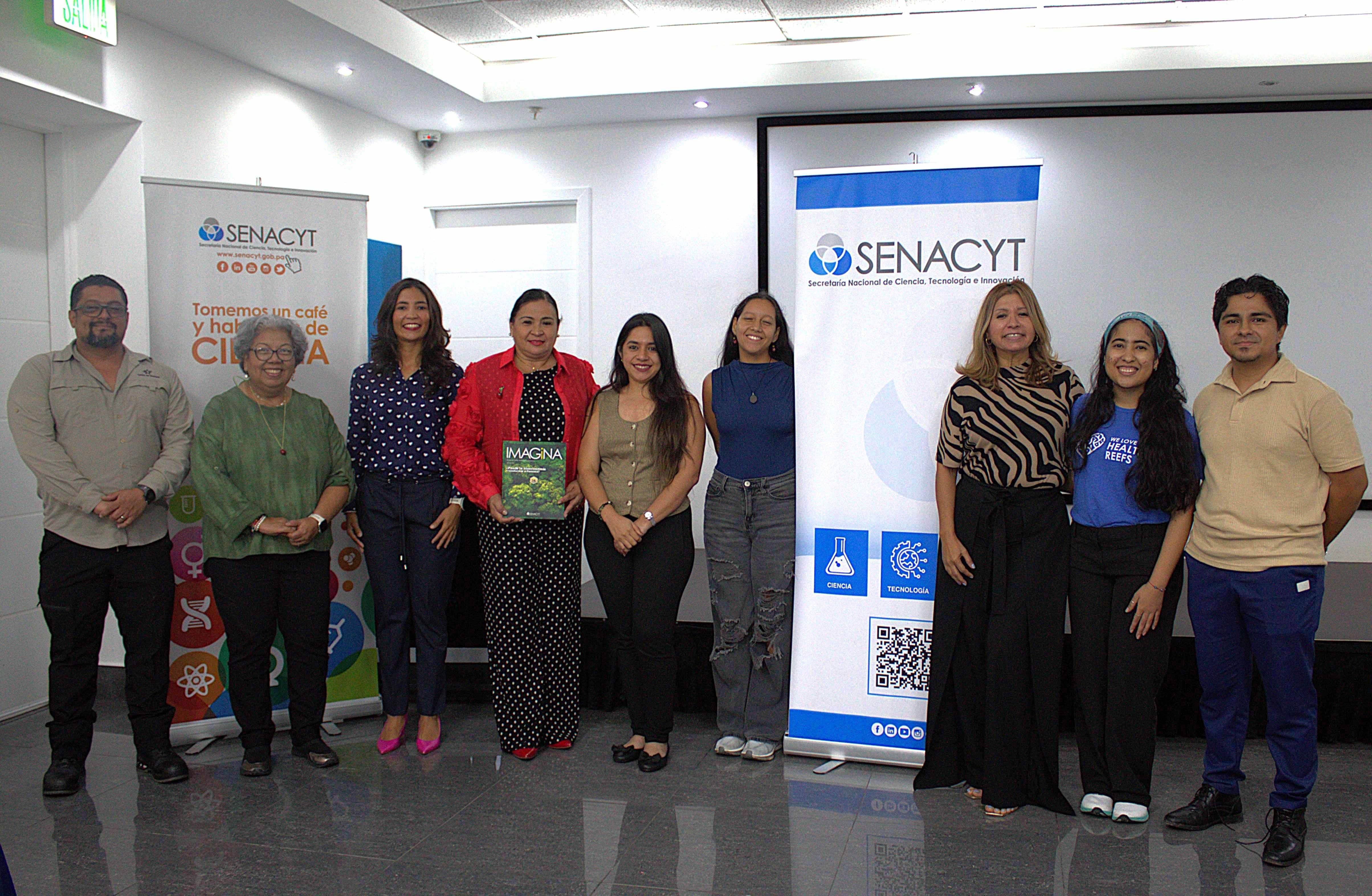
Esos fueron algunos de los hallazgos presentados por investigadores del Instituto Smithsonian de Investigaciones Tropicales (STRI) en un conversatorio organizado junto con la Secretaría Nacional de Ciencia, Tecnología e Innovación (Senacyt).
Anabell Cornejo, gerente de Monitoreo Marino del STRI, explicó que durante las primeras semanas de septiembre no observaron la separación habitual entre el agua cálida superficial y la más fría de las profundidades en la bahía de Panamá. Esa división, llamada termoclina, ayuda a los investigadores a entender cómo se distribuye el calor bajo la superficie.
Cornejo pidió seguir el comportamiento del agua antes de sacar conclusiones. Las mediciones llegaron hasta unos 45 o 50 metros, de modo que no muestran lo que sucede más abajo. En una salida posterior, el equipo encontró una diferencia de 2,5 grados entre la superficie y la profundidad. Habrá que observar si ese cambio se mantiene y qué papel tienen los vientos del norte.
Los científicos llevan cerca de nueve años tomando datos en siete estaciones de la bahía. Esa serie permitió identificar otro hecho fuera de lo habitual: en 2025 faltó el afloramiento estacional que normalmente lleva agua fría y rica en nutrientes hacia la superficie durante la estación seca. La temperatura descendió por poco tiempo, pero no lo suficiente para que ocurriera el proceso habitual.
El afloramiento favorece la producción de alimento para distintos organismos marinos y tiene importancia para los recursos pesqueros. Cornejo contó que colegas habían observado sardinas más delgadas de lo normal después de su ausencia.
La observación apunta a un posible efecto en la cadena alimenticia, aunque todavía se necesitan estudios para determinar su alcance.
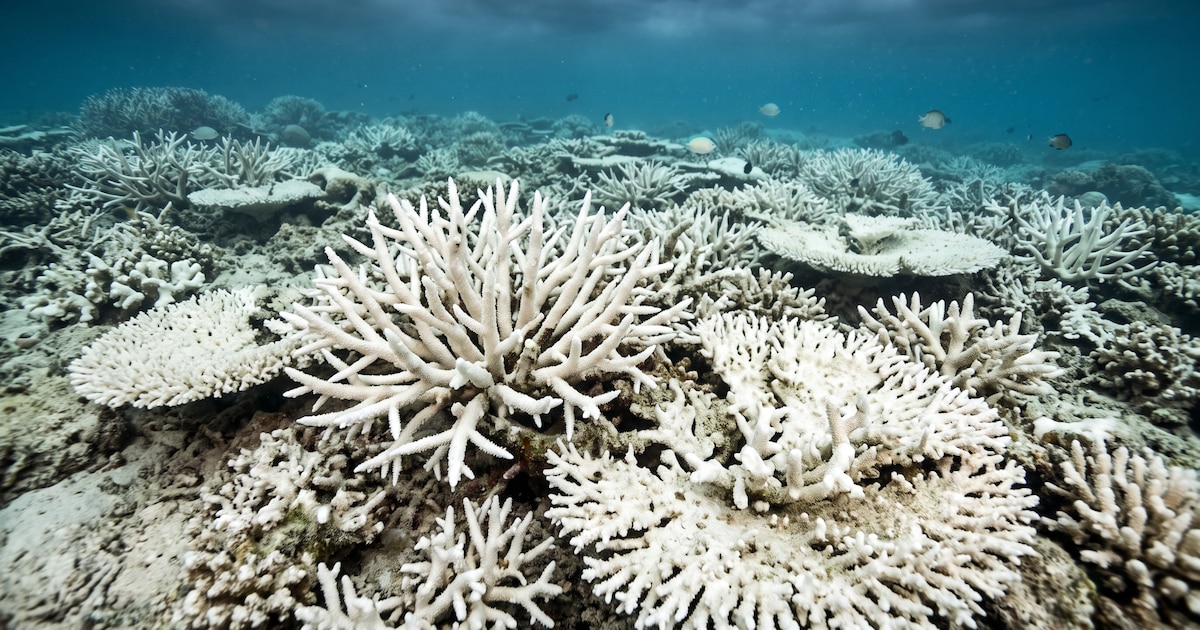
El aumento de temperatura también preocupa por los arrecifes. Cornejo recordó que en 2023 se registró blanqueamiento de corales en Contadora tras un periodo de calentamiento.
Durante 2026, afirmó, ya observaron blanqueamiento en los golfos de Panamá y Chiriquí. Si el estrés térmico persiste, los corales pueden morir y afectar a las especies que encuentran alimento o refugio en ellos.
La especialista advirtió que los próximos meses serán importantes para observar la evolución del calentamiento. Durante el conversatorio señaló que las previsiones consultadas situaban entre octubre y noviembre el periodo de mayor intensidad de El Niño.
Por ahora, los datos permiten identificar condiciones preocupantes, pero no establecer cómo responderá cada zona costera ni cuánto tiempo durarán sus efectos.
En Bocas del Toro, Milton Antonio Sandoval Recinos, técnico del proyecto MarineGEO del STRI, presentó resultados del monitoreo semanal en ocho puntos del archipiélago. El equipo mide temperatura, salinidad, turbidez y oxígeno, y relaciona esos registros con el estado de los pastos marinos, los arrecifes, los peces y otros organismos que viven en ellos.
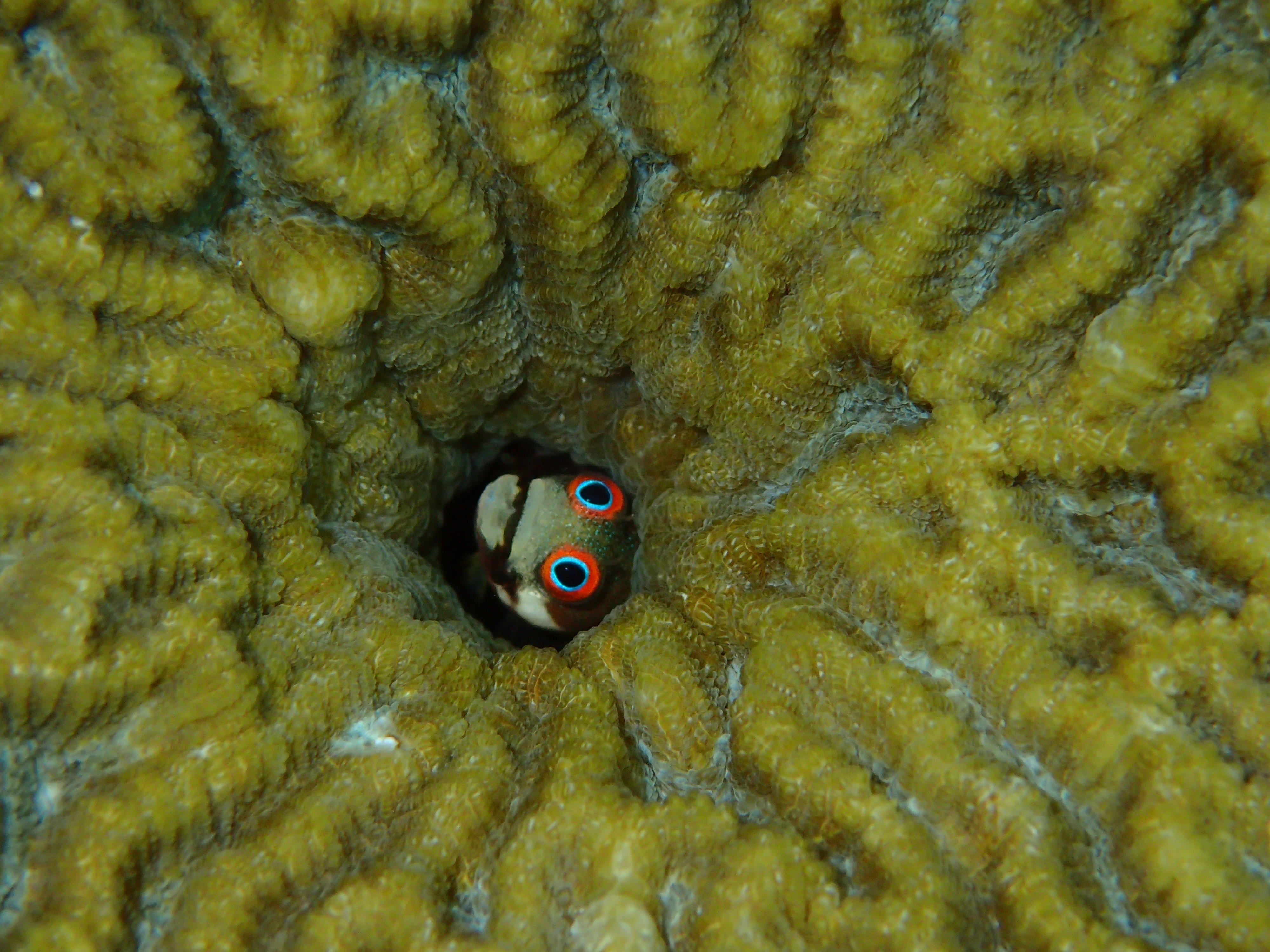
Una comparación mostró menos oxígeno a mayor profundidad en Pastores, una zona de aguas más confinadas, que en Colón Norte, más expuesta al movimiento del mar. Sandoval explicó que las condiciones pueden ser distintas incluso entre sitios cercanos: la circulación del agua influye en el oxígeno disponible para la vida marina.
Cornejo añadió que en sectores de Pastores y Almirante se han registrado áreas sin oxígeno, un problema que requiere investigación sostenida. Las exposiciones no aportaron cifras para establecer la extensión actual de esas áreas. Sandoval también indicó que han identificado un mayor blanqueamiento de corales durante las evaluaciones que realizan en Bocas del Toro.
La lluvia introduce otras variaciones en el archipiélago. En Almirante, Sandoval mostró que un periodo más lluvioso registró mayor turbidez y menor salinidad: el agua que llega desde tierra arrastra materiales y cambia las condiciones costeras. Estos datos ayudan a estudiar lo que ocurre en las praderas de pastos marinos, donde encuentran protección peces jóvenes.
A las variaciones naturales se suma la presión de las actividades humanas. Sandoval mencionó Hospital Point y Almirante entre los puntos con mayor tránsito de lanchas y presencia de basura o posibles residuos de combustible. Compararlos con lugares de menor actividad permite investigar cómo se relacionan esas presiones con el estado de los ecosistemas.
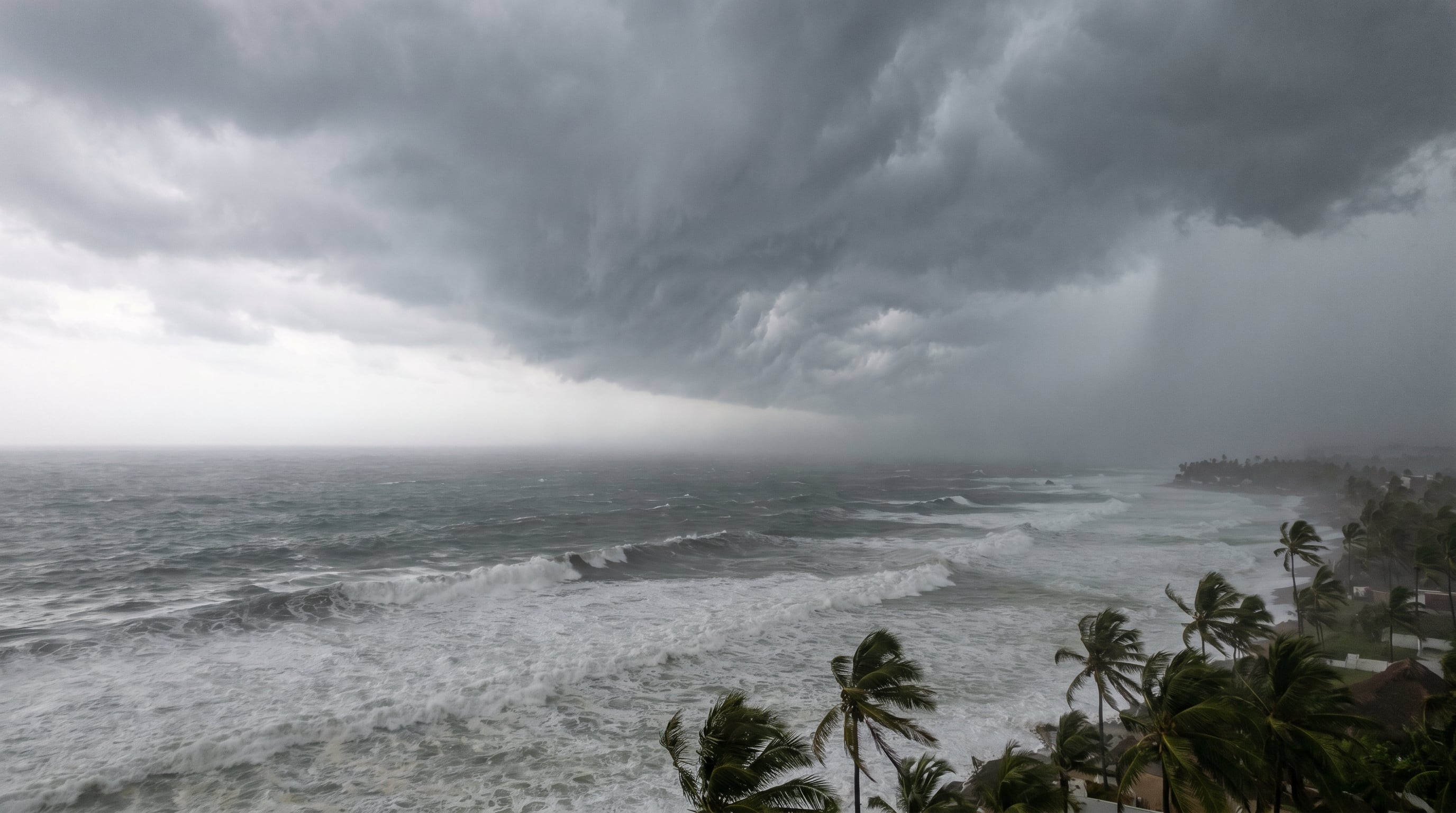
Mantener las mediciones también representa un reto. Las salidas al mar, el mantenimiento de los equipos y el almacenamiento de datos requieren recursos; además, el mal tiempo puede impedir que se complete una jornada de trabajo. Cornejo planteó ampliar los puntos de observación y mejorar la información sobre el relieve submarino para comprender mejor los cambios en el golfo de Panamá.
Durante el encuentro, los investigadores invitaron a universidades e instituciones panameñas a utilizar los registros disponibles para estudiar problemas locales y apoyar decisiones sobre pesca y conservación. Los datos ya permiten reconocer cambios en ambas costas. Seguir midiéndolos y estudiar sus consecuencias será necesario para determinar qué riesgos enfrentan las especies y las comunidades que dependen del mar.
blanqueamiento de corales,arrecife de coral,fondo marino
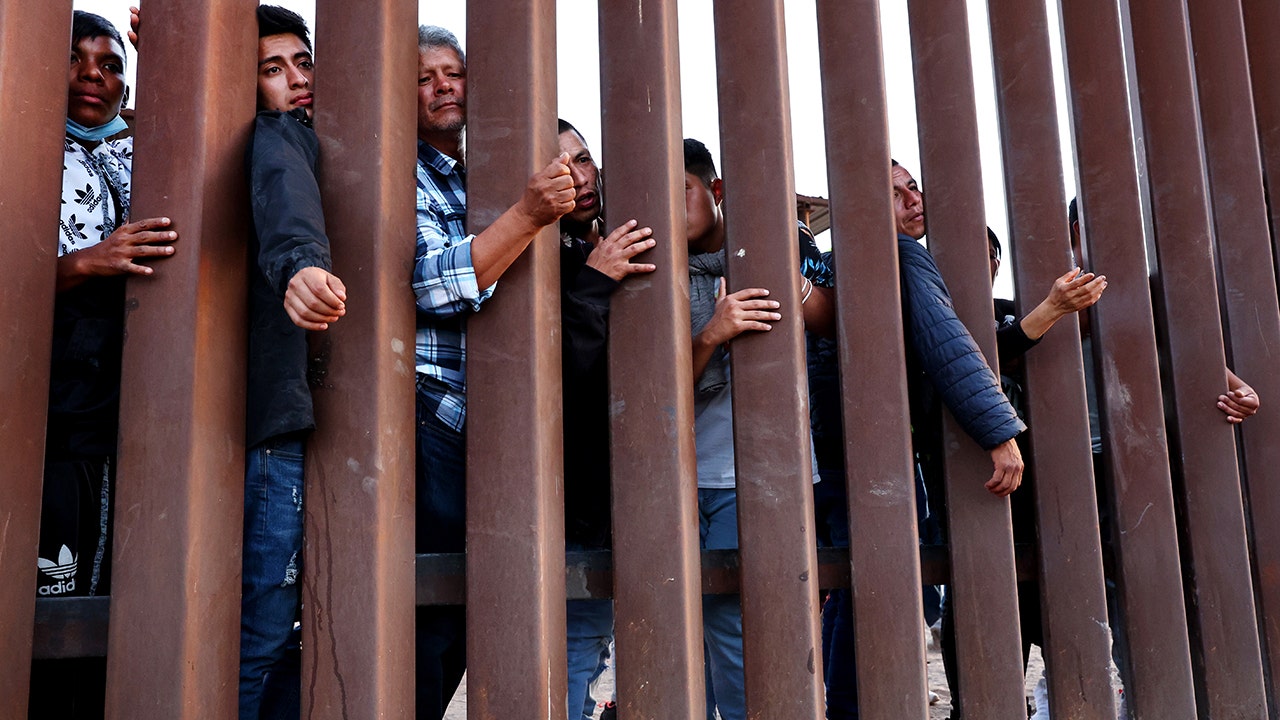
The Department of Homeland Security fired off a warning shot to a major consortium of immigration attorneys as the Trump administration cracks down on fraudulent asylum claims while seeking to roll back the Biden administration’s open-border policies.
The warning letter marks an escalation in DHS’ tactic of targeting illegal immigrants and problematic asylum seekers or green-card holders by also targeting the attorneys who represent them and seek to help them remain in the U.S.
«Asylum offers protection to aliens who have fled their countries due to persecution by the government on account of a protected ground,» James Percival warned the American Immigration Lawyers Association (AILA) on Wednesday.
TRUMP PUTS ASYLUM LAWYERS ‘ON NOTICE’ WITH NEW FRONT IN WAR ON FRAUD
«To be eligible for asylum, an alien must show that he is a ‘refugee’ as defined in 8 U.S.C. § 1101(a)(42)(A), meaning that he is unable or unwilling to return to his country because of persecution or a well-founded fear of persecution on account of race, religion, nationality, membership in a particular social group, or political opinion.»
Percival said asylum is discretionary and not guaranteed for someone who believes they are being targeted in their home country, even if they meet the eligibility requirements.
«We have been abundantly clear: If immigration attorneys commit fraud for their clients, the attorneys will be fined,» Percival told Digital on Thursday.
He warned of a growing backlog of asylum cases clogging up the immigration court system and warned AILA against exacerbating it, should they then face consequences.
«Filing a frivolous asylum application generally renders an alien permanently ineligible for most forms of relief and other immigration benefits … The Department will vigorously pursue all available remedies against anyone engaging in this conduct,» Percival warned in his letter.
«We must restore order and accountability to our immigration framework now, or we risk dismantling the humanitarian safety net for those who need it most.»
In 2025, AILA previously criticized President Donald Trump after he raised concerns over «rampant fraud and meritless claims» in a directive to DHS and the DOJ.
AILA officials called the missive «chilling» and rejected that their members are engaged in frivolous litigation or conduct.
Digital reached out to AILA for further comment.
Percival wrote Wednesday that an asylee’s persecution must be committed by a «state actor» to be considered by the U.S. system, while adding that private actions against an asylee are potentially valid when that person’s government acts in a way unwilling to confront the persecution.
CHICAGO’S DEADLY JUNETEENTH WEEKEND LEAVES 7 DEAD AS TRUMP SHAMES DEM GOV FOR INACTION
But he said that carve-out is a high bar, appearing to take a shot at Illinois leaders over the state’s persistent crime problems.
«[T]his requires an extraordinary showing, as residents of crime-ridden cities like Chicago could easily claim that the government is unwilling or unable to control private actors. To meet the high legal threshold of the government being ‘unable or unwilling’ to control the non-state actor, the alien must establish that the home government has fundamentally breached its basic duty of protection to its citizens,» Percival said.
DHS DIRECTS ICE ATTORNEYS TO SEEK EARLY DISMISSAL OF LEGALLY DEFICIENT ASYLUM CLAIMS
With many of the border-crossers in recent years coming from Central and South America, Percival indicated that conditions in most Western Hemisphere countries are not extreme enough to warrant a legitimate basis for entry into the U.S. under current policy.
«Recent trends show that individuals who illegally migrate within the Western Hemisphere generally do so not because they seek a safe haven from persecution but instead primarily due to a variety of non-humanitarian factors, including economic incentives and misinformation about migration policies,» he said.
He said many such meritless claims are filed to either stifle the ability for the feds to deport them or to secure grounds on which to obtain work permits.
SIGN UP TO GET THE POLITICS NEWSLETTER
«Claims that lack a reasonable legal or factual basis and claims filed with an improper motive are improper and will be dealt with accordingly,» he said.
The warning comes as the Trump administration, more broadly, is conducting nationwide crackdowns on multiple forms of alleged fraud beyond illegitimate asylum claims, including social services fraud, election fraud and other areas.
illegal immigrants, homeland security, immigration, refugees, politics, deportation

Torres criticó la ampliación del recreo para presos: “Los jueces garantistas están más preocupados por los delincuentes que por las víctimas”

‘Devoted’ father and grandfather-to-be swimming at popular beach killed in suspected fatal shark attack

El día que el Gobierno se asomó al abismo

La izquierda se movilizó en la Marcha de la Bronca: “El amor vence al odio, pero mejor es la huelga general”

El llanto de Eliana Guercio al recordar el calvario que vivió con Ximena Capristo: “Hubo un ensañamiento fuerte”

Las CTA intimaron a Petovello a convocar a Consejo del Salario por el nuevo salario mínimo

La Justicia confirmó las fechas de los juicios contra Cristina y Máximo Kirchner por las causas Los Sauces y Hotesur

"Atendiendo a los kukas mentirosos": el presidente Javier Milei opinó sobre las reservas en el oro del Banco Central

Cortocircuito y quiebre entre la Casa Rosada y sus diputados por la ley de discapacidad

Malvinas: una jueza de Río Grande ordenó a Rockhopper y Navitas frenar el avance del proyecto petrolero Sea Lion

 POLITICA1 día ago
La Justicia confirmó las fechas de los juicios contra Cristina y Máximo Kirchner por las causas Los Sauces y Hotesur
- ECONOMIA2 días ago
"Atendiendo a los kukas mentirosos": el presidente Javier Milei opinó sobre las reservas en el oro del Banco Central
- POLITICA12 horas ago
Tras los cruces por Discapacidad, Javier Milei y Patricia Bullrich se reencuentran en la reunión de Gabinete para delinear la agenda legislativa