INTERNACIONAL
Waltz delivers blunt warning to nations defying Iran sanctions, touts Greenland deal

NEWYou can now listen to Fox News articles!
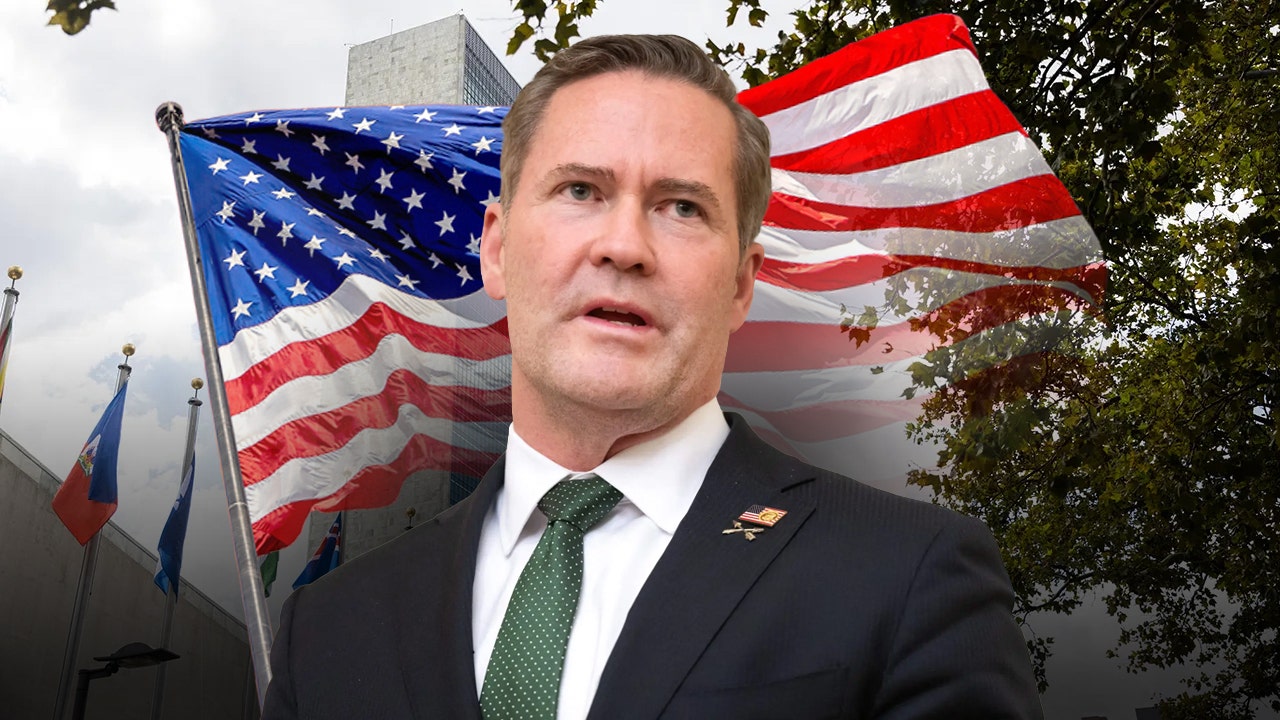
UNITED NATIONS, NEW YORK: President Donald Trump will return to the United Nations this week seeking greater international cooperation in confronting Iran, even as his administration moves to reshape the global institution hosting world leaders, U.S. Ambassador to the U.N. Mike Waltz told Fox News Digital in an exclusive interview ahead of the gathering.
US presses allies to enforce Iran sanctions ahead of the UN General Assembly
With the U.S.-Iran war entering its seventh month, Trump is expected to address the General Assembly on Tuesday and meet Gulf leaders whose countries have been directly affected by the conflict.
The gathering comes as Washington seeks to intensify economic pressure on Tehran, European allies confront Russia’s ongoing war in Ukraine, and the administration faces questions about whether its push to reduce the U.N.’s size and spending risks diminishing the organization’s ability to respond to international crises.
BESSENT WARNS IRAN’S OUTSIDE BACKERS TO ‘STAY AWAY’ AS TRUMP SEEKS TO ‘ASPHYXIATE’ TEHRAN’S ECONOMY
President Donald Trump delivers a speech during the 80th session of the General Assembly at U.N. headquarters in New York, Sept. 23, 2025. (Li Rui/Xinhua via Getty Images)
Waltz outlined what Washington expects from its partners on Iran: full enforcement of sanctions against Tehran, with consequences for countries that fail to comply.
«They will reinforce that message, but importantly, it’s all of these countries actually enforcing the sanctions and what they’re going to hear is there will be consequences for friend and foe,» Waltz said. «The president is doing this for the future security of the world.»
European and Asian allies have largely resisted Trump’s requests for assistance in the Iran conflict, which began with U.S. and Israeli strikes in February, Reuters reported on Sept. 18. The war has also disrupted energy markets, with Iran obstructing shipping through the Strait of Hormuz and its Houthi allies tightening their grip on a critical Red Sea shipping corridor.
Waltz said the administration intends to make sanctions enforcement a central part of its diplomatic push during UNGA.
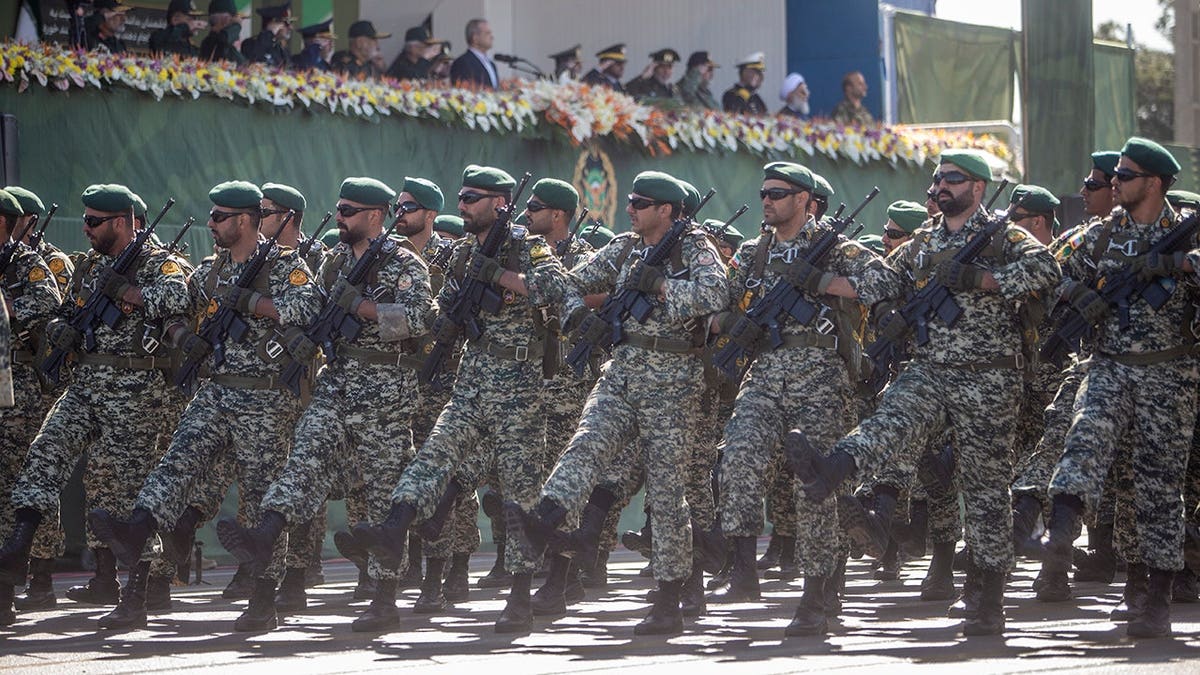
Members of Iran’s military parade during National Army Day on April 18, 2025, in Tehran. (Getty Images)
«The Iranian economy continues to crater,» Waltz said, pointing to the country’s currency, inflation and the U.S. naval blockade. «One way or another, the president has been crystal clear on our goals here that Iran cannot and will not have a nuclear weapon.»
His remarks follow a Sept. 17 U.N. Security Council vote in which Russia and China blocked an effort to continue independent monitoring of international sanctions on Iran.
Trump is also expected to meet Gulf leaders to discuss the conflict and regional security. Waltz said the administration wants to hear directly from its Gulf partners about their concerns, describing the collective meeting as an important diplomatic opportunity.
JEFF BARTOS SAYS UN REFORM IS NO LONGER AN ‘OXYMORON’ AFTER $570M IN CUTS
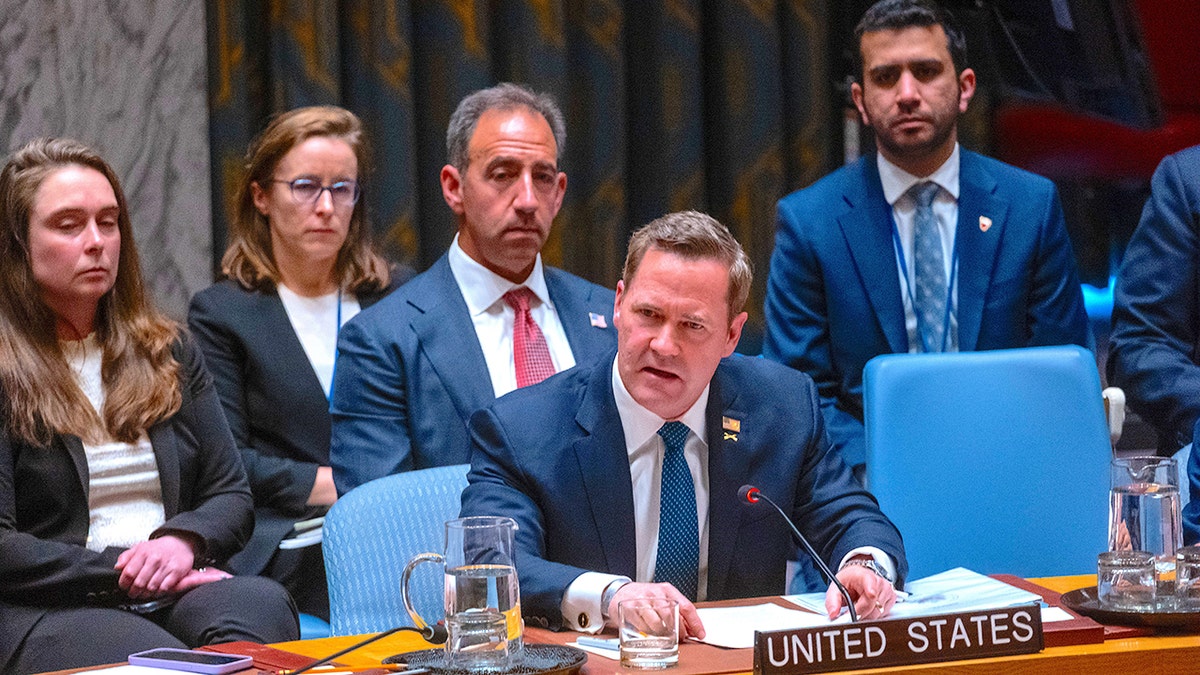
U.S. Ambassador to the United Nations Michael Waltz speaks at an emergency Security Council meeting on the situation in Iran on Feb. 28, 2026, in New York City. (Spencer Platt/Getty Images)
A UN the Trump administration wants to change — but not abandon
The Iran conflict is unfolding against a broader debate over the future of the United Nations, an institution Trump has repeatedly criticized and his administration has sought to substantially reform.
On Sept. 16, the United States paid $725 million toward the U.N.’s regular budget and another $102 million for peacekeeping operations. The payments reduced Washington’s outstanding debt and averted the immediate risk of losing its General Assembly voting rights in 2027. However, the U.S. still owed approximately $1.312 billion to the organization’s regular budget, according to the U.N.
Asked why American taxpayers should continue funding an organization the administration has repeatedly criticized for what it considers anti-American bias, Waltz pointed to efforts to reduce spending and redirect the institution toward its original mission.
«The president is clear about getting the U.N. back to basics and helping it realize its potential,» Waltz told Fox News Digital.
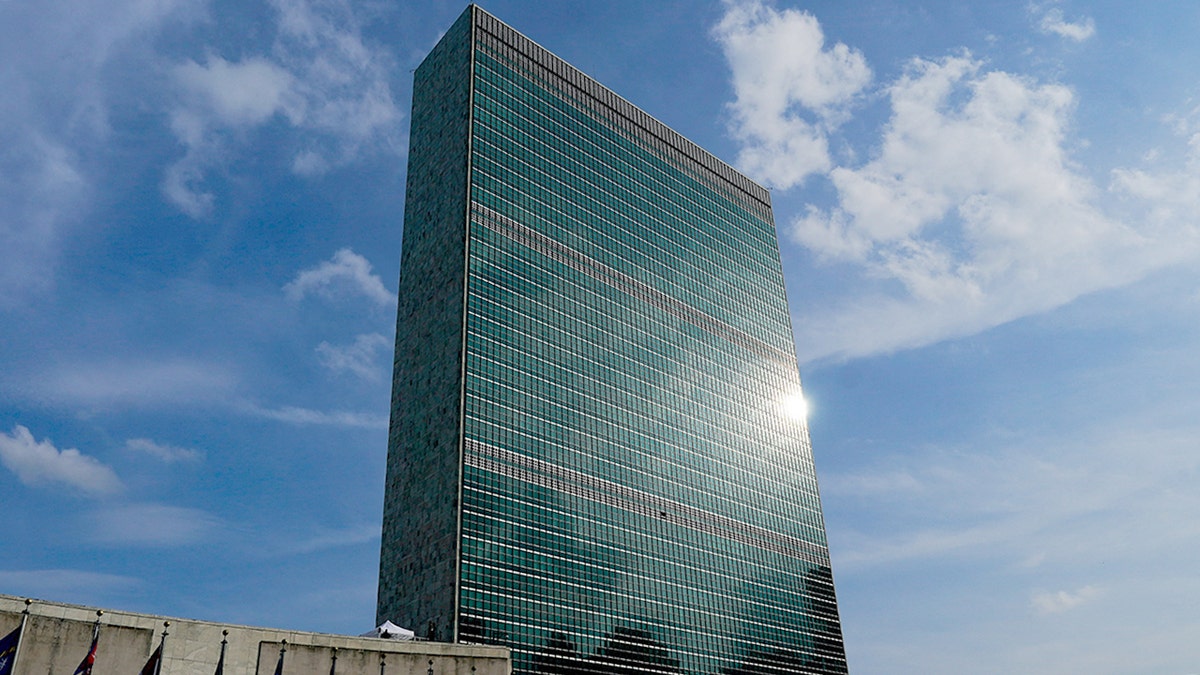
United Nations headquarters during the 80th General Assembly, in New York City, Sept. 23, 2025. (Reuters/Al Drago)
He said the administration had secured more than $1 billion in budget reductions, with roughly 3,000 headquarters positions being cut and a reduction of approximately 25% in peacekeeping personnel.
«We have the U.N. on a diet,» Waltz said.
But Waltz also made clear that the administration does not intend to abandon the United Nations.
«There’s got to be one place in the world where everyone can come together and put diplomacy first and can actually talk,» he said. «We don’t ever want to see a U.N. in Beijing or Moscow or Brussels.»
«If we just walked away, you’d have 192 countries talking without us,» Waltz added.
Gaza offers one example of how the administration intends to use the U.N. while limiting direct American military involvement. Waltz pointed to the U.N.-endorsed Board of Peace and the planned International Stabilization Force, which is intended to support security and a postwar transition in Gaza. The ambassador said he does not want American troops deployed there, arguing that international security operations should allow other countries to share the burden. The U.N. Security Council endorsed the Gaza peace plan and authorized the stabilization force in November 2025.
The State Department said Sept. 18 that Secretary of State Marco Rubio will be in New York from Sept. 20–23 to meet foreign counterparts, advance U.S. security and economic priorities and continue the administration’s campaign for U.N. reform.
WALTZ CALLS OUT IRANIAN DIPLOMAT AT UN FOLLOWING DRONE STRIKES ON BAHRAIN AND KUWAIT

Denmark and Greenland have stressed that the new arrangement will not compromise the island’s sovereignty or right to self-determination. (iStock)
Greenland agreement adds another dimension to allied diplomacy
Trump arrives in New York days after announcing a new security agreement with Denmark and Greenland aimed at expanding the American military presence in the Arctic while restricting adversaries from establishing bases or making sensitive investments on the island.
The agreement falls short of Trump’s earlier ambition to acquire Greenland, which remains an autonomous territory within the Kingdom of Denmark. Denmark and Greenland have stressed that the arrangement will not compromise the island’s sovereignty or right to self-determination. Additional details of the agreement have yet to be made public.
Waltz told Fox News Digital that the deal reflects the Arctic’s growing strategic importance as melting ice opens new shipping routes and increases access to energy and mineral resources.
«It’s incredibly significant,» Waltz said, pointing to Russia’s Arctic military capabilities and the potential for new shipping routes to transform global trade.
«It took some tough tweets, maybe some tough language,» he said. «We now have an agreement with our ally Denmark.»
The agreement comes as European governments confront overlapping security challenges involving Russia’s war in Ukraine, Arctic defense and uncertainty over transatlantic security arrangements, while Washington seeks greater allied cooperation in its campaign against Iran.
TRUMP ARRIVES AT NATO SUMMIT AS IRAN RIFT LOOMS ABOVE ALLIANCE TALKS
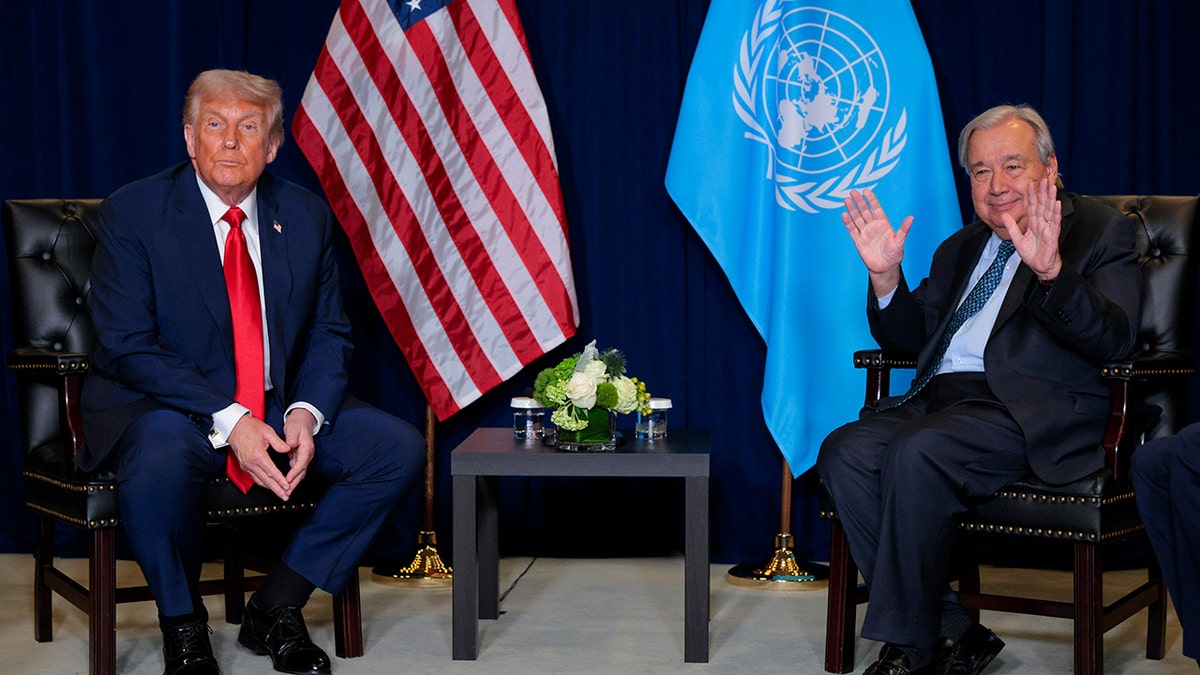
President Donald Trump meets with U.N. Secretary-General António Guterres during the 80th session of the General Assembly on Sept. 23, 2025 in New York City. (Chip Somodevilla/Getty Images)
World leaders converge on New York
The U.N. expects 73 heads of state and 45 heads of government, along with 49 ministers, 11 vice presidents and one crown prince, to attend High-Level Week, U.N. spokesperson Stéphane Dujarric told reporters Friday.
Member states have submitted approximately 1,000 requests for bilateral meetings, while about 168 events are scheduled alongside the official proceedings.
The 81st General Assembly’s General Debate begins Tuesday and runs through Sept. 28.
Beyond Iran, world leaders are expected to address Russia’s invasion of Ukraine, the future of Gaza, international security and the U.N.’s ability to respond to emerging global challenges.
Waltz described the administration’s approach with a slogan inspired by the president’s political branding: «Make the U.N. great again.»
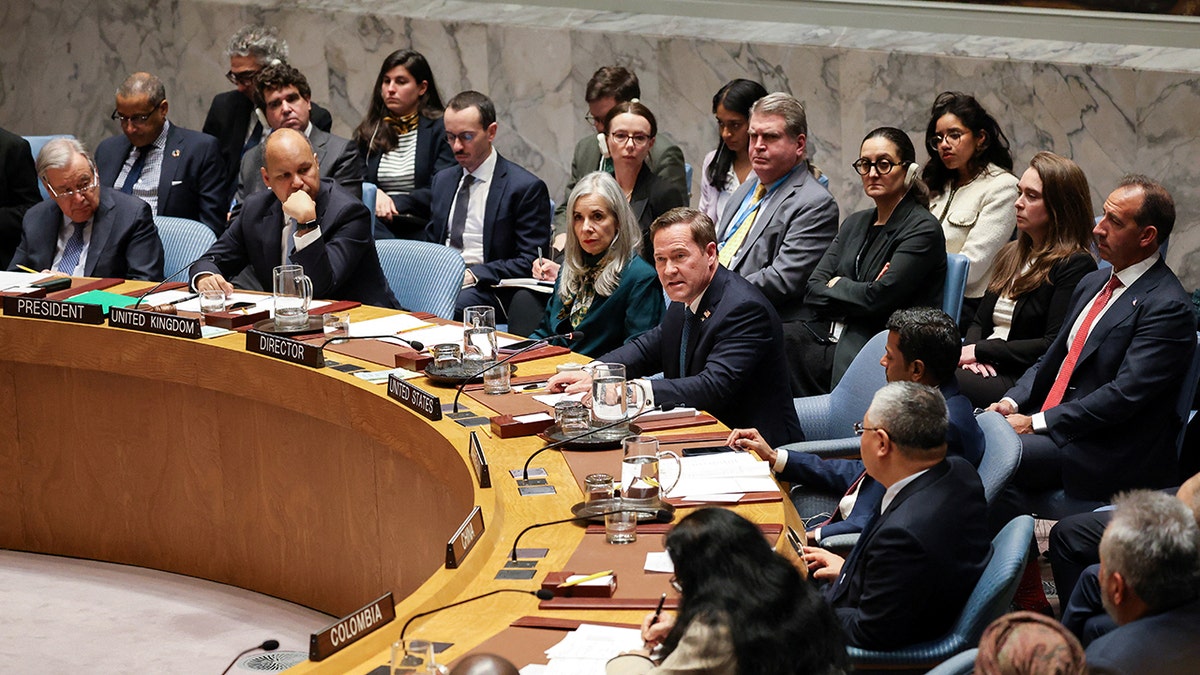
Ambassador Mike Waltz speaks during a Security Council meeting, after the U.S. and Israel launched strikes on Iran, at U.N. headquarters in New York City, Feb. 28, 2026. (Heather Khalifa/Reuters)
But the immediate diplomatic questions facing Washington are more concrete: whether allies will increase pressure on Iran, whether Gulf leaders can agree on a path toward ending the conflict and whether the administration’s push for a leaner U.N. can coexist with its efforts to use the organization to address international security challenges.
war with iran, united nations, donald trump, foreign affairs, greenland









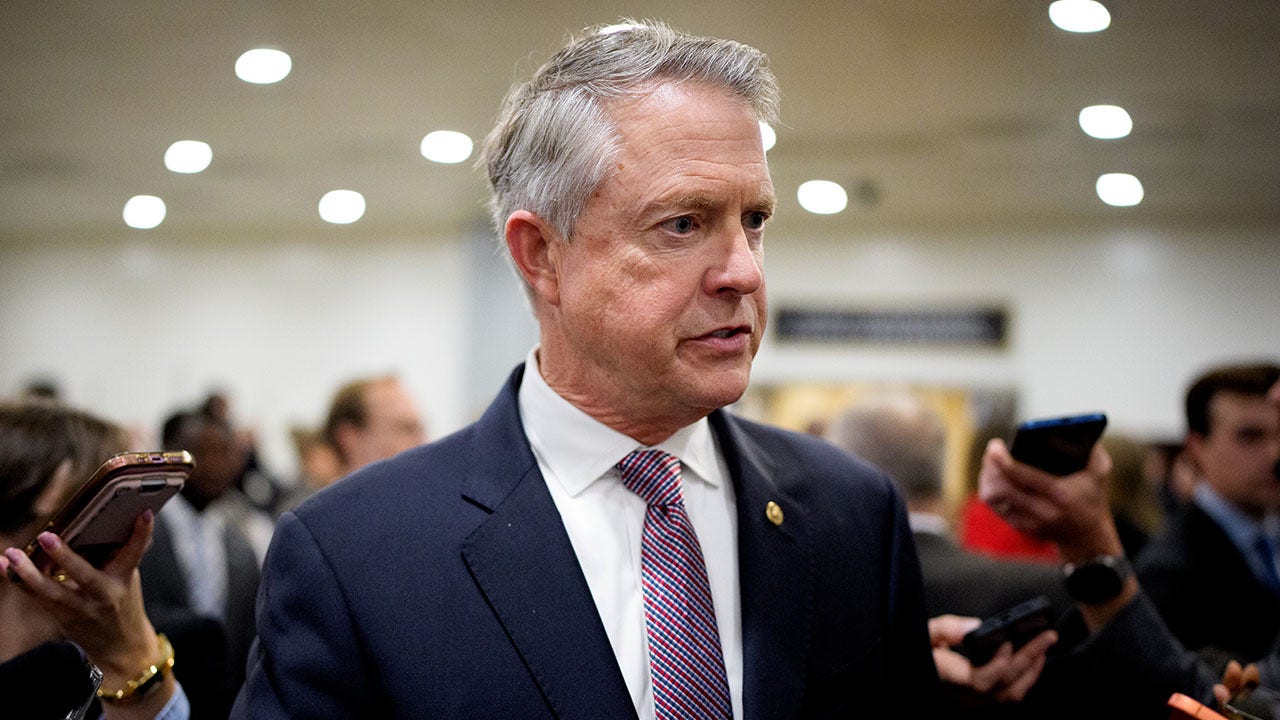
A Republican senator running in a tightening race in ruby-red Kansas argued that an explosive report detailing allegations of hundreds of lawsuits against his former patients was a political «hit job» planted by top Democrats.
Sen. Roger Marshall, R-Kan., told Digital that a report from The New York Times that detailed hundreds of lawsuits against patients of his former OB-GYN practice over missed medical bills, some of which ended in arrests, was a political attack planted by Senate Minority Leader Chuck Schumer, D-N.Y.
«I think that Kansans look at a story like this and realize it’s from something like the National Enquirer, that this is totally a hit job by left media, an article paid for by Chuck Schumer,» Marshall said during an interview at the Republican National Committee midterm convention in Dallas.
BIG MONEY PROPELS DEM MEGACHURCH PASTOR TO VICTORY IN LONGSHOT KANSAS SENATE BID
Marshall was one of the founding partners of the Great Bend Regional Hospital and had his own OB-GYN practice called the Heartland Regional OB-GYN before winning his first bid for Congress in 2016.
During that time, and even after he was in office, the report alleged that Marshall and his lawyers filed lawsuits against more than 700 patients with outstanding medical bills and charged patients an 18% annual interest rate.
Of those, 81 patients were arrested for missing court dates, The New York Times reported, and the outlet interviewed some of those who were arrested.
«I would never want anyone to be arrested because of money that they owe myself or the hospital,» Marshall said. «But we had standard policies. Once they went to collections, I was never asked another — had nothing else to do with the process. These were professional companies that did the collection processes.»
Marshall noted that as one of the few doctors who accepted Medicaid in the area, many of his patients would travel from other cities to see him.
He said that typically it would be nine months to a year before a collection agency was considered, and when that became an option, they would turn to the «same collection agency that most every other doctor and hospital in the region did as well. They were all standard practices.»
‘WHY WOULD HE DO THIS TO US?’: ONE CRUCIAL TRUMP DECISION IS HURTING HIS BASE, REPUBLICANS WARN
«My golden rule with my office manager is, look, if a person’s making a payment of $5 a month, that’s fine,» Marshall said. «As long as you’re communicating, make an effort, if they miss one, just communicate with us.»
«So only a very small, small, small fraction of the unpaid bills even went to collections,» he continued. «But once it left our office’s hand, we had nothing to do with any further decisions.»
The report comes as Marshall is running for a second term in the Senate. He’s facing Adam Hamilton, the Democratic nominee and a megachurch pastor who led the largest United Methodist congregation in the country.
Tyson Brody, a spokesperson for Hamilton’s campaign, told Digital, «Roger Marshall’s own lawyer said Roger Marshall specifically requested an 18% interest rate, 50% higher than the statutory rate in Kansas.»
«Roger Marshall’s own lawyer said Roger Marshall allowed him to seek warrants, arrests, and garnishments of new and expecting mothers,» Brody said. «One woman said she requested a payment plan but was pressed to pay in full and another reported she was arrested while struggling with payments.»
GOP SENATOR ACCUSES NYT OF SITTING ON BOMBSHELL ALLEGATION TO PROTECT SCHUMER, DEMS
«Senator Marshall should explain why he sued a woman who claimed he was charging her for his own mistakes, and why he had patients jailed for as little as $115,» he continued.
Though Kansas is favored to stay in the GOP’s control, Vice President JD Vance, one of the Trump administration’s most valuable surrogates on the campaign trail this cycle, stumped for Marshall last week. While Vance lauded Marshall as a valued ally to President Donald Trump and instrumental in implementing his agenda, he was interrupted by a protester who referred to The New York Times’ report.
«Now, this guy, this guy, I’m telling you, ladies and gentlemen, here’s what happened is he decided to come in and lie about my very dear friend Doc Marshall, because the reality is that Doc Marshall has stood up for everyday Americans every single day he’s been in the United States Senate,» Vance said.
But back in Dallas before the Vance event, Marshall maintained that his office’s practices were above board, and questioned The New York Times’ characterization of what happened.
«Look, I’m not even gonna give The New York Times the honor of me reading their article. But I just think that I trust our judges a lot more than what they’re describing there,» Marshall said. «Our judges wouldn’t do what they’re describing in that article. There had to be something else going on.»
«So it’s just amazing to me. Here, I’m the only OB-GYN in the middle of 60,000 people on call every night,» he continued. «I didn’t get a night off for 30 years darn near. And take so many people we gave pre-care to and there’s so many bills that we just wrote off as well. So I just think this is very much a mischaracterization of the whole process.»
politics, midterm elections, kansas, chuck schumer, health
INTERNACIONAL
EXCLUSIVE: Russian document reveals sweeping Iran plan spanning nuclear, finance and aviation
NEWYou can now listen to Fox News articles!
EXCLUSIVE: A nonpublic Russian government document obtained and reviewed by Fox News Digital reveals how Moscow sought to deepen its relationship with Iran far beyond conventional trade — laying out plans for alternative financial channels, nuclear cooperation, Iranian production of Russian aircraft components, major energy projects and new transportation routes stretching toward the Persian Gulf.
The 44-page Russian-language document, titled «Plan for Cooperation Between the Russian Federation and the Islamic Republic of Iran for 2024-2026,» is marked «For official use» and was approved on the Russian side on Sept. 2, 2024. It assigns ministries, agencies and state companies responsibility for projects and sets deadlines extending through the end of 2026.
PUTIN AND IRAN ‘NEED EACH OTHER DESPERATELY,’ EXPERT SAYS, AS RUSSIA VOICES SUPPORT FOR REGIME
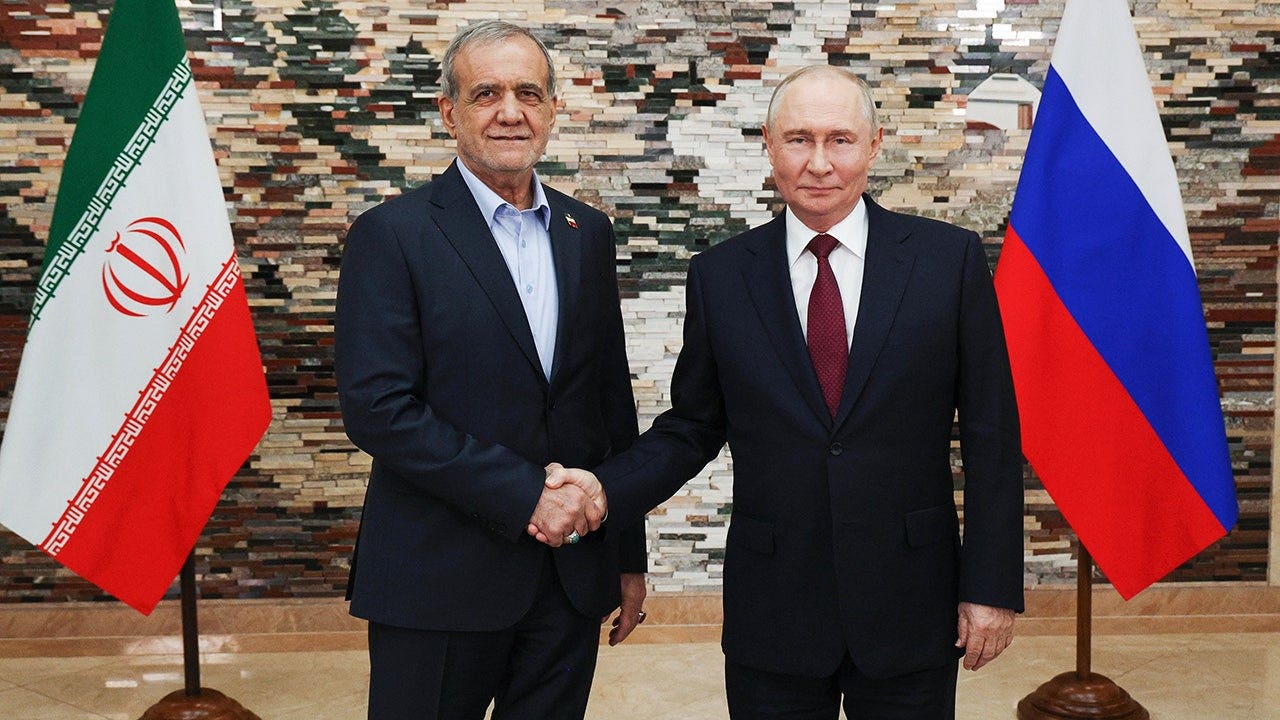
Russian President Vladimir Putin and Iranian President Masoud Pezeshkian talk during their meeting on the sidelines of the Shanghai Cooperation Organization in Bishkek, Kyrgyzstan, on Sept. 1, 2026. (Kristina Solovyova/Pool Sputnik Kremlin via AP)
The document predates the current war involving Iran and the United States by well over a year, meaning it does not establish which projects remain active or how the conflict may have altered Moscow’s plans.
But an independent review of the Russian-language document, along with subsequent public reporting, shows that a number of initiatives described in the roadmap later advanced or materialized.
Keti Korkiya, a research analyst with the Foundation for Defense of Democracies’ Russia program, reviewed the document for Fox News Digital and said its significance lies less in any single project than in the architecture Moscow was trying to build around the relationship.
«The roadmap is not revelatory: people paying close attention to the relationship between Russia and Iran will see many collaborations between the two countries that have been public for years,» Korkiya said in written analysis provided to Fox News Digital.
WHY TRUMP IS DOWNPLAYING REPORTS RUSSIA AND CHINA ARE HELPING IRAN
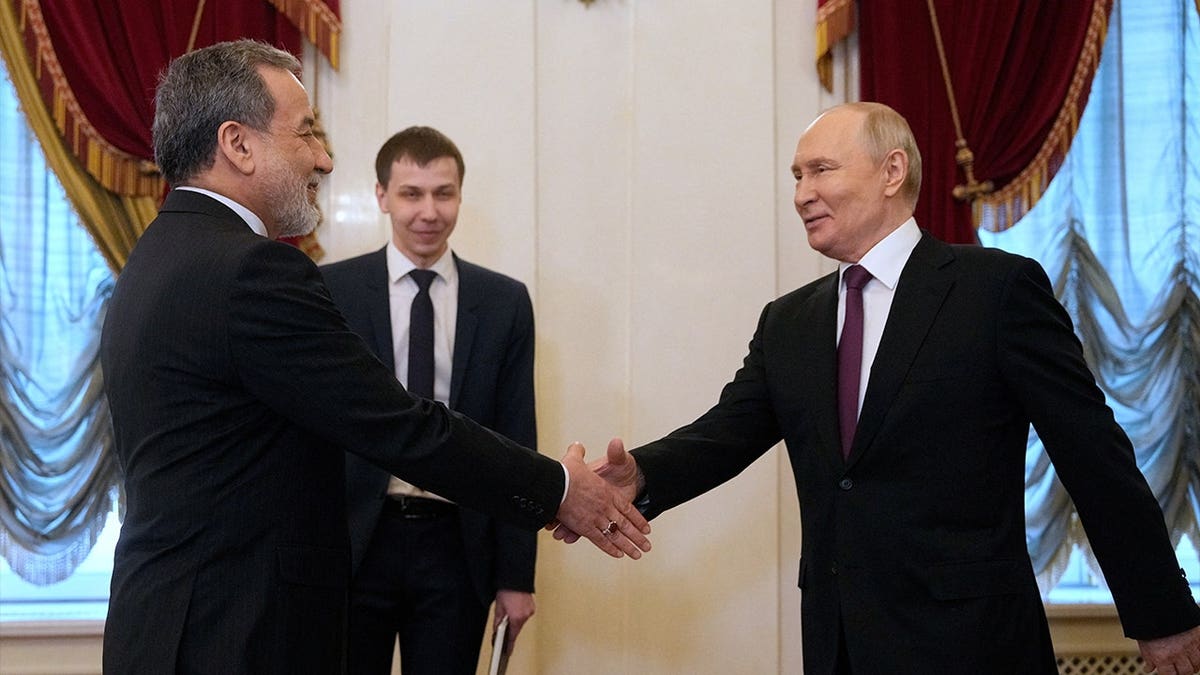
President Vladimir Putin shakes hands with Iranian Foreign Minister Abbas Araqchi during a meeting at the Boris Yeltsin Presidential Library in St. Petersburg, Russia, April 27, 2026. (Dmitri Lovetsky/Pool via Reuters)
«What is more revealing is the architecture of the relationship Moscow is trying to build,» she said, pointing to financial mechanisms, transportation routes, energy investment and aviation cooperation as different ways of reducing vulnerabilities created by sanctions and Western economic pressure.
«These are nonpublic high-level documents that illustrate the comprehensive cooperation between Russia and Iran,» a European intelligence source who reviewed the material told Fox News Digital.
«It is also strategic, sensitive and highly politicized, focusing on areas like nuclear programs, energy trade and financial transactions that aim to evade the U.S. sanctions,» the source said.
A U.S. official, responding on background to questions from Fox News Digital about the financial provisions, said U.S. sanctions have «severely isolated Russia and Iran from the international financial system,» adding that efforts by the two countries to develop alternative financial channels and other sanctions-evasion schemes were therefore «not surprising.»
The official said Washington closely tracks attempts by sanctioned jurisdictions to develop alternative cross-border payment mechanisms and would seek to disrupt those that facilitate sanctions evasion or illicit finance.
The Russian document itself does not use the phrase «sanctions evasion.» Instead, it repeatedly calls for increased use of national currencies, independent financial channels and measures to counter what Moscow describes as «unilateral restrictive measures.»
TRUMP THREATENS ‘UNPRECEDENTED’ ECONOMIC CONSEQUENCES FOR ANY NATION AIDING IRAN
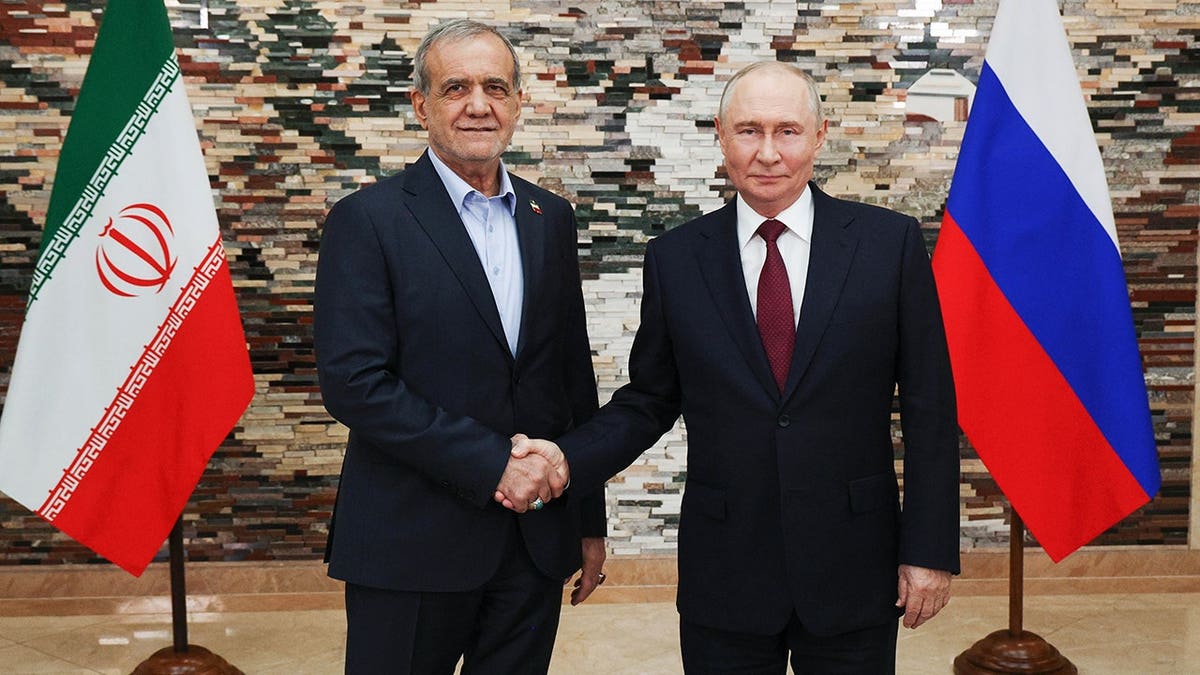
Russian President Vladimir Putin and Iranian President Masoud Pezeshkian pose for a photo during their meeting at the Shanghai Cooperation Organization summit in Bishkek, Kyrgyzstan, on Sept. 1, 2026. (Vyacheslav Prokofyev/Pool Sputnik Kremlin via AP)
BUILDING FINANCIAL CHANNELS OUTSIDE WESTERN SYSTEMS
Some of the clearest provisions concern how Russia and Iran intended to move money.
The plan set a target of increasing the share of bilateral trade conducted in national currencies from 68% in 2024 to 71% by 2026, while also seeking to expand correspondent accounts denominated in national currencies.
More ambitiously, the roadmap calls for the Bank of Russia and the Central Bank of Iran to develop the use of central bank digital currencies for cross-border settlements.
Another provision calls for «ensuring the use of independent systems for transmitting financial messages,» including connecting financial institutions to independent channels for exchanging financial information.
The document does not identify which messaging system would be used or explicitly state that the goal was to bypass SWIFT or U.S. financial controls.
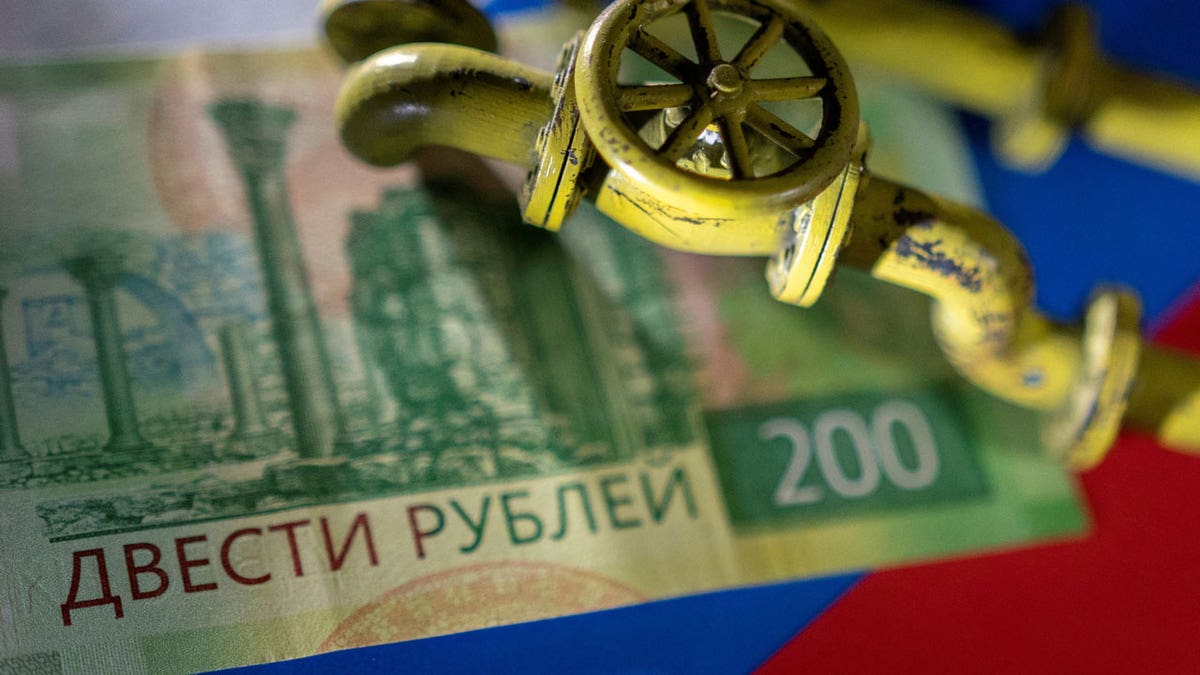
Strategic moves by Russia to address its budget deficit may inadvertently devalue the ruble, analysts warn. (Reuters/Dado Ruvic/Illustration/File Photo)
But some of that financial integration later became public.
In February 2025, Russian Deputy Prime Minister Alexei Overchuk said Russia and Iran had «practically completely» shifted bilateral settlements into national currencies using their own systems for transmitting financial and banking messages. Interfax, a Russian news agency, reported that the effort was part of a broader push toward independent payment infrastructure between the two countries.
Iran’s ambassador to Russia also said in February 2025 that Tehran and Moscow no longer needed SWIFT for bilateral banking relations and were using their own confidential bank-messaging systems. He said the initial phase of linking Iran’s Shetab payment network with Russia’s Mir system had begun the previous year.
Korkiya said the significance of those measures is cumulative.
IRAN REGIME USES FORMER SOVIET REPUBLIC TO DODGE SANCTIONS, FUND WAR MACHINE: REPORT
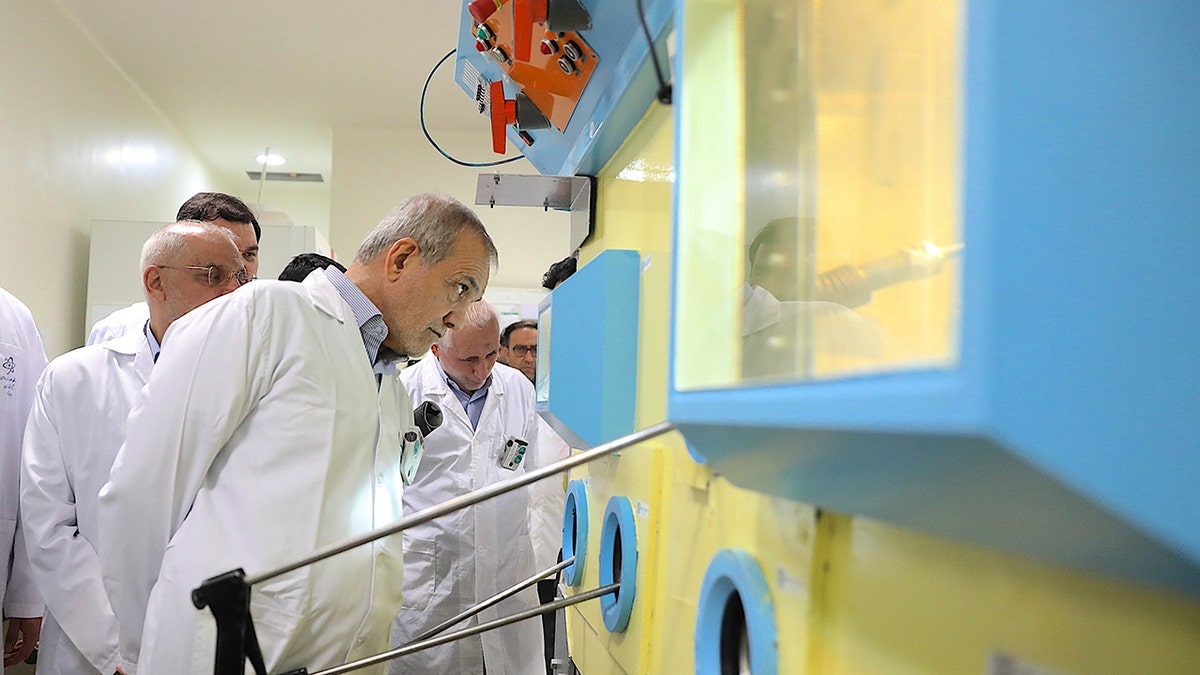
Iranian President Masoud Pezeshkian visits nuclear facilities in Tehran on Nov. 1, 2025. (Iranian Presidency/Handout/Anadolu via Getty Images)
«Individually, none of these initiatives is transformative,» she wrote. «Collectively, however, they amount to an attempt to remove single points of vulnerability and build redundancy into the Russia-Iran economic relationship.»
The financial effort is paired with a political one.
The roadmap calls for Russia and Iran to coordinate through BRICS and other international institutions against «unilateral trade restrictions,» while another provision proposes studying ways to counter «unilateral restrictive measures» and their impact on global markets.
Korkiya said that goes beyond simply finding workarounds.
«Especially interesting is that the roadmap also goes beyond practical sanctions workarounds and includes an effort to build an intellectual and diplomatic campaign against sanctions themselves,» she wrote, citing plans for expert communities, discussion platforms and an international forum focused on unilateral restrictions.
A U.S. official told Fox News Digital that financial institutions and intermediaries enabling sanctions evasion expose themselves to «significant sanctions risks,» adding that Washington would continue working with partners to «identify, expose and disrupt these networks wherever they emerge.»
The official also pushed back on the idea that alternative Russia-Iran systems could displace Western financial infrastructure.
«Russia and Iran can try to build alternative financial channels, but they cannot replicate the reach, liquidity or trust of the U.S. dollar and the international financial system,» the official said. «Their efforts will not weaken the effectiveness of U.S. sanctions.»
CHINA, RUSSIA, IRAN AND NORTH KOREA FORM ‘AXIS OF AGGRESSORS’ THAT COULD OVERWHELM US, BOOK WARNS

A person walks past a sign at a currency exchange, as the value of the Iranian rial drops, in Tehran, Dec. 30, 2025. (Majid Asgaripour/West Asia News Agency via Reuters)
ROSATOM AND IRAN’S NUCLEAR SECTOR
The financial architecture sits alongside another strategically sensitive pillar of the relationship: civilian nuclear energy.
The plan assigns Russia’s state nuclear corporation Rosatom continued responsibility at Iran’s Bushehr nuclear power plant, including fuel and maintenance support for Unit 1 and continuing construction work associated with Units 2 and 3.
The cooperation did not remain solely on paper.
On Sept. 2, 2026, Rosatom said Russian specialists had begun returning to Bushehr, that Unit 1 was preparing for scheduled maintenance and partial fuel replacement, and that nuclear fuel had already been delivered to the site. Rosatom also said work was continuing on the plant and that additional Russian specialists were expected to arrive.
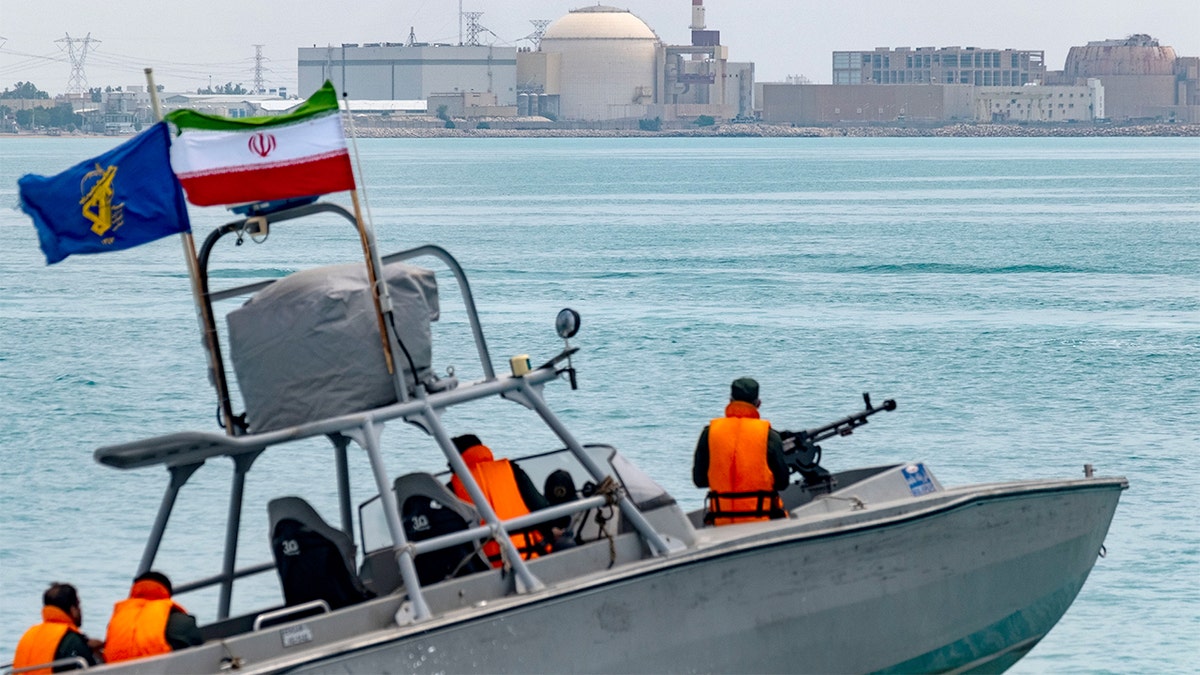
An Islamic Revolutionary Guard Corps speedboat during a parade marking Persian Gulf National Day near the Bushehr nuclear power plant in Iran on April 29, 2024. (Morteza Nikoubazl/NurPhoto via Getty Images)
Korkiya noted that the Bushehr Units 2 and 3 project predates the 2024 roadmap, meaning the document did not originate that cooperation but rather incorporated an existing strategic project into the broader Russia-Iran framework.
«Such strategies and protocols confirm that Russia and Iran are closely aligned countries, and Russia almost certainly continues and aims to increase its current cooperation with Iran also in 2026,» the European intelligence source said.
Fox News Digital sought comment from Rosatom on the document and the current status of its work in Iran.
ENERGY PROJECTS — WITH SOME FINANCING KEPT CONFIDENTIAL
The roadmap also identifies specific Iranian oil and gas fields where Moscow sought a role.
It names Shadegan, Kish and North Pars, assigning Russia’s Energy Ministry and unspecified «interested Russian companies» responsibility for advancing the projects.
Those companies are not named in the roadmap. For several projects, the financing column is marked «Confidential.»
There is evidence that at least one of the named projects advanced.
Interfax reported on Feb. 13, 2026, that Russian state-owned ZN-Vostok was developing Iran’s Shadegan oil field, while Iranian officials said Tehran hoped to expand Russian investment across additional oil and gas projects.
The roadmap sets milestones for Shadegan through the end of 2025, while work involving Kish and North Pars runs into 2026 and includes legal, commercial and project-analysis work.
That pattern appears repeatedly through the document: ministries, deadlines and strategic objectives are spelled out, while some of the participating companies or financing arrangements remain undisclosed.
BESSENT WARNS IRAN’S OUTSIDE BACKERS TO ‘STAY AWAY’ AS TRUMP SEEKS TO ‘ASPHYXIATE’ TEHRAN’S ECONOMY
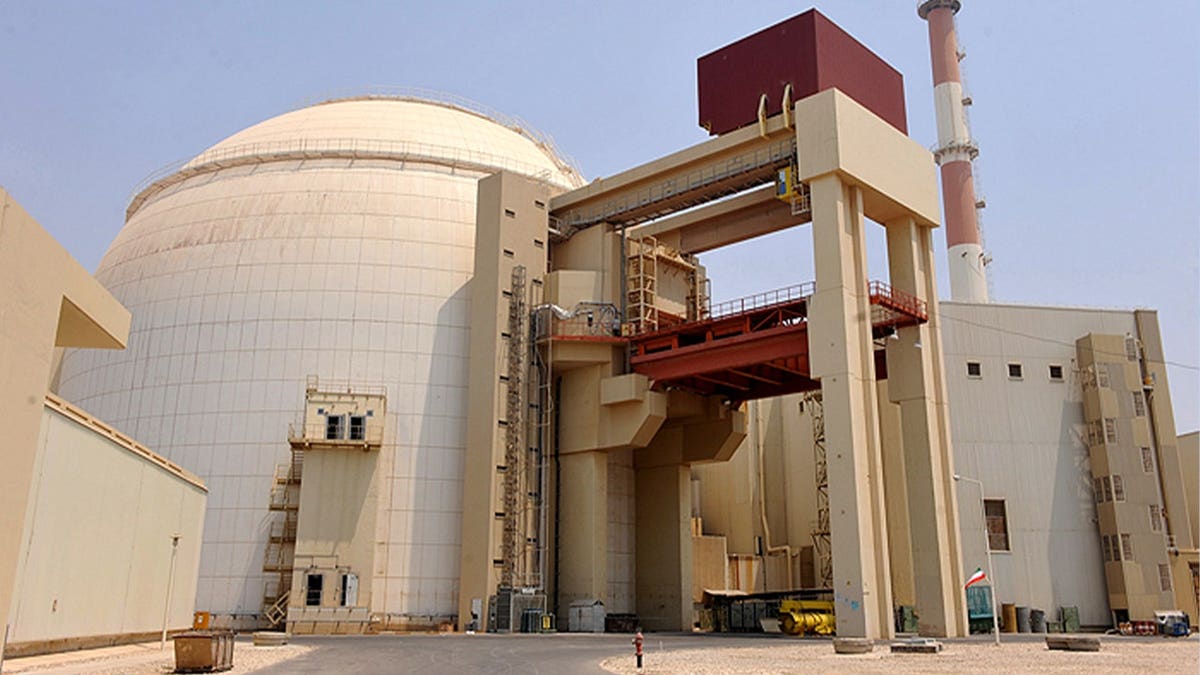
This handout image supplied by the Iran International Photo Agency (IPA) shows the reactor building at the Russian-built Bushehr nuclear power plant on Aug. 21, 2010, in southern Iran. (IIPA via Getty Images)
RUSSIAN AIRCRAFT PARTS — MADE IN IRAN?
One of the more unusual provisions goes beyond ordinary trade.
The roadmap calls for Russia to help establish production in Iran of individual parts and assemblies for Russian aircraft.
Russian authorities were instructed to determine which aircraft parts could be repaired or manufactured in Iran, identify Iranian companies capable of producing them, certify selected sites through Russia’s aviation regulator Rosaviatsiya and conclude a localization agreement.
The roadmap set a March 31, 2026, deadline for an agreement on localized production and a Dec. 31, 2026, target for launching prototype production.
Public evidence does show that aviation cooperation advanced in the related area of aircraft maintenance.
In February 2025, Rosaviatsiya’s chief said three Iranian companies had been approved to perform maintenance and airworthiness work on Russian-operated aircraft after an Aeroflot Airbus A330 underwent maintenance in Tehran.
The Russian government also publicly discussed deeper aviation-industrial cooperation with Iran that month, including aircraft manufacturing and joint work on jet engines for passenger aircraft.
But Fox News Digital has not independently verified that the more ambitious provision in the roadmap — manufacturing Russian aircraft components inside Iran — was implemented.
A TRADE ROUTE SOUTH
The document also lays out an effort to strengthen the physical transportation network linking Russia and Iran.
It calls for work on a proposed railway built to Russia’s 1,520-millimeter track gauge, stretching from Iran’s border with Azerbaijan toward Iranian ports on the Persian Gulf.
The proposal remained in the planning and negotiation stage in the roadmap.
Separately, Moscow sought to advance the Rasht-Astara railway, a roughly 162-kilometer missing link in the International North-South Transport Corridor.
That project subsequently moved beyond the purely conceptual stage.
Russia and Iran formally launched engineering surveys for the railway in May 2025, according to Russia’s Transport Ministry.
Korkiya said the project had still not reached full construction by late summer 2026, with Russian and Iranian officials continuing to work on the implementation and construction arrangements. She also identified another provision: Iranian investment in port infrastructure in Astrakhan, Russia.
The roadmap calls for a terminal there using Iranian investment, along with warehouses, a logistics park and grain and vegetable-oil facilities. Korkiya found that an Iranian-owned company later operated a terminal in Astrakhan with a railway spur and was building grain and vegetable-oil storage facilities that closely tracked the roadmap’s description, although the document does not identify that company by name and the match cannot be definitively established.
Taken together, the transport provisions point to an effort to build physical trade routes that are less dependent on traditional European corridors.
MEDIA, TECHNOLOGY AND «INFORMATION SECURITY»
The roadmap reaches well beyond finance and heavy industry.
It calls for content exchange, journalist training and joint media production, including at least two joint projects and ‘professional training’ for Iranian journalists.
It also calls for Russian technology companies to secure at least two contracts in Iran involving information and communications technology, including «information security,» telecommunications and the video-game industry.
US ECONOMIC CHOKEHOLD ON IRAN REACHES PEAK LEVERAGE AS COLLAPSE RISKS EMERGE
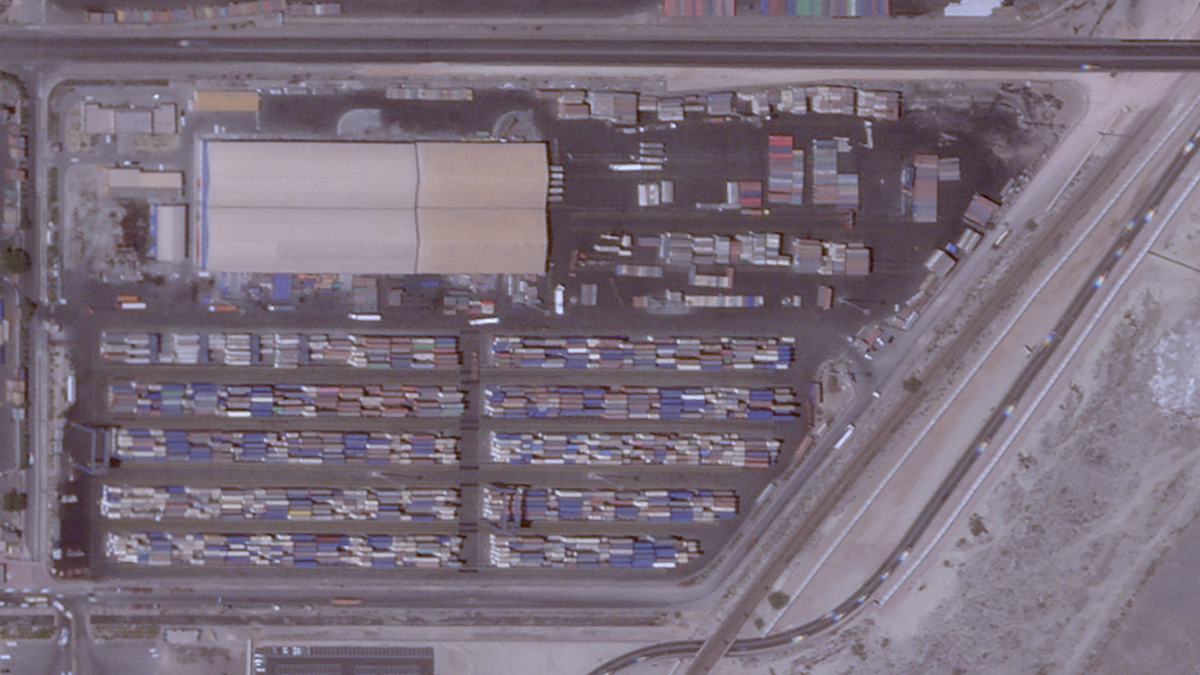
A satellite image shows Shahid Rajaee port in Bandar Abbas, Iran, April 9, 2025. (Planet Labs PBC/Handout via Reuters)
A PUTIN FAMILY CONNECTION AT THE TOP
The official overseeing the Russian side of the relationship also has a direct connection to President Vladimir Putin’s extended family.
Russian Energy Minister Sergei Tsivilev chairs the Russian side of the Permanent Russian-Iranian Commission on Trade and Economic Cooperation.
Tsivilev is married to Anna Tsivileva, a Russian deputy defense minister and the daughter of Putin’s late cousin, Reuters reported when Putin appointed her to the Defense Ministry in June 2024.
The European intelligence source argued that the connection reflects the political importance Moscow attaches to Iran.
«It should be emphasized that on Russia’s part, the economic cooperation with Iran is coordinated and managed by a representative of Vladimir Putin’s extended family,» the source said.
«This indicates that the Iranian matter is not just one of many bureaucratic issues in the agenda of the Russian government. But it holds significant value for the interest of the Vladimir Putin regime.»
«What is also notable is the degree of state coordination and institutionalization behind this effort,» she said, pointing to the involvement of central banks, ministries, regulators and state companies, as well as formal deadlines and confidential financing in some projects.
«That suggests Moscow is trying to turn what could otherwise remain a politically convenient partnership into something more durable and bureaucratically embedded,» Korkiya said.
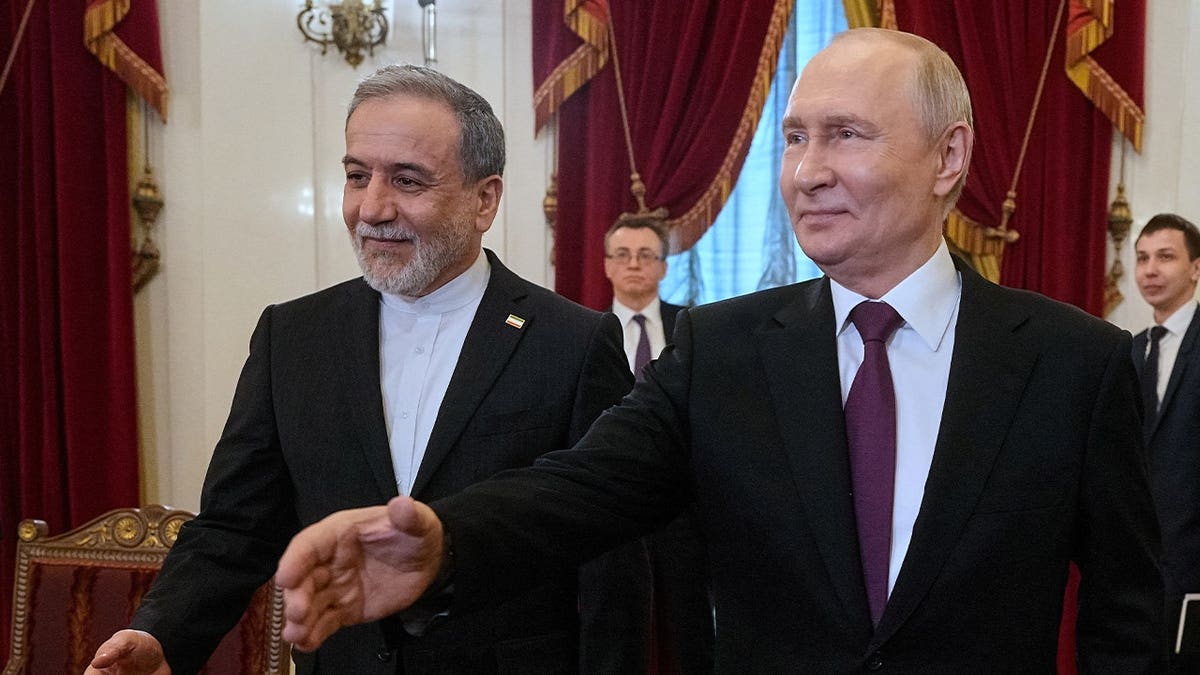
President Vladimir Putin and Iranian Foreign Minister Abbas Araqchi attend a meeting at the Boris Yeltsin Presidential Library in St. Petersburg, Russia, April 27, 2026. (Dmitri Lovetsky/Pool via Reuters)
Russian and Iranian officials did not respond to multiple requests for comment from Fox News Digital. Fox News Digital also sought comment from Rosatom and from Russian officials responsible for Moscow’s participation in BRICS.
war with iran, russia, iran, foreign policy, vladimir putin
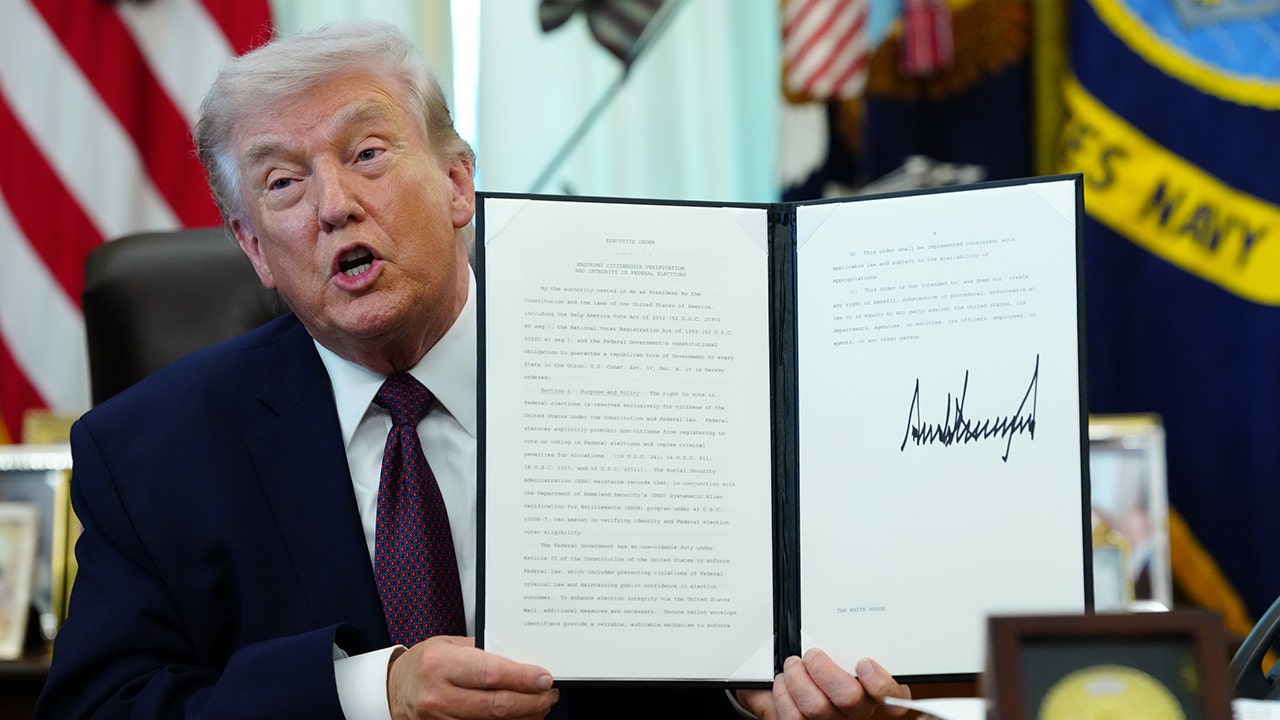
President Donald Trump faces legal uncertainty over whether his administration can put new federal mail-ballot rules in place ahead of the 2028 presidential election, legal experts told Digital.
The president issued an executive order in March directing the Postal Service to pursue new rules for federal mail ballots, including standardized ballot envelopes with an Official Election Mail designation and unique machine-readable barcodes. Per the order, the Postal Service would be empowered to turn away ballots that failed to meet its new standards, or those belonging to individuals who don’t appear on state-submitted lists of eligible mail voters.
On Sept. 14, the Supreme Court declined to lift a preliminary injunction blocking the rules from being implemented ahead of November’s midterm elections. Now, whether or not his changes can be implemented before the 2028 election looms large over Washington.
Experts who spoke to Digital argued that the ruling will hinge on how the Supreme Court parses competing claims to authority between the executive branch’s ability to regulate mail and the right of states to administer elections however they see fit.
USPS WOULDN’T DELIVER BALLOTS IN STATES THAT REFUSE TO FORK OVER MAIL-IN VOTER INFO UNDER PROPOSED RULE
«If the court views this primarily as an attempt by the president to regulate federal elections, the court is likely to invalidate it,» Florida State University law professor Michael Morley told Digital. «The president has no constitutional authority over federal elections and Congress has not delegated him broad statutory authority over the field.»
If the Supreme Court views the case through another lens, however, Morley says that could change things.
«In contrast, the court may instead view the new rules primarily as administrative requirements for the post office to ensure efficient operations and protect the integrity of the [mail],» he said. «Viewed from this perspective, the rule would be viewed as a much more prosaic matter and likely be upheld. It would be remarkable for the court to conclude the Postal Service lacks authority to regulate the process through which millions of parcels of important (i.e., election-related) mail are submitted for delivery.»
ALABAMA AG MARSHALL FIRES BACK AT USPS MAIL-BALLOT ORDER CRITICS: ‘THIS IS ABOUT SECURING ELECTIONS’
The Supreme Court ruled 7-2 to uphold the injunction preventing Trump’s executive order from being implemented ahead of the midterms. Justices Clarence Thomas and Samuel Alito dissented, while Justice Brett Kavanaugh voted to uphold the injunction, noting that, though the Post Office may have the authority to implement such a regulation, forcing its new rule to be implemented so close to an election likely runs afoul of federal law.
Some have attempted to use the ruling to predict how the court will ultimately rule on the merits of the post office’s ability to regulate election-related mail.
FEDERAL JUDGE BLOCKS TRUMP ADMINISTRATION FROM RESTRICTING MAIL-IN BALLOTS AHEAD OF MIDTERMS
«At least six justices seem to think that the administration will lose on the merits,» Stephen Richer, a legal fellow at the libertarian Cato Institute, told Digital. «The Constitution doesn’t vest authority to regulate elections to the president and I think that they would say that this effectively dictates how elections can be run.»
«The Constitution delegates brought authority to the Congress and to the states to administer elections. And having this requirement sure seems like an additional requirement for administering mail voting elections,» Richer, who was formerly a Republican election official in Arizona, continued.
Others, however, see the court’s ruling as primarily a procedural consideration rather than a proper rebuke of the administration’s efforts to regulate mail voting.
«Justice Kavanaugh, whose vote decided this outcome, was explicit that he believes the Postal Service likely has the statutory authority to require verified voter lists and tamper-resistant envelopes for federal ballot mail,» America First Policy Institute senior legal fellow Chad Mizelle told Digital.
«He concluded there simply wasn’t enough time left before the midterms to implement the rule responsibly. That’s a timing question, not a ruling on the underlying law,» Mizelle, who recently served as the chief of staff at the Justice Department, added. «What’s at issue here is pretty basic: verified voter lists and tamper-resistant envelopes for ballot mail. The kind of chain-of-custody standards most people would assume already exist for something as important as a ballot.»
Regardless of what the Supreme Court’s decision ultimately means for the rule’s future, the president has characterized the injunction blocking its implementation in the 2026 elections as a major defeat.
SKID ROW FORGERIES, ILLEGAL VOTES AND A MAYORAL CANDIDATE: ELECTION FRAUD CASES PILE UP NATIONWIDE
«Republicans just got another bad decision from the United States Supreme Court, one that the Court System took forever to give, and then blamed it, in part, on no time left to implement a solution to our totally CORRUPT and out of control Mail-In voting ‘disaster,’» the president wrote on Truth Social shortly after the court handed down its decision. «It is a big loss for Republicans, and America itself, and makes cheating by the Radical Left ‘Dumocrats,’ on Mail-In Ballots, a much easier thing to do.»
There have been individual cases of election and mail-ballot fraud, but they do not show that widespread fraud is occurring across U.S. mail voting.
If the president is right about the impact of his mail voting rule, however, that leaves a big question mark on the board as Election Day approaches.
«It’s an interesting issue. It’s not a slam dunk,» Ilya Shapiro, a former law professor and current senior fellow at the right-leaning Manhattan Institute, told Digital. «And it’s not about whether mail voting is good or bad. It’s about who gets to set the rule for it, whether it’s the state, Congress or federal agency acting under general postal statutes that are quite broad.»
The White House did not respond to a request for comment when reached by Digital on Friday.
constitution, law, donald trump, politics, voting, federal courts

GOP senator alleges Schumer behind ‘hit job’ report on former patients

EXCLUSIVE: Russian document reveals sweeping Iran plan spanning nuclear, finance and aviation

¿Inserción en el mundo y desacople interno?: las exportaciones sostienen la economía de Milei, mientras el mercado local se debilita

Llaryora rechazó los recortes en discapacidad que impulsa el Gobierno en el Presupuesto 2027: "Los derechos de las personas no desaparecen"

Felipe Fort se mostró por primera vez cantando en cámara y sorprendió a todos: ¿Alguna recomendación gente?

El Gobierno prepara el envío de veinte pliegos judiciales al Senado y busca definir cuatro cargos clave con competencia electoral

La Justicia confirmó las fechas de los juicios contra Cristina y Máximo Kirchner por las causas Los Sauces y Hotesur

"Atendiendo a los kukas mentirosos": el presidente Javier Milei opinó sobre las reservas en el oro del Banco Central

Tras los cruces por Discapacidad, Javier Milei y Patricia Bullrich se reencuentran en la reunión de Gabinete para delinear la agenda legislativa

Provocativo gesto de Patricia Bullrich: publicó un video con una canción de Lali Espósito tras sus críticas al interior del Gobierno

 POLITICA2 días ago
La Justicia confirmó las fechas de los juicios contra Cristina y Máximo Kirchner por las causas Los Sauces y Hotesur
- ECONOMIA3 días ago
"Atendiendo a los kukas mentirosos": el presidente Javier Milei opinó sobre las reservas en el oro del Banco Central
- POLITICA1 día ago
Tras los cruces por Discapacidad, Javier Milei y Patricia Bullrich se reencuentran en la reunión de Gabinete para delinear la agenda legislativa