INTERNACIONAL
Mystery death at Russian plague lab triggers sweeping precautions as US watches closely

Rubio says US monitoring Russian plague scare
Secretary of State Marco Rubio, who is traveling to Iceland, Greece and Portugal this week, said the U.S. is closely monitoring reports of a lab worker infected with plague in Russia.
NEWYou can now listen to Fox News articles!
Russian authorities have quarantined a hospital and placed scores of people under medical observation after a 28-year-old employee at a Siberian plague research institute died from a mysterious case of pneumonia, fueling fears — still unconfirmed — that she may have contracted pneumonic plague.
Darya Shipilova worked at the Irkutsk Anti-Plague Research Institute of Siberia and the Far East. Russian health authorities say extensive testing found no evidence that her illness was caused by pathogens linked to her work, but officials have yet to publicly identify what killed her.
The extraordinary precautions surrounding the case have fueled speculation inside and outside Russia. Reuters reported Oct. 5 that all known contacts had been traced and placed under medical supervision and that authorities said no new cases had been identified among employees of the institute.
Secretary of State Marco Rubio said Monday that the U.S. was «watching and monitoring it closely,» adding, «I don’t think it’s cause for alarm, but it is cause for focus and a cause just to keep an eye on it.»
US MONITORING SUSPECTED FATAL PNEUMONIC PLAGUE CASE IN RUSSIA, STATE DEPARTMENT OFFICIAL SAYS
A view of the Medical Assistance and Rescue Centre, an infectious diseases’ hospital, in the town of Shelekhov in the Irkutsk region, Russia, October 5, 2026. (Reuters)
Rubio said information released by Russia appeared to show «there was a worker at the lab that was infected» and concern that the illness could have spread internally. He noted that travel between Russia and the U.S. is limited but warned that «something like that gets out, it just quickly spreads.»
The comments follow a State Department statement to Fox News on Oct. 4 that Washington was monitoring the case alongside the Centers for Disease Control and Prevention and other federal agencies. The official stressed that many details remained unconfirmed and urged Moscow to provide accurate information quickly.
Additional reporting provided Monday by East2West news agency said more than 60 employees remained confined inside the Irkutsk institute and nearly 200 people who had contact with Shipilova had been placed under observation. Those precise figures have not been officially confirmed. The agency also reported that neighboring countries, including Kyrgyzstan, Uzbekistan and Kazakhstan, had increased border health precautions following the case.
The hospital in Shelekhov, just outside Irkutsk, where Shipilova was treated, has been placed under quarantine and temporarily stopped admitting or discharging patients, according to The Associated Press. Irkutsk Gov. Igor Kobzev described the case as a suspected «particularly dangerous infection.»
SCIENTISTS CRACK THE CODE ON NEW VACCINE FOR DEADLY PLAGUE BACTERIA
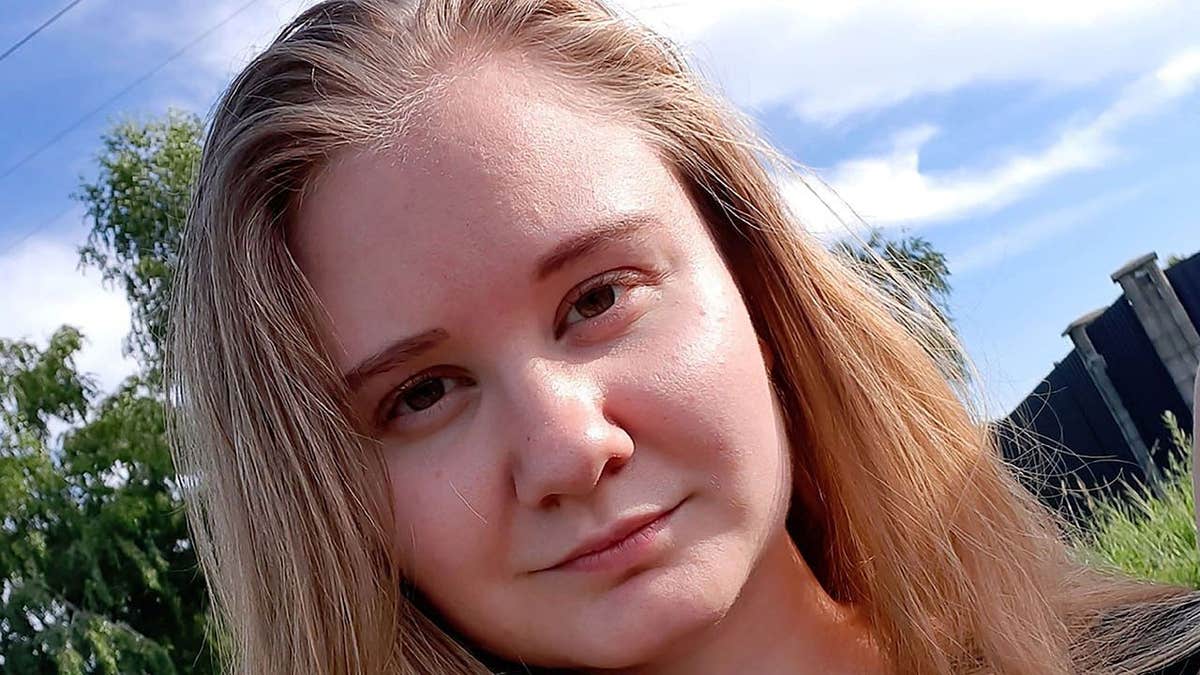
Darya Shipilova, 28, an employee of the Irkutsk Anti-Plague Research Institute of Siberia and the Far East, died after developing pneumonia of an unknown cause, prompting quarantines and heightened health precautions in the region. Russian authorities say testing has found no evidence her illness was linked to pathogens she worked with. (East2West news)
Adding to the unusual response, Anna Popova, the head of Russia’s public health watchdog Rospotrebnadzor, flew to Irkutsk for an emergency meeting after Shipilova’s death, Reuters reported. A nearby aluminum plant also ordered employees to wear masks as a precaution.
Kremlin spokesman Dmitry Peskov urged the public to rely on official information rather than «rumors or speculation.»
Rospotrebnadzor said Sunday that Shipilova was diagnosed with «pneumonia of unknown etiology» and that testing detected «no microorganisms associated with the patient’s professional activities.» The agency also said an investigation found no laboratory incident involving pathogenic microorganisms.
Pneumonic plague is a severe form of plague caused by Yersinia pestis that can spread from person to person through respiratory droplets during close contact. It can be successfully treated with antibiotics when treatment begins early.
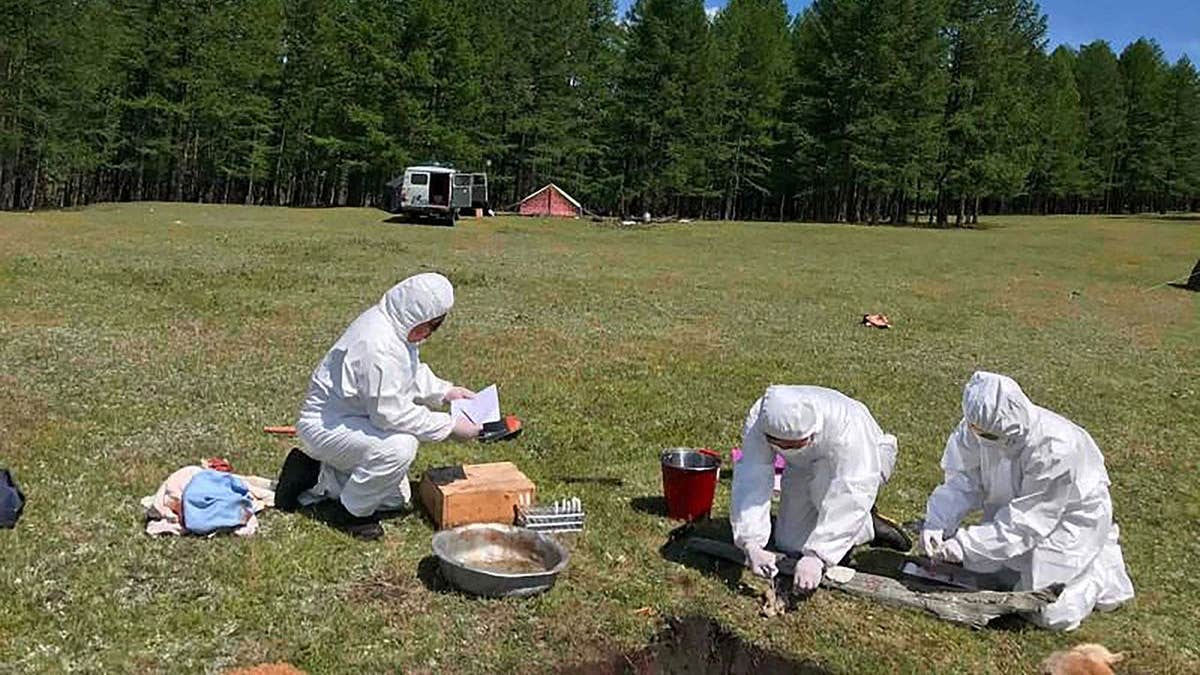
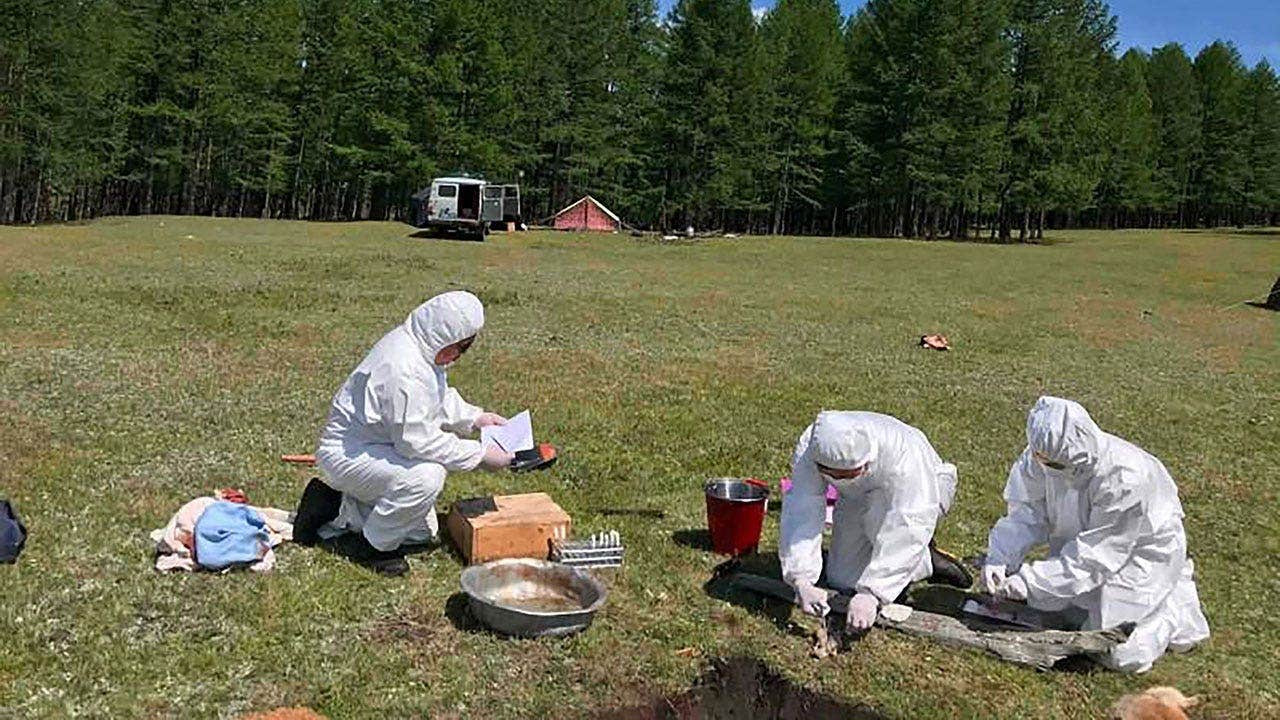
Workers in protective uniforms conduct testing in Russia amid heightened precautions following the death of an employee at a Siberian anti-plague research institute. (Khuvsguliinungu.mn/e2w)
Russian officials continue to insist there is no evidence of a plague outbreak and say the epidemiological situation remains stable. For now, however, the central question remains unanswered: what caused Shipilova’s fatal pneumonia — and why authorities imposed such extensive containment measures if no dangerous pathogen has been detected.
russia, infectious disease, health, world








NEWYou can now listen to Fox News articles!
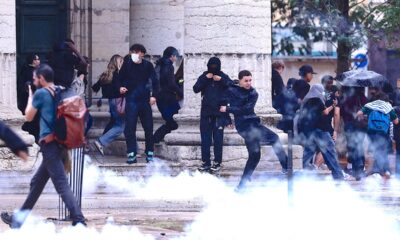
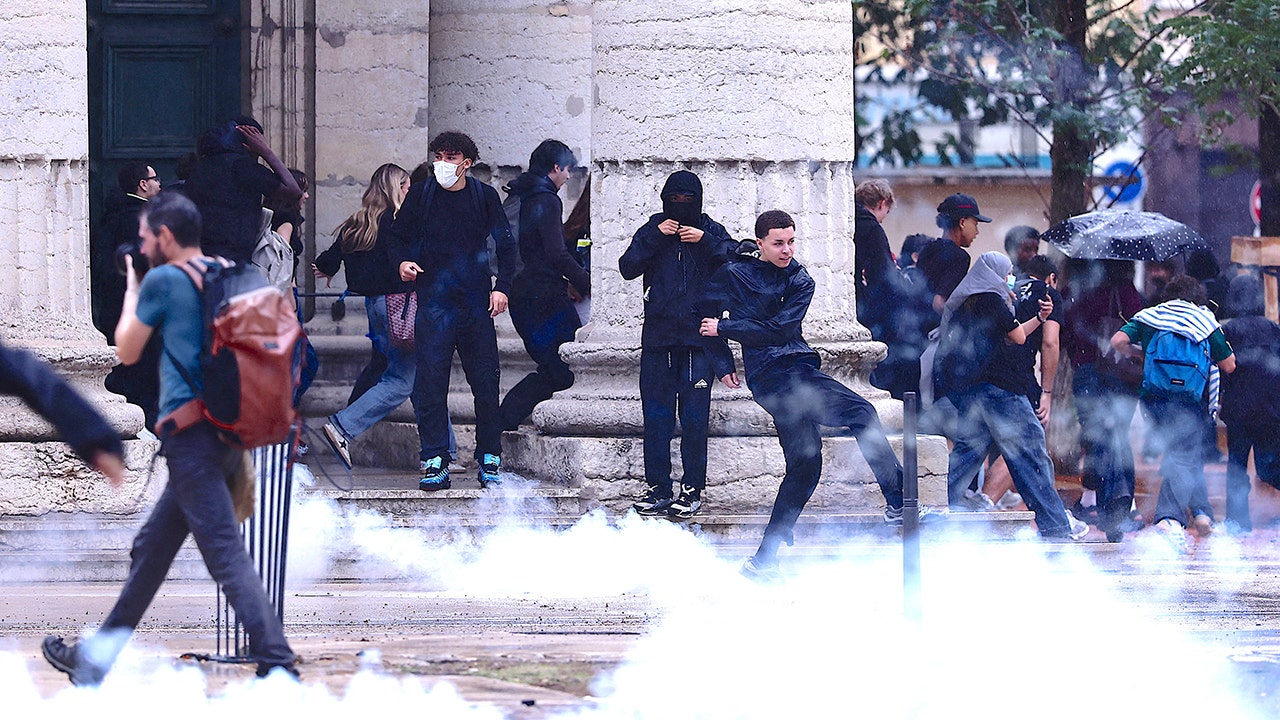
A teenager had his hand blown off as high school protesters clashed with French police during chaotic riots, as students across the country continue to protest poor conditions and teacher shortages.
The 15-year-old had picked up a police dispersal grenade that detonated in the town of Lens as the wave of school protests entered its third week, losing his hand and part of his lower arm, officials said Monday, Reuters reported.
François-Xavier Lauch, prefect of Pas-de-Calais, said roughly 200 to 250 protesters had been hurling objects at police.
30% OF COLLEGE STUDENTS SAY VIOLENCE ACCEPTABLE WAY TO STOP SPEAKERS ON CAMPUSES, SURVEY FINDS
Masked protesters install a barricade amid clashes with police during a protest by high school students near the Lycee Berthelot high school in Aubervilliers near Paris as part of nationwide protests to demand the hiring of substitute teachers, increased resources and better learning conditions, as more than 400 schools remain closed following days of student protests that have escalated into violence in some places, France, October 2, 2026. The slogan on the placard reads «Same studies, but not the same rights». (Sarah Meyssonnier/Reuters)
Education Minister Edouard Geffray said the wave of protests had been declining in recent days and that the government would launch a platform for students to express their dissatisfaction.
The incident involving the teen happened on the eve of a national demonstration by the pupils’ union against underfunding, overcrowding, and dilapidation.
AMERICAN SCHOOLS COST MORE THAN EVER BUT OUR STUDENTS STILL KEEP FAILING
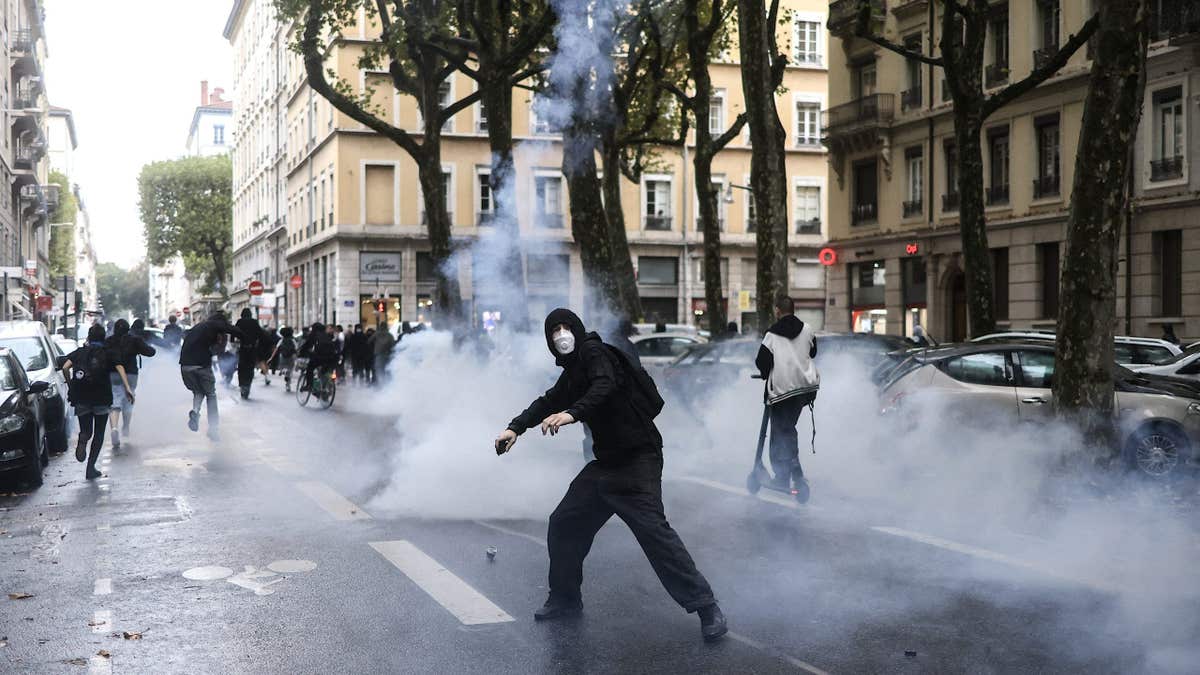
Students clash with police during ongoing student protest action, in Lyon, central eastern France, on Oct. 1, 2026. Since late September, students have staged protests outside schools over grievances ranging from timetables, class sizes and a shortage of teachers to overheated classrooms during this year’s heatwaves. The protests started in the Ile-de-France region around Paris but have now spread to other cities nationwide. (Alex Martin AFP via Getty Images)
The protests come months ahead of an election to replace outgoing President Emmanuel Macron. The demonstrations began in Paris, mostly focusing on poor suburbs, before spreading nationwide.
Government officials said the protests have evolved into violence, including some schools being ransacked.
TENS OF THOUSANDS OF FAR-LEFT PROTESTERS CLASH WITH POLICE IN ANTI-CONSERVATIVE PARTY RIOTS
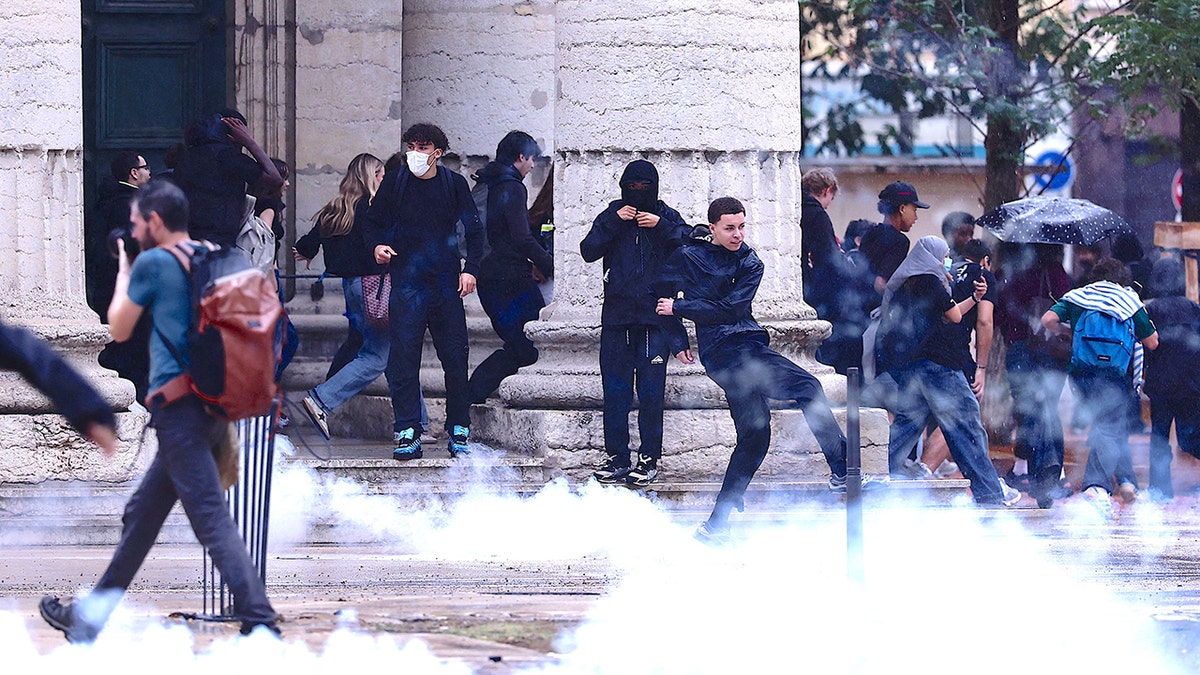
French high school student clash with police during protests about bad school conditions and teacher shortages. A teenager lost his hand after picking up a police grenade, according to reports. (Getty Images)
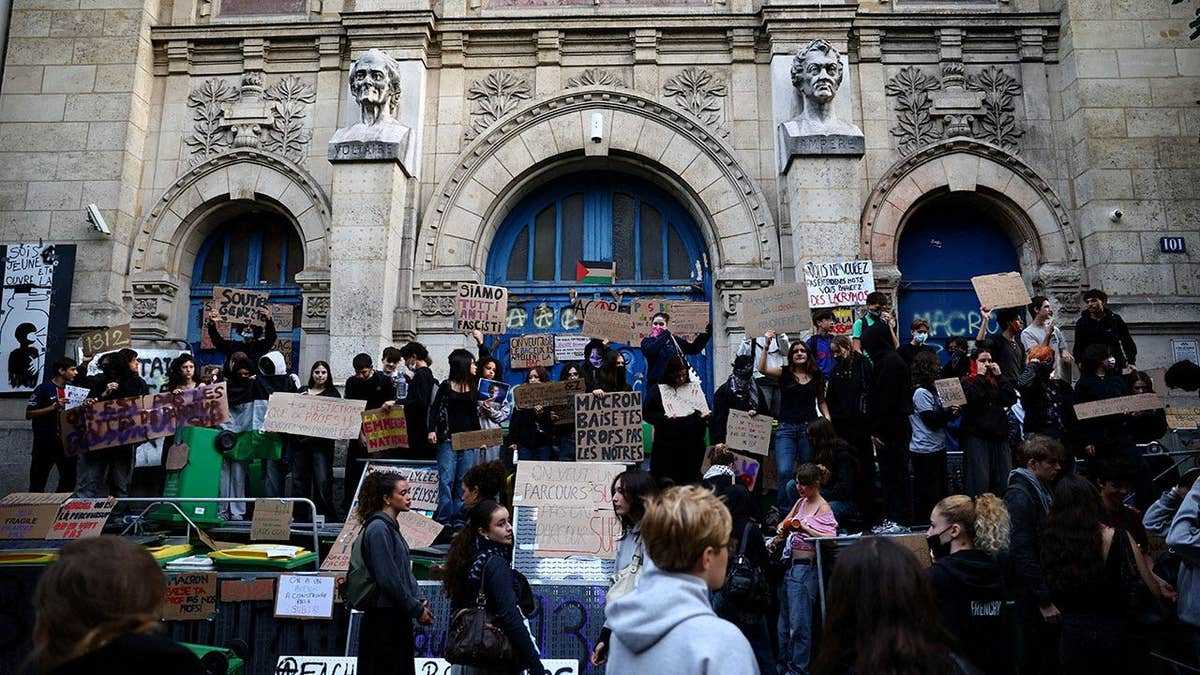
French high school students gather outside the Lycee Voltaire high school as part of nationwide protests to demand the hiring of substitute teachers, increased resources and better learning conditions, in Paris, as more than 400 schools remain closed following days of student protests that have escalated into violence in some places. (Sarah Meyssonnier/Reuters)
«We’re going to keep blocking until the government hears us,» Sami Karen, 18, told Reuters while demonstrating outside Charles de Foucauld high school in Paris. «As long as they don’t listen to us, we won’t stop this fight.»
In total, more than 5,000 people have been arrested since the protests began, with 87% of them being minors. More than 1,800 people are facing prosecution, including 1,483 minors, France’s Justice Ministry said.
The specific charges were not disclosed.
france, world protests, world
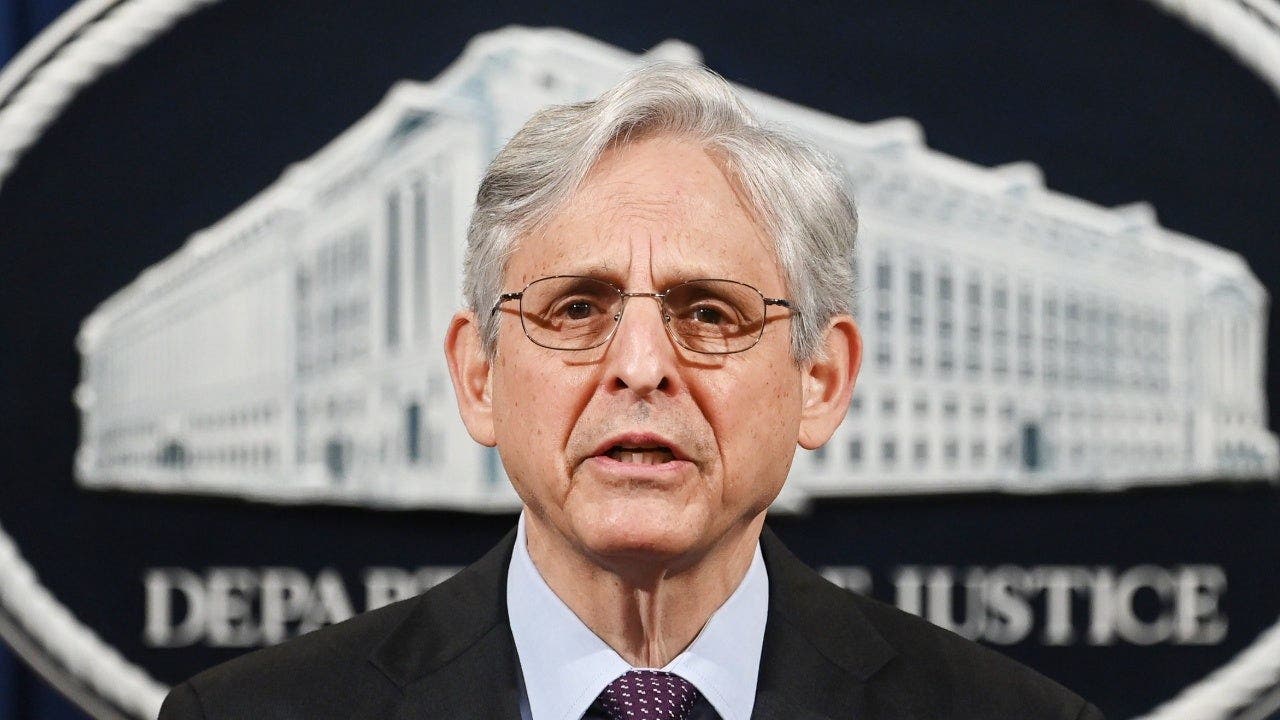
The Biden administration’s effort to combat alleged threats against school boards amid a wave of heated parent protests triggered sustained internal resistance within the Justice Department and FBI, documents released by the DOJ show.
«Five years ago, Attorney General Merrick Garland issued an infamous memorandum at the urging of the National School Boards Association and White House officials, directing the FBI and United States Attorneys to consider looking for a federal hook to prosecute parents exercising their right to free speech,» Blanche posted to X on Monday, when the DOJ released the «Report to Expose the Weaponization of Government Against Parents in Schools.»
«Along with the report, we’ve released hundreds of exhibits and emails that make official and verify what many Americans had guessed: the Garland DOJ worked hand in hand with WH officials and the National School Boards Association to chill free speech and parental rights while they threatened to prosecute parents and label them domestic terrorists,» Blanche added.
In October 2021, Attorney General Merrick Garland issued a memo directing the FBI and U.S. Attorneys to coordinate with federal, state and local law enforcement over what it described as an «increase in harassment, intimidation and threats of violence against school board members, teachers and workers in our nation’s public schools,» amid escalating clashes involving parents at school board meetings.
TRUMP DOJ REPORT LAYS BARE BIDEN ADMINISTRATION’S ALLEGED ANTI-CHRISTIAN BIAS
Garland’s memo drew significant internal pushback across the Justice Department and FBI, with officials raising concerns about politicization, First Amendment protections and whether there was a sufficient federal basis for intervention, according to the Justice Department report released Monday.
The memo followed throngs of parents protesting at school board meetings over dissatisfaction with how gender and race were being taught in classrooms and COVID-19-era learning restrictions, prompting the National School Boards Association (NSBA) to appeal to then-President Joe Biden for federal assistance and warn that some actions surrounding the protests «could be equivalent to a form of domestic terrorism and hate crimes.»
Some of the internal messages detailed in the Justice Department’s report released Monday had been disclosed previously and reported on by Digital. In one message sent before Garland’s memo went public on Oct. 4, 2021, a deputy assistant attorney general said the operation — and proposals to link it to the DOJ’s election crimes work — looked so politically motivated that Garland «might as well rename the damn thing the Anti-MAGA Task Force.» The DOJ’s Public Integrity Section chief, meanwhile, called the proposal «stupid.»
An FBI counterterrorism official later raised concerns about the label «domestic terrorist» potentially being applied to everyone who «oppose school board actions,» while a DOJ Civil Rights Division attorney noted that much of the activity in question could be protected under the parents’ First Amendment rights.
DOJ LAWSUIT TARGETS ALLEGED SCHOOL ‘SECRET GENDER TRANSITIONS’ POLICIES THAT KEEP PARENTS IN THE DARK
Multiple DOJ officials noted that the problem at hand appeared to fall primarily within the jurisdiction of state and local authorities and questioned whether there was a sufficient federal basis to intervene, according to the report.
Internal dissent over the effort continued as the memo was implemented following its Oct. 4, 2021, release and during the resulting fallout.
On Oct. 5, 2021, an FBI lawyer claimed that the DOJ issued the press release accompanying the memo without coordinating with the bureau. The Deputy Assistant Director of the FBI’s Criminal Investigative Division, the agency’s largest operational division, stated that «we were all caught off guard by this announcement,» which was «unilaterally pushed by DOJ.»
As the DOJ began assembling its task force, objections persisted.
BLISTERING REPORT EXPOSES HOW NATIONAL K-12 GROUP’S DEI AGENDA IS TRICKLING DOWN TO LOCAL SCHOOLS
The Deputy Assistant Attorney General in the DOJ’s National Security Division stated that he didn’t «see the need for a task force like this» and that the Justice Department doesn’t «start a narrowly focused task force every time some group believes they are the subject of threat.»
Later that month, the Department of Homeland Security circulated a brief linking the threat level facing educational workers as tied to heightened opposition to masks, vaccines and critical race theory. An FBI counterterrorism official slammed the threat assessment guidelines as a «politically charged paper,» expressing his desire that the FBI not collaborate.
NSBA ultimately apologized for the language used in its letter to then-President Joe Biden seeking federal assistance, including action by the Justice Department and FBI.
«The obligation of the Justice Department is to protect the American people against violence and threats of violence and that particularly includes public officials,» he said of the memo.
Some school board officials did receive online and written threats in 2021, a fact supporters of Garland’s approach cited in defending the Justice Department’s response.
Arnold & Porter, the law firm where Garland now serves as a partner, did not respond to a request for comment when reached by Digital on Monday.
justice department, fbi, politics, attorney general, homeland security
INTERNACIONAL
El Salvador: Viceministerio de Transporte retira más de 30 camiones por fallas y sobrecarga

Más de 30 vehículos de carga fueron retirados de circulación durante los controles reforzados en carretera, según informó el director de Tránsito del Viceministerio de Transporte (VMT), Félix Serrano, en YSKL. Las unidades presentaban fallas mecánicas, sobrepeso, modificaciones sin autorización y otras irregularidades.
El director de Transporte de Carga, David Aguirre, explicó que los operativos incluyen inspecciones físicas, pesaje, controles de velocidad, pruebas antidopaje y verificación de las restricciones de circulación. El viceministro de Transporte, Nelson Reyes, dijo en Entrevista AM que las unidades que fueron remitidas solo podrán ser retiradas tras corregir las fallas, pagar las infracciones y regularizar su documentación.
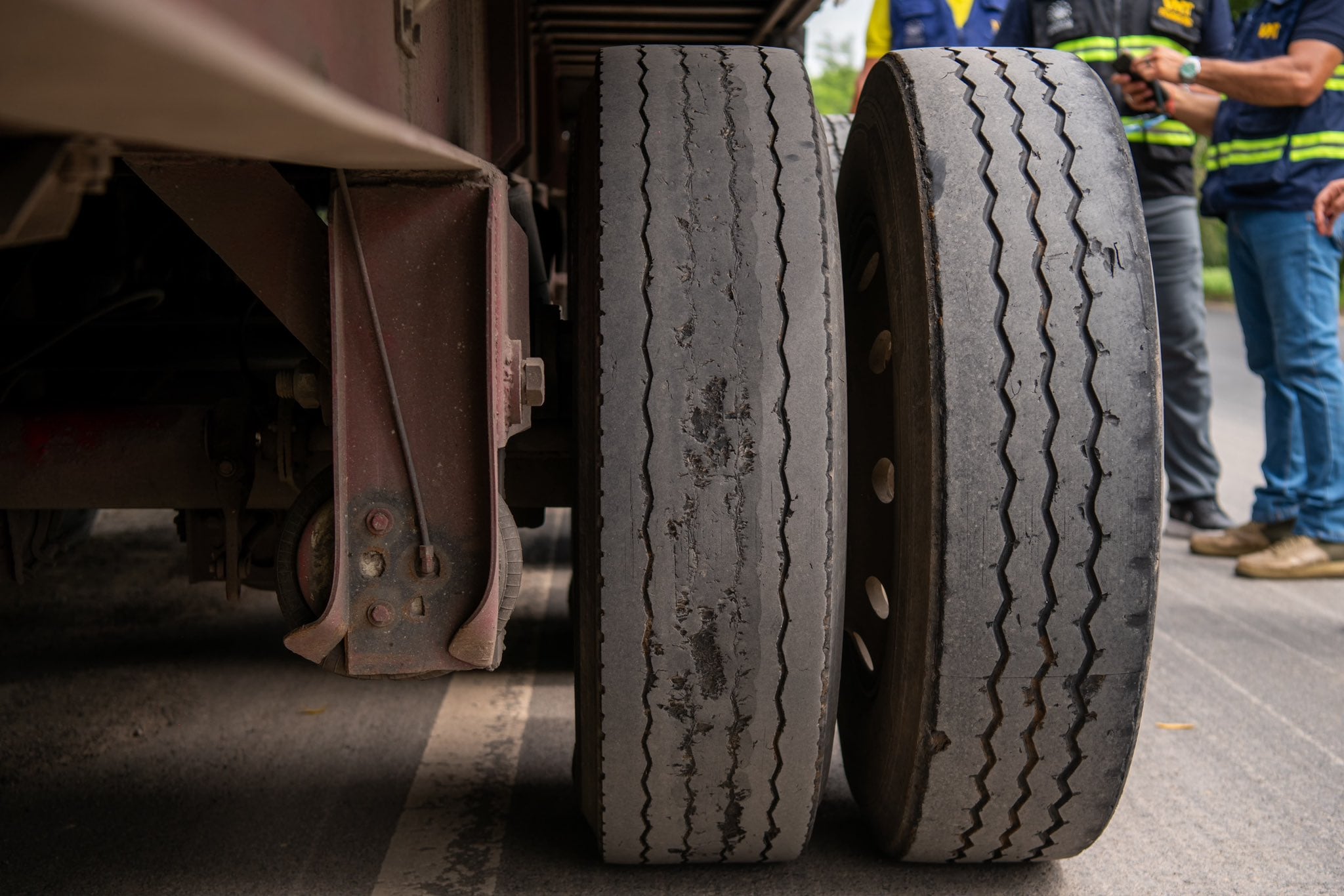
Serrano señaló que fugas de aceite, fallas en los sistemas de freno y motor, neumáticos desgastados y otras deficiencias pueden ser causales de decomiso. Añadió que dos siniestros con transporte pesado durante la semana anterior que dejaron múltiples personas fallecidas y lesionadas
El VMT detectó velocidad excesiva y fallas mecánicas
El sistema de cámaras del VMT permite identificar camiones que superan la velocidad permitida, circulan fuera de los horarios autorizados o incumplen la obligación de usar el carril correspondiente. Serrano señaló que, en vías interurbanas, los vehículos pesados tienen un límite de 80 kilómetros por hora.
Sin embargo, las cámaras registraron camiones que circulaban a 90 y hasta 100 kilómetros por hora. El director de Tránsito advirtió que la velocidad reduce la capacidad de maniobra, aumenta la distancia necesaria para frenar y puede exigir los frenos por encima de sus condiciones normales de funcionamiento.
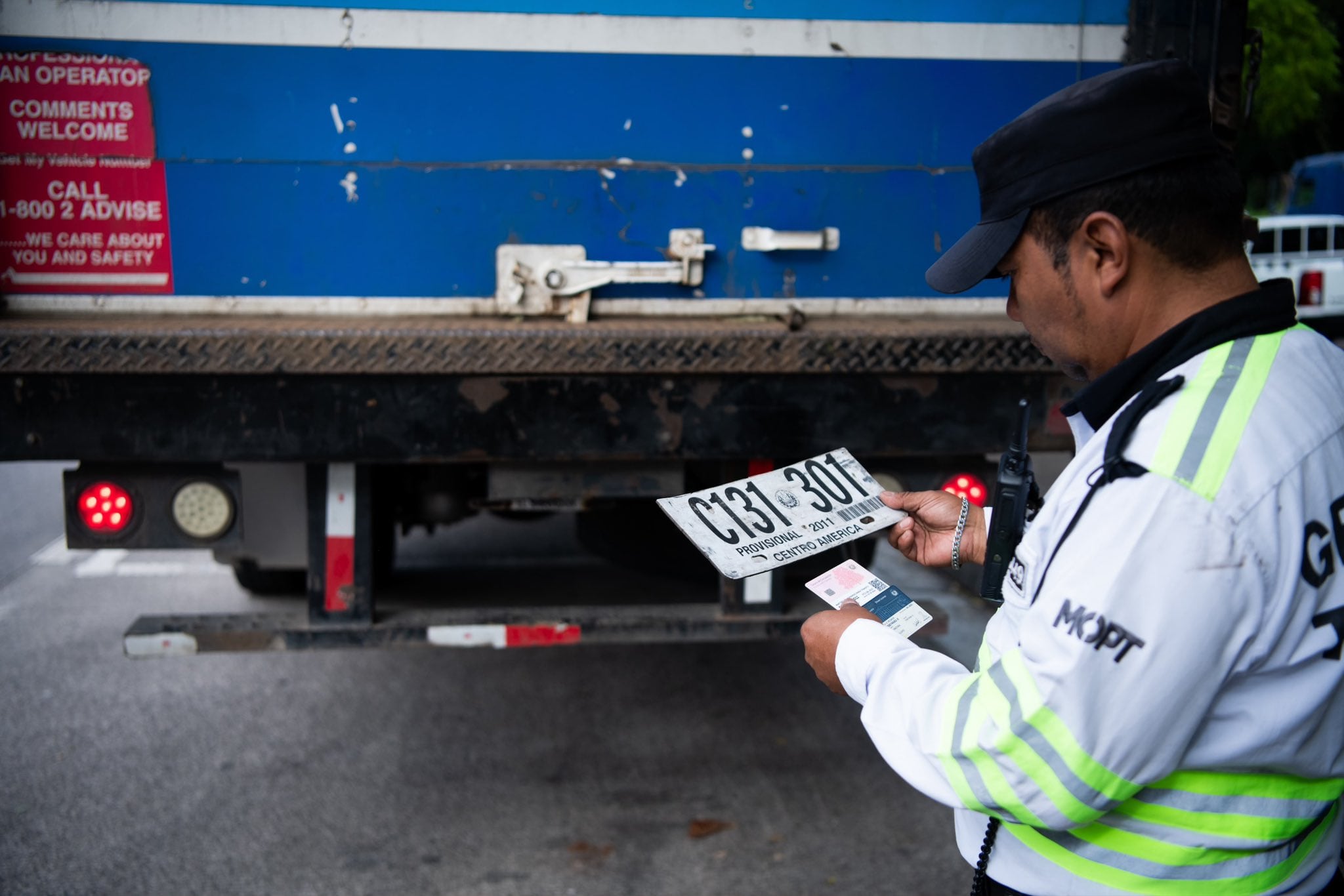
Serrano indicó que los vehículos pesados deben utilizar el carril derecho en carreteras con dos o más carriles. El izquierdo está destinado a maniobras de rebase, pero el VMT ha identificado unidades que no respetan esa disposición.
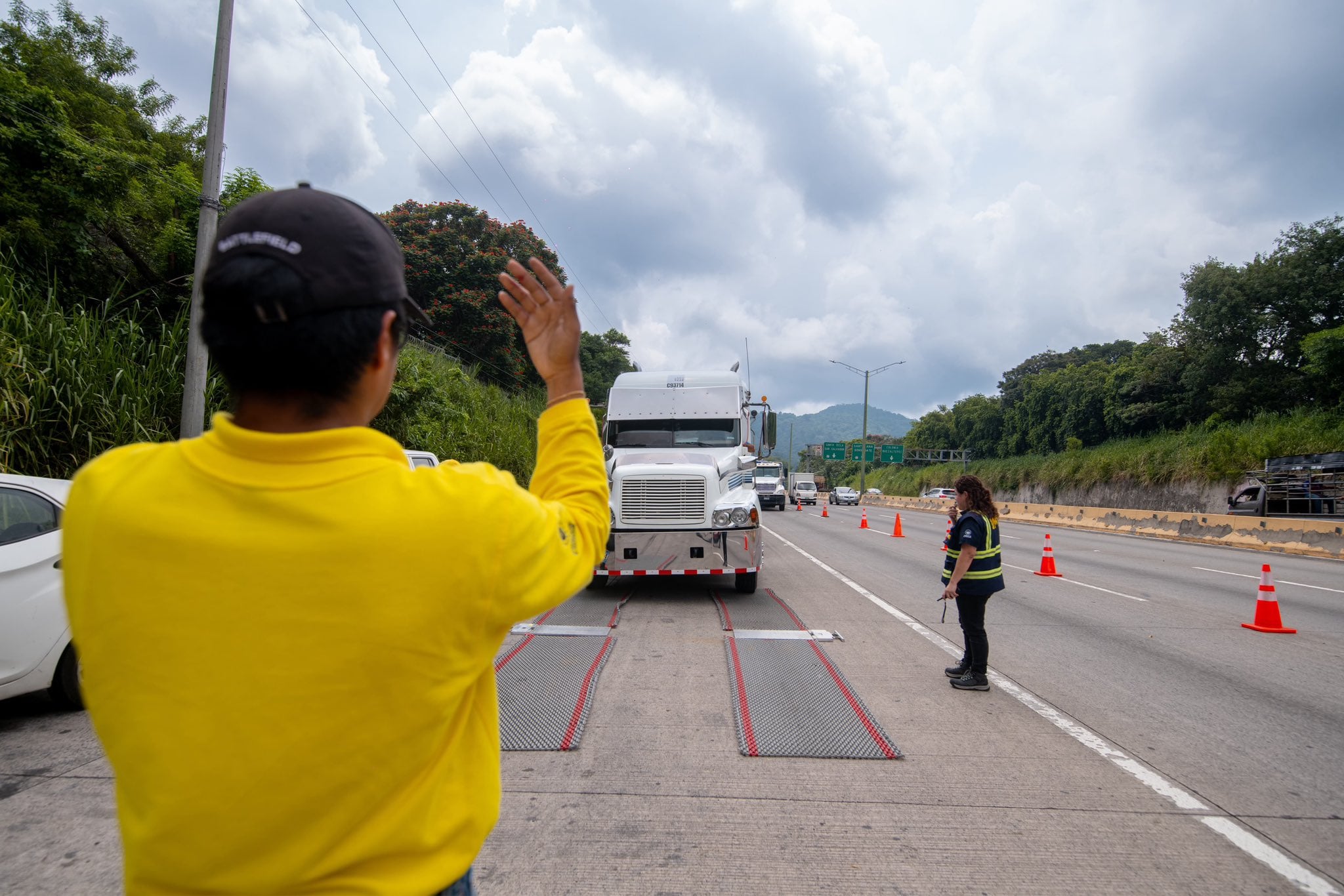
Aguirre informó que el VMT efectuó más de 1,800 controles al transporte de carga durante septiembre. La Dirección de Transporte de Carga realiza alrededor de 60 operativos diarios en distintos puntos del país, según afirmó.
Entre los hallazgos recurrentes mencionó llantas lisas, fricciones deterioradas, fugas de aceite, problemas en frenos y sobrepeso. La institución utiliza básculas móviles para trasladar las inspecciones a rutas donde detecta posibles infracciones.
Los puntos de control son dinámicos, explicó Aguirre. La estrategia busca impedir que los conductores reduzcan la velocidad únicamente al aproximarse a una inspección o intenten evadirla por conocer de antemano su ubicación.
Serrano también se refirió a un siniestro entre el redondel Integración y el redondel El Ángel. Según dijo, la unidad involucrada tenía modificaciones artesanales sin revisión ni autorización del VMT.
El funcionario explicó que las modificaciones permitidas tienen límites. No pueden afectar el chasis ni otros elementos estructurales, mientras que los cambios menores requieren evaluación y autorización antes de ser legalizados.
Reportan sobrecargas de hasta ocho toneladas
Aguirre afirmó que las inspecciones detectaron vehículos con entre cinco y ocho toneladas adicionales a la capacidad autorizada. Ese peso se suma al límite establecido para cada unidad según sus especificaciones técnicas.
Cuando una báscula identifica una sobrecarga, el vehículo no puede continuar con todo el material. Las autoridades ordenan el transbordo de una parte a otra unidad o su descarga en una propiedad, de acuerdo con el tipo de mercancía.
El director relató que el sábado anterior detectaron cerca de cinco vehículos con exceso de peso. Las unidades tuvieron que redistribuir o descargar materiales antes de continuar su recorrido con el tonelaje permitido.
Reyes cuestionó que algunos transportistas concentren más materiales en un solo viaje para incrementar sus ingresos. “No se puede negociar la seguridad de las personas”, declaró al referirse al sobrepeso y a la falta de mantenimiento.
Aguirre sostuvo que la responsabilidad no recae solo en el conductor. El propietario de la carga debe contratar un vehículo con capacidad suficiente para trasladar materiales de construcción, mercancías u otros productos.
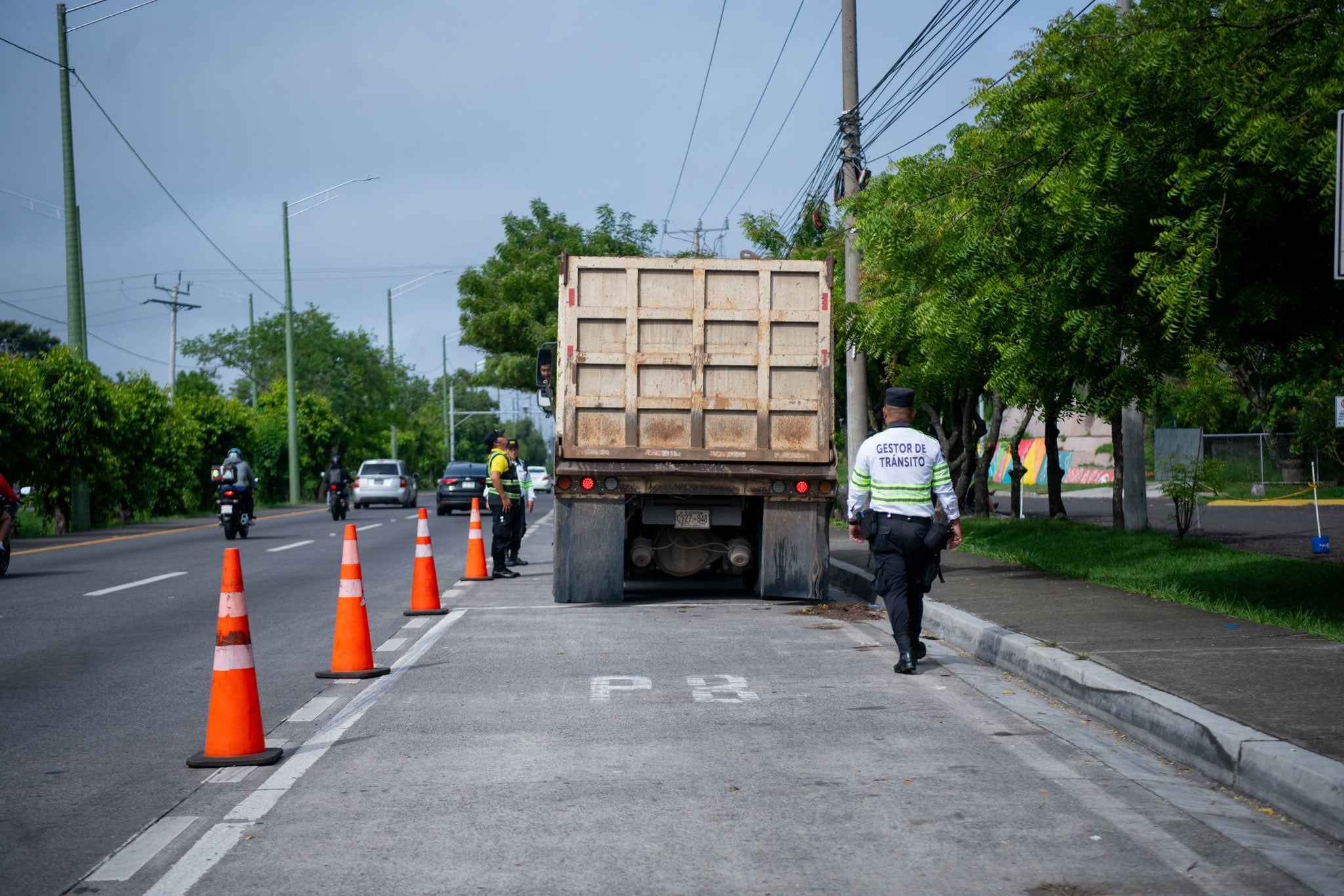
El funcionario planteó que empresarios y propietarios de flotas deben llevar una bitácora de mantenimiento que compruebe las revisiones periódicas. Esa supervisión debe abarcar llantas, frenos, luces, motor y otros sistemas necesarios para operar con seguridad.
El conductor, por su parte, debe respetar los límites de velocidad, no usar el teléfono mientras maneja y atender ruidos inusuales, fugas de aire o alertas del tablero. Aguirre indicó que los audífonos o el exceso de ruido dentro de la cabina pueden impedir que el motorista detecte una falla a tiempo.
Amplían la revisión técnica a las volquetas
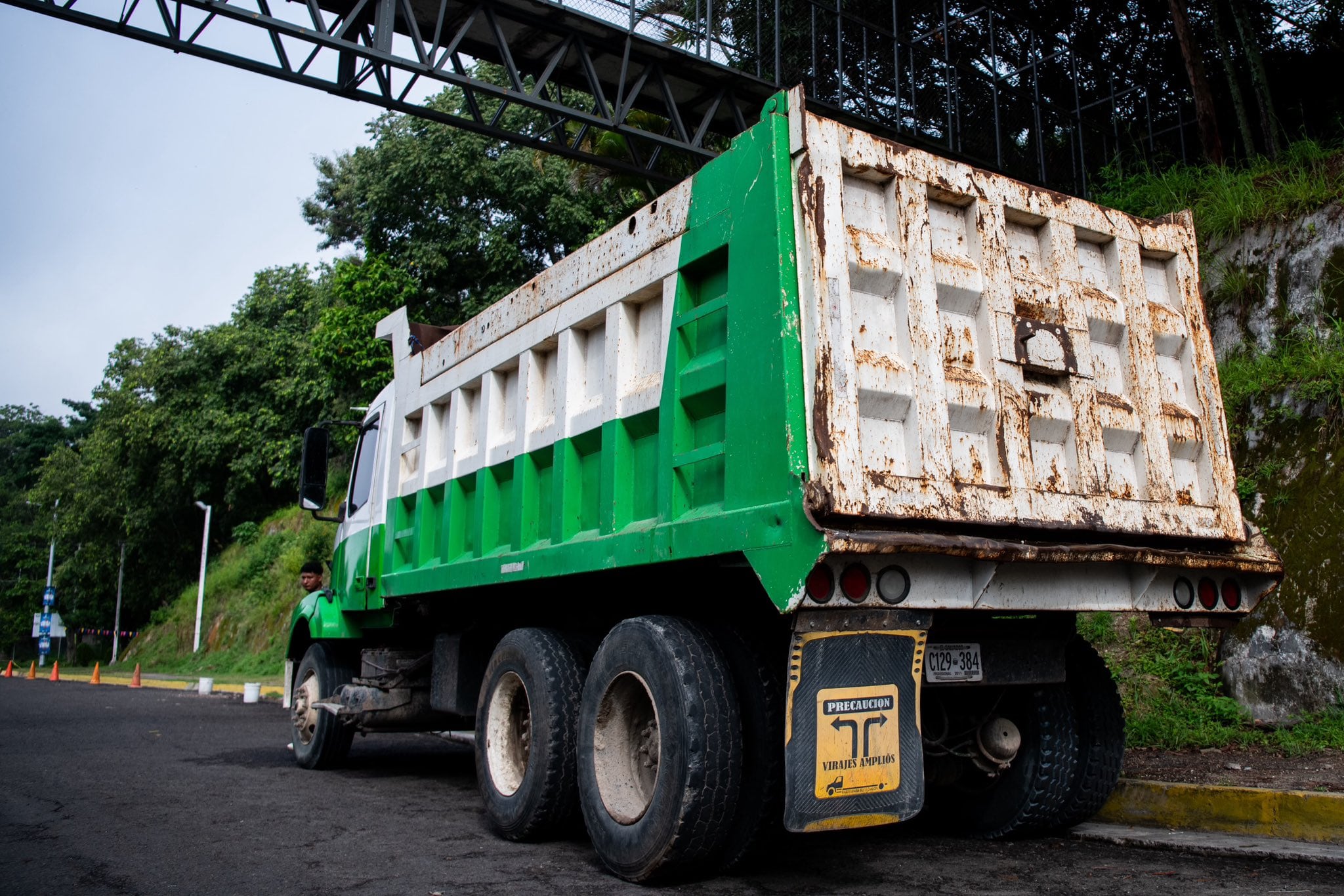
Reyes anunció en Entrevista AM que todas las volquetas deberán aprobar una revisión técnica vehicular para renovar su tarjeta de circulación desde el lunes 5 de octubre de 2026.
La medida alcanza a las volquetas de la categoría C2, sin una diferenciación por año de fabricación. “Todas las volquetas van a necesitar hacer una revisión para sacar su tarjeta”, afirmó el viceministro.
La obligación se suma al proceso aplicado desde el 8 de agosto a cabezales, rastras y otros vehículos articulados fabricados en 1999 o antes. Aguirre precisó en YSKL que la exigencia para las volquetas cubre a todo ese parque vehicular.
La revisión deberá efectuarse cada año antes de renovar la tarjeta de circulación. Los propietarios tendrán que programar la inspección en un taller autorizado y corregir las deficiencias que impidan obtener el certificado.
La evaluación revisará el sistema de frenos, el estado de las llantas, el sistema eléctrico, las luces, la alarma de retroceso y la visibilidad del conductor desde la cabina.
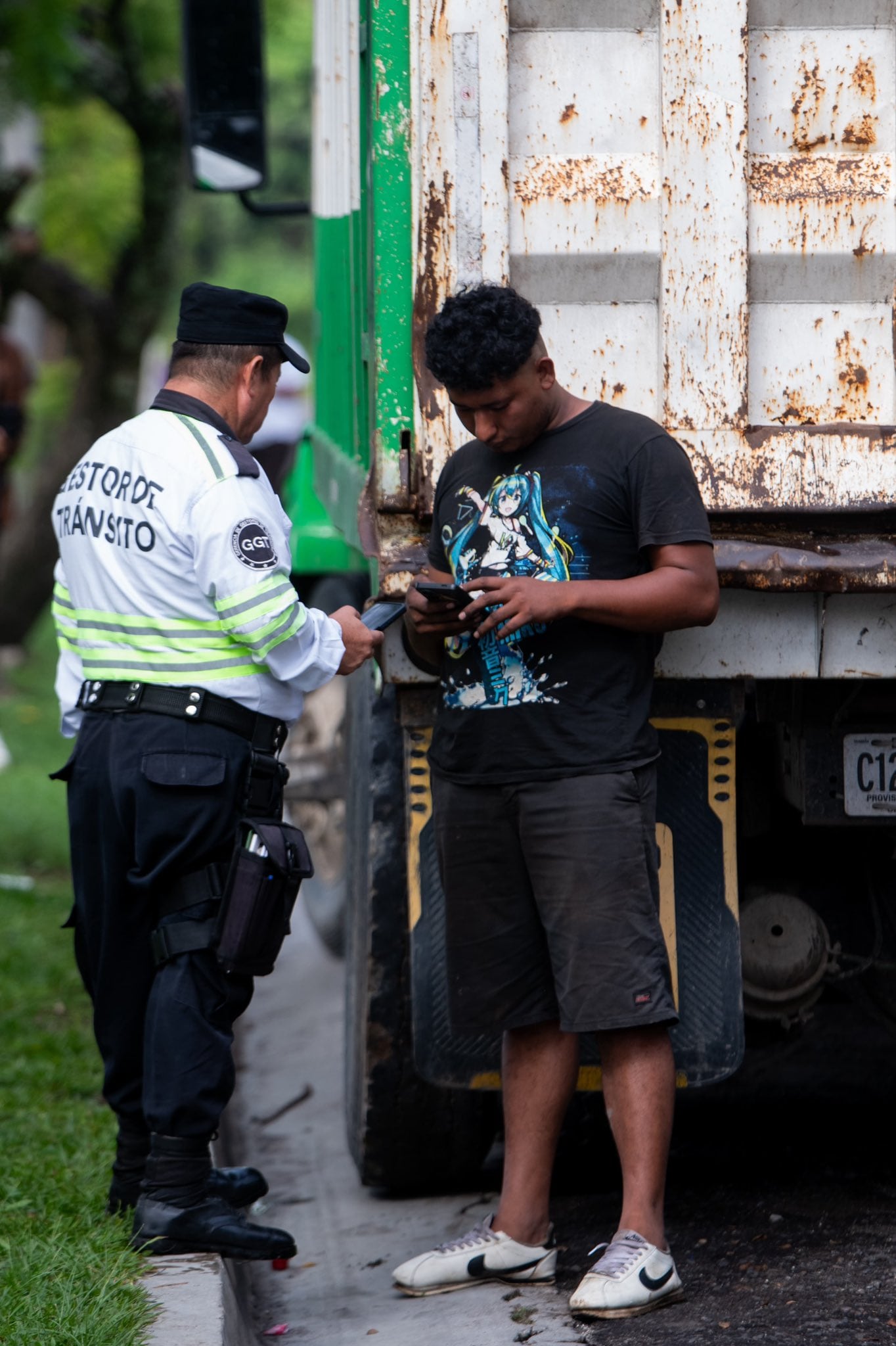
Reyes explicó que las obstrucciones que impidan observar correctamente la vía serán consideradas una deficiencia. También enumeró las condiciones mínimas: “Que el sistema de frenos esté en buen estado, que las llantas no estén lisas, que el sistema eléctrico esté funcionando adecuadamente”.
Aguirre indicó que las llantas deben tener una profundidad mínima de grabado de cuatro milímetros para aprobar la inspección. Advirtió que no basta con cambiar los neumáticos solo para asistir al taller, ya que esas condiciones deben mantenerse durante la circulación.
El director de Transporte de Carga pidió además que las volquetas transporten los materiales con la carga completamente cubierta. La lona debe impedir que arena, piedras u otros objetos salgan despedidos hacia los vehículos que circulan detrás.
El 30% de las unidades no aprobó la primera inspección
Desde el 8 de agosto, unos 1,600 vehículos habían pasado por la revisión técnica en talleres autorizados, según Aguirre. El 30% no aprobó la primera evaluación y sus propietarios tuvieron que corregir las deficiencias detectadas.
Las llantas estuvieron entre las causas más frecuentes de rechazo. Aguirre también mencionó fugas de aceite y problemas de iluminación entre los aspectos que deben ser subsanados para aprobar.
Los propietarios disponen de 15 días para una segunda inspección sin costo adicional. Serrano pidió a quienes todavía no deban renovar su tarjeta que aprovechen ese período para reparar los desperfectos acumulados.
El director de Tránsito explicó que el requisito se aplica cuando corresponde renovar la tarjeta. Para las personas naturales, el calendario depende del mes de cumpleaños; para las personas jurídicas, del mes de inscripción.
Antes de incorporar a las volquetas, la revisión técnica obligatoria alcanzaba a unas 17 mil unidades de carga. Con la ampliación, el grupo de vehículos obligados a completar el proceso llegará a cerca de 24 mil unidades, según Reyes.
El parque de transporte de carga de tres toneladas en adelante ronda las 158 mil unidades. Las autoridades prevén incorporar el resto de forma gradual, según la capacidad de atención disponible.
Aguirre informó que existen siete talleres autorizados en las zonas occidental, central y oriental. Reyes añadió que el VMT abrió una convocatoria para nuevos talleres destinados a inspeccionar vehículos pesados.
El VMT vigilará talleres, básculas y rutas de carga
Serrano afirmó que el VMT tiene sistematizado el registro de las revisiones emitidas por los talleres autorizados. El mecanismo incluye fotografías, fichas de inspección y cámaras que monitorean las actividades dentro de los establecimientos.
El director pidió a los usuarios denunciar anomalías. El VMT busca impedir que los talleres flexibilicen requisitos o emitan certificados sin una revisión completa de las condiciones mecánicas de las unidades.
Reyes informó que el VMT cuenta con básculas en Acajutla, Zacatecoluca y San Miguel. Esos puntos serán renovados para ampliar su capacidad operativa y podrían incorporar servicios de revisión técnica vehicular.
Aguirre indicó en YSKL que existen restricciones para el transporte de carga de 04:00 am a 09:00 am y de 4:00 pm a 8:00 pm en corredores como Los Chorros, la autopista a Comalapa y el bulevar del Ejército.
Reyes afirmó en Entrevista AM que las limitaciones en los accesos al Área Metropolitana de San Salvador comienzan a las 04:30 am. Mencionó la Constitución, la carretera Troncal del Norte, el bulevar del Ejército, la carretera a Comalapa, la carretera al Puerto de La Libertad y Los Chorros.
Las autoridades contemplan permisos para camiones que transporten productos perecederos. En esos casos, el VMT verifica que las unidades cuenten con autorización y cumplan las condiciones de seguridad.
Los vehículos que trasladan químicos, combustibles, materiales inflamables u otras sustancias peligrosas deben contar con permisos especiales que definan la ruta, las medidas de seguridad y las condiciones de transporte.
Las denuncias sobre unidades que incumplan restricciones, excedan la velocidad permitida o circulen con fallas visibles pueden enviarse mediante las redes sociales del VMT y el Ministerio de Obras Públicas y de Transporte.
gestor de tránsito,seguridad vial,camión,remolque,tráfico

Milei volvió a reunir al Gabinete en la Casa Rosada y anunció un nuevo viaje a España

Teen’s hand blown off by police grenade during French student protests: report

Biden’s ‘anti-MAGA task force’ sparked internal alarm across DOJ, new report shows

Con el guiño de los cinco gobernadores radicales, la Casa Rosada apura la negociación para suspender las PASO en 2027

Con la mora en niveles récord, los créditos para el consumo no pudieron despegar en septiembre

El Salvador: Viceministerio de Transporte retira más de 30 camiones por fallas y sobrecarga

Milei volvió a dar un discurso en la Argentina Week de París y se emocionó en el cierre

Caso Mariaca: un ministro paraguayo acusó a funcionarios bolivianos de proteger al narco Sebastián Marset

Poll: Turek, Hinson in close Iowa Senate race

Desde San Juan y en modo campaña, Máximo Kirchner dijo que los jueces de la Corte “desconocen la soberanía”

 POLITICA6 horas ago
¡Precios de Manhattan con sueldos de Argentina! Cómo los créditos hipotecarios inflaron las propiedades y congelaron el sueño de la casa propia
- INTERNACIONAL2 días ago
DHS exposes dilemma behind SCOTUS deportation fight: ‘We have two choices’
- POLITICA2 días ago
El Reino Unido anunció que las nuevas licencias de hidrocarburos en las Islas Malvinas requerirán su autorización final