INTERNACIONAL
Más de 2.000 islas sin hospitales: así funciona la red de clínicas flotantes de India

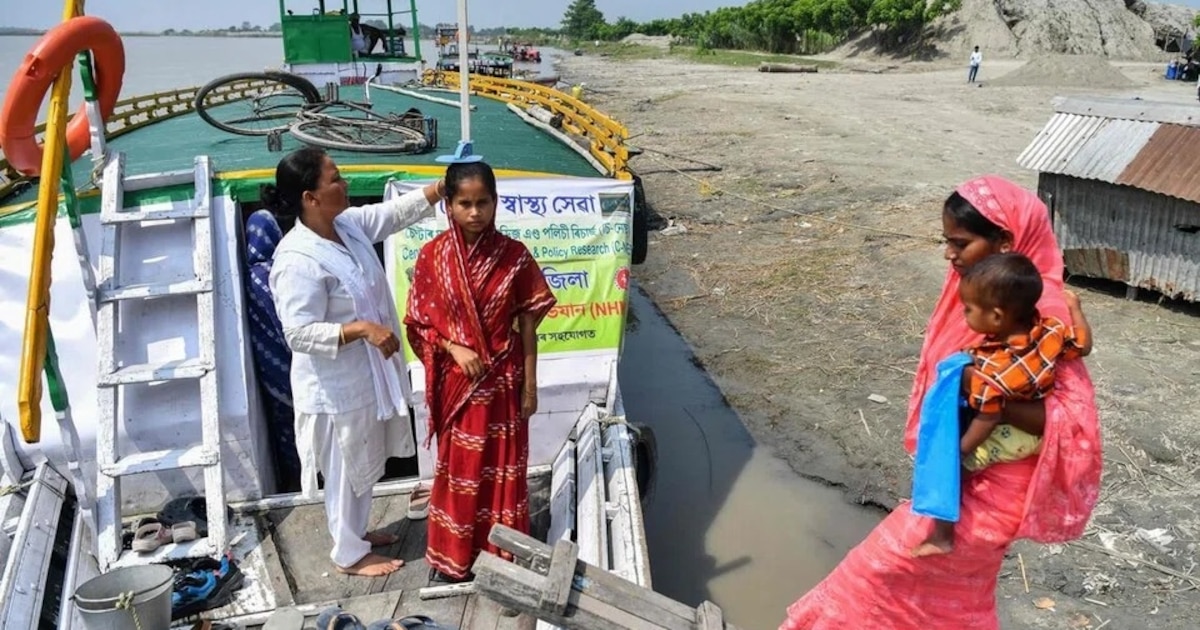
India encontró una respuesta concreta a uno de sus problemas sanitarios más persistentes: llevar atención médica a comunidades que viven en islas fluviales remotas, rodeadas de agua y alejadas de cualquier centro de salud fijo. Clínicas instaladas en embarcaciones móviles recorren los ríos del país para acercar médicos, medicamentos y servicios básicos de laboratorio a poblaciones que, de otro modo, quedarían sin asistencia.
El programa opera en el estado de Assam, en el noreste del país, donde el río Brahmaputra forma más de 2.000 islas temporales y bancos de arena —conocidos localmente como chars— a lo largo de su curso, según informó la agencia AFP. Gran parte de esas formaciones carece de infraestructura sanitaria o cuenta apenas con servicios mínimos. La geografía cambiante del río, cuyas crecidas estacionales reconfiguran el territorio, hace inviable la construcción de centros médicos permanentes en esos territorios.
La red Akha lleva médicos y vacunas a 13 distritos de Assam desde 2005
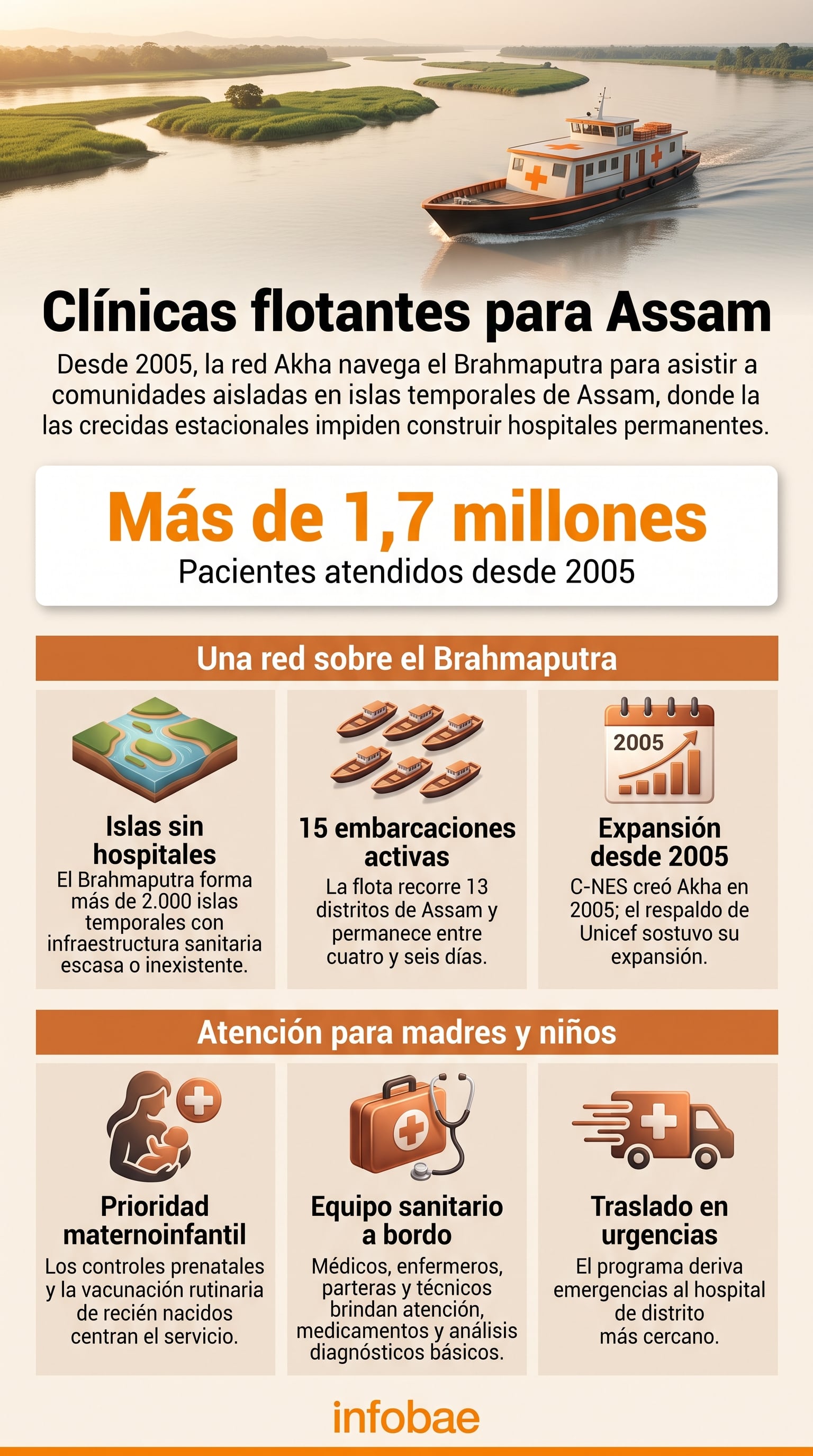
La red de clínicas flotantes lleva el nombre de Akha, que en lengua asamesa significa “esperanza”. Fue creada en 2005 por el Centro para Estudios y Políticas del Noreste (C-NES), una organización sin fines de lucro con base en Guwahati. Desde su lanzamiento, el proyecto fue ampliando su flota y su cobertura territorial hasta consolidarse como el principal mecanismo de atención sanitaria para las comunidades ribereñas de la región.
Hoy, la red cuenta con 15 embarcaciones activas distribuidas en 13 distritos del estado: Dhubri, Barpeta, Nalbari, Morigaon, Sonitpur, Lakhimpur, Dhemaji, Dibrugarh, Tinsukia, Jorhat, Goalpara, Bongaigaon y Kamrup, con unidades adicionales en Dhubri y Barpeta. Cada barco funciona como un consultorio itinerante que se desplaza entre distintos chars siguiendo un calendario regular, con campamentos de entre cuatro y seis días en cada recorrido.
El programa recibió el respaldo de las autoridades locales y de Unicef, cuya incorporación le dio visibilidad internacional y recursos para sostener la operación. Con ese apoyo, la iniciativa pasó de ser un proyecto local a convertirse en una red que asiste a unas 20.000 personas por mes, según cifras de la agencia de Naciones Unidas.
Las mujeres y los recién nacidos son los principales destinatarios del servicio
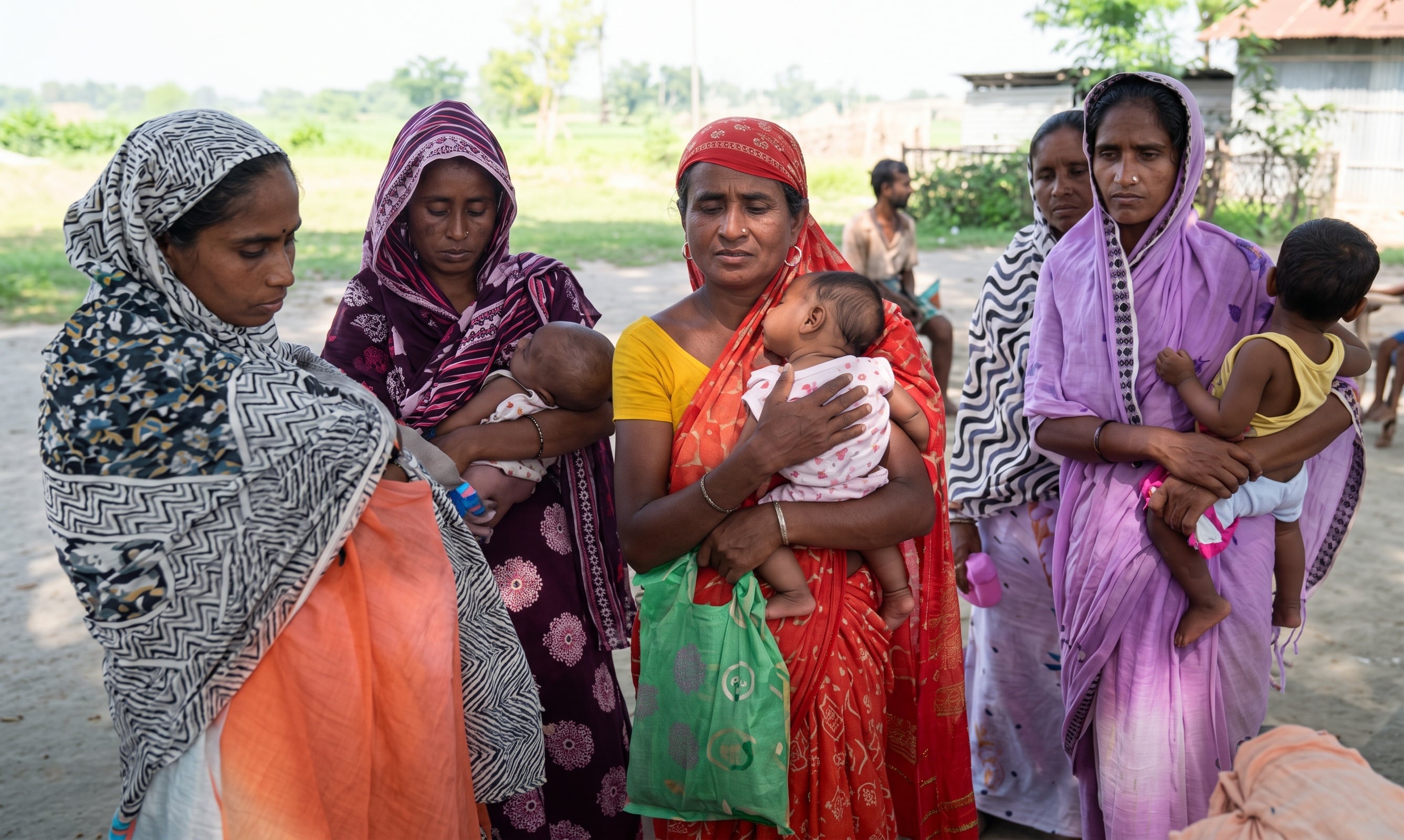
La salud materna e infantil ocupa el centro de la agenda sanitaria de las embarcaciones. El objetivo declarado del programa es reducir las tasas de mortalidad materna y neonatal en Assam. Habibul Hoque, médico de una de las clínicas que opera en el distrito de Nalbari, explicó que “principalmente apuntamos a las mujeres embarazadas que necesitan controles prenatales y a los recién nacidos que deben recibir la vacunación de rutina”, según recogió AFP.
El impacto del servicio es tangible para quienes viven en esos territorios. Rekibul Amin, habitante de la isla Barballa, subrayó que su comunidad depende por completo de las embarcaciones. “Cualquier medicamento que la gente recibe aquí, lo obtiene a través de la clínica flotante”, afirmó, y destacó que las mujeres resultaron especialmente beneficiadas.
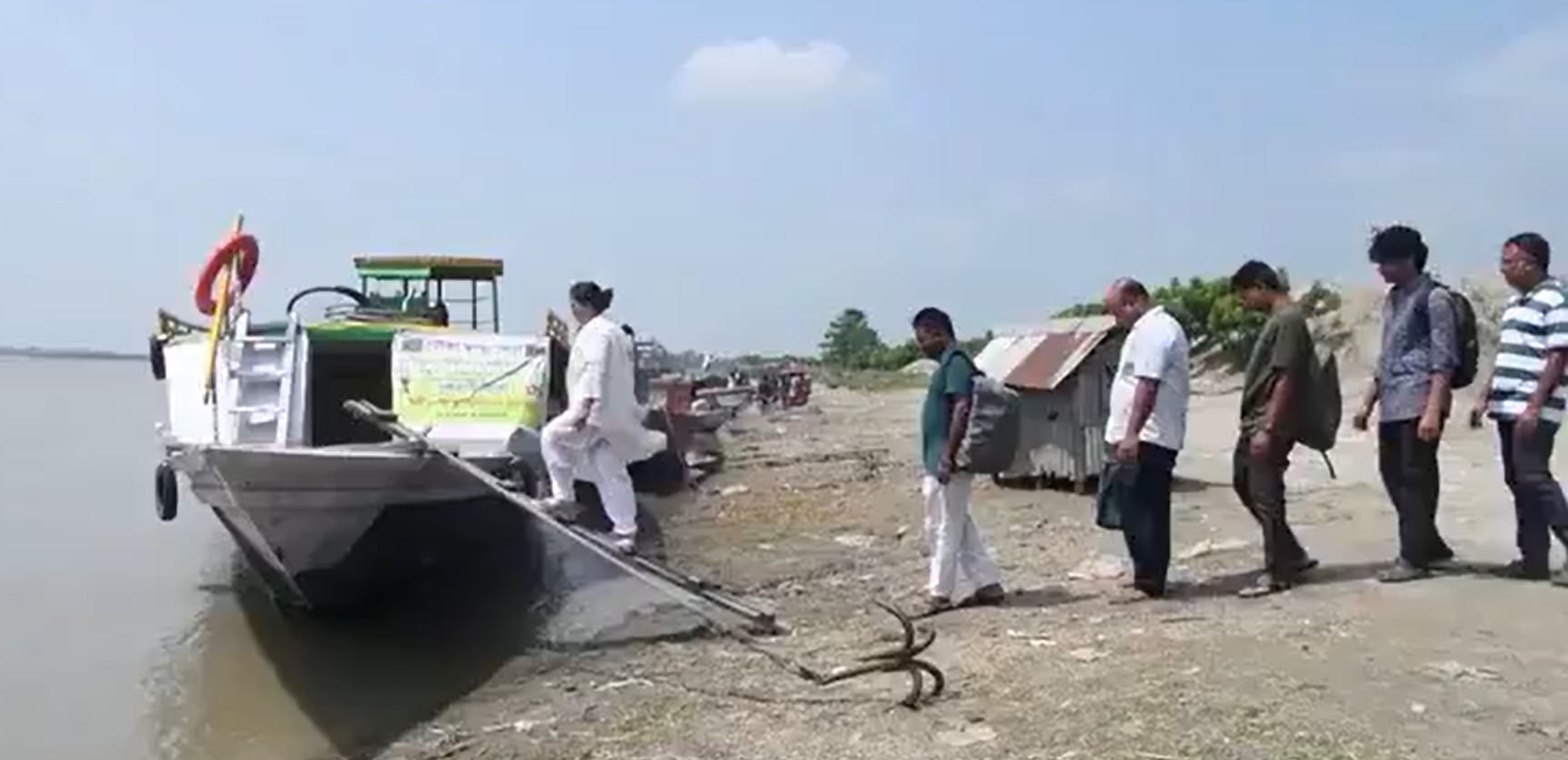
Cada embarcación cuenta con un equipo que incluye médicos, enfermeros, parteras, farmacéuticos, técnicos de laboratorio y trabajadores comunitarios. Antes de partir hacia otro punto del río, el personal informa a los residentes sobre la próxima visita programada. En situaciones de urgencia, el C-NES ofrece traslado al hospital de distrito más cercano.
A lo largo de sus dos décadas de funcionamiento, el programa trató a más de 1,7 millones de pacientes en controles generales de salud, según datos oficiales del gobierno de Assam. La cifra refleja tanto la escala del déficit sanitario en la región como la capacidad que fue adquiriendo este modelo de atención itinerante para dar respuesta a una demanda que los sistemas convencionales no lograban cubrir. Solo en el rubro de planificación familiar, el programa registró más de 548.000 prestaciones acumuladas desde su inicio, según el mismo registro oficial.
Las embarcaciones ofrecen atención general
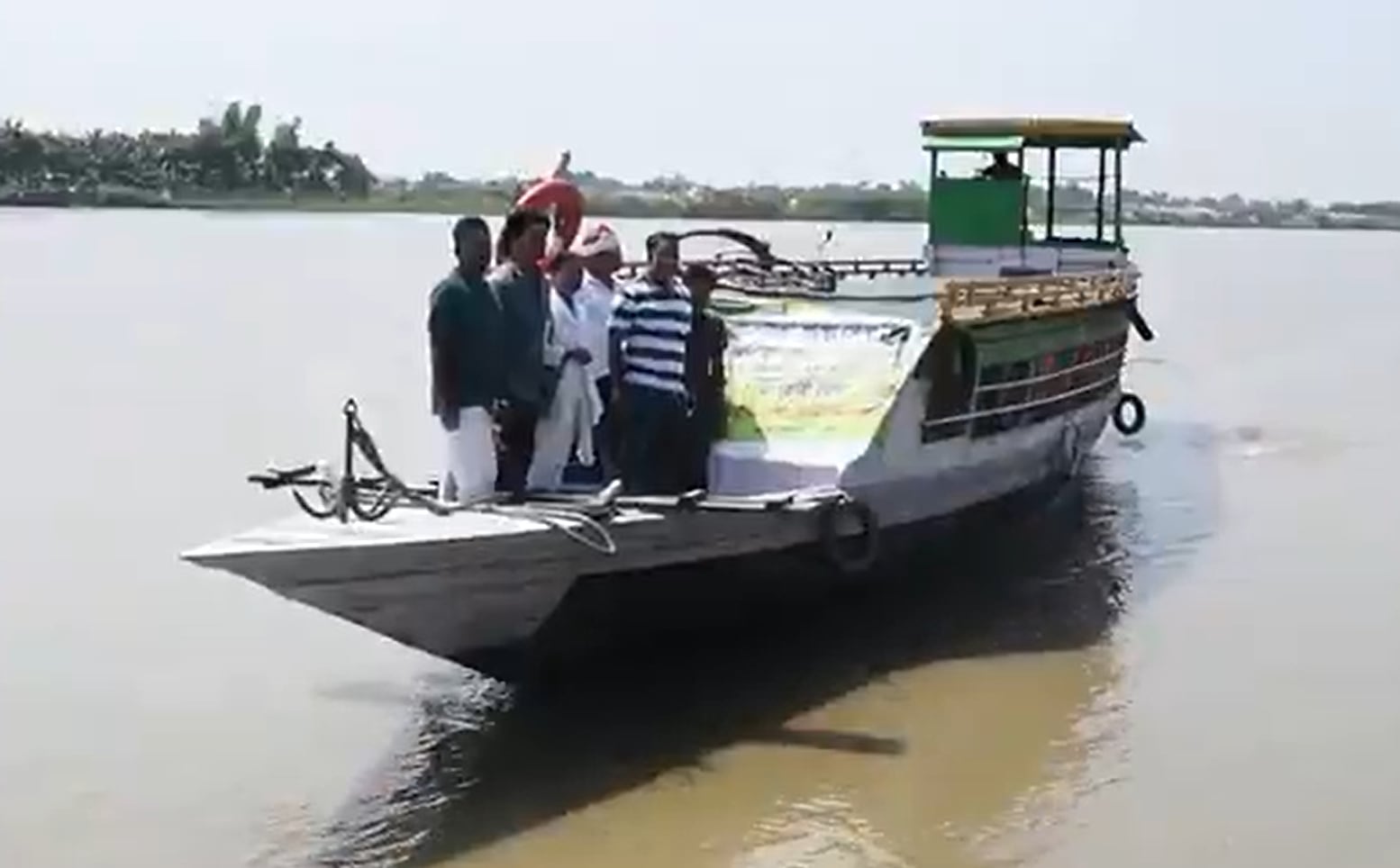
Los barcos-clínica brindan un conjunto definido de prestaciones sanitarias. En el área curativa, se realizan consultas de medicina general para el diagnóstico y tratamiento de enfermedades comunes. En materia de salud reproductiva y materna, se efectúan controles prenatales y posnatales, con seguimiento de embarazos de riesgo.
El componente de inmunización incluye la vacunación de rutina para niños y embarazadas, así como campañas de vacunación especial y administración de vitamina A. Las embarcaciones también ofrecen servicios de planificación familiar y cuentan con un laboratorio básico a bordo para análisis de diagnóstico. Desde 2016, algunas unidades incorporaron además atención odontológica, como extracción de piezas dañadas y educación en salud bucal, en una extensión piloto del programa original.
atención médica,barco hospital,zona fluvial









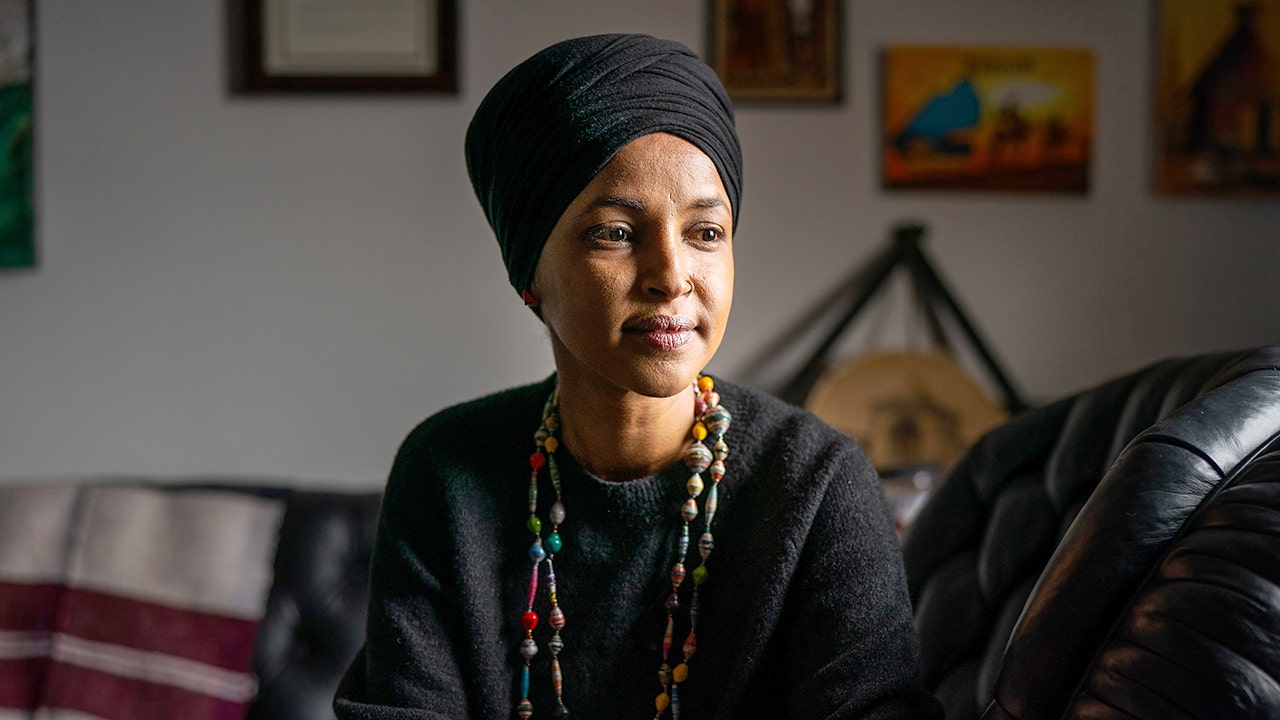
Democratic lawmakers erupted online on Monday after news that Immigration and Customs Enforcement (ICE) had raided the Washington-area home of Rep. Ilhan Omar, D-Minn., blasting the development as an effort by President Donald Trump to intimidate a longtime political adversary.
«The Trump administration’s raid on Congresswoman Ilhan Omar’s home is deeply disturbing and raises serious questions about the continued corrupt weaponization of the federal government against Donald Trump’s adversaries,» U.S. House Minority Leader Hakeem Jeffries, D-N.Y., wrote in a statement.
The Justice Department confirmed that agents of Homeland Security Investigations, ICE’s investigative arm, executed a court-authorized search warrant as part of an ongoing federal criminal investigation. Two sources close to the investigation say the search stems from a criminal fraud investigation into the Somali-born congresswoman’s immigration paperwork, which was filled out by her late father when she was a child.
The Minnesota Democrat has repeatedly denied allegations of immigration fraud and claims that she is in the country unlawfully.
FEDERAL AGENTS RAID ILHAN OMAR’S DC HOME AMID IMMIGRATION FRAUD INVESTIGATION
To Rep. Pramila Jayapal, a fellow member of the progressive group known as the «Squad,» the development is a clearly personal one.
«Donald Trump has been obsessed with Rep. Omar. He has gone after her repeatedly, causing her severe harm and going after the entire Somali American population,» Jayapal said, referencing Trump’s wariness of Somali fraud rings in Minnesota that became a national focus earlier this year.
«This is his way of bullying his way back into power. This is what authoritarians do,» Jayapal added.
Democrats online similarly observed the immigration-related focus of the raid, affirming Omar’s status as a citizen of the U.S.
HOMAN CONFIRMS ‘CRIMINAL’ INVESTIGATION INVOLVING ILHAN OMAR, SAYS HE KNOWS ‘THINGS ARE GOING ON’
«This raid on Rep. Omar’s home is an outrageous abuse of power by ICE. Rep. Omar has been a U.S. citizen for 26 years. She came to the United States as a child and was legally admitted as a refugee,» Rep. Ted Lieu, D-Calif., wrote.
Sen. Bernie Sanders, I-Vt., echoed Lieu.
«Ilhan Omar came to America legally as a child refugee fleeing civil war, became a citizen and was elected to Congress. Trump is weaponizing the federal government to silence opposition,» Sanders said in a post to X.
But Republicans pointed out that the public hasn’t had an opportunity to review the details of Omar’s naturalization paperwork either — something that Rep. Nancy Mace, R-S.C., said she had wanted to see for herself but was blocked from using congressional authority to secure.
«I tried to subpoena Ilhan Omar and her brother-husband’s immigration records. Both parties blocked it in Oversight,» Mace wrote, referring to the powerful oversight committee, the body of lawmakers charged with ensuring the government lawfully carries out its duties. «If the fraud is proven, she should be denaturalized and deported home to Somalia.»
Omar has faced long-standing political pressure stemming from her previous marriage to Ahmed Nur Said Elmi in 2009, a marriage that critics claim was to her biological brother in order to commit immigration fraud. Omar has denied that Elmi is her brother, and no charges related to that marriage have been brought against her. Omar and Elmi divorced in 2017.
Additionally, Mace pointed out that accusations of politically motivated investigations mirror the raid on Trump’s personal residence in Florida in 2022.
«All those who celebrated the raid of Mar-a-Lago don’t get to cry over the raid at Ilhan Omar’s home. Trump’s political enemy raided his home. Democrats set the precedent,» she added.
Other Republicans, like Rep. Anna Paulina Luna, R-Fla., argued that the moment has highlighted the need to especially scrutinize the citizenship credentials of lawmakers before they arrive in office — calls shared by other fellow members.
«If these allegations are true, then it needs to be dealt with legally. But ultimately, this is exactly why myself, members like Kat Cammack and Randy Fine have pushed for there to be a disclosure at least for people to know whether members of Congress are dual citizens,» Rep. Anna Paulina Luna, R-Fla., said in an interview with Fox News.
Rep. Randy Fine, R-Fla., agreed.
«If Ilhan Omar lied on her immigration paperwork, she should be denaturalized and deported — the same as anyone else. No more special treatment,» Fine said.
House Majority Whip Tom Emmer, R-Minn., didn’t speculate as to why the ICE raid had taken place, but quickly affirmed his view that even lawmakers could be subject to scrutiny.
«Nobody is above the law. HSI just executed a search warrant at Ilhan Omar’s Washington, D.C. home. We look forward to learning more details about this raid and investigation. ACCOUNTABILITY IS COMING!» Emmer wrote.
Notably, U.S. House Speaker Mike Johnson, R-La., as of Tuesday morning, had not issued a statement on the raid on Omar’s residence. Neither had Senate Minority Leader Chuck Schumer, D-N.Y.
Republicans in Congress have investigated Omar in the past, evaluating her net worth and the business ties of her husband, Tim Mynett.
«Trump is grossly abusing his power to raid the home of Rep. Omar,» Rep. Rashida Tlaib, D-Mich., a fellow member of the progressive group called the «Squad,» said in a post to X on Monday.
«He has repeatedly attacked her, Somali Americans and Minnesotans. [Omar] has done nothing to justify a pre-dawn raid ahead of the election. I stand with my sister always.»
Rep. Alexandria Ocasio-Cortez, D-N.Y., another «Squad» member, agreed in a post of her own.
«For years, the Trump admin has launched slanderous attacks against Rep. Omar. This morning, the administration sent federal officials to raid her home. We cannot and will not accept this unprecedented abuse of power,» Ocasio-Cortez wrote.
OMAR’S NEW LEGISLATION TARGETING ICE SPARKS OUTRAGE WHEN THE INTERNET SEES WHAT’S IN IT: ‘UN-AMERICAN’
«Trump and his DOJ have a bizarre obsession with tearing down Minnesota, our leaders and our communities. This latest action, even as voting has already started in Minnesota, is a transparent attempt to interfere in our election,» Sen. Tina Smith, D-Minn., said.
The raid comes less than a month before the Nov. 3 midterm elections. According to the Minnesota secretary of state website, absentee voting by mail and in person began Sept. 18, while the state’s new early voting process, which allows voters to cast ballots directly into voting machines, begins Friday.
The office of Ilhan Omar did not immediately respond to a request for comment.
Peter D’Abrosca contributed to this report.
politics, ilhan omar, homeland security, the squad
Jack Keane: Trump’s Gaza peace deal is a ‘huge step forward’
Ret. Four-Star Gen. Jack Keane breaks down the next phase of President Donald Trump’s Gaza peace deal on ‘Fox & Friends.’ Keane explains how the historic agreement mandates the complete disarmament of Hamas and other armed groups, leading to the withdrawal of Israeli forces and the transition of power to a new Palestinian government.
NEWYou can now listen to Fox News articles!
A year has passed since President Donald Trump made history by brokering a ceasefire between Israel and Hamas, setting in motion an ambitious peace plan aimed at bringing lasting stability to the region.
In the days and months since the ceasefire and Trump’s 20-point peace plan took hold, progress has drawn support from across the globe — including from unexpected quarters.
Senior advisor to the Board of Peace Josh Gruenbaum told Fox News Digital that the success of the last 12 months was largely attributable to President Donald Trump’s leadership and commitment to seeking peace.
TRUMP-BACKED BOARD OF PEACE, ISRAEL ‘WILL TAKE ACTION’ IF HAMAS REMAINS OUT OF COMPLIANCE: NETANYAHU ADVISOR
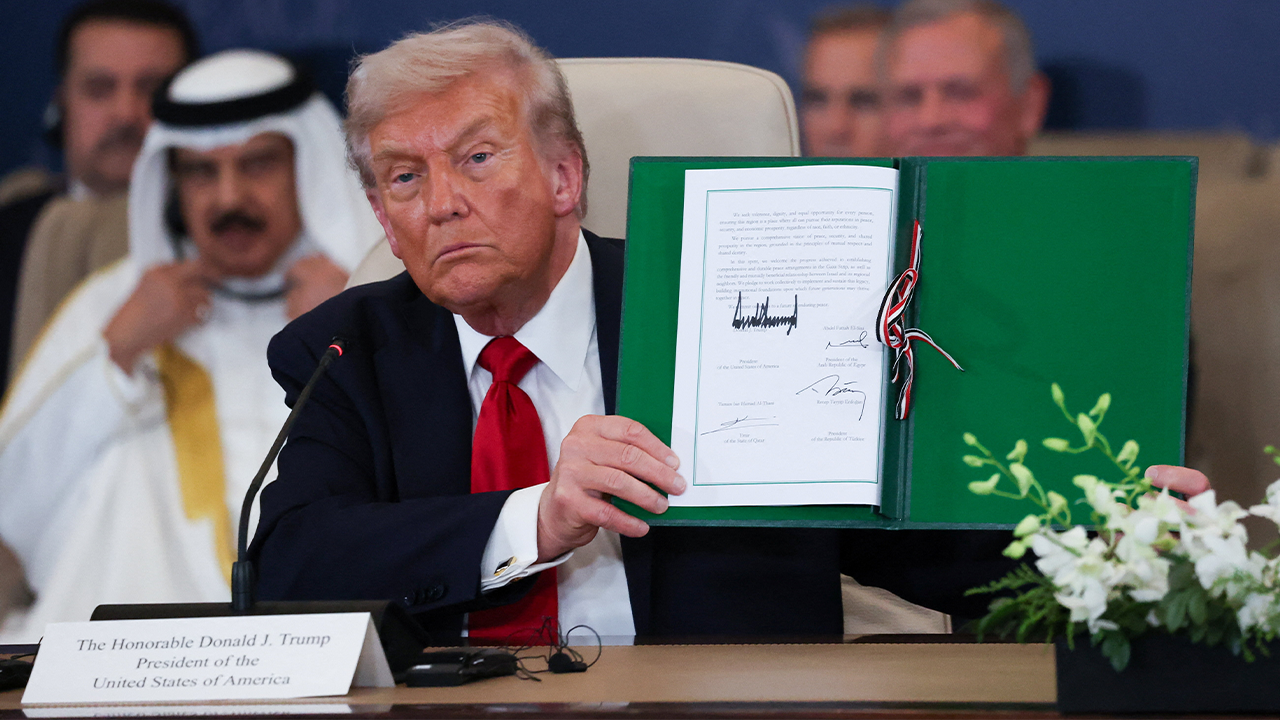
President Donald Trump poses with the signed agreement at a world leaders’ summit on ending the Gaza war, amid a U.S.-brokered prisoner-hostage swap and ceasefire deal between Israel and Hamas, in Sharm el-Sheikh, Egypt, October 13, 2025. (Suzanne Plunkett/Reuters)
«The unlock was somebody who came in, who really knew the file because they had the chance to study it and understand it,» Gruenbaum said. Trump and his team, including U.S. special envoy to the Middle East Steve Witkoff, U.S. special envoy for Peace Jared Kushner and Secretary of State Marco Rubio, «created working relationships with regional actors with trust, overlaid with peace through strength,» while also forcing Hamas to finally understand that «this was either going to end the very hard way for them, or there was an off-ramp and a way to do this in a more dignified way, which is what the 20-point plan was.»
He said this has been achieved by «building consensus through the world, including through Europe, that this is the only game in town. This is the only pragmatic approach to make this thing stop.» A particular point of strength for the Board of Peace, Gruenbaum added, has been «cultivating really strong relationships with the United Nations.»
In November 2025, the United Nations endorsed the Board of Peace through Resolution 2803.
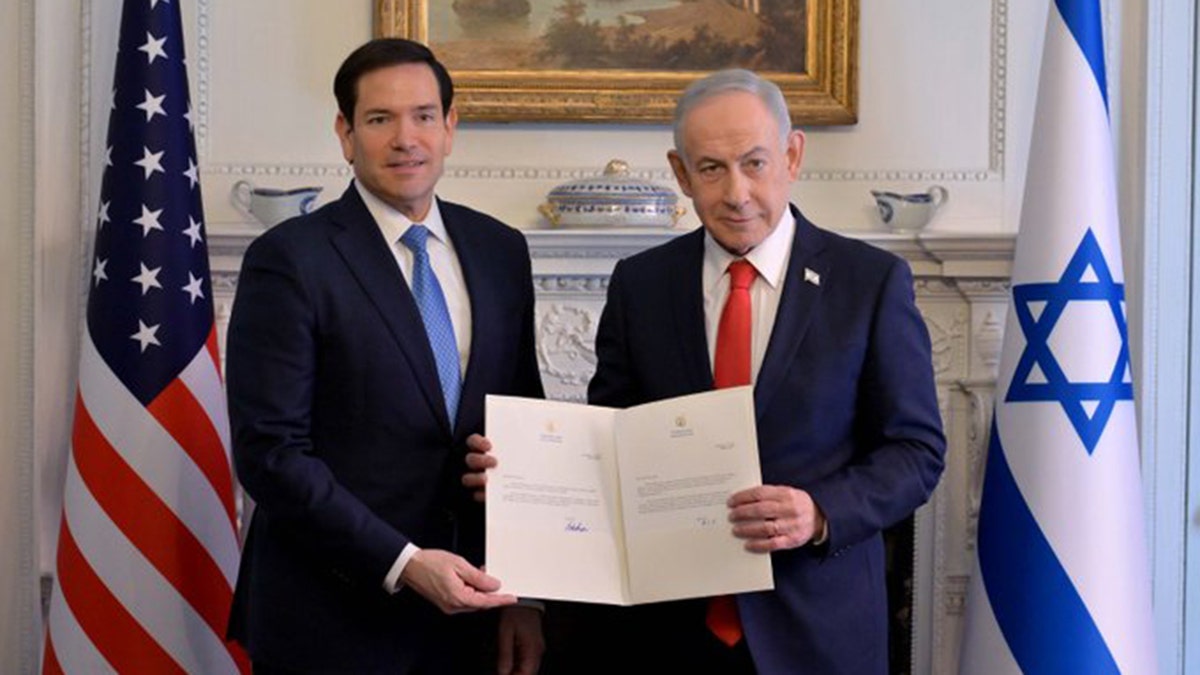
Prior to his meeting with President Trump at the White House, Prime Minister Netanyahu signed up, in the presence of Secretary of State Rubio, as a member of the Board of Peace. (@IsraeliPM)
European Union Commissioner for the Mediterranean and for Demography Dubravka Šuica announced at a high-level briefing at the Board of Peace in September that the European Union had «gathered about $1 billion for early recovery in Gaza,» and would sign recovery projects with the UNDP and UNICEF. «We are doing this in alignment with the priorities of the Board of Peace and the National Committee for the Administration of Gaza (NCAG),» Šuica stated.
US URGES DONORS TO ABANDON UNRWA FUNDING AS UN DEFENDS AGENCY’S MISSION
The International Stabilization Force, which will train a future police force in Gaza and oversee demilitarization, has received commitments from Kazakhstan, Morocco, Albania and Kosovo, with other countries said to be in the pipeline for admission.
Notably absent from Gaza’s future, per the Board of Peace plan, is the United Nations Relief and Works Agency for Palestine Refugees in the Near East (UNRWA). The Board of Peace has been unequivocal that UNRWA will have no involvement in Gaza. One U.S. agency, the USAID Office of the Inspector General, is currently investigating over 1,500 UNRWA employees for involvement in terror groups.
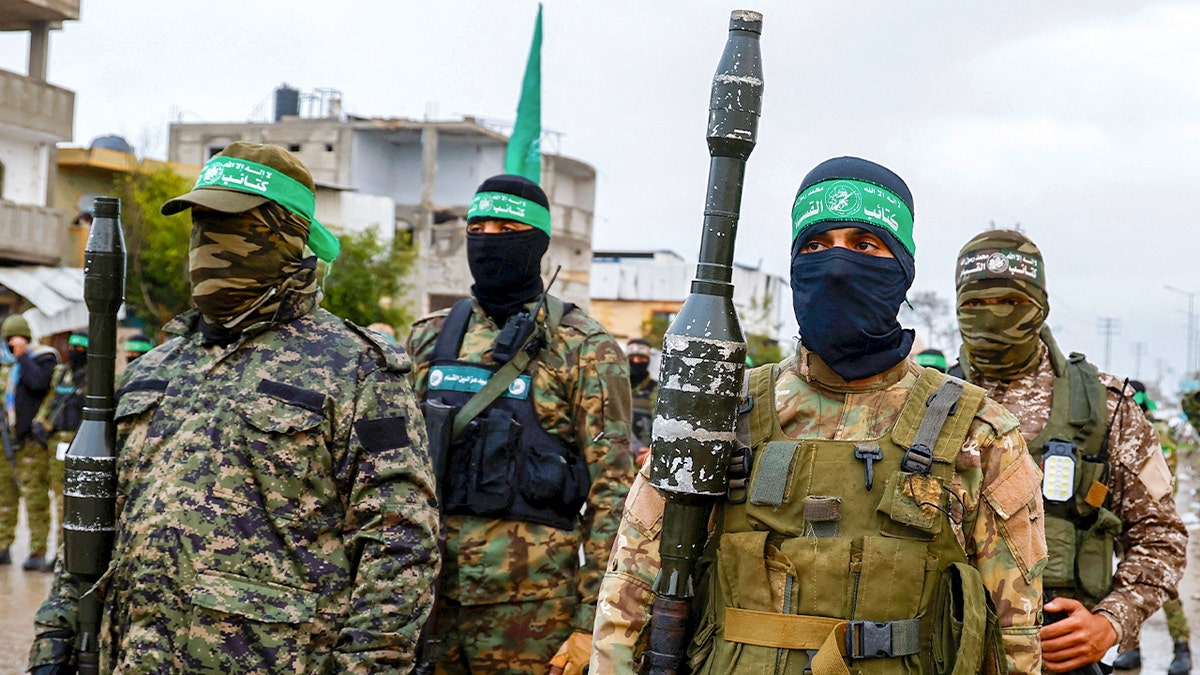
Hamas terrorists stand guard on the day of the handover of hostages held in Gaza since the deadly October 7, 2023, attack, as part of a ceasefire and a hostages-prisoners swap deal between Hamas and Israel, in Rafah in the southern Gaza Strip, Feb. 22, 2025. (Hatem Khaled/Reuters)
On X, the Board of Peace recently stated that it «will only work with trusted partners who deliver for the people of Gaza and contribute to a deradicalized Strip,» and emphasized that «UNRWA fails on those litmus tests.»
The Board of Peace’s effort has support from unlikely corners. Former Secretary of State Hillary Clinton wrote in a June editorial in the Financial Times that while the plan was «not the one many of us would have drafted,» she believes «it remains the only framework backed by sufficient leverage, political engagement and potential resources to move parties towards implementation.»
The Board of Peace has received about $18 billion in pledges for reconstruction, the BBC recently reported. A Board of Peace official told Fox News Digital that next steps in the reconstruction program include a six-month program with 66 recovery initiatives, including rubble clearance, unexploded ordnance clearance, construction of temporary housing and destroying tunnel infrastructure. The initiatives are expected to cost $2.45 billion, and tenders for some projects have been submitted.
KUSHNER GIVES HAMAS STARK ULTIMATUM: DISARM OR ISRAEL GETS US BACKING TO ‘FINISH THE JOB’
In the year ahead, the Board of Peace must clear a number of hurdles, including a full demilitarization and de-radicalization of Hamas in Gaza. Gruenbaum says that the Board of Peace is «realistic and sober» but is also «in a historic place with Hamas,» having secured verbal agreements and offering a path to amnesty for those who qualify.
Gruenbaum also says that the 20-point plan is Hamas’ best path forward and that regional dynamics leave them with few remaining options. Mediators are increasingly supporting the Board of Peace, Tehran is focused on its current war, and Israel is continuing to apply pressure, though Gruenbaum says the Board of Peace continues to stress that they must comply with the ceasefire.
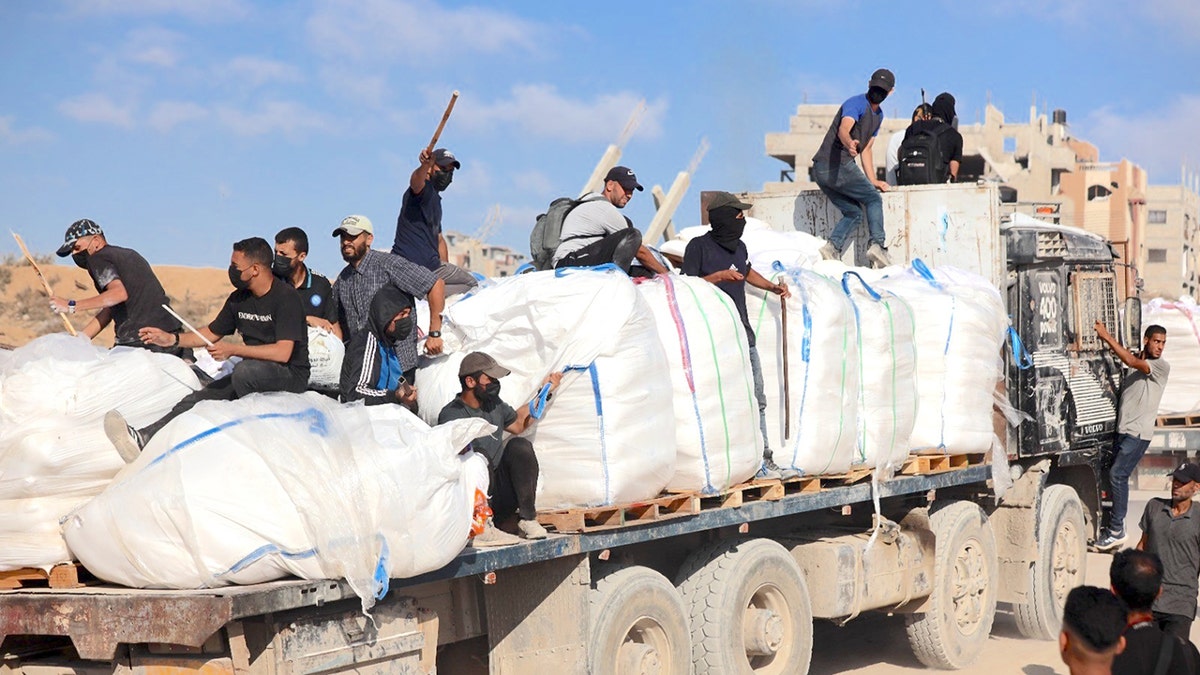
Hamas terrorists carrying clubs and firearms secure and divert humanitarian aid trucks in the northern Gaza area of Jabaliya on June. 25. (TPS-IL)
Gruenbaum said that deradicalization will never be a top-down process led by the U.S., but will be managed through the NCAG. He said that the NCAG’s members «have kids that have been brought up» under the current UNRWA-run system, so «they understand the situation.» The approach will involve the new technocratic government, whose members have extensive experience in civil service, taking the lead on «vetting teachers» and «vetting people who are involved in civil governance.»
Gruenbaum celebrated the potential of bringing together the NCAG and Israeli authorities through the transformation of Gaza. «This is a monumental opportunity for the Palestinian people of Gaza where their governing body is going to be uniquely focused on delivering services for its constituents and if we could create this amazing relationship where we build trust between Israel and the NCAG, we deliver on both sides of the equation – security for Israel and freedom and a better life, self-determination and prosperity-building inside of Gaza. That’s a two-way trust-building system.»
Gruenbaum added that the successes in Gaza could lead to successes elsewhere. «Maybe these best practices get learned by the Palestinian Authority. Maybe Israel starts adding more trust with different people in the system. I think this is a huge moment in the history of the Middle East.»
israel, conflicts, hamas, terrorism, national security, state department, anti semitism
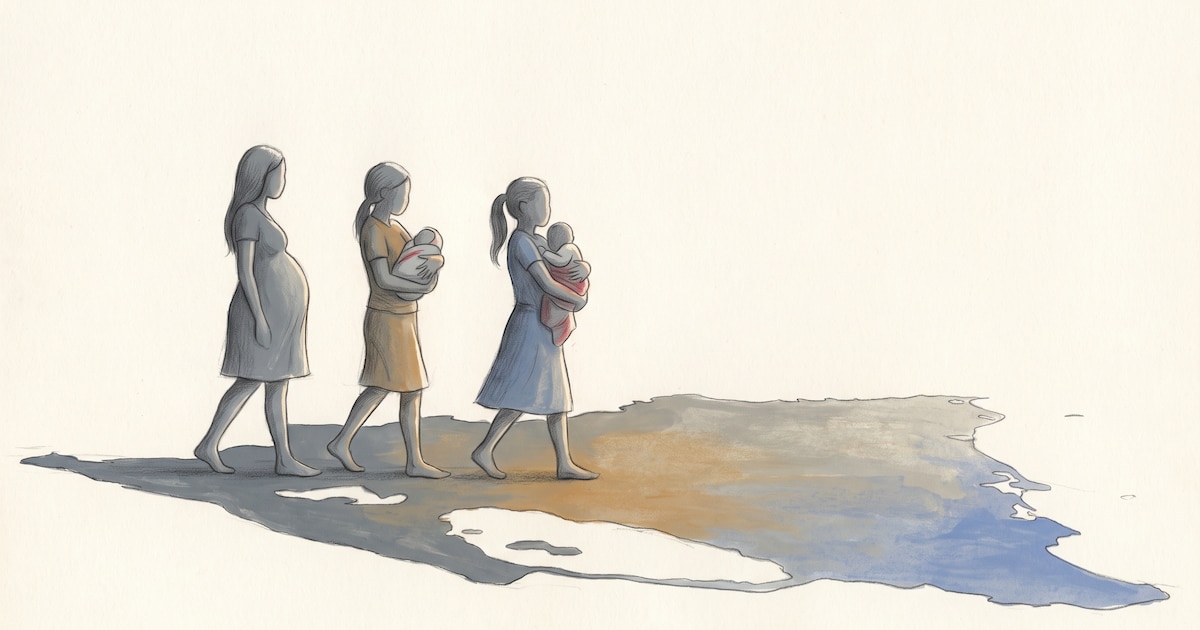
“Asumir sola un embarazo” en su mayoría producto de la violencia sexual es el mayor secreto a voces que enfrentan cientos de adolescentes nicaragüenses en medio de una sociedad que ha normalizado el problema, sobre todo en las zonas rurales del país.
Nicaragua registra la tasa más alta de embarazos entre adolescentes de Centroamérica: 93 por cada 1,000 jóvenes de 15 a 19 años. Costa Rica, en cambio, tiene cerca de 25. La diferencia entre ambos países es de casi 70 nacimientos por cada 1,000 adolescentes, según datos del Banco Mundial.
El registro ubica a Nicaragua como el país con el indicador más alto de fecundidad adolescente en Centroamérica. La cifra supera a la de Honduras, Guatemala, Panamá, El Salvador y Costa Rica, de acuerdo con las estimaciones más recientes disponibles para 2024.
La comparación regional coincide con las alertas de organismos internacionales. El Fondo de Población de las Naciones Unidas (UNFPA) y otras agencias de Naciones Unidas calcularon que América Latina y el Caribe registró 50 nacimientos por cada 1,000 adolescentes de 15 a 19 años en 2024, por encima del promedio mundial de 39.
La Organización Panamericana de la Salud (OPS) advierte que las adolescentes indígenas, afrodescendientes, rurales, con menor nivel educativo o de los hogares con menos ingresos pueden tener hasta cuatro veces más probabilidades de iniciar una maternidad temprana que sus pares urbanas, con mayor escolaridad y recursos.
En el caso de las niñas menores de 15 años, los organismos internacionales vinculan los embarazos con la violencia sexual, las uniones tempranas y las barreras para acceder a servicios de salud sexual y reproductiva.
El régimen de nicaragua desarticuló durante los últimos años organizaciones feministas, comunitarias y de niñez que ofrecían educación sexual, prevención de la violencia y acompañamiento a adolescentes.
Human Rights Watch señala que las autoridades cancelaron la personería jurídica de más de 5,500 organizaciones desde 2018, mientras defensoras consultadas por el medio nicaragüense Divergentes advierten que esos cierres eliminaron espacios de orientación y protección en zonas rurales.
En paralelo, medios oficialistas promueven el concurso “La Madre Panza”, que entrega premios a mujeres embarazadas sin establecer límites de edad. Las imágenes de sus ediciones muestran la participación de adolescentes.
Nicaragua y Honduras, los extremos de la crisis regional
Después de Nicaragua aparece Honduras, con una tasa de 81 nacimientos por cada 1,000 adolescentes de 15 a 19 años. La diferencia entre ambos países es de 12 puntos.
Ambos son los únicos países centroamericanos que superan el umbral de 80. La distancia con Costa Rica muestra que el descenso regional no ha tenido el mismo ritmo en todos los territorios.
En Honduras, la OPS incluyó la reducción de la fecundidad adolescente entre las prioridades de un proyecto regional que se desarrolla entre 2025 y 2030. El organismo plantea ampliar el acceso a anticonceptivos modernos y fortalecer la atención para adolescentes, con énfasis en poblaciones rurales, indígenas y de menores ingresos.
Guatemala suma más de 56 embarazos adolescentes al año
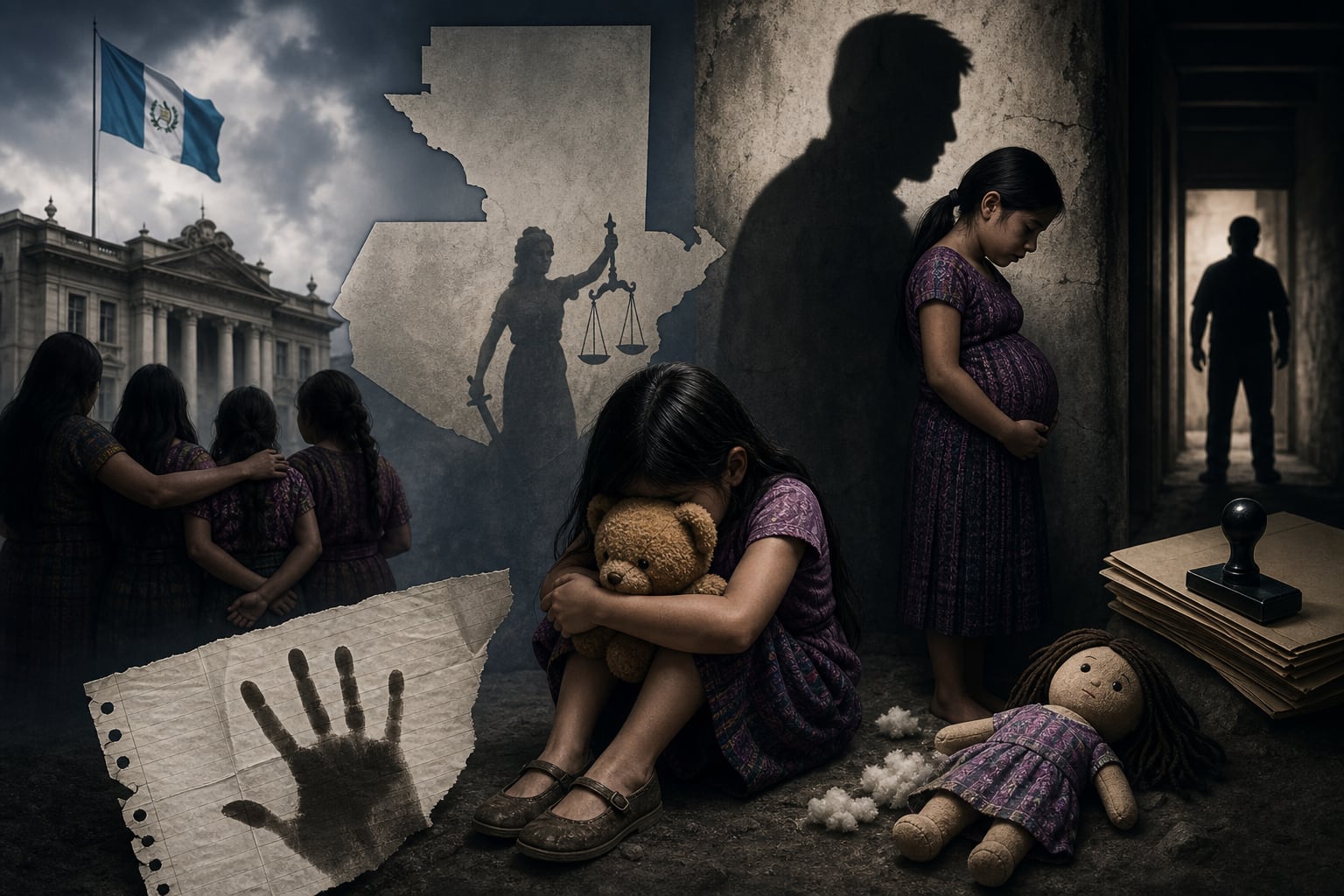
Guatemala ocupa el tercer lugar, con una tasa de 68 nacimientos por cada 1,000 adolescentes. Son 25 puntos menos que Nicaragua, pero el volumen de casos revela otra dimensión del problema: el UNFPA informó en octubre de 2025 que el país registra más de 56 mil nacimientos anuales en niñas y adolescentes menores de 19 años.
La agencia señaló que las comunidades rurales e indígenas enfrentan mayores barreras para acceder a servicios de salud sexual y reproductiva, información y métodos anticonceptivos. En Izabal, por ejemplo, instituciones locales organizaron actividades de prevención en diferentes municipios donde se busca involucrar a familias y escuelas.

Panamá y El Salvador, una franja intermedia con focos de alerta
Panamá y El Salvador rondan los 50 nacimientos por cada 1,000 adolescentes de 15 a 19 años. En Panamá, el UNFPA concentra parte de su trabajo en comunidades de la costa caribeña, donde impulsa espacios de salud adaptados a adolescentes y campañas para romper el silencio familiar alrededor de la educación sexual.
El organismo calcula que los costos evitables del embarazo adolescente superan los $1,500 millones anuales en ese país. El Salvador desarrolla la iniciativa “Llegar a Cero” en departamentos como Usulután, San Miguel, La Unión, Sonsonate y Ahuachapán, donde las autoridades y organismos de cooperación han identificado el problema y buscan reducir los embarazos en niñas y adolescentes mediante intervenciones territoriales.
Costa Rica cierra la lista, pero el fenómeno persiste
Costa Rica registra cerca de 25 nacimientos por cada 1,000 adolescentes de 15 a 19 años, la tasa más baja de Centroamérica. Aun así, el UNFPA estimó que casi 5,000 niñas y adolescentes se convirtieron en madres en 2022.
El mapa regional queda encabezado por Nicaragua, seguida por Honduras y Guatemala. Panamá y El Salvador se ubican en un nivel intermedio, mientras Costa Rica presenta el menor indicador.
Detrás de esa diferencia estadística aparecen desigualdades territoriales, violencia contra niñas y adolescentes y servicios de salud que todavía no llegan con la misma fuerza a todas las comunidades.
embarazo adolescente,maternidad precoz,Nicaragua,ilustración editorial

Presupuesto: comenzó el debate y ya se prevé el llamado a sesiones extraordinarias para aprobarlo

Juan Carlos de Pablo: “A la batalla cultural no le doy ni cinco de bolilla, no sirve para tomar decisiones”

Ilhan Omar home raid sparks online firestorm: ‘This is what authoritarians do’

‘Peace through strength’: Trump Gaza plan gains global backing one year on

Hotesur-Los Sauces: habrá una audiencia clave para reunificar los juicios contra Cristina Kirchner y su hijo Máximo

Revelan la emotiva parte del testimonio de Valentín Yankelevich sobre Romina Yan que quedó afuera: «Sabía que estaba ahí y le dolía sentir que veía todo sin poder hacer nada»

El nuevo mapa del mercado automotor: qué marcas ganaron y cuáles perdieron con la apertura de las importaciones

Carlos Tevez busca juntar a Cristiano Ronaldo y Leo Messi en su partido de despedida

Régimen Penal Juvenil: la Defensoría Oficial busca que la Justicia porteña revise la baja de la edad de imputabilidad