
INTERNACIONAL
A 40 años de Chernobyl, los errores humanos y las fallas de la URSS que desembocaron en la peor catástrofe nuclear de la historia

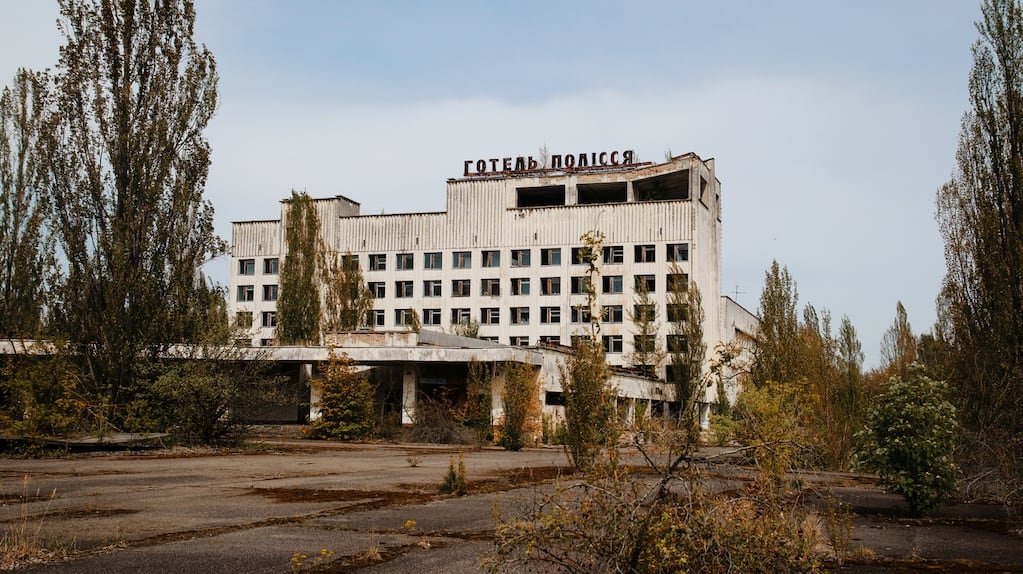
Hace 40 años, una prueba de seguridad mal hecha en el reactor número 4 de la central nuclear de Chernobyl provocó la peor catástrofe nuclear de la historia. Durante un ensayo inapropiado a baja potencia se produjo una pérdida de control que derivó en una explosión y un incendio que destruyeron por completo el edificio del reactor y liberaron grandes cantidades de radiación a la atmósfera.
Al ignorar medidas básicas de seguridad, el combustible de uranio se sobrecalentó, se fundió y atravesó las barreras de protección. Lo que parecía una prueba técnica terminó en un desastre que afectó a millones de personas y convirtió a Pripyat en una ciudad fantasma. Pero Chernobyl no fue un accidente aislado: fue el resultado de una cadena de fallas que expuso errores humanos, problemas de diseño y un sistema sin control real.
Leé también: Ucrania denunció que un ataque ruso dañó el escudo protector que cubre el reactor nuclear de Chernobyl
Desde aquel 26 de abril de 1986, Chernobyl es una advertencia global. No solo por la magnitud de la tragedia, sino porque obligó a cambiar para siempre la forma en la que el mundo controla la energía nuclear. Hoy, los especialistas coinciden en que un episodio idéntico sería mucho más difícil, aunque el riesgo nunca desaparece por completo.
Un contexto político y técnico que marcó el desastre
“Hubo una combinación letal entre fallas técnicas y humanas en Chernobyl, pero lo más importante fue el contexto”, explicó a TN Julián Gadano, sociólogo y director del Programa de Estudios de Energía Nuclear e Innovación de la Universidad Nacional de Tres de Febrero (UNTREF).
Todo ocurrió dentro de una Unión Soviética en crisis, con un régimen autoritario, en descomposición política y con graves problemas económicos. “En ese contexto fue posible tomar decisiones totalmente enfrentadas a la seguridad. Nadie podía decir que no”, señaló.
Pripyat quedó vacía después de la explosión en la central nuclear de Chernobyl y se convirtió en una ciudad fantasma. (Foto: Freepik)
En la misma línea, Darío Jinchuk, consultor senior en energía nuclear y no proliferación, explicó que esa noche los operadores realizaron una prueba sin respetar los protocolos establecidos y desactivaron sistemas automáticos clave, entre ellos el de refrigeración de emergencia y otros mecanismos de protección, para evitar que el experimento se detuviera. El objetivo era comprobar cuánto tiempo podían funcionar las bombas ante una parada de emergencia sin energía externa.
Un reactor que tenía fallas desde su origen
Según Jinchuk, el RBMK-1000 tenía varias características que lo hacían especialmente vulnerable. Una de las más graves era el llamado coeficiente de vacío positivo, que hacía que cuando aumentaba la temperatura y se formaba vapor, también aumentara la reacción nuclear.
En lugar de estabilizarse, el reactor se volvía más inestable. Esa retroalimentación positiva podía descontrolar todo en segundos.
Leé también: Misterio en Chernobyl: aparecieron perros con pelaje “completamente azul” en la zona de exclusión
A eso se sumaba un defecto crítico en las barras de control, que debían frenar la reacción pero primero aumentaban la potencia. “Era como si al apretar el freno de un auto, primero acelerara”, explicó Jinchuk.
Gadano agregó que el diseño del RBMK respondía a una lógica militar adaptada luego a la generación eléctrica, en línea con la política soviética de maximizar la inversión. Además, las barras tenían grafito en la punta, lo que en ciertas condiciones provocaba un efecto contrario al esperado: al ser insertadas, generaban primero un aumento brusco de potencia. “Ahí se produjo el descontrol total”, remarcó.
Interior de la central nuclear de Chernóbil tras la explosión del reactor número 4. (Foto: Freepik)

Otro problema era la velocidad: las barras tardaban unos 20 segundos en entrar completamente al núcleo, mientras que en los reactores occidentales lo hacían en dos segundos o menos.
La combinación de estos factores provocó una subida de potencia incontrolable que terminó en dos explosiones y la destrucción total del reactor.
La ausencia de una barrera que agravó todo
Otro punto crítico fue la falta de un edificio de contención. A diferencia de los reactores occidentales, Chernobyl no tenía una estructura de hormigón armado y acero diseñada para contener explosiones internas o fugas radiactivas.
“Esto permitió la liberación masiva de radionúclidos como el yodo-131 y el cesio-137, que se dispersaron a gran distancia”, detalló Jinchuk. En la misma línea, Gadano fue más gráfico al describir la estructura del reactor: “Era algo parecido a un galpón”, lo que ayudó a que la explosión tuviera ese nivel de impacto y liberación radiactiva.

La explosión del reactor 4 en Chernobyl desató el peor desastre nuclear de la historia. (Foto: Freepik)
Sin esa barrera física, el accidente pasó de ser un problema industrial a una crisis ambiental y sanitaria internacional.
El secreto soviético también fue parte del desastre
Chernobyl expuso también las fallas del sistema de control soviético. “No existía un organismo regulador independiente. El mismo sistema operaba y se controlaba a sí mismo”, explicó Jinchuk a TN.
La opacidad, el autoritarismo y la imposibilidad de cuestionar órdenes agravaron la situación. “Hoy eso es imposible en cualquier sistema nuclear del mundo”, señaló Gadano.
Los operadores tampoco contaban con información completa sobre los riesgos del reactor. Durante horas, además, las autoridades minimizaron lo ocurrido, lo que retrasó la respuesta.
Cómo cambió el control nuclear después de 1986
Tras el desastre, la industria nuclear mundial cambió por completo. Se fortaleció el rol del Organismo Internacional de Energía Atómica (OIEA) y se creó la Asociación Mundial de Operadores Nucleares (WANO) para mejorar la cooperación y el intercambio de información.
El cambio fue profundo. “Hoy es inconcebible un accidente como el de Chernobyl”, afirmó Gadano. Se consolidó la lógica de defensa en profundidad, con múltiples barreras físicas, sistemas redundantes y protocolos para evitar que una sola falla derive en una tragedia.
También se incorporaron sistemas de seguridad pasiva, que funcionan sin intervención humana ni electricidad.
Leé también: A 36 años del accidente nuclear de Chernobyl: el drama que se vivió durante la explosión
Los reactores de generación III y III+ incorporan mejoras clave: coeficiente de reactividad negativo, edificios de contención robustos, sistemas de enfriamiento pasivo e instrumentación digital avanzada.
Además, ya existen diseños de cuarta generación y reactores modulares pequeños con estándares aún más altos de seguridad. “Un evento idéntico al de Chernobyl es altamente improbable”, aseguró Jinchuk.
Vista general de la central nuclear de Chernóbil, en medio de la invasión de Rusia a Ucrania, en Pripyat. (Foto: Reuters)

Eso igualmente no significa que el riesgo desapareció. Hoy las principales amenazas están vinculadas a eventos externos extremos como terremotos, tsunamis o conflictos armados, como Fukushima en 2011 o Zaporiyia en la guerra de Ucrania.
También continúan siendo desafíos la gestión de residuos, la ciberseguridad y la proliferación nuclear.
“La seguridad es mucho mayor, pero requiere vigilancia constante”, concluyó Jinchuk.
Redacción: Lola Blasco
Sumario, energia nuclear, Chernobyl










INTERNACIONAL
Foreign drunk drivers could face swift boot out of country under Trump’s ‘America first’ crackdown

NEWYou can now listen to Fox News articles!
The Trump administration is framing visa revocations as a national security measure, arguing that removing foreign nationals who commit crimes, including under the influence driving, is essential to protecting the American public.
«Every visa decision is a national security decision,» State Department spokesperson Tommy Pigott told Fox News Digital. «Of course, when we think of border security, we think about the Southwest border, but visa security is border security. It’s who we’re allowing into the country legally, and if they operate in a way that is grounds for revocation, we’re going to protect the American people.»
The Trump administration has taken an aggressive approach to revoking visas, announcing in January that more than 100,000 foreign nationals’ visas were revoked in 2025 — more than double the number revoked during President Joe Biden’s final year in office.
While a majority of those visas were revoked because travelers overstayed their visas, Pigott said many others lost their visas because of criminal activity, with drunk driving arrests accounting for many of those revocations.
DHS BLASTS MINNESOTA BOARD FOR UNANIMOUSLY PARDONING ILLEGAL IMMIGRANT CONVICTED OF 3 ASSAULTS
The Trump administration has been aggressive about revoking visas of foreign nationals, having revoked 100,000 visas in 2025 ((Photo by Harry Hamburg/NY Daily News Archive via Getty Images) (Photo by Aaron Schwartz / AFP via Getty Images))
«Fundamentally, if you break the law, that is grounds for revocation,» Pigott said. «If you break law, you break terms of your visa, or you undermine the national security of the United States, that’s grounds for a revocation of your visas.»
Pigott cited recent examples of visa revocations involving DUI offenses, including a foreign national who injured someone while driving drunk and another who showed up intoxicated to a court-mandated DUI program.
«Driving drunk on streets is incredibly dangerous,» Pigott continued. «It’s part of a broader initiative from the Trump administration to make sure that our streets are safe. And that includes illegal immigrant drivers, that includes foreigners here on visas that are driving drunk on our streets. We’re not going to tolerate that. We are going to protect the Americans.»
In May, Oklahoma authorities charged 27-year-old Michael Rosario-Cruz, who was living in the U.S. under DACA protections, with four counts of second-degree murder, alleging he drove drunk the wrong way and crashed into another vehicle, killing four young people. Authorities reported finding empty beer bottles inside Rosario-Cruz’s car. He also faces multiple DUI, firearm and other charges.
ICE LODGES DETAINER FOR ILLEGAL IMMIGRANT ACCUSED OF TRYING TO DISARM VIRGINIA POLICE OFFICER
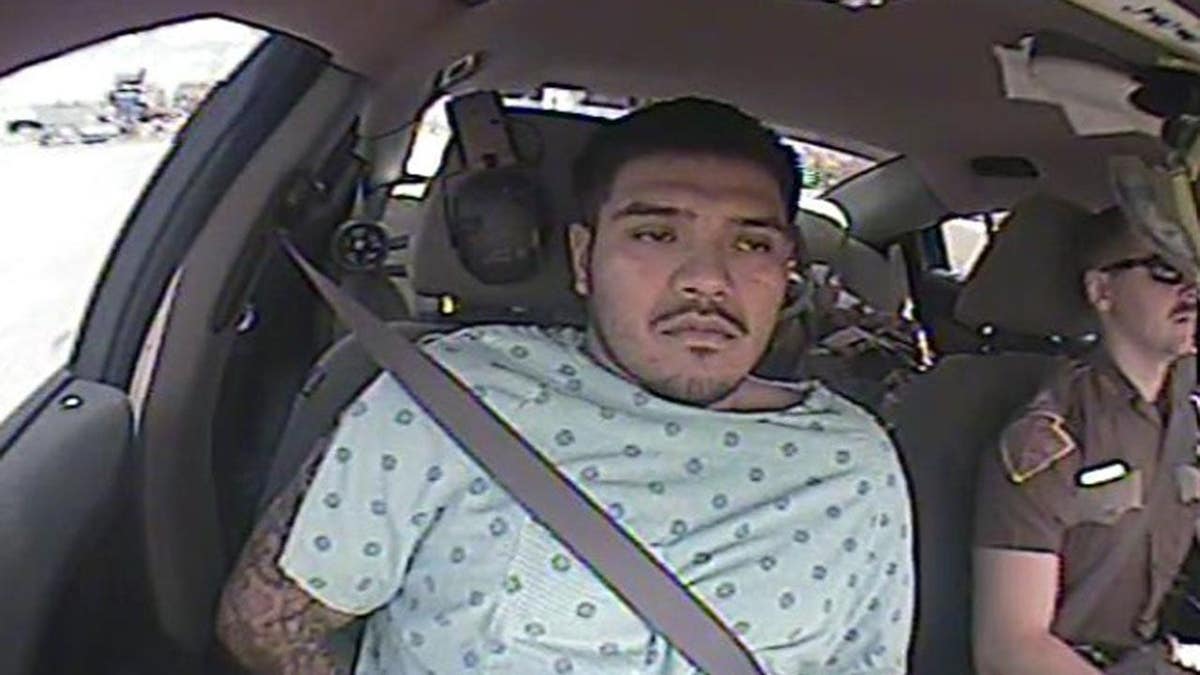
Michael Rosario-Cruz, 27, is charged with killing four people while driving on the wrong side of the road and intoxicated. (Oklahoma Highway Patrol)
The four victims were all between the ages of 18 and 20.
«These young men and women had their whole lives ahead of them. This tragedy was completely preventable,» DHS Secretary Markwayne Mullin said in a statement. «This illegal alien should has never been in our country. Join me in praying for the families, friends, and loved ones of these victims.»
Immigration and Customs Enforcement (ICE) has placed a detainer on Rosario-Cruz, who is currently being held at the Canadian County jail in Oklahoma.
The State Department revoking visas is just the first step in the process to remove a foreign national, according to Pigott.
«When that visa is revoked, there’s a couple different elements that can happen,» Pigott told Fox News Digital, explaining that whether a foreign national is deported depends on whether the Justice Department pursues criminal prosecution.
TRUMP ADMIN INVOKES 30-YEAR DORMANT TERROR COURT AS IT SEEKS TO DEPORT AFGHAN WOMAN TIED TO ELECTION DAY PLOT
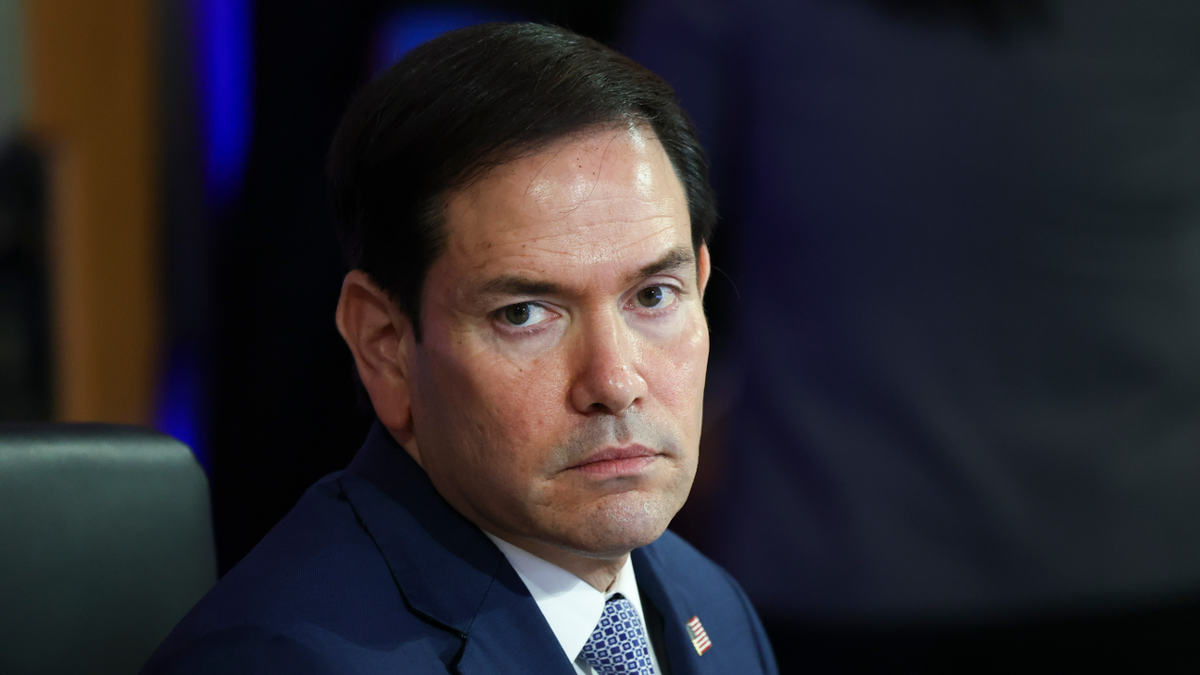
Secretary of State Marco Rubio attends the ASEAN Post-Ministerial Conference with U.S. on the sidelines of the ASEAN Foreign Ministers’ Meeting at the Philippine International Convention Center in Pasay, Metro Manila, Philippines, on July 22, 2026. (Eloisa Lopez/Pool Photo via AP)
«You could see someone leave the country after serving a prison sentence, for example,» Pigott said. «Ultimately, DHS then makes the termination about the next step of appropriate action, whether that’s deportation, whether that is deportation after serving prison sentence, so it really is a case-by-case basis.»
«But what the revoking of the visa does is that allows us to take appropriate action as a government to remove an individual from our nation based off of the conditions that they may be in currently and taking into other considerations such as the playing out of the judicial process,» Pigott continued.
SIGN UP TO GET THE POLITICS NEWSLETTER
Pigott said the administration’s visa policy is centered on continuous vetting and enforcement even after the visa is first issued.
«We’re going to do what’s necessary to protect the American people, we’re going to enforce our immigration law and we’re gonna make clear when it comes to this visa process we are going to continuously vet people here on visas — we’re going to have an America first visa policy,» Pigott said.
immigration, national security, migrant crime, border security, state department, deportation, homeland security
INTERNACIONAL
Daniel Quintero hizo balance de la Supersalud y lanzó una dura advertencia sobre el futuro de las EPS
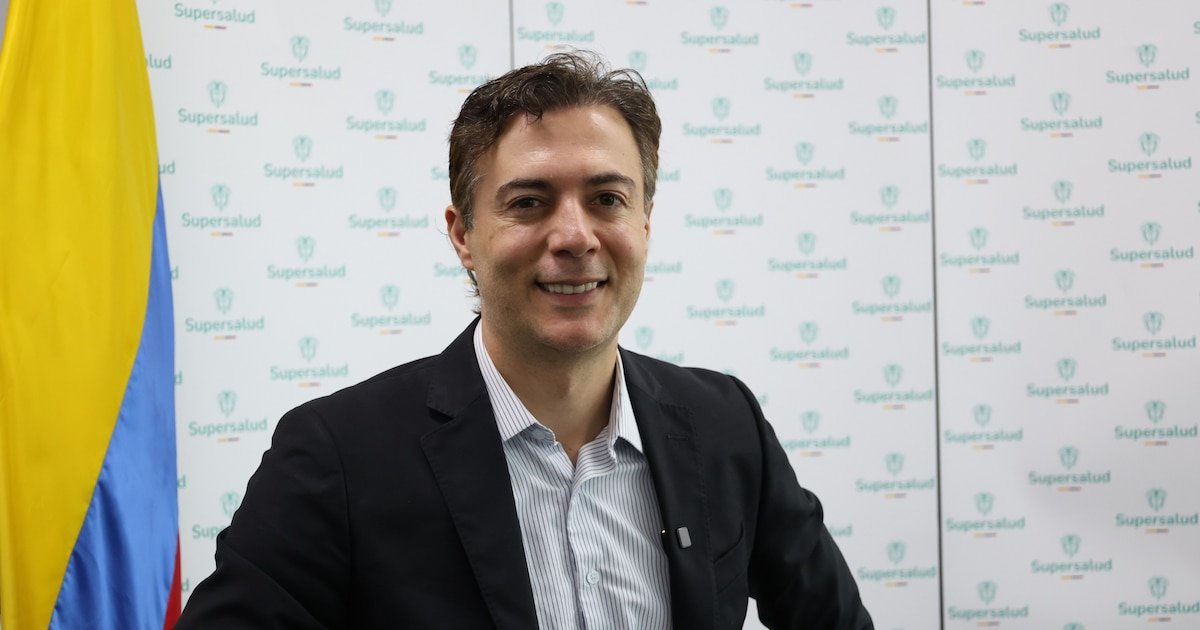
A pocas horas del cambio de mando presidencial, previsto para el 7 de agosto, la Superintendencia Nacional de Salud (Supersalud) presentó el balance de su gestión al cierre del gobierno de Gustavo Petro.
La rendición de cuentas llega en medio de un intenso debate sobre el futuro del sistema de salud, las intervenciones a las EPS, las dificultades de acceso a medicamentos y los cambios que tuvo la entidad en su dirección durante el último año.
En entrevista con Infobae Colombia, el superintendente nacional de Salud, Daniel Quintero, defendió la gestión de la entidad, aseguró que el principal cambio durante este periodo fue fortalecer la inspección y vigilancia del sistema y lanzó varias advertencias sobre los retos que enfrentará la próxima administración.
“La Superintendencia tiene que tener los dientes suficientes para garantizar que las EPS, los dispensarios y las IPS presten el servicio como debe ser”, afirmó.
El funcionario recordó que llegó a la entidad en medio de uno de los momentos más complejos para el sistema de salud. Sin embargo, sostuvo que, tras los primeros meses de gestión, encontró que buena parte de los problemas obedecían a fallas en la supervisión más que a la falta de recursos.
“Las medicinas sí estaban, pero no las entregaban. Lo que faltaba era que la Superintendencia ejerciera realmente vigilancia y control sobre los operadores del sistema”, aseguró.
Según el balance de la entidad, entre abril y julio de 2026 la Supersalud adelantó acciones de inspección y vigilancia sobre 170.645 reclamos en salud, culminó 9.504 auditorías, realizó 325 acciones regionales de control y mantuvo nueve EPS bajo medidas especiales, siete de ellas intervenidas y dos bajo vigilancia especial.

Entre los resultados que destacó Quintero figura una reducción del 35,4 % en las quejas relacionadas con la entrega de medicamentos frente al mismo periodo del año anterior. También aseguró que el tiempo de respuesta para la atención de niños con riesgo vital pasó de 48 horas a ocho horas.
“Creo que son de los logros importantes, aunque también dejan en evidencia que el sistema necesita cambios estructurales”, señaló.
Uno de los apartes más fuertes de la entrevista estuvo relacionado con las presuntas irregularidades detectadas durante su gestión. Quintero aseguró que el mismo día que asumió el cargo recibió una propuesta para ingresar a un esquema de corrupción.
“Una persona me hizo una propuesta para entrar en todo ese modelo de corrupción y de mafias del sistema, con un esquema de coimas para pagar facturas a un proveedor de forma particular”, afirmó, al indicar que el caso fue puesto en conocimiento de la Fiscalía.

El funcionario también aseguró que auditorías realizadas por la entidad detectaron presuntas irregularidades en el manejo de recursos del Fondo Nacional de Prestaciones Sociales del Magisterio (FOMAG) y anticipó nuevos hallazgos en algunos entes territoriales.
Respecto a las nueve EPS bajo medidas especiales, Quintero explicó que la decisión buscó proteger a los usuarios y a la red hospitalaria, e impedir procesos de liquidación que afectaran la continuidad de los servicios.
“Se interviene porque están muy mal. Lo que hace el Gobierno es quitarles el control a quienes llevaron esas entidades a esas condiciones para proteger a los pacientes y a los prestadores”, afirmó.
El superintendente denunció que detrás de las liquidaciones hay un patrón deliberado. Según describió, las EPS se endeudan con la red prestadora, desvían los recursos y luego quiebran de forma programada. Los pacientes pasan entonces a otra EPS, cuyos dueños comienzan a recibir los recursos per cápita del sistema.

“Nos están robando la plata de frente y están matando a los pacientes de frente con un modelo de quiebras programadas”, advirtió.
Quintero, cifró en 150 las EPS liquidadas en los últimos 20 años y destacó que durante el gobierno Petro no se liquidó ninguna. Lanzó una advertencia directa sobre lo que, a su juicio, viene con la nueva administración: “El nuevo gobierno ya anunció que va a volver al modelo de quiebras programadas, que termina quebrando a las IPS, a las clínicas, a los hospitales, muchas de ellas públicas”.
Durante la entrevista, Quintero reiteró sus críticas a la Ley 100 y sostuvo que los problemas del sistema obedecen a incentivos que, según él, favorecen la negación de servicios y la demora en la entrega de medicamentos.
“Cada vez que una persona compra sus propios medicamentos, hay una EPS ganando plata. Esa es la verdad”, afirmó.

Sobre el acceso a diagnósticos, advirtió que retrasar los exámenes médicos es tan grave como negar los medicamentos. “Cuando tú mandas el examen médico para el próximo año, lo que termina pasando es que ese paciente no se da cuenta de que necesita la medicina”, explicó.
Cerró su diagnóstico con una conclusión categórica: “Si no hay una reforma a la salud, este sistema seguirá robándose la plata de los colombianos y matando a los pacientes”.
Quintero indicó que uno de sus aportes al cierre de la gestión fue dejar proyectada una transformación tecnológica de la Supersalud. La entidad dejó reservados más de 150.000 millones de pesos para inversión tecnológica, con un plan que incluye el fortalecimiento de la gobernanza de datos, la implementación de inteligencia artificial para el trámite de aproximadamente 3.100 tutelas diarias y la modernización de plataformas digitales.
“Hay procesos que deberían demorar 20 días y están demorando un año, y eso no se va a resolver si no se usa tecnología de punta”, afirmó.

El funcionario reconoció que su paso por la entidad fue breve y que priorizó dejar la planificación lista antes que ejecutar los recursos directamente. “Más que ejecutarlo yo, lo que creo que puedo aportar es, con el conocimiento que tengo en temas de tecnología, decirles qué se necesita hacia adelante”, explicó.
Quintero, dejó un llamado expreso al próximo superintendente: que conozca del tema o se acompañe de personas con conocimiento tecnológico para ejecutar la transformación prevista.
Al referirse al relevo de mando, Quintero señaló que la próxima administración enfrentará tres retos principales: fortalecer la inspección y vigilancia del sistema, garantizar el flujo oportuno de recursos hacia clínicas y hospitales, y avanzar en una reforma que, a su juicio, corrija las fallas estructurales del modelo de salud.

El funcionario también envió un mensaje a los ciudadanos frente al cambio de gobierno: “Nos va a tocar resistir estos cuatro años. Espero que se les enternezca el corazón a quienes van a gobernar”.
Finalmente, hizo un llamado a mantener la vigilancia sobre las decisiones que adopte la próxima administración en materia de salud. “El reto más grande que vamos a tener los colombianos es ver qué están haciendo y cómo lo están haciendo, porque sin duda hay un riesgo muy grande en cómo se va a administrar la salud de los colombianos”, concluyó.
hepatitis,hospital,paciente,ictericia,enfermera
Six US hostages currently held in Iran
Chief National Security Correspondent Jennifer Griffin highlights the precarious situation of six Americans held hostage in Iran, including Kamran Hekmati and journalist Reza Valizadeh.
NEWYou can now listen to Fox News articles!
Former U.S. Marine Robert Gilman, who has been held in a Russian prison since 2022, could be close to death, advocacy groups representing his family warned Thursday.
They also say Gilman is being fed through a tube after falling into a catatonic-like state.
Hostage advocacy groups and Gilman’s sister indicated the former service member may have been tortured and injected with mind-altering drugs before falling into a stupor in June, Reuters reported.
Eric Lebson, chief strategy officer of Global Reach, an advocacy group representing Gilman’s family, told Fox News Digital that Gilman has been unable to eat on his own for more than six weeks.
US PILOT AND INFLUENCER RELEASED FROM CHILEAN ANTARCTIC DETENTION 2 MONTHS AFTER ALLEGED UNAUTHORIZED LANDING
Gilman’s legal troubles escalated since his 2022 arrest for a train disturbance while he was traveling to replace his passport. (Reuters/Vladimir Lavrov)
Gilman was transferred in late June from a prison hospital to the psychiatric ward of a civilian emergency hospital in Voronezh after entering what was assessed as a «dissociative stupor,» Lebson said.
«For the past 46 days, he has been fed through a tube,» Lebson added.
«The Russians have not been responsive,» he said before adding that the Russians have also «not allowed his mother to see him, which raises our level of concern that something serious has now happened.»
Lebson said the Russian hospital also barred his mother from visiting him despite a judicial order allowing her to see her son.
«She flew to Russia, and they are not allowing her to come and do what is needed to get him out of a stupor,» Lebson said.
«His mother and lawyer have been prohibited from seeing him since he was moved to the civilian hospital 46 days ago.»
NATIONAL GUARDSMAN ACCUSED OF SEEKING TO SEND PHOTOS OF SENSITIVE MILITARY TECHNOLOGY TO RUSSIA
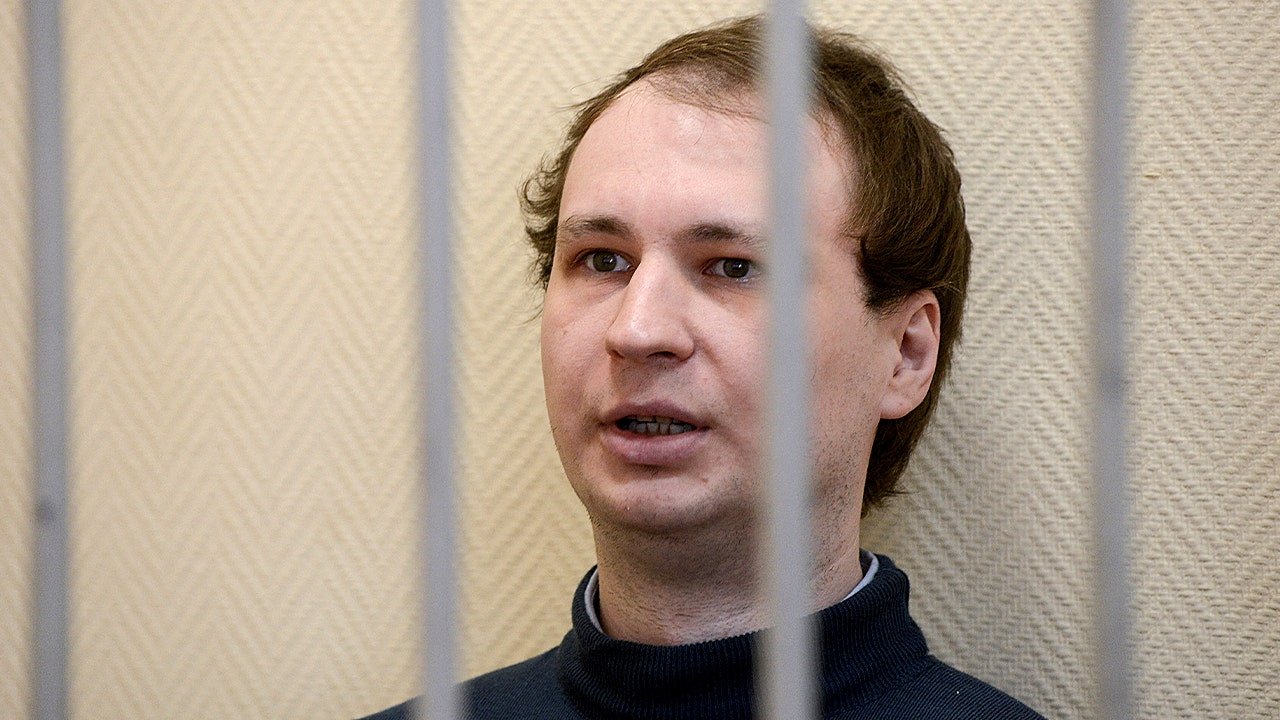
Robert Gilman now faces 10 years total after a Voronezh court adds two more years for allegedly attacking guards. (Reuters/Vladimir Lavrov)
According to Lebson, the White House and the State Department have urged Moscow to release Gilman so he can receive urgent medical treatment in the United States.
«The State Department and the National Security Council have been very actively engaged in communication about the need for Robert to be released on an emergency basis,» he clarified.
Another advocacy group following the case also expressed concern for Gilmam’s safety.
«It doesn’t seem like he’s getting the care he needs, and we are very concerned for his life and safety,» Elizabeth Richards, director of hostage advocacy and research at the Foley Foundation, which has tracked Gilman’s case, told Reuters.
Secretary of State Marco Rubio raised Gilman’s case with Russian Foreign Minister Sergey Lavrov during a meeting in Manila July 23, according to Reuters.
Gilman is one of at least 10 Americans known to be imprisoned in Russia.
US AND QATAR SECURE RELEASE OF AMERICAN CITIZEN AMIR AMIRY FROM AFGHANISTAN DETENTION

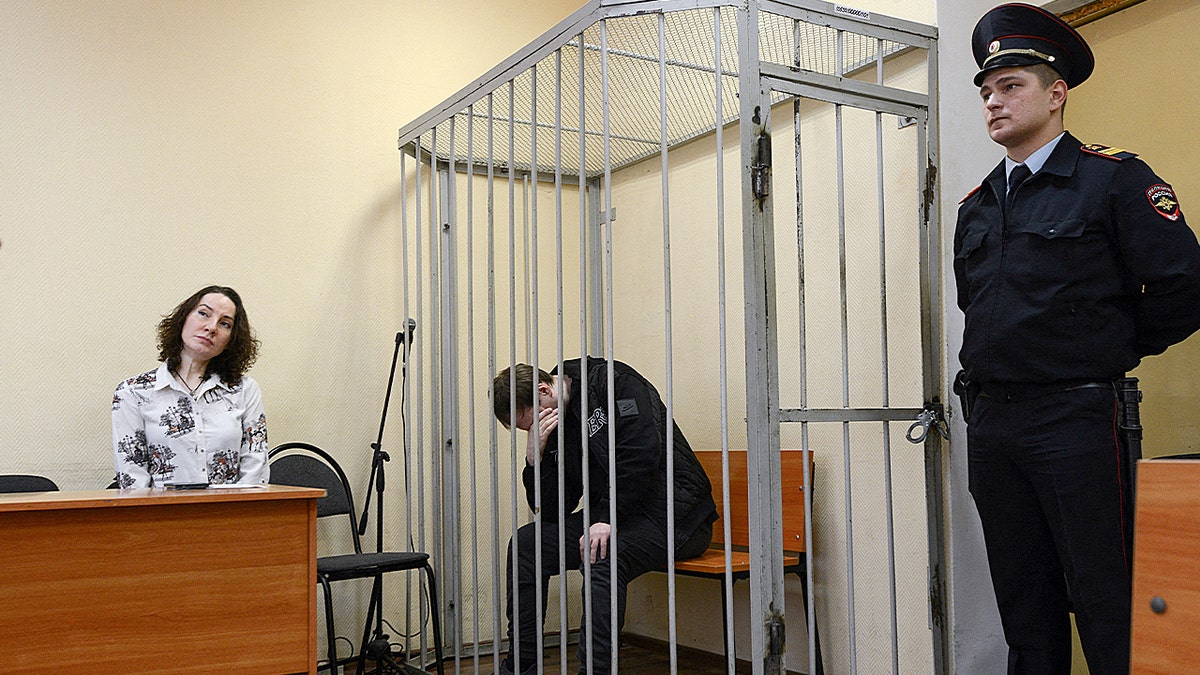
The former U.S. Marine got two more years in Russian prison for assault. (Reuters/Vladimir Lavrov)
«We are deeply concerned about Robert Gilman’s health and continued detention,» the State Department said in a statement.
«I am more afraid for my brother than I have been since this horrible nightmare started,» Gilman’s sister, Lexie Hudson, said in a statement.
«I’m worried that I may never see him again if the Russians don’t release him. I’m worried that he could die.»
As previously reported by Fox News Digital, Gilman, of Dracut, Massachusetts, was first arrested in January 2022 after fellow train passengers reported he was intoxicated and causing a disturbance while traveling from Sochi to Moscow to replace a damaged passport.
AMERICAN JOURNALIST AHMED SHIHAB-ELDIN ACQUITTED ON ALL CHARGES AFTER 52 DAYS DETAINED IN KUWAIT, FAMILY SAYS
Secretary of State Marco Rubio attends the ASEAN Post-Ministerial Conference in Pasay, Metro Manila, Philippines, July 22, 2026. (Eloisa Lopez/Pool Photo via AP)
He was convicted later that year of assaulting a police officer and sentenced to 3½ years in prison. Gilman later told the court he believed his drink had been spiked.
His legal troubles escalated while in custody after he was convicted in separate incidents involving altercations with prison staff and an investigator.
In December, Russian state media reported that a regional court extended Gilman’s sentence, bringing his total prison term to 10 years.
Vladimir Gilman, Robert’s father, previously said the family asked the State Department in March 2023 to designate his son as wrongfully detained, a status that would make securing his release a top U.S. government priority.
In a statement, a senior administration official told Fox News Digital that President Trump’s administration is «closely tracking Mr. Gilman’s case and has made repeated, concerted outreach to the Russians calling for his return to the United States.»
russia, world, fox news media, human rights, military

Casación confirmó los procesamientos de De Vido y su esposa en una causa por enriquecimiento ilícito

Villarruel defendió la autorización excepcional a Fernández Sagasti para que votara de manera virtual

Foreign drunk drivers could face swift boot out of country under Trump’s ‘America first’ crackdown

Encontraron a Zulma Lobato en Paraná y ya coordinan su regreso a Buenos Aires: “Conseguimos un techo para ella”

Ley de inviolabilidad de la propiedad privada: Patricia Bullrich bloqueó la votación a distancia de Anabel Fernández Sagasti

Tras retirar el capítulo sobre tierras, el Gobierno asegura que tiene los votos para la media sanción de la Ley de propiedad privada

Javier Milei cruzó a Victoria Villarruel y elevó la tensión: “Es una opositora, replica los argumentos kirchneristas”

Ohio GOP family feud explodes as Sen Bernie Moreno calls on Rep Max Miller to resign

Elecciones 2027: qué dijo Miguel Ángel Pichetto sobre una posible candidatura a presidenta de Victoria Villarruel

El jugador de la Selección que fue el primero en meter un gol post Mundial y habló sobre el subcampeonato
-

 ECONOMIA1 día ago
Dólar hoy en vivo: a cuánto se negocian todas las cotizaciones minuto a minuto este miércoles 5 de agosto
-

 POLITICA1 día ago
Brasil retira a su embajador en la Argentina: qué consecuencias tiene la medida diplomática
-

 POLITICA1 día ago
Las centrales obreras y los movimientos sociales anunciaron dos días de conflicto callejero