
INTERNACIONAL
As Trump forces NATO to pay up, alliance races to close military gap with US

NEWYou can now listen to Fox News articles!
This is part one of a series examining the challenges confronting the NATO alliance.
NATO has become a «bloated architecture» too dependent on American military power, former senior national security advisor Keith Kellogg told Fox News Digital.
As President Donald Trump pressures NATO allies to spend more on defense — ordering the withdrawal of 5,000 U.S. troops from Germany and signaling possible cuts in Spain and Italy — a deeper concern is emerging inside the alliance: despite years of rising European defense budgets, NATO still depends heavily on American military power, from missile defense and intelligence to logistics and nuclear deterrence.
The growing gap between political commitments and real military capability is now fueling calls for structural changes inside the alliance as NATO confronts mounting threats from Russia and instability in the Middle East.
TRUMP ‘RIGHT TO BE OUTRAGED’ BY EUROPE’S BETRAYAL ON IRAN, SAYS FORMER THATCHER ADVISOR
NATO’s imbalance is not theoretical — and it is not new, retired Lt. Gen. Keith Kellogg told Fox News Digital, «I told the president… maybe you ought to talk about a tiered relationship with NATO,» Kellogg described conversations with Trump in his first term about the alliance’s future. «…we need to develop a new, for lack of a better term, a new NATO a new defensive alignment with Europe.»
Kellogg added the alliance has expanded politically but not militarily — creating what he sees as a growing gap between commitments and real capability.
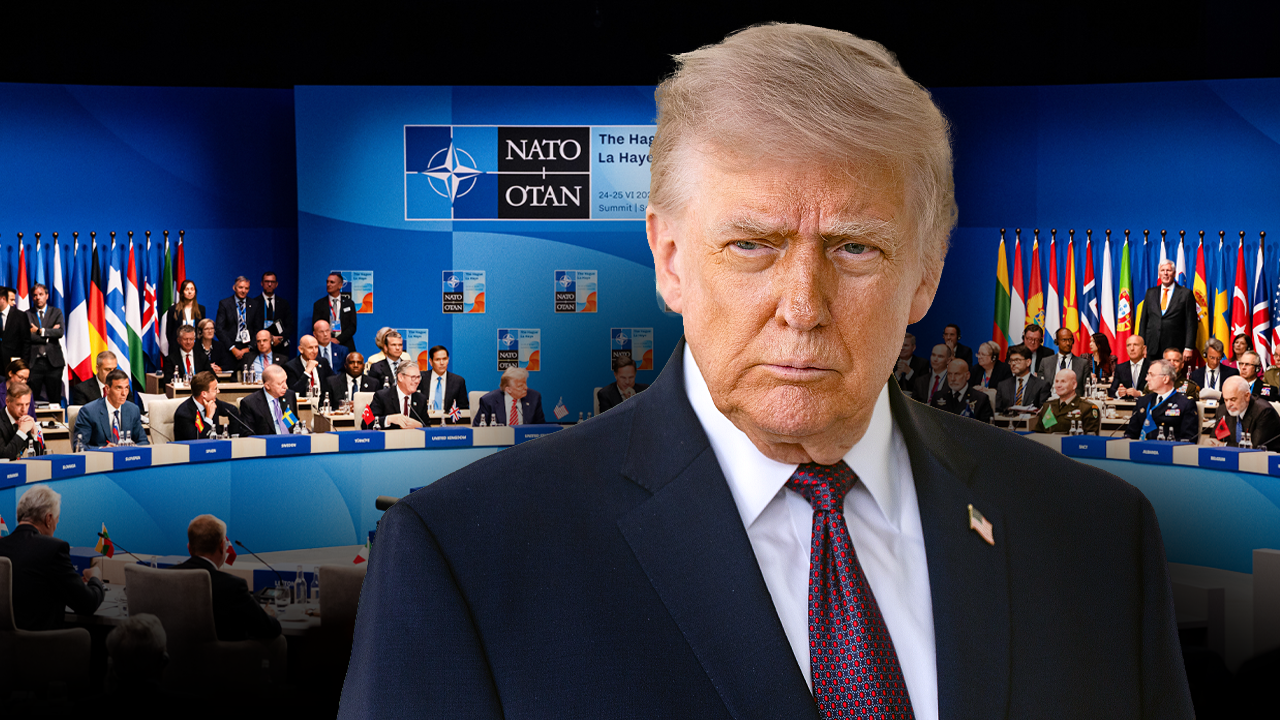
NATO Secretary-General Mark Rutte, President Donald Trump and Britain’s Prime Minister Keir Starmer pose during the NATO Heads of State and Government summit in The Hague, Netherlands, on June 25, 2025. (Ben Stansall/Pool/Reuters)
«You started with 12, and you went to 32, and in the process, I think you diluted the impact,» he argued, calling today’s NATO «a very bloated architecture.»
«They haven’t put the money into defense. Their defense industry and defense forces have atrophied. When you look at the Brits right now, they could barely deploy forces: they have two aircraft carriers, both under maintenance. Their brigades are like one out of six that work. And you just look at the capability, it’s just not there. So I think we need to realize that and say, well, we need something different,» Kellogg, who is the co-chair of the Center for American Security at the America First Foreign Policy Institute, told Fox News Digital.
But not everyone agrees the alliance is losing relevance.
«It has never been more relevant,» said John R. Deni, a research professor at the U.S. Army War College, who says NATO remains central to U.S. national security.
«The reason for that is twofold,» he said. «One, it’s our comparative advantage versus the Chinese and the Russians… they don’t have anything like this.»
«And the second reason… NATO underwrites the security and stability of our most important trade and investment relationship,» he added, referring to economic ties between North America and Europe.
NATO ALLIES CLASH AFTER RUSSIAN JETS BREACH AIRSPACE, TESTING ALLIANCE RESOLVE
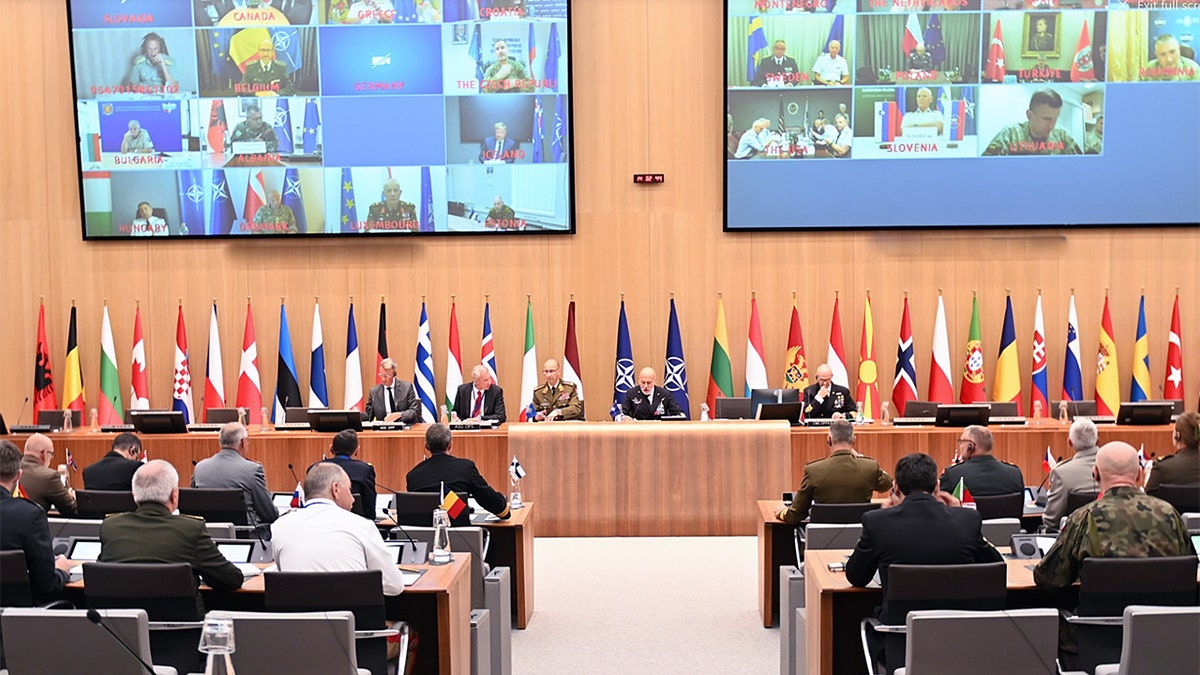
NATO chiefs of defense hold a meeting in Brussels on Aug. 20, 2025, with screens displaying allied leaders joining remotely to discuss Ukraine. (Fox News)
Dependence: Design or Weakness?
By around 2010, the United States accounted for roughly 65% to 70% of NATO defense spending, according to analysis provided by Barak Seener from the Henry Jackson Society, a London-based think tank.
«They’ve always been dependent on the U.S.,» Kellogg said of the European allies.
«The allies overall rely upon one another for deterrence and defense by design,» Deni said, explaining that alliances exist to «pool their resources» and «aggregate their individual strengths.»
Deni pointed to ground forces as a clear example of what the U.S. gains from the alliance, noting that «there are far more allied mechanized infantry forces on the ground than there are Americans.»
NATO CHIEF SIGNALS ALLIES MAY ACT ON HORMUZ, WARNS OF ‘UNHEALTHY CODEPENDENCE’ ON US
Still, he acknowledged that reliance has at times gone too far.
«In the past… it was fair to say that the European allies were overly reliant upon the Americans for conventional defense,» he said, pointing to the 2000s.
That, he said, was partly driven by U.S. priorities — as Washington pushed European allies to focus on wars in Afghanistan and Iraq rather than territorial defense.
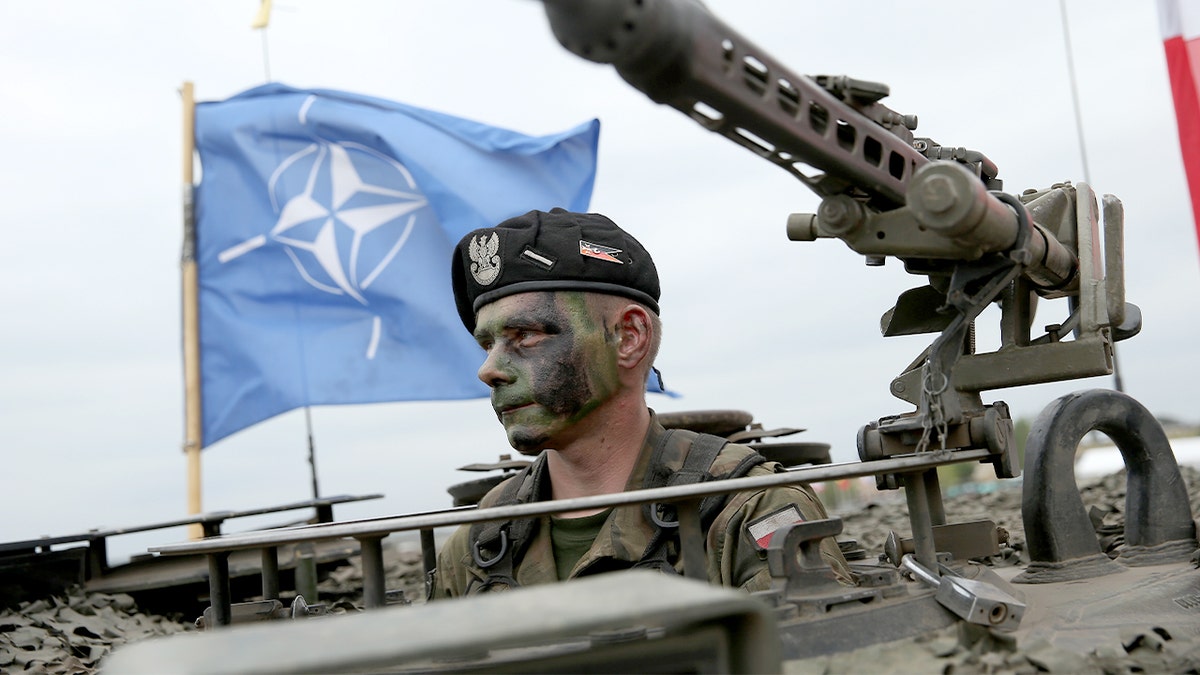
A Polish Army soldier sits in a tank as a NATO flag flies behind during the NATO Noble Jump VJTF exercises on June 18, 2015, in Zagan, Poland. (Sean Gallup/Getty Images)
Seener describes NATO as «formally collective, but functionally asymmetric,» with the U.S. providing a disproportionate share of «high-end capabilities.»
That asymmetry is most visible in nuclear deterrence.
Seener said the U.S. provides the overwhelming majority of NATO’s nuclear arsenal — including intercontinental ballistic missiles, submarine-launched systems and strategic bombers — meaning deterrence ultimately relies on the assumption of U.S. retaliation.
A NATO official told Fox News Digital that, «The U.S. nuclear deterrent cannot be replaced, but it is clear that Europe needs to step up. There’s no question. There needs to be a better balance when it comes to our defense and security. Both because we see the vital role the U.S. plays around the world and the resources that it demands, and also because it is only fair.»
«The good news,» the official added, «is that the Allies are doing exactly that. They are stepping up, working together — and with the U.S. — to ensure we collectively have what we need to deter and defend one billion people living across the Euro-Atlantic area.»
NATO LAUNCHES ARCTIC SECURITY PUSH AS TRUMP EYES GREENLAND TAKEOVER
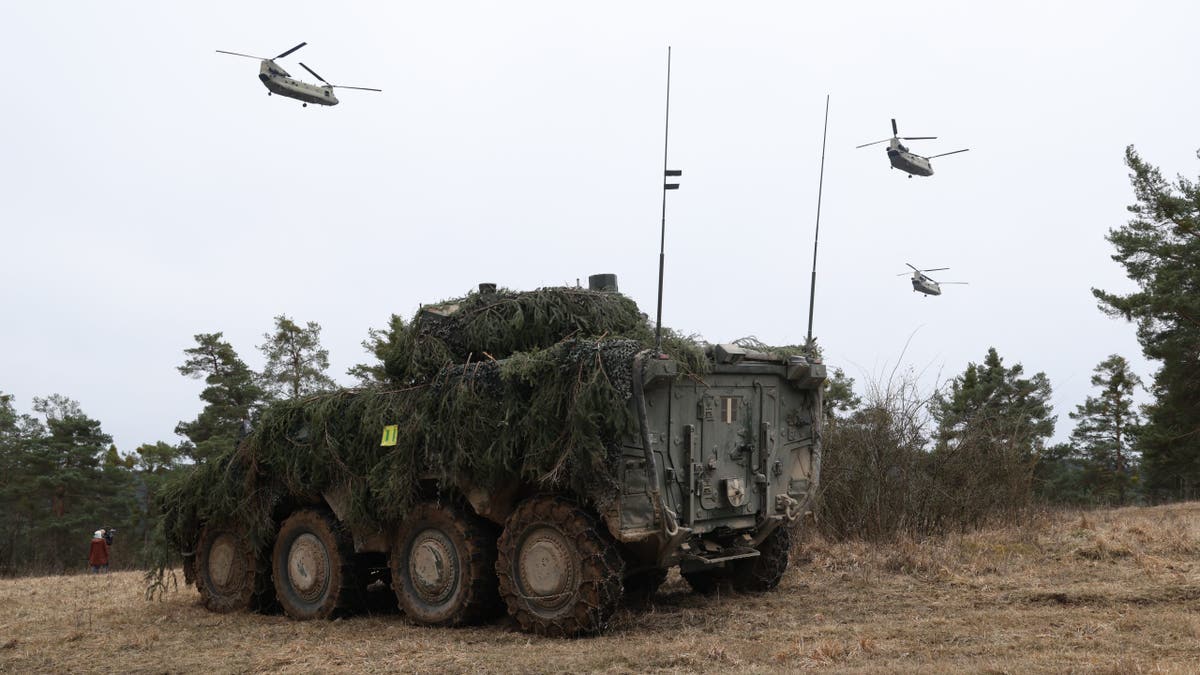
Boeing CH-47 Chinook helicopters of the U.S. Army 12th Combat Aviation Brigade fly over a Lithuanian Vilkas infantry fighting vehicle during the Allied Spirit 25 military exercise near Hohenfels, Germany, on March 12, 2025.
The Systems NATO Cannot Replace
Beyond nuclear weapons, the dependence runs through the alliance’s operational backbone.
Seener pointed to U.S.-provided intelligence, surveillance and reconnaissance — as well as logistics and command systems — as essential to NATO operations.
«Without U.S. intelligence and surveillance, NATO loses situational awareness and early warning capabilities,» Seener said, adding, «So that means that Russia, for example, can attack Europe. And theoretically, if there’s no NATO and the U.S. is not involved, Europe would not be aware, or it would take it too long to be able to defend itself.»
Kellogg also says that much of Europe’s military capability falls short of top-tier systems.
«For the most part, their equipment, if you had to grade it A, B, C, D, E, F, they’re kind of like B players or C players,» he said. «It’s not the first line of work.»
He pointed to air and missile defense as a key gap, noting that while European countries rely on U.S.-made systems such as Patriot and THAAD, «they don’t have a system that’s comparable.»
Kellogg attributed that to years of underinvestment, saying European defense industries «have atrophied,» adding that the United States is also now «relearning that as well.»
TRUMP AFFIRMS US ‘WILL ALWAYS BE THERE FOR NATO,’ WHILE EXPRESSING DOUBTS ABOUT ALLIANCE
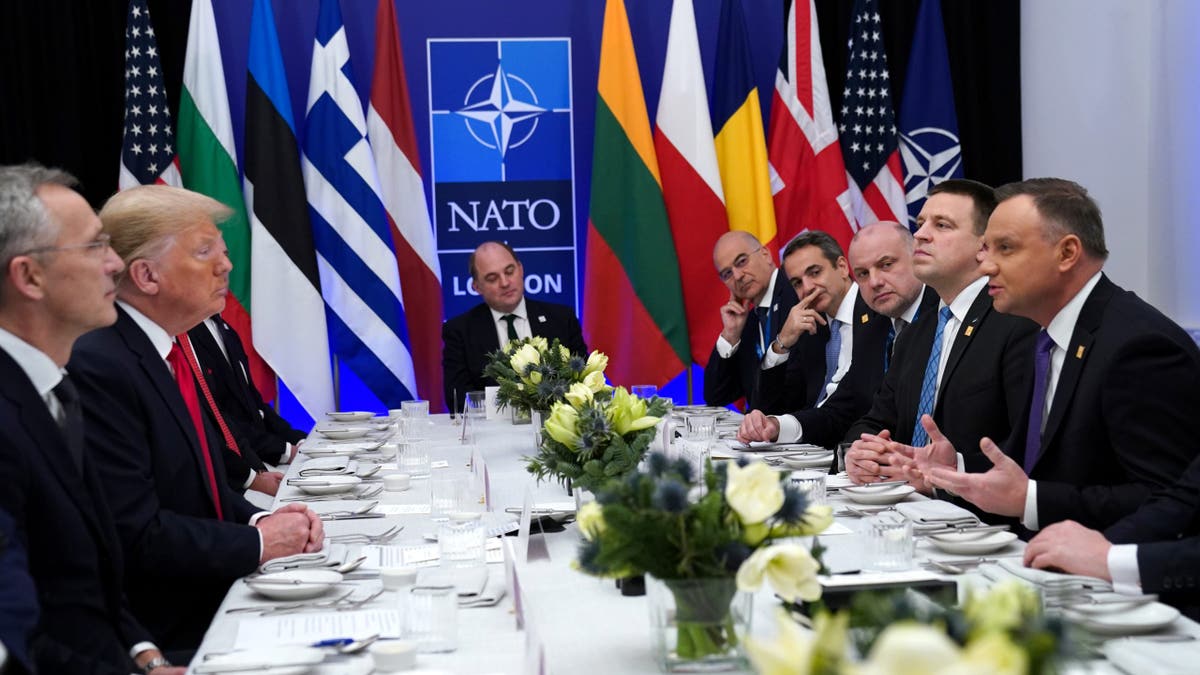
President Donald Trump and Poland’s President Andrzej Duda talk during a working lunch at the NATO leaders summit in Watford, Britain, on Dec. 4, 2019. (Kevin Lamarque/Reuters)
Deni said the picture today is more mixed.
«Alliance defense spending has been up… and has spiked far more after 2022,» he said, pointing to Russia’s invasion of Crimea in 2014 as a turning point.
But he cautioned that capability gains take time, noting that many improvements are still years away from full deployment.
Deni pointed to recent European purchases of U.S. systems as evidence of growing capability, noting that countries including Poland, Romania, Norway and Denmark are acquiring the F-35 fighter jet from the U.S.
«You can’t build an F-35 overnight,» he said, adding that many of these improvements will take years to fully materialize.
A NATO official told Fox News Digital the alliance «needs to move further and faster» to meet growing threats, pointing to new capability targets agreed by defense ministers in June 2025.
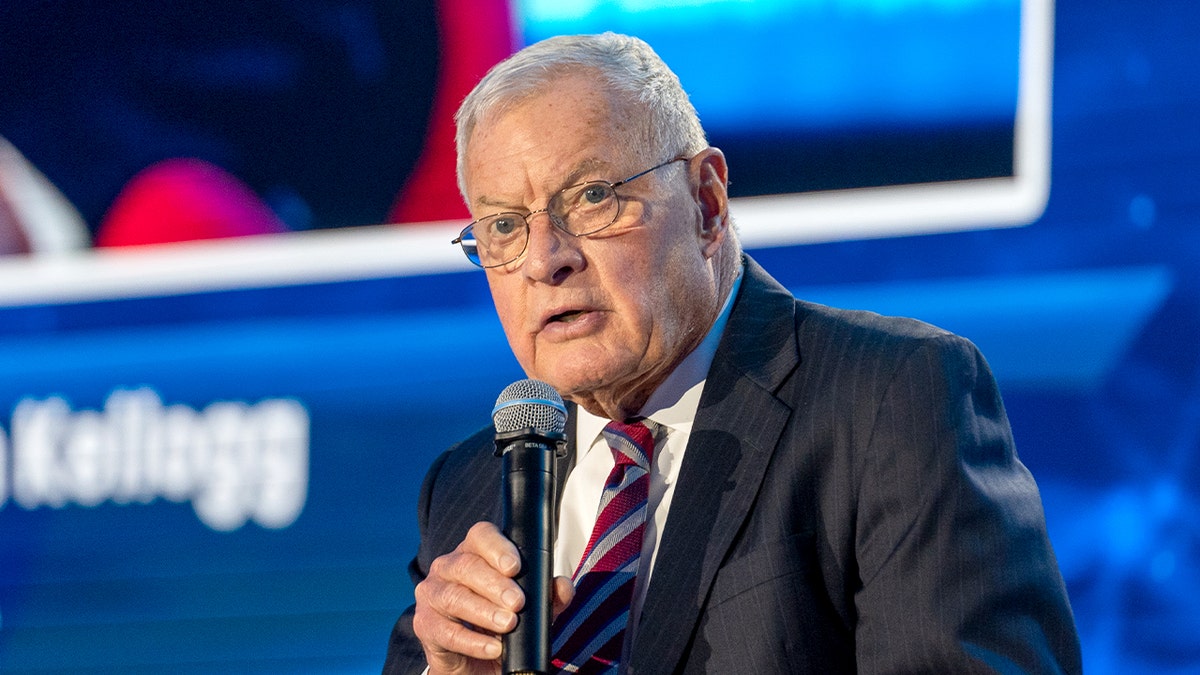
Keith Kellogg speaks during the Warsaw Security Forum on Sept. 30, 2025, in Poland. (Marek Antoni Iwanczuk/NurPhoto via Getty Images)
The official said priorities include air and missile defense, long-range weapons, logistics and large land forces, noting that while details remain classified, plans call for a fivefold increase in air and missile defense, «thousands more» armored vehicles and tanks, and «millions more» artillery shells. NATO also aims to double key enabling capabilities such as logistics, transportation and medical support.
The official added that allies are increasing investments in warships, aircraft, drones, long-range missiles, as well as space and cyber capabilities, while boosting readiness and modernizing command and control.
«These targets are now included in national plans,» the official said, adding that allies must demonstrate how they will meet them through sustained defense spending and capability development.
The NATO official also noted that European allies lead multinational forces across Central and Eastern Europe, while the U.S. and Canada serve as framework nations in Poland and Latvia, alongside ongoing air policing missions and NATO’s KFOR operation in Kosovo.
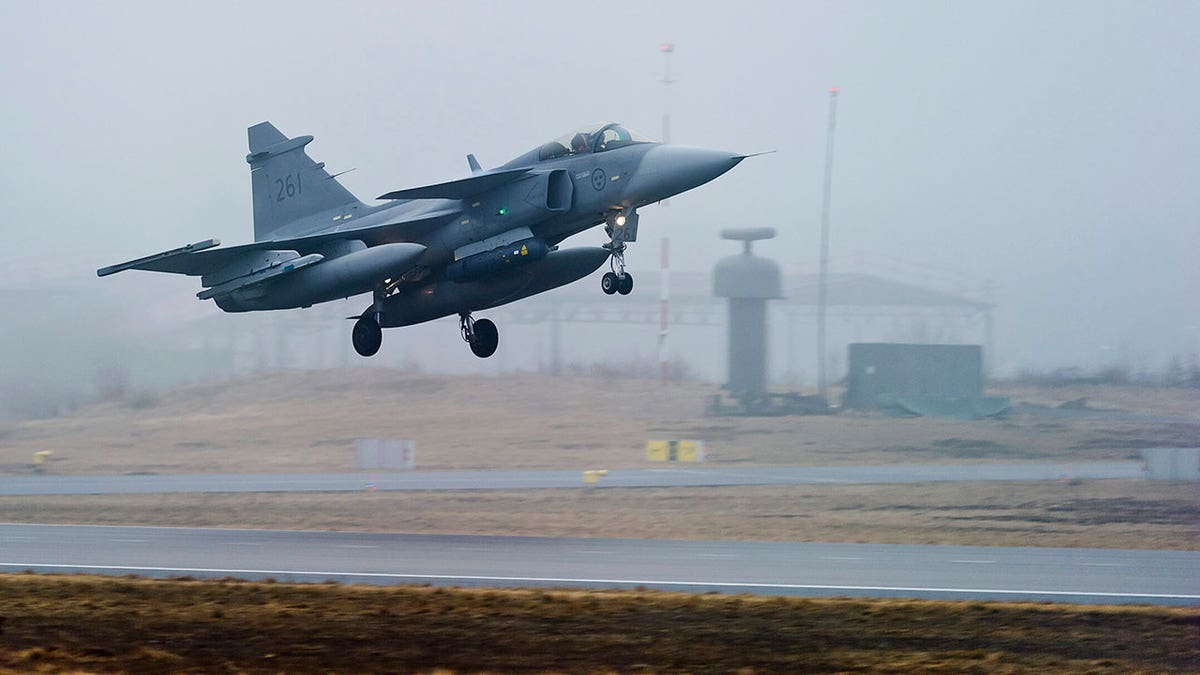
A Swedish Air Force JAS 39 Gripen fighter aircraft takes off from southern Sweden on April 2, 2011. (AP Photo/Scanpix/Patric Soderstrom, File)
What happens if the U.S. is stretched?
Kellogg’s warning is direct: NATO’s deterrence depends on U.S. presence.
«The one you always have to worry about… is Russia,» Kellogg, who was Trump’s special envoy for Ukraine and Russia in 2025, said.
If U.S. forces are tied down elsewhere, NATO could face serious strain — particularly in areas like intelligence and logistics.
For Kellogg, the danger is delay. «We won’t know until it happens,» he said. «And then you won’t be able to respond to it.»
Deni, however, said the alliance remains a strategic asset — not a liability.
CLICK HERE TO DOWNLOAD THE FOX NEWS APP
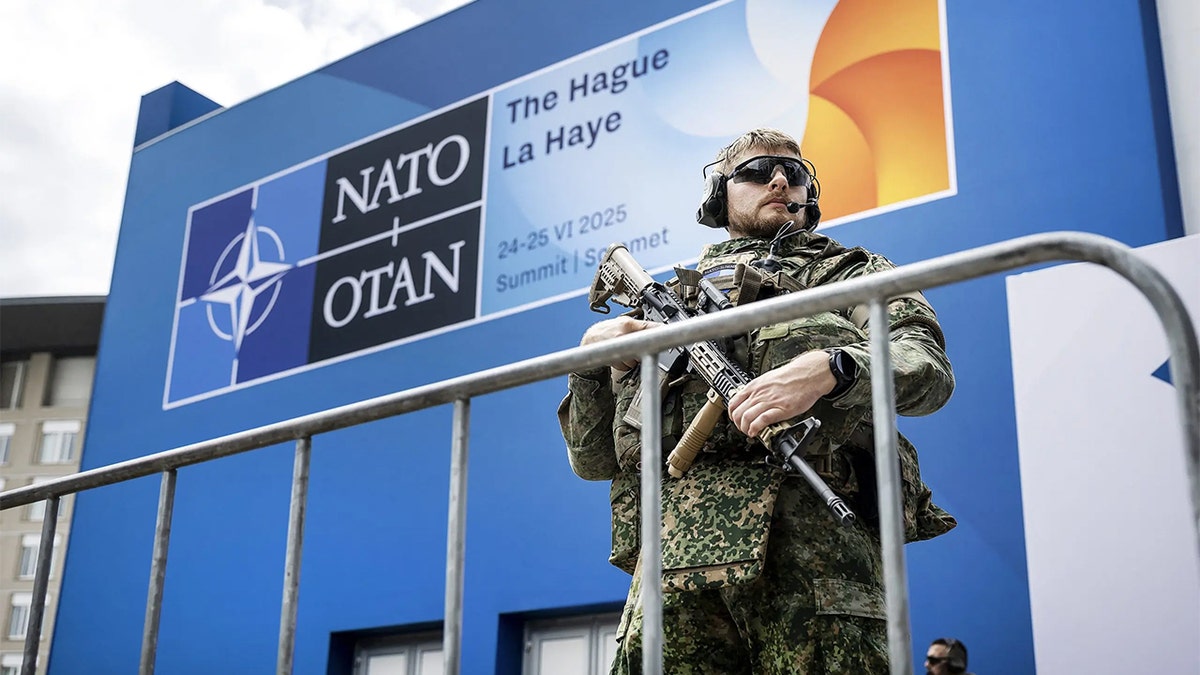
A NATO military force stands guard outside the World Forum in The Hague ahead of the two-day NATO summit on June 22, 2025. (Remko de Waal/ANP/AFP)
The question, he suggests, is not whether NATO still works. It is whether allies can adapt fast enough to keep it working.
nato, defense, national security, alliances, spending










INTERNACIONAL
Más presión sobre la isla: Estados Unidos sancionó al ministro de las Fuerzas Armadas y a la cúpula de la industria militar de Cuba

Estados Unidos anunció este jueves sanciones contra el ministro de las Fuerzas Armadas cubano, general Álvaro López Miera, así como responsables y cinco empresas del sector industrial militar de la isla.
Los sancionados están implicados en «la adquisición y el mantenimiento de armas y equipo militar en el extranjero destinados a las fuerzas militares y de seguridad», explicó el comunicado del Departamento de Estado. Estados Unidos considera que Cuba es un Estado que «apoya el terrorismo».
Las sanciones alcanzan al ministro López Miera y a su viceministro Roberto Legrá, al que se acusa de estar involucrado en la compra de armamento ruso. También abarcan a altos funcionarios del ministerio.
Asimismo, fue sancionada la coronel Mónica Milián Gómez, agregada militar en la embajada en Moscú, que medios de comunicación en el exilio acusan de estar involucrada en el supuesto reclutamiento de cubanos para participar en la guerra contra Ucrania. Waldo Pérez Cortés, agregado militar en la embajada cubana en Beijing, también es sancionado.
La lista incluye a entidades como Tecnoimport, Duna, Unión de Industria Militar (UIM) y la empresa Yuri Gagarin, todas ellas especializadas en la compra y reparación de equipamiento militar.
Hace diez días, Estados Unidos había anunciado sanciones contra el ministro de Salud cubano, José Ángel Portal Miranda, y la red de brigadas médicas en el extranjero, la principal fuente de divisas del gobierno comunista.
Las sanciones también afectan a tres entidades cubanas del sector energético y a otras cuatro asociadas al conglomerado militar y empresarial Gaesa, algunas de las cuales habían cambiado de estatuto o habían sido transferidas para intentar evitar sanciones estadounidenses previas, explicó el Departamento de Estado en su comunicado.
El envío de brigadas médicas al extranjero constituye la principal fuente de ingreso de divisas del gobierno comunista de Cuba, con 7.000 millones de dólares en 2025, según cifras oficiales.
Para el año pasado, unos 24.000 médicos y otros profesionales cubanos de la salud trabajaban en 56 países.
Washington también castigó hace 20 días a las milicias populares cubanas, las brigadas de respuesta rápida y entidades oficiales o empresariales de la isla comunista, como parte de su campaña de presión económica.
El gobierno del presidente Donald Trump aplica desde enero un bloqueo petrolero contra la isla comunista que ha exacerbado los problemas energéticos y su crisis económica, la peor en décadas.
Las sanciones tienen como objetivo «los pilares interconectados» del aparato estatal y empresarial, explicó en su momento comunicado del Departamento de Estado.
En su calidad de «instrumentos de la represión», son sancionadas las milicias populares, dependientes del ministerio de las Fuerzas Armadas, las Brigadas de Respuesta Rápida y la Asociación de Combatientes de la Revolución, así como la corporación Antex.
Además también fueron sancionados el ministerio de Turismo, los grupos empresariales Gecomex, Caudal o Gemar, así como Enetec y Coreydan, ambas empresas del sector de importación y exportación de combustible.
Todas estas entidades ven confiscados sus bienes en Estados Unidos y se les prohíbe entablar relaciones comerciales con empresas o individuos en su territorio, así como el acceso a servicios financieros de cualquier tipo.
Varias de estas entidades están relacionadas con el conglomerado del ejército Gaesa, que es el principal gestor de la actividad económica en la isla.
Gaesa fue sometida a sanciones el 1 de mayo, y ya ha empezado a desprenderse de activos para intentar escapar a la presión económica.
En una nota explicativa por separado, el Departamento del Tesoro puntualizó que «no tiene la intención de perjudicar a personas no estadounidenses (…) por participar en transacciones que sean ordinariamente incidentales y necesarias para la liquidación de transacciones que involucren a GECOMEX, GEMAR o cualquier entidad en la que GECOMEX o GEMAR posean».
INTERNACIONAL
Thousands of migrants remain in Spanish territory after border rush, death toll hits about 100: Ceuta official

NEWYou can now listen to Fox News articles!
Between 3,000 and 5,000 migrants remain in Ceuta after hordes of mostly military-aged men rushed into the Spanish enclave from Morocco late last month, Ceuta’s president said Thursday.
While speaking from a video call during an extraordinary session of the European Parliament’s Committee on Civil Liberties, Justice and Home Affairs, Ceuta President Juan Jesus Vivas also revealed around 100 people died during the surge.
Authorities estimate roughly 80,000 migrants rushed into the territory within a 48-hour period in late July.
Vivas called the border crisis an «invasion» and «one of the most difficult moments in the recent history of our city.»
«According to the Dictionary of the Royal Spanish Academy, an ‘invasion’ should be understood in its second definition as the abnormal or irregular occupation of a specific place,» Vivas said, according to a Fox News Digital translation of his remarks, which he gave in Spanish.
AT LEAST 72 DEAD AMID MASS MIGRANT RUSH TO STORM SPANISH ENCLAVE OF CEUTA SPARKING BORDER CRISIS
Migrants run and cheer as they cross on foot into the North African enclave of Ceuta from Morocco, after swimming over from the Moroccan side and overwhelming police at the city’s breakwater, according to Spain’s Guardia Civil, in Ceuta, Spain, July 30, 2026. (FARO TV via Reuters)
«That is precisely what occurred on July 30 and 31, when approximately 80,000 people — equivalent to the entire population of Ceuta — stormed into our city. This characterization, moreover, aligns with the statement made by the President of the Government of Spain, who on Friday the 31st, during his visit to Ceuta, stated that we were facing an attack, a violation of Spain’s territorial integrity,» Vivas continued.
Echoing previous claims from Spain’s leftist President Pedro Sánchez and European Commission President Ursula von der Leyen, Vivas acknowledged roughly 75,000 of the migrants had returned to Morocco but added «under no circumstances does it allow us to claim that our city has returned to normal.»
«Ceuta has not returned to normal because between 3,000 and 5,000 people who entered during those fateful days of July 30 and 31 still remain,» Vivas said. «The reception centers for adult and minor migrants are in a state of collapse, turning the influx into a major humanitarian emergency.»
«Added to this are disruptions to public order and a high risk to public safety,» he continued. «Furthermore, the morale of Ceuta’s residents is severely affected. Our population feels sad, helpless, uneasy, fearful, and worried — and with good reason. It is inevitable to wonder whether this will happen again, and if that next time will be the definitive plunge into the abyss, causing us to cease being what we are: Spain and Europe. It has been exposed to the world that we are extraordinarily vulnerable, and that our security and integrity are in the hands of a third country, Morocco, which does not recognize our sovereignty.»

Migrants wait outside Ceuta’s temporary migrant center (CETI), which is currently at full capacity, following mass crossings of migrants on foot and by sea from Morocco into Spanish territory, in Ceuta, Spain, Aug. 3, 2026. (Pedro Nunes/Reuters)
He then proposed a set of actions authorities should take to return the city to normal. The proposals included expelling the remaining Moroccan migrants, provisioning more resources for the city’s migrant facilities, and the implementation of a new economic model which he called on to be «More Spain and More Europe.»
CEUTA MIGRANT SURGE EXPOSES SPAIN-MOROCCO TENSIONS AS ISLAMIST GROUPS REPORTEDLY SEEK TO EXPLOIT BORDER CRISIS
«We serve a society that has forged its character through courage to endure and the ability to overcome adversity. We are confident it will do so again, though I emphasize that the requested support from European authorities remains indispensable. Thank you very much,» Vivas concluded.
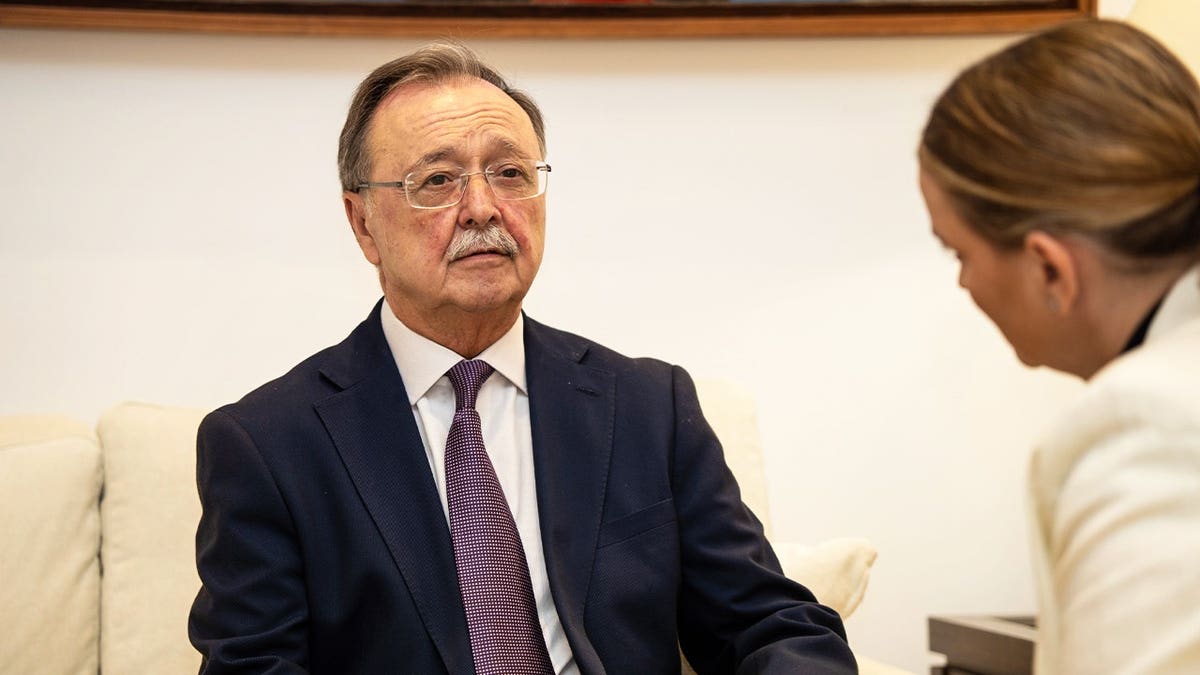
Ceuta President Juan Jesus Vivas seen during a meeting at the Consolat de Mar on Aug. 6, 2026, in Palma, Balearic Islands, Spain. The meeting takes place just one week after the unprecedented migration crisis at the border between Ceuta and Morocco. (Javier Fernandez/Europa Press via Getty Images)
Following the border rush between July 30-31, Sánchez called the incident «an attack, a violation of the territorial integrity of Spain.»
Fox News Digital contacted the governments of Spain and Ceuta for additional comment.
illegal immigrants, europe, border security, spain, world
INTERNACIONAL
House GOP launches probe into 5 major labor unions over Dem spending despite MAGA membership base
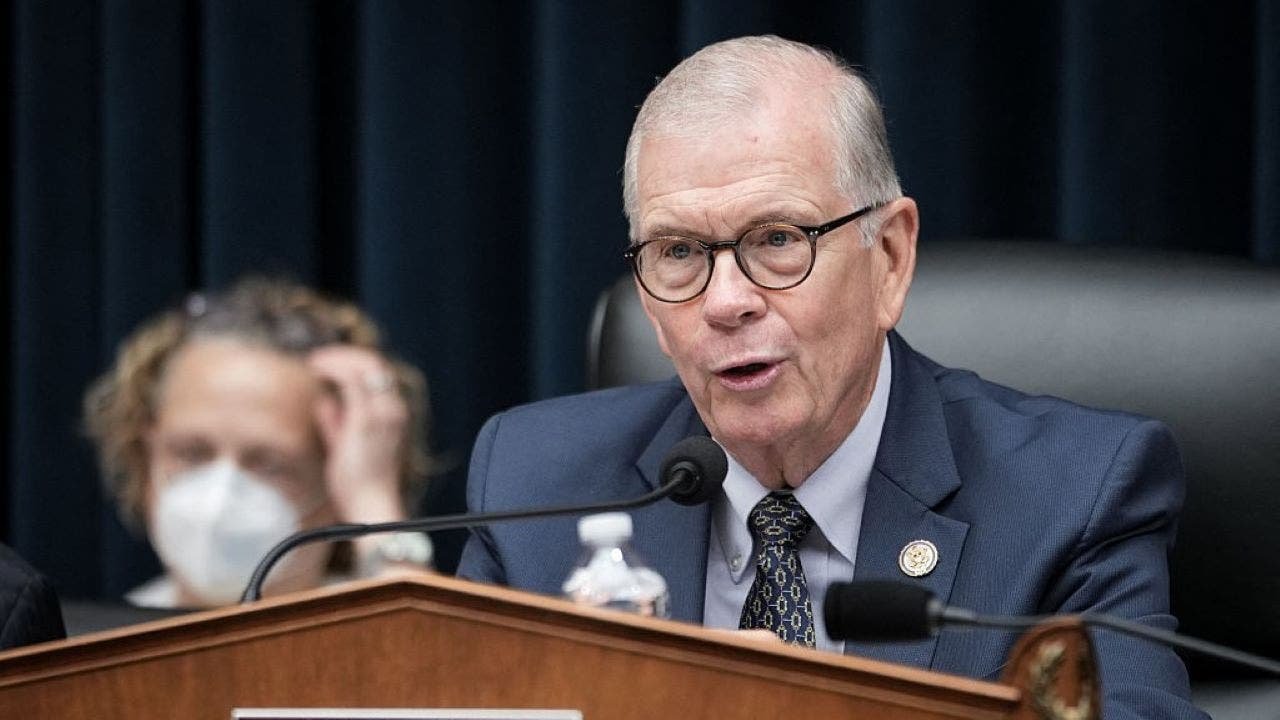
NEWYou can now listen to Fox News articles!
FIRST ON FOX: The Republican-led House Committee on Education and Workforce is demanding financial records from five of the nation’s largest labor unions over allegations that union leaders used funds to support Democratic candidates and progressive causes while spending millions on lavish perks.
In letters obtained by Fox News Digital and sent Thursday, the lawmakers on the committee requested financial records dating back to January 2023 from the United Auto Workers (UAW), United Steelworkers (USW), SMART Transportation Division (SMART-TD), Brotherhood of Locomotive Engineers and Trainmen (BLET), and Brotherhood of Maintenance of Way Employees Division (BMWED).
«Unions are supposed to be representing workers for their best interests on the job site, for their future goals that they have, and to work together in a commonality that speaks for, I think, in general, all of the workers combined and not just select portions of it,» Rep. Tim Walberg, R-Mich., who also serves as the chairman of the House Committee on Education and Workforce, told Fox News Digital.
«When we see funds that have been used by multiple unions for highly political purposes, and you begin to see that the rank and file aren’t following along with the same political funding purposes of union leadership, common sense says you ought to take a look at it.»
EXPLOSIVE REPORT UNEARTHS PROMINENT UNION MONEY TRAIL LABELED A ‘STUNNING BETRAYAL’ OF MAGA MEMBERS
President Donald Trump takes questions from the media during a bilateral meeting with President of Lebanon Joseph Aoun in the Oval Office of the White House on July 21, 2026, in Washington, D.C. (Kevin Dietsch/Getty Images)
Multiple reports cited in the letters, including previous Fox News Digital reporting on BMWED’s political spending, allege union leaders spent millions supporting Democratic candidates and progressive causes while also spending heavily on conferences, travel, entertainment and other expenses.
The UAW had the highest reported totals, with nearly $95 million in political spending and nearly $146 million spent on travel and entertainment.
The requests also seek records on lobbying, executive pay, travel, entertainment and conference expenses, along with member complaints, ethics and audit policies, transfers to larger labor organizations, and the use of union funds to cover expenses for spouses, family members, guests or political allies.
The lawmakers argue there is a growing disconnect between union leadership and members, saying many rank-and-file workers have «increasingly supported President Trump and other Republican candidates in recent election cycles.»
«I think it comes down to the leader’s own self-interest,» Walberg said. «That could be political interest, or that could be self-aggrandizement, or in certain cases looks like for monetary purposes, for their own personal benefit.»
In the letters, the lawmakers said that workers «deserve transparency regarding how their dues are spent, the extent to which union leadership consults members before endorsing candidates or engaging in political activities, and whether differing viewpoints within the union are being respected.»
FRUSTRATED BLUE-COLLAR UNION BOSSES RIP SOCIALIST POLITICIANS, WARN OF LABOR EXODUS FROM DEM PARTY
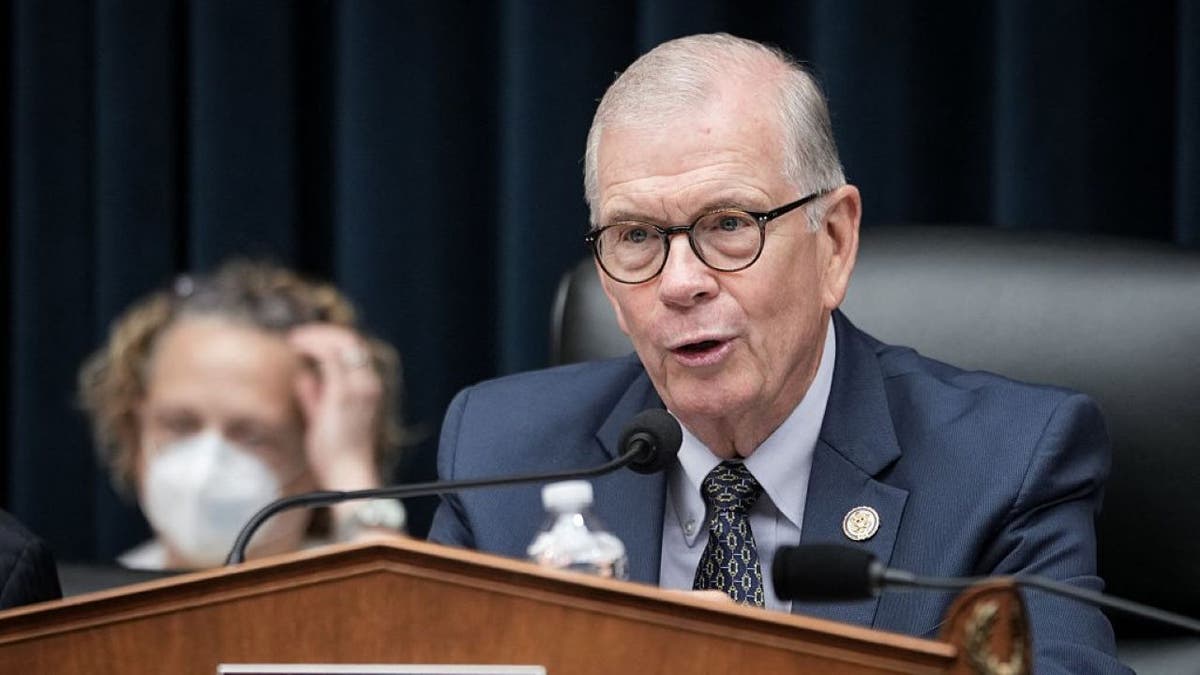
Rep. Tim Walberg of Michigan speaks during a House Workforce and Education Committee hearing on Capitol Hill in Washington, D.C., on June 5, 2025. (OLIVER CONTRERAS/AFP via Getty Images)
Walberg said the committee is examining how some unions spend dues collected under «mandatory membership policies.»
«We have responsibility in our committee for oversight on what goes on in the workplace, what goes in those that represent workers in the work place on both sides of the equation, whether it’s the employer or the union,» he said.
But Walberg said union leaders still face questions about serving workers’ best interests.
«There have been union leaders who have gone to jail and certainly been prosecuted over misuse of funds,» he said. «There seems to be indication that that still is going on in certain major unions.»
Insisting «this is not to be a partisan political motivated effort,» Walberg said the committee’s role is oversight and that evidence uncovered during the investigation could still be referred to the Justice Department.
«We do not have prosecutorial powers,» he said. «We can’t put anybody in jail. We can call for information, and ultimately call for union leadership to come before our committee and answer questions.»
SOURCES CORROBORATE WHISTLEBLOWER CLAIMS OF CORRUPTION, QUID PRO QUO CULTURE INSIDE POWERFUL NYC UNION

Supporters hold up signs during a campaign event for U.S. President Donald Trump at Xtreme Manufacturing on Sept. 13, 2020, in Henderson, Nevada. (Ethan Miller/Getty Images)
The unions were asked to respond by Aug. 17, with the UAW receiving a separate Aug. 18 deadline.
«The committee will continue examining whether current labor law adequately protects workers from political coercion and whether additional transparency requirements are warranted,» according to the letters.
The letters added that the unions’ responses will assist «in determining whether any legislative changes are warranted,» arguing unions have a legal duty to fairly represent members and that workers «should not be compelled to subsidize political advocacy fundamentally at odds with their beliefs or interests.»
Walberg said the investigation is «for a purpose,» one he hopes will hold union leaders accountable.
«I hope that will be very apparent and transparent that we are concerned about the rank-and-file union member who in most cases had no choice about their contributions but should have a clear understanding and the ability to react to that understanding about how their funds are being used for political, cultural, you name it, purposes and have their union leadership brought to light,» he said.
Fox News Digital reached out to the UAW, USW, SMART-TD, BLET and BMWED for comment. BMWED declined to comment, while the other unions did not respond by publication.
politics, lobbying, congress, democratic party, labor unions

Sanz, Negri y Jesús Rodríguez piden que la UCR tenga un candidato a presidente en 2027 para enfrentar a Milei

¿Puede romperse el auto por estacionar con las ruedas contra el cordón?: qué dicen los expertos

Con dos goles de Lionel Messi, Inter Miami derrotó 4-2 a Atlético San Luis por la Leagues Cup

El enigmático mensaje de Daniela Christiansson desde Suiza: “Las personas equivocadas”

El embajador de Estados Unidos advirtió que las empresas tecnológicas chinas recopilan datos para el Partido Comunista

Más presión sobre la isla: Estados Unidos sancionó al ministro de las Fuerzas Armadas y a la cúpula de la industria militar de Cuba

Javier Milei cruzó a Victoria Villarruel y elevó la tensión: “Es una opositora, replica los argumentos kirchneristas”

Reelecciones indefinidas: el oficialismo bonaerense niega que busque ampliar la Legislatura como parte de una reforma política para beneficiar a los intendentes

Un muerto y tres heridos al chocar un colectivo de turismo y un auto en Mendoza

Zaira Nara realizó un topless en Formentera y un comentario de un seguidor generó debate: “¿Nunca vestida?»
-
 POLITICA3 días ago
Javier Milei cruzó a Victoria Villarruel y elevó la tensión: “Es una opositora, replica los argumentos kirchneristas”
-

 ECONOMIA1 día ago
Dólar hoy en vivo: a cuánto se negocian todas las cotizaciones minuto a minuto este miércoles 5 de agosto
-

 POLITICA1 día ago
Brasil retira a su embajador en la Argentina: qué consecuencias tiene la medida diplomática