INTERNACIONAL
Castro indictment fuels speculation Trump may be reviving Maduro playbook against Cuba

NEWYou can now listen to Fox News articles!
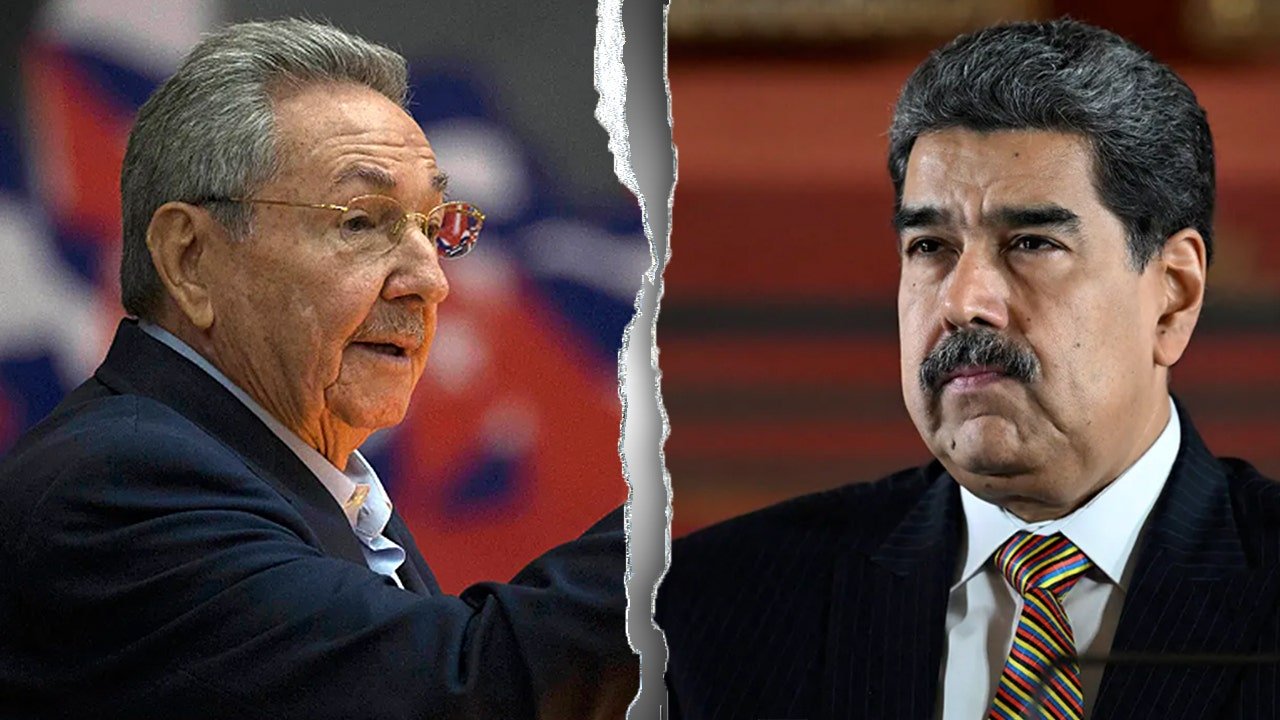
The Trump administration’s decision to indict former Cuban leader Raúl Castro is fueling comparisons to the pressure campaign President Donald Trump previously used against Venezuelan strongman Nicolás Maduro as the White House ramps up economic pressure, direct appeals to Cubans and military visibility in the Caribbean.
The indictment, tied to Cuba’s 1996 attack on two civilian aircraft that killed three U.S. citizens, has raised questions about whether the administration is testing a Venezuela-style pressure strategy against Havana’s communist regime.
The USS Nimitz Carrier Strike Group has been operating in the Caribbean under U.S. Southern Command authorities, providing a visible military backdrop to the administration’s increasingly confrontational posture toward Havana. Publicly announced assets include fighter aircraft, electronic warfare aircraft and guided-missile destroyers.
The broader posture has drawn comparisons to the administration’s earlier campaign against Maduro, which similarly began with criminal charges against a longtime anti-American strongman before expanding into a wider regime-pressure effort involving sanctions, diplomatic isolation and heightened U.S. military activity in the Caribbean.
OBAMA’S BASEBALL OUTING WITH CASTRO REIGNITES FURY AFTER TRUMP DOJ DROPS HAMMER ON CUBAN LEADER
Federal prosecutors charged Castro and several former Cuban officials Wednesday in the 1996 shootdown of two Brothers to the Rescue civilian aircraft that killed four men, including three U.S. citizens. Castro was Cuba’s defense minister at the time of the attack.
U.S. prosecutors allege Castro helped authorize the operation after the civilian planes repeatedly entered Cuban airspace while conducting missions linked to the Miami-based Brothers to the Rescue organization, which searched for Cuban migrants at sea and opposed the communist government in Havana.
Cuba President Raúl Castro addresses the Cuban Communist Party Congress in Havana, Cuba, in a file photo from April 16, 2016. (Ismael Francisco/Cubadebate/AP)
Cuban fighter jets ultimately shot down two unarmed aircraft over international waters in 1996, according to the indictment, triggering international condemnation and one of the most severe crises in U.S.-Cuba relations since the Cold War.
«At the very least, it means symbolically that he is now set up just as Nicolás Maduro was,» Christine Balling, a Cuba expert at the Institute of World Politics and former advisor to U.S. Special Operations Command South, told Fox News Digital.
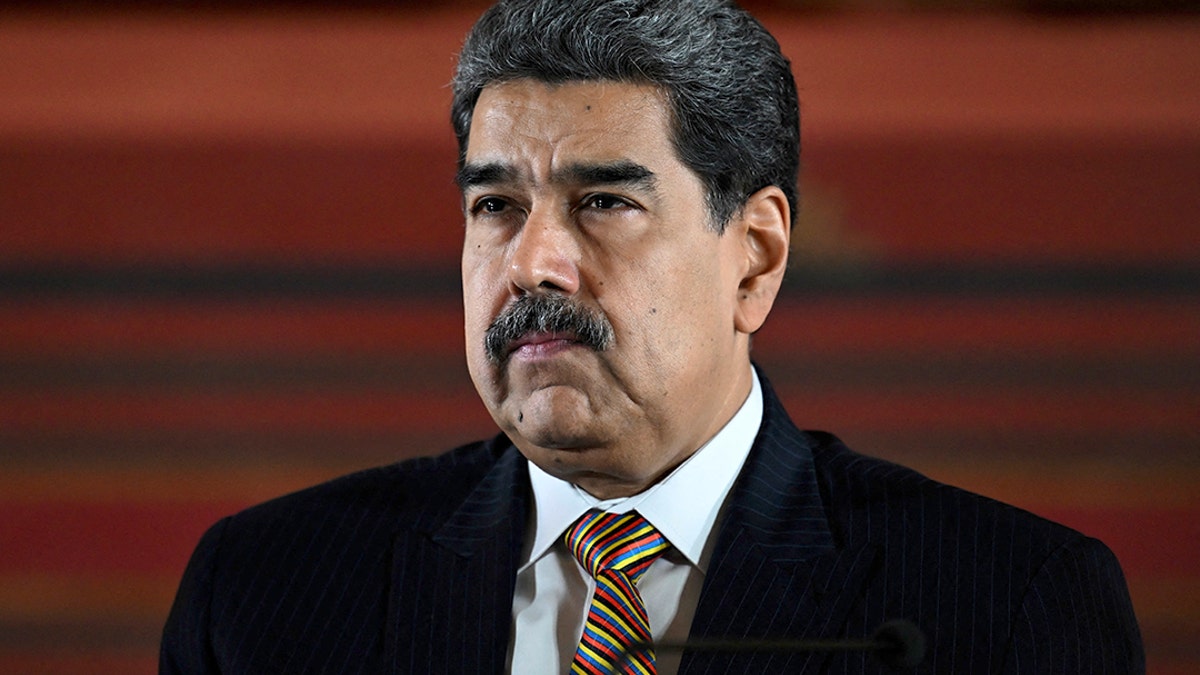
Venezuela President Nicolás Maduro during a meeting at the National Assembly in Caracas, Aug. 22, 2025. (Juan Barreto/AFP via Getty Images)
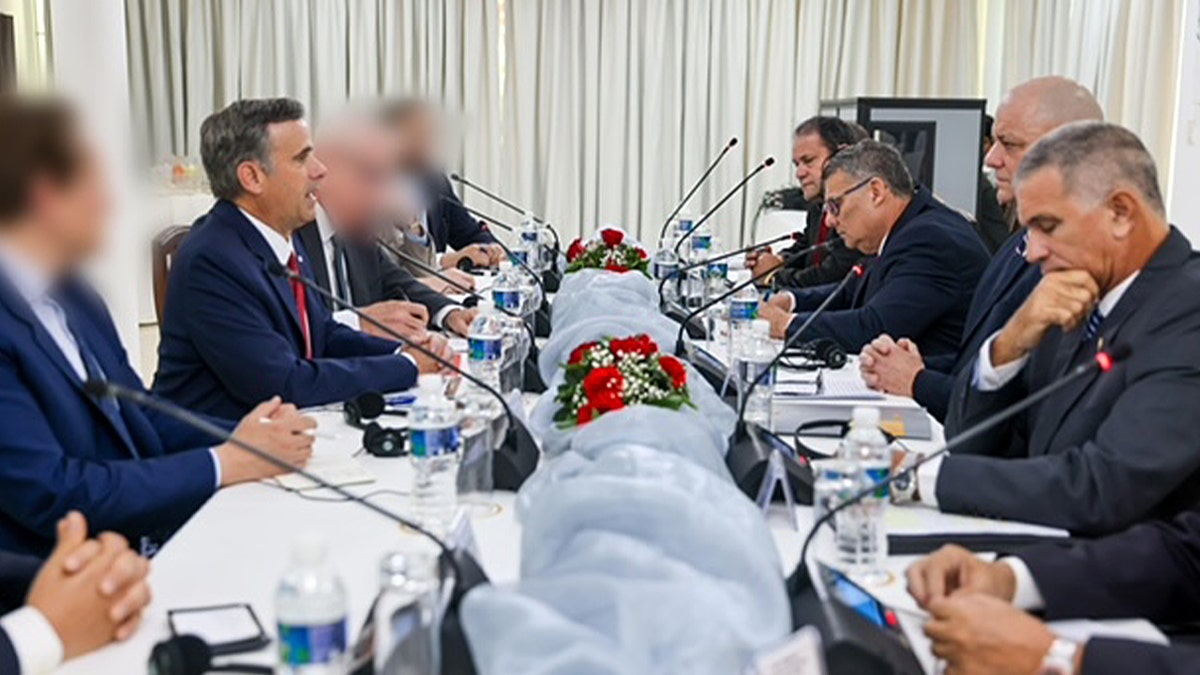
CIA Director John Ratcliffe meets with officials in Havana, Cuba, May 14, 2026, to discuss intelligence matters. (CIA)
During Trump’s earlier pressure campaign against Maduro, the U.S. indicted the Venezuelan leader on narco-terrorism charges, tightened sanctions on the country’s oil sector, backed opposition efforts to remove him and increased military operations in the Caribbean.
The campaign culminated in a U.S.-backed operation that removed Maduro from effective power and reopened channels of American influence inside Venezuela through energy negotiations and cooperation involving senior figures, including Vice President Delcy Rodríguez.
RUBIO LAYS OUT THREE-PHASE PLAN FOR VENEZUELA AFTER MADURO: ‘NOT JUST WINGING IT’
«I don’t think that we are necessarily going to conduct the same operation,» Balling said. «Raúl Castro is 94 years old. It might not be worth the trouble.»
Still, Balling argued, the indictment sends «a very straightforward message that we are 100% behind the fall of the Castro regime.»
The White House could not immediately be reached for comment.
RUBIO SAYS CUBA NEEDS ‘NEW PEOPLE IN CHARGE’ AS BLACKOUTS, UNREST GRIP ISLAND
Secretary of State Marco Rubio reinforced that message this week with a direct appeal to the Cuban people, accusing the communist government of blaming the island’s collapse on the U.S. «blockade» while enriching military-linked elites who dominate the Cuban economy. Rubio also highlighted the success of Cubans living abroad, arguing the Cuban people — not the regime — were capable of prosperity.
Balling described Rubio’s remarks as a deliberate attempt to undermine Havana’s domestic propaganda and convince Cubans that the regime, rather than the United States, bears primary responsibility for the island’s economic collapse.
«Rubio wants them to understand that the regime is acting against their own interests,» she said.
Trump further fueled speculation this week when asked whether tensions with Cuba would escalate following the Castro indictment.
«There won’t be escalation,» Trump said. «We won’t have to.»
Some analysts interpreted Trump’s comments — combined with Rubio’s direct appeals to ordinary Cubans — as a sign the administration may believe internal pressure against the regime could eventually accomplish what direct military escalation would not.
«It’s sowing the seeds of a counter-revolutionary feeling,» Balling said.
But Balling warned that any serious destabilization of Cuba could trigger consequences far beyond the island itself, particularly a potential mass migration crisis just 90 miles from Florida.
«If we go so far as to engage militarily, we are probably looking at thousands, maybe hundreds of thousands of refugees,» she said.
Cuba has already been suffering through rolling blackouts, fuel shortages and a worsening economic crisis as the administration increases pressure on the island’s energy lifelines.
Despite the increasingly confrontational rhetoric, Washington has also kept open limited channels of communication with Havana.
CIA Director John Ratcliffe traveled publicly to Cuba on May 14 for talks with senior Cuban security officials, delivering what U.S. officials described as a warning that Cuba could no longer serve as a «safe haven for adversaries» while also offering the prospect of deeper economic and security engagement if Havana makes «fundamental changes.»
The visit came as the Trump administration pressed a $100 million humanitarian aid proposal aimed at addressing Cuba’s worsening blackout and fuel crisis. Cuban officials signaled they were open to accepting assistance distributed through independent humanitarian and religious organizations rather than directly through the government.
Analysts say Cuba’s armed forces are far weaker than during the Cold War, when the island fielded one of Latin America’s largest militaries with Soviet backing. Today, experts describe the Cuban military as severely degraded by decades of economic collapse, fuel shortages and aging equipment.
«Cuba had a First World military in a Third World country,» Frank Mora, former deputy assistant secretary of defense for the Western Hemisphere under President Barack Obama, told The Wall Street Journal this week. «It’s a shell of a shell of what it used to be.»
Still, analysts caution that Cuba’s weakness does not necessarily make the island easy to pressure or destabilize.
Unlike Venezuela, where the U.S. has at times maintained limited economic engagement despite sanctions on Maduro’s government, Cuba’s military-linked conglomerate GAESA controls large portions of the island’s economy, including tourism, retail and infrastructure.
Balling argued that the deep integration between the regime and the broader Cuban state could complicate any attempt to isolate Havana’s leadership without further destabilizing the country itself.
The administration also has increasingly framed Cuba as a broader national security concern beyond the island’s deteriorating conventional military capabilities. Rubio this week accused Havana of hosting Chinese and Russian intelligence infrastructure.
CLICK HERE TO DOWNLOAD THE FOX NEWS APP
For now, administration officials have stopped short of outlining any military plans for Cuba.
But the combination of criminal charges, economic pressure, information campaigns and visible U.S. military assets in the region has convinced many Cuba watchers that the White House is exploring whether the Maduro pressure model can be adapted just 90 miles from American shores.
cuba, caribbean, venezuelan political crisis, nicolas maduro, sanctions









INTERNACIONAL
Keiko Fujimori asumió la presidencia del Perú con el desafío prioritario de lograr gobernabilidad y combatir la inseguridad
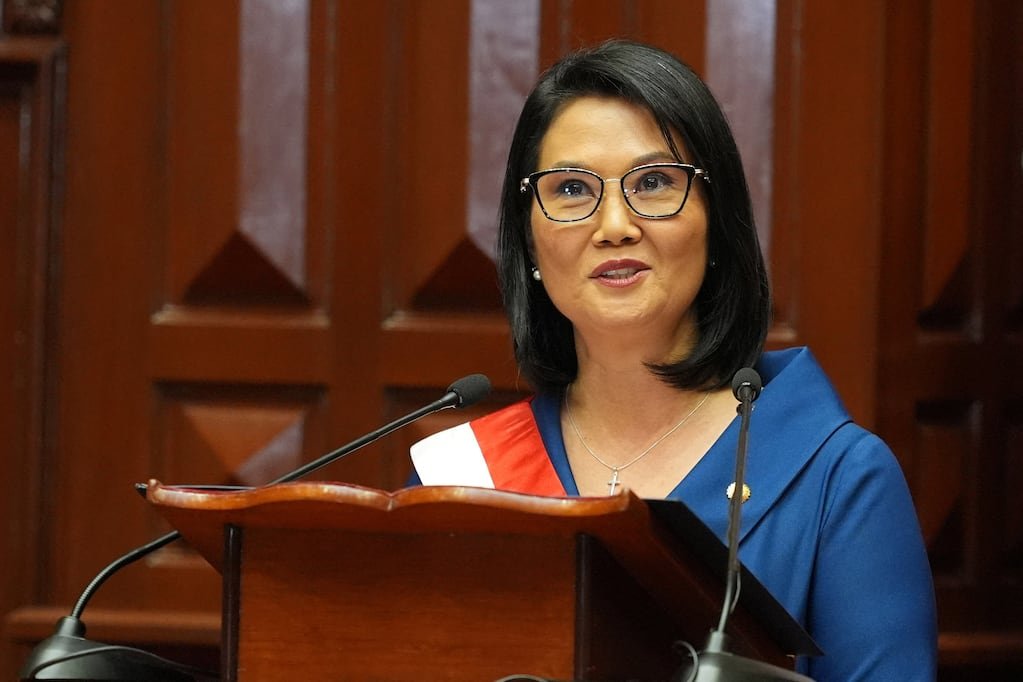
Keiko Fujimori juró este martes como la novena presidenta del Perú en la última década. Se trata de la primera mujer que asume la presidencia por voto popular en el país.
Lo hizo en una ceremonia celebrada en el Congreso peruano, a la que asistió Javier Milei, entre otros presidentes latinoamericanos. Allí precisamente es dónde se jugará el futuro de su gestión.
“Juro que cumpliré y haré cumplir la Constitución política y las leyes de Perú. Velaré por la integridad física y moral de todos los peruanos, en especial de quienes han sido históricamente postergados. Trabajaré por un país seguro, próspero y unido”, afirmó.
La dirigente derechista, hija del expresidente devenido en dictador Alberto Fujimori, asumió en su cuarto intento de llegar al poder y 36 años después de la asunción de su padre, el 28 de julio de 1990.
Keiko Fujimori, de 51 años, tendrá ahora el enorme desafío de lograr gobernabilidad en un país que tuvo ocho presidentes en los últimos 10 años y combatir la creciente violencia ciudadana.
“Desde que su papá salió del gobierno (en el año 2000), es la presidenta con mayor poder” en el Perú, resumió a TN el analista peruano David Rivera.
Cuáles son los principales desafíos del nuevo gobierno
Keiko Fujimori, hederera del viejo y cuestionado “fujimorismo”, tiene por delante cinco años de gobierno, en un país donde los presidentes duran poco más de un año en promedio.
En la última década ocho mandatarios fueron derrocados por el Congreso, en un régimen de inestabilidad política que genera una gran descreimiento ciudadano en las instituciones y en especial en los partidos políticos.
Así llegó Keiko Fujimori al Congreso antes de su toma de posesión en Lima, Perú, este martes. (Foto: Miguel Paredes/AP)
Pero Keiko Fujimori tendrá algo a favor. Llega al poder con una fuerte influencia en el Congreso, que pasa desde ahora a ser bicameral.
“Estamos pasando a un sistema bicameral. Ella tiene la mayoria en el Senado. Además, se ha encargado de capturar en los últmos años los órganos de justicia, como el Tribunal Constitucional, la Junta Nacional de Justicia y el Ministerio Público, y ahora tiene el poder ejecutivo”, dijo Rivera.
Para Rivera, el único punto débil que tendrá el nuevo gobierno estará en la Cámara de Diputados, donde la oposición tendrá mayoría.
“Ese es el único mecanismo de negociacion que tendrá la oposición para tratar de contener al gobierno”, indicó el analista.
Pero más allá de esto, Keiko Fujimori tendrá una ventaja política que no tuvieron ninguno de los presidentes que llegaron tras la renuncia de su padre, a pesar de que su victoria en el balotaje sobre el izquierdista Roberto Sánchez fue de menos de 50.000 votos.
Leé también: Un sismo de magnitud 7,1 sacudió a Japón: hay heridos, edificios colapsados y alerta de tsunami
¿Cuál es esa ventaja? Cuenta con los números suficientes en el Parlamento para frenar cualquier intento de destitución.
“Definitivamente Keiko Fujimori asume el gobierno con mayor poder que cuaquier presidente en la ultima década. No hay ningun posibilidad de que se ejerza contra ella la figura de la vacancia”, dijo a TN el analista Fernando Tuesta.
Además, afirmó: “Asume el poder sin las limitaciones que tuvieron sus antecesores. Tiene todo a su favor y el apoyo del empresariado y las Fuerzas Armadas. Empieza un quinquenio con cambios a nivel de las instituciones y de los poderes del Estado”.
Inseguridad y economía
Además de la gobernabilidad, el mayor desafío del nuevo gobierno será el de combatir la inseguridad ciudadana, considerada la mayor preocupación de los peruanos ante el creciente poder del crimen organizado y su estela de violencia, extorsión y amenazas.
Solo en el transporte público, las extorsiones a choferes causaron 152 asesinatos en Lima y en la vecina provincia del Callao entre agosto de 2024 y mayo de 2026.
La nueva presidenta prometió “mano dura” para “ordenar el Perú”. Entre sus planes figuran la construcción de al menos cinco cárceles, una de ellas de máxima seguridad, al estilo de su par salvadoreño, Nayib Bukele.
En su discurso de asunción, Fujimori anunció que los militares recuperarán el control del “orden interno” en las zonas asediadas por bandas criminales, el narcotráfico y la minería ilegal.
“Durante los estados de emergencia, las Fuerzas Armadas asumirán temporalmente el liderazgo de las operaciones de seguridad y del control del orden interno”, indicó.
También en el orden económico, Fujimori deberá poner énfasis en ordenar las cuentas fiscales ante un elevado y creciente gasto público y atraer inversiones extranjeras, a pesar de la estabilidad macroeconómica que goza el país.
Pero además deberá afrontar el peligro del fenómeno de El Niño que amenaza elevar las temperaturas del mar con sus secuelas de lluvias e inundaciones en las áreas costeras. Los expertos advierten que este fenómeno meteorológico tendrá efectos nunca vistos a fin de año.
Perú, Keiko Fujimori
INTERNACIONAL
Japan mall rebuilt after deadly 2016 earthquake destroyed in major temblor weeks after ‘fresh start’ reopening
NEWYou can now listen to Fox News articles!
A shopping mall in southern Japan that had just reopened after years of reconstruction following a devastating 2016 earthquake was destroyed Tuesday after a powerful earthquake struck the region and was followed by a massive explosion, leaving dozens of workers unaccounted for.
The Aeon Mall in Kumamoto Prefecture celebrated its grand reopening on June 13 after years of rebuilding meant to mark the region’s recovery from the 2016 disaster.
Just weeks later, a magnitude 6.8 earthquake struck near Kumamoto, according to FOX Weather, citing the U.S. Geological Survey. Japan’s Meteorological Agency measured the same quake at magnitude 7.1 using its own seismic scale.
EARTHQUAKE SHAKES PERU’S ANDES REGION, KILLING AT LEAST 5, DISPLACING HUNDREDS
An aerial view shows a collapsed chimney at Nippon Paper Industries’ Yatsushiro Mill after an earthquake with a preliminary magnitude of 7.1 struck Japan’s southern Kumamoto prefecture, in Yatsushiro, Kumamoto Prefecture, Japan, July 28, 2026. (yodo/via REUTERS ATTENTION EDITORS – THIS IMAGE HAS BEEN SUPPLIED BY A THIRD PARTY. MANDATORY CREDIT. JAPAN OUT. NO COMMERCIAL OR EDITORIAL SALES IN JAPAN. TPX IMAGES OF THE DAY)
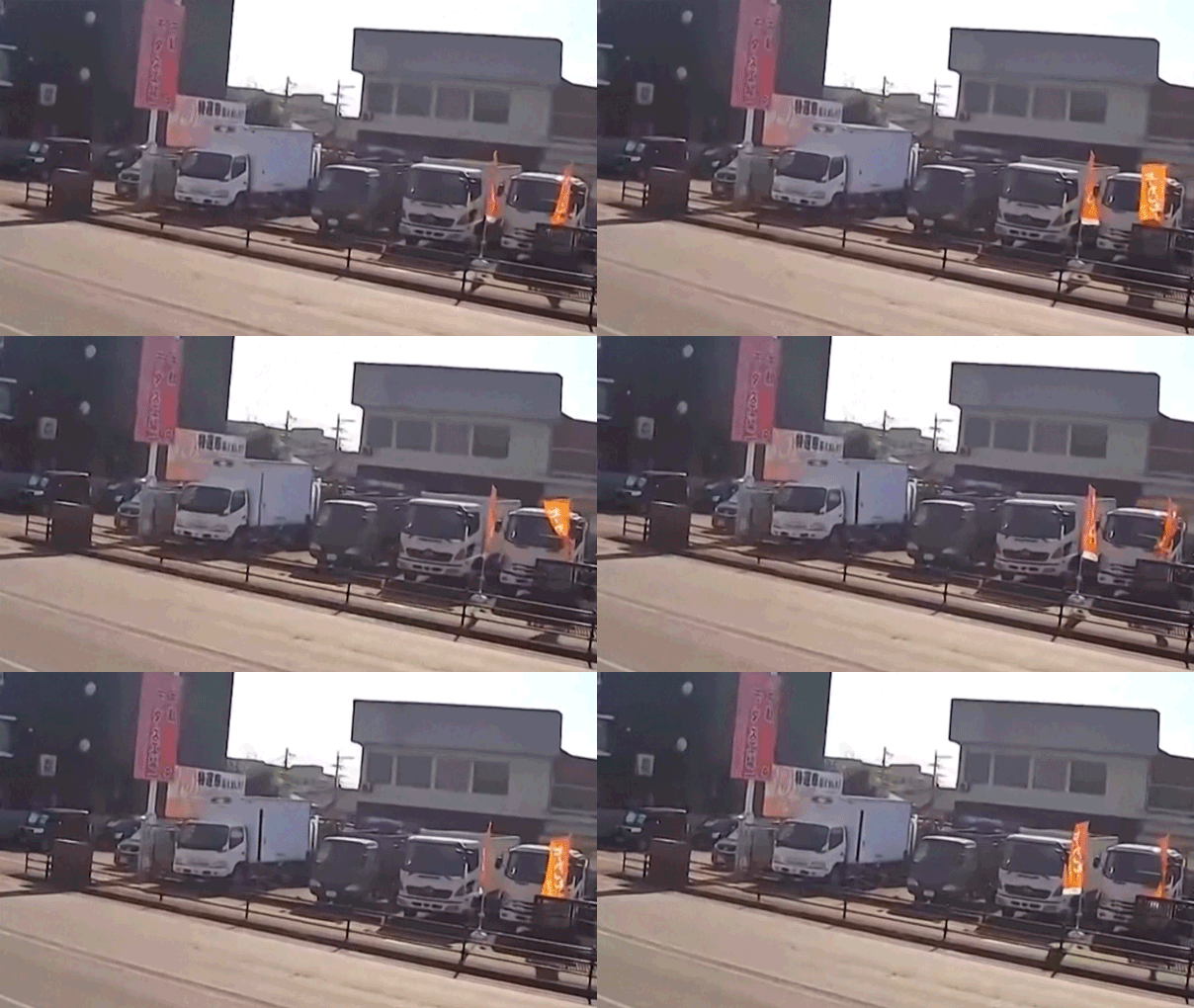
About 200 shoppers were safely evacuated after the earthquake, officials said. Roughly an hour later, a powerful explosion ripped through the building, blowing off exterior walls and exposing its steel framework. NHK reported that about 20 to 30 mall employees remained unaccounted for, while police said rescuers could not immediately enter because of the risk of aftershocks.
The mall had become one of the most visible symbols of Kumamoto’s recovery after the magnitude 7.3 earthquake that devastated the region in April 2016. Aeon said the redevelopment included seismic reinforcements and other safety improvements designed to make the complex more resilient.
Witnesses reported smelling gas before the explosion, according to Reuters. An Aeon spokesperson said employees immediately helped evacuate visitors after the quake, while prefectural officials confirmed about 200 people were guided safely outside before the blast.
EXCLUSIVE: FRANKLIN GRAHAM VISITS EMERGENCY HOSPITAL TREATING VENEZUELA EARTHQUAKE VICTIMS
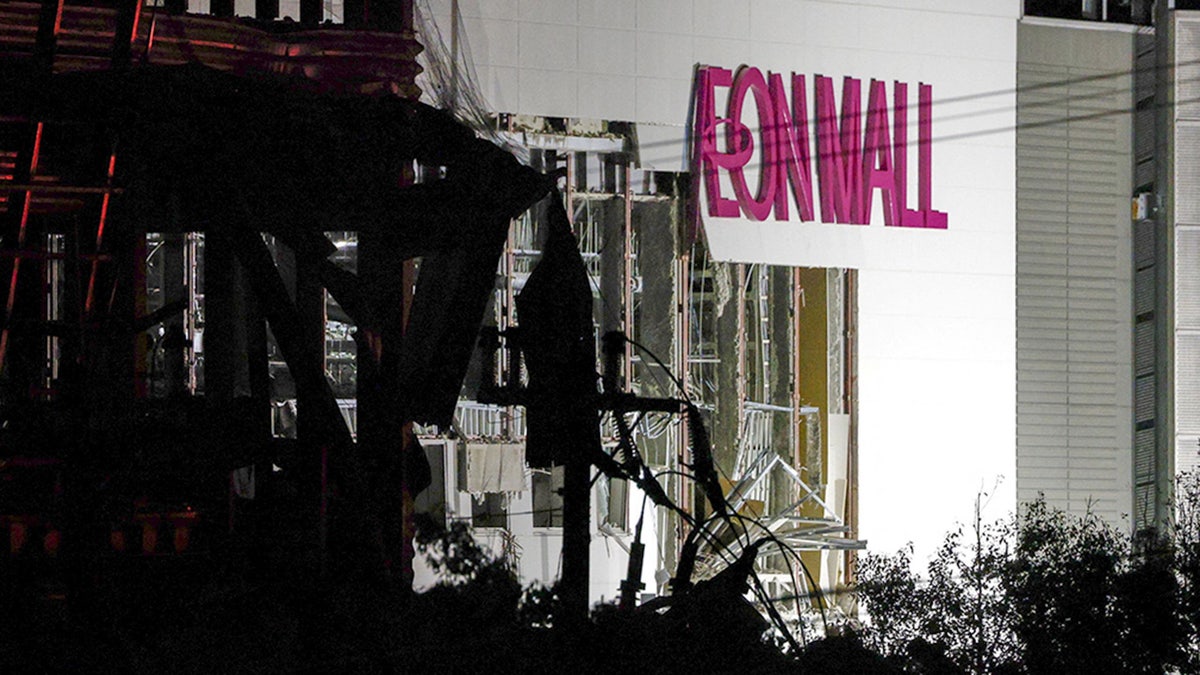
The damaged Aeon Mall shopping centre, where, according to local media, an explosion occurred after an earthquake with a preliminary magnitude of 7.1 struck Japan’s southern Kumamoto prefecture, in Kashima Town, Kumamoto Prefecture, Japan, July 28, 2026. (Kyodo/via REUTERS ATTENTION EDITORS – THIS IMAGE HAS BEEN SUPPLIED BY A THIRD PARTY. MANDATORY CREDIT. JAPAN OUT. NO COMMERCIAL OR EDITORIAL SALES IN JAPAN.)
According to FOX Weather, the earthquake struck just before 4:30 p.m. local time about 9 miles north of Kumamoto at a depth of roughly 6 miles. Japan’s Meteorological Agency briefly issued and later lifted a tsunami advisory for parts of Kyushu. NHK reported at least 50 people were injured, while Japan’s Fire and Disaster Management Agency said the quake sparked at least eight fires. Kumamoto Airport also temporarily closed.
Reuters reported the mall welcomed more than 8 million visitors annually after Taiwan Semiconductor Manufacturing Co. opened a factory nearby in 2024.
The complex housed about 200 stores, a movie theater and parking for roughly 5,000 vehicles. It also became known locally after a supermarket inside sold 10-yen onigiri to help survivors following the 2016 earthquake.
CLICK HERE TO DOWNLOAD THE FOX NEWS APP
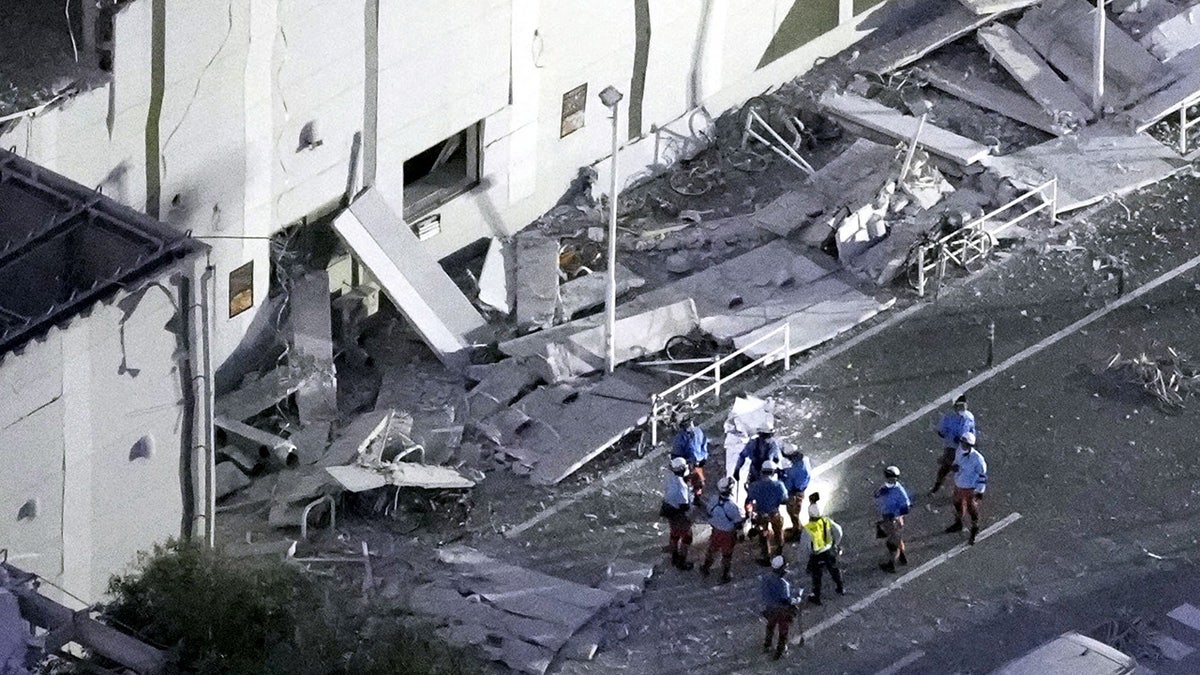
An aerial view shows rescue workers conducting a search and rescue operation at the damaged Aeon Mall shopping centre, where, according to local media, an explosion occurred after an earthquake with a preliminary magnitude of 7.1 struck Japan’s southern Kumamoto prefecture, in Kashima Town, Kumamoto Prefecture, Japan, July 28, 2026. (Credit: Japan Out via Reuters)
When the mall reopened in June, Aeon described the project as a «‘re-start’ initiative» marking both the shopping center’s 21st anniversary and the region’s recovery from the 2016 earthquake.
As night fell Tuesday, rescue operations remained on hold because of continuing aftershocks as families awaited word on the employees still believed to be inside.
natural disasters, world, japan, disasters, earthquakes
INTERNACIONAL
Panamá y Perú buscan dar un nuevo impulso a su relación comercial tras la llegada de Keiko Fujimori
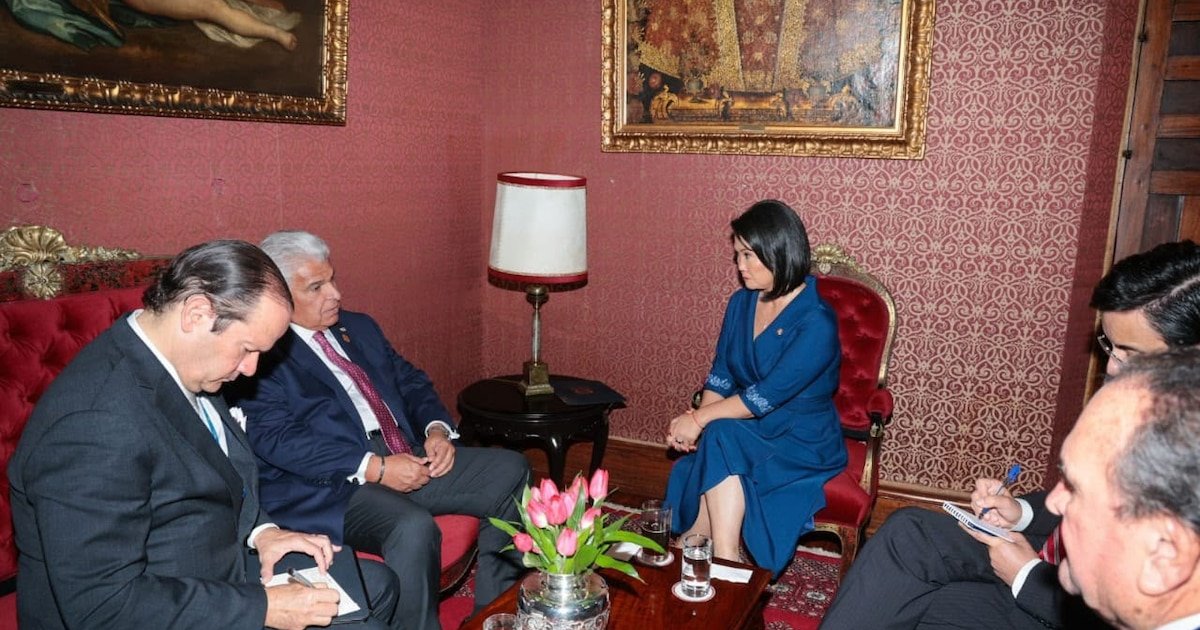
El relanzamiento de la relación comercial entre Panamá y Perú fue el principal resultado de la primera reunión entre el presidente panameño, José Raúl Mulino, y la nueva mandataria peruana, Keiko Fujimori.
Ambos gobiernos acordaron revisar el Tratado de Libre Comercio (TLC), impulsar un acuerdo de cielos abiertos, fortalecer la cooperación portuaria y avanzar en la adhesión de Perú al Tratado de Neutralidad del Canal, con el objetivo de dinamizar el intercambio económico entre dos países que buscan estrechar sus vínculos comerciales y de inversión.
Durante el encuentro, celebrado horas después de la juramentación de Fujimori para el período 2026-2031, ambos mandatarios coincidieron en que Panamá y Perú son economías complementarias y expresaron su interés en dar un nuevo impulso al acuerdo comercial vigente desde 2012.
Mulino también planteó la necesidad de que Panamá salga de la lista fiscal en la que permanece incluido por Perú e invitó oficialmente a la presidenta peruana a participar en el Foro Económico CAF 2027, que se realizará en Panamá.
“Tenemos la disposición de seguir avanzando en nuestra agenda, desempolvar un poco nuestro tratado de libre comercio; yo me voy muy optimista de este nuevo impulso de la relación Perú-Panamá”, afirmó el mandatario panameño.

El acercamiento ocurre en un momento en que el intercambio comercial entre ambos países mantiene un amplio margen para crecer. Las exportaciones panameñas hacia Perú alcanzaron apenas $2,6 millones entre enero y mayo de 2026, de acuerdo con cifras oficiales.
En los últimos años, los envíos mostraron una evolución irregular: pasaron de $500.000 en 2021 a $2,2 millones en 2022, aumentaron a $8,7 millones en 2023 y alcanzaron $10,2 millones en 2024. En 2025, sin embargo, descendieron a $9 millones, reflejando la necesidad de fortalecer el intercambio bilateral.
Las cifras acumuladas entre 2021 y mayo de 2026 muestran que Panamá exportó a Perú $33,2 millones. Los medicamentos lideraron los envíos con $15,1 millones, equivalentes al 45,6% del total.
Les siguieron las preparaciones y conservas de carne con $4,4 millones; la leche y nata concentradas, con $3,6 millones; el ron y otras bebidas espirituosas, con $2,6 millones; el pescado congelado, con $2,1 millones; y las preparaciones de extracto de malta, con $1,4 millones.

También figuran cacao, desperdicios de plástico, estructuras metálicas, tomates preparados y productos de iluminación, lo que refleja una mayor diversificación de la oferta exportable panameña.
Perú, por su parte, mantiene una presencia mucho más sólida en el mercado panameño. Entre los principales productos que exporta al país destacan las uvas frescas, libros e impresos, cítricos, productos de panadería, conservas de pescado, láminas de plástico, alimentos para animales, pastas alimenticias, medicamentos y baldosas cerámicas, según la ficha comercial del Ministerio de Comercio e Industrias.
Solo en 2024, Panamá importó desde Perú mercancías por $118,1 millones, mientras sus exportaciones alcanzaron $10,6 millones, una diferencia que evidencia el desafío de equilibrar el intercambio comercial.
La relación económica entre ambos países también se apoya en la actividad de la Zona Libre de Colón, desde donde las reexportaciones hacia Perú alcanzaron $396,7 millones en 2024.
Los principales productos enviados fueron teléfonos celulares, cables eléctricos, medicamentos, perfumes, equipos de impresión y computadoras, consolidando a Panamá como una plataforma logística para el comercio regional.

Antes de reunirse con Fujimori, Mulino sostuvo encuentros con los presidentes de Chile, José Antonio Kast, y de Bolivia, Rodrigo Paz, con quienes abordó temas relacionados con la geopolítica regional, los efectos del fenómeno de El Niño y la situación política boliviana.
Con Paz conversó sobre la iniciativa panameña de convocar una reunión de la Organización de Estados Americanos (OEA) para respaldar la estabilidad institucional de Bolivia, mientras que con Kast reafirmó el interés de fortalecer la cooperación bilateral.
La visita oficial marca el inicio de una nueva etapa en la relación entre Panamá y Perú. Más allá de los anuncios diplomáticos, el reto será convertir los acuerdos alcanzados en Lima en un mayor flujo de inversiones, una mejor conectividad y un incremento de las exportaciones panameñas hacia uno de los mercados más importantes de Sudamérica.
Panamá,exportación,logística,comercio,productos,Hecho en Panamá,trabajadores,contenedor,carga,envío

Retirarán el Squeezy Dumpling del mercado por incumplir normas de seguridad: “Grave riesgo químico”

Keiko Fujimori asumió la presidencia del Perú con el desafío prioritario de lograr gobernabilidad y combatir la inseguridad

Javier Milei se reunió con Keiko Fujimori en Perú y hablaron de fortalecer los vínculos económicos y la seguridad

¿Dónde ver EN VIVO el Vélez Sarsfield vs Instituto de Córdoba por el Torneo Clausura 2026?

Fátima Flórez fue a la asunción de Keiko Fujimori y acrecentó rumores de reconciliación con Milei: su explicación

Así llegaron Mauro Icardi y la China Suárez a la Argentina: apuro y silencio

Convivencia pacífica o tensión administrada: el PRO define cómo pararse frente al gobierno de Milei rumbo a 2027

Crisis entre Milei y Lula: la trama política, personal y geopolítica detrás del mayor choque diplomático entre Argentina y Brasil

Cuentapropismo emocional en lo profundo del conurbano

San Isidro: la ballena que quedó varada en un banco de arena murió pese al operativo de rescate

 POLITICA1 día ago
Crisis entre Milei y Lula: la trama política, personal y geopolítica detrás del mayor choque diplomático entre Argentina y Brasil
- POLITICA3 días ago
Cuentapropismo emocional en lo profundo del conurbano
- SOCIEDAD2 días ago
San Isidro: la ballena que quedó varada en un banco de arena murió pese al operativo de rescate