
INTERNACIONAL
CodePink’s Media Benjamin confirms getting ‘serious’ Treasury Department query over Cuba trip

NEWYou can now listen to Fox News articles!
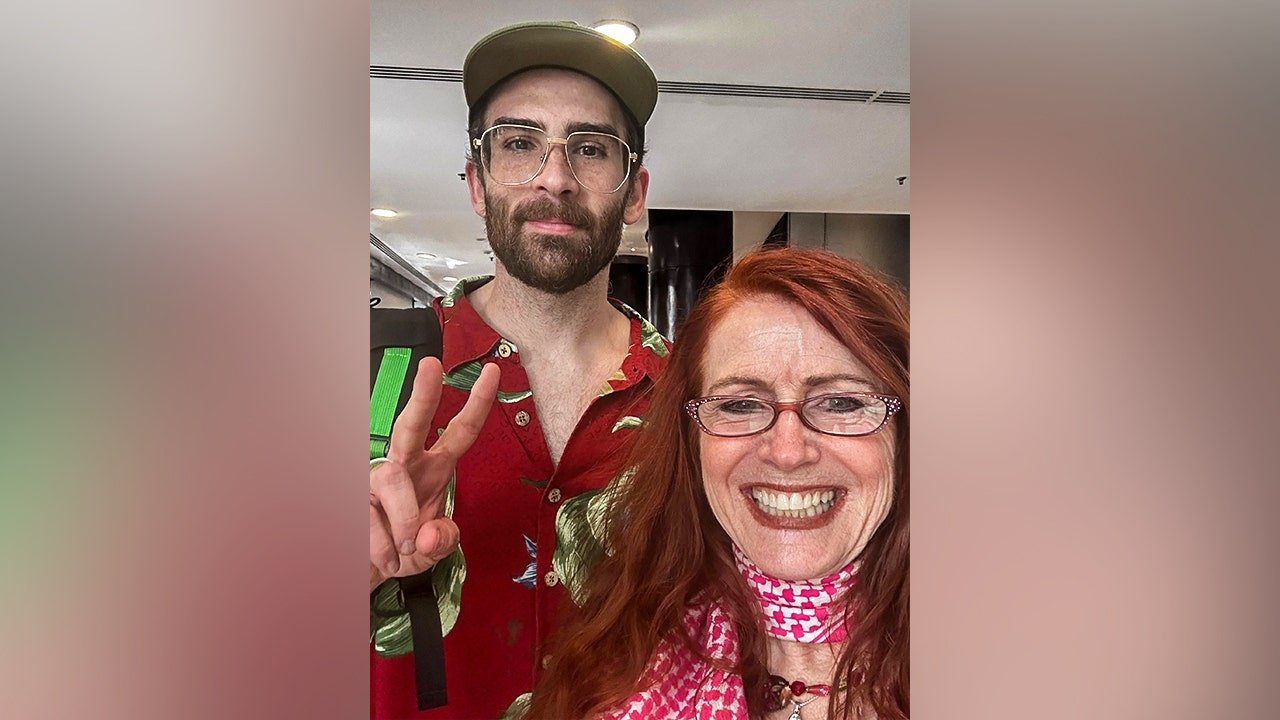
CodePink co-founder Medea Benjamin publicly confirmed for the first time that her organization received an inquiry from the Treasury Department’s Office of Foreign Assets Control (OFAC), seeking detailed information about about its March trip to Cuba.
The inquiry, which is often called an administrative subpoena, comes as the Trump administration signals a broad effort to increase federal scrutiny of nonprofit organizations operating in foreign-policy and activist spaces. Last October, after the murder of conservative leader Charlie Kirk, President Donald Trump directed federal agencies to strengthen enforcement against nonprofit entities that facilitate support for political violence.
Treasury Secretary Scott Bessent reinforced that message this week, arguing that nonprofit organizations and fiscal sponsors can’t shield themselves from legal accountability when resources, funding, organizational infrastructure or grants are used to support unlawful activity and political violence.
«We’ve made substantial progress, and I think in the weeks and months ahead, we’re going to have a lot to report,» Bessent responded to a question in the White House press gallery. He said, for example, that under new changes, the IRS will «demand that nonprofits know their grant recipients.»
FEDS SUBPOENA HASAN PIKER, MEDEA BENJAMIN OVER CUBA TRIPS
Hasan Piker, a Democratic Socialists of America member, and CodePink co-founder Jodie Evans meet in Havana, Cuba, as part of a «United Front» supporting the communist regime. (CodePink via Storyful)
«So, if a grant recipient is violent, if they are suppressing people’s rights, then you are responsible for that,» Bessent said. «I think that’s a very good first step.»
The shift reflects a growing administration focus on whether nonprofit networks are exercising sufficient oversight over the projects, activists and international campaigns they sponsor. Against that backdrop, the inquiry by the Office of Foreign Assets Control into the Cuba convoy fits within an effort by Treasury officials to examine whether activist organizations are complying with laws and other federal restrictions, such as sanctions laws.
Speaking on camera in a video promoted by a far-left media platform, BreakThrough News, Benjamin said she and political streamer Hasan Piker first learned about the query when Fox News Digital broke the news last Saturday evening that Treasury’s Office of Foreign Assets Control had launched an investigation into the financial and logistical details of CodePink’s and Piker’s trip to Cuba trip.
DC DINNER TURNS CHAOTIC AS CODEPINK ACTIVISTS CORNER TREASURY SECRETARY SCOTT BESSENT: ‘BLOOD ON YOUR HANDS’

Medea Benjamin (right) and Olivia DiNucci (center) of CodePink protest against the U.S. war in Iran. (Fox News Digital)
The Office of Foreign Assets Control enforces U.S. sanctions on Cuba, which restrict Americans from engaging in many financial transactions with the communist government and require travelers and organizations to comply with licensing and record-keeping requirements for authorized activities.
«I actually didn’t get anything, and neither did Hasan Piker,» Benjamin said. «I mean, we heard this on Fox News, that there was this subpoena out, and I was going outside my front door, looking around for somebody to serve me.»
Benjamin said the inquiry arrived by email and had been sent to CodePink co-founder Jody Evans.
«It turns out that it was an email that was sent to CodePink co-founder Jody Evans, and it was so unofficial that it landed in our spam box,» Benjamin said. «So it was a letter, and it came from the Treasury Department, from the Office of Foreign Assets Control, known as OFAC.»
FAR-LEFT ACTIVISTS STAY IN 5-STAR CUBAN HOTEL AS ISLAND SUFFERS TOTAL BLACKOUT
While criticizing the manner in which the inquiry was delivered, Benjamin acknowledged that the request itself was serious because of the volume of information federal officials are seeking.
«And I don’t want to say it’s not serious. It is serious, because they are asking for all kinds of information,» Benjamin said. «And this is a kind of intimidation tactic that means we have to get a lawyer, that we have to spend a lot of staff time, a lot of energy.»
According to Benjamin, the inquiry contains roughly a dozen detailed questions about the trip and its participants.
«They’re asking about 12 very detailed questions that include things like, ‘How did you get there? Where did you stay? What did you do every hour that you were there?’» Benjamin said. «I guess we have to tell them how many hours we slept.»
Benjamin said approximately 170 people participated in the convoy and suggested the scope of the inquiry could require organizers to account for the activities of every participant.
REVOLUTIONARY TOURISM: INSIDE THE $600M MARRIAGE OF DARK MONEY AND FAR-LEFT AGITPROP

Hasan Piker and Jodie Evans and Neville Roy Singham (Getty Images)
«There were 170 people, so I don’t know if they want to know what every single person did every single minute of the day,» she said.
Benjamin also confirmed that organizers brought humanitarian supplies to Cuba.
«What we brought — and we brought about $600,000 worth of aid — so it’s a lot, a lot of information that they want,» Benjamin said.
Benjamin framed the inquiry as an effort to discourage Americans from traveling to Cuba or participating in humanitarian missions to the communist island, but said organizers would continue their activities despite the federal scrutiny.
«And of course, this is to make people think, ‘Uh oh, should I go to Cuba? Uh oh, should I keep doing humanitarian aid?’» Benjamin said. «And the answer to that is, yes. We can’t be intimidated. In fact, we have to use this as another reason that we’re so angry at the U.S. government and redouble our efforts.»
Meanwhile, Piker has insisted that he hasn’t received the Treasury Department query. He stirred up another set of headlines speculating that the «real goal» of the investigation is to target American Marxist tech tycoon Neville Roy Singham, who has pumped $285 million since 2017 into a network of groups including CodePink and BreakThrough News, allegedly spreading pro-China propaganda and sowing discord with massive anti-American street protests.
CodePink and BreakThrough News have been fixtures in those street protests, and Piker has supported them on his hours-long livestreams.
CLICK HERE TO DOWNLOAD THE FOX NEWS APP
cuba, enforcement, investigations, fox news investigates, scott bessent









INTERNACIONAL
Top Trump ally warns super PAC bankrolled by Dem billionaire is meddling in his GOP primary
NEWYou can now listen to Fox News articles!
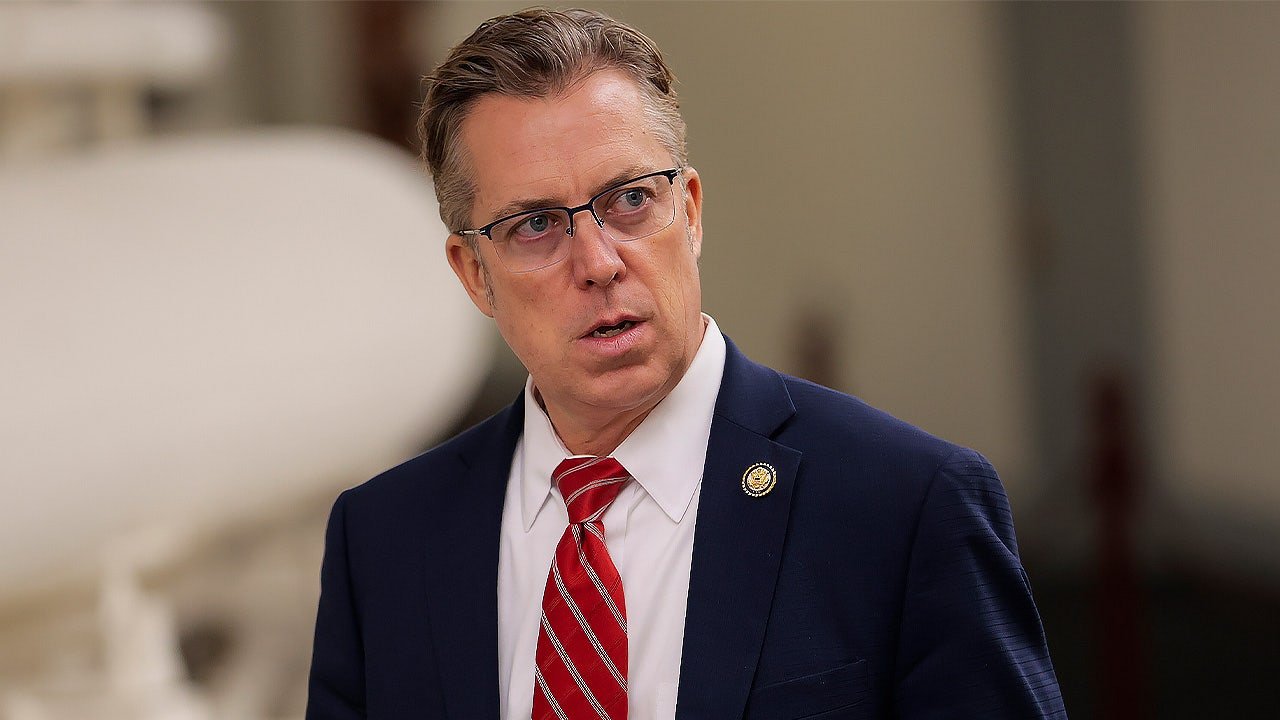
A clean energy super PAC bankrolled by a left-wing billionaire is pouring millions into an effort to unseat Rep. Andy Ogles, R-Tenn., as he wages a bid for re-election in Tennessee’s 5th Congressional District.
The Invest in Tomorrow Coalition super PAC had spent roughly $1.3 million on opposing Ogles and supporting his Republican challenger, Charlie Hatcher, Tennessee’s former commissioner of agriculture, and recently bought another $700,000 worth of ads.
The group has raised $6.7 million this year, making Ogles a sizable portion of their spending this cycle. A Fox News Digital review of FEC filings discovered that the super PAC is bankrolled by Chris Larsen, the California-based billionaire chairman of Ripple, which is described on its website as the «leading financial technology company that offers crypto solutions for businesses.»
Larsen has donated $6 million to the super PAC since Feb. 2026. His latest $5 million donation to Invest in Tomorrow Coalition PAC is his second-largest single donation after donating $5,444,975 to Future Forward PAC in 2024 to support Kamala Harris’s failed presidential campaign.
TRUMP-BACKED FIREBRAND WINS ARIZONA GOP GOVERNOR PRIMARY, SETTING UP HIGH-STAKES SHOWDOWN
Rep. Andy Ogles, R-Tenn., leaves a meeting of the House Republican Conference in the U.S. Capitol on Tuesday, July 22, 2025. (Tom Williams/CQ-Roll Call, Inc via Getty Images)
Larsen has also donated over $1 million to the Jane Fonda Climate PAC, over $1 million between the Democratic Senatorial Campaign Committee (DSCC) and Democratic Congressional Campaign Committee (DCCC) and over $300,000 supporting Rep. Nancy Pelosi, D-Calif., among other six-figure donations to top Democratic campaigns and PACs.
The way that Ogles sees it, it’s an attempt to show Republicans what happens when lawmakers attempt to scale back government investments in renewable energy sources.
«When you have a group spending roughly $2 million in a Republican primary, that tells you how much money they’re making off of government subsidies, and they’re upset that the government welfare has been taken away from them,» Ogles told Fox News Digital in an interview.
Larsen, who is an angel investor and climate philanthropist, is making «climate change his top priority,» according to an online bio.
«He founded the Larsen Lam Climate Change Foundation (since renamed as the Clean Break Fund) in 2021 to guide his climate philanthropy, and is an active early investor in numerous climate tech companies, as well as several prominent climate funds,» the bio continues. «His philanthropic priorities include the climate-driven home insurance crisis, making climate change a bipartisan issue once again, and carbon dioxide removal, among many other projects.»
Ogles, a member of the fiscally minded House Freedom Caucus, has been one of the most outspoken Republicans calling for a reversal of energy initiatives passed under President Joe Biden. Among them, Ogles has argued against clean energy subsidies in Biden’s Infrastructure and Jobs Act and the Inflation Reduction Act.
But more than that, Ogles thinks it’s his proximity to Trump that has made him a target.
«It’s because I’m close to the president. It is because I am outspoken. And quite frankly, it is because I speak plainly on these issues,» Ogles said.
Trump, who has endorsed Ogles, reaffirmed his support for the conservative firebrand ahead of the primary.
«Andy will be really enshrined as one of the best congressmen that you’ll ever see. He’s just fantastic,» Trump said. «Andy has always been there when we needed him and when I needed him. He’s been a great help. He’s been a source of inspiration to a lot of people in Congress.»
Figures who have donated to Invest in Tomorrow framed energy policy as an issue with electoral consequences, hinting that Ogles is on the wrong side of the issue.
TRUMP’S AMBITIOUS ENERGY BET COULD BE A WINNING HAND AS THE WORLD BURNS MORE OIL, GAS THAN EVER
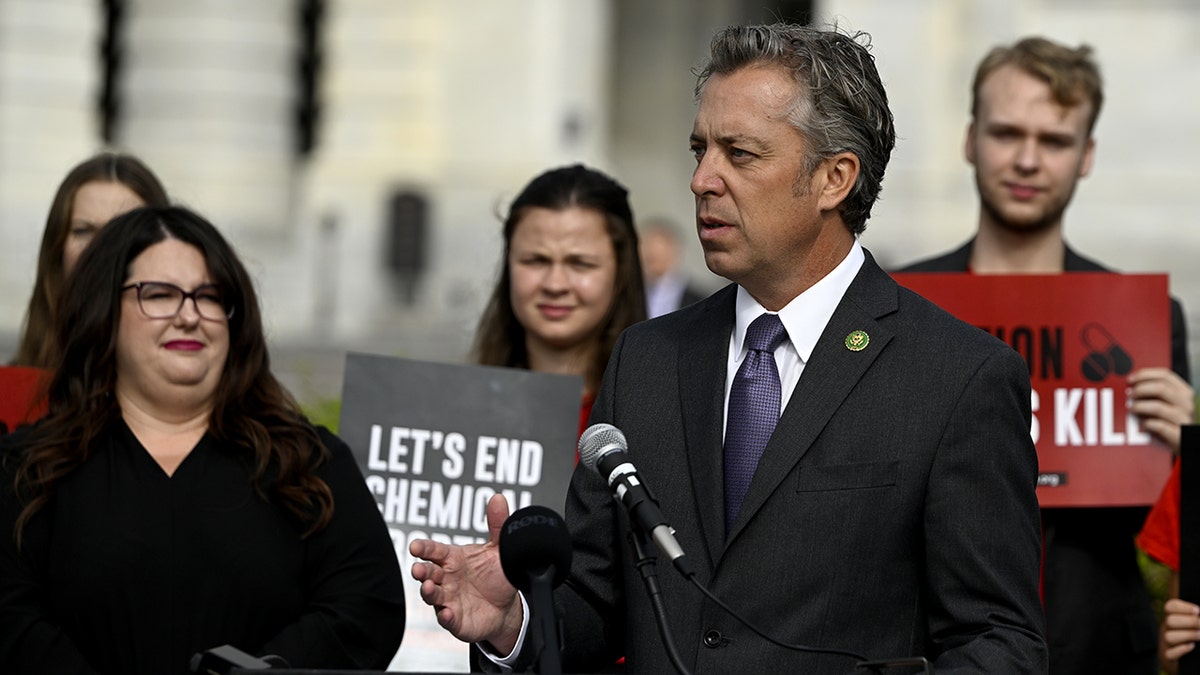
United States Representative Andy Ogles joined the news event in front of the U.S. Capital to announce The Ending Chemical Abortion Act on Capitol Hill in Washington, D.C., United States on Sept. 28, 2023. (Celal Gunes/Anadolu Agency via Getty Images)
«Our campaign is here to show that politicians who oppose clean energy do so at their own political peril. Andy Ogles is next,» Tom Matzzie, the PAC’s executive chairman, said in a statement to Axios.
Matzzie is also CEO of a solar energy company, CleanChoice Energy.
When asked about the comment, Ogles said he doesn’t think his views are at odds with the way voters see energy and has characterized the opposition spending as an attempt to buy a seat energy groups can control.
«If trying to build an energy sector that is self-reliant, because it’s a national security issue, makes me an extremist, then so be it.»
Ogles said he stands by his all-of-the-above energy stance. In his view, it’s not the government’s job to pick winners and losers in the energy market — especially in light of the country’s overspending challenges.
«I’m not against solar. We have a farm. I’ve got a big shop. You know, I’ve contemplated putting solar on my shop to help to run my farm. But I don’t want a government subsidy to make it work. I don’t need a government subsidy to pay for it,» Ogles said.
DEM SUPPORTED ‘GREEN NEW DEAL’ AFTER RECEIVING NEARLY $60K FROM ENERGY GROUPS, NOW WANTS CONGRESSIONAL SEAT
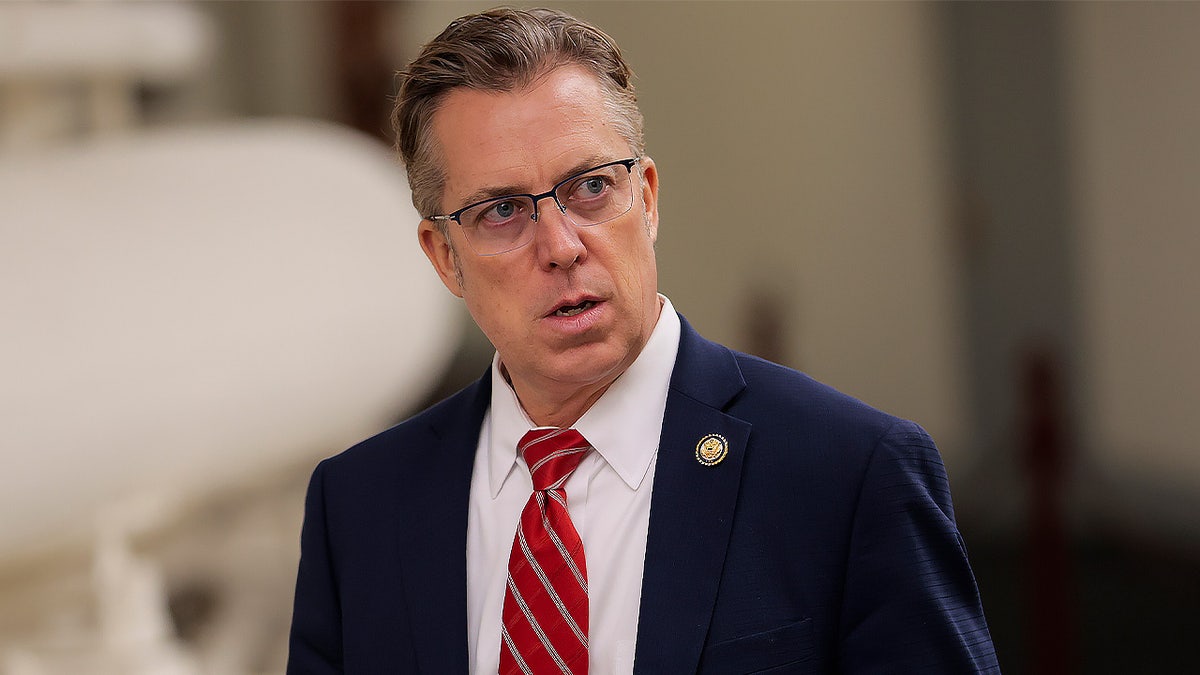
Rep. Andy Ogles walks through the U.S. Capitol in Washington, District of Columbia, on Feb. 3, 2026. (Heather Diehl/Getty Images)
«Look, at the end of the day, you know, I voted for conservative policies and that’s what America wants right now. We’re barreling towards $40 trillion in debt,» he added.
The Tennessee primary will take place on Thursday, Aug. 6.
republicans elections, politics, campaigning



Las fiestas agostinas de San Salvador reúnen cada año a miles de personas en torno a una de sus expresiones culturales más emblemáticas: los Viejos de Agosto. Esta tradición, con más de 200 años de historia, destaca por la presencia de personajes bufos y figuras mitológicas que recorren las calles durante los desfiles patronales, manteniendo viva una parte fundamental del patrimonio salvadoreño.
Según explicó Yelter Herrera, integrante de la Compañía Artística Teopantli, los Viejos de Agosto surgieron como parte esencial de las celebraciones patronales en diferentes municipios y cantones del país. Herrera relató a Infobae que la compañía fue fundada el 14 de septiembre de 1989 por su padre, Edgar Barrera, quien es el director y creador del grupo.
Desde entonces, la agrupación ha trabajado en la representación de mitos, leyendas y personajes icónicos de la cultura local. “Esta es una tradición salvadoreña que lleva más de doscientos años de realizarse en el país. Siempre se sacan personajes bufos, que en algunos lugares se les conoce también como comparsas, para acompañar a los desfiles de las fiestas patronales en los diferentes pueblos”, afirmó Herrera.
Entre los personajes más reconocidos se encuentran la Siguanaba, el Cipitío, el Cadejo Blanco, el Cadejo Negro y el Padre sin Cabeza. Cada uno cuenta con su propia historia y mitología, y forman parte de lo que en El Salvador se conoce como “espantos” o figuras sobrenaturales transmitidas entre generaciones.

La participación en los Viejos de Agosto suele estar marcada por la herencia familiar y el valor de la creatividad. Herrera, quien comenzó a integrarse a la compañía a los diez años, explicó a Infobae: “La principal razón es que mi papá, Edgar Barrera, es el director y creador de la compañía. Él siempre ha estado ligado a temas de danza folclórica y costumbres del país, y así mismo incorporó a estos personajes”.
Con el tiempo, la compañía ha visto pasar a decenas de jóvenes y adultos, llegando a contar con ochenta integrantes antes de la pandemia y manteniendo actualmente un promedio de cincuenta miembros.
Los disfraces, que en algunos casos han permanecido casi inalterables por décadas, se adaptan a los materiales disponibles y las exigencias de cada presentación.
El vestuario del Cipitío, por ejemplo, conserva el tradicional traje de manta blanca y sombrero artesanal de palma, mientras que las máscaras han evolucionado desde modelos de aserrín y pegamento hasta versiones en papel maché y réplicas para cubrir distintas actividades.
Durante las fiestas agostinas, los Viejos de Agosto aportan alegría, color y un sentido lúdico que conecta con el público local y los turistas. “En mi caso, yo represento al personaje del Cipitío, que es un personaje gordito, utiliza un sombrero y regularmente se le aparece a las señoritas en los ríos y quebradas. Es la imagen de un niño que nunca creció”, detalló Herrera.
El contacto con la audiencia, especialmente con los niños, es un aspecto clave: “Lo que hago personalmente muchas veces es darle la mano a los niños antes de interactuar con ellos, para que entiendan que no deben de tenerme miedo, sino que es parte de la diversión”, agregó.

La tradición también ha cruzado fronteras. Las máscaras de los Viejos de Agosto han sido exhibidas en Suiza hace aproximadamente veinte años, y la compañía participó en el Desfile de las Rosas en Pasadena, Estados Unidos, en 2020. “Ser el primer grupo de este tipo que se presenta en el desfile más importante de bandas de paz del mundo es una marca que tenemos gracias a Dios”, señaló Herrera.
El grupo ha recorrido los catorce departamentos de El Salvador, y en su historia ha visitado la isla de Meanguera del Golfo, además de presentarse en países vecinos como Guatemala y Nicaragua.
El elenco de los Viejos de Agosto incluye figuras como el Diablo Rojo, el Diablo Negro, la Siguanaba, el Cipitío, el Historiante, el Padre sin Cabeza, el Monje, el Cadejo Blanco, el Cadejo Negro, la Embarazada, el Sacerdote, el Árbitro y el Enfermero, entre otros. La incorporación de algunos personajes responde a contextos actuales, enriqueciendo la propuesta artística del grupo.
El valor de esta manifestación cultural se refleja en el compromiso de transmitirla a las nuevas generaciones. “Siempre es importante que un pueblo, un país, conserve estas cosas, porque son situaciones autóctonas que nos definen y nos diferencian con otros países de la región”, subrayó Herrera.
Las actividades no solo permiten conocer el territorio, sino que también representan una oportunidad para que niños y jóvenes se involucren y valoren su identidad cultural.
Como mensaje final, Herrera invitó a los jóvenes a integrarse: “Siempre las puertas están abiertas para todos estos jóvenes, chicos y señoritas que le guste la cultura salvadoreña. Es una forma sana y cultural de lograr sobrellevar, y que, pues respeten la cultura salvadoreña, que conozcan de ella y la sigan difundiendo por el paso de las generaciones”.
corresponsal:Desde San Salvador, El Salvador

“¿Alguien les puso una pistola en la cabeza?”: que dijo Milei sobre quienes tomaron créditos y están en mora

Top Trump ally warns super PAC bankrolled by Dem billionaire is meddling in his GOP primary

PS6 y la nueva Xbox están en problemas si se cumplen las predicciones de Samsung sobre el precio de la memoria RAM

En la costa de Venezuela, la vida se reduce a la supervivencia y al entierro

Emmanuel Macron se movilizó para impedir la venta del Mundial

Conmovedor momento en Gran Hermano: entre lágrimas, Sol saludó a su hija por su cumpleaños desde la casa

“Vamos a acelerar con todo”: el objetivo del Gobierno por las reformas y la agenda electoral de cara al 2027

Reelecciones indefinidas: el oficialismo bonaerense niega que busque ampliar la Legislatura como parte de una reforma política para beneficiar a los intendentes

“Casta”, “parásito” y “sea democrático”: fuerte respuesta de Victoria Villarruel a Diego Santilli

Dem senator swipes credit for bill he opposed amid heated reelection bid: ‘Disturbing pattern’
-
 POLITICA1 día ago
“Vamos a acelerar con todo”: el objetivo del Gobierno por las reformas y la agenda electoral de cara al 2027
-
 POLITICA15 horas ago
Reelecciones indefinidas: el oficialismo bonaerense niega que busque ampliar la Legislatura como parte de una reforma política para beneficiar a los intendentes
-
 POLITICA3 días ago
“Casta”, “parásito” y “sea democrático”: fuerte respuesta de Victoria Villarruel a Diego Santilli