INTERNACIONAL
De “el Papa es débil” a “no le tengo miedo”: el fuerte cruce entre Trump y León XIV por la guerra en Medio Oriente

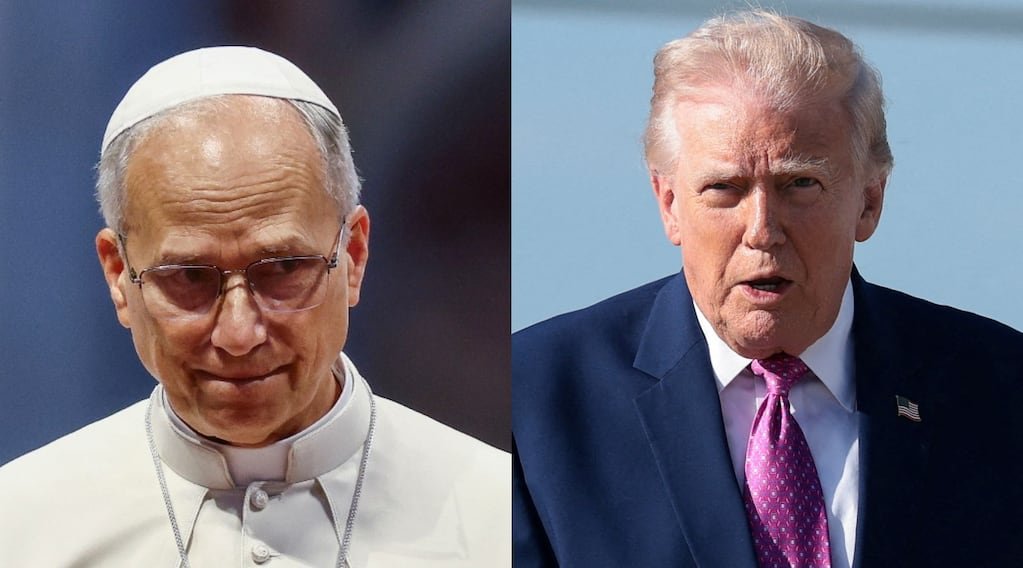
En una fase clave en la guerra de Medio Oriente, Donald Trump y el papa León XIV fueron protagonistas de un fuerte cruce. El presidente de Estados Unidos calificó al sumo pontífice como “débil” y él le respondió: “No le tengo miedo”.
Los cruces comenzaron luego de que León XIV criticara abiertamente la amenaza del mandatario estadounidense acerca de acabar con “toda una civilización” en el conflicto con Irán: aunque sin nombrarlo, el papa la calificó como “inaceptable” y animó a los fieles a “comunicarse” con los congresistas para pedir paz.
En esta primera Semana Santa como pontífice, también denunció en sus homilías “la hora oscura” que vive el mundo por la guerra, lamentado “una humanidad de rodillas por tantos ejemplos de brutalidad” o tachado de “blasfemos” a los gobernantes que “quieren vencer matando” o “se perciben poderosos cuando dominan”.
El papa León XIV también afirmó que “Dios no bendice ningún conflicto”, y quienes son “discípulos de Cristo”, no están nunca de lado “de quienes ayer empuñaban la espada y hoy lanzan bombas”, al recibir en el Vaticano a los miembros del Sínodo de la Iglesia Caldea de Bagdad.
Las críticas de Trump al papa León XIV
“El papa León es débil en materia de delincuencia y pésimo en política exterior. Habla del ‘miedo’ a la administración Trump, pero no menciona el miedo que la Iglesia Católica y todas las demás organizaciones cristianas sintieron durante la pandemia, cuando arrestaban a sacerdotes, ministros y a todo el mundo por celebrar misas, incluso al aire libre y manteniendo la distancia de seguridad”, expresó a través de Truth Social.
De la misma forma, aseguró que le cae mejor su hermano Louis porque es un “auténtico seguidor de MAGA”. “¡Él lo entiende, y León no! No quiero un papa que piense que está bien que Irán tenga armas nucleares. No quiero un papa que piense que es terrible que Estados Unidos atacara a Venezuela, un país que enviaba enormes cantidades de drogas a Estados Unidos y, peor aún, que liberaba a asesinos, narcotraficantes y criminales en nuestro país», insistió. El presidente Donald Trump cuestionó las críticas del papa y redobló la apuesta. (AP foto/Mark Schiefelbein)
En el mismo sentido, aseguró que no quiere un papa que “critique al Presidente de los Estados Unidos”. “Estoy haciendo exactamente lo que me eligieron, por una aplastante mayoría, estableciendo cifras récord de delincuencia y creando el mejor mercado de valores de la historia”, señaló.
A la par, Trump sostuvo que su triunfo en las elecciones influenció la elección del sacerdote en el Cónclave. “León debería estar agradecido porque, como todos saben, fue una sorpresa mayúscula. No estaba en ninguna lista para ser papa, y la Iglesia lo puso allí solo porque era estadounidense, y pensaron que esa sería la mejor manera de lidiar con el Presidente Donald J. Trump. Si yo no estuviera en la Casa Blanca, León no estaría en el Vaticano”, declaró.
“Desafortunadamente, la debilidad de León contra el crimen y contra las armas nucleares no me convence, ni tampoco el hecho de que se reúna con simpatizantes de Obama como David Axelrod, un perdedor de la izquierda, que es uno de los que querían que arrestaran a feligreses y clérigos. Debería enmendar su papel como papa, usar el sentido común, dejar de complacer a la izquierda radical y concentrarse en ser un gran papa, no un político. ¡Le está haciendo mucho daño y, lo que es más importante, le está haciendo daño a la Iglesia Católica!“, completó.
La respuesta del papa León XIV
Luego de las críticas del republicano, el sumo pontífice le respondió mientras estaba a bordo del avión papal durante el vuelo hacia Argelia, donde comenzó este lunes su tercer viaje internacional. “No, no le tengo miedo a la administración Trump, ni a proclamar el mensaje del Evangelio en voz alta, que es para lo que creo que debo estar aquí, y por eso está aquí la Iglesia. No somos políticos, no vemos la política exterior desde la misma perspectiva, sino como constructores de paz”, dijo.
En el mismo sentido, sostuvo que no cree que el mensaje del Evangelio deba ser tergiversado “como algunos lo están haciendo” y aseguró que seguirá manifestándome enérgicamente contra la guerra, “tratando de promover la paz, el diálogo y el multilateralismo con los estados para buscar soluciones a los problemas”. “Demasiadas personas sufren hoy, demasiadas personas inocentes han muerto, y creo que alguien debe alzar la voz”, insistió. El papa León XIV habla con periodistas en su vuelo con destino al aeropuerto internacional Houari Boumédiène de Argel, el lunes 13 de abril de 2026, al inicio de un viaje apostólico de 11 días a África. (Alberto Pizzoli/Pool Foto via AP)
De esta manera, León XIV afirmó: “Las cosas que yo digo no tienen por qué ser entendidas como un ataque a nadie. El mensaje del evangelio es muy claro: Bienaventurados los que construyen la paz”, agregó. Y señaló: “Esto es lo que creo que tengo que hacer, lo que la Iglesia tiene que hacer. No somos políticos, no nos ocupamos de política internacional con la misma perspectiva que él (Trump) pueda tener. Yo creo en el mensaje del evangelio que es el del construir la paz».
En el cierre, el sumo pontífice dijo que él solo está invitando “a todos para buscar la manera de construir puentes de paz y reconciliación, de buscar modos de evitar guerra siempre que se pueda”. “Creo que el presidente no está entendiendo lo que es el mensaje del evangelio”, aseveró y aclaró que siente “mucho” las palabras que le dirigió a Trump, pero que de igual manera seguirá con su misión. Incluso bromeó cuando le preguntaron sobre el post en Truth Social, la plataforma de Trump: “Ya es irónico el nombre del sitio web por no decir más…”
papa León XIV, Donald Trump, Guerra en Medio Oriente







INTERNACIONAL
Guerra en Medio Oriente en VIVO: Continúan los ataques cruzados en Medio Oriente: Irán lanzó nuevos bombardeos contra países del Golfo
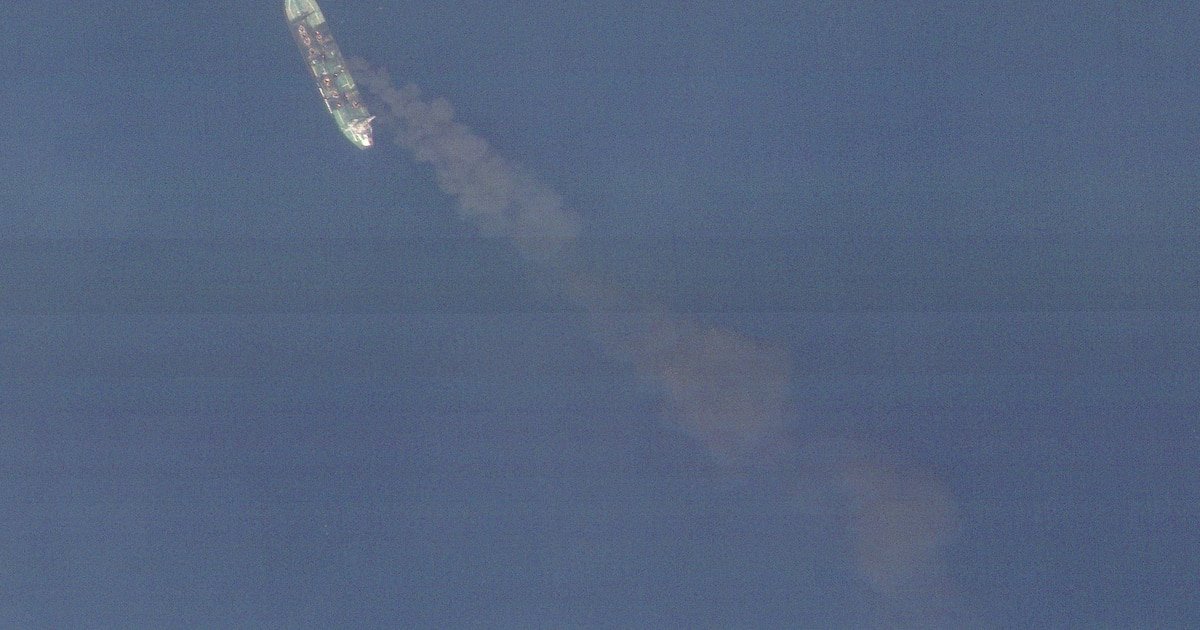
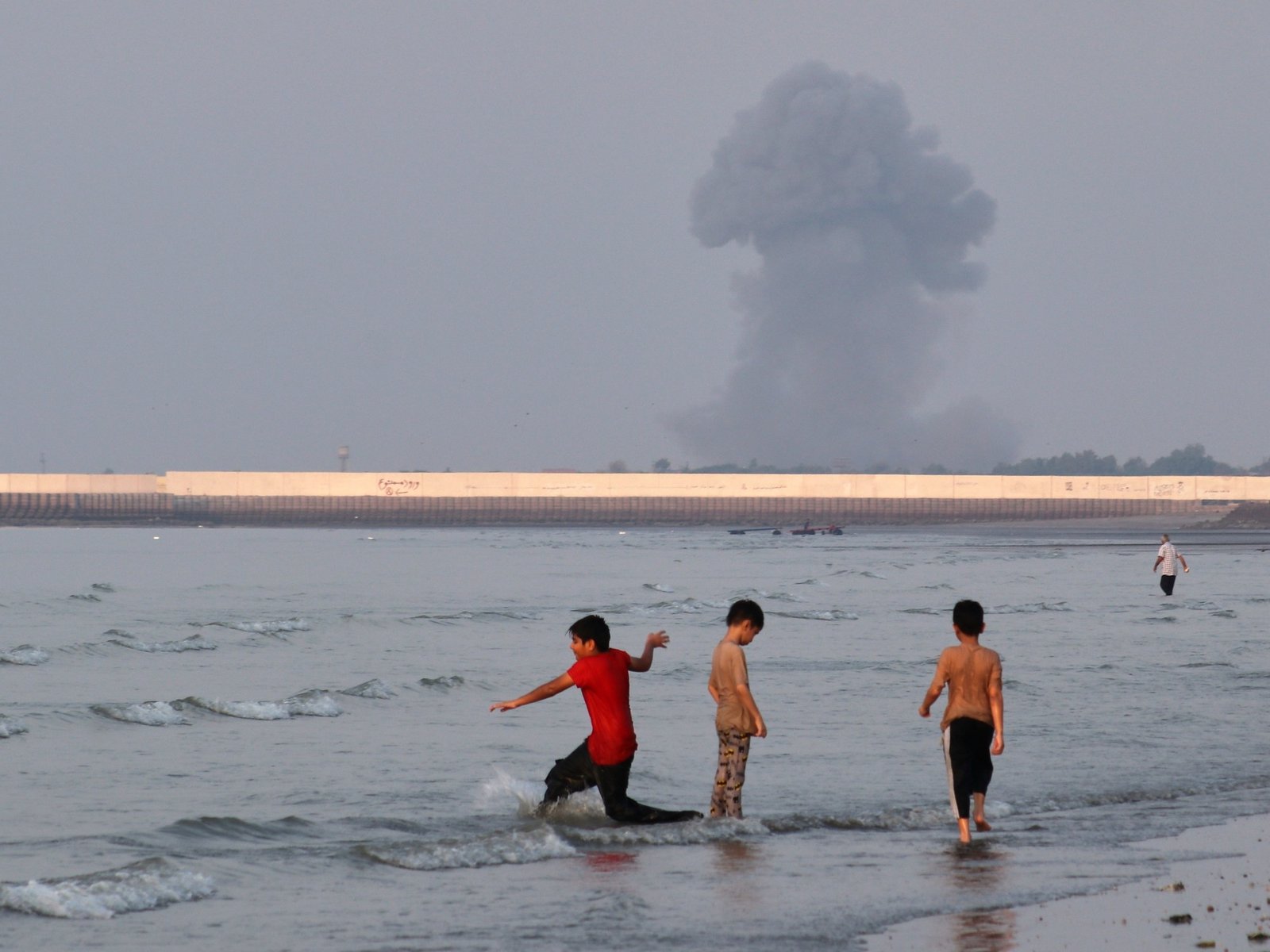
El Ejército de Irán lanzó una nueva ola de ataques el viernes por la madrugada contra instalaciones militares en Bahréin y Jordania en respuesta al último bombardeo por parte del Comando Central de Estados Unidos (CENTCOM), el decimotercero desde la reanudación de la guerra. Las fuerzas estadounidense confirmaron que la ofensiva fue dirigida contra centros de mando, depósitos de drones, sistemas de comunicación, puestos de vigilancia costera y capacidades marítimas.
A su vez, el ministro de Asuntos Exteriores iraní, Abbas Araghchi, calificó como un “precedente incendiario” la idea expresada por el presidente estadounidense, Donald Trump, de utilizar activos iraníes para pagar daños a buques atacados por el Cuerpo de la Guardia Revolucionaria Islámica (CGRI). “Apoderarse de los activos de otra nación para pagar reclamaciones futuras no relacionadas es un precedente incendiario”, afirmó.
En paralelo, los precios del crudo se encaminan el viernes a cerrar la semana con importantes aumentos tras los ataques cruzados entre Washington y Teherán, sumados a los proyectiles lanzados por los rebeldes hutíes de Yemen contra petroleros en el mar Rojo. Los futuros del crudo Brent bajaron 72 centavos hasta los 99,97 dólares por barril, mientras el West Texas Intermediate (WTI) de Estados Unidos bajó 70 centavos, o un 0,76 %, hasta los 91,49 dólares por barril.
A continuación, la cobertura minuto a minuto:

El Organismo Internacional para la Energía Atómica (OIEA) confirmó el jueves que tiene conocimiento del acuerdo de cooperación nuclear entre Estados Unidos y Arabia Saudita, y señaló que permanece a la espera de una solicitud formal de ambos gobiernos para supervisar su cumplimiento.
El Ejército iraní atacó con drones bases estadounidenses en Bahréin y Jordania

El Ejército de Irán anunció el viernes la realización de ataques con drones contra bases militares estadounidenses en Bahréin y Jordania como parte de la última fase de su operación denominada “Saegheh”.
La oficina de relaciones públicas del ejército informó que los drones impactaron en instalaciones de almacenamiento de combustible, almacenes de equipos y zonas de alojamiento para las fuerzas estadounidenses en la base aérea de Sheikh Isa, ubicada en Bahréin.
Según el comunicado oficial, los ataques también alcanzaron refugios para aeronaves, hangares de mantenimiento de aviones y áreas de alojamiento de personal estadounidense en la base aérea de Azraq, en Jordania.
Irán dice que EEUU atacó un cuartel general de la Marina de la Guardia Revolucionaria
Las autoridades de Irán informaron el viernes que Estados Unidos atacó una base de la Guardia Revolucionaria en la provincia de Gilan, en el norte del país.
Según declaraciones de Ali Bagheri, vicegobernador provincial, citadas por la agencia oficial IRNA, “esta mañana, un cuartel general de las fuerzas navales de la CGRI en Zibakenar fue atacado con proyectiles enemigos estadounidenses, que dañaron parte del equipo del complejo”.
El crudo mantiene sus fuertes ganancias semanales a pesar del ligero descenso del viernes
Los precios del crudo se encaminaban el viernes a cerrar la semana con importantes aumentos tras los ataques de los rebeldes hutíes de Yemen contra petroleros en el mar Rojo, lo que generó preocupación por un posible cierre de otro paso marítimo fundamental para el comercio energético.
Los futuros del crudo Brent bajaron 72 centavos, o un 0,72%, hasta los 99,97 dólares por barril a las 01:26 GMT, aunque el índice de referencia se mantenía en camino de anotar una ganancia semanal del 13,5%. Por su parte, el West Texas Intermediate (WTI) de Estados Unidos bajó 70 centavos, o un 0,76 %, hasta los 91,49 dólares por barril, lo que apunta a un aumento semanal del 10,9%.
Ambos índices de referencia repuntaron en la sesión anterior: el Brent cerró con una subida del 7% y el WTI con un alza del 6,2% el jueves. Esta sesión marcó la primera vez que el Brent cerró por encima de los 100 dólares desde mayo, tras las afirmaciones de los hutíes, alineadas con Irán, de que habían atacado dos petroleros saudíes en el mar Rojo.
Abbas Araghchi, sobre la advertencia de Trump por el uso de fondos iraníes: “Es un precedente incendiario”

El régimen de Irán calificó como un “precedente incendiario” la advertencia del presidente estadounidense, Donald Trump, de utilizar activos iraníes para pagar daños a buques atacados por la Guardia Revolucionaria Islámica.
“Apoderarse de los activos de otra nación para pagar reclamaciones futuras no relacionadas es un precedente incendiario”, publicó el ministro de Asuntos Exteriores iraní, Abbas Araghchi, en X.
Y amenazó: “Quienes celebren o se beneficien de tales fondos deberían recordar: una vez que los gobiernos normalicen la confiscación, los activos de nadie estarán seguros. El caos subsiguiente no será ni bonito ni pacífico”.
La ONU afirma que las necesidades humanitarias aumentan a medida que la guerra se intensifica
Las consecuencias humanitarias derivadas de la reciente escalada en Medio Oriente, incluido el cierre de los estrechos de Ormuz y Bab el-Mandeb, siguen aumentando, advirtió el portavoz de la Organización de las Naciones Unidas (ONU), Stephane Dujarric.
“La escalada amenaza con perturbar aún más el comercio marítimo, los vuelos, los cruces fronterizos y las cadenas de suministro regionales de las que dependen millones de personas”, declaró Dujarric ante periodistas. El vocero subrayó que cualquier nueva interrupción podría “aumentar las necesidades y los costos humanitarios en un momento en que las operaciones de ayuda ya están insuficientemente financiadas y sobrecargadas”.
En un llamado dirigido a los actores involucrados, Dujarric instó a “todas las partes a respetar el derecho internacional humanitario, proteger a los civiles y los bienes de carácter civil, y evitar interrumpir los servicios esenciales de los que dependen los civiles”.
La ONU remarcó la urgencia de preservar el acceso a rutas marítimas y terrestres fundamentales para la distribución de ayuda, en un contexto de creciente presión sobre los recursos disponibles para atender a la población afectada.
EEUU completó una nueva ofensiva contra posiciones militares iraníes: ya son 13 noches consecutivas de ataques
El Comando Central estadounidense bombardeó centros de mando castrenses, instalaciones de almacenamiento de drones, redes de comunicación, sitios de vigilancia costera y capacidades marítimas “para reducir aún más la amenaza del régimen de Irán para la región”

Estados Unidos completó este jueves una nueva serie de bombardeos contra objetivos militares del régimen iraní, con lo que la campaña militar de Washington alcanzó su decimotercera noche consecutiva de operaciones. El Comando Central estadounidense (CENTCOM) informó que los ataques buscan debilitar la capacidad operativa de la Guardia Revolucionaria Islámica y responder a las amenazas contra la navegación comercial en Oriente Medio.
Trump amenazó con usar activos iraníes bloqueados para cubrir daños en los buques atacados por el régimen
Con EEUU e Irán en su día 13 de combates tras la ruptura de la tregua, el presidente escala la presión económica y militar sobre Teherán en torno al estrecho de Ormuz

Donald Trump amenazó este jueves con utilizar activos iraníes bajo control estadounidense para cubrir los daños sufridos por buques, cargamentos u otros bienes en el marco del conflicto con Irán, y declaró que evalúa lanzar un nuevo ataque militar contra Teherán “más grande que nunca”. Las dos advertencias, lanzadas el mismo día desde Washington, marcan una nueva escalada en un enfrentamiento que acumula ya 13 días de combates desde que Trump declaró el fin de la tregua a comienzos de julio.
Military Conflicts
INTERNACIONAL
El bloqueo del estrecho de Ormuz, el posible cierre de una vía clave en el Mar Rojo y las amenazas de Trump disparan el precio del petróleo
INTERNACIONAL
Mamdani slow to respond to suspected antisemitic stabbing as Hochul, other NY officials condemn attack
NEWYou can now listen to Fox News articles!
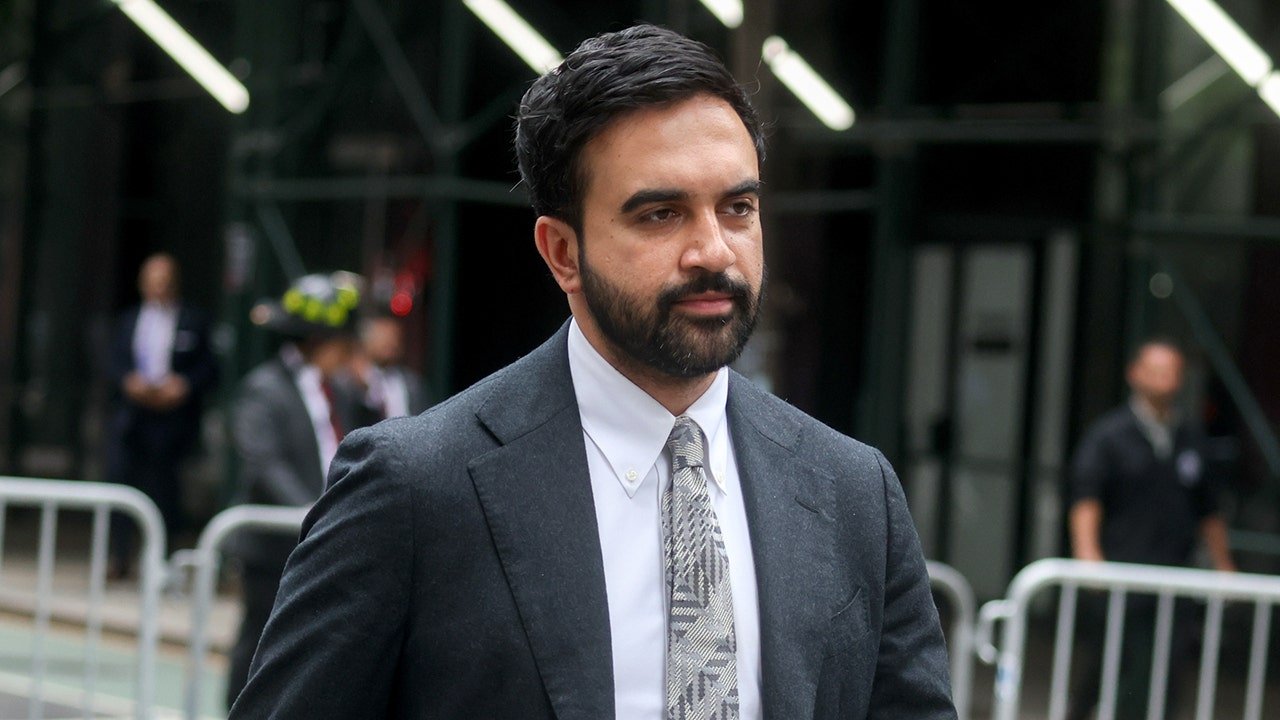
New York Mayor Zohran Mamdani remained silent for serveal hours on what officials described as an antisemitic stabbing in New York City on Thursday afternoon, choosing to instead post about his millionaire housing tax initiative — even as the attack drew attention from other state officials.
«I have been briefed on today’s horrifying stabbings on the Upper West Side, where an Asian man and a Jewish man were attacked. According to witness and victim statements, the perpetrator yelled «Allahu Akbar» during both attacks. I am relieved that both victims are in stable condition,» Mamdani wrote in a statement.
«The NYPD responded immediately and arrested Raul Morales in connection with both assaults—and I am grateful to the officers for their swift response.»
The delayed response from Mamdani played into the fears of some observers that his critical stances towards Israel, views shared by many progressives, are feeding into hesitations about supporting Jewish communities in the U.S.
LIBERAL MS NOW WRITER CALLS MAMDANI PRIMARY SWEEP A ‘GENUINELY SCARY NIGHT FOR NEW YORK CITY JEWS’
Julie Menin, speaker of the New York City Council, during an announcement in the Brooklyn borough of New York, US, on Monday, Jan. 12, 2026. (John Lamparski/Bloomberg via Getty Images)
Councilwoman Inna Vernikov, another member of the New York City Council, more pointedly laid blame with Mamdani.
«According to credible reports I received, the attacker was yelling ‘Allahu Akbar’ during his attempted murder. I pray for the speedy recovery of the victims. [Mamdani,] you got blood on your hands,» she wrote.
Authorities reported that a 57-year-old man was reportedly attacked near West 84th Street and Central Park West just after 1:30 p.m. local time. He was found conscious and alert with a stab wound to his back. He was taken to a local hospital in stable condition.
Investigators later found another 50-year-old man nearby with a stab wound to his torso. He was also conscious and alert and was taken to a nearby hospital.
City officials described the violence as an «antisemitic stabbing,» though police have not yet identified a motive or said whether the attacks are being investigated as a hate crime.
Raul Morales, the suspect, is in custody, the New York City Police Department (NYPD) told Fox News Digital.
NYC REPUBLICAN LAWMAKER SLAMS MAMDANI ANTISEMITISM OFFICE AS A ‘BLACK HOLE’ LACKING PUBLIC-FACING RESOURCES
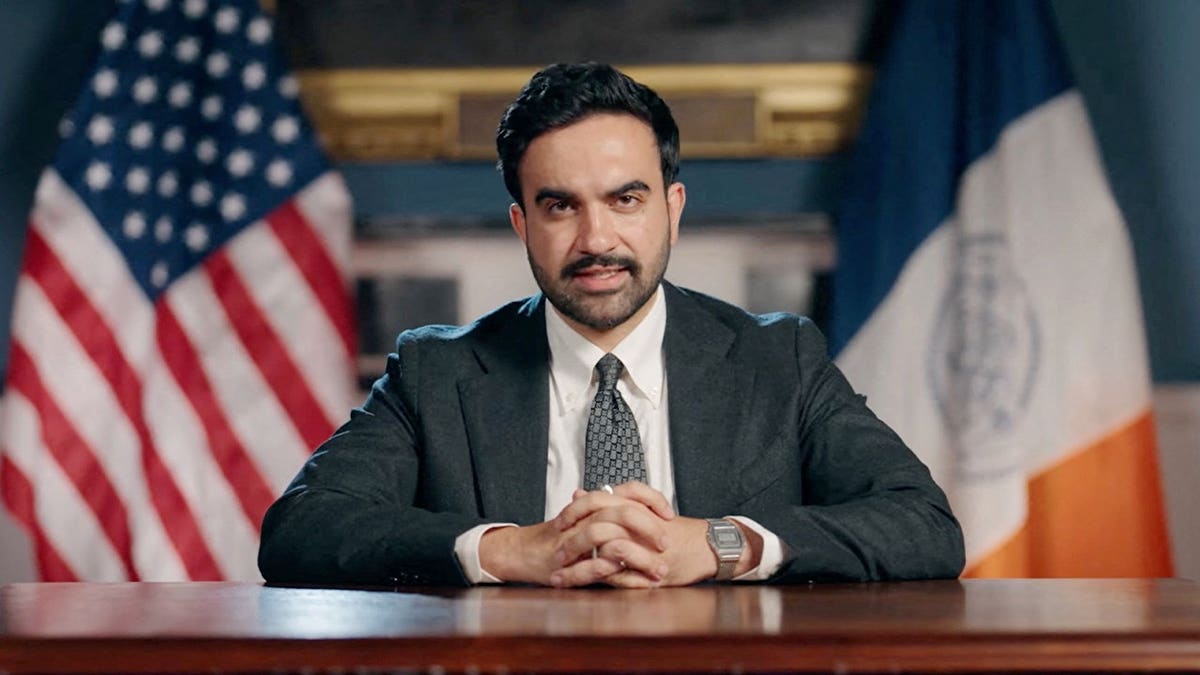
New York City Mayor Zohran Mamdani’s video admitting that he lacks the legal authority to arrest Israeli Prime Minister Benjamin Netanyahu did little to ease Jewish leaders’ concerns. (NYC Mayor’s Office via YouTube/Handout via Reuters)
Almost immediately, the incident drew alarm and condemnation from observers, expressing dismay at another instance of violence against the Jewish community in New York City.
«Disgusted by what appears to be another senseless attack on New Yorkers simply because they’re Jewish,» New York Gov. Kathy Hochul said in a post to X.
«While we await additional details to be confirmed, we know that what is happening in our city is abhorrent. The fear in the Jewish community is real. Every New Yorker deserves to feel safe in their neighborhood, regardless of their faith or identity.»
«While we await additional details to be confirmed, we know that what is happening in our city is abhorrent. The fear in the Jewish community is real. Every New Yorker deserves to feel safe in their neighborhood, regardless of their faith or identity,» Julie Menin, speaker of the New York City Council, wrote in a post to X
«A man yelling ‘allahu akbar’ stabbed a man in a kippah at 86th and Amsterdam Avenue on the Upper West Side at 1:30 pm today, then likely stabbed someone else at 84th and Central Park West. Has apparently been caught. On the Jewish day of mourning. In Zohran Mamdani’s city,» another observer wrote.
Even as the incident captured attention online, Mamdani remained notably silent on the attack. Instead, he made a post on his recent housing tax plan, a strategy to dissuade wealthy New Yorkers from purchasing and keeping an outsized number of residences.
«If you have a second home in New York City worth more than $5M, check your mailbox when you’re back in the five boroughs — because you’ve got mail. Today, we sent notification letters to property owners, letting them know that our new pied-à-terre tax is coming soon,» Mamdani wrote at 3:55, almost two and a half hours after the attack.
JON STEWART PRESSES MAMDANI ON WHERE HE BREAKS WITH FELLOW DEMOCRATIC SOCIALISTS ON PRISONS AND BORDERS
CLICK HERE TO DOWNLOAD THE FOX NEWS APP
In the first quarter of 2026, the New York Police Department has received 146 hate crime complaints and made 71 arrests, according to police data — an uptick from 137 complaints and 51 arrests in the first quarter of 2025.
Mamdani’s office did not immediately respond to a request for comment on whether factors behind the scenes had caused a delay in response.
hate crime, zohran mamdani, anti semitism, new york city, politics

Sicarios cibernéticos en el mar: la guerra electrónica que amenaza a la flota pesquera Argentina

Guerra en Medio Oriente en VIVO: Continúan los ataques cruzados en Medio Oriente: Irán lanzó nuevos bombardeos contra países del Golfo

Cavalieri quiere la reelección en Comercio mientras reclama un urgente aumento salarial

Copa Sudamericana: cuándo es el partido de vuelta entre Boca y O’Higgins y cuál es el posible rival en octavos

La ironía de Nigeria. El país donde el más rico gana 8000 veces más que el más pobres

Los cuatro signos del horóscopo chino que tendrán un golpe de suerte antes de que termine julio, según Ludovica Squirru

Escándalo Mundial: Las presiones secretas, la amenaza de la FIFA por Malvinas y la verdad detrás del partido contra España

Sin la Copa y sin Messi en el avión, vuelve Tapia y deberá enfrentar tres frentes de tormenta tras la pausa del Mundial

Samuel L. Jackson llamó a Argentina “el país más racista del mundo”: la contundente respuesta que le dejó Bárbara Lombardo

Le ganan a la inflación: los senadores pasarán a cobrar $12 millones brutos a partir de agosto

 DEPORTE2 días ago
Escándalo Mundial: Las presiones secretas, la amenaza de la FIFA por Malvinas y la verdad detrás del partido contra España
- POLITICA1 día ago
Jorge Berredo, general retirado de las FFAA, asumió como Secretario de Seguridad en San Isidro
- POLITICA21 horas ago
Sin la anestesia mundialista, aflora la crisis del conurbano y Milei necesita reconectar con lo popular