INTERNACIONAL
Lawmakers put expulsion threats atop House agenda as return sets up high-stakes week

NEWYou can now listen to Fox News articles!
The push to forcibly remove multiple scandal-ridden members of Congress is picking up steam with several potential expulsion votes on deck this week.
Reps. Eric Swalwell, D-Calif., and Tony Gonzales, R-Texas, are expected to face an immediate expulsion threat when the House returns from a two-week recess on Tuesday.
Swalwell, who dropped out of California’s 2026 gubernatorial race Sunday, is facing multiple sexual assault and misconduct allegations, including at least one involving a former staffer. The Manhattan district attorney’s office has also opened a criminal investigation into an incident that allegedly occurred in New York City.
Swalwell has repeatedly characterized the allegations as «false,» though he acknowledged a lack of judgment on Sunday. He has pledged to vigorously defend himself.
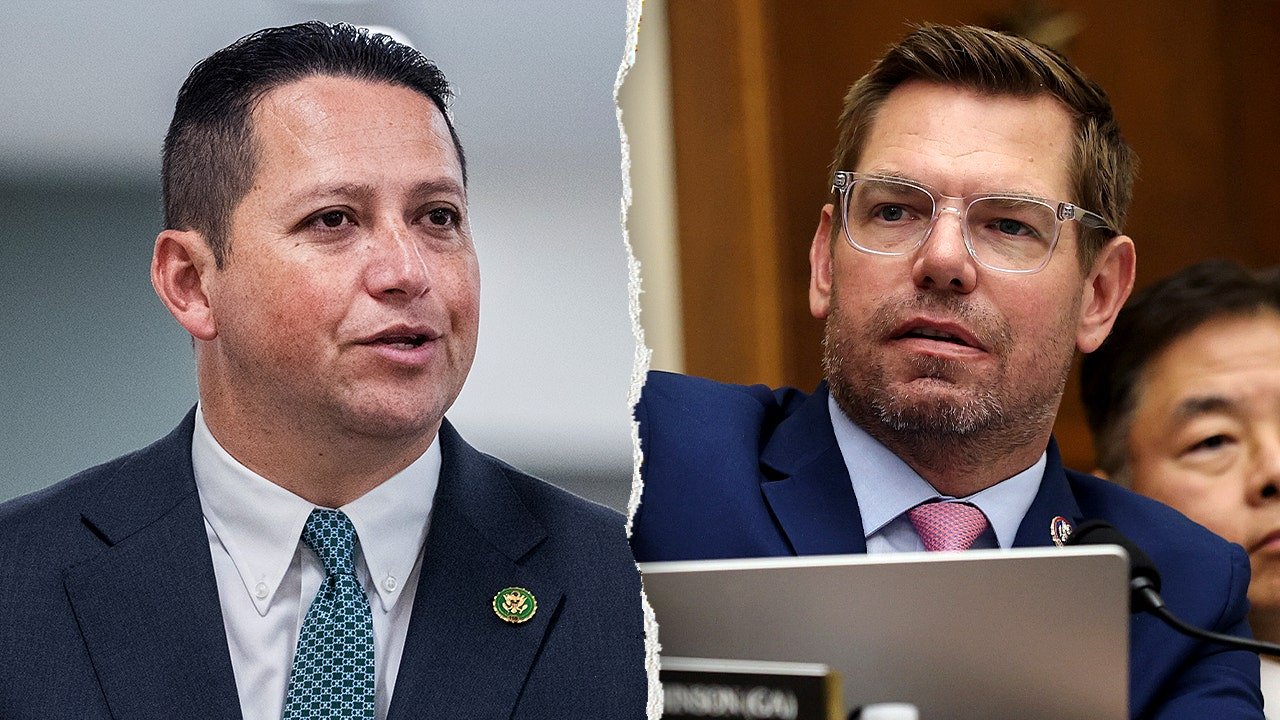
Reps. Tony Gonzales, R-Texas, and Eric Swalwell, D-Calif., are expected to face expulsion votes this week over sexual misconduct allegations if they do not resign. (Tom Williams/CQ-Roll Call, Inc.; Win McNamee/Getty Images )
TWO DEMOCRATIC REPS CALL FOR SWALWELL TO EXIT CONGRESS AS CONTROVERSY SWIRLS AROUND HIS BID FOR CA GOVERNOR
Gonzales, who has admitted to having an affair with a staff member who later died by setting herself on fire, dropped his re-election bid in March after House GOP leadership called on him to suspend his campaign. He is under investigation by the House Ethics Committee.
Rep. Anna Paulina Luna, R-Fla., said over the weekend that she would introduce a resolution to expel Swalwell from the chamber if he does not resign. Meanwhile, Rep. Teresa Leger Fernandez, D-N.M., is vowing to draft a measure that would expel Gonzales.
The female lawmakers have said they support expelling both men from the House of Representatives. A growing share of lawmakers in both parties appear to share that view.
«That vote comes to the floor, I will be voting yes on both measures,» Rep. Byron Donalds, R-Fla., said on NBC’s «Meet the Press» on Sunday. «These allegations are despicable, and they demean the integrity of Congress. These things are just completely unacceptable. And as far as I’m concerned, both gentlemen need to go home.»
«I think that this is very important that we believe women and that we show people across the Capitol and across the country that we will not accept this kind of behavior,» Rep. Pramila Jayapal, D-Wash., also said.

Rep. Anna Paulina Luna departed the U.S. Capitol following a series of House votes on March 5, 2026, in Washington, D.C. (Andrew Harnik/Getty Images)
PELOSI, CALIFORNIA DEMS SLAM SWALWELL OVER BOMBSHELL SEXUAL ASSAULT ALLEGATIONS: ‘INDEFENSIBLE’
Expelling a member of Congress is an incredibly high bar, and it is currently unclear whether both expulsion resolutions can obtain the two-thirds majority required to pass. To be successful, a significant portion of lawmakers will have to vote in favor of removing a member of their own party.
Former Rep. George Santos, R-N.Y., who was removed from the House in 2023, is the most recent member to be expelled. President Donald Trump pardoned Santos in 2025 after he was convicted of wire fraud and identity theft and sentenced to more than seven years in prison.
Both House Republican and Democratic leadership have yet to comment on rank-and-file efforts to expel Swalwell and Gonzales.
Reps. Sheila Cherfilus-McCormick, D-Fla., and Cory Mills, R-Fla., could also become potential targets of expulsion resolutions, though just a handful of members have thus far signaled they would support the removal of the lawmaker from their own party.
«They should resign IMMEDIATELY. If they don’t, we should expel all of them,» Rep. Nancy Mace, R-S.C., wrote on social media Sunday, referring to Swalwell and Gonzales, too.
Cherfilus-McCormick is facing more than five decades in prison after allegedly funneling more than $5 million in disaster relief money to fund her congressional campaign and personal lifestyle.
A House Ethics adjudicatory subcommittee in March found her guilty of more than two dozen violations as part of an investigation separate from the federal criminal indictment. The panel is expected to formally recommend its suggested punishment later this month, which could be as severe as expulsion.
House Democratic leadership has indicated they will withhold judgment on Cherfilus-McCormick until the ethics panel announces its decision.

Rep. Sheila Cherfilus-McCormic was indicted by a Miami grand jury for allegedly stealing $5M FEMA funds on Wed, Nov. 18, according to the Department of Justice. (Tom Williams/CQ-Roll Call via Getty Images)
CLICK HERE TO DOWNLOAD THE FOX NEWS APP
Mills, a former Army combat veteran, has faced myriad controversies, including allegedly misrepresenting his military service, domestic violence and threatening to release sexually explicit photos of a former girlfriend, and abusing his committee assignments to benefit defense contracting firms he owns. He is also the target of a House Ethics Committee investigation.
Both lawmakers have denied any wrongdoing and are running for re-election.
pramila jayapal, eric swalwell, democrats, investigations, republicans, politics












INTERNACIONAL
Comprar una casa es cada vez más difícil: ventas de viviendas nuevas caen a su nivel más bajo desde 2017 en Estados Unidos

Las ventas de viviendas nuevas en Estados Unidos disminuyeron a su nivel más bajo desde 2017 durante junio de 2026, afectando a compradores, constructores y al conjunto del sector inmobiliario, de acuerdo con datos oficiales del U.S. Census Bureau. La caída se registró pese a una leve mejora en la asequibilidad por precios medianos más bajos, y revela la persistencia de problemas de acceso a la vivienda para amplios sectores de la población.
Según el informe publicado el 24 de julio por el U.S. Census Bureau, el ritmo anualizado ajustado estacionalmente de ventas de viviendas nuevas en junio fue de 628.000 unidades, un incremento marginal del 1,6% respecto a mayo, pero un retroceso del 5,6% frente a junio de 2025. The Street y la National Association of Home Builders (NAHB) confirmaron que el primer semestre de 2026 es el más débil desde 2017 para este segmento del mercado, pese a los incentivos y ajustes en los precios de venta.
El contexto inmobiliario estadounidense está marcado por el impacto de las tasas hipotecarias elevadas y la desaceleración en la formación de nuevos hogares. Tras el auge registrado durante la pandemia, la demanda se ha moderado y la oferta de viviendas aún no logra equilibrar las necesidades de la población, según análisis de Zillow, la NAHB y reportes de Newsweek.
La disminución en la venta de casas nuevas responde a una combinación de factores macroeconómicos y sociales. Uno de los principales es la evolución de las tasas de interés hipotecarias, que han vuelto menos accesible el financiamiento para la compra de viviendas. Según datos de Redfin citados por Newsweek, la tasa promedio fija a 30 años se ubicó en 6,55% para la semana terminada el 19 de julio, el nivel más alto en 11 meses.
A esto se suma la ralentización en la creación de nuevos hogares. La Reserva Federal reportó que el 49% de los adultos estadounidenses menores de 30 años vive con al menos uno de sus padres, cifra que ha crecido 12 puntos porcentuales desde 2019. Además, el 47% de este grupo ha recibido ayuda económica externa para cubrir gastos relacionados con la vivienda, lo que retrasa la independencia y la demanda de casas nuevas.
El economista sénior de Zillow, Orphe Divounguy, señaló que “las dificultades de asequibilidad y el aumento de los costos de vida están retrasando la independencia de los adultos jóvenes y, en consecuencia, la formación de nuevos hogares”, según declaraciones recogidas por Newsweek.

El U.S. Census Bureau informó que en junio de 2026, el precio mediano de venta de viviendas nuevas fue de 398.300 dólares, lo que representa una baja del 2,7% respecto a junio de 2025. El precio promedio descendió a 475.400 dólares, una disminución interanual del 6,5%. Estas cifras reflejan la estrategia de los constructores de ajustar los valores para incentivar la compra, aunque la demanda se mantiene contenida.
El inventario de viviendas nuevas alcanzó las 485.000 unidades, prácticamente sin variación frente a mayo y una caída del 3,2% en comparación con el año anterior. La NAHB indicó que “más constructores están optando por pausar la actividad, y los permisos, los inicios de obra y las viviendas en construcción muestran descensos”, lo que podría afectar la oferta futura de casas nuevas si la demanda repunta.
El comportamiento regional muestra diferencias notables en el mercado de viviendas nuevas. Según la National Association of Home Builders, durante el primer semestre de 2026 las ventas aumentaron un 2,6% en el Medio Oeste, pero disminuyeron un 4,7% en el Noreste, un 4,9% en el Sur y un 10,1% en el Oeste.
La mayor concentración de inventario y nuevas construcciones se observa en regiones con mayor disponibilidad de terrenos y regulaciones más flexibles, como el Sur y la zona conocida como Sun Belt. Por el contrario, las áreas metropolitanas costeras, donde la demanda es más alta, siguen enfrentando restricciones por falta de suelo y normativas más estrictas, según la NAHB y Newsweek.

Las tasas hipotecarias influyen de forma directa sobre la capacidad de compra de los hogares estadounidenses. Durante las últimas semanas, el incremento de las tasas, que alcanzaron su máximo en casi un año, ha reducido la cantidad de compradores calificados y ha frenado las transacciones. Redfin reportó una caída del 1,3% en las ventas pendientes de viviendas existentes durante las cuatro semanas previas al 19 de julio.
El entorno macroeconómico, caracterizado por una inflación persistente y menor dinamismo laboral, complica aún más el acceso al crédito hipotecario. “Las tasas hipotecarias más altas, la contratación más lenta y la inflación todavía elevada están desincentivando la formación de nuevos hogares”, declaró Divounguy, de acuerdo con Newsweek.
¿Qué medidas adoptan los constructores ante la baja demanda?
Ante la desaceleración en las ventas, los constructores de viviendas han optado por ofrecer incentivos como descuentos en los precios y acuerdos para reducir las tasas hipotecarias de los compradores. Sin embargo, el aumento de los costos de materiales y la incertidumbre sobre la evolución del mercado han provocado una reducción en la solicitud de permisos y en el inicio de nuevas obras.
La NAHB alertó que la decisión de pausar nuevos proyectos podría agravar el déficit de viviendas asequibles, estimado en 4,7 millones de unidades. “Un exceso de casas terminadas y en construcción dificulta la viabilidad de nuevos proyectos”, señaló la asociación en su último reporte mensual. El ajuste en la producción busca evitar una sobreoferta que presione aún más los precios a la baja y reduzca los márgenes de ganancia de las empresas constructoras.

Para los compradores, la reducción de precios no ha compensado completamente el encarecimiento de los préstamos hipotecarios ni el aumento de otros gastos asociados, como los impuestos a la propiedad y los seguros. Las condiciones actuales han obligado a muchos potenciales compradores a posponer la decisión de adquirir una vivienda y, en muchos casos, a permanecer en alquiler o compartir vivienda con familiares.
Por su parte, los vendedores enfrentan el dilema de aceptar menores precios de venta o retirar sus propiedades del mercado en espera de mejores condiciones. Según The Street, “el menor dinamismo obliga a reconsiderar las expectativas de precio o a esperar un entorno más favorable”.
El impacto también se extiende a los constructores, quienes deben gestionar un inventario creciente y márgenes de beneficio reducidos, al tiempo que ajustan su estrategia de producción para el resto del año.
El futuro del mercado inmobiliario estadounidense dependerá de la evolución de las tasas hipotecarias, la recuperación del empleo y la evolución de la inflación. Mientras la oferta de viviendas sigue siendo insuficiente en varias regiones, especialmente en las zonas costeras, la mayor parte de la nueva construcción se concentra en áreas donde la tierra es más abundante y las regulaciones más flexibles.
Informes institucionales y análisis sectoriales coinciden en que el equilibrio entre oferta y demanda requerirá tanto ajustes en las políticas de vivienda como una mejora en las condiciones de acceso al crédito. El reto para los próximos meses será evitar un retroceso mayor en la construcción, que podría acentuar el déficit habitacional en el mediano plazo.
bienes raíces,Estados Unidos,vivienda,venta,suburbano,desaceleración económica
INTERNACIONAL
Trump’s evolving China rhetoric raises eyebrows over TikTok strategy amid scorching election meddling warning
NEWYou can now listen to Fox News articles!
President Donald Trump is striking a noticeably softer tone toward China just days after delivering a public address to the nation accusing Beijing of «sinister election meddling.»
The fresh set of accusations levied on July 16 raised new questions about the Trump administration’s posture towards China, especially as it moves to keep TikTok operating in the U.S. while warning against the hostility of the world power against America.
«President Trump just told the nation that China tried to influence the 2020 election and weaken his presidency. During that same year, the intelligence community identified TikTok as a primary vector of CCP influence in the United States,» Hudson Institute Senior Fellow Michael Sobolik, who specializes in U.S.–China relations, told Fox News Digital.
«Beijing still controls the algorithm, which means that the very dangers Trump raised persist today,» Sobolik added.
TRUMP’S ELECTION INTEGRITY SPEECH: 7 TAKEAWAYS EVERY AMERICAN SHOULD KNOW
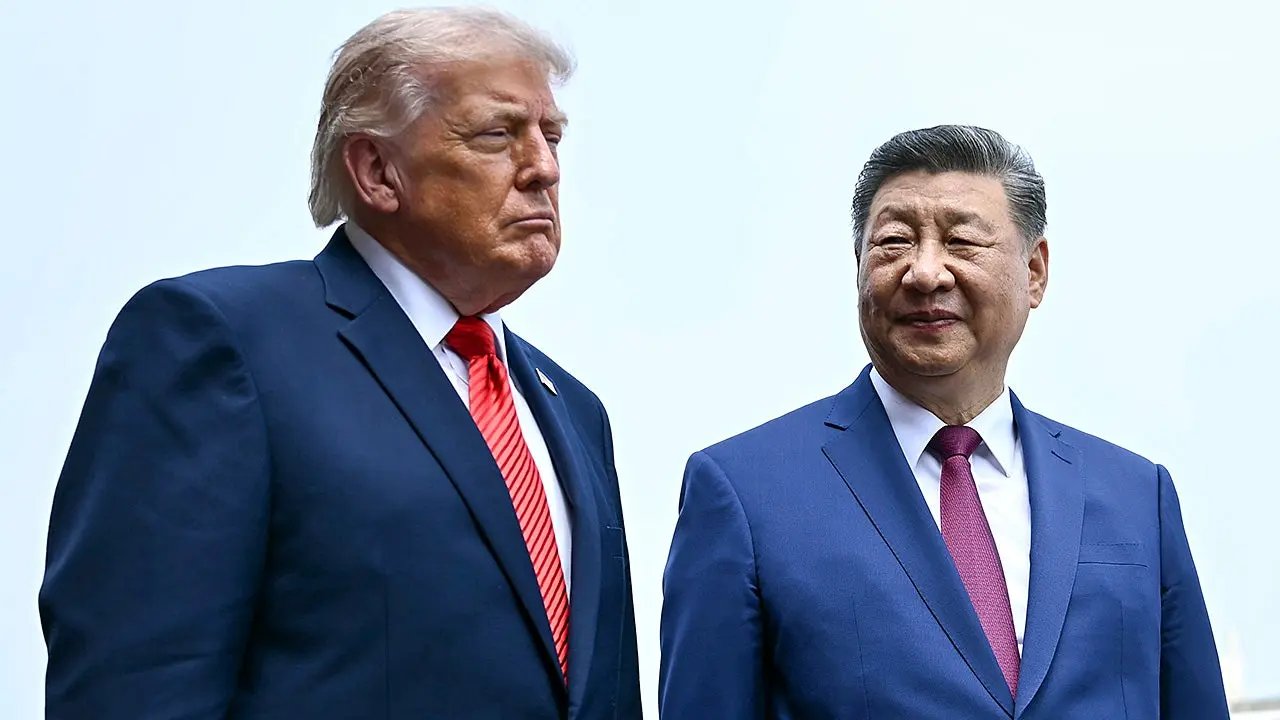
President Donald Trump and President Xi Jinping prepare for a key summit in May. (Andrew Caballero-Reynolds/Getty Images)
Trump has long taken a hard line on China, using tariffs, trade pressure and national security warnings to frame Beijing as one of America’s chief adversaries.
In his recent address to the nation, the president accused the Chinese Communist Party (CCP) of running a «sinister» campaign to interfere in U.S. elections and influence Americans and undermine his presidency.
Yet just five days later, on July 21, Trump suggested «China is maybe a little bit different today.» It struck a softer tone that falls more in line with the president’s backing of a deal to keep TikTok operating in the U.S., despite seeking during his first term and at the start of his second to force the app out over national security concerns.
«The CCP hasn’t changed. Xi Jinping hasn’t changed. But President Trump has,» Soblik detailed.
«He’s much more conciliatory toward China in his second term than he was in his first. He risks telegraphing significant weakness to Xi by letting China off the hook.»
Trump downplayed Beijing’s past election interference, suggesting both countries engage in similar tactics and indicating he was more focused on future negotiations than revisiting China’s actions.
TRUMP’S UPBEAT CHINA MESSAGE COLLIDES WITH DEEPENING BEIJING RIVALRY
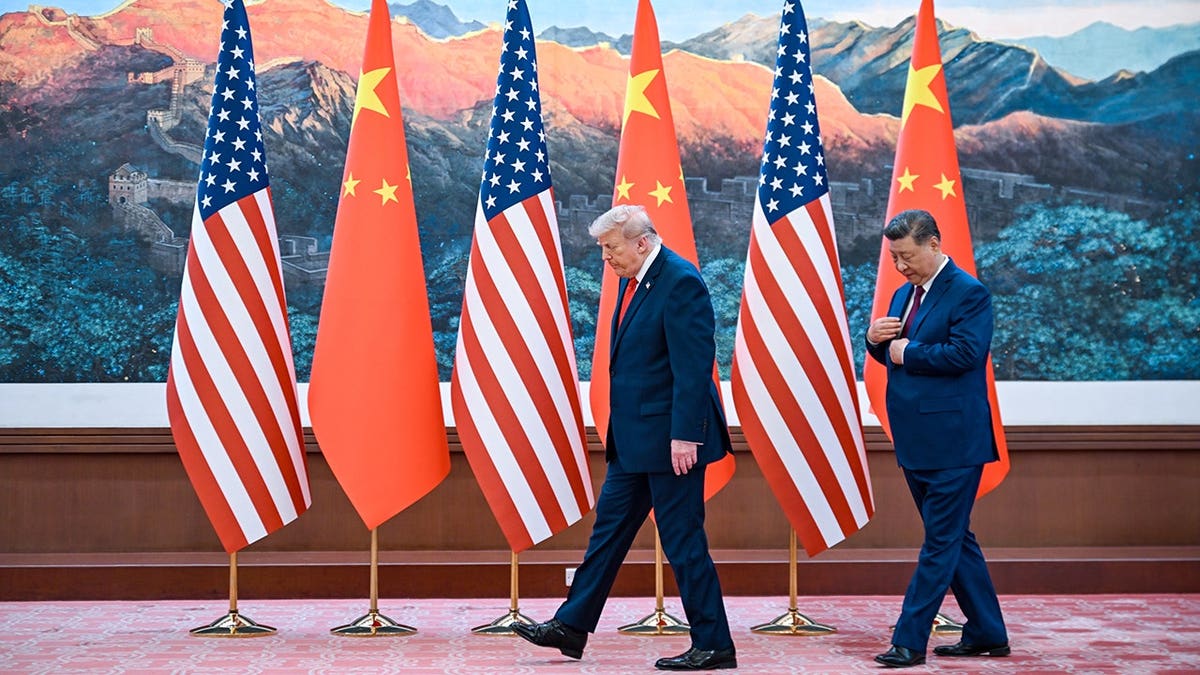
Chinese President Xi Jinping, right, and U.S. President Donald Trump meet at the Great Hall of the People in Beijing. (Kenny Holston/Pool Photo via AP)
«It took place a long time ago. I think China is maybe a little bit different today than it was then,» Trump conceded.
«But look there, they do things and we do things to them. I’ll be honest — do we do things to them too? It’s not a one-way street, but we’ll be talking to them,» said Trump when speaking about Chinese election meddling days after his «free and fair elections» televised remarks.
Sobolik argued the softened rhetoric could embolden Beijing to continue attempts to influence U.S. politics in the future.
In his first term, Trump sought to ban TikTok, saying it posed a national security risk. Then, during his second term, Trump joined the app, and in recent weeks so have his top cabinet members.
«President Trump has saved TikTok for its millions of American users — yet another promise made, promise kept,» White House spokesperson Olivia Wales told Fox News Digital. «With the new TikTok under the control of U.S. investors, Americans can continue to enjoy TikTok with their data fully protected.»
TikTok’s ownership deal was reconstructed at the beginning of this year to have majority U.S.-ownership while still giving Chinese technology company ByteDance a 19.9% stake – 0.01% below the threshold required under U.S. law.
CHILL COMING FROM TRUMP’S SUMMIT WITH XI IS PROOF OF A NEW COLD WAR WITH CHINA
While the app is based in the U.S., Sobolik said that TikTok’s algorithm remains under ByteDance’s control via a licensing regime.
«The fact that it’s training on U.S. data stored on servers in America doesn’t change the fundamental reality that a Chinese Communist Party-controlled company still controls the algorithm itself,» said Sobolik. «The administration hasn’t directly addressed the possibility that Beijing could calibrate the app’s algorithm in concerning ways.»
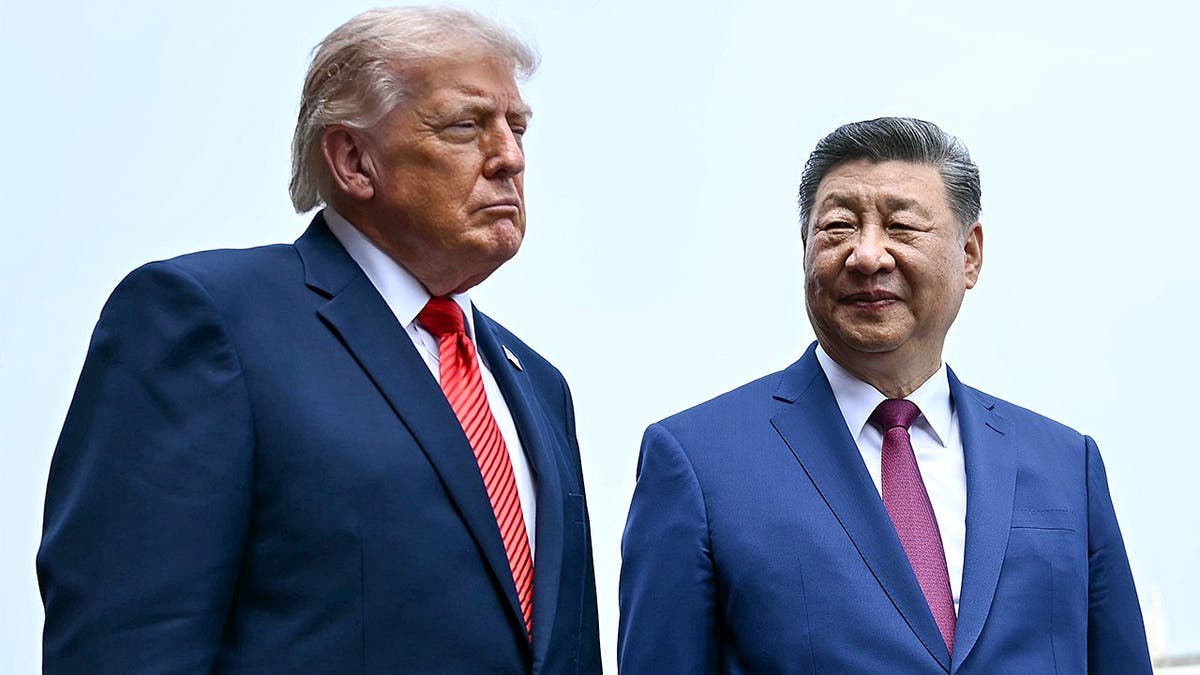
Chinese President Xi Jinping and President Donald Trump visited the Temple of Heaven on May 14, 2026, in Beijing, China, during a high-level summit between the two leaders. Xi warned that mishandling the issue of Taiwan could push the United States and China toward «conflict.» (Brendan Smialowski – Pool/Getty Images)
Trump visited China in May for a high-stakes summit with President Xi Jinping on several of the biggest pressure points in the U.S.-China relationship — from trade and Taiwan to AI and human rights. Those meetings appeared to end without firm public breakthroughs.
In his final meeting with Xi at the summit, Trump touted what he called «fantastic trade deals.»
Sobolik said Trump «wants what he’s always wanted with China,» which is a trade deal.
CLICK HERE TO DOWNLOAD THE FOX NEWS APP
«He needs to think broader and bigger. Economic competition is one part of the larger new cold war that’s playing out between Washington and Beijing,» he said.
Sobolik said Trump is placing too much emphasis on trade while overlooking other important areas of competition with China.
«Xi will have the advantage,» he added.
Trump said Xi will be visiting the U.S. on Sept. 24, with artificial intelligence expected to be a key topic during their talks.
white house, xi jinping, national security, china, donald trump, politics
INTERNACIONAL
China quiere que la guerra se eternice en Medio Oriente y multiplica su ayuda al régimen de Irán
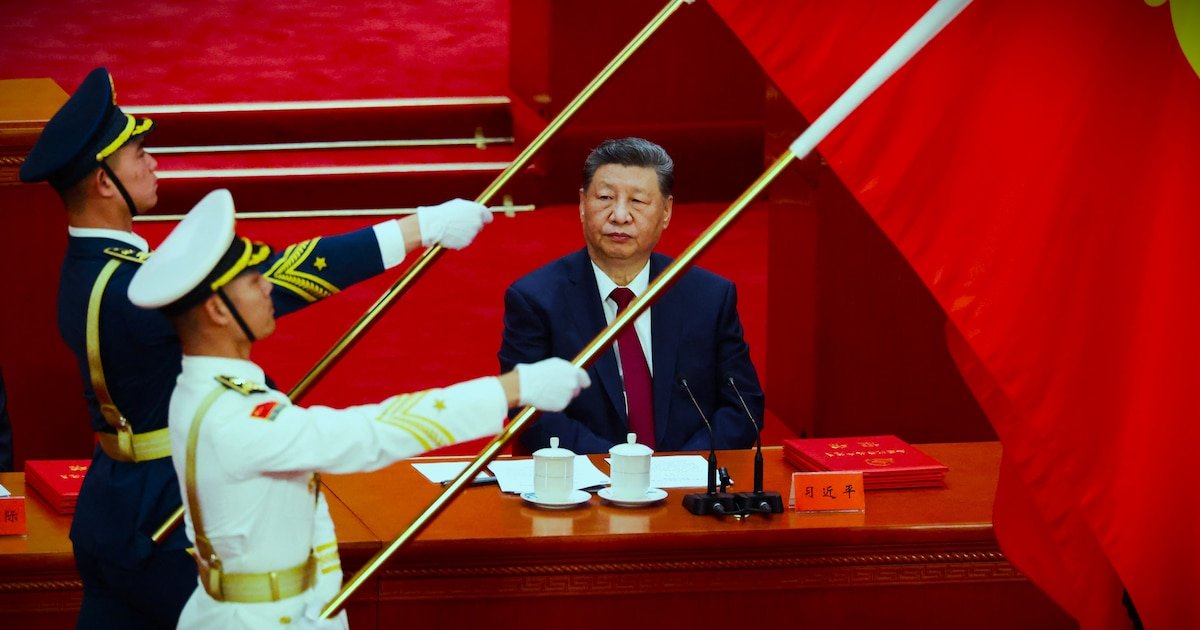
China no quiere una solución a corto plazo en Irán. El régimen conducido por Xi Jinping apuesta a que su principal rival militar, económico, comercial, tecnológico y estratégico se empantane una larga temporada negociando y gastando su arsenal en Medio Oriente. Busca evitar que Washington se enfoque definitivamente en el Indo-Pacífico. Pero Beijing juega con fuego y la última de sus maniobras podría destrabar la venta de armas a Taiwán aprobada por el Congreso de los Estados Unidos que por ahora la Casa Blanca mantiene en stand by.
De acuerdo a una investigación de la agencia internacional Reuters, Irán recibirá de China, en las próximas semanas, 400 lanzadores de misiles antiaéreos de uso sencillo y difíciles de detectar: se disparan desde el hombro. El contrato -por 70 millones de dólares y que involucra a la empresa Zhongqing Baoshang International Investment, con sede en Hong Kong– es para adquirir 400 sistemas de defensa aérea portátiles, incluidos misiles QW-12 y FN-16 de fabricación china.
En diciembre pasado, Estados Unidos aprobó la venta por 11 mil millones de dólares de un paquete de armamento para Taiwán. La isla se arma contrarreloj para prepararse para repeler un posible intento de invasión por parte de China. La operación incluye sistemas de cohetes HIMARS, obuses, misiles antitanque, drones y repuestos para otros equipos militares críticos. Pero aún el gobierno de Donald Trump no transfirió ese material a Taipei. ¿Lo hará ahora que China vendió armas al país que continúa prometiendo dar “muerte a Estados Unidos”?
Pero esta no es la primera vez que China se involucra de lleno en el conflicto que tiene como protagonistas a Estados Unidos, Irán e Israel.
El régimen de Xi reforzó la capacidad de su socio iraní para golpear activos de Estados Unidos en Medio Oriente al facilitarle datos de satélites para selección de blancos, una asistencia que, según un informe del think tank Hudson Institute, permitió a Teherán pasar de ataques que parecían fortuitos a una campaña más precisa contra radares, aviones de apoyo y sistemas de comunicaciones durante la Operación Epic Fury.
En mayo de 2026, la administración Trump sancionó a varias empresas radicadas en China por suministrar imágenes satelitales que facilitaron los ataques iraníes contra fuerzas estadounidenses. De acuerdo con la explicación oficial citada en el reporte, MizarVision difundió imágenes de código abierto sobre actividad norteamericana durante la campaña militar, Earth Eye entregó imágenes directamente a Teherán y Chang Guang Satellite Technology recopiló y proveyó material sobre instalaciones militares estadounidenses y aliadas.
El informe sitúa el origen de esa cooperación varios años antes. En 2024, la Guardia Revolucionaria Islámica habría establecido vínculos con Chang Guang y con MinoSpace Technology para asegurarse respaldo de inteligencia espacial. Ambas compañías operan dentro del ecosistema comercial chino vinculado al Estado y fabrican satélites avanzados de observación remota alineados con las prioridades estratégicas de Beijing.
Chang Guang produce pequeños cube-sats equipados con imágenes de alta resolución. La firma MinoSpace fabrica los satélites de observación terrestre de la serie Taijing. De acuerdo con el Hudson Institute, esa cooperación podía mejorar la capacidad iraní para vigilar instalaciones militares de Estados Unidos y acelerar el desarrollo de sus blancos.
El patrón de ayuda entre ambos regímenes se profundiza ahora con la venta de armas para derribar vehículos aéreos norteamericanos.
Pero no sólo Estados Unidos toma nota sobre esta asistencia militar. Los países árabes que sufren a diario las agresiones iraníes también ven cómo desde Beijing -un socio comercial importante para muchos de ellos- se refuerza la capacidad de quien a diario dispara misiles contra instalaciones militares, edificios, infraestructura civil y aeropuertos. Baréin, Emiratos Árabes Unidos, Qatar y Arabia Saudita sufren a diario estos ataques aéreos. ¿Tomarán nota de los socios de su enemigo o continuarán priorizando los negocios?
Mientras tanto, la tensión en Ormuz no se detiene. Irán continúa intentando mantener como rehén a los buques petroleros que intenten pasar por allí. La Guardia Revolucionaria Islámica interceptó y forzó la detención de tres petroleros en el estrecho. Muchos de esos busques también llevan banderas árabes. China también sabe eso. Y alimenta la maquinaria de guerra que lo hace posible.
X: @TotiPI
corresponsal:Director de Infobae América

Qué puede decidir y qué no el Comité de la ONU al que recurrirá Cristina Kirchner por la condena de la causa Vialidad

Lanús visitará a Cienciano en la altura de Cuzco en busca de avanzar a octavos de la Sudamericana: hora, TV y probables formaciones

Mora Godoy pasó por Infobae en Vivo y contó que le enseñó a bailar tango a Kristalina Georgieva: “Aprendió en diez minutos”

El embajador regresará al país: Brasil comienza a desescalar el conflicto por los agravios de Milei contra Lula da Silva

Comprar una casa es cada vez más difícil: ventas de viviendas nuevas caen a su nivel más bajo desde 2017 en Estados Unidos

Los colegios privados bonaerenses aumentarán en agosto y septiembre: cómo quedarán las cuotas

Crisis entre Milei y Lula: la trama política, personal y geopolítica detrás del mayor choque diplomático entre Argentina y Brasil

Cuentapropismo emocional en lo profundo del conurbano

San Isidro: la ballena que quedó varada en un banco de arena murió pese al operativo de rescate

Joaquín Furriel contó cómo fue ver la final del Mundial con su novia española: “Una situación incómoda”

 POLITICA2 días ago
Crisis entre Milei y Lula: la trama política, personal y geopolítica detrás del mayor choque diplomático entre Argentina y Brasil
- SOCIEDAD3 días ago
San Isidro: la ballena que quedó varada en un banco de arena murió pese al operativo de rescate
- POLITICA3 días ago
Milei cruzó al aire a De Mendiguren, exministro de Duhalde: “Vos, sí, ladrón”