INTERNACIONAL
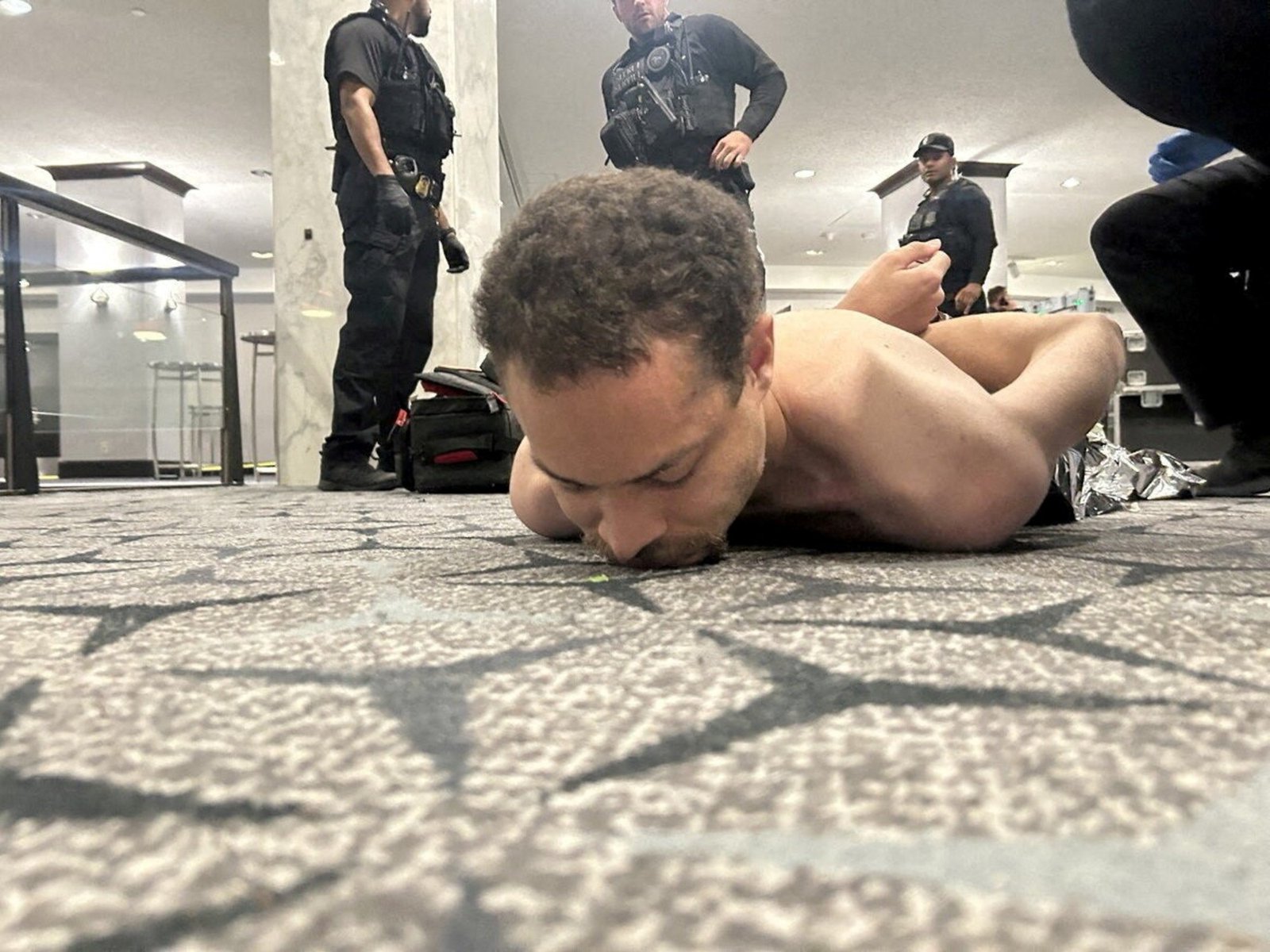
Donald Trump aseguró que el tirador de Washington estuvo motivado por un profundo odio anticristiano



INTERNACIONAL
El bloqueo del estrecho de Ormuz, el posible cierre de una vía clave en el Mar Rojo y las amenazas de Trump disparan el precio del petróleo
INTERNACIONAL
Mamdani slow to respond to suspected antisemitic stabbing as Hochul, other NY officials condemn attack
NEWYou can now listen to Fox News articles!
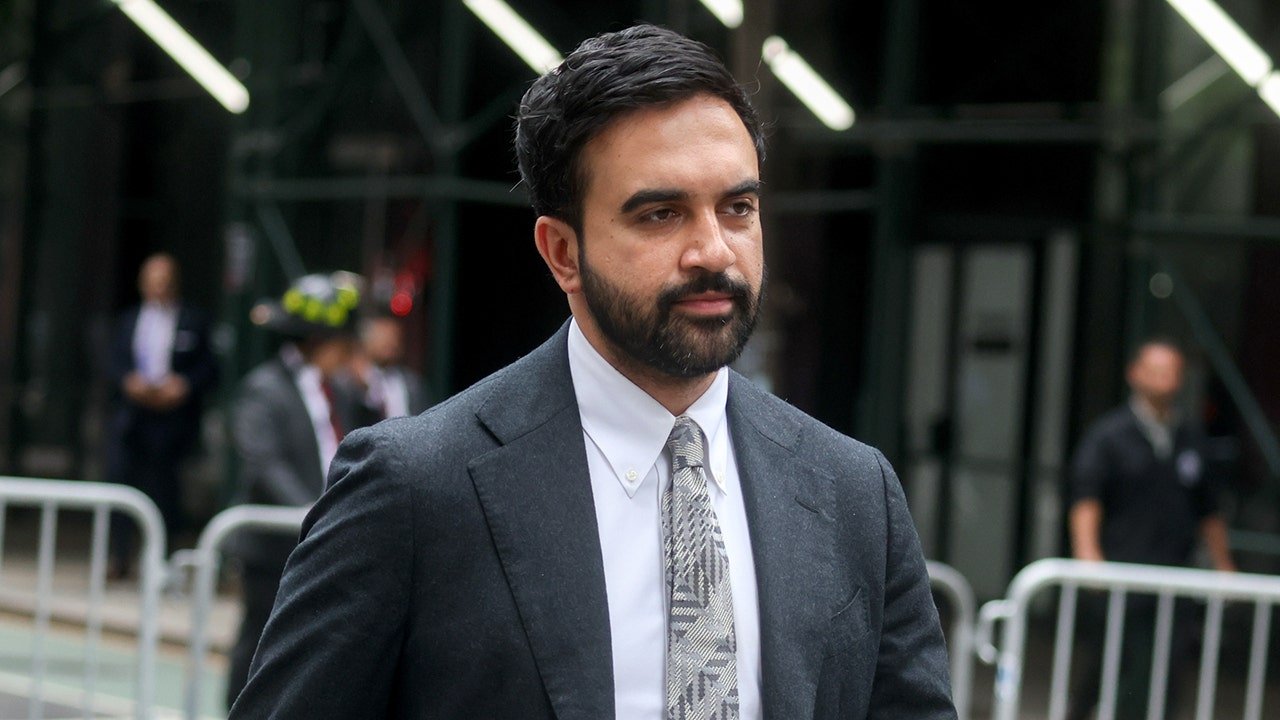
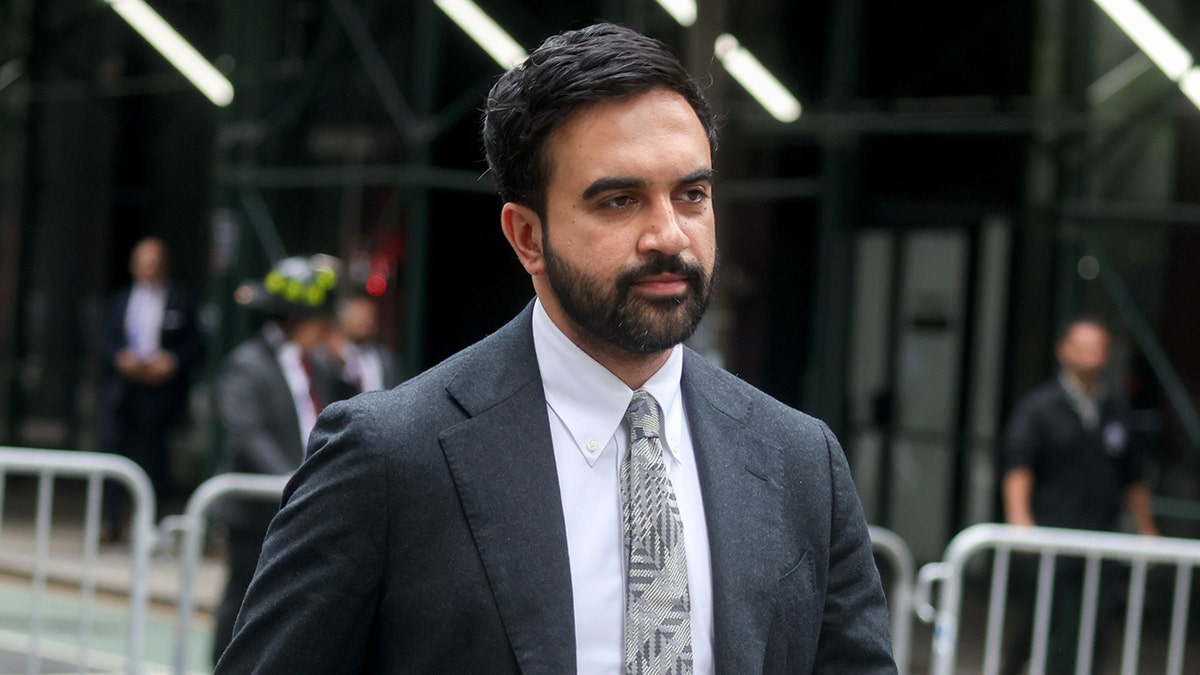
New York Mayor Zohran Mamdani remained silent for serveal hours on what officials described as an antisemitic stabbing in New York City on Thursday afternoon, choosing to instead post about his millionaire housing tax initiative — even as the attack drew attention from other state officials.
«I have been briefed on today’s horrifying stabbings on the Upper West Side, where an Asian man and a Jewish man were attacked. According to witness and victim statements, the perpetrator yelled «Allahu Akbar» during both attacks. I am relieved that both victims are in stable condition,» Mamdani wrote in a statement.
«The NYPD responded immediately and arrested Raul Morales in connection with both assaults—and I am grateful to the officers for their swift response.»
The delayed response from Mamdani played into the fears of some observers that his critical stances towards Israel, views shared by many progressives, are feeding into hesitations about supporting Jewish communities in the U.S.
LIBERAL MS NOW WRITER CALLS MAMDANI PRIMARY SWEEP A ‘GENUINELY SCARY NIGHT FOR NEW YORK CITY JEWS’
Julie Menin, speaker of the New York City Council, during an announcement in the Brooklyn borough of New York, US, on Monday, Jan. 12, 2026. (John Lamparski/Bloomberg via Getty Images)
Councilwoman Inna Vernikov, another member of the New York City Council, more pointedly laid blame with Mamdani.
«According to credible reports I received, the attacker was yelling ‘Allahu Akbar’ during his attempted murder. I pray for the speedy recovery of the victims. [Mamdani,] you got blood on your hands,» she wrote.
Authorities reported that a 57-year-old man was reportedly attacked near West 84th Street and Central Park West just after 1:30 p.m. local time. He was found conscious and alert with a stab wound to his back. He was taken to a local hospital in stable condition.
Investigators later found another 50-year-old man nearby with a stab wound to his torso. He was also conscious and alert and was taken to a nearby hospital.
City officials described the violence as an «antisemitic stabbing,» though police have not yet identified a motive or said whether the attacks are being investigated as a hate crime.
Raul Morales, the suspect, is in custody, the New York City Police Department (NYPD) told Fox News Digital.
NYC REPUBLICAN LAWMAKER SLAMS MAMDANI ANTISEMITISM OFFICE AS A ‘BLACK HOLE’ LACKING PUBLIC-FACING RESOURCES
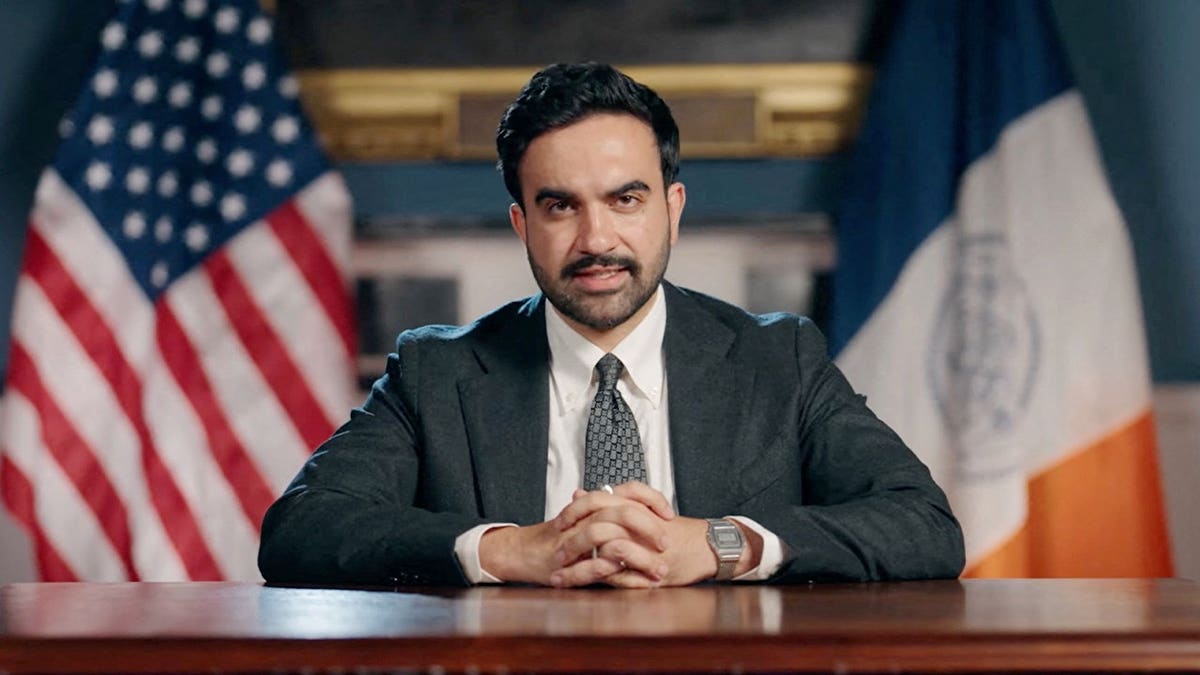
New York City Mayor Zohran Mamdani’s video admitting that he lacks the legal authority to arrest Israeli Prime Minister Benjamin Netanyahu did little to ease Jewish leaders’ concerns. (NYC Mayor’s Office via YouTube/Handout via Reuters)
Almost immediately, the incident drew alarm and condemnation from observers, expressing dismay at another instance of violence against the Jewish community in New York City.
«Disgusted by what appears to be another senseless attack on New Yorkers simply because they’re Jewish,» New York Gov. Kathy Hochul said in a post to X.
«While we await additional details to be confirmed, we know that what is happening in our city is abhorrent. The fear in the Jewish community is real. Every New Yorker deserves to feel safe in their neighborhood, regardless of their faith or identity.»
«While we await additional details to be confirmed, we know that what is happening in our city is abhorrent. The fear in the Jewish community is real. Every New Yorker deserves to feel safe in their neighborhood, regardless of their faith or identity,» Julie Menin, speaker of the New York City Council, wrote in a post to X
«A man yelling ‘allahu akbar’ stabbed a man in a kippah at 86th and Amsterdam Avenue on the Upper West Side at 1:30 pm today, then likely stabbed someone else at 84th and Central Park West. Has apparently been caught. On the Jewish day of mourning. In Zohran Mamdani’s city,» another observer wrote.
Even as the incident captured attention online, Mamdani remained notably silent on the attack. Instead, he made a post on his recent housing tax plan, a strategy to dissuade wealthy New Yorkers from purchasing and keeping an outsized number of residences.
«If you have a second home in New York City worth more than $5M, check your mailbox when you’re back in the five boroughs — because you’ve got mail. Today, we sent notification letters to property owners, letting them know that our new pied-à-terre tax is coming soon,» Mamdani wrote at 3:55, almost two and a half hours after the attack.
JON STEWART PRESSES MAMDANI ON WHERE HE BREAKS WITH FELLOW DEMOCRATIC SOCIALISTS ON PRISONS AND BORDERS
CLICK HERE TO DOWNLOAD THE FOX NEWS APP
In the first quarter of 2026, the New York Police Department has received 146 hate crime complaints and made 71 arrests, according to police data — an uptick from 137 complaints and 51 arrests in the first quarter of 2025.
Mamdani’s office did not immediately respond to a request for comment on whether factors behind the scenes had caused a delay in response.
hate crime, zohran mamdani, anti semitism, new york city, politics
INTERNACIONAL
El precio del barril de petróleo vuelve a subir, mientras la guerra en Medio Oriente se extiende y jaquea a la economía mundial
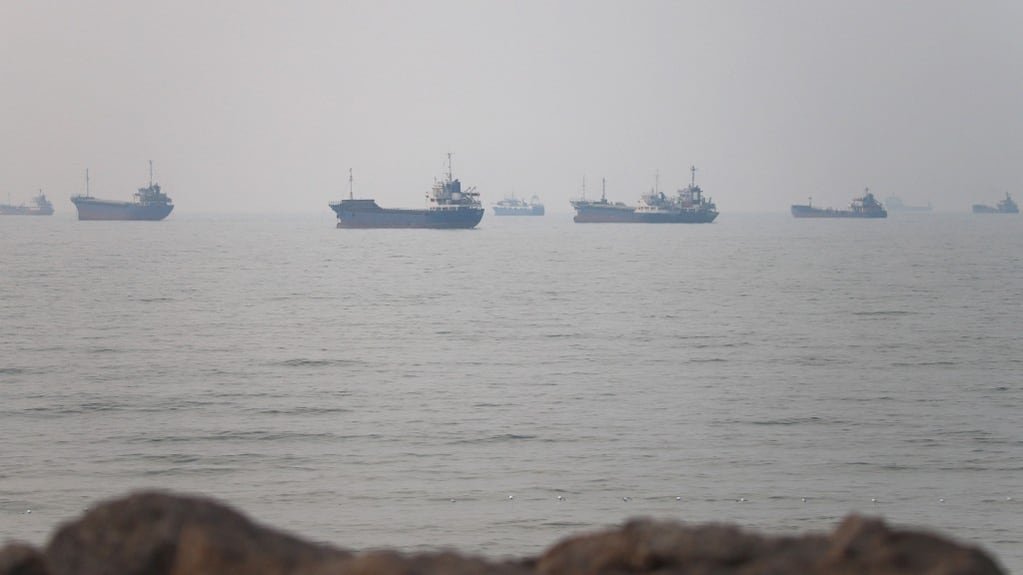
Mientras el precio del petróleo siguió subiendo en los mercados internacionales, la guerra en Medio Oriente se extiende a nuevos frentes y amenaza con repercusiones para la economía global con la ofensiva de los rebeldes de Yemen, aliados de Irán, contra buques sauditas en el mar Rojo.
En ese escenario, el presidente estadounidense, Donald Trump, amenazó con un “gran castigo militar” a Irán y a los rebeldes hutíes de Yemen si lanzan nuevos ataques.
El barril de crudo brent para entrega en septiembre subió 6 dólares en menos de 24 horas al pasar de los 94 dólares en los que cerró el miércoles a hasta los 100,69 dólares que tocó este jueves mediante un alza de más del 7,03%.
Por su parte, el West Texas Intermediate (WTI), de referencia en Estados Unidos, también subió el 4,92%, hasta los 90,95 dólares, mientras que el gas natural TTF caía un 1,3%, y el megavatio/hora tocó los 61,75 euros.
El fuerte repunte del precio del crudo se produjo después de que milicianos hutíes respaldados por Teherán reivindicaran ataques contra dos petroleros sauditas en el mar Rojo. Esta ofensiva abrió un nuevo punto de conflicto en otra importante vía comercial del crudo en el mundo cuando se entra en el decimotercer día de ofensiva de Estados Unidos contra Irán pese al acuerdo alcanzado en junio.
El caos se apodera del estrecho de Ormuz
Las hostilidades se reanudaron a principios de este mes tras un alto el fuego que duró apenas semanas, en una espiral que volvió a sumir a la región en un caos por el control del vital estrecho de Ormuz.
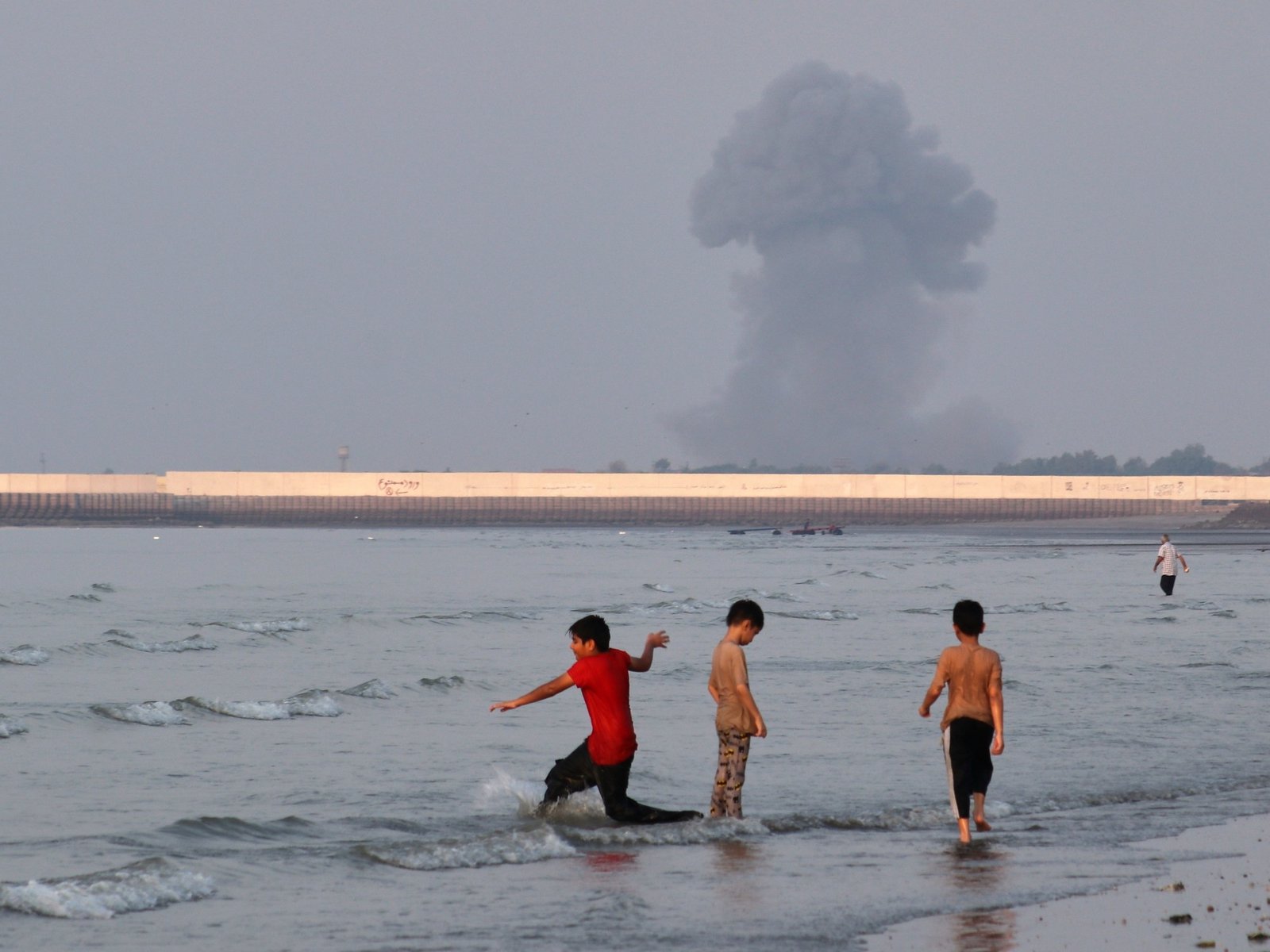
El conflicto se extendió al mar Rojo esta semana después de que los rebeldes de Yemen declararan un bloqueo de los puertos de Arabia Saudita y después afirmaran que atacaron a dos petroleros sauditas. Niños juegan en la playa en el estrecho de Ormuz, mientras detrás se observa una columna de humo (Foto: AP)
El secretario general de la ONU, Antonio Guterres, afirmó en una reunión del Consejo de Seguridad que la situación en Medio Oriente “está fuera de control”. “Una crisis alimenta a otra. Una escalada desencadena la siguiente”, declaró.
Mientras tanto, Jordania y Kuwait informaron haber interceptado proyectiles, mientras que el ejército de Irán y su Guardia Revolucionaria Islámica anunciaron golpes a objetivos militares estadounidenses en ambos países.
Leé también: EE.UU. y Arabia Saudita firmaron un acuerdo nuclear que incluiría el enriquecimiento de uranio: crece la preocupación en Israel
“Las represalias de las fuerzas armadas continuarán mientras sigan los ataques de Estados Unidos contra la infraestructura y las zonas costeras del país”, dijo el portavoz de las fuerzas armadas iraníes, Mohamad Akraminia, según la televisión estatal.
Ataques en el mar Rojo
Estas hostilidades se produjeron tras la duodécima noche consecutiva de ataques de Estados Unidos contra instalaciones militares de la república islámica.
El miércoles, Trump advirtió que su país bombardeará la infraestructura civil iraní cada vez que Teherán dispare contra buques en Ormuz, dada su importancia en el comercio global de hidrocarburos.
El canciller iraní, Abás Araqchi, respondió que Teherán responderá de la misma manera: “Nuestra doctrina de defensa es clara: ojo por ojo”.
Los medios estatales iraníes informaron este jueves que un ataque estadounidense mató a dos personas en Shalamcheh, en la frontera de la república islámica con Irak. También reportaron que dos misiles estadounidenses impactaron en Bushehr, sede de la única planta nuclear civil del país y blanco frecuente de Washington.
Leé también: La Justicia de EE.UU. resolvió que el juicio contra Nicolás Maduro empezará el 1 de junio de 2027
Los hutíes yemenitas afirmaron que atacaron el miércoles con misiles y drones dos petroleros sauditas en el mar Rojo, el Encelia y el Layla, y concretaron así su amenaza de bloquear a Arabia Saudita en esas aguas que sirven de vía alterna a Ormuz.
Riad confirmó que el Encelia fue alcanzado, sin hacer comentarios sobre el otro petrolero. Aún no está claro hasta qué punto los hutíes podrían implementar un bloqueo, pero la amenaza podría agravar el impacto del cierre que Irán mantiene en Ormuz.
Allí la Guardia Revolucionaria afirmó este jueves que impidió el paso a tres petroleros, mientras Washington y Teherán compiten por el control de esta ruta por la que transitaba alrededor de una quinta parte del petróleo mundial antes de la guerra.
(Con información de EFE y AFP)
Irán, Donald Trump, Petróleo

Los cuatro signos del horóscopo chino que tendrán un golpe de suerte antes de que termine julio, según Ludovica Squirru

Estos 9 juegos han concretado hoy sus estrenos en Nintendo Switch / Nintendo Switch 2: Parkasaurus: Dinoluxe Edition, White Creek y más – Nintenderos

Lavado de activos: dictaron una nueva prisión domiciliaria para el exsenador Edgardo Kueider en Paraguay

Ilaix Moriba ya está de vuelta y su futuro sigue abierto

Cuadernos: cómo son las lujosas propiedades que Muñóz, el exsecretario de Néstor Kirchner, tiene en Miami

Multas automáticas por atrasarse ante ARCA: cómo es el proyecto para graduarlas que recibió Caputo tras la fuerte suba

Escándalo Mundial: Las presiones secretas, la amenaza de la FIFA por Malvinas y la verdad detrás del partido contra España

Sin la Copa y sin Messi en el avión, vuelve Tapia y deberá enfrentar tres frentes de tormenta tras la pausa del Mundial

Samuel L. Jackson llamó a Argentina “el país más racista del mundo”: la contundente respuesta que le dejó Bárbara Lombardo

Le ganan a la inflación: los senadores pasarán a cobrar $12 millones brutos a partir de agosto

 DEPORTE2 días ago
Escándalo Mundial: Las presiones secretas, la amenaza de la FIFA por Malvinas y la verdad detrás del partido contra España
- POLITICA1 día ago
Jorge Berredo, general retirado de las FFAA, asumió como Secretario de Seguridad en San Isidro
- POLITICA21 horas ago
Sin la anestesia mundialista, aflora la crisis del conurbano y Milei necesita reconectar con lo popular