INTERNACIONAL
Donna Brazile brushes off Biden’s stroke fears, says Democrats must ‘focus on the future’

NEWYou can now listen to Fox News articles!
Former acting chair of the Democratic National Committee (DNC) Donna Brazile was not interested in talking about former first lady Jill Biden’s comments on being «frightened» watching her husband in the 2024 presidential debate.
Jill Biden recently told CBS that while watching her husband’s debate performance against President Donald Trump, she feared he was suffering a medical emergency and thought he might be having a stroke. Her comments renewed attention on concerns about then-President Joe Biden’s age and health, which intensified after his widely scrutinized debate performance.
JILL BIDEN SAYS SHE THOUGHT JOE WAS HAVING A STROKE DURING HIS DISASTROUS 2024 DEBATE PERFORMANCE
«I don’t want to talk about Jill Biden right now,» Brazile said when Fox News Digital asked her to share her thoughts on the former first lady’s recent comments on her husband’s debate.
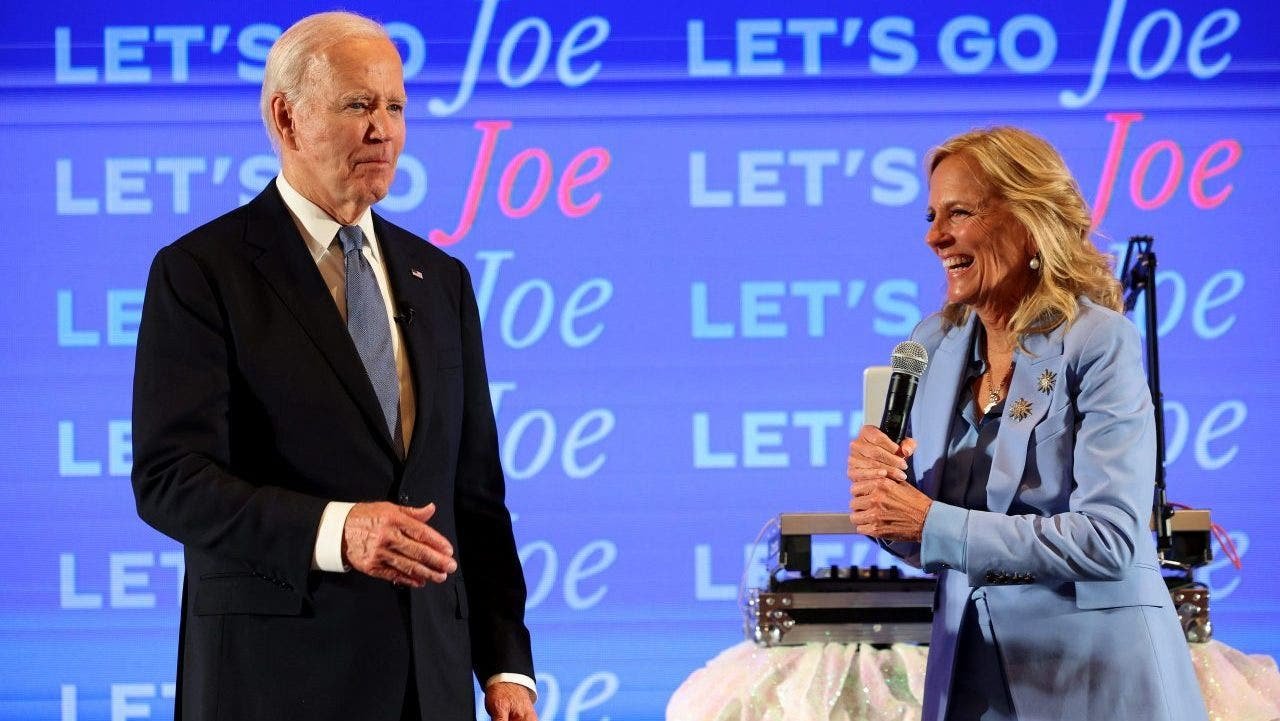
President Joe Biden and first lady Jill Biden speak to supporters at a watch party for the CNN presidential debate in Atlanta, June 27, 2024. (Tasos Katopodis/Getty Images)
Fox News Digital pressed Brazile to respond as conversations have been circulating around the 2024 election and what went wrong — particularly following the calling for and release of the 2024 DNC autopsy report, an internal review of the party’s 2024 defeat and the factors that contributed to it.
Brazile, referring to herself in the third person, urged Democrats to deny any calls to look to the past, and instead focus on the future of the party and upcoming elections.
«Donna Brazile will not focus on the past,» she said. «Donna Brazile want to focus on the future.»
She argued Democrats already made their decision in 2024 when Biden ended his reelection bid and endorsed Vice President Kamala Harris.
DEMOCRATIC NATIONAL COMMITTEE FLIP FLOPS, PULLS PLUG ON ITS 2024 ELECTION ‘AUTOPSY’
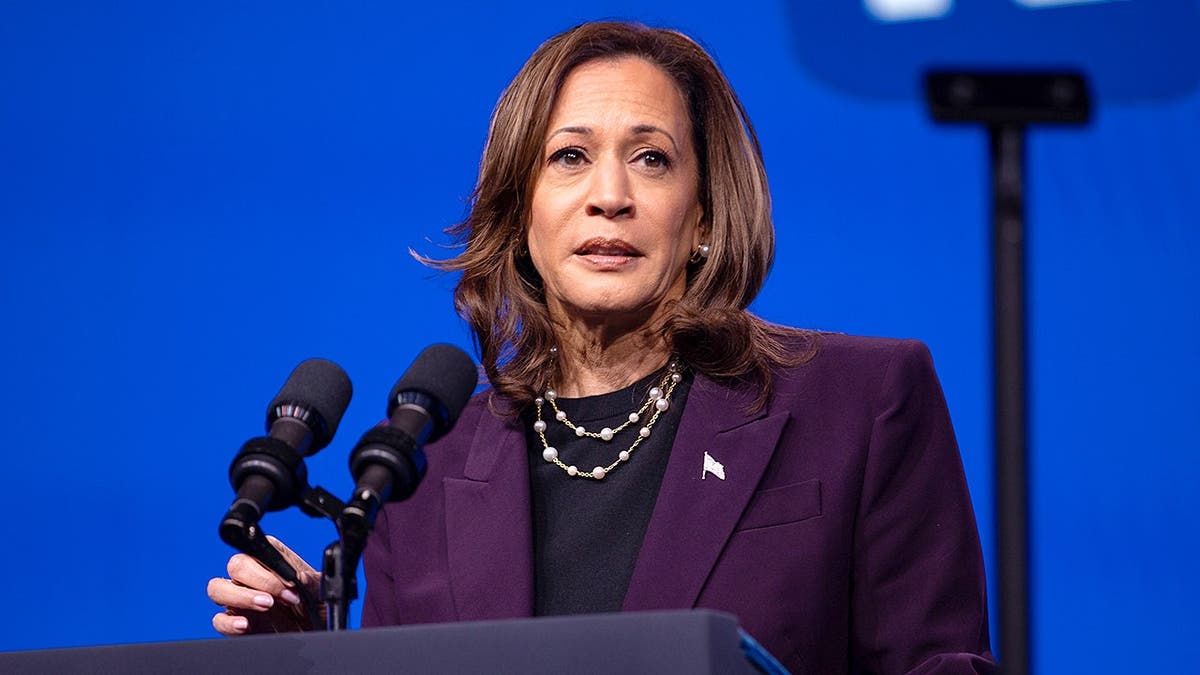
There has been widespread criticism over how Democrats handled concerns about Joe Biden’s age and his cognitive health, and whether that impacted the party’s performance in 2024. (Montinique Monroe/Getty Images)
«We made that decision in 2024 when the then-president decided to step down and pass the torch to Kamala,» Brazile said.
A longtime Democratic strategist, Brazile served as interim chair of the Democratic National Committee in 2011 and again in 2016. She has remained an influential voice within Democratic politics through multiple presidential election cycles and has frequently weighed in on the party’s direction following major electoral setbacks.
There has been widespread criticism over how Democrats handled concerns about Joe Biden’s age and his cognitive health, and whether that impacted the party’s performance in 2024.
DEMS FACE A LITMUS TEST OVER BIDEN’S COGNITIVE ABILITIES
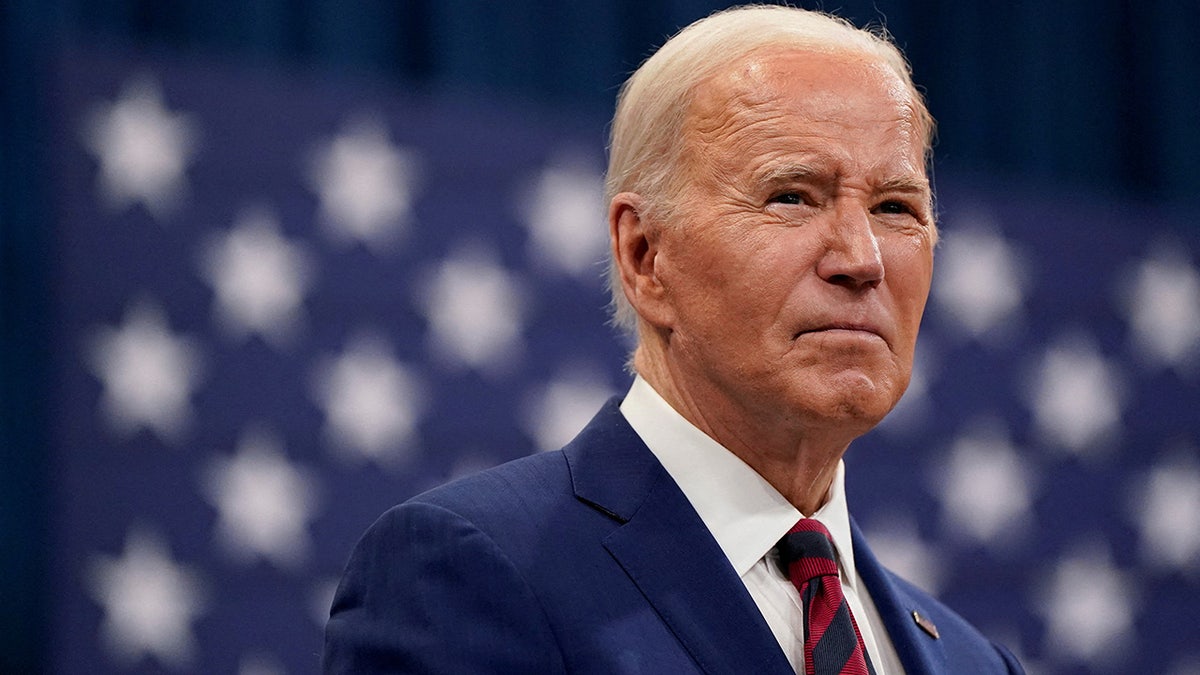
Jill Biden recently told CBS that while watching her husband’s debate performance against President Donald Trump, she feared he was suffering a medical emergency and thought he might be having a stroke. (Elizabeth Frantz/Reuters)
There has been continued debate within the Democratic Party about how it handled concerns about Biden’s age and cognitive health for office before he ended his re-election campaign and endorsed Harris.
Brazile’s comments highlight a divide between Democrats seeking a fuller accounting of the events that led to Biden’s withdrawal and the party’s 2024 loss and those who believe the focus should shift toward rebuilding ahead of the 2026 midterm elections and future presidential contests.
CLICK HERE TO DOWNLOAD THE FOX NEWS APP
But Brazile made clear where she stands.
«Anyone who’s focusing on the past is not focused on the future,» she said. «I’m actually focused on ’26, ’28, ’32.»
democrats elections, kamala harris, joe biden, biden brink, biden pushed out








INTERNACIONAL
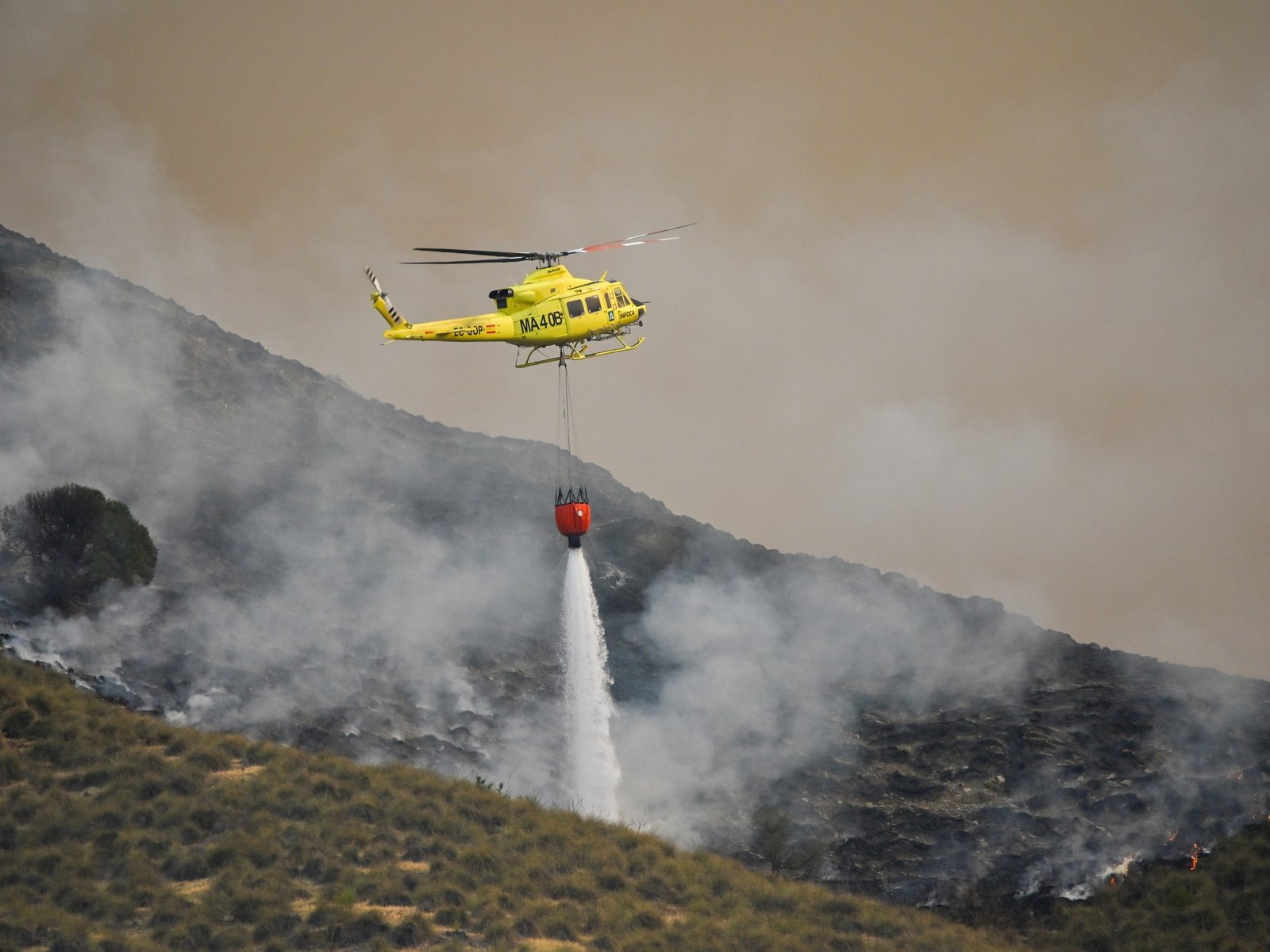
Tragedia en España: turistas calcinados en sus autos, desaparecidos y evacuados en el peor incendio en Andalucía
Cómo se desató el fuego
Destino favorito de los británicos
¿Por qué no se envió una alerta a los celulares?
INTERNACIONAL
Mamdani’s wife co-hosts luxe Muslim retreat casting Virgin Mary as ‘Palestinian woman’ under occupation
NEWYou can now listen to Fox News articles!
The wife of New York City Mayor Zohran Mamdani, Rama Duwaji, is reportedly co-hosting an Islamic Women’s «spiritual wellness» retreat on the swank French island of Corsica that frames the Virgin Mary as a «Palestinian woman» under occupation.
«She is the only woman mentioned by name in the Qur’an — mentioned 34 times — and the only one to have an entire chapter revealed in her name,» reads The Women Sanctuary website referring to Mary. «Surah Maryam. Her story is not only one of divine motherhood, but of unwavering faith, sacred retreat, and total devotion to Allah.»
The Virgin Mary is the most revered woman in Christianity, venerated as the Mother of Jesus, and is also revered in Islam as Maryam.
Mamdani drew national attention for running as a Democratic socialist in New York City, while also facing backlash over his pro-Palestinian positions and far-left immigration views. When he took office in January 2026, Mamdani became the first New York City mayor to be sworn in on a Quran. His wife, a Syrian American artist, has also faced scrutiny over her outspoken pro-Palestinian activism.
ZOHRAN MAMDANI’S WIFE SKIPS AMERICA 250 FOR ISLAMIC ‘SPIRITUAL WELLNESS’ RETREAT IN SPAIN
Democrat Mayor Zohran Mamdani becomes the first Muslim mayor of New York City, with the inauguration ceremony at City Hall, Manhattan, New York City, United States on Jan. 1, 2026. (Selcuk Acar/Anadolu via Getty Images)
The New York Post reported that Duwaji previously traveled to Mallorca, Spain, for The Women’s Sanctuary’s sold-out «Plants of the Quran» retreat over the Fourth of July holiday, where she was described as the group’s «artist in residence» and one of the gathering’s hosts.
«Nothing says ‘America 250’ quite like skipping the celebration for a Mediterranean vacation, but I am not surprised because she has made her hatred for America very evident,» Councilwoman Joann Ariola, R-Queens, told The Post in response to that event.
The Women Sanctuary describes itself as a women’s retreat organization rooted in Islamic tradition and spiritual renewal, offering retreats in Mediterranean destinations.
The Women’s Sanctuary website does not explicitly list Duwaji as a co-host for the current event in France. The New York Post reported she would co-host the «Mary In The Quran» retreat from Thursday to July 14 in a sold-out event. The cost of the retreat starts at just over $4,000 per attendee, according to its website.
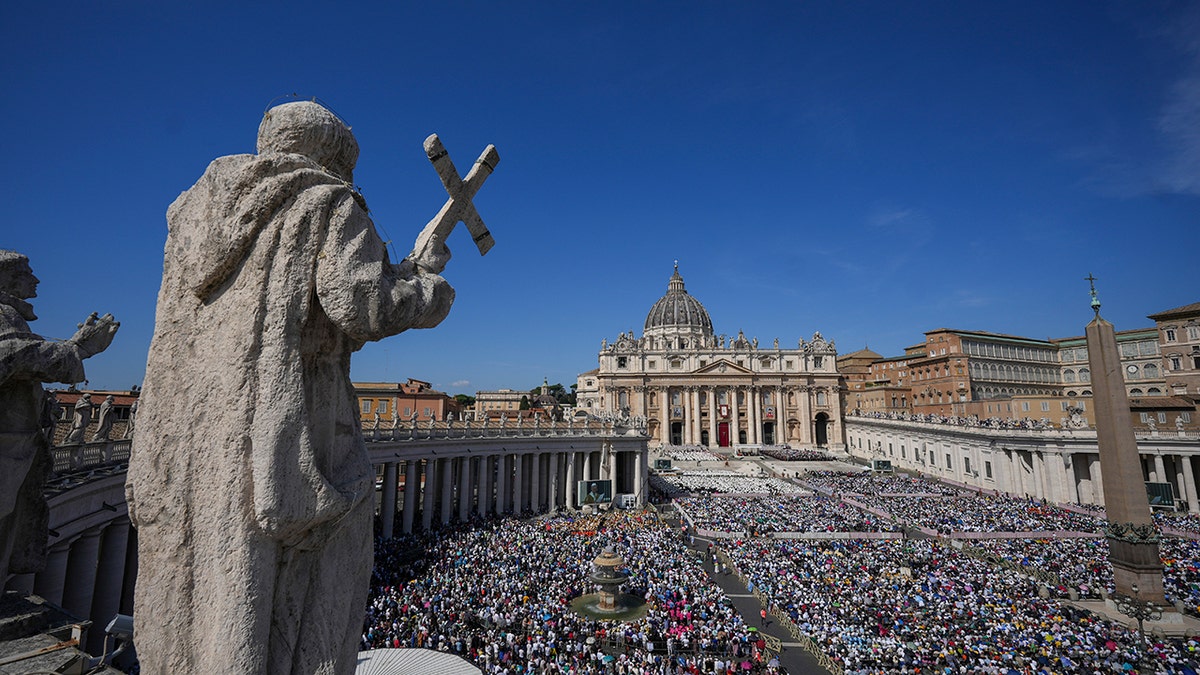
The Vatican announced it will not participate in President Trump’s Gaza recovery board. (AP Photo/Andrew Medichini)
The New York Post first reported Duwaji’s participation in the pair of retreats when she was seen at Newark International Airport in New Jersey boarding a flight to Mallorca’s capital city over the patriotic holiday weekend. Photos of Duwaji at the airport were posted by conservative commentator and comedian Arynne Wexler.
The retreat in France includes daily organic meals made with locally sourced ingredients, communal prayers, devotional practices, lectures, and workshops centered on spiritual renewal and mindful reflection. Participants also receive and have free time to pray, meditate, journal, relax by the pool, or explore the island, blending «guided learning» with «personal reflection,» according to the website.
MAMDANI’S WIFE ‘TRULY SORRY’ FOR CONTROVERSIAL ANTI-ISRAEL SOCIAL MEDIA POSTS
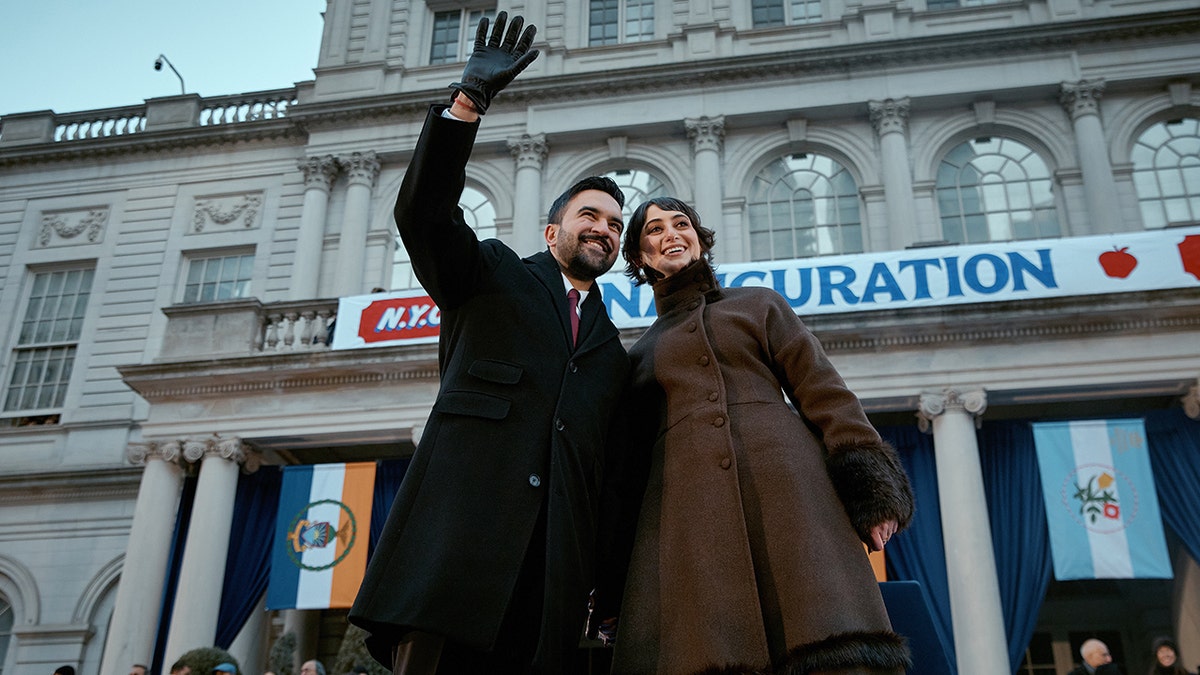
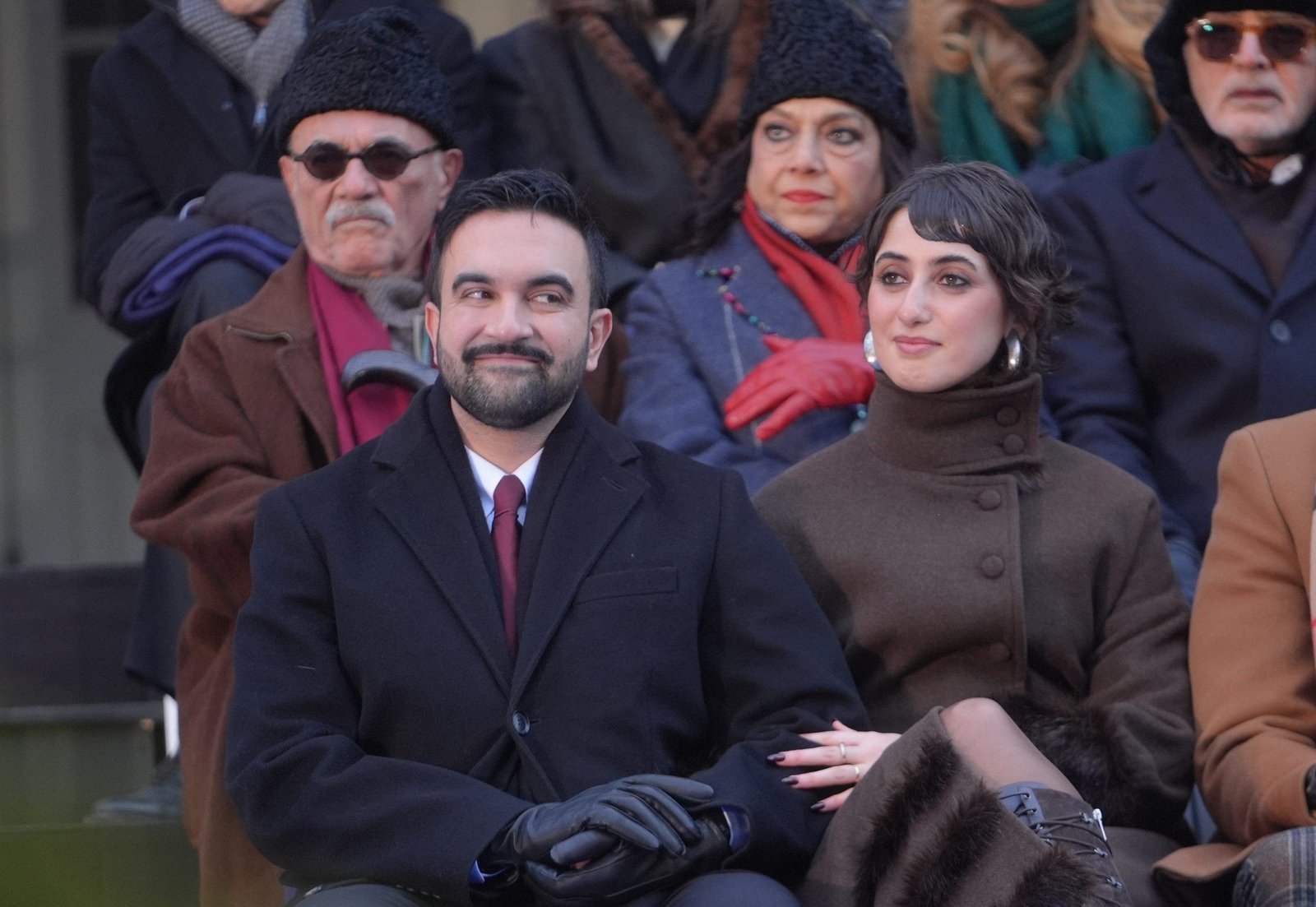
Mayor Zohran Mamdani, left, stands with his wife, Rama Duwaji, during his inauguration ceremony, Thursday, Jan. 1, 2026, in New York. (Andres Kudacki/AP Photo)
Duwaji publicly apologized in April for offensive posts she made as a teenager, saying she was «truly sorry» for the hurt they caused, though she did not specify which posts she was addressing. The Washington Free Beacon previously reported that Duwaji had shared anti-Israel posts on Tumblr, including a September 2017 post featuring a photo of Palestinian militant Leila Khaled.
MAMDANI BLASTS ICE AGENTS, ELON MUSK AND ‘SUPREMACY’ IN AMERICA 250 SPEECH AHEAD OF JULY 4 WEEKEND
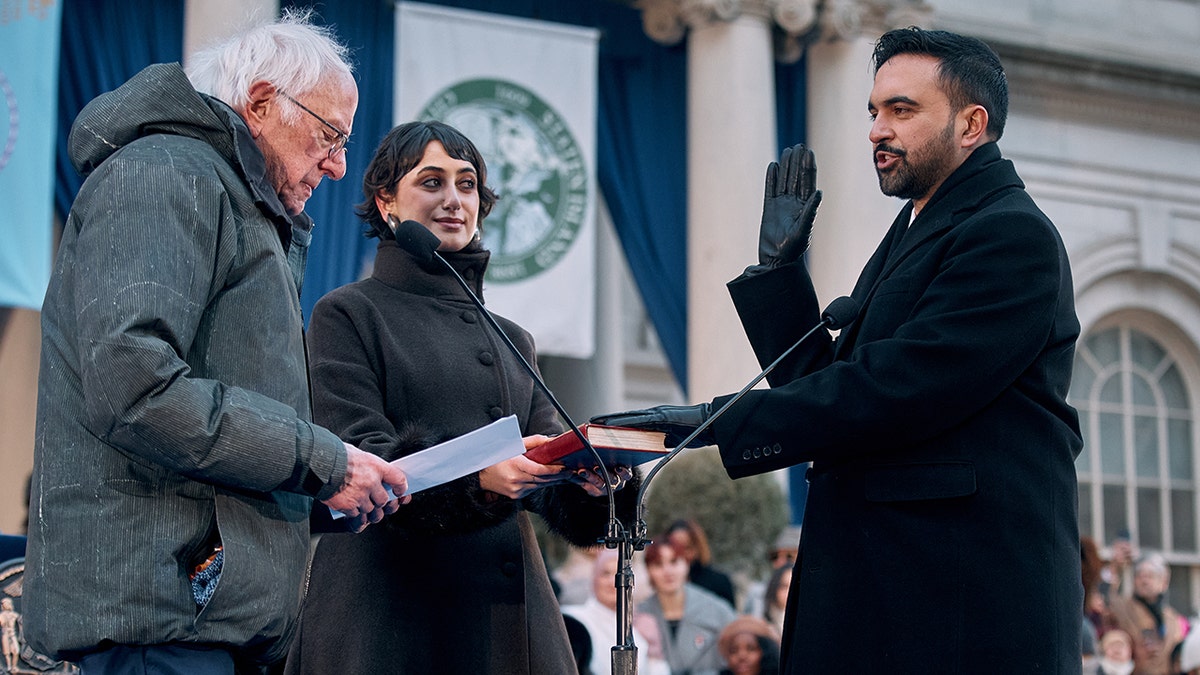
U.S. Sen. Bernie Sanders, I-Vt., left, administers the oath of office to Mayor Zohran Mamdani, right, as Rama Duwaji, center, holds the Quran during Mamdani’s inauguration ceremony, Thursday, Jan. 1, 2026, in New York. (Andres Kudacki/AP Photo)
CLICK HERE TO DOWNLOAD THE FOX NEWS APP
Fox News Digital reached out to Mayor Mamdani’s office and The Women Sanctuary for comment.
zohran mamdani, islam, religion us, politics, new york city
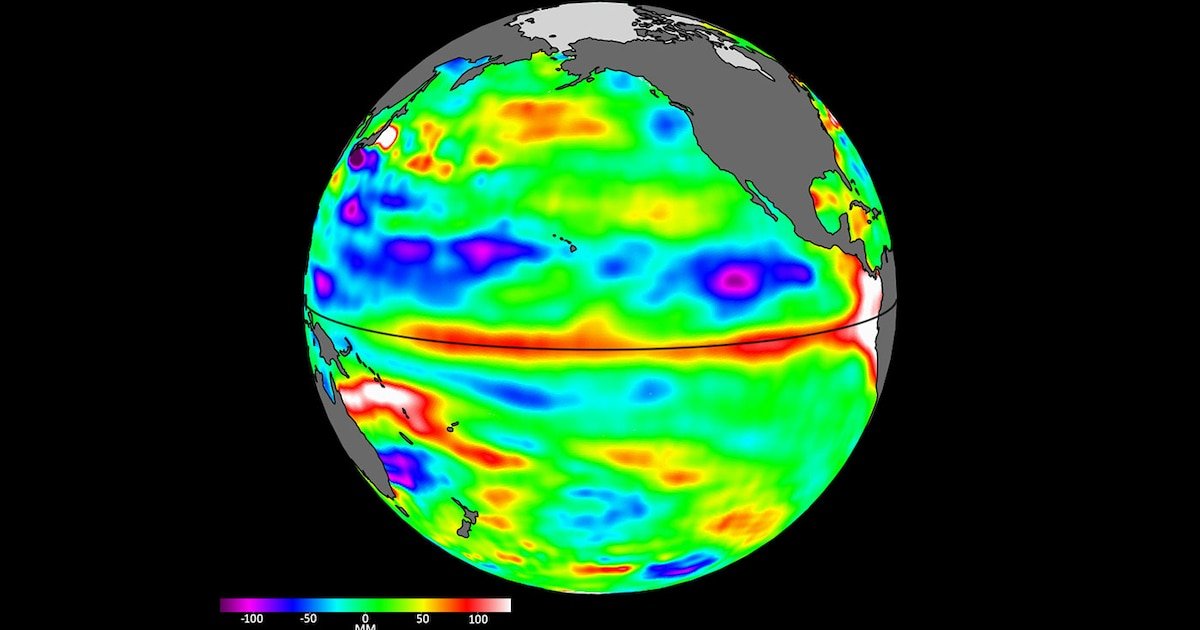
La Organización Meteorológica Mundial (OMM), cuya secretaria general es la científica argentina Celeste Saulo, advirtió que el fenómeno de El Niño ya está presente y se intensificará hacia un episodio fuerte entre julio y septiembre, con riesgo de olas de calor, sequías y lluvias intensas en todo el mundo.
Una nueva investigación publicada en la revista Science Advances llegó con una propuesta que abre un debate científico y ético sin precedentes: las simulaciones sugieren que aclarar artificialmente las nubes sobre el Pacífico sur podría debilitar ese mismo fenómeno antes de que cause sus peores estragos.

La técnica propuesta se llama aclaramiento de nubes marinas y consiste en inyectar aerosoles, partículas muy pequeñas, en la atmósfera baja para que las nubes reflejen más luz solar y enfríen el océano.
El estudio fue liderado por Jessica Wan, de la Institución Scripps de Oceanografía de la Universidad de California en San Diego, junto con John Fasullo, Nan Rosenbloom y Chih-Chieh Chen, del Centro Nacional de Investigación Atmosférica de Estados Unidos, y Katharine Ricke, de la Escuela de Política Global y Estrategia de la Universidad de California en San Diego.

El Niño-Oscilación del Sur (ENSO, por sus siglas en inglés) ocurre cuando los vientos alisios se debilitan y las aguas del Pacífico oriental se calientan por encima de lo normal.
Eso desata efectos a distancia llamados teleconexiones: alteraciones del clima que golpean regiones muy alejadas, desde sequías en Australia hasta inundaciones en América del Sur. Un solo episodio puede costar billones de dólares a la economía global.
El Centro Nacional de Predicción del Clima de los Estados Unidos alertó el jueves 9 de julio que “existe un 81% de probabilidad de que se presente un El Niño muy fuerte durante el período de octubre a diciembre de 2026″.
Podría ubicarse entre los eventos de El Niño más grandes en el registro histórico que data desde el año 1950.

Ningún estudio anterior había evaluado si la geoingeniería solar podía usarse para intervenir directamente sobre El Niño en escala estacional.
Los investigadores partieron de una pista concreta: los aerosoles de los incendios de Australia de 2019-2020 aclararon las nubes del Pacífico sur y contribuyeron a desencadenar una La Niña —el fenómeno opuesto, con enfriamiento de las aguas ecuatoriales— que duró varios años. Si el fuego lo hizo, la pregunta fue si podría hacerse a propósito.

Los investigadores simularon seis estrategias sobre los El Niños de 1997-1998 y 2015-2016, al variar cuándo empezaba y cuánto duraba la intervención.
La más intensa —de junio a febrero— redujo la temperatura del mar en 1,88 grados durante el El Niño de 2015-2016, “prácticamente restaurando condiciones neutras del ENSO al final del pico del evento”, según el equipo científico.
En las simulaciones, el aclaramiento de nubes marinas redujo el calor y las lluvias excesivas en la mayoría de las regiones que El Niño suele golpear.
La caída en el índice que mide los daños económicos sugirió “el potencial de grandes beneficios económicos globales”.

El debate científico surge porque la técnica funcionó mejor para combatir el calor y la lluvia que para revertir el frío y la sequía, así que sus beneficios no llegan a todos por igual.
Los riesgos climáticos son tan reales como los beneficios.
El estudio detectó un calentamiento sobre Europa y Asia en zonas que El Niño normalmente no toca, lo que significa que la técnica crearía un problema nuevo donde antes no había ninguno.
Las estrategias más largas también adelantaron y amplificaron La Niña posterior, con potencial de generar daños propios en otras regiones.

El debate ético es el más difícil. Si el aclaramiento de nubes marinas se aplica cuando El Niño no llega a desarrollarse, se podrían generar consecuencias climáticas no deseadas sin ningún beneficio que las justifique.
Los investigadores advirtieron que esos casos “presentan riesgos éticos que deben considerarse con cuidado antes de cualquier implementación futura” y propusieron repetir las simulaciones con distintos modelos y extenderlas a eventos más moderados, que son los más frecuentes y difíciles de predecir.
océano Pacífico,nubes estratocúmulos,albedo,reflexión solar,vista aérea

García Cuerva pidió terminar con las “cuevas de corrupción” y llamó a construir una patria “honesta”

Pocos lo saben: por qué el chocolate suizo es considerado uno de los mejores del mundo

Chile se rinde ante un argentino: Messi, líder de una marca top en el Registro Civil

Tragedia en España: turistas calcinados en sus autos, desaparecidos y evacuados en el peor incendio en Andalucía

Mamdani’s wife co-hosts luxe Muslim retreat casting Virgin Mary as ‘Palestinian woman’ under occupation

La Justicia avanzó con nuevas medidas de prueba en la causa contra Francisco Adorni por presunto enriquecimiento ilícito

Ojo con las multas de tránsito: las más caras llegan a $3.8 millones

Mora récord: Caputo aseguró que bancos privados están rescatando a sus clientes con préstamos al 25% anual

Portugal vs España: formaciones, hora y dónde ver por tv

¿Conviene un plazo fijo? Esto ganás con $1 millón y las tasas de cada banco

 ECONOMIA3 días ago
Mora récord: Caputo aseguró que bancos privados están rescatando a sus clientes con préstamos al 25% anual
- ECONOMIA3 días ago
¿Conviene un plazo fijo? Esto ganás con $1 millón y las tasas de cada banco
- ECONOMIA3 días ago
Inédito: la billetera de una petrolera rinde más que usar Mercado Pago o invertir en plazo fijo