INTERNACIONAL
El informe Guatemala: Nunca Más sentó bases para la justicia y recuperación social tras décadas de violencia en Guatemala

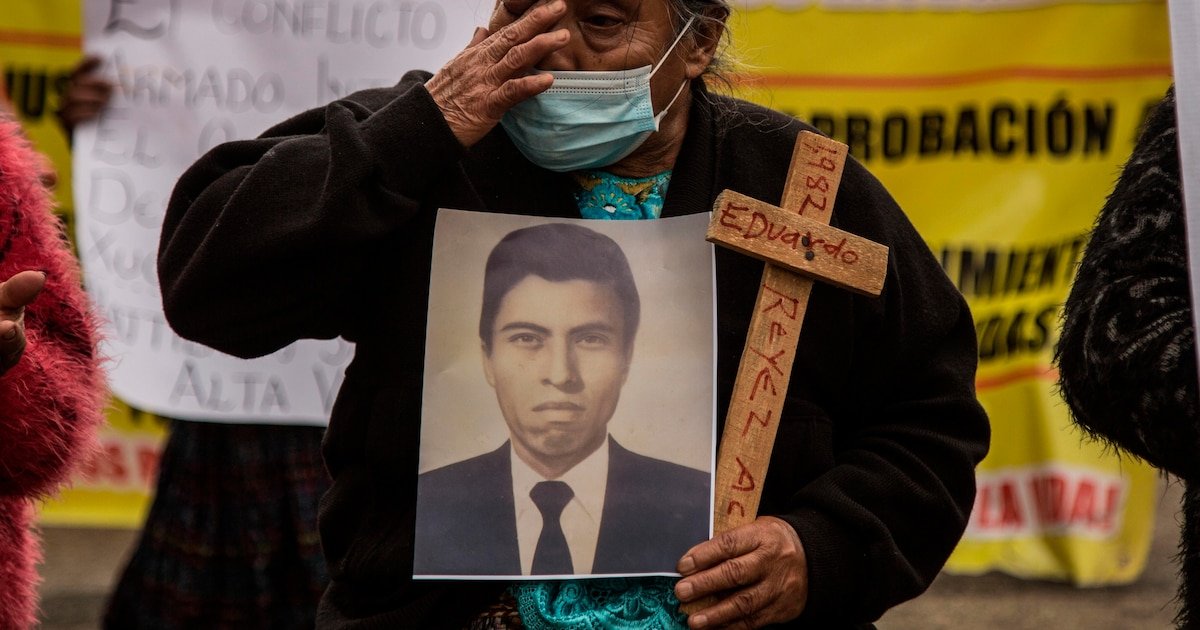
El informe Guatemala: Nunca Más, presentado el 24 de abril de 1998 en la Catedral Metropolitana de Guatemala, marcó un antes y un después en el proceso de verdad, memoria y reconciliación de la sociedad guatemalteca al documentar los crímenes masivos ocurridos durante el Conflicto Armado Interno (1960-1996).
El documento, resultado de tres años de trabajo bajo la conducción de Monseñor Juan José Gerardi Conedera y con el respaldo de la Oficina de Derechos Humanos del Arzobispado de Guatemala (ODHAG), recopiló más de 6,500 testimonios.
Estos relatos detallan el sufrimiento de la población y denuncian la responsabilidad mayoritaria de fuerzas estatales y patrullas paramilitares en las violaciones a los derechos humanos.
El Proyecto Interdiocesano de Recuperación de la Memoria Histórica (REMHI) constituyó un ejercicio pionero en la reconstrucción social tras un conflicto armado que dejó, según sus registros, alrededor de 65,000 víctimas entre asesinados y desaparecidos, de las cuales el 83 % pertenecía a pueblos indígenas y el 17 % a población ladina o mestiza.
Además, REMHI identificó 428 masacres, colaborando a la certificación y eventual exhumación de víctimas en comunidades especialmente afectadas.
La recopilación de información requirió un equipo central y la coordinación en once diócesis, con la participación de aproximadamente 600 animadores de la reconciliación capacitados para recoger testimonios en un entorno de miedo y silencio. Posteriormente, 950 promotores jurídicos extendieron la capacitación en derechos humanos por todo el país.
El informe, dividido en cuatro tomos, sistematizó una variedad de delitos, incluidos masacres, desapariciones forzadas, torturas y violencia sexual, presentando los datos de manera detallada y respaldada ante instancias nacionales e internacionales.
José Antonio Puac, uno de los coordinadores del proyecto, expresó en una entrevista concedida a Infobae Centroamérica: “la formación fue muy completa porque se trabajó también la tipología de la violación, de los delitos, y se hicieron ejercicios. Para mí fue lo central […] con esa calidad de formación que se dio, se pudo articular un trabajo a nivel nacional”.

El REMHI partió de la idea de que la violencia no solo causó muertes y desapariciones, sino que privó a los guatemaltecos de “su derecho a la palabra”.
Cada testimonio recogido representó, según los responsables del proyecto, una oportunidad para recuperar la dignidad y reconstruir la identidad colectiva.
El equipo enfrentó la dificultad de recoger la verdad en un tiempo limitado y bajo restricciones de los acuerdos iniciales, que impedían la identificación de responsables y el uso judicial de las conclusiones.
Los animadores de la reconciliación, principalmente líderes comunitarios, catequistas y laicos de confianza, recibieron capacitación especializada para abordar la recopilación desde una perspectiva pastoral y humana, evitando la estigmatización de las víctimas y priorizando la sanación colectiva.
Según Puac “La gente estaba con mucho miedo, había mucho silencio, nadie quería hablar. Creemos que la Iglesia pudo romper ese miedo, ese silencio. Y la gente, al dar su testimonio, tuvo la oportunidad de expresar su dolor, su sufrimiento, su tristeza”.
La organización de los relatos incluyó el diseño de herramientas metodológicas, desde la creación de cuestionarios hasta la clasificación y digitalización de las violaciones.
Se elaboró un tesauro y códigos temáticos que facilitaron el análisis de datos sobre masacres, violencia sexual, desplazamientos y violencia institucional.

Entre los resultados directos del REMHI se resalta su función como fundamento para la creación de equipos especializados en exhumaciones, acompañamiento psicosocial y transformación de conflictos. Puac relató que, en respuesta a las demandas de comunidades como San Martín Jilotepeque para localizar a desaparecidos y obtener certificados de defunción, el equipo coordinó la intervención de antropólogos y psicólogos, estableciendo una red de apoyo integral que cubría desde la identificación forense hasta la atención emocional.
La recopilación y divulgación pública de nombres, lugares y perpetradores, respaldada por testimonios y documentos, incluidos archivos desclasificados, permitió el uso parcial del informe en catorce procesos judiciales del Ministerio Público, lo que muestra que el trabajo de Monseñor Gerardi continúa influyendo en la justicia y la sociedad, décadas después de su asesinato.

El REMHI antecedió al trabajo oficial de la Comisión para el Esclarecimiento Histórico, que posteriormente amplió la documentación, confirmando los hallazgos iniciales de la investigación eclesial.
La Comisión recogió alrededor de 150,000 testimonios y contabilizó 668 comunidades masacradas, y utilizó parte del modelo metodológico desarrollado por REMHI.
El compromiso de la Iglesia católica, representado en Monseñor Gerardi, fue decisivo para dar voz a las comunidades indígenas, fuertemente impactadas por la violencia.
Las acciones de Gerardi, desde la promoción de una pastoral indígena nacional hasta la invitación a aprender los idiomas originarios para comprender mejor las necesidades sociales, marcaron una diferencia relevante en la atención e inclusión de los sectores más vulnerables.
La formación multidisciplinaria del equipo, apoyada por expertos y experiencias internacionales —como las comisiones de la verdad de Timor Oriental y la contribución directa de figuras como Eduardo Galeano— consolidó un método replicable en otros contextos de posguerra. Cada línea del informe Guatemala: Nunca Más sostiene la premisa de que la verdad y la escucha activa son bases para la reconstrucción social.
Desde el exterminio a la dignidad recuperada, y del secreto impuesto al testimonio público, la historia del REMHI clarificó el pasado y abrió un camino para la acción comunitaria, la exigencia de justicia y la preservación de la memoria frente al olvido.
Monseñor Gerardi,Guatemala,derechos humanos,justicia,Iglesia Católica,obispo,memoria,impunidad,conflicto,aniversario










INTERNACIONAL
Uruguay puso en marcha los patrullajes con blindados militares en los barrios de mayor criminalidad de Uruguay
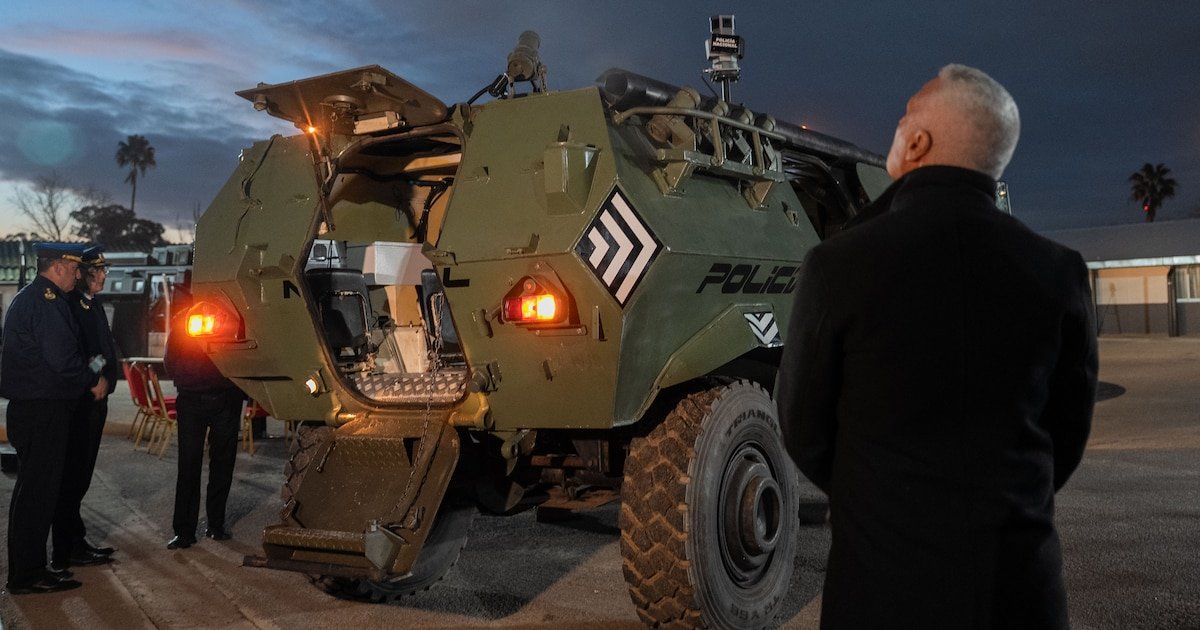
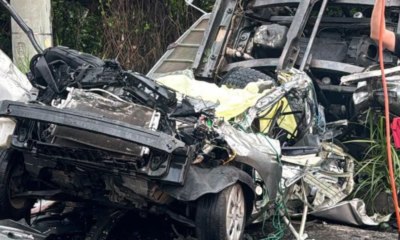
Vehículos militares comenzaron a patrullar los barrios con mayores niveles de criminalidad en Uruguay. El primer día de tarea el equipo tuvo un problema: quedó fuera de servicio por ajustes técnicos tras su primera recorrida. Este domingo, el vehículo Cóndor ya había vuelto a patrullar el barrio Marconi de Montevideo.
El viernes, el Ministerio del Interior había presentado uno de los vehículos blindados tipo Cóndor que serán incorporados a los operativos de seguridad pública y al patrullajes de zonas definidas como de “mayor complejidad” por las autoridades.
El ministro Carlos Negro explicó que viernes que la incorporación de estos blindados fortalece “la protección de la ciudadanía” y la “seguridad de los funcionarios policiales”, según la información divulgada por Presidencia de la República. “Lo que queremos es, por un lado, la protección de los vecinos con mayores recursos materiales y, por otro, la protección de los funcionarios policiales que llegan a las zonas más complejas”, expresó el jerarca.

Esta unidad fue decida por el Ministerio de Defensa Nacional y es parte de un total de cuatro vehículos que se desplegarán progresivamente en la capital uruguaya.
El peso del vehículo es de 9.000 kilos, según informó el director general de Operaciones Especiales, Jorge González. Está pensado para que sea utilizado en tareas de patrullaje preventivo, en el traslado seguro de efectivos y en la respuesta a situaciones de enfrentamientos armados
“La idea es proteger a los ciudadanos, concurrir a lugares de enfrentamientos armados y tener una protección adecuada para nuestros propios policías”, señaló González.

El Cóndor fue equipado con cámaras y una tecnología adicional que mejora la visibilidad en el entorno y facilita la conducción durante los operativos, según la comunicación oficial. Los choferes debieron completaron una capacitación específica de tres semanas en el Batallón de Florida, a unos 100 kilómetros de la capital uruguaya.
Los capacitados fueron un total de 19 efectivos.
El primer vehículo ya está operativo, pero hubo un problema en su primer día.
Según informó Montevideo Portal, el primer blindado sufrió varias fallas mecánicas y quedó fuera de servicio en menos de 24 horas de haber comenzado a utilizarse. Una de las fallas fue la rotura de una manguera. Esto motivó algunos cuestionamientos de parte de la oposición.

“Así gobiernan. Son un libreto de murga no divertido. Cantinflas no lo haría nunca mejor. País roto”, escribió el senador Sebastián Da Silva, integrante del opositor Partido Nacional. “Cerrá y vamos”, criticó el presidente de esa fuerza política, Álvaro Delgado.
Tras esta controversia política, el Ministerio del Interior informó que el vehículo Cóndor “se encuentra plenamente operativo y realizando tareas de patrullaje en la zona oeste de Montevideo”.
Está previsto que los otros tres blindados sean incorporados de forma paulatina, a medida que finalicen los trabajos de mantenimiento. “Esperamos que en el correr de agosto estén prontos los otros tres vehículos”, declaró el ministro.

El despliegue diario o para operativos específicos será definido por la Policía Nacional, según las necesidades que haya.
El presidente de la República, Yamandú Orsi, había anunciado el 22 de junio la nueva medida de seguridad. “A partir de un encuentro con los ministros de Defensa, Interior y Economía resolvimos redoblar el combate contra el crimen organizado. Para esto direccionamos la infraestructura de seguridad del país a este fin”, expresó.
Después, el ministro descartó que esta medida signifique una militarización de las calles de Montevideo y el área metropolitana. “Si hay algo que teníamos previsto era despejar cualquier duda que se pudiera generar con ese tipo de términos. Solamente se trata de contar con infraestructura que posibilite en una coyuntura específica y una circunstancia especial que el Ministerio del Interior tenga los vehículos apropiados para patrullar, con sus funcionarios”, dijo el secretario de Estado.

NEWYou can now listen to Fox News articles!
FIRST ON FOX: The Trump administration is changing how some asylum claims move through the immigration system, allowing U.S. Citizenship and Immigration Services (USCIS) to refer certain applications directly to immigration judges without first interviewing applicants in an effort to reduce the nation’s asylum backlog.
The interim final rule, which takes effect immediately, gives USCIS the authority to send some asylum applications to immigration court without conducting an affirmative asylum interview, eliminating what the administration called an unnecessary step in the adjudication process.
The change applies to affirmative asylum claims, which are filed by immigrants who are not in removal proceedings. Defensive asylum claims, in contrast, are raised before an immigration judge after the government has initiated removal proceedings.
TRUMP PUTS ASYLUM LAWYERS ‘ON NOTICE’ WITH NEW FRONT IN WAR ON FRAUD
FILE – USCIS generally interviews affirmative asylum applicants before either granting asylum or conducting a separate review, which DHS said allows immigrants to «get a second chance at asylum.»
Currently, USCIS generally interviews affirmative asylum applicants before either granting asylum or referring the case to an immigration judge for a separate review. The Department of Homeland Security (DHS) told Fox News Digital the process can result in some applications being reviewed twice — first by USCIS and then again by an immigration judge — adding to the agency’s growing backlog.
Under the new rule, USCIS can refer certain asylum applications directly to immigration court without first conducting an interview, a change administration officials said will allow both asylum officers and immigration judges to process cases more efficiently while directing resources toward applicants with legitimate claims of persecution.
The rule is the latest step in the Trump administration’s broader effort to tighten the asylum system and speed up immigration enforcement, with officials arguing the current process has been exploited by immigrants seeking to delay removal proceedings and obtain work authorization.
HOUSE REPUBLICANS MOVE TO MAKE TRUMP’S BORDER POLICIES PERMANENT
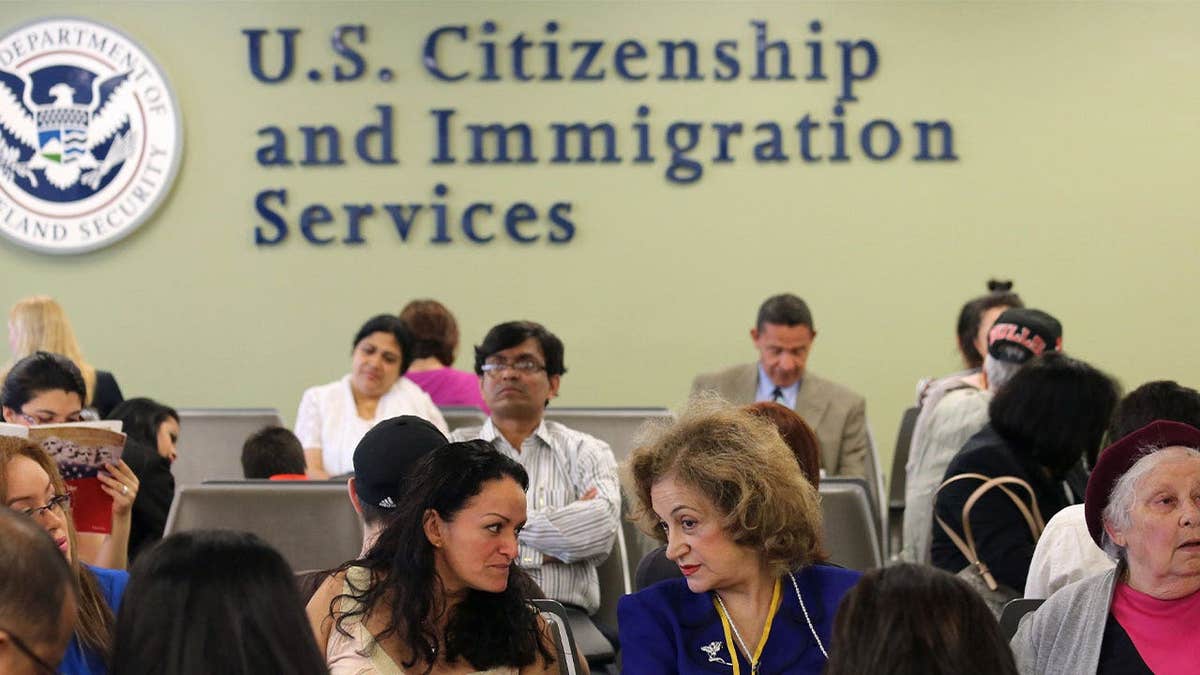
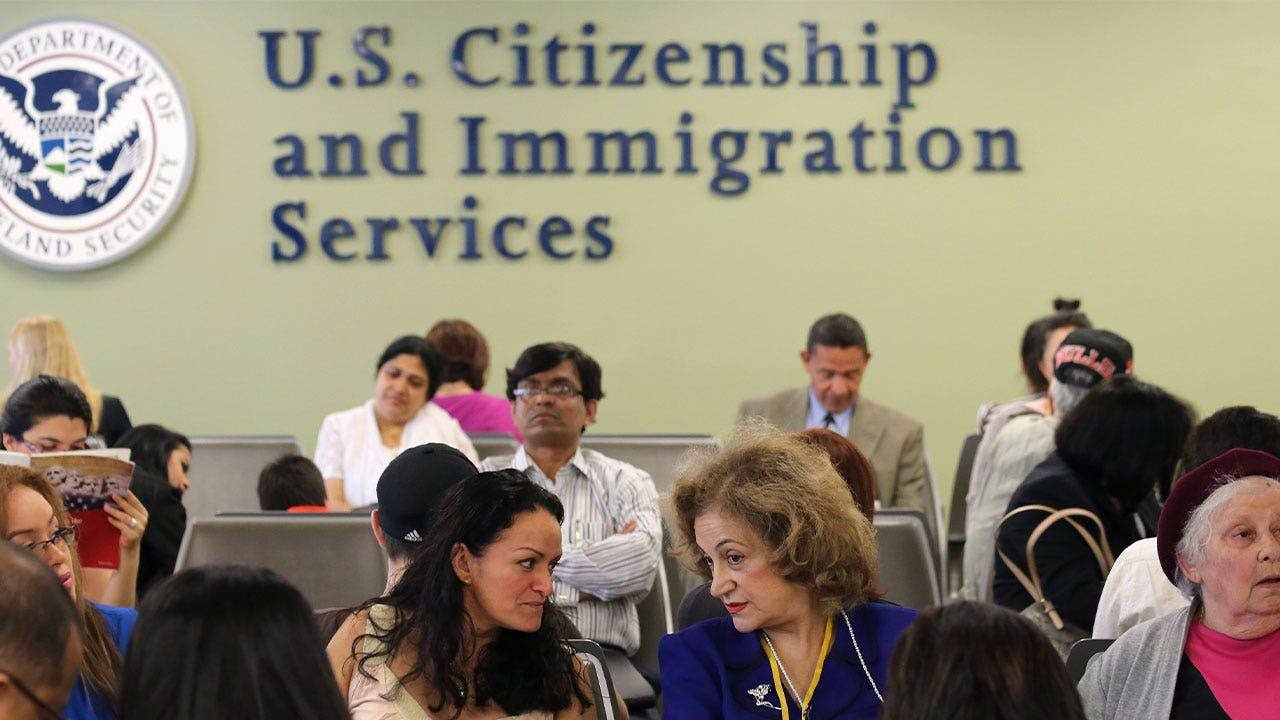
FILE – People wait inside a U.S. Citizenship and Immigration Services office. The Trump administration issued a new rule allowing USCIS to refer certain asylum applications directly to immigration judges without first conducting an affirmative asylum interview. (John Moore/Getty Images)
«For far too long, the asylum system has been exploited for purposes of delay and work authorization, not legitimate claims of protection,» USCIS Director Joseph Edlow told Fox News Digital. «America’s asylum system exists to protect individuals who genuinely fear persecution and this rule will help ensure that resources are directed to the timely adjudication of those claims instead of to those seeking to use the system as a loophole.»
DHS General Counsel James Percival said delays within the asylum system have hindered immigration enforcement.
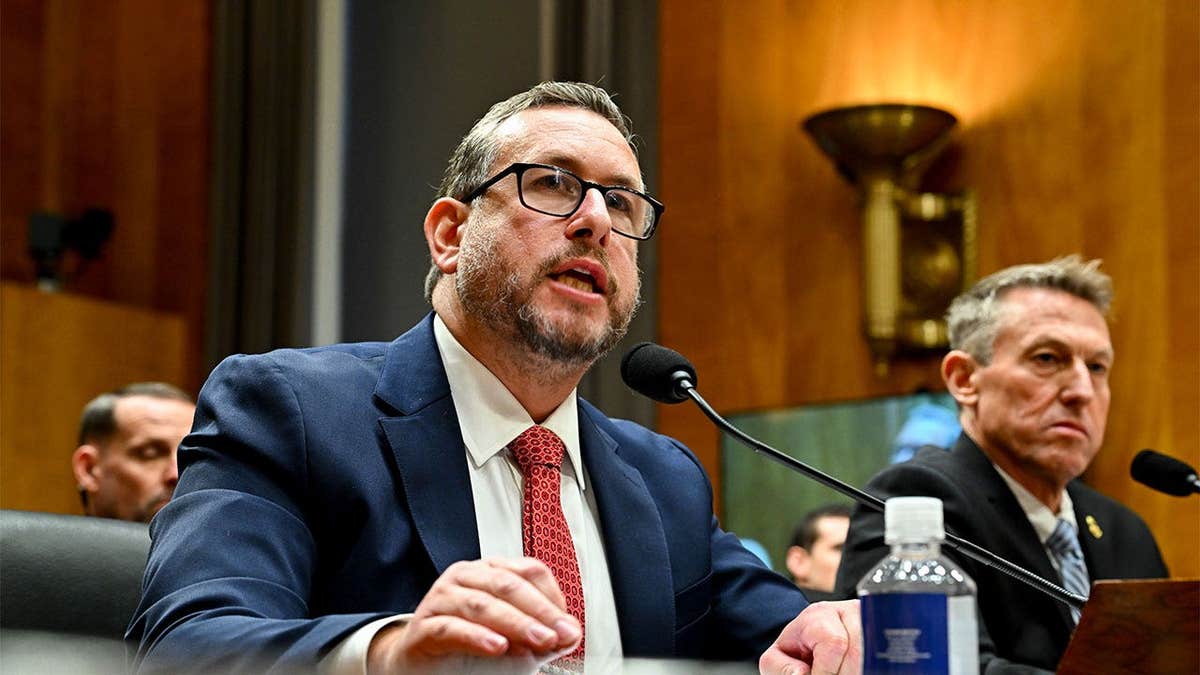
FILE – USCIS Director Joseph Edlow said a new rule allowing certain asylum applications to be referred directly to immigration judges without first conducting an affirmative asylum interview will help reduce the asylum backlog. (Graeme Sloan/Bloomberg via Getty Images)
CLICK HERE TO DOWNLOAD THE FOX NEWS APP
«One of the greatest barriers to effective immigration enforcement is intentional delay by illegal aliens and the open borders attorneys who represent them,» Percival told Fox News Digital. «My office works every day with the immigration components of DHS to improve efficiency and fulfill the president’s mandate. The rule would do just that.»
The rule takes effect immediately, though USCIS said it will continue accepting public comments before issuing a final version, responding to the feedback it receives.
immigration, politics, justice department, homeland security, illegal immigrants

Uruguay puso en marcha los patrullajes con blindados militares en los barrios de mayor criminalidad de Uruguay

Lorius Karius reveló que tocó fondo tras sus errores en la final de la Champions League con Liverpool: “Me sentía vacío”

El ministro de Hacienda de Brasil llamó “payaso” a Javier Milei

Con temperaturas agradables hasta que llegue la lluvia: así estará el tiempo en AMBA en la última semana de julio

Nicolás Pino, presidente de la Sociedad Rural, insistió con su reclamo: «Es necesario llegar a retenciones cero”

Javier Milei insultó a De Mendiguren en La Rural y el ex funcionario anunció que evalúa demandarlo

Senado: Bullrich y Sturzenegger cierran filas para tratar de avanzar con la extranjerización de tierras

Recuperaron ADN de un tenedor plástico y acusaron a una mujer de haber apuñalado 100 veces a su mejor amiga hace 14 años

Khanna demands answers from CCP-linked company accused of undercutting US manufacturers

La mayor estafa ganadera de Uruguay dejó un rojo de USD 272 millones: Justicia confirmó cifras de Conexión Ganadera

 ECONOMIA3 días ago
Vocero de Milei dijo que un dólar a $1.800 es «posible» y la City alerta por fin de la paz cambiaria
- POLITICA3 días ago
Convivencia pacífica o tensión administrada: el PRO define cómo pararse frente al gobierno de Milei rumbo a 2027
- POLITICA2 días ago
Cuentapropismo emocional en lo profundo del conurbano