INTERNACIONAL
El expediente abierto por el asesinato de Gerardi refleja desafíos persistentes para el sistema judicial guatemalteco

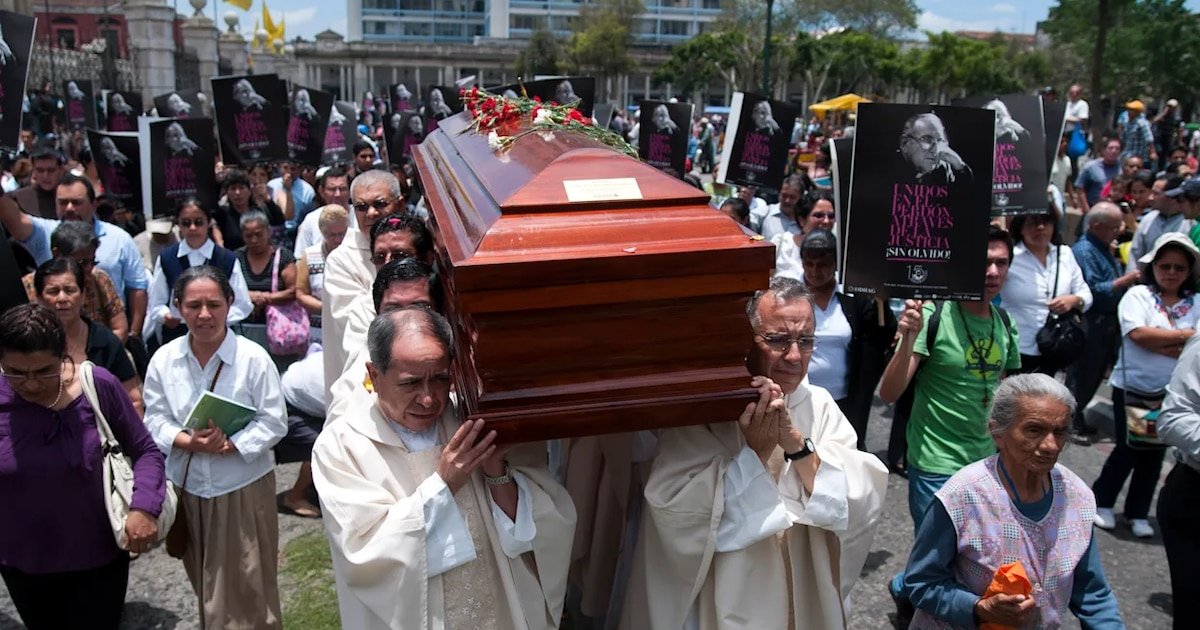
El asesinato de monseñor Juan José Gerardi Conedera el 26 de abril de 1998, solo dos días después de presentar el informe Guatemala Nunca Más, representó un acto político de alto impacto que transformó la búsqueda de justicia y verdad sobre las atrocidades cometidas durante el conflicto armado en Guatemala.
La brutal muerte del obispo, quien fue golpeado hasta la desfiguración en la casa parroquial de San Sebastián, marcó un punto de inflexión para la sociedad guatemalteca y colocó bajo el escrutinio internacional a las estructuras de poder asociadas al Estado Mayor Presidencial.
De acuerdo con datos proporcionados por la ODHAG, las implicaciones judiciales y políticas del caso continúan resonando casi tres décadas después, mientras la investigación se mantiene abierta para identificar a autores intelectuales y responsables de encubrimiento.
El hallazgo de Juan José Gerardi Conedera, obispo y figura central de la búsqueda de justicia en Guatemala, con el rostro desfigurado por un bloque de concreto y signos de resistencia en su cuerpo, marcó en 1998 un hito sombrío en la memoria colectiva del país.
Diversos detalles investigados tras el crimen, como la demora y las declaraciones contradictorias del sacerdote Mario Orantes—quien residía en la iglesia San Sebastián y notificó el hallazgo del cuerpo—, reorientaron desde el principio las pesquisas, agregando complejidad al caso, según datos recogidos medios de comunicación en la época. Gerardi, quien había dedicado 14 años de vida pastoral a la parroquia San Sebastián, fue hallado a escasos metros del portón, junto a dos vehículos en el garaje parroquial, con los brazos y piernas cruzados y restos evidentes del forcejeo, entre ellos, la fractura de uno de sus dedos, considerada por los peritos “prueba” de que el obispo intentó defenderse en medio del ataque.
La descripción de la escena revelada por los análisis iniciales resulta clave por varios aspectos: el bloque de concreto triangular utilizado para golpear y desfigurar el rostro de Gerardi y el hecho de que el crimen ocurrió tras su regreso de un almuerzo familiar, en el momento mismo de abrir el portón del garaje donde, de acuerdo con las conclusiones de la investigación, el agresor ya lo esperaba. El nivel de premeditación y la violencia desplegada en este ataque eran, hasta ese momento.
En el año 2001, un tribunal guatemalteco condenó por el asesinato de Gerardi al coronel Byron Lima Estrada, el capitán Byron Lima Oliva (padre e hijo) y Obdulio Villanueva—todos militares—junto con el sacerdote Mario Orantes.
No obstante, la sentencia solo quedó firme en 2008, después de un largo recorrido judicial, recursos de apelación y amparos.
El informe presentado por Gerardi y su equipo documentó más de 55,000 violaciones a derechos humanos, en su mayoría cometidas por el ejército, e incluyó el testimonio de víctimas y la identificación de responsables directos de masacres.
El conflicto armado guatemalteco, que se prolongó entre 1960 y 1996, dejó al menos 250,000 personas asesinadas y desaparecidas, según la Oficina de Derechos Humanos del Arzobispado de Guatemala (ODHAG), dirigida actualmente por Nery Rodenas.

La ODHAG y el proyecto REMHI —coordinados por Gerardi— fueron puntos neurálgicos de denuncia y memoria sobre la represión estatal.
Según Rodenas, entrevistado por Infobae Centroamérica, la publicación del informe generó un riesgo inmediato para quienes participaron en su elaboración: “Ese informe generó un impacto y, de alguna forma, quienes participaron en el conflicto armado interno se pudieron haber sentido amenazados”.
Al abordar el significado principal del asesinato y sus consecuencias, se establece que la muerte de Gerardi fue un crimen de Estado, con pruebas suficientes que evidenciaron el uso de recursos estatales para vigilancia, ejecución y encubrimiento.
Este caso demuestra la persistencia de cuerpos ilegales y aparatos clandestinos incluso después de la firma de la paz en Guatemala y expone las dificultades para investigar y sancionar crímenes donde integrantes de las instituciones militares resultan implicados.
Hipótesis descartadas y manipulación de la investigación: la pista de la banda Valle del Sol
El proceso judicial estuvo atravesado por hipótesis alternativas y estrategias de desviación, varias de ellas promovidas por representantes del Ministerio Público y sectores ligados al ejército.
Datos de Agencia Ocote muestran cómo, desde la captura inicial de un indigente sin relación real con los hechos, hasta la implicación de la llamada banda Valle del Sol, la investigación estuvo marcada por intentos de restar peso político al crimen.

Entre las líneas exploradas, a petición del fiscal Celvin Galindo en 1999, figuró la responsabilidad de la banda Valle del Sol, liderada por el colombiano Nelson Daniel Zapata Santamaría, cuya supuesta conexión con miembros de la iglesia fue alimentada por denuncias y declaraciones de testigos colaterales.
Hasta 17 personas fueron sometidas a pruebas de ADN, entre ellas militares, civiles y testigos de diferentes entornos, según el mismo fiscal. Sin embargo, expertos nacionales y extranjeros descartaron la hipótesis del perro Balú —al que señalaban como posible atacante— y la presunta implicación de la banda Valle del Sol, falta de fundamentos probatorios sólidos.
La defensa de varios acusados mantuvo la versión de la participación de la banda en el asesinato, señalando a Ana Lucía Escobar y Luis Carlos García Pontazo como autores materiales, pero la inconsistencia de las pruebas hizo que la hipótesis quedara descartada. La iglesia católica rechazó formalmente esa línea de investigación.
Durante el proceso, la investigación judicial fue objeto de amenazas, intimidaciones y presiones sobre fiscales, querellantes y miembros de la ODHAG.
Nery Rodenas, en diálogo con Infobae Centroamérica, relató que las maniobras para desacreditar el trabajo de Gerardi incluyeron centrar las acusaciones dentro de la propia Iglesia Católica, desplazando el ángulo político y desviando el objetivo de la investigación.

Las pruebas y declaraciones testimoniales permitieron establecer, según Rodenas, que “se utilizó vigilancia, ejecución y encubrimiento en el asesinato, lo que demuestra responsabilidad estatal”. Testimonios clave como el de Rubén Chanaxtan Tay, quien sostuvo haber sido contratado para espiar los movimientos de Gerardi y reconoció a los militares principales en la escena del crimen, resultaron determinantes en el juicio.
El proceso de investigación mantiene activo el expediente de trece personas más, incluyendo a Darío Morales, sargento del Estado Mayor Presidencial, detenido en 2025, cuyo caso sigue pendiente de resolución judicial por presunta ejecución extrajudicial y falso testimonio, según la información de Rodenas a Infobae Centroamérica.
A más de veintiocho años del asesinato, los desafíos persisten. El fallo judicial enfrentó retrocesos, impugnaciones y un entorno de inestabilidad institucional condicionado por intereses políticos, como describió Rodenas. Él estima que la demora y la inacción de autoridades redujeron el clima de amenaza únicamente tras la confirmación de las sentencias en 2008.
El legado de monseñor Juan José Gerardi excede el proceso judicial y tiene un valor en la lucha por la dignidad y la memoria de las víctimas del conflicto armado guatemalteco.
Rodenas puntualiza que “el acceso a la verdad” y la perseverancia ante la impunidad representan una responsabilidad ética y legal para quienes acompañaron la investigación.
El trabajo de Gerardi, desde su rol como obispo en comunidades rurales hasta la coordinación del informe Guatemala Nunca Más, estableció pautas para la documentación de delitos de lesa humanidad y para el papel de la iglesia en la reconstrucción social.

El caso expuso la existencia y funcionamiento de aparatos ilegales de represión en Guatemala después de la guerra, así como la importancia de un sistema judicial independiente para investigar casos políticos complejos.
Las dos décadas transcurridas reflejan que cuando fiscales y jueces mantienen un compromiso con la verdad, como en el caso Gerardi, la justicia puede imponerse incluso frente a estructuras de poder acostumbradas a la impunidad.
La muerte de monseñor Gerardi se mantiene como un episodio definitorio en la historia contemporánea de Guatemala.
El proceso para esclarecer el caso permanece abierto, con el avance del expediente sobre Darío Morales y la posibilidad de nuevas investigaciones, incluida una eventual intervención internacional si las autoridades nacionales no logran agotar las responsabilidades pendientes.
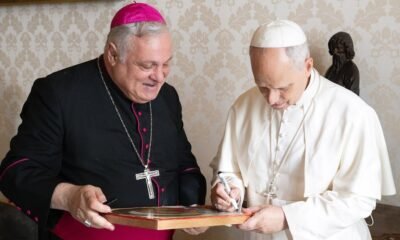
Juan José Gerardi Conedera,Papa Juan Pablo II,Vaticano,obispo,Iglesia Católica,Guatemala,Arzobispado de Santiago de Guatemala,reunión







INTERNACIONAL
Exposed Fauci diary shows he estimated COVID-19 death rate to be much lower than what he told Congress
NEWYou can now listen to Fox News articles!
Entries from early 2020 in a now-exposed personal diary kept by Dr. Anthony Fauci during the COVID-19 pandemic show that he privately estimated the death rate from the illness was significantly lower than what he told Congress under oath only weeks later.
Fauci, 85, has come under intense scrutiny for years regarding his approach leading the U.S. response to the coronavirus pandemic, and his alleged links to the Chinese lab where the virus originated. He will return to Capitol Hill on Wednesday before the Senate Homeland Security and Governmental Affairs Committee to speak about his newly publicized personal records.
«The stated mortality over all of this when you look at all the data including China is about three percent. It first started off as two and three,» Fauci said in testimony before the House Oversight Committee on March 11, 2020, according to a transcript of the hearing.
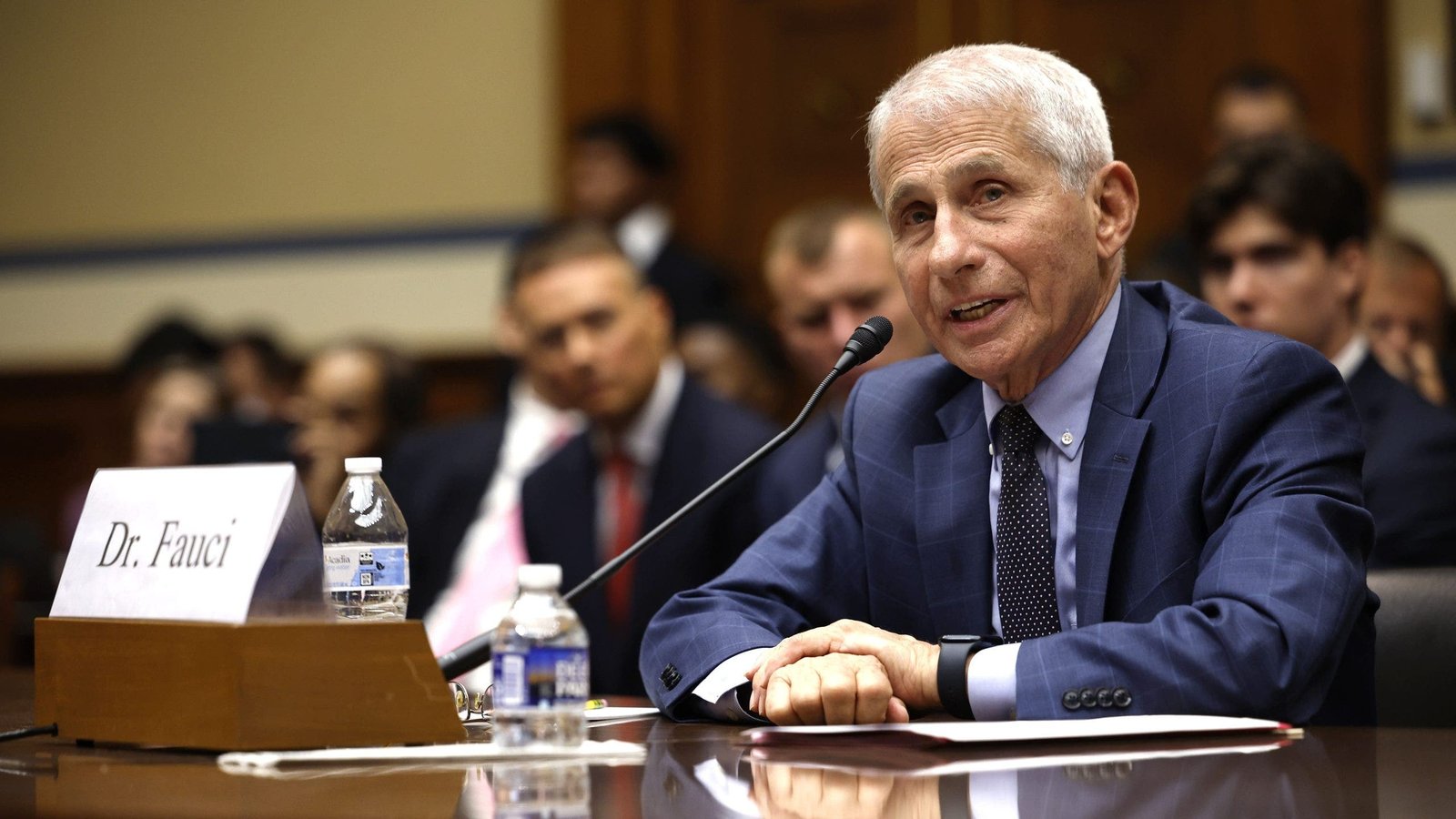
National Institute of Allergy and Infectious Diseases Director Anthony Fauci prepares to testify before the Senate Health, Education, Labor, and Pensions Committee about the ongoing response to the COVID-19 pandemic in the Dirksen Senate Office Building on Capitol Hill on November 4, 2021, in Washington, D.C. Senators questioned Fauci and other witnesses about the approval of the Pfizer-BioNTech coronavirus vaccine for children between 5 and 11 years old this week. (Photo by Chip Somodevilla/Getty Images)
LEGACY MEDIA IGNORES MASSIVE ANTHONY FAUCI DOCUMENT RELEASE ALLEGING HE MISLED CONGRESS ON COVID ORIGINS
During the hearing just weeks into the virus reaching the U.S., he was asked by Rep. Michael Cloud, R-Texas, to compare the mortality from COVID-19 to the mortality of the seasonal flu.
«I think if you count all the cases of minimally symptomatic or asymptomatic infection, that probably brings the mortality rate down to somewhere around one percent, which means it is 10 times more lethal than the seasonal flu,» Fauci continued. «I think that is something that people can get their arms around and understand.»
But on Feb. 8, 2020, about a month before that congressional testimony, Fauci expressed privately that he believed the virus’s mortality rate was much lower than what he later told lawmakers.
«[Former CDC Director] Tom Frieden called me this AM and we discussed various aspects of the outbreak,» Fauci wrote. «He and I are on the same page in thinking tht [sic] this is acting like a bad influenza in its transmissibility and that the denominator is much greater than 34,867 (above) making the case fatality rate (CFR) more like 0.2-0.3 % rather than 2.0%.»
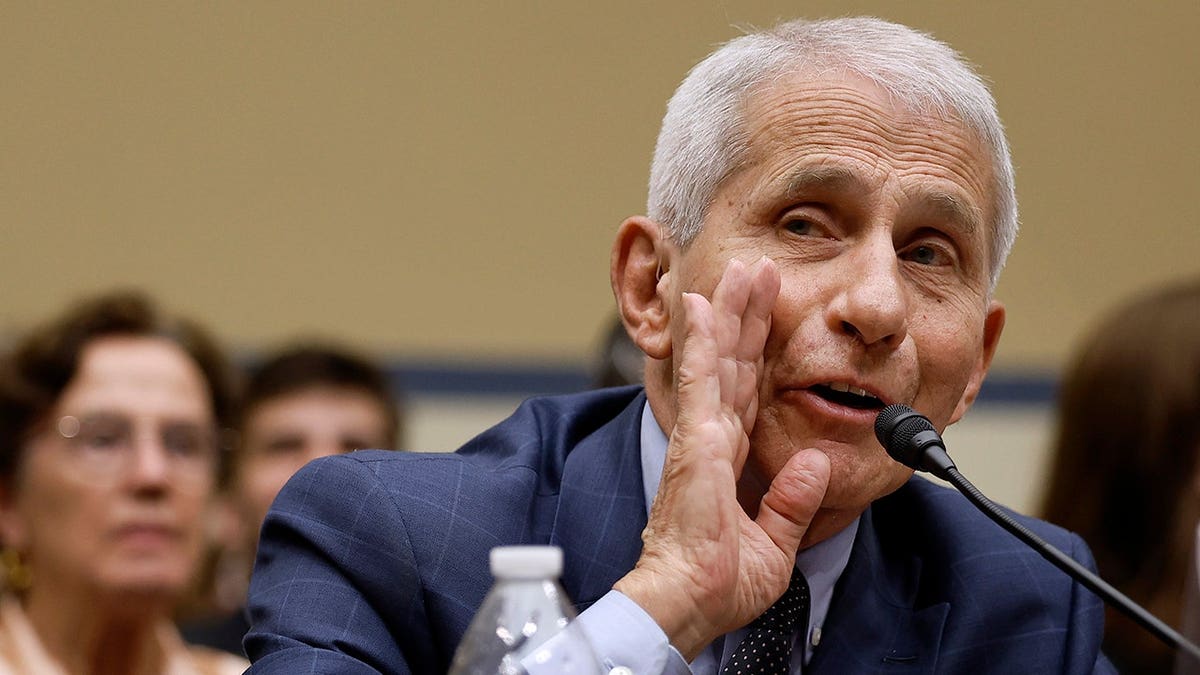
Dr. Anthony Fauci testifies before the House Oversight and Accountability Committee Select Subcommittee on the Coronavirus Pandemic at the Rayburn House Office Building in Washington, D.C., on June 3, 2024. The hearing covers findings from a 15-month Republican-led probe into Fauci and the origins of the COVID-19 pandemic. (Chip Somodevilla/Getty Images)
FAUCI’S NEWLY RELEASED COVID DIARIES REVEAL BIZARRE FIXATION ON FAME AS PANDEMIC DEATHS MOUNTED
At that time, Fauci had counted 34,687 cases of the virus and 724 fatalities, according to his diary, which equals just over 0.2%.
Fauci was the director of the National Institute of Allergy and Infectious Diseases (NIAID) during the pandemic, and first became the face of combatting COVID-19 at the onset of the pandemic during President Donald Trump’s first term, and remained in the role under President Joe Biden until retiring in 2022.
The very influential position wasn’t lost on Fauci. His diary entries tracked his rising influence and press appearances, and he meticulously kept track of how he was portrayed.
«Big front page article abut me appeared in the Washington Post. Very flattering. The situation with my national and international fame is explosive and really unimaginable,» he wrote in a diary entry on May 21, 2020.
«It is not hyoperbole [sic] to say that today I am the most famous and talked about person in the country and one of the most recognizable peson in the world,» he continued.
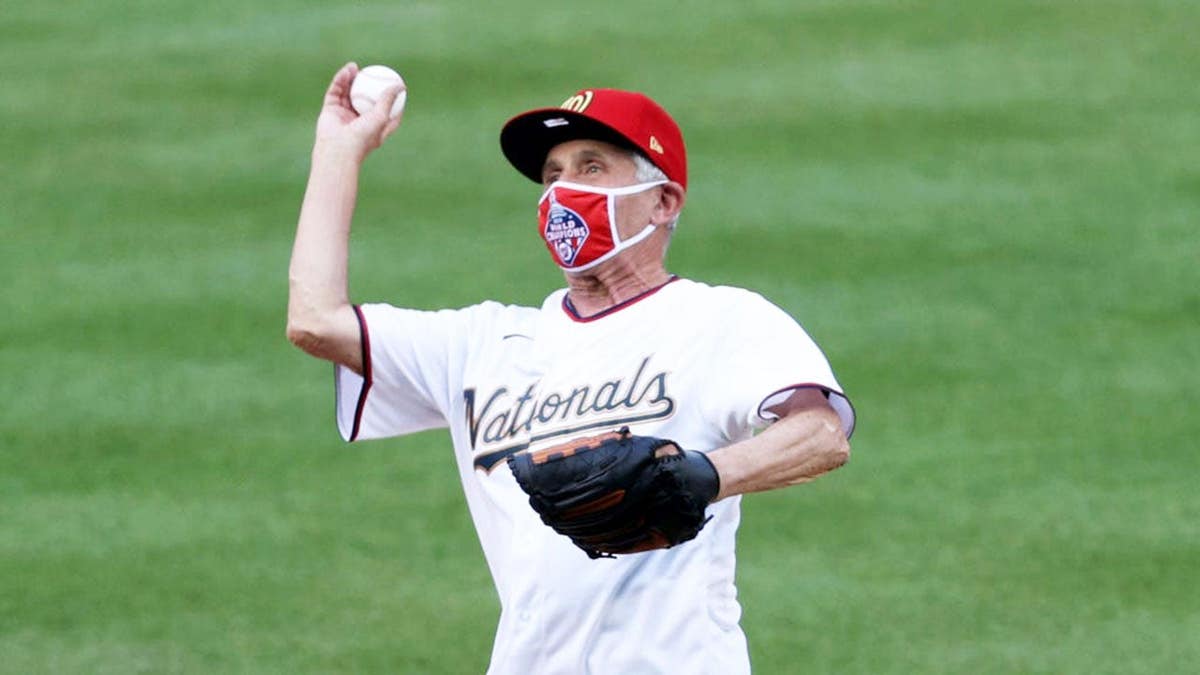
Dr. Anthony Fauci, director of the National Institute of Allergy and Infectious Diseases, throws out the ceremonial first pitch before the game between the New York Yankees and Washington Nationals at Nationals Park on July 23, 2020, in Washington, D.C. (Getty Images)
INSIDE FAUCI’S PRIVATE DIARY: WHAT HE WROTE ABOUT TRUMP, TV PERSONALITIES AND CELEBRITIES
Fauci noted that he was developing a «very unique and interesting relationship» with Trump.
His diary is adorned with screenshots of headlines that mentioned him, including a New York Times story from March 2020 titled, «Not His First Pandemic, Dr. Anthony Fauci Sticks to the Facts.»
He referenced another Washington Post article in his diary on Aug. 8, 2020, titled, «As Fauci battles the pandemic and politics, his grateful neighbors celebrate him as a hero.»
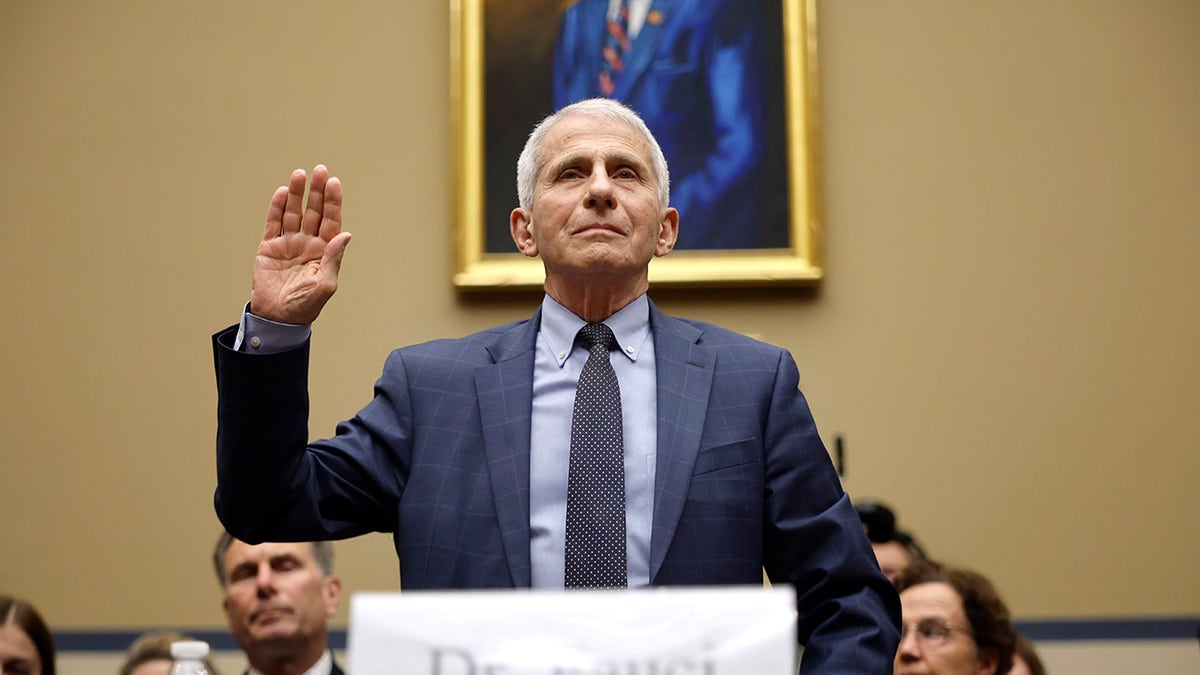
Dr. Anthony Fauci, former Director of the National Institute of Allergy and Infectious Diseases, is sworn-in before testifying before the House Oversight and Accountability Committee Select Subcommittee on the Coronavirus Pandemic at the Rayburn House Office Building on June 3, 2024, in Washington, D.C. The Subcommittee is holding a hearing on the findings from a 15-month Republican-led probe of former Director of the National Institute of Allergy and Infectious Diseases Dr. Anthony Fauci and the COVID-19 pandemic’s origins. (Chip Somodevilla/Getty Images)
CLICK HERE TO DOWNLOAD THE FOX NEWS APP
Fox News Digital reached out to Georgetown University and the Georgetown University Department of Public Health, where Fauci serves as a distinguished professor at the university’s school of medicine, seeking comment on the journal entries versus public statements.
Fox News Digital also reached out to Paul’s office but did not hear back by time of publication.
anthony fauci, health, politics, white house, fox news media, coronavirus
INTERNACIONAL
Uruguay puso en marcha los patrullajes con blindados militares en los barrios de mayor criminalidad de Uruguay
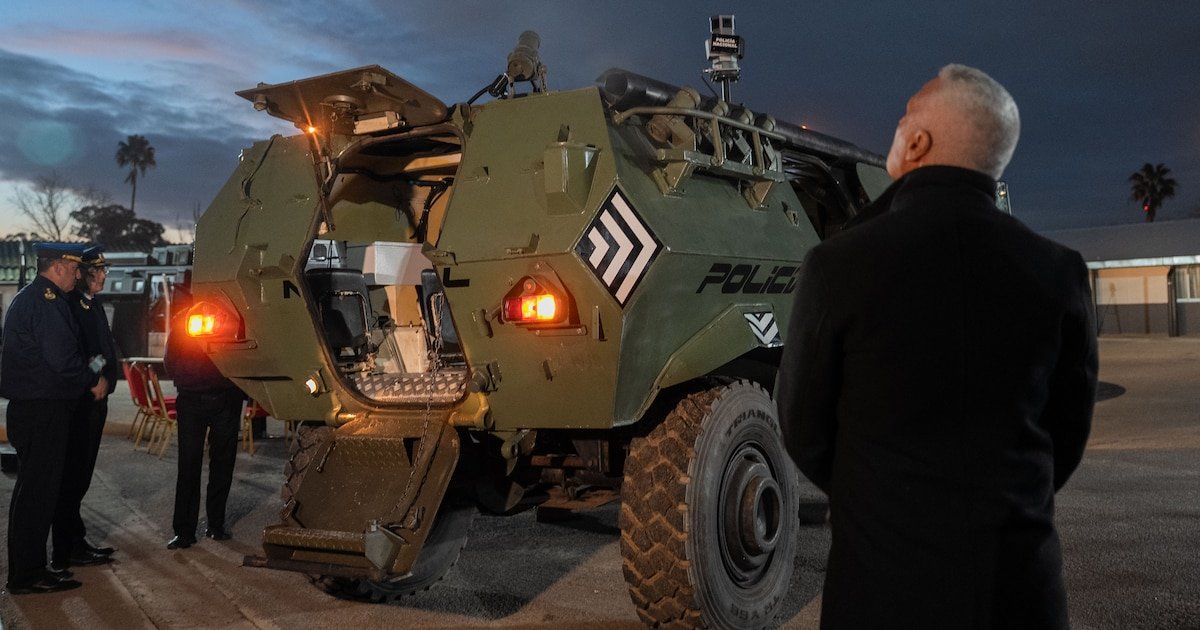
Vehículos militares comenzaron a patrullar los barrios con mayores niveles de criminalidad en Uruguay. El primer día de tarea el equipo tuvo un problema: quedó fuera de servicio por ajustes técnicos tras su primera recorrida. Este domingo, el vehículo Cóndor ya había vuelto a patrullar el barrio Marconi de Montevideo.
El viernes, el Ministerio del Interior había presentado uno de los vehículos blindados tipo Cóndor que serán incorporados a los operativos de seguridad pública y al patrullajes de zonas definidas como de “mayor complejidad” por las autoridades.
El ministro Carlos Negro explicó que viernes que la incorporación de estos blindados fortalece “la protección de la ciudadanía” y la “seguridad de los funcionarios policiales”, según la información divulgada por Presidencia de la República. “Lo que queremos es, por un lado, la protección de los vecinos con mayores recursos materiales y, por otro, la protección de los funcionarios policiales que llegan a las zonas más complejas”, expresó el jerarca.

Esta unidad fue decida por el Ministerio de Defensa Nacional y es parte de un total de cuatro vehículos que se desplegarán progresivamente en la capital uruguaya.
El peso del vehículo es de 9.000 kilos, según informó el director general de Operaciones Especiales, Jorge González. Está pensado para que sea utilizado en tareas de patrullaje preventivo, en el traslado seguro de efectivos y en la respuesta a situaciones de enfrentamientos armados
“La idea es proteger a los ciudadanos, concurrir a lugares de enfrentamientos armados y tener una protección adecuada para nuestros propios policías”, señaló González.

El Cóndor fue equipado con cámaras y una tecnología adicional que mejora la visibilidad en el entorno y facilita la conducción durante los operativos, según la comunicación oficial. Los choferes debieron completaron una capacitación específica de tres semanas en el Batallón de Florida, a unos 100 kilómetros de la capital uruguaya.
Los capacitados fueron un total de 19 efectivos.
El primer vehículo ya está operativo, pero hubo un problema en su primer día.
Según informó Montevideo Portal, el primer blindado sufrió varias fallas mecánicas y quedó fuera de servicio en menos de 24 horas de haber comenzado a utilizarse. Una de las fallas fue la rotura de una manguera. Esto motivó algunos cuestionamientos de parte de la oposición.

“Así gobiernan. Son un libreto de murga no divertido. Cantinflas no lo haría nunca mejor. País roto”, escribió el senador Sebastián Da Silva, integrante del opositor Partido Nacional. “Cerrá y vamos”, criticó el presidente de esa fuerza política, Álvaro Delgado.
Tras esta controversia política, el Ministerio del Interior informó que el vehículo Cóndor “se encuentra plenamente operativo y realizando tareas de patrullaje en la zona oeste de Montevideo”.
Está previsto que los otros tres blindados sean incorporados de forma paulatina, a medida que finalicen los trabajos de mantenimiento. “Esperamos que en el correr de agosto estén prontos los otros tres vehículos”, declaró el ministro.

El despliegue diario o para operativos específicos será definido por la Policía Nacional, según las necesidades que haya.
El presidente de la República, Yamandú Orsi, había anunciado el 22 de junio la nueva medida de seguridad. “A partir de un encuentro con los ministros de Defensa, Interior y Economía resolvimos redoblar el combate contra el crimen organizado. Para esto direccionamos la infraestructura de seguridad del país a este fin”, expresó.
Después, el ministro descartó que esta medida signifique una militarización de las calles de Montevideo y el área metropolitana. “Si hay algo que teníamos previsto era despejar cualquier duda que se pudiera generar con ese tipo de términos. Solamente se trata de contar con infraestructura que posibilite en una coyuntura específica y una circunstancia especial que el Ministerio del Interior tenga los vehículos apropiados para patrullar, con sus funcionarios”, dijo el secretario de Estado.


El gremio de los trabajadores estatales le escribió una carta a Kristalina Georgieva en su visita a la Argentina

Dólar hoy en vivo: a cuánto se operan todas las cotizaciones minuto a minuto este lunes 27 de julio

Infantino saca pecho del Mundial: ‘Estabais tan consumidos por el odio, que os lo perdisteis todo’

Karina Milei inaugura la nueva sede bonaerense de LLA: funcionará en San Telmo

Exposed Fauci diary shows he estimated COVID-19 death rate to be much lower than what he told Congress

Adiós al baño chico y desordenado: el mueble vintage que decoradores de vanguardia volvieron a hacer tendencia

Senado: Bullrich y Sturzenegger cierran filas para tratar de avanzar con la extranjerización de tierras

Recuperaron ADN de un tenedor plástico y acusaron a una mujer de haber apuñalado 100 veces a su mejor amiga hace 14 años

Khanna demands answers from CCP-linked company accused of undercutting US manufacturers

La mayor estafa ganadera de Uruguay dejó un rojo de USD 272 millones: Justicia confirmó cifras de Conexión Ganadera

 ECONOMIA3 días ago
Vocero de Milei dijo que un dólar a $1.800 es «posible» y la City alerta por fin de la paz cambiaria
- POLITICA3 días ago
Convivencia pacífica o tensión administrada: el PRO define cómo pararse frente al gobierno de Milei rumbo a 2027
- POLITICA2 días ago
Cuentapropismo emocional en lo profundo del conurbano