INTERNACIONAL
Elecciones en España: Pedro Sánchez, según el espejo en el que se mire


INTERNACIONAL
Mientras aumenta el precio del petróleo, Trump amenaza con destruir puentes y centrales eléctricas de Irán
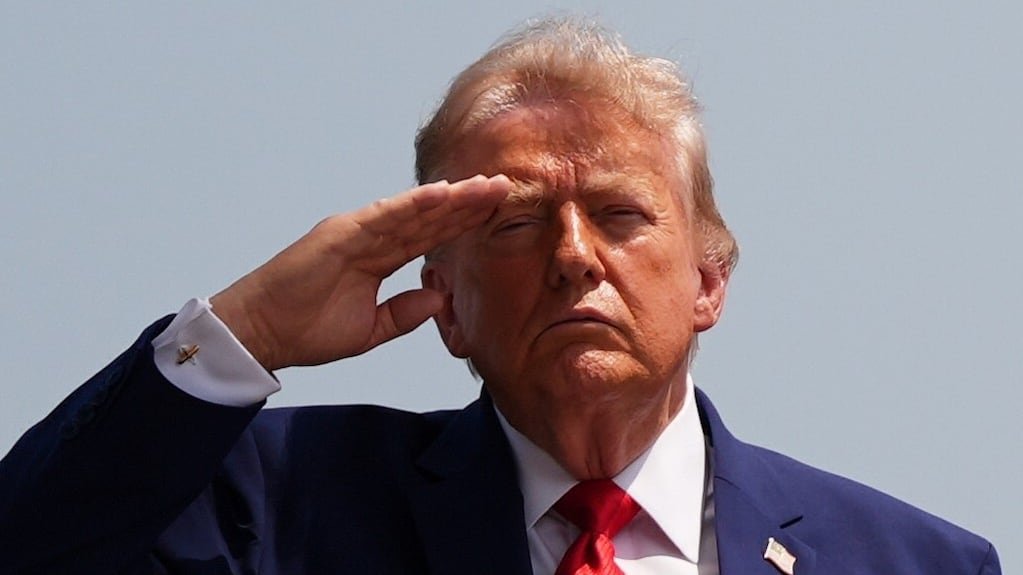
Donald Trump amenazó este miércoles con destruir puentes y centrales eléctricas en Irán por cada ataque contra barcos en el estrecho de Ormuz y advirtió que la guerra que le costó a Estados Unidos más de 37.000 millones de dólares “no ha terminado”.
“Cada vez que la República Islámica de Irán ataque a un navío en el estrecho de Ormuz, sea con misiles, drones o cualquier otro tipo de arma o munición, Estados Unidos bombardeará y destruirá UN PUENTE O UNA CENTRAL ELÉCTRICA”, escribió el presidente estadounidense en su red Truth Social.
La reanudación de las hostilidades genera inquietudes sobre el suministro de crudo y gas por el bloqueo iraní del estrecho de Ormuz y la amenaza de un cerco a los puertos de Arabia Saudita por los rebeldes de Yemen, aliados de Irán.
El bloqueo disparó los precios del petróleo y aumenta la presión sobre Trump para buscar una salida a un conflicto que ya afecta a los consumidores estadounidenses antes de unas elecciones de mitad de mandato muy reñidas.
Como consecuencia de estas tensiones, los precios del petróleo subieron considerablemente este miércoles: el barril de Brent, referencia internacional, volvió a superar los 95 dólares.
¿Se reanudan las negociaciones?
Sin embargo, el secretario de Estado estadounidense, Marco Rubio, aseguró que Washington sigue dispuesto a buscar un acuerdo negociado con Teherán.
“Seguimos abiertos a resolverlo de manera negociada. Pero, por ahora, no parecen estar interesados en eso”, declaró Rubio en una reunión de ministros del sudeste asiático en Manila. El secretario de Estado Marco Rubio (Foto: BRENDAN SMIALOWSKI/Pool via REUTERS)
Poco después, Trump afirmó que Irán todavía no está “listo” para cerrar un acuerdo nuclear que ponga fin a la guerra, dado que, según dijo, cada vez que se alcanza un trato la República Islámica acaba por echarse atrás”.
“Están siendo golpeados con mucha dureza y quieren llegar a un acuerdo. Pero yo digo que no están listos para hacer un acuerdo porque cada vez que hacen uno, quieren cambiarlo y todo eso. No están listos. Estarán listos muy pronto”, señaló en un mitin en Georgia.
Según el portavoz del Ministerio de Relaciones Exteriores iraní, Esmail Baqai, continúan los intercambios diplomáticos con Washington a través de mediadores.
En tanto, un misil estadounidense impactó este miércoles en la isla de Larak, en el estrecho de Ormuz, informó la agencia de noticias iraní Tasnim, sin un balance de daños.
Guerra impopular
A medida que la guerra se acerca a los cinco meses y se avecinan las elecciones de noviembre en Estados Unidos, Trump enfrenta una intensa presión política para poner fin a este conflicto impopular.
Los críticos señalaron el alto costo de la guerra, que el jefe del Pentágono, Pete Hegseth, dijo que se disparó a 37.500 millones de dólares, al defender ante el Congreso una solicitud de otros 67.000 millones.
Leé también: La Justicia de EE.UU. resolvió que el juicio contra Nicolás Maduro empezará el 1 de junio de 2027
Pero Trump, por ahora, resistió la presión y el martes aseguró que el conflicto “no ha terminado en absoluto”.
Por undécima noche consecutiva, el ejército estadounidense lanzó una ofensiva contra objetivos militares de la república islámica con el fin de “seguir debilitando su capacidad para amenazar el tráfico marítimo comercial en el estrecho de Ormuz”.
Trump aseguró que el próximo objetivo de Estados Unidos podría ser un complejo subterráneo en un lugar llamado Kuhe Kolang-e Gaz La, cerca de Natanz, donde las agencias de inteligencia occidentales sospechan que Irán está construyendo una instalación no declarada de enriquecimiento de uranio.
El mando militar iraní (Jatam al Anbiya) advirtió que consideraría el ataque “una expansión de la guerra”, mientras que el portavoz de Exteriores afirmó que “la obsesión de Washington con Kuhe Kolang, donde no se realiza ninguna actividad nuclear, no es más que un pretexto inventado para la agresión, la destrucción y el sabotaje”.
El petróleo vuelve a subir
Las amenazas se producen mientras Teherán intensifica sus ataques contra objetivos en Estados del Golfo aliados de Washington.
En Kuwait, el ejército declaró que sus defensas antiaéreas están interceptando drones procedentes de Irán, mientras que Jordania afirmó haber derribado cuatro misiles iraníes y cuatro drones.
Las sirenas de alerta aérea también sonaron en Baréin.
El Ejército iraní declaró que había atacado activos estadounidenses en Kuwait y Baréin, incluyendo sistemas de defensa aérea, instalaciones de radar y edificios administrativos.
Los Guardianes de la Revolución iraníes también afirmaron haber atacado bases estadounidenses en Jordania.
Por su parte, los hutíes avanzan en su amenaza de obstaculizar el tráfico al otro lado de la península de Arabia. Ese grupo controla el estrecho de Bab el Mandeb, en el extremo sur de Yemen, por el que los buques deben pasar para llegar al Canal de Suez.
(Con información de AFP)
Donald Trump, Irán
INTERNACIONAL
Israeli UN envoy blasts Mamdani as ‘clown’ over call to arrest Netanyahu: ‘It’s a stunt’
NEWYou can now listen to Fox News articles!
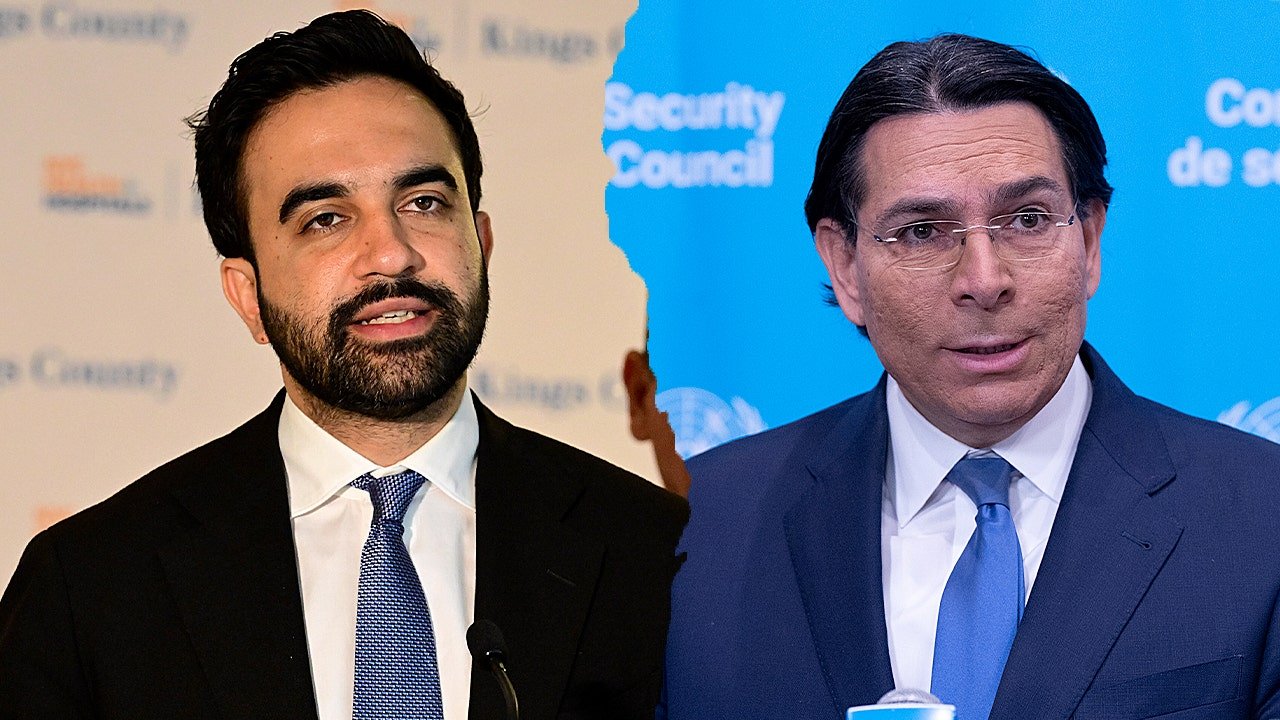
Israel’s ambassador to the United Nations on Wednesday blasted New York City Mayor Zohran Mamdani as a «clown» for demanding federal authorities arrest Israeli Prime Minister Benjamin Netanyahu when Netanyahu arrives in the city.
Danny Danon’s remarks came after Mamdani accused Netanyahu of being a «war criminal» and the «architect of a horrific genocide» against Palestinians while calling on the federal government to execute an International Criminal Court arrest warrant against the Israeli leader.
Netanyahu is scheduled to address the United Nations General Assembly in Manhattan in September.
NETANYAHU FIRES BACK AT NYC MAYOR MAMDANI’S VOW TO ENFORCE ‘BOGUS ARREST WARRANT’
Israeli Ambassador to the U.N. Danny Danon speaks during a United Nations emergency security council meeting on Lebanon at the U.N. Headquarters in New York, on Mar. 31. (Charly Triballeau/AFP via Getty Images)
«Those baseless remarks about harassing the prime minister — it’s a joke, and he’s a clown,» Danon told Fox News Digital Wednesday.
«Everyone knows it’s a show. It’s a stunt,» Danon added. «A mayor should be dealing with the homeless people, the garbage in New York, and leave foreign affairs to the people in Washington who are elected to do it. He should take care of the security of the people in New York, especially the Jewish community, which is seeing the rise of antisemitism. That is his first responsibility.»
The YouTube channel for the New York City Mayor’s Office released a video July 21, «Benjamin Netanyahu is a war criminal.»
«Benjamin Netanyahu is a war criminal, the architect of a horrific genocide against the Palestinian people,» Mamdani said, repeating comments he made in an interview with The New York Times.
Mamdani leveled a series of allegations against the Israeli leader, claiming he was «responsible for the killing of more than 73,000 people, for the maiming of tens of thousands of children, as those who survive undergo amputation without anesthesia.»
He also accused Netanyahu of targeting neonatal hospitals and maternity care centers and alleged that he blocked food and humanitarian aid.
CNN LEGAL ANALYST CALLS OUT ‘UTTERLY RIDICULOUS’ CLAIM BY MAMDANI ABOUT NETANYAHU ARREST
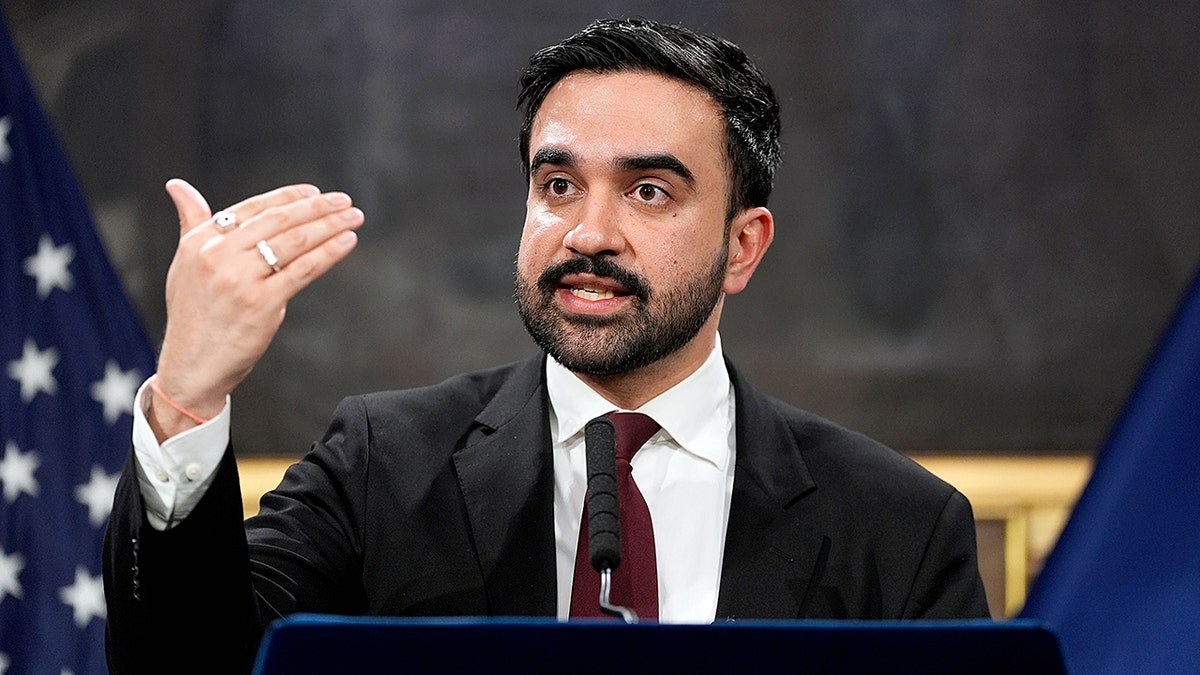
New York City Mayor Zohran Mamdani speaks to reporters during a news conference in New York on Feb. 17, 2026. (AP Photo/Seth Wenig)
«Just last month, the U.N. confirmed that Palestinian children continue to be deliberately targeted and killed by Israeli armed forces, more than eight months after the so-called ceasefire,» Mamdani said.
«All as we, as Americans, pay for the bombs that do the killing. There is a reason the International Criminal Court issued a warrant for his arrest.»
Danon pushed back sharply against the mayor’s accusations.
«There is a lot of humanitarian aid coming into Gaza every day,» Danon argued.
«Nobody speaks about those issues anymore, but he wants to resume spreading blood libels, promoting the claims of genocide, starvation and all those lies that were spread by him, by his wife and by other people during the war.
«He wants to go back to this situation, but today there are no humanitarian issues in Gaza,» Danon added.
«Mamdani continues to promote those blood libels against Israel and against the Jews.»
Mamdani also said that City Hall cannot act on the warrant unilaterally.
«It is clear that we do not have the independent legal authority to enforce this warrant. The federal government, however, does, and I call on them to join the ICC and execute this warrant,» Mamdani said.
«Benjamin Netanyahu is not welcome in New York City, nor is any other war criminal at large.»
MAMDANI’S ‘DERANGED’ ISRAEL TAKE RESURFACES AS HE TARGETS NETANYAHU
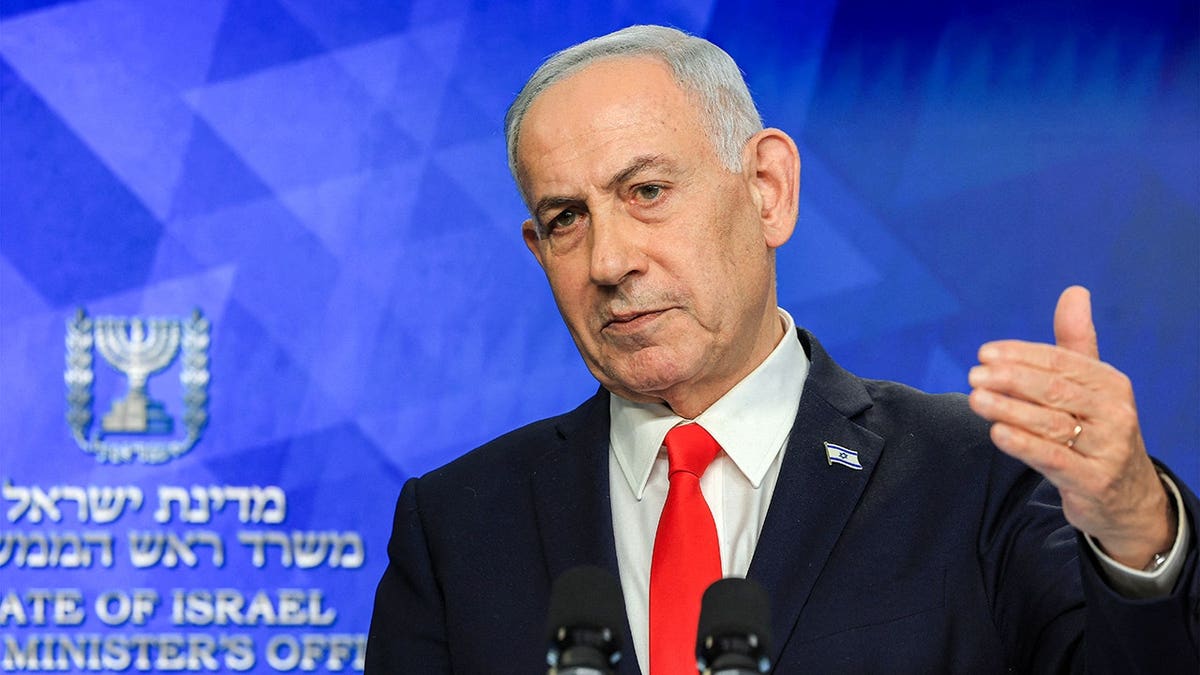
New York City Mayor Zohran Mamdani said his administration is exploring whether the city has legal authority to arrest Netanyahu, pictured here, if he visits for the U.N. General Assembly. (Ronen Zvulun/Pool/AFP via Getty Images)
Israeli officials strongly deny all charges. Netanyahu’s office has rejected the ICC’s jurisdiction, labeling it «a kangaroo court that has no jurisdiction over Americans or Israelis.»
«People are smart; they know there’s no legal basis for his remarks,» Danon said. «The U.S. is not part of the ICC. There is no warrant that is actually effective against the prime minister in the U.S. So it’s a political stunt.»
«We have serious issues to deal with — the war with Iran and other critical matters.
«The prime minister is not actually dealing with Mamdani’s remarks at all. He said it very clearly: He intends to come and speak at the U.N.
CLICK HERE TO DOWNLOAD THE FOX NEWS APP
«Prime Minister Netanyahu will come to New York and will speak in the General Assembly,» Danon said. «The only thing the mayor can do is come to the U.N., grab a seat, listen to the Prime Minister and maybe learn something from his speech.
«Last year, Mayor Adams came to the prime minister’s speech,» Danon noted. «A local leader can come and hear. That’s the only thing he can do.»
israel, benjamin netanyahu, zohran mamdani, new york, united nations
INTERNACIONAL
Zelensky busca reactivar las negociaciones con Rusia: habló con los enviados de Trump antes del encuentro entre Rubio y Lavrov
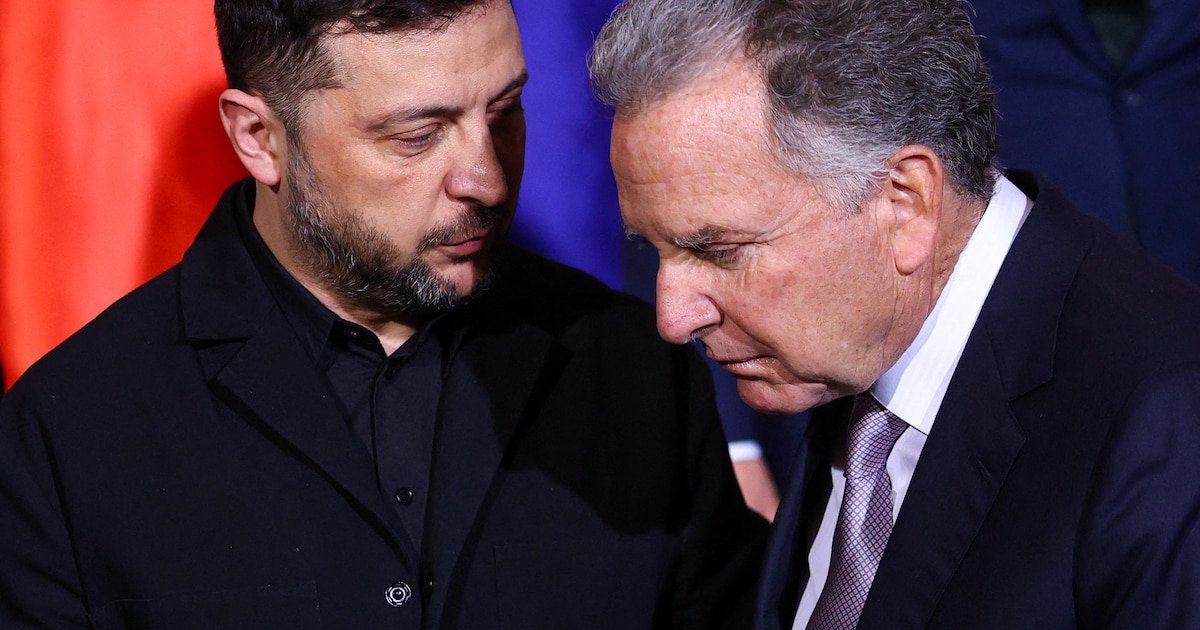
El presidente de Ucrania, Volodimir Zelensky, mantuvo este miércoles una conversación con los enviados especiales del presidente de Estados Unidos, Donald Trump, Steve Witkoff y Jared Kushner, con el objetivo de coordinar esfuerzos para reactivar la vía diplomática hacia un eventual acuerdo de paz. El contacto se produjo un día antes del encuentro previsto entre el secretario de Estado estadounidense, Marco Rubio, y el ministro de Asuntos Exteriores de Rusia, Serguéi Lavrov, que tendrá lugar este jueves en Manila, en el marco de la cumbre de la Asociación de Naciones del Sudeste Asiático (ASEAN).
La llamada se produce en un momento en que las negociaciones entre Kiev y Moscú permanecen estancadas y aún no existe una fecha para retomar los contactos directos entre ambas partes, interrumpidos tras el recrudecimiento de la crisis en Medio Oriente por la guerra entre Israel e Irán.
Zelensky informó del diálogo a través de sus redes sociales y calificó la conversación como un paso relevante dentro de los esfuerzos diplomáticos que impulsa Ucrania junto con Washington.
“Acabo de hablar con los representantes del presidente Trump, Steve Witkoff y Jared Kushner. Una buena conversación sobre cómo activar la diplomacia y acercar más la paz”, escribió el mandatario ucraniano.
El presidente agregó que la coordinación entre ambas delegaciones continúa de forma permanente.

“Nuestros equipos mantienen un contacto cercano”, afirmó.
Zelensky insistió en que el objetivo de su gobierno sigue siendo alcanzar un acuerdo que garantice la seguridad del país.
“Necesitamos la paz, una paz digna, que Ucrania lleva mucho tiempo anhelando”, señaló. También agradeció a Witkoff y Kushner por el “esfuerzo personal” que, según indicó, han realizado para impulsar ese proceso, así como al presidente Trump y al pueblo estadounidense por su “apoyo inquebrantable”.
La conversación tuvo lugar pocas horas antes de la reunión que sostendrán Rubio y Lavrov al margen de la cumbre de la ASEAN en la capital filipina. El encuentro será uno de los contactos diplomáticos de mayor nivel entre Washington y Moscú desde que la nueva administración estadounidense intensificó sus gestiones para intentar destrabar el conflicto iniciado con la invasión rusa de Ucrania en febrero de 2022.
Lavrov confirmó el miércoles que participará en la reunión con Rubio y afirmó que el intercambio permitirá abordar directamente las diferencias existentes entre ambos gobiernos.
“En cualquier caso, esta reunión será útil. Es preferible hacer preguntas y obtener respuestas”, declaró el canciller ruso al anunciar el encuentro.
Uno de los asuntos que previsiblemente ocupará buena parte de la conversación será el llamado “espíritu de Anchorage”, una referencia utilizada por Moscú para describir los entendimientos alcanzados durante la reunión celebrada en agosto de 2025 entre Trump y el presidente ruso, Vladimir Putin, en Alaska.

El gobierno ruso sostiene que en ese encuentro Putin aceptó un plan estadounidense de 27 puntos que había sido entregado previamente por Steve Witkoff durante una visita a Moscú. Entre las propuestas figuraba congelar las líneas actuales del frente y mantener bajo control ruso parte de la región del Donbás.
Sin embargo, Washington ha rechazado que aquel encuentro produjera compromisos definitivos. Rubio sostuvo recientemente que nunca existió un acuerdo vinculante y argumentó que, de haber sido así, la guerra habría terminado hace tiempo.
Las declaraciones del secretario de Estado llevaron a Lavrov a reclamar públicamente que Estados Unidos aclarara cuál es su posición sobre los compromisos discutidos durante aquella cumbre.
Mientras se desarrollan esos contactos diplomáticos, Ucrania continúa reforzando la coordinación con Washington en otros ámbitos.
Horas antes de conversar con Witkoff y Kushner, Zelensky informó que se reunió con el embajador estadounidense ante la OTAN, Matthew Whitaker, para revisar distintos proyectos de cooperación bilateral.
Según explicó el mandatario, ambos analizaron la decisión del presidente Trump de autorizar a Ucrania a fabricar misiles Patriot bajo licencia, además del avance de un acuerdo destinado a ampliar la cooperación en materia de drones.
“Nuestros equipos están trabajando actualmente. Esto tiene un gran potencial y esperamos poder cerrarlo pronto”, afirmó Zelensky al referirse a ese proyecto conjunto.

La conversación con los enviados de Trump y la reunión prevista entre Rubio y Lavrov forman parte de una nueva ronda de contactos diplomáticos impulsados por Washington para intentar reactivar las negociaciones entre Ucrania y Rusia, en un contexto marcado por la ausencia de conversaciones directas entre las partes y por la continuidad de los combates en el frente.
Diplomacy / Foreign Policy,North America,Top Pictures

Rocío Igarzabal reveló el ritual que la conecta con Ernestina Pais a casi un mes de su muerte: “Un momento con mi amiga”

El intendente libertario de Allen investigado por peculado aseguró que su suspensión del cargo es “un golpe institucional”

El proverbio africano del día: “Ninguna hormiga carga sola con el peso del hormiguero, sino que cada una carga 10 veces su propio peso“

Jornada financiera: la Bolsa marcó un nuevo récord y cayó el riesgo país tras la mejora de la nota crediticia de Moody’s

Mientras aumenta el precio del petróleo, Trump amenaza con destruir puentes y centrales eléctricas de Irán

Los videos del partido entre Lanús y Cienciano

Sin la Copa y sin Messi en el avión, vuelve Tapia y deberá enfrentar tres frentes de tormenta tras la pausa del Mundial

Escándalo Mundial: Las presiones secretas, la amenaza de la FIFA por Malvinas y la verdad detrás del partido contra España

Samuel L. Jackson llamó a Argentina “el país más racista del mundo”: la contundente respuesta que le dejó Bárbara Lombardo

Le ganan a la inflación: los senadores pasarán a cobrar $12 millones brutos a partir de agosto

 POLITICA3 días ago
Sin la Copa y sin Messi en el avión, vuelve Tapia y deberá enfrentar tres frentes de tormenta tras la pausa del Mundial
- DEPORTE1 día ago
Escándalo Mundial: Las presiones secretas, la amenaza de la FIFA por Malvinas y la verdad detrás del partido contra España
- CHIMENTOS2 días ago
Samuel L. Jackson llamó a Argentina “el país más racista del mundo”: la contundente respuesta que le dejó Bárbara Lombardo