INTERNACIONAL
Honduras asume liderazgo regional mientras alertan aumento de casos de trata de personas en el país

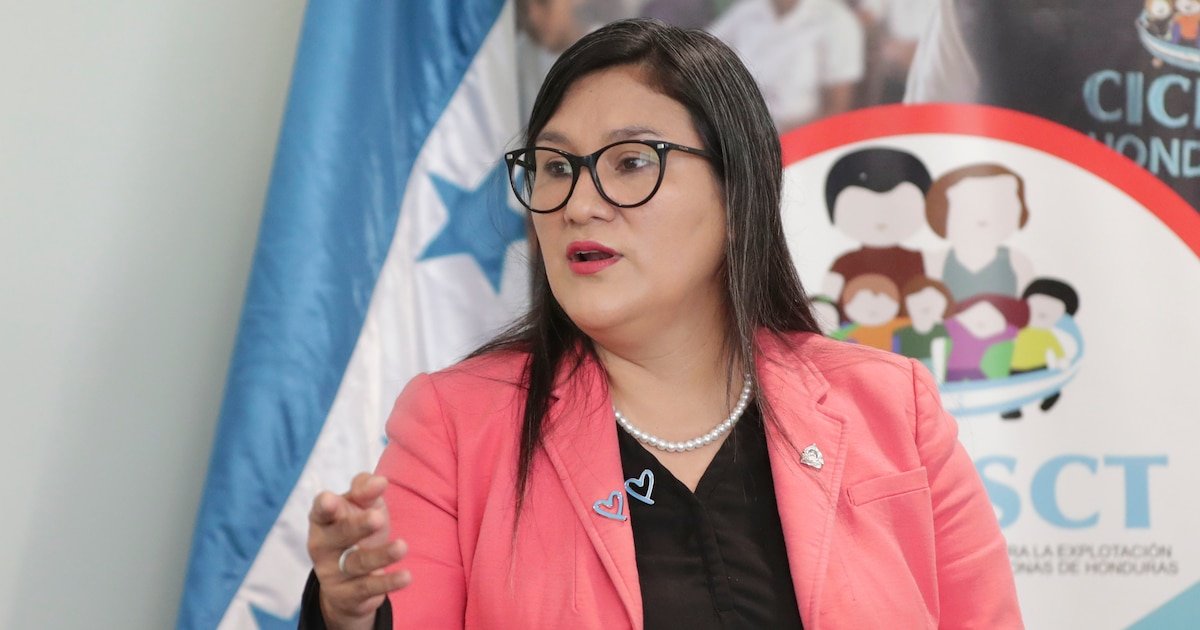
La delegación de Honduras, encabezada por la secretaria ejecutiva de la Comisión Interinstitucional contra la Explotación Sexual Comercial y Trata de Personas (CICESCT), Sua Martínez Ibarra, asumió por primera vez la presidencia pro tempore de la Novena Reunión de Autoridades Nacionales sobre Trata de Personas de la Organización de los Estados Americanos (OEA).
El nombramiento coloca a Honduras al frente de la coordinación regional en materia de prevención, persecución y atención de la trata de personas, un delito que continúa afectando principalmente a niñas, niños y adolescentes en el país.
Durante su intervención, Martínez Ibarra señaló el compromiso del Gobierno de Honduras con la defensa de los derechos humanos y la protección de la dignidad humana. Reafirmó que la lucha contra la trata de personas es una prioridad nacional que involucra a los tres poderes del Estado.
La funcionaria agregó la importancia de fortalecer la cooperación regional, el intercambio de información y la capacidad institucional de los países miembros para enfrentar redes criminales que operan de manera transnacional.
En el marco de este liderazgo regional, Honduras buscará impulsar una agenda alineada con los ejes estratégicos de la OEA y los Objetivos de Desarrollo Sostenible de las Naciones Unidas, priorizando la protección integral de las víctimas y la prevención del delito.
La vicepresidencia de esta instancia regional quedó a cargo de la delegación de República Dominicana.
Aunque el país asume un rol de liderazgo internacional, las cifras más recientes evidencian la persistencia del delito en territorio hondureño.
De acuerdo con registros de la CICESCT, en lo que va de 2025 se han reportado decenas de víctimas rescatadas y atendidas por este delito.
Un informe reciente detalla que al menos 42 víctimas han sido rescatadas durante el año, de las cuales más del 85 % son niñas, niños y adolescentes, lo que evidencia la alta vulnerabilidad de la niñez frente a las redes de explotación.

Otros reportes institucionales indican que el número total de víctimas atendidas durante el año podría ascender a alrededor de 96 personas, con una proporción significativa de menores de edad entre los casos identificados.
Las estadísticas también muestran que la mayoría de las víctimas son sometidas a distintas formas de explotación, incluyendo explotación sexual comercial, material de abuso sexual infantil, reclutamiento forzado y otras modalidades de trata.
Igualmente, las autoridades han señalado que las zonas con mayor incidencia suelen concentrarse en departamentos como Francisco Morazán, Cortés y Atlántida, donde la movilidad poblacional y los entornos urbanos aumentan el riesgo de captación.

En su mensaje, la secretaria ejecutiva reiteró que el abordaje del delito debe centrarse no solo en la persecución penal, sino también en la prevención, la educación y el fortalecimiento de los sistemas de protección a víctimas.
Organismos de derechos humanos y autoridades nacionales coinciden en que la trata de personas sigue siendo uno de los delitos más complejos de combatir en la región debido a su carácter transnacional y a la vulnerabilidad social de las víctimas.
En ese contexto, el liderazgo asumido por Honduras en la OEA representa una oportunidad para reforzar la cooperación internacional, aunque el desafío interno sigue siendo reducir los casos, fortalecer la denuncia y garantizar la atención integral a las víctimas.
Con esta designación, el país entra en una etapa clave en la agenda regional contra la trata de personas, mientras enfrenta el reto de contener un fenómeno que continúa afectando principalmente a la niñez y adolescencia hondureña

INTERNACIONAL
Tragedia en Ohio: Cuatro hondureños mueren ahogados al intentar rescatar a un familiar en EE.UU.
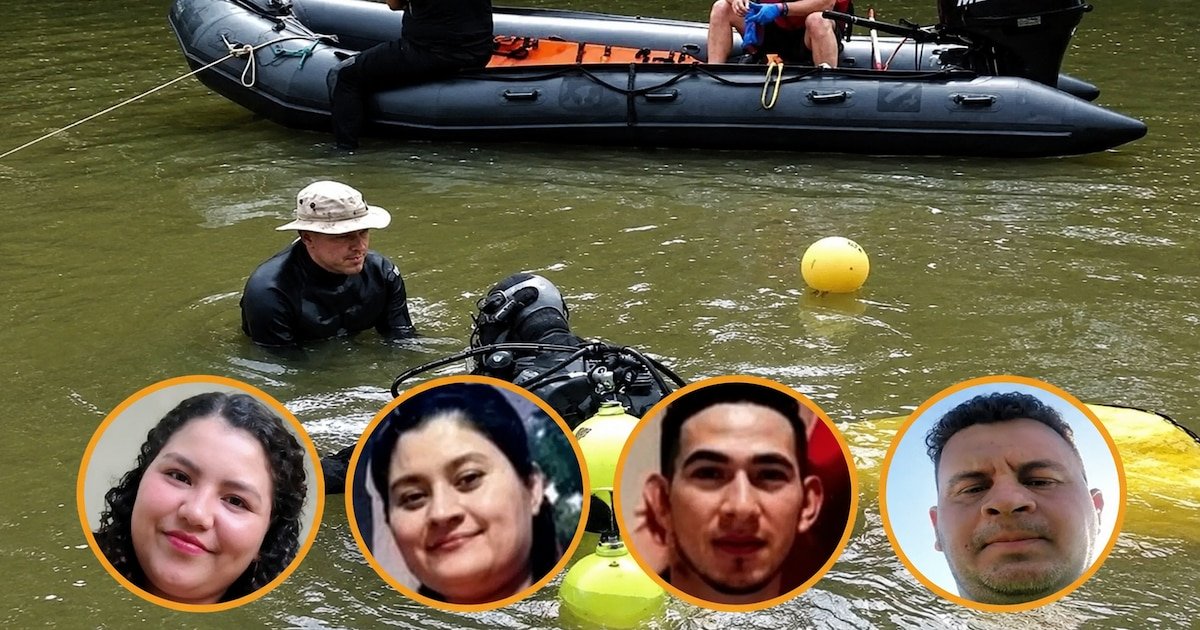
Una reunión familiar terminó en tragedia en el estado de Ohio, Estados Unidos, donde cinco personas perdieron la vida al ser arrastradas por la corriente del río Scioto durante un intento de rescate.
Entre las víctimas se encuentran cuatro ciudadanos hondureños originarios de Lepaera, Lempira, además de un salvadoreño.
De manera preliminar, medios estadounidenses han informado que los fallecidos hondureños serían Miguel, Carmen, José Mario Pineda Díaz, de 33 años, y Marina Sulmy Regalado Miranda, de 29 años.
Sin embargo, las autoridades estadounidenses indicaron que la identificación oficial de las víctimas y la reconstrucción de los hechos continúan bajo investigación.
El incidente ocurrió en la localidad de Powell, al norte de la ciudad de Columbus, donde varios integrantes de una misma familia disfrutaban de una jornada de recreación antes de que ocurriera la emergencia.
Según el informe preliminar de las autoridades estadounidenses, la tragedia comenzó cuando uno de los adultos ingresó al río para nadar, pero poco después empezó a tener dificultades para mantenerse a flote debido a la fuerza de la corriente.
Al percatarse de la situación, otros familiares ingresaron al agua con la intención de rescatarlo. No obstante, también fueron arrastrados por la corriente, generándose una cadena de intentos de auxilio que terminó con la muerte de cinco personas.

Las autoridades señalaron que el caudal del río representaba un riesgo considerable ese día, lo que habría dificultado las labores de rescate entre los propios familiares.
Hasta el momento, las investigaciones continúan para establecer con precisión cómo se desarrollaron los hechos.
La emergencia fue reportada gracias a un automovilista que observó a un menor correr desesperadamente cerca del río.
De acuerdo con el reporte oficial, el niño explicó que varios miembros de su familia estaban atrapados en el agua, por lo que el conductor notificó inmediatamente la situación al sistema de emergencias 911.
Tras recibir la alerta, equipos de rescate se desplazaron hasta el lugar e iniciaron un amplio operativo de búsqueda.
Inicialmente lograron localizar a dos mujeres, quienes fueron trasladadas de emergencia a centros asistenciales. Sin embargo, debido a la gravedad de su condición, ambas fallecieron poco tiempo después.
Horas más tarde, los rescatistas recuperaron los cuerpos de tres hombres que permanecían desaparecidos, confirmando así el fallecimiento de las cinco personas involucradas en la tragedia.

Las autoridades estadounidenses informaron que entre las víctimas mortales había dos parejas de padres de familia, situación que dejó en condición de orfandad a dos menores de edad.
Ambos niños, menores de diez años, quedaron bajo la protección de los servicios de atención infantil mientras las autoridades determinan las medidas correspondientes y coordinan el acompañamiento de sus familiares.
El caso ha generado una profunda conmoción entre la comunidad hispana residente en Ohio y entre los habitantes de Lepaera, Lempira, de donde eran originarios los cuatro hondureños.

De acuerdo con datos del Servicio Geológico de Estados Unidos (USGS), el río Scioto registraba ese día un caudal superior al promedio, producto de las condiciones hidrológicas de la zona.
Las autoridades consideran que la fuerza inusual de la corriente habría sido uno de los principales factores que impidieron que las víctimas lograran salir del agua.
Mientras tanto, los organismos de emergencia reiteraron el llamado a la población para extremar las medidas de precaución al ingresar a ríos y cuerpos de agua, especialmente cuando las corrientes presentan niveles elevados, ya que una reacción impulsiva para intentar un rescate puede terminar convirtiendo una emergencia en una tragedia mayor.
Corresponsal:Desde Tegucigalpa, Honduras
INTERNACIONAL
WATCH: Smithsonian history museum director stumbles over basic questions on sex: ‘I’m not sure’
NEWYou can now listen to Fox News articles!
Smithsonian National Museum of American History Director Anthea Hartig appeared stumped by a basic question on sex and gender from Rep. Nancy Mace, R-S.C.
During a House hearing on alleged «extreme political activism» on display at the Smithsonian, Mace asked Hartig, «Do you believe that men can become women?»
Hartig hesitated before answering, «Ma’am, as the director of the museum, that’s not relevant in this case.»
«It’s very relevant,» Mace shot back. Motioning to images of Smithsonian displays featuring drag queens, Mace continued, «You’ve got men dressed up as women, and you have them on displays in front of kids. Do you think men can become women? Yes or no?»
DISCRIMINATORY ‘SHADOW’ REVIEW PROCESS LOCKS WHITE, ASIAN STUDENTS OUT OF CALIFORNIA MED SCHOOL, DOJ ALLEGES
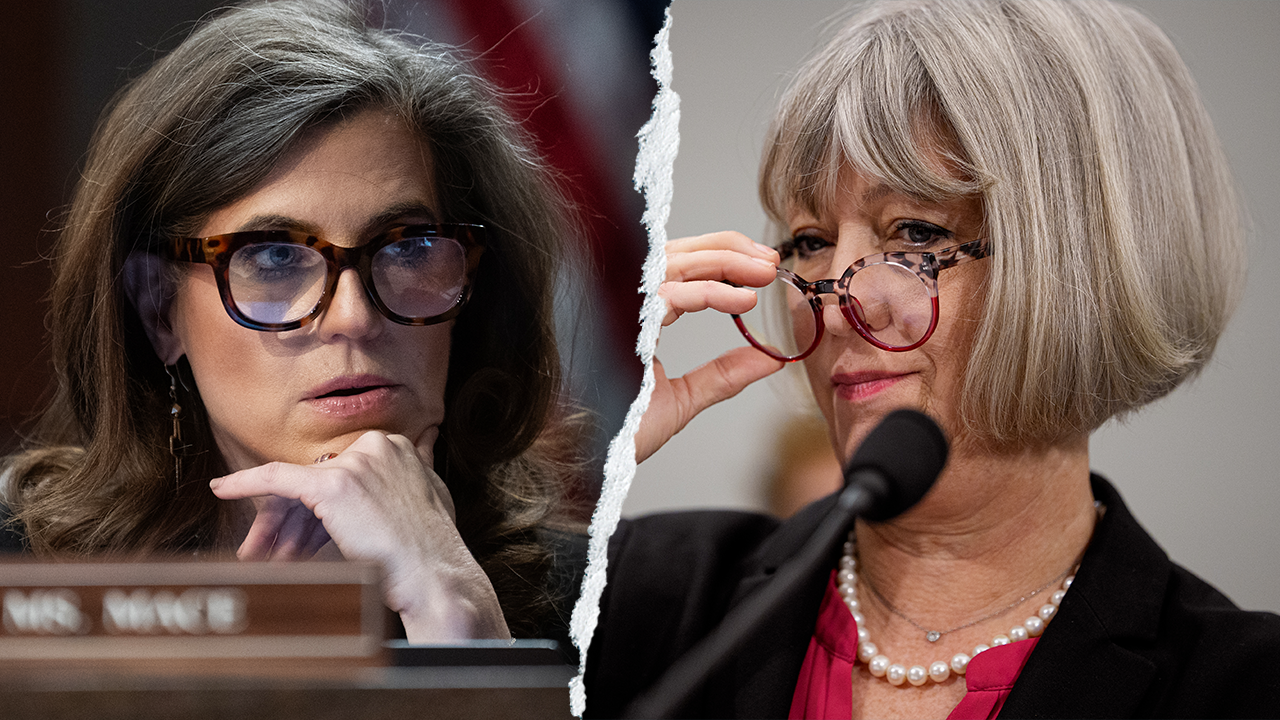
Rep. Nancy Mace, left, grilled National Museum of American History Director Anthea Hartig during a House subcommittee hearing on Capitol Hill on July 21, 2026. (Tom Williams/CQ-Roll Call, Inc via Getty Images; Andrew Harnik/Getty Images)
Hartig did not answer the question but instead began to discuss one of the drag queen displays pictured on the board behind Mace. The congresswoman interrupted her.
«What is a woman, Dr. Hartig?» Mace demanded.
Hartig began to answer that «as a director and as a historian, it’s not my-» before Mace cut her off again, saying, «You sexualized the American History Museum. So, this is a fair question. What is a woman?»
Looking down for a moment, Hartig responded, «We strive to represent and not categorize all Americans.»
«OK, I have another question for you,» Mace continued. «There’s a glossary at the museum that informs visitors that while American culture traditionally recognizes two genders, other countries recognize three or more.»
«So, enlighten me this morning: how many genders are there?» Mace asked.
Hartig hesitated again before asking, «Ma’am, which glossary?»
«This is a display, and it has a glossary that says other countries recognize three or more genders. So, I would like you to enlighten me today; you’re the director of the American History Museum, who’s sexualized things in front of kids. I want to know, I want to ask you, how many genders are there?»
Finally, Hartig responded, «I’m not sure which glossary you’re speaking,» before adding, «I’m happy to get back to you about that glossary.»
ANTI-ICE WALKOUT EXPOSES HOW SCHOOL DISTRICT ‘FAILED’ PARENTS, RISKED STUDENT SAFETY: ‘BROKEN MY TRUST’
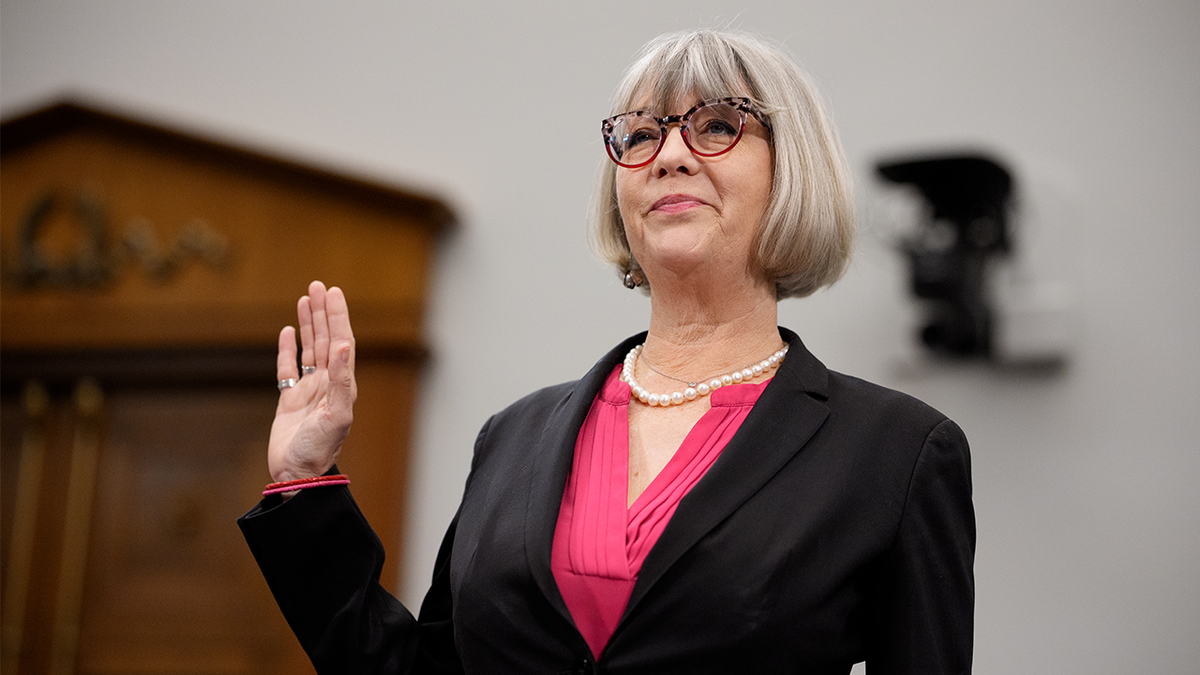
National Museum of American History Director Anthea Hartig is sworn in during a House subcommittee hearing on Capitol Hill on July 21, 2026, in Washington, D.C. (Andrew Harnik/Getty Images)
Mace pressed further, saying, «One of your exhibits at the American History Museum says sometimes gender isn’t revealed at birth. So, when is gender revealed?»
«When was your gender revealed to you, Dr. Hartig?» she added.
Smiling, Hartig simply answered, «I don’t really think that’s relevant to the conversation.»
«It is relevant. You have a display at the American History Museum talking about, ‘Gender isn’t always revealed at birth.’ So, when was your gender revealed?» insisted Mace.
Hartig began to answer by saying, «So, since I am a Ph.D.-» before Mace yielded the floor back to the committee chair.
Earlier this month, a sweeping new White House report concluded that the Smithsonian Institution’s National Museum of American History has become a taxpayer-backed institution of «ideological capture» and «extreme political activism.»
According to the 162-page «Restoring Truth and Sanity to American History» report, delivered on July 4, 2026, the museum treats the American story as a political tool rather than a shared national inheritance.
«The report concludes that the Smithsonian Institution, and the National Museum of American History in particular, under its current leadership and current interpretive ideology, cannot be trusted to tell America’s story honestly and in a way that is inspiring, unifying, and worthy of our great republic,» the White House Domestic Policy Council wrote in its July 4 report following up on President Donald Trump’s March 27 executive order. «By the intention and at the direction of current Museum and Smithsonian leadership, NMAH has become subject to institutional capture by a radical, activist ideology that is fundamentally opposed to telling the noble, honest story of the great country we know and love.»
FAR-LEFT ACTIVIST CONFERENCE AT TEACHERS UNION HQ RAISES CLASSROOM CONCERNS
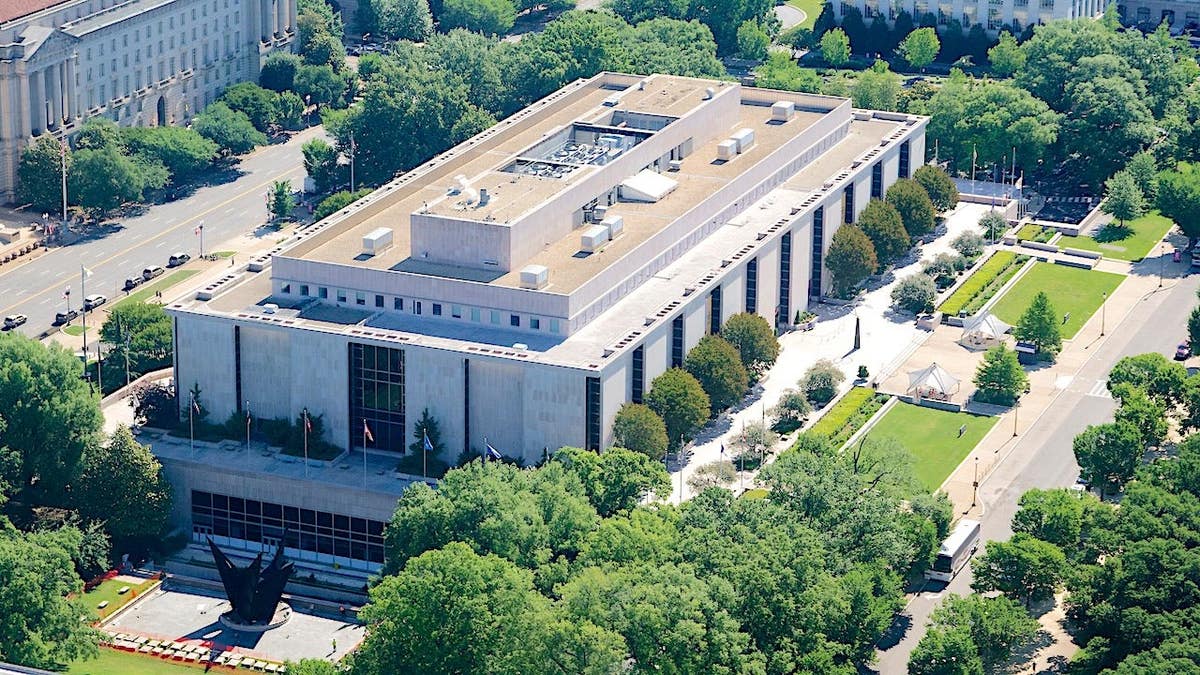
The Smithsonian’s National Museum of American History was called out for being «ideologically captured» and presenting woke revisionist history on the weekend of America’s 250th birthday. (Kevin Carter/Getty Images)
«At the Smithsonian’s National Museum of American History, visitors young and old should encounter the story of the United States told with honesty, seriousness, and pride,» the report’s executive summary began. «In particular, it should help the American people understand where America came from, what makes it distinctive, and why it is worth preserving.»
CLICK HERE TO DOWNLOAD THE FOX NEWS APP
Hartig said in her opening statement that «the Smithsonian takes the concerns raised in the White House Domestic Policy Council’s report seriously, and as we continue to fact-check the report, we unwaveringly attest that it does not fairly or accurately characterize the full body of work at the museum.»
SIGN UP TO GET THE POLITICS NEWSLETTER
She asserted that «the museum does not take sides in America’s political debates,» but instead, «We preserve and document the evidence of American life in all of its breadth, so that the public can encounter the past and draw their own conclusions.»
«There is always room for improvement, but I also know the beauty and the inspiration and the expertise that lies in our collections, our exhibits, and our programming,» said Hartig.
Fox News Digital reached out to the Smithsonian Institution for additional comment.
Fox News Digital’s Eric Mack contributed to this report.
woke, white house, history, donald trump, hearings house of representatives politics, politics
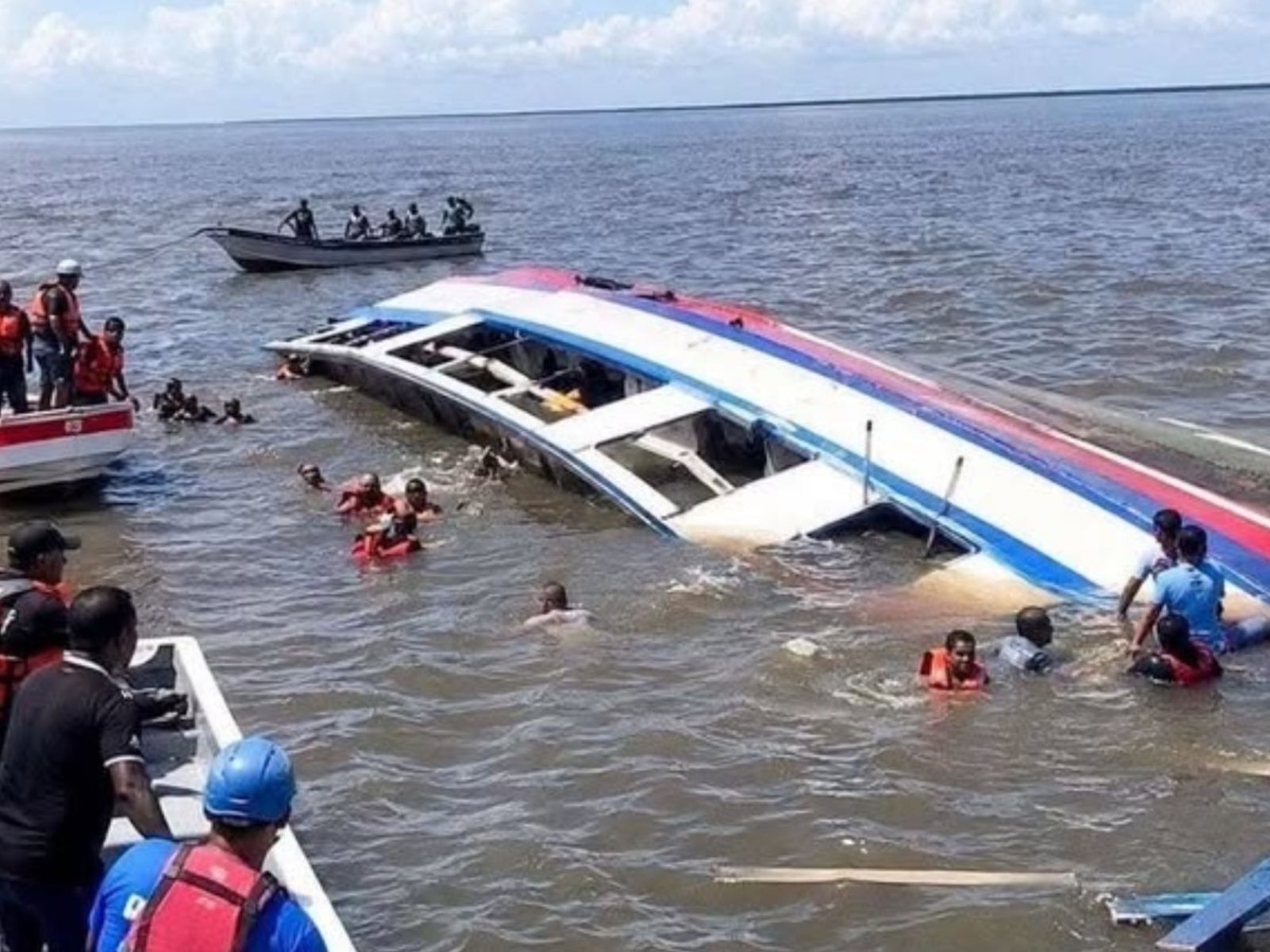
Al menos 41 personas murieron por el naufragio de un ferry frente a las costas de Guyana. Así lo reveló el último parte oficial difundido por el gobierno este martes, después del accidente de la embarcación, que cumplía un trayecto de 16 horas y que era elegido como opción económica para el transporte de personas y mercadería. Llevaba más de 150 pasajeros.
«En total, ahora se han recuperado 41 cuerpos», indica el reporte. Al balance anterior de 27 fallecidos se sumaron este martes 14 más. El ferry volcó el sábado a la noche y aún hay 51 desaparecidos.
El reciente saldo contabiliza además 77 personas rescatadas, ocho más que la víspera. En tanto, decenas siguen desaparecidos.
«Los buzos franceses y locales continúan las operaciones de búsqueda y recuperación submarina en el sitio del naufragio», señaló el gobierno en el texto.
En aquel balance del lunes, el Gobierno de Guyana había informado que ya estaba localizada la embarcación MV Barima que naufragó la noche del sábado con 179 viajeros, tras partir de Georgetown, por la costa del Atlántico Norte, hacia Port Kaituma.
Un punto que generó controversia fue el número de ocupantes del ferry, ya que en un primer momento se había indicado que había 133 personas a bordo. Eso era lo que figuraba en los registros. Sin embargo, viajaban más personas y hubo que recurrir a los videos del embarque para concluir que, en realidad, iban 179 personas.
El Ejecutivo guyanés confirmó el lunes que localizó el lugar donde se hundió la embarcación, gracias a la ayuda de un pescador. El ministro de Aviación, Deodat Indar, declaró que se ha llevado a cabo la «identificación positiva» de la zona y «se está llevando a cabo la extracción completa» del ferry.
El MV Barima tenía 87 años de antigüedad.
Este martes, en tanto, agentes de protección civil y pescadores locales ampliaron el área de rastreo de 400 a 1.070 kilómetros cuadrados.
«Una ola enorme»: qué pasó con el ferry que volcó frente a las costas de Guyana
Juan A. Edghill, ministro de Obras Públicas guyanés, precisó el domingo que el ferry zarpó aproximadamente a las 15:15 hora local (19:15 GMT) del sábado y la torre de control de Timheri recibió la llamada de socorro de la embarcación aproximadamente a las 23:01 hora local (3:01 GMT), lo que provocó la activación inmediata de las medidas de respuesta de emergencia.
Edghill declaró a los medios de comunicación que las autoridades siguen tratando de esclarecer qué ocurrió y que hasta ahora, la versión preliminar es que «una ola enorme que hizo zozobrar al barco».
Por último, Edghill afirmó que el MV Barima estaba equipado con 250 chalecos salvavidas y seis balsas salvavidas inflables, de conformidad con sus requisitos de seguridad, realizaba el trayecto, que dura cerca de 16 horas, y es una de las dos opciones más económicas para el transporte de mercancías y personas en Guyana.
Gran cantidad de guyaneses que viven o ejercen su actividad comercial en las comunidades de la Región 1 optan por utilizar el transbordador, ya que es la opción más asequible para desplazarse hasta la capital guyanesa de Georgetown y las comunidades de la Región 1.
Una mujer que logró ser rescatada relató cómo fue el momento del naufragio y aseguró que perdió a cuatro de sus nietos en el accidente.
«Estaba luchando por mi vida. El barco se hundió en minutos, en segundos«, relató Helena Moonsammy y contó que le cayeron cajas encima mientras intentaba salvar a sus nietos. «Les dije a mis nietecitos que se aferraran a cualquier cosa mientras yo les gritaba. Recé toda la noche y estuve en el agua durante nueve horas».
El accidente generó una ola de críticas de la oposición. La Asociación de los Pueblos Amerindios (APA, en inglés), que representa a los indígenas de Guyana, pidió la renuncia del ministro Edghill. «El Departamento de Transporte y Puertos está bajo su responsabilidad ministerial y la tragedia ocurrió durante su mandato», señaló la APA en un comunicado, junto al líder de la oposición, Azurddin Mohamed, por el accidente de la embarcación MV Barima.
La APA alegó además que durante años habían existido numerosas quejas sobre el estado de las embarcaciones en el país sudamericano.
«Durante años, los pasajeros que viajaban en el servicio de ferry del noroeste se habían quejado del mal estado de las embarcaciones, de la conducta de algunos miembros de la tripulación y de las condiciones inseguras en las que viajaban», agregó el ente.
Con información de agencias

Tragedia en Ohio: Cuatro hondureños mueren ahogados al intentar rescatar a un familiar en EE.UU.

Así es la mansión de Lionel Scaloni: frente al mar y con vista a una sierra en Mallorca

Río Negro: La Libertad Avanza obtuvo el reconocimiento partidario y se alista para competir por la gobernación

La agencia Moody’s elevó la calificación de la deuda soberana de la Argentina

¡Oficial! El Chelsea rompe el mercado: 137 millones por Morgan Rogers

Piden el juicio político para la vicegobernadora de Mendoza por sus dichos sobre la selección de Francia

Sin la Copa y sin Messi en el avión, vuelve Tapia y deberá enfrentar tres frentes de tormenta tras la pausa del Mundial

Estados Unidos cambia una regla histórica del jugo de naranja vigente desde 1963 y afecta a toda la industria

Un diseño que pasó a la historia: quién fue el creador del trofeo de la Copa del Mundo

Antes de la clasificación, Franco Colapinto afrontará la última práctica libre del GP de Bélgica: hora, TV y todo lo que hay que saber

 POLITICA1 día ago
Sin la Copa y sin Messi en el avión, vuelve Tapia y deberá enfrentar tres frentes de tormenta tras la pausa del Mundial
- DEPORTE3 días ago
La tabla de títulos de los campeones de la Copa del Mundo y el listado de las selecciones más ganadoras de la historia
- POLITICA1 día ago
Le ganan a la inflación: los senadores pasarán a cobrar $12 millones brutos a partir de agosto