INTERNACIONAL
Netanyahu ‘blunder’ threatens US-backed Israel-UAE alliance at critical moment with Iran: analyst


Drone strikes generator at nuclear power plant in UAE
Chief foreign correspondent Trey Yingst reports on a drone attack against a nuclear power plant in the UAE as President Donald Trump is set to speak with Israeli Prime Minister Benjamin Netanyahu amid stalled negotiations with Iran.
NEWYou can now listen to Fox News articles!
The U.S.-brokered alliance designed to counter Iran in the Middle East is showing signs of strain amid tensions between Israel and the United Arab Emirates, an analyst says, as the possibility of a broader conflict with Tehran intensified Sunday.
The friction first surfaced May 13 after Israeli Prime Minister Benjamin Netanyahu’s office said he held a «historic breakthrough» meeting with UAE President Sheikh Mohammed bin Zayed Al Nahyan during a «secret visit» to Al Ain near the Oman border.
The UAE’s Ministry of Foreign Affairs issued a swift denial following the announcement.
The ministry said, «Its relations with Israel are public and were established within the framework of the well-known and publicly declared Abraham Accords. These relations are not based on secrecy or clandestine arrangements.»
IRAN IS ‘TRYING TO GIVE THE GLOBAL ECONOMY A HEART ATTACK’ BY CLOSING STRAIT OF HORMUZ, UAE MINISTER SAYS
President Donald Trump and Israeli Prime Minister Benjamin Netanyahu are reportedly in close contact multiple times a week amid the ongoing, multi-front wars in Gaza and with Iran. (Alex Wong/Getty Images)
It added, «Therefore, any claims regarding undisclosed visits or arrangements are baseless unless issued by the relevant official authorities in the UAE.»
«The stakes are high,» Middle East Institute analyst Natan Sachs told Fox News Digital.
«I imagine the Israelis are working overtime to mend relations with the UAE, but it is too early to tell,» he said.
President Donald Trump spoke with Netanyahu on Sunday as tensions over Iran escalated and with the Israeli leader saying he was «prepared for every scenario.»
The leaders discussed the possibility of renewing the war with Iran as well as Trump’s recent trip to China, according to the Times of Israel.
Sachs, a senior fellow at the institute, said Netanyahu’s UAE meeting claim «seems like a diplomatic blunder because it embarrasses the UAE.»
OFFICIALS IN BIDEN ADMIN WORKED TO UNDERMINE NETANYAHU AFTER CEASEFIRE TALKS COLLAPSED, FORMER AIDE SAYS

Israeli Prime Minister Benjamin Netanyahu, Bahrain’s Foreign Affairs Minister Abdullatif bin Rashid Al Zayani, and United Arab Emirates Foreign Affairs Minister Abdullah bin Zayed Al Nahyan join President Trump for the Abraham Accords signing ceremony on the South Lawn of the White House in Washington on Sept. 15, 2020. (Alex Wong/Getty Images)
«This was an odd move to make since the UAE has been a close partner of Israel, even during this war,» Sachs said.
«Either Netanyahu didn’t think, or he was thinking about something else — domestic politics. It would not be the first time he did that.»
«To the degree that the Emirati anger is genuine, it would have meant working to preserve trust with their Gulf Arab ally,» Sachs added.
«I would also not rule out Emirati anger at the leak itself, which could be seen as a break of trust — something very important to the Emirati leadership.»
The Abraham Accords, brokered by the United States in 2020, fundamentally altered the regional balance by normalizing relations between Israel and the UAE, Bahrain, Morocco and Sudan.
Security cooperation has since expanded significantly due to shared concerns over Iran’s military ambitions.
THE FUTURE OF WAR? US-ISRAEL BLITZ ON IRAN UNVEILS NEXT-GEN ALLIED COMBAT
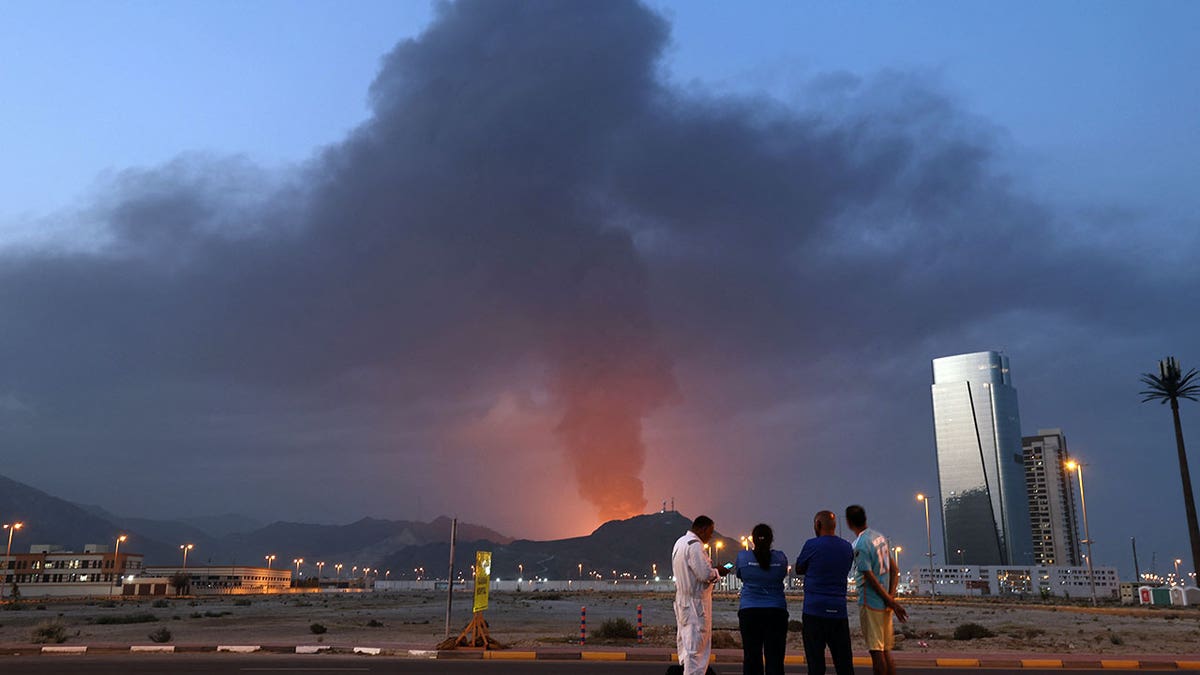
Foreign workers watch a tall plume of black smoke rising after an explosion in the Fujairah industrial zone on March 3, 2026. Iran’s strikes on Gulf neighbors since Feb. 28, following a U.S.-Israeli attack, forced the UAE to close its airspace, disrupting travel to the region. (Fadel Senna/AFP via Getty Images)
That alliance was tested when Iran launched strikes against UAE military and energy infrastructure during Operation Epic Fury.
Israel is said to have deployed Iron Dome air-defense systems and personnel to the UAE, according to U.S. Ambassador to Israel Mike Huckabee. The UAE confirmed Sunday that it had intercepted three drones coming from the west.
«The UAE received much of the fire from Iran. It is the most vulnerable to Iranian short-range missiles, which are more plentiful and cheaper than the medium-range missiles fired at Israel,» Sachs said.
CLICK HERE TO DOWNLOAD THE FOX NEWS APP
«While short-range missiles can be intercepted, Iran has many more of them. The UAE took the most hits, yet it stood out by sticking most clearly to its strategy of open partnership with Israel.»
«But the public disclosure that Netanyahu himself visited may have just been seen as a step too far,» Sachs added.
benjamin netanyahu, middle east, alliances, iran, israel













INTERNACIONAL
Defensoría de los Habitantes de Costa Rica atendió cerca de 30 mil casos por presuntas vulneraciones de derechos en 2025

La Defensoría de los Habitantes de Costa Rica atendió durante el 2025 un total de 29,247 casos relacionados con presuntas vulneraciones de derechos, problemas en la prestación de servicios públicos y solicitudes de asesoría en diversos ámbitos que afectan la vida cotidiana de la población costarricense, según el Informe Anual de Labores.
El documento, correspondiente al período 2025-2026, fue entregado por la defensora de los Habitantes, Angie Cruickshank Lambert, durante una sesión del plenario legislativo, donde expuso el comportamiento de las principales denuncias recibidas por la institución y los retos que enfrentan las entidades públicas para garantizar el respeto de los derechos de la ciudadanía.
Las cifras reflejan un crecimiento sostenido en la demanda de los servicios de la Defensoría. Durante el año anterior las intervenciones aumentaron un 5% en comparación con 2024 y un 9.29% respecto al 2023, lo que representa aproximadamente 1,400 solicitudes adicionales en relación con los años previos.
El informe evidencia que la mayoría de las personas que acudieron a la institución tienen edades comprendidas entre los 25 y 54 años, segmento que representa cerca del 60% de quienes solicitaron acompañamiento o presentaron denuncias. Asimismo, un 12.7% de las atenciones correspondió a personas adultas mayores.
Entre los derechos más reclamados por la ciudadanía, los asuntos relacionados con la salud ocuparon el primer lugar. Cerca del 20% de las intervenciones realizadas por la Defensoría estuvieron vinculadas con situaciones que afectan el acceso o la prestación de servicios sanitarios.
Este comportamiento mantiene a la atención en salud como uno de los principales focos de inconformidad ciudadana, en un contexto donde continúan registrándose quejas por listas de espera, acceso oportuno a consultas especializadas, medicamentos y otros servicios públicos esenciales.
El informe también identifica a las instituciones públicas que concentraron la mayor cantidad de intervenciones por parte de la Defensoría durante el 2025.
Encabezan la lista el Ministerio de Justicia y Paz, seguido por la Caja Costarricense de Seguro Social (CCSS), la Dirección General de Migración y Extranjería, el Instituto Mixto de Ayuda Social (IMAS) y el Ministerio de Educación Pública (MEP).
La Defensoría explicó que estas intervenciones abarcan procesos de investigación, seguimiento, solicitudes de información, mediaciones y otras actuaciones orientadas a garantizar la protección de los derechos de las personas usuarias de los servicios públicos.

Uno de los datos que más llamó la atención del informe corresponde al incremento de los reportes relacionados con hostigamiento sexual dentro de las instituciones públicas.
Mientras durante el 2024 la Defensoría registró 410 denuncias, en el 2025 esa cifra aumentó hasta 590 casos, lo que representa un crecimiento significativo en apenas un año.
La institución considera que este comportamiento merece una atención especial desde la perspectiva de los derechos humanos y del fortalecimiento de los mecanismos institucionales para prevenir, investigar y sancionar este tipo de conductas.

El informe anual también dedica un apartado al trabajo realizado con los gobiernos locales.
Durante el 2025 la Defensoría intervino en 1,189 solicitudes relacionadas con municipalidades, principalmente por problemas vinculados con infraestructura pública, procedimientos administrativos, contaminación ambiental y limitaciones en el acceso al agua potable.
Las municipalidades que registraron la mayor cantidad de intervenciones fueron San José, Alajuela, Limón, Pérez Zeledón y San Carlos, reflejando que una parte importante de las preocupaciones ciudadanas continúa concentrándose en la gestión de los gobiernos locales.

Más demanda de acompañamiento ciudadano
El crecimiento sostenido en las intervenciones refleja una mayor utilización de los mecanismos de protección que ofrece la Defensoría, pero también pone en evidencia los desafíos que aún enfrentan distintas instituciones públicas para garantizar una prestación eficiente de los servicios.
La institución recordó que su función consiste en supervisar el actuar de la administración pública, investigar posibles vulneraciones de derechos fundamentales y promover soluciones cuando se detectan irregularidades que afectan a la población.
Con casi 30.000 intervenciones registradas durante el último año, el informe muestra que la Defensoría continúa siendo uno de los principales canales utilizados por la ciudadanía para denunciar presuntas violaciones de derechos y buscar acompañamiento frente a problemas con entidades estatales.
Los resultados también evidencian áreas donde persisten retos importantes para la administración pública, especialmente en sectores sensibles como salud, justicia, educación, migración y atención social, así como en la prevención del hostigamiento sexual y el fortalecimiento de la gestión municipal.
familia,denuncia,Defensoría de los Habitantes,derechos ciudadanos,trámite,oficina gubernamental
NEWYou can now listen to Fox News articles!
President Donald Trump’s immense clout over the GOP and the power of his endorsements in Republican nomination races faces its latest test Saturday, as Louisiana holds primary runoff elections for the U.S. Senate.
Six weeks after denying Trump-targeted GOP Sen. Bill Cassidy a third six-year term in the Senate, Republican voters in the solidly red Gulf Coast state will choose between Rep. Julia Letlow and state Treasurer John Fleming for the now open seat.
A Letlow victory in the GOP runoff would be another victory for Trump as he works to fill the halls of Congress with loyal lawmakers for his final two years in the White House. But a win by Fleming would be the third high-profile endorsement setback for Trump in this spring’s Republican primaries.
Five years after he voted to convict Trump in his second impeachment trial, Cassidy was sent packing.
WATCH: CASSIDY DETAILS NEW BEHIND CLOSED DOORS CLASH WITH TRUMP
Sen. Bill Cassidy of Louisiana fist bumps a supporter during a campaign stop at a gun retailer and firing range in Baton Rouge on May 15, 2026, the eve of the state’s Senate primary. (Paul Steinhauser/Fox News)
Letlow, who was backed by Trump even before she entered the race in January, grabbed 45% of the vote in the primary, with Fleming at roughly 28% and Cassidy at just under 25%. Since no candidate cracked 50% of the vote, Letlow and Fleming advanced to the runoff for the Republican nomination and Cassidy became the first elected Republican senator to lose renomination since Sen. Richard Lugar of Indiana in 2012.
Trump, celebrating Cassidy’s defeat, said on social media that «it’s nice to see that his political career is OVER!»
Cassidy, in a speech to supporters after conceding, took a jab at Trump, saying, «When you participate in democracy, sometimes it doesn’t turn out the way you want it to. But you don’t pout, you don’t whine. You don’t claim the election was stolen… You don’t manufacture some excuse.»
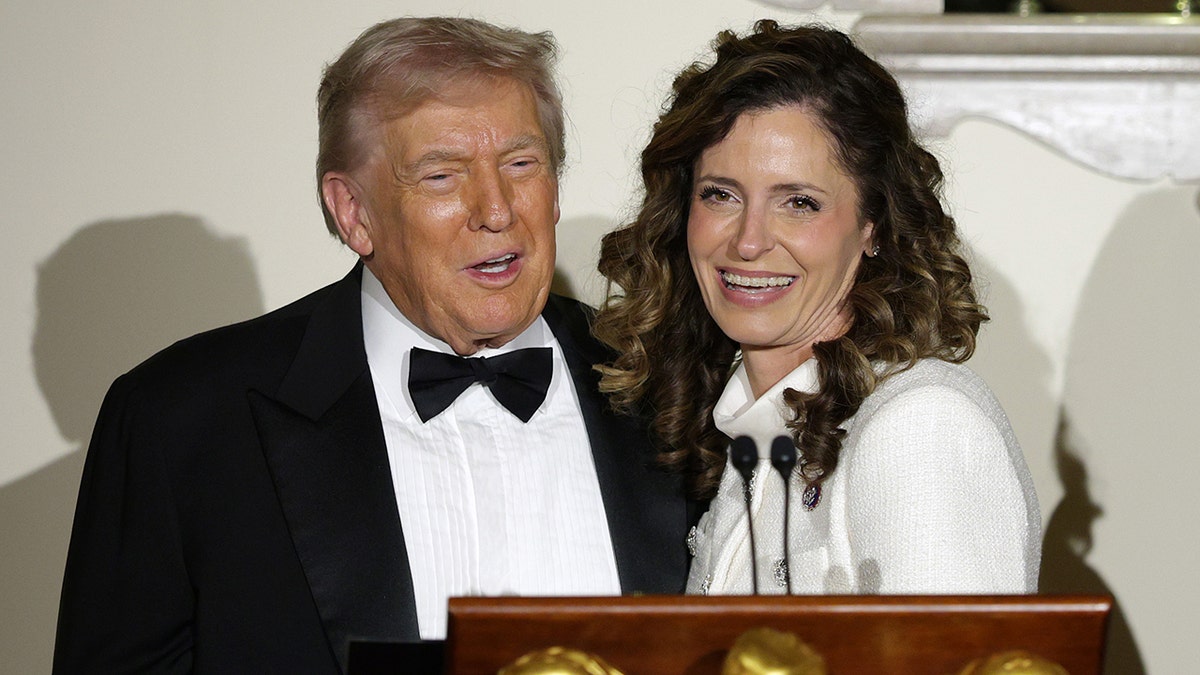
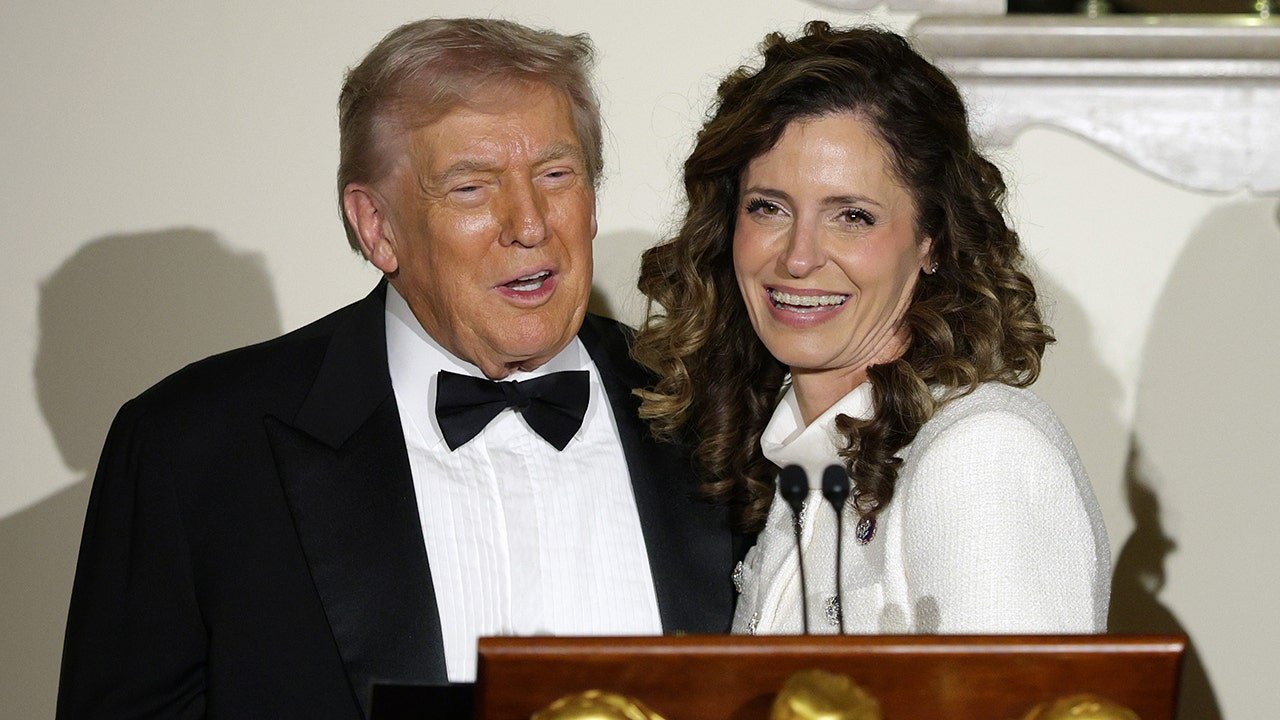
President Donald Trump stands with Rep. Julia Letlow during the Congressional Ball at the White House Grand Foyer in Washington, D.C., on Dec. 11, 2025. (Alex Wong/Getty Images)
Letlow, who is also backed by Louisiana Gov. Jeff Landry, a top Trump ally, won her congressional seat in 2021, after her husband, Luke Letlow, died five days before being sworn into the U.S. House after his 2020 election victory for the seat she now holds. She has highlighted her support from Trump throughout her Senate campaign.
The president headlined a tele-rally for Letlow in the closing days ahead of the runoff, and in an election eve social media post called her a «TOTAL WINNER!»
Fleming, who spent eight years in Congress before serving as a White House deputy chief of staff during Trump’s first term, has argued that he’s the most conservative candidate in the GOP Senate primary. During his tenure in Congress, he was a founding member of the conservative House Freedom Caucus.
Fleming, in a Fox News Digital interview last month, touted that voters saw him as «clearly MAGA.» And he highlighted that he «served as Trump’s deputy chief of staff for 10 months in the White House. I served in his entire first administration at various capacities. I was one of the first congressmen that endorsed him in 2016.»
DEMOCRACY ’26: STAY UP TO DATE WITH THE FOX NEWS ELECTION HUB
The GOP nominee will be considered the clear frontrunner in the midterm election against either farmer Jamie Davis or Navy veteran Gary Crockett, who are facing off in the Democratic Senate runoff.
The brute force of the president’s endorsement power has been on display in GOP primaries over the past two months, with his candidates ousting incumbents he targeted in showdowns in Indiana, Kentucky and Texas, as well as the Louisiana primary.
But Trump’s endorsement streak in statewide and congressional Republican primaries was snapped a few weeks ago when his last-minute endorsement of Republican Rep. Randy Feenstra of Iowa in the race to succeed retiring GOP Gov. Kim Reynolds wasn’t enough to propel the three-term congressman to victory.
Feenstra was narrowly edged by Zach Lahn, a businessman, farmer and former political strategist who was backed by the political wings of MAHA — the acronym for the Make America Healthy Again movement aligned with Trump’s Health Secretary Robert F. Kennedy Jr. — and Turning Point USA, the powerful conservative organization co-founded by the late Charlie Kirk.
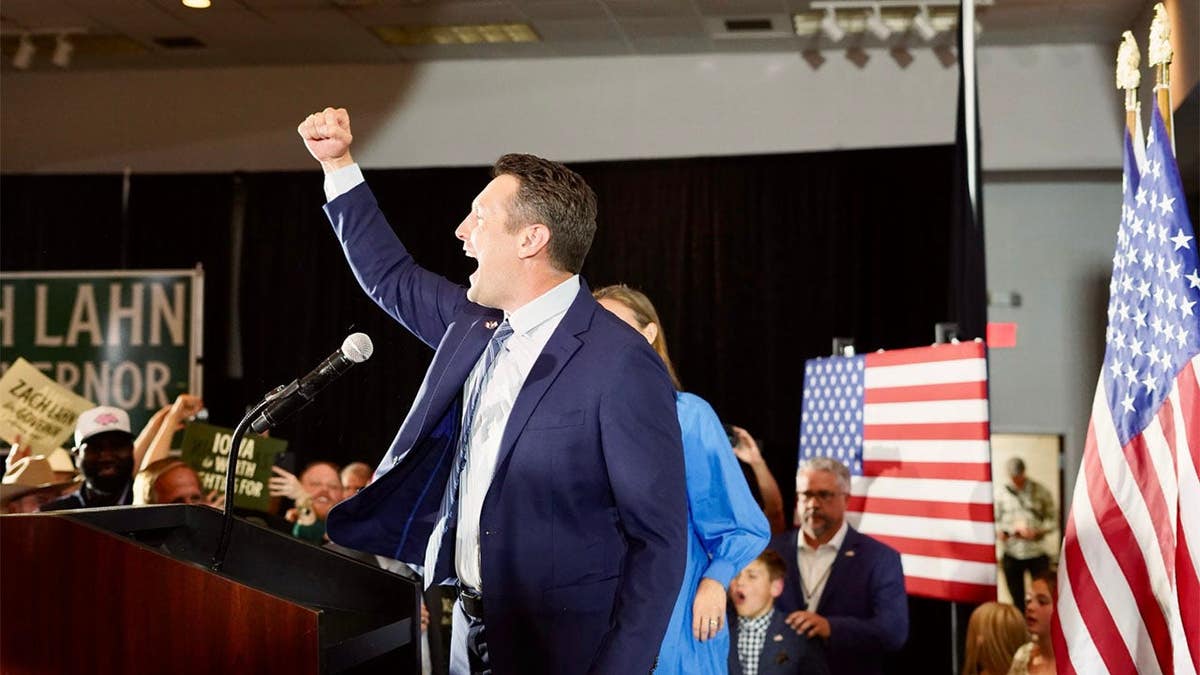
Zach Lahn raises his fist in celebration after defeating his primary opponent in Iowa’s GOP gubernatorial race on Tuesday, June 2, 2026. (Zach Lahn for Governor via Facebook)
The president rebounded three weeks ago in South Carolina, as Trump-backed Lt. Gov. Pam Evette finished first in the GOP gubernatorial primary and longtime Trump ally Sen. Lindsey Graham won a majority of the vote in the Republican Senate primary, and avoided a runoff.
Graham, who was endorsed by Trump, was facing primary challenges from five candidates, including conservative businessman Mark Lynch, who took aim at the senator over his support for the war in Iran. Lynch was backed by some MAGA leaders who have been critical of the president.
Two weeks ago, Trump-backed candidates won two of the three top races in Georgia and Alabama, with the one setback coming against a billionaire businessman who shelled out over $100 million of his own money to boost his campaign.
Rep. Barry Moore, a House Freedom Caucus member and longtime Trump supporter who was endorsed by the president, comfortably defeated rival Jared Hudson, a former Navy SEAL sniper who was supported by some top names on the right, in solidly red Alabama’s GOP Senate runoff.
In battleground Georgia’s Republican Senate runoff, an 11th-hour endorsement by Trump helped boost Rep. Mike Collins, a MAGA champion, to victory over former college football coach Derek Dooley, who was backed by popular conservative Gov. Brian Kemp.
TRUMP’S ENDORSEMENT FAILS TO SAVE MAGA CANDIDATE AS BILLIONAIRE ADVANCES IN KEY GOVERNOR RACE
Collins will face Democratic Sen. Jon Ossoff in the general election in a race that’s among a handful that will likely decide if the GOP holds its slim majority in the chamber in the midterms.
CLICK HERE TO DOWNLOAD THE FOX NEWS APP
But in Georgia’s GOP gubernatorial runoff, the candidate Trump backed, Lt. Gov. Burt Jones, who was also endorsed by Kemp this past weekend, was defeated by billionaire businessman Rick Jackson, who ran as an outsider.
On Tuesday, Trump-backed first-time candidate Anthony Constantino, a businessman and former boxer, defeated Robert Smullen, a retired Marine Corps colonel and New York assemblyman who had the backing of the state party, in the upstate New York race to succeed retiring GOP Rep. Elise Stefanik.
Meanwhile, in South Carolina’s Republican gubernatorial runoff, Trump couldn’t lose.
That’s because, besides backing Evette, he also gave a last-minute endorsement to state Attorney General Alan Wilson, who ended up winning the showdown in a landslide.
midterm elections, donald trump, senate elections, republicans elections, elections, louisiana, politics
INTERNACIONAL
Crecen las críticas al plan de la NASA de estrellar la Estación Espacial Internacional en el océano Pacífico

El fin de una era espacial llegará en menos de cinco años. La NASA y sus socios internacionales confirmaron que la Estación Espacial Internacional (ISS, por sus siglas en inglés), uno de los mayores logros de la cooperación científica y tecnológica global, terminará su misión a principios de la próxima década con una maniobra planeada para sumergir sus restos en el océano Pacífico.
El proceso, previsto para fines de 2030 o principios de 2031, será histórico por la magnitud del aparato a desorbitar —del tamaño de un campo de fútbol— y por el modo en que la comunidad internacional enfrenta la transición hacia nuevas plataformas orbitales privadas.
Sin embargo, la decisión de dirigir los escombros al Punto Nemo, una zona remota del Pacífico, ya genera cuestionamientos de expertos en derecho espacial y grupos de defensa de los océanos, que advierten sobre un vacío legal y la falta de estudios sobre el efecto en los ecosistemas marinos.

El plan técnico es claro: la ISS perderá altura en etapas, primero por fricción atmosférica y maniobras del segmento ruso, y luego mediante el acople de un Vehículo de Desorbitación Estadounidense (USDV) construido por SpaceX.
Este vehículo, equipado con 46 propulsores Draco, será el encargado de guiar la estación hacia su reingreso controlado en la atmósfera terrestre.
Según la NASA, la Estación Espacial Internacional será desorbitada mediante una serie de acciones. En primer lugar, entre principios y mediados de 2028, la ISS comenzará a descender debido a la fricción atmosférica natural de la Tierra y a las maniobras de reentrada del segmento ruso de la ISS.
Posteriormente, a mediados de 2029, la NASA planea lanzar un Vehículo de Desorbitación Estadounidense (USDV), suministrado por SpaceX y financiado por el gobierno, acoplarlo a la ISS. Este vehículo encenderá sus 46 propulsores Draco y empujará la estación hacia su destino final en el océano”.

Para la NASA, la ISS representa “uno de los mayores logros de cooperación e ingeniería de la humanidad”. Durante casi 30 años, más de 265 personas de 20 países habitaron la estación, que funcionó como plataforma para miles de experimentos en microgravedad, medicina, tecnología y ciencias de la vida. Las tripulaciones se ofrecieron como sujetos de prueba para estudios sobre adaptación humana al espacio, mientras que instrumentos y sensores desplegados a bordo aportaron datos valiosos sobre el clima terrestre, la materia oscura y el comportamiento de las estrellas de neutrones.
Según la agencia, la misión de la estación espacial es llevar a cabo investigación y desarrollo en órbita terrestre baja (LEO) para aprender cómo la humanidad puede vivir y trabajar mejor en el espacio y devolver los beneficios de esta investigación a las personas en la Tierra.
Sin embargo, el final planificado para la estación genera “serias preocupaciones para la salud de los océanos”, según Mark Spalding, presidente de la Ocean Foundation, organización con sede en Washington, D.C.
Spalding advierte que “la planeada desorbitación de la Estación Espacial Internacional plantea serias preocupaciones para la salud de los océanos que la comunidad espacial no ha abordado adecuadamente”.

El temor radica en la falta de información sobre qué materiales sobrevivirán al reingreso y cómo impactarán en el fondo marino. “La verdad es que no lo sabemos con certeza. Eso es muy preocupante para una estructura del tamaño de un campo de fútbol. Sabemos que no todo se quema al reingresar a la atmósfera. Los componentes más densos sobrevivirán y llegarán al fondo marino”, señaló Spalding.
La Oficina de Responsabilidad Gubernamental de Estados Unidos (GAO) publicó un informe donde también apunta a una “brecha preocupante” en el derecho internacional. El Convenio sobre Responsabilidad Espacial de 1972 obliga a indemnizar por daños en tierra firme o territorios nacionales, pero no contempla los daños ambientales en alta mar.
“Como resultado, cuando las agencias espaciales controlan dónde caen los desechos, apuntan a alta mar y, al hacerlo, no contraen ninguna obligación legal de pagar por la limpieza o la remediación ambiental”, explicó Spalding. La remota ubicación del Punto Nemo, elegida para minimizar riesgos a la población, no elimina el valor ecológico de los océanos ni su vulnerabilidad.

La Ocean Foundation reclama una evaluación completa del impacto ambiental del campo de escombros del fondo marino previsto y de los efectos atmosféricos y la divulgación pública de todos los materiales que sobrevivirán a la reentrada y llegarán al fondo del océano.
También pide un análisis jurídico riguroso de las obligaciones contraídas en virtud de la Convención de las Naciones Unidas sobre el Derecho del Mar (CNUDM), el Protocolo de Londres de 1996 y el Acuerdo BBNJ, que exige evaluaciones de impacto ambiental para actividades con efectos inciertos en el mar.
Spalding concluye: “En alta mar no existe un soberano que pueda exigir responsabilidades. Creemos que es necesario subsanar esta laguna en el derecho internacional, y la desorbitación de la ISS es un claro ejemplo de por qué”.

La NASA justifica la decisión de desorbitar la ISS en la seguridad y en la necesidad de liberar el espacio para futuras estaciones comerciales, pero reafirma el valor científico de sus casi tres décadas de operación. “Sin la continuación de estas demostraciones y experimentos de larga duración en el sistema conjunto humano-vehículo, la exploración humana del sistema solar no será posible”, subraya la agencia.
Los sensores climáticos validaron modelos globales y aportaron información sobre el clima cambiante, mientras que la colaboración internacional permitió avances en medicina, materiales y biología que impactan en la vida cotidiana en la Tierra.
La transición hacia nuevas plataformas orbitales implica riesgos y desafíos regulatorios. El informe de la GAO advierte sobre la posibilidad de un “vacío” en la presencia humana continua en la órbita terrestre baja, ya que la transición de la ISS a estaciones comerciales aún no está asegurada. La NASA y sus socios —CSA, ESA, JAXA y Roscosmos— aceleran los acuerdos y el desarrollo de infraestructuras privadas, pero la pregunta sobre el legado de la ISS y el futuro de la cooperación internacional en el espacio sigue abierta.

El debate por la caída controlada de la ISS revela la necesidad de actualizar el marco legal internacional para proteger los océanos como un bien común.
El Acuerdo BBNJ recién negociado en la ONU establece que “las partes realicen evaluaciones de impacto ambiental para las actividades que puedan afectar el medio marino más allá de la jurisdicción nacional cuando se desconozcan o no se comprendan bien los efectos”.
Spalding plantea: “Cabe preguntarse si la desorbitación de la ISS —la mayor reentrada de este tipo en la historia, dirigida a alta mar— debería activar esa obligación”.

El destino de la ISS será observado como un caso de estudio para el futuro de la basura espacial y la protección de los océanos. La comunidad internacional enfrenta el desafío de equilibrar los logros de la ciencia con la preservación de los ecosistemas marinos, en un contexto donde la lejanía del océano no debe confundirse con falta de valor o vulnerabilidad.
estación espacial internacional,NASA,Punto Nemo,desorbitación,medio ambiente,derecho espacial

El Gobierno intenta un reseteo para dejar atrás más de 100 días de una lenta agonía

La foto familiar que subió Antonela Roccuzzo tras otro golazo de Lionel Messi en la victoria de Argentina ante Jordania en el Mundial

Defensoría de los Habitantes de Costa Rica atendió cerca de 30 mil casos por presuntas vulneraciones de derechos en 2025

Clima de Negocios: por el impacto de la guerra habrá más dólares de Vaca Muerta y saldo energético rondará los USD 11.000 millones

Axel Kicillof ya admite un “punto de quiebre” con el kirchnerismo, pero ordenó no contestarle a Máximo

De “ni en pedo se va” a “si la justicia lo encuentra culpable, lo vuelo de una patada”: las veces que Milei respaldó a Adorni

Desesperación y burocracia: Pacientes con cáncer denuncian esperas de más de 20 días en PAMI para recibir su medicación

Nuevos controles a las devoluciones de 30% por gastos en el exterior: cómo pedir el reembolso del dólar tarjeta ante ARCA

El CEO de Epic Games tiene claro por qué fracasan los nuevos juegos multijugador, y el culpable puedes ser tú y tus amigos

Far-left surge: Mamdani-backed candidates oust Dem establishment incumbents

 POLITICA3 días ago
El Gobierno le ofreció asistencia humanitaria a Venezuela por los terremotos: «Acá no hay ideología que nos separe»
- POLITICA14 horas ago
El punto de quiebre que sentó la suerte de Manuel Adorni y los preparativos que hace el Gobierno ante su inminente salida
- POLITICA3 días ago
El oficialismo hizo caer la sesión del Senado para evitar la interpelación a Manuel Adorni