INTERNACIONAL
Crecen las críticas al plan de la NASA de estrellar la Estación Espacial Internacional en el océano Pacífico


El fin de una era espacial llegará en menos de cinco años. La NASA y sus socios internacionales confirmaron que la Estación Espacial Internacional (ISS, por sus siglas en inglés), uno de los mayores logros de la cooperación científica y tecnológica global, terminará su misión a principios de la próxima década con una maniobra planeada para sumergir sus restos en el océano Pacífico.
El proceso, previsto para fines de 2030 o principios de 2031, será histórico por la magnitud del aparato a desorbitar —del tamaño de un campo de fútbol— y por el modo en que la comunidad internacional enfrenta la transición hacia nuevas plataformas orbitales privadas.
Sin embargo, la decisión de dirigir los escombros al Punto Nemo, una zona remota del Pacífico, ya genera cuestionamientos de expertos en derecho espacial y grupos de defensa de los océanos, que advierten sobre un vacío legal y la falta de estudios sobre el efecto en los ecosistemas marinos.

El plan técnico es claro: la ISS perderá altura en etapas, primero por fricción atmosférica y maniobras del segmento ruso, y luego mediante el acople de un Vehículo de Desorbitación Estadounidense (USDV) construido por SpaceX.
Este vehículo, equipado con 46 propulsores Draco, será el encargado de guiar la estación hacia su reingreso controlado en la atmósfera terrestre.
Según la NASA, la Estación Espacial Internacional será desorbitada mediante una serie de acciones. En primer lugar, entre principios y mediados de 2028, la ISS comenzará a descender debido a la fricción atmosférica natural de la Tierra y a las maniobras de reentrada del segmento ruso de la ISS.
Posteriormente, a mediados de 2029, la NASA planea lanzar un Vehículo de Desorbitación Estadounidense (USDV), suministrado por SpaceX y financiado por el gobierno, acoplarlo a la ISS. Este vehículo encenderá sus 46 propulsores Draco y empujará la estación hacia su destino final en el océano”.

Para la NASA, la ISS representa “uno de los mayores logros de cooperación e ingeniería de la humanidad”. Durante casi 30 años, más de 265 personas de 20 países habitaron la estación, que funcionó como plataforma para miles de experimentos en microgravedad, medicina, tecnología y ciencias de la vida. Las tripulaciones se ofrecieron como sujetos de prueba para estudios sobre adaptación humana al espacio, mientras que instrumentos y sensores desplegados a bordo aportaron datos valiosos sobre el clima terrestre, la materia oscura y el comportamiento de las estrellas de neutrones.
Según la agencia, la misión de la estación espacial es llevar a cabo investigación y desarrollo en órbita terrestre baja (LEO) para aprender cómo la humanidad puede vivir y trabajar mejor en el espacio y devolver los beneficios de esta investigación a las personas en la Tierra.
Sin embargo, el final planificado para la estación genera “serias preocupaciones para la salud de los océanos”, según Mark Spalding, presidente de la Ocean Foundation, organización con sede en Washington, D.C.
Spalding advierte que “la planeada desorbitación de la Estación Espacial Internacional plantea serias preocupaciones para la salud de los océanos que la comunidad espacial no ha abordado adecuadamente”.

El temor radica en la falta de información sobre qué materiales sobrevivirán al reingreso y cómo impactarán en el fondo marino. “La verdad es que no lo sabemos con certeza. Eso es muy preocupante para una estructura del tamaño de un campo de fútbol. Sabemos que no todo se quema al reingresar a la atmósfera. Los componentes más densos sobrevivirán y llegarán al fondo marino”, señaló Spalding.
La Oficina de Responsabilidad Gubernamental de Estados Unidos (GAO) publicó un informe donde también apunta a una “brecha preocupante” en el derecho internacional. El Convenio sobre Responsabilidad Espacial de 1972 obliga a indemnizar por daños en tierra firme o territorios nacionales, pero no contempla los daños ambientales en alta mar.
“Como resultado, cuando las agencias espaciales controlan dónde caen los desechos, apuntan a alta mar y, al hacerlo, no contraen ninguna obligación legal de pagar por la limpieza o la remediación ambiental”, explicó Spalding. La remota ubicación del Punto Nemo, elegida para minimizar riesgos a la población, no elimina el valor ecológico de los océanos ni su vulnerabilidad.

La Ocean Foundation reclama una evaluación completa del impacto ambiental del campo de escombros del fondo marino previsto y de los efectos atmosféricos y la divulgación pública de todos los materiales que sobrevivirán a la reentrada y llegarán al fondo del océano.
También pide un análisis jurídico riguroso de las obligaciones contraídas en virtud de la Convención de las Naciones Unidas sobre el Derecho del Mar (CNUDM), el Protocolo de Londres de 1996 y el Acuerdo BBNJ, que exige evaluaciones de impacto ambiental para actividades con efectos inciertos en el mar.
Spalding concluye: “En alta mar no existe un soberano que pueda exigir responsabilidades. Creemos que es necesario subsanar esta laguna en el derecho internacional, y la desorbitación de la ISS es un claro ejemplo de por qué”.

La NASA justifica la decisión de desorbitar la ISS en la seguridad y en la necesidad de liberar el espacio para futuras estaciones comerciales, pero reafirma el valor científico de sus casi tres décadas de operación. “Sin la continuación de estas demostraciones y experimentos de larga duración en el sistema conjunto humano-vehículo, la exploración humana del sistema solar no será posible”, subraya la agencia.
Los sensores climáticos validaron modelos globales y aportaron información sobre el clima cambiante, mientras que la colaboración internacional permitió avances en medicina, materiales y biología que impactan en la vida cotidiana en la Tierra.
La transición hacia nuevas plataformas orbitales implica riesgos y desafíos regulatorios. El informe de la GAO advierte sobre la posibilidad de un “vacío” en la presencia humana continua en la órbita terrestre baja, ya que la transición de la ISS a estaciones comerciales aún no está asegurada. La NASA y sus socios —CSA, ESA, JAXA y Roscosmos— aceleran los acuerdos y el desarrollo de infraestructuras privadas, pero la pregunta sobre el legado de la ISS y el futuro de la cooperación internacional en el espacio sigue abierta.

El debate por la caída controlada de la ISS revela la necesidad de actualizar el marco legal internacional para proteger los océanos como un bien común.
El Acuerdo BBNJ recién negociado en la ONU establece que “las partes realicen evaluaciones de impacto ambiental para las actividades que puedan afectar el medio marino más allá de la jurisdicción nacional cuando se desconozcan o no se comprendan bien los efectos”.
Spalding plantea: “Cabe preguntarse si la desorbitación de la ISS —la mayor reentrada de este tipo en la historia, dirigida a alta mar— debería activar esa obligación”.

El destino de la ISS será observado como un caso de estudio para el futuro de la basura espacial y la protección de los océanos. La comunidad internacional enfrenta el desafío de equilibrar los logros de la ciencia con la preservación de los ecosistemas marinos, en un contexto donde la lejanía del océano no debe confundirse con falta de valor o vulnerabilidad.
estación espacial internacional,NASA,Punto Nemo,desorbitación,medio ambiente,derecho espacial












INTERNACIONAL
La economía de República Dominicana creció 4.2% entre enero y mayo de 2026, según Hacienda

El ministro de Hacienda y Economía, Magín Díaz, afirmó que la economía de República Dominicana creció 4.2% en los primeros cinco meses de 2026, el doble que un año antes, en un contexto de incertidumbre internacional y alza del petróleo.
La Presidencia de República difundió la declaración tras su exposición en un almuerzo de la Cámara Americana de Comercio de República Dominicana.
Entre los datos que presentó, el ministro señaló que el gasto de capital del primer semestre de 2026 aumentó 29.7% frente al mismo período de 2025, por encima del alza del gasto corriente, que fue de 6,9%. Para Díaz, ese comportamiento muestra que la inversión pública encabezó la respuesta oficial.
El funcionario resumió esa lectura con una frase: “La economía está respondiendo”. También describió los datos oficiales como “lo que el termómetro económico dice y la calle no repite”.
Díaz explicó que, ante el alza prolongada de los precios internacionales del petróleo por el conflicto bélico reciente, el Gobierno definió tres objetivos. El primero, dijo, es preservar la estabilidad macroeconómica, fiscal y social.

El segundo consiste en amortiguar de manera razonable el impacto local del encarecimiento internacional, para evitar que el ajuste externo llegue por completo y de forma abrupta al consumidor. El tercero es impedir, en la medida de lo posible, una caída de la inversión pública y sostener una política fiscal que continúe impulsando el crecimiento.
Según los datos expuestos por Díaz, la inflación general se ubica en 5.67%, mientras la inflación subyacente está en 4,96%, dentro del rango meta del Banco Central. Las reservas internacionales alcanzan USD 15,800 millones y el peso dominicano se ha apreciado en el período reciente.
El ministro añadió que la tasa de desempleo se mantiene en 5% y que en el primer trimestre se crearon 118,631 empleos netos. También indicó que la pobreza monetaria bajó a 15.4%, lo que representa una reducción de 2,6 puntos porcentuales respecto de 2025.
En su repaso del sistema financiero, sostuvo que la cartera de crédito bancario creció 9%, con una morosidad de 1.89% y un índice de solvencia de 18.56%, casi el doble del mínimo regulatorio exigido.
La presidenta de la Cámara Americana de Comercio de la República Dominicana (AMCHAMDR), Francesca Rainieri sostuvo que el país cuenta con una economía reconocida por su estabilidad y dinamismo, pero planteó que el reto ya no es solo crecer, sino hacerlo mejor. Según la dirigente empresarial, ese objetivo exige mayor productividad, instituciones más sólidas, capital humano competitivo y una visión de largo plazo.

Rainieri lo resumió así: “Al Estado le corresponde ofrecer estabilidad, transparencia, eficiencia y seguridad jurídica. Al sector privado, seguir invirtiendo, innovando, generando empleos y aportando conocimiento para fortalecer las políticas públicas”.
Añadió que los ocho comités de trabajo de la cámara seguirán poniendo a disposición del país y del Gobierno su experiencia, capacidad técnica y la visión de sus empresas socias para contribuir a políticas que fortalezcan la competitividad y el desarrollo.
El vicepresidente ejecutivo de la Cámara, William Malamud, señaló al abrir el almuerzo que semanas atrás, en el evento Visión de Negocios, la entidad había analizado el riesgo de que los conflictos geopolíticos afectaran de forma significativa los mercados energéticos globales.
En ese marco, dijo: “Hoy, ante una realidad internacional aún más compleja, resulta fundamental comprender cómo estos acontecimientos pueden impactar nuestra economía y qué estrategias se están implementando para preservar la estabilidad y la competitividad del país”.
República Dominicana,pesos dominicanos,billetes,monedas,bandera dominicana
INTERNACIONAL
Prosecutor ousted after alleged romance with illegal immigrant sex-crime suspect: ‘Pattern of misconduct’

NEWYou can now listen to Fox News articles!
A Missouri county prosecutor has been stripped of her authority after the state attorney general accused her of carrying on a series of improper relationships with people tied to criminal cases in her county, including an illegal immigrant defendant facing sex crime charges.
A petition for quo warranto filed by the state’s Attorney General accuses Ray County Prosecutor Camille Johnston of failing to recuse herself from the investigation involving the illegal immigrant, Juan David Gutierrez, failing to disclose his whereabouts to law enforcement and transferring him the title to her vehicle to help him abscond. The filing also alleges Johnston had other improper relationships that posed conflicts of interest, including with a criminal defense attorney and a man charged in a domestic-violence case in Ray County.
Meanwhile, the AG’s petition against Johnston, which prompted a judge to grant a preliminary order barring her from exercising authority as prosecutor until the case is resolved, alleged Johnston retaliated against an employee who discovered one relationship and created an atmosphere of fear and intimidation inside her office.
«When an elected official treats public office like their personal playground, betraying the public trust, ignoring legal obligations, and putting self-interest first, removal isn’t a suggestion, it’s a necessity,» Missouri Attorney General Catherine Hanaway told Fox News Digital in a statement. «Johnston’s record reflects a sustained pattern of misconduct and willful neglect that has undermined the integrity of the prosecutor’s office and poses a serious threat to public safety. In Missouri, public office is public trust, not a personal entitlement, and no one is above accountability.»
UTAH JUSTICE ALLEGEDLY SENT ‘INAPPROPRIATE’ TEXTS TO LAWYER IN KEY REDISTRICTING CASE, OFFICIALS LAUNCH PROBE
Missouri’s Attorney General Catherine Hanaway has filed a petition to strip Ray County Prosecuting Attorney Camille Johnston (right) of her position. (Facebook/Camille Johnston for Ray County Prosecuting Attorney!)
Hanaway’s office told Fox News Digital that Johnston is «not allowed to take any actions in any official capacity» and, while she can fight for reinstatement as the proceedings continue, «at this time, she is no longer Ray County Prosecuting Attorney.» The AG’s office also confirmed that the sexual-violence suspect identified as «J.G.» in the petition is Juan David Gutierrez, whose case is currently charged but on hold pending an appeal in another matter.
Johnston «failed to recuse during the investigation» of the underlying sexual assault case involving Gutierrez, Hanaway’s office said, noting a local court later appointed the Missouri Attorney General’s Office to prosecute the case.
ICE DETAINS ILLEGAL IMMIGRANT ACCUSED OF SEXUALLY ASSAULTING MINOR AFTER HOSPITAL PARKING LOT BIRTH
According to the petition, Johnston and Gutierrez had lived together and had been involved in a romantic and intimate relationship before she took office as Ray County prosecutor on Jan. 1, 2023. The filing says Johnston was informed as early as Sept. 15, 2020, that Gutierrez was a suspect in a Ray County sexual assault, adding he is currently awaiting trial for felony sexual offenses.
Local outlet KSHB reported that Missouri highway patrol said authorities had not found Gutierrez when Missouri State Highway Patrol turned over its findings to the Attorney General’s office in 2020, and that the Attorney General’s office later declined prosecution and closed the case in 2022. However, according to KSHB, the case was revived after a private investigator doing volunteer cold-case work later flagged the case to then-Ray County Sheriff Scott Childers, who emailed the Attorney General’s office in 2023 about information that could help locate Gutierrez.
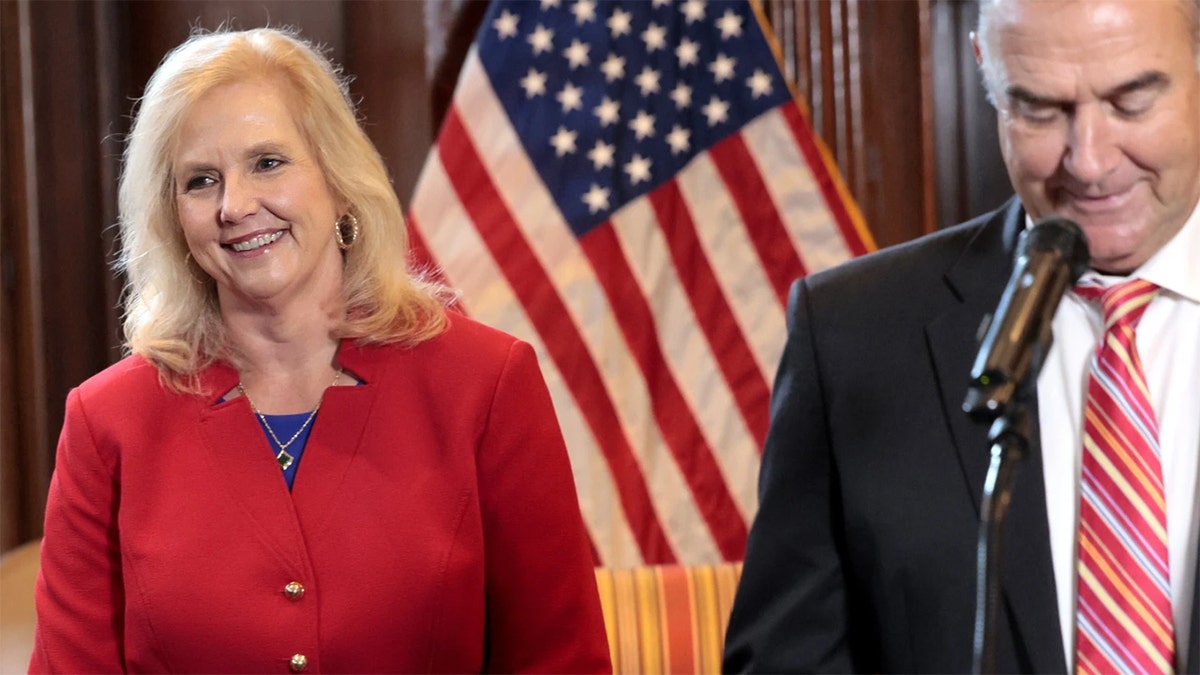
Then-U.S. Attorney Catherine Hanaway (left) speaks to reporters after Missouri Gov. Mike Kehoe (right) announced her appointment as the state’s next attorney general on Tuesday, Aug. 19, 2025, at the governor’s Capitol office in Jefferson City, Missouri. (AP Photo/David A. Lieb)
The AG’s office separately told Fox News Digital that Johnston admitted she knew Gutierrez’s immigration status for several years. The petition alleges Gutierrez is a citizen of Mexico who had been illegally present in the U.S. since 2019.
UTAH SUPREME COURT JUSTICE RESIGNS AMID PROBE INTO ALLEGED RELATIONSHIP WITH REDISTRICTING ATTORNEY
The petition also alleges Johnston knew Gutierrez’s whereabouts after he left Missouri, failed to disclose that information to law enforcement, visited him in Mississippi and vacationed with him in Florida. It accuses Johnston of transferring the title to her vehicle to Gutierrez in 2023 as well, and claims she «assisted» him in absconding from Ray County while knowing he had been accused of a sexual offense and was under criminal investigation.
Johnston’s attorney, Chad Gardner, did not immediately respond to Fox News Digital’s request for comment. Local reporting previously identified Gardner as Johnston’s attorney.

Federal agents arrest an illegal immigrant from Somalia. (Courtesy of ICE)
In addition to Johnston’s relationship with Gutierrez, the petition also accuses Johnston of maintaining a romantic relationship with a Ray County defense attorney who represented criminal defendants in cases prosecuted by her office, while allegedly failing to disclose the relationship or seek a special prosecutor in those cases.
The petition separately alleges Johnston had another romantic relationship with a man charged in a domestic-violence case, and was later disqualified from prosecuting that case after local law enforcement learned of the alleged relationship and sought a special prosecutor.
CLICK HERE TO DOWNLOAD THE FOX NEWS APP
Meanwhile, besides the improper relationships, Johnston allegedly «knowingly created» an atmosphere of fear and intimidation inside the Ray County Prosecuting Attorney’s Office by verbally berating staff and employees. The filing further alleges that a former employee learned Johnston was in a romantic relationship that could pose a conflict of interest, and that Johnston retaliated by firing the employee after learning they were aware of the relationship.
In each of the alleged relationships, the petition says Johnston recognized the impropriety but continued the conduct, withheld information about the relationships and «falsely denied the existence» of the allegedly compromising relationships when questioned.
Hanaway’s office said it stands by the allegations in the petition but could not comment on the possibility of criminal charges involving Johnston.
corruption crime, missouri, corruption, illegal immigrants, crime, politics, investigations, sex crimes, law
INTERNACIONAL
El régimen de Irán lanzó nuevos ataques contra instalaciones militares de EEUU en Jordania, Kuwait y Bahréin
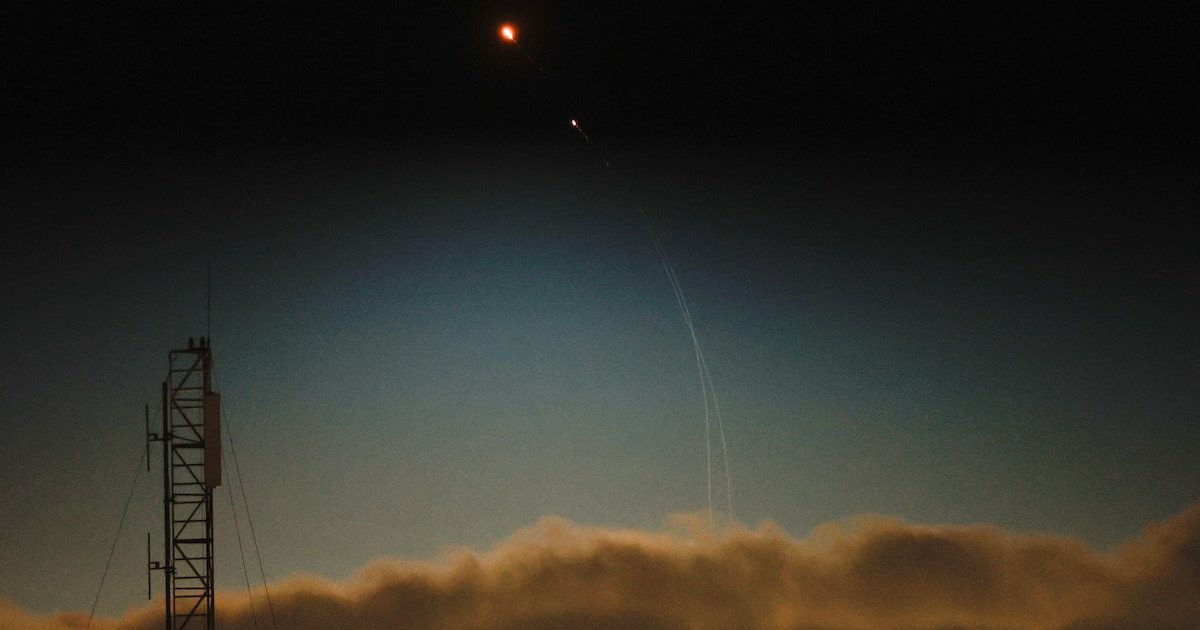
Irán atacó este martes instalaciones militares estadounidenses en Jordania, Kuwait y Bahréin y advirtió que lanzará ofensivas “más decisivas y potentes” contra Estados Unidos, en una nueva escalada del conflicto en Medio Oriente que también amenaza con extenderse al Mar Rojo tras el anuncio de los rebeldes hutíes de Yemen de bloquear los puertos de Arabia Saudita.
El ejército iraní informó que sus fuerzas alcanzaron sistemas de defensa aérea, instalaciones de radar y edificios administrativos utilizados por Estados Unidos en Kuwait y Bahréin, horas después de una nueva ronda de bombardeos estadounidenses contra objetivos iraníes.
La Guardia Revolucionaria sostuvo además que atacó e interceptó dos petroleros que, según su versión, “no cumplían con las normas” cuando intentaban atravesar el estrecho de Ormuz, uno de los principales corredores energéticos del mundo.
En un comunicado difundido por la agencia estatal IRNA, la fuerza militar iraní lanzó una nueva advertencia a Washington. “Con este barrido de radar, el enemigo debería prepararse para oleadas aún más decisivas y potentes de ataques con drones y misiles”, señaló.
La nueva ofensiva iraní llegó después de que Estados Unidos ejecutara el lunes por la noche ataques contra territorio iraní. Washington aseguró que esas operaciones estaban “diseñadas para degradar aún más las capacidades militares iraníes utilizadas para atacar el transporte marítimo comercial” en el estrecho de Ormuz.
La escalada militar se produce tras la muerte de al menos tres soldados estadounidenses en los últimos días. El presidente de Estados Unidos, Donald Trump, advirtió el lunes que Irán pagará “mucho más” por cada militar estadounidense fallecido.
Por su parte, el presidente iraní, Masoud Pezeshkian, afirmó que el conflicto ya se convirtió en “una guerra a gran escala”.
El Pentágono informó el lunes que cerca de 100 militares estadounidenses resultaron heridos desde el 7 de julio, la mayoría con conmociones cerebrales leves.
La situación también elevó la tensión en el estrecho de Ormuz. La Guardia Revolucionaria informó que dos buques cisterna que intentaban atravesar el paso marítimo “fueron alcanzados por explosiones, lo que provocó incendios masivos que los paralizaron”.
Previamente, la agencia británica de Operaciones de Comercio Marítimo (UKMTO) comunicó que un “proyectil desconocido” impactó contra un buque cisterna frente a las costas de Omán. Horas después, la organización reportó que otro petrolero en la misma zona también recibió el impacto de un proyectil.
El estrecho de Ormuz constituye una ruta estratégica para el comercio energético mundial, ya que en tiempos de paz transita por allí cerca de una quinta parte del petróleo comercializado en el planeta.
La guerra volvió a intensificarse después del fracaso del alto el fuego alcanzado en abril y del acuerdo marco negociado en junio. Tras ese colapso, Teherán restableció el bloqueo del estrecho de Ormuz y Washington respondió con un nuevo bloqueo sobre los puertos iraníes.

En paralelo, el conflicto amenaza con expandirse al Mar Rojo. Los rebeldes hutíes de Yemen, aliados de Irán, anunciaron que bloquearán los puertos saudíes, una decisión que podría afectar las exportaciones de petróleo de Arabia Saudita hacia Asia y alterar el suministro mundial de crudo.
Arabia Saudita condenó la amenaza de la organización yemení y calificó al grupo como la “milicia terrorista hutí”. Además, afirmó que “sigue apoyando al hermano pueblo yemení y a su gobierno legítimo”.
La semana pasada, fuerzas saudíes y combatientes hutíes intercambiaron disparos por primera vez en varios años, un episodio que puso bajo presión la tregua vigente desde 2022. Hasta entonces, los rebeldes se habían mantenido en gran medida al margen del conflicto abierto entre Irán, Israel y Estados Unidos desde finales de febrero.
Aunque Arabia Saudita continúa exportando millones de barriles diarios a través del puerto de Yanbu, sobre el Mar Rojo, los mercados energéticos mantienen la atención sobre una eventual interrupción de esa ruta. Los precios internacionales del petróleo subieron el lunes hasta su nivel más alto en un mes antes de moderarse durante las primeras horas del martes.
Durante los últimos meses, operadores y analistas siguieron de cerca la posibilidad de que los hutíes retomaran los ataques contra buques comerciales en el Mar Rojo y el golfo de Adén, como ocurrió durante la guerra de Gaza. El grupo, sin embargo, no precisó de qué manera aplicará el bloqueo anunciado contra los puertos saudíes.

Mientras continúan los enfrentamientos militares, permanecen abiertos algunos canales diplomáticos. El portavoz del Ministerio de Asuntos Exteriores de Irán, Esmaeil Baqaei, aseguró que los contactos con Washington por medio de mediadores siguen en marcha.
En ese contexto, el Ministerio del Interior de Pakistán informó que el ministro del Interior iraní, Eskandar Momeni, inició una visita de dos días a Islamabad, donde tiene previsto reunirse con el primer ministro Shehbaz Sharif y con el jefe del Ejército paquistaní, Asim Munir.
También este martes, el presidente del Líbano, Joseph Aoun, tiene previsto reunirse con Donald Trump en Washington en medio de la presión internacional para que Beirut avance en el desarme de Hezbolá, una de las principales condiciones planteadas por Israel para retirar sus tropas del sur del Líbano.
(Con información de AFP)
Domestic Politics,War,Middle East,Government / Politics,Military Conflicts

Carrefour liquida camperas y chalecos seleccionados a $24.990 por tiempo limitado

Lionel Scaloni volvió a hablar sobre su futuro en la selección argentina tras la final del Mundial ante España

¿Puede ganar en primera vuelta? La hazaña que busca Javier Milei y que desafía a las estadísticas electorales

El doloroso anuncio del Dibu Martínez que ningún argentino quería escuchar tras perder el Mundial: «Es momento de dar un paso al costado»

Infantino debe irse, está destruyendo el fútbol

Córdoba, la capital nacional de los “votos huérfanos”, donde Massa y Milei libran la batalla final

Rubio’s call to combat global funders of far-left terrorism could put Singham in crosshairs

Sismo de 7.4 sacude a Guatemala: Autoridades declaran alerta anaranjada por daños y descartan tsunami

Canales para ver EN VIVO el San Lorenzo vs. Deportivo Riestra por la Copa Argentina

Rogelio Frigerio presentó un seguro multirriesgo con un fondo de USD 1 millón para el maíz en Entre Ríos

 POLITICA1 día ago
Sin la Copa y sin Messi en el avión, vuelve Tapia y deberá enfrentar tres frentes de tormenta tras la pausa del Mundial
- INTERNACIONAL3 días ago
Estados Unidos cambia una regla histórica del jugo de naranja vigente desde 1963 y afecta a toda la industria
- DEPORTE3 días ago
Cómo va el historial entre la Selección Argentina y España, y cuántas veces se enfrentaron en mundiales